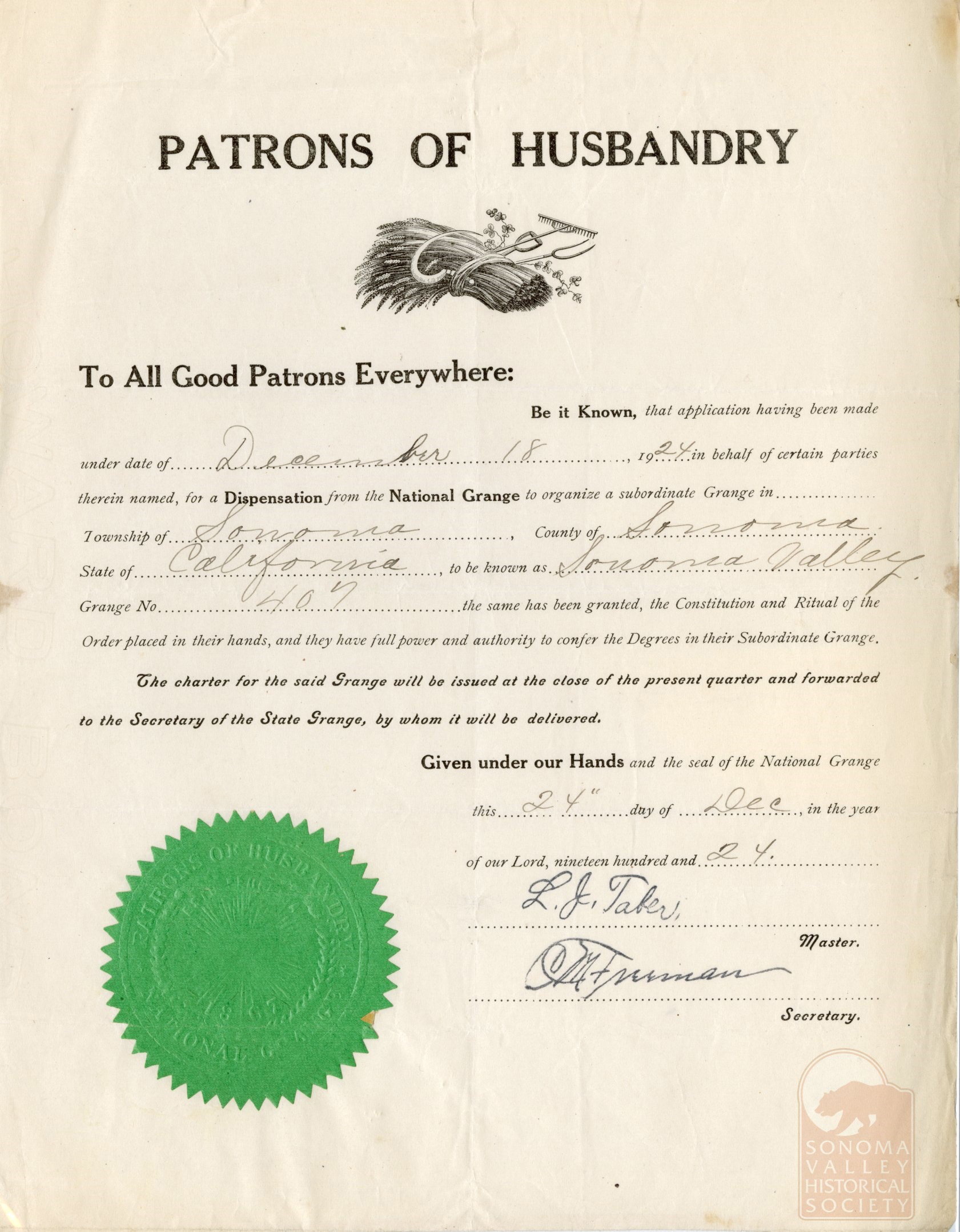
2024 is the Centennial Year of Sonoma Valley Grange #407
The Grange was founded in Washington D.C. in 1867 to advocate for farmers. America became less rural, and the Grange evolved into a general community service organization.
On May 6, 1924, some residents of Sonoma Valley met with the Master of the Sebastopol Grange in the Sonoma High School auditorium to organize a Grange for the Valley. The event was important enough to be reported on the front page of the Index Tribune. The IT devoted several paragraphs to the historic accomplishments of the Grange nation-wide, ending by pointing out “one of its grandest achievements is the establishment of rural mail delivery and parcel post in all sections of the country…to publicly proclaim that if it was right for the government to carry mail to the homes of people in the cities, it would be right for it to carry mail the homes of people in the country…” It’s important to notice that things we take for granted had to be advocated for in the past. This kind of advocacy is at the heart of the purpose of the Grange.
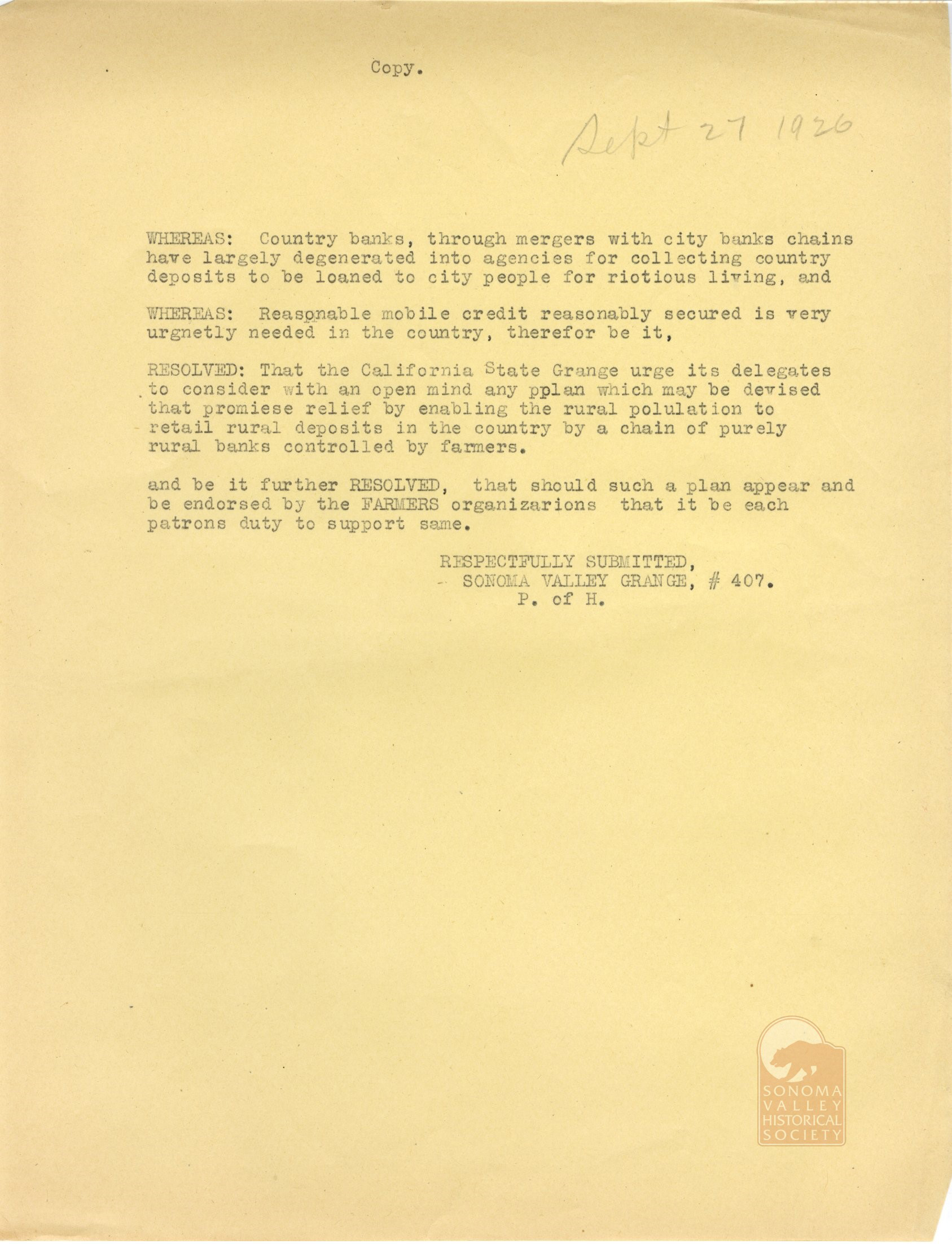
One of the main functions of the Grange is to lobby elected representatives on issues relevant to farmers (and community wellbeing in general.) This is done by issuing resolutions. In 1926, Grange #407 resolved, “Whereas: Country banks, through mergers with city banks chains have largely degenerated into agencies for the collecting country deposits to be loaned to city people for riotous living(!) Resolved: ” that “ the California State Grange urge its delegates to consider with an open mind any plan…” to create, “a chain of purely rural banks controlled by farmers.” This shows how radical the Grange was in those days.
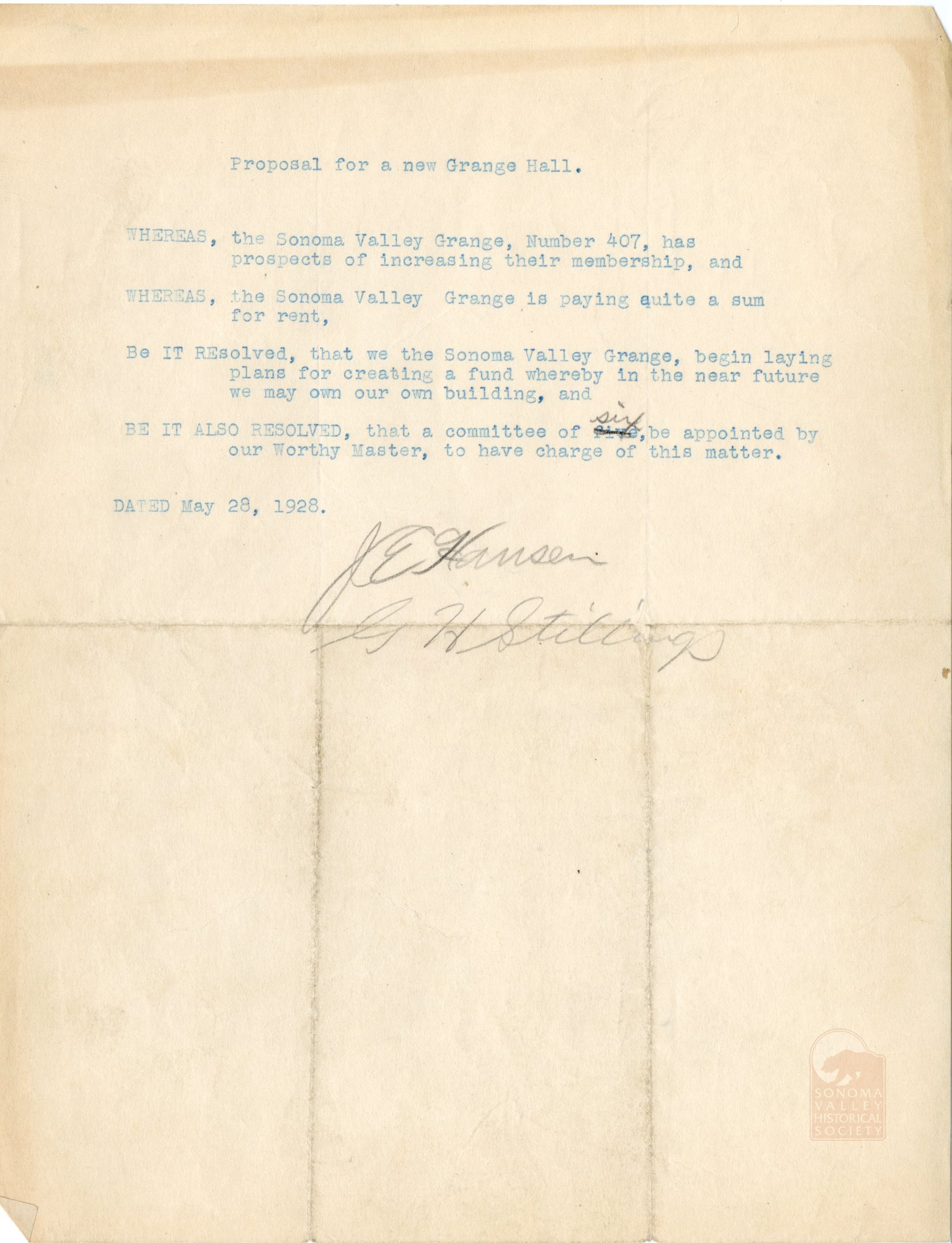
By 1928 the membership put forth a “Proposal for a new Grange Hall,” stating, in part, “Whereas, the Sonoma Valley Grange, Number 407, has prospects of increasing their membership, and, Whereas, the Sonoma Valley Grange is paying quite a sum of rent, Be it Resolved, that we the Sonoma Valley Grange, begin laying plans for creating a fund whereby in the near future we may own our own building….”
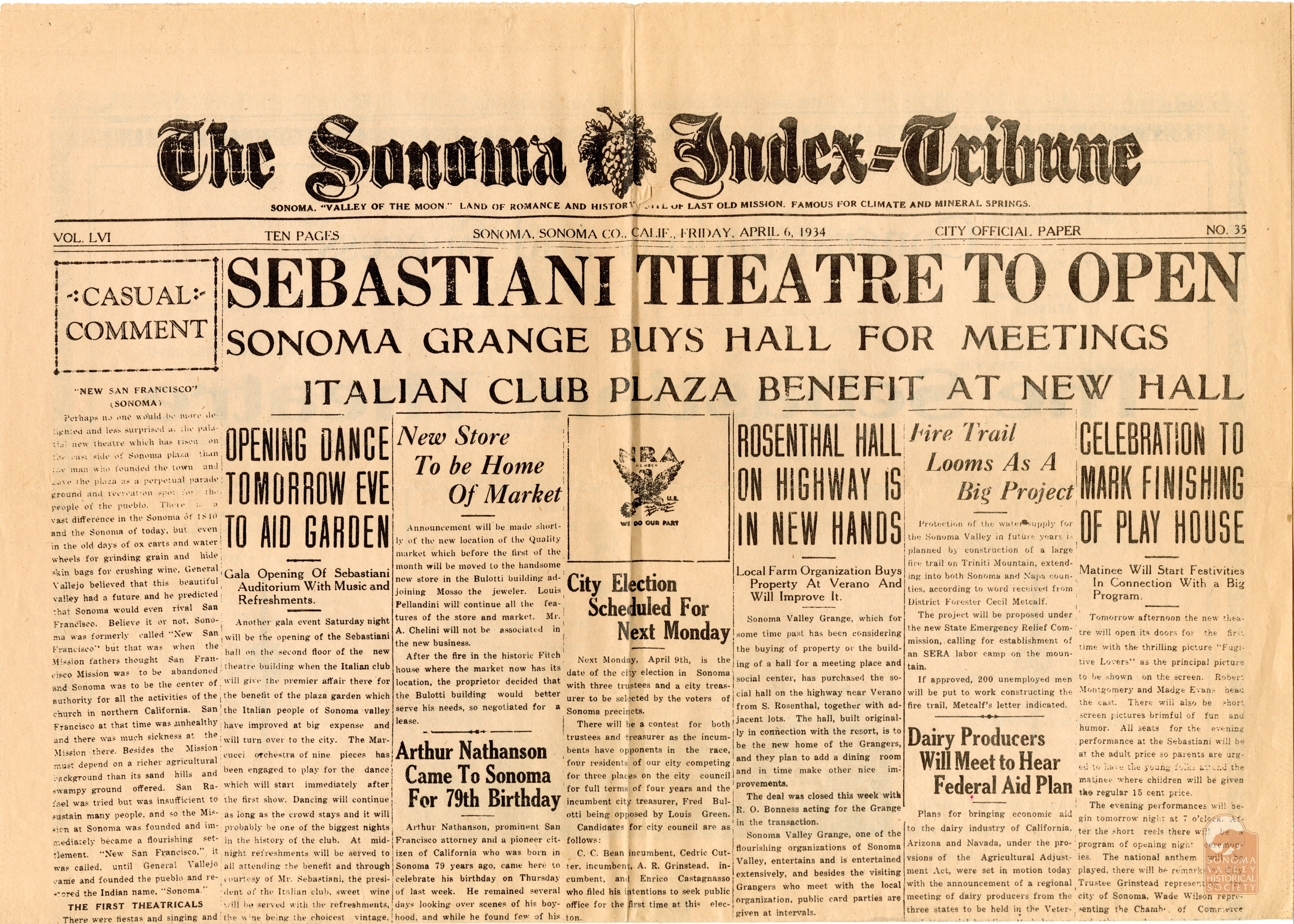
It took a while. It wasn’t until 1934 that the Grange was able to buy the building on Sonoma Highway from Selig Rosenthal. The IT reported on the front page, on April 6, 1934, that Grange #407 had “purchased the social hall on the highway near Verano from S. Rosenthal…The hall, built originally in connection with the resort (Rosenthal’s), is to be the new home of the Grangers, and they plan to add a dining room and in time make other nice improvements” which they proceeded to do during the next few years.
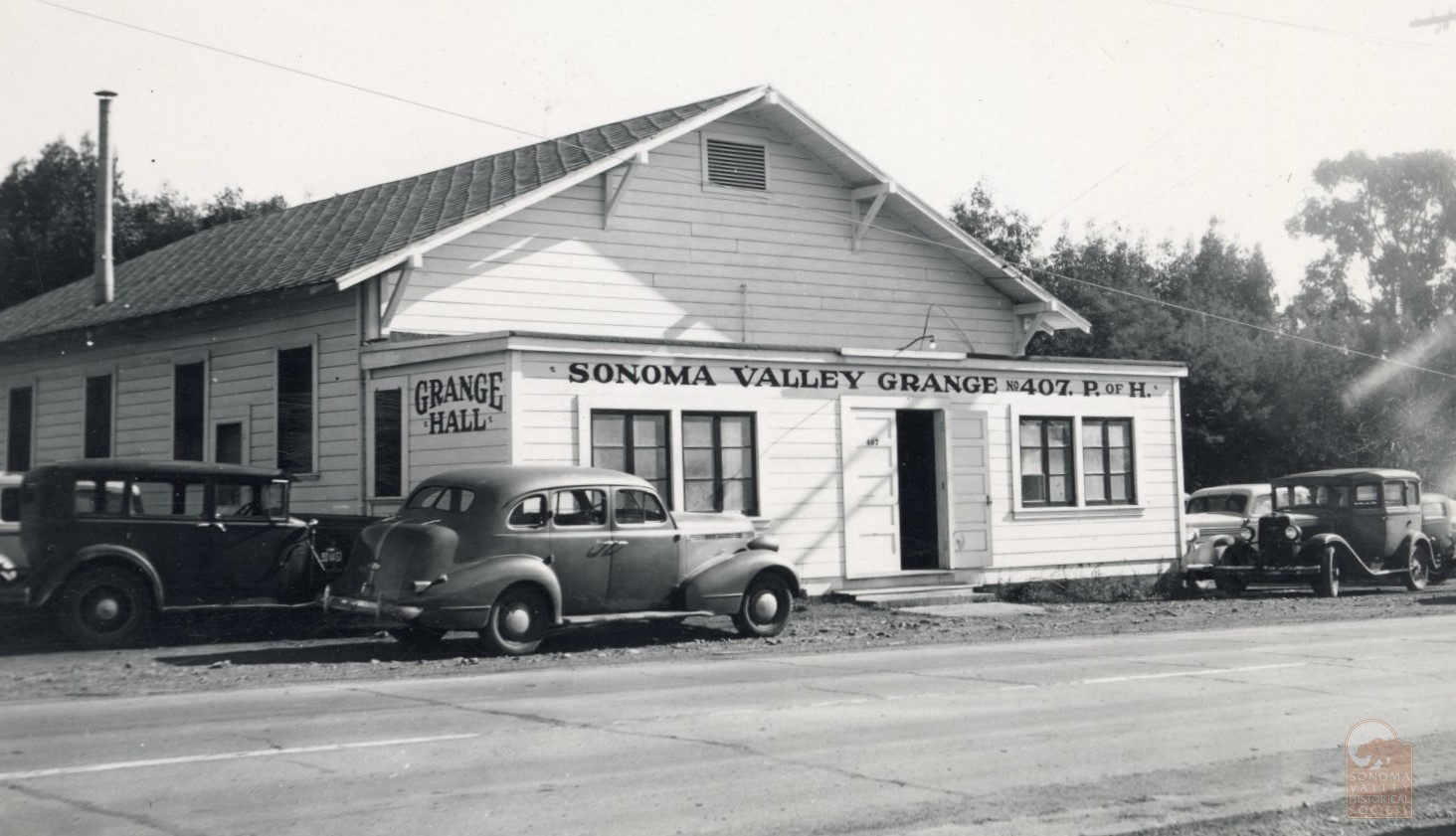
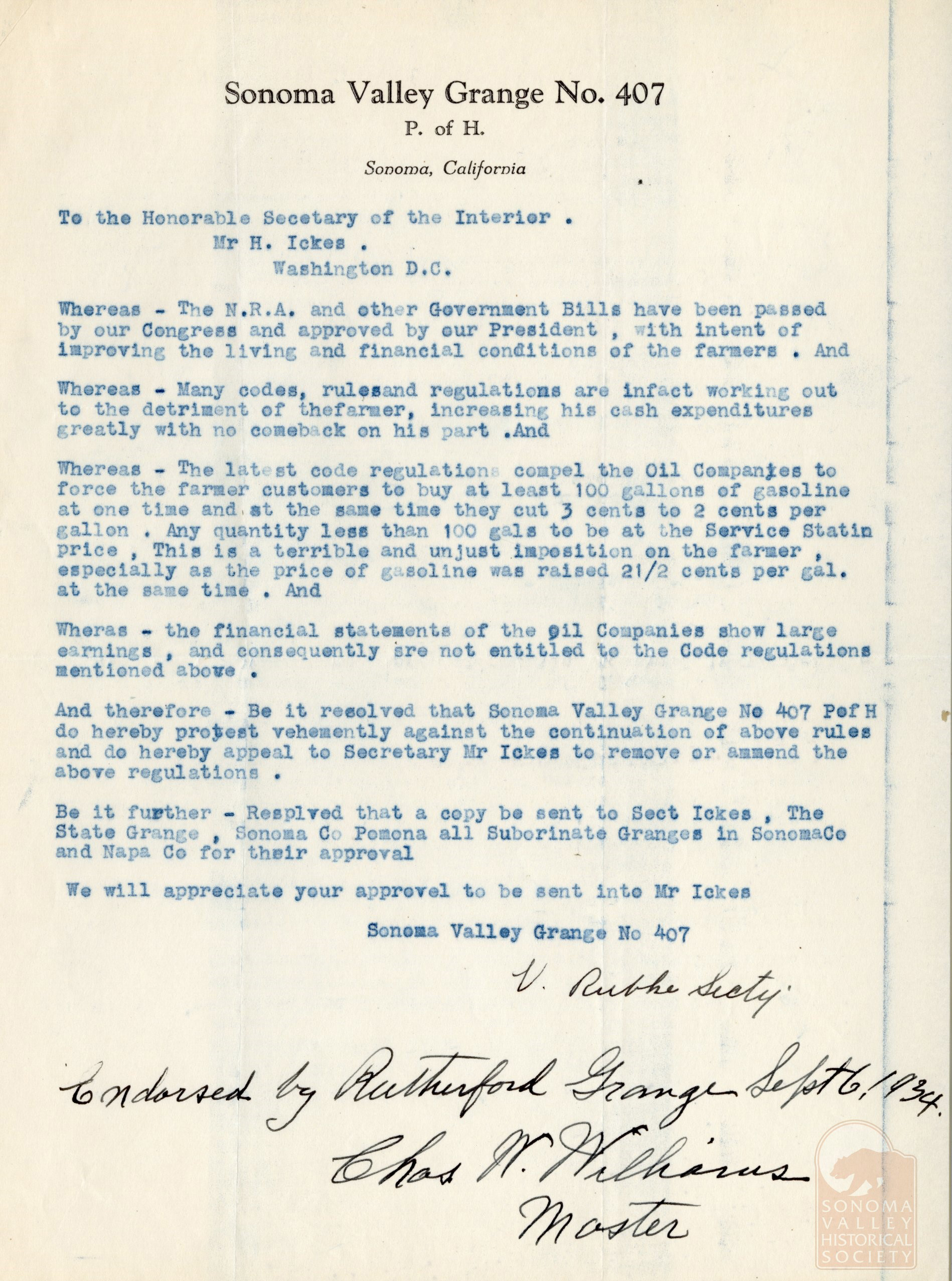
1934 was the middle of the Great Depression. In that year Grange #407 wrote a letter to the Secretary of the Interior, Harold Ickes, protesting a National Recovery Administration regulation requiring farmers to buy a minimum of one hundred gallons of gasoline to receive a lower price. “The financial statements of the oil companies show large earnings,” they stated, and they resolved that they “they protest(ed) vehemently” against the regulations.
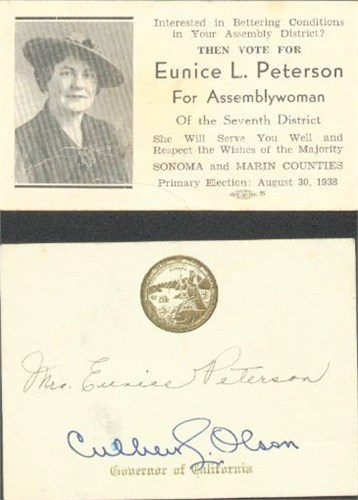
Beginning with its founding in 1867, women were prominent in Grange leadership, serving as presidents (masters), secretaries, and treasurers. Eunice Peterson , a charter member and past master (president) of the Sonoma Valley Grange, was the first woman to serve on the Sonoma-Marin Fair board in 1940 and 1941 and ran for state assembly in 1938.
During the 1940s Grange 407 remained active, and progressive, in political matters. In that year, at a Six County conference held at the Rutherford Grange Hall, the members resolved,
“Whereas: the present war hysteria has encouraged reactionary groups to violate the civil rights of religious and political minorities. And Whereas: unlawful action of this sort was the first step toward the complete loss of freedom in the countries now ruled by dictators. Therefore, Be It Resolved: that the Grange members here assembled, go on record as strongly opposed to these extra-legal practices, and we demand that our law enforcement officers give to theses minorities the full protection guaranteed to them under the Bill of Rights in Constitution of the United State of America.”
This sounds eerily relevant today.
Appropriate to the Grange radical tradition, in 1952 the California State Employees Union Local 14 met at the Hall. Executive Secretary Richard L. Rumage “lashed out at the use of what he termed “labor spies” in state hospitals…” but the Grange was always also about family and tradition. In May of 1950 the Home Economics Club of the Grange held, at its monthly luncheon, a special Mother’s Day program honoring the oldest mothers present, Mrs. Susy Musanti, 84, and Mrs. Aline Lourdeaux, 85.
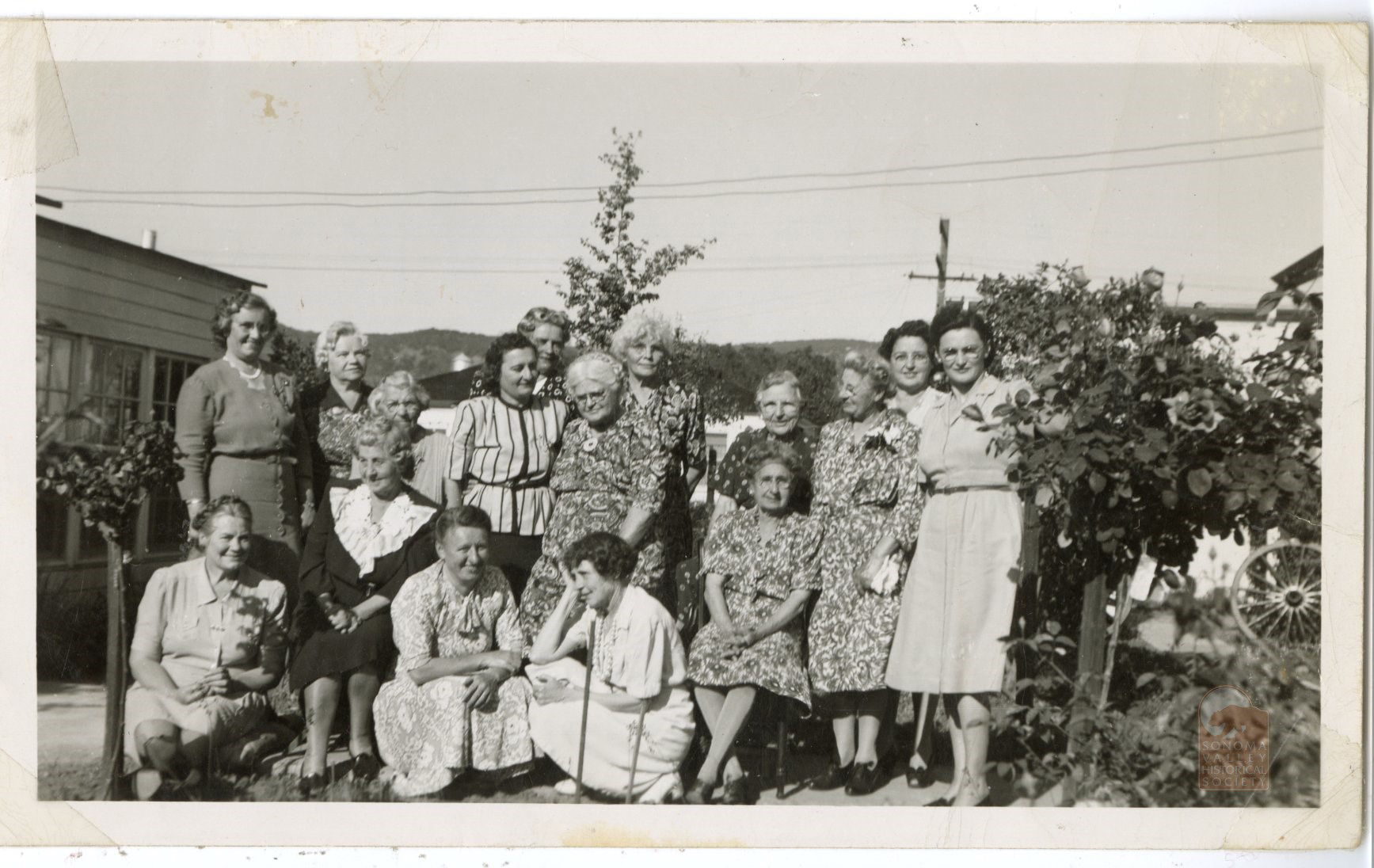
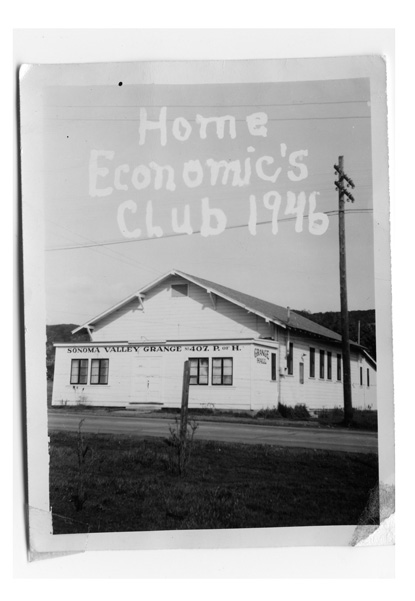
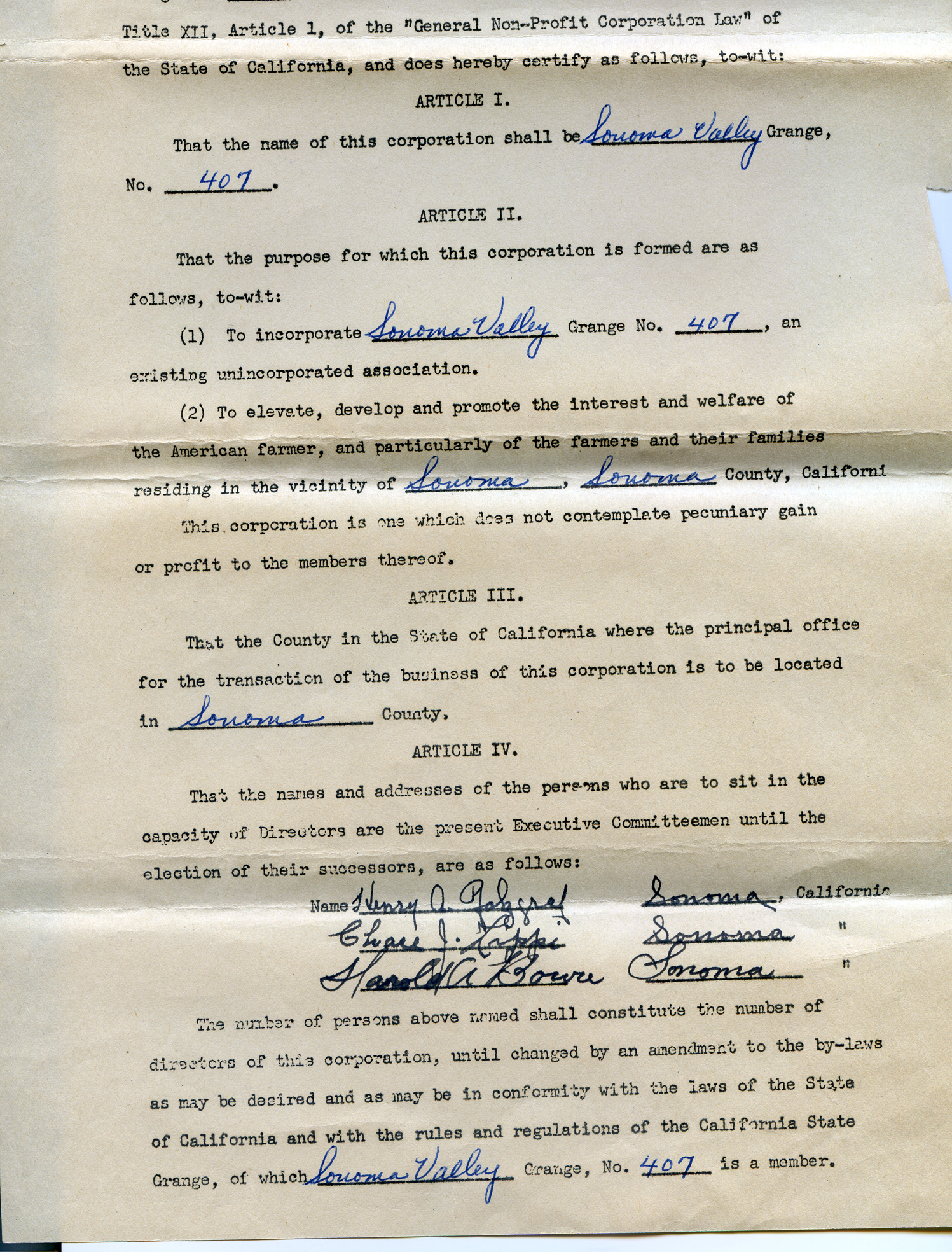
In 1948 Grange #407 incorporated as a “general nonprofit corporation.”
In 1975 Grange #407 celebrated its 50th anniversary at the hall. “Arnold Griewe was master of ceremonies for the evening. Singing and gymnastics (!) by Lisa Lanning and Julie Griewe were performed for the 120 in attendance,” the Index Tribune tells us. Past masters Florence Sullivan, Ernie Semino, John Spraks Myrtle Bowie and Clarence Jenkins were honored.
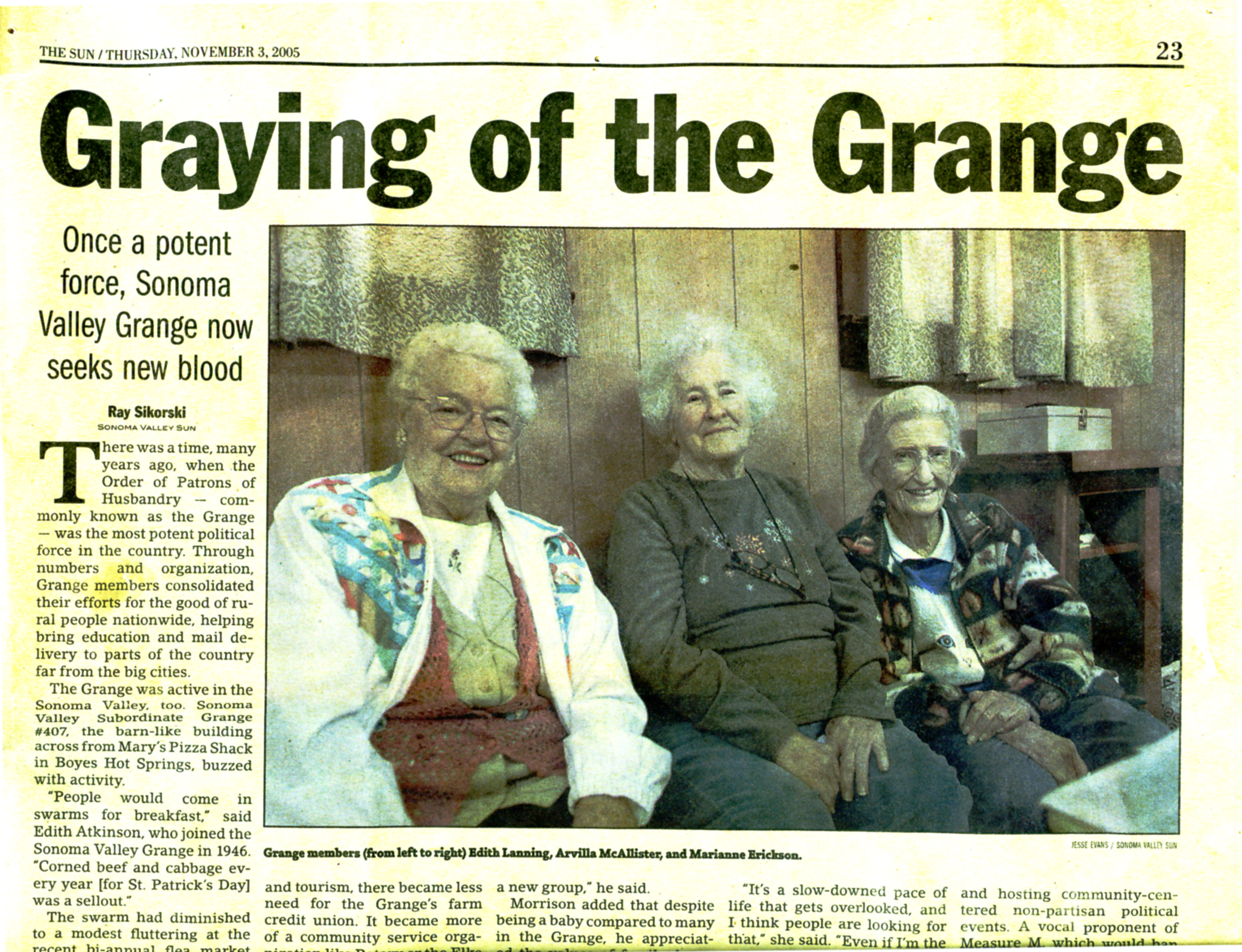
The organization prospered into the 1980s, putting on pancake breakfasts, flea markets, and serving as a polling place, among many other events and functions. However, like Granges all over the country, the membership began to dwindle and age. In 2005 the Index Tribune published an article under the headline, “The Graying of the Grange,” interviewing older members Edith Lanning, Arvilla MacAllister, and Marianne Erickson. Just a few years later,some younger folks, with interests in wine and food and community building, joined and revitalized the organization, much to the delight of the old timers.
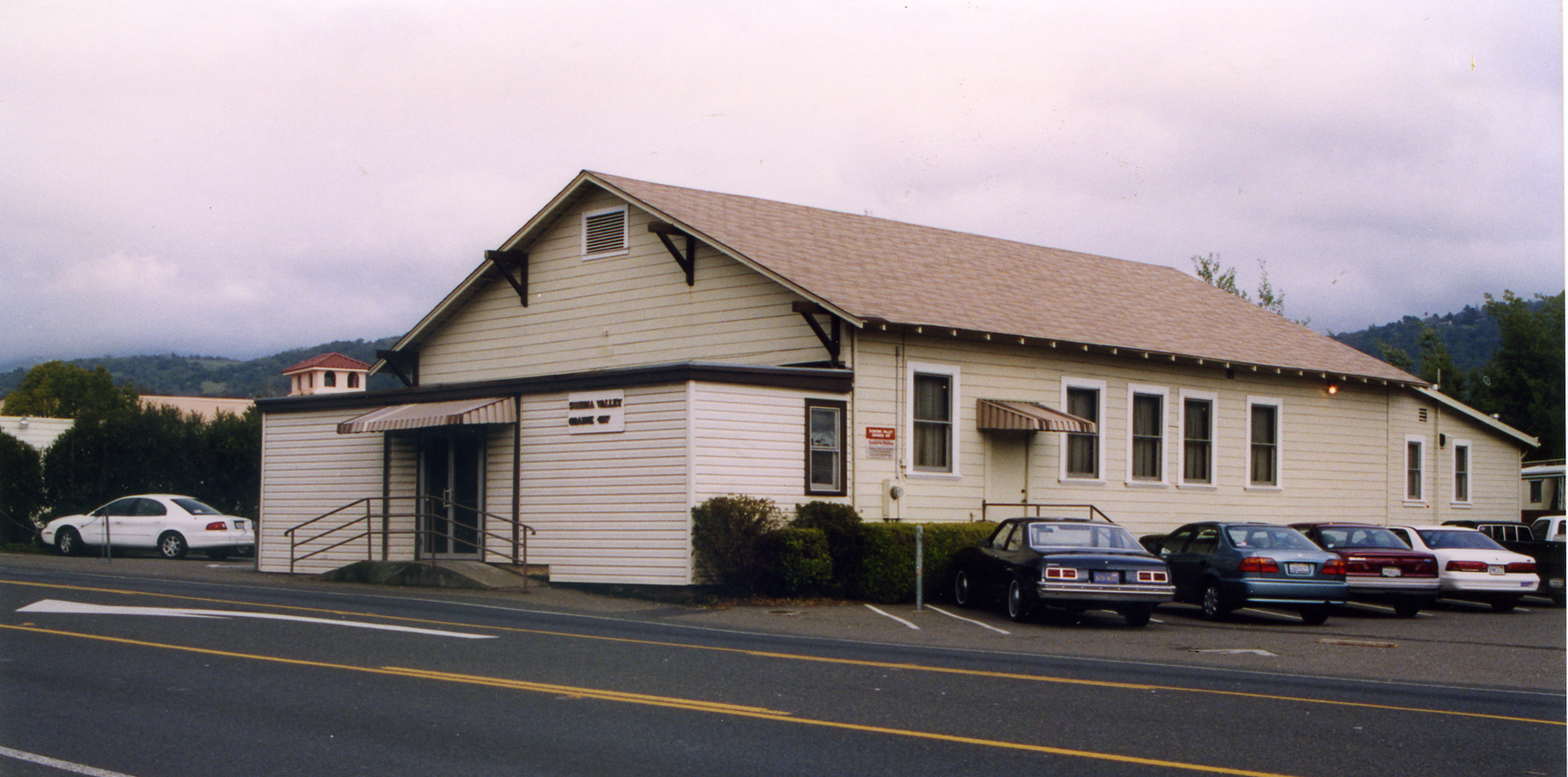
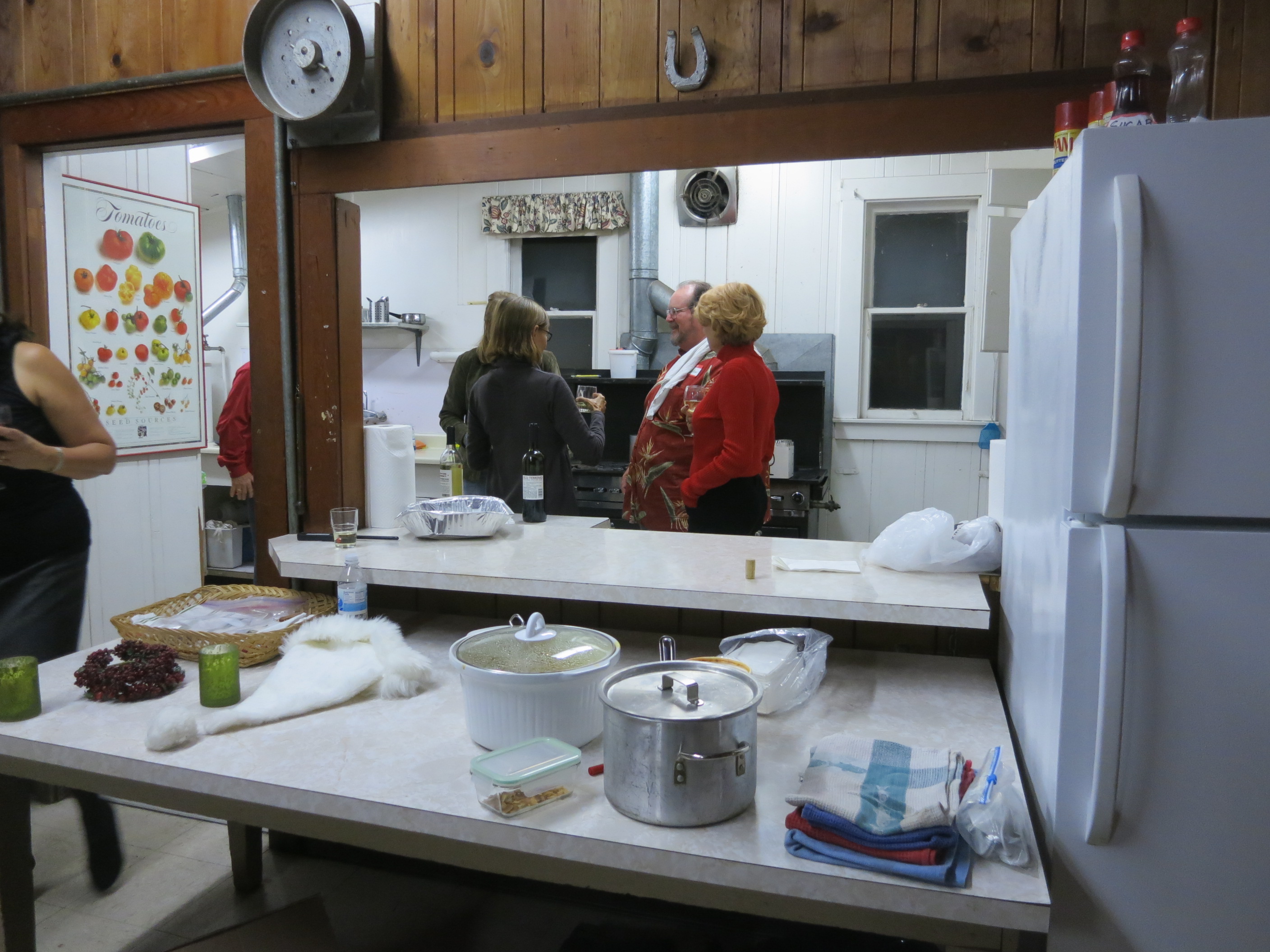
A major building project, partially funded by generous donors and the local Rotary Club, produced new ADA compliant restrooms, and a new commercial kitchen, vastly improving the usefulness of the Hall. The hall continued to be a popular rental venue, especially for the Hispanic community, as it hosted many a quinceañera and baby shower.


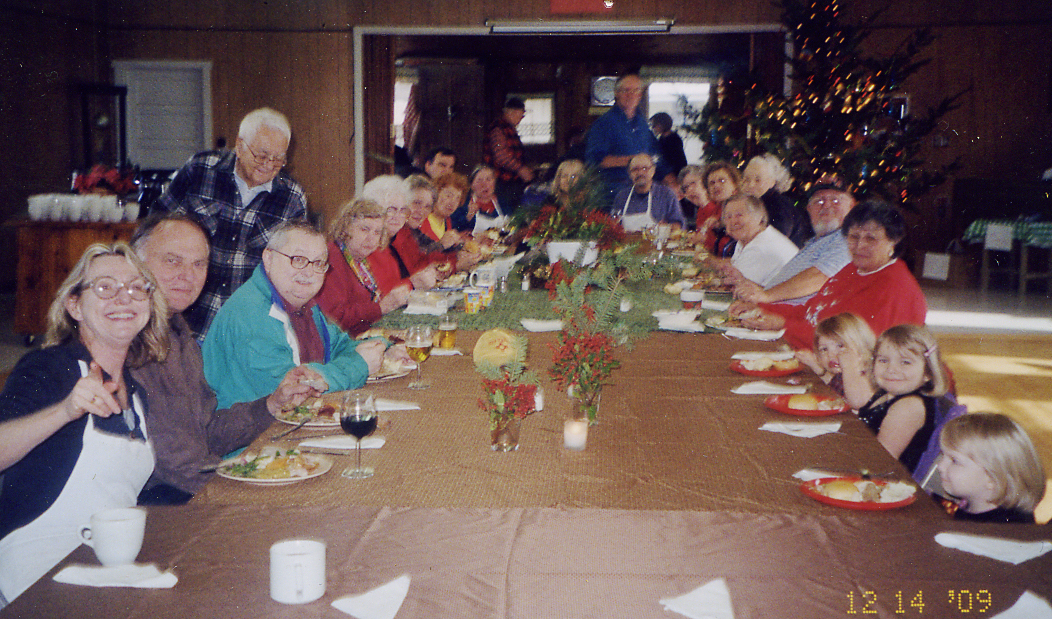
Fun at the Grange!
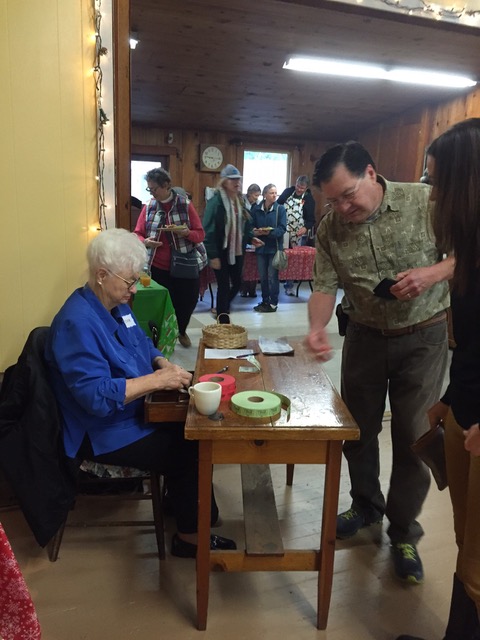

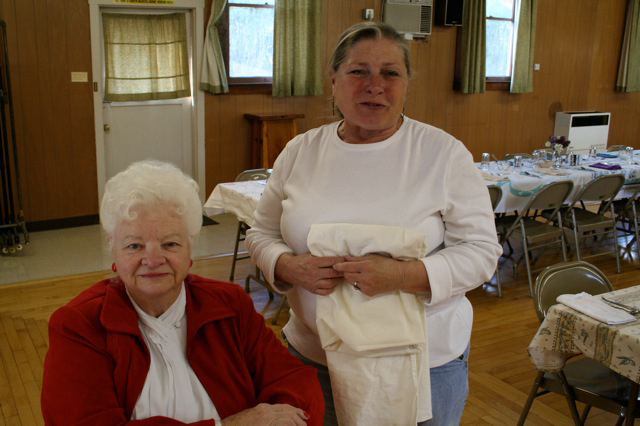
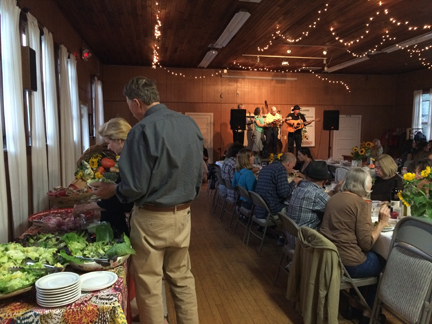
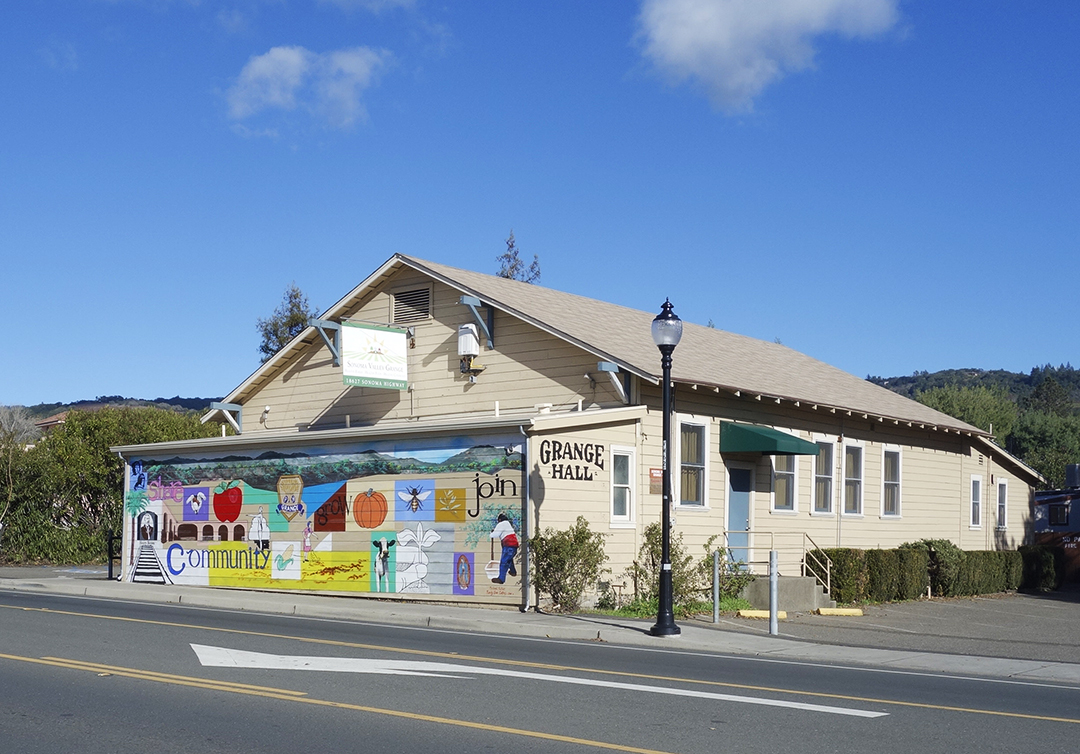
Your humble correspondent has been a member since 2008, and served a president for a number of years. He also designed the mural (seen in the very first photo), which was painted in 2010 by Randy Sue Johnson, with funds provided by a County Redevelopment Façade Improvement grant.
Some other things needed updating:

Index Tribune, documents and photos courtesy of the Sonoma Valley Historical Society. Other photos by author.
 springs museum