The Plaza Center Building was built in stages between 1951 and 1958. The first stage was built with the graceful curve which followed the property line. The second fronted Highway 12 next to the first one. They were separated by a narrow alleyway. (The third stage was the building occupied by the Post Office today.)
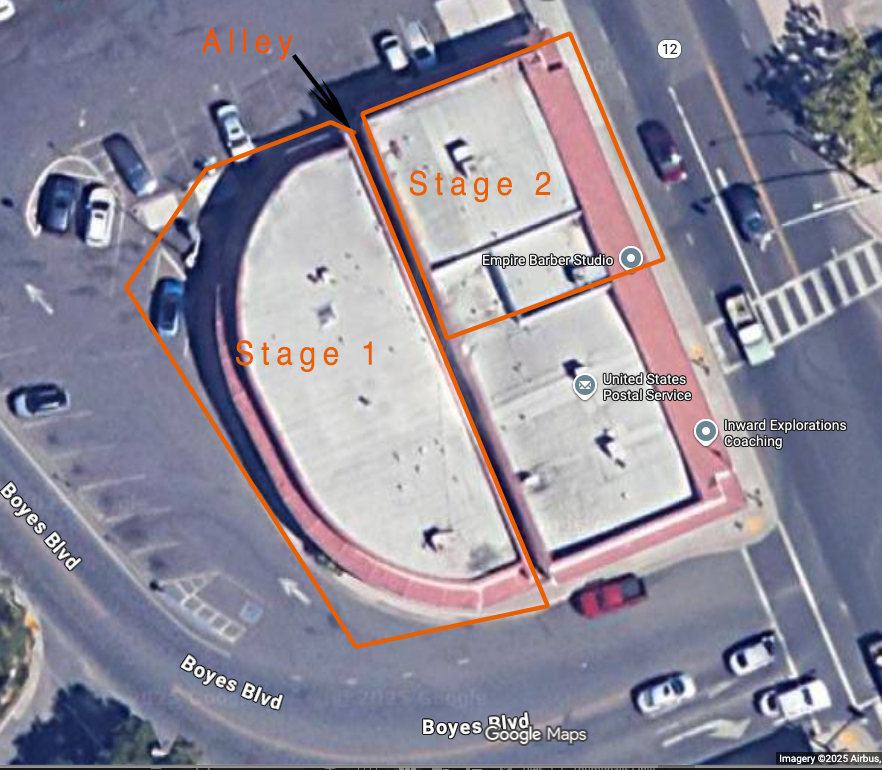
At the north end of this alley we find a healthy looking toyon (heteromeles arbutifolia), a native plant. According to Calscape “Toyon is a prominent component of the Coastal Sage Scrub plant community, and is a part of drought-adapted Chaparral, Mixed Evergreen Forest and Oak Woodland habitats.” Also “The flowers attract butterflies and other pollinators. The berries are eaten by many birds, including Mockingbirds, American Robins, and Cedar Waxwings. Mammals including coyotes and bears also eat and disperse the berries. For humans, the berries are edible after cooking, or drying and crushing, in order to break down the small amounts of cyanogenic glycosides. Indigenous People use the berries to make cider, and a granular sugar.”
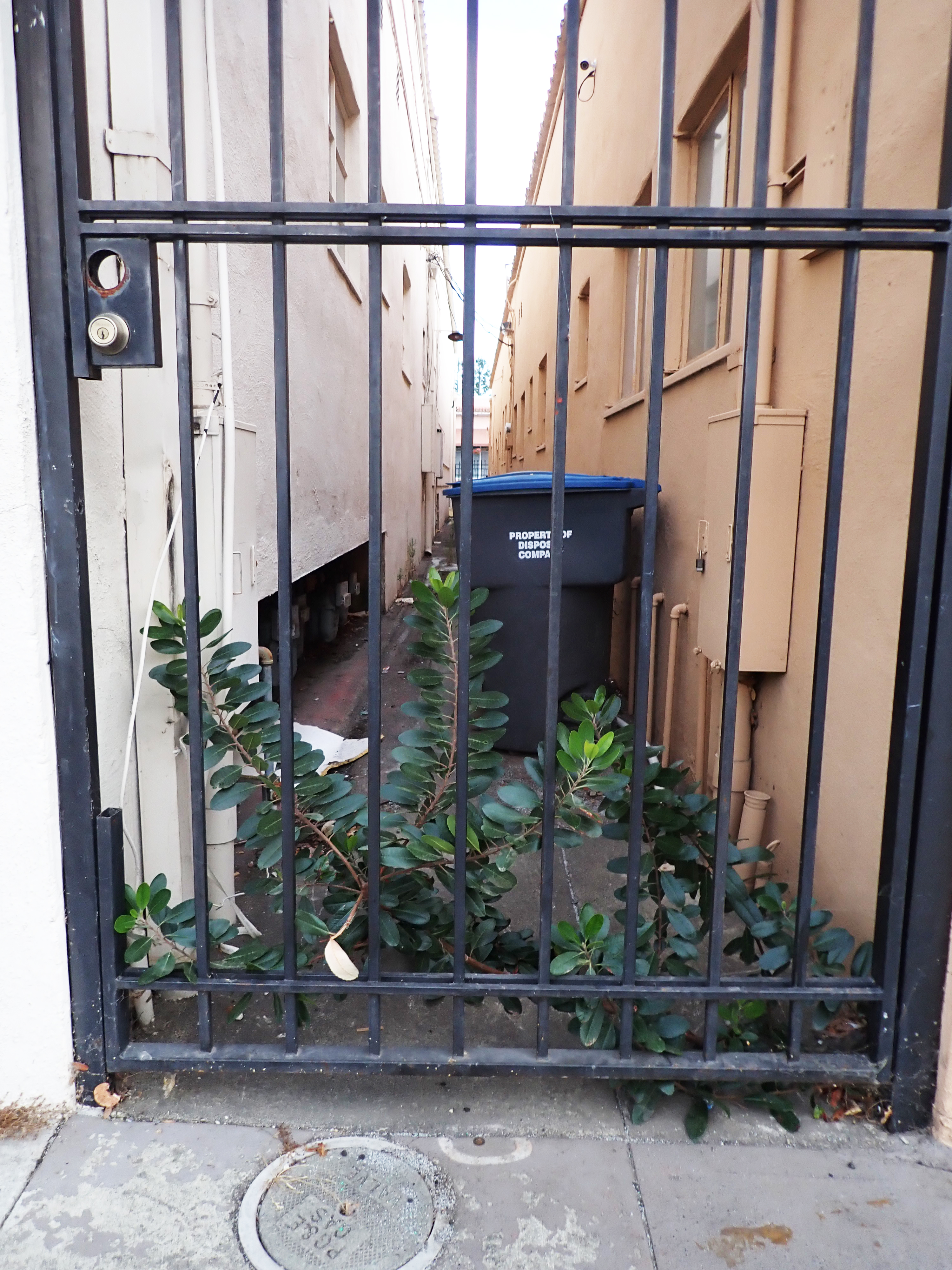
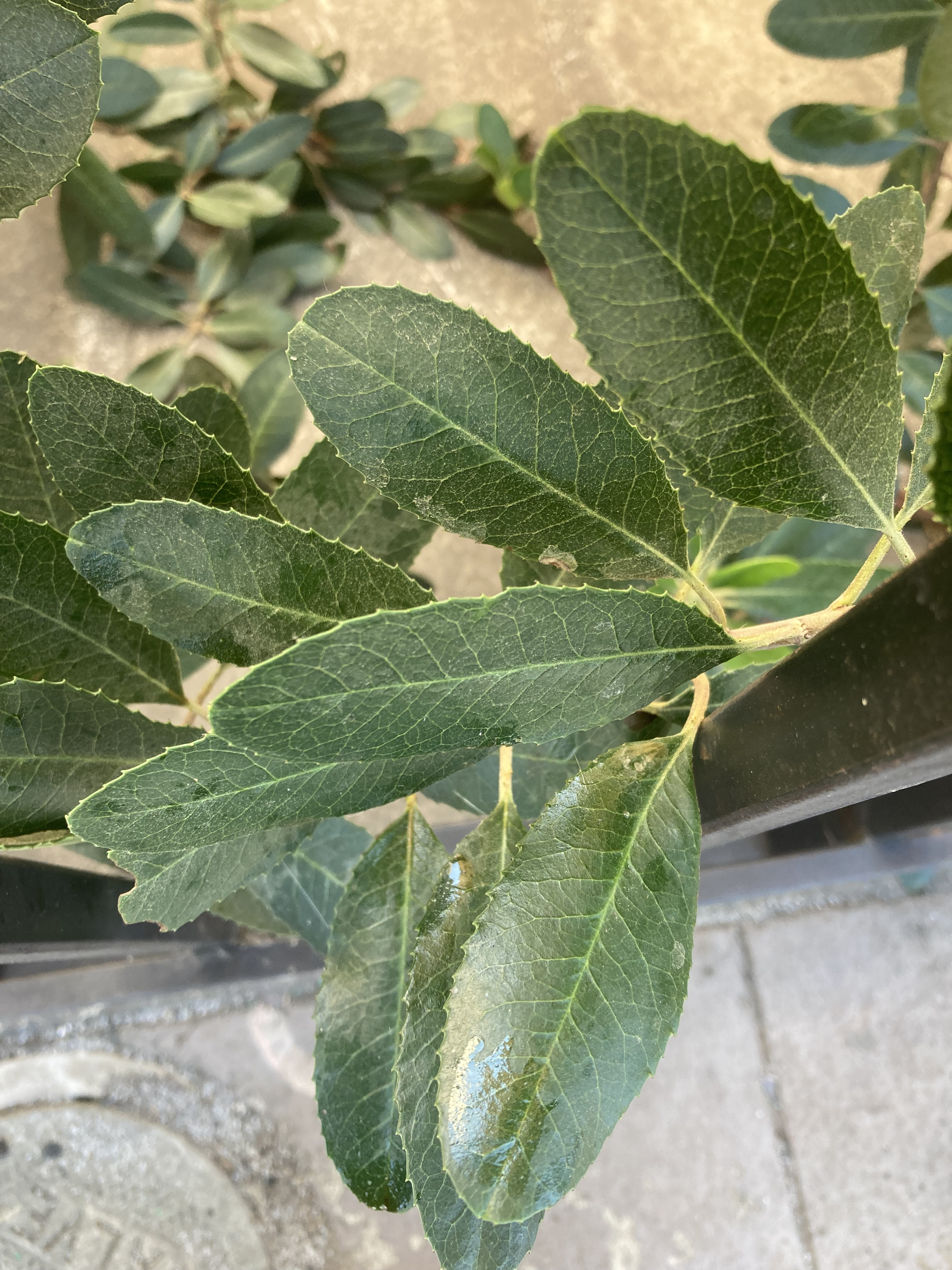
A Neighborhood Phenomenon for sure. Waste space occupied by a native plant, and one that was important to the Indigenous people of California. Located just a few feet from the original geothermal water source, probably used by local Indians, it’s healing properties well known to them, it is a link to that 10,000 year-long pre-contact history of the area. Also, anything that’s good for Cedar Waxwings is OK by me!
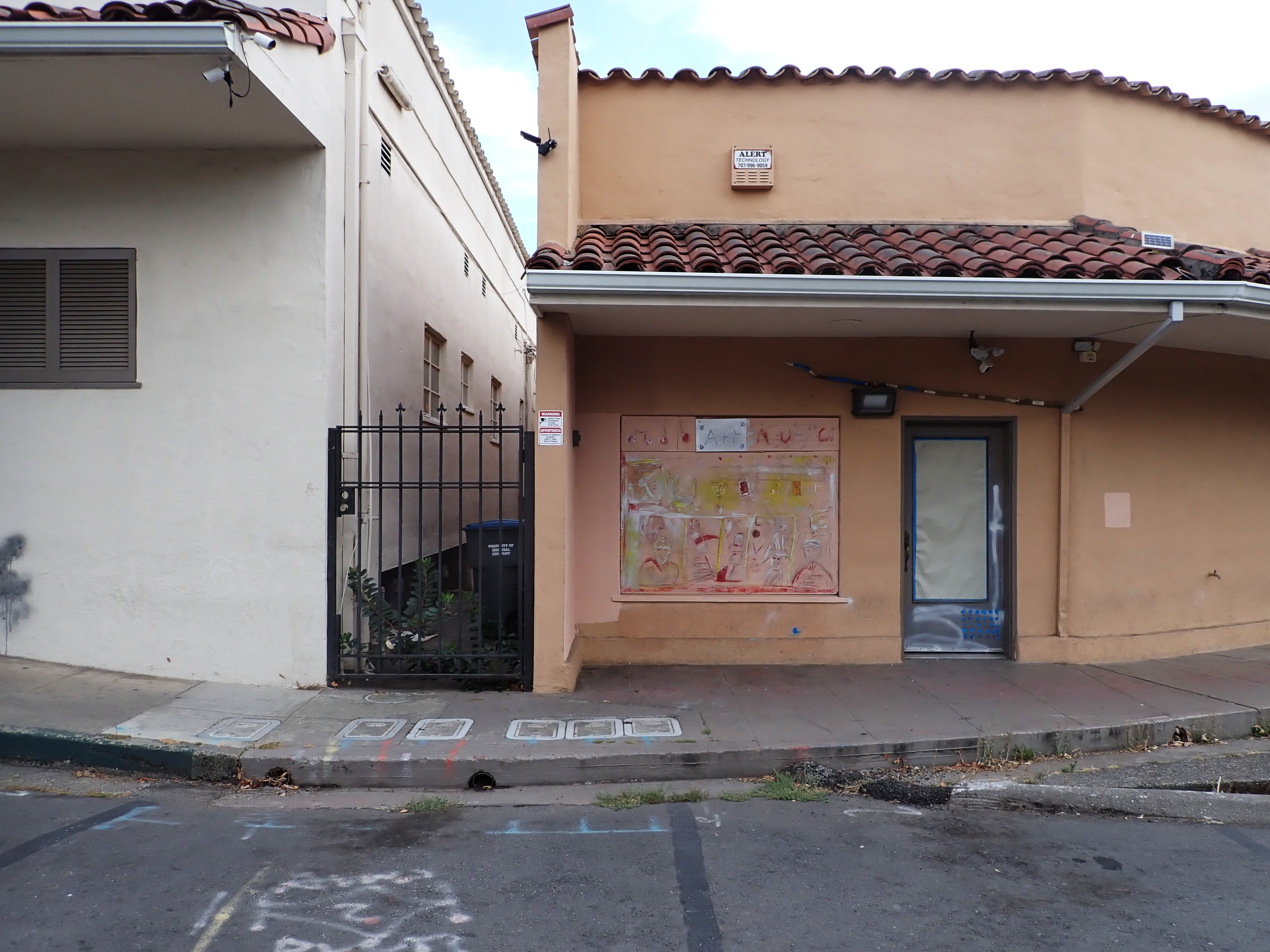
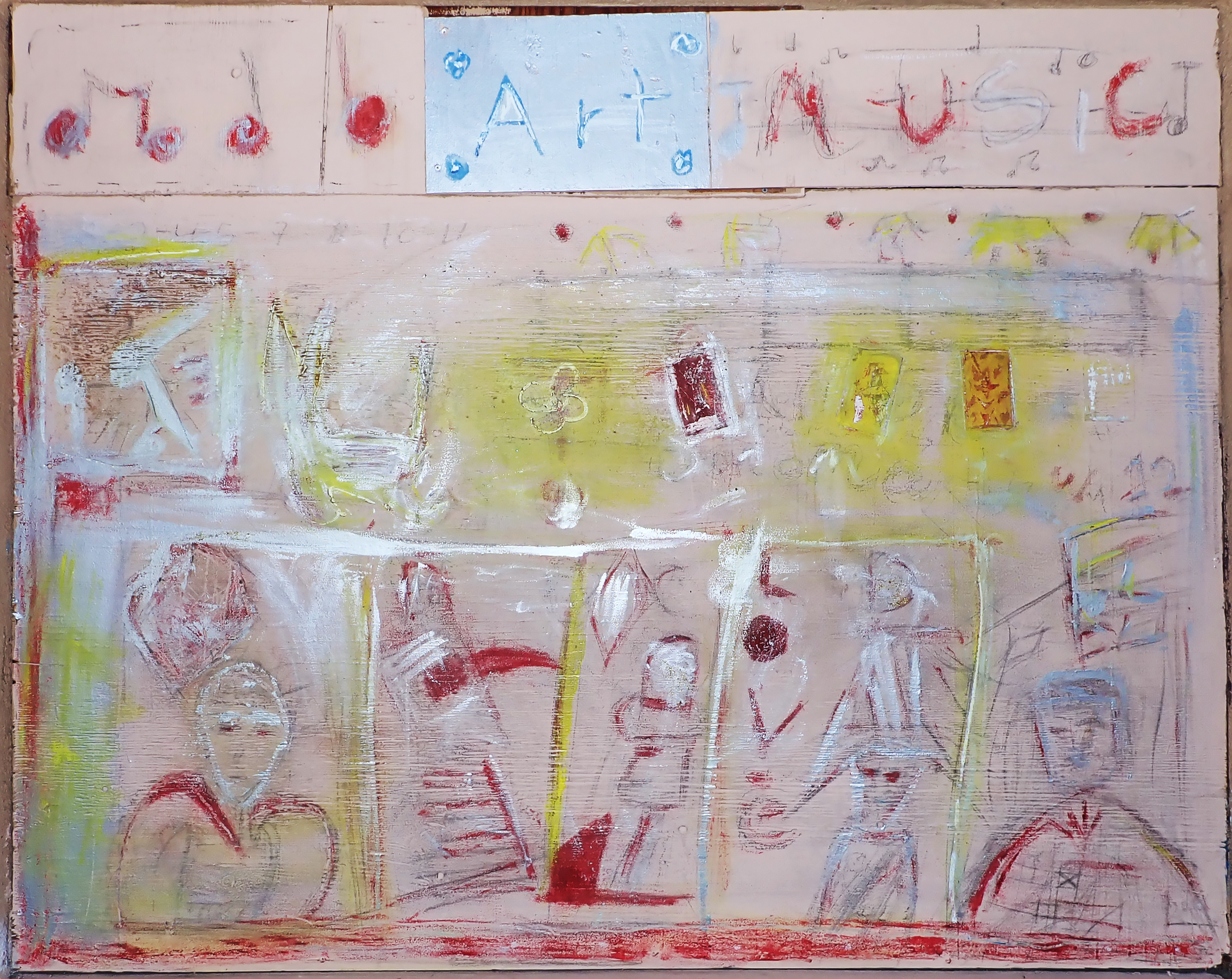
Immediately adjacent, some spontaneous street art, which should serve as a strong suggestion for what to do with the rest of that building, which is currently more than half empty.
 springs museum