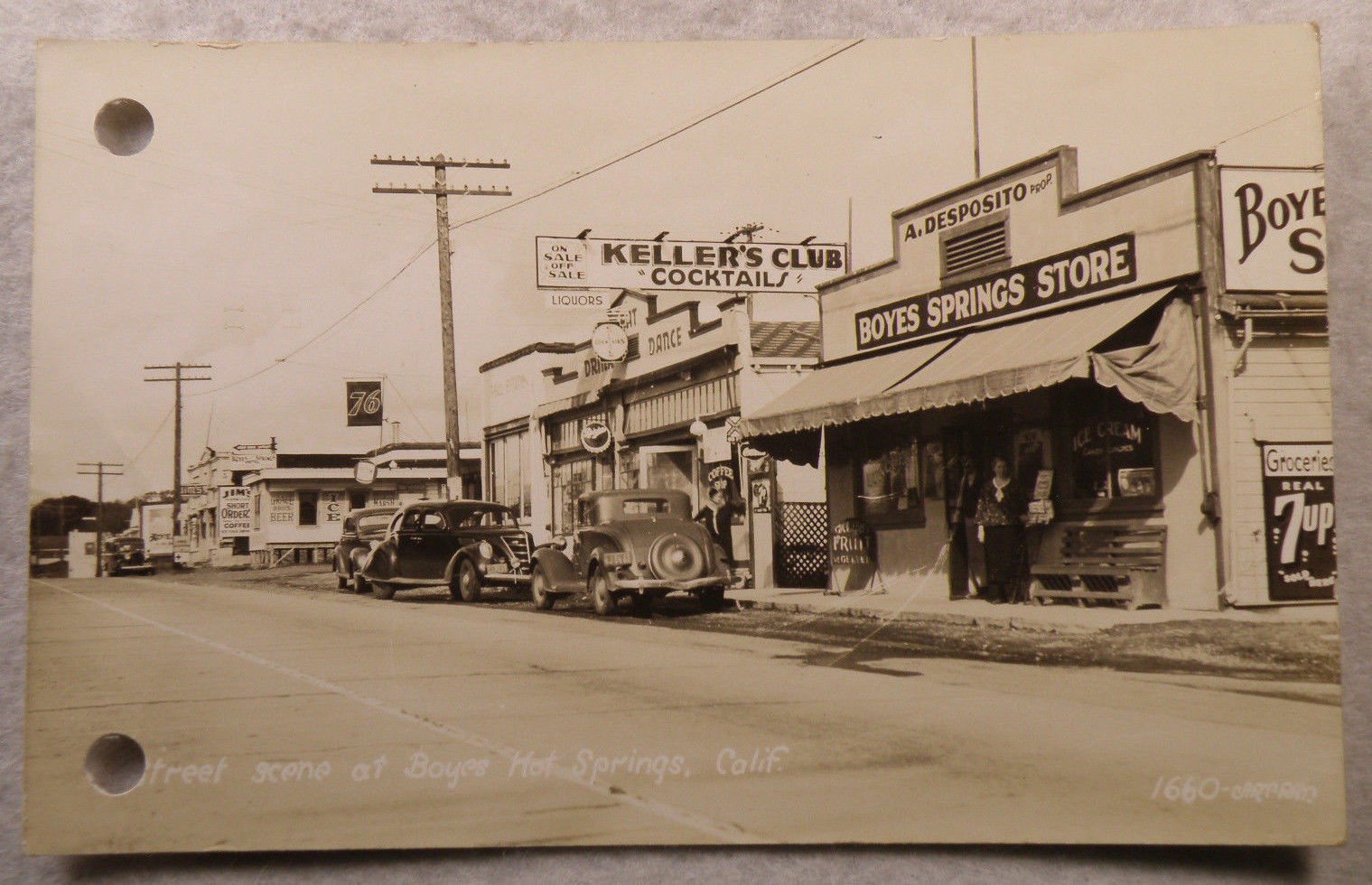
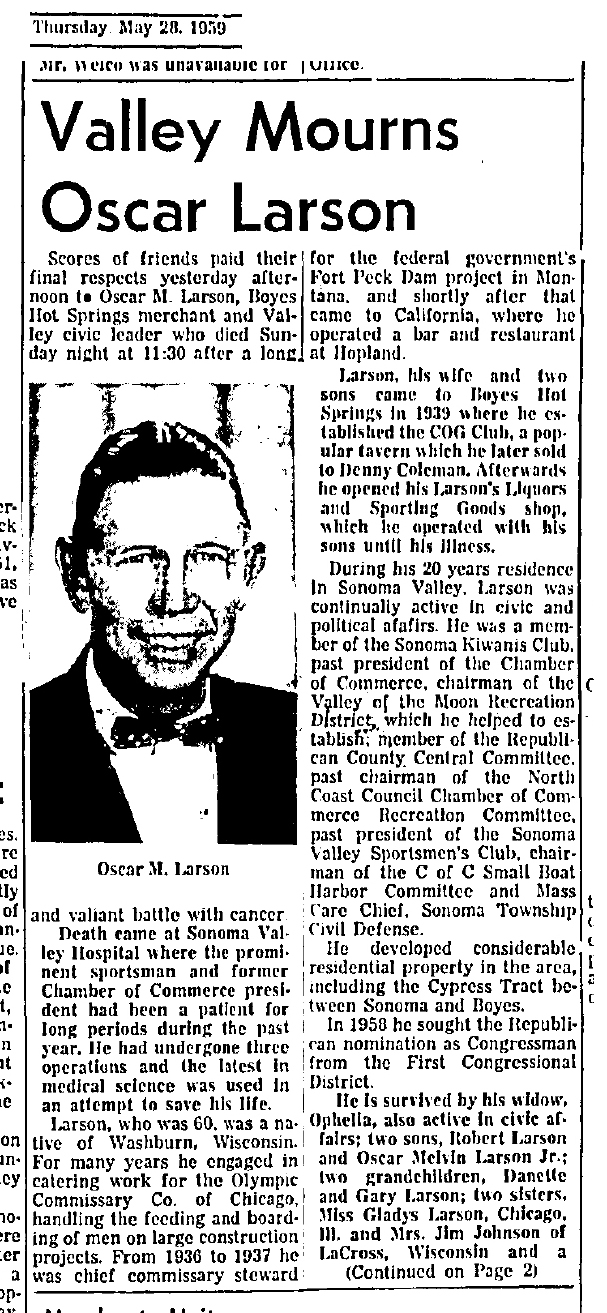
In April of 1939 the Index Tribune reported “The Larson brothers of Hopland have leased “Keller’s” at Boyes Hot Springs.” The Larson family, including Oscar’s wife Ophelia, came to California from Wisconsin around 1939.
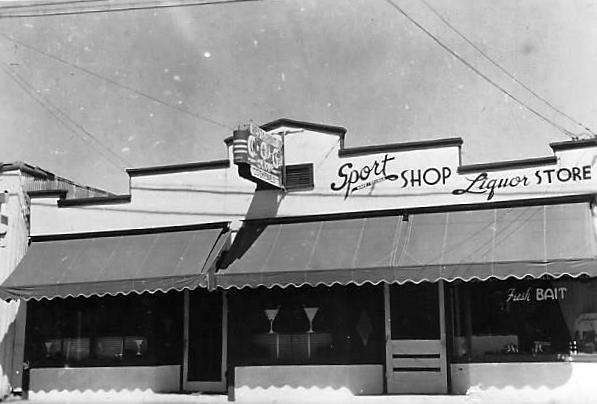
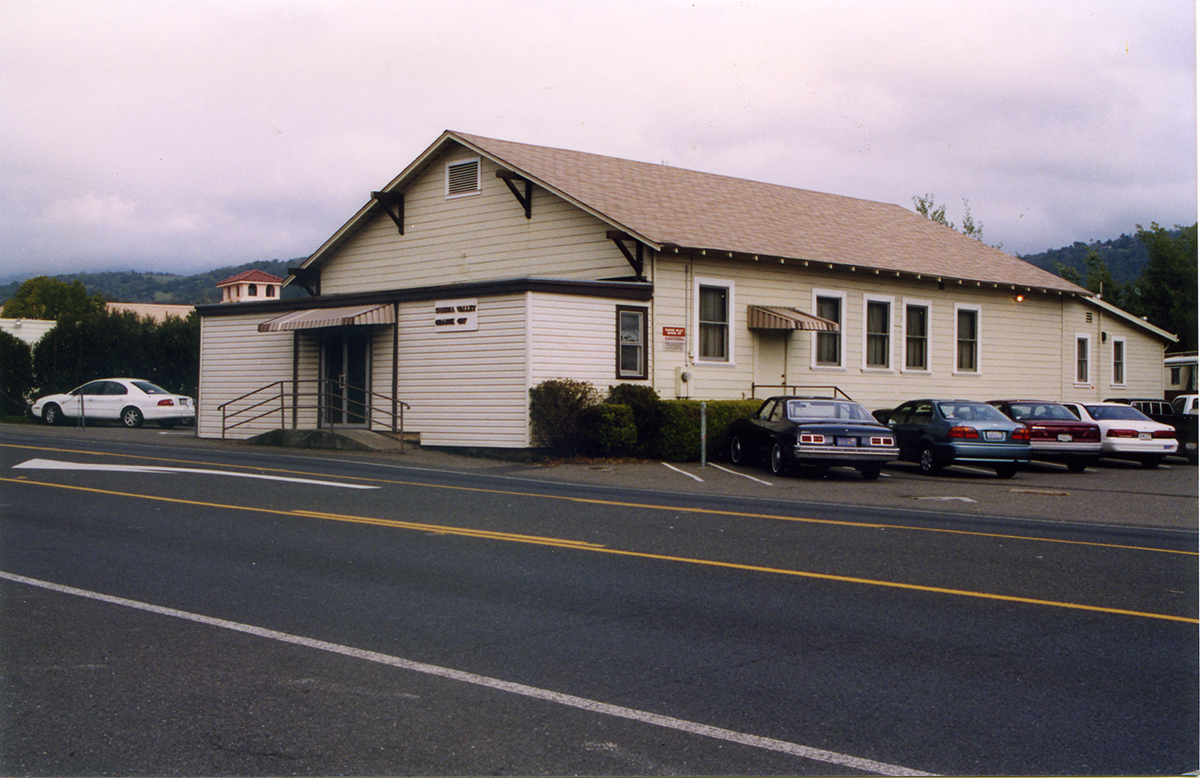
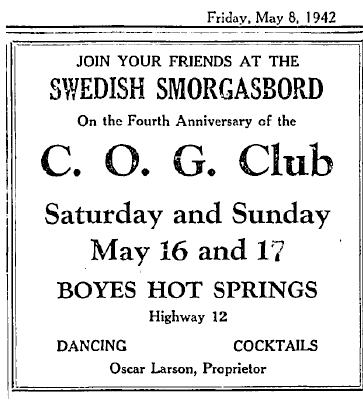
Oscar Larson promptly changed “Keller’s” to the C.O.G. Club, for Cal, Oscar and Gary Larson. The club was located near the corner of Vallejo St. and Sonoma Highway in the current Barking Dog Roaster space.
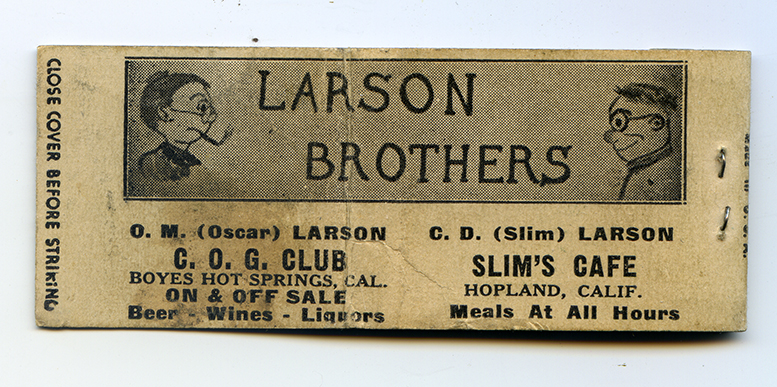
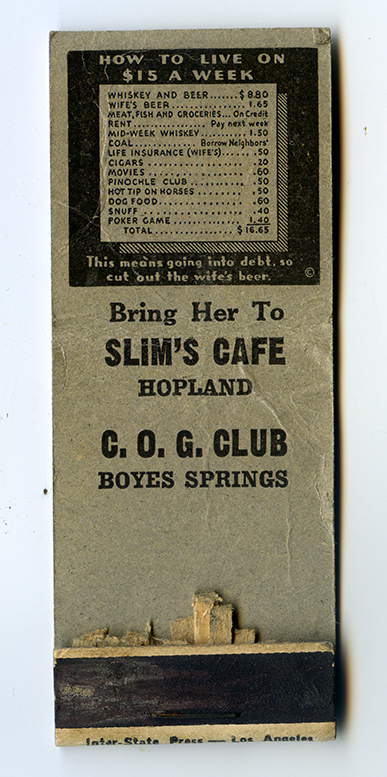
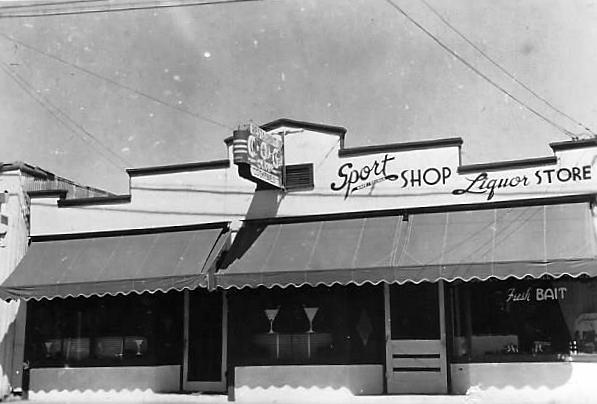
In 1942 they celebrated the fourth anniversary of the club with a Swedish smorgasbord.
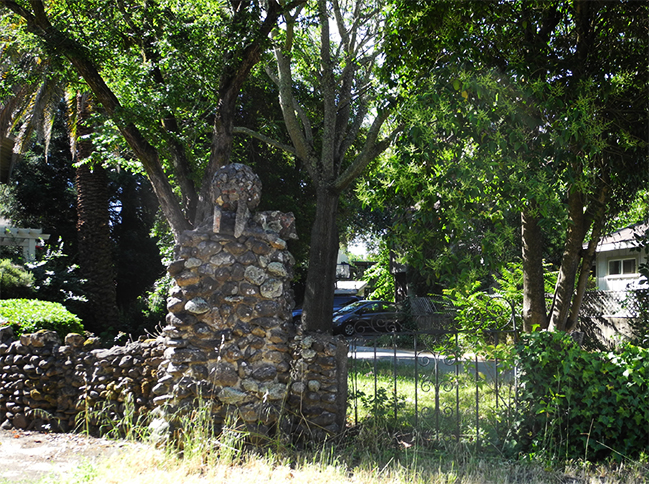
Also in 1939, they bought a stucco house on property near the corner of Verde Vista and Arroyo Rd. in Boyes Hot Springs. The house was known by neighbors as “Larson’s Villa,” and by the Larson family as “Valhalla.” The house still stands in 2021, though the land was sold and subdivided in 1989 and new houses were built. The original stone walls and pillars, some fairly recently restored, still grace the street, and continue to cause curiosity. Other stone work has not survived.
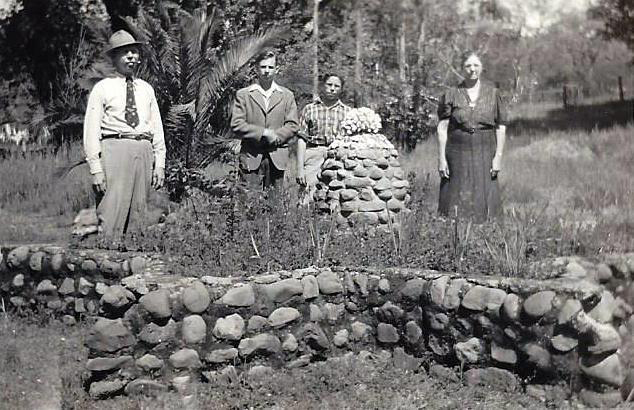
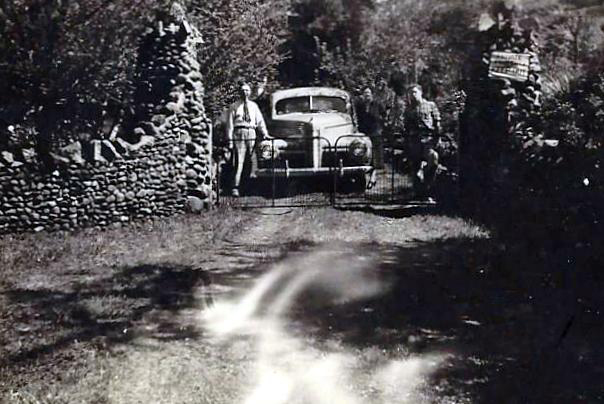
Gary Larson via email, 2018:
I remember the house well. We visited it as late as 1989 and held a small family reunion there right before they sold it. I believe an article was written in the local paper. I will never forget as kids playing in the canals (See Lily Creek!) that ran under the driveway and the beautiful stone star at the bottom of the hill. There was one big tree that was on the edge of the property that they told us was a redwood. Ophelia’s home was warm. She played piano.
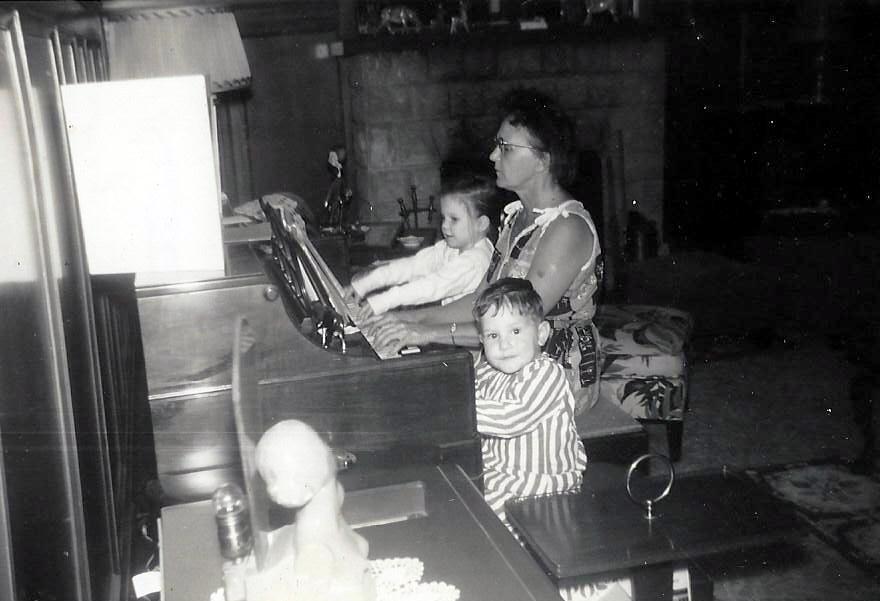
There was a bar in the corner of the living room for entertainment. There was a grill and huge outside patio and an apartment in the back. She always had a closet full of toys for us kids. We has a wonderful Christmas there one year in the 1960s.
Dad would put us to work raking and cleaning the yard when we would come to visit. Oh to be able to go back and visit my grandmother as an adult…I would have so much fun listening to the stories of their lives.
In 1949 Oscar and Ophelia Larson sold the club to Denny Coleman to concentrate on running Larson’s Sporting Goods and Liquor store, which he had opened in 1945, next door to the club.
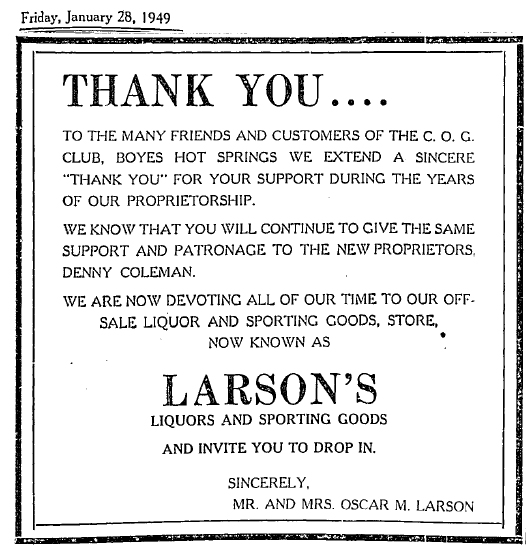
Oscar Larson was very involved in civic groups. In 1943 he was elected president of the Sonoma Valley Chamber of Commerce. Other board members included luminaries whose names are still known in the Valley: Rudy Licthenberg, Dr. Andrews, Vic Leveroni, I.S. Shainsky, and John Dowdall.
In 1945 the Valley of the Moon Recreation District was formed. Oscar Larson was appointed to establish the district. In 1951 the district acquired four acres along Sonoma Creek in Fetters Hot Springs for development as a park. In 1955 the Lion’s Club erected a concrete block building for park use.
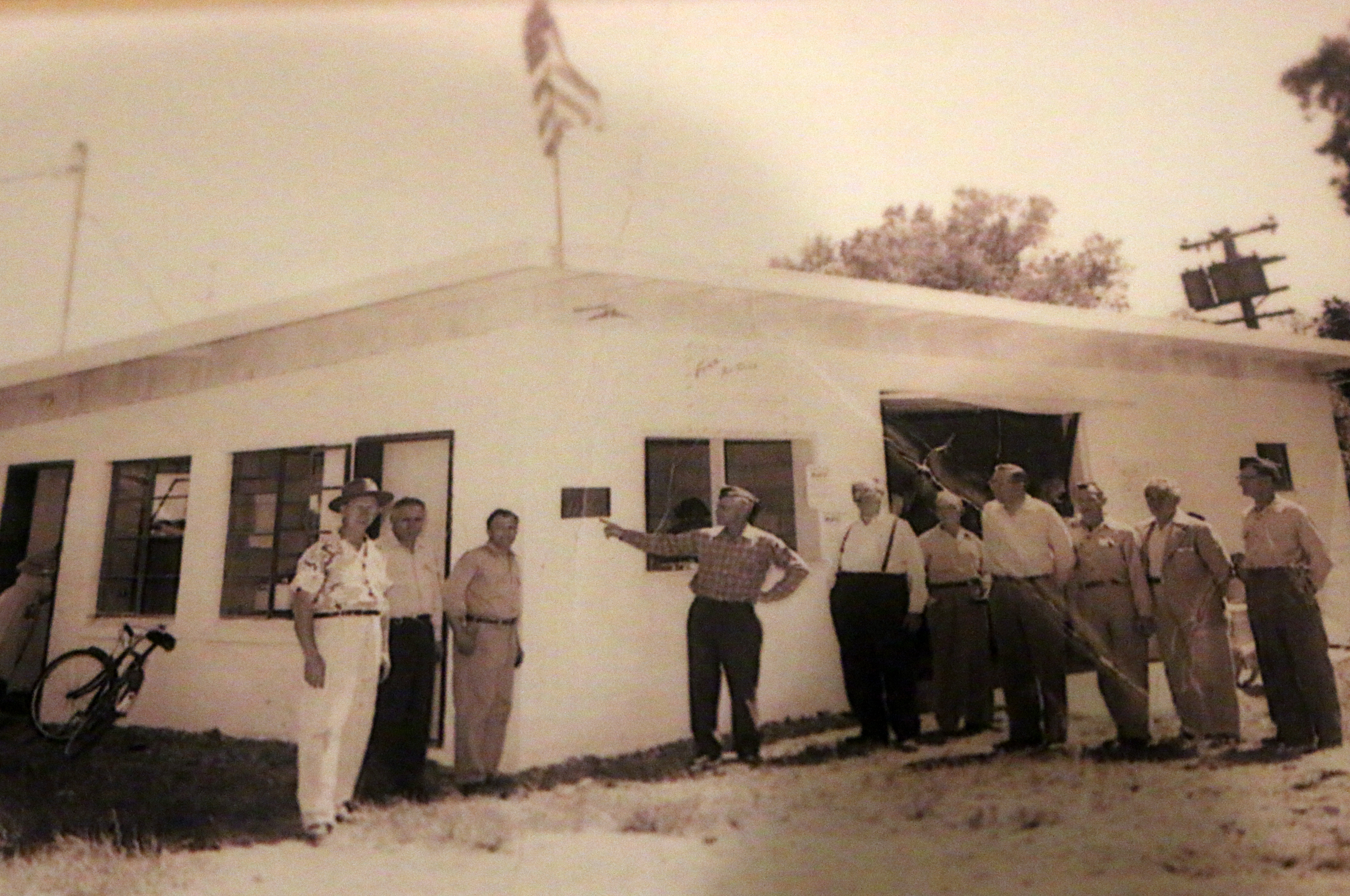
In 1959, what had been known as “Park #1,” was officially named Larson Park to honor Oscar Larson, who died in May of that year.
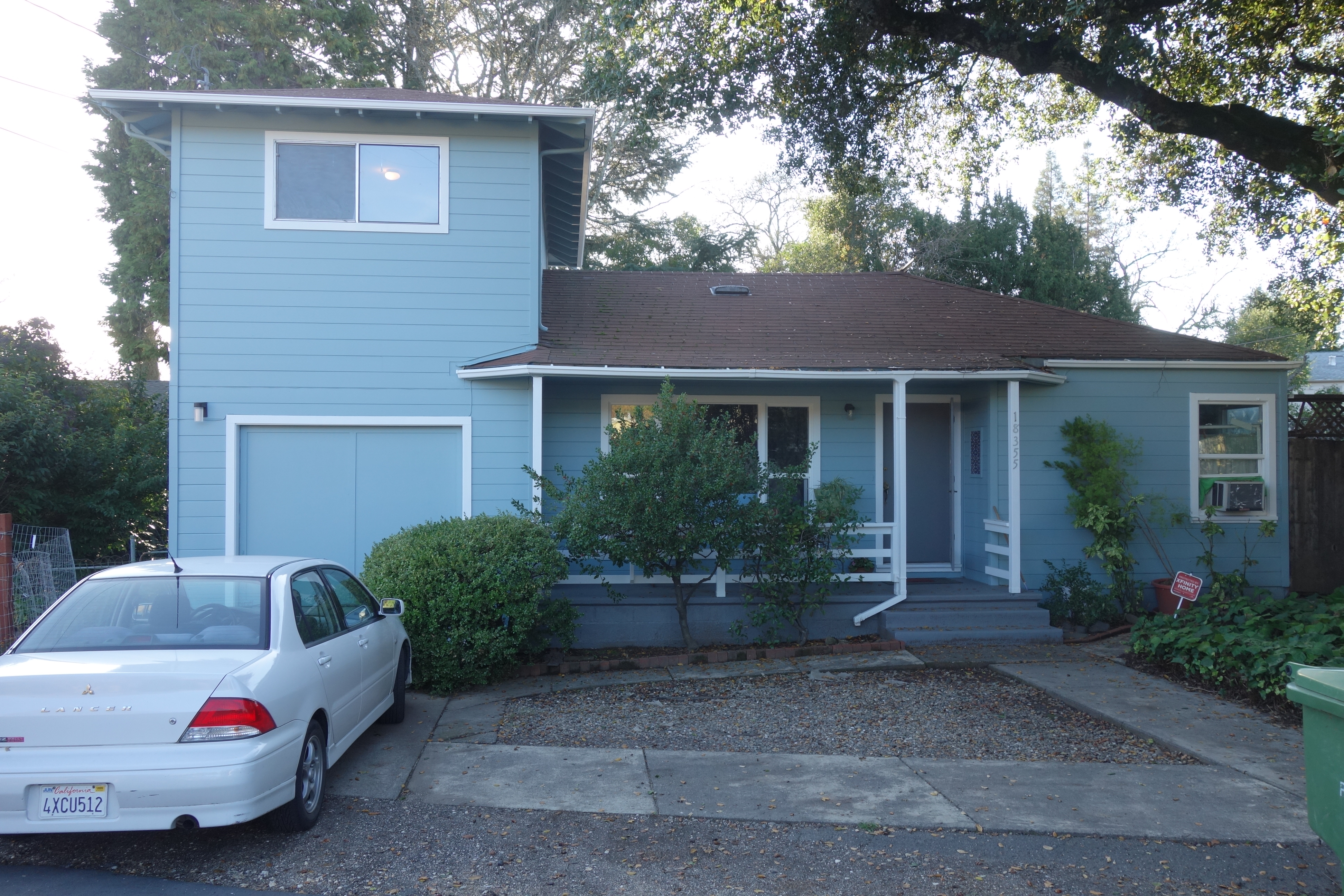
Iris Larson, Gary’s mother, 92 years old in 2019, told me via phone that Oscar bought war surplus houses from Mare Island and brought them to BHS. He installed them on lots he owned on Second Avenue. Some he joined together or stacked.
UPDATE: The Larson stonework in 2021.
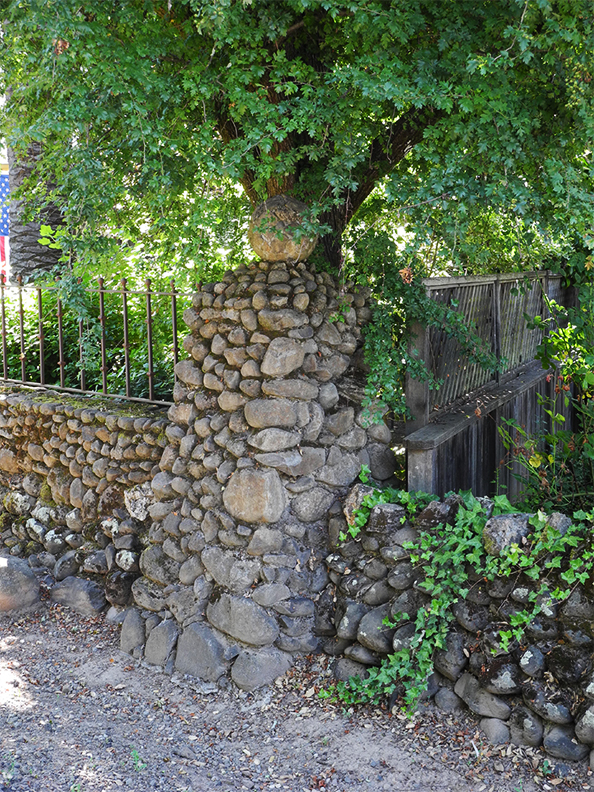
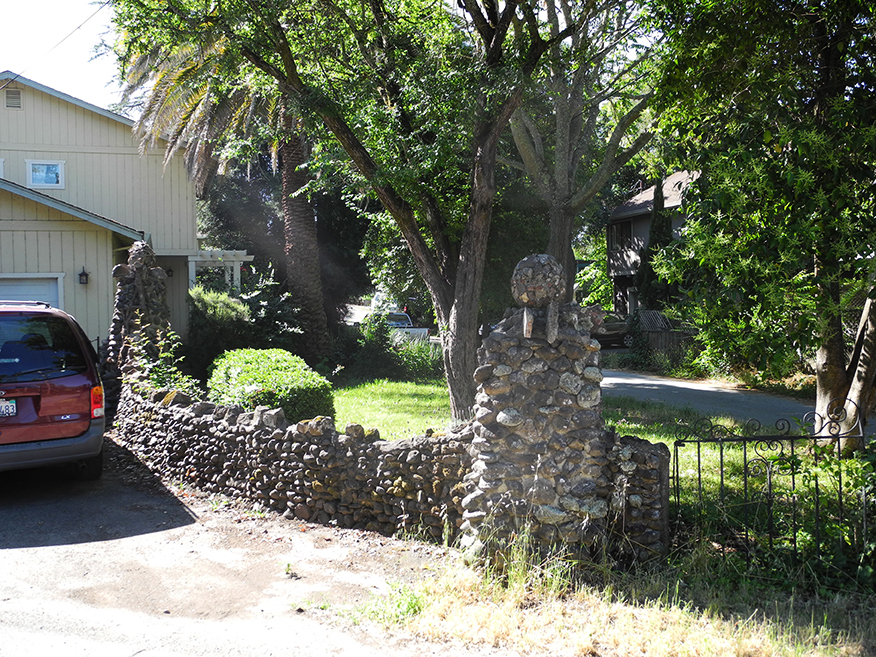
Photographs courtesy of Gary Larson and author’s collection. Index Tribune courtesy of the Sonoma Valley Historical Society.
I’ve known John for at least 40 years, and have watched his rise in the world of type and book design with great pleasure. I was very lucky that he volunteered to redesign the Springs Museum logo. There are four other versions that will be used on the website. Keep your eyes out for them. THANK YOU JOHN!
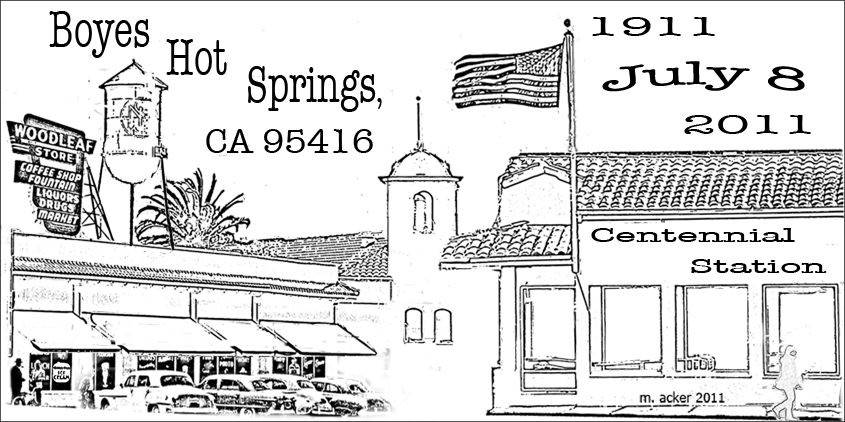
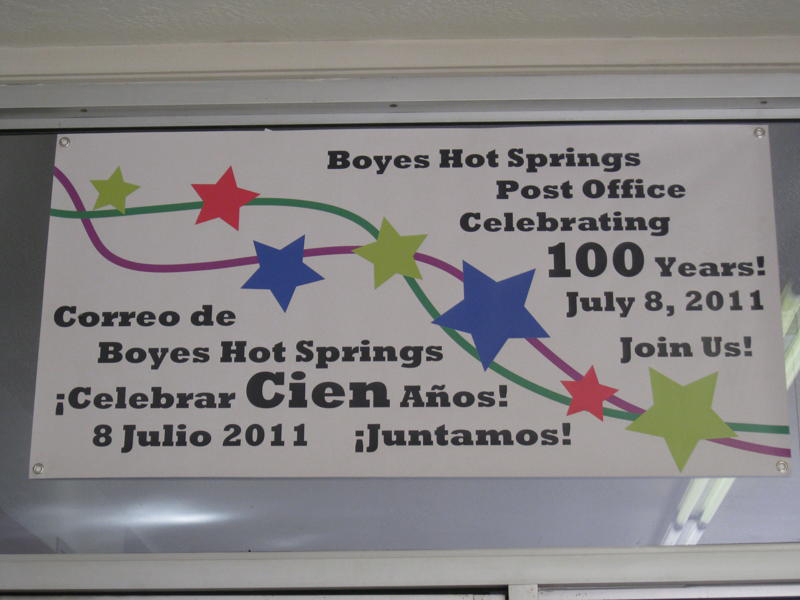
In July of 1911, the Sonoma Index Tribune reported that “A.D. Graham of Graham’s Cash Store received the appointment as post master of Boyes Springs. Located at his store.” The exact date was July 8, 1911. The building was located where the old “Uncle Patty’s” was, near the corner of Boyes Blvd. “spur” and the Highway, adjacent to the railroad depot.
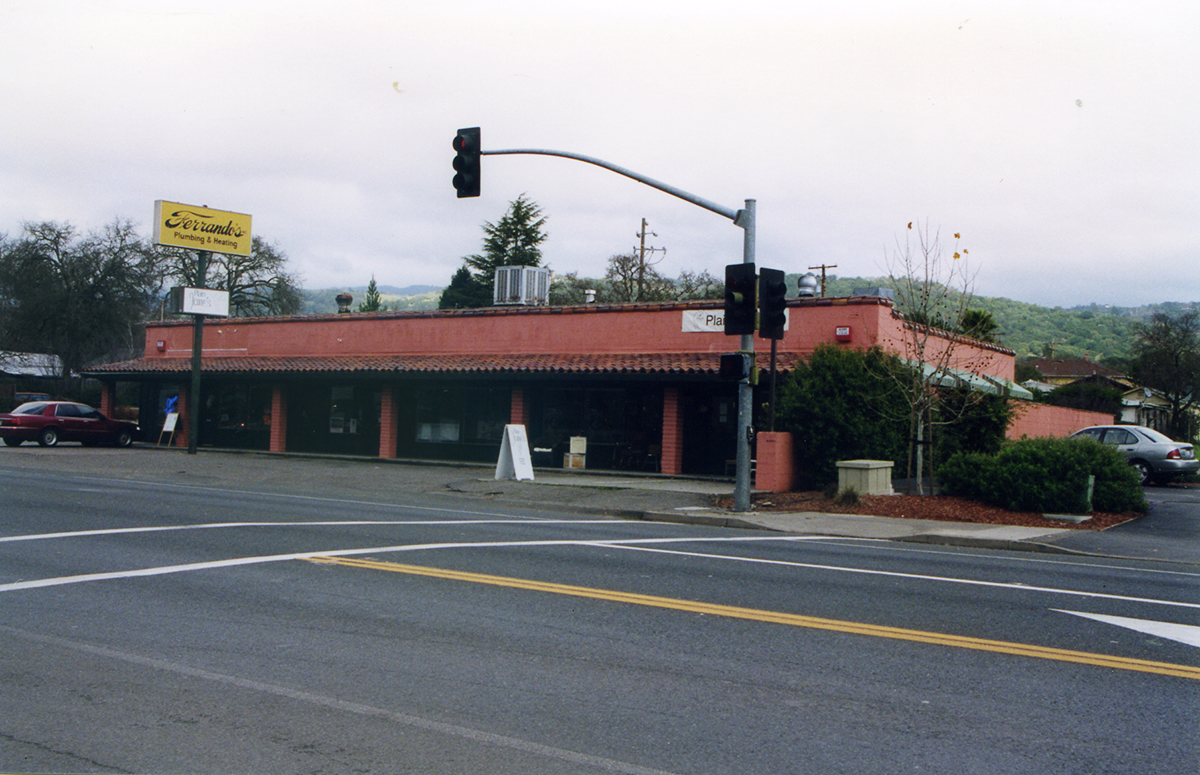
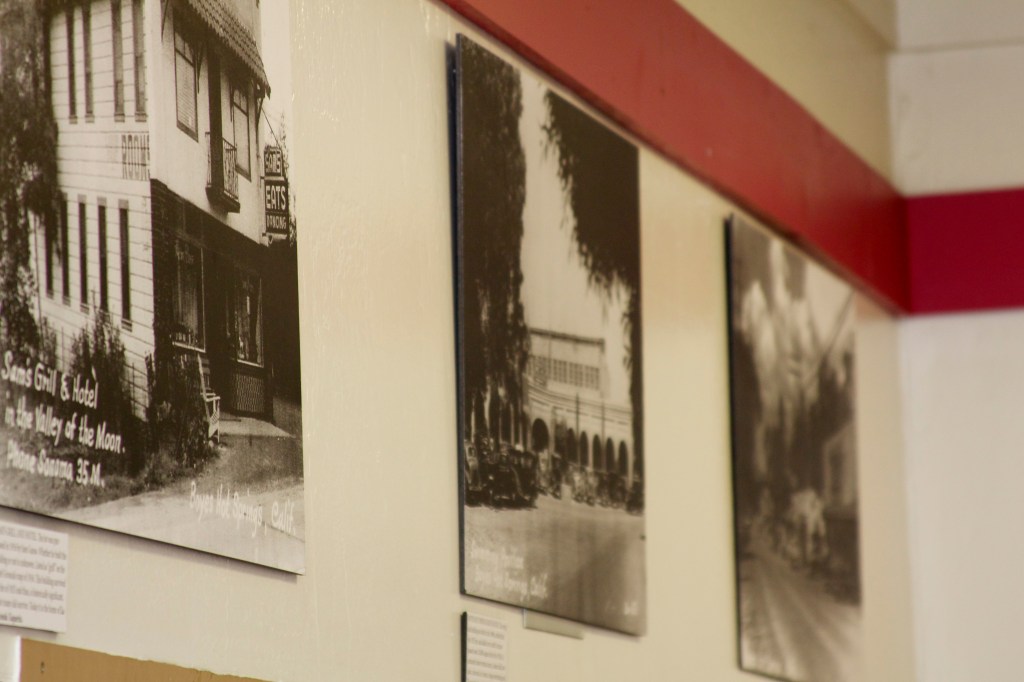
That building was lost, along with most of the town in the fire of 1923. After rapid rebuilding, the post office was located in the Woodleaf Store https://springsmuseum.org/2018/11/07/the-woodleaf-store-big-three/. It stayed there until 1951. The Woodleaf became the Big Three Diner, part of the Sonoma Mission Inn. The post office relocated to the Plaza Center building at Sonoma Hwy. and Boyes Blvd. when it was built in 1951, where it is today. Prior to 1951 this site was known as the Boyes Springs Plaza and was the scene of street parties and fiestas.

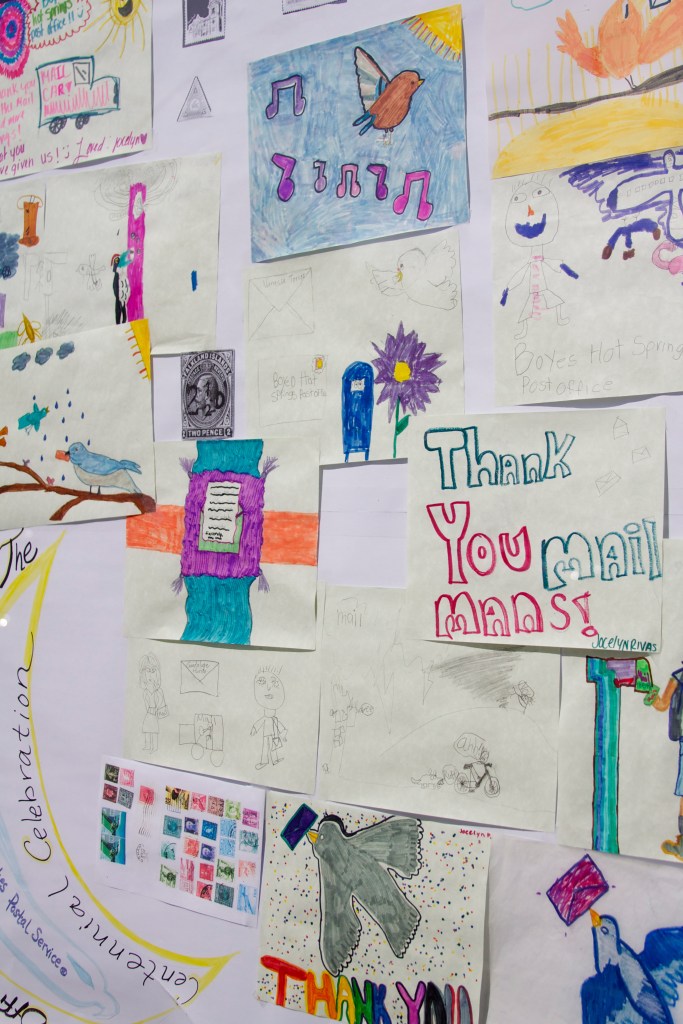
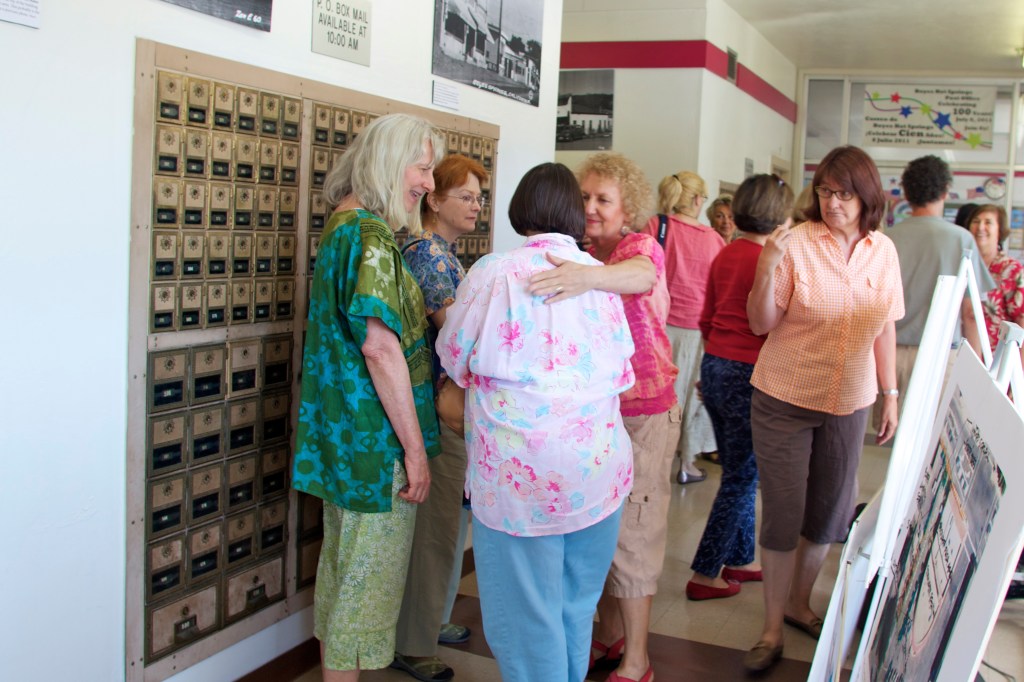
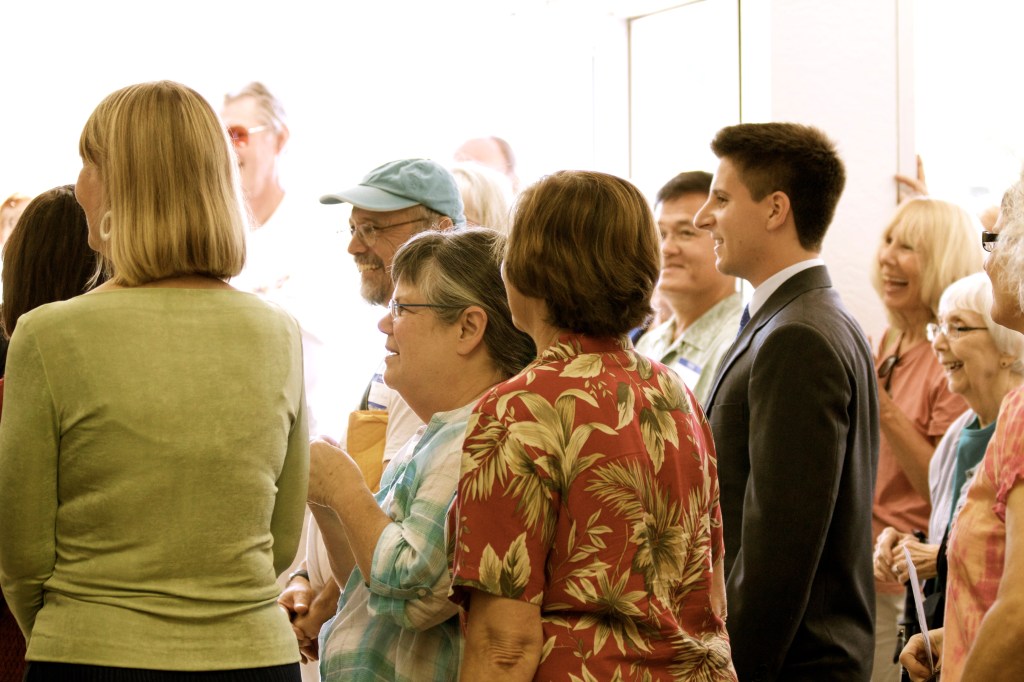
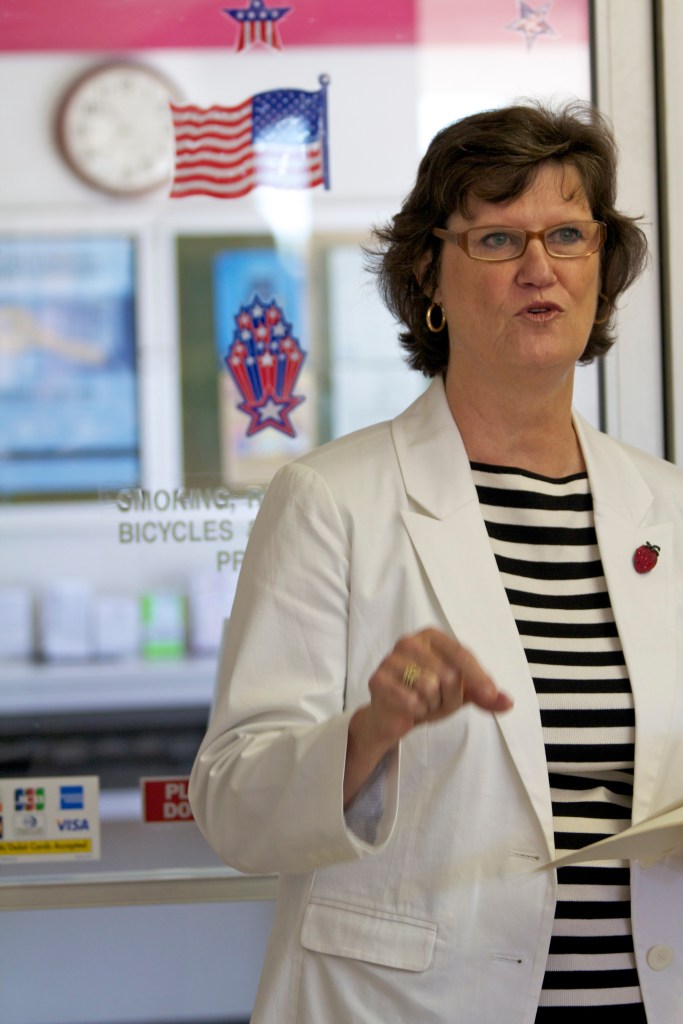
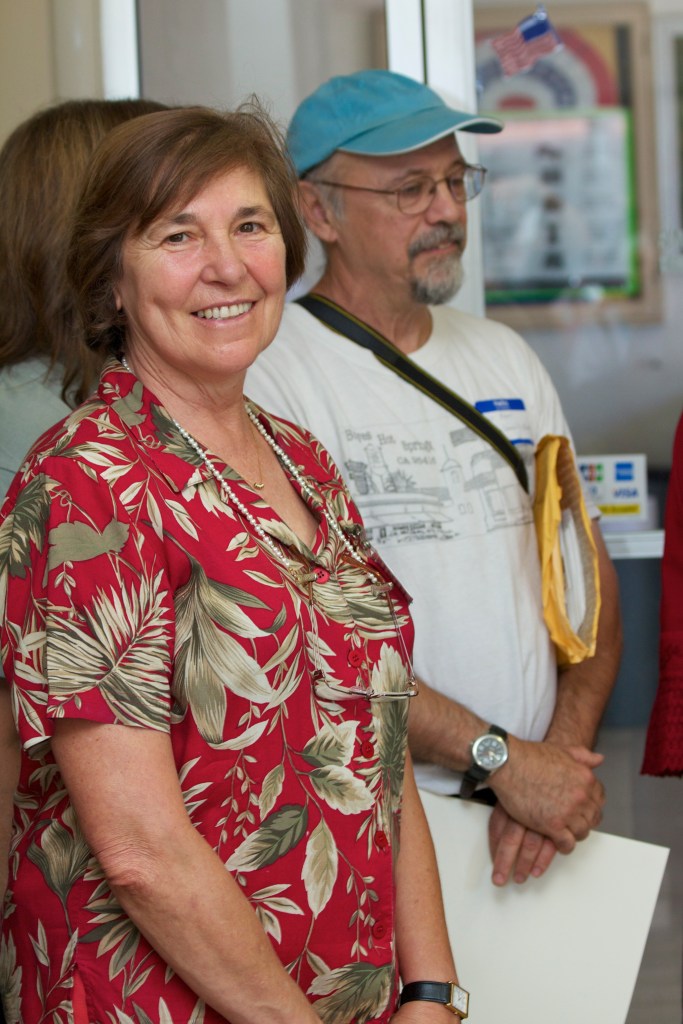
In 2011 we celebrated the centennial. To produce the joyous event, we had the help of the USPS and its employees, Sonoma County, the owner of the Plaza Center building, Kickstarter donors, the Springs Community Alliance, and many volunteers.







Hi Stacie an Zuli!
This year there have been a lot of volunteer sunflowers all over the neighborhood. Why this year? Whatever the reason, they are a welcome sight, even amongst the weeds and bromes.
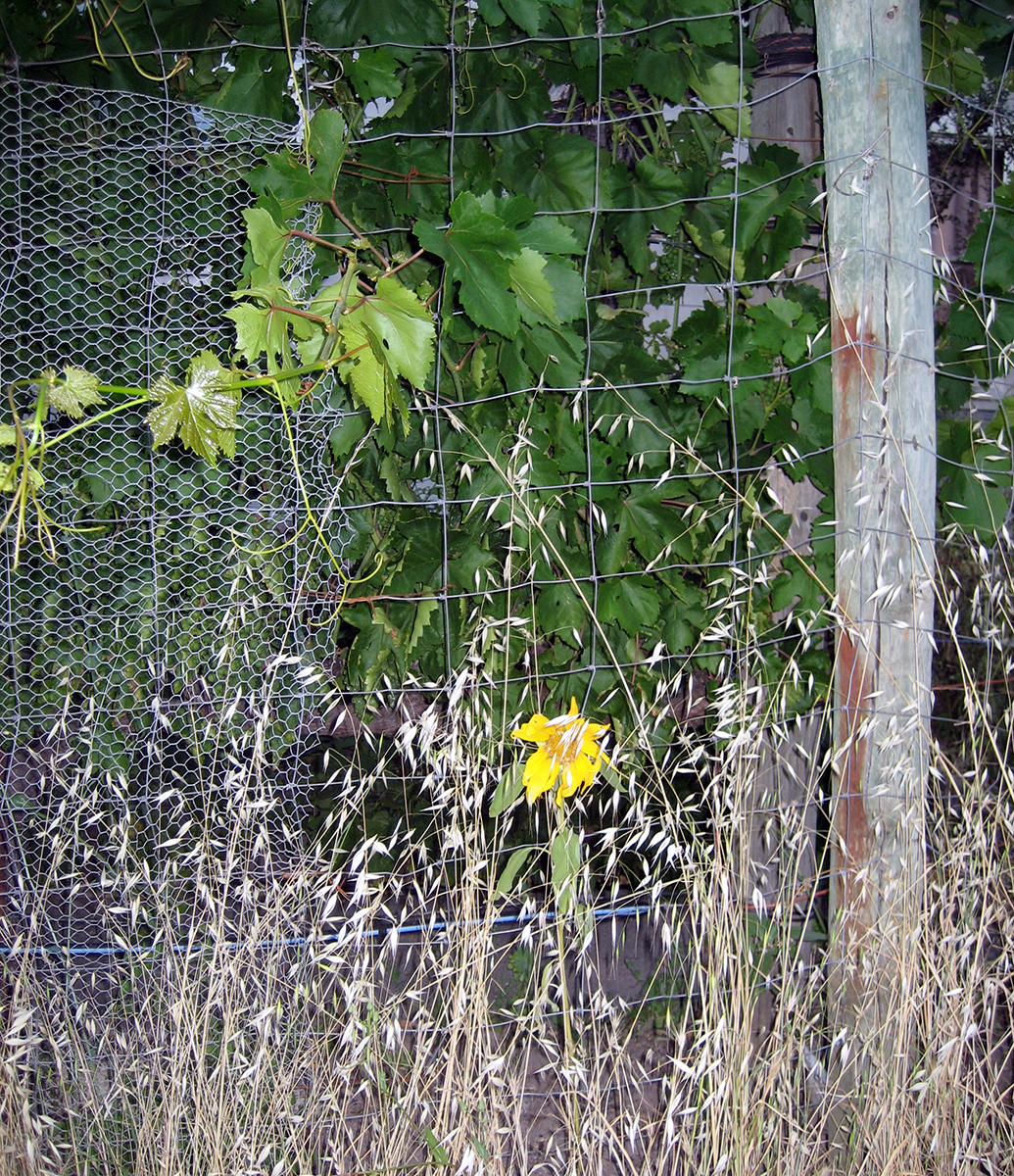
Updated Below
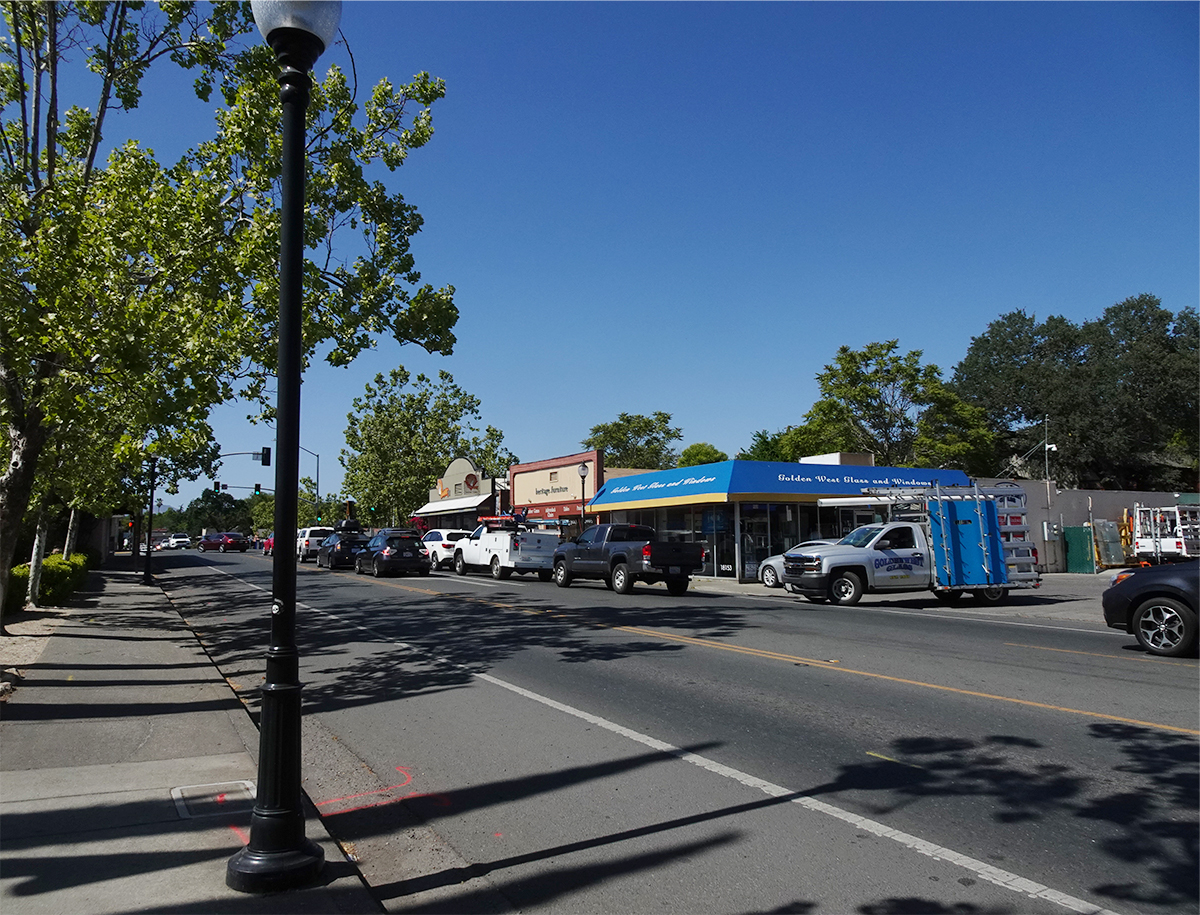
The building now know as 18135 Highway 12, in Boyes Hot Springs, is one of the oldest commercial buildings in the community. The original business, Kramer’s Inn, goes back at least to 1918. That building was destroyed in the great fire of September 1923 and the current one dates from that year.
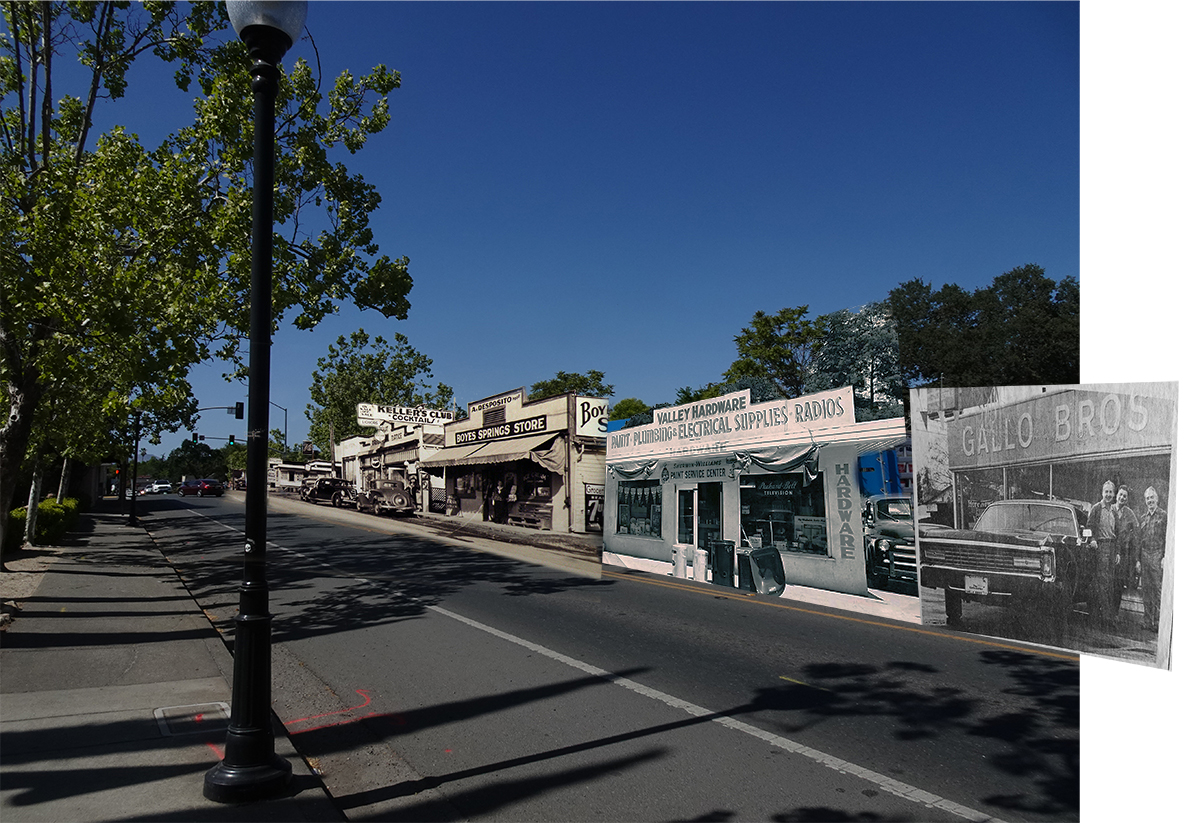
1938, 1950s, 1960s, 2021. Valley Hardware was in a building where the glass company (blue awnings, top photo) is now. It was right next to Gallo Bros. car dealership. This composite shows the building after it was sold to Esposito. Read on.
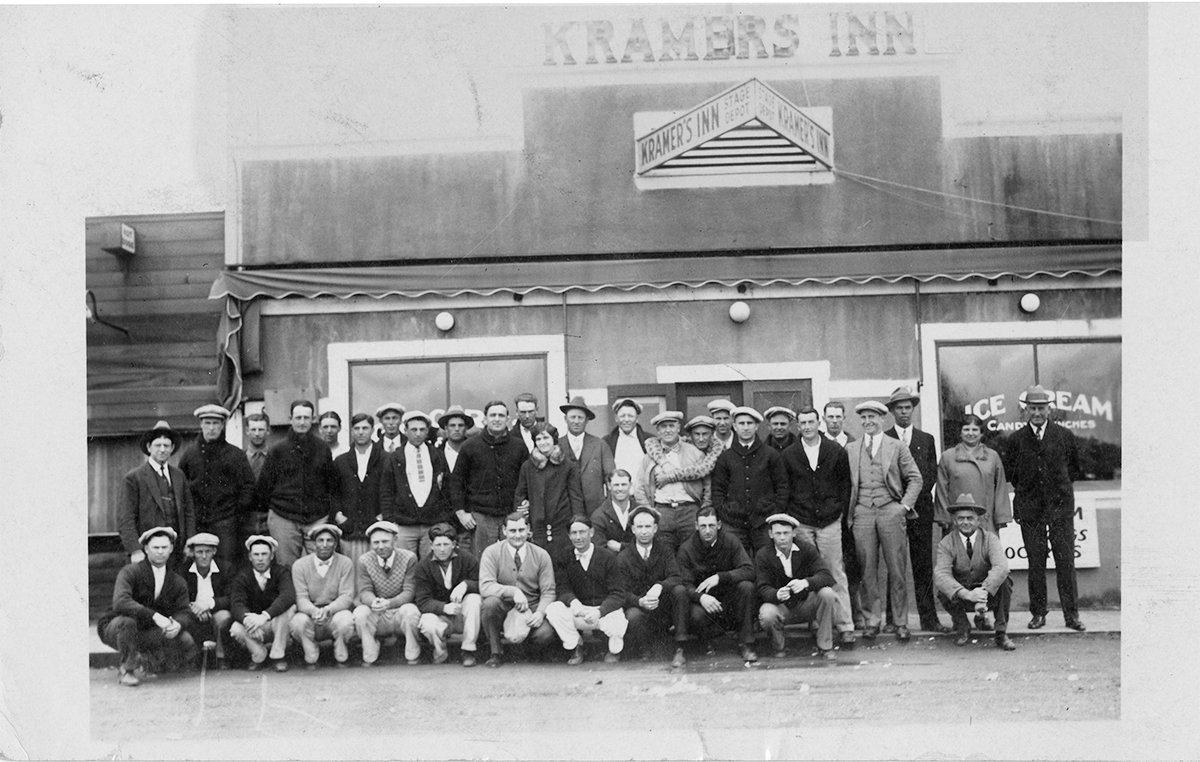
The sign says “Kramer’s Inn, Stage Depot.” Before or after the fire of 1923? The top of the façade looks like the later building, but we don’t know that he didn’t rebuild to duplicate the one that was destroyed. Anyway, what an interesting bunch of folks. All men but two. I particularly like the two guys in the center, one draping his arms over the other.What occasioned this group photo?
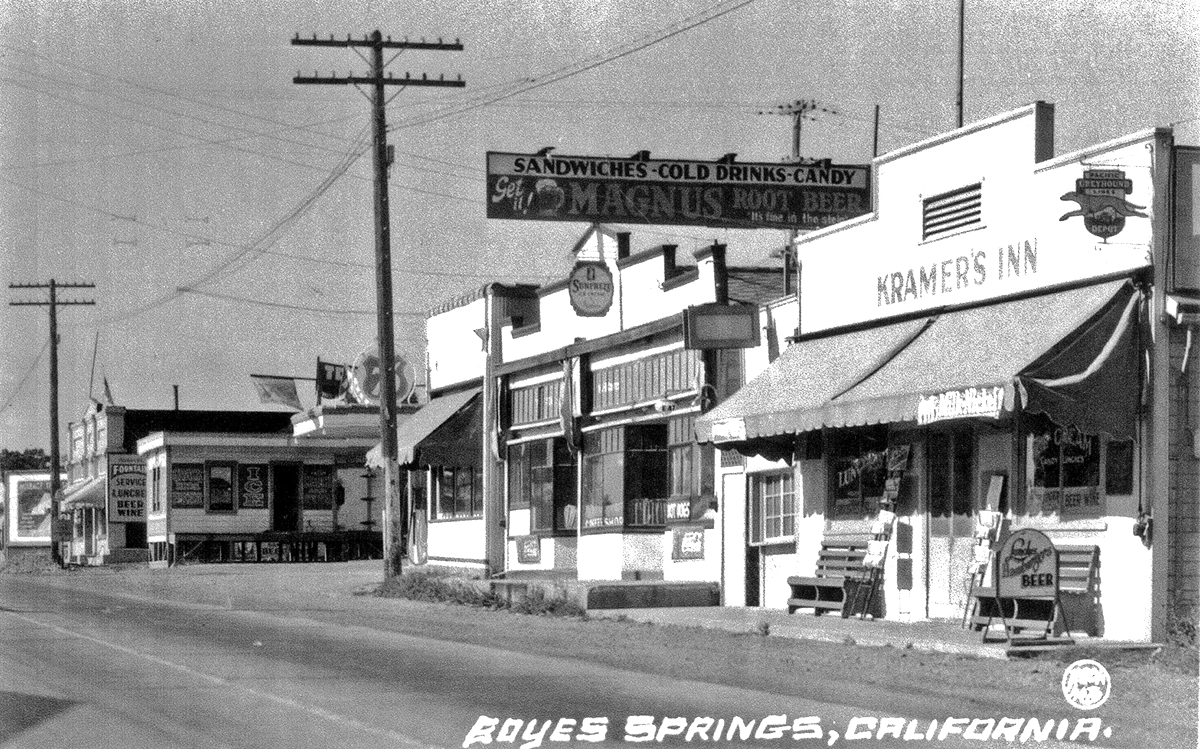
Immediately after the fire there was great determination to rebuild. Kramer set up his temporary store right away.
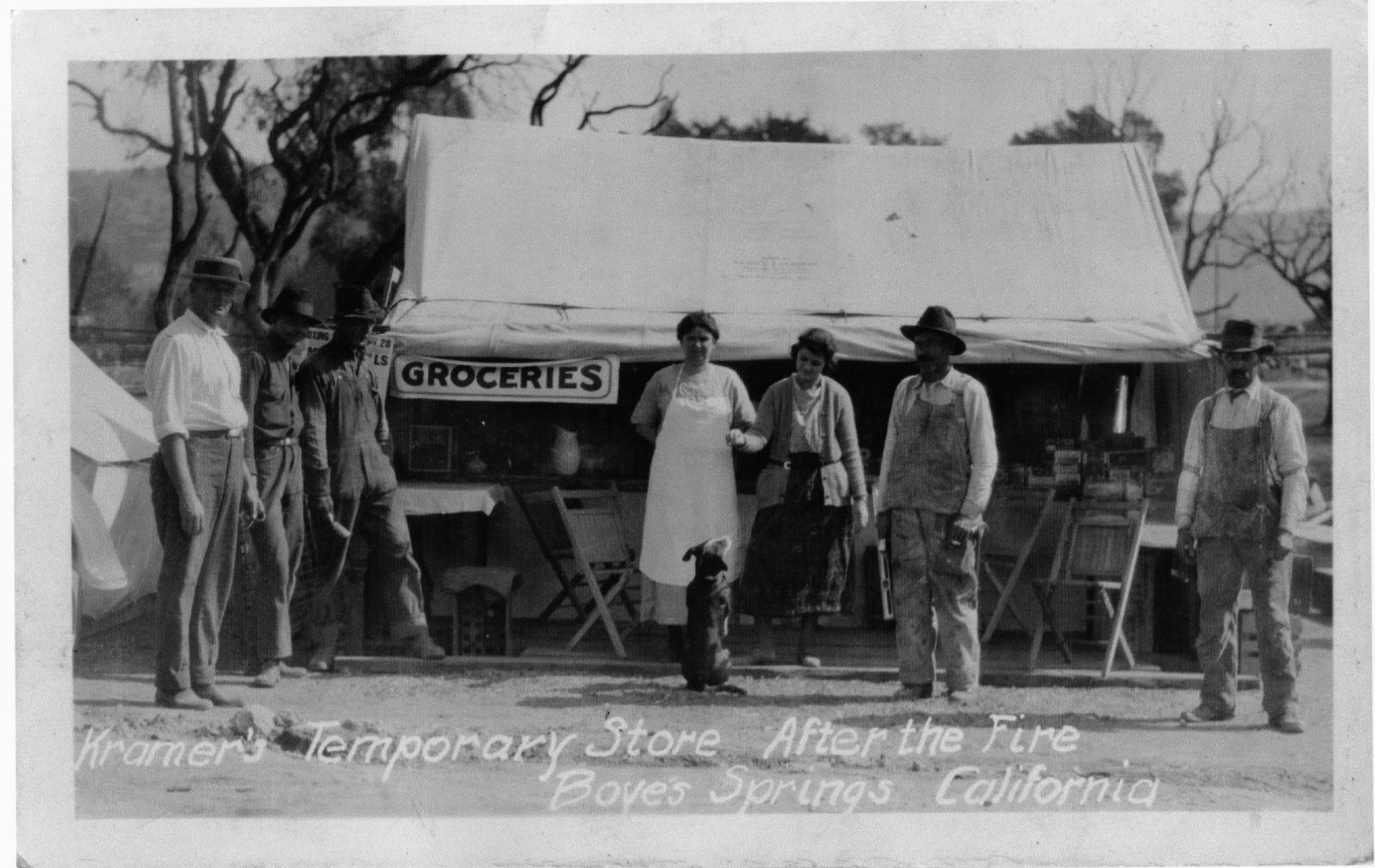
“The ashes at Boyes Springs were hardly cold before many of the enterprising property owners and business people began to re-establish themselves and put up buildings. Kramer, the grocer is doing business in a tent and will rebuild at once.” Index Tribune September 1923. October 20, 1923: “The Kramer store is nearing completion and many other improvements are contemplated as soon as the new state highway grade is authoritatively established.” Yes, this is incredibly fast construction! Remember, no permits were required.
In 1924, Kramer improved the store with a stucco front. In 1930, he became Greyhound agent for the Springs.
Noble Kramer was born in 1878 in Ohio. He came to California with his wife Luisa and daughter Lucille sometime before 1920. He had some political ambitions. In 1942 he ran for judge but was not elected. He ran for judge and county clerk several times without success, and applied to become the postmaster of Boyes Hot springs in the year the job was awarded to Marion Greene, of the Woodleaf Market.
In 1938 Kramer sold to A. Desposito who renamed it the Boyes Springs Store.
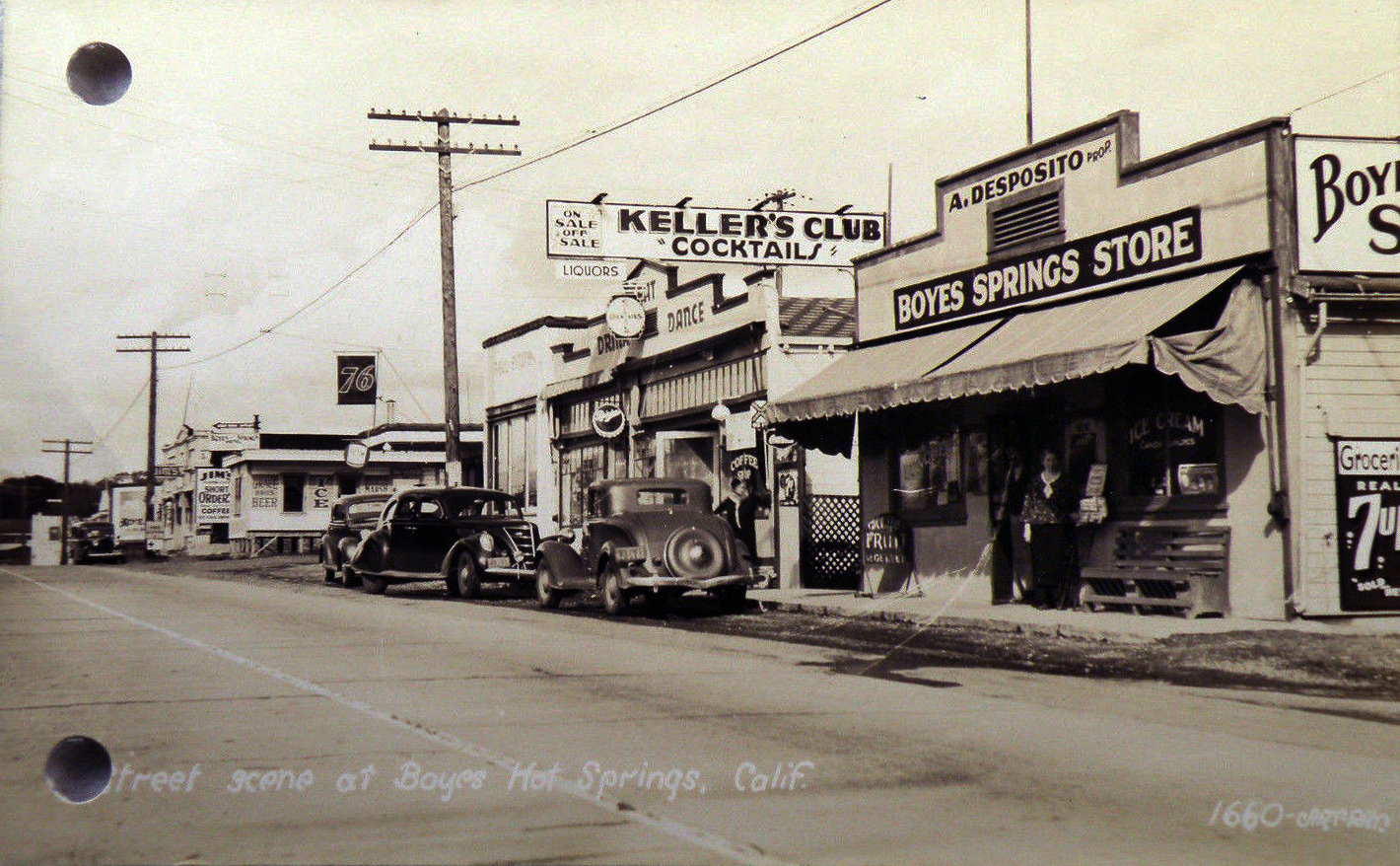
Noble Kramer Died 1948.
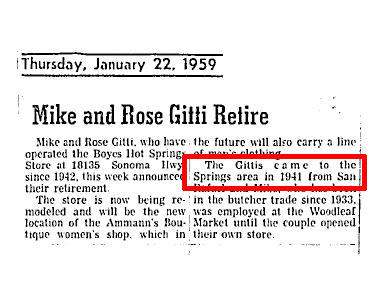
In 1942 Mike and Rose Gitti took over and ran the store as Mike and Rose’s Market. They retired in 1959. At that point (in 1959)the IT says “The store is now being remodeled and will be the new location of the Ammann’s Boutique women’s shop, which in the future will also carry a line of men’s clothing. The Gittis came to the Springs area in 1941 from San Rafael and Mike, who has been in the butcher trade since 1933, was employed at the Woodleaf Market until the couple opened their own store.” IT Jan 22, 1959
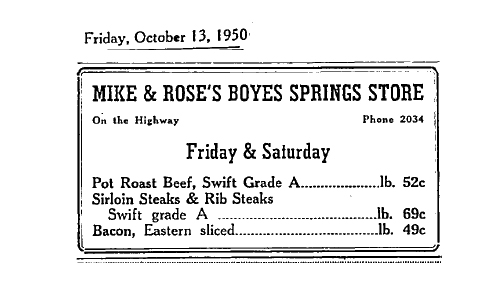
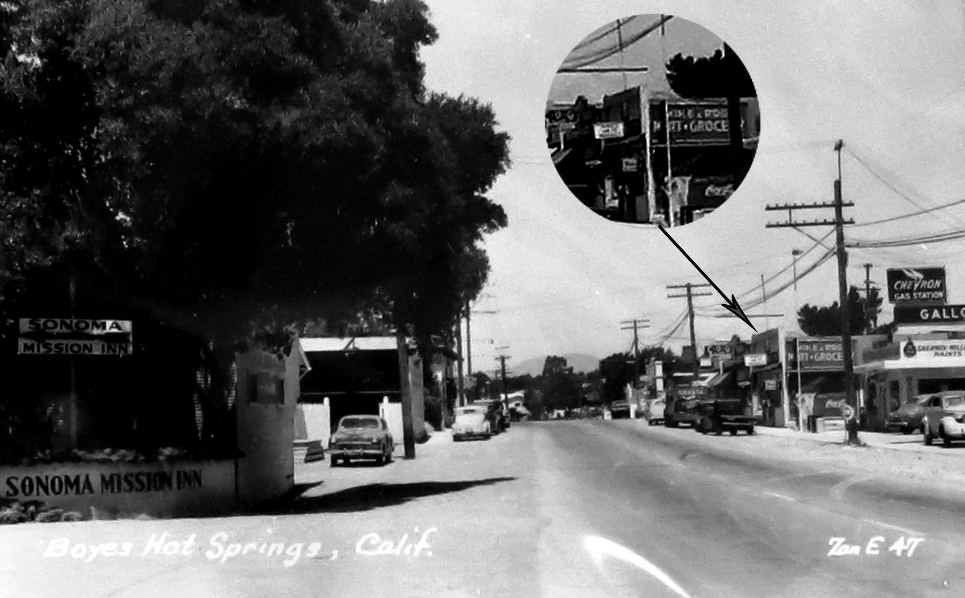
Zan Stark photo showing Mike and Roses’ Market across the street from the Sonoma Mission Inn and next door to Valley Hardware and Gallo’s. It’s difficult to see but the hardware store has a Sherwin Williams “Cover the Earth” sign.
After 1959 there is a blank in the record.
We pick up the trail again in 1973. In June of that year the building housed The Bookworm used bookstore.
In August of 1975 we find Pam’s Professional Grooming in residence.
July 1977 finds Crafty’s, a store selling dolls, dollhouses, and little bitty furniture.
February, 1978 Better Homes Realty takes over the space. They remain until December of 1979, when Bill Coombs, real estate agent, puts his franchise up for sale for $6,000.
Apparently that did’t work out because Coombs transitioned into the used record business using his former realty office. In March of 1981 he transferred that business to Jared Simpson who operated it as “Love Me Two Times” (obviously he was a Doors fan.)
The next mention in the IT is in 1991, when it was listed as a residence in a crime report.
It was again vacant of businesses, as far as we know, during the years-1990-2005.
In the 21st Century
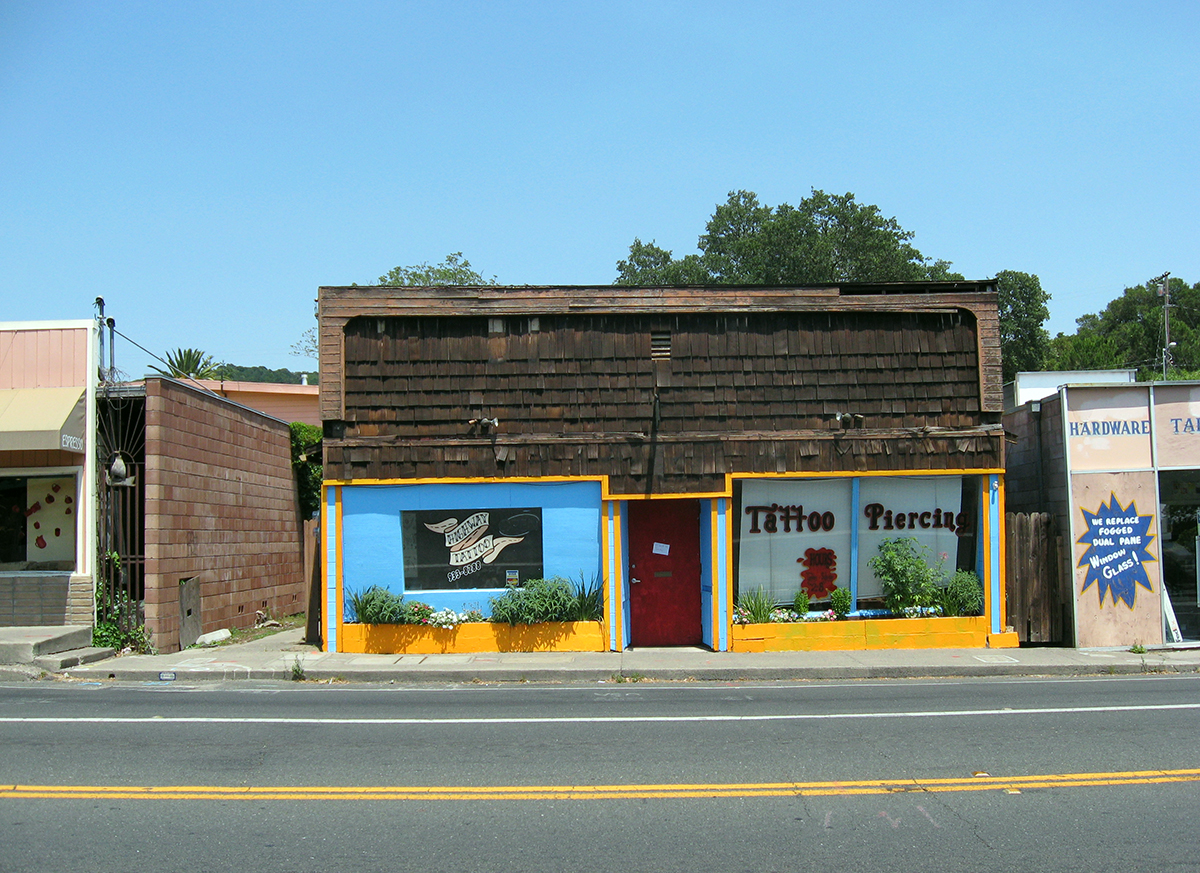
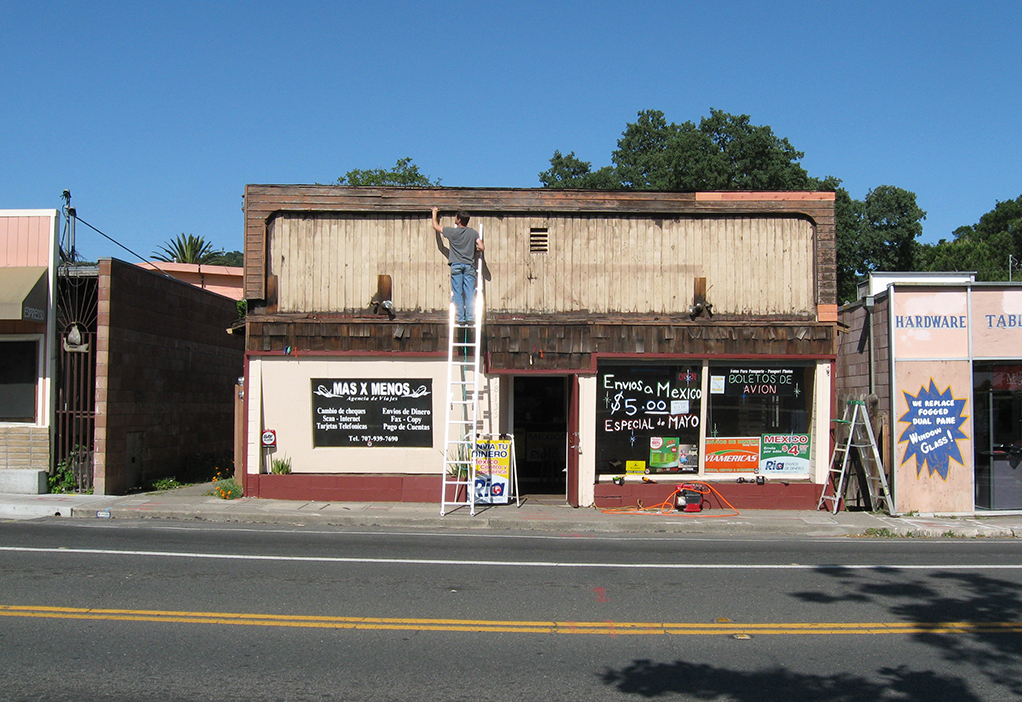
Mas por Menos, an all-purpose business catering to Spanish speaking people took the space in 2009. They cashed checks, provided email, fax and Internet services, sold phone cards, provided “envois de dinero” and even sold airline tickets. Unfortunately they lasted only a year, but they did do some much needed maintenance to the facade.
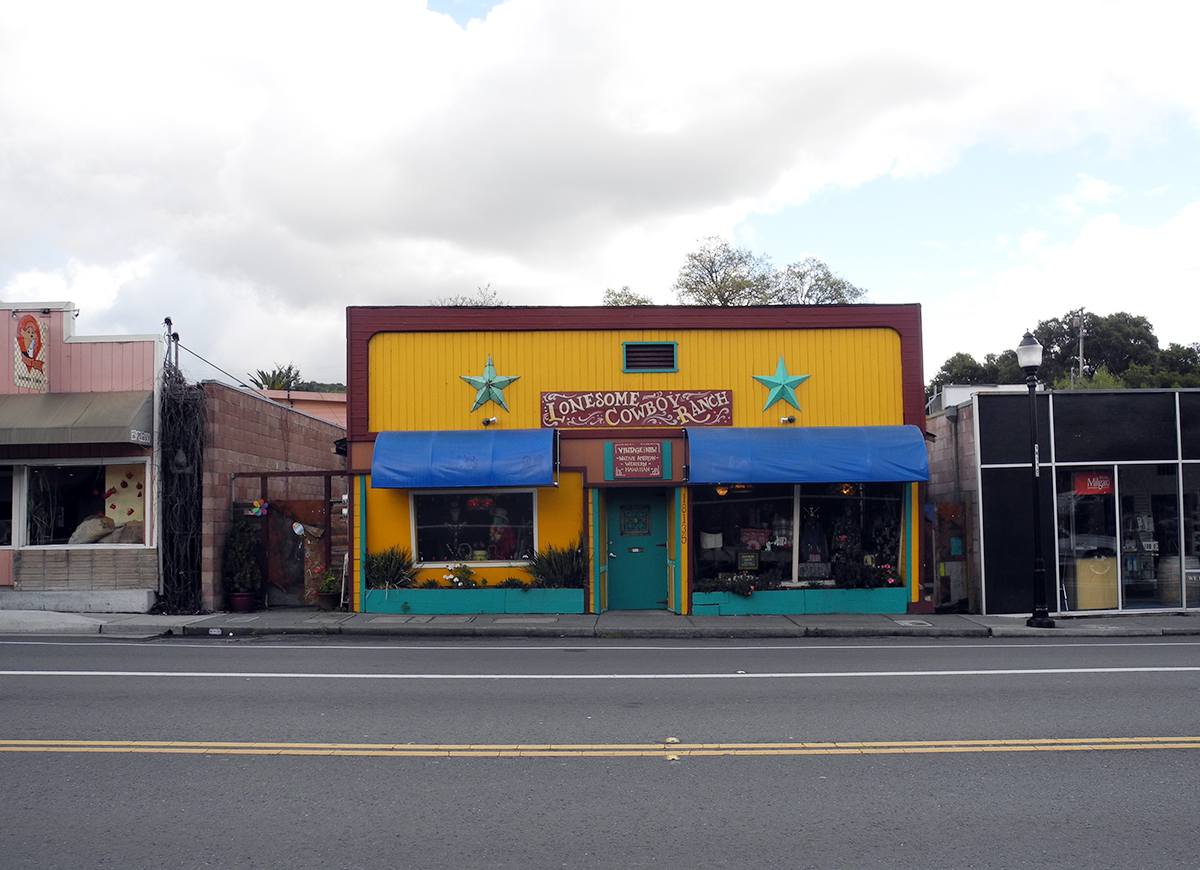
In 2010 Lonesome Cowboy Ranch, purveyors of vintage Western wear and memorabilia set up shop and did well until 2020, when they closed.
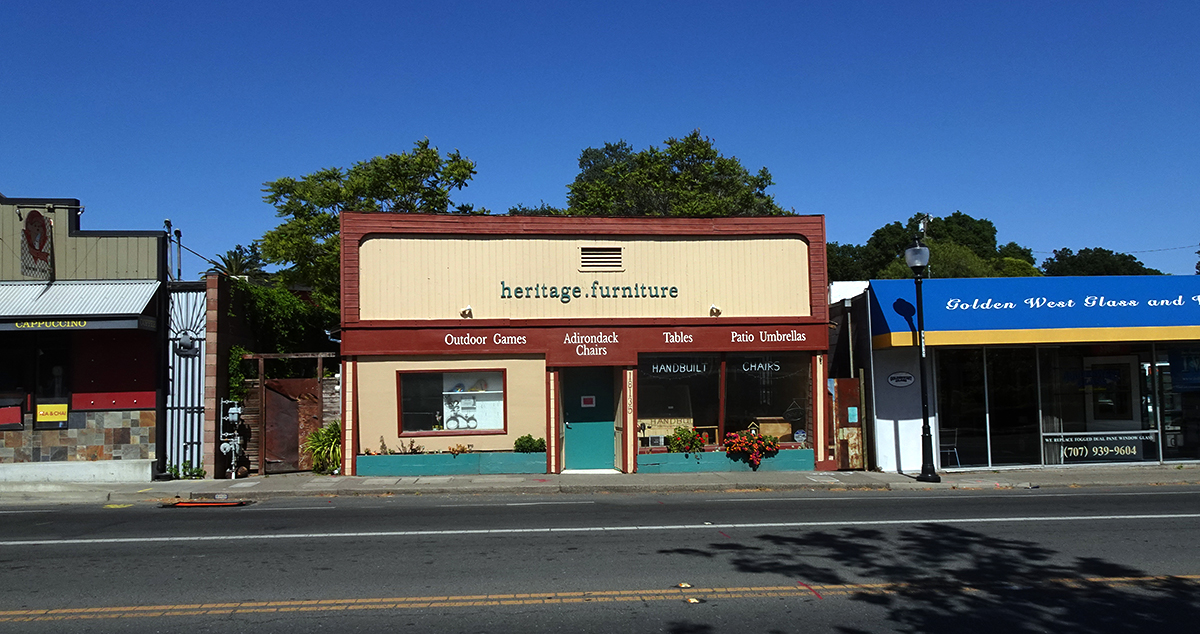
Today we are lucky to have Heritage Furniture. They make the classic Adirondack chair using high-tech laser cutting and CAD design. We wish them success and a long tenure at 18135 Sonoma Highway.
Update 2024: Unfortunately Heritage Furniture did not survive. In its place we now have Lucrative Clothing.
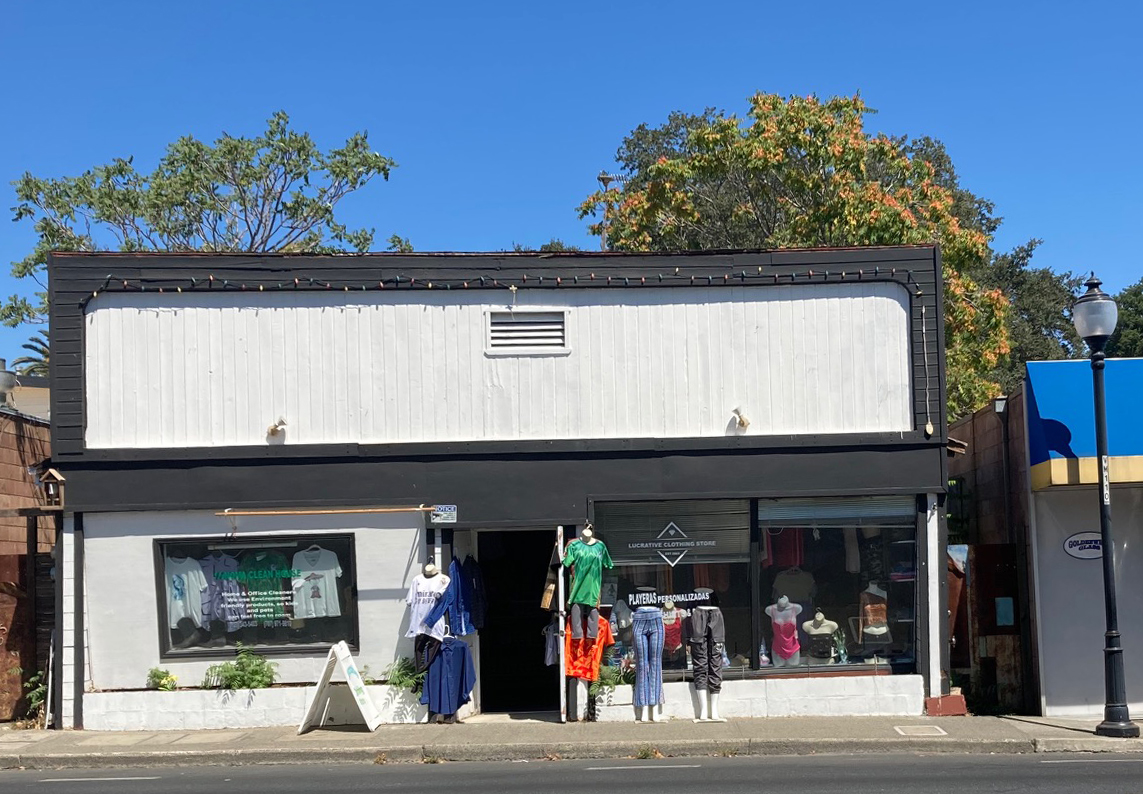
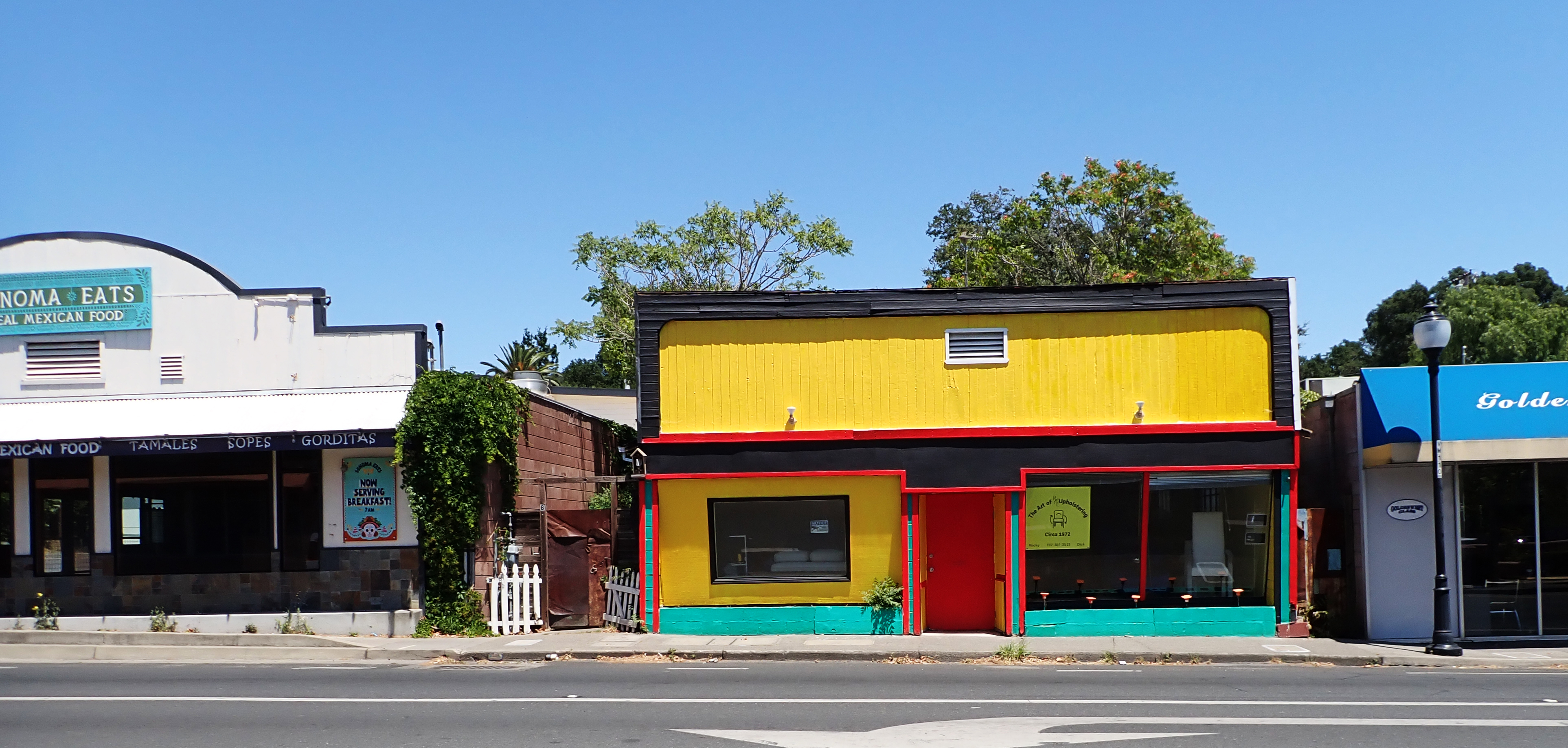
Photographs and Index Tribune courtesy of the Sonoma Valley Historical Society and author’s collection.
It was a different experience in 1955
On February 17, 1955, the Index Tribune reported
“A $12,987 contract for rebuilding the Boyes boulevard bridge across Sonoma Creek, near the Bath House in Boyes Hot Springs, was awarded by the county supervisors last week…The contractor will use existing abutments and piers for the bridge and will use but relocate existing steel stringer and add a reinforced concrete deck and sidewalks.”
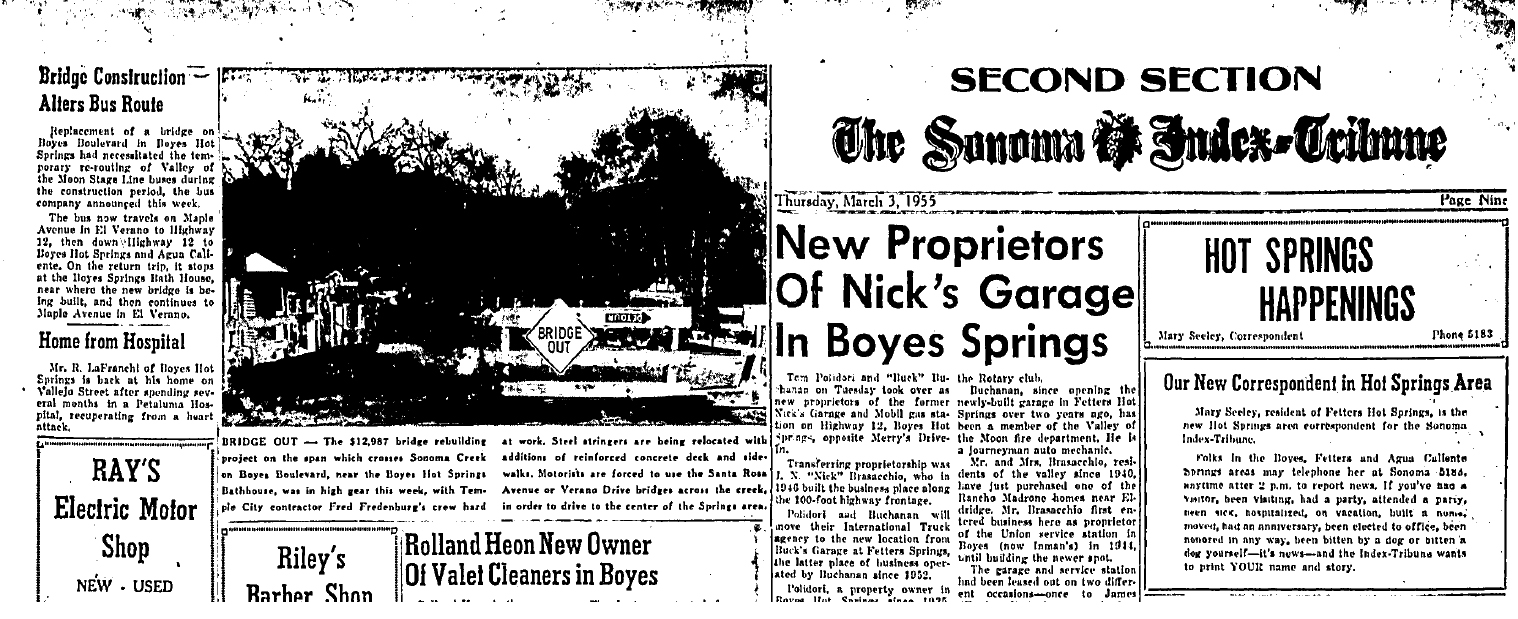
Thursday, March 3, 1955. Work was “in high gear” on the new Boyes Blvd. bridge.The caption notes that motorist will be forced to use “Verano Drive or Santa Rosa Avenue” to cross the creek. Verano Drive is now Verano Blvd. and Santa Rosa Avenue is West Agua Caliente Road.
Work went fast: On April 17th we learn,
“New Boyes Bridge May Open to Traffic This Weekend.”
“Possibility that the brand new bridge across Sonoma Creek at Boyes Boulevard, near the Bath House, will be open to traffic on Saturday was seen this week.
Painting of the new steel barriers and upper portion was completed on Tuesday with only the sand blasting and painting of the steel sections beneath the bridge remaining.
Normally, twenty-one days is allowed for the concrete to set after the deck has been poured. If this procedure were followed, the bridge would not open until next Monday. However, due to the excellent weather and the fact that the Boyes Hot Springs Bath House and facilities will be open for the season on Saturday, this weekend may possibly see the new bridge in use.
The Fred Fedenburg firm of Temple City has been the contractor for the $12,987 project, which was stared the last week of February.”
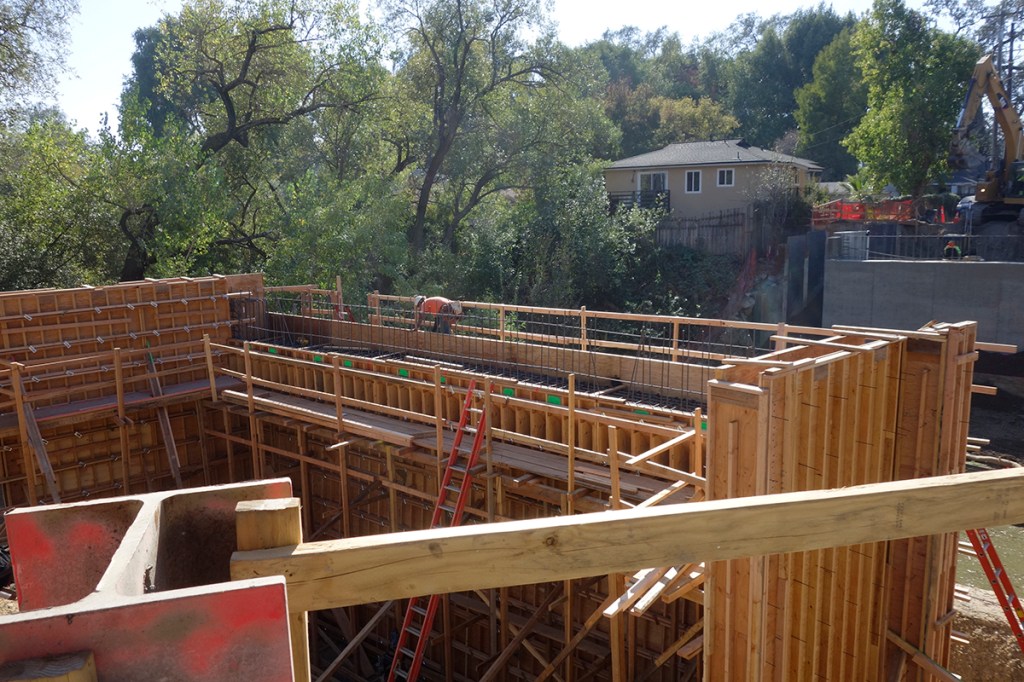
The work was fast because they did not replace the abutments, unlike the current project for which massive new concrete supports were poured. Still, the end of February to the end of April is rapid!
Fast forward to the year 2000. It was proposed to widen the bridge to three lanes, but neighbors worried about increased traffic.
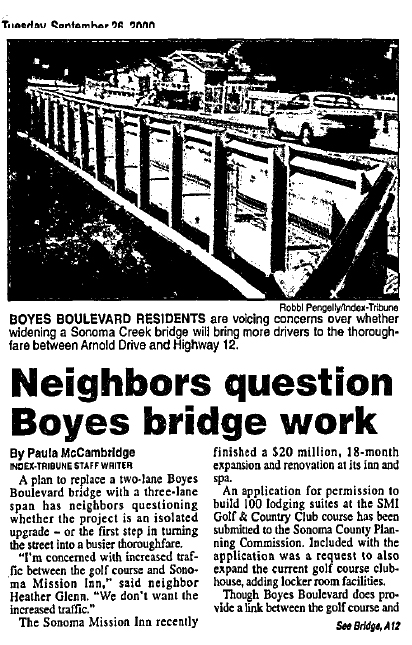
That project never came to pass.

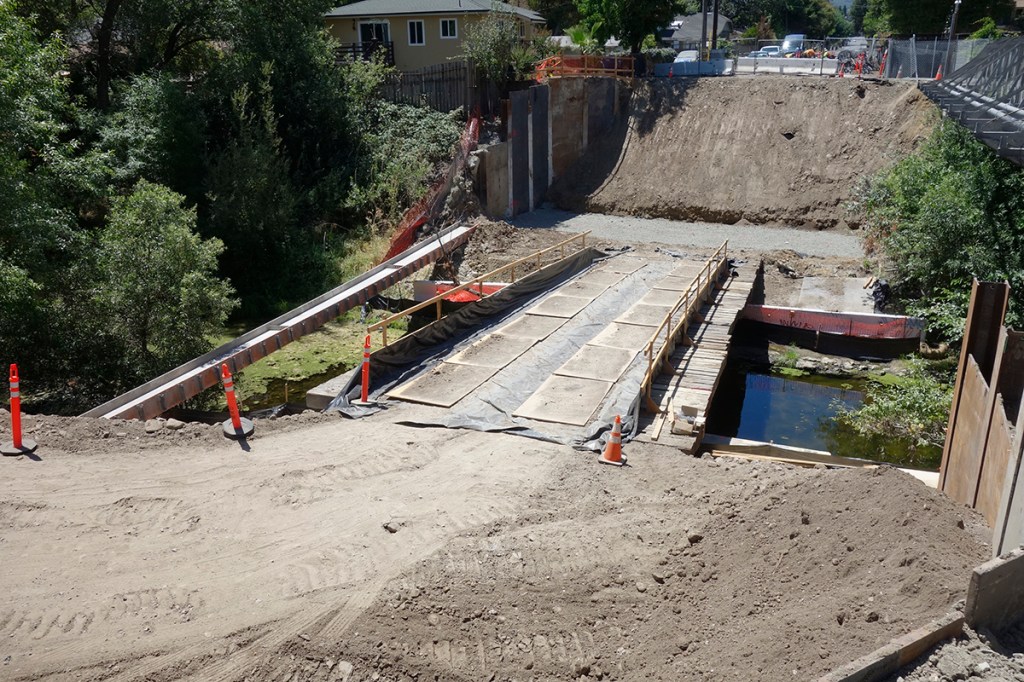
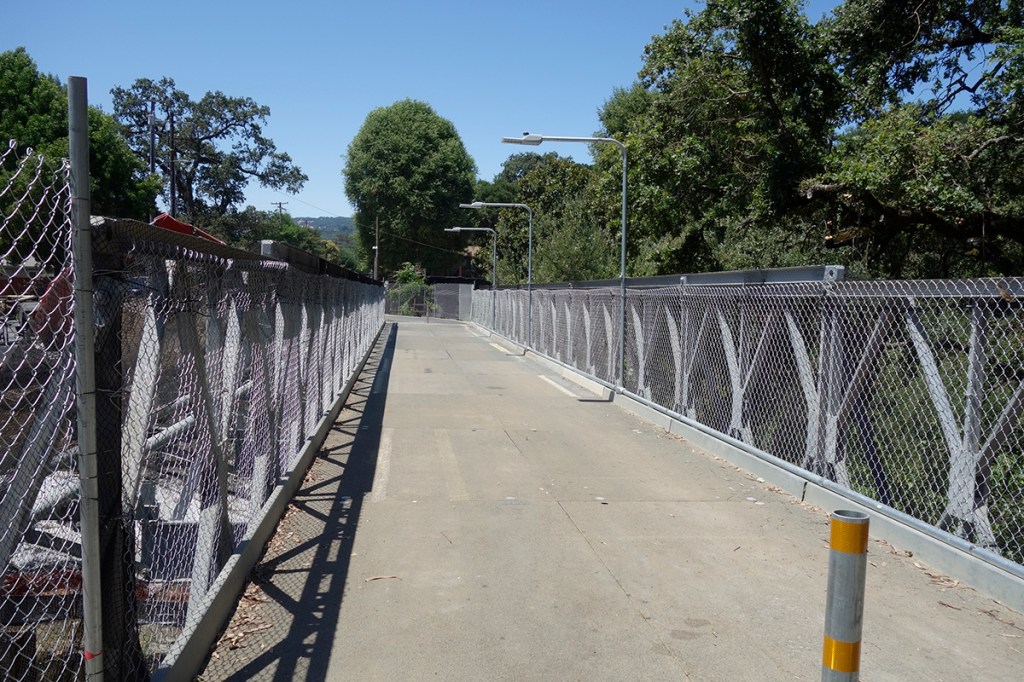
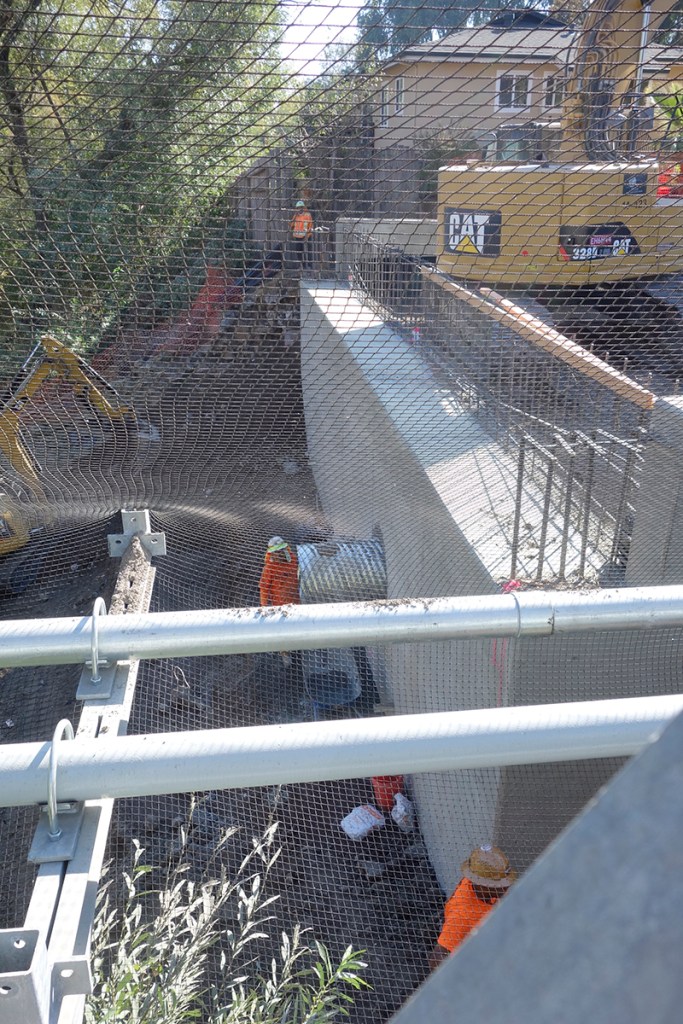
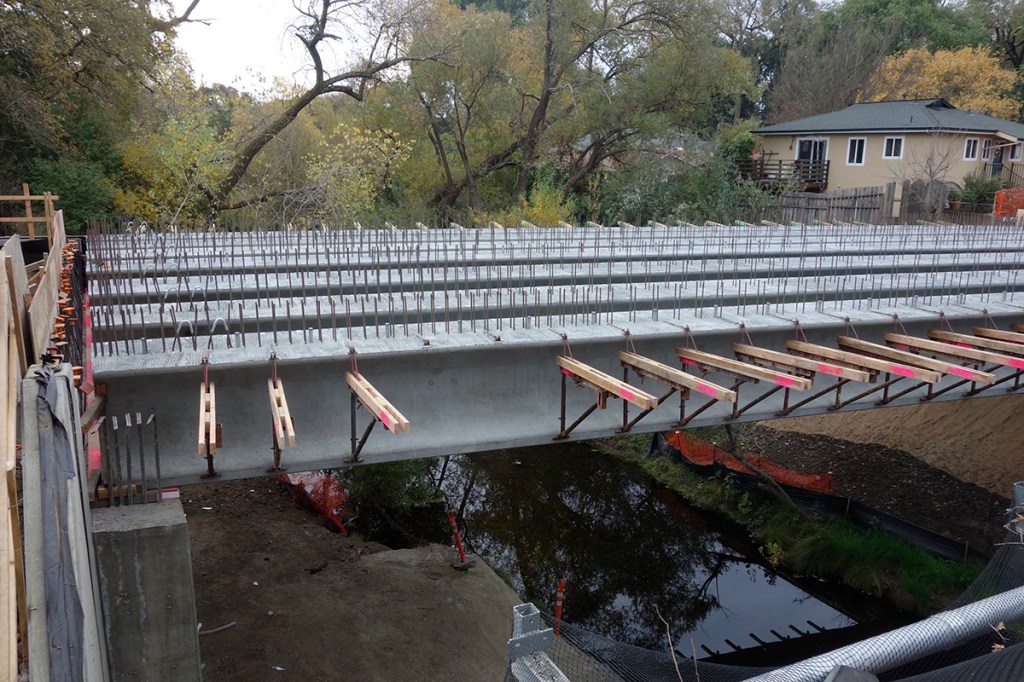
In December 2020 the County sent this notice informing us of a big step in the construction of the NEW new bridge.
We first learned of the current bridge project in July of 2019, when the Sonoma County Department of Transportation told the Index Tribune that the Boyes Blvd. bridge was “functionally obsolete.”
“The new replacement bridge will comply with current roadway, drainage and bridge standards…; it will not increase vehicular capacity but will provide shoulders for bicycles and a five-foot wide sidewalk for pedestrians” the IT reported.
Engineering work started in 2013. The funds were allocated in July of 2019.
“The entire project is expected to cost $5.13 million, almost 13 percent higher than originally estimated. Additional costs are said to stem from the temporary pedestrian bridge which will also provide a structure for water, gas and electric relocations, and the water systems improvements by the Valley of the Moon Water District (VOMWD).”
“Commencement of construction of the project has been delayed due to, among other things, a lengthy negotiation with a neighboring homeowners’ association in 2018,” said the summary report.
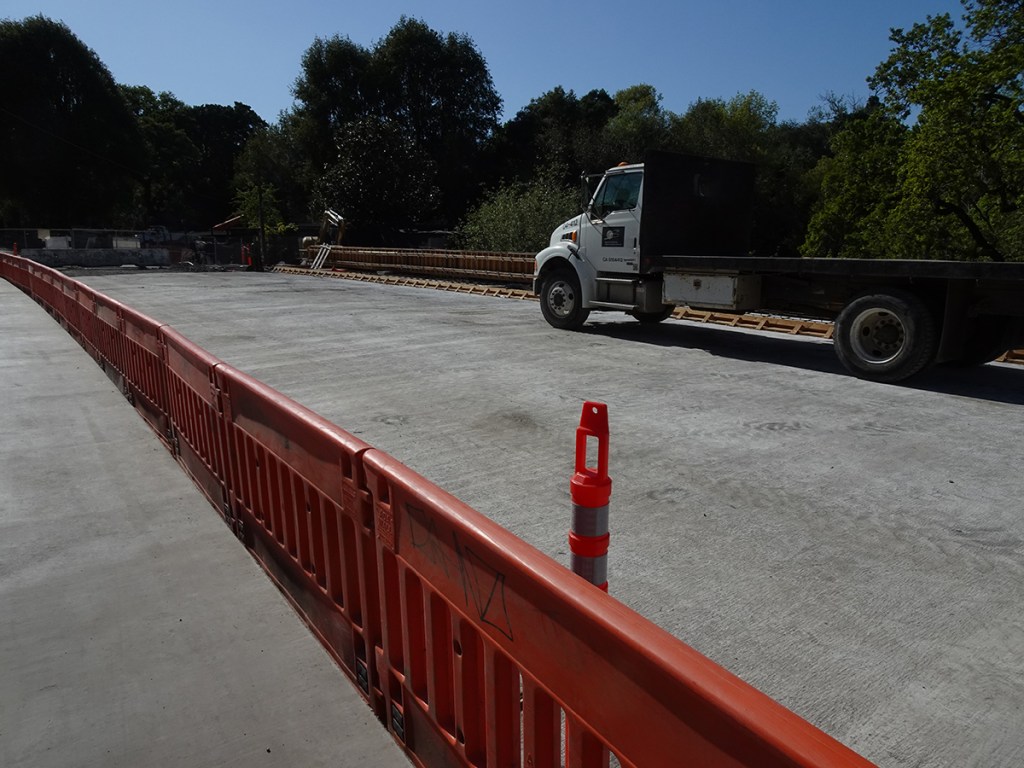
The “other things” causing delay now include a world-wide pandemic and a bad fire season in 2020. Currently the bridge is scheduled to open in July of this year (2021).
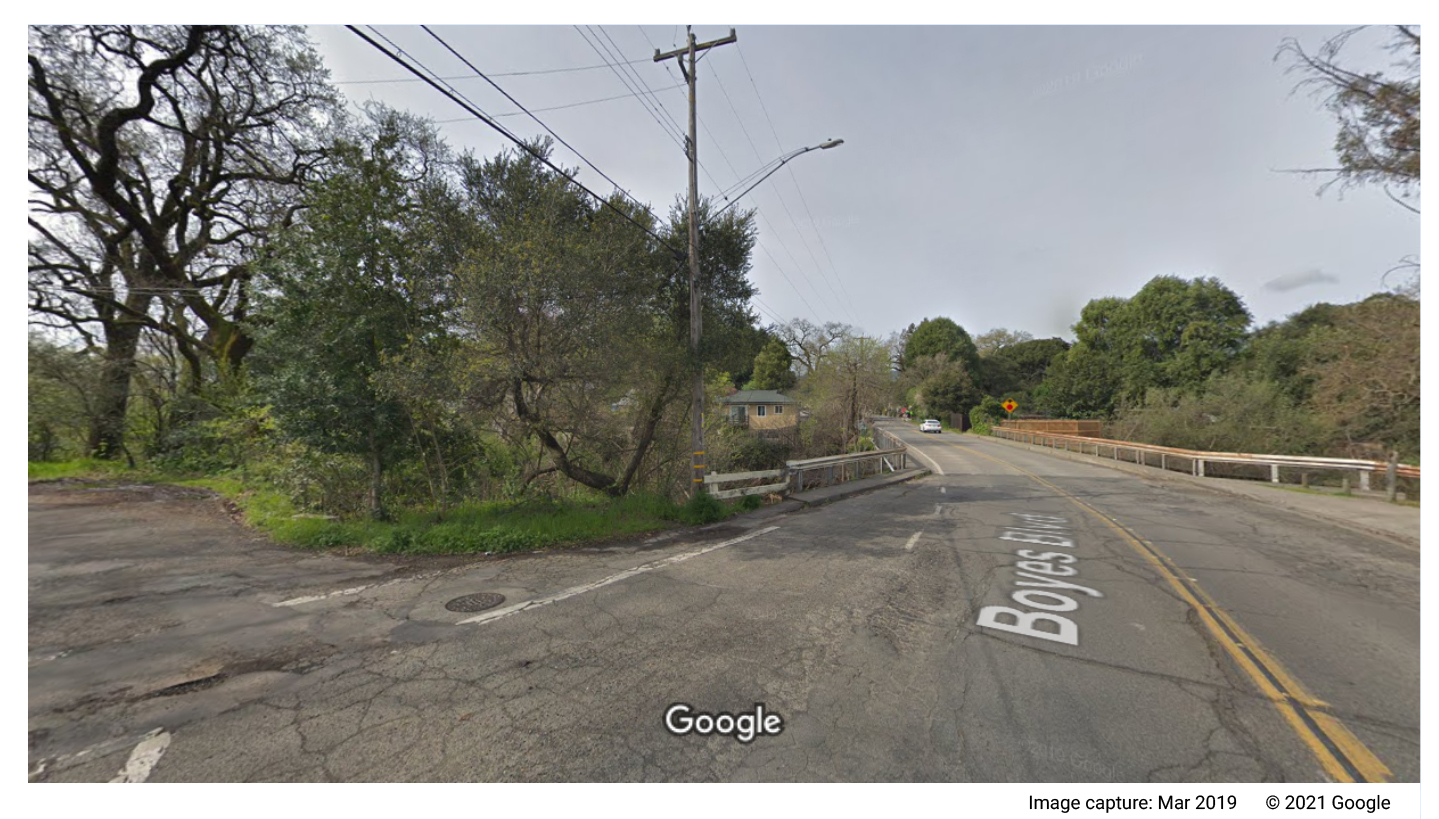
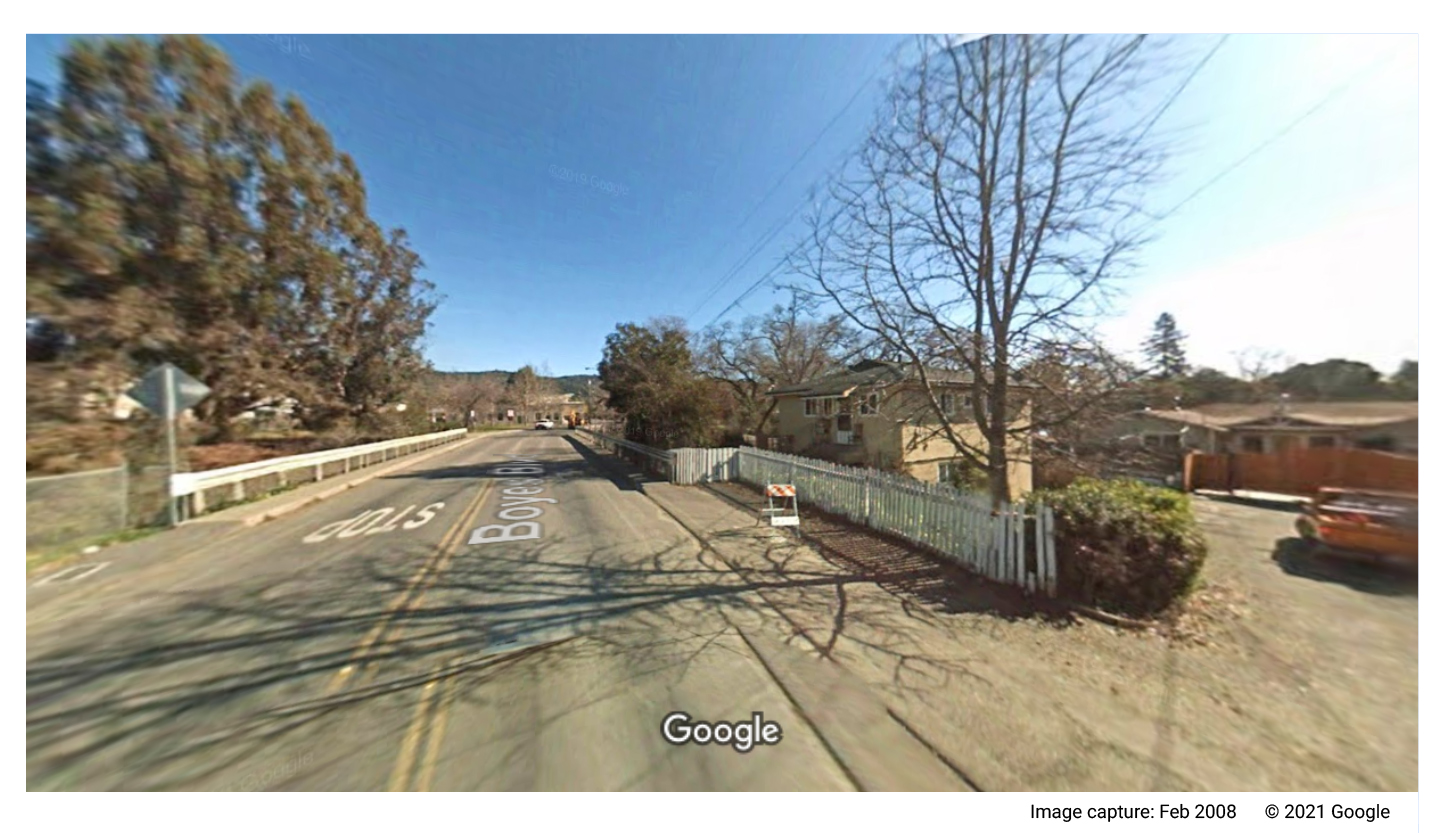
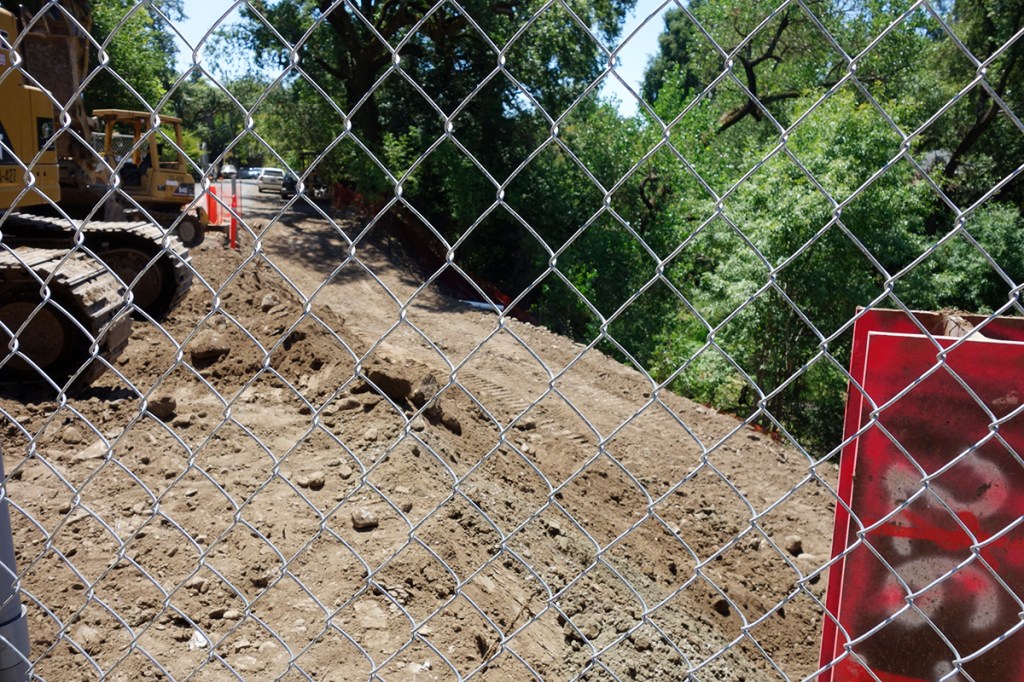
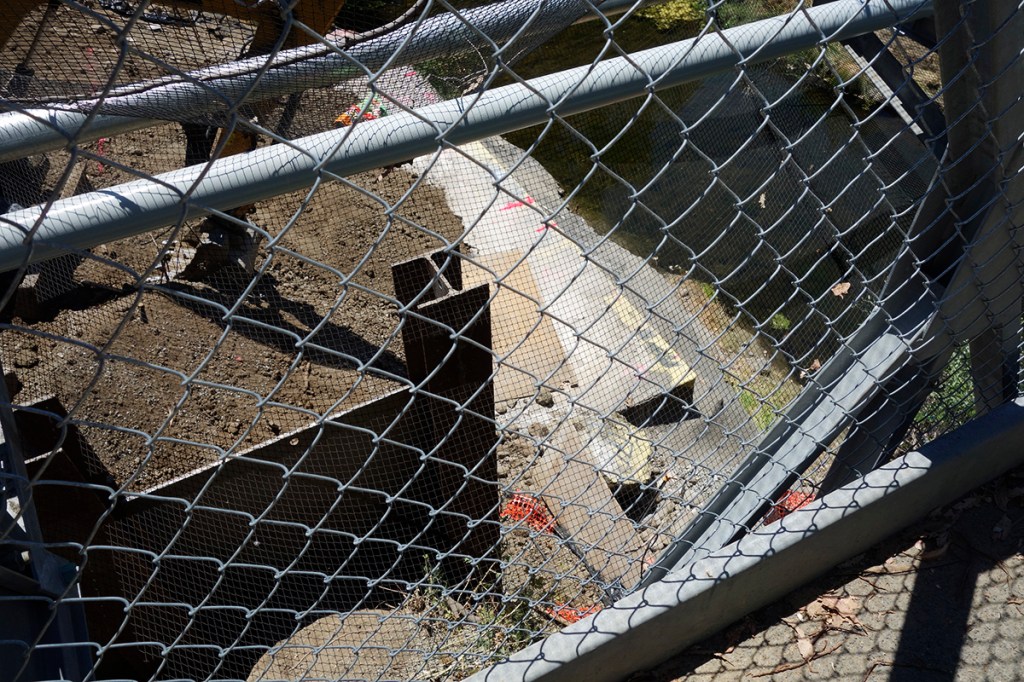
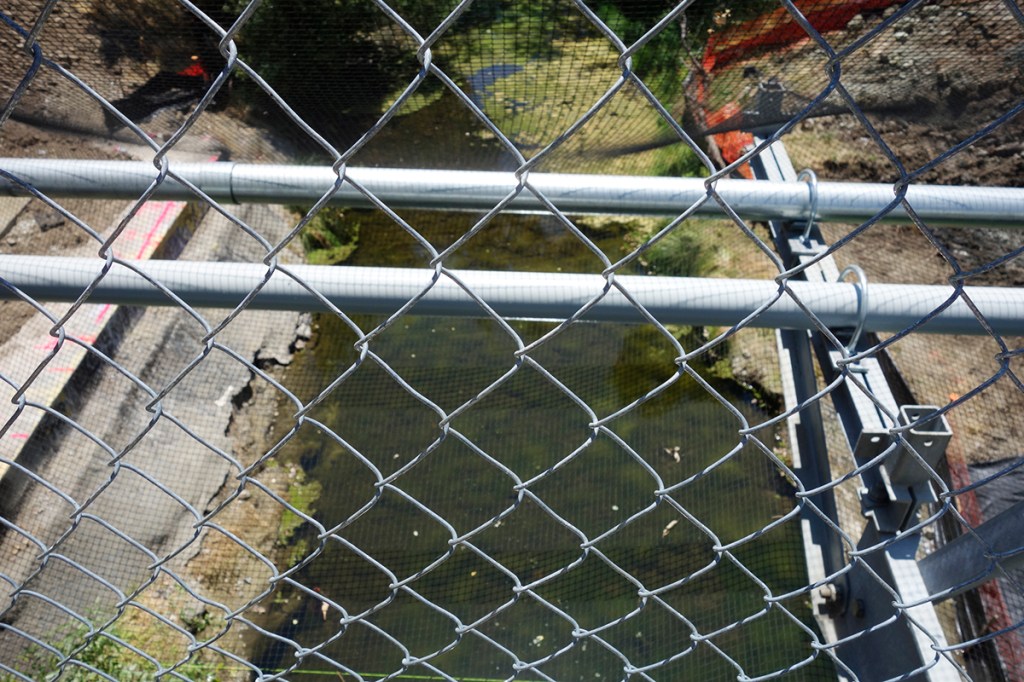
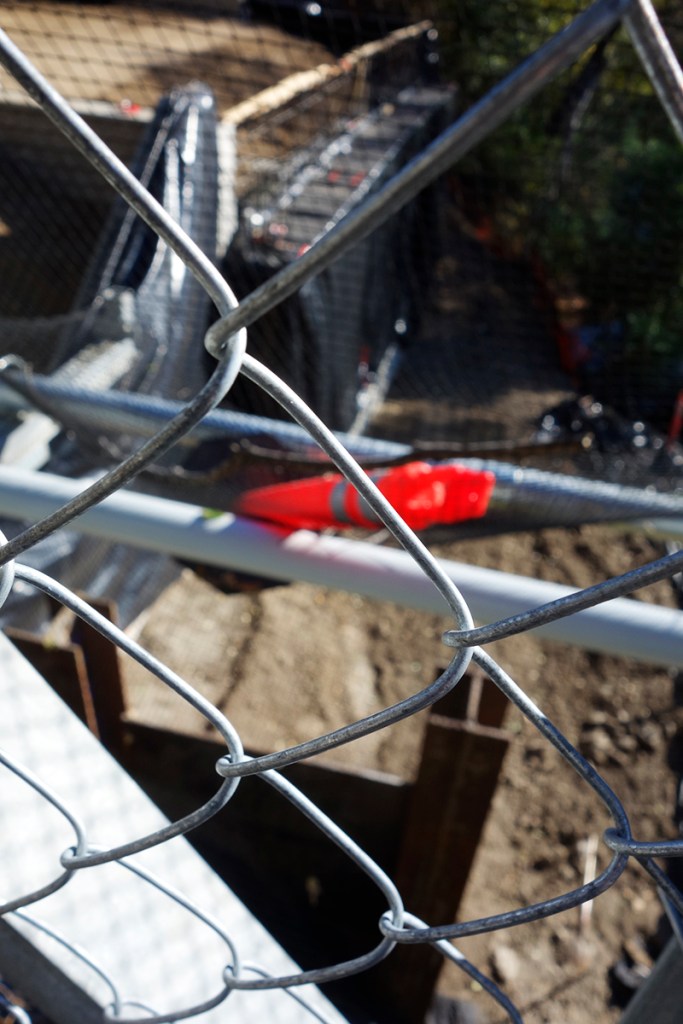
The photos below span November 2019 through April, 2021.
Bonus slideshow of arty construction images! You’re welcome.
Note: An earlier version of this was password protected because I wanted to address my family directly. This version should make more sense to the general reader.
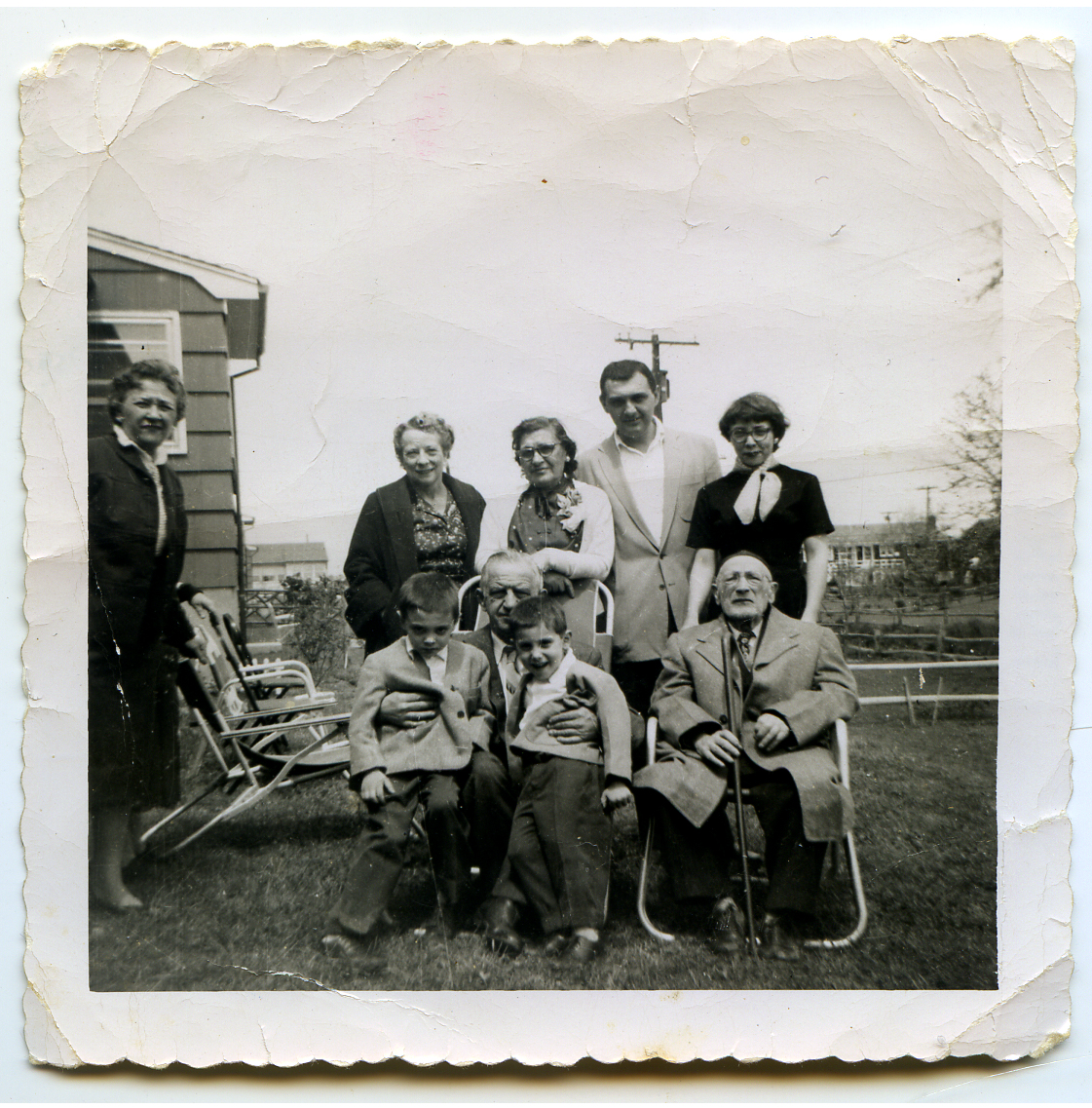
Years ago my father, Marty, gave me a copy of a photograph of the Acker/Samuel(Weissbuch) family, assembled in Manchester, UK around 1900. I don’t know if he knew more about the photo, but he never gave me any details. The family had migrated from Rumania not long before. The group is photographed in front of and hemmed in by, brick walls, in tiers, with a gaggle of kids sitting in the front row. I have been going through folders of family photos lately, (partly so the younger members of my family won’t have to do it some day). I came across a copy of the photograph.
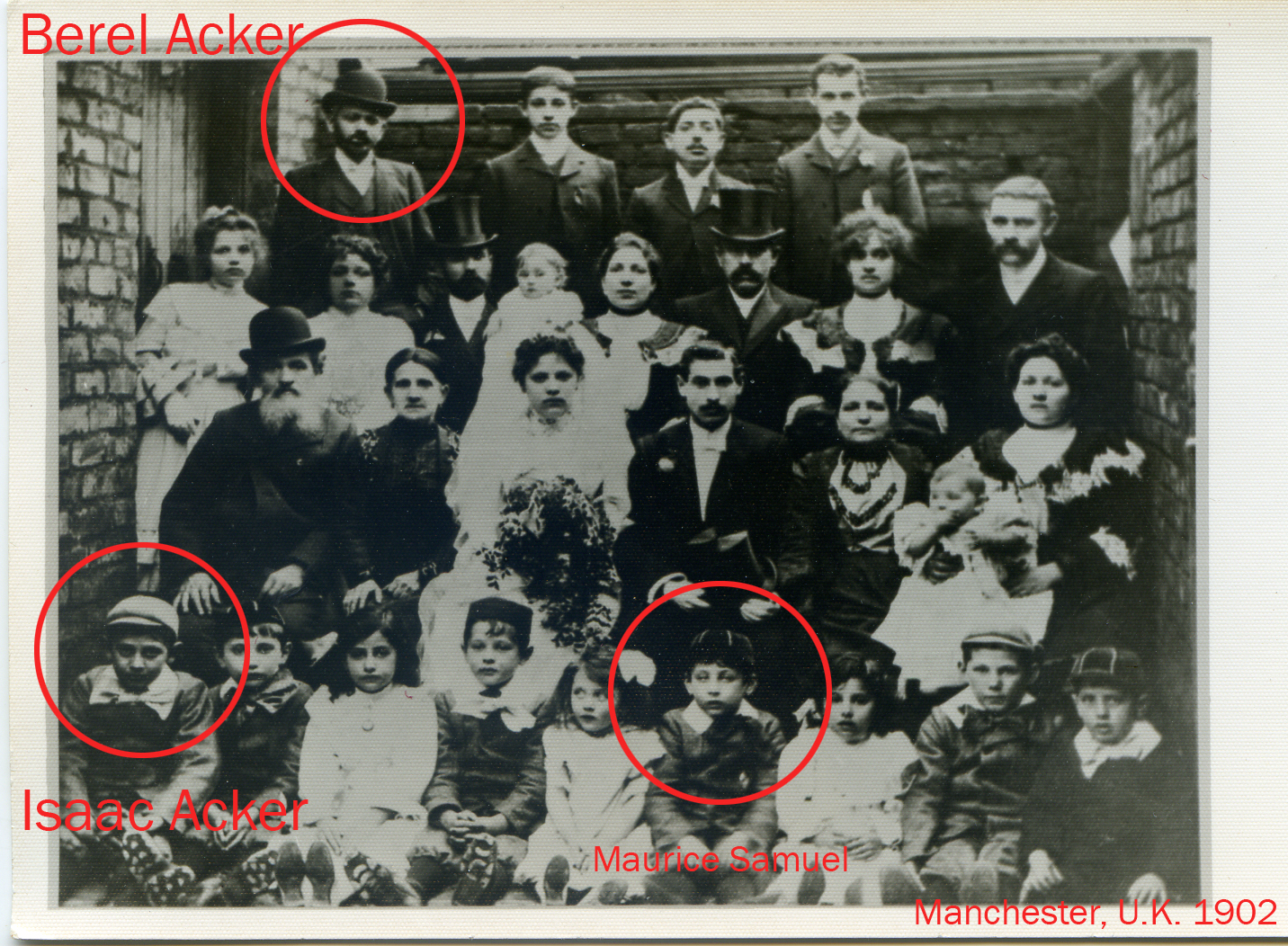
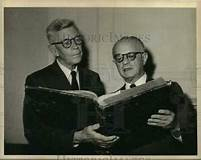
Now, in this family was a boy who would become a well-known writer, a Zionist thinker, and something of a radio personality in the U.S. His name was Maurice Samuel (my father’s first cousin. He was a hero to Marty in his youth, and I remember hearing him talk with poet Mark Van Doren on national radio. This conversation, the subject of which was the Old Testament, went on weekly in the summer for twenty years! They were also on TV.)
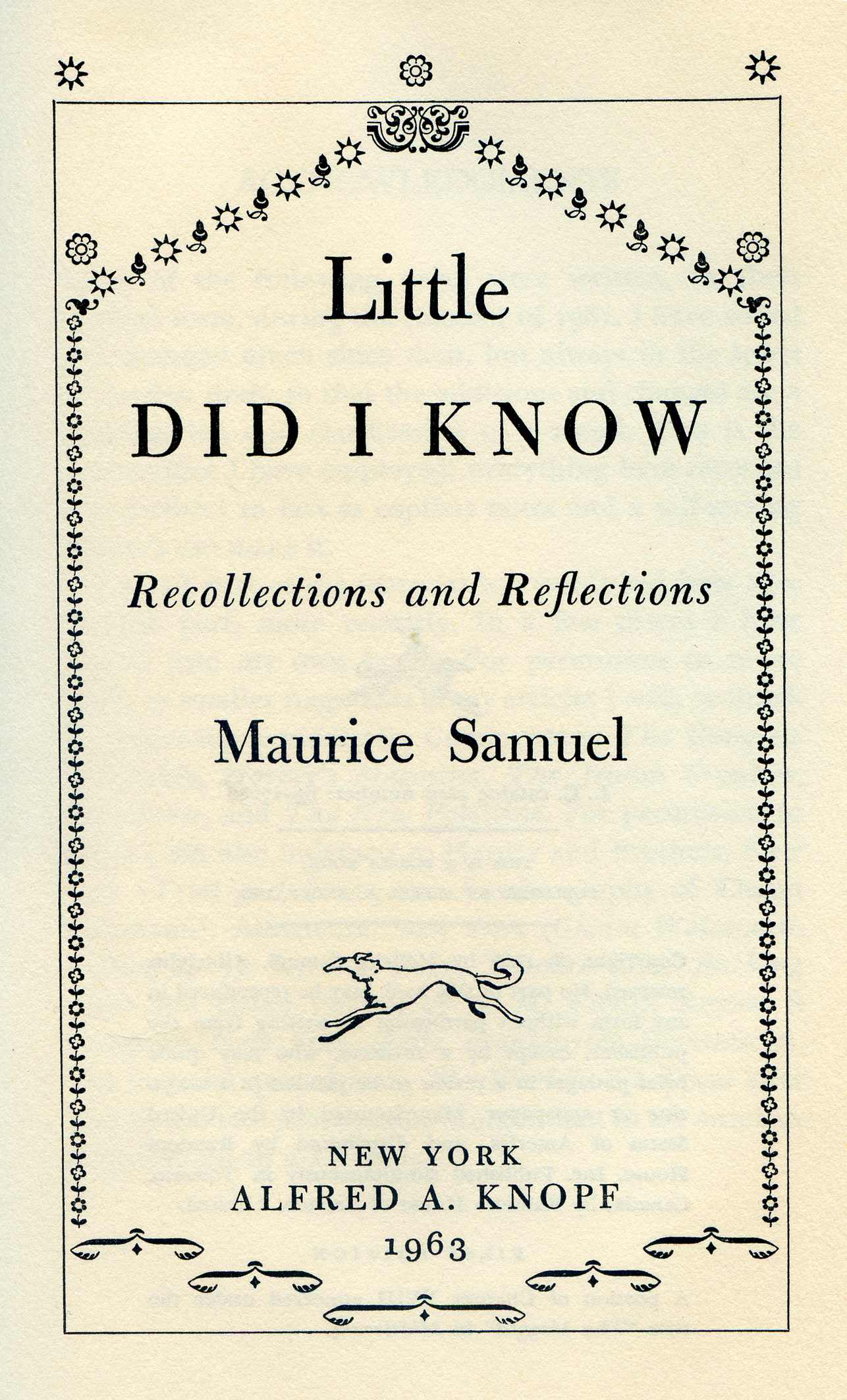
In 1963 Maurice published a memoir entitled Little Did I Know, the first sentence of which reads
“Among the people who rise out of my past to claim first mention in this book, my uncle Berel is the most persistent.”
Berel Acker was my great-grandfather.
I have had Maurice’s book (my father’s copy) by my reading chair for months and I dip into it now and then. I started reading, on page 72, a few days ago, this: “My mother’s family came to Manchester in full force, part of it moving on, as I have told, to America. I have a group photograph taken in 1902, in the squalid backyard of 5 Norfolk Street, on the occasion of my aunt Chaya’s wedding, which was celebrated in our upstairs front room. Uncle Berel is in it, billycock set jauntily on his head, a cigarette dangling from his lips. I am there with my twin sister Dora, in the front row, seated on the ground, and into my face only a Wordsworth could have read trailing clouds of glory…”
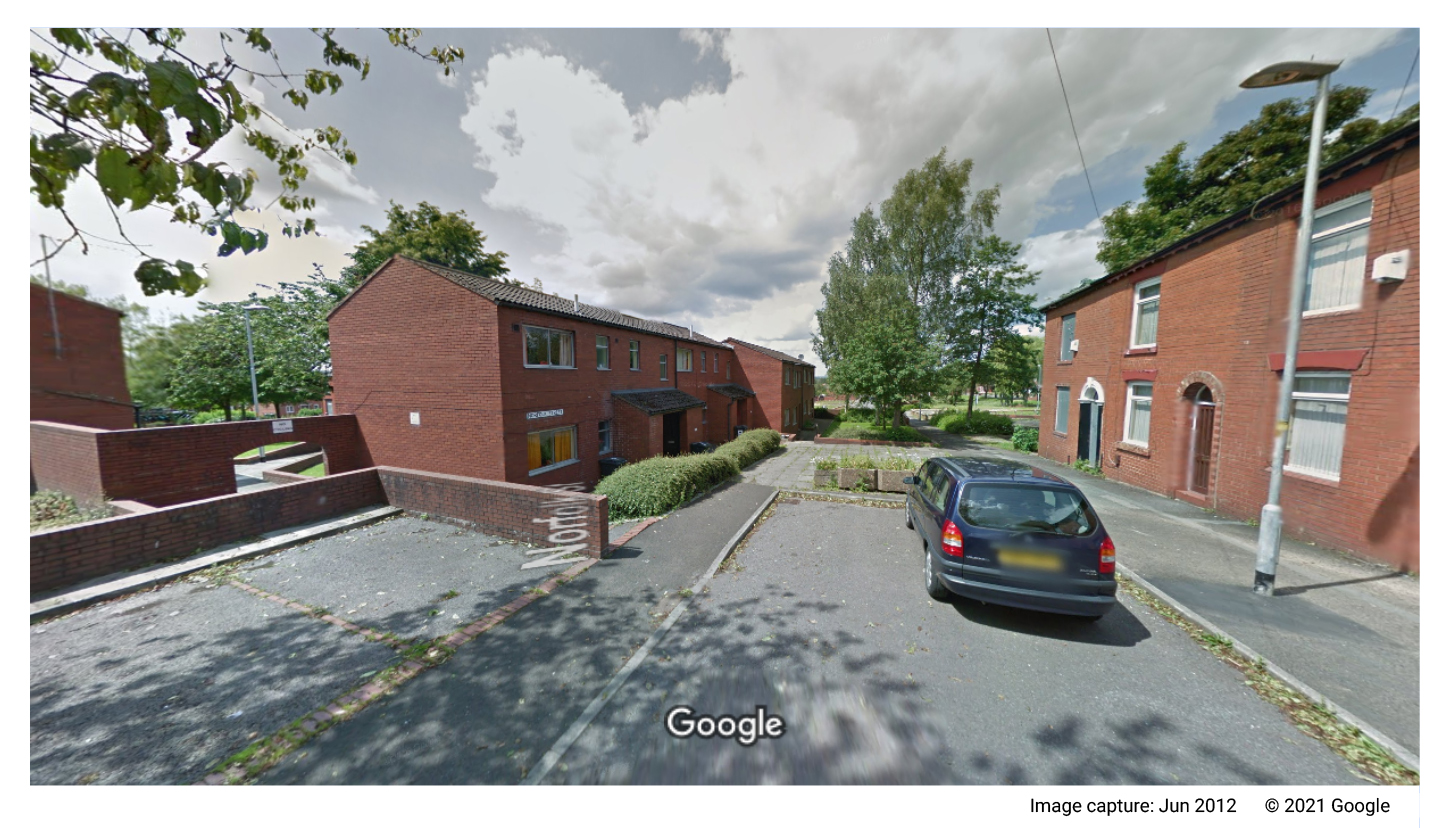
An amazing coincidence that I found the photo I read about in Maurice’s book just a few days later, giving me a lot more detail and a certain flavor.
Marty wrote on the back of the small copy I found that the little boy at the extreme left is his father, my grandfather Isaac.
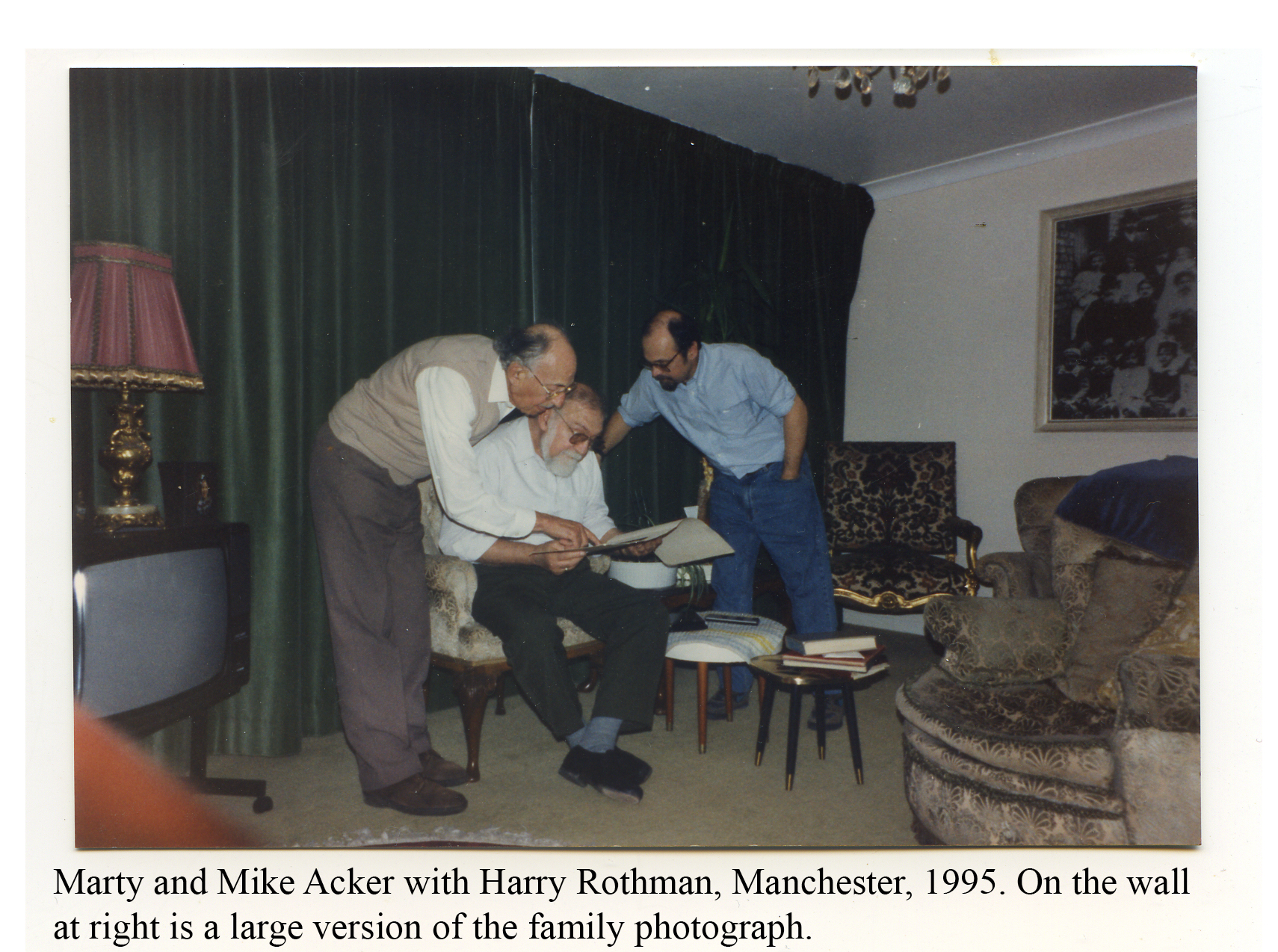
In 1995 Marty and I visited the English relatives. In cousin Harry Rothman’s living room was a large version of the photo.
Maurice’s depiction of Berel agrees with everything I was told by my father. Berel was the man of the world, the “cool grandfather.” Marty’s other grandfather, who was named Katz, was so religious that he established his own synagogue and became its rabbi. Kids of Marty’s generation would say “when the Katz away, the mice will play.”
It’s gratifying to have little bits of family history come together like this.