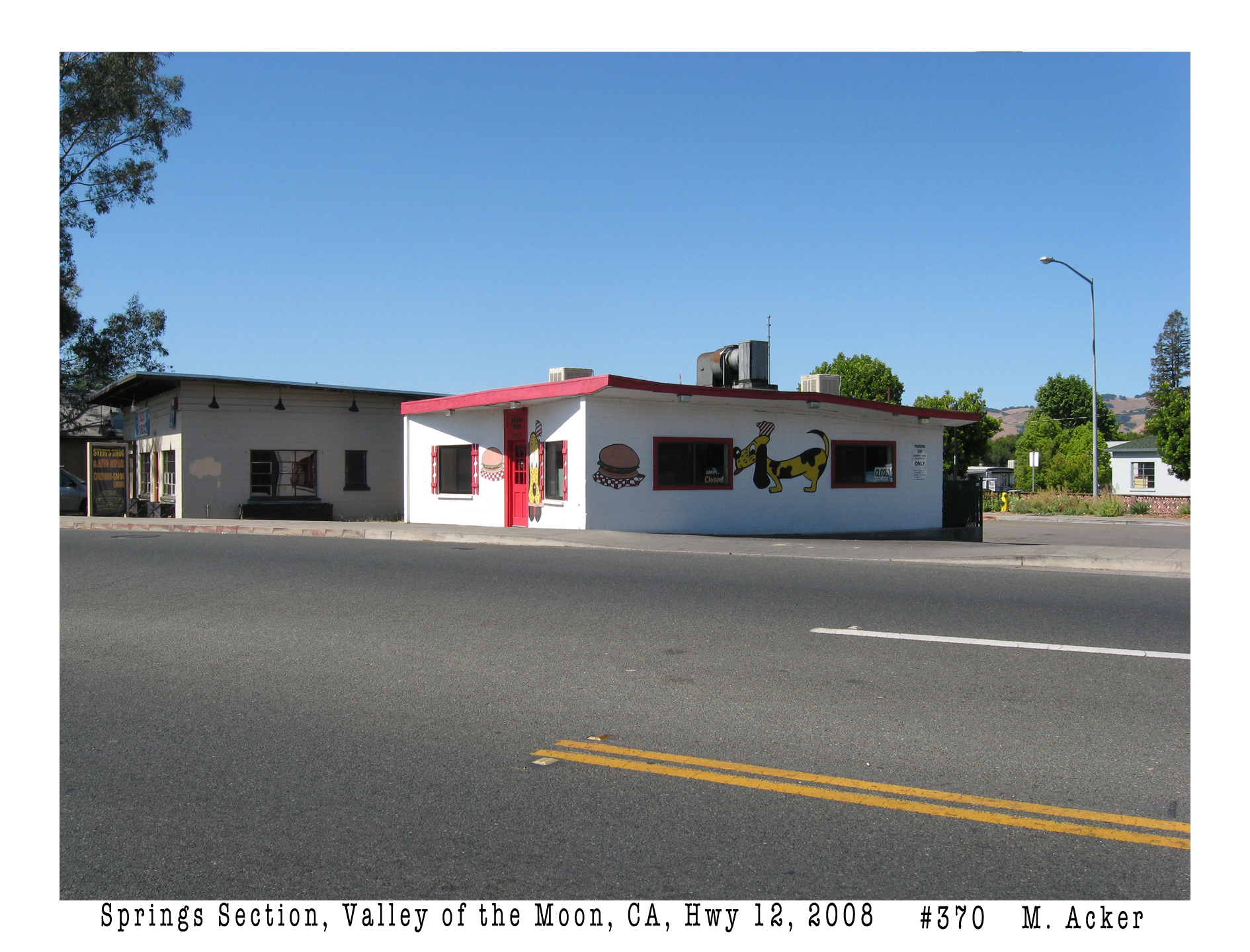
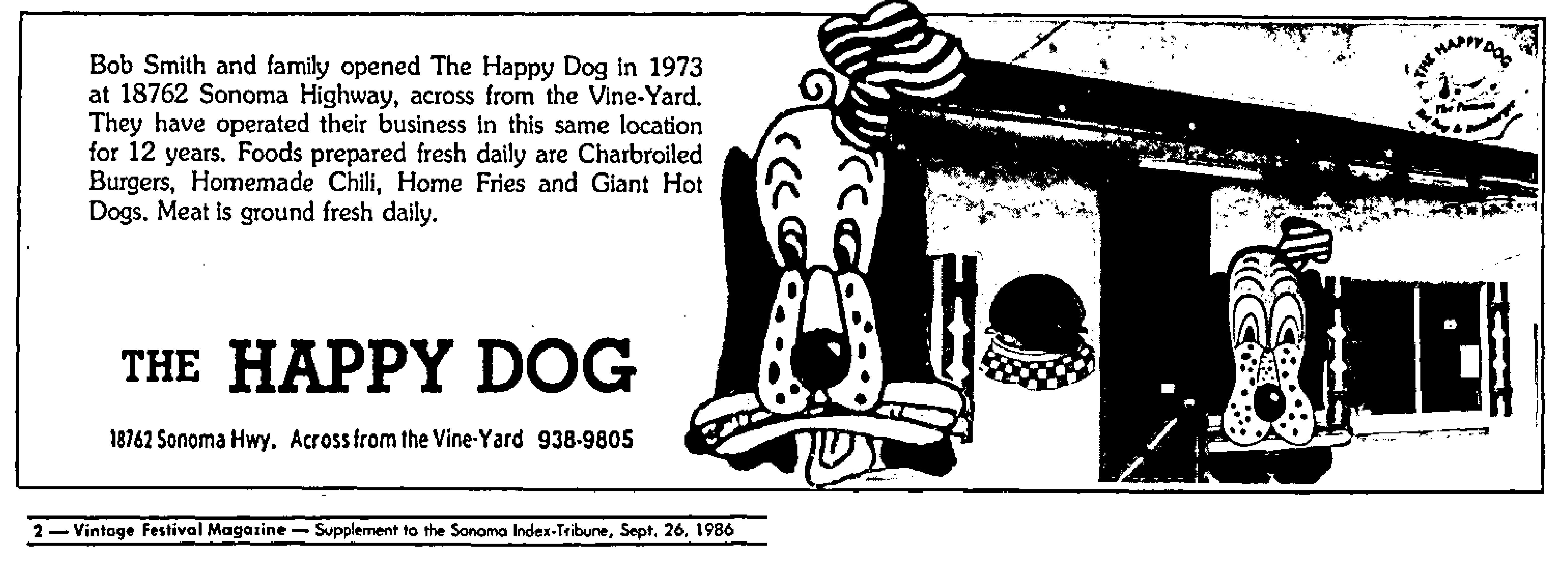
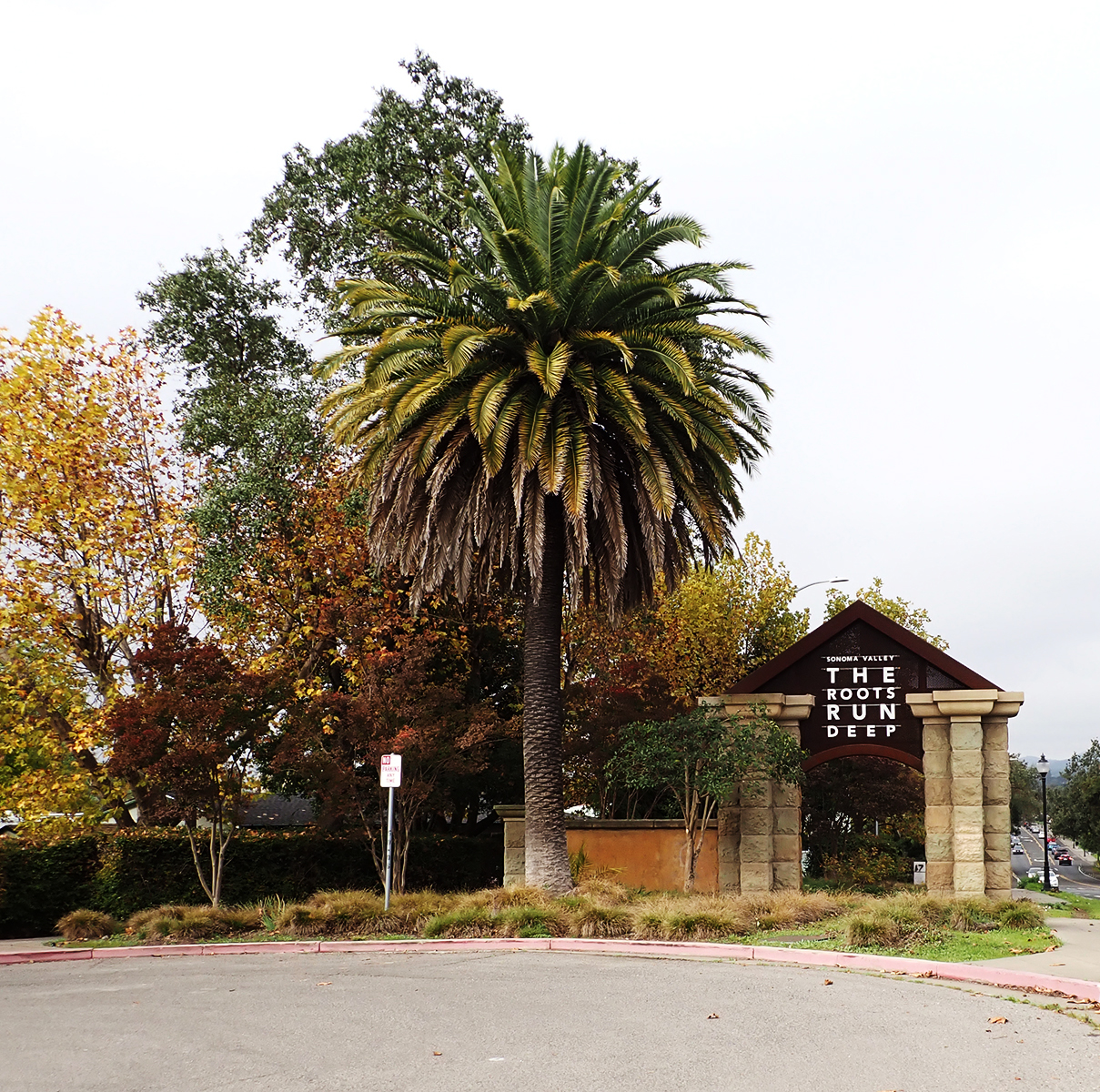
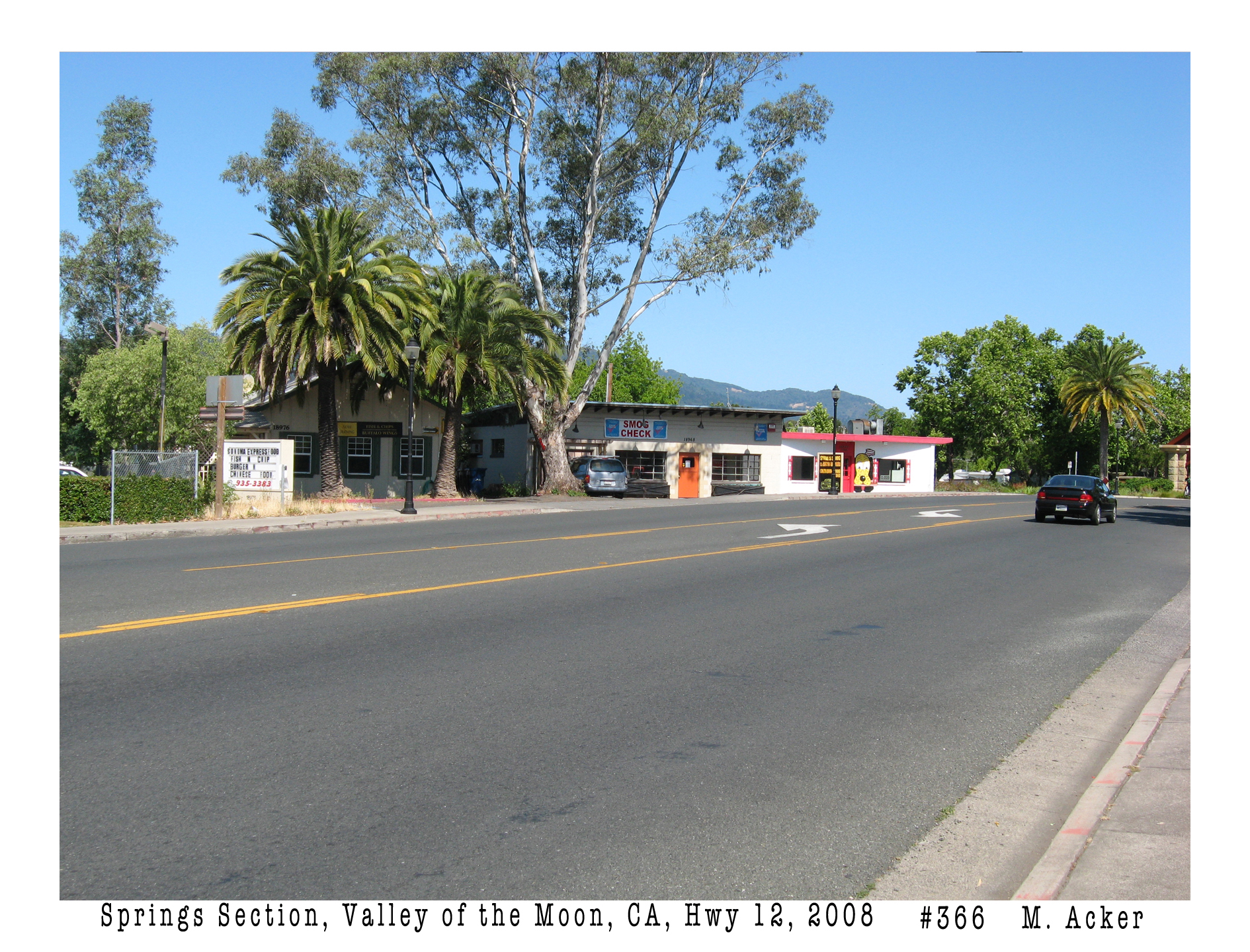
I’ve been working for some time on a couple of posts about the Happy Dog and the Gateway Arch, both on Highway 12 near Verano Ave. Obviously, you can’t talk about one without talking about the other. (Well, not so obvious to me until I started thinking bout the nature of human made landmarks). As usual, there is a lot more to know than I originally expected. I found it necessary to include Moosetta’s Deli and other buildings in the post. Progress was slow, and then, as they say, life happened. Everyone is fine, but some hospital time was experienced. So, I did not finish either post.
Next month!
Here is a teaser.
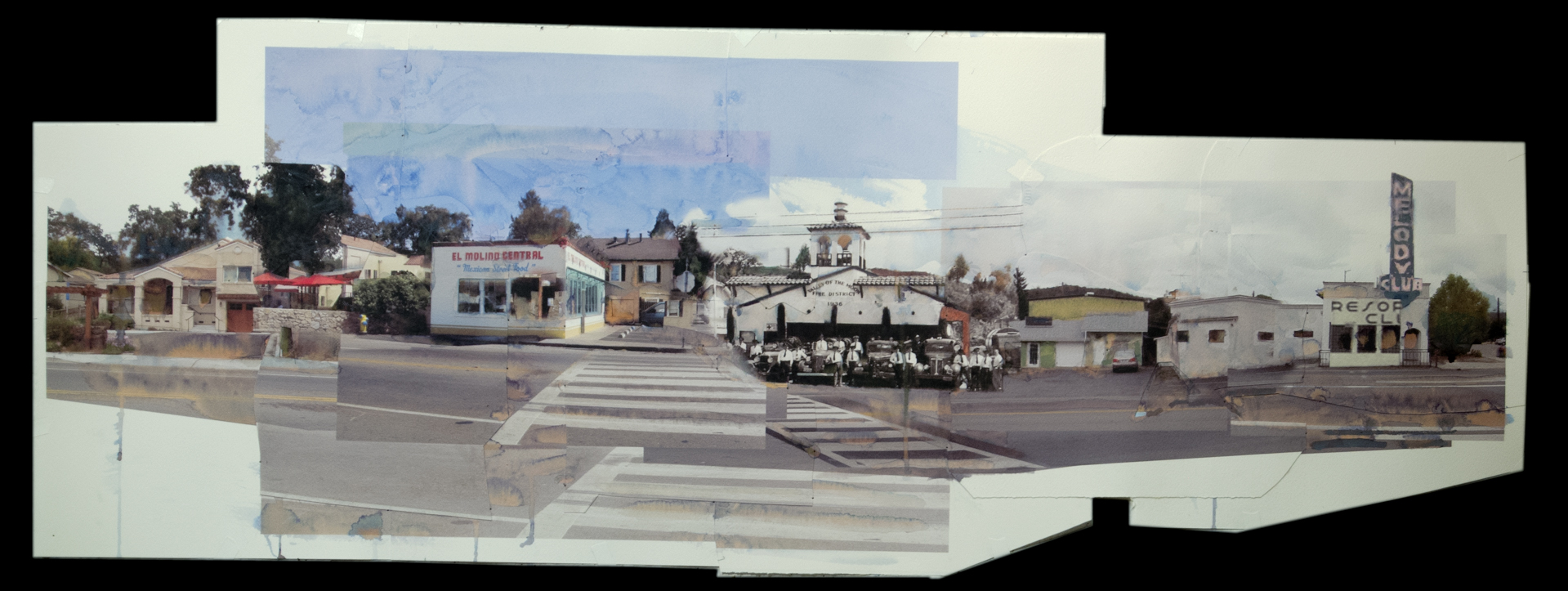
Above is from the archive of photos I created in 2008. I printed two copies of all 477 images and gave one to the Sonoma County Library and the other to the Sonoma Valley Historical Society.The Arch in 2025, with the new advertising.Left to right, what is today the Verano Cafe, the Steve’s Auto building, and the Happy Dog. Moosetta’s was located in the first building, the Art Store in the second. Moosetta’s had at least three locations.
Hey! Why don’t you click over here and shoot some rasbuckniks to the Springs Museum? Er..donate, that is, please!
Index Tribune courtesy of the Sonoma Valley Historical Society.
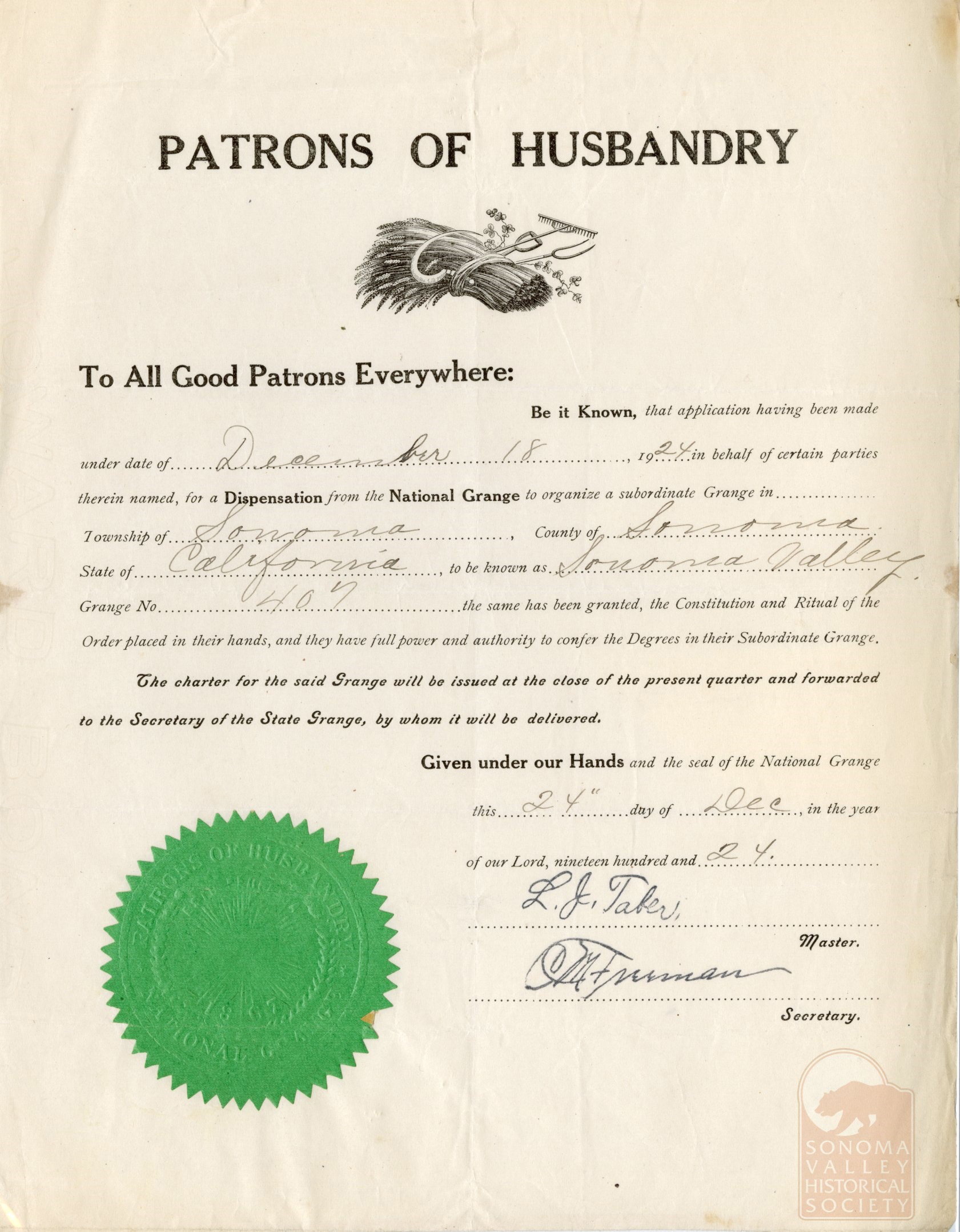
2024 is the Centennial Year of Sonoma Valley Grange #407
2015
The Grange was founded in Washington D.C. in 1867 to advocate for farmers. America became less rural, and the Grange evolved into a general community service organization.
On May 6, 1924, some residents of Sonoma Valley met with the Master of the Sebastopol Grange in the Sonoma High School auditorium to organize a Grange for the Valley. The event was important enough to be reported on the front page of the Index Tribune. The IT devoted several paragraphs to the historic accomplishments of the Grange nation-wide, ending by pointing out “one of its grandest achievements is the establishment of rural mail delivery and parcel post in all sections of the country…to publicly proclaim that if it was right for the government to carry mail to the homes of people in the cities, it would be right for it to carry mail the homes of people in the country…” It’s important to notice that things we take for granted had to be advocated for in the past. This kind of advocacy is at the heart of the purpose of the Grange.
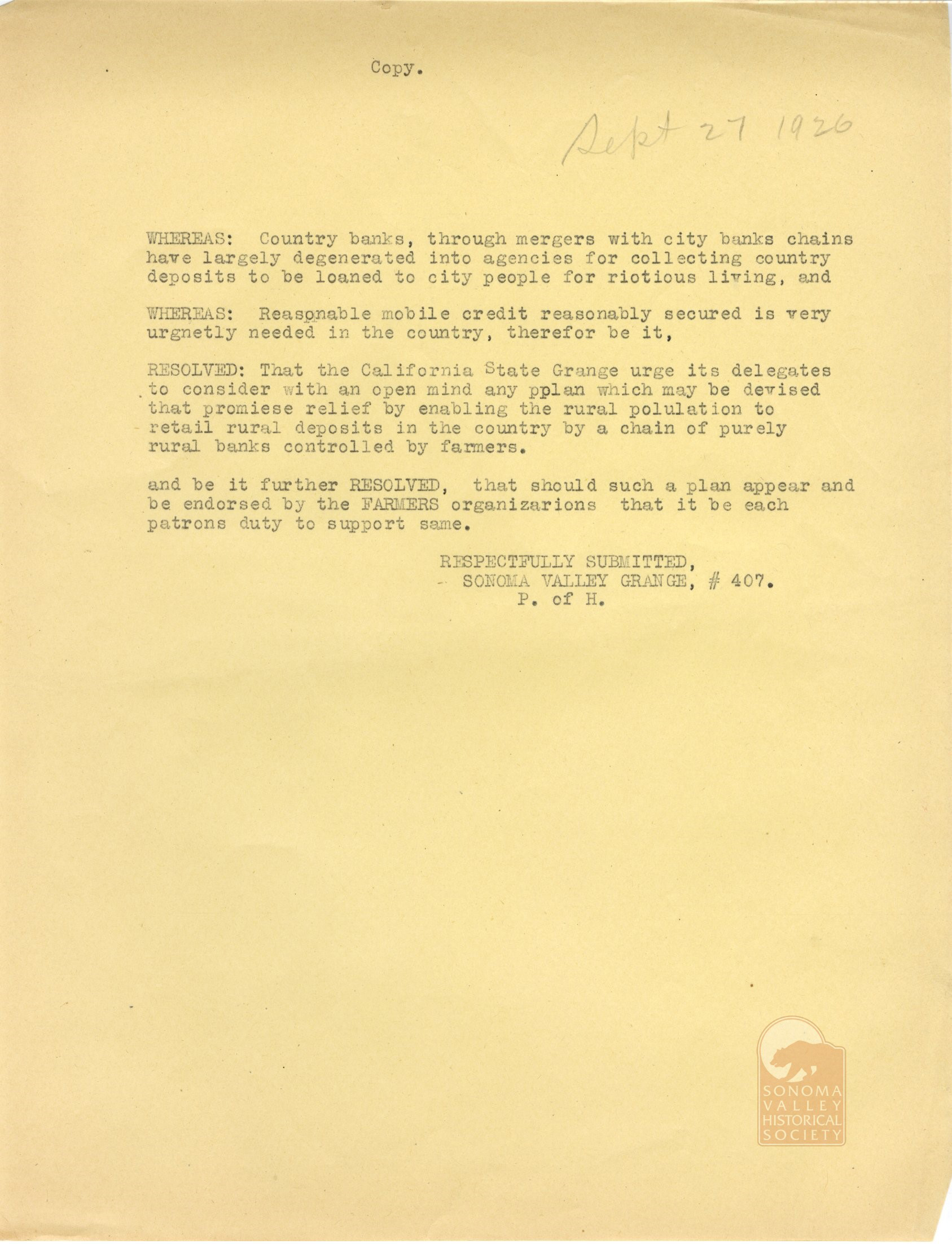
One of the main functions of the Grange is to lobby elected representatives on issues relevant to farmers (and community wellbeing in general.) This is done by issuing resolutions. In 1926, Grange #407 resolved, “Whereas: Country banks, through mergers with city banks chains have largely degenerated into agencies for the collecting country deposits to be loaned to city people for riotous living(!) Resolved: ” that “ the California State Grange urge its delegates to consider with an open mind any plan…” to create, “a chain of purely rural banks controlled by farmers.” This shows how radical the Grange was in those days.
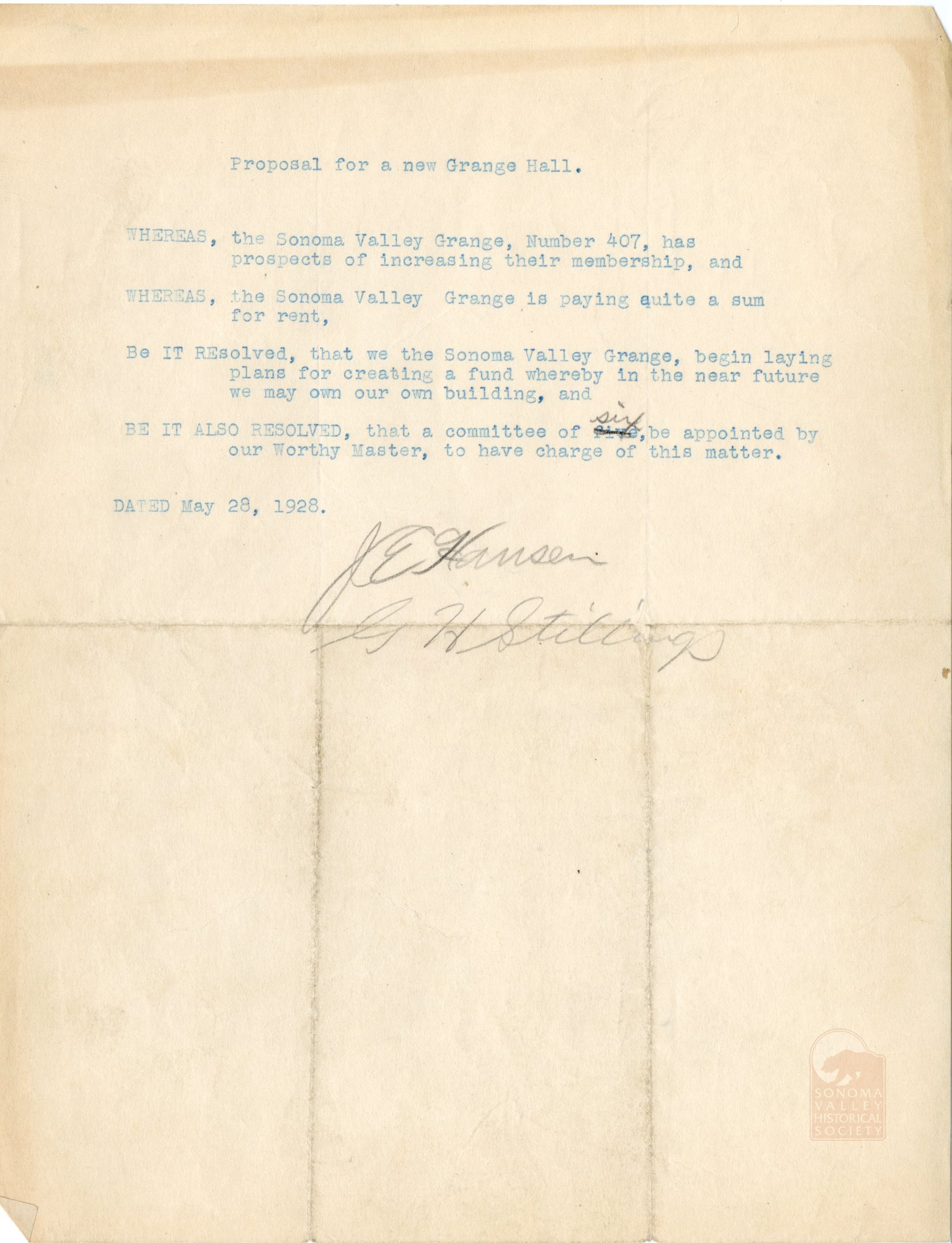
By 1928 the membership put forth a “Proposal for a new Grange Hall,” stating, in part, “Whereas, the Sonoma Valley Grange, Number 407, has prospects of increasing their membership, and, Whereas, the Sonoma Valley Grange is paying quite a sum of rent, Be it Resolved, that we the Sonoma Valley Grange, begin laying plans for creating a fund whereby in the near future we may own our own building….”
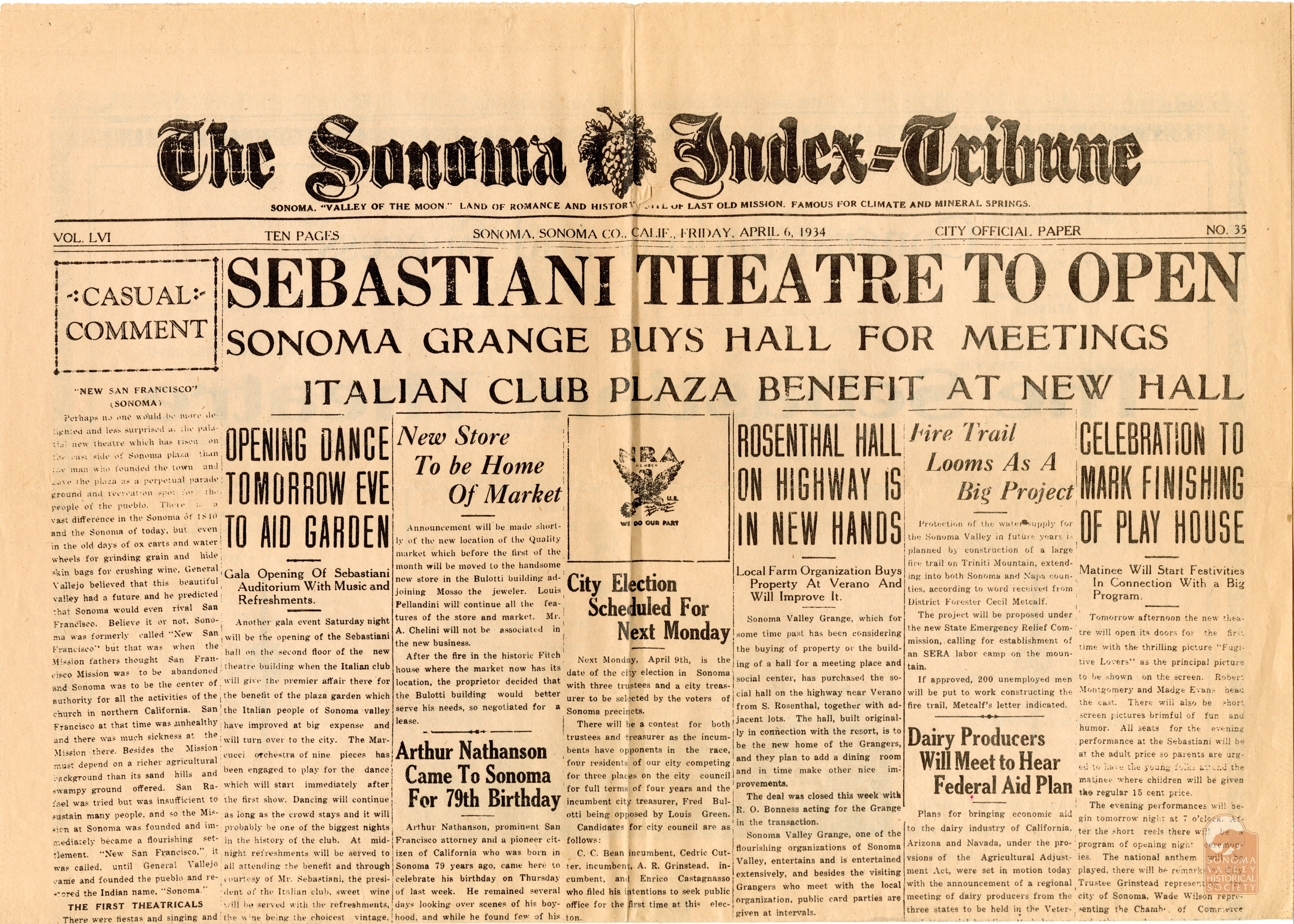
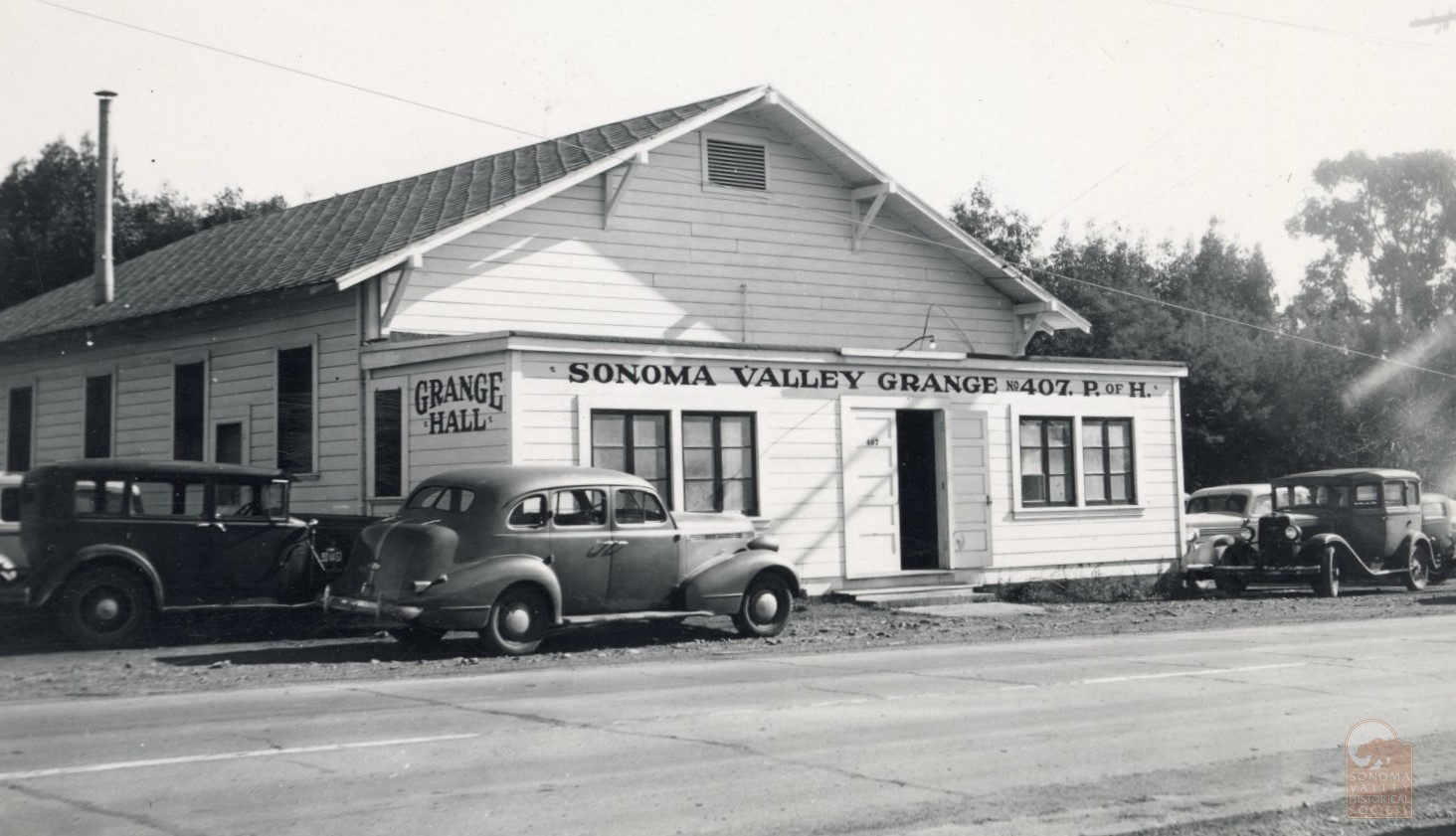
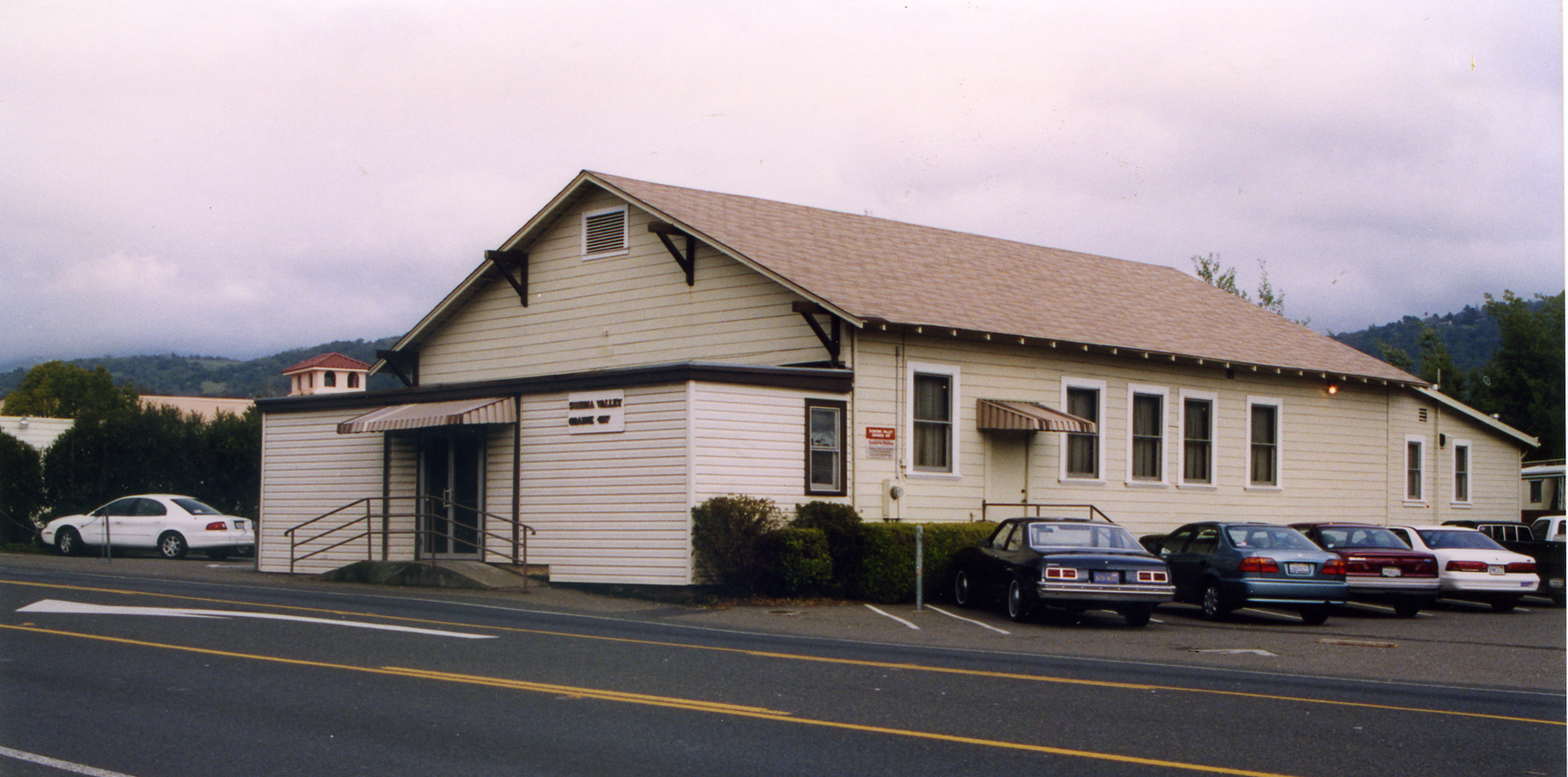
It took a while. It wasn’t until 1934 that the Grange was able to buy the building on Sonoma Highway from Selig Rosenthal. The IT reported on the front page, on April 6, 1934, that Grange #407 had “purchased the social hall on the highway near Verano from S. Rosenthal…The hall, built originally in connection with the resort (Rosenthal’s), is to be the new home of the Grangers, and they plan to add a dining room and in time make other nice improvements” which they proceeded to do during the next few years.
A few other notable events occurred in 1934.1930s, showing the front addition to the building.
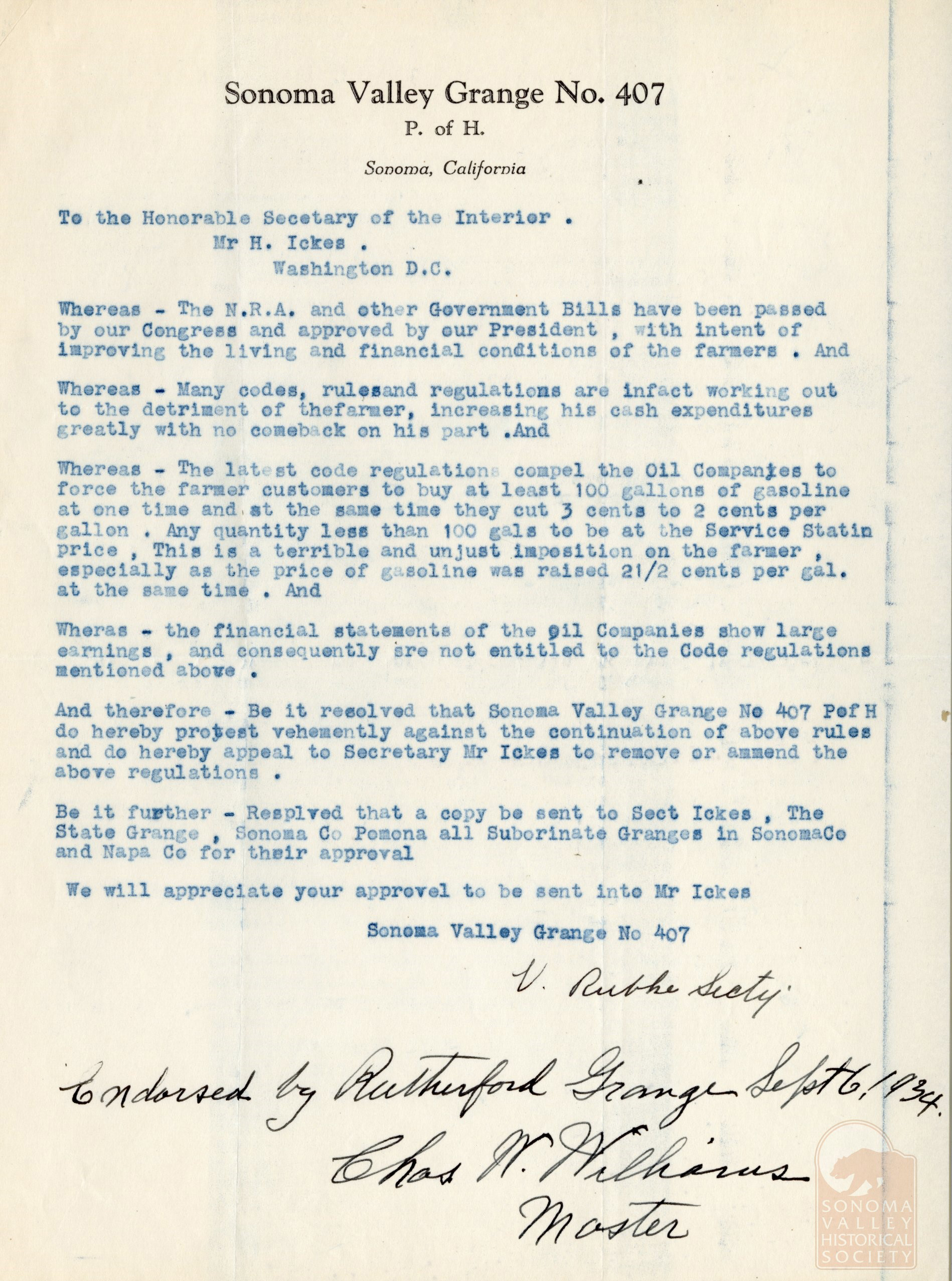
1934 was the middle of the Great Depression. In that year Grange #407 wrote a letter to the Secretary of the Interior, Harold Ickes, protesting a National Recovery Administration regulation requiring farmers to buy a minimum of one hundred gallons of gasoline to receive a lower price. “The financial statements of the oil companies show large earnings,” they stated, and they resolved that they “they protest(ed) vehemently” against the regulations.
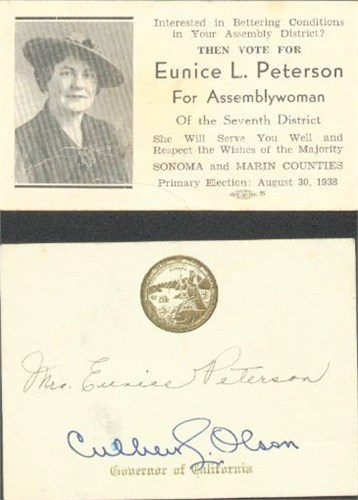
Beginning with its founding in 1867, women were prominent in Grange leadership, serving as presidents (masters), secretaries, and treasurers. Eunice Peterson , a charter member and past master (president) of the Sonoma Valley Grange, was the first woman to serve on the Sonoma-Marin Fair board in 1940 and 1941 and ran for state assembly in 1938.
During the 1940s Grange 407 remained active, and progressive, in political matters. In that year, at a Six County conference held at the Rutherford Grange Hall, the members resolved,
“Whereas: the present war hysteria has encouraged reactionary groups to violate the civil rights of religious and political minorities. And Whereas: unlawful action of this sort was the first step toward the complete loss of freedom in the countries now ruled by dictators. Therefore, Be It Resolved: that the Grange members here assembled, go on record as strongly opposed to these extra-legal practices, and we demand that our law enforcement officers give to theses minorities the full protection guaranteed to them under the Bill of Rights in Constitution of the United State of America.”
This sounds eerily relevant today.
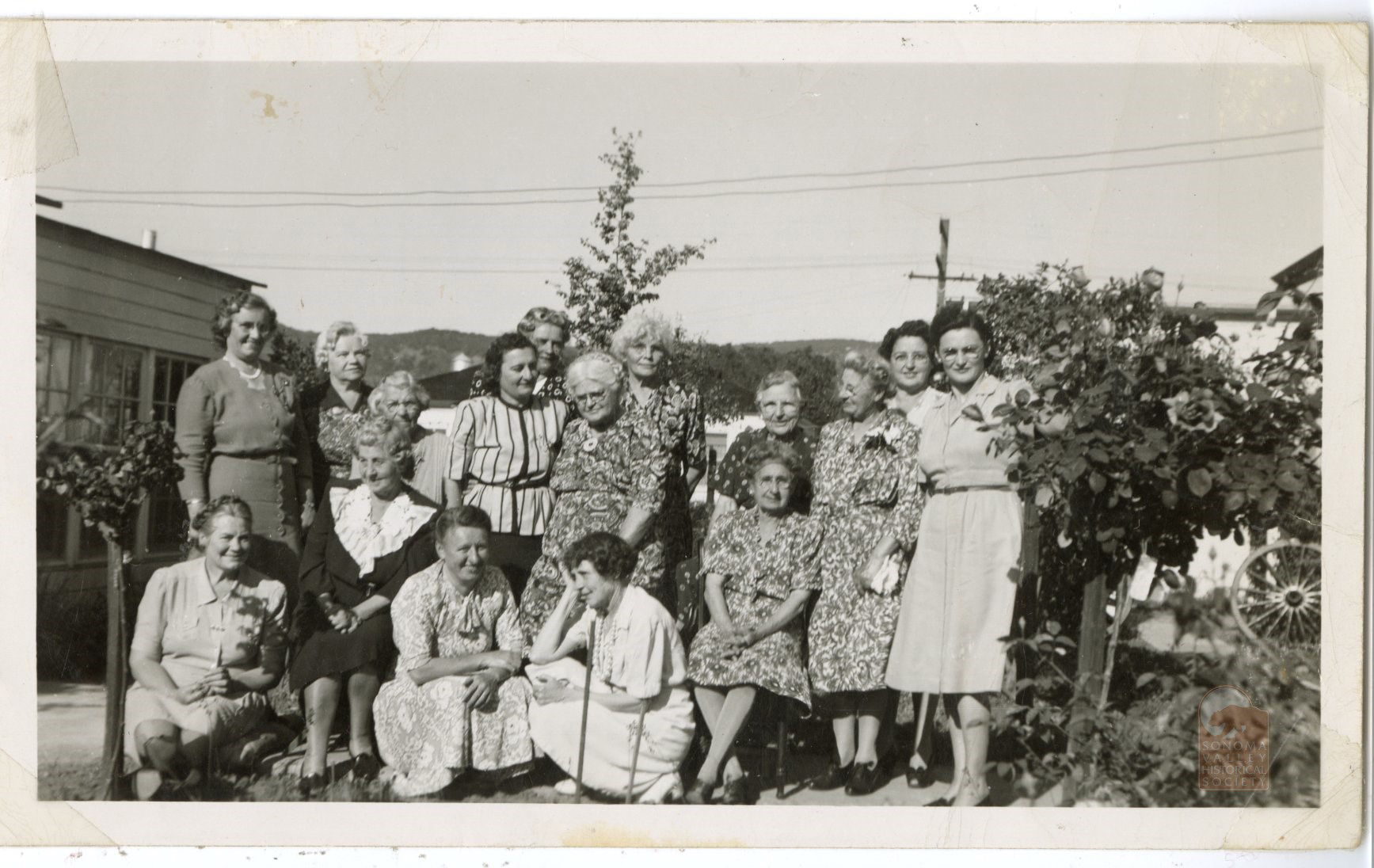
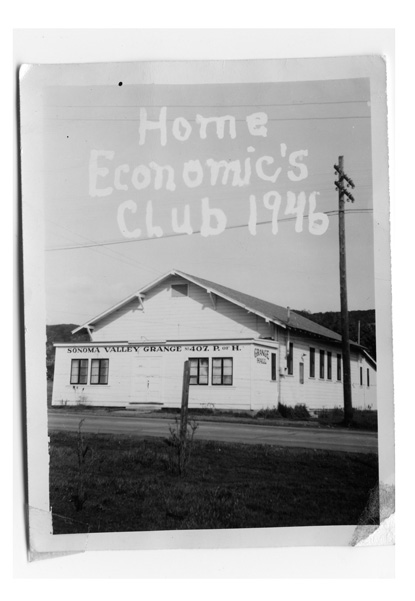
Appropriate to the Grange radical tradition, in 1952 the California State Employees Union Local 14 met at the Hall. Executive Secretary Richard L. Rumage “lashed out at the use of what he termed “labor spies” in state hospitals…” but the Grange was always also about family and tradition. In May of 1950 the Home Economics Club of the Grange held, at its monthly luncheon, a special Mother’s Day program honoring the oldest mothers present, Mrs. Susy Musanti, 84, and Mrs. Aline Lourdeaux, 85.
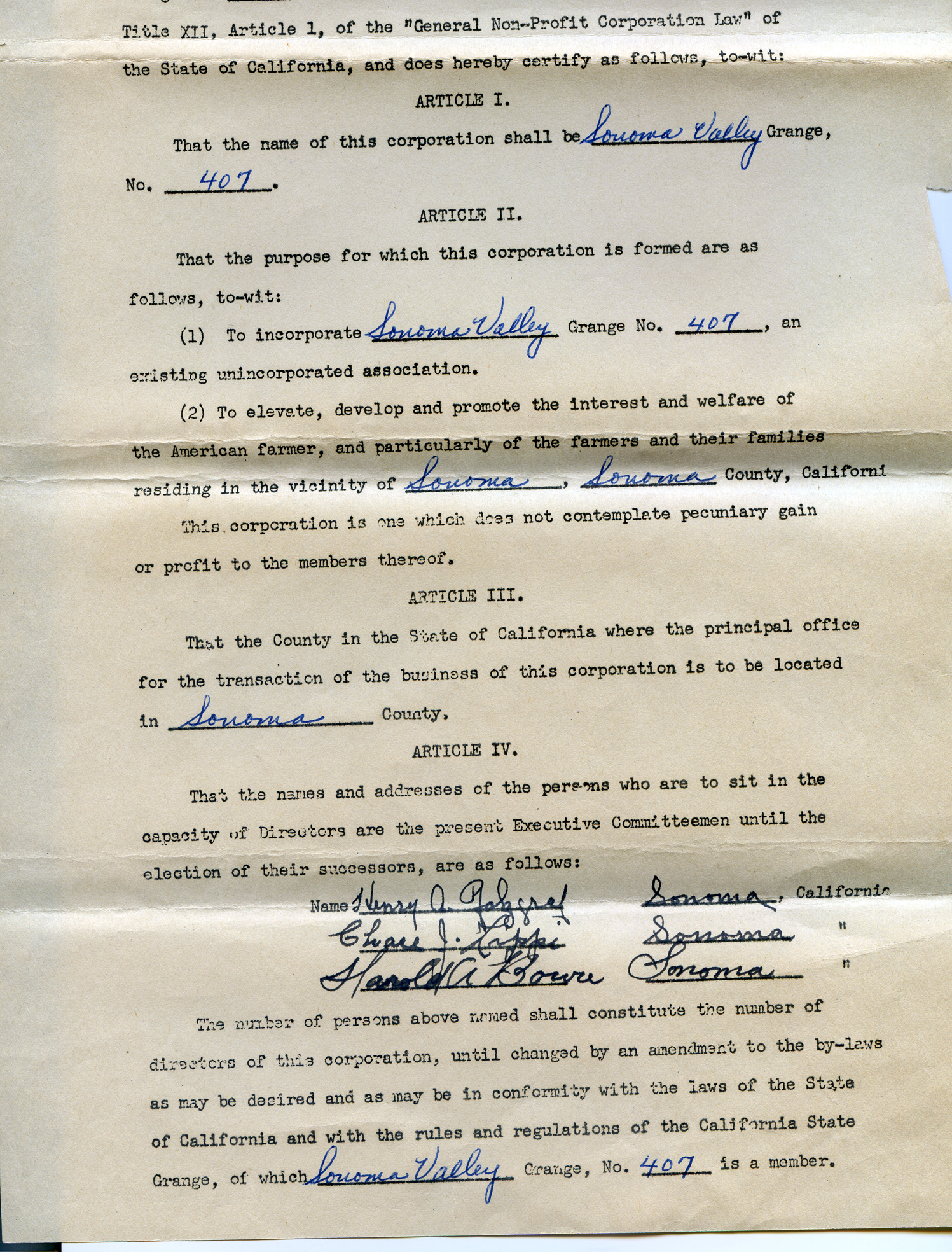
In 1948 Grange #407 incorporated as a “general nonprofit corporation.”
In 1975 Grange #407 celebrated its 50th anniversary at the hall. “Arnold Griewe was master of ceremonies for the evening. Singing and gymnastics (!) by Lisa Lanning and Julie Griewe were performed for the 120 in attendance,” the Index Tribune tells us. Past masters Florence Sullivan, Ernie Semino, John Spraks Myrtle Bowie and Clarence Jenkins were honored.
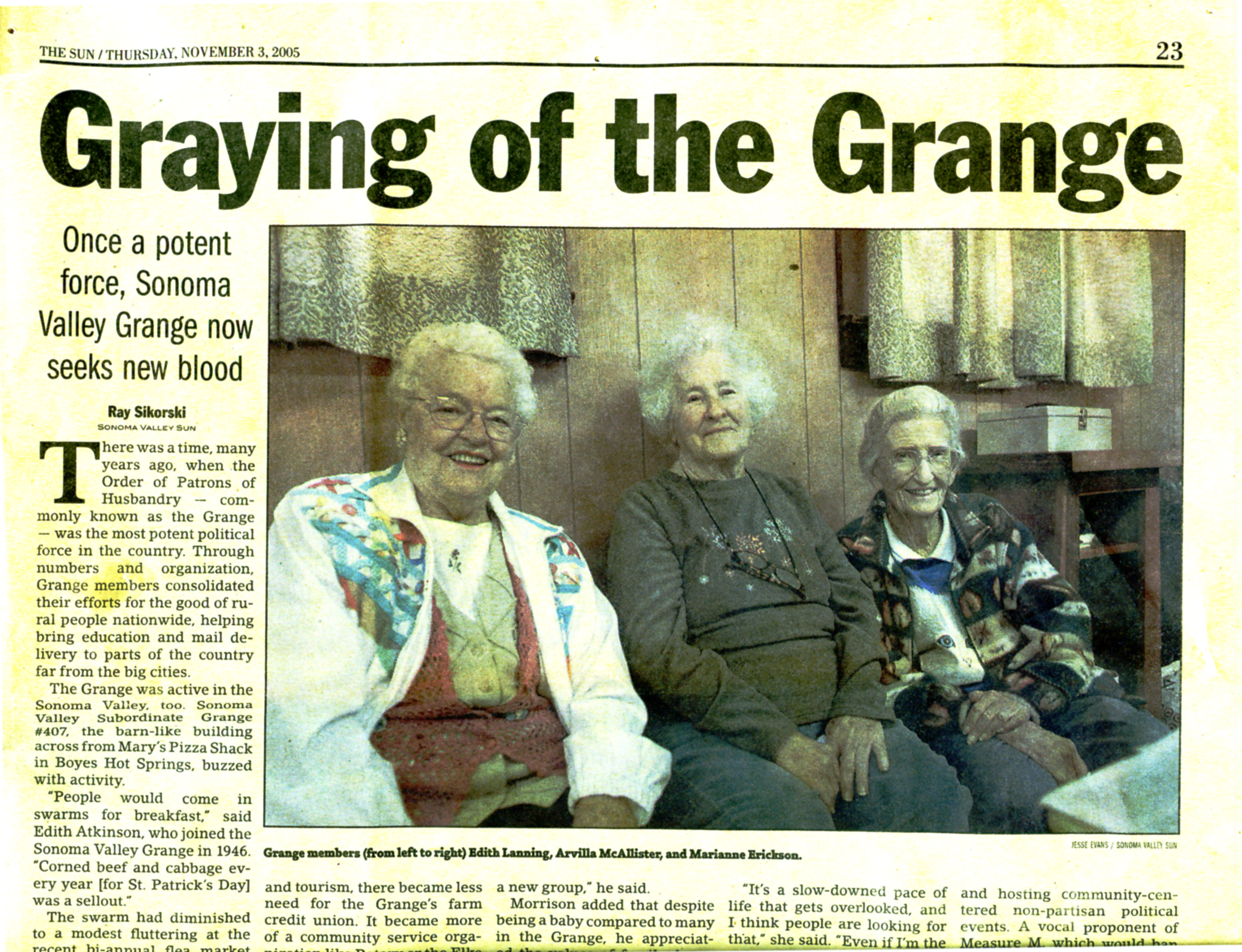
The organization prospered into the 1980s, putting on pancake breakfasts, flea markets, and serving as a polling place, among many other events and functions. However, like Granges all over the country, the membership began to dwindle and age. In 2005 the Index Tribune published an article under the headline, “The Graying of the Grange,” interviewing older members Edith Lanning, Arvilla MacAllister, and Marianne Erickson. Just a few years later,some younger folks, with interests in wine and food and community building, joined and revitalized the organization, much to the delight of the old timers.
2005
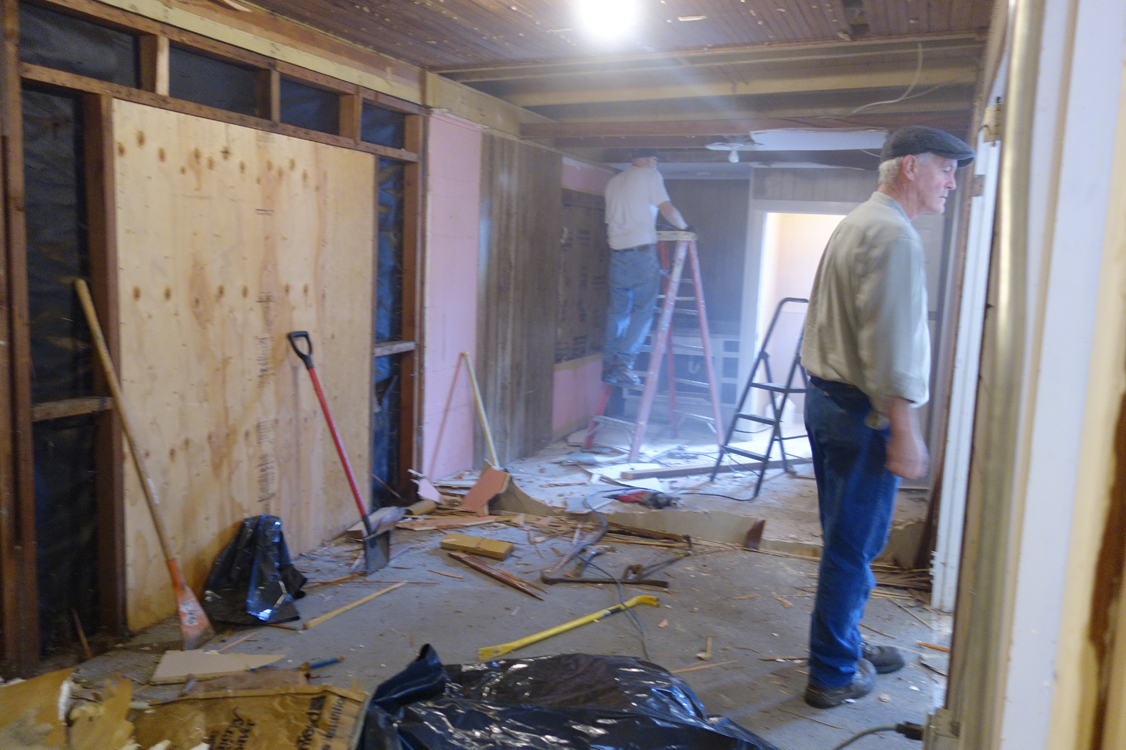
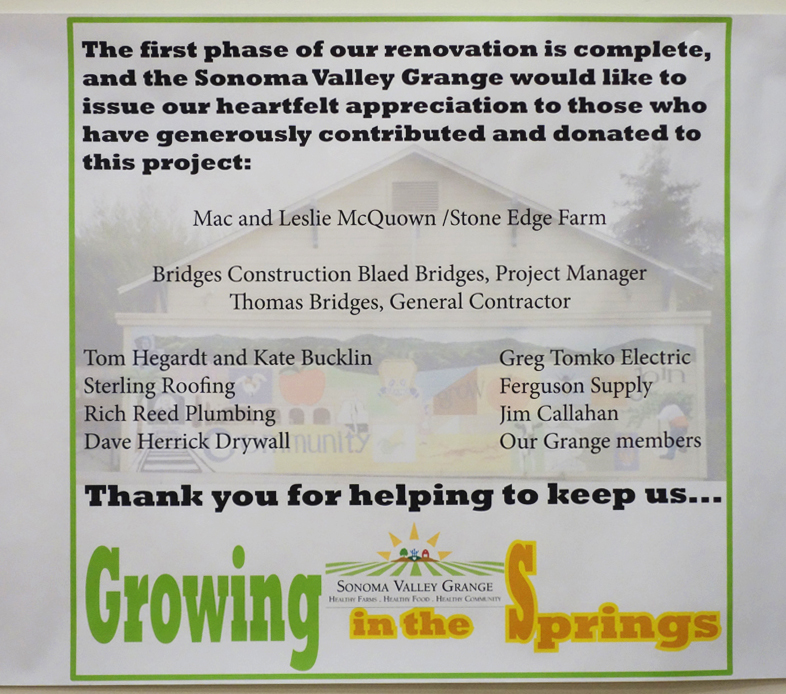
A major building project, partially funded by generous donors and the local Rotary Club, produced new ADA compliant restrooms, and a new commercial kitchen, vastly improving the usefulness of the Hall. The hall continued to be a popular rental venue, especially for the Hispanic community, as it hosted many a quinceañera and baby shower.
2015, demolition for the restroom project. Jim Callahan at right.
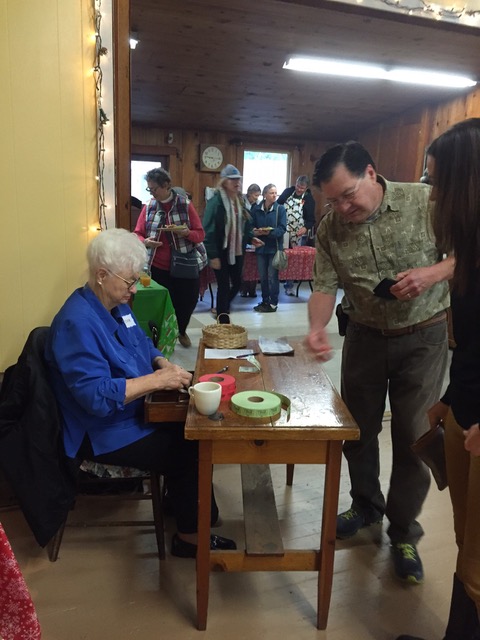
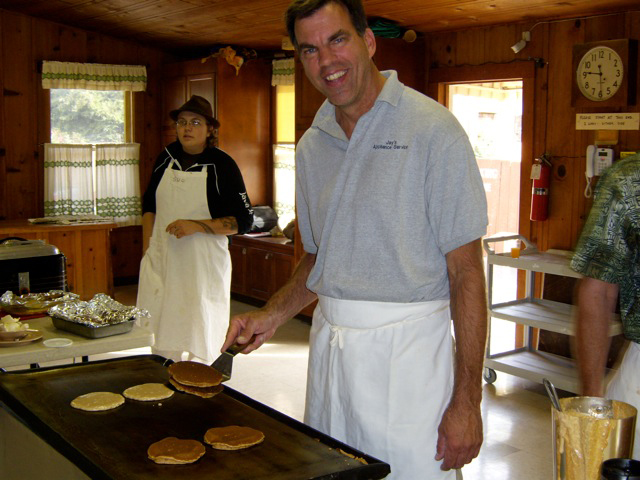
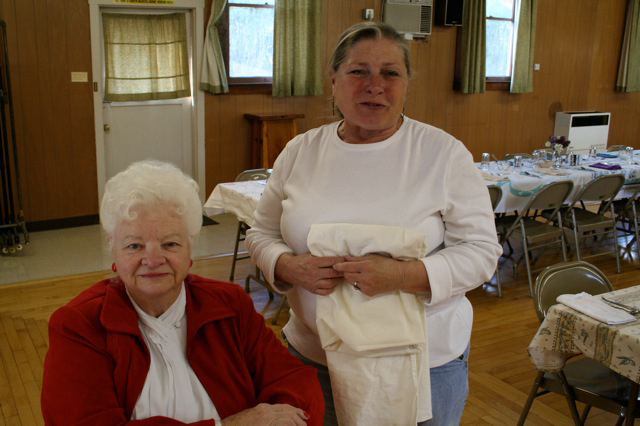
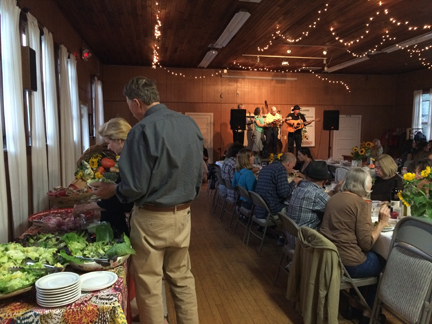
Fun at the Grange!
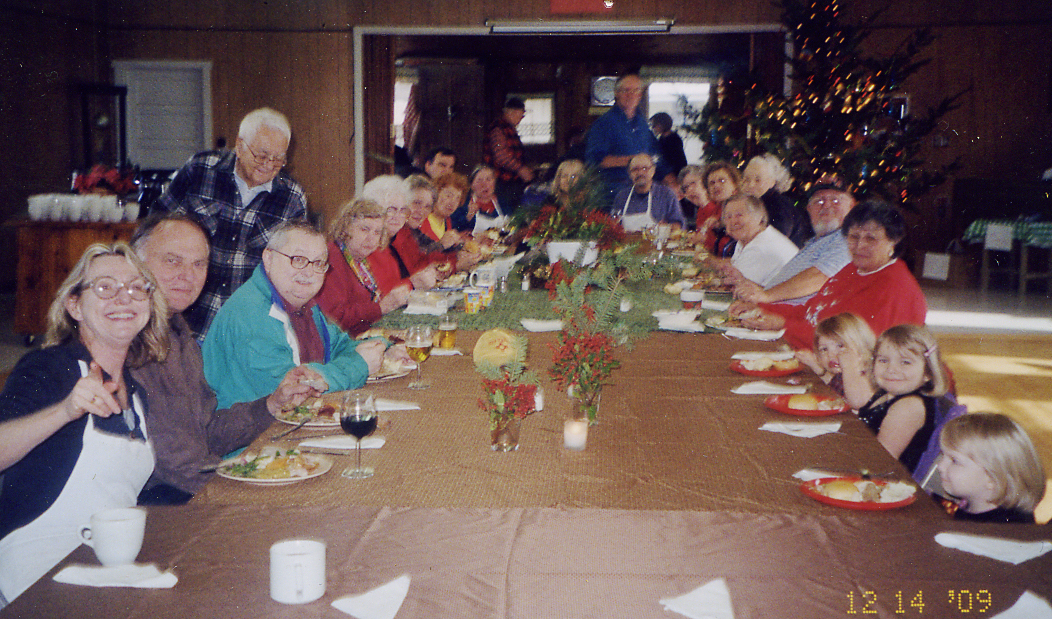
Edith King taking pancake moneyEric Morrison flippingWendy Loots and EdithThe “Whole Hog” dinner 2014Loooking in to the old kitchen. Brake drum dinner bell upper left.Christmas party 2009
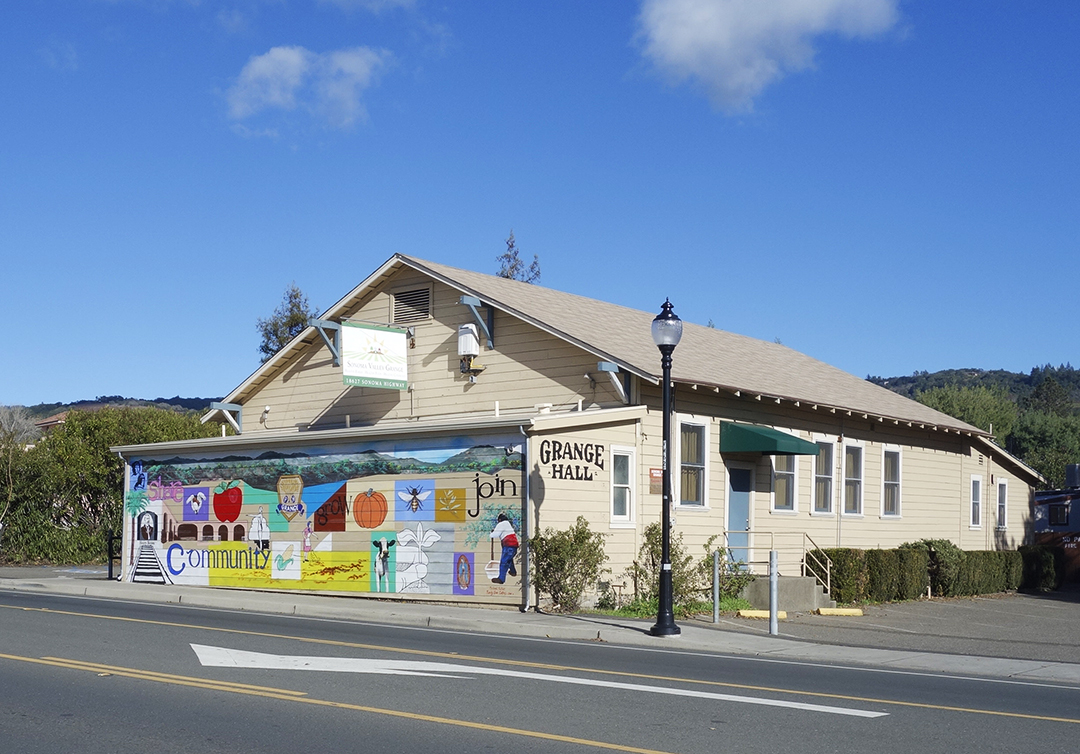
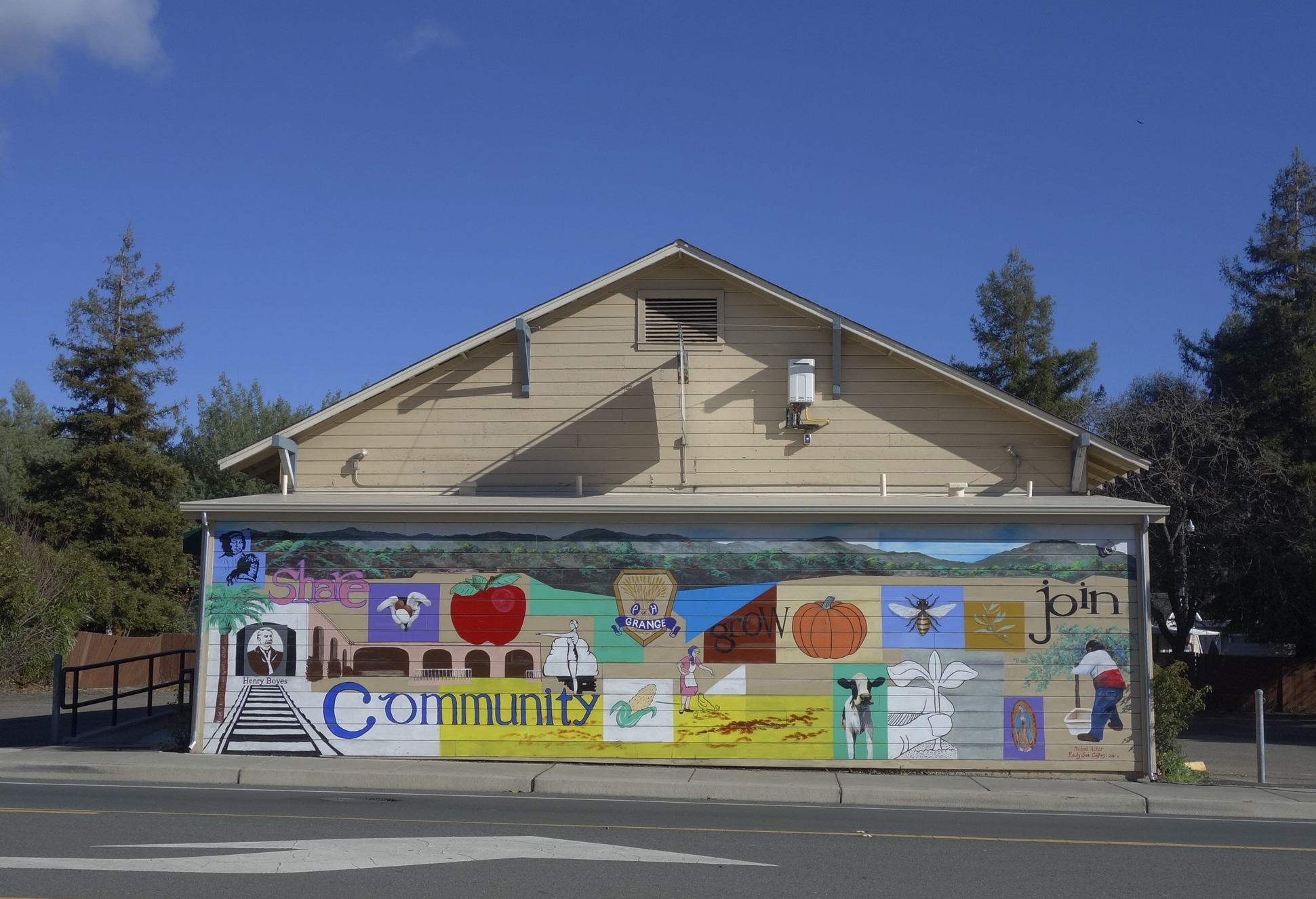
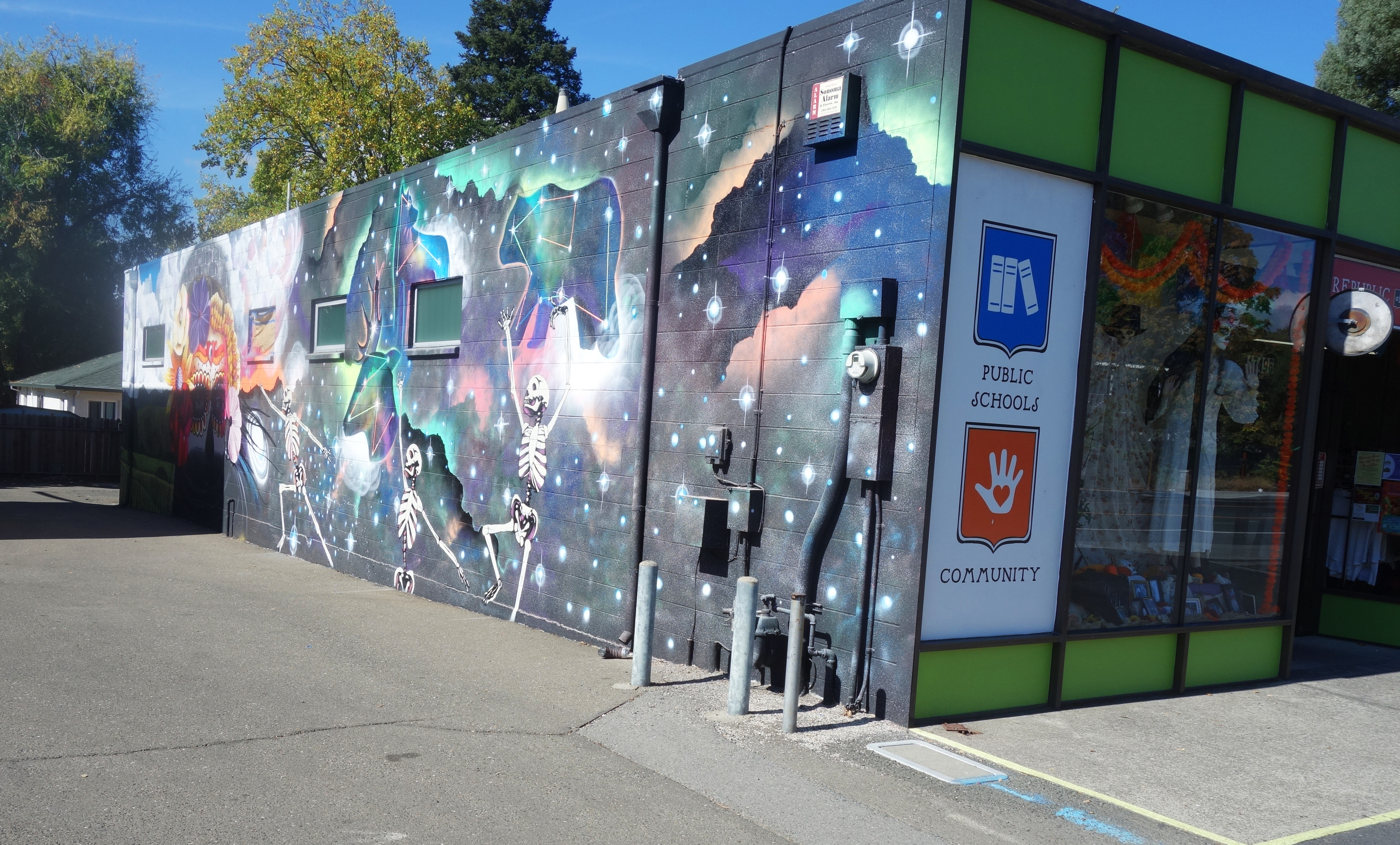
Your humble correspondent has been a member since 2008, and served a president for a number of years. He also designed the mural (seen in the very first photo), which was painted in 2010 by Randy Sue Johnson, with funds provided by a County Redevelopment Façade Improvement grant.
Some other things needed updating:
Index Tribune, documents and photos courtesy of the Sonoma Valley Historical Society. Other photos by author.
Public art grows in fits and starts hereabouts but we are starting to build up a nice stock of murals. Here we look at four of them.
The mural on the front of the Sonoma Valley Grange building, located at 18627 Sonoma Highway. The Grange has owned the building, which was probably originally a dance hall, since 1934. See (https://springsmuseum.org/2022/06/28/the-sonoma-valley-grange-traditionchange-and-renewal/) for more about the Grange. Through the Redevelopment Façade Improvement project, the Grange got funding for the mural in 2010. It was designed by Michael Acker and painted in collaboration with Randy Sue Collins. It depicts a bit of Boyes Hot Springs and Grange history. It being on the west facing wall, it takes a terrific beating from the sun, and has been restored twice.
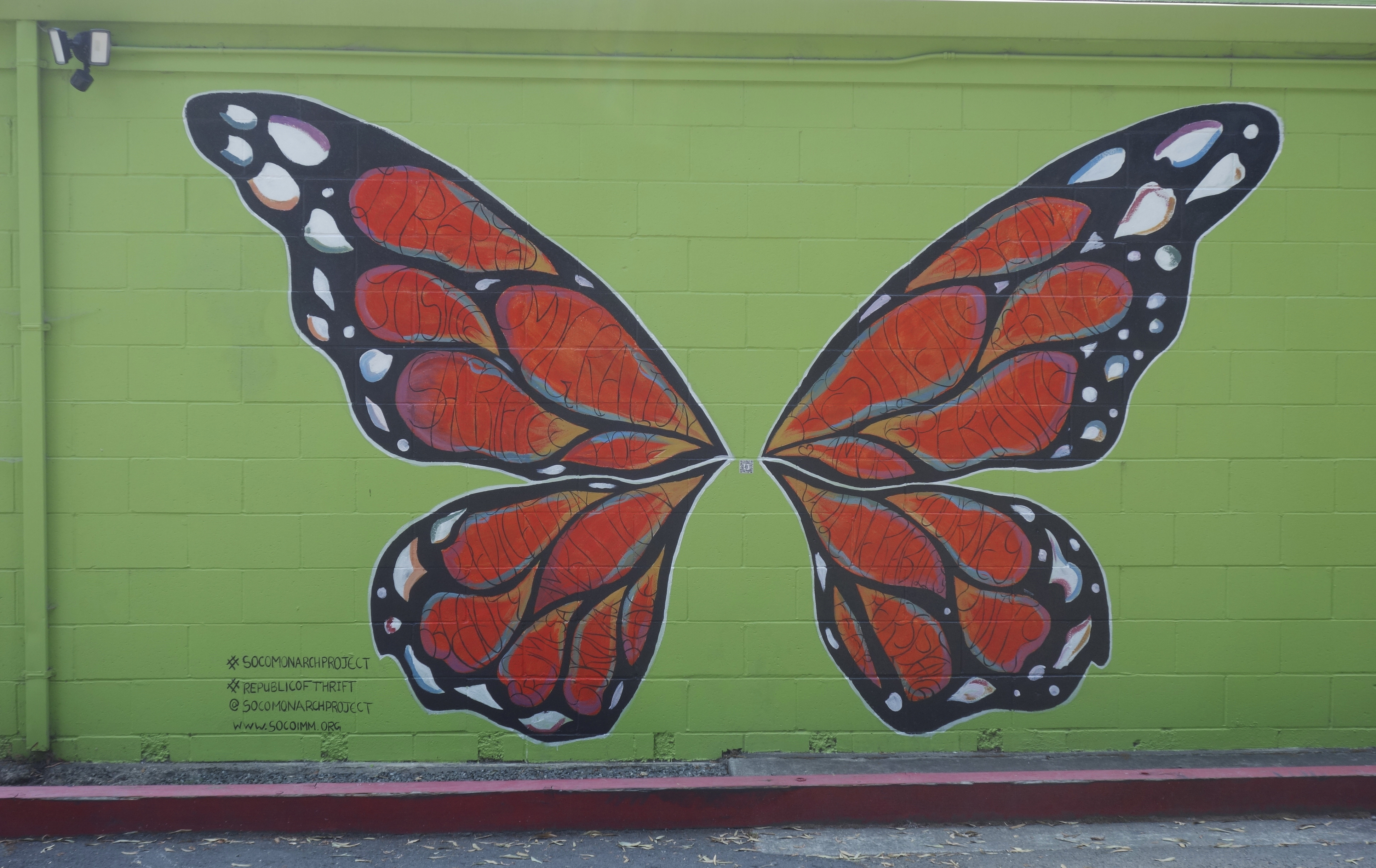
The Republic of Thrift building at 17496 Sonoma Highway has two murals sponsored by the Monarch Project (https://www.socoimm.org/) along with others. On the west facing wall is the giant Monarch butterfly, completed in June 2020. According to the Index Tribune, “Artist Rima Makaryan, just 17 years old, painted a Monarch butterfly as part of “The Monarch Project,” a Sonoma County nonprofit organization working to tell the stories of immigrants and empower the community.” “We are working to have a conversation about immigration through art,” said Makaryan. “Oftentimes immigrants are labeled aliens or talked about negatively. The goal of the Monarch Project is to find beauty in the subject.” The mural, painted on the west-facing wall of the thrift store, features a Monarch butterfly filled with words describing the immigrant experience, such as resilience, hope, amor, sacrifice and fear. Makaryan noted, “The words are meant to embody the journey and diversity of all migrants. It’s all about the beauty of the topic, good and bad.”
On the east wall a fantastical spray-paint mural by the artist Chor Boogie (https://chorboogie.com/), along with a crew of high school students was painted in 2018. the Led by Sonoma Valley Museum of Art, community partners were Artescape and La luz Center. Co-sponsors were the California Arts Council, the NEA, and the Bank of Marin.
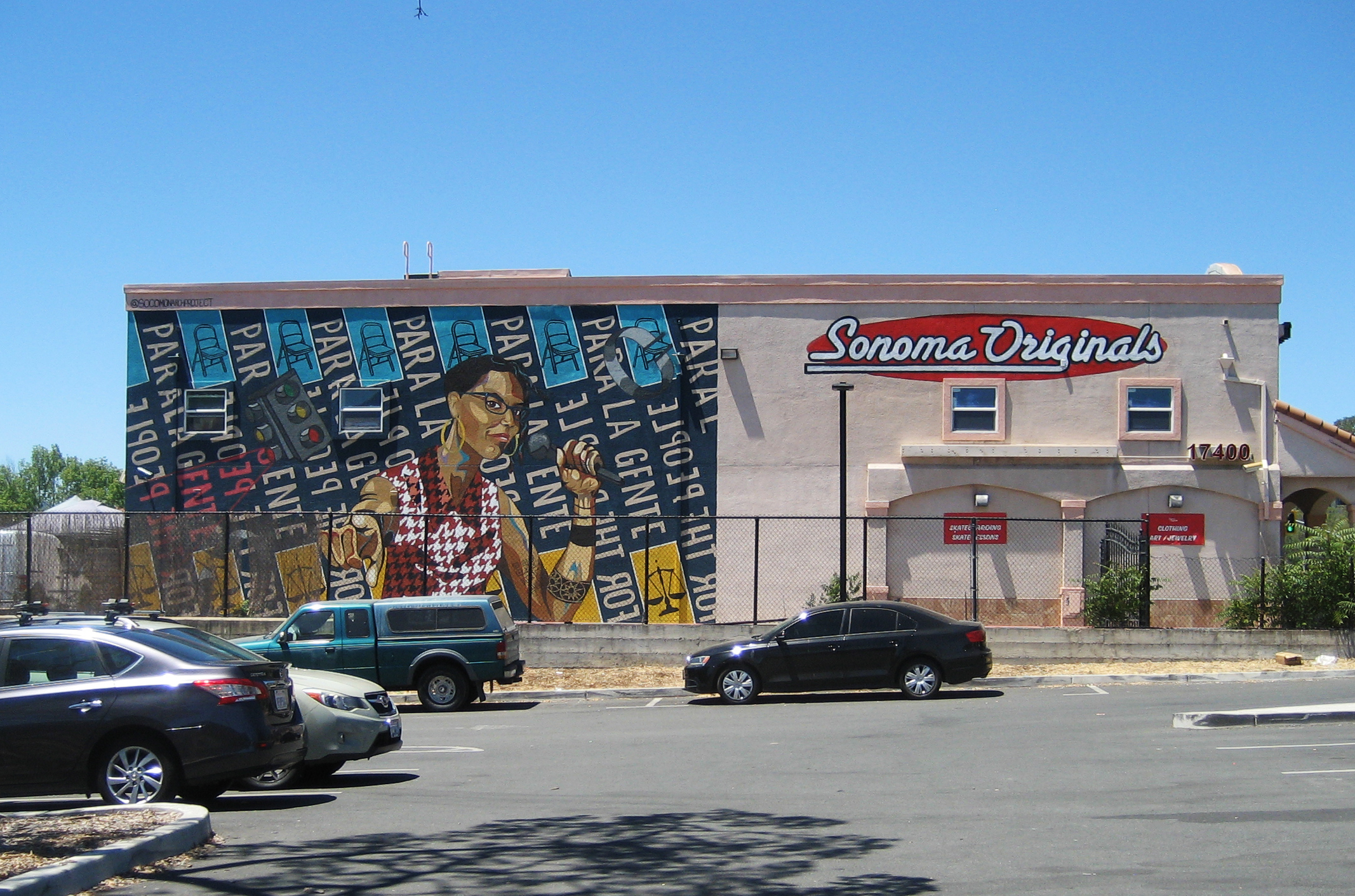
The building at 17400 Sonoma Highway displays yet another Monarch Project mural. Completed in June 2021, it features an image of Dmitra Smith, “…a powerful force fighting against racism in Sonoma County,” according to their website. “Ms. Smith is the former Chair of the Sonoma County Commission on Human Rights, and was the program manager for the Junior Commission, having mentored over 100 Sonoma County students between 2013- 2020. Smith is a co-founder of the essential workers’ mutual aid collective Food for All – Comida para Todos.”
At the time the mural was painted, the building was the home of Sonoma Originals skate shop. Sadly, it is now empty.
We actually have a lot of art in the Springs, some of it “official,” as the above are, some harder to find, personal expressions, often ephemeral, but worth noting, as we will do in future posts
Index Tribune courtesy of the Sonoma Valley Historical Society
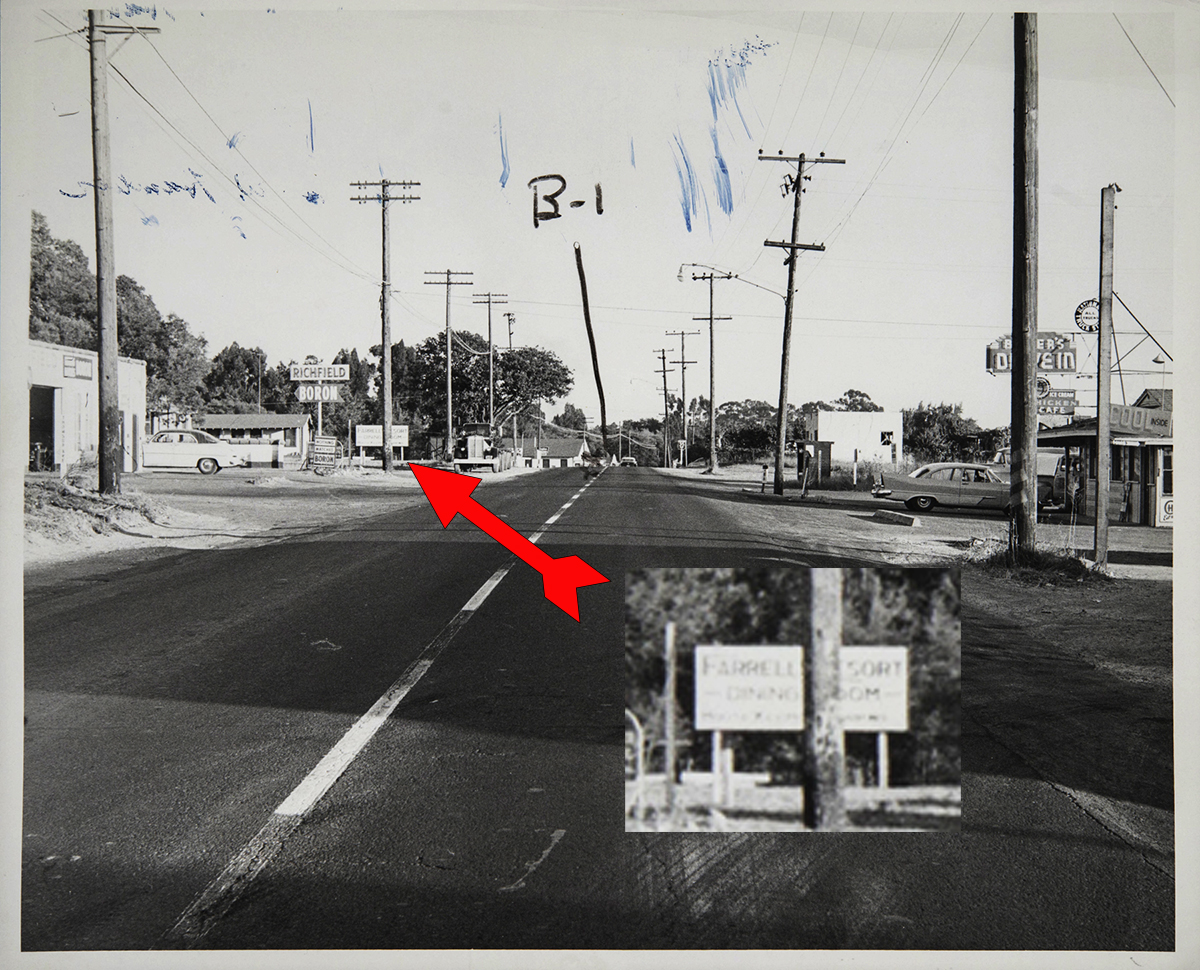
Farrell’s Resort existed on land near the corner of Siesta Way and Sonoma Highway, between the years 1945 and 1958. A county court photograph from that year shows the resorts sign on the highway. An Index Tribune story in 1959 about a barn fire on the property mentioned “the pioneer Ferrell’s Resort property,” which implies, to me, it didn’t exist in 1959, as the barn was being burned by the fire department for training.
This photo is an exhibit from a lawsuit involving a traffic accident in 1958, courtesy of the Sonoma County Library. Difficult to see, at left, below the Richfield sign, half obscured by a power pole (!) is a sign advertising Farrell’s Resort. Thomson Ave (not East Thomson!) is at left. Across the highway is Baker’s Drive-In, current site of the Fruit Basket.
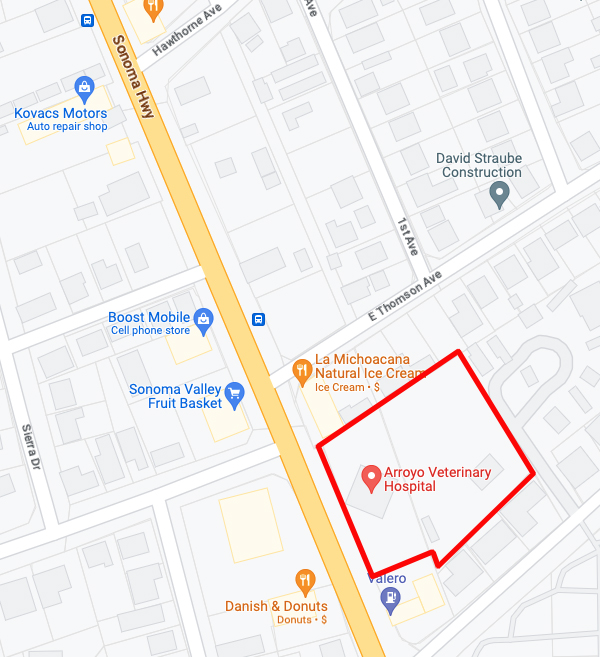
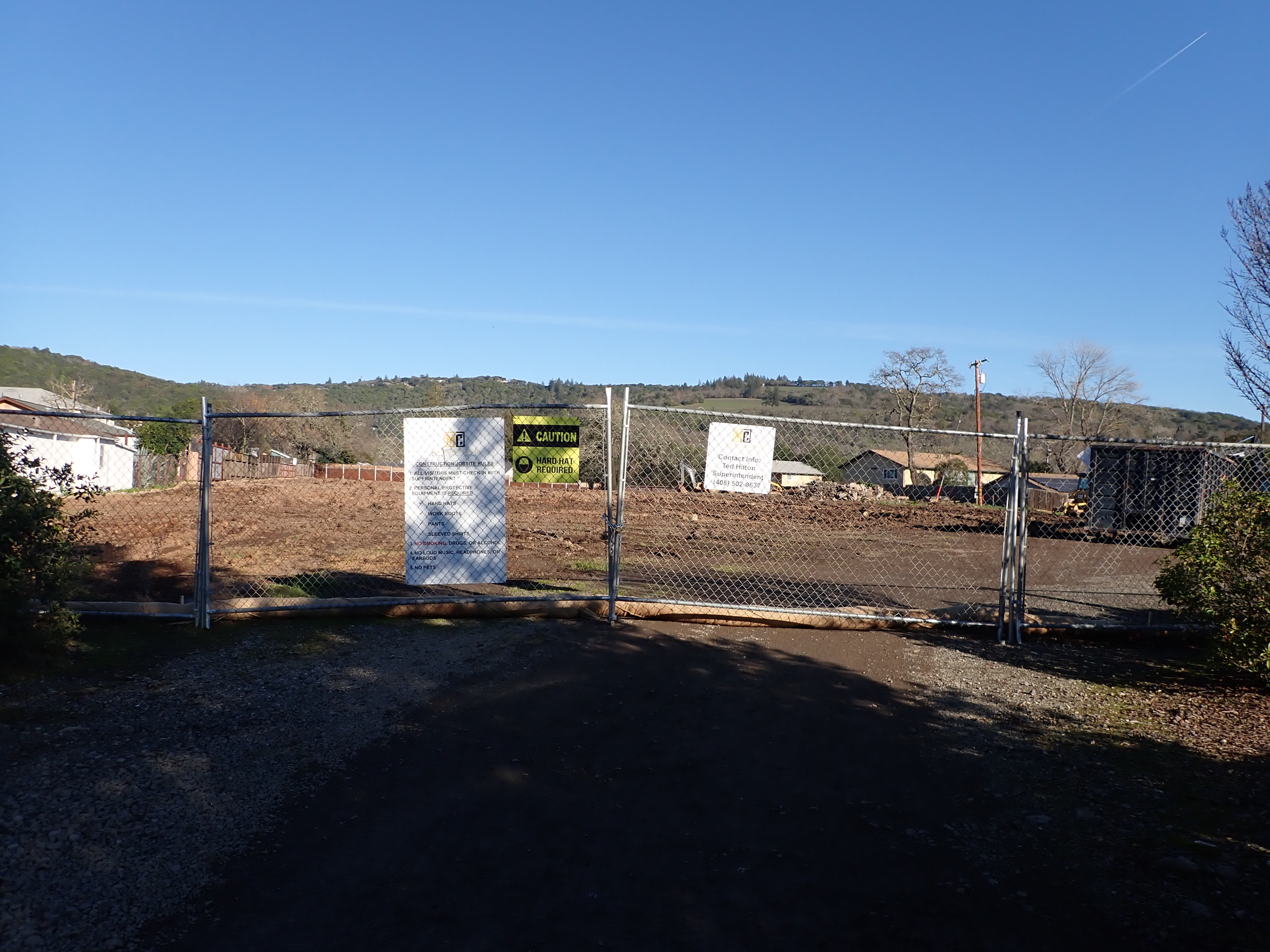
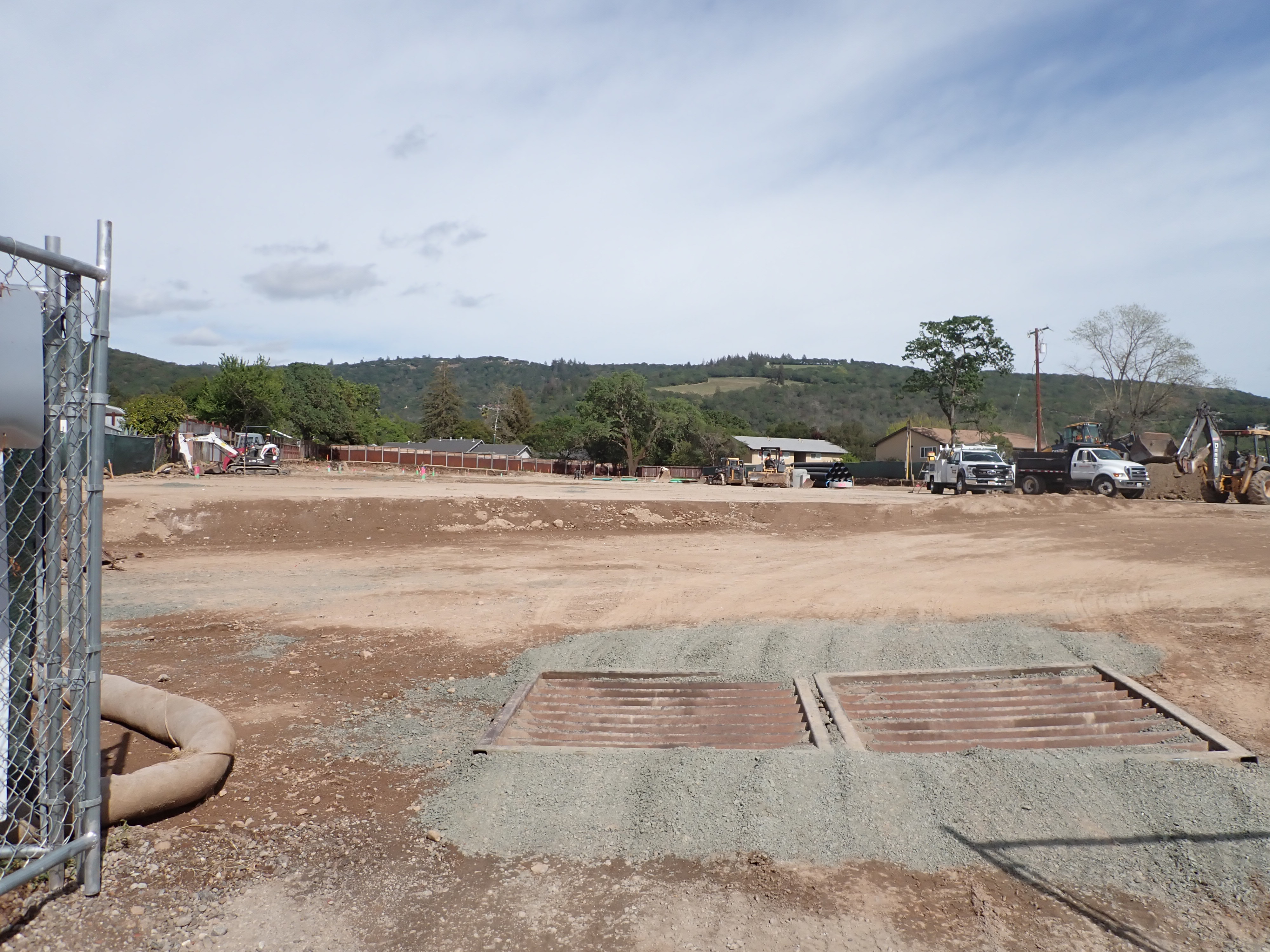
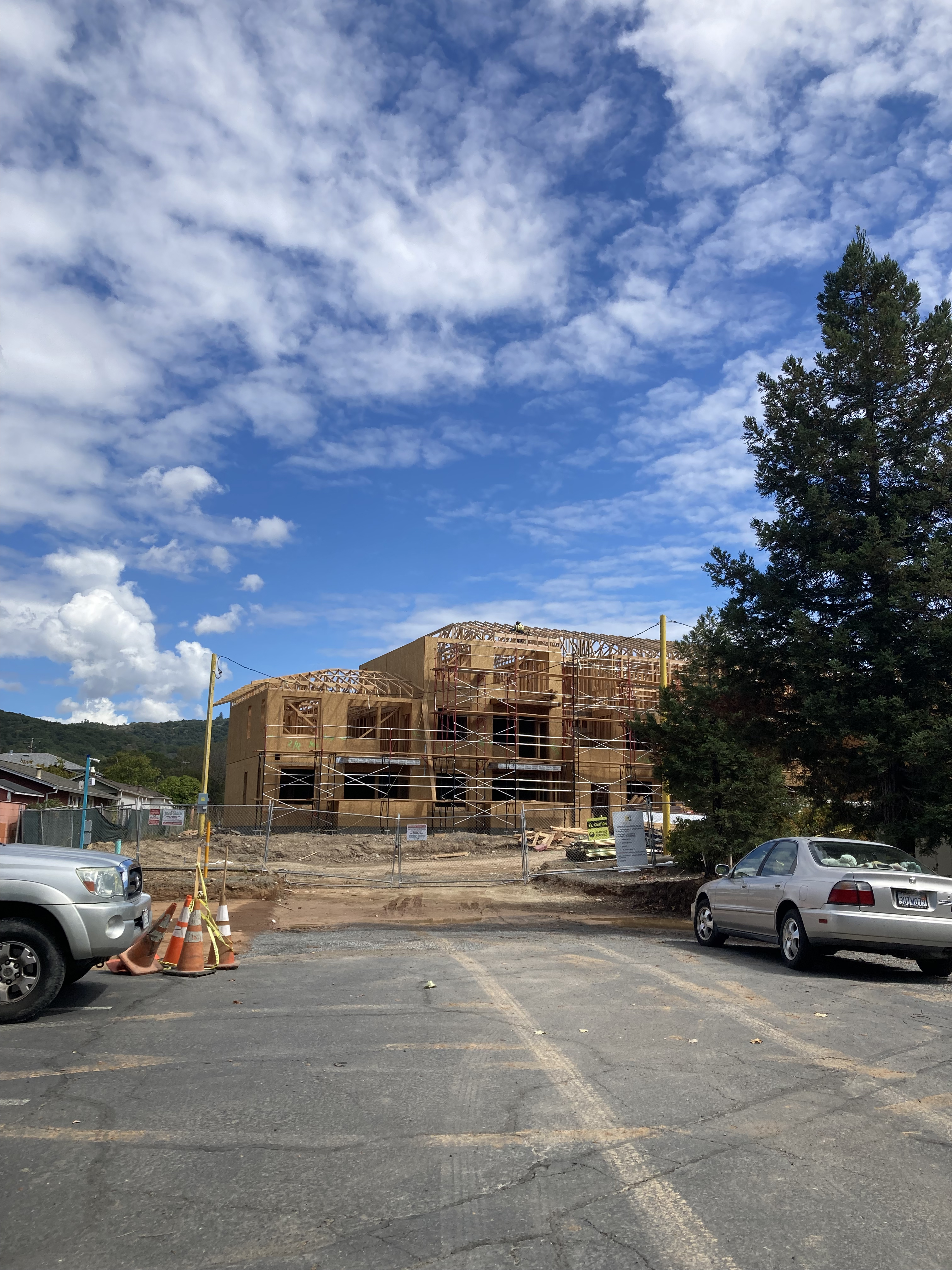
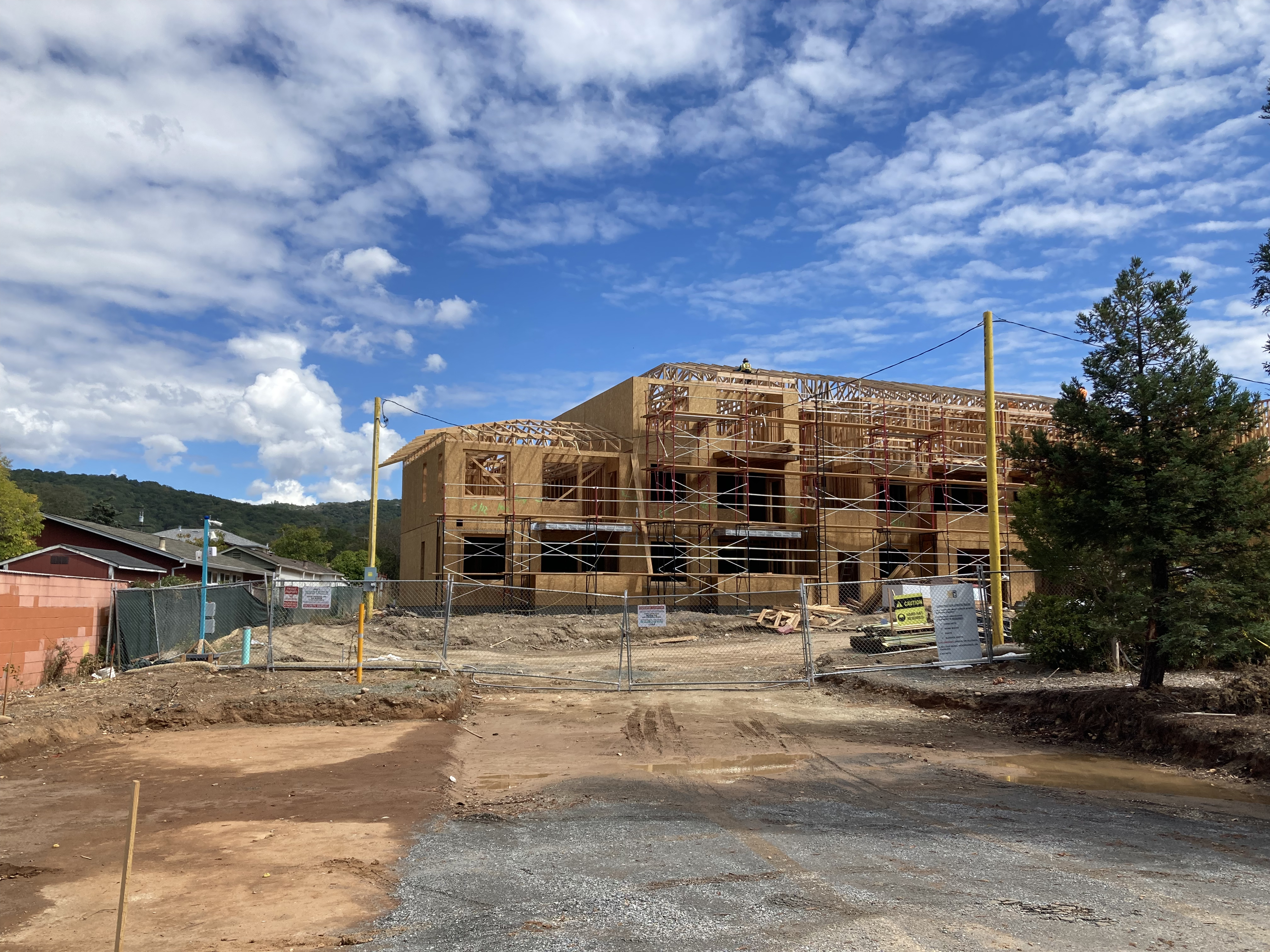
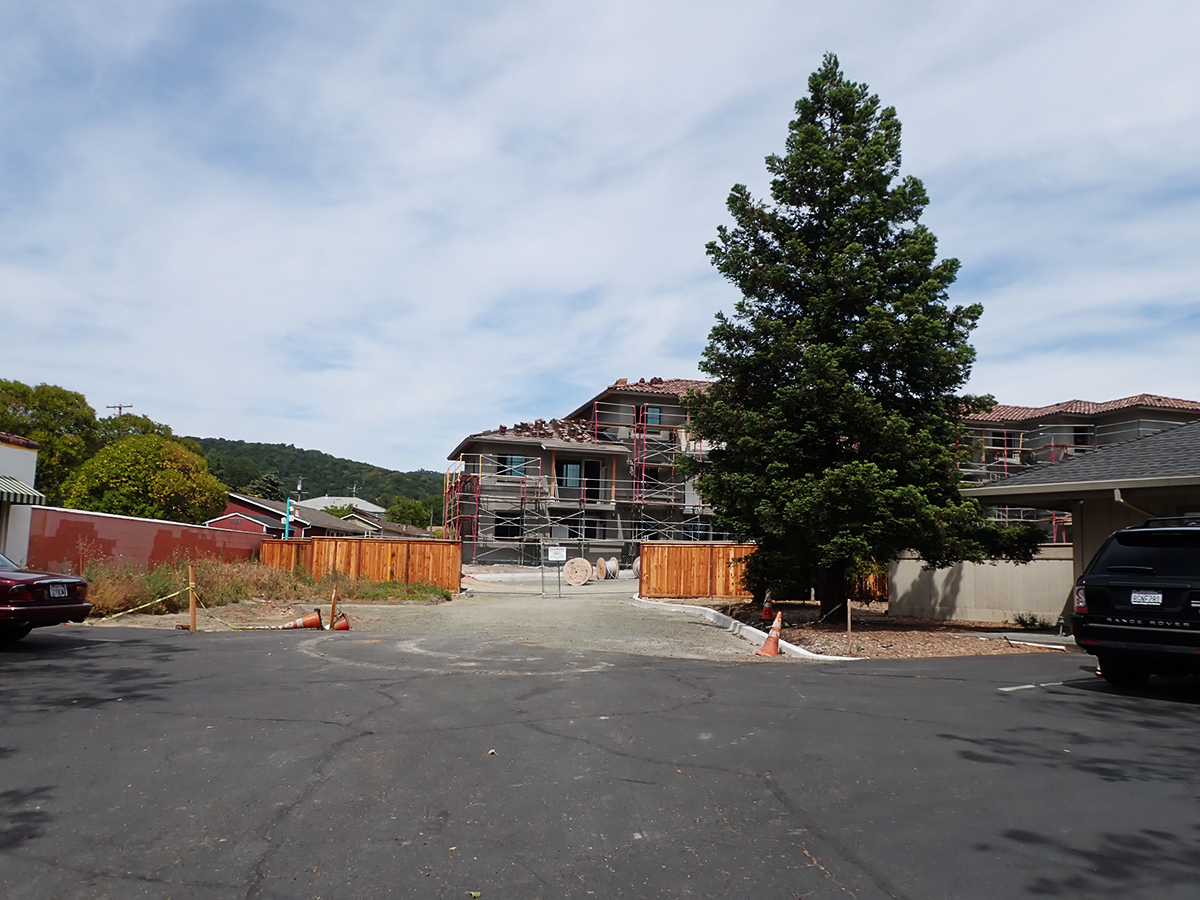
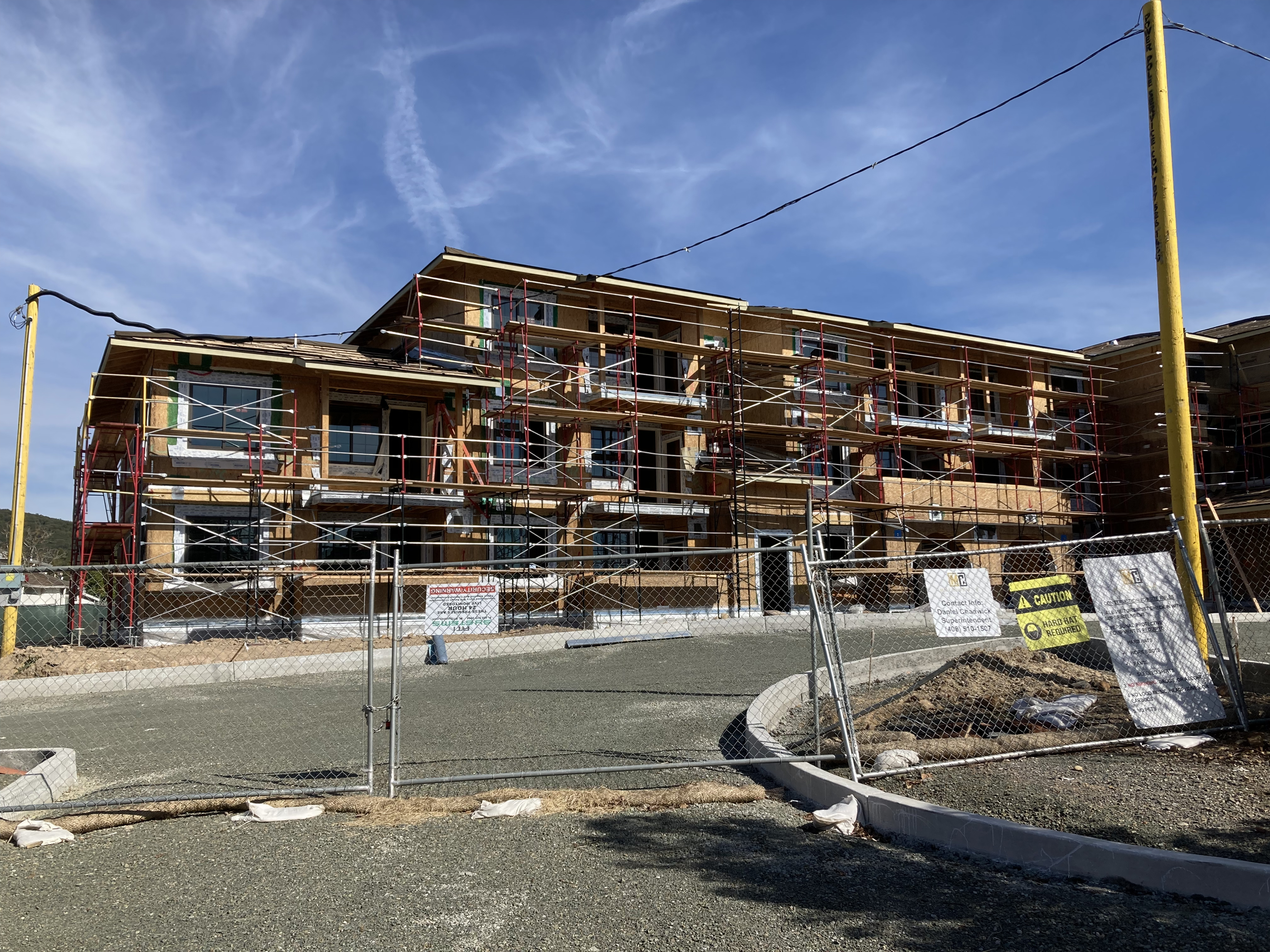
The property behind the Arroyo Vet building continued as a trailer park until 2020 when affordable developer Milestone Housing (https://milestonehousing.com/projects/) bought the land. In 2022 they started construction on a 92 unit apartment complex intended for senior households that have incomes in the 30 to 60 per cent of area median income. In May of 2023 construction is ongoing. See photos below.
Apartment construction, February 2022 through May 2023
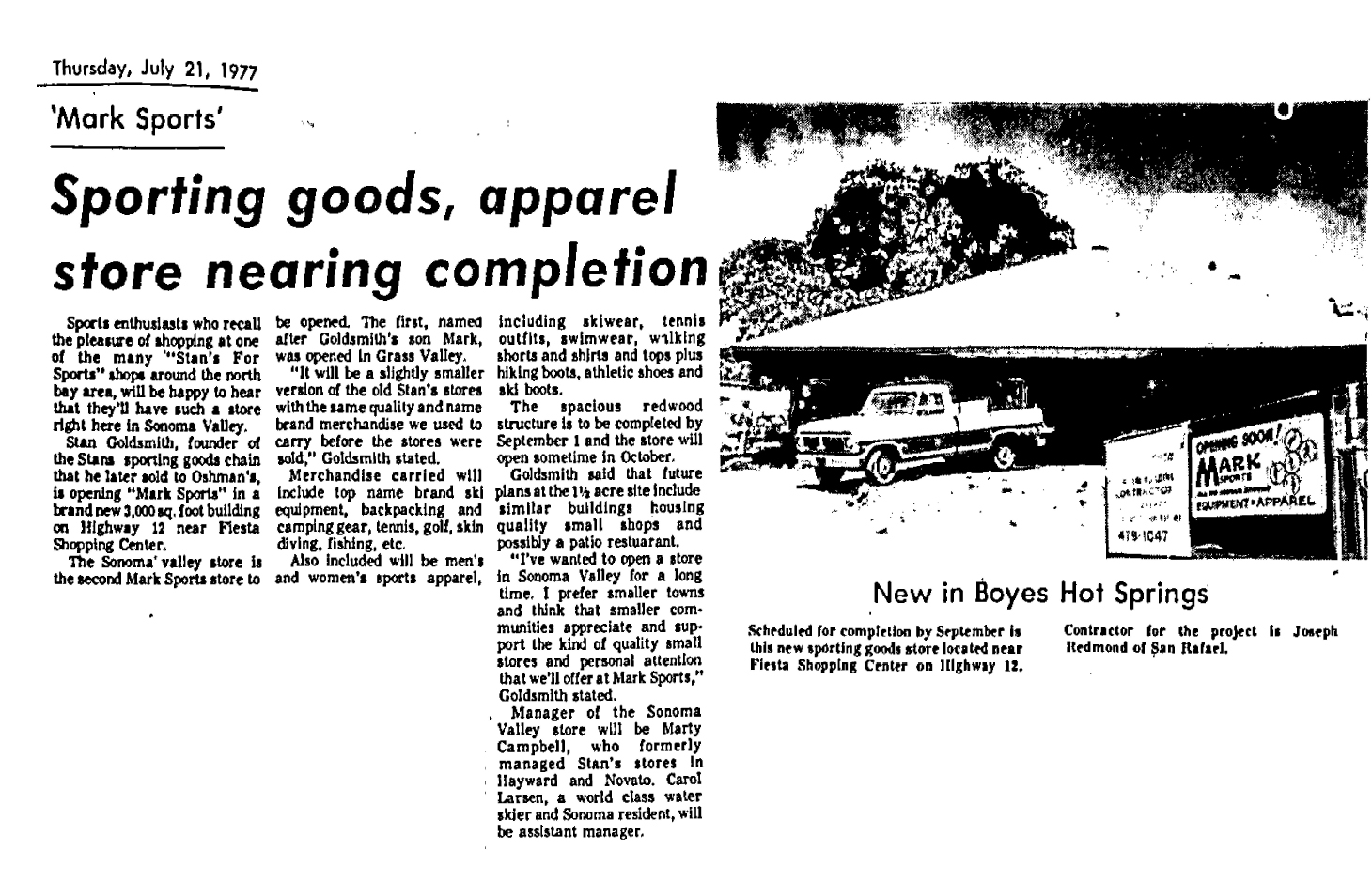
In 1977, on part of the Farrell’s site facing the highway, Stan Goldsmith built a commercial building to house his Mark’s Sporting Goods. Goldsmith owned the whole property and told the Index Tribune that “…future plans at the 1.5 acre site include similar buildings housing quality small shops and possibly a patio restaurant.”
Goldsmith had founded a successful chain of sporting goods stores, located throughout California, which he sold before moving to Boyes Hot Springs. According to some of his ad copy, “In 1954 Stan Goldsmith revolutionized the retail sporting goods business by building the largest sport store in northern California (10,000 sq ft.) and becoming the first to combine active sportswear with sports equipment…Stan Goldsmith founded the Marin Skin Divers Club, the Northwoods Bowmen’s Club and designed the first nylon covered sleeping bag. Stan’s and the first air compressor to fill dive tanks in Northern California.” Index Tribune advertisement, 1979.
Mark’s Sporting Goods in Boyes Hot Springs, named after Stan’s son, opened in 1977. It was the second Mark’s. the first one was in Grass Valley, in an identical building.
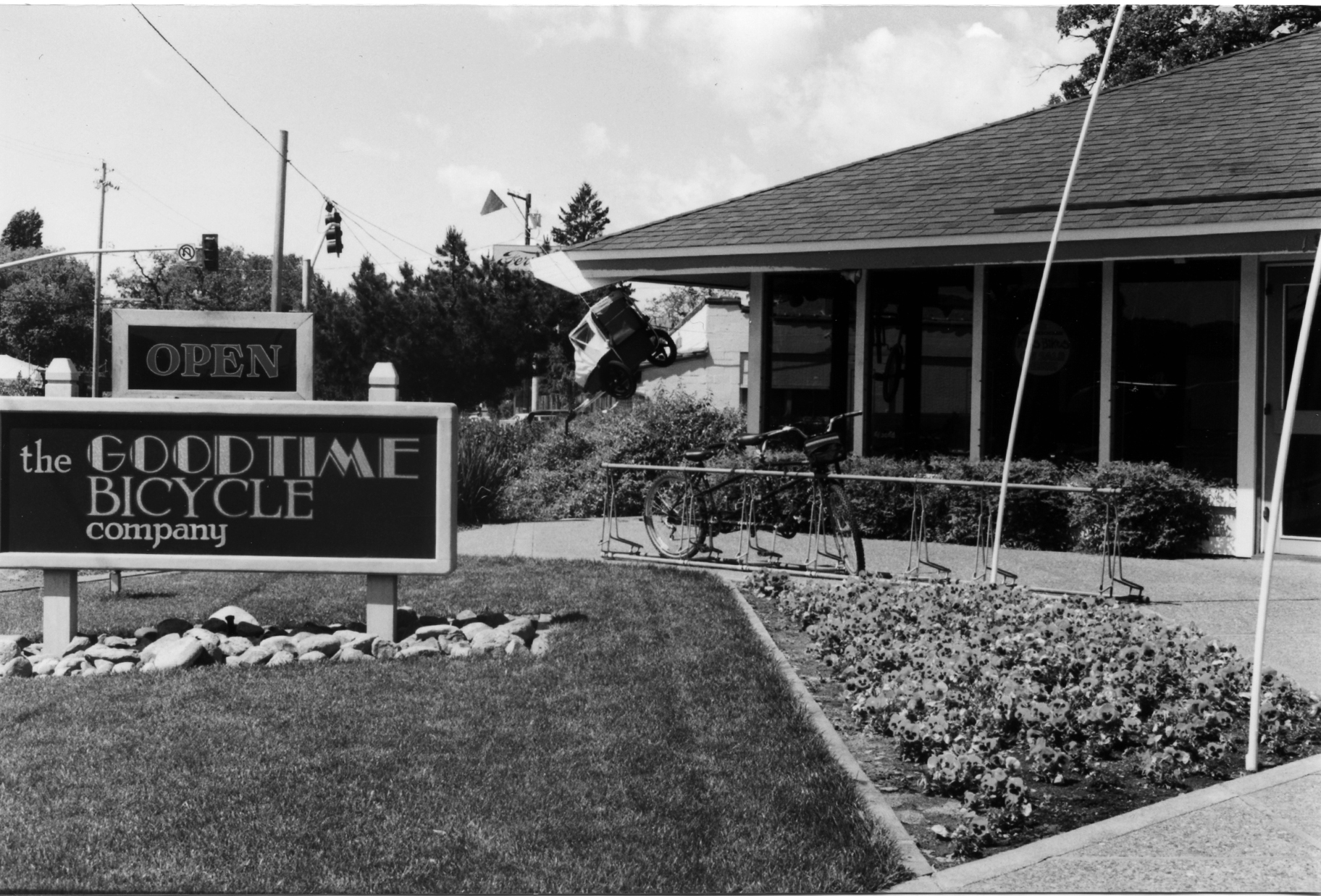
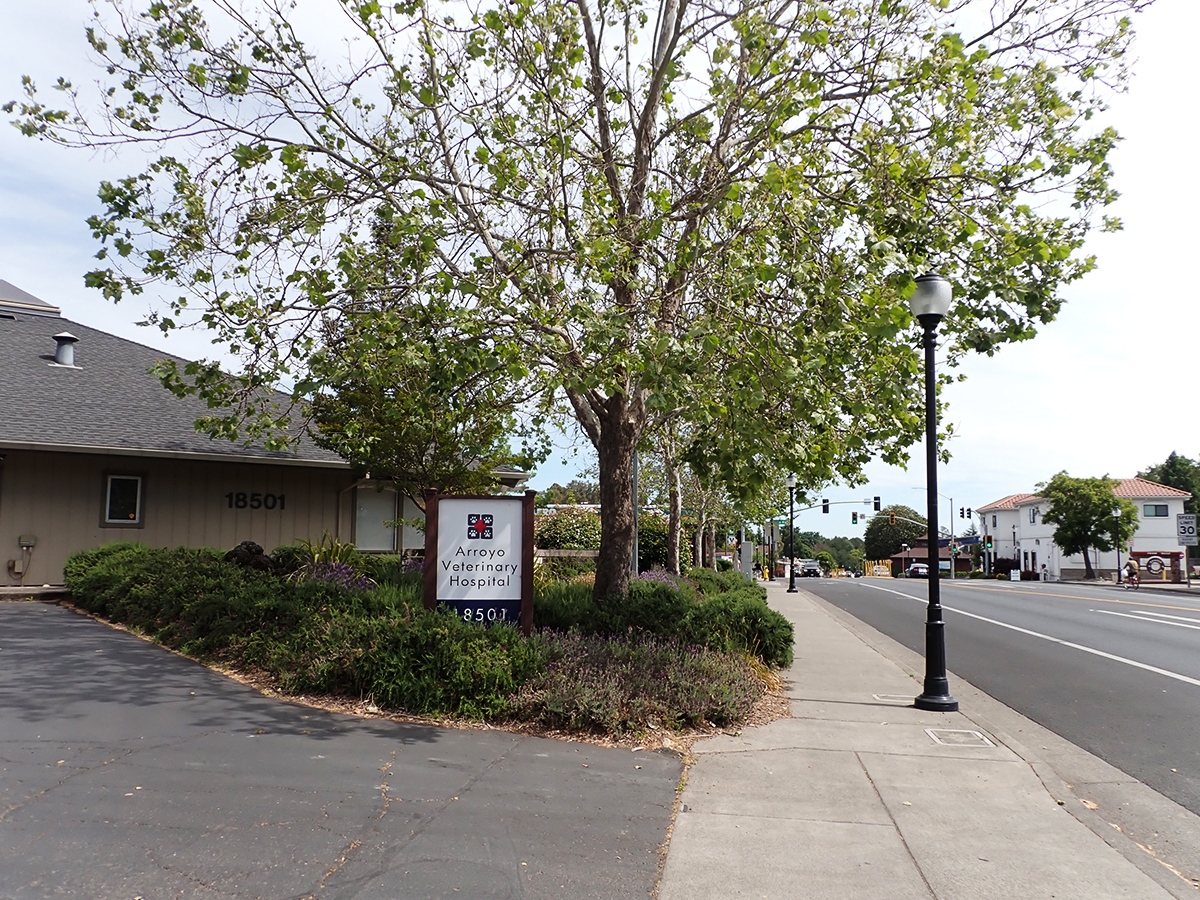
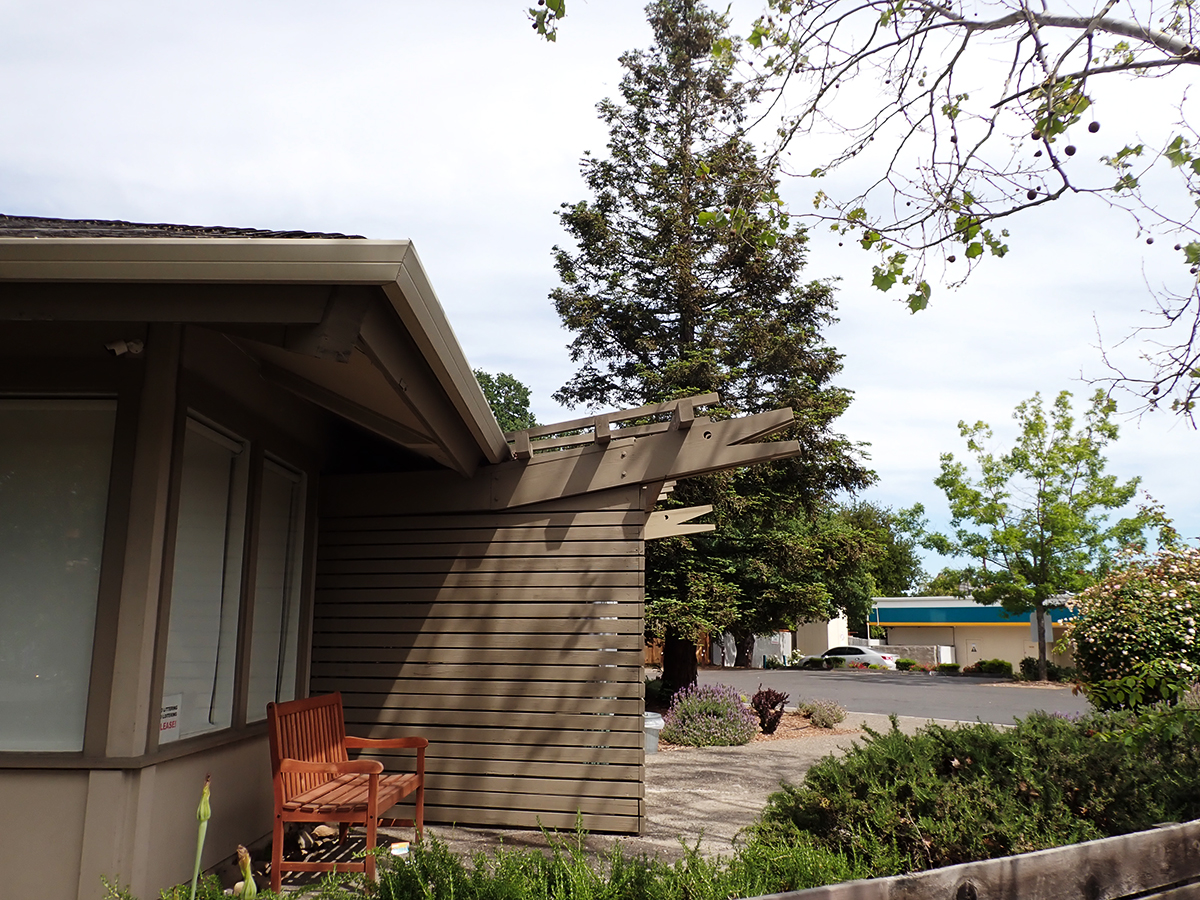
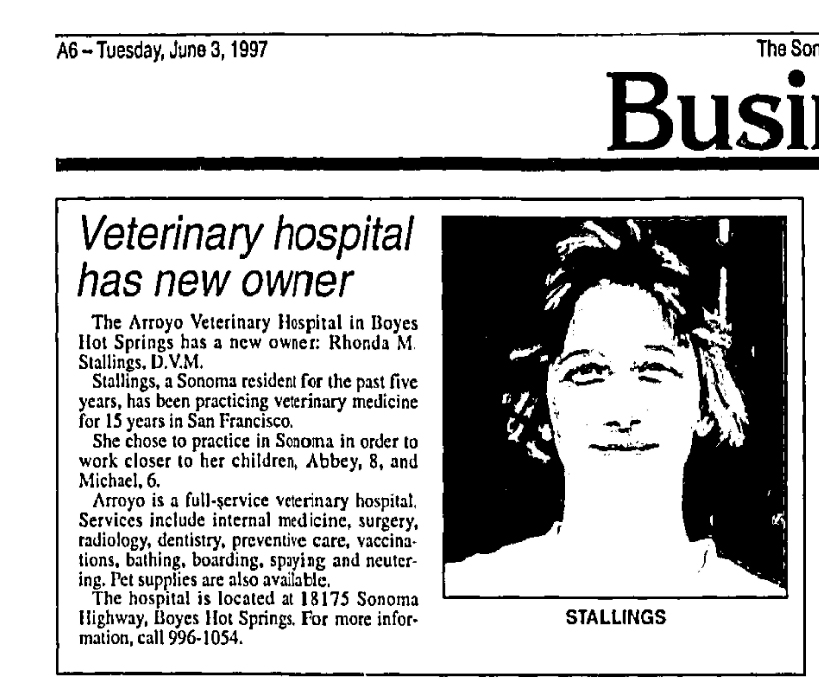
Tragically, Stan was killed in the crash of his private plane in 1982. His widow sold and the store continued operating until 1990, when Doug McKesson bought the building, but not the entire parcel, to house his Goodtime Bicycle Company. McKesson sold to Dr. Rhonda Stallings and Rich Lee in 2000. A major remodel was necessary to convert the space. The new Arroyo veterinary Hospital opened in 2001.
1990s
2023
Appropriate, whimsical rafter-tails were added during the conversion to an animal hospital.
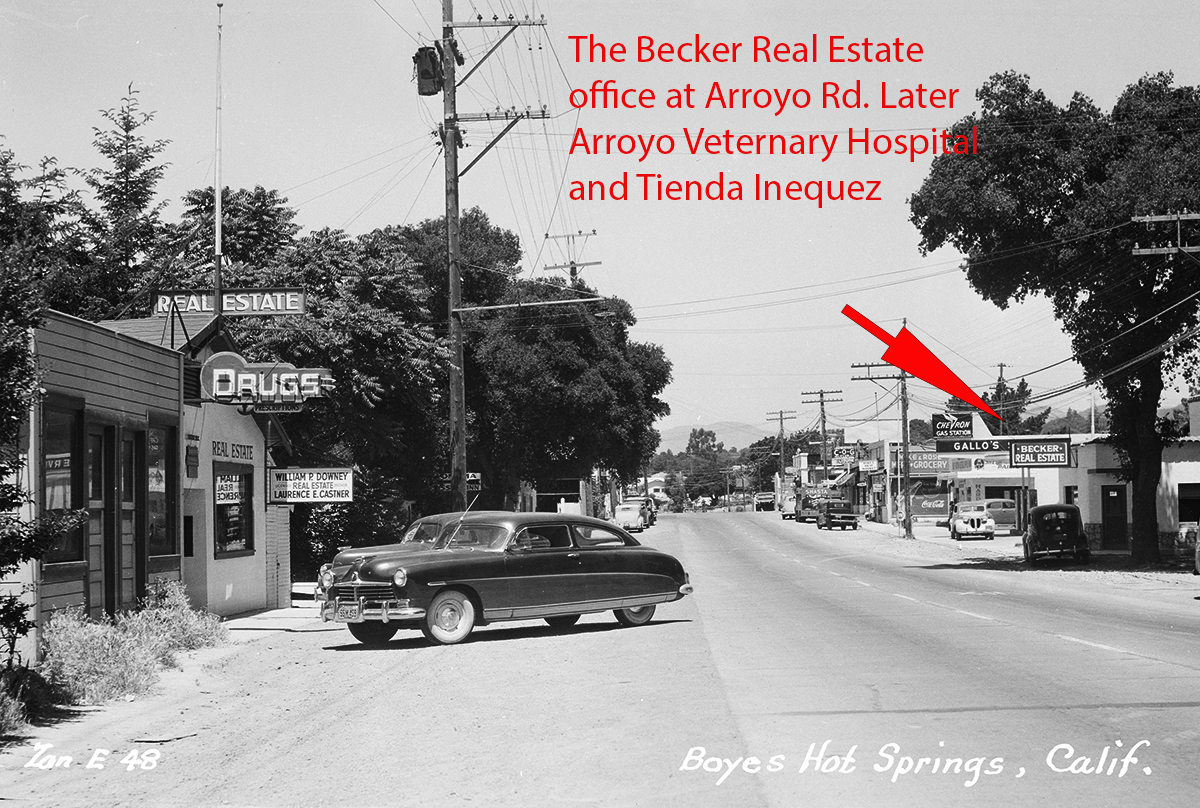
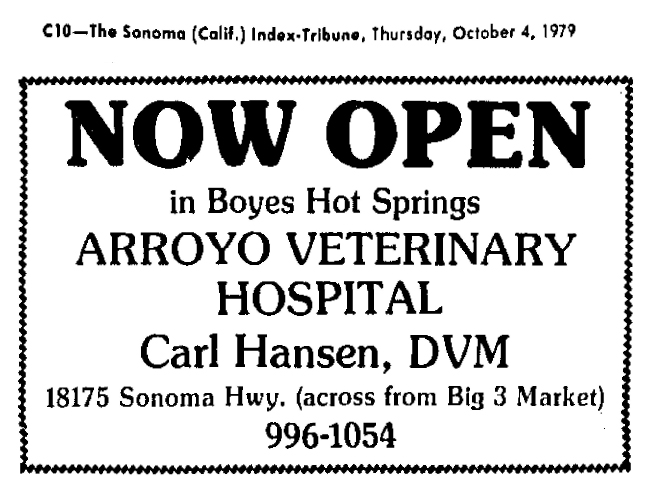
Digression the First: The original Arroyo Vet Hospital was started by Dr. Hansen 1979, in a building on Sonoma Highway at Arroyo Rd, which was probably built in the 1920s, and had housed various businesses including Becker’s Real Estate Agency. Dr. Rhonda Stallings took over from Dr. Hansen in 1997, the same year your correspondent moved into a house just a block up Arroyo Road. Imagine our sense of security knowing we could WALK our sick cat to the vet’s office. And thank you to Rhonda for saving Ralph’s life.
Ralph
1950s
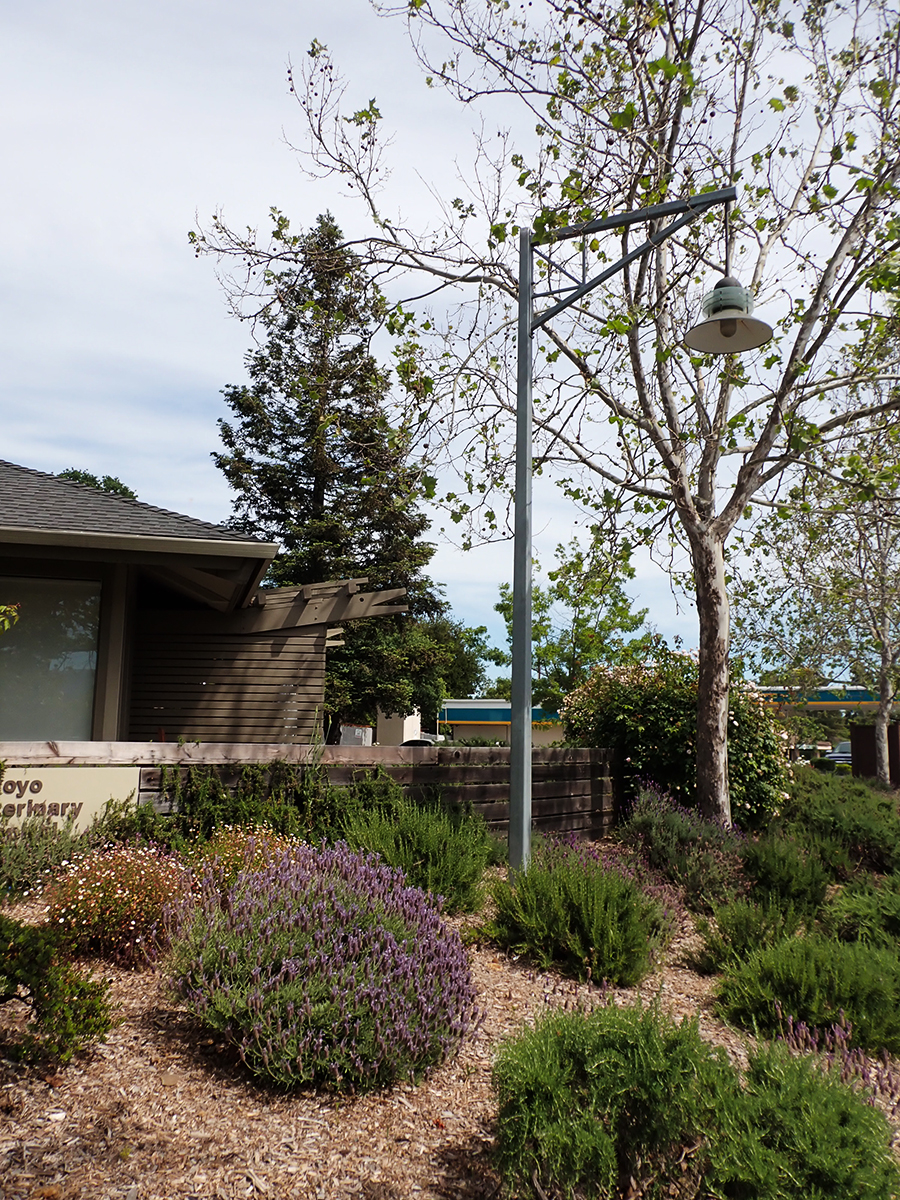
Digression the Second: The photo below shows a streetlight proposed for the Redevelopment sidewalk project. This was offered by landscape architect Ron Wellander and installed in 1997. The design was not used. It stands today, in 2023, lonely, unlit.
The first hearings for the sidewalk project were held in 1984. The initial pilot project was completed in 2002. The entire project, two miles of sidewalks and streetlights, was finished (except for one very irritating and dangerous gap) in 2016. Thirty. two. years.
I can’t resist sharing this text from a Coldwell Banker website. The addresses represent the apartment site.
Please stay tuned to the Springs Museum. We aim to bring you all the best in local lore!
Thanks to Rich Lee and Doug McKesson for their memories
Index Tribune courtesy of the Sonoma Valley Historical Society
Zan postcard courtesy of Stanford University Library, Special Collections
UPDATE, September 17, 2023
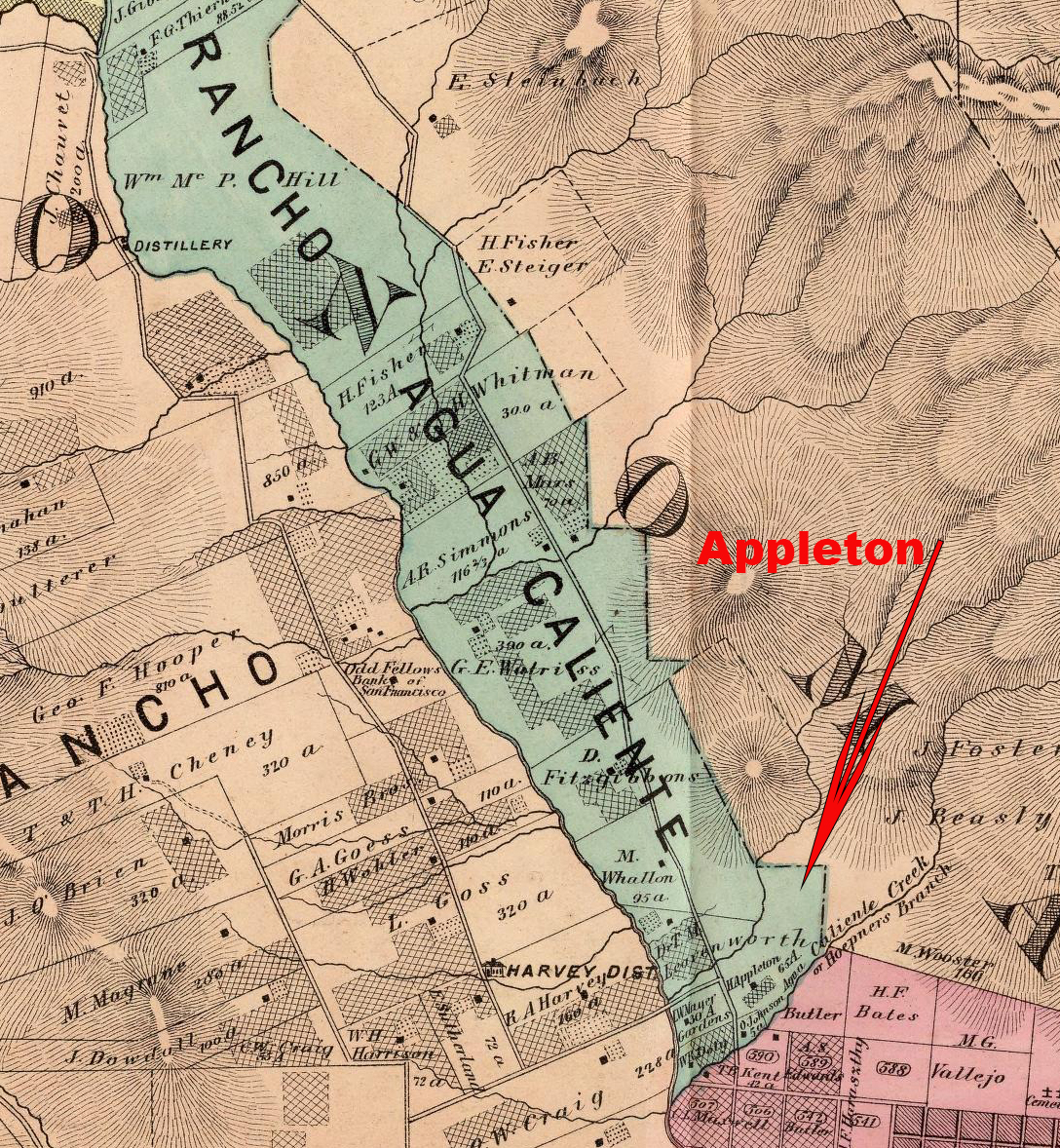
According to Mrs. Mary Farrell’s obituary in the Index Tribune in January of 1956, her resort was “part of the former Appleton ranch.” Before Appleton, a certain ”Mrs. Loud came to California in 1864…Her husband was Alfred C. Loud, who settled on what was afterward the Appleton ranch.” Index Tribune of Jan 14,1922 obit of Mrs. Loud.
In the 1975 obituary for Appleton’s daughter, the renowned Carrie Burlingame, Horatio Appleton established his ranch “in the Springs area in 1865.” He was “a pioneer vineyardist and a descendant of the Greenleaf and Adams families of New England.” He was instrumental in identifying the Phylloxera louse that decimated American vineyards in the 19th century.
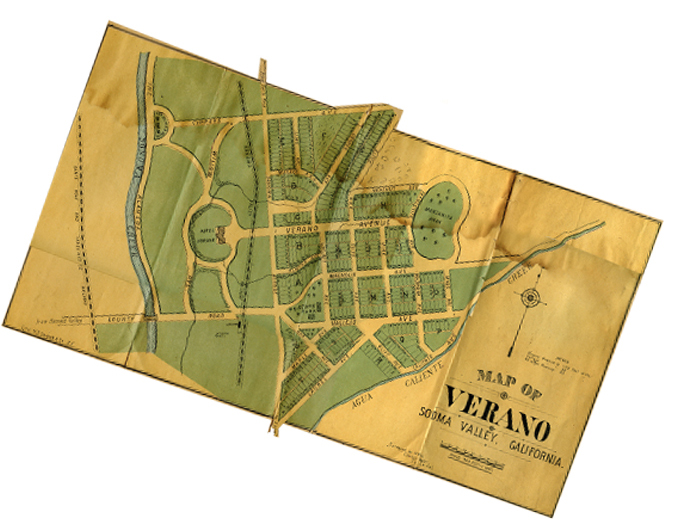
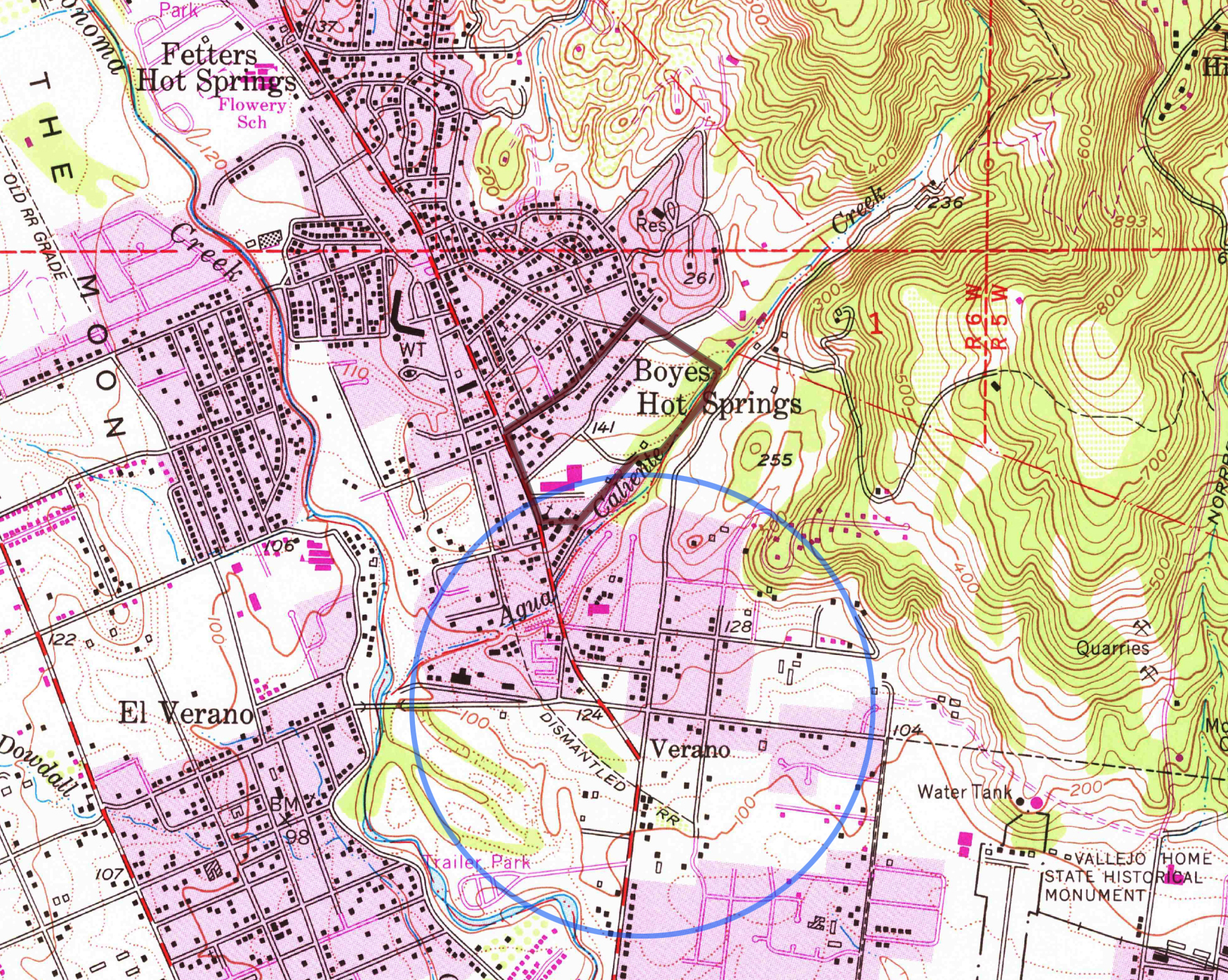
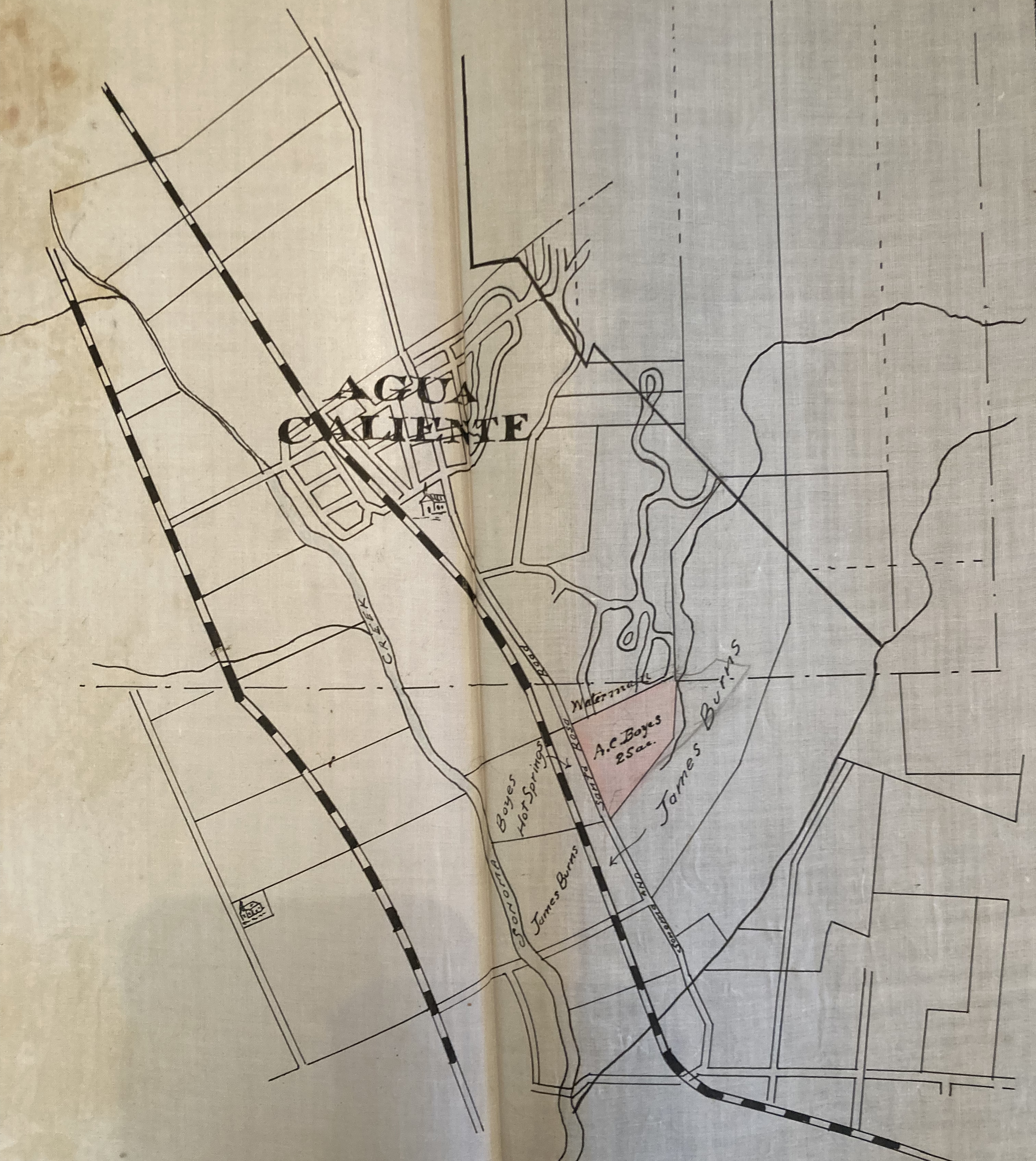
Appleton appears as a property owner on the Reynolds and Proctor maps of 1877 (65 acres) and 1889 (160 acres). (See below). According to the Index Tribune, in 1888: “Several new town sites have been laid out and surveyed in this valley the past few months…Verano is …another new town site which has lately been laid off on the Appleton and Burns places…” (see Boyes abstract map). Parts of the town of Verano (not El Verano), were later owned by Nathan Cantor and Selig Rosenthal. Some of this became the Acacia Grove mobile home park with a carve-out for the Grange in 1934. Read more about Rosenthal, et al, here.
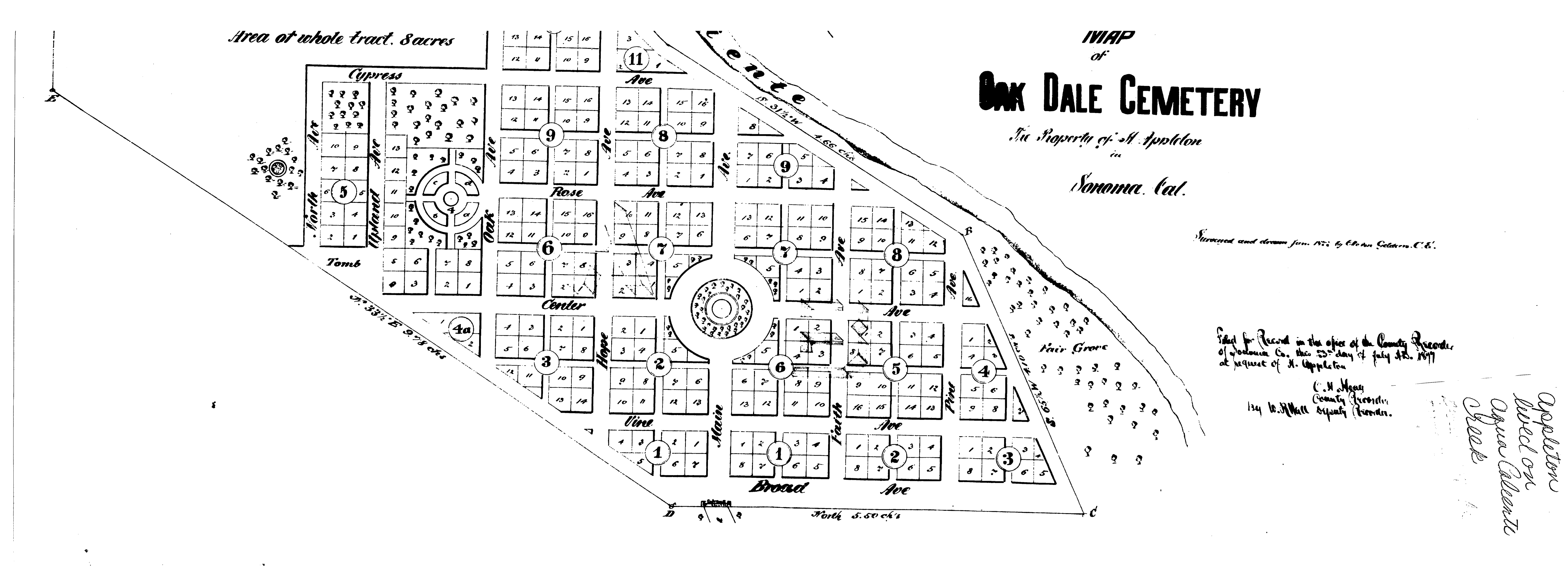
in 1877 Horatio Appleton published a plat of a cemetery on part of his land. (see below)
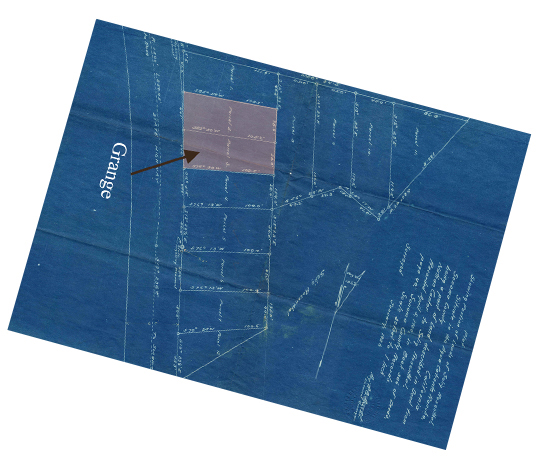
1877 Reynolds and Proctor map. Sonoma Highway runs through the green area. Its left boundary is Sonoma Creek. Agua Caliente Creek, the south boundary of Appleton’s ranch, joins Sonoma Creek at the bottom of the green area.1880s map of Verano, oriented to match the first map. This was a fanciful depiction of a town that never existed as such, though it did have a railroad depot. Eventually, the “Town of Verano” moved or expanded to the south side of Agua Caliente Creek, as can be seen in the quad map below. The dark line is the approximate outline of the Appleton ranch.Rosenthal’s resort, 1934, showing the lots he sold to the Grange. Sonoma Highway is at left.Map from the abstract of title to Henry Boyes’ land. James Burns land is labeled. Appleton, next to it, is not. An abstract of title was a document used to prove ownership in the days before title insurance. More here.Appleton’s Oak Dale Cemetery, 1877. Another fanciful map.
Thanks to the Sonoma Valley Historical Society, for everything, really, and to the Rumsey Map Collection.
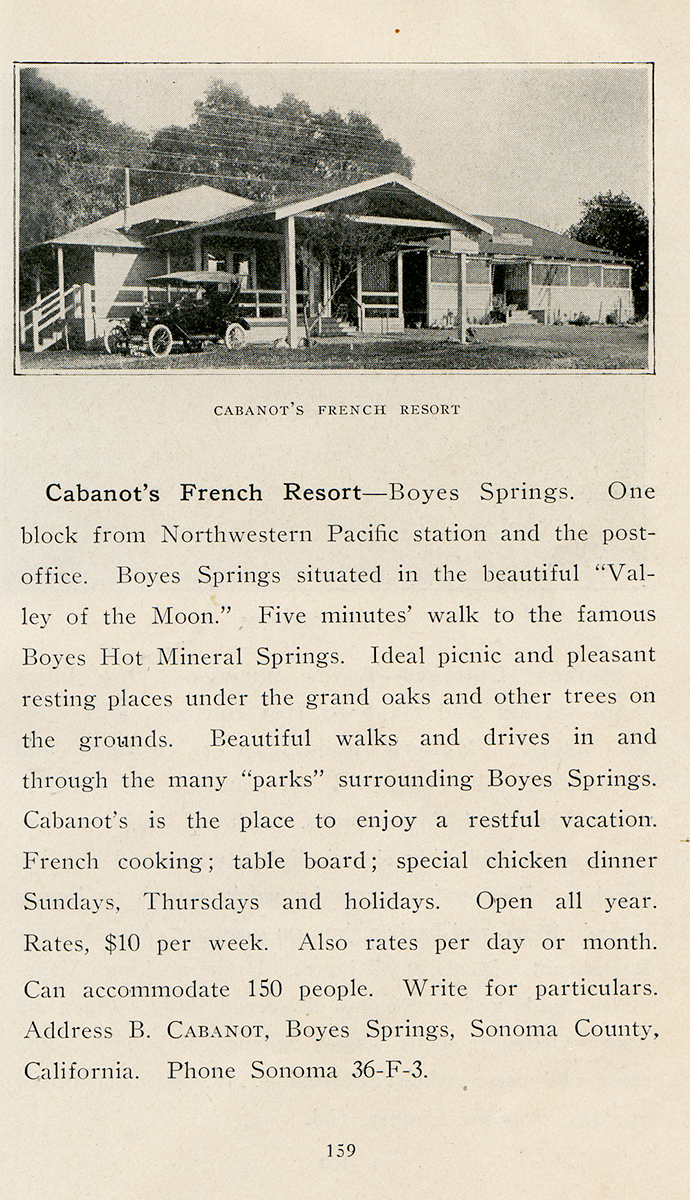
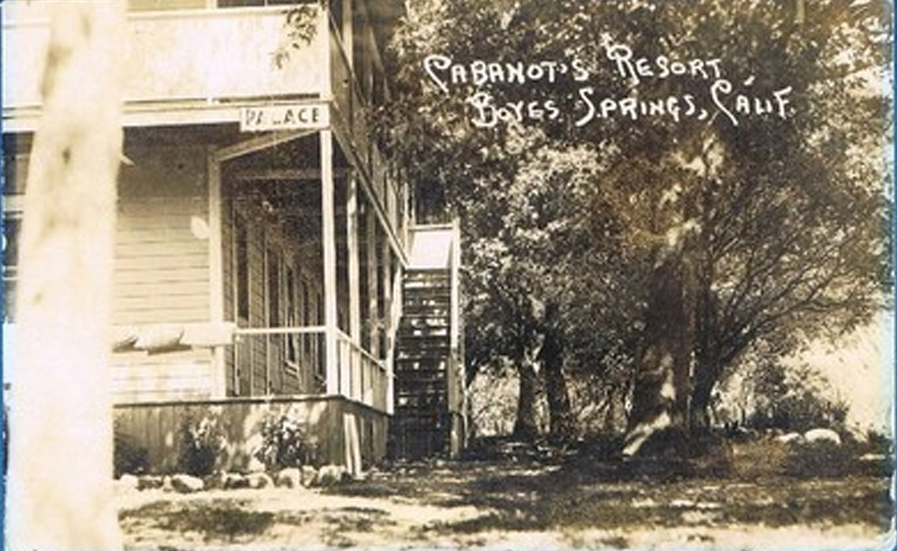
Bernard Cabanot was born in France in 1861 and came to the US in 1876. He lived and worked in San Francisco and Redwood City until 1914, when he came to Boyes Hot Springs and opened his French Resort. (There was another French Resort operated by the Dutil , Lounibos and Verdier families in El Verano. Please see: https://springsmuseum.org/2020/12/13/dutil-french-cottages-verdiers/)
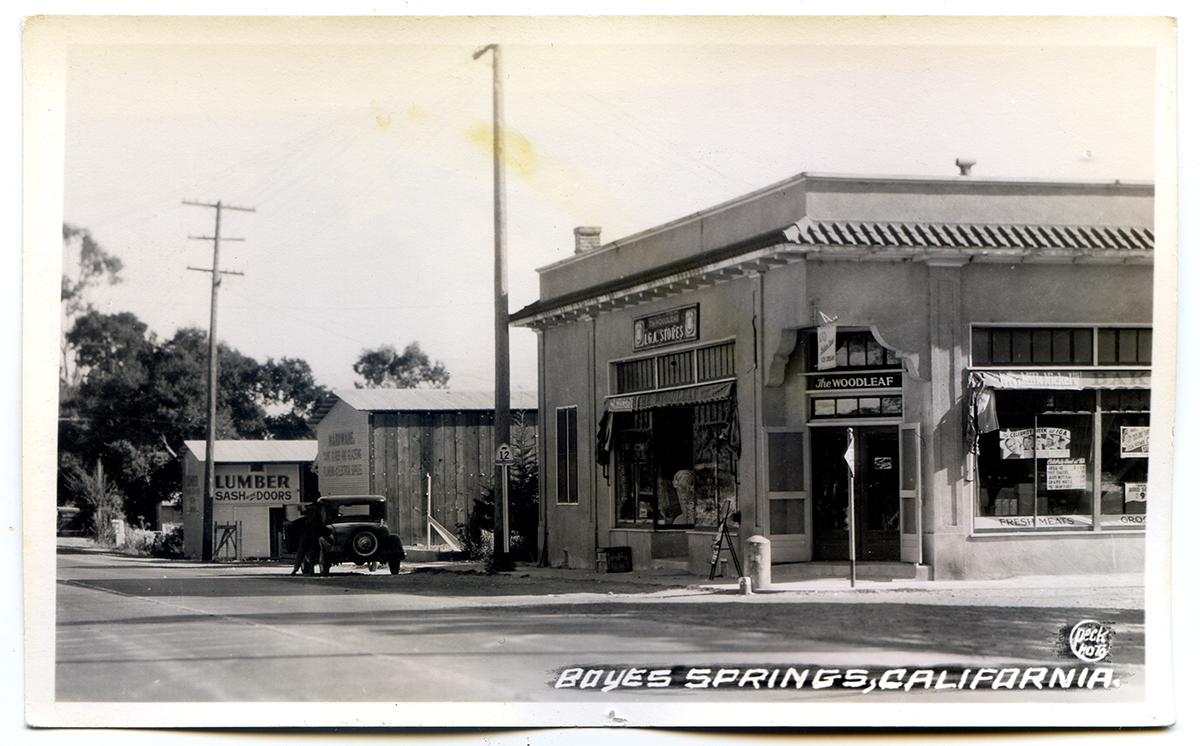
“One block from the Northwestern Pacific station and the post office,” refers to the P.O. located at the Woodleaf Store.
He built several buildings in Boyes, including the Woodleaf Store, which was constructed in 1921 and rebuilt after the 1923 fire.
Woodleaf Store, Boyes Blvd. and Sonoma Highway, 1930s. This building still stands, part of the Sonoma Mission Inn.
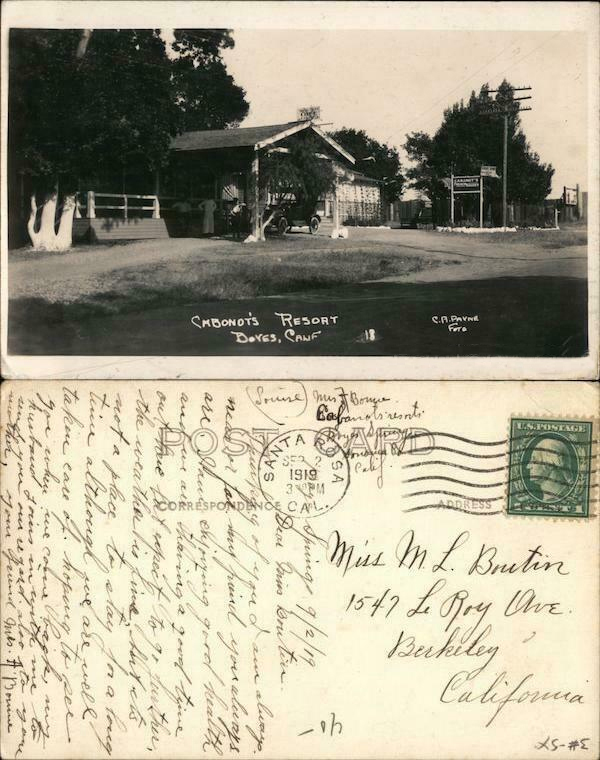
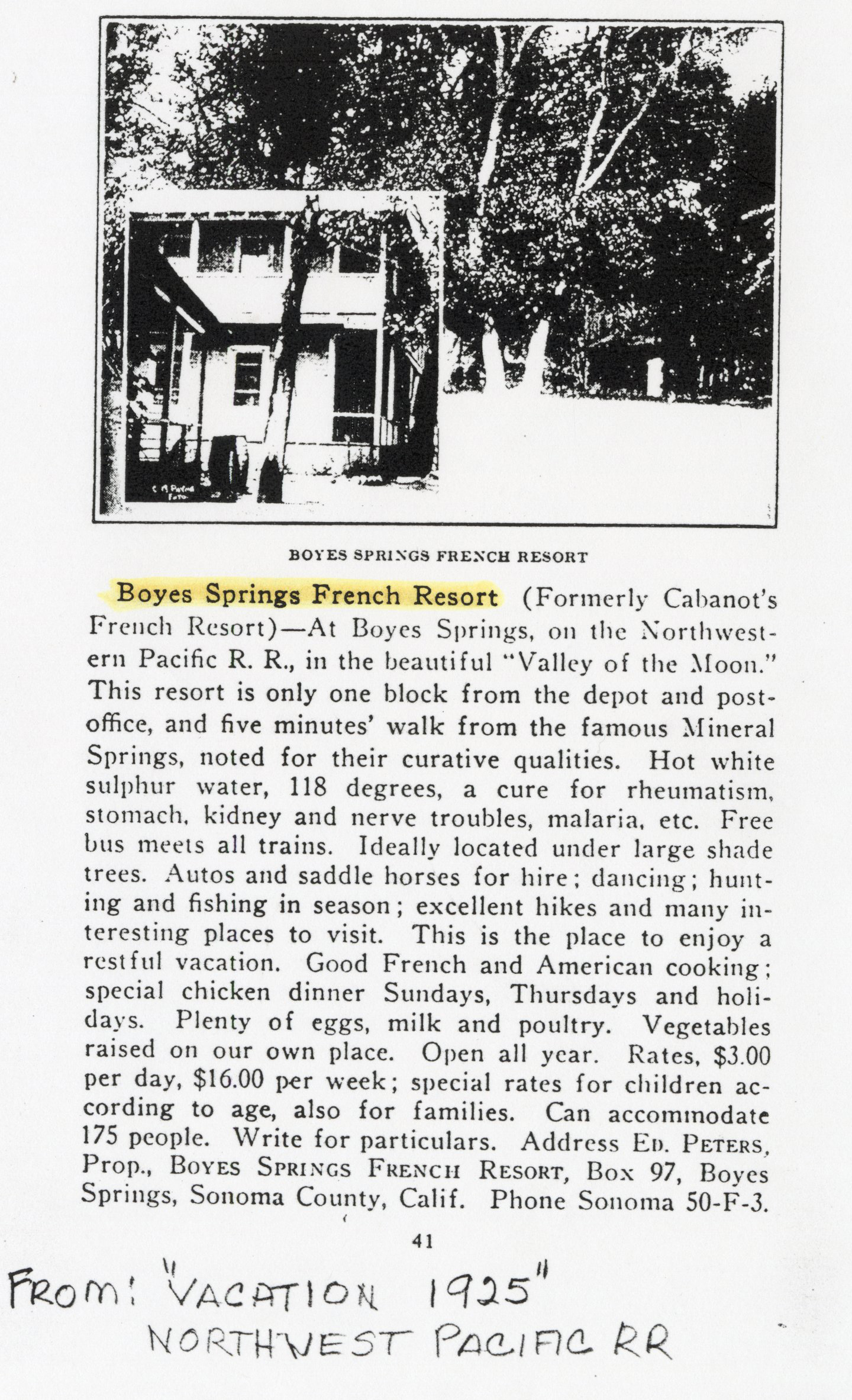
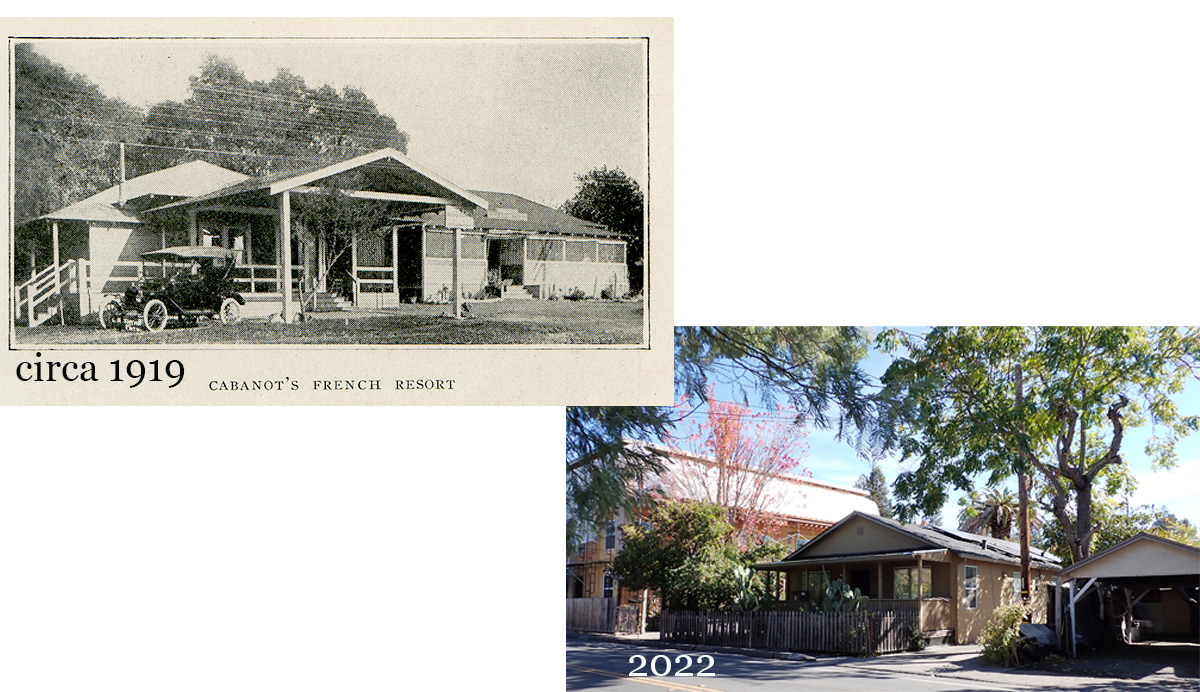
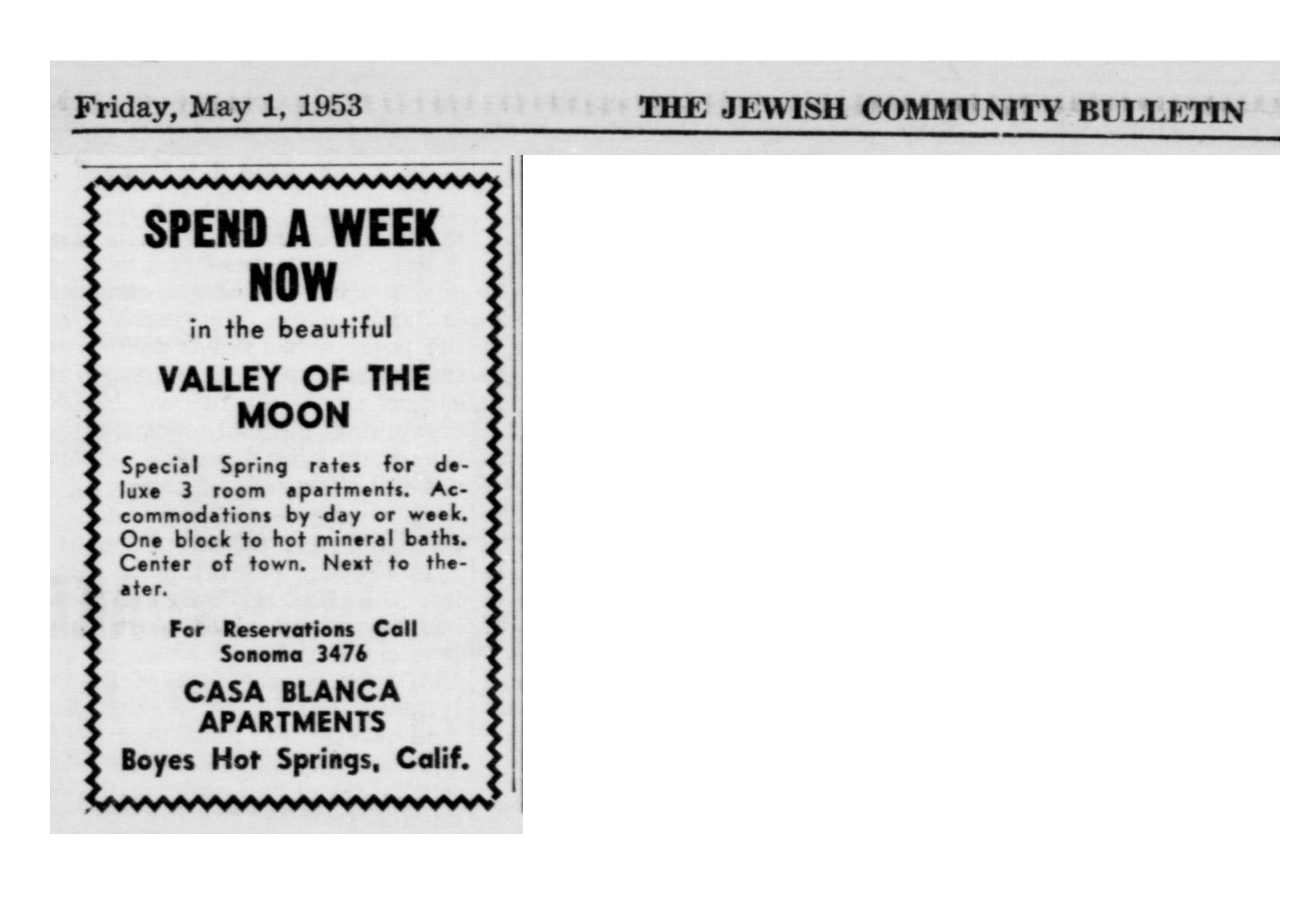
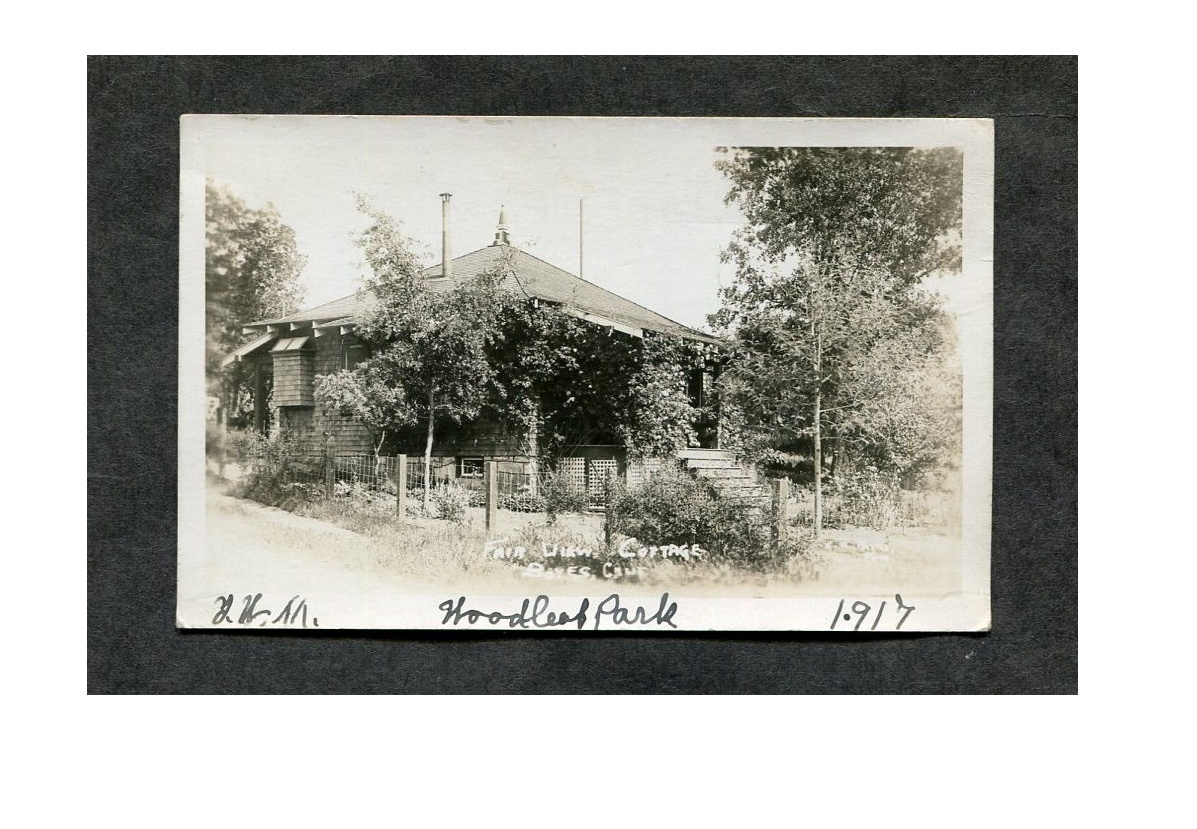
We have images of two different buildings for the resort. The oldest ones are of pleasant one-story bungalows, dated 1919 (first two images). The second building is two stories and dates from 1925 (above).
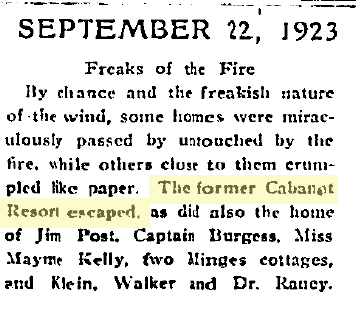
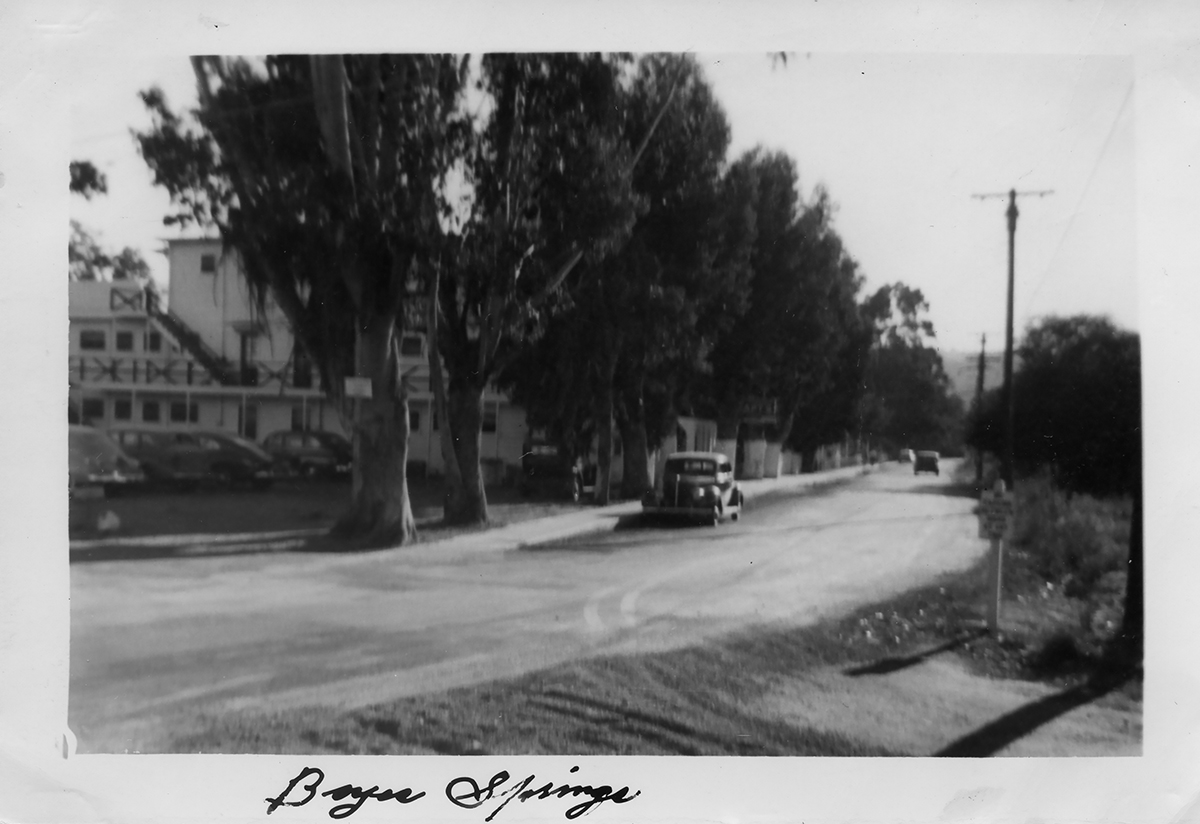
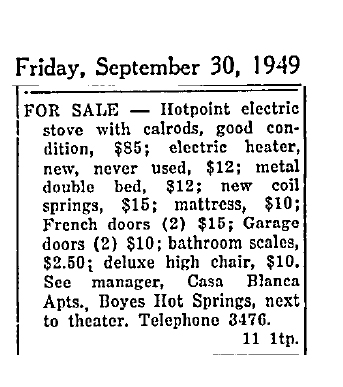
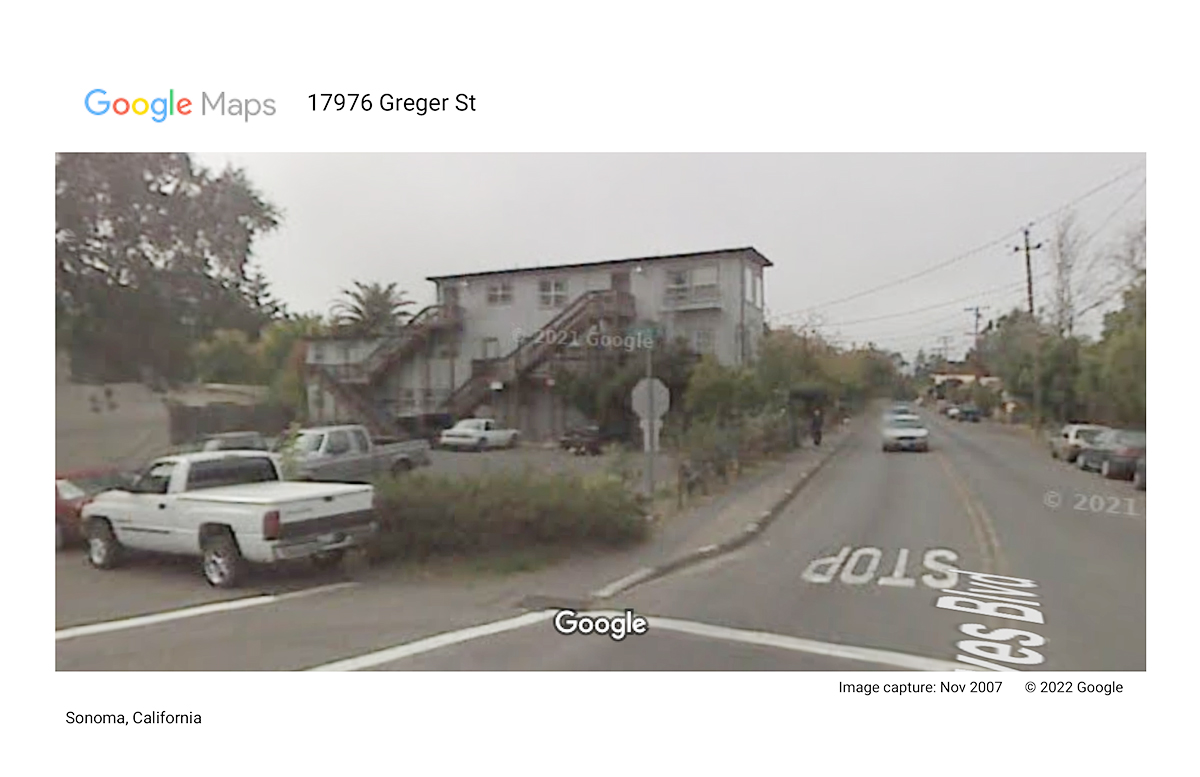
According to the Index Tribune, Cabanot’s Resort was not destroyed by the great fire of 1923 so it’s possible the larger building was built along side of the smaller ones. Both places are described in ads as being “next to the theater,” which was at the corner of Boyes Blvd. and Gregor Street, where the apartment building is today.
The original Cabanot’s?Index Tribune
The two story became the Casa Blanca Apartments, by which name it is still known today (2022).
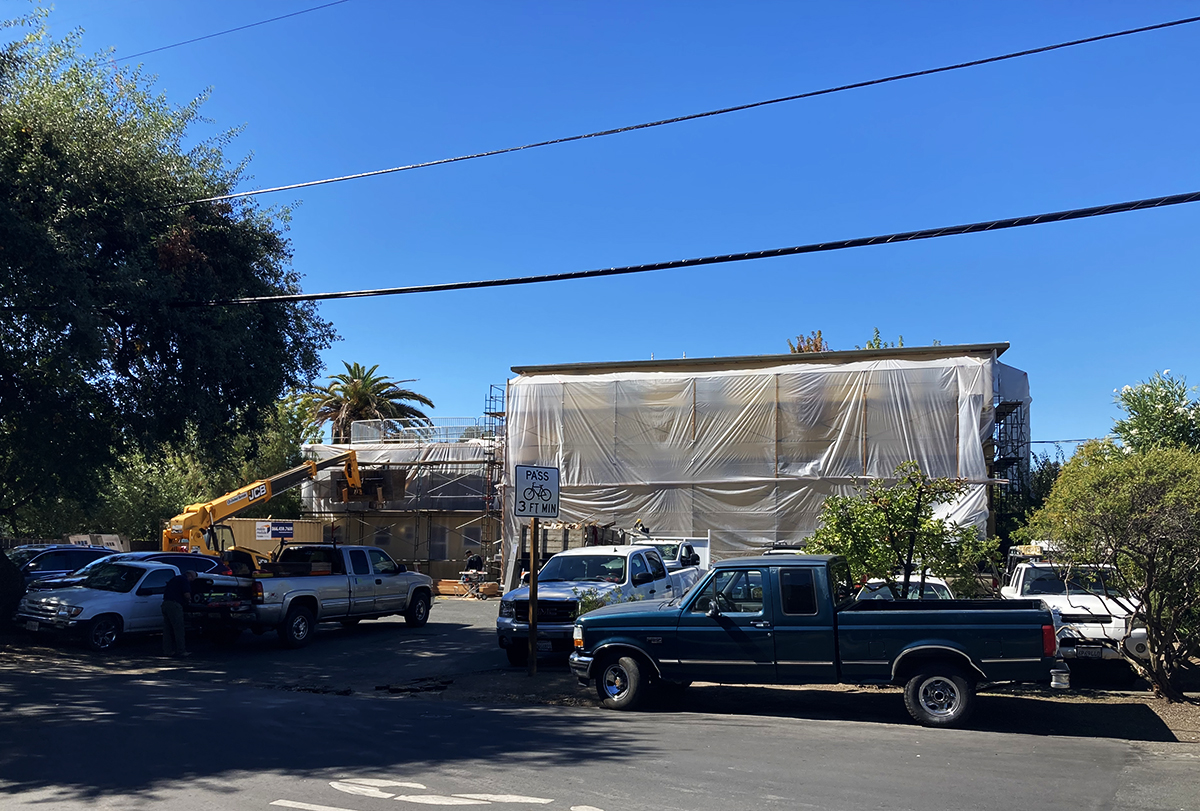
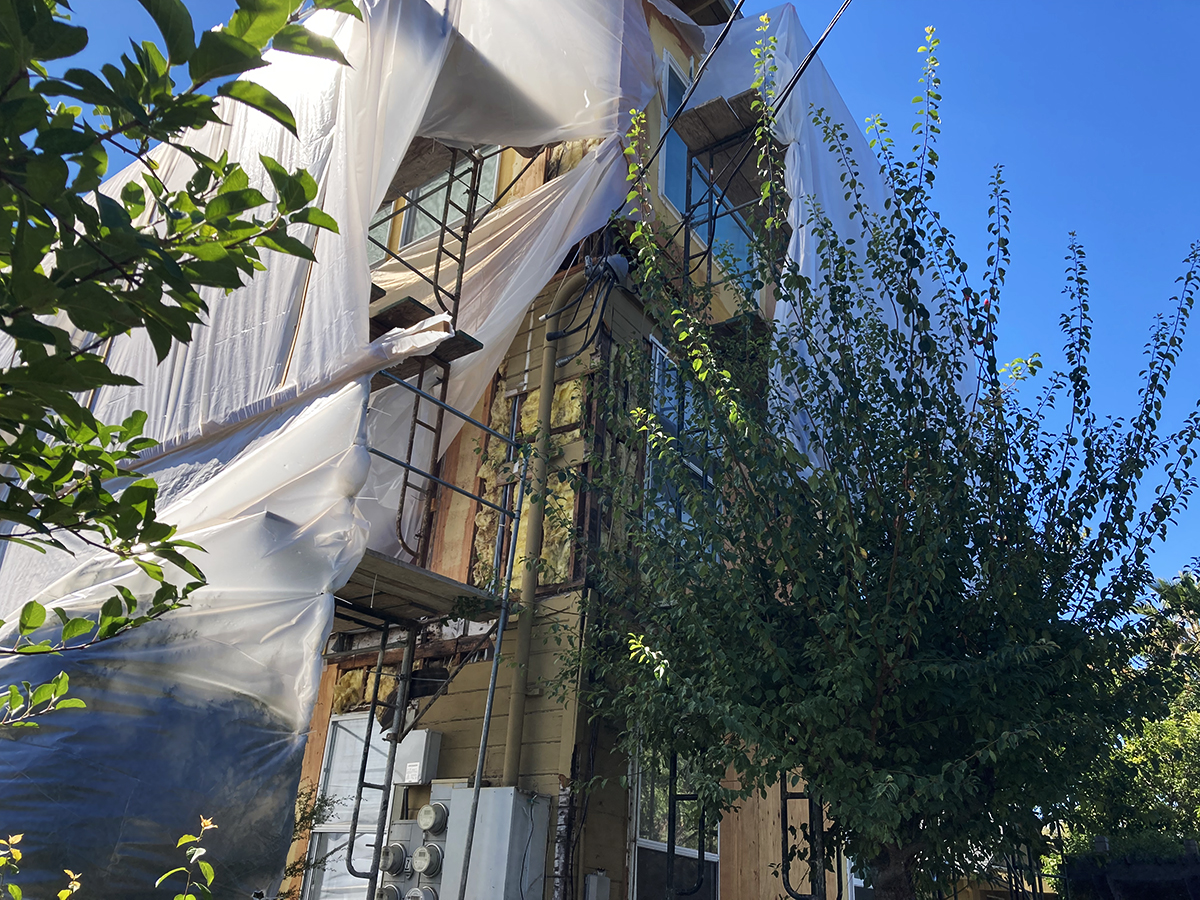
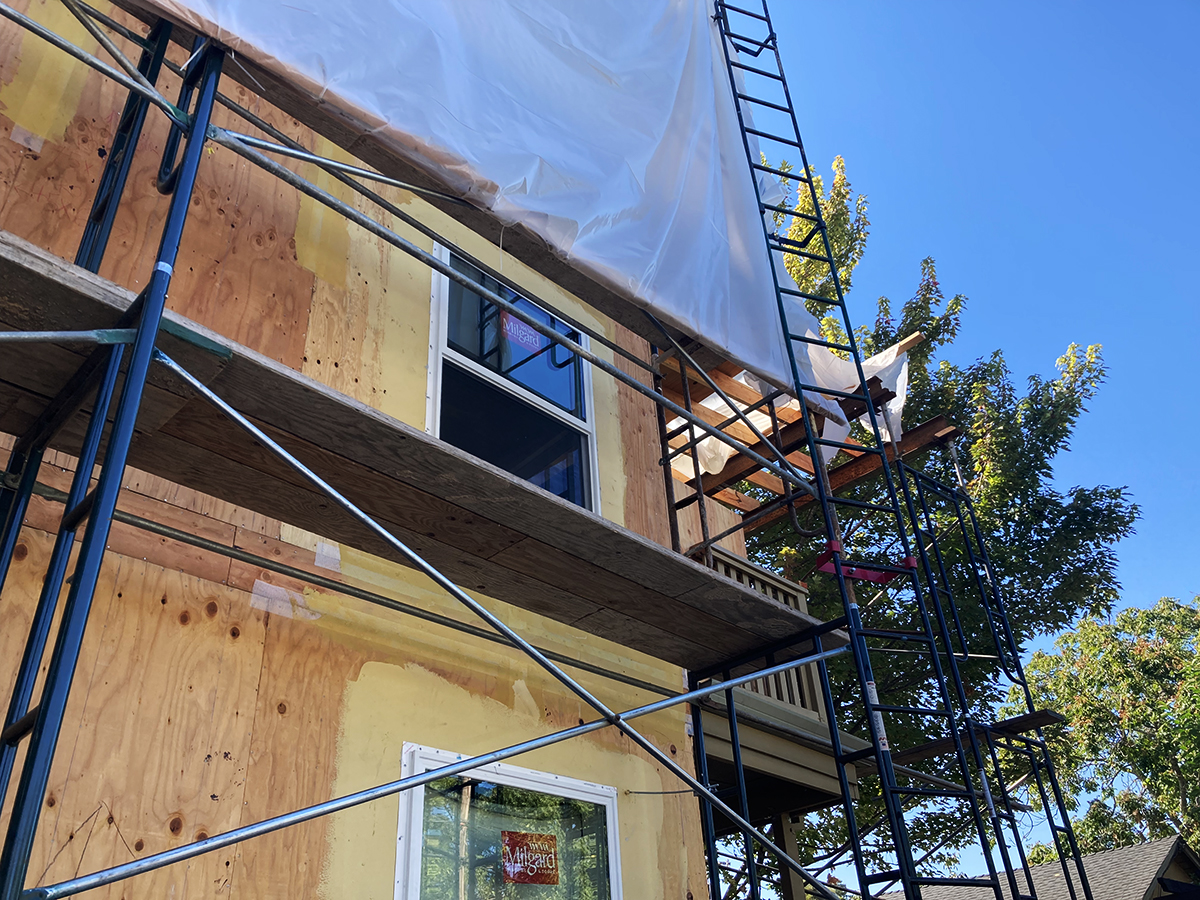
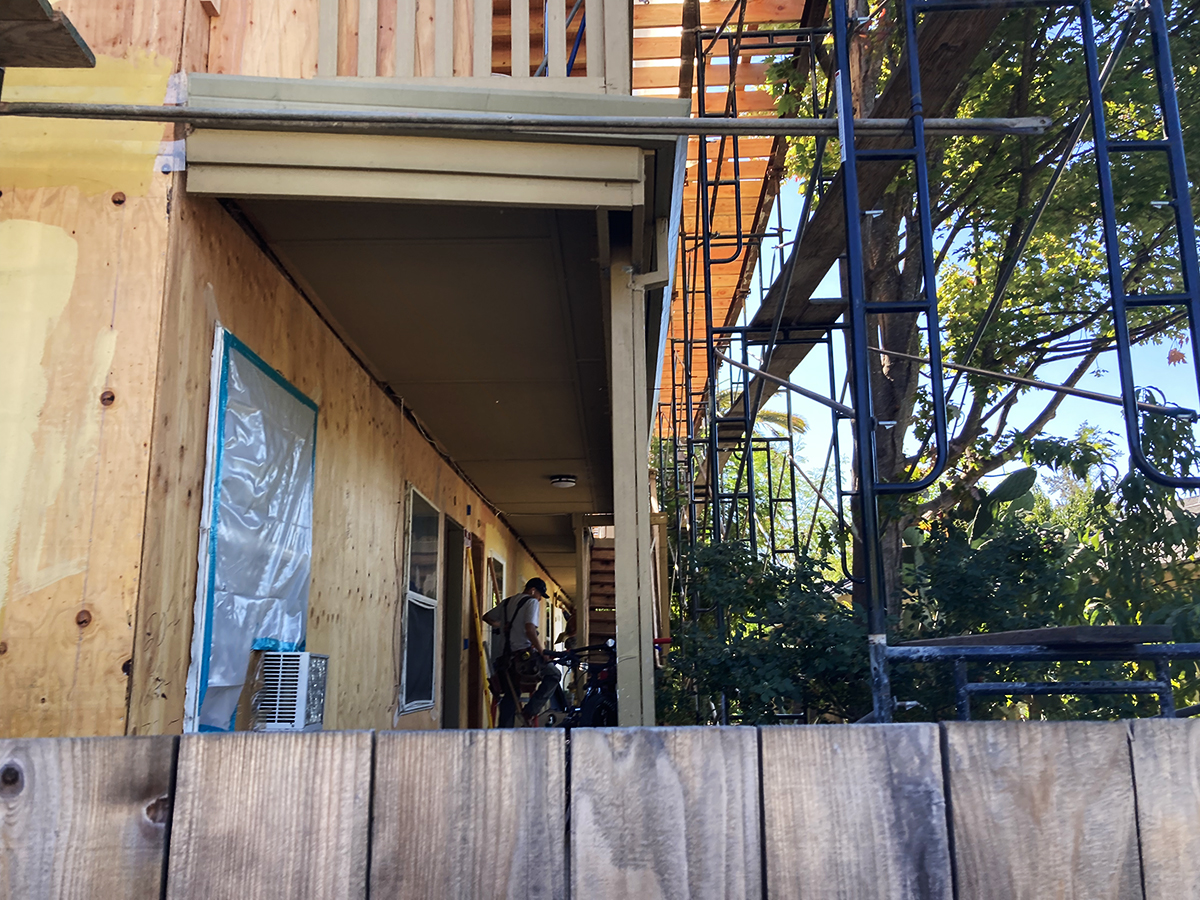
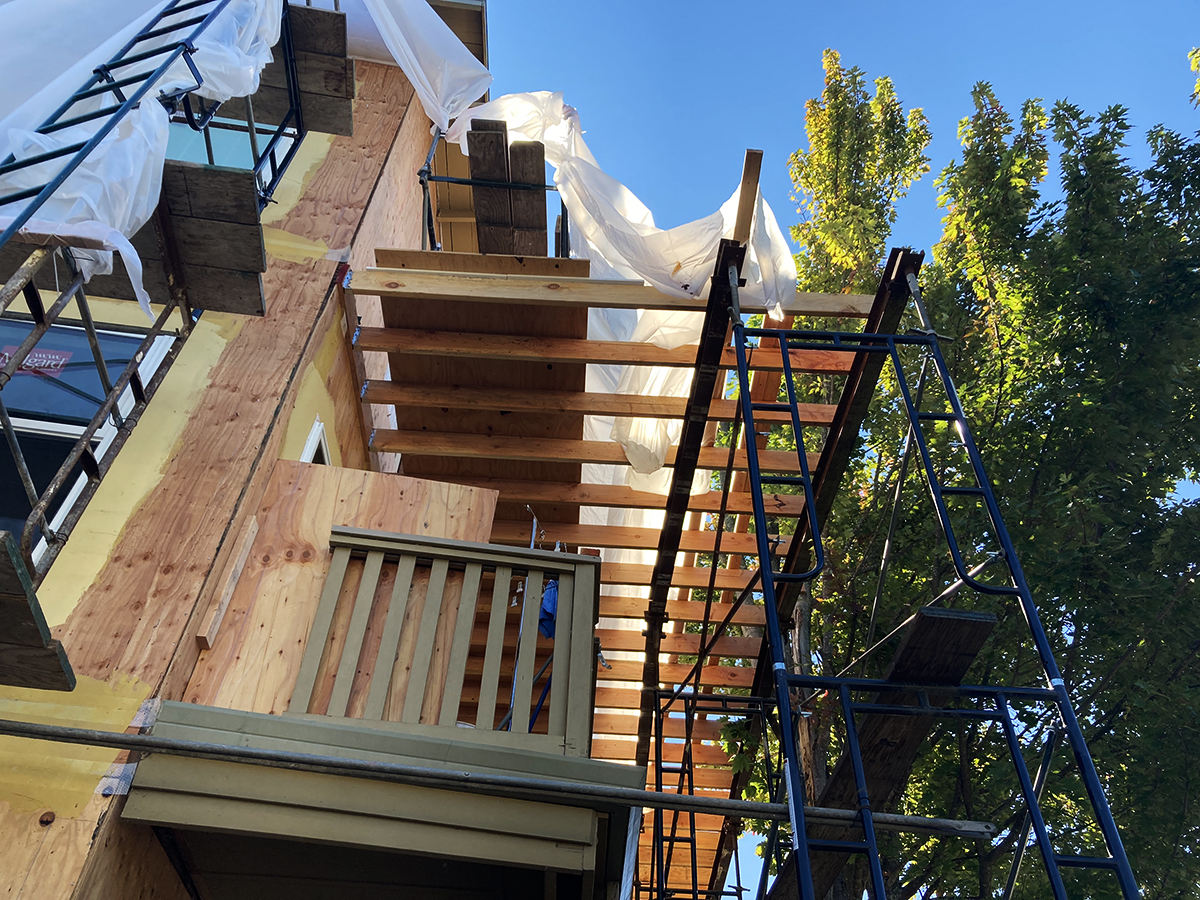
As of September 2022, major repairs were taking place. All the exterior siding was removed, plywood was applied as earthquake bracing, and new doors and window were being fitted. Not historic preservation but perseverance. With several nearby historic buildings being bulldozed recently, we will take what we can get.
Under Construction 2022
Thanks to Lorrie Baetge Fulton of the Sonoma Valley Historical Society for research help, and to the Gordon Lindberg Collection of the Sonoma Valley Historical Society, who also provided the Index Tribune material.
The fortunes of Boyes Hot Springs have waxed and waned. In the heyday of the resorts, it was a prosperous summer retreat. As the resorts declined, property values fell, and Boyes became “the other side of the tracks,” for a time gaining a reputation for being dangerous. The story goes that the State of California released parolees there because rents were so low, but in 1988 Sheriff Dick Michaelson told the Index Tribune “the practice ceased a couple of years ago.” When yours truly move there in 1997, the rumor was alive and well.
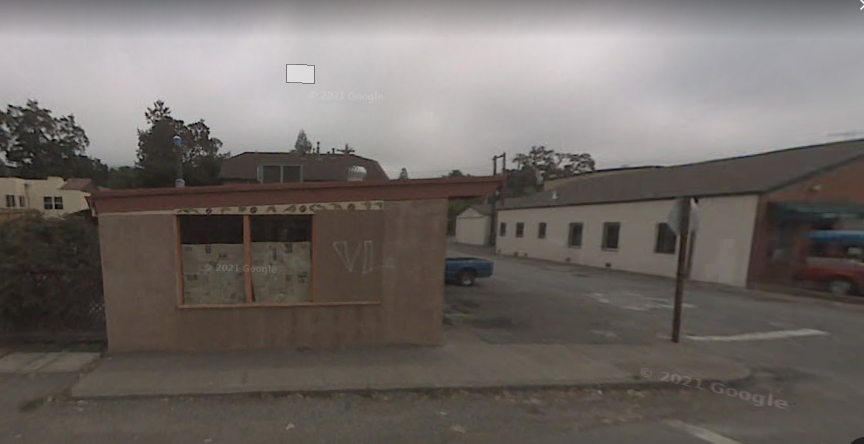
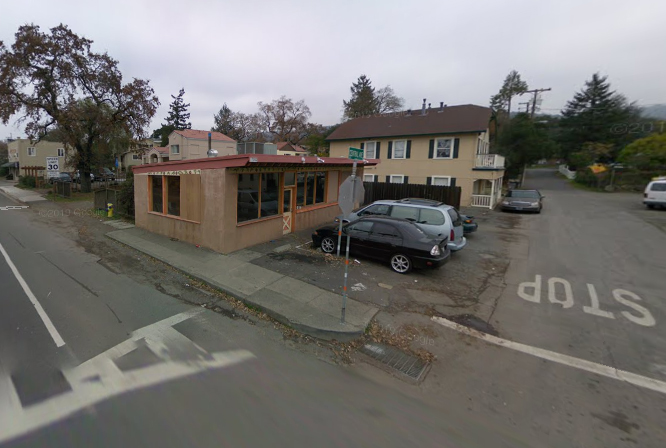
2007, Google Street View2009, Street View. The Barking Dog moved in 2004. here it sits empty.
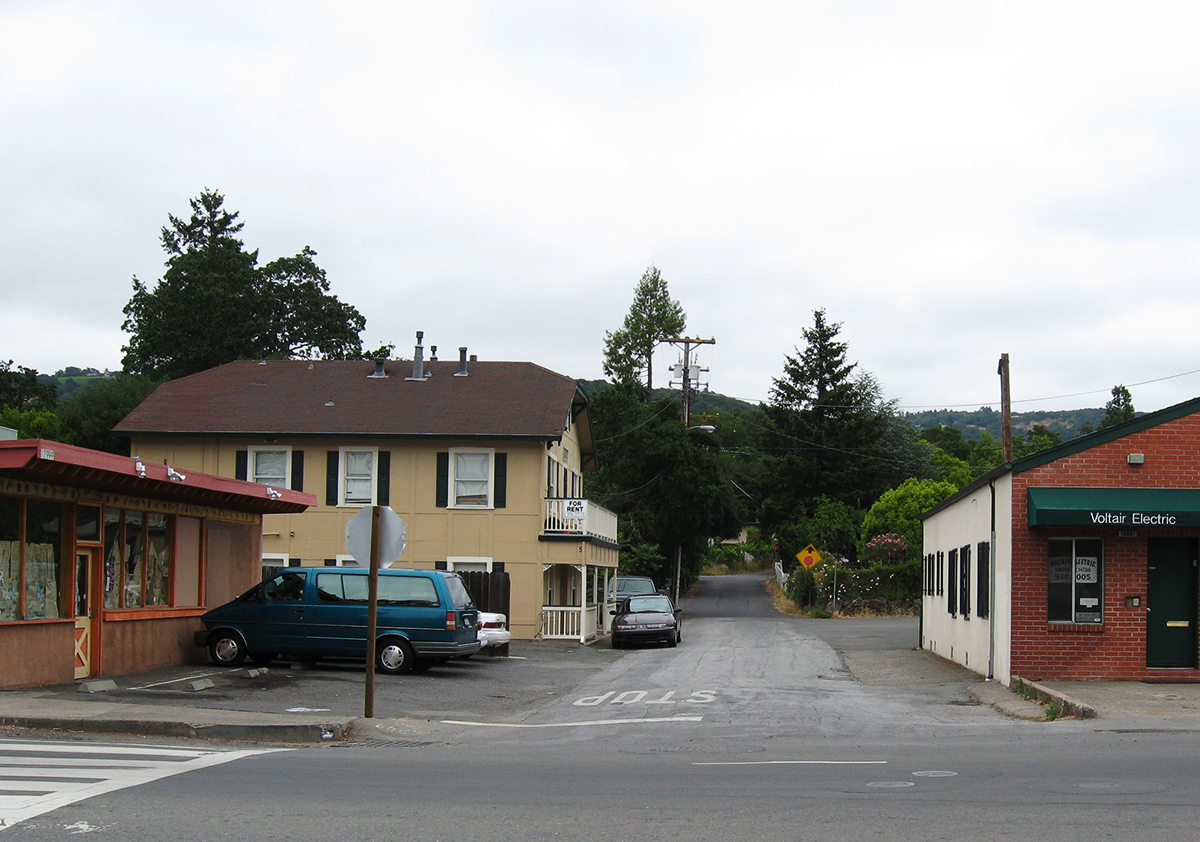
In that year (1988) things were looking up for Boyes. Young people form San Francisco were discovering that they could afford to buy houses there. New businesses were opening, such as the Central Laundromat at the corner of Highway 12 and Central Avenue. But wane followed wax once again and the laundromat went out of business and the building stayed empty until the Barking Dog Roasters opened there in 1995. According to the Index Tribune, “ A building once held up as a bad example has received new life-and a major renovation…Barking Dog Roasters at 17999 Sonoma Highway was formerly the Central Laundromat-once pictured in this newspaper as an example of the problems along Highway 12 through Boyes Hot Springs. The new restaurant opened in mid-June, after a six-month renovation that involved new wiring, plumbing, flooring, interior plaster, and outside stucco….’It has been a real labor of love,’ Peter Hodgson (one of the owners) said.”
2008
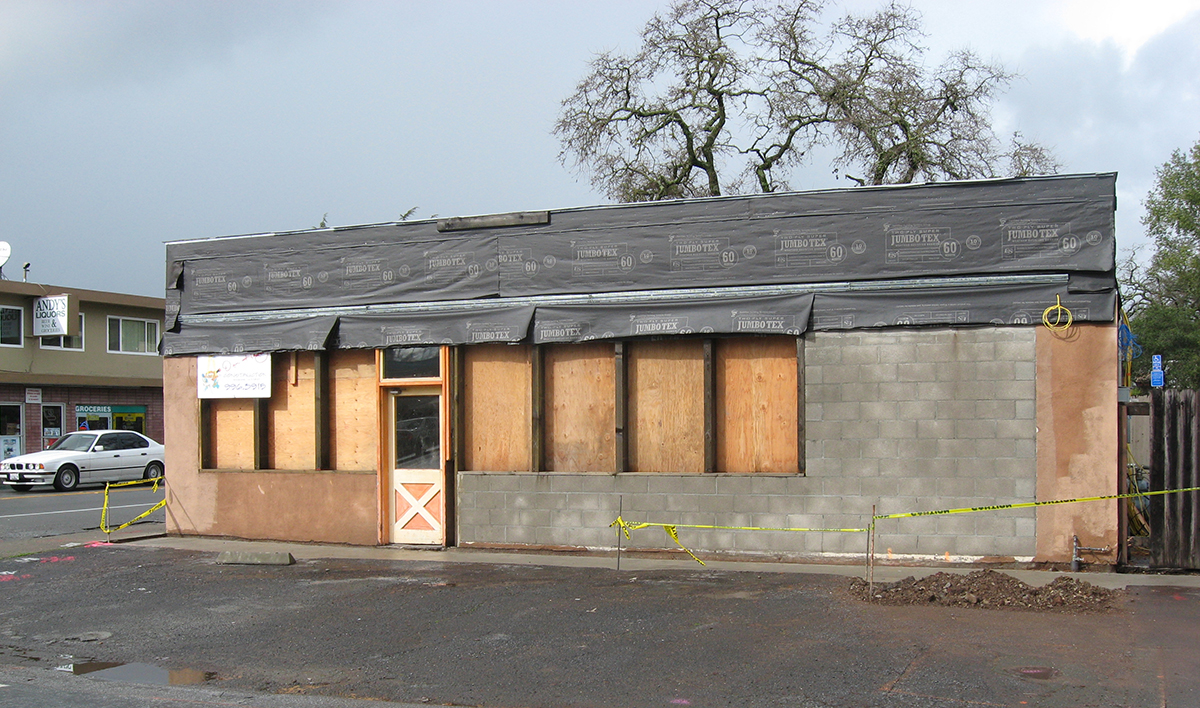
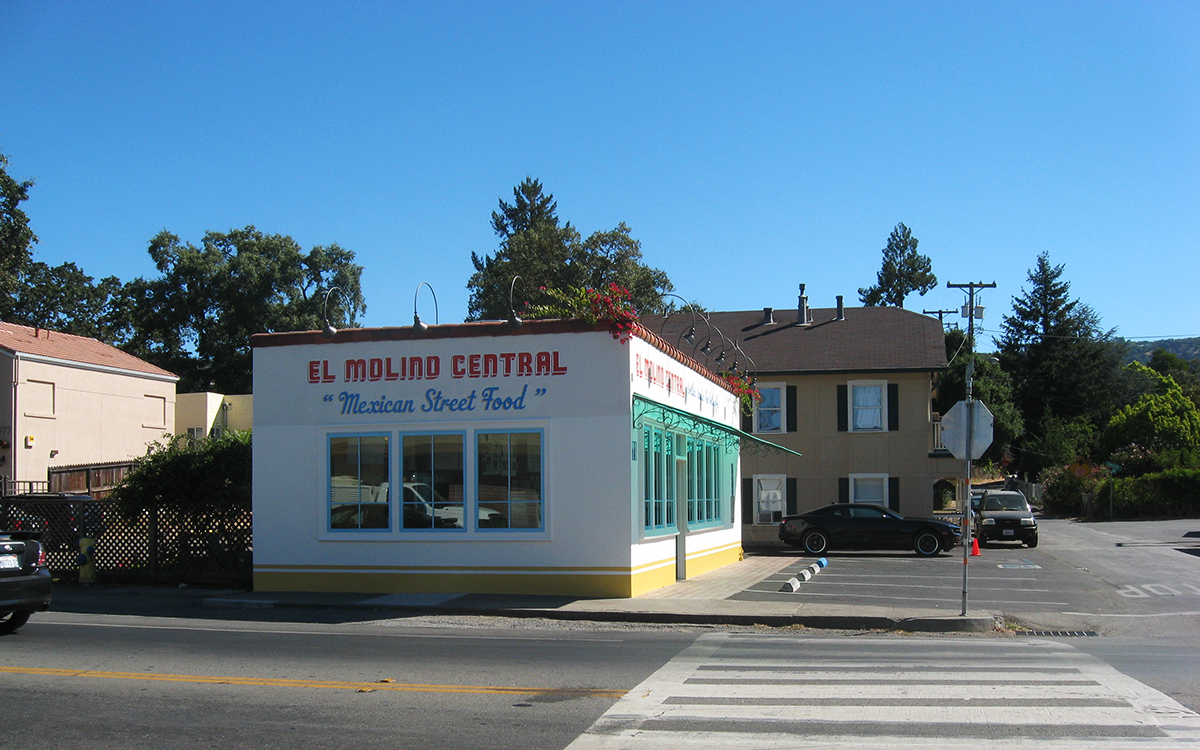
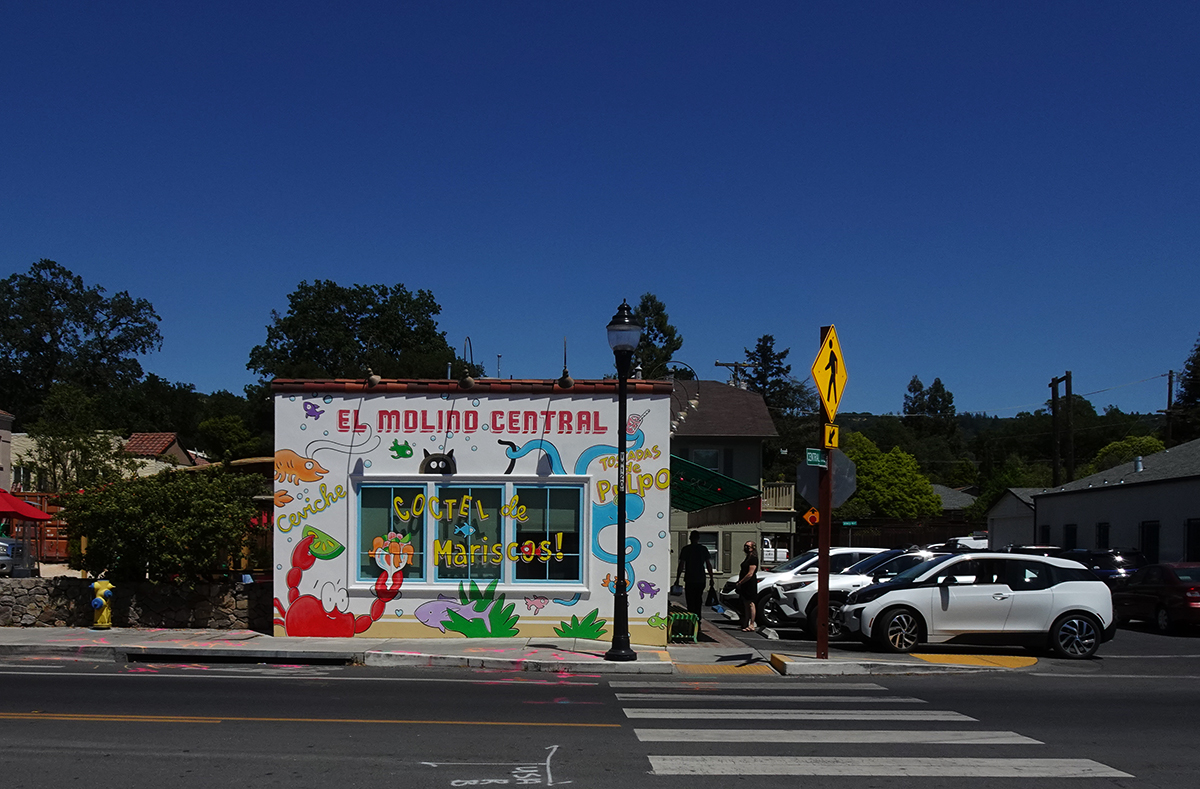
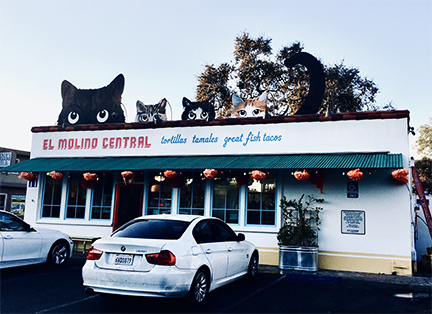
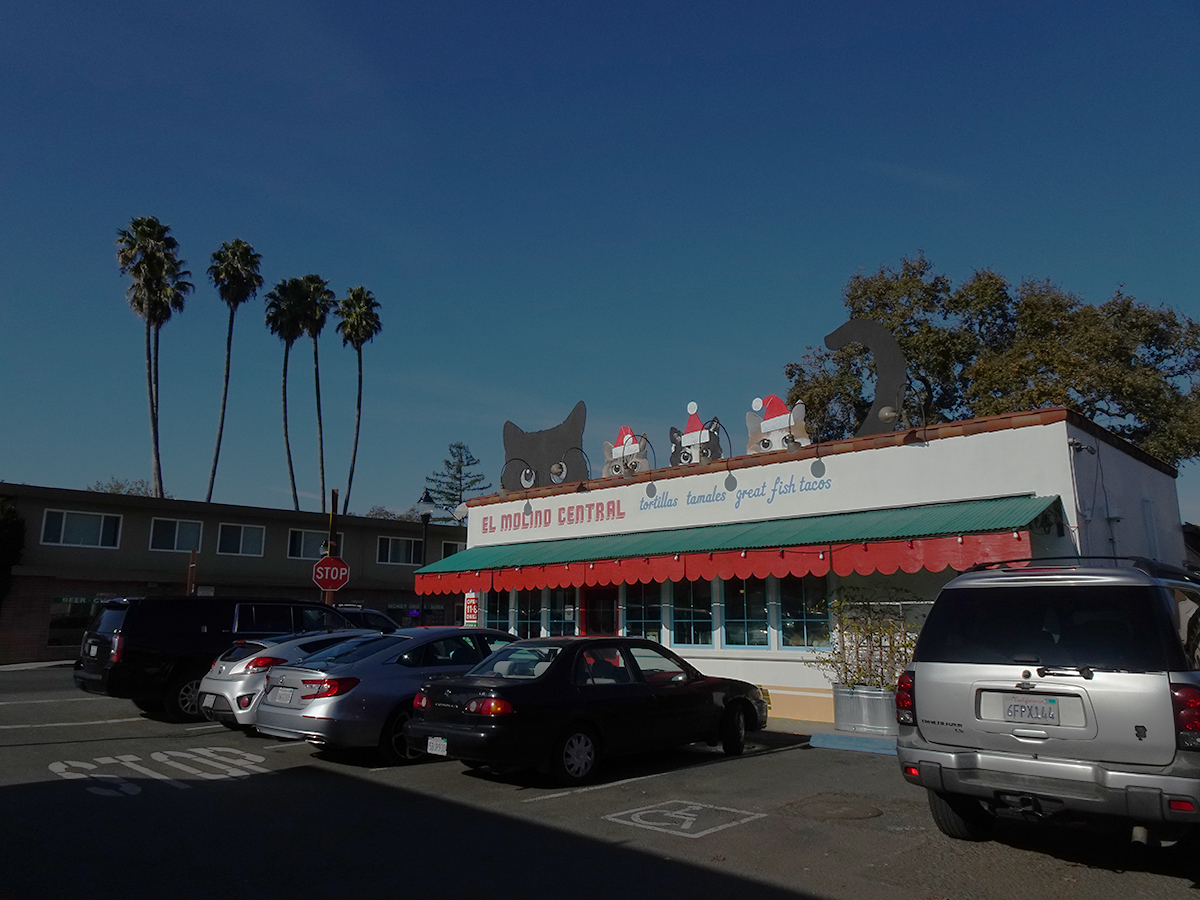
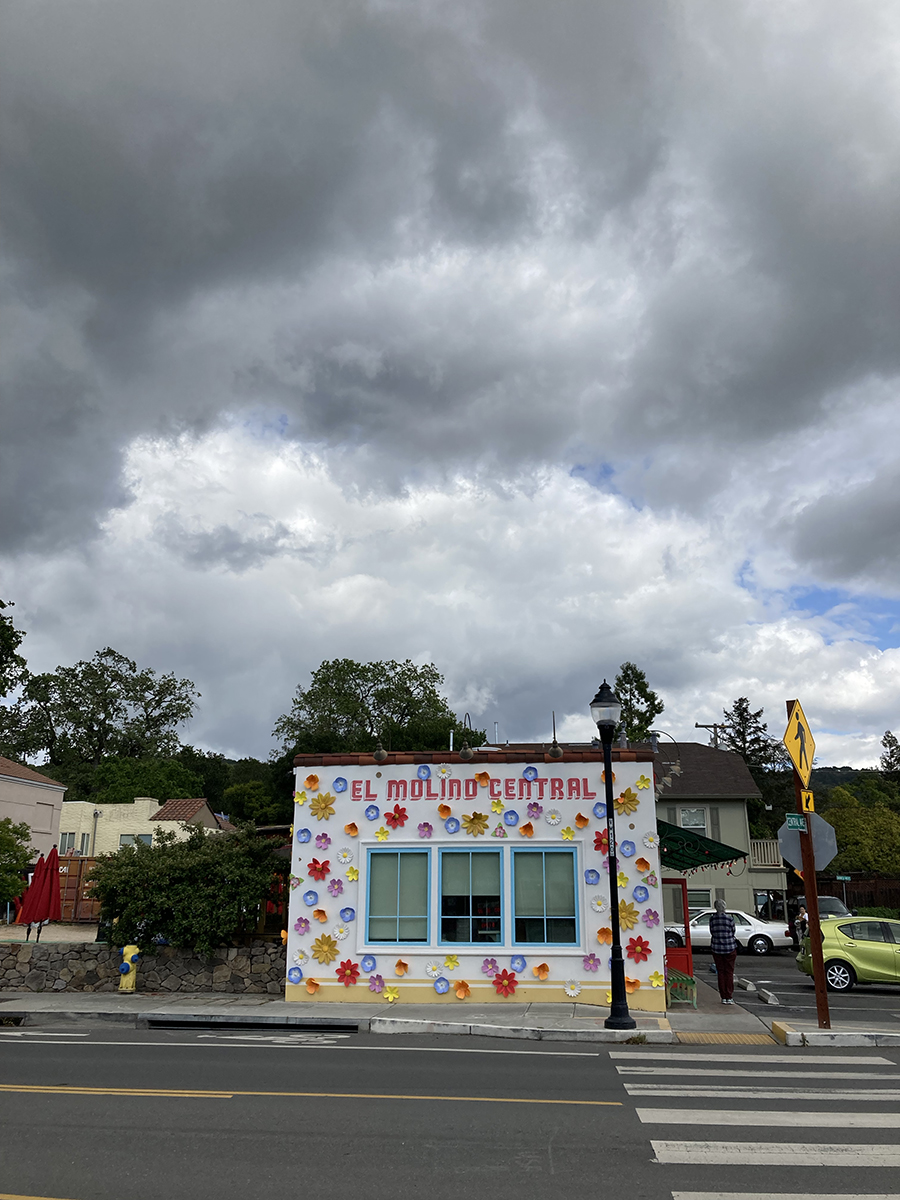
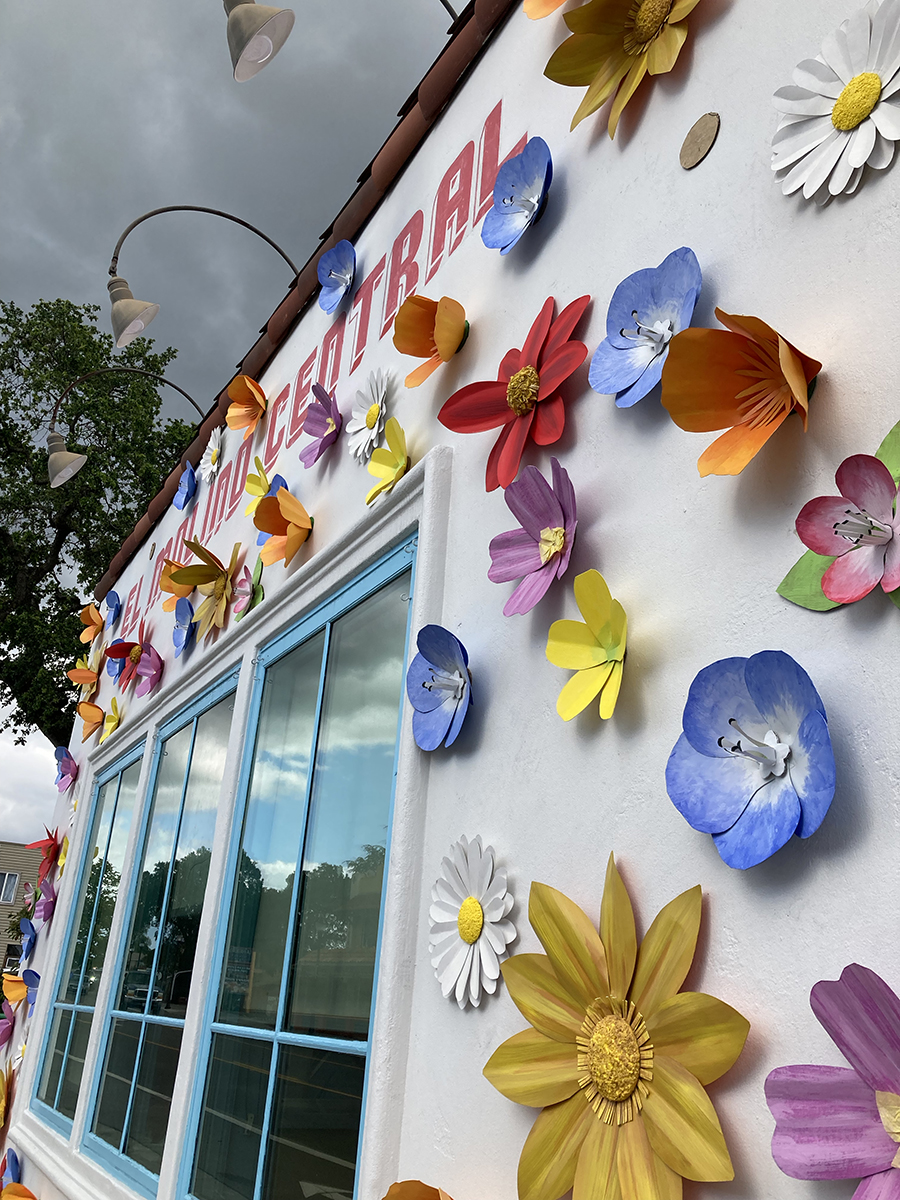
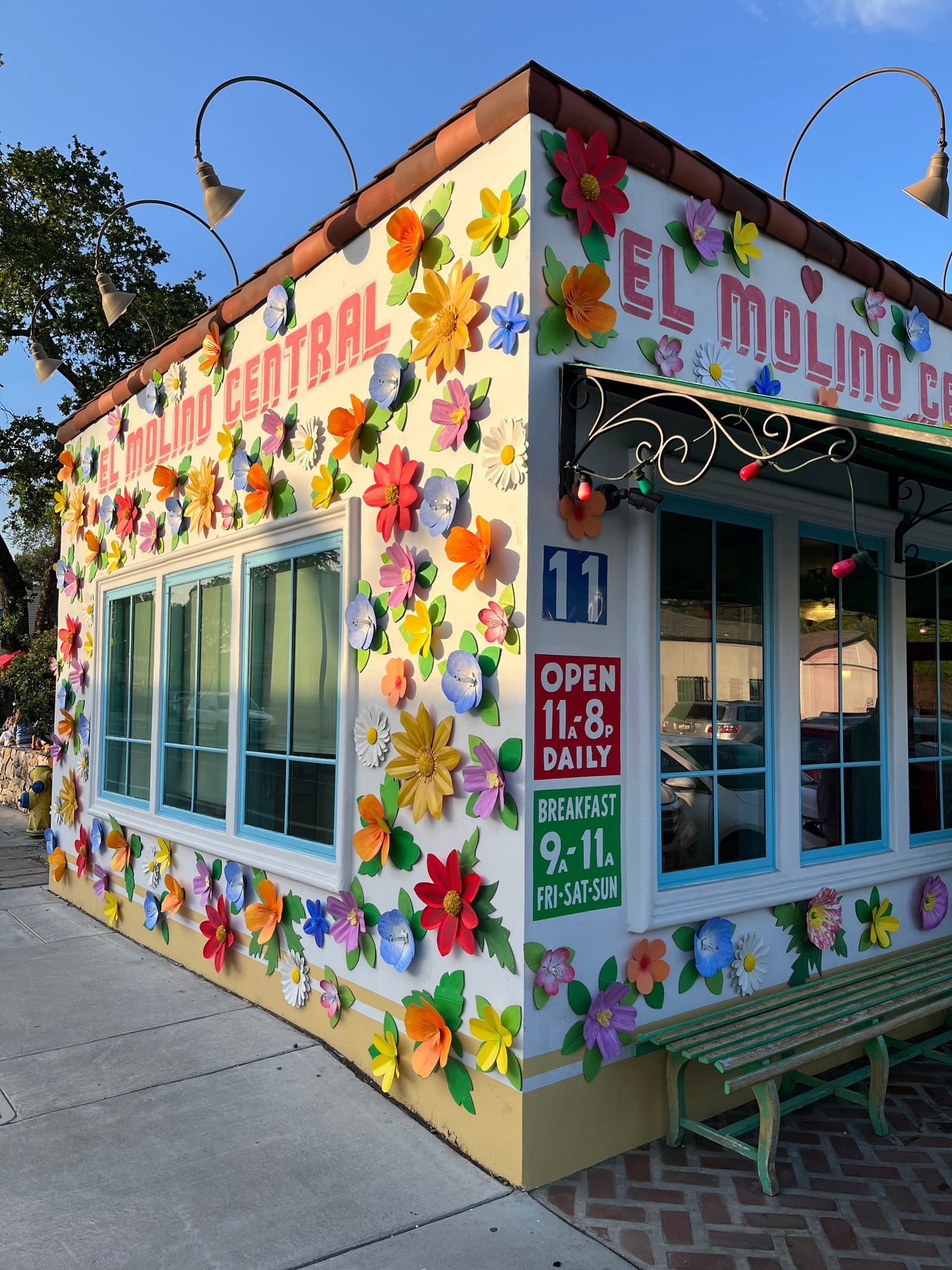
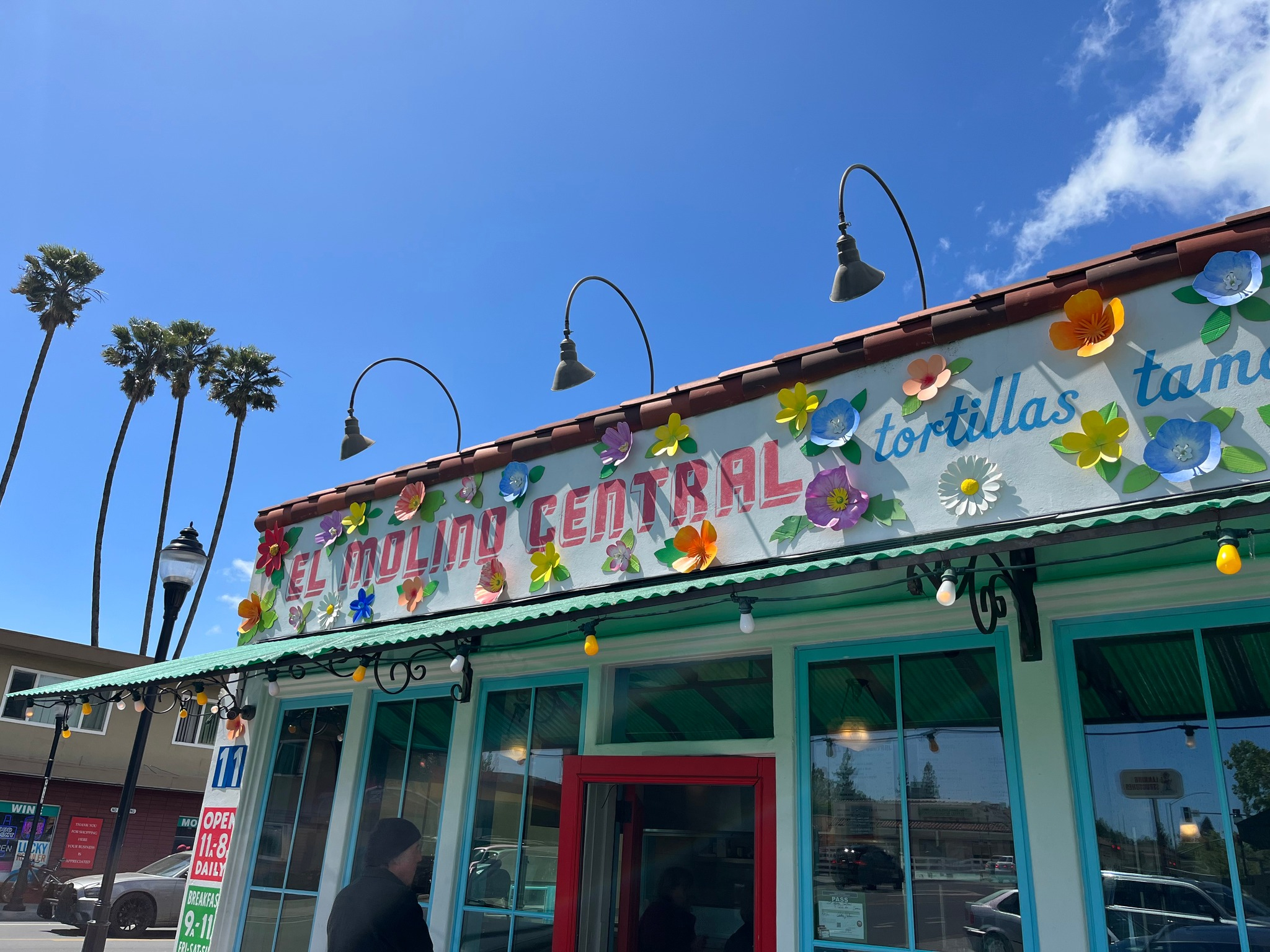
“The Dog,” as we know it, moved to its present location on the corner of Vallejo in 2004. The original building then went into another decline, sitting empty until Karen Waikiki commenced her grand transformation of the structure into El Molino Central, which opened in 2010.
Kathleen Hill wrote in that year, “When asked how she chose the name, Waikiki told us that every town in Mexico used to have a “Molino” where people took their dried corn to have it ground into masa, a very important and essential function.”
Update: El Molino under construction 20102010
El Molino has been a huge success, even being declared the best Mexican restaurant in the Bay Area at one point. It continues to be packed with hungry people from all over the Bay Area and probably the world, given the restaurant’s proximity to the Sonoma Mission Inn.
20212016202120222022UPDATE: More recent photos of the flowers, courtesy of Mark, showing the leaves.UPDATE: More recent photos of the flowers, courtesy of Mark, showing the leaves.Art by Michael Acker
As of 2024, The Barking Dog moved to Broadway in Sonoma and became Samstad Coffee Roasters.
Sonoma Index Tribune courtesy of the Sonoma Valley Historical Society
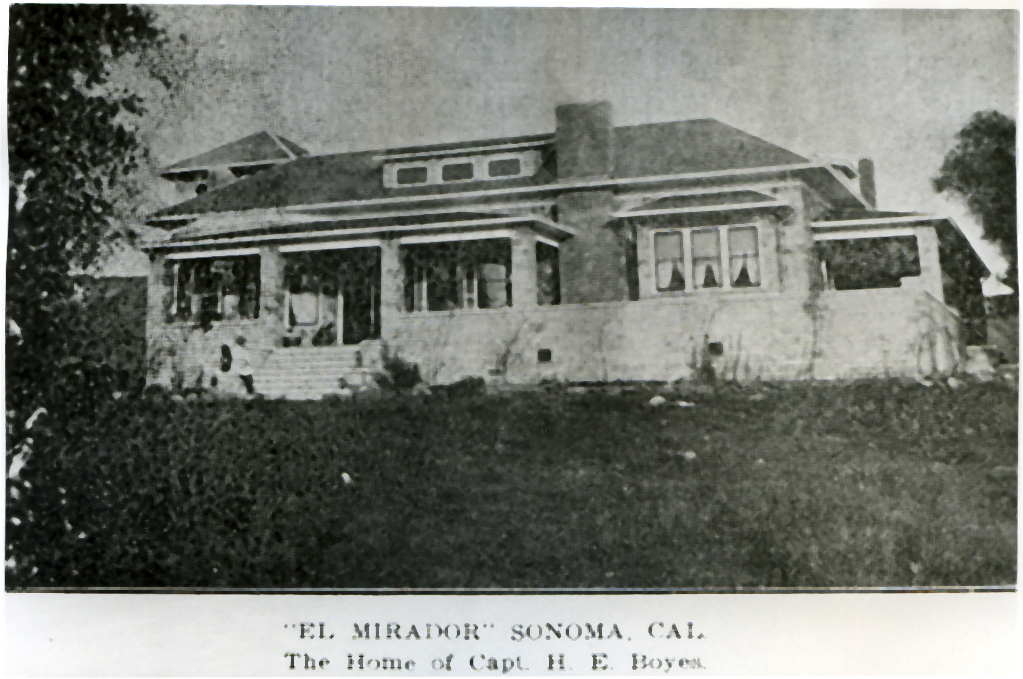
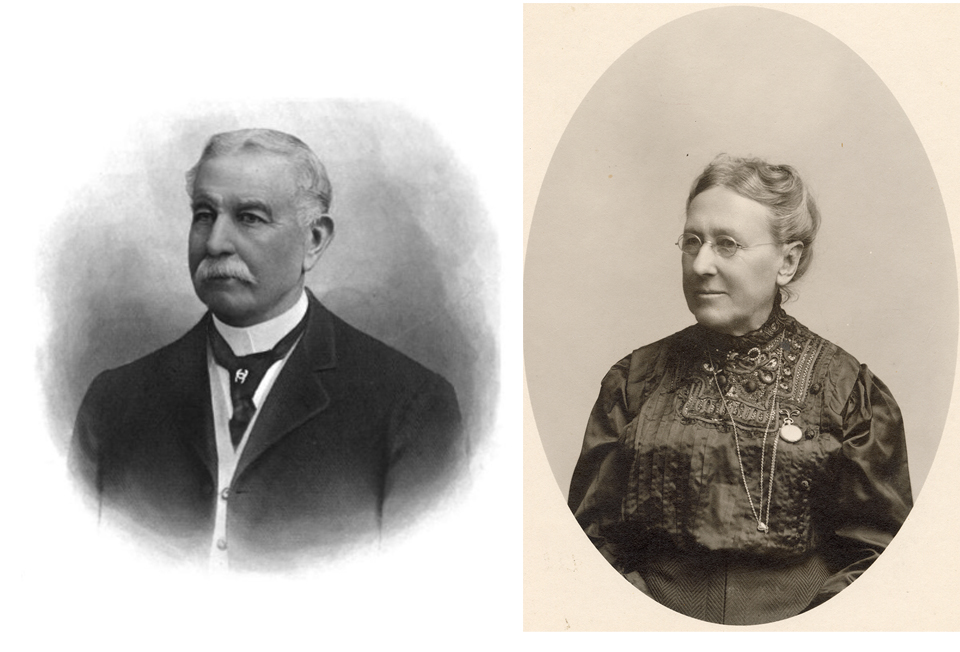
In 1882 Captain Henry E. Boyes, a retired officer of the Indian Navy, arrived in Sonoma Valley with his wife Antoinette. Looking for a genteel and healthful retreat, they were persuaded by T. L. Leavenworth to buy 110 boggy acres of his 320-acre portion of the Rancho Agua Caliente land grant. After developing the hot springs as a resort, in 1902 he sold his portion of the corporation and built a grand house overlooking the springs, which he called El Mirador.
The house was the scene of “ many hospitable social affairs” according to the Index Tribune. On the evening of September 16, 1905, “El Mirador,” the beautiful home of Captain and Mrs. Boyes, was the scene of a delightful party…The home was brilliantly illuminated and decorated in waving palm branches, asparagus ferns and flowers…About sixty ladies and gentlemen were present…regular dancing (was) interspersed with clever vaudeville numbers…The hit of the evening was Jack Kelly, who sang several ragtime numbers…About 11:30 the doors of the dining room were thrown open and the guests invited to partake of a typical English supper, which was greatly enjoyed…Dancing was then continued and before the guests departed flash-light photographs were taken of the party.”
If only we had those photos!
In July of 1912 a farewell reception was held at El Mirador for the Boyes. After 30 years in the valley, they were departing for San Diego. Speeches were made and “dances and vocal solos by Mrs. Emparan and Miss Ramona Granice…” were enjoyed. Ominously in hindsight, the new owner of the house, Mr. Carlow, gave a “fire-extinguishing demonstration on the hillside.”
The house, along with many other buildings in Boyes Springs, burned in 1917. Antoinette Boyes died in San Diego, year unknown. Captain Boyes died in San Francisco in 1919.
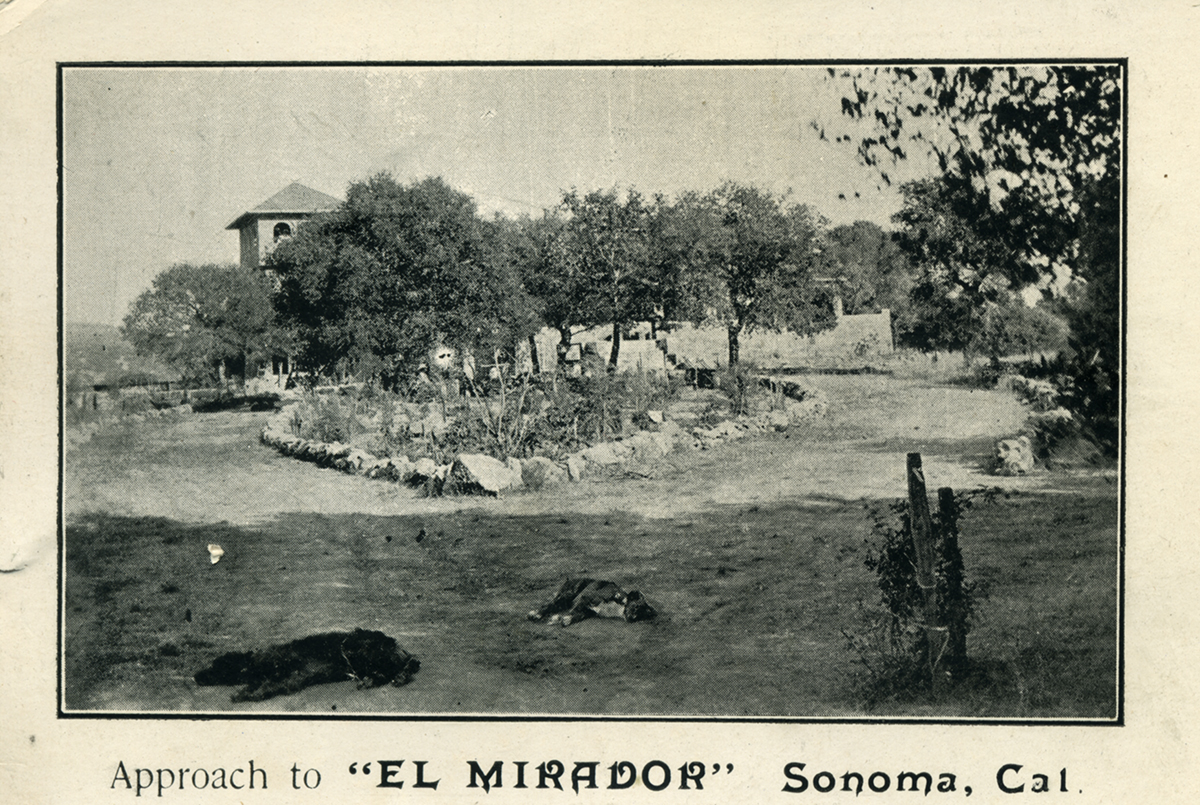
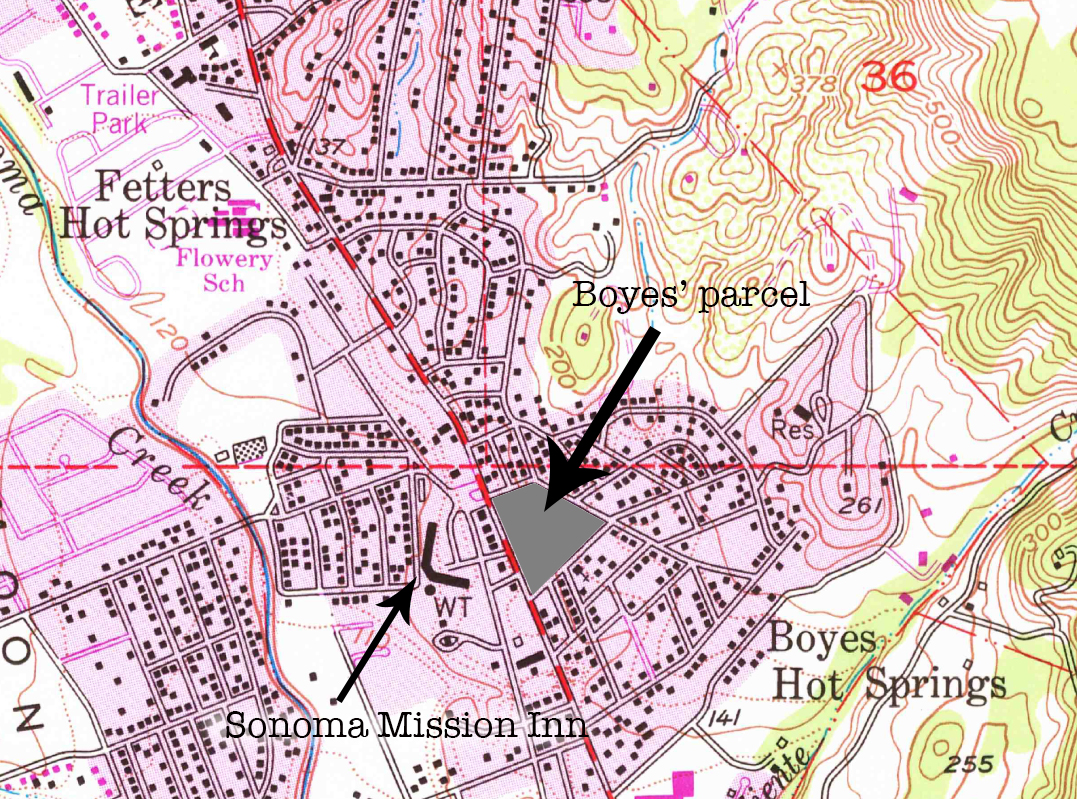
The Mirador property was bounded by the present day streets Central Avenue, Vallejo Avenue, and Calle del Monte
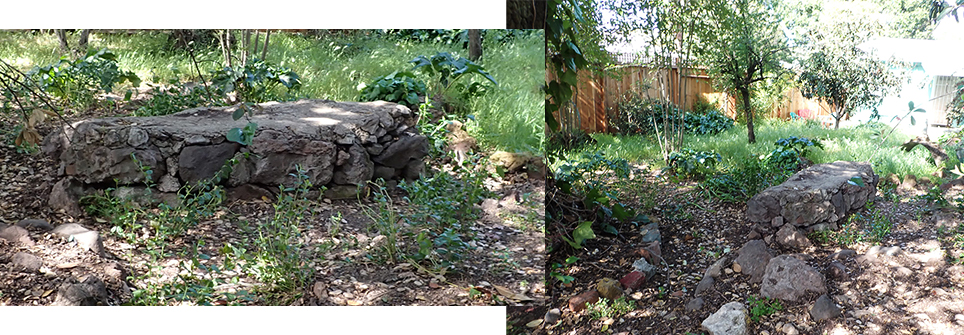
In following years, the property was divided into several lots. Today Madera St. runs through it. Was this street the “approach” to El Mirador? Is the structure below the last visible remnant of the house?
Photo by author, 2022.
Index Tribune and photographs courtesy of the Sonoma Valley Historical Society.
UPDATE:
These images are from the Robert Parmelee collection, courtesy of the Sonoma Valley Historical Society.
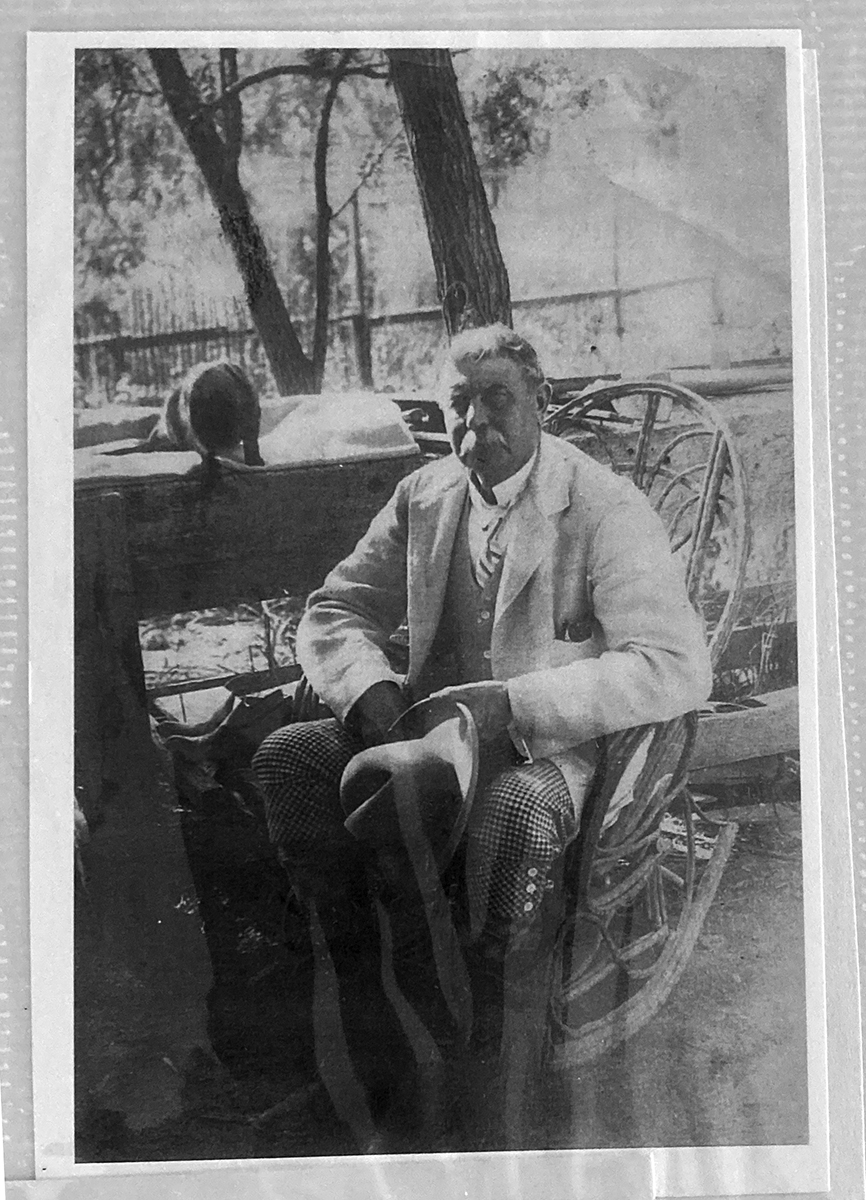
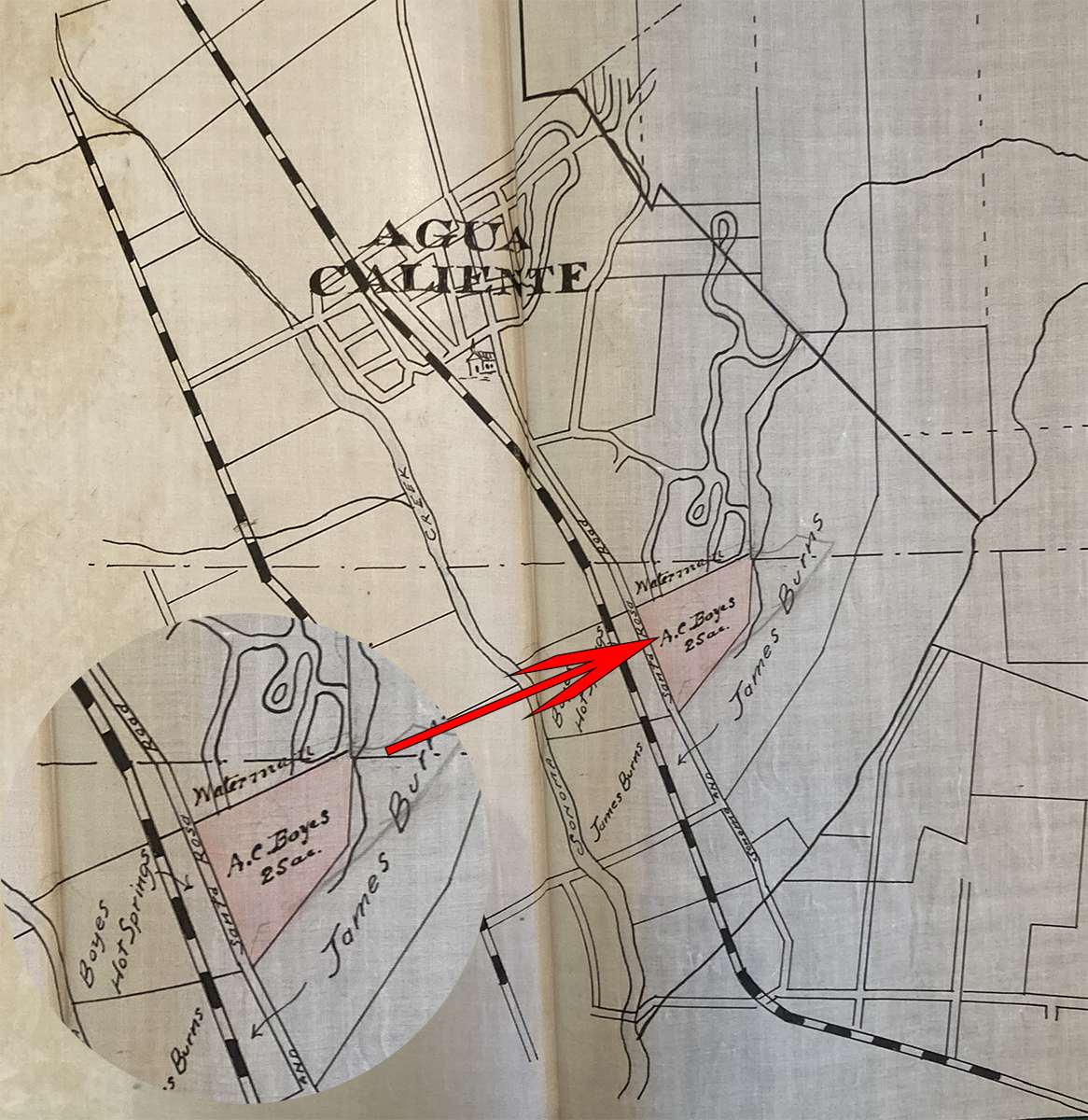
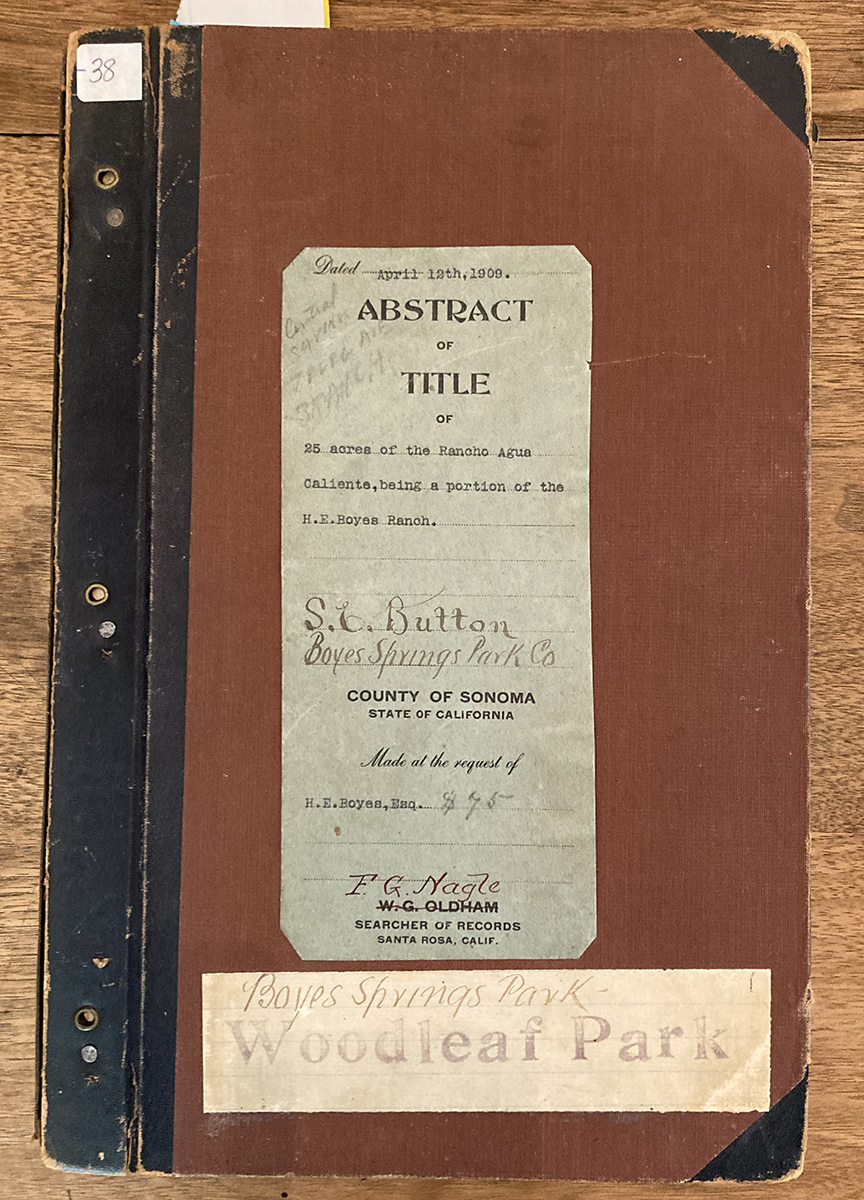
Capt. Boyes, at Mirador, perhaps, with a pet. A cat perhaps?Map from an abstract of title, which was a legal document tracing ownership of land that was used before title searches were possible. It seems to show Boyes’ parcel where El Mirador was located, stating that it was 25 acres. the abstract is dated 1909. Notice that in that year, Agua Caliente was considered a town, Boyes Hot Springs just a resort encompassing a small(ish) piece of land.Cover of the somewhat lengthy abstract.
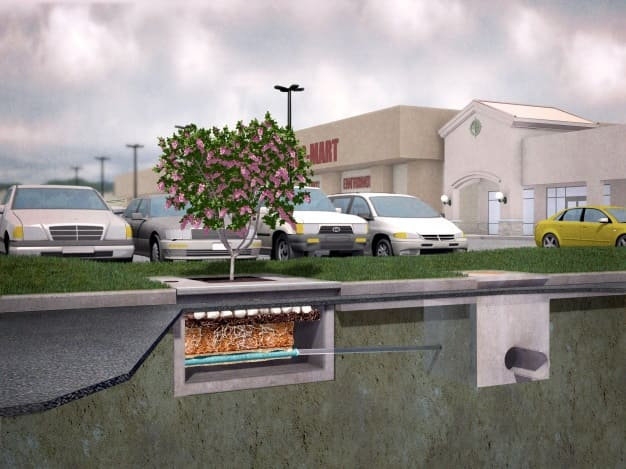
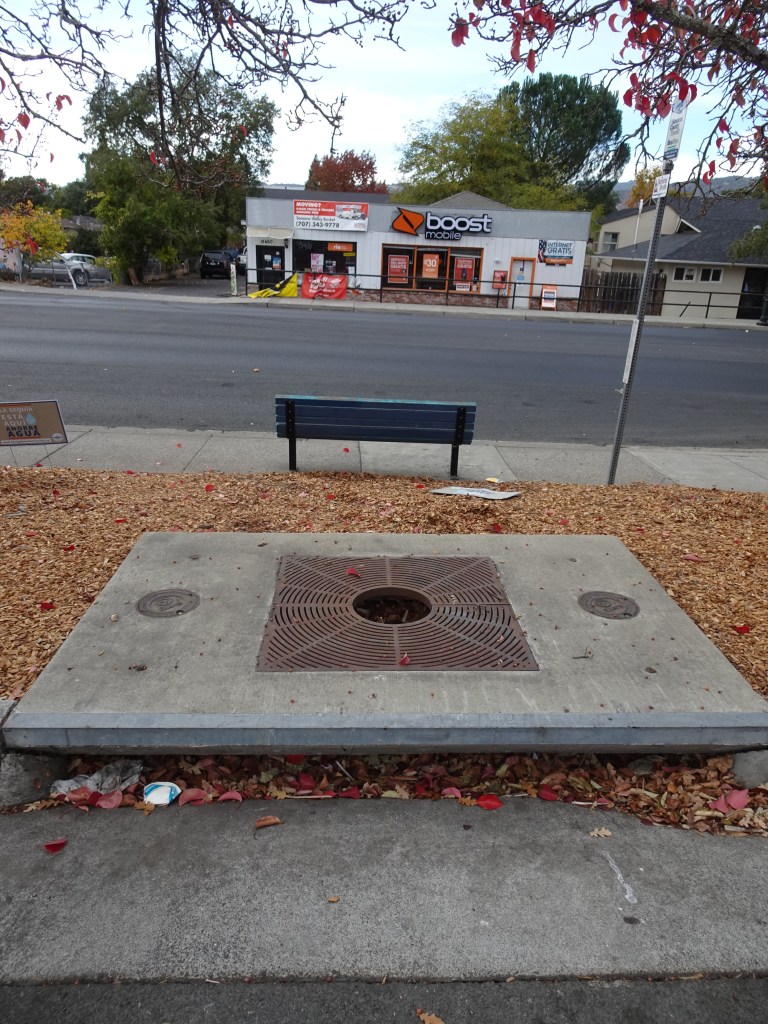
“Filterra is an engineered high-performance bioretention
system.” What is a bioretention system? Read on.
Location:El Molino restaurant at Central Ave.
How does Filterra work? Again, from the brochure:
“Stormwater enters the Filterra through a pipe, curb inlet, or sheet flow and ponds over the pretreatment mulch layer,
capturing heavy sediment and debris. Organics and microorganisms within the mulch trap and degrade metals and
hydrocarbons. The mulch also provides water retention for the system’s vegetation.
2. Stormwater flows through engineered Filterra media which filters fine pollutants and nutrients. Organic material in the
media removes dissolved metals and acts as a food source for root-zone microorganisms. Treated water exits through an
underdrain pipe or infiltrates (if designed accordingly).
3. Rootzone microorganisms digest and transform pollutants into forms easily absorbed by plants.
4. Plant roots absorb stormwater and pollutants that were transformed by microorganisms, regenerating the media’s
pollutant removal capacity. The roots grow, provide a hospitable environment for the rootzone microorganisms and
penetrate the media, maintaining hydraulic conductivity.
5. The plant trunk and foliage utilize nutrients such as Nitrogen and Phosphorus for plant health, sequester heavy metals into
the biomass, and provide evapotranspiration of residual water within the system.”
They filter out contaminants in storm water using plants, soil, and microorganisms. Clear?
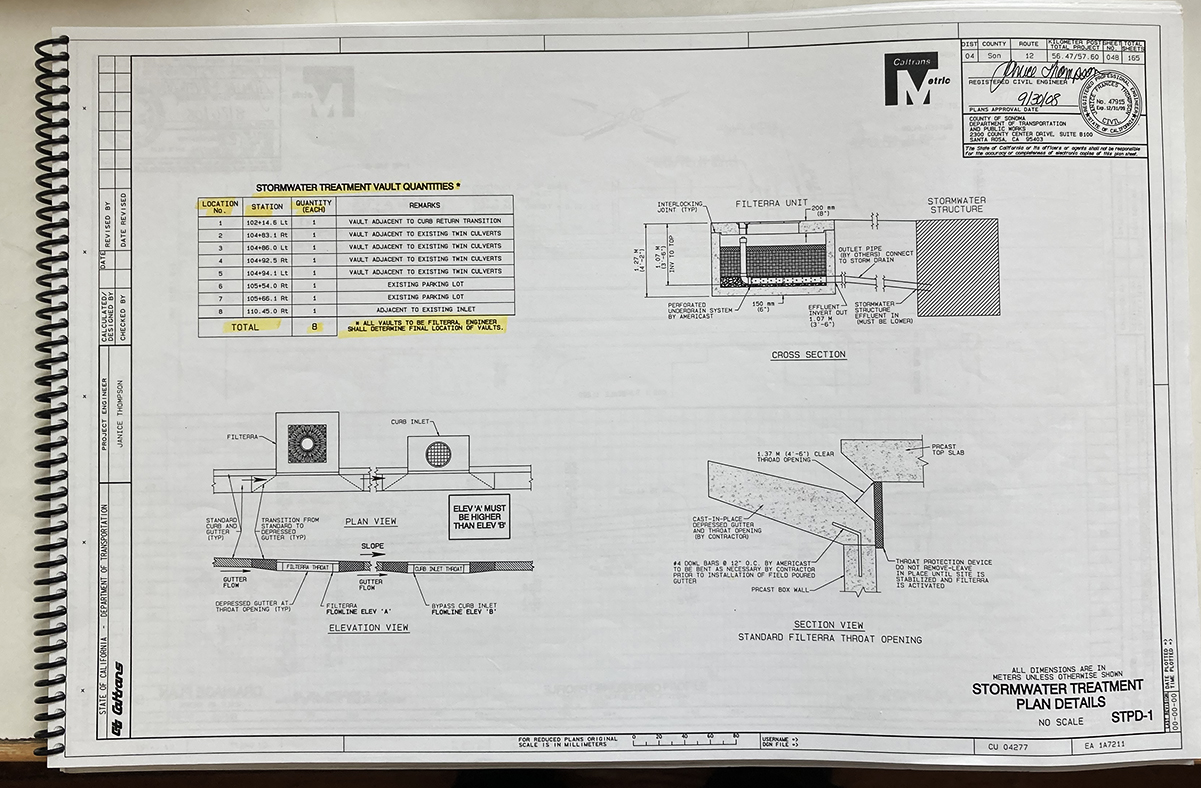
Page one of the Storm Water Treatment Plan of the Highway 12 Redevelopment project for sidewalks and streetlights. Dated 9/30/08. The table lists eight Filterra units. This is for the first phase of the project. When the entire project was done, there were twenty-one.
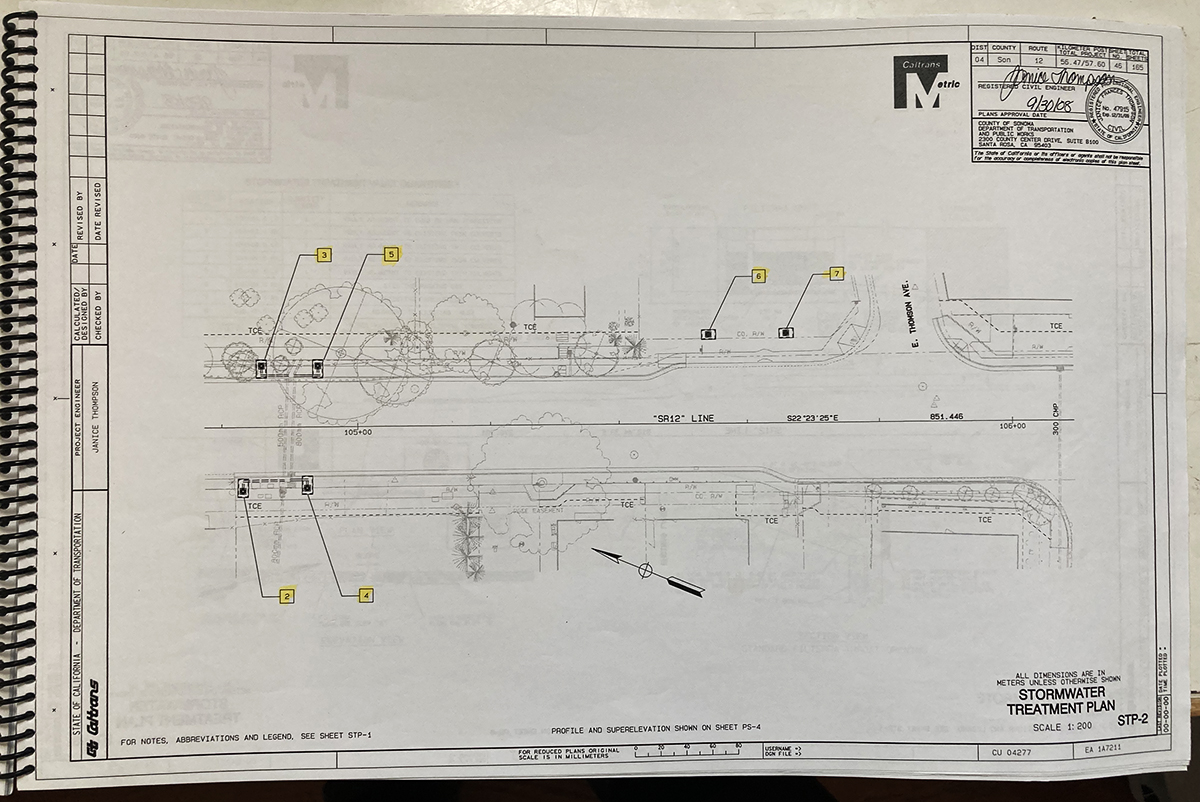
Page two shows the units near Thompson St. the drawing shows two units at the parking lot. Only one was installed.
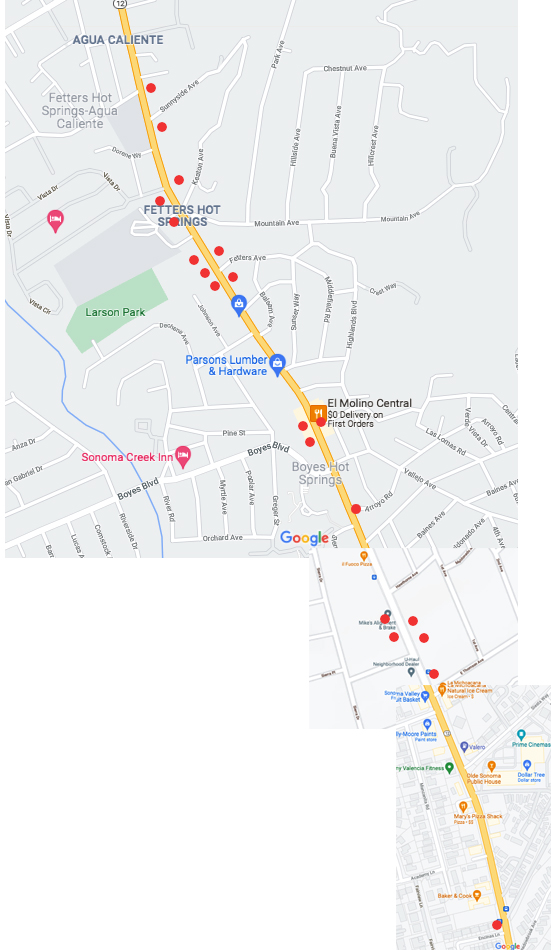
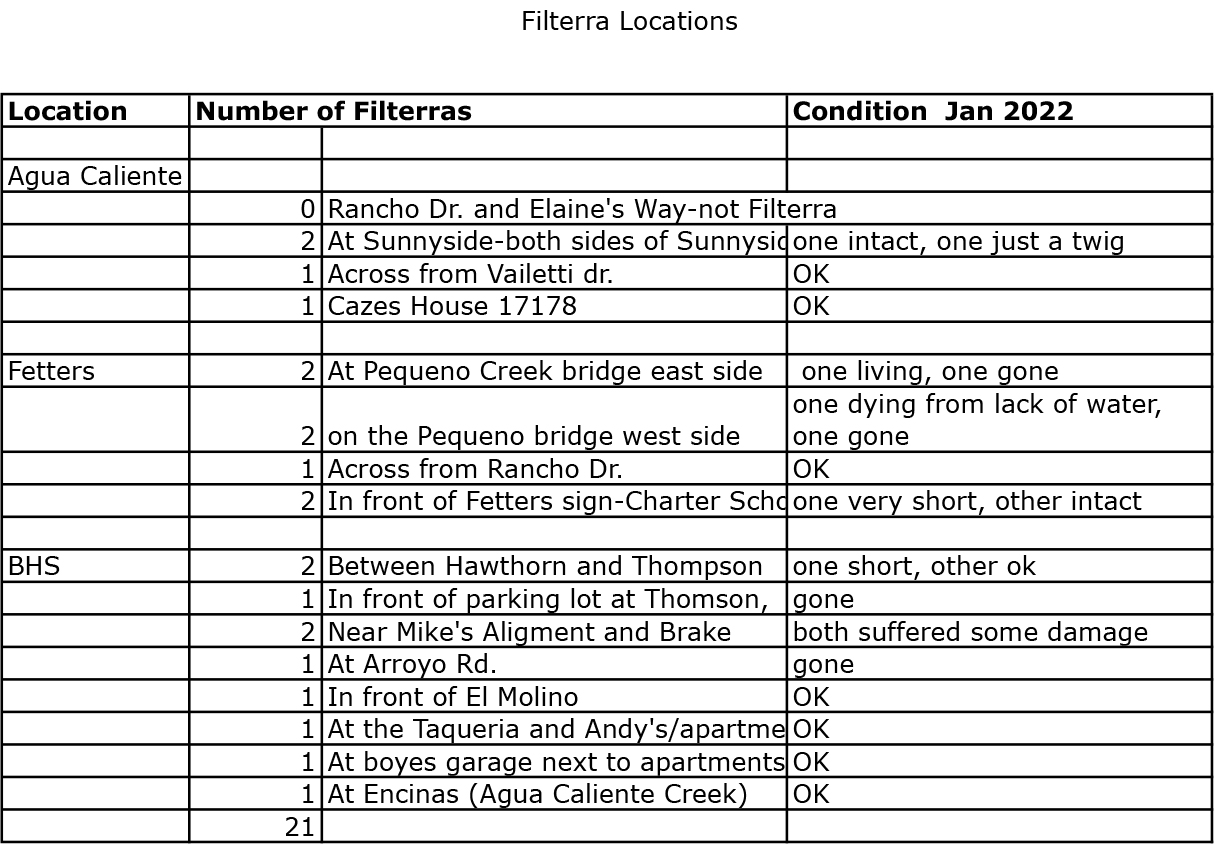
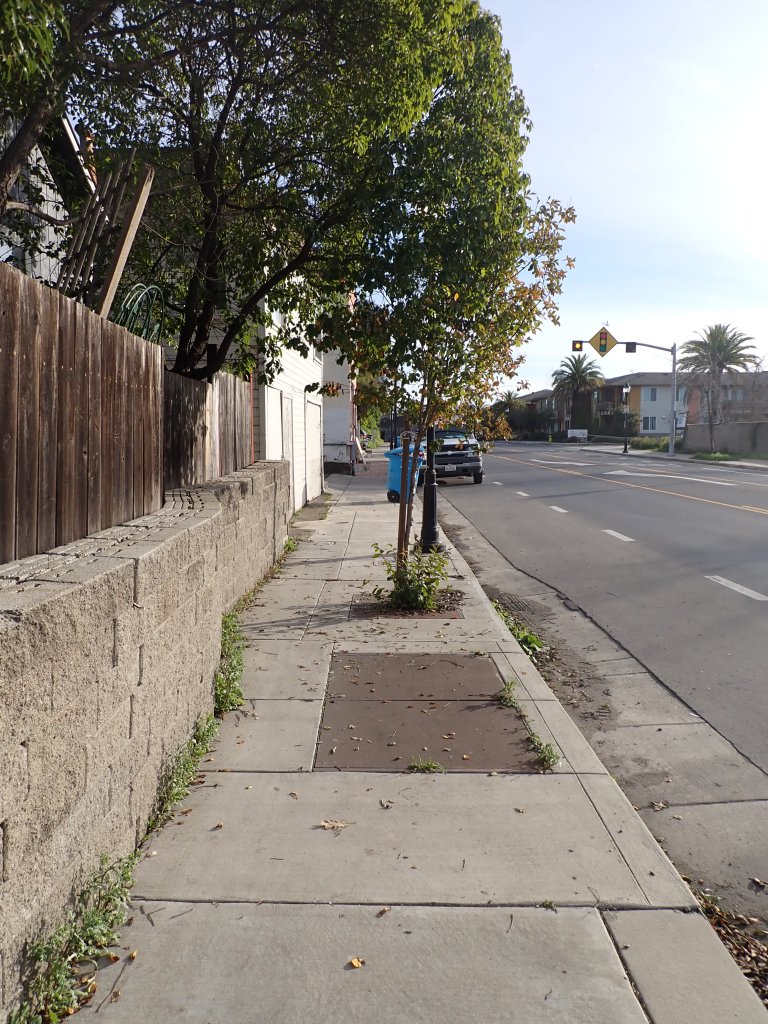
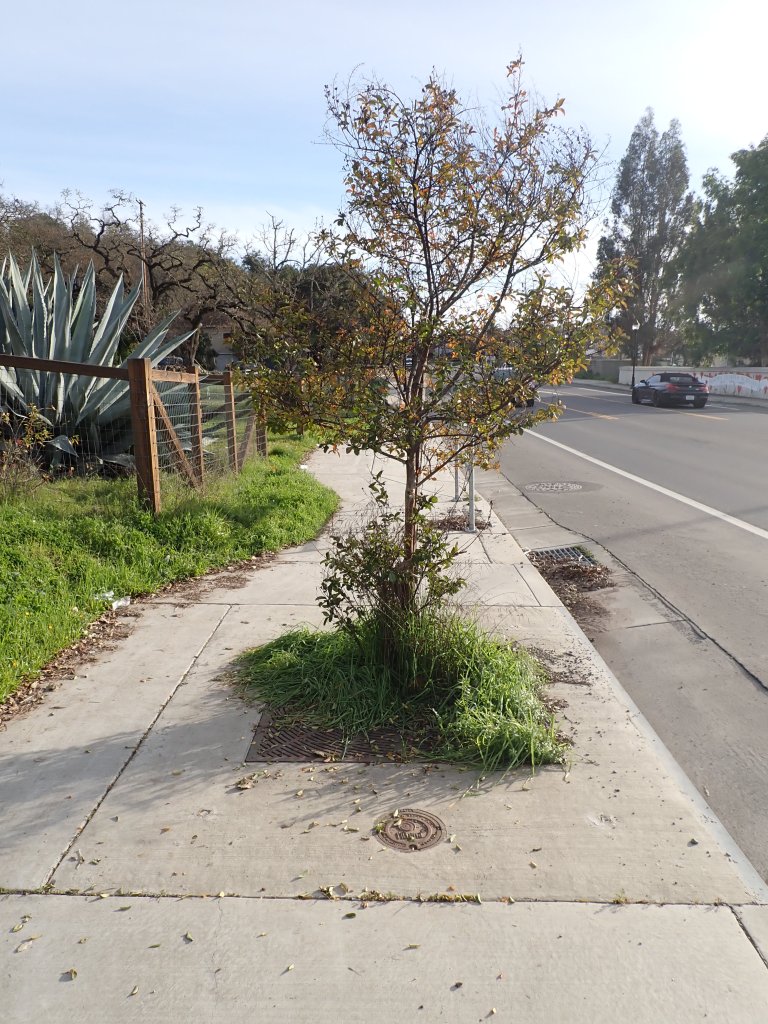
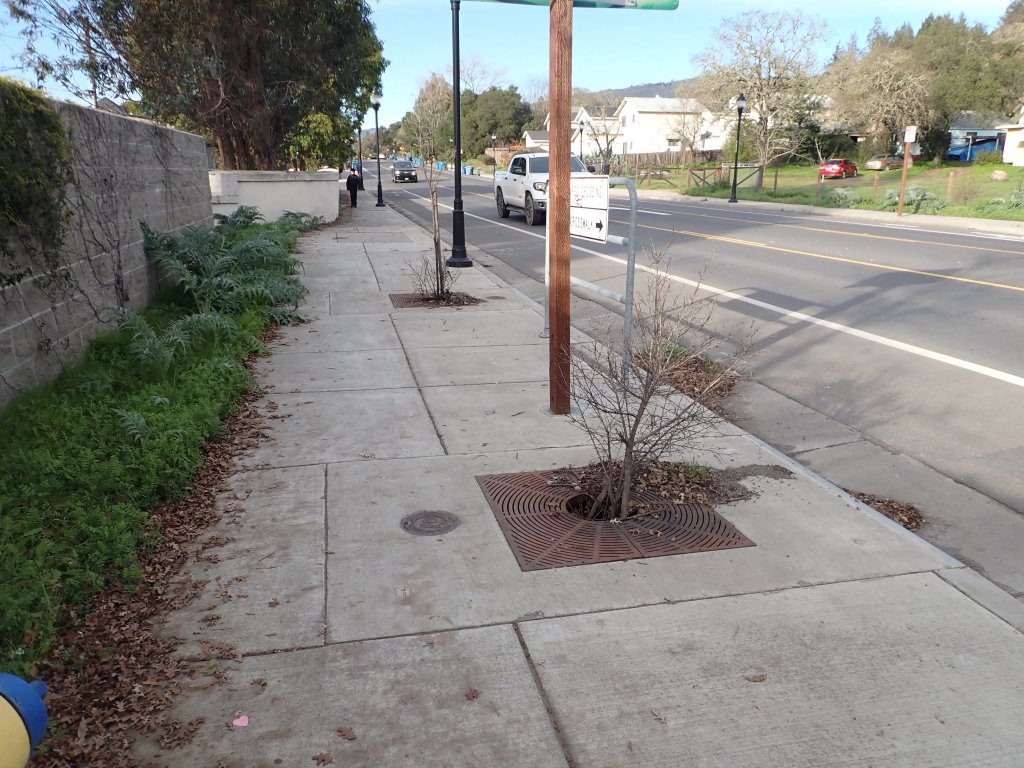
Filterra locations
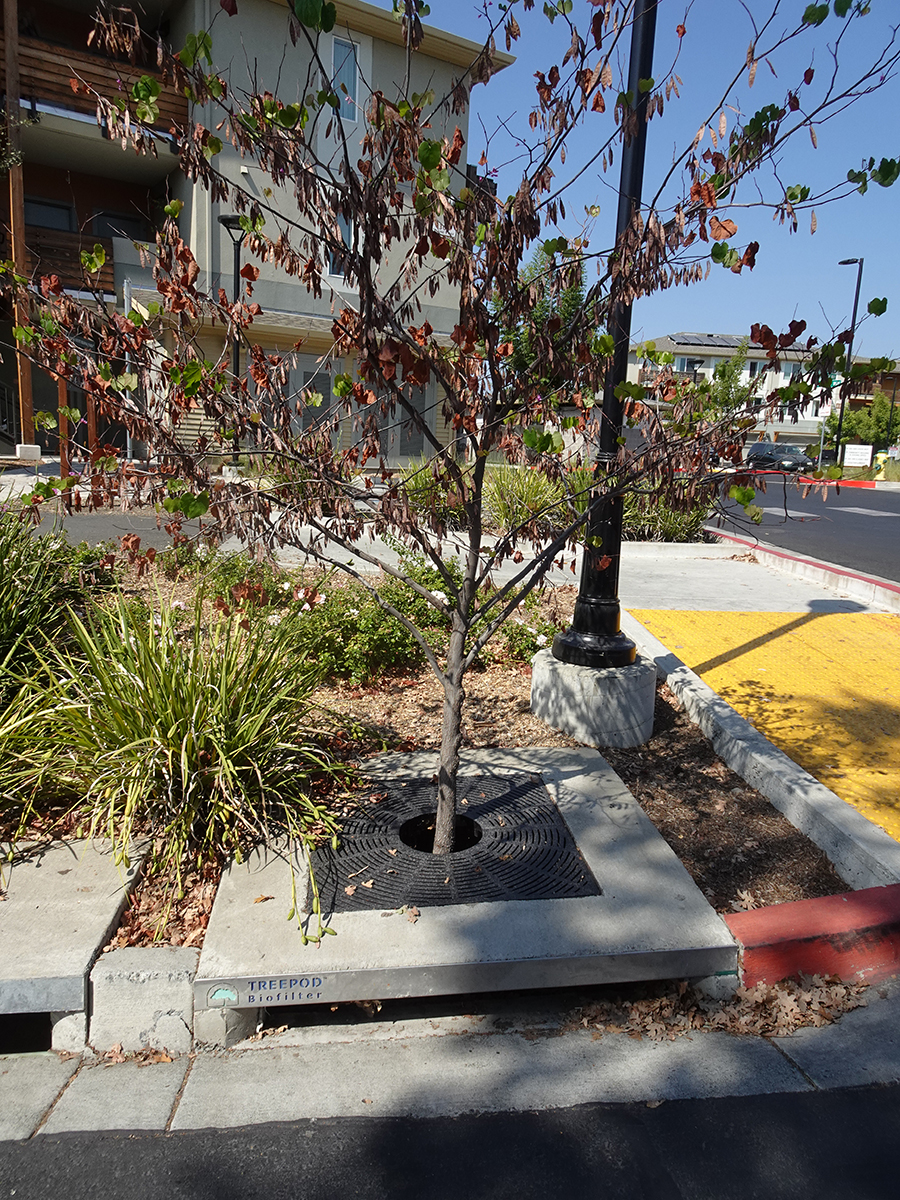
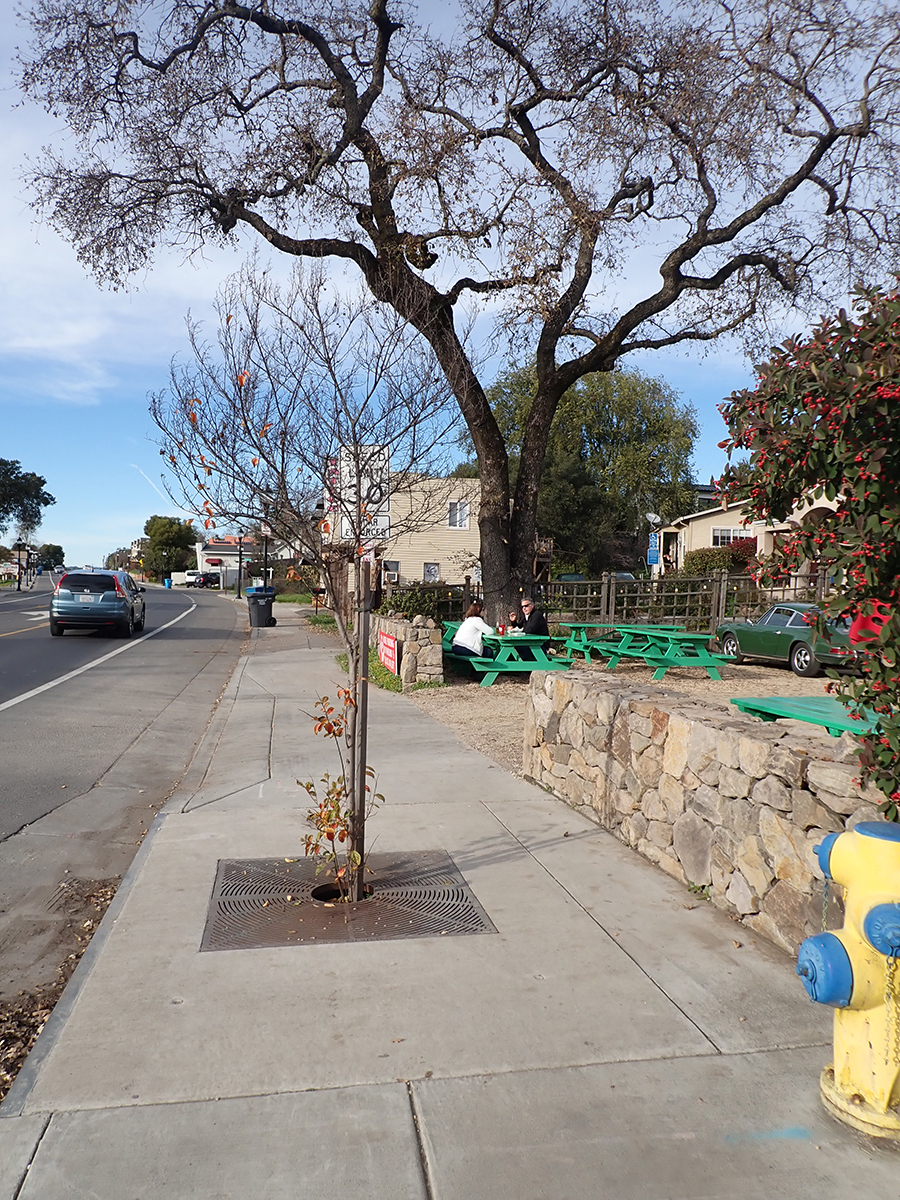
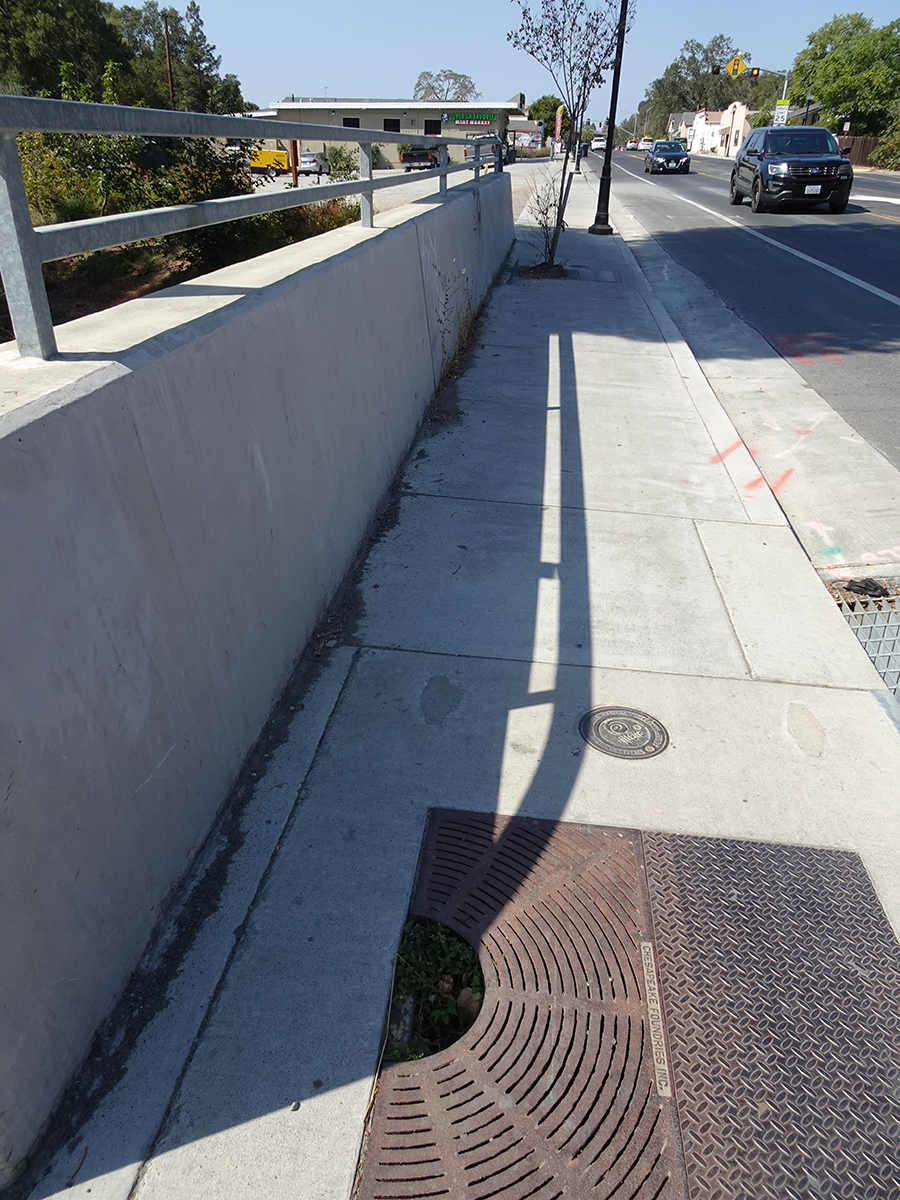
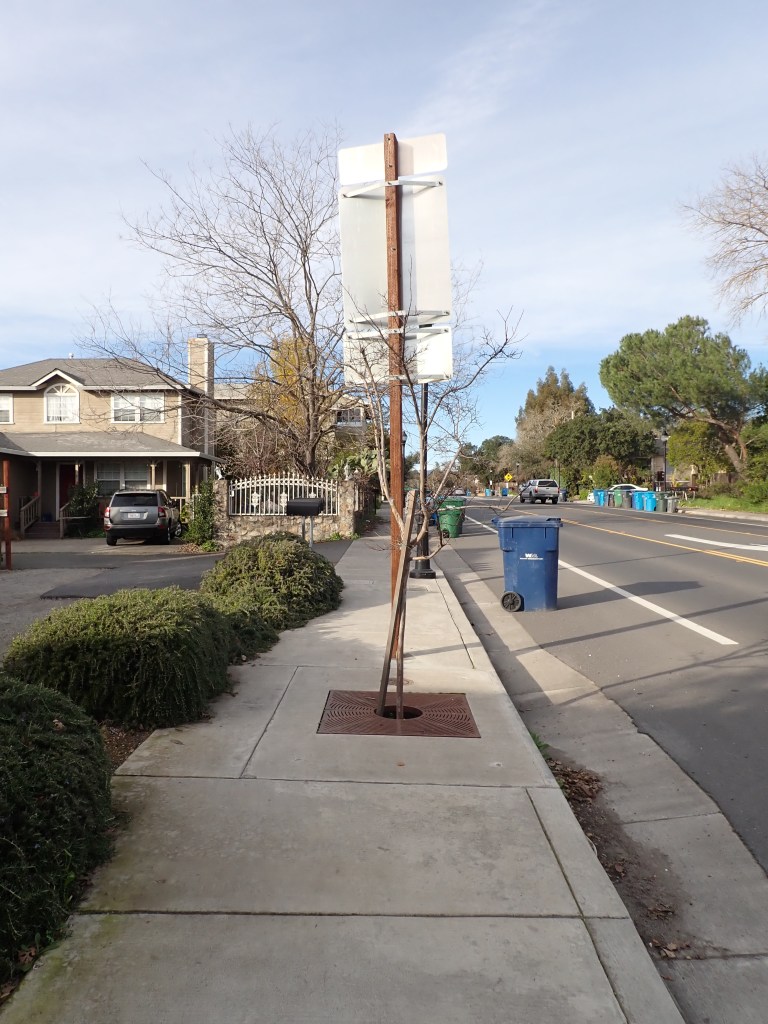
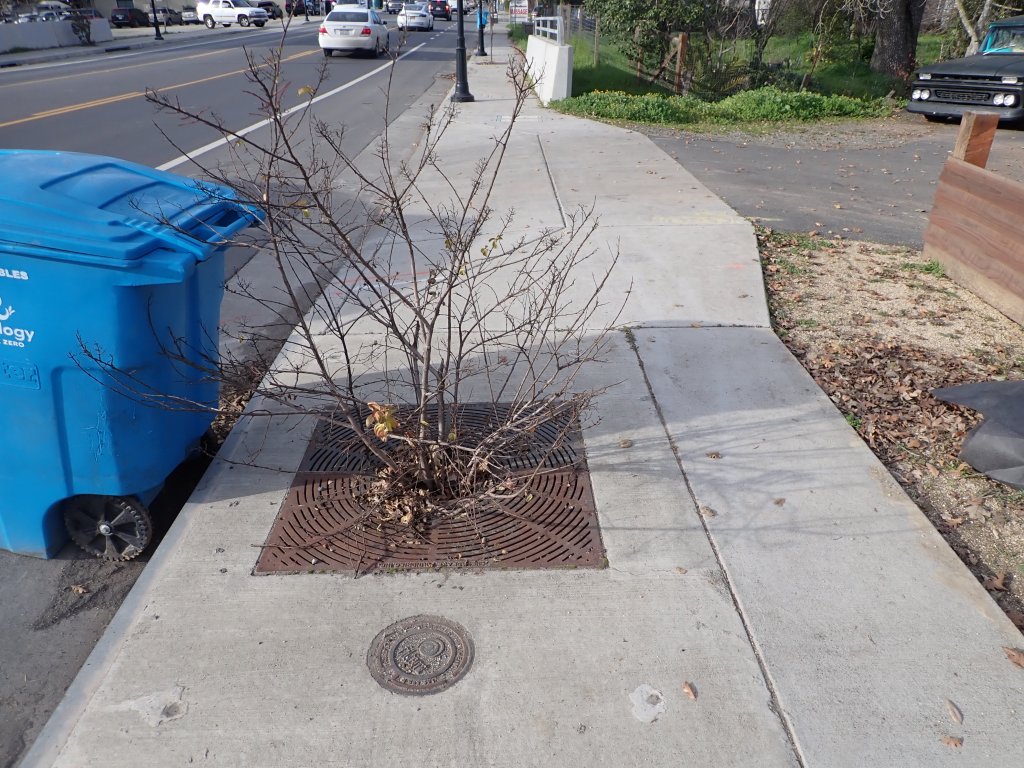
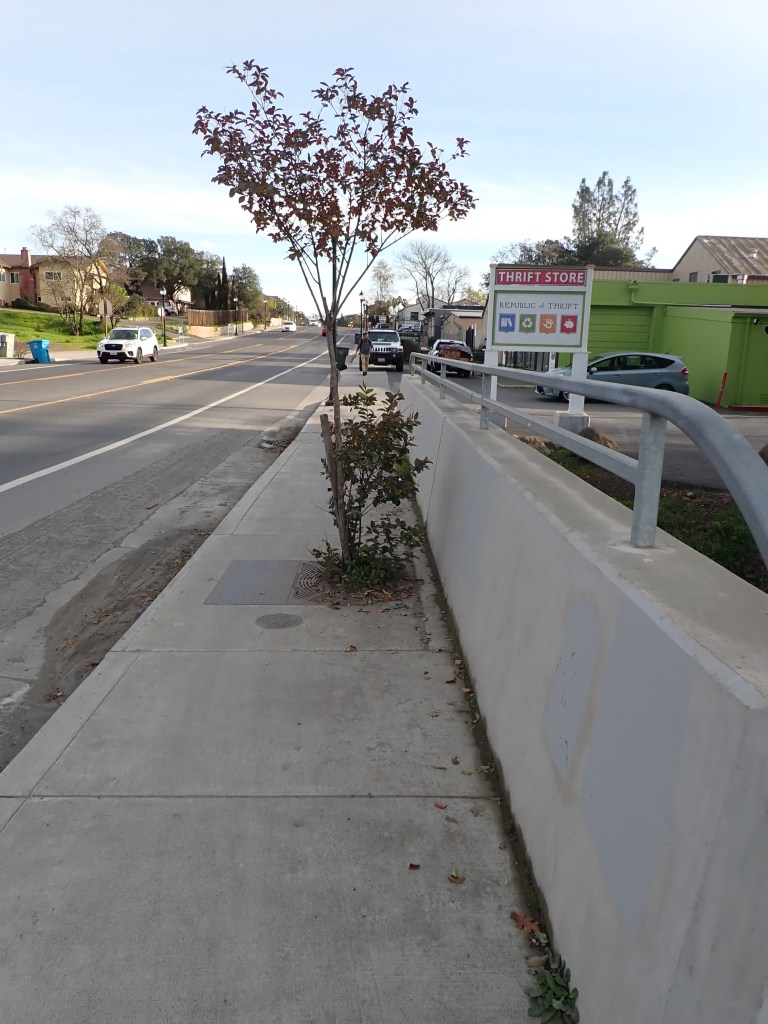
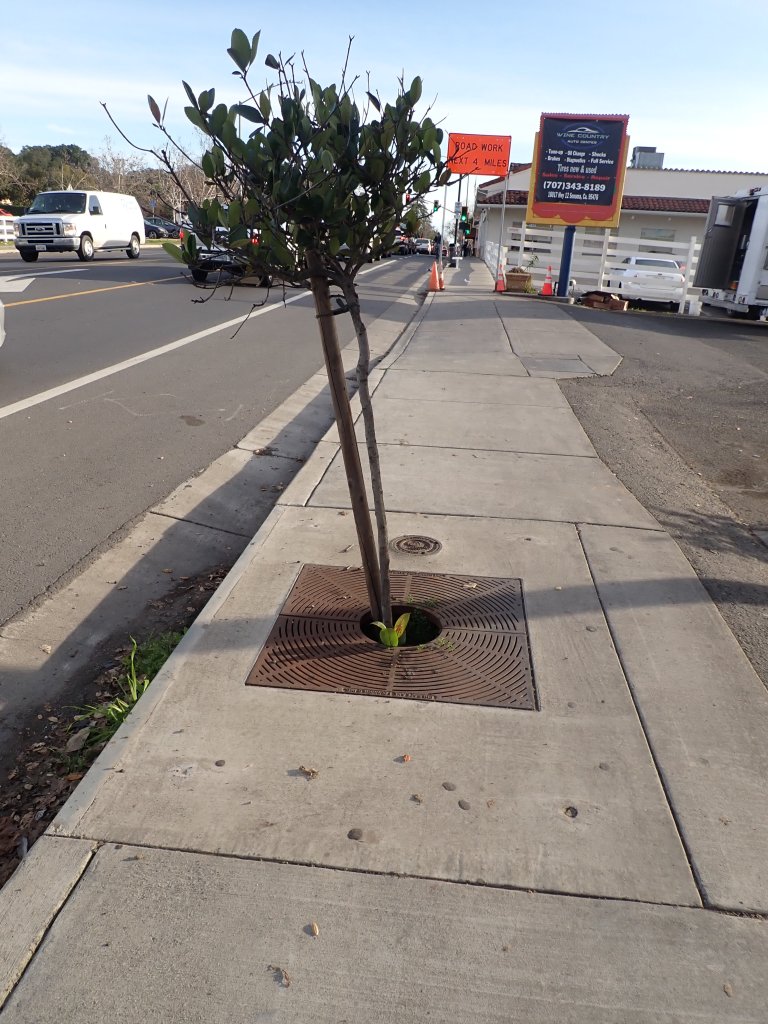
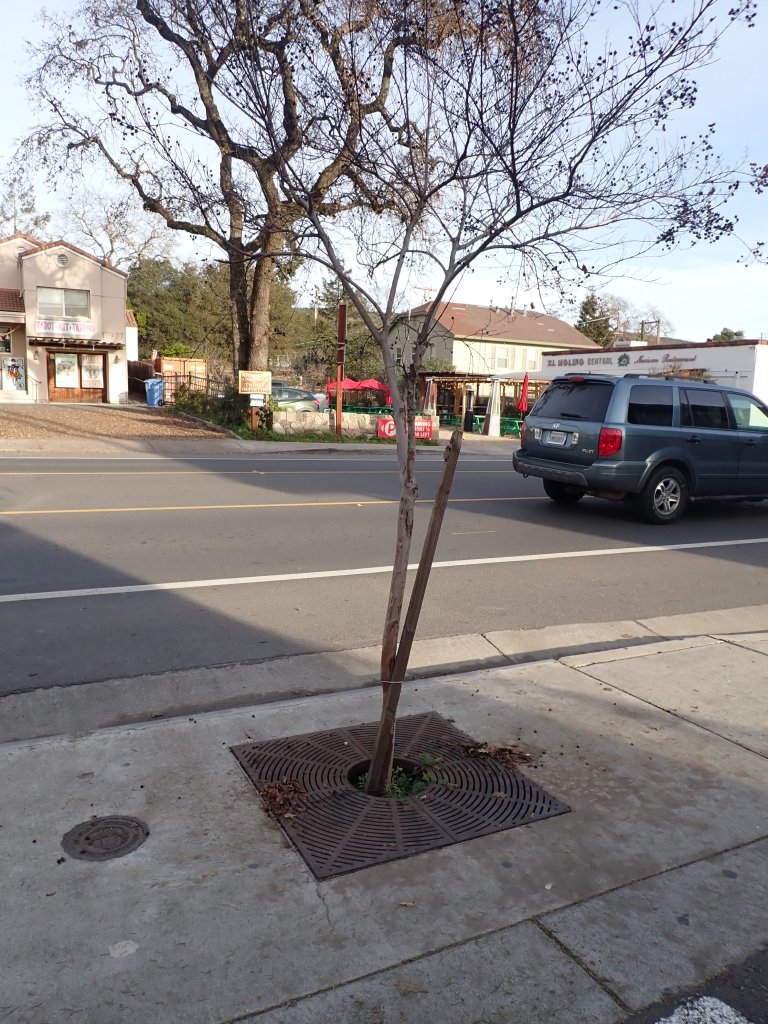
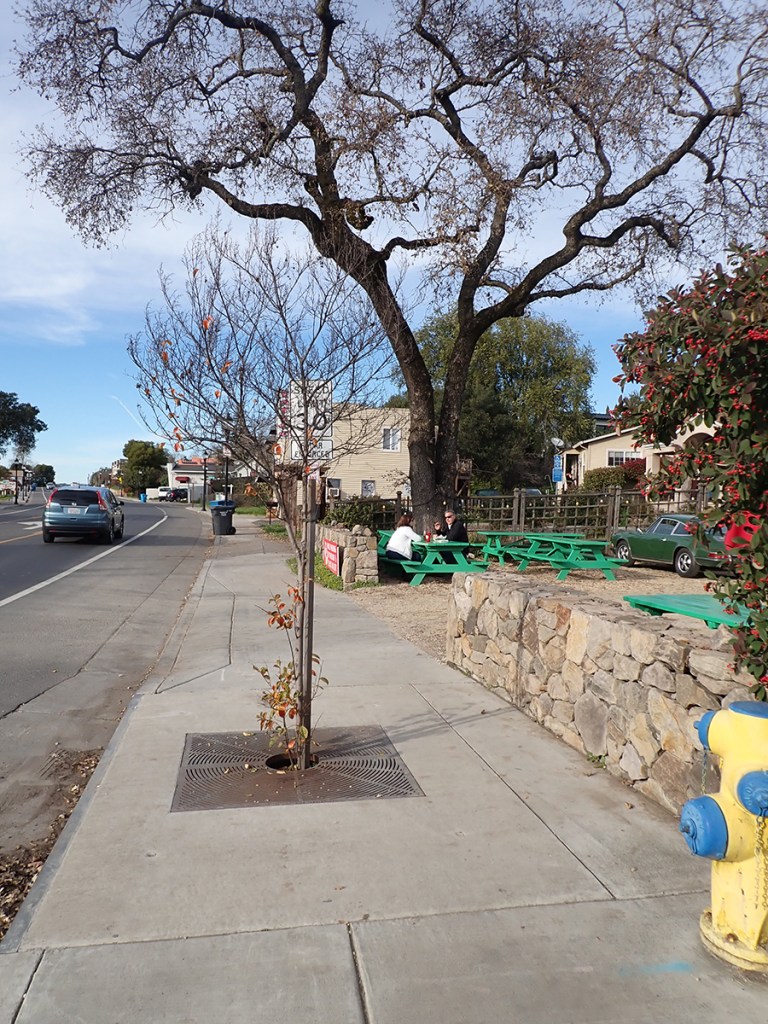
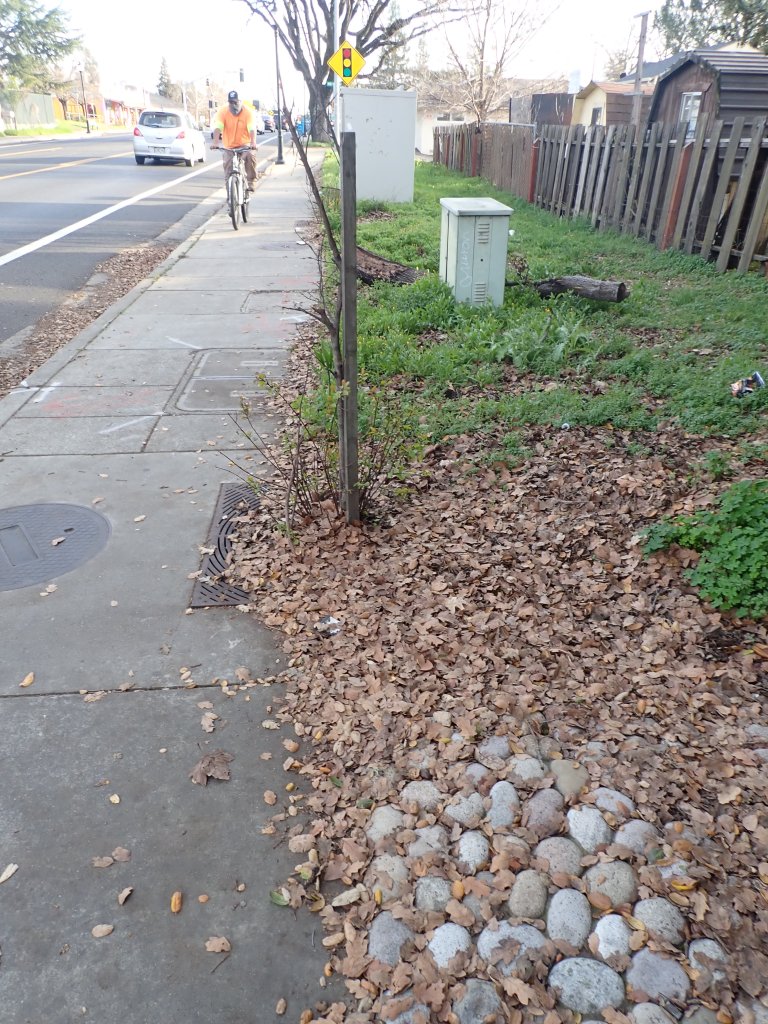
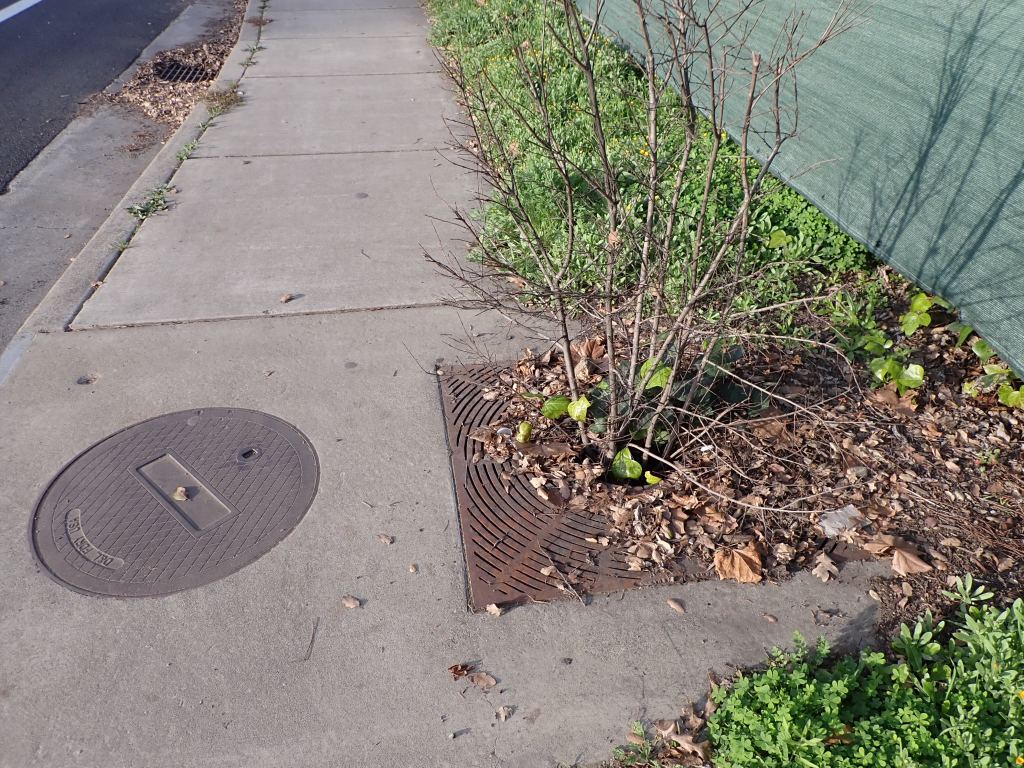
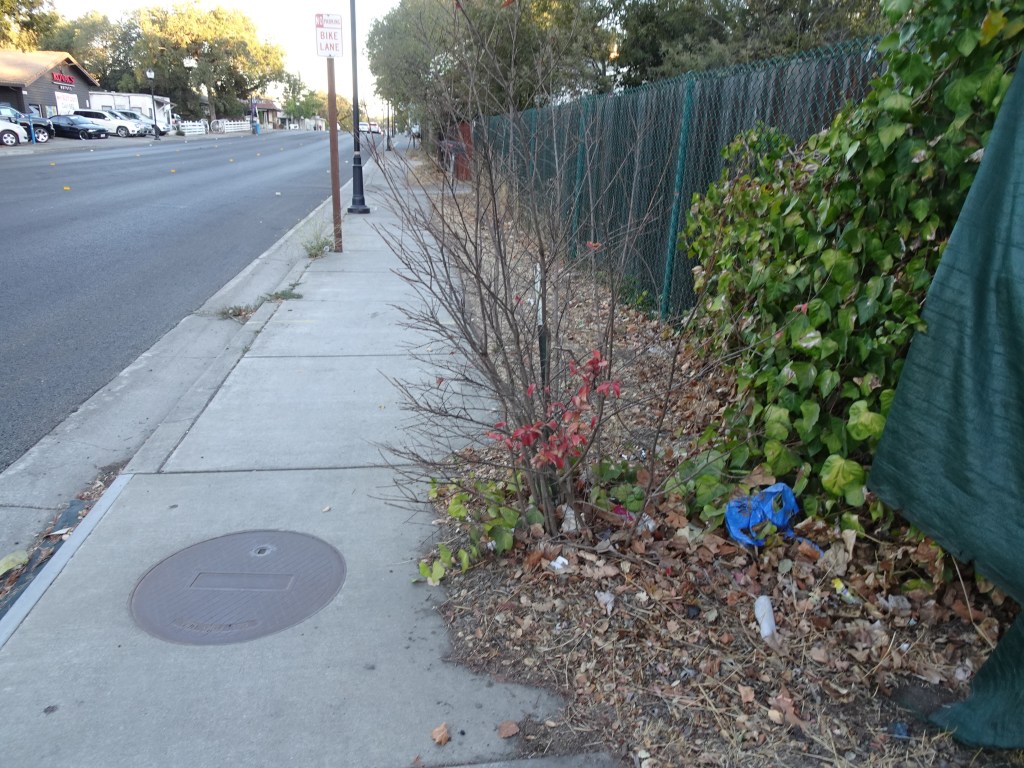
There were two problems from the start: the trees were not watered, or not watered enough, in the months after they were planted, and they were repeatedly vandalized. Well, three problems actually. Some of the units were installed in sidewalks so narrow that you couldn’t easily push a baby carriage around them or walk two-abreast around them. This is particularly glaring on the west side of the bridge over Pequeno Creek.
The units on the Pequeño Creek bridge, west side. the removal of the tree in the foreground might be considered a practical adaptation rather than vandalism.
From the “Common Issues” section of the brochure:
“the most apparent sign of an issue with a Filterra is dead vegetation. A dead tree will not absorb any pollutants through its roots. If you notice any of these issues occurring in your system, or if you have recently installed a unit that needs maintenance, it’s time to call AQUALIS. Our maintenance and repair teams will ensure that your Filterra units are regularly inspected and operating at peak efficiency,” and
“Typically, using vegetation that naturally grows in the area is the best option, and there are specific plants required by the manufacturer. If you notice that the plant in your system is dying, it may be because the wrong type of vegetation is being used.” What species were used? I know one of the units contains nandina domestica, a decidedly non-native plant that has toxic berries and is considered invasive in some places in the U.S.
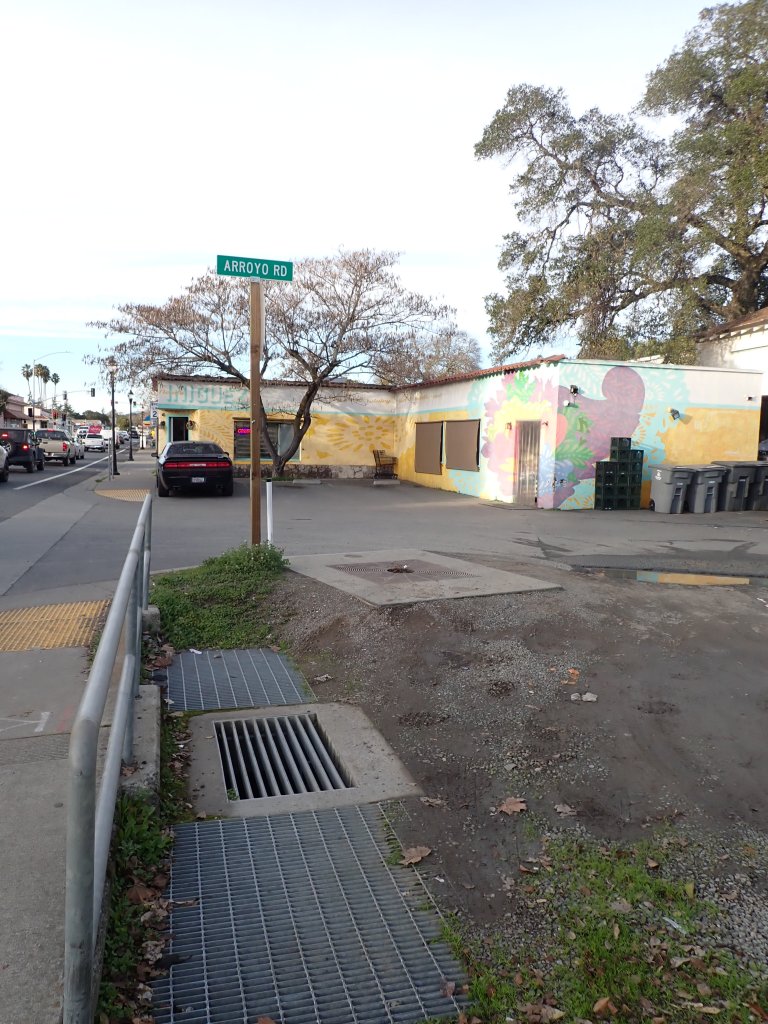
Current conditions of the plants in the Filterra units: 12 alive, 5 vandalized but still alive, 4 completely missing.
In 2021 your correspondent had this exchange with Supervisor Gorin’s office about maintenance along the highway.
My original question:
Hello,
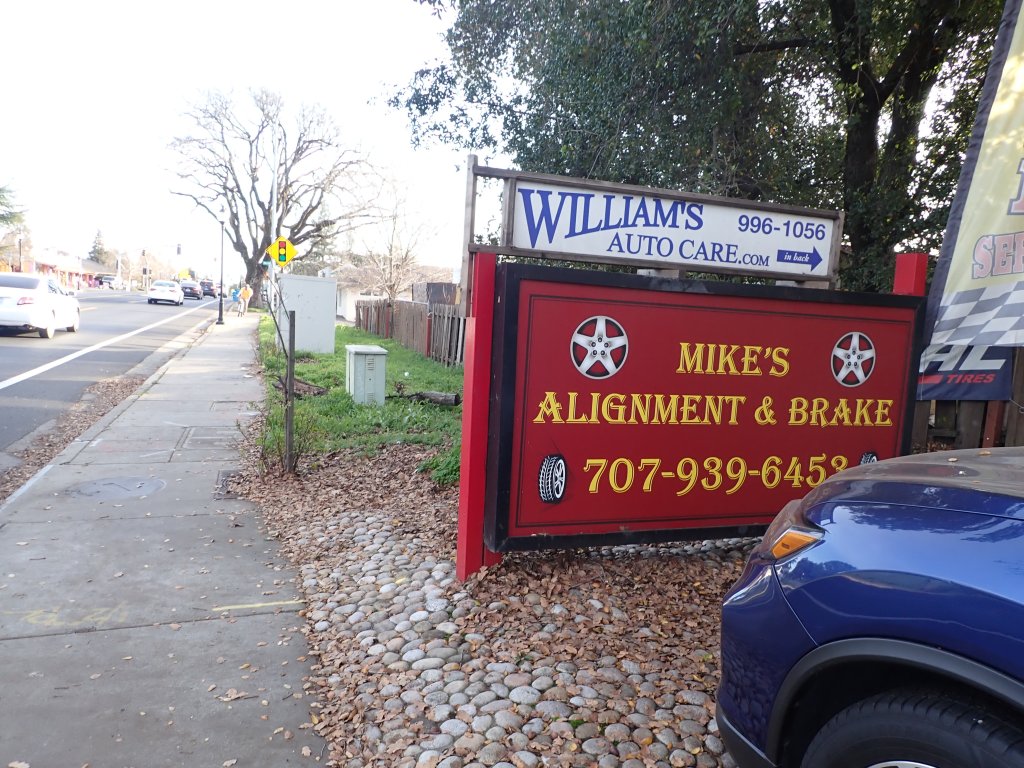
Can you tell me who has responsibility for the areas between the sidewalks and the building along the highway in the Springs? These areas are always full of weeds and look terrible. A Caltrans worker told me the County was responsible per an agreement. At any rate, nobody is paying attention to them. Also those “Filterra” trees need attention. Thanks!, Mike
From: Karina.Garcia@sonoma-county.org
Mike,
Below the response from TPW:
…the trees in the filterra bioswales in the sidewalk are the responsibility of the county. Evidently, these trees have been repeatedly destroyed/broken by the public. Anything behind the sidewalk is the responsibility of each property owner. This means that the property owners are responsible for the grass strips noted below. Thanks!
On behalf of Supervisor Gorin thank you reaching out and bringing this matter to our attention. We also thank you for providing a clear description and picture.
Your email was shared with our Caltrans contacts as well as Sonoma County Transportation and Public Works. I am including Arielle Kubu-Jones and Hannah Whitman from our office for follow up, as I will be out of the office for a week starting Tuesday.
Kindly,
Karina
My answer: Thanks for your reply Karina. That the areas in question are the responsibility of the property owners does not square with the fact that Caltrans cleaned up a large strip in Agua Client a few months ago. At the time, the worker told me it was really the county’s responsibility, but they were doing it. However, if it really is the responsibility of the property owners, how can the County help inform and coordinate efforts at clean up and beatification? Whoever has the legal responsibility, it’s a community matter that effects us all. We fought long and hard for the sidewalks and street lights and are happy to have them, but these eyesore diminish that positive impact. Below is an example of the cleanup Caltrans did in July. (Image)
Actually, Caltrans was cleaning up the sidewalk of debris that has fallen from the private property along side. But my comment about this being a community matter, no matter who is responsible for what, stands. The County should lead on this, as on many other matters on which they are hands–off.
J.W. Minges was a prominent business man and property owner of the Boyes Hot Springs community from 1905 through 1927.
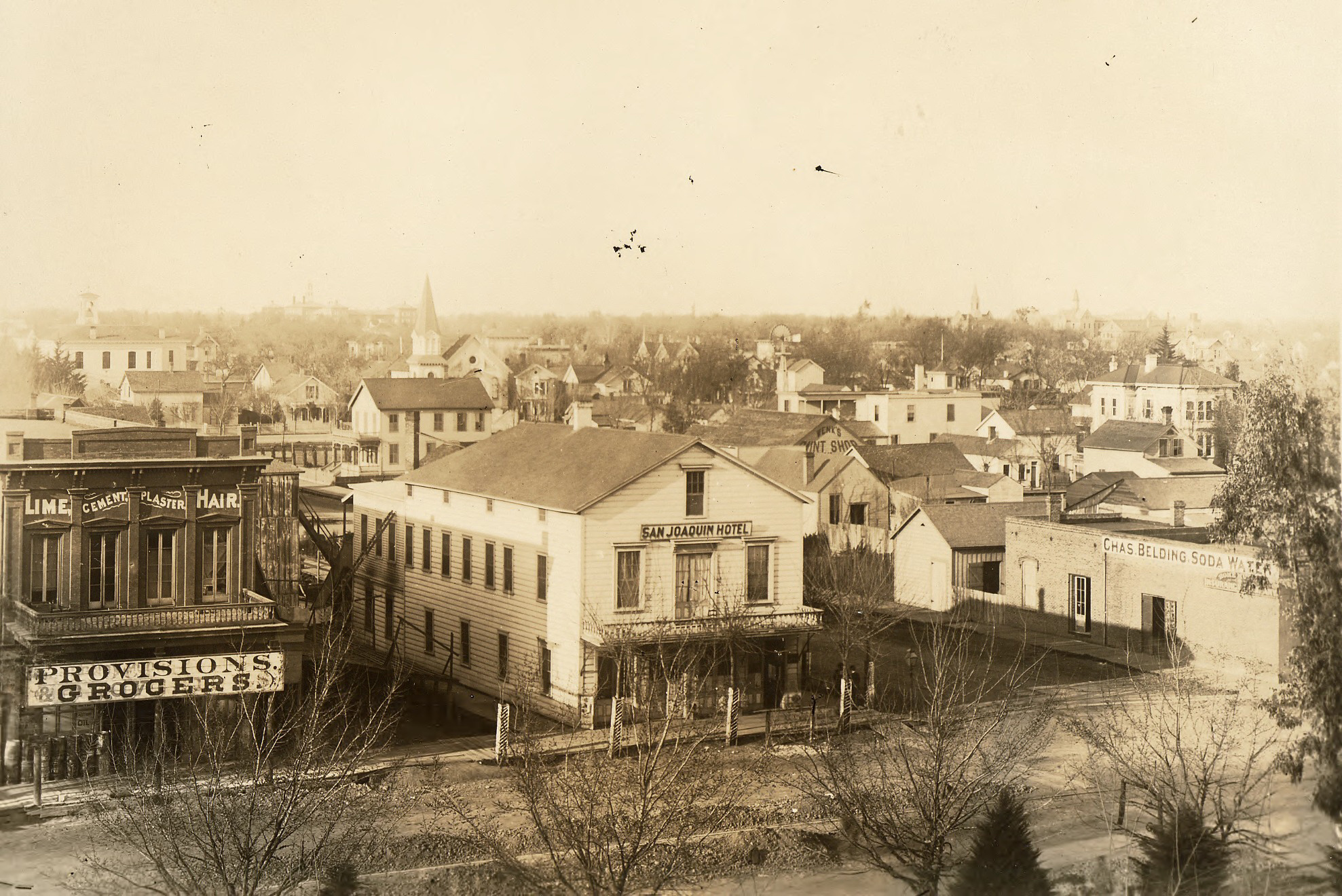
According to the 1920 census, John W. Minges was born in Arkansas in 1845, although his obituary says New Orleans. He came to California with his family by ox team in that year, over the southern route, to Los Angeles. They later moved to Merced, then Stockton, where he lived for many years and operated the San Joaquin Hotel.
San Joaquin Hotel, Stockton, circa 1875. University of the Pacific Library.
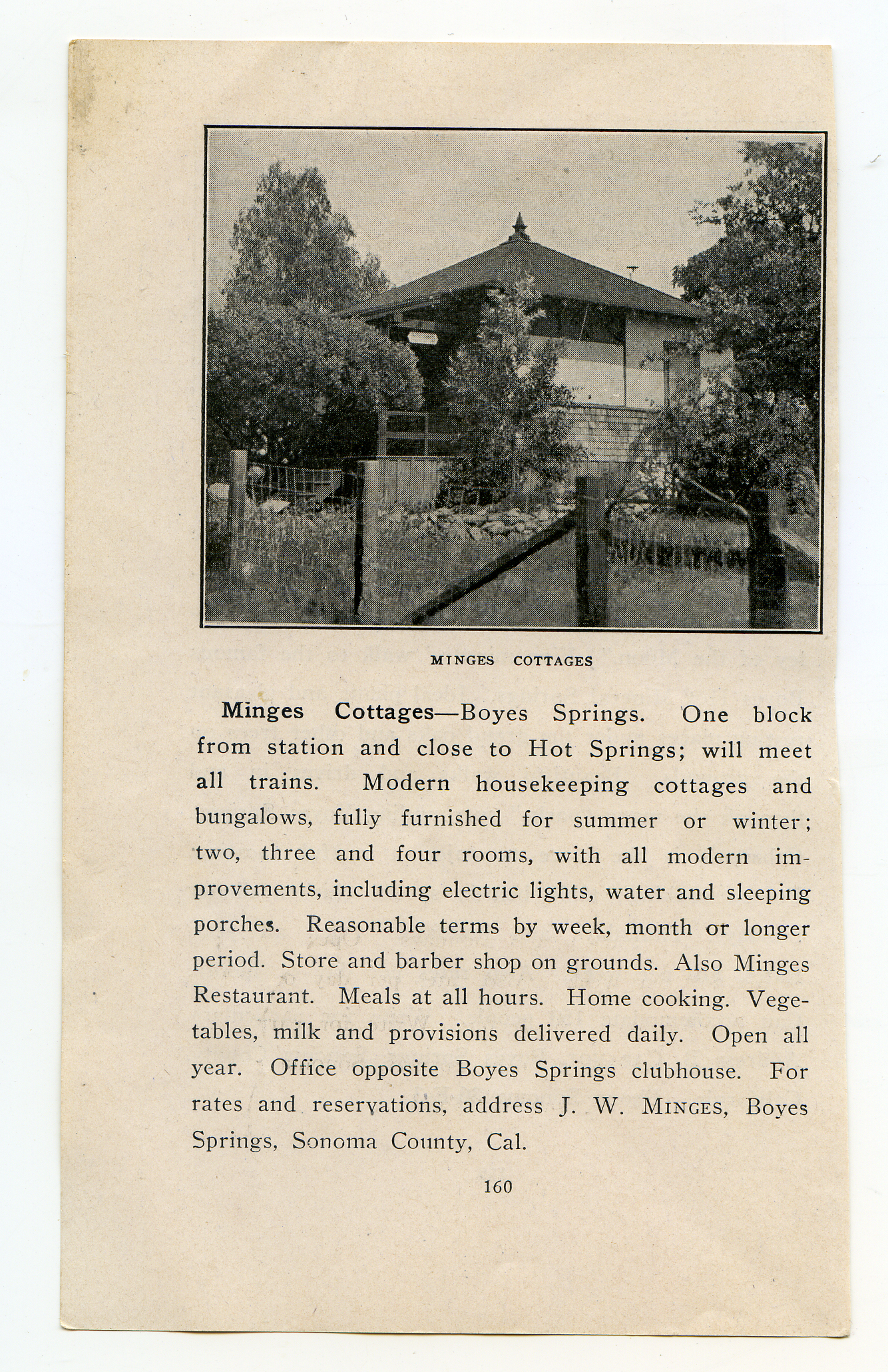
In 1905 he moved to Boyes Hot Springs. There he invested in real estate and built many cottages for the summer trade. His cottages were equipped with “all the modern improvement, including electric lights, water, and sleeping porches,” according to a brochure.
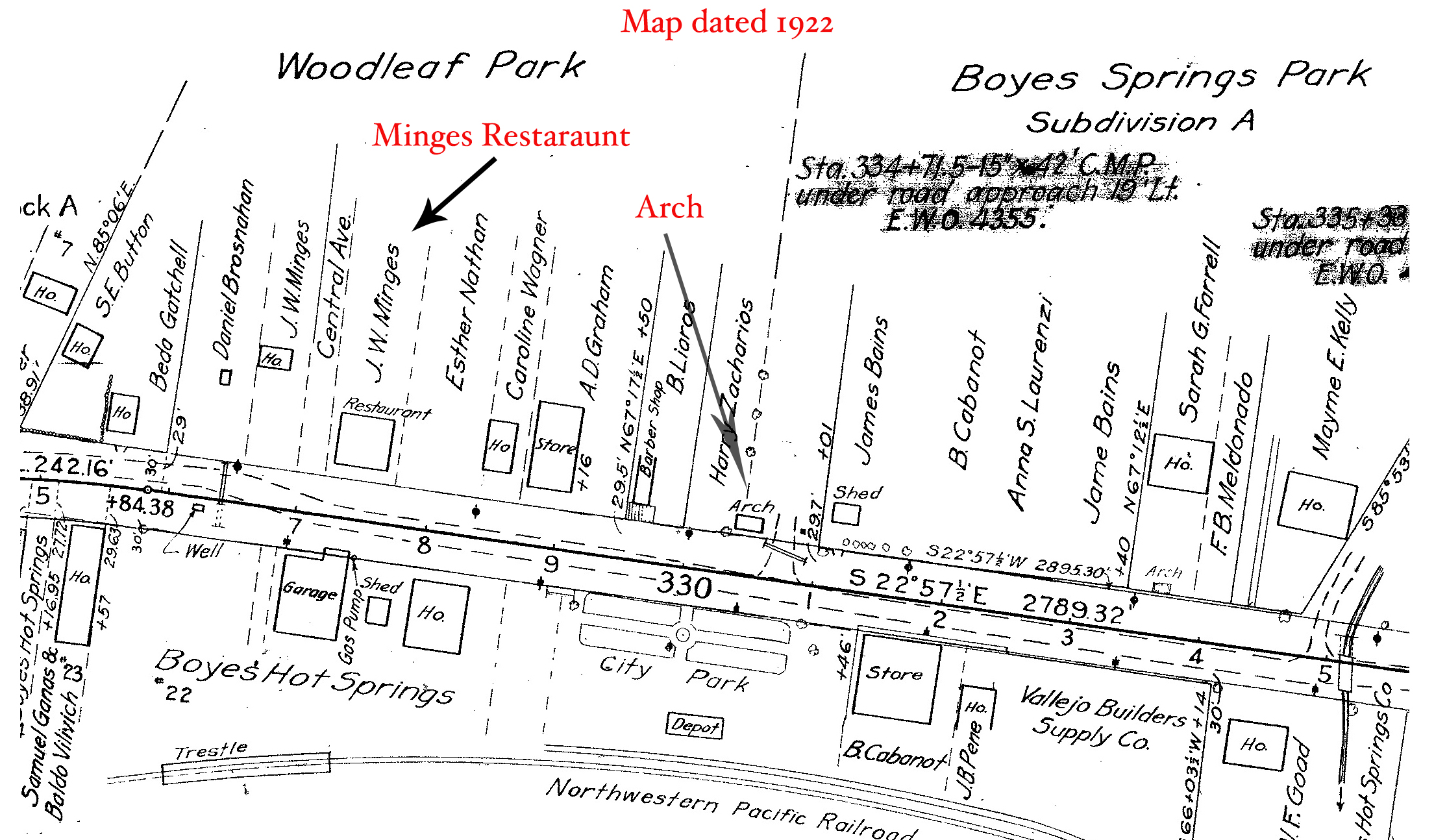
His original restaurant (“meals at all hours”) was located at the corner of Central Avenue and the “Santa Rosa-Sonoma Road,” where the old fire station (Voltaire Electric) now stands.
The sign next to the entry arch for Woodleaf Park advertises Minges “Summer and Winter cottages”. circa 1910. Courtesy of Lloyd Cripps.
In 1922 Minges, as president of the Boyes Springs New Improvement Club, presided over a gala Mayday carnival, which featured a parade, athletics, an airplane exhibition, and a carnival ball.
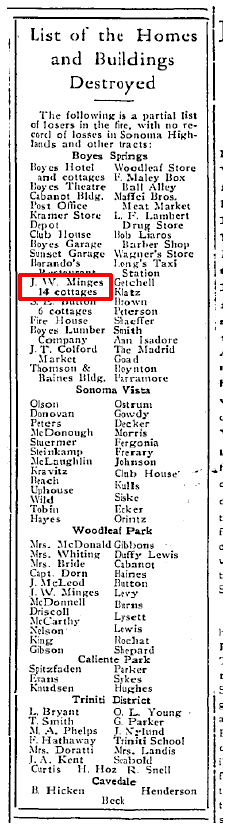
Most of his property burned in the great fire of 1923, but he started to rebuild immediately. “Boyes will rise from the ashes again,” he said in the Index Tribune. “Fire cannot rob us of our mineral springs, our climate and the whole-souled people who abide here. No siree!”
He was such a booster of Boyes Springs that he was often called its “mayor” in the Index Tribune.
Minges died in 1931 in Oakland.
UPDATE/AFTERTHOUGHT
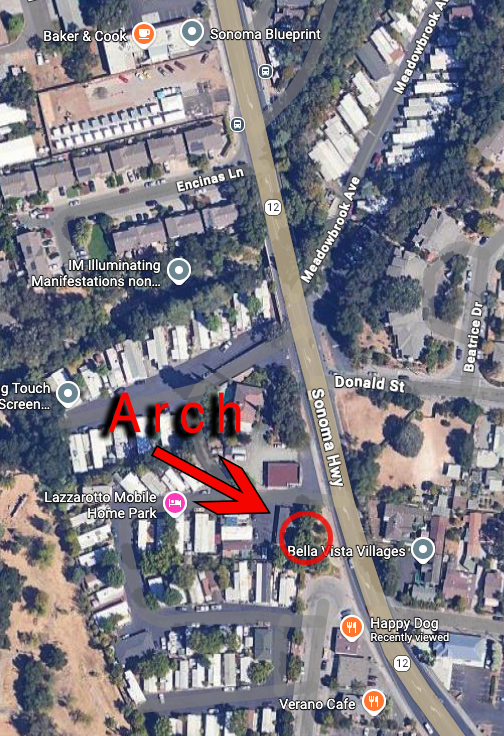
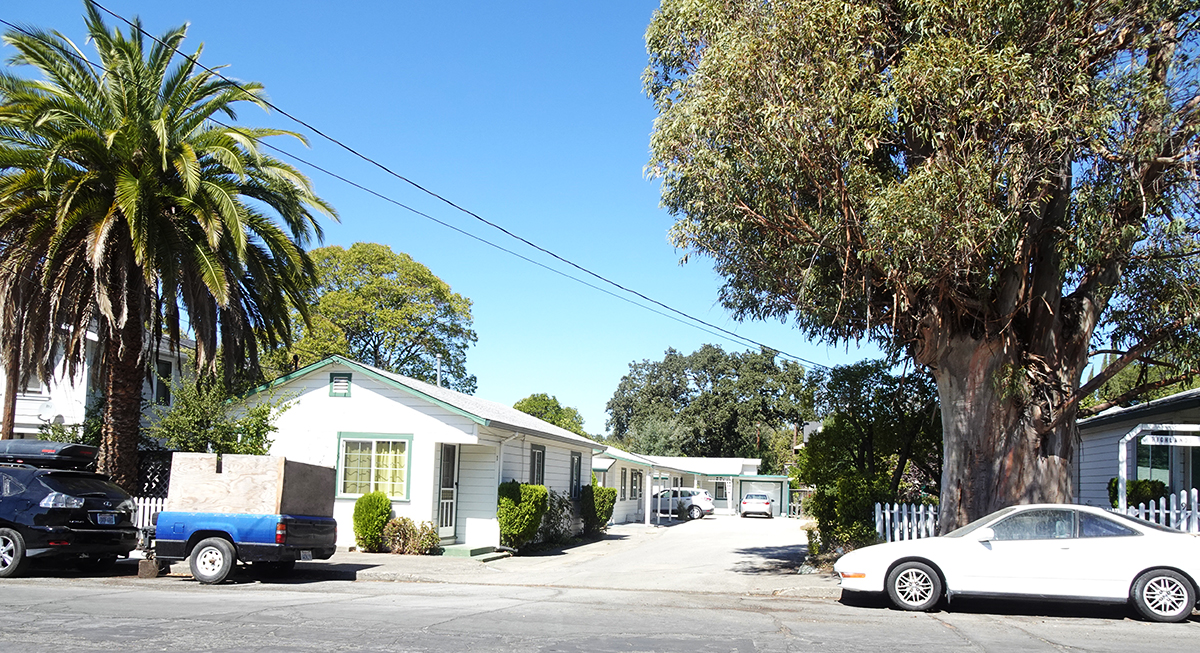
This “auto court” at the corner of Highlands and Vallejo could have been built by Minges after the 1923 fire. Almost certainly it is not a fire survivor. The present-day Vallejo Ave. enters the Highway right at the site of the Arch (see map).
Photos from author’s collection. Map courtesy Phil Danskin. Index Tribune courtesy Sonoma Valley Historical Society








 springs museum