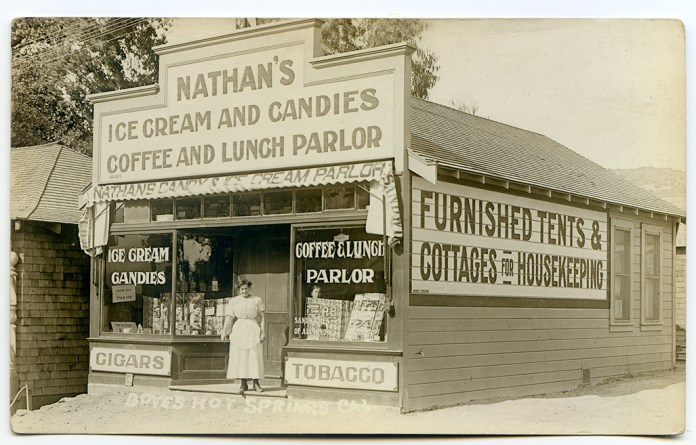
Circa 1910. Located in Boyes Hot Springs, adjacent to the railroad depot. This building may still exist.
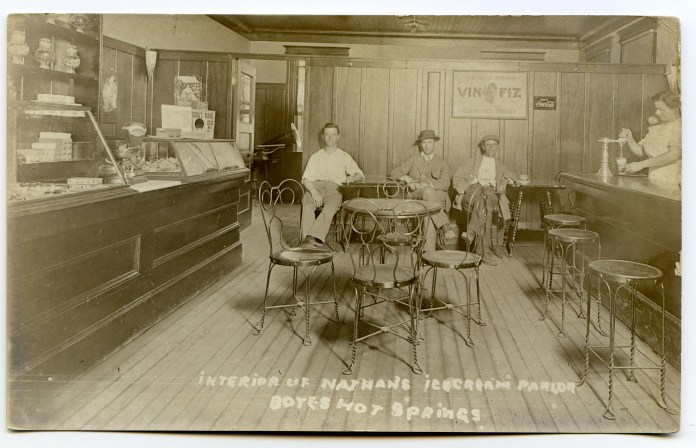
Circa 1910.
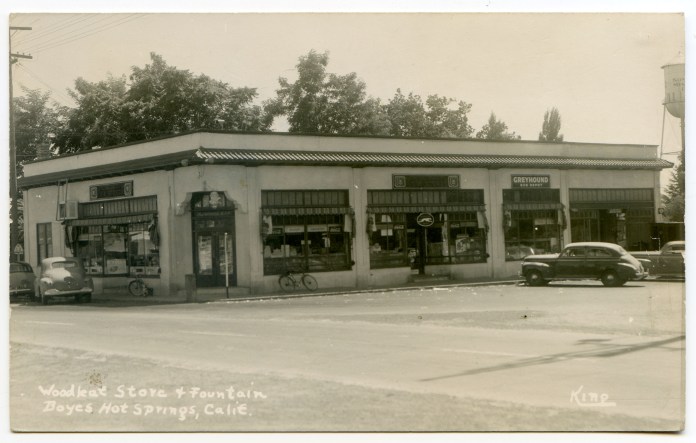
Post marked 1949. Built in 1924 or 1925. It’s future is in doubt. Currently unoccupied (2018).
Circa 1910. Located in Boyes Hot Springs, adjacent to the railroad depot. This building may still exist.
Circa 1910.
Post marked 1949. Built in 1924 or 1925. It’s future is in doubt. Currently unoccupied (2018).
On December 20, 1956, the Sonoma Index Tribune reported “Old timers in Boyes felt some remorse this Monday when the old stately palm tree in the Boyes Plaza was cut down to make way for a new building.” The new building was the second half of the Plaza Center building, which houses the post office today. The IT went on, “They (the old timers) could remember standing beneath that tree when the old train used to unload vacationers at the railroad station, located years ago, right near the tree.”
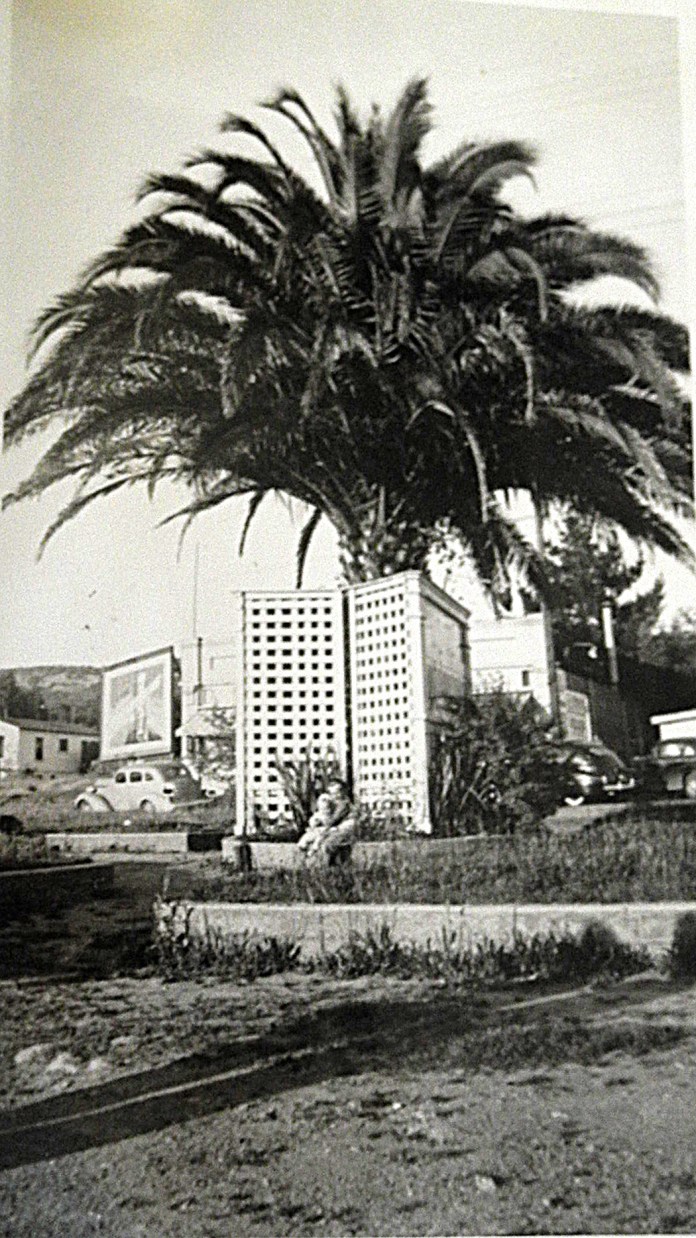
The Boyes Hot Springs Plaza palm tree, 1943. courtesy Bruce Greiwe
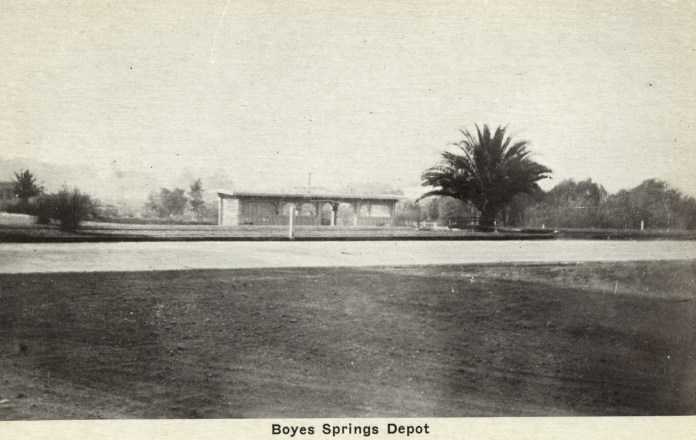
Aurthor’s collection
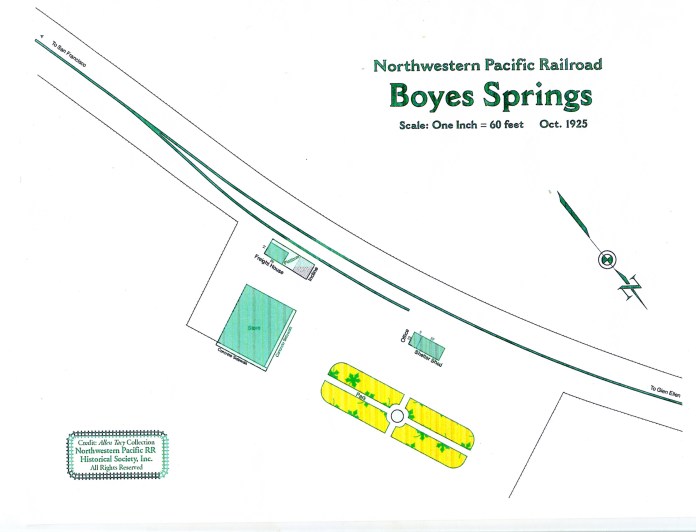
Yes, there was a Plaza in Boyes Springs. It existed as part of the land owned by the Northwestern Pacific Railroad. A railroad map from 1925 shows an elongated lozenge shaped feature, parallel to the tracks, bisected by pathways at right angles, and with a circular form at the center. The palm tree was there, according to an aerial photo from 1943.
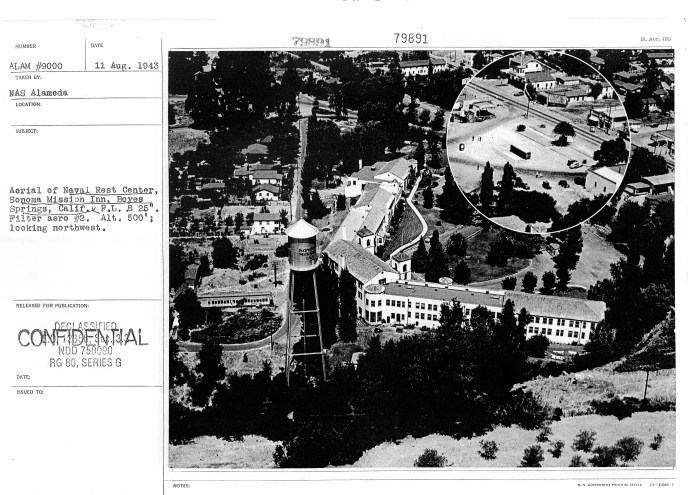
Plaza showing palm tree. The depot had been removed the previous year. Photo courtesy Bob Palmelee.
In 1949 the IT reported that the Boyes Springs Boosters Club voted to “ put a new lawn at the Boyes Hot Springs Plaza and pay for the electricity used in keeping the “Boyes Hot Springs Welcome” sign lighted each evening.
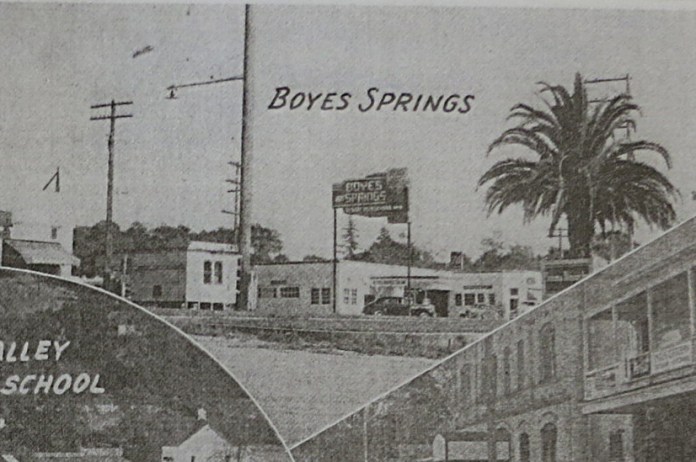
Courtesy Jerry Biers
In 1941 plans for the celebration of the centennial of the Bear Flag revolt included an event at the BHS Plaza.
In 1949, the community celebrated its own “centennial.” How 1849 was chosed as a founding year is unclear. The hot springs had been commercialized by 1847 by Andrew Heoppner. Thaddeus Leavenworth arrived in 1849, but Boyes didn’t show up until 1882.
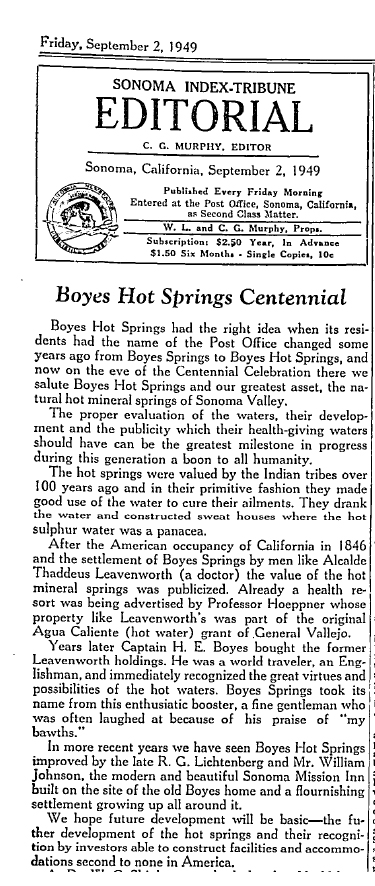
At any rate, the editorial page of the Index Tribune approved.
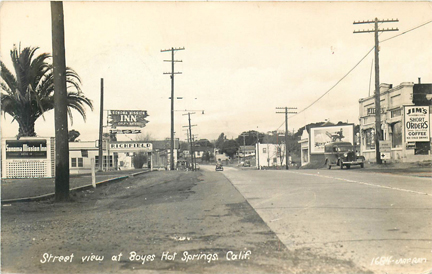
The Plaza and palm looking north, 1930s.
The idea of a new Boyes Hot Springs Plaza has resurfaced in recent years. Several architects have produced conceptual plans. Below is the Ross, Drulis Cusenberry version.


This is the key historic building still standing in Agua Caliente. Apparently undergoing demolition-by-neglect, it has, in August 2018, gotten a set of new windows and a paint job. We can only hope that the structure behind the stucco still has integrity.
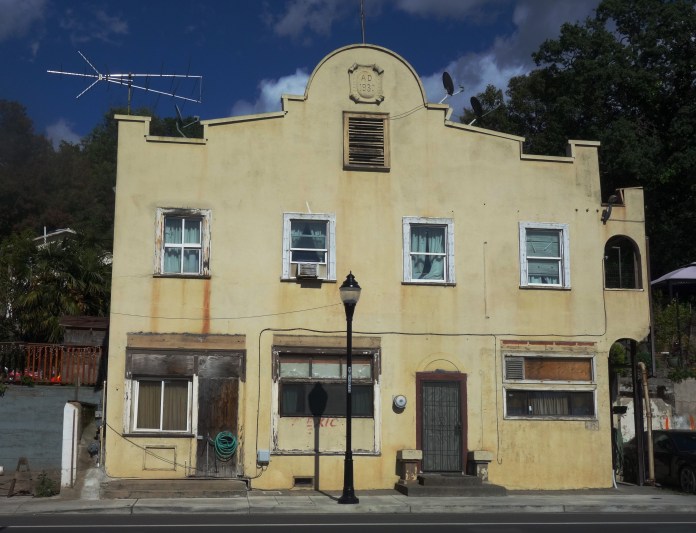
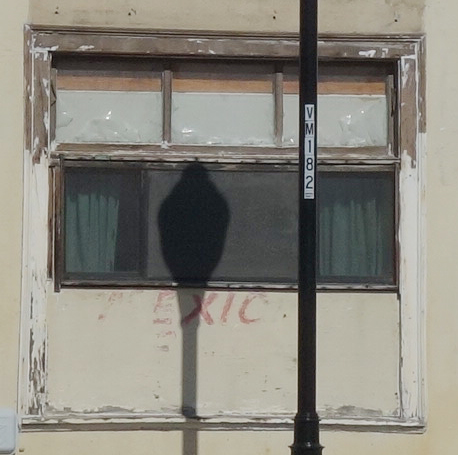
Before the new paint, the ghost of the word “Mexcian” could be seen near the sidewalk. Various restarants and markets have been housed in the building.
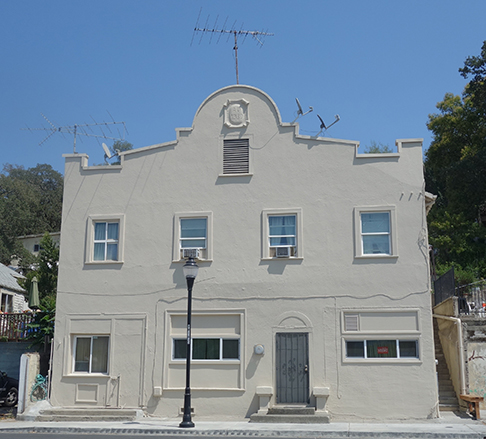
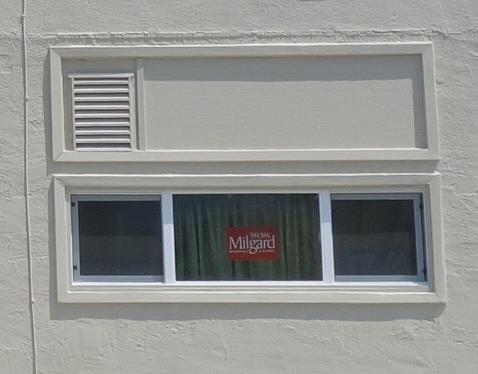
After paint. The windows still have the factory sticker.
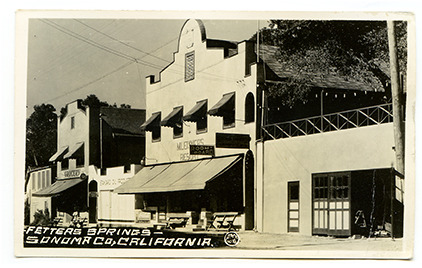
In the days of Liexner’s Resort.
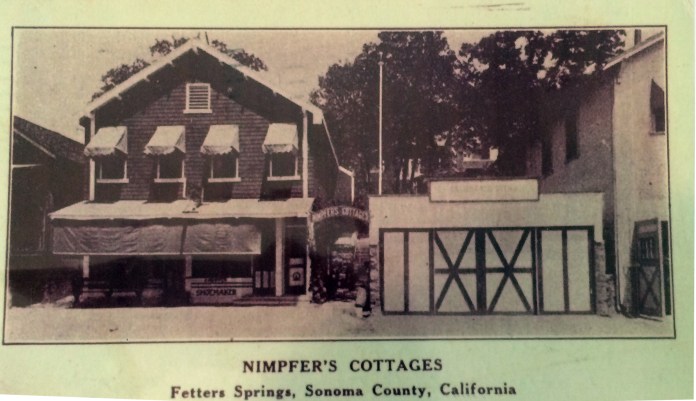
And Nimpfer’s.
Rozarios’ resort, the successor to Parente’s Villa, was located on Verano Avenue between the Highway and the bridge.
Louis Parente, a notorious bar owner, fight promoter and would-be politician, came to El Verano in 1906 from San Francisco. (Please see Jeff Elliot’s great santarosahistory.com for much more on Parente: http://santarosahistory.com/wordpress/2016/07/the-village-of-vice-in-the-valley-of-the-moon/
By 1925 he had built a “new” hotel.
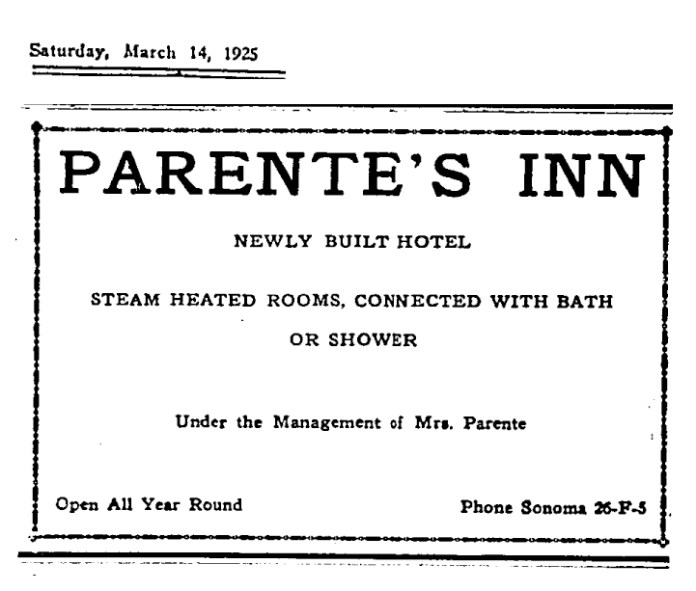
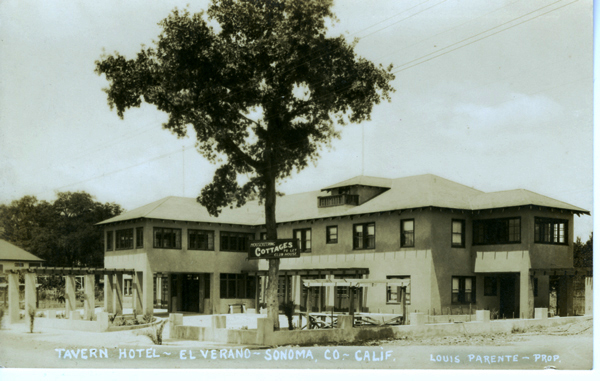
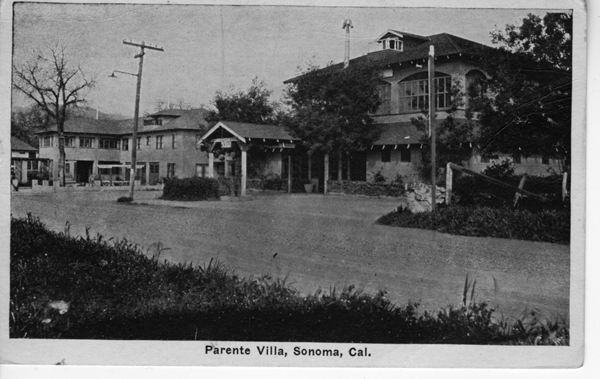
According to the Index Tribune, “The 43 room hotel, hut, cottages and grounds were purchased by the Rozarios in 1943, and it was on January 1, 1944 that they opened it for business. The former San Francisco and Marin county residents had purchased the property from Joe Parente [actually Louis Parente], colorful Bay Area sports figure who brought many prize fighters here to train.”
Rozario’s was popular through the 1950s for wedding receptions, fashion shows, and formal dinners.
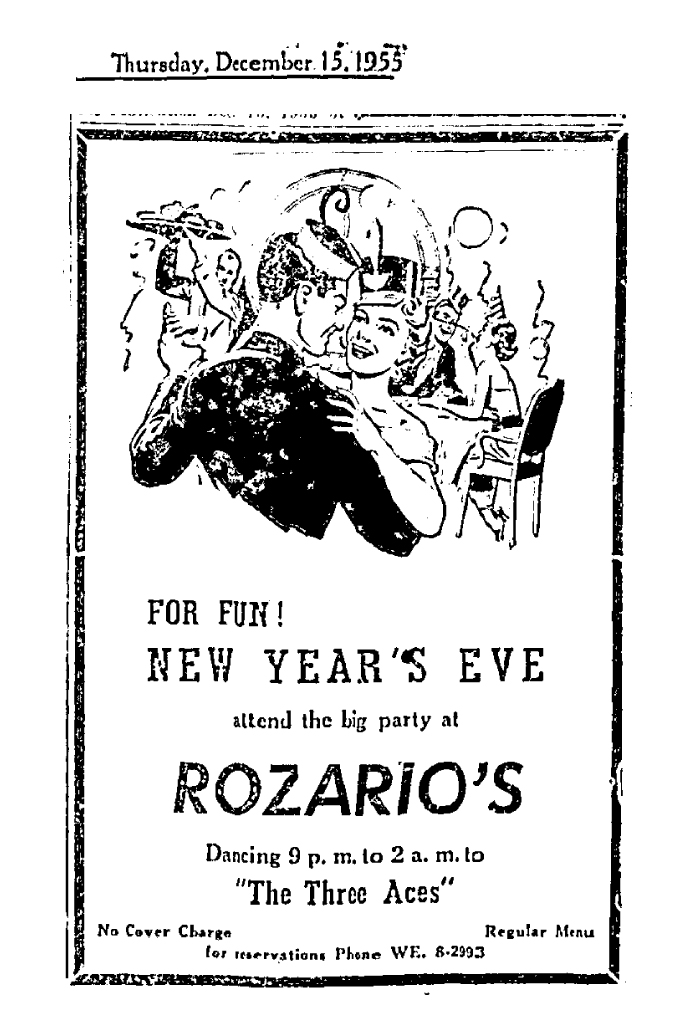
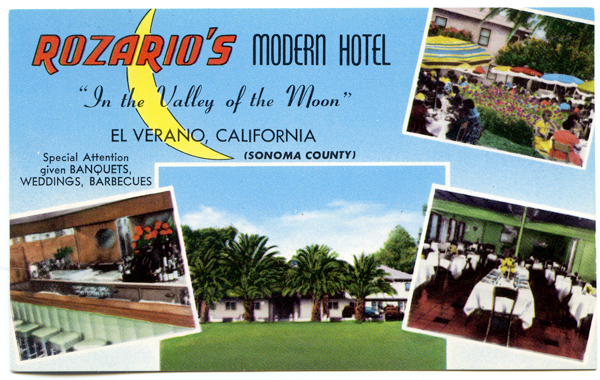
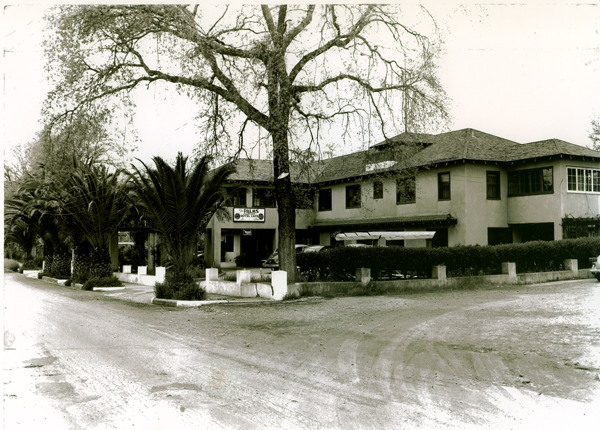
The Rozarios sold the resort to Carl Innskeep and Joe La Rango in 1955.
It later became known as the El Verano Inn.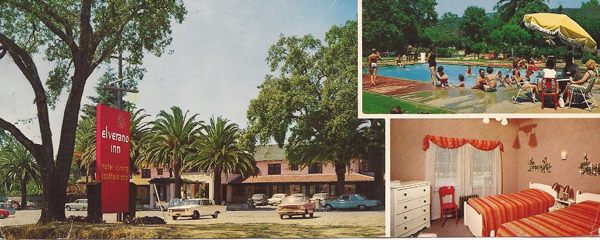
The buildings were torn down in 1985 to make way for an extension of the Finnish American Home Association’s housing complex for retired people, which was located behind the old resort building. In that year, the editor of the FAHA Manor News explained in a letter to the editor of the Index Tribune that FAHA wanted to preserve the building, but “could not afford the very expensive improvements necessary…” Thus we lost another piece of our history.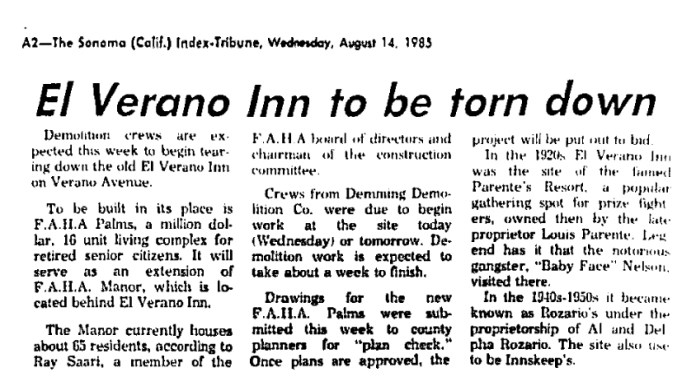
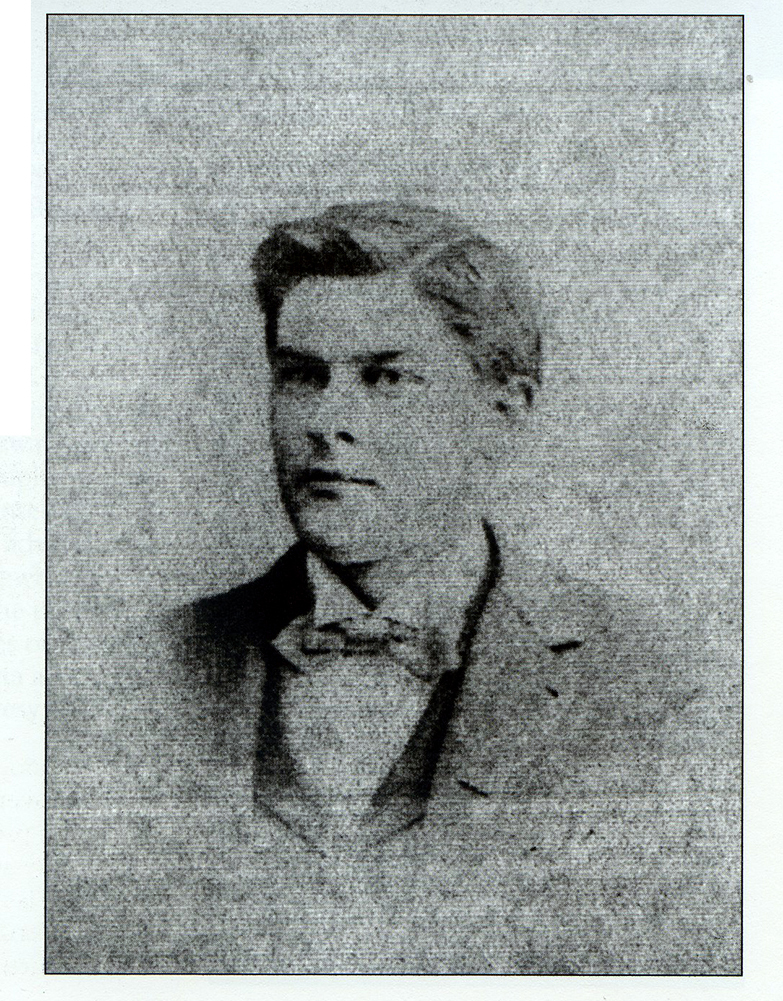
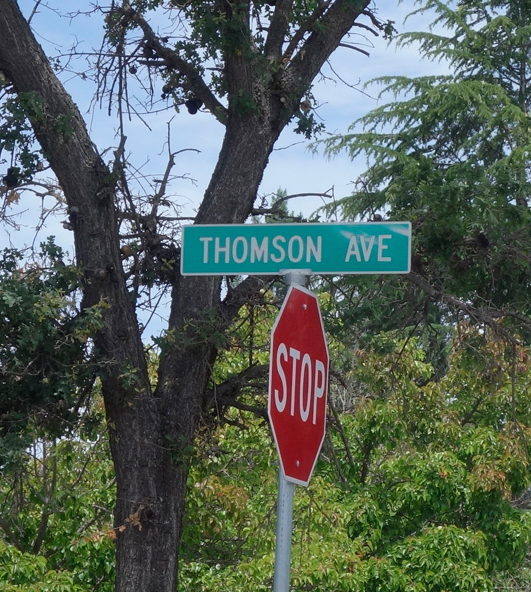
Thomson Avenue, not Thompson Avenue, was named for Dr. Allen Thomson, who had been physician to General Vallejo, and who married one of his granddaughters. Thomson was president of the company that developed the subdivision known as Boyes Springs Park . Thomson Street is its southern border.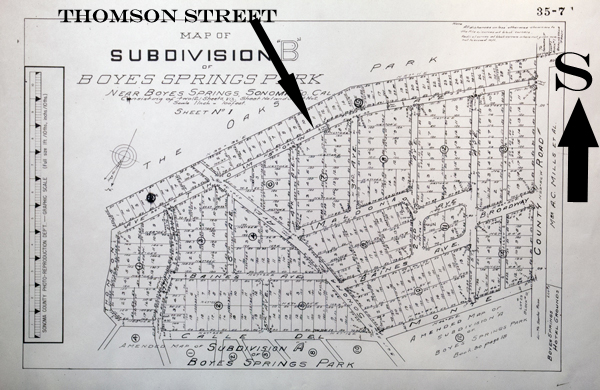
The building at the southeast corner was a Red Crown gas station circa 1930. It later became the Ferrando’s Plumbing building and now houses La Michoacana Ice Cream and Plain Janes. It was famously made over by Rico Martin in 2015.
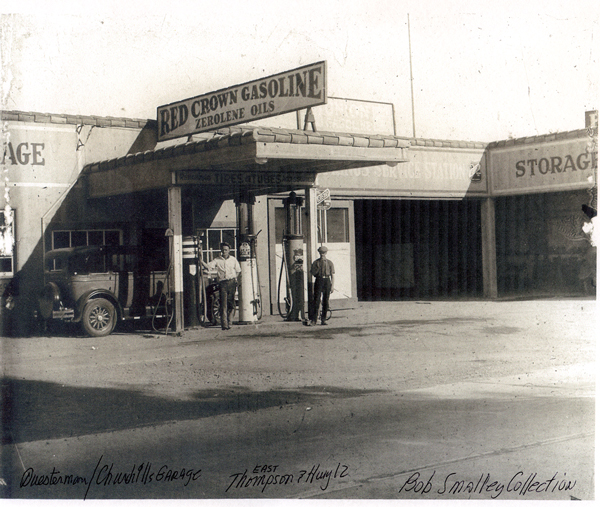
The caption says “Questerman/Churchill Garage.” Note the misspelling of the street name and the designation “east.”
Directly across Highway 12 from the end of Thomson (not East Thomson!) was Baker’s Drive In, established in 1957 (and open 24 hours per day!)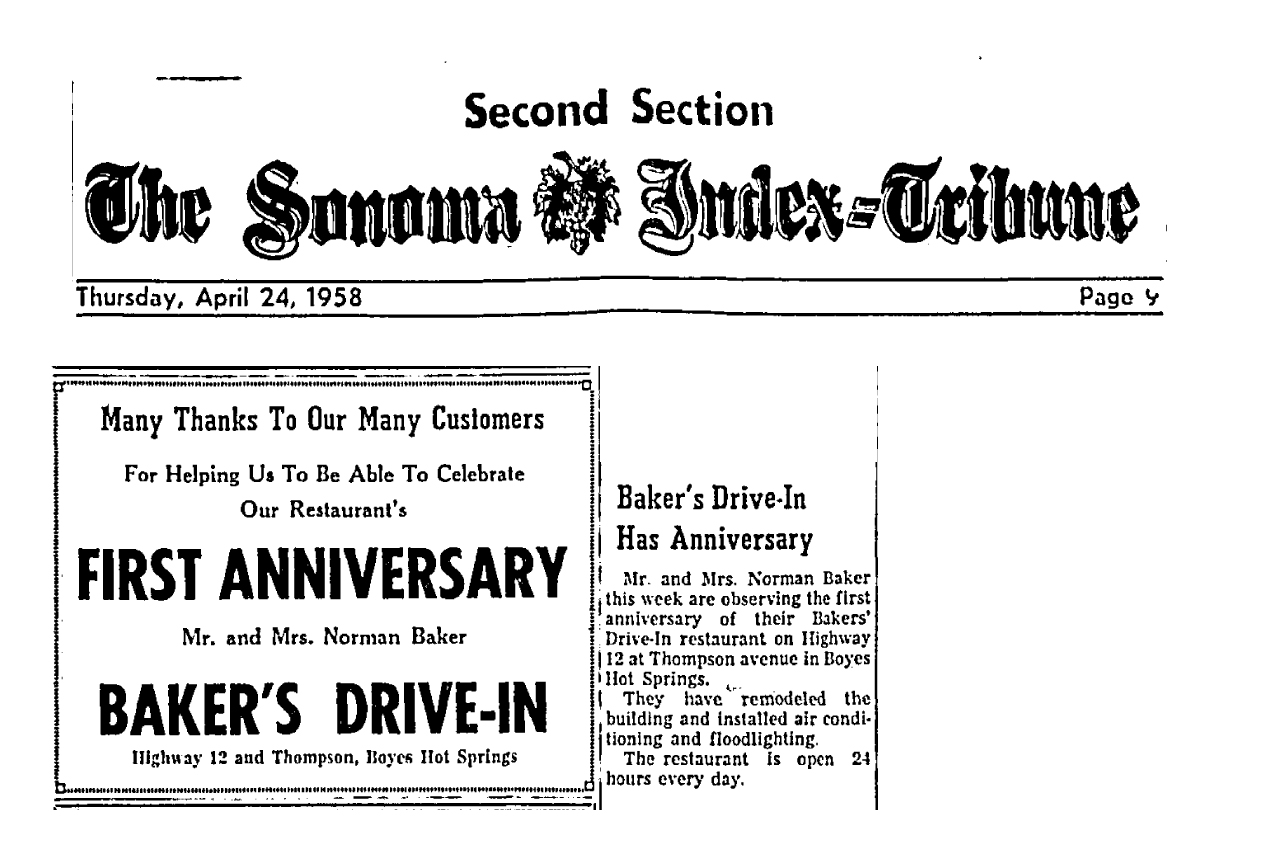 In 1958 Norman Baker had big plans to build a truck stop on this property, but the county would not approve the project.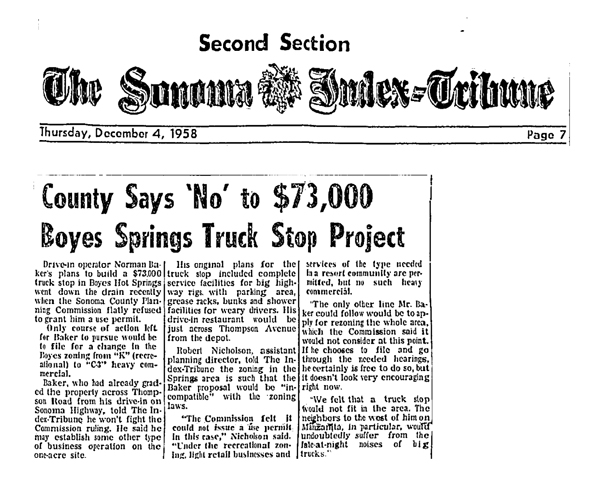
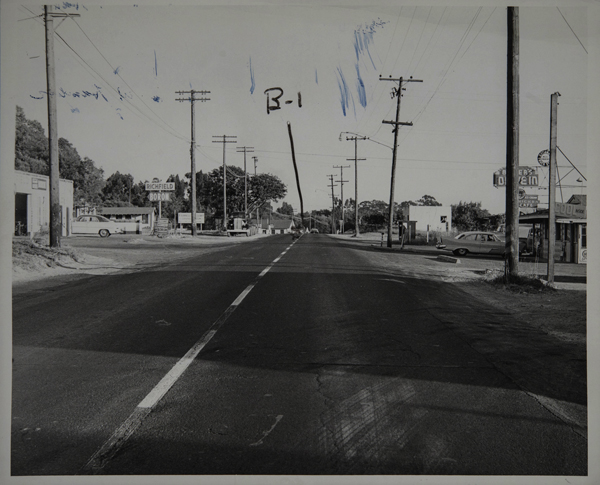
Looking South, Farrell’s sign at left, Baker’s Drive In at right.
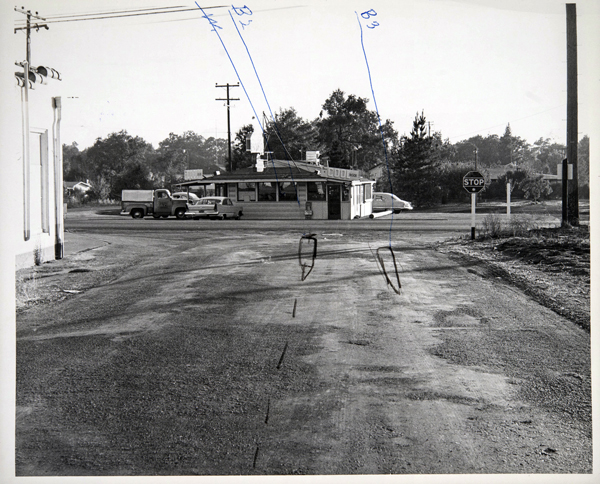
Looking at Bakers’ Drive In on Hwy 12, from Thomson. Red Crown building seen at left.
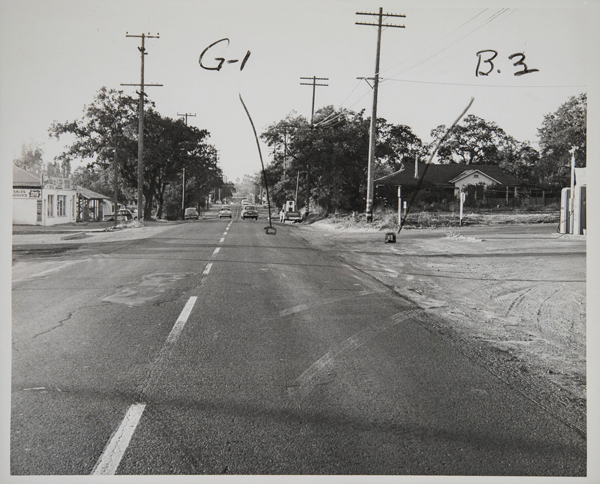
Looking North
These photos from 1958, courtesy of the Sonoma County Library, were used in a court case, the nature of which is unknown, but could have been a suit over a traffic accident. In the photo of the highway looking south, a sign can be seen (below the Richfield sign) which proclaims Farrell’s Resort, which would have been on the property now partially occupied by Arroyo Vet Hospital.
In 1972, John Metallinos and family opened the Fruit Basket on Arnold Drive.
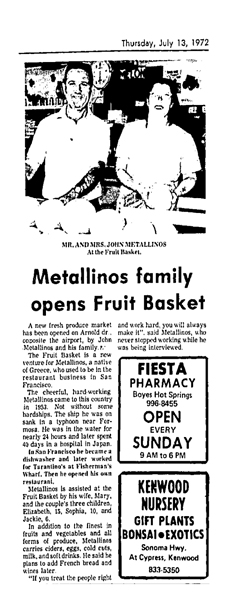
They opened their Boyes Springs branch sometime later, probably in the early 1980s, at the old Baker’s Drive In. On June 15, 1983, a fire destroyed that building.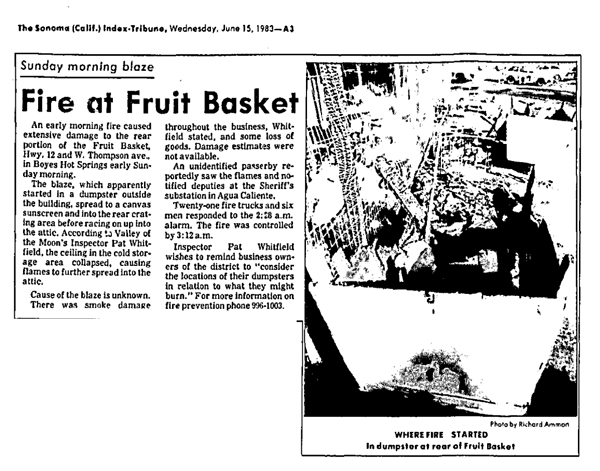
Nearly a year later, the Boyes Springs Fruit Basket reopened, “in a flourish of live Greek music and dancing,” in its new building, which was designed by architect William Dimick.
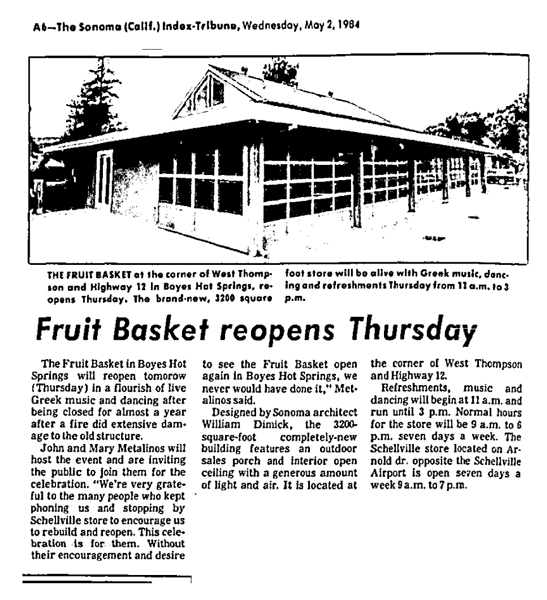
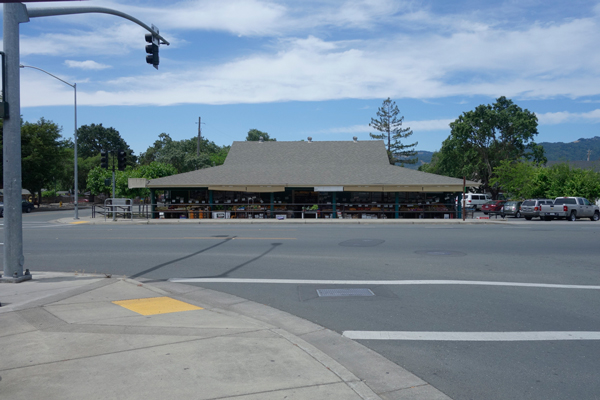
The Fruit Basket in 2107. It really is a graceful building.
My thanks to Mark Maberly for information about Dr. Thomson, and his general enthusiasm for our history. As always, contributions of knowledge are welcomed. Please leave a comment.
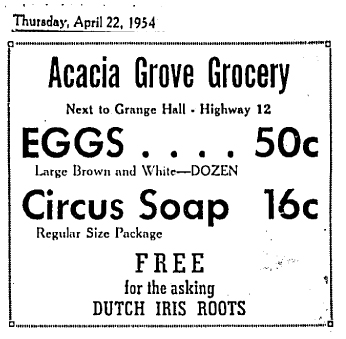
We left off with Selig Rosenthal’s death in 1938. But the story of Rosenthal’s Resort did not end there.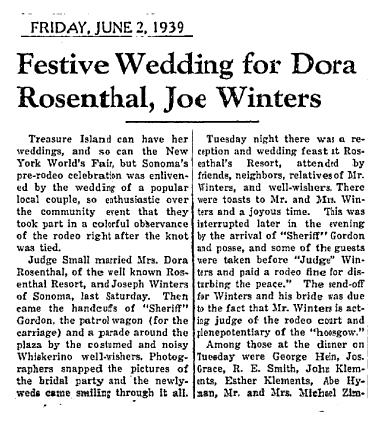 In June of 1939, Dora Rosenthal married Joe Winters, a well-known local tailor.
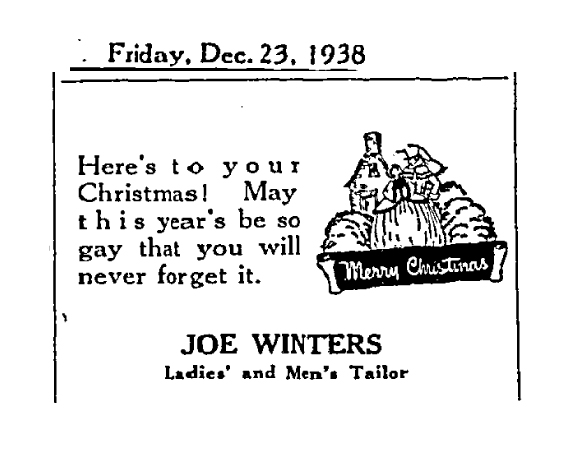
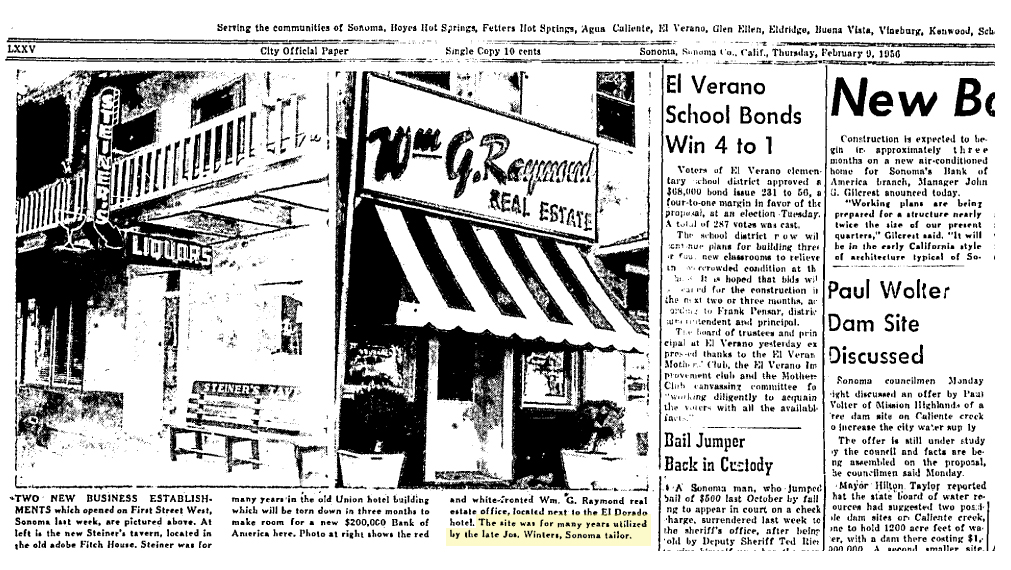 Joe Winters’ shop was for many years located next to the El Dorado Hotel. The red and white awning of the Raymond Real Estate office would not get past the Sonoma Design Review Commission now!
Winters was very involved with the rodeo in 1939. The rodeo was started in 1929 and ran through the 1950s, on the Millerick Ranch near Schellville. 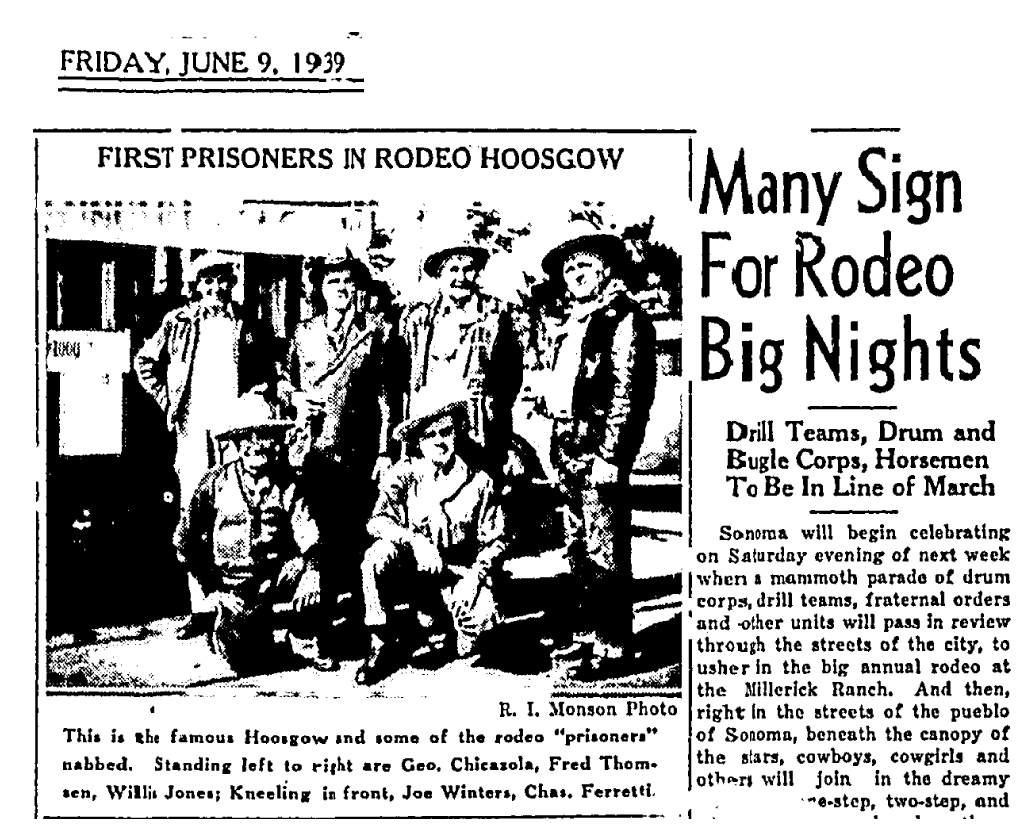
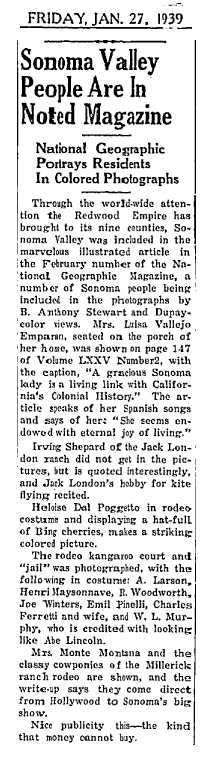
In 1939, National Geographic amgazine came to Sonoma and photographed the Rodeo “Kangaroo Court,” which included Joe Winters.
Winters was a Polish citizen. He applied for dual citizenship in 1940. R.R. Emapran was one of his witnesses. Emparan was the grandson of General Mariano G. Vallejo.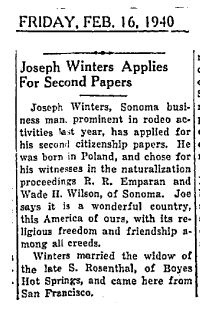
In that year Harry Lyons was again partnering to run the resort.
In 1941, “the main building of the Winters resort near Boyes Springs, formerly Rosenthal’s hotel, is being remodeled by Mr. and Mrs. Joseph Winters into seven apartments.”
Rental accommodations were in high demand for defense workers at Mare Island. In 1942, the IT reported that many other resorts were being converted for war housing: “Farrell’s, Parente’s, Rosenthal’s, and Maurel Villa used to be popular in the good old summer time, but are now rented to all year round tenants, cottages being especially in demand. Fetters Hot Springs has its share too.”
In 1945 the IT said the Winters had sold their resort and retired to San Francisco. They had actually sold the resort in 1943 to Mrs. Mary Kalivoda, who ran it as Acacia Grove Resort until 1955, when it was sold to A. R. Wilson of El Cerrito.
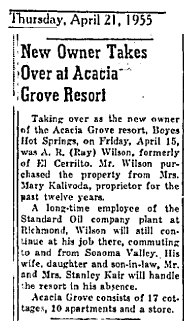
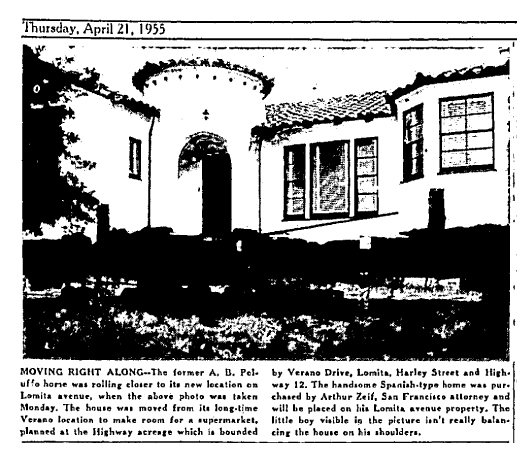
Here is another example of the serendipity that happens when you search newspaper archives. On the same page as the item about the new Acacia Grove owners is this photo of Charlie Peluffo’s house being moved. Peluffo was the developer of the Plaza Center Building at the old Boyes plaza site. The house stood where shopping center at Verano Avenue is, and was move to a lot on Lomita Avenue. Is it still there?
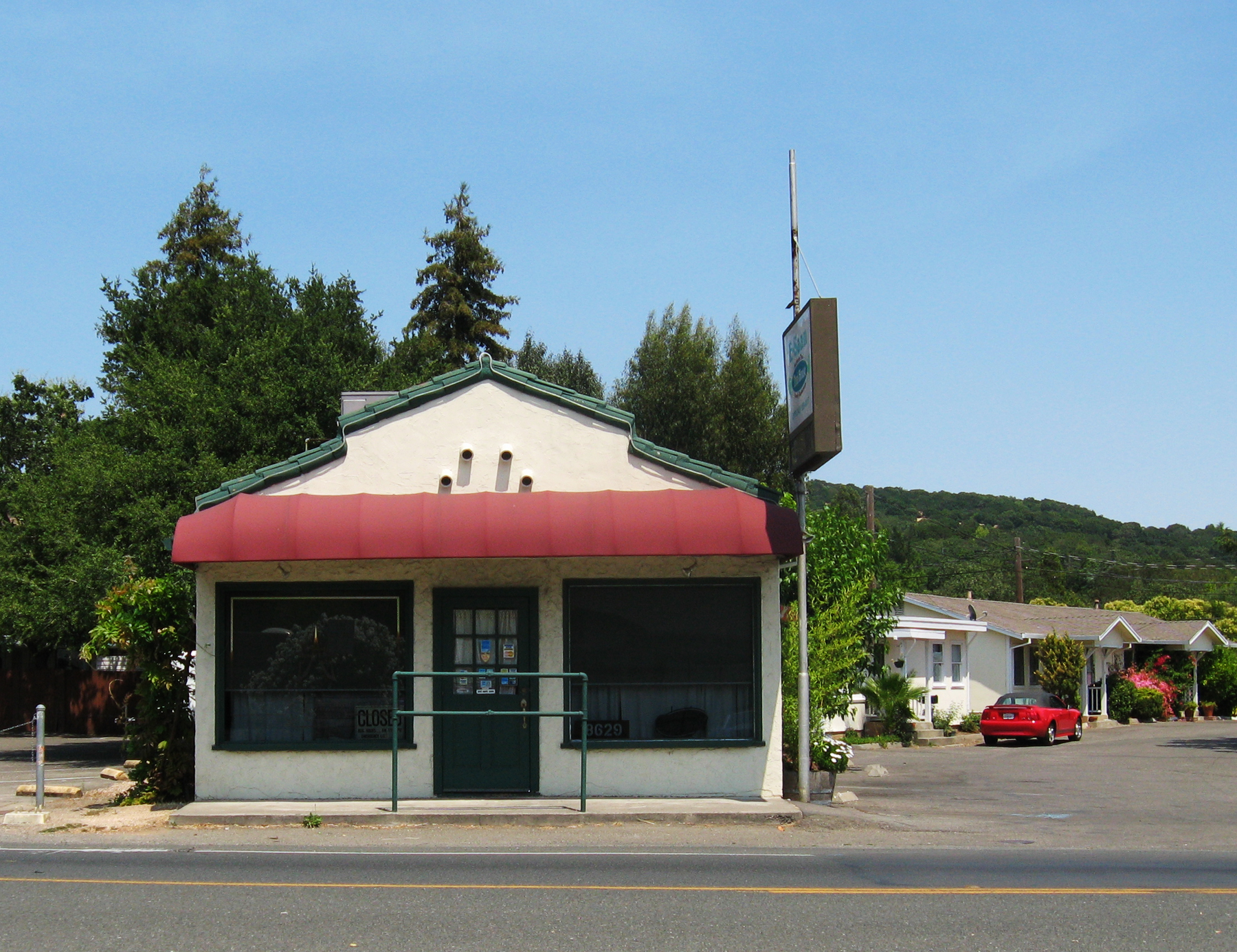 Photo from 2008 of the Rosenthal Store building, housing E Sann Thai restaurant.
The building was the home of Lee and Lia Chinese restaurant from 1976 to 1987.
As with the Springs in general, the economic downturn that came with the end of the resort era, brought a certain amount of crime associated with Acacia Grove.
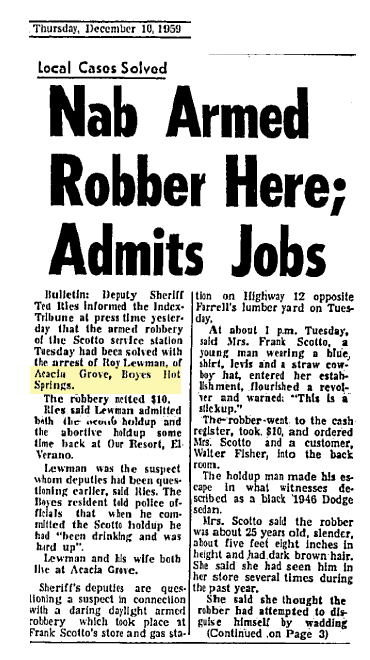
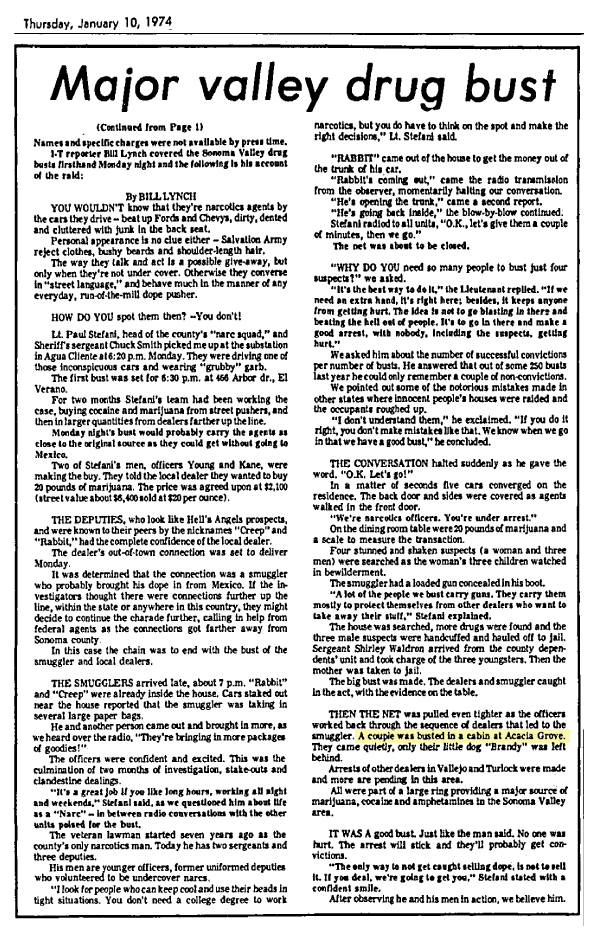
However, positive things were happening also. In 1966 contractro R.A. Lof added a new laundry room and showers.
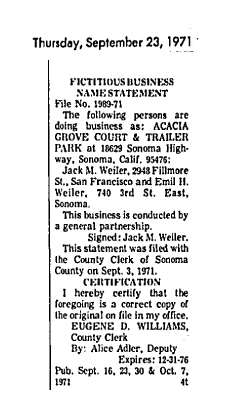
Jack Weiler bought Acacia Grove in 1971 and his family still owns it in 2017.
Interesting buildings from the Rosenthal days: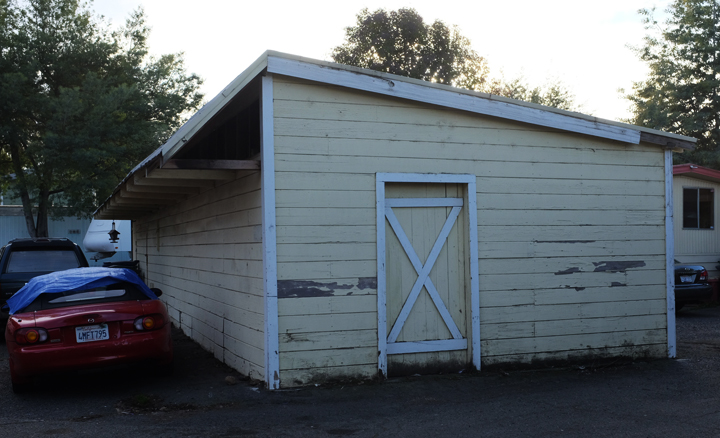 The chicken coop. Poultry husbandry was common and popular in the Springs in the early 20th Century.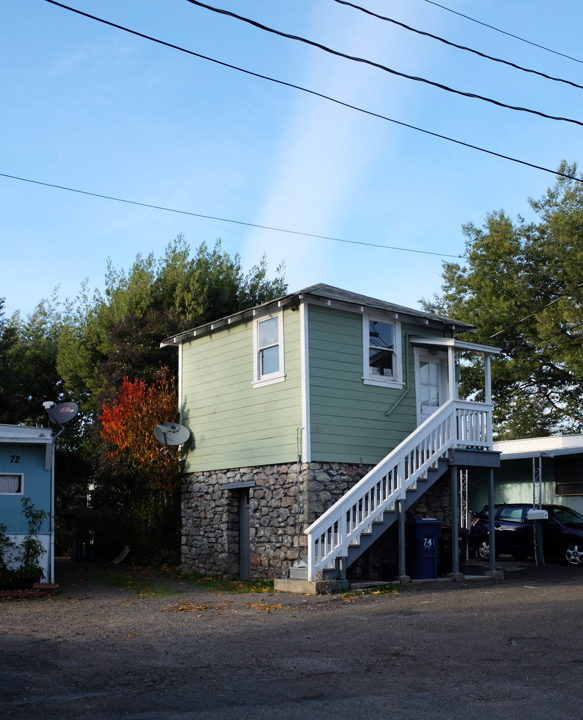
The resort was served by a well. The water was stored in the tank house, which is a residence today.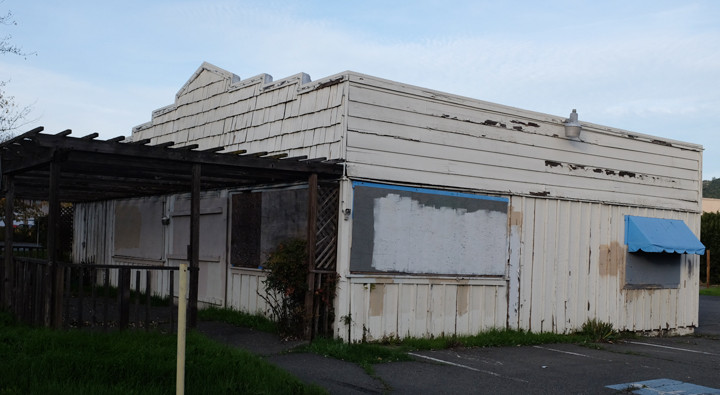 This building was La Salette Restaurant for a few years, but has been vacant a long time. What function did it serve in the heyday of the resort?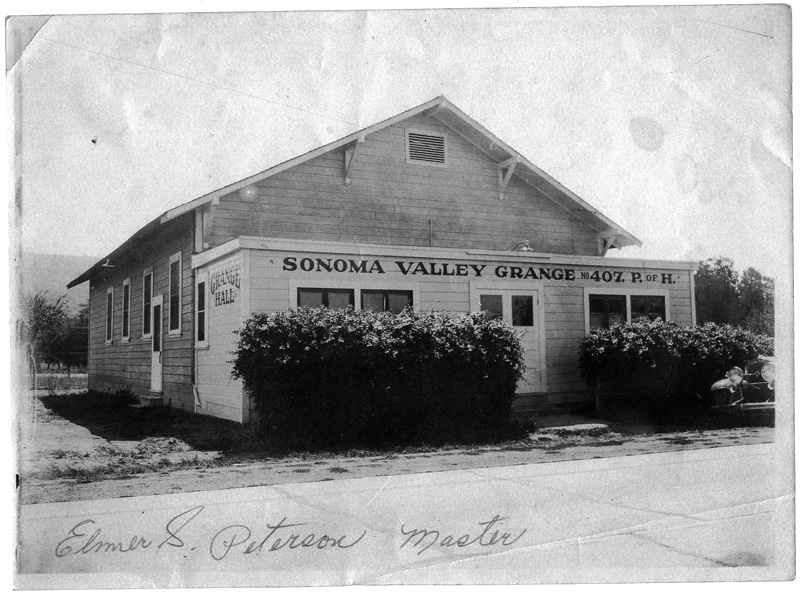
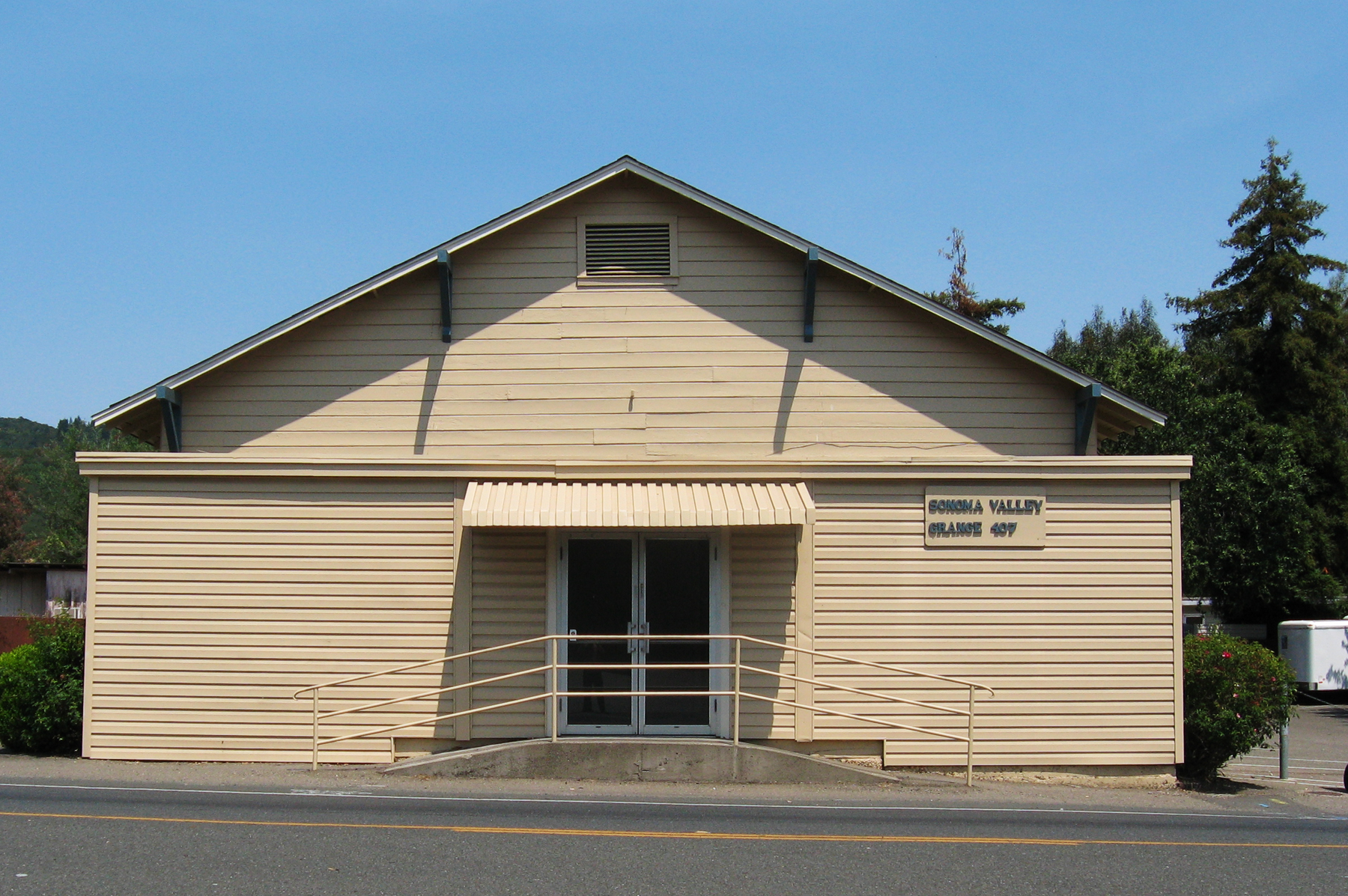
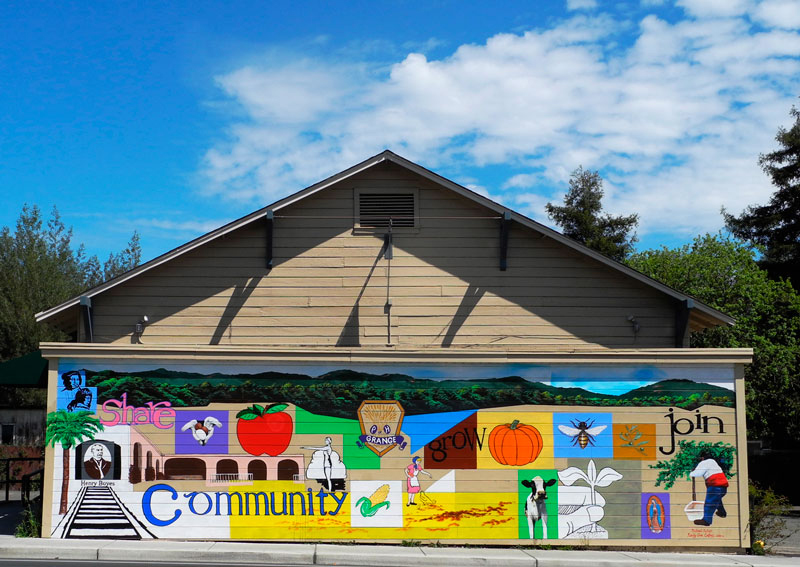
The Grange Hall in the 1930s, 2008, and 2012.
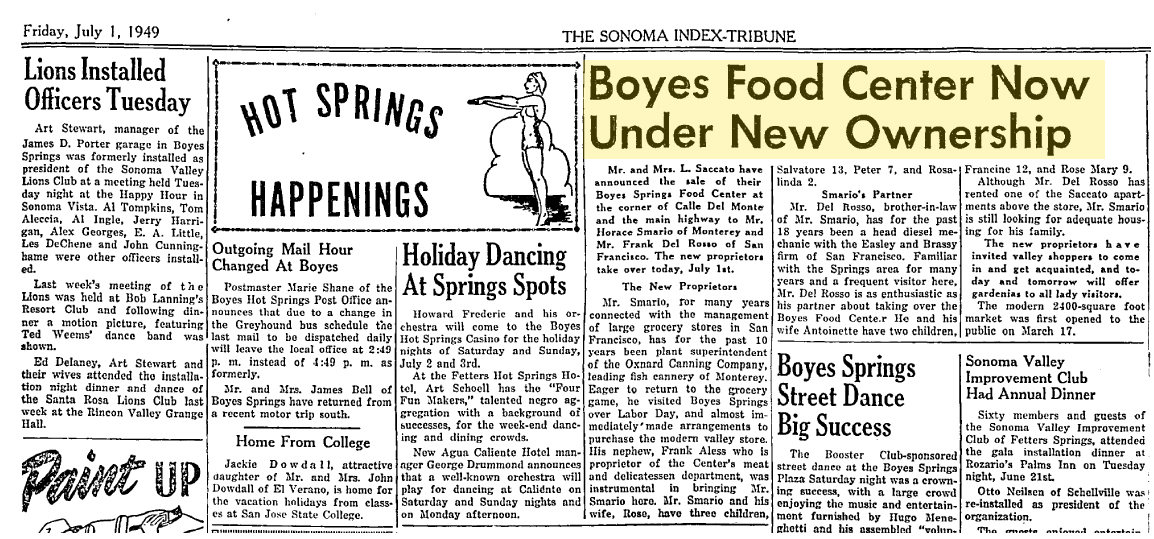
A sampling of the history of the Food Center, as told by the Index Tribune. Included are surrounding articles and advertisements, to give some sense of the life in the Springs in 1949. That year was indeed a special one in this area, and deserves and article of its own.

1956. Presidential politics anybody?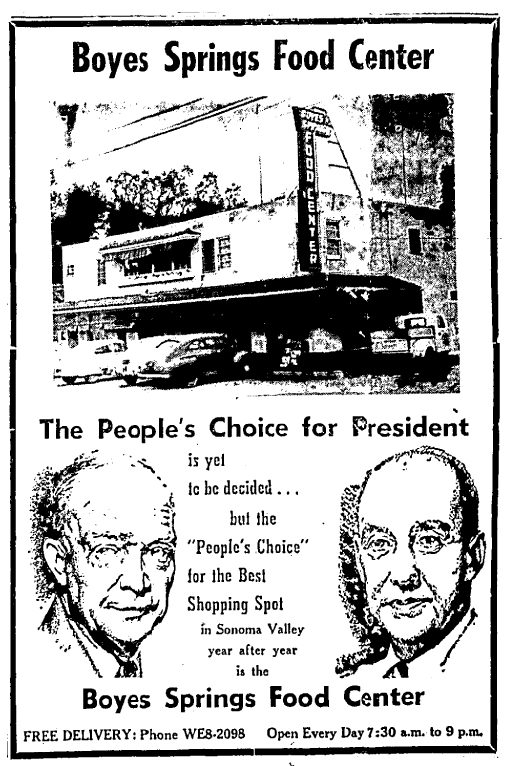
Architect Hugh Duffy designed the Plaza Center building also.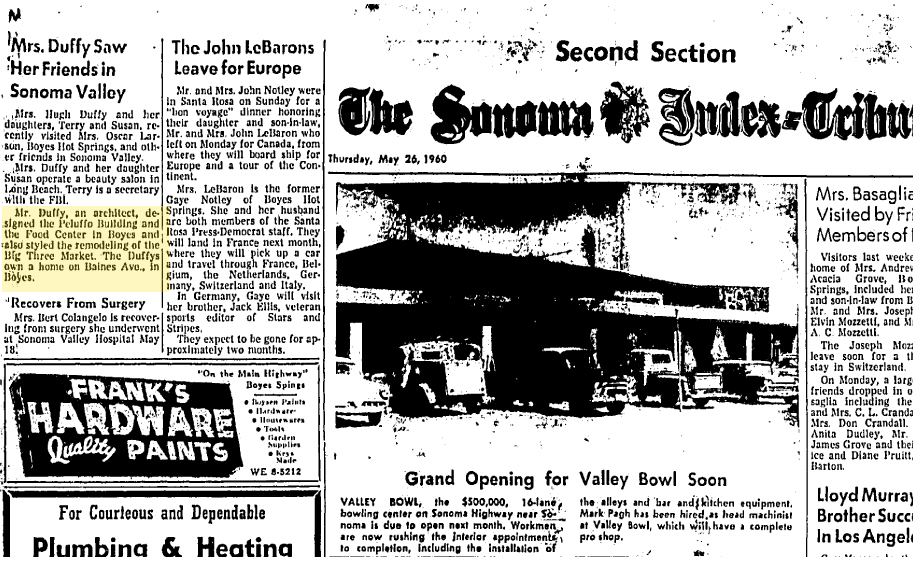
One of Zan Stark’s wonderful photographs of the building, and more. 1950s. 2008. The tiled awning was still in place.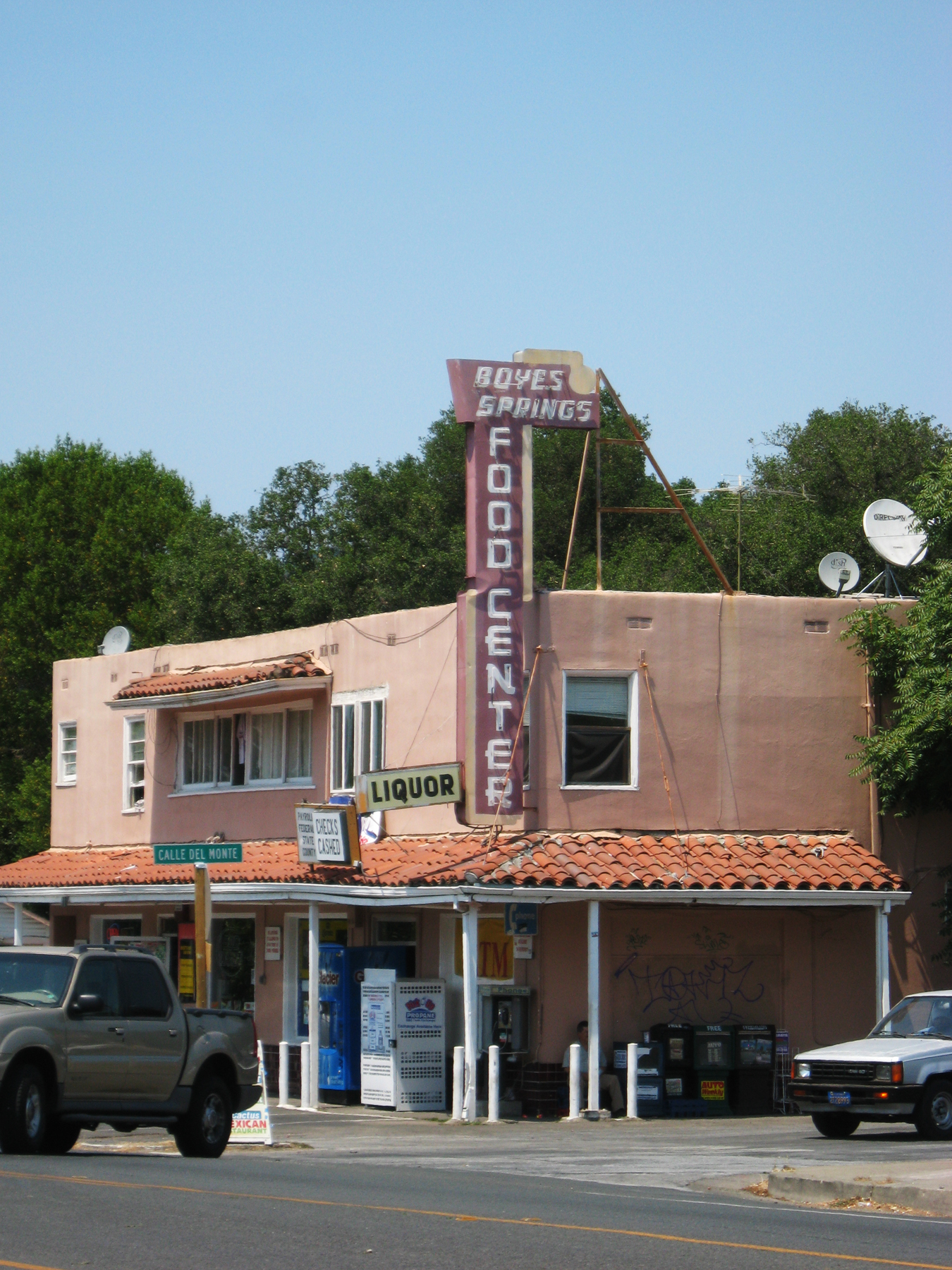
Train arriving at the Fetters Hot Springs depot, 1924. From a film by Josh Binney. Courtesy, Depot Park Museum.
Visit The Living New Deal site to experience a mind-blowing history project and to understand the greatness this country achieved, once upon a time, not long ago, collectively.
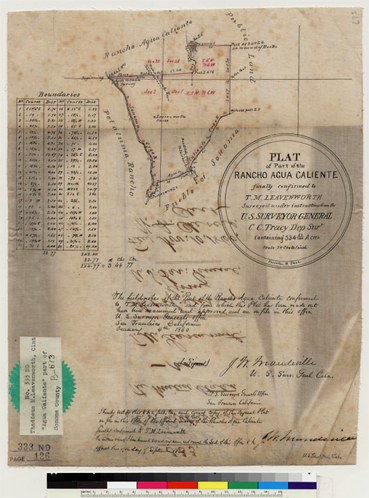
A History of Boyes Hot Springs should begin in April, 1847, with the arrival at San Francisco of Thaddeus M. Leavenworth, a native of Connecticut, purporting to be an Episcopal chaplain. He had enlisted in Stevenson’s Regiment of New York Mexican War Volunteers. After serving as a controversial alcalde in San Francisco from October 1847 to June 5, 1849, where he also took part in school and church affairs, he became interested in farming, or, more specifically, farm land, and speculation in farmlands. The fertile fields available north of San Francisco brought him to Sonoma Valley, where he acquired a 320.23 acre piece of land which would figure prominently in history as the site of Boyes Hot Springs.
Actually, these 320.33 acres covered all the land now known as Agua Caliente, Fetters Hot Springs, and some of Maxwell Farm
In 1853, both Thaddeus Leavenworth and State Senator M.G. Vallejo made application to the Land Claims Commission for title to the 320.33 acres, both referring to the land as a portion of the Agua Caliente Rancho, and both contending before the commission that they were the successors in interest to Lazaro Piña, who purportedly had received title to the property on July 13, 1840, by grant from the Mexican Territorial Governor Juan B. Alvarado. Eventually, in1855, Leavenworth’s claim was approved, Vallejo’s claim having been rejected by the Commission. Apparently Leavenworth had better appearing forged documents than his adversary. From A History of Boyes Hot Springs by Robert Parmalee, 1992, used by permission of the author.
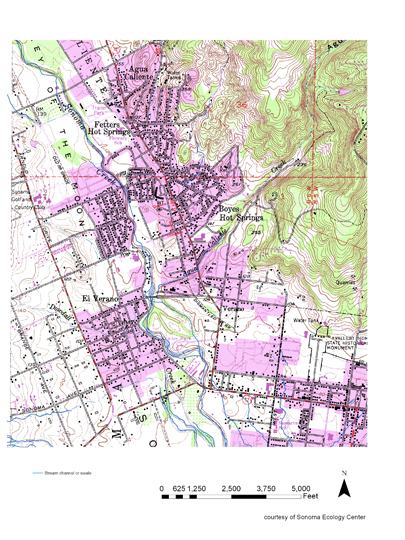
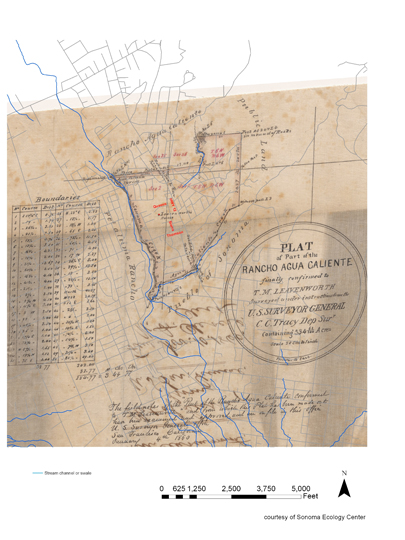
The plat of Leavenworth’s claim was drawn in 1860 by the US Surveyor General in SF. Near the center is a small square with the inscription “Leavenworth’s house.” Also on the plat are the township and range lines of the Public Land Survey System, with their alpha-numeric designations(“T5N R6W”). This system is still in use, allowing the US Geological Survey quadrangle map to be superimposed on Leavenworth’s plat. Ecological historian Arthur Dawson has done just that, writing in the names of the streets as we know them today(Queens, or Queeno street is the un-signed alley that runs along the south side of the Sonoma Mission Inn property.)
Thus we have a pretty good idea of where Leavenworth’s house was: within about 200′ of a point very near the base of the Sonoma Mission Inn water tower.
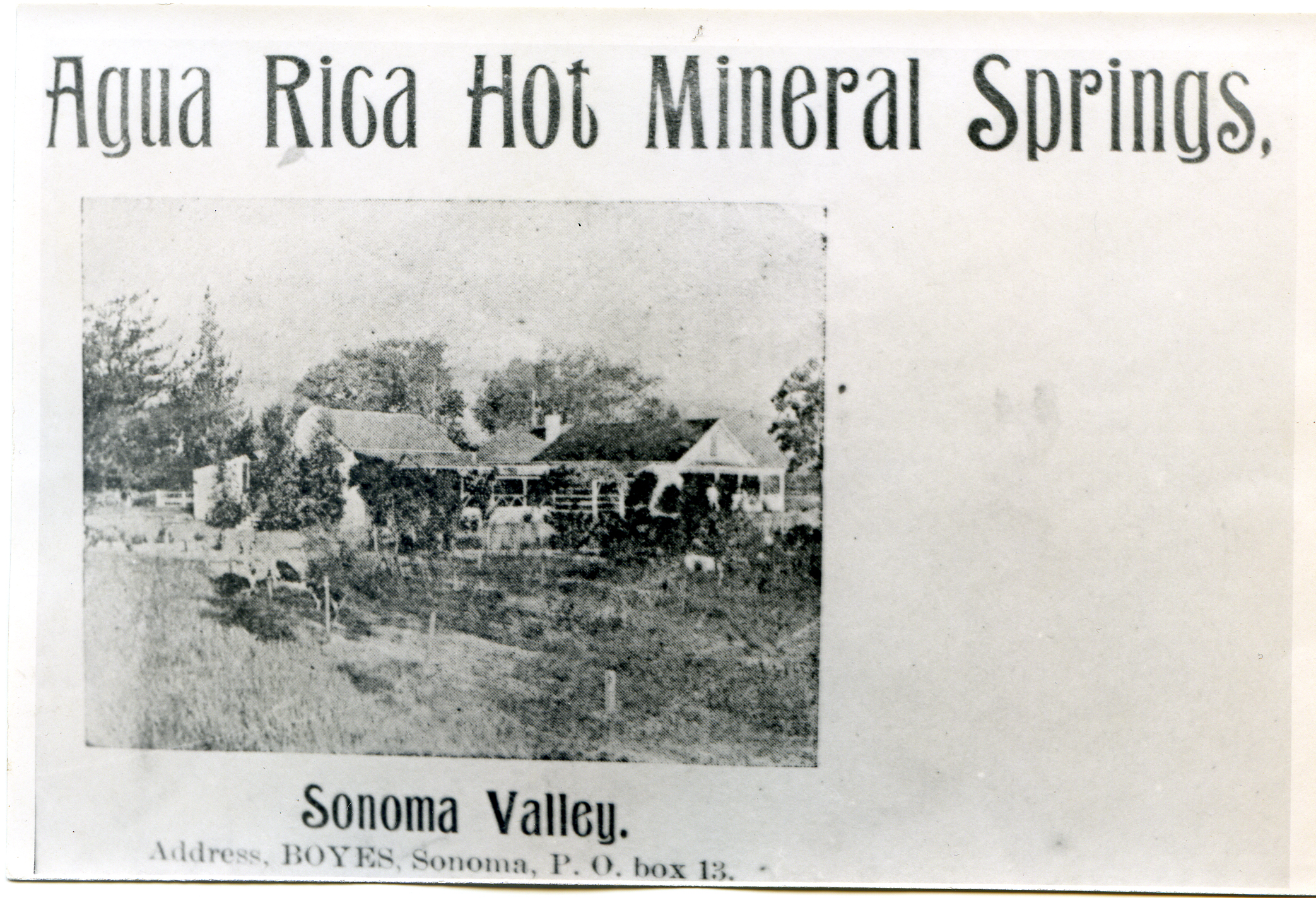
What did Leavenworth’s house look like? In 1884 TLM sold some of his land to Henry Boyes (and that is another long, interesting story) who incorporated Agua Rica Mineral Springs. They issued a post card showing a house. It might reasonably be assumed that the house, along with the land, was bought by Boyes from TLM, so the post card could be showing us Leavenworth’s house.
Thanks to Arthur Dawson and Robert Parmelee for permission to use their work.
 springs museum