
Subscribe to continue reading
Subscribe to get access to the rest of this post and other subscriber-only content.
Subscribe to get access to the rest of this post and other subscriber-only content.
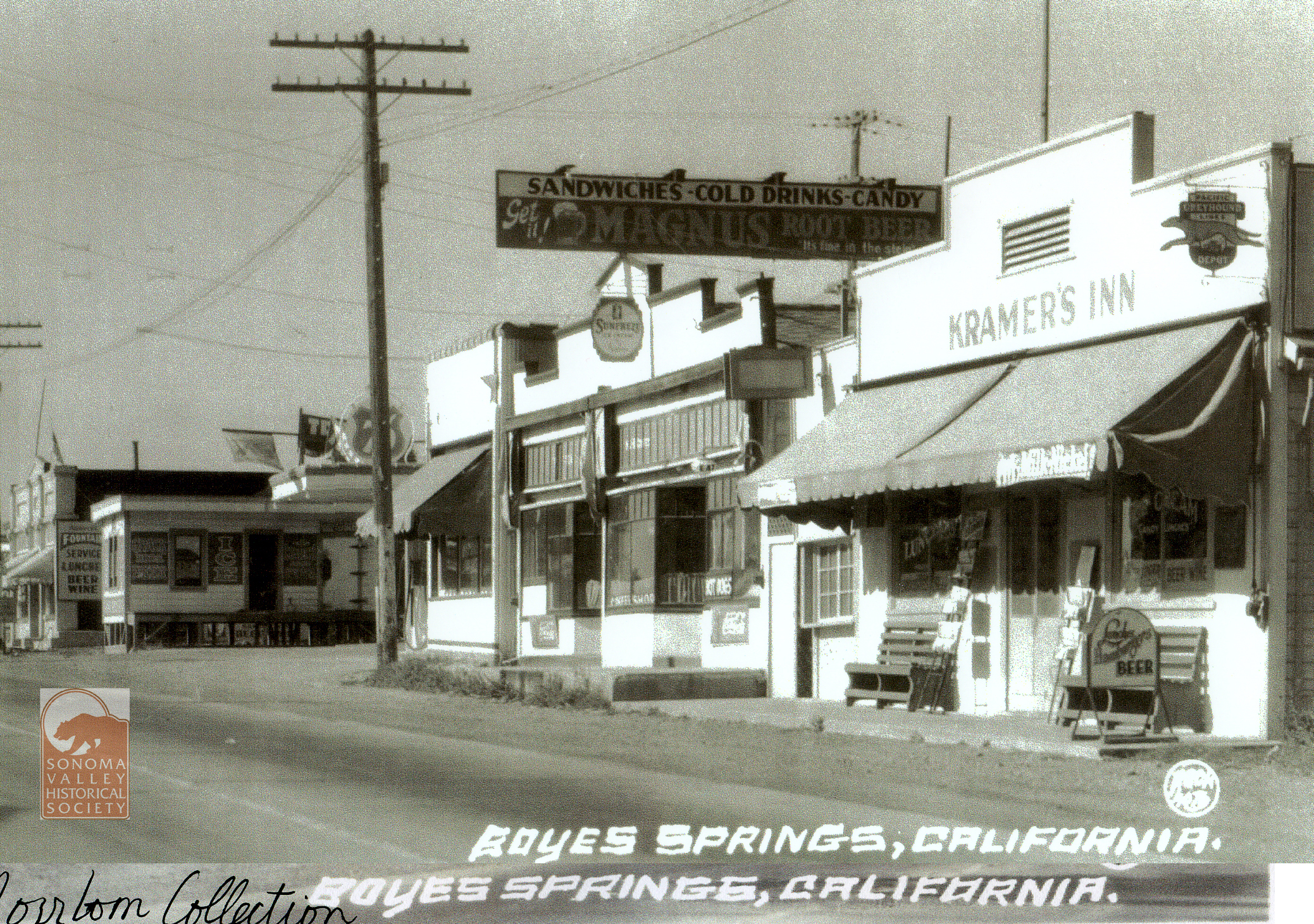
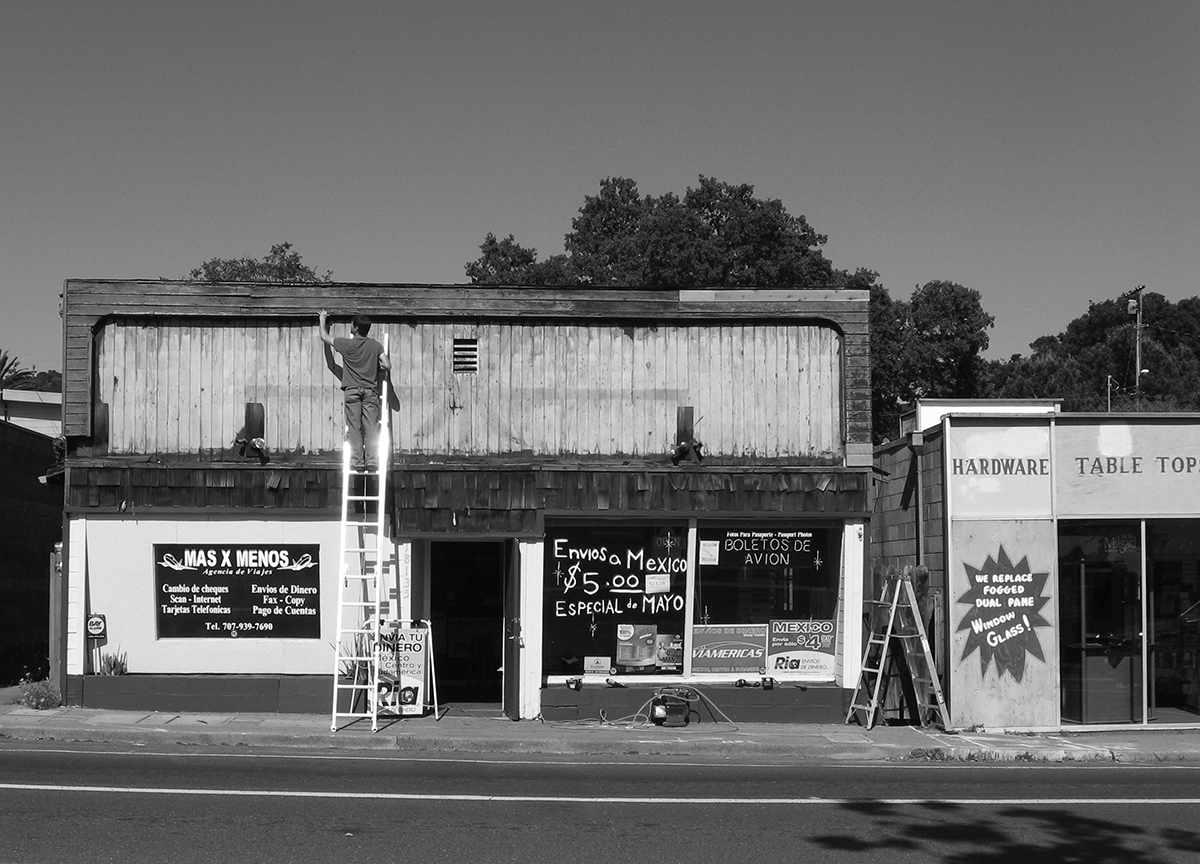
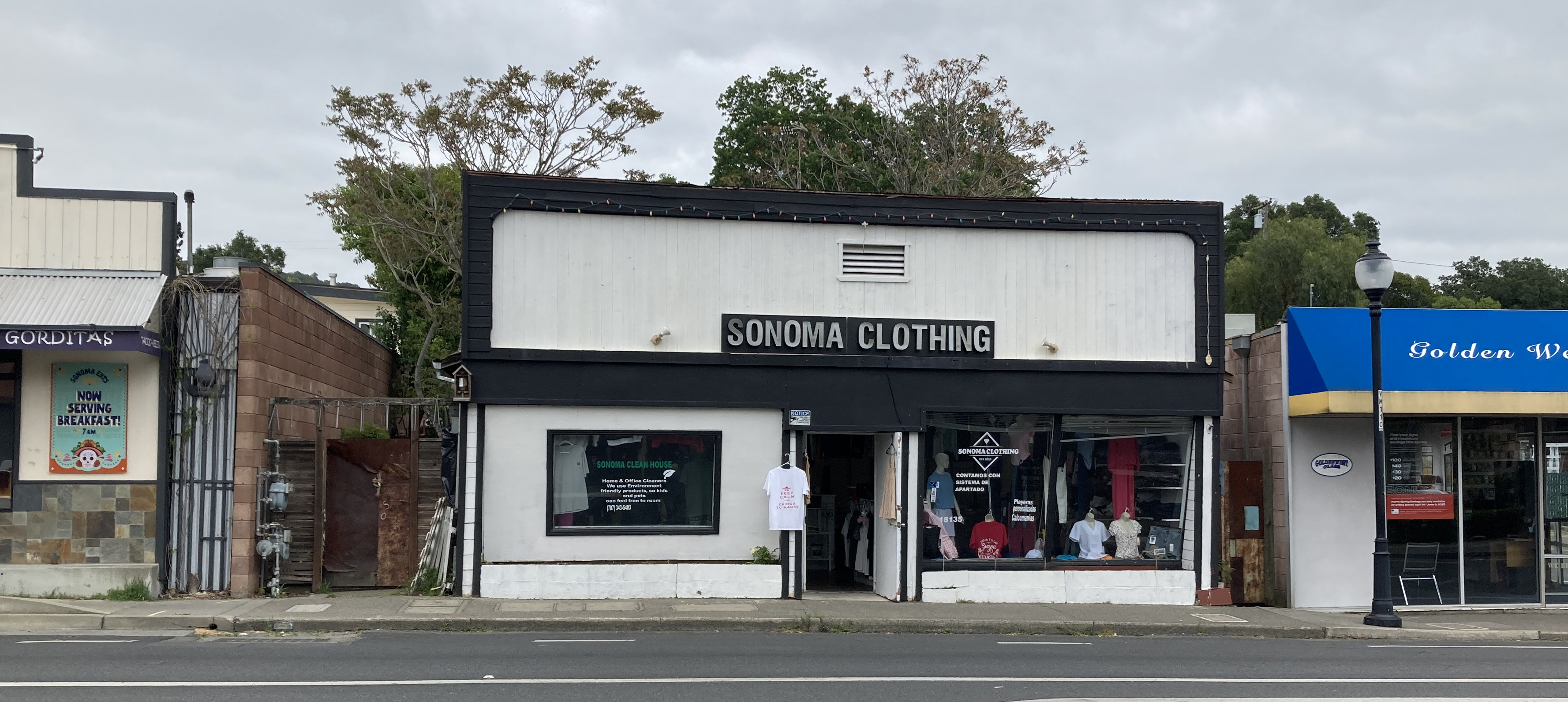
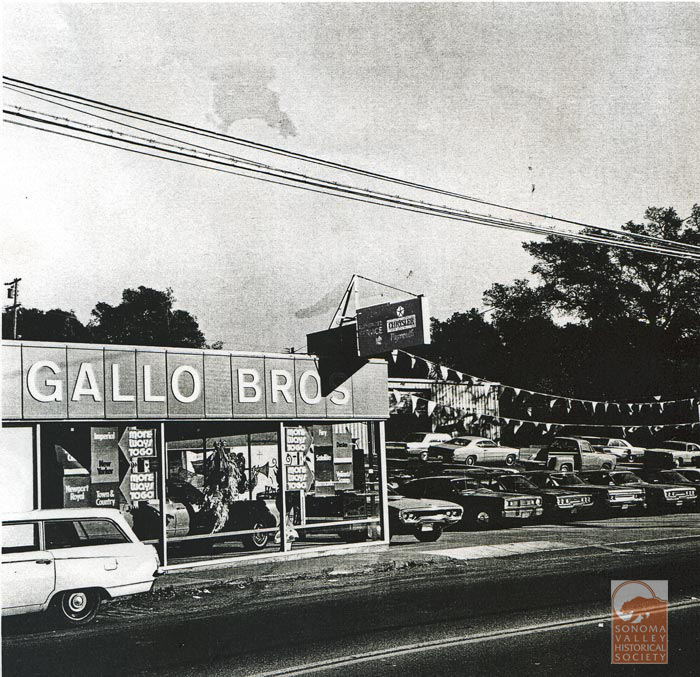
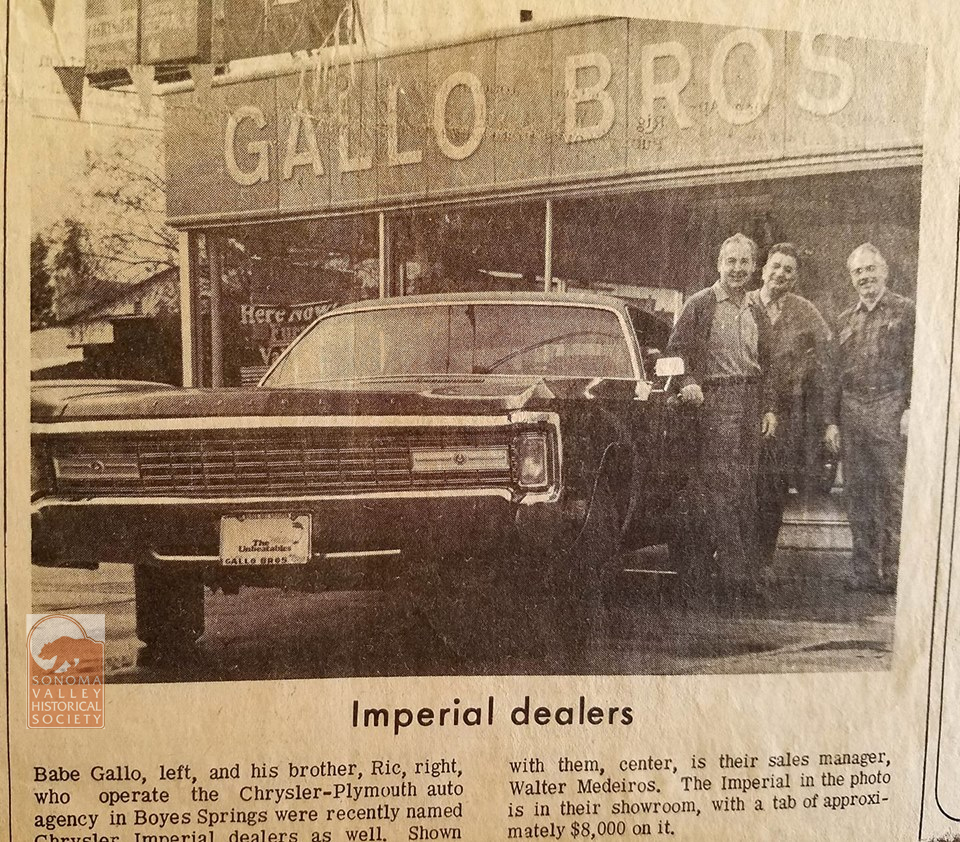
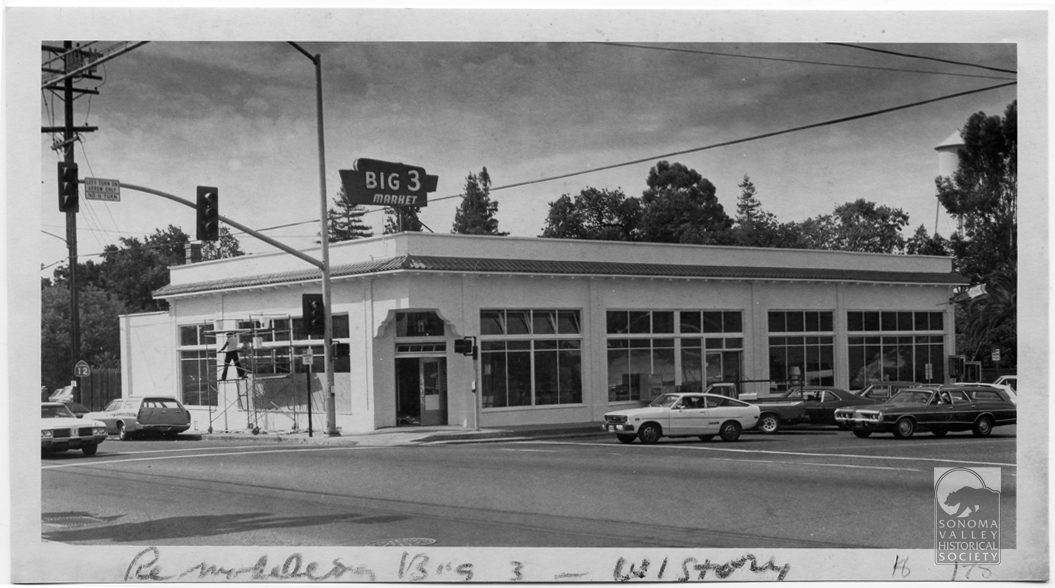
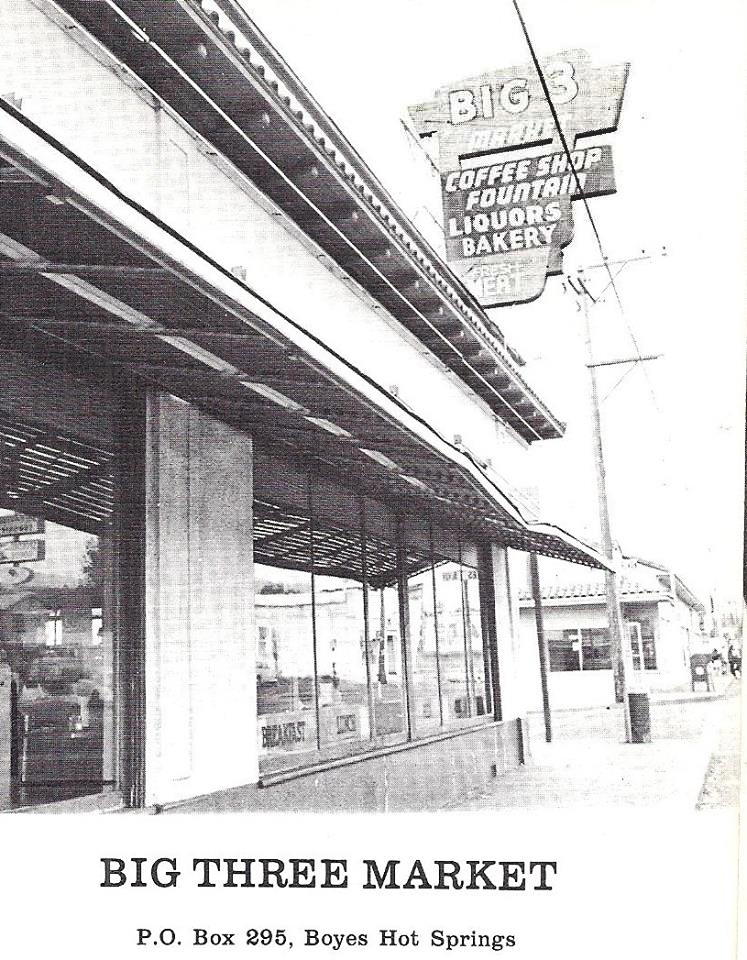
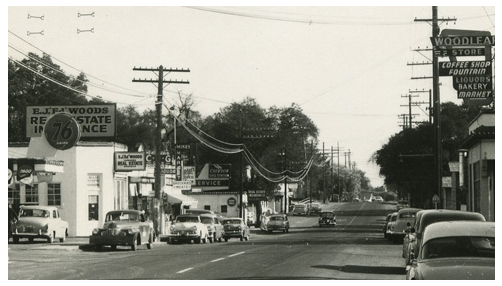
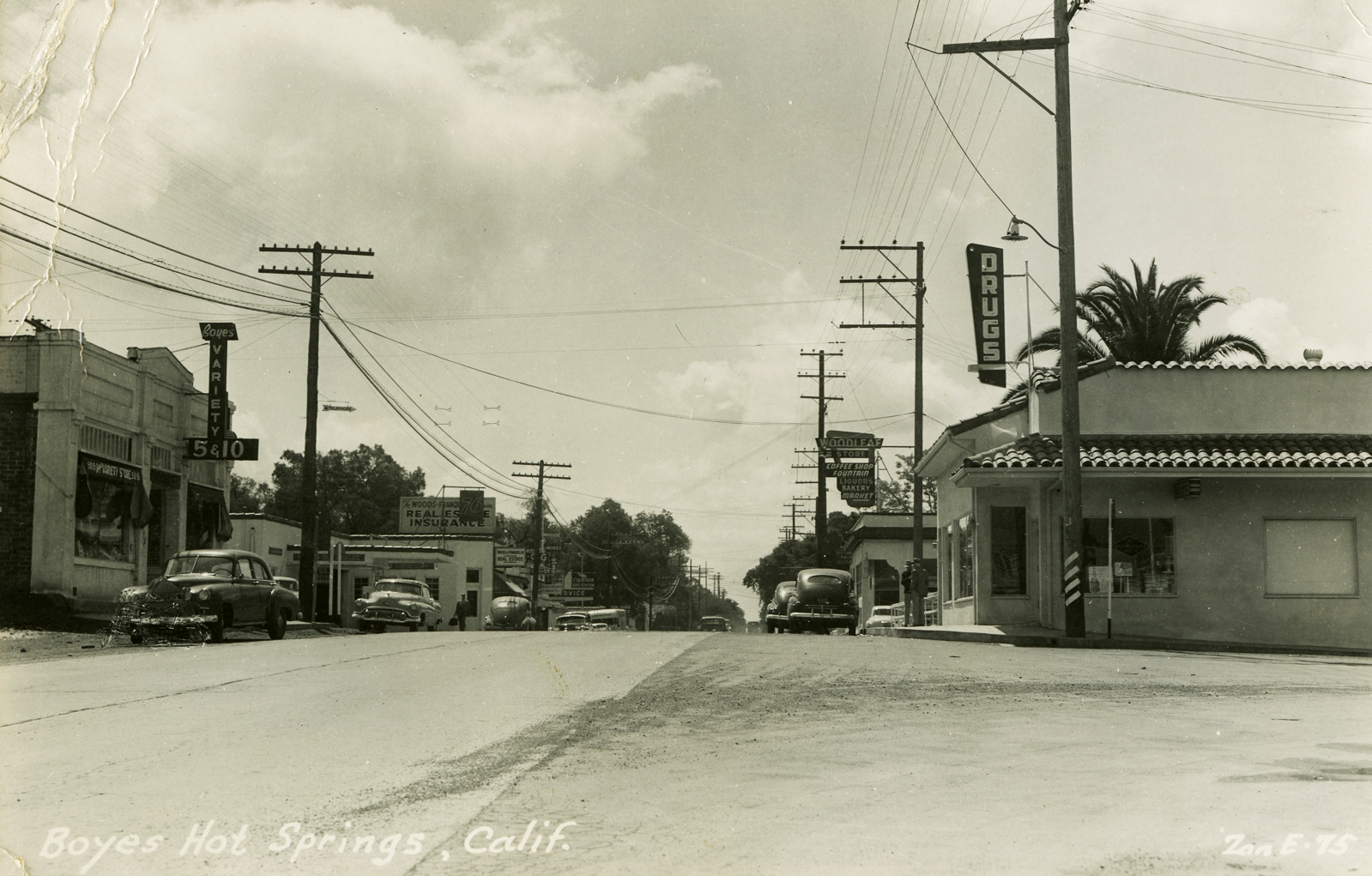
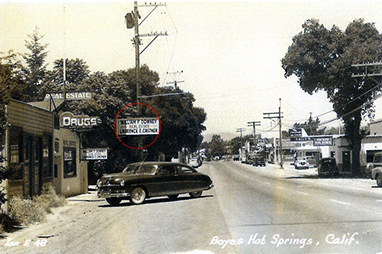
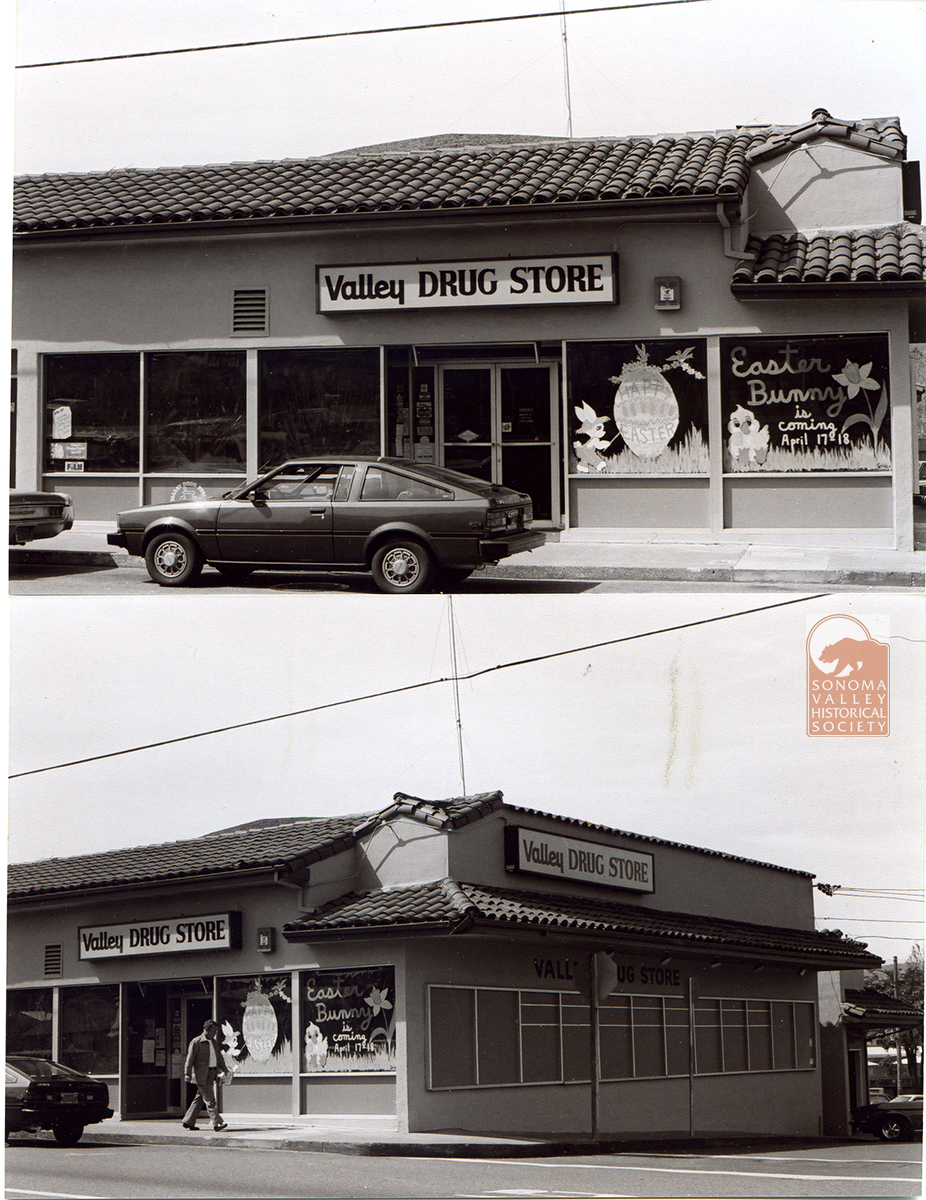
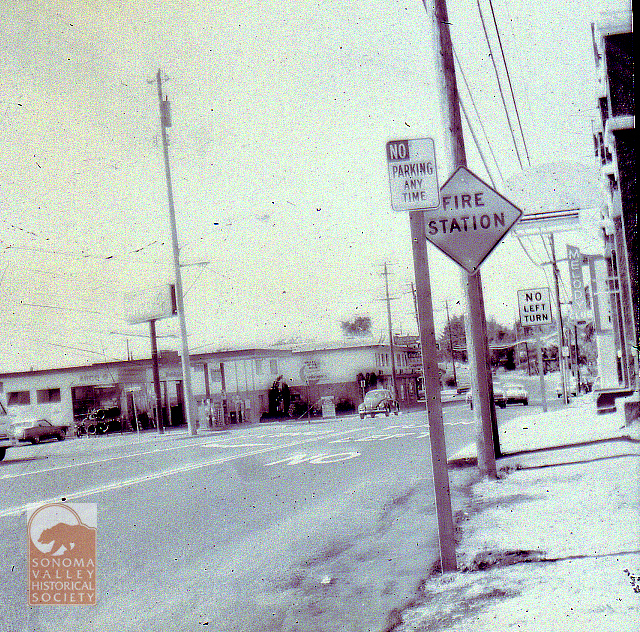
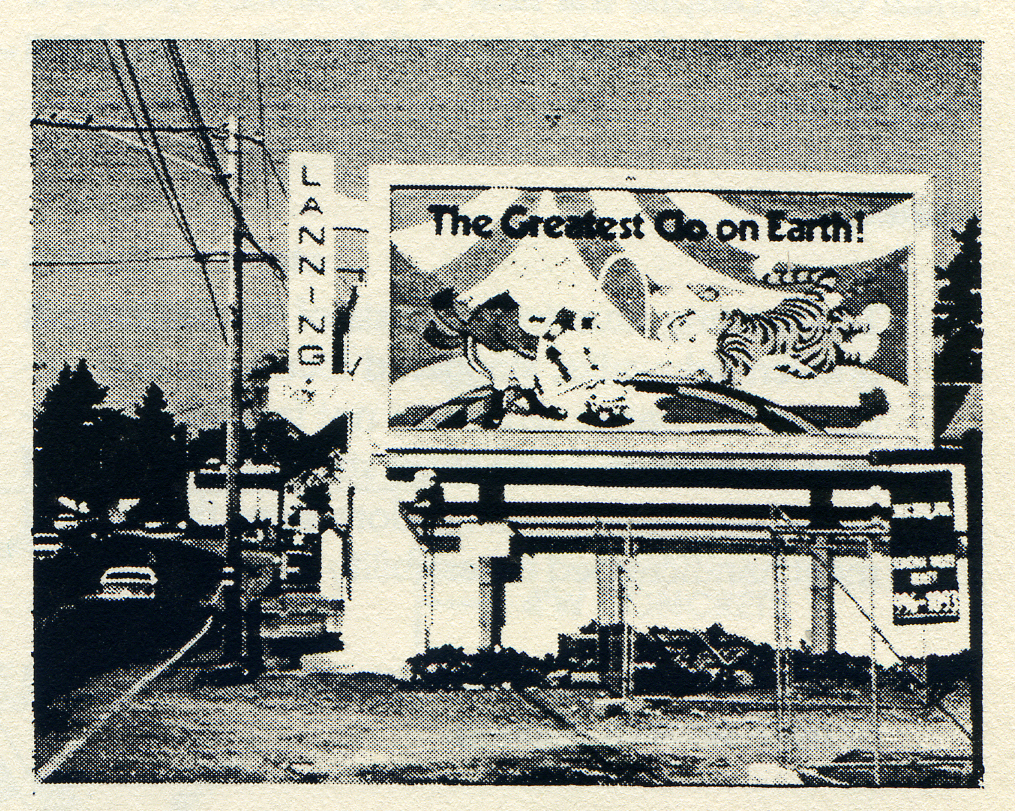
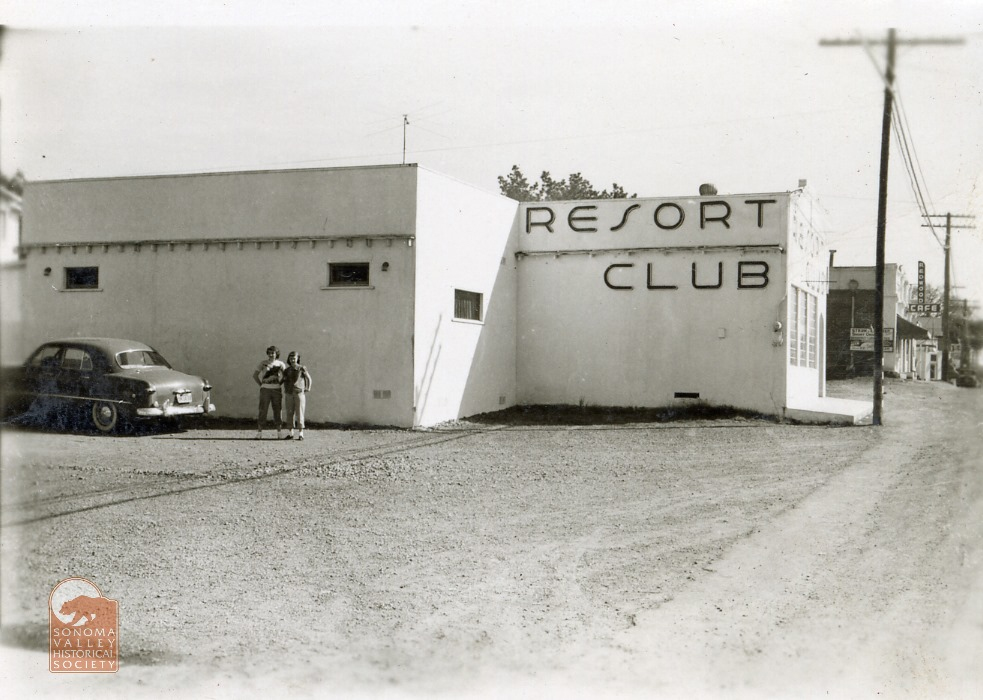
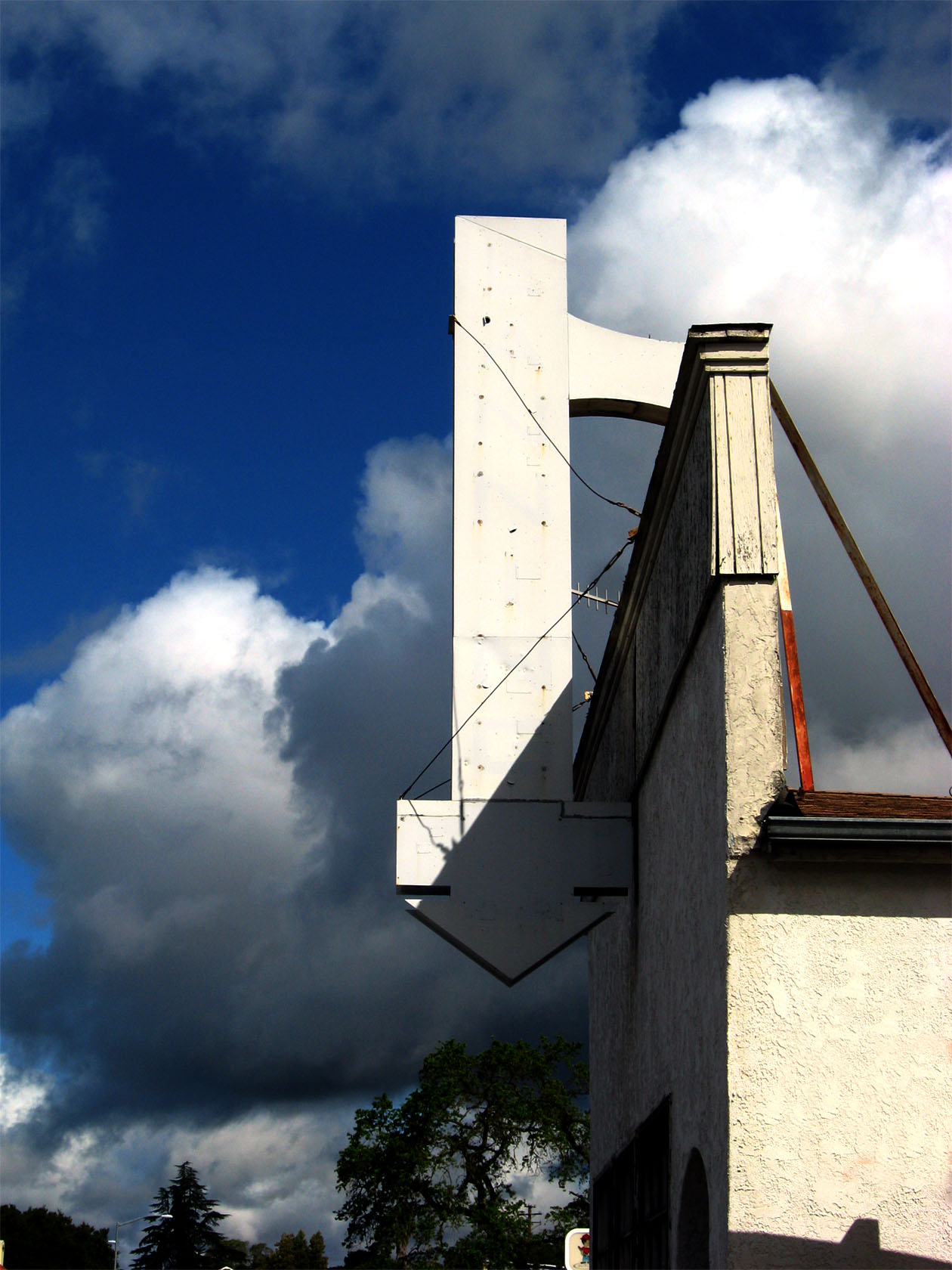
Photographs courtesy of the Sonoma Valley Historical Society, Stanford University Library Special Collections, and the author.

According to the Native California Guide (Dolan H. Eargle, Jr., Trees Company Press, San Francisco, 2000.) the peoples who occupied the land that included what we now know as Boyes Hot Springs could have been of the Coast Miwok, Pomo and Patwin language groups.
Many sources claim that Native peoples used the geothermal water for bathing, ritual, and possibly cooking. It’s logical to assume this, but I know of no archeological evidence, or oral history to support it. (This is an admission of ignorance!) However, the authors of We Are the Land, A History of Native California (Damon B. Akins and William J Bauer Jr., University of California Press, 2021) inform us, “To make acorns palatable, women placed the acorn flour into a shallow pit and poured water over it to leach the bitter tannic acid. The process took less time if the water was hot, making hot springs ideal places to process acorns,” acorns being a staple of the diet for many California Native peoples. (Professor. Bauer is an enrolled member of the Round Valley Indian Tribes.)

The first European to exploit the hot waters for commercial use was Andreas Hoeppner, the music teacher to General Vallejo’s children. In exchange for his lessons, Vallejo gave Hoeppner some acreage that included the hot springs. In 1847 Hoeppner advertised his Annenthal “resort” in the San Francisco Call, assuring the public that “this spring has been inspected by medical gentlemen…” Hoeppner’s enterprise was short lived. Real estate transactions were often shady, and records are sparse or confusing. At any rate, Thaddeus Leaventworth was the next owner of the springs land (which he received from Vallejo). He had come to California with Steveson’s Regiment in 1847 to engage in the war with Mexico. He also made an attempt to commercialize the hot water, again short lived. In 1885 Leaventworth sold the part of his land with the springs to Henry Boyes, a world jaunting ex-Indian Navy captain.

Construction on the Bath House started in the 1890s, under the ownership of Boyes and partners, and continued for decades under subsequent owners. The conglomeration of buildings eventually covered more than twenty thousand square feet, situated along Sonoma Creek at Pine Avenue.


The complex included a garage, livery stables, tents, a movie theater, a dance hall, and a casino. The main pool measured seventy-five by one hundred feet and was fed with geothermal water. At various times athletes from the Oakland Oaks, San Francisco Seals, and Oakland Raiders trained and relaxed at the resort. Generations of Sonoma Valley folks learned to swim there, and people from all over the world enjoyed the waters.


The Bath House burned down in 1969, essentially ending the resort era in Sonoma Valley.

The Bath House is gone, but it was well documented. Here is a slideshow sampling.
Index Tribune and many photographs courtesy of the Sonoma Valley Historical Society.
2024 is the Centennial Year of Sonoma Valley Grange #407
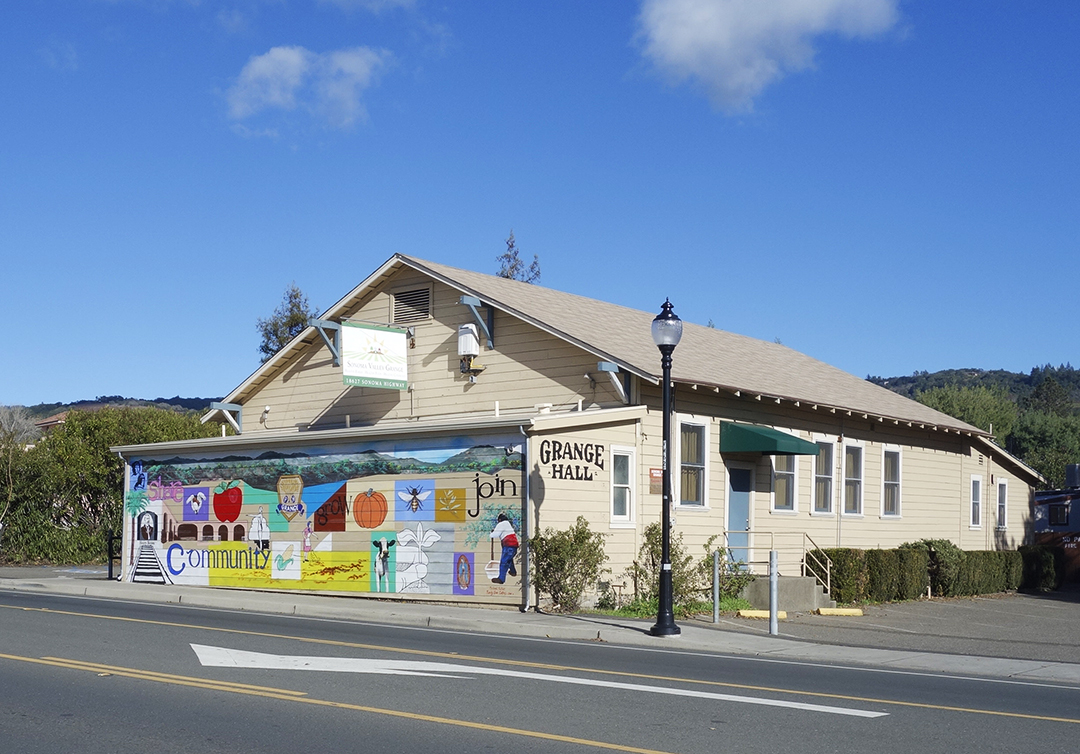
The Grange was founded in Washington D.C. in 1867 to advocate for farmers. America became less rural, and the Grange evolved into a general community service organization.
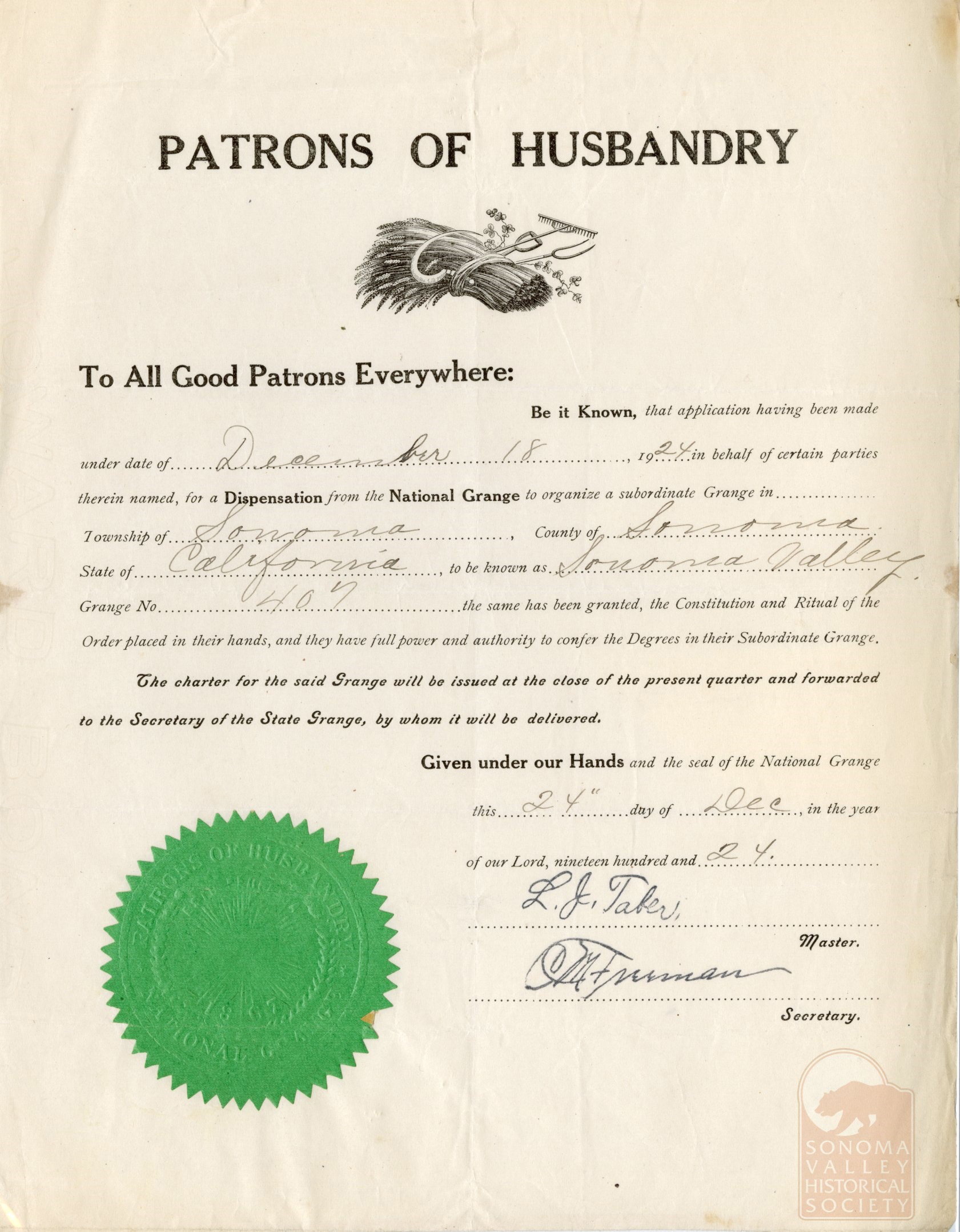
On May 6, 1924, some residents of Sonoma Valley met with the Master of the Sebastopol Grange in the Sonoma High School auditorium to organize a Grange for the Valley. The event was important enough to be reported on the front page of the Index Tribune. The IT devoted several paragraphs to the historic accomplishments of the Grange nation-wide, ending by pointing out “one of its grandest achievements is the establishment of rural mail delivery and parcel post in all sections of the country…to publicly proclaim that if it was right for the government to carry mail to the homes of people in the cities, it would be right for it to carry mail the homes of people in the country…” It’s important to notice that things we take for granted had to be advocated for in the past. This kind of advocacy is at the heart of the purpose of the Grange.
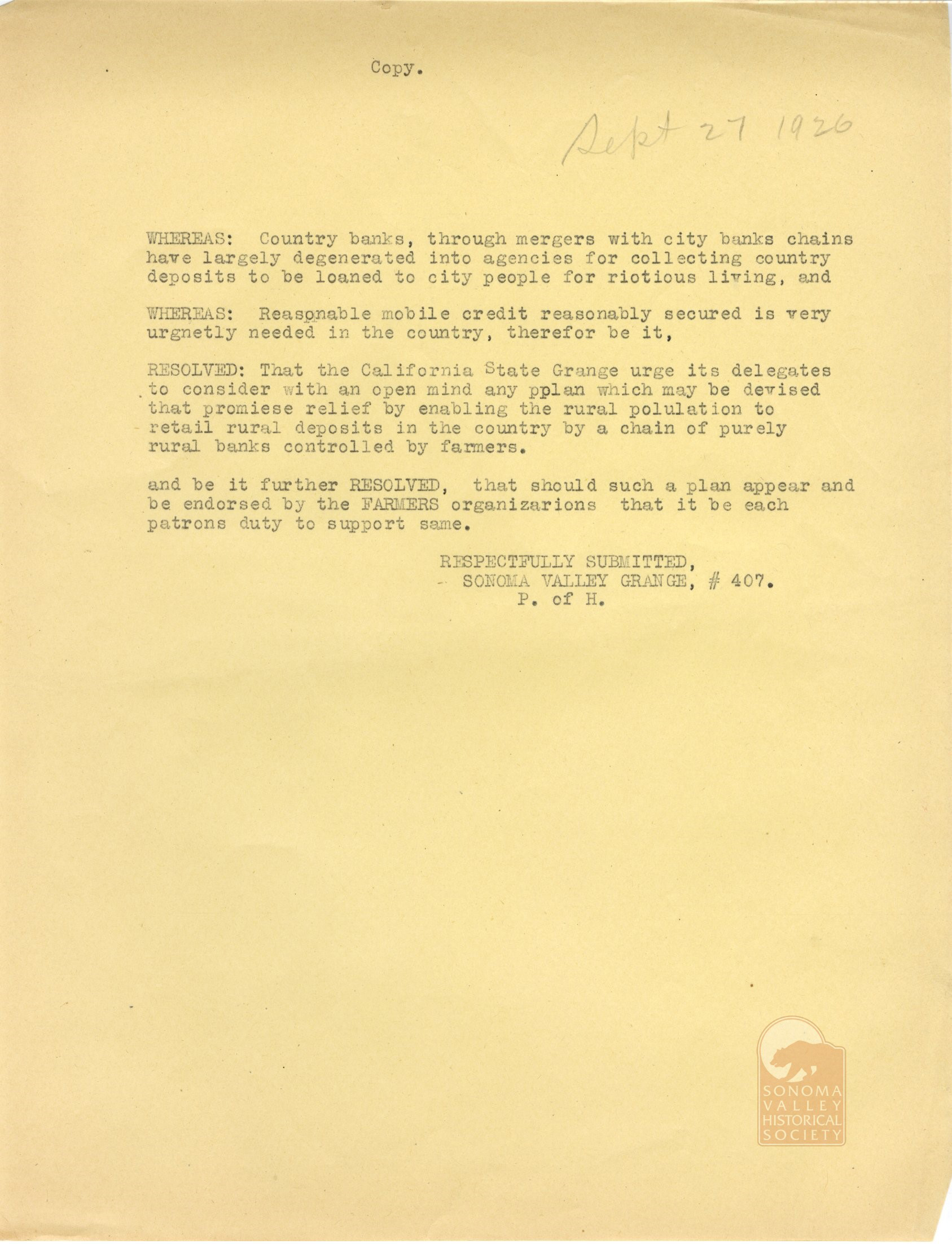
One of the main functions of the Grange is to lobby elected representatives on issues relevant to farmers (and community wellbeing in general.) This is done by issuing resolutions. In 1926, Grange #407 resolved, “Whereas: Country banks, through mergers with city banks chains have largely degenerated into agencies for the collecting country deposits to be loaned to city people for riotous living(!) Resolved: ” that “ the California State Grange urge its delegates to consider with an open mind any plan…” to create, “a chain of purely rural banks controlled by farmers.” This shows how radical the Grange was in those days.
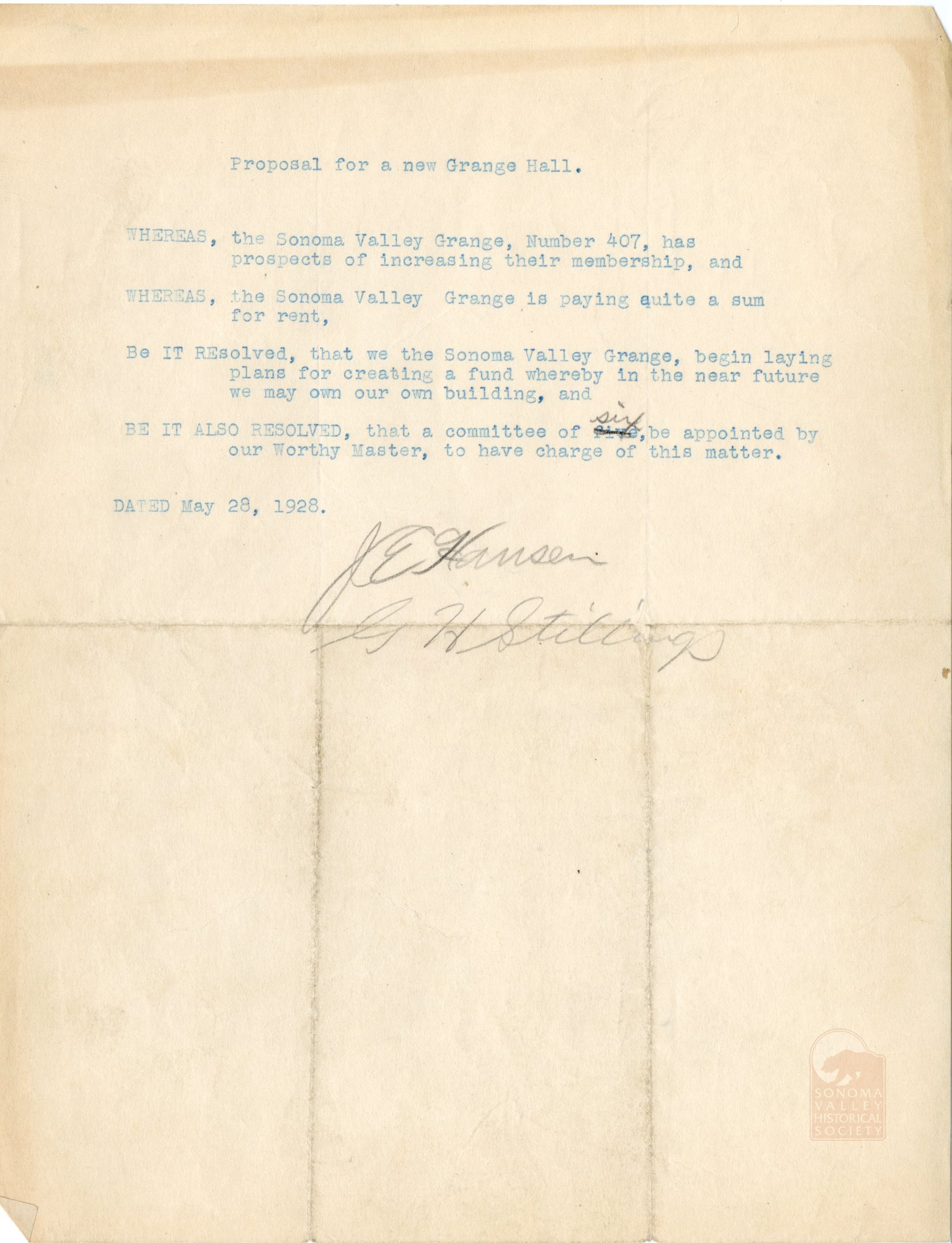
By 1928 the membership put forth a “Proposal for a new Grange Hall,” stating, in part, “Whereas, the Sonoma Valley Grange, Number 407, has prospects of increasing their membership, and, Whereas, the Sonoma Valley Grange is paying quite a sum of rent, Be it Resolved, that we the Sonoma Valley Grange, begin laying plans for creating a fund whereby in the near future we may own our own building….”
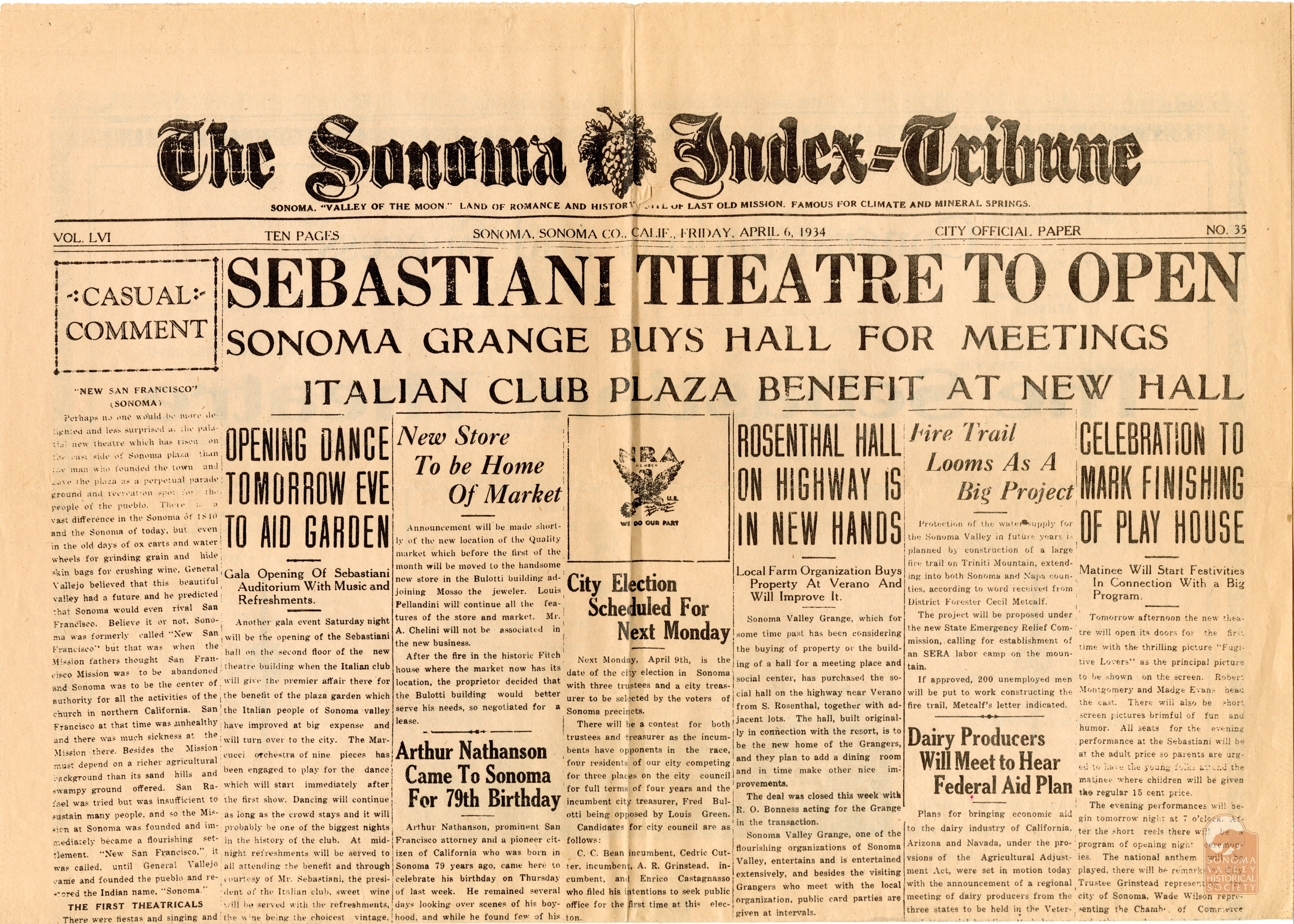
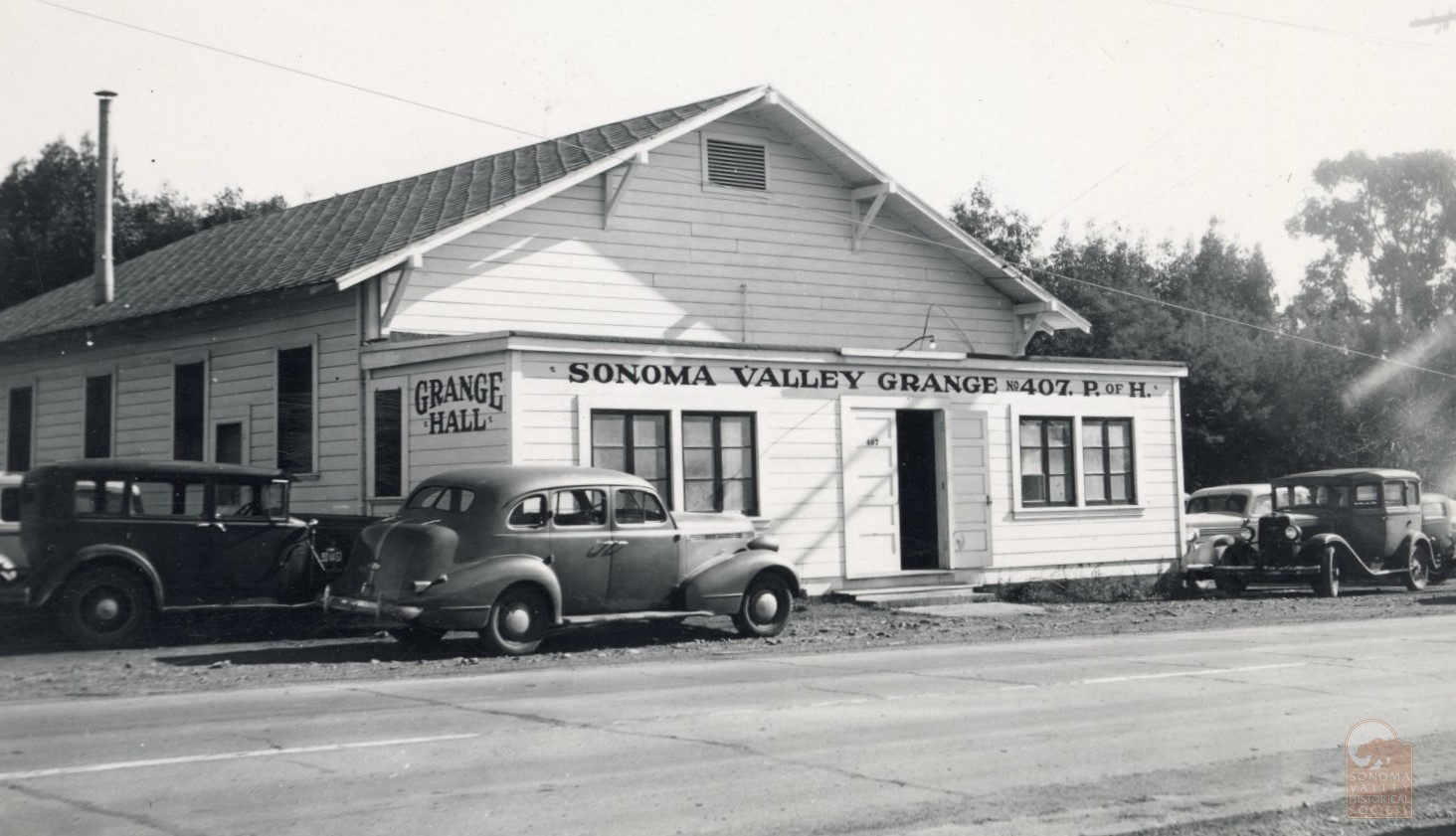
It took a while. It wasn’t until 1934 that the Grange was able to buy the building on Sonoma Highway from Selig Rosenthal. The IT reported on the front page, on April 6, 1934, that Grange #407 had “purchased the social hall on the highway near Verano from S. Rosenthal…The hall, built originally in connection with the resort (Rosenthal’s), is to be the new home of the Grangers, and they plan to add a dining room and in time make other nice improvements” which they proceeded to do during the next few years.
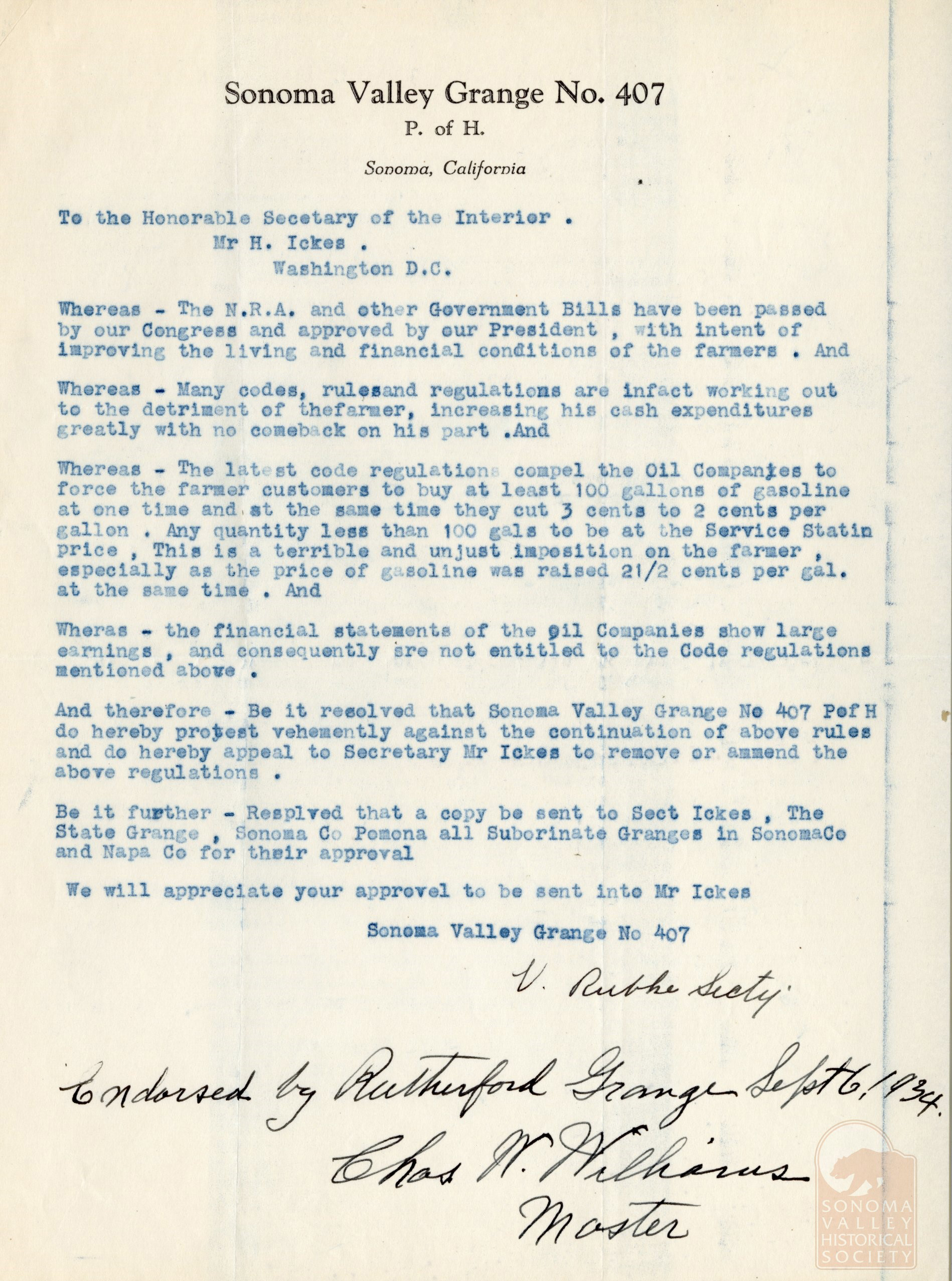
1934 was the middle of the Great Depression. In that year Grange #407 wrote a letter to the Secretary of the Interior, Harold Ickes, protesting a National Recovery Administration regulation requiring farmers to buy a minimum of one hundred gallons of gasoline to receive a lower price. “The financial statements of the oil companies show large earnings,” they stated, and they resolved that they “they protest(ed) vehemently” against the regulations.
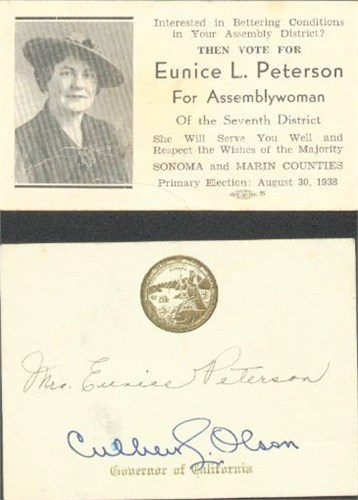
Beginning with its founding in 1867, women were prominent in Grange leadership, serving as presidents (masters), secretaries, and treasurers. Eunice Peterson , a charter member and past master (president) of the Sonoma Valley Grange, was the first woman to serve on the Sonoma-Marin Fair board in 1940 and 1941 and ran for state assembly in 1938.
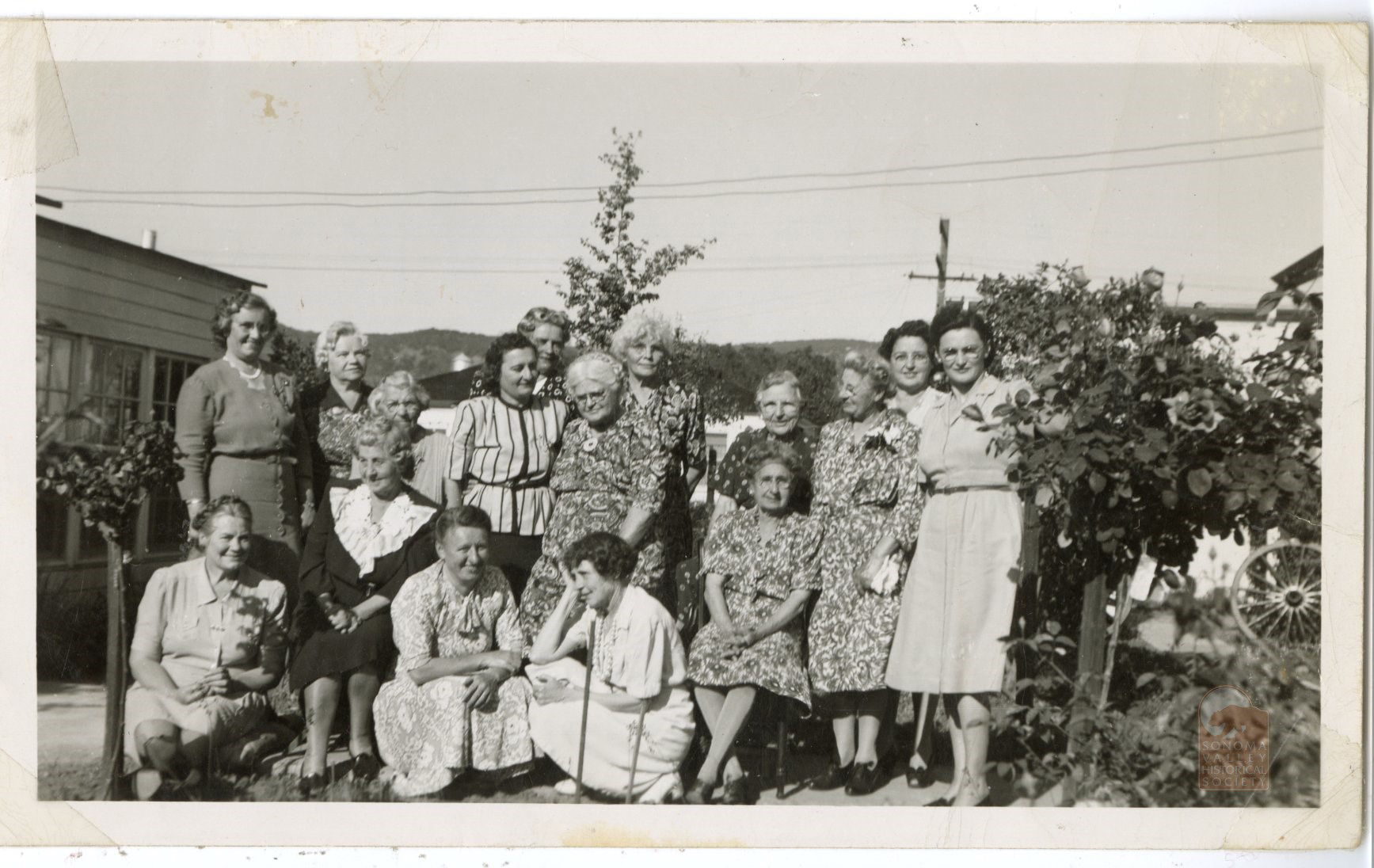
During the 1940s Grange 407 remained active, and progressive, in political matters. In that year, at a Six County conference held at the Rutherford Grange Hall, the members resolved,
“Whereas: the present war hysteria has encouraged reactionary groups to violate the civil rights of religious and political minorities. And Whereas: unlawful action of this sort was the first step toward the complete loss of freedom in the countries now ruled by dictators. Therefore, Be It Resolved: that the Grange members here assembled, go on record as strongly opposed to these extra-legal practices, and we demand that our law enforcement officers give to theses minorities the full protection guaranteed to them under the Bill of Rights in Constitution of the United State of America.”
This sounds eerily relevant today.
Appropriate to the Grange radical tradition, in 1952 the California State Employees Union Local 14 met at the Hall. Executive Secretary Richard L. Rumage “lashed out at the use of what he termed “labor spies” in state hospitals…” but the Grange was always also about family and tradition. In May of 1950 the Home Economics Club of the Grange held, at its monthly luncheon, a special Mother’s Day program honoring the oldest mothers present, Mrs. Susy Musanti, 84, and Mrs. Aline Lourdeaux, 85.
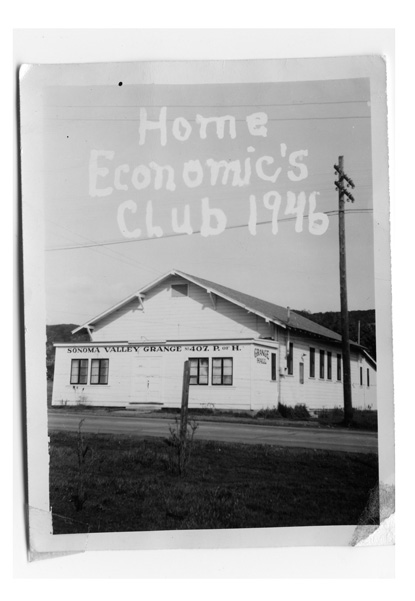
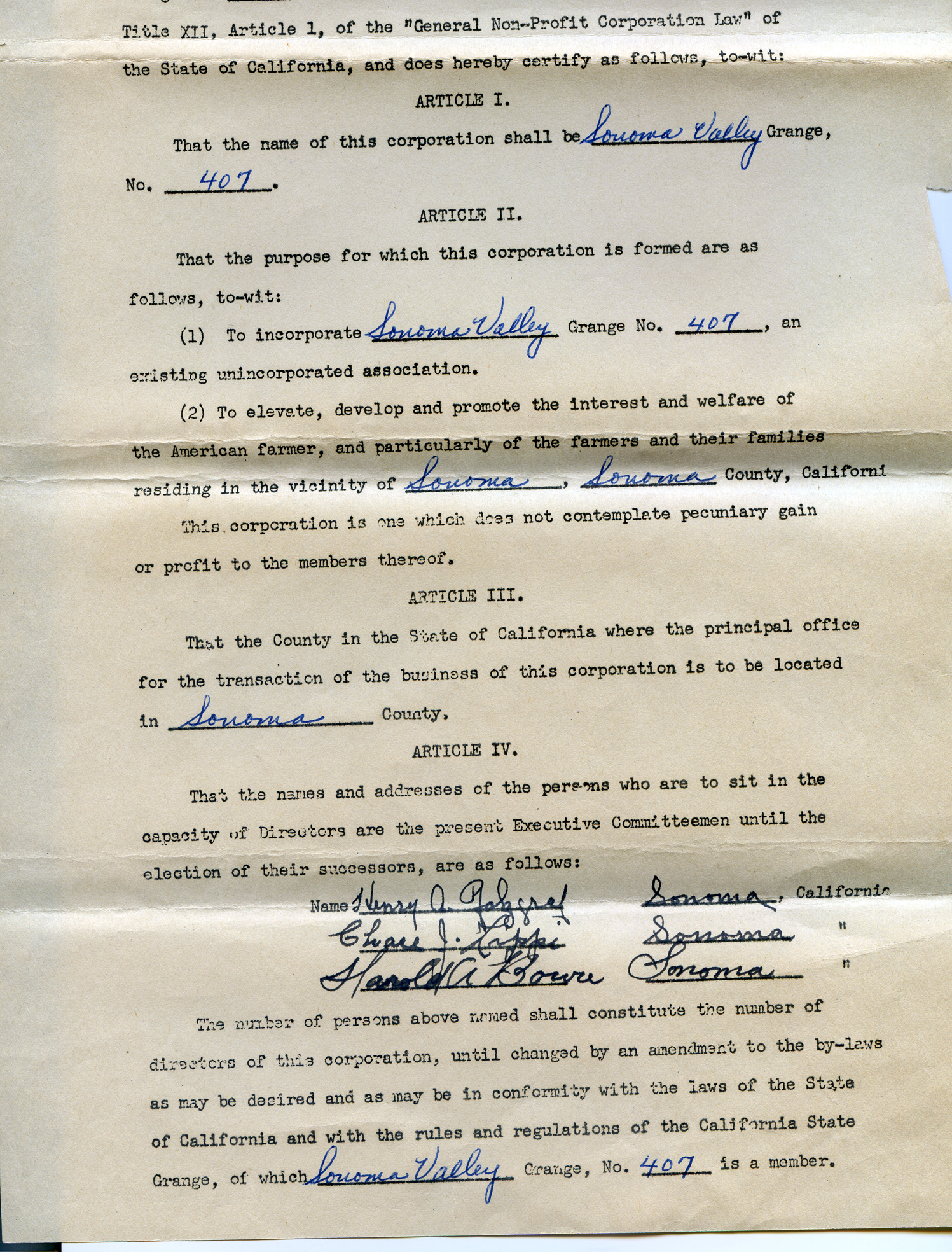
In 1948 Grange #407 incorporated as a “general nonprofit corporation.”
In 1975 Grange #407 celebrated its 50th anniversary at the hall. “Arnold Griewe was master of ceremonies for the evening. Singing and gymnastics (!) by Lisa Lanning and Julie Griewe were performed for the 120 in attendance,” the Index Tribune tells us. Past masters Florence Sullivan, Ernie Semino, John Spraks Myrtle Bowie and Clarence Jenkins were honored.
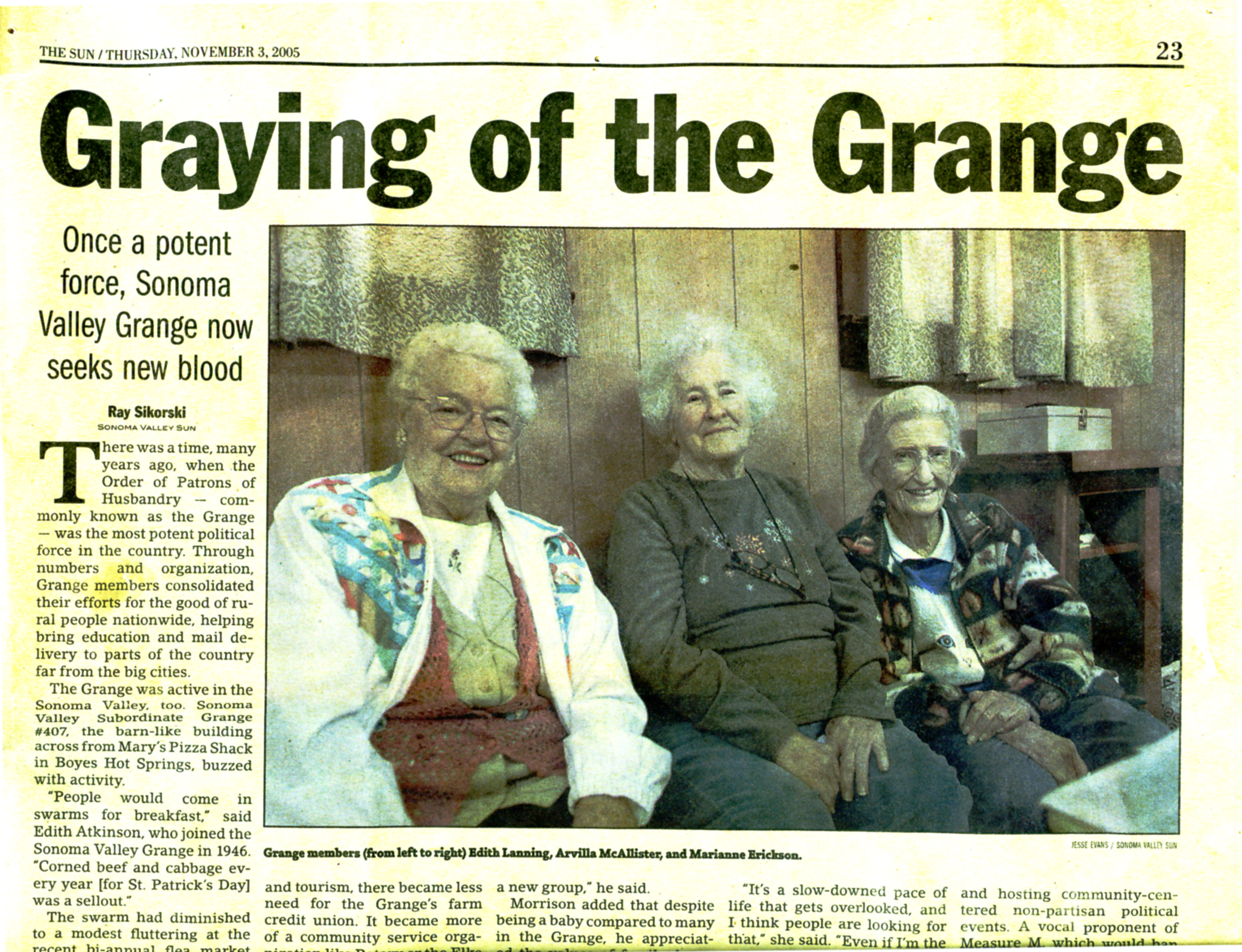
The organization prospered into the 1980s, putting on pancake breakfasts, flea markets, and serving as a polling place, among many other events and functions. However, like Granges all over the country, the membership began to dwindle and age. In 2005 the Index Tribune published an article under the headline, “The Graying of the Grange,” interviewing older members Edith Lanning, Arvilla MacAllister, and Marianne Erickson. Just a few years later,some younger folks, with interests in wine and food and community building, joined and revitalized the organization, much to the delight of the old timers.
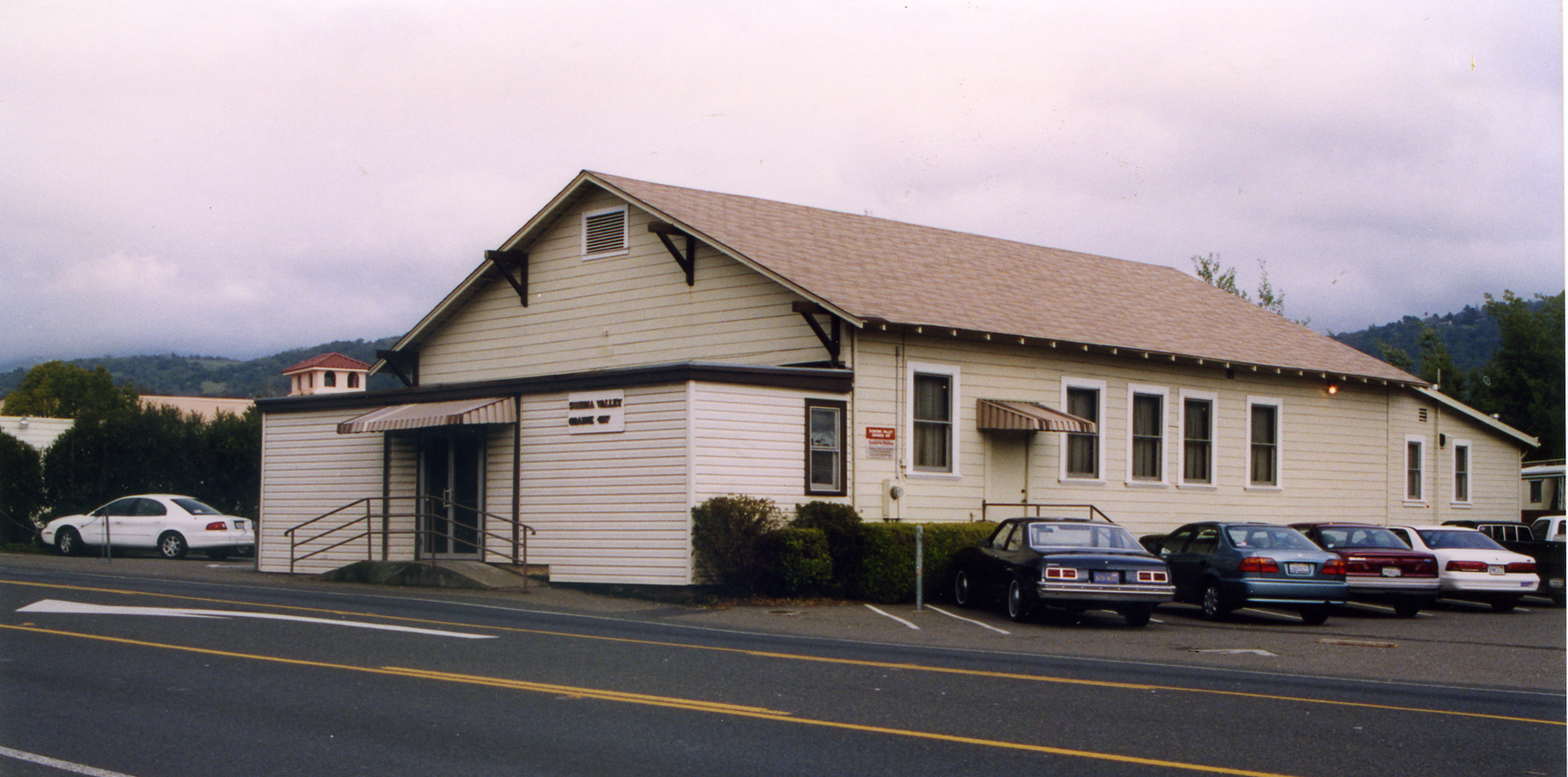
A major building project, partially funded by generous donors and the local Rotary Club, produced new ADA compliant restrooms, and a new commercial kitchen, vastly improving the usefulness of the Hall. The hall continued to be a popular rental venue, especially for the Hispanic community, as it hosted many a quinceañera and baby shower.

Fun at the Grange!
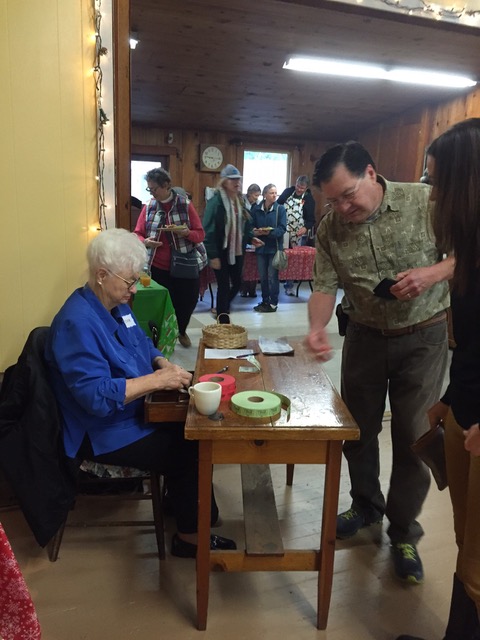
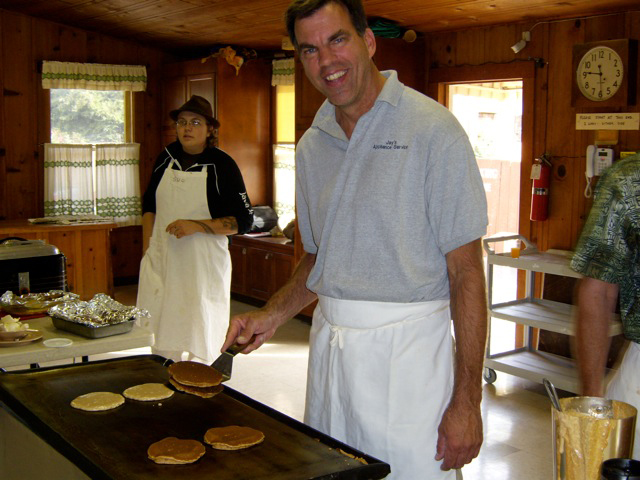
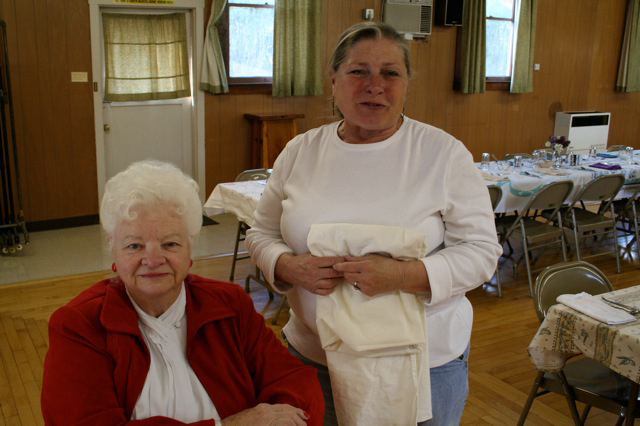
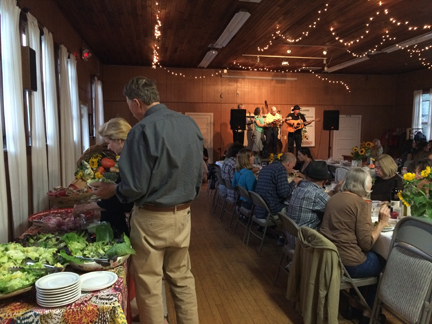
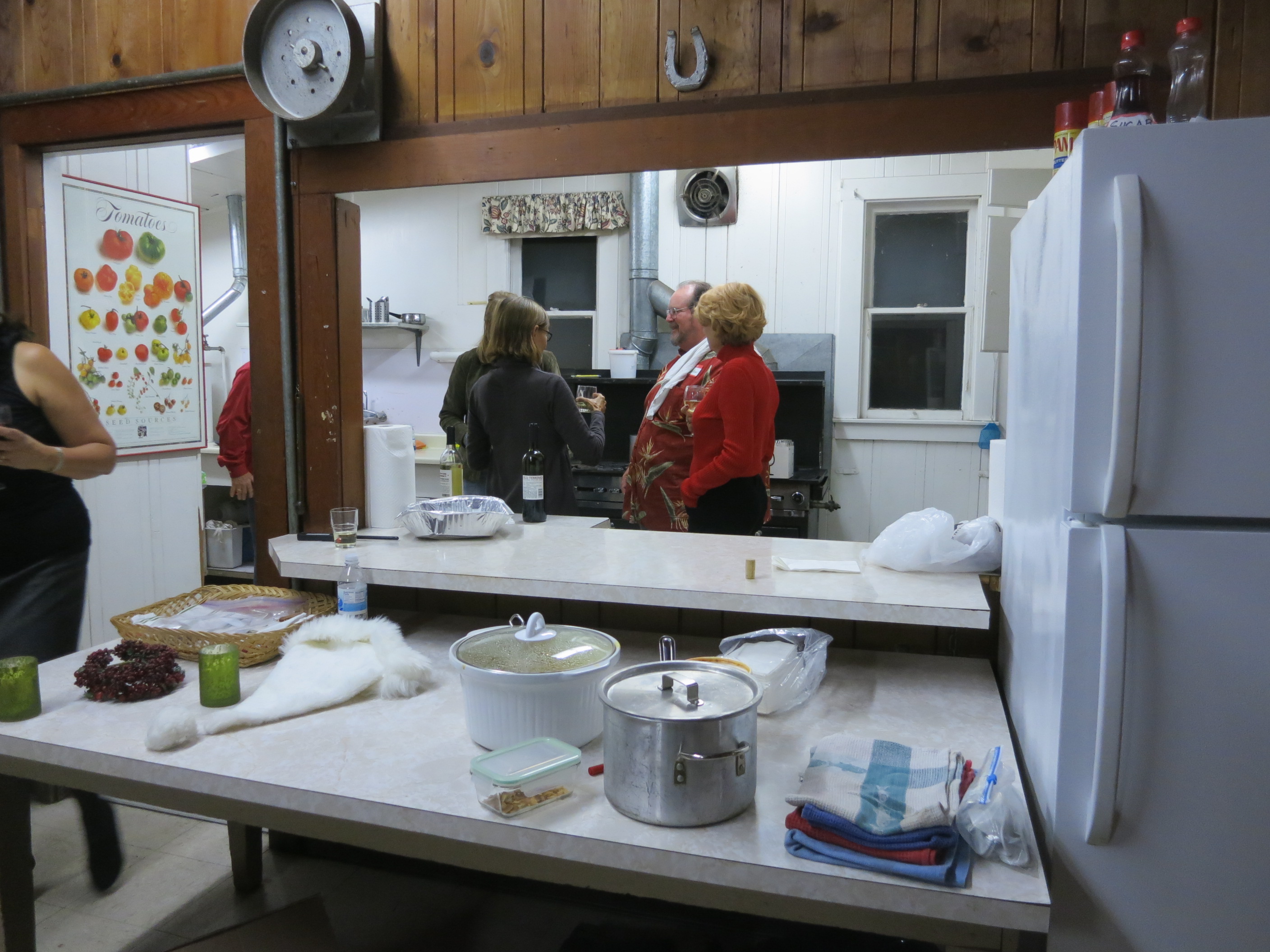
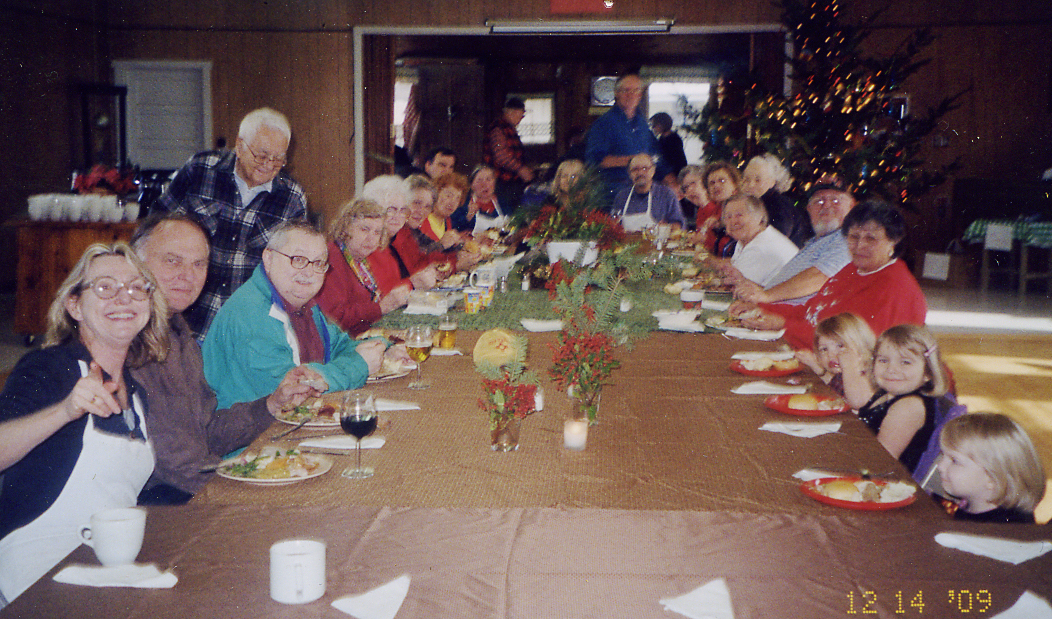
Your humble correspondent has been a member since 2008, and served a president for a number of years. He also designed the mural (seen in the very first photo), which was painted in 2010 by Randy Sue Johnson, with funds provided by a County Redevelopment Façade Improvement grant.
Some other things needed updating:

Index Tribune, documents and photos courtesy of the Sonoma Valley Historical Society. Other photos by author.
Along with Marion Greene, Emma Fetters, and Mary Fazio, Pine Wagner was one of the important 20th century entrepreneurs in The Springs who happened to be women. Although the California Board of Pharmacy does not keep old records (shamefully!) Pine Wagner must have been one of the first women to be licensed as a pharmacist in the state.
She graduated from the University of Creighton school of pharmacy, in Omaha, Nebraska in 1917, eventually making her way to Bakersfield, then Sonoma Valley around 1944.
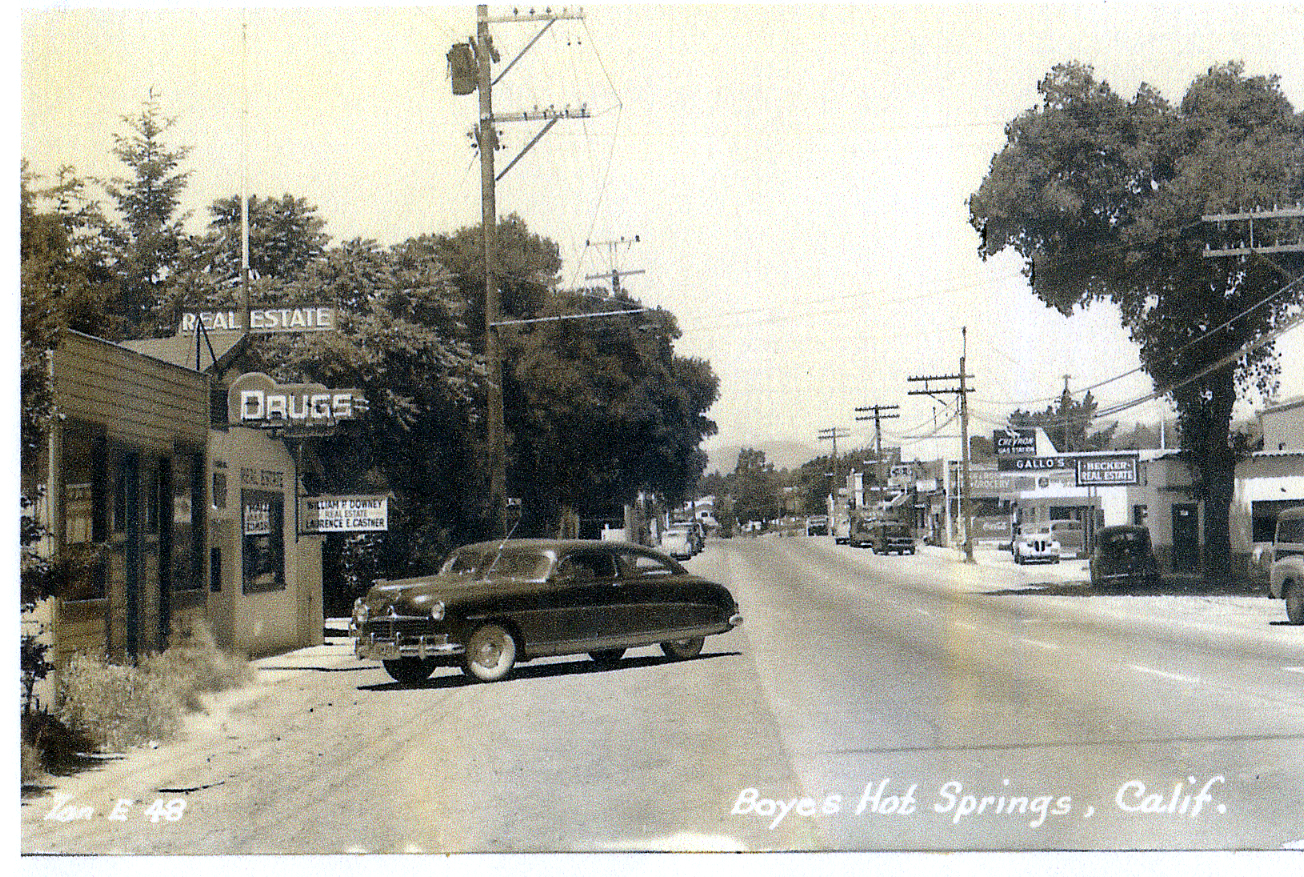
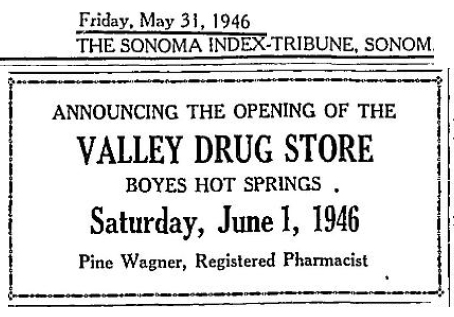
She established Valley Drug in 1946, originally in a building on the highway owned by L.E. “Bud” Castner. Castner, once a chicken farmer, had opted to join the less fragrant and more profitable insurance business of a Mr. Mouyer, in the 1940s. After acquiring the building from Mouyer, according to an article in the Index Tribune in 1977, “Some of the space in the building Castner leased out. In this way he brought the first doctor, the first dentist and the first drugstore to Boyes Springs. They were Dr. Michael Mikita, the medico, Dr. Holly Christensen and Miss Pine Wagner.” Judge William Downey also held court in the building.
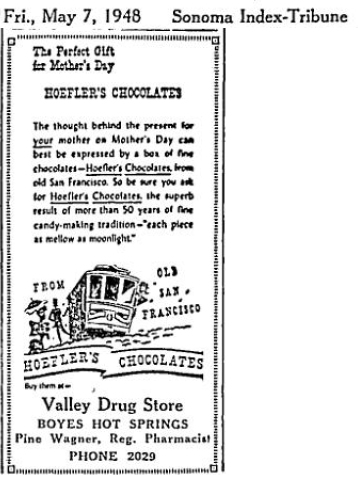
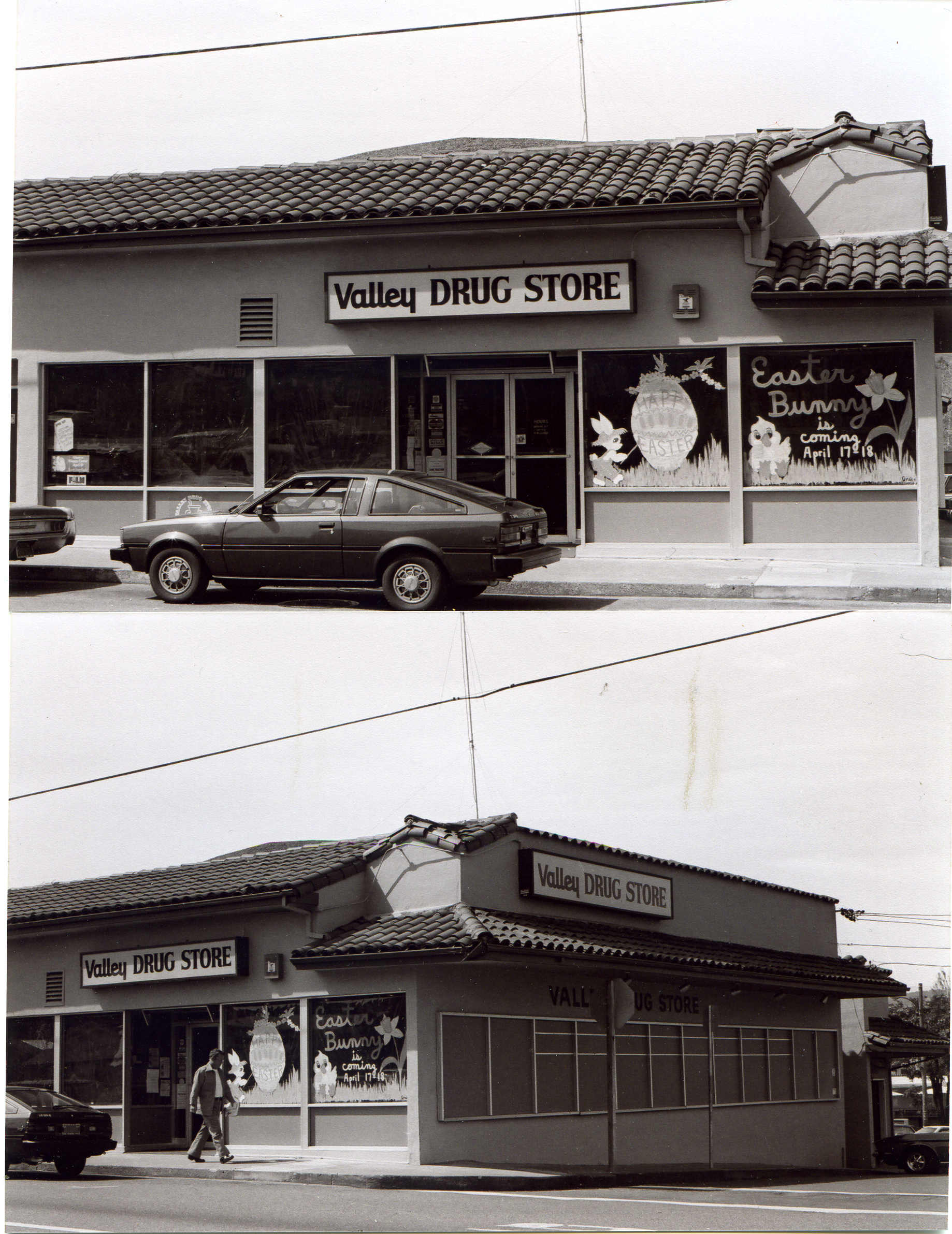
In 1951, Wagner moved her pharmacy to the new Plaza Center building, which had just been enlarged. It was built on the site of the old Boyes Springs Plaza and railroad depot. It now houses the Boyes Hot Springs post office. (Below)
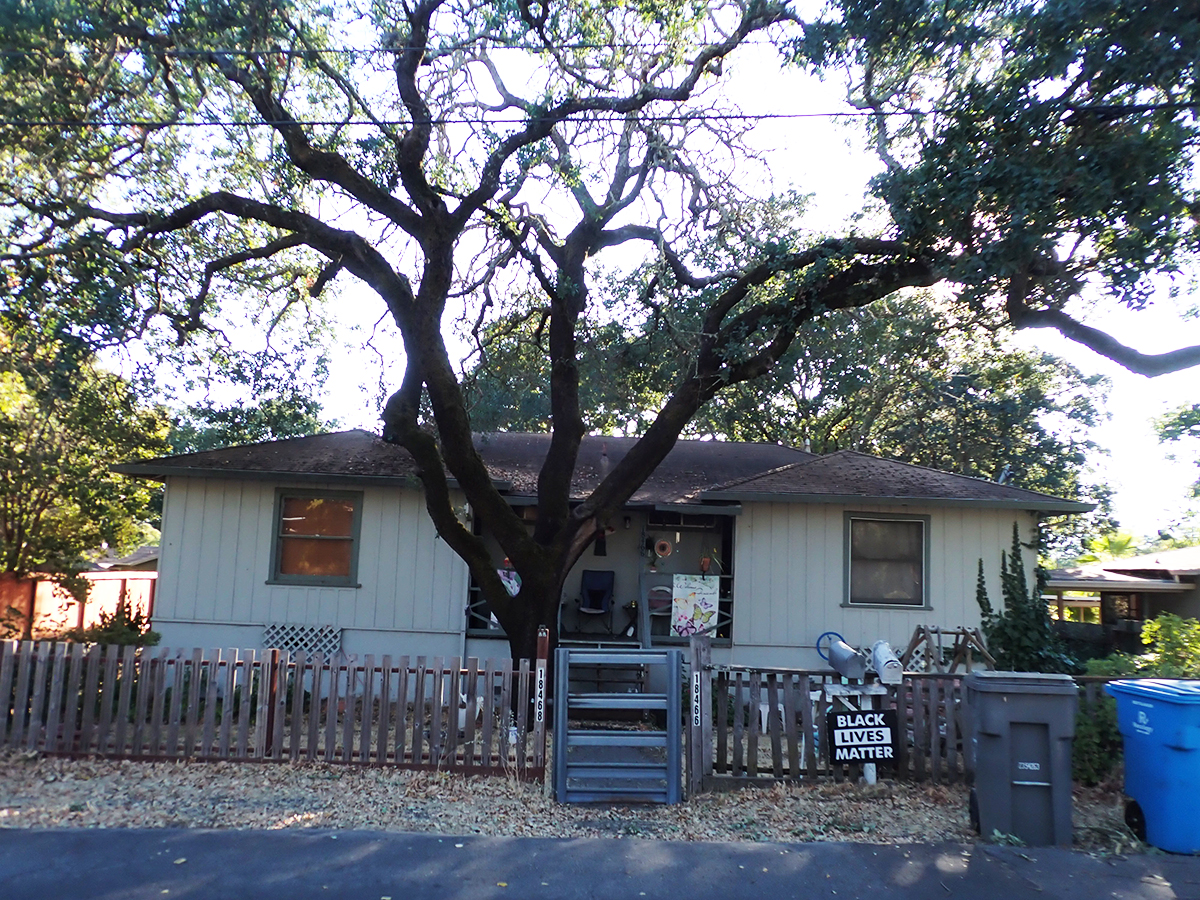
Wagner owned a duplex on 4th Avenue in Boyes Springs. We know this because the Index Tribune published notices of building permits and noted hers, for $1200 worth of termite repairs, in 1966.
She sold the business in 1962. Valley Drug stayed in business into the 1980s.
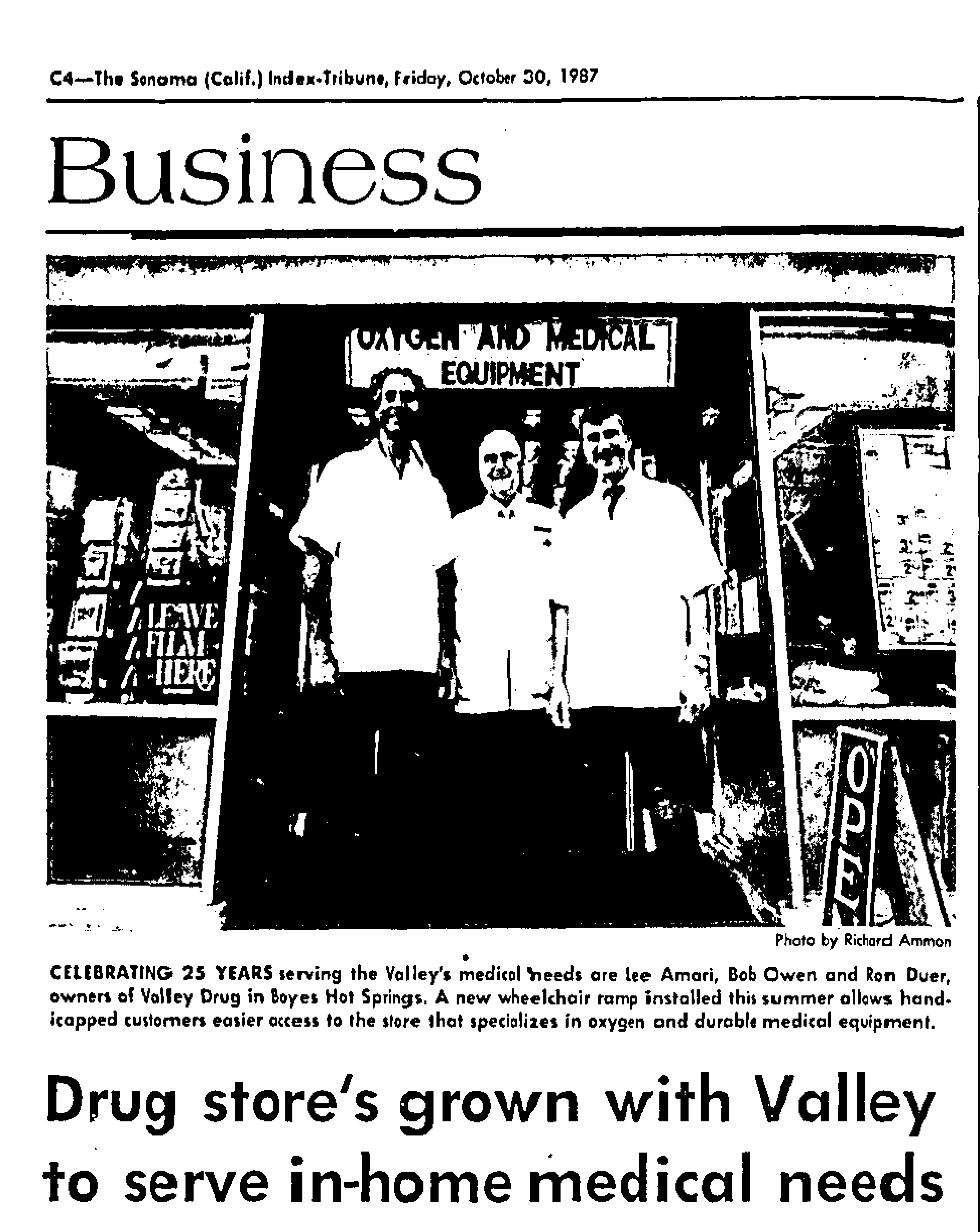
She died in 1975 at the age of 80. She had been a pharmacist for 58 years.
Index Tribune and photographs courtesy of the Sonoma Valley Historical Society.
Thanks also to the Sonoma County Library and to the California Board of Pharmacy (not)
In 1923 a huge fire destroyed much of Boyes Hot Springs. Community spirit was strong, however, and rebuilding began immediately. One property owner, Bob Liaros, rebuilt on the highway.
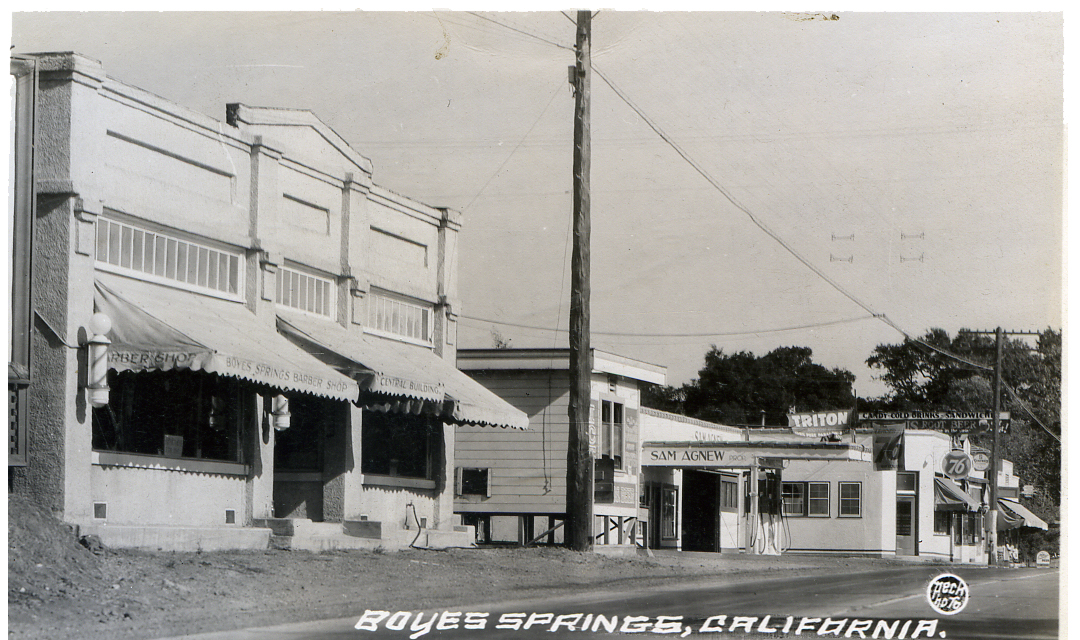
According to the Index Tribune, “Bob Liaros owns one of the finest and most substantial buildings on the highway in Boyes Springs. After the fire, Mr. Liaros took the slogan, “a bigger and better Boyes Springs” at its full value and proceeded to show that he, for one, meant to build bigger and better than before. In place of the frame building and barber shop which was located next to the original post office at Boyes, the enterprising business man let the contract for a handsome hollow tile type building, with concrete floors and fireproof throughout. The exterior is most attractive with its tile trim and plate glass front. The building is divided into two stores, in one of which Mr. Liaros has his beautifully appointed barber shop with its mirrors, three chairs and finest plumbing. He does bobbing for the ladies and has a competent assistant barber. Liaros has leased the store and living rooms in his building for an ice cream parlor and refreshment stand.” IT 1925.
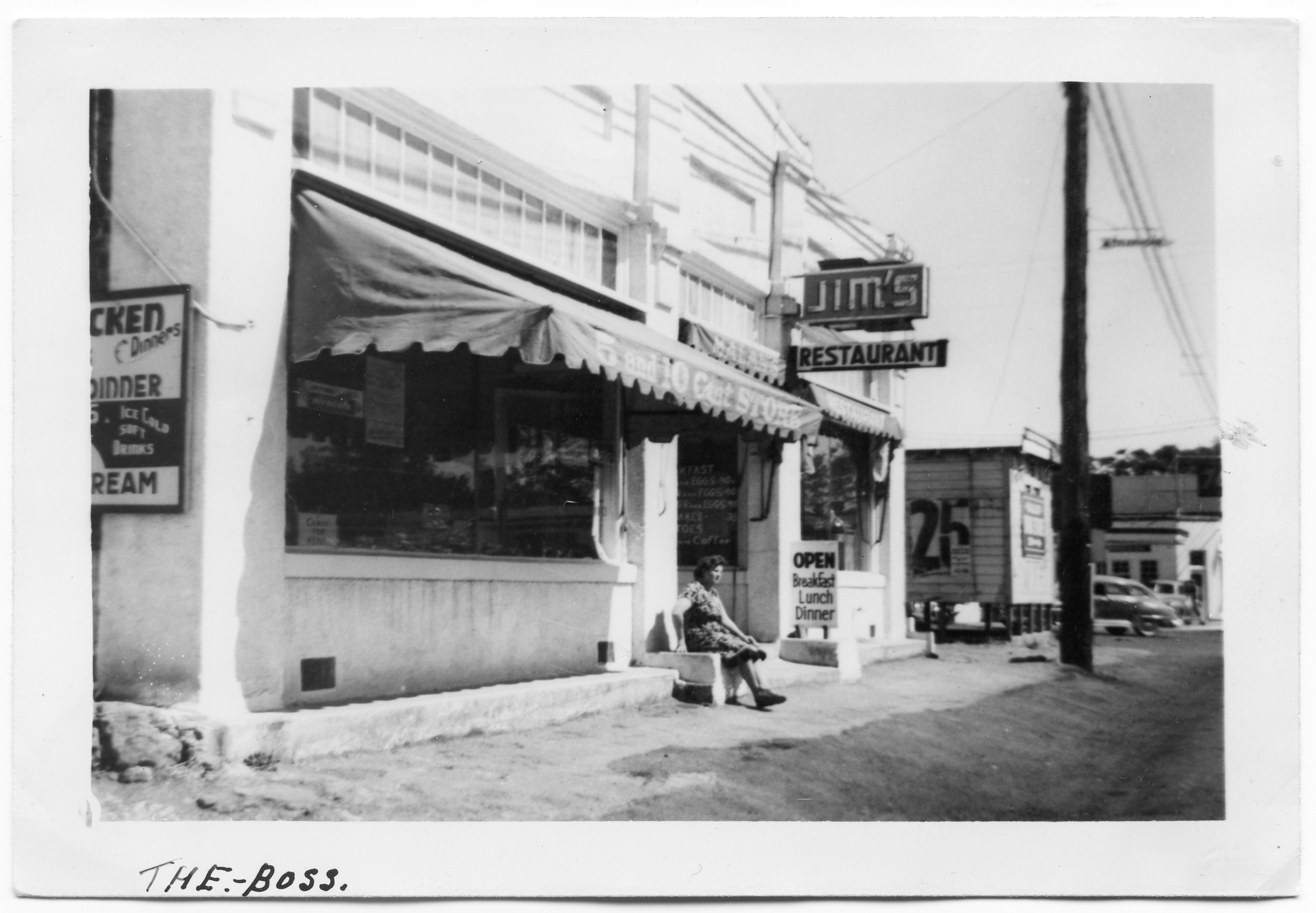
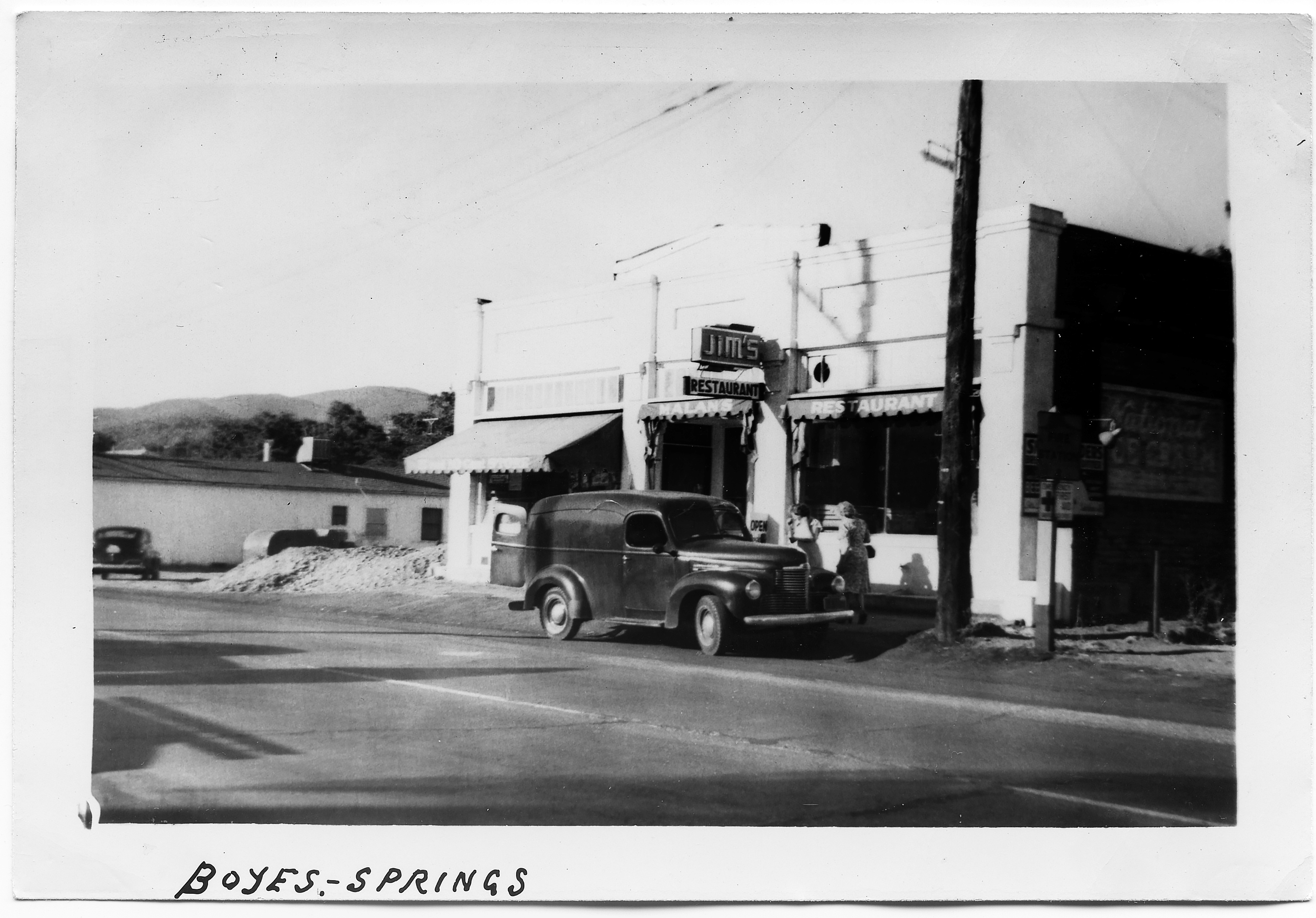
Jim Nichols opened his Jim’s Lunch restaurant on Napa St. in Sonoma, “at the entrance of the ball park,” in 1933. In 1937 Jim sold to Marie Tarrens and moved to Oregon. But, in 1938, “Jim Nicholas, who sold out and left Sonoma for Oregon, only to return convinced that there is no place like the Valley of the Moon, is opening up a coffee shop and café at Boyes Springs in the Bob Liaros building. In 1939, Evelyn Frank and Alice Jones applied for a liquor license under the name of Jim’s Lucnh Room. Not sure where Frank and Jones went but in 1941 Alice Norrbom bought the establishment from Katherine Ewert Jorgensen. I believe the two photographs of Jim’s date from Mrs. Norrbom’s ownership. In 1944 she sold to Mr. and Mrs. Lloyd Reynolds and I think they were the last owners of Jim’s.
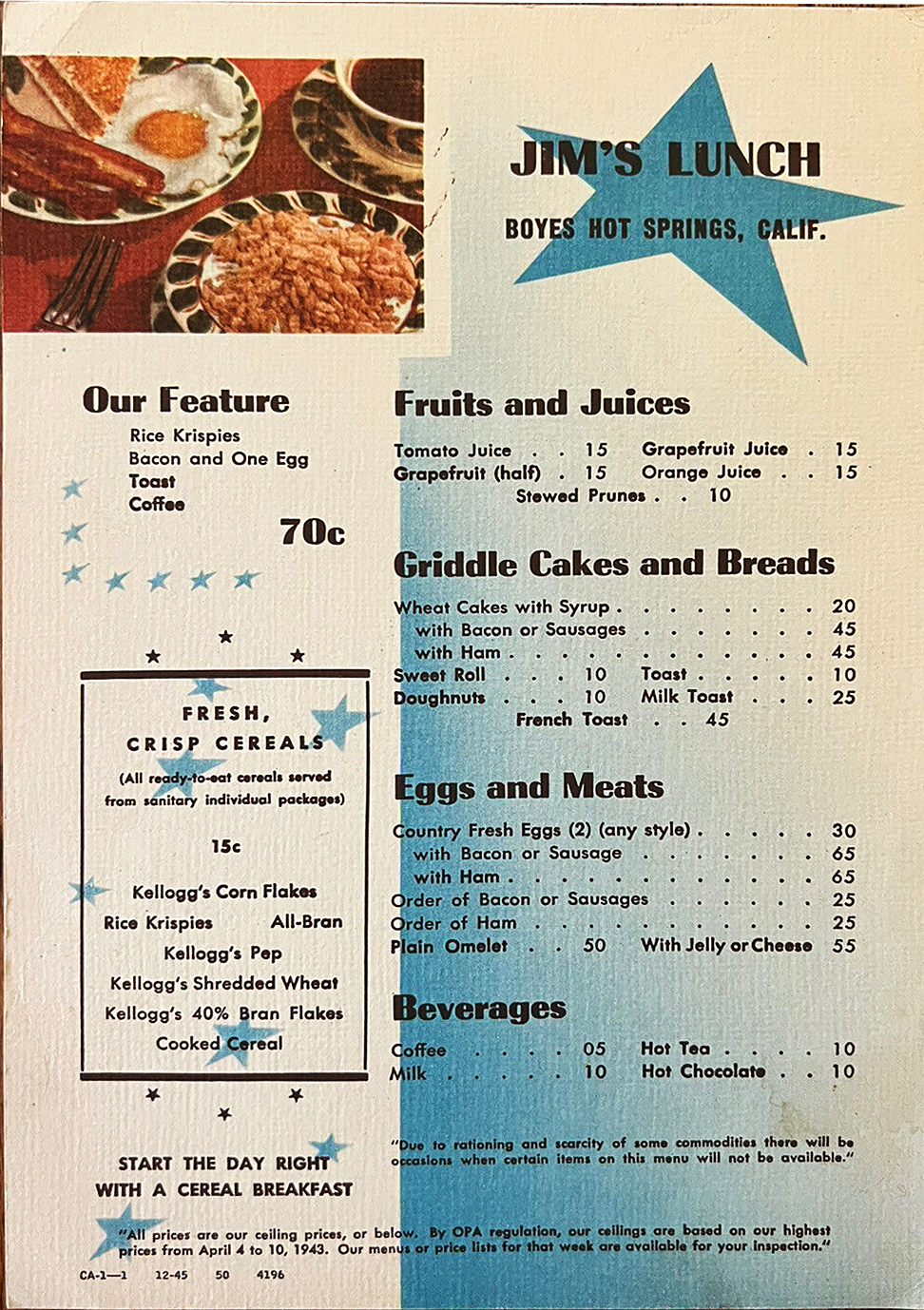
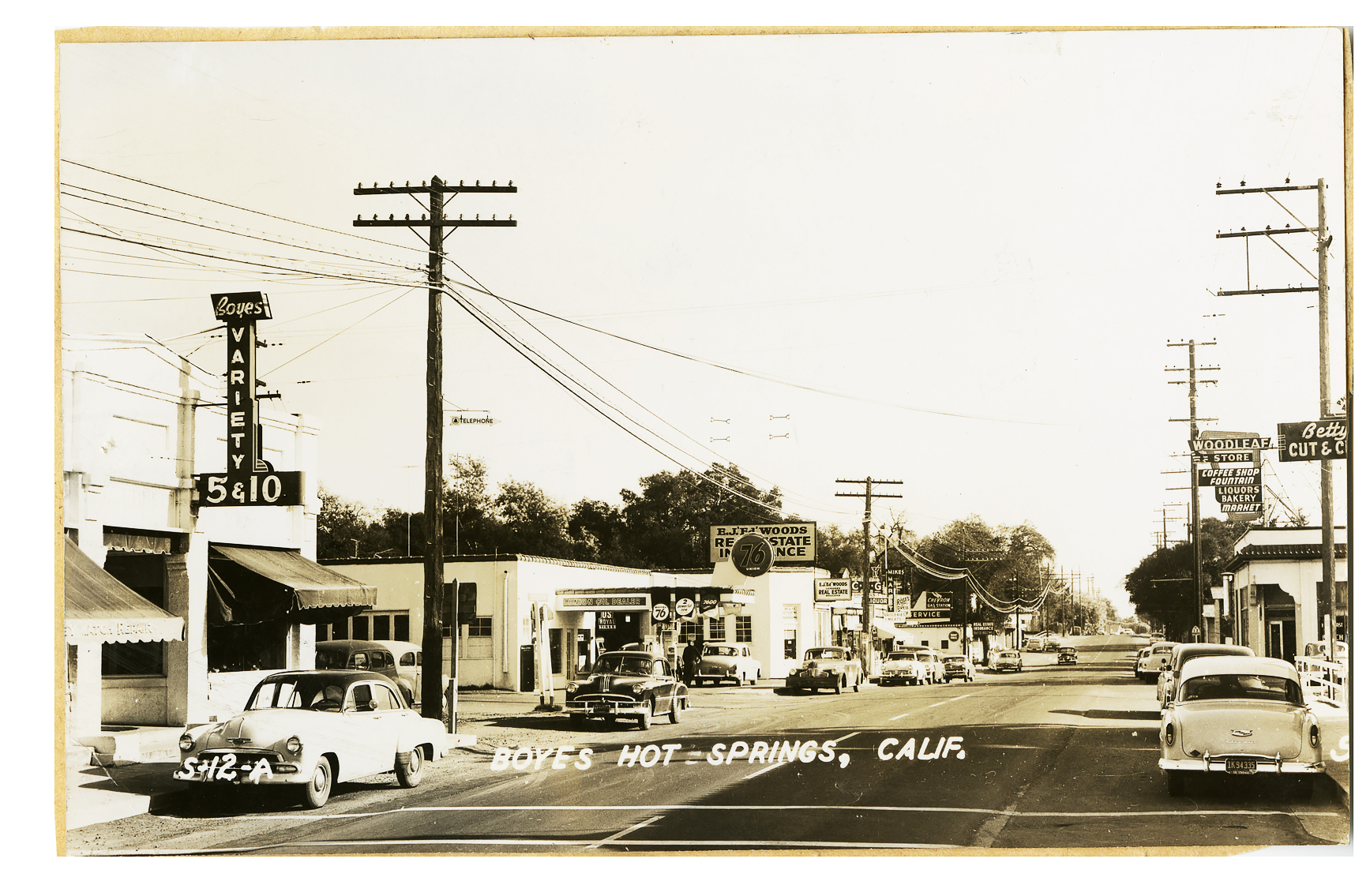
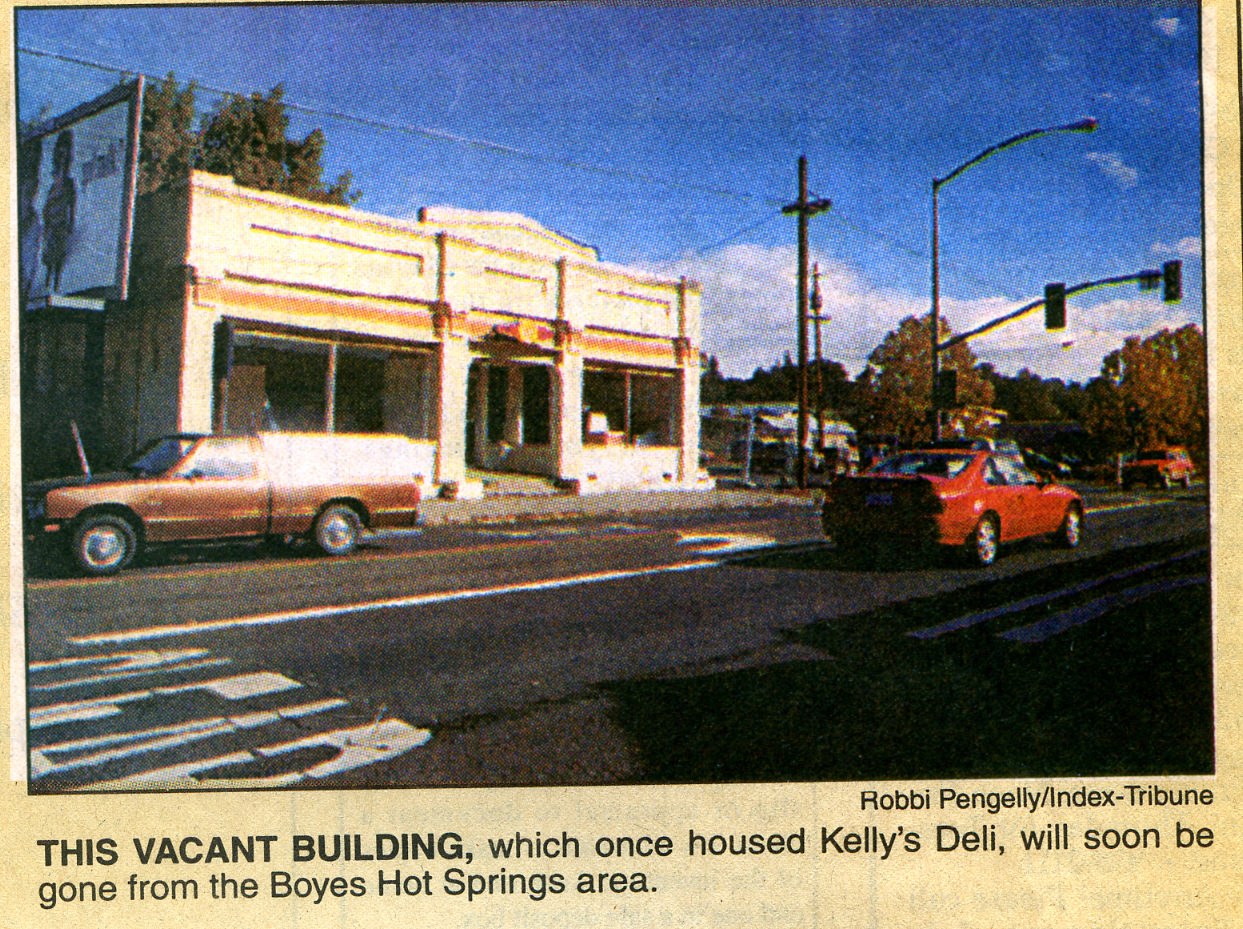
In the 1950s the Liaros building housed the Boyes Variety Store and Polidori’s store. Kelly’s Deli was there in the 1980s’90s. The building was torn down in 1992. The site now houses the Sonoma Mission Inn employee parking lot, alas.
ADDENDUM
In 1931 Bob Liaros bought “Lot Number 1, Woodleaf Park, being a part of Rancho Agua Caliente, T. 5 N., R. 6 W, M.D.M.,” (The letter-number combinations are Township and Range. MDM stands for Mount Diablo Meridian, a baseline used by the Public Land Survey System.)
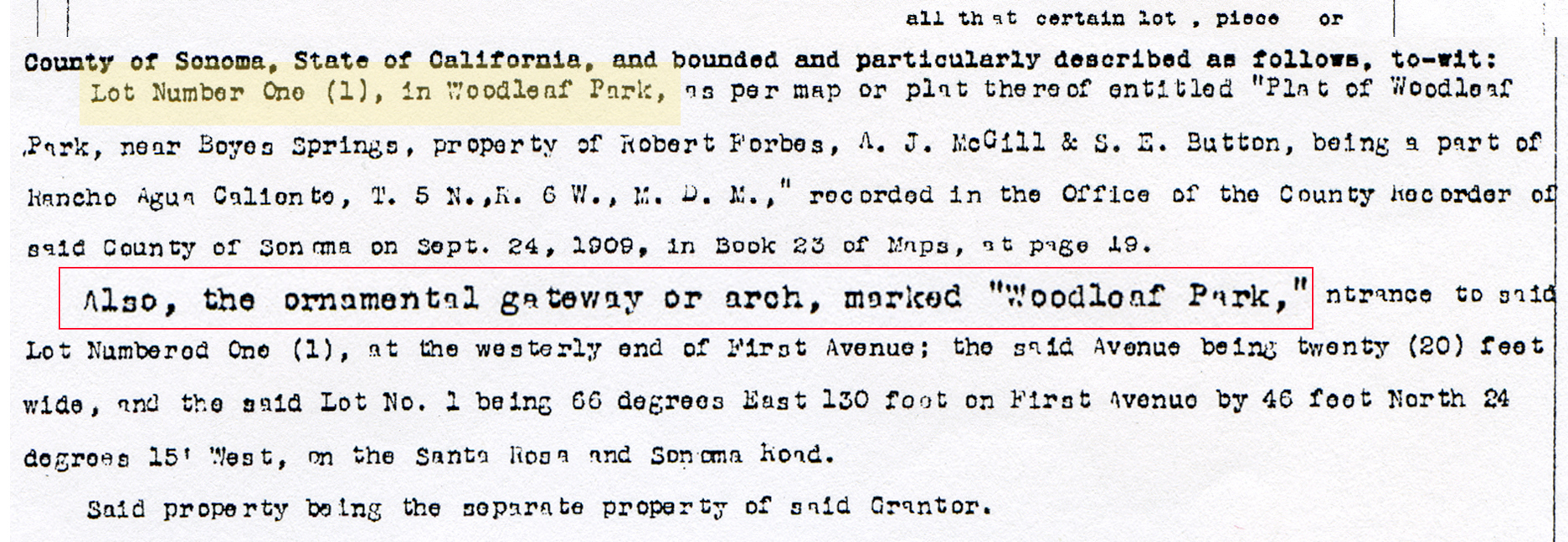
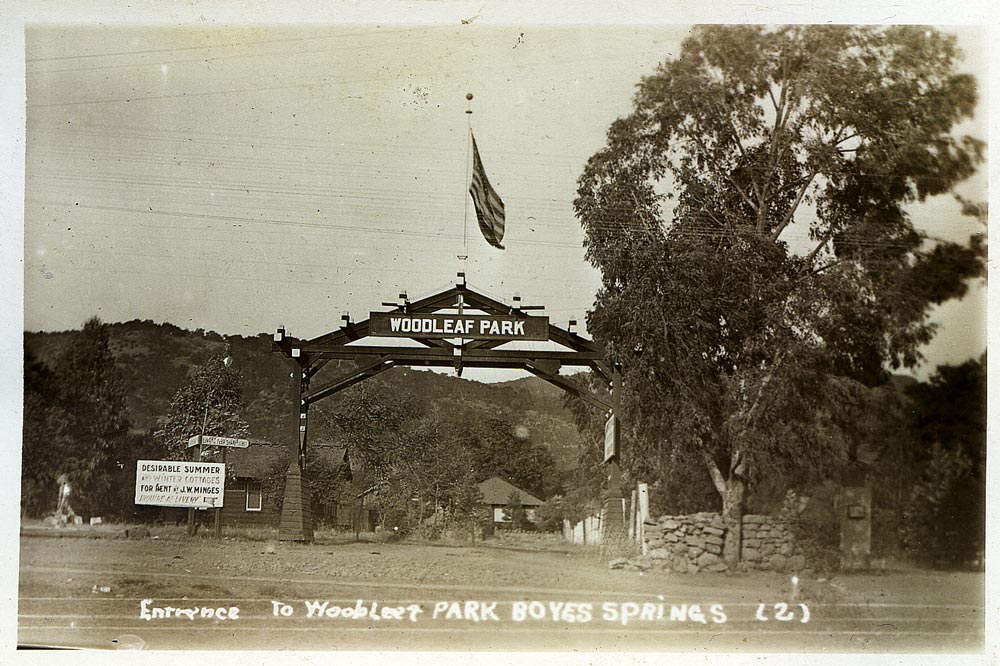
First Avenue became Vallejo Avenue, so this would be the corner of Vallejo and Hwy 12 (“Santa Rosa and Sonoma Road”.)
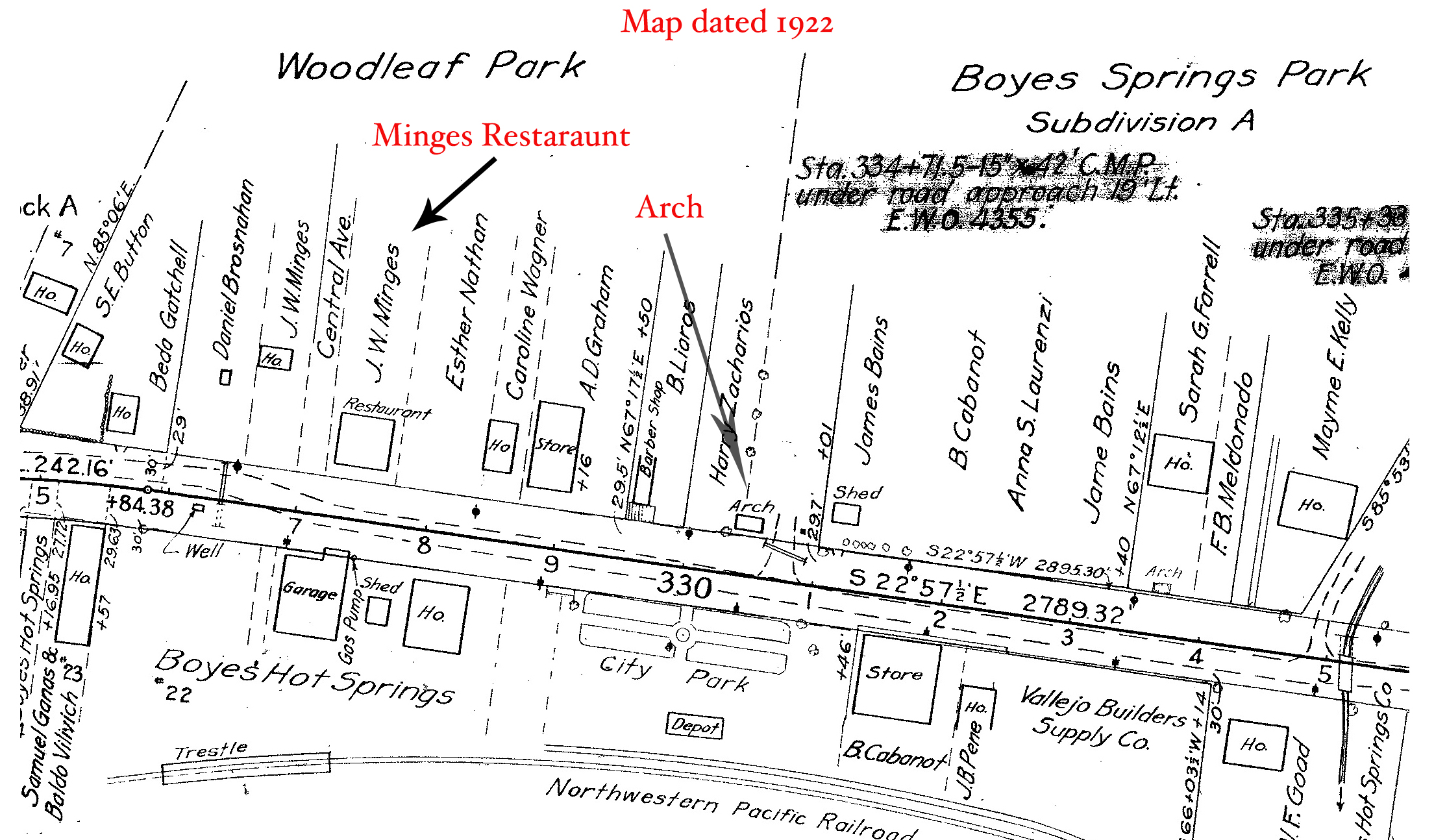
Thanks to the Sonoma Valley Historical Society for the Index Tribune and many photographs, Lloyd Cripps for the arch photo, Phil Danskin for the map, and Stanford University Library, Special Collections for the Zan Stark photo.


The art of yours truly on display, including a few from the Main Stem Project. Please come to the opening if you can!
Here are some posts from the past that I thought were worth looking at again. New content in September, I promise.
Since starting in July 2014, the Springs Museum has launched 145 posts!
and a few digressions
Farrell’s Resort existed on land near the corner of Siesta Way and Sonoma Highway, between the years 1945 and 1958. A county court photograph from that year shows the resorts sign on the highway. An Index Tribune story in 1959 about a barn fire on the property mentioned “the pioneer Ferrell’s Resort property,” which implies, to me, it didn’t exist in 1959, as the barn was being burned by the fire department for training.
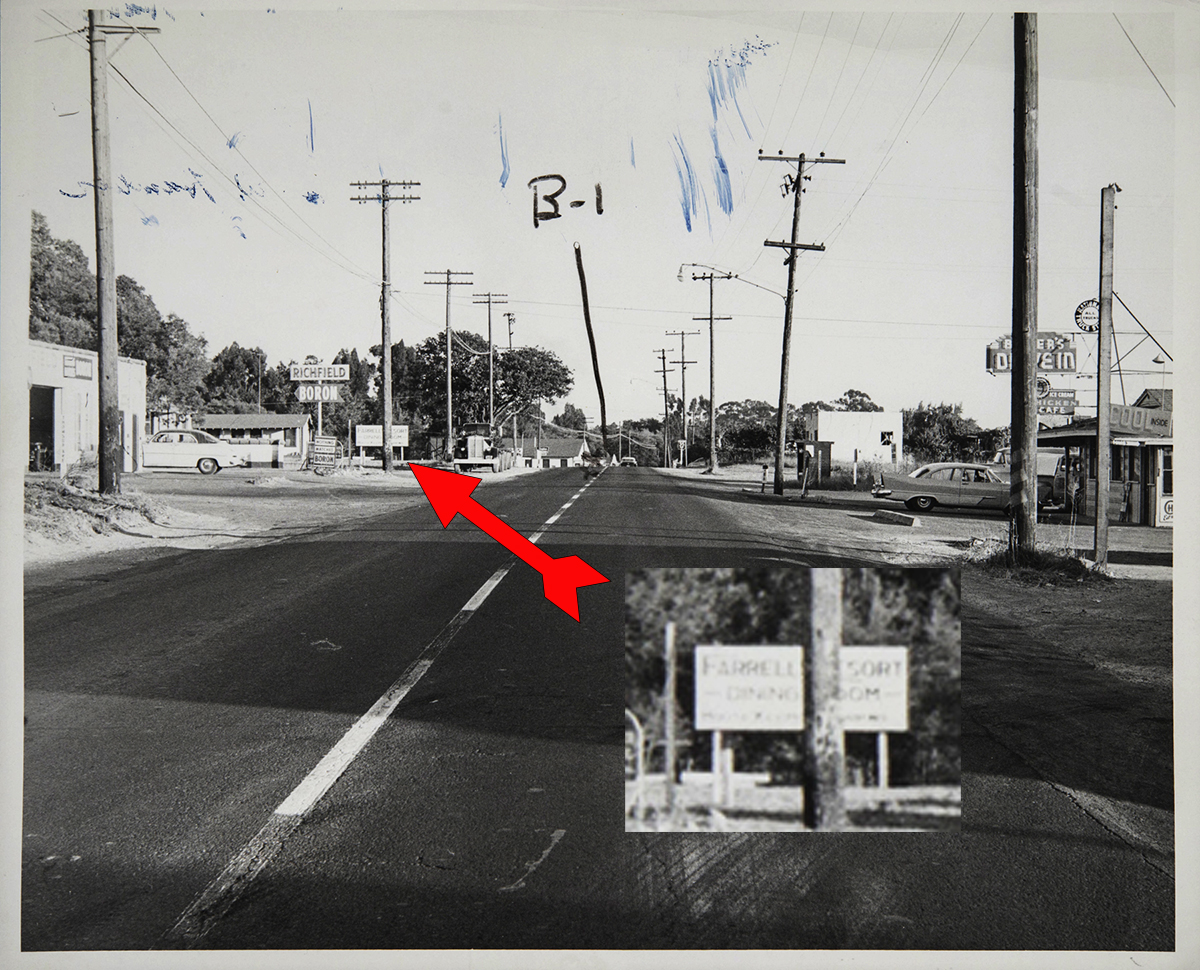
This photo is an exhibit from a lawsuit involving a traffic accident in 1958, courtesy of the Sonoma County Library. Difficult to see, at left, below the Richfield sign, half obscured by a power pole (!) is a sign advertising Farrell’s Resort. Thomson Ave (not East Thomson!) is at left. Across the highway is Baker’s Drive-In, current site of the Fruit Basket.
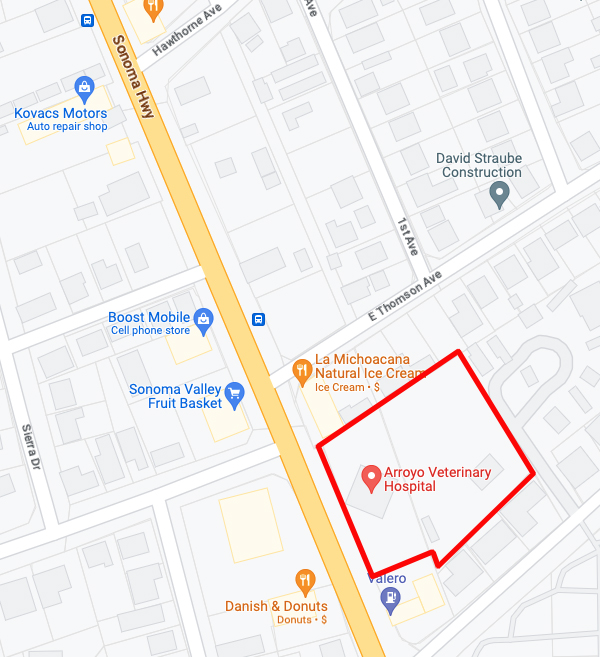
The property behind the Arroyo Vet building continued as a trailer park until 2020 when affordable developer Milestone Housing (https://milestonehousing.com/projects/) bought the land. In 2022 they started construction on a 92 unit apartment complex intended for senior households that have incomes in the 30 to 60 per cent of area median income. In May of 2023 construction is ongoing. See photos below.
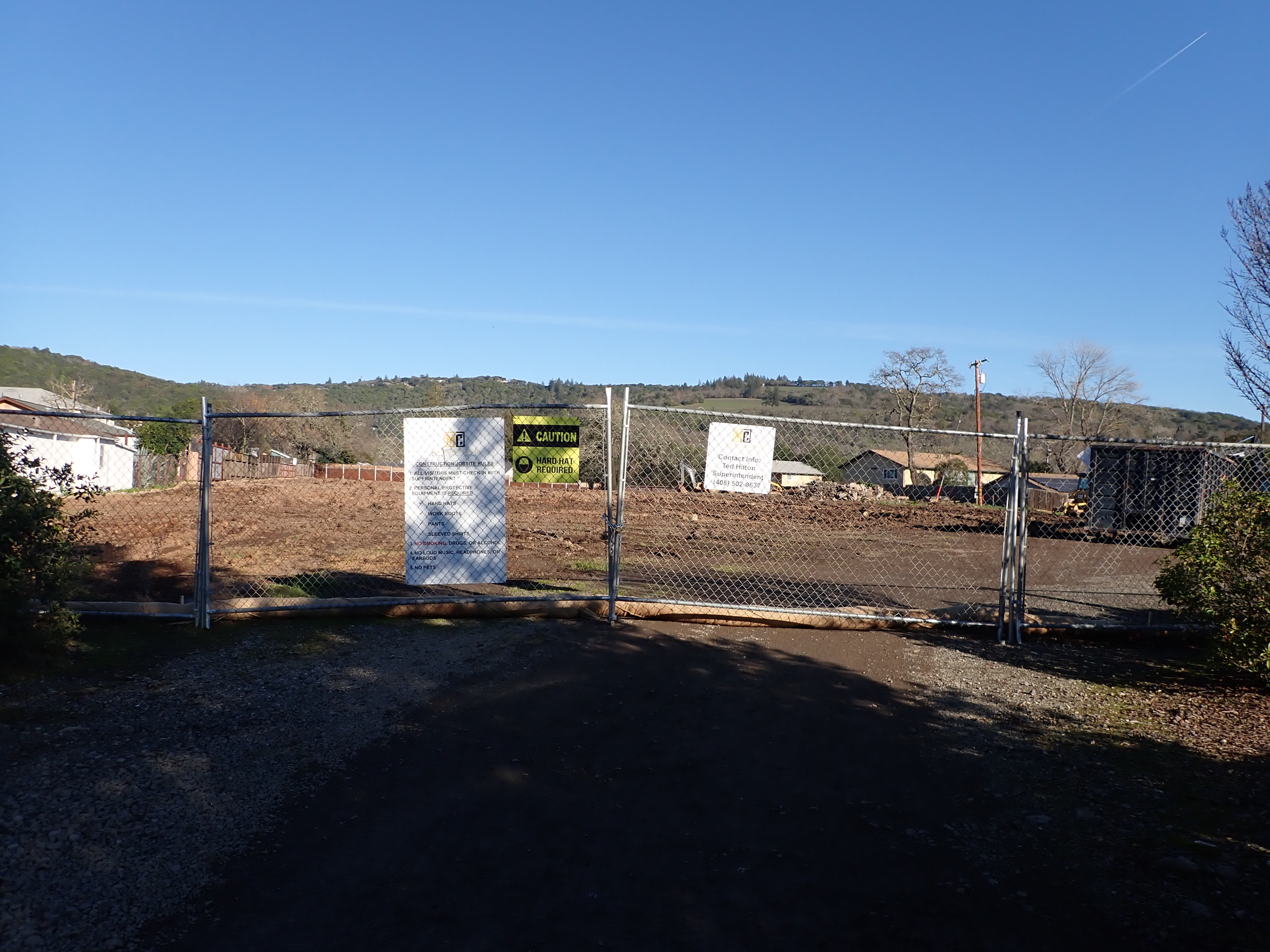
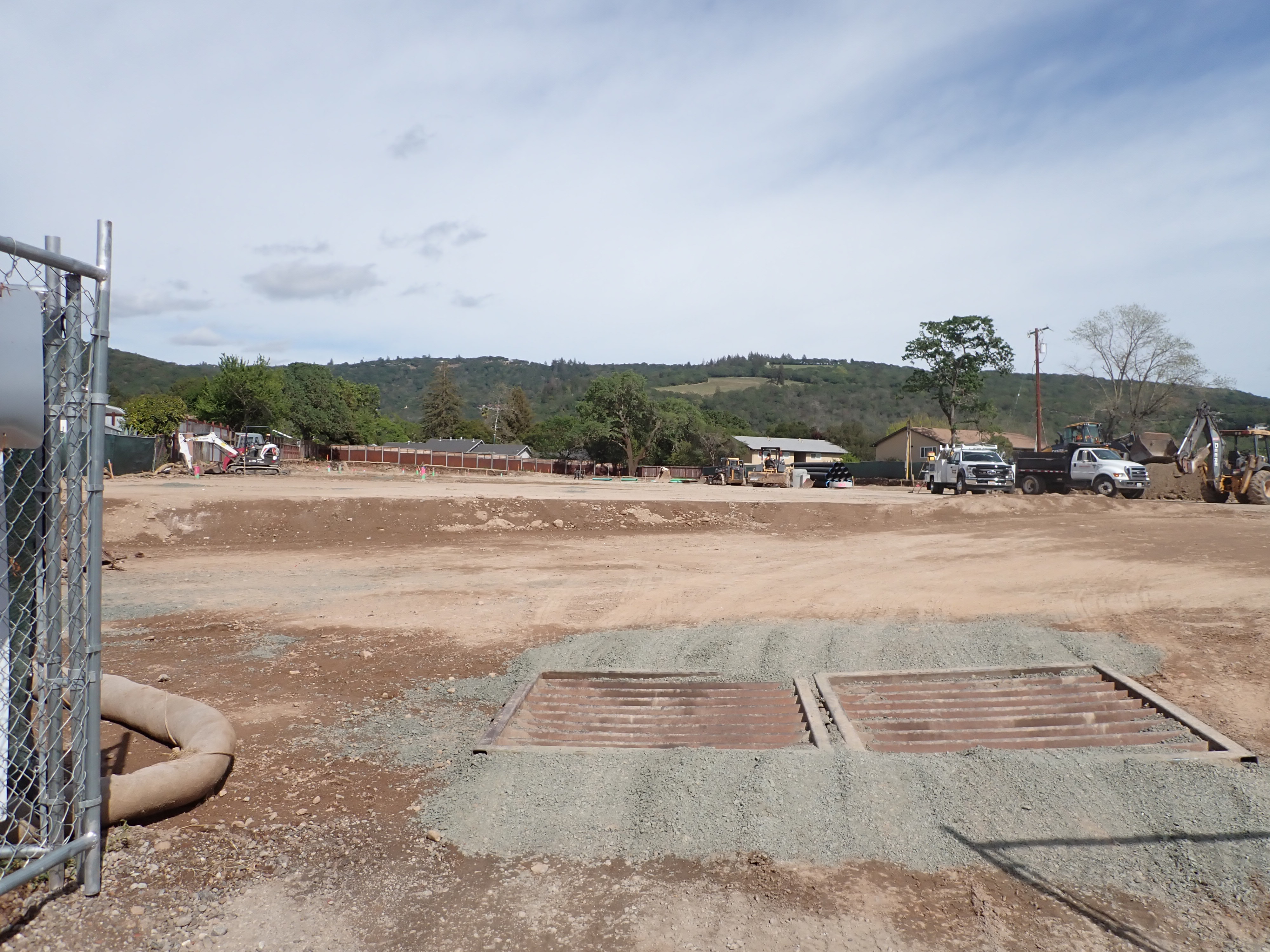
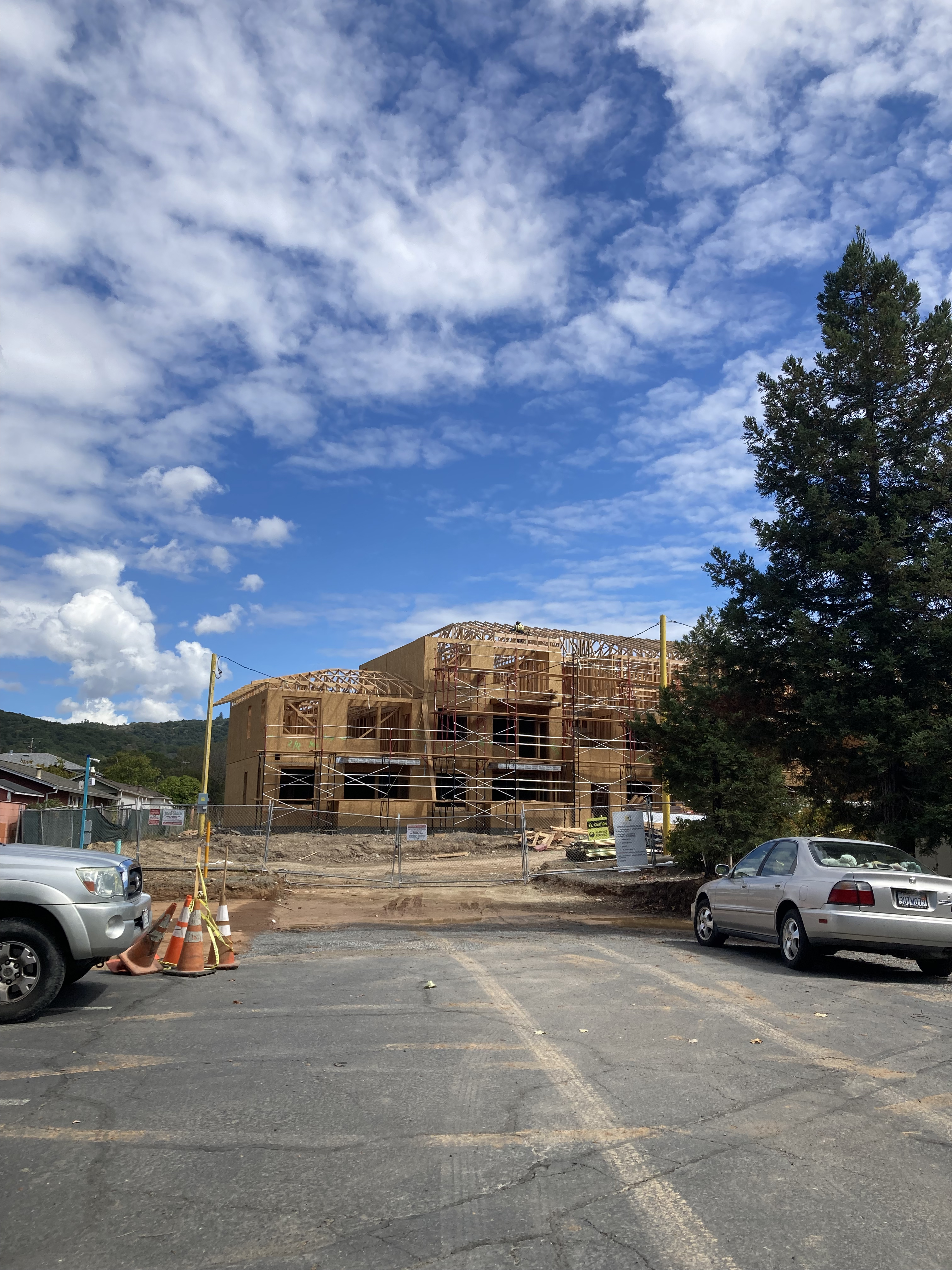
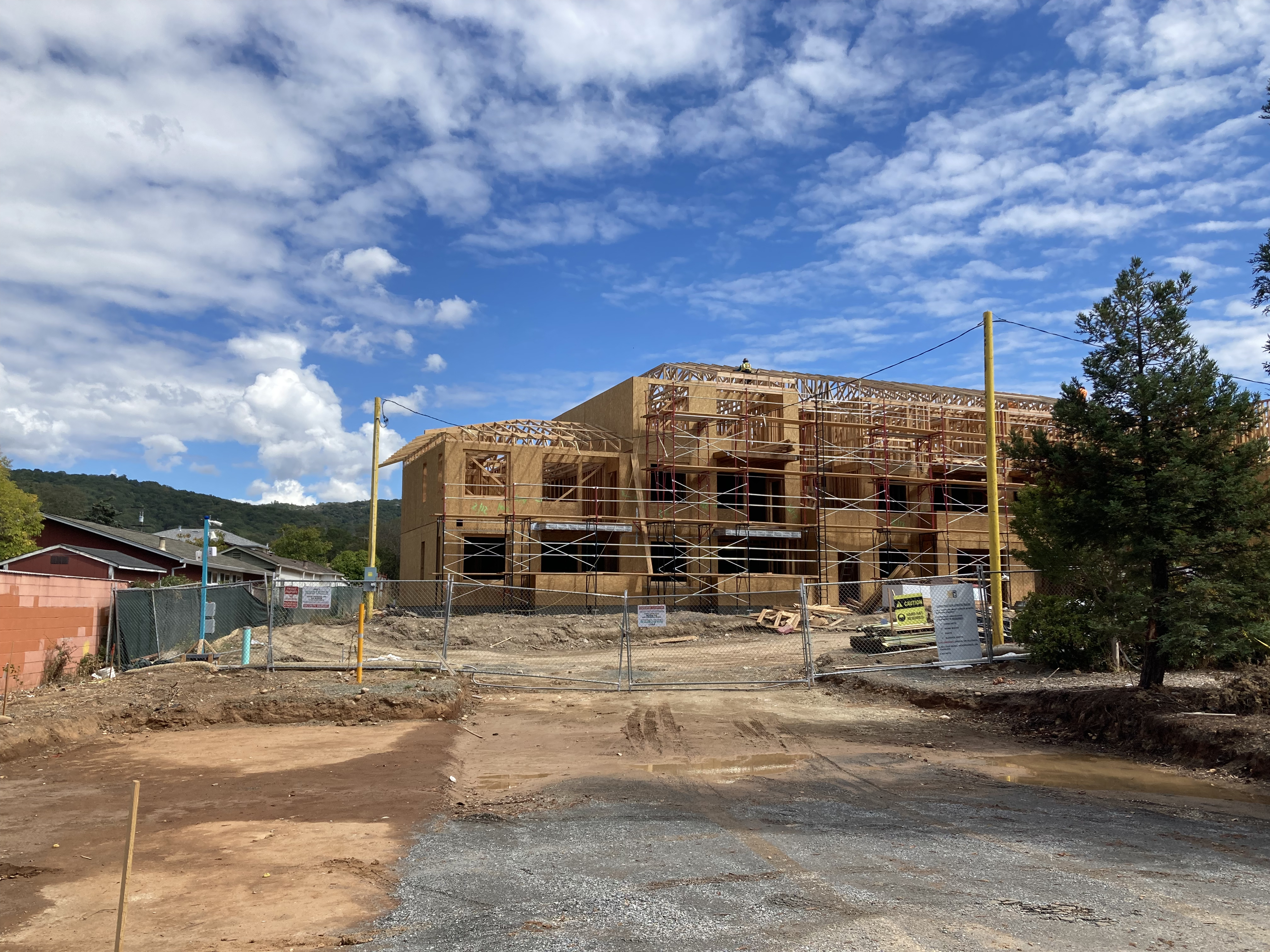
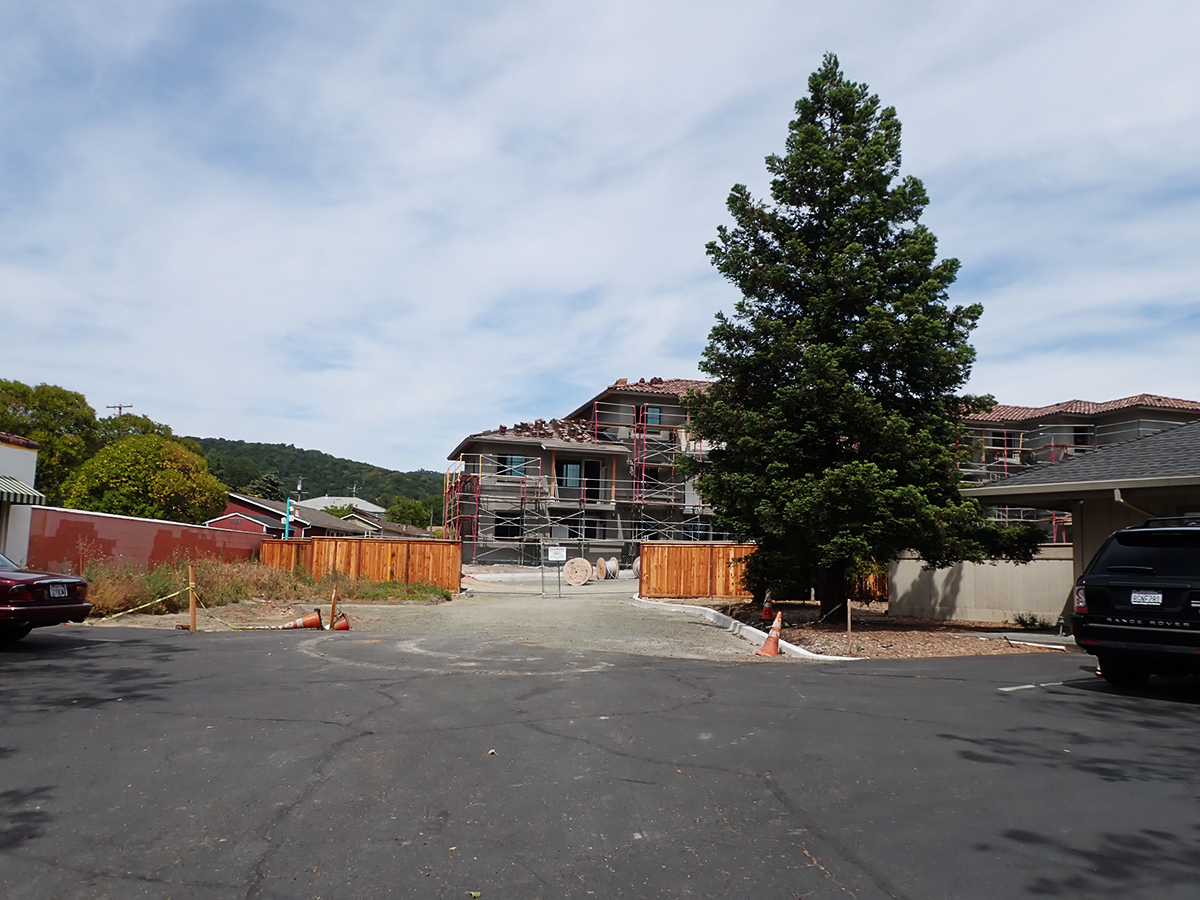
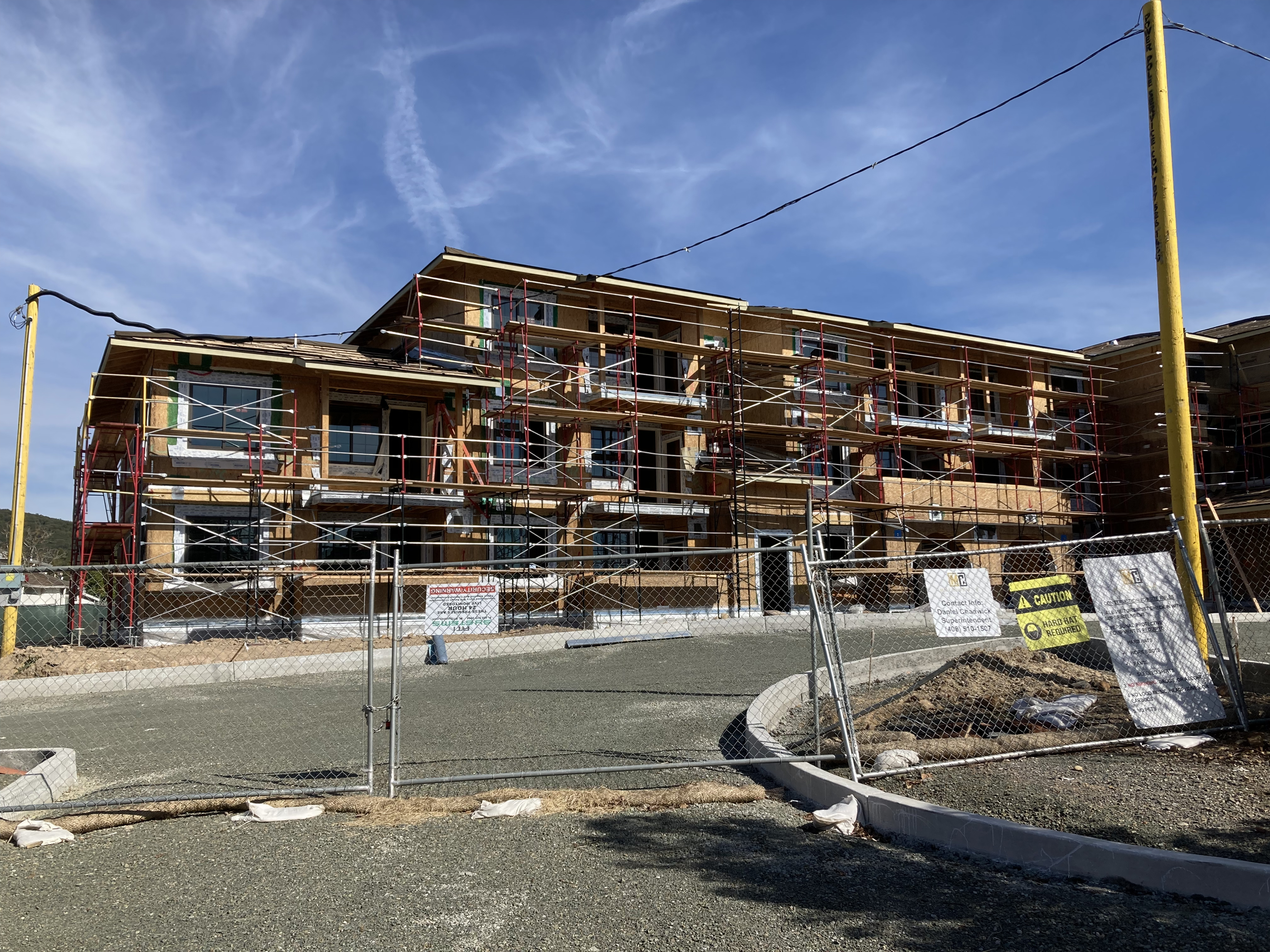
In 1977, on part of the Farrell’s site facing the highway, Stan Goldsmith built a commercial building to house his Mark’s Sporting Goods. Goldsmith owned the whole property and told the Index Tribune that “…future plans at the 1.5 acre site include similar buildings housing quality small shops and possibly a patio restaurant.”
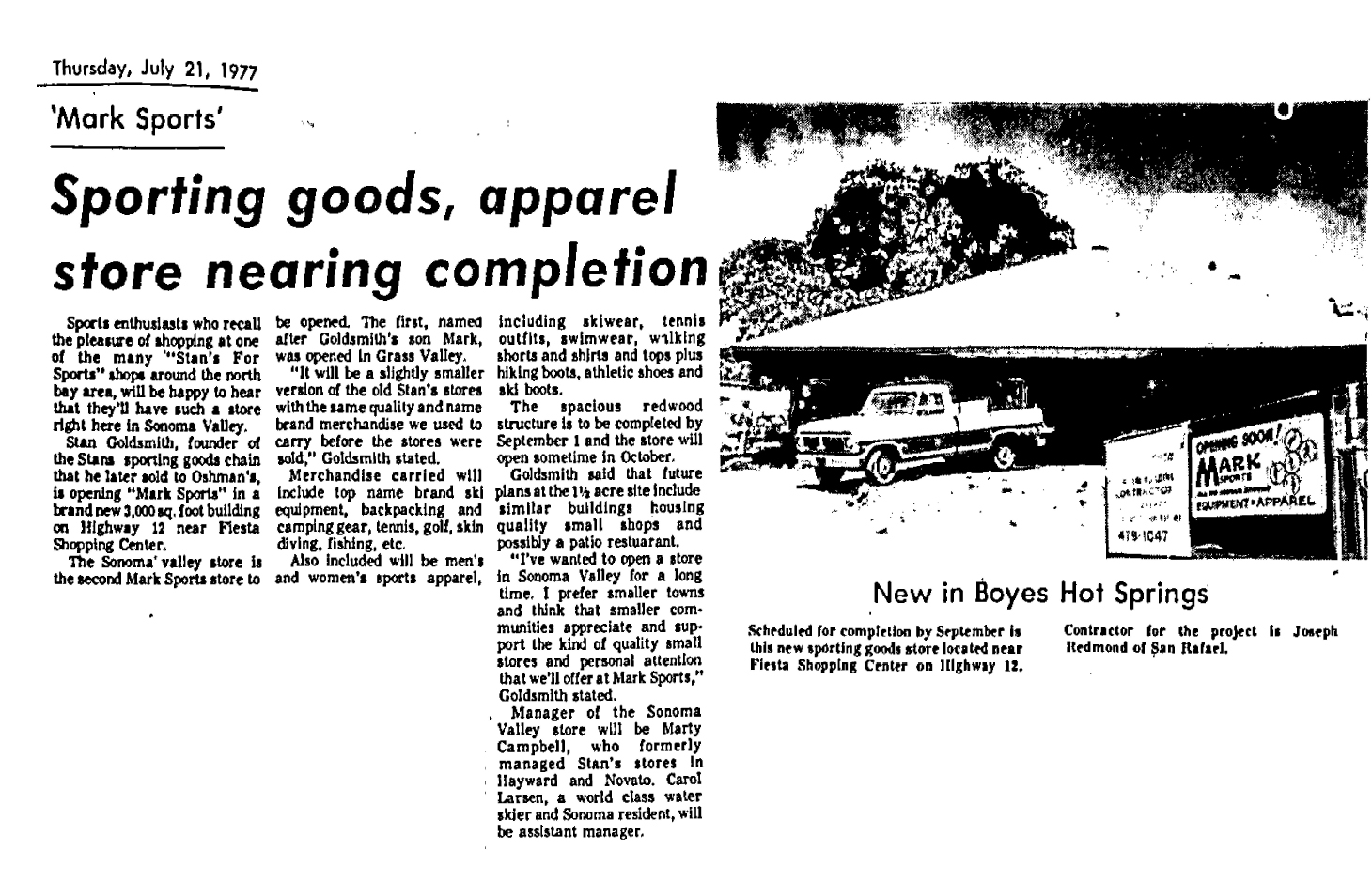
Goldsmith had founded a successful chain of sporting goods stores, located throughout California, which he sold before moving to Boyes Hot Springs. According to some of his ad copy, “In 1954 Stan Goldsmith revolutionized the retail sporting goods business by building the largest sport store in northern California (10,000 sq ft.) and becoming the first to combine active sportswear with sports equipment…Stan Goldsmith founded the Marin Skin Divers Club, the Northwoods Bowmen’s Club and designed the first nylon covered sleeping bag. Stan’s and the first air compressor to fill dive tanks in Northern California.” Index Tribune advertisement, 1979.
Mark’s Sporting Goods in Boyes Hot Springs, named after Stan’s son, opened in 1977. It was the second Mark’s. the first one was in Grass Valley, in an identical building.
Tragically, Stan was killed in the crash of his private plane in 1982. His widow sold and the store continued operating until 1990, when Doug McKesson bought the building, but not the entire parcel, to house his Goodtime Bicycle Company. McKesson sold to Dr. Rhonda Stallings and Rich Lee in 2000. A major remodel was necessary to convert the space. The new Arroyo veterinary Hospital opened in 2001.
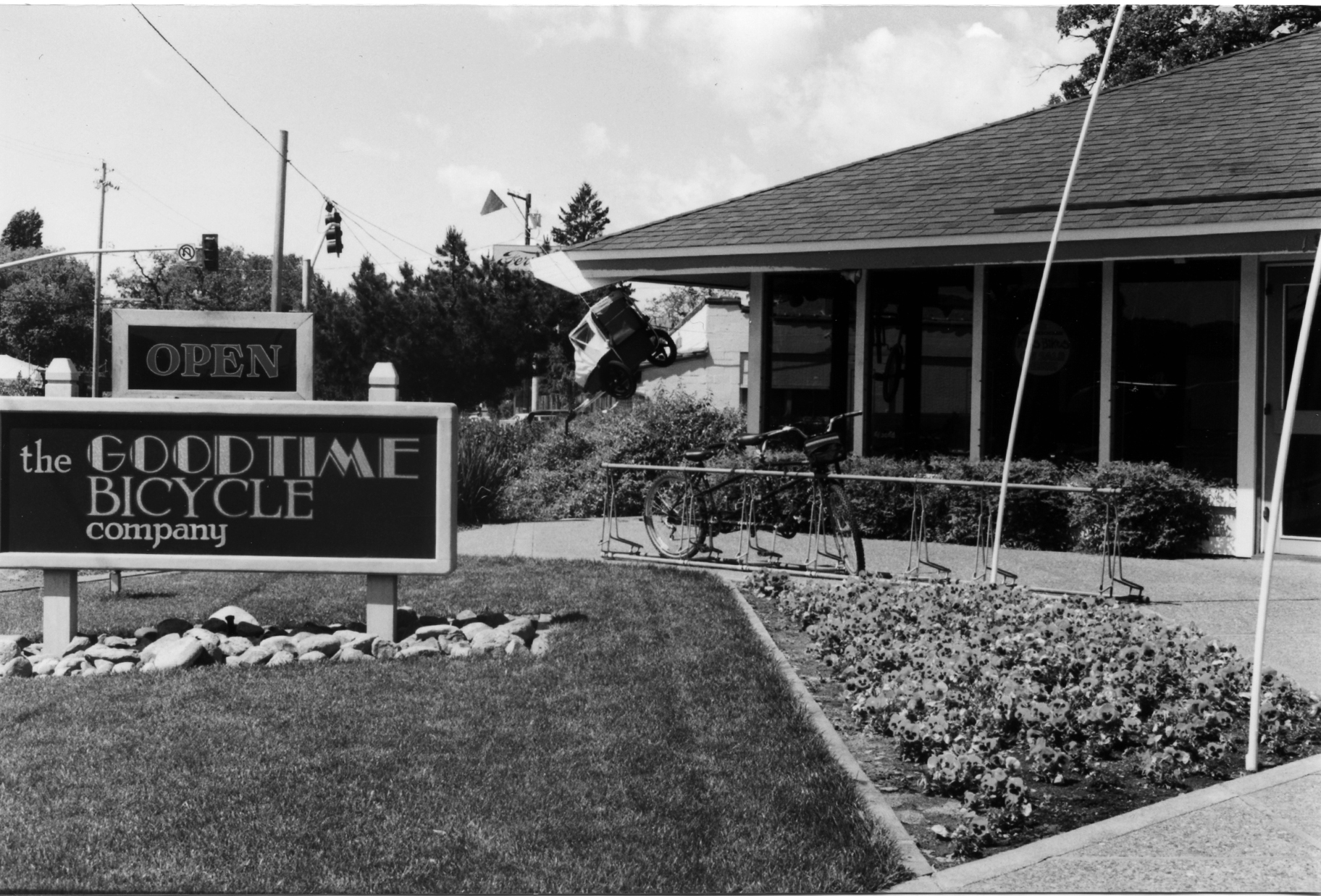
1990s
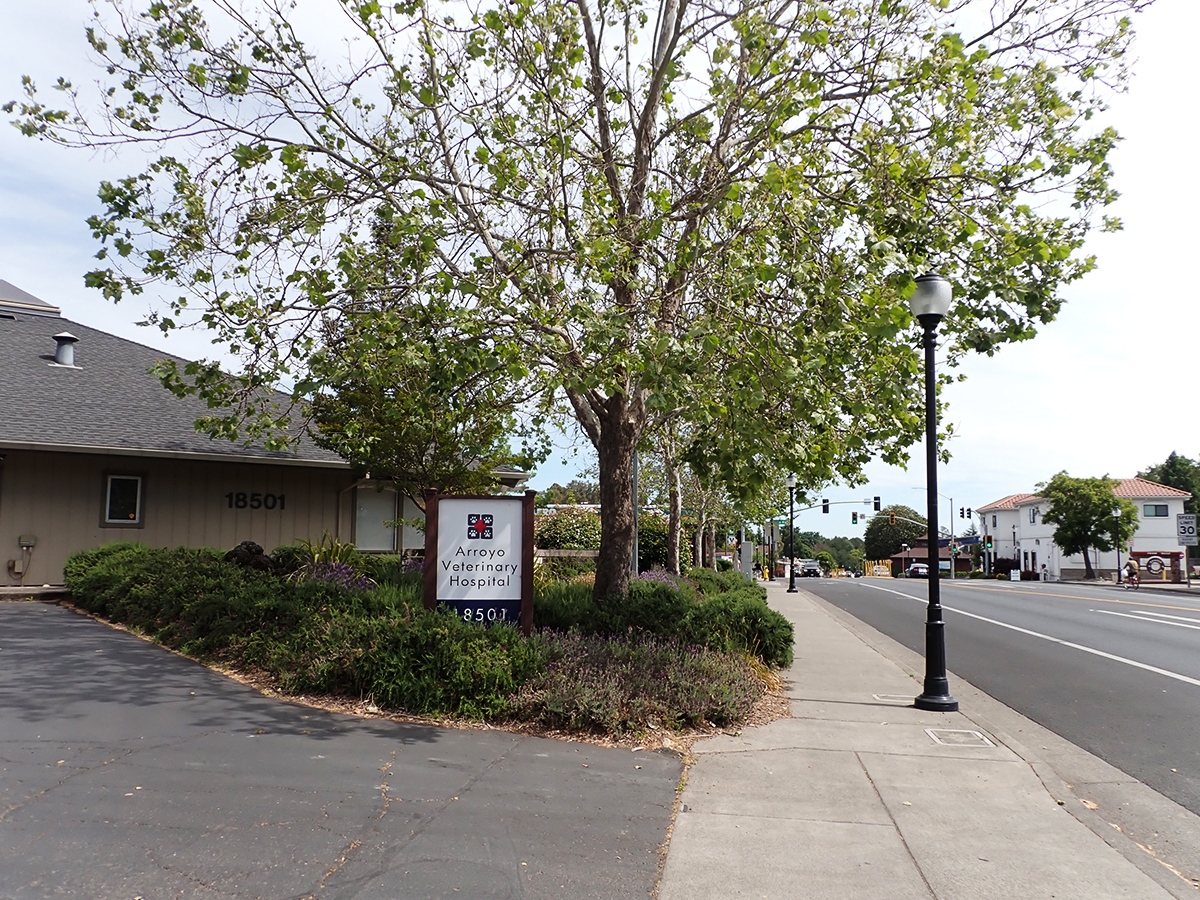
2023
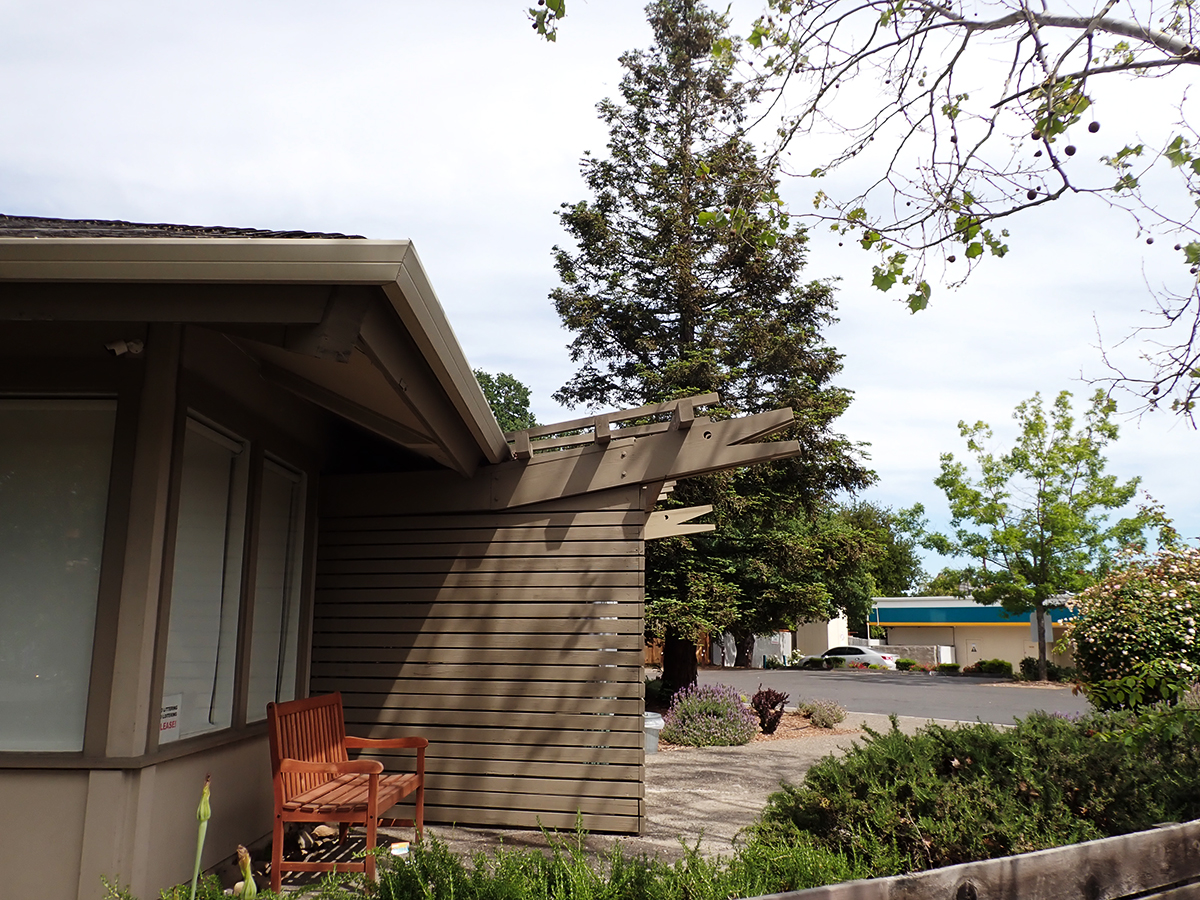
Appropriate, whimsical rafter-tails were added during the conversion to an animal hospital.
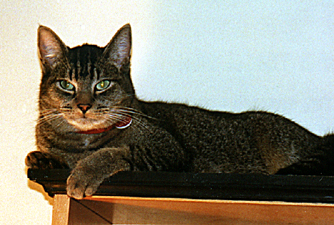
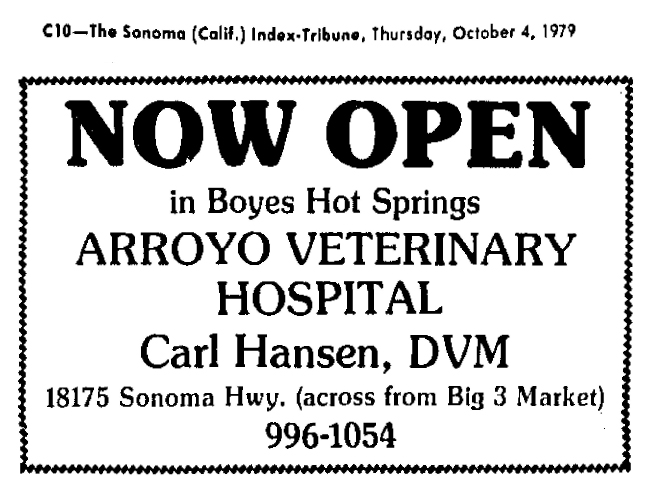
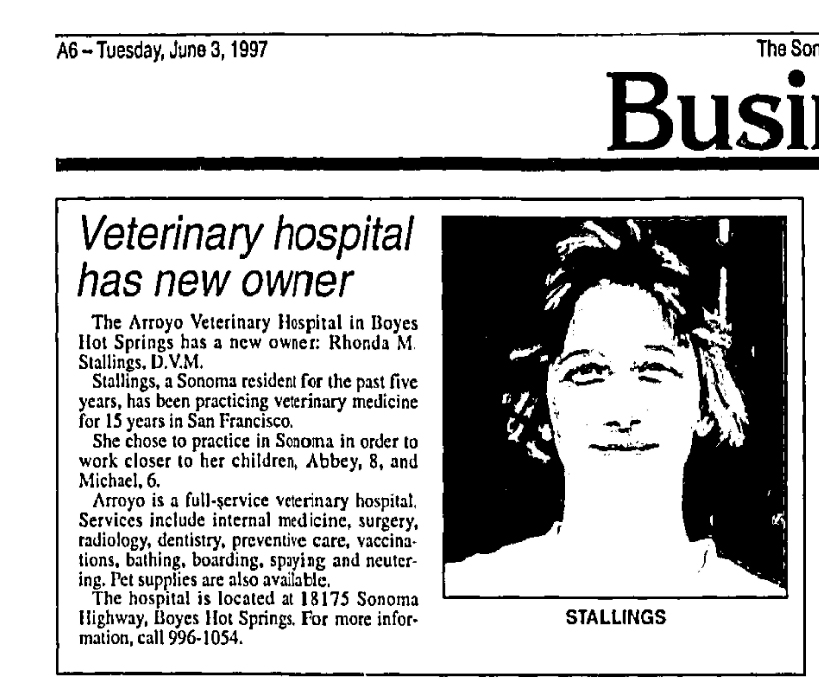
Digression the First: The original Arroyo Vet Hospital was started by Dr. Hansen 1979, in a building on Sonoma Highway at Arroyo Rd, which was probably built in the 1920s, and had housed various businesses including Becker’s Real Estate Agency. Dr. Rhonda Stallings took over from Dr. Hansen in 1997, the same year your correspondent moved into a house just a block up Arroyo Road. Imagine our sense of security knowing we could WALK our sick cat to the vet’s office. And thank you to Rhonda for saving Ralph’s life.
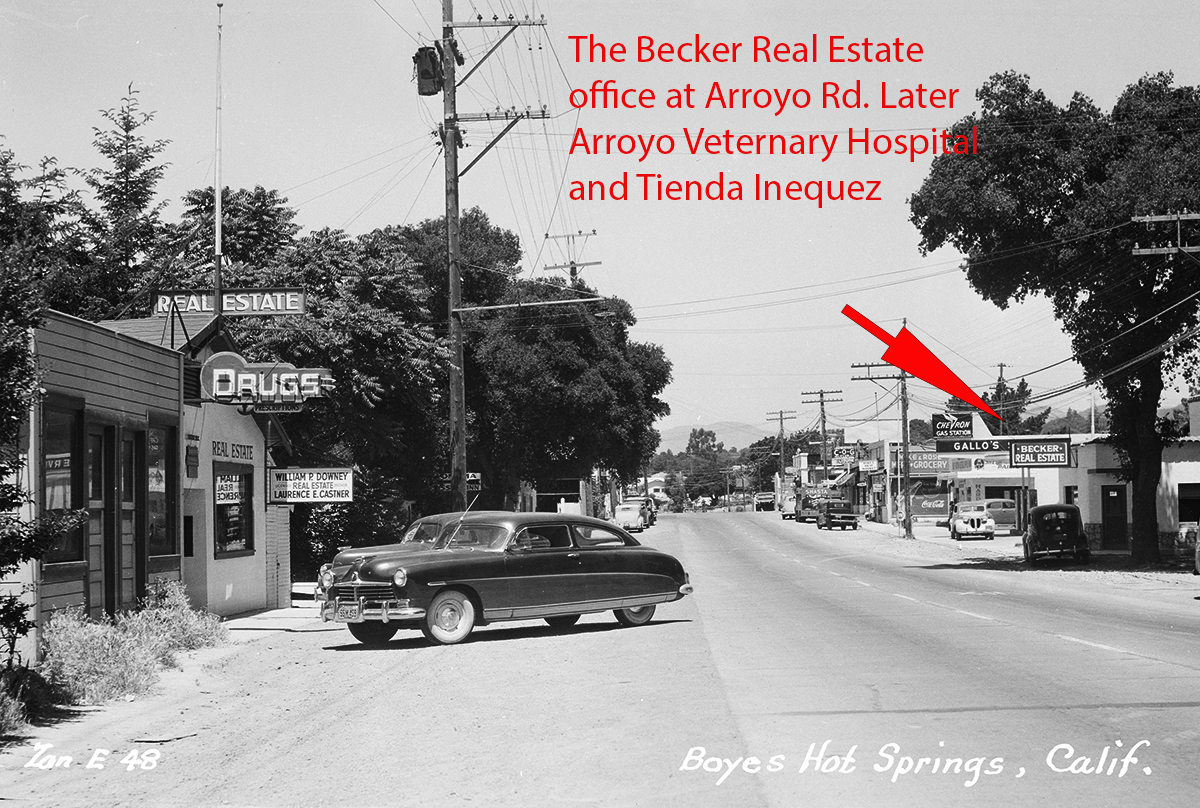
1950s
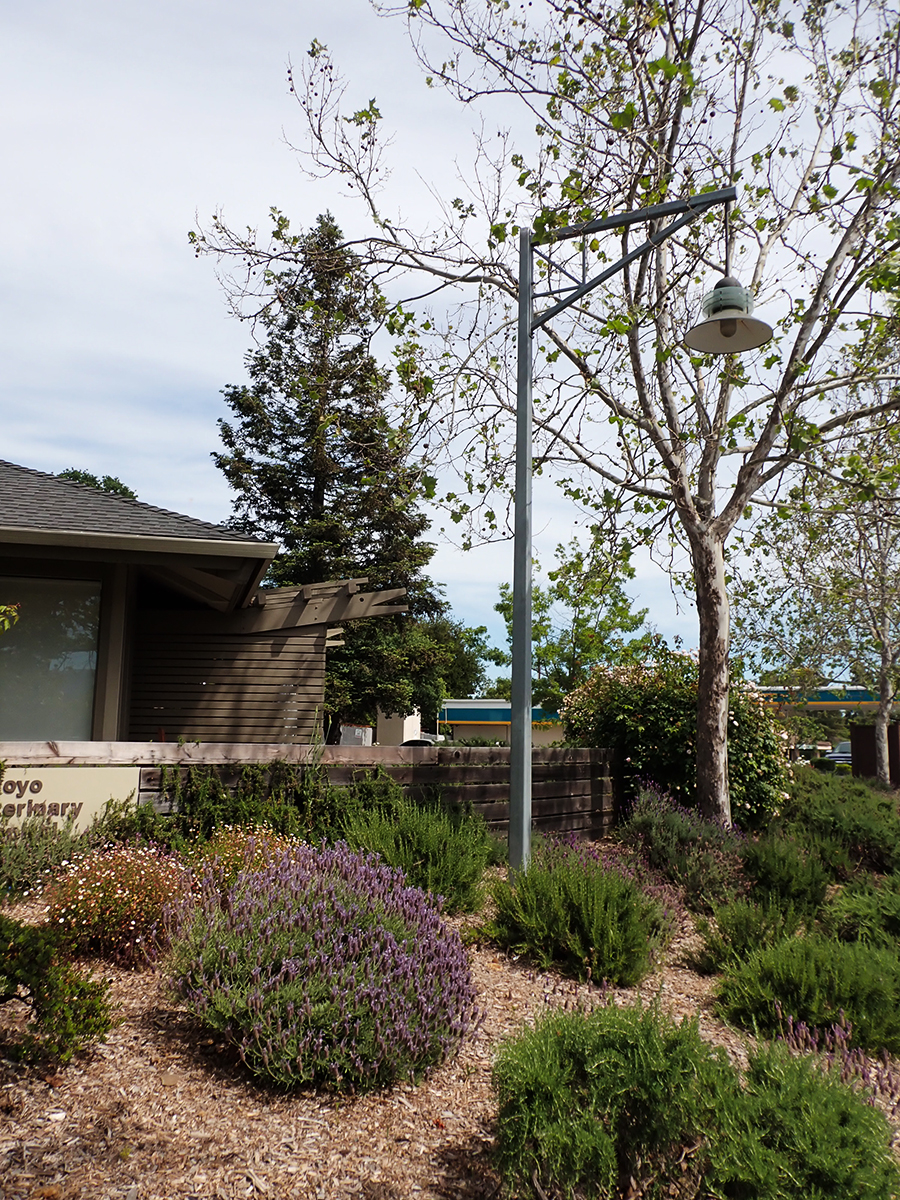
Digression the Second: The photo below shows a streetlight proposed for the Redevelopment sidewalk project. This was offered by landscape architect Ron Wellander and installed in 1997. The design was not used. It stands today, in 2023, lonely, unlit.
The first hearings for the sidewalk project were held in 1984. The initial pilot project was completed in 2002. The entire project, two miles of sidewalks and streetlights, was finished (except for one very irritating and dangerous gap) in 2016. Thirty. two. years.
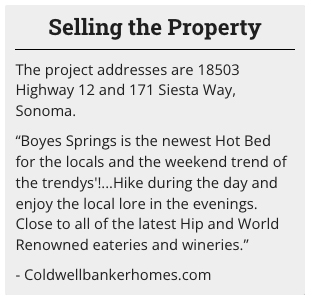
I can’t resist sharing this text from a Coldwell Banker website. The addresses represent the apartment site.
Please stay tuned to the Springs Museum. We aim to bring you all the best in local lore!
Thanks to Rich Lee and Doug McKesson for their memories
Index Tribune courtesy of the Sonoma Valley Historical Society
Zan postcard courtesy of Stanford University Library, Special Collections
According to Mrs. Mary Farrell’s obituary in the Index Tribune in January of 1956, her resort was “part of the former Appleton ranch.” Before Appleton, a certain ”Mrs. Loud came to California in 1864…Her husband was Alfred C. Loud, who settled on what was afterward the Appleton ranch.” Index Tribune of Jan 14,1922 obit of Mrs. Loud.
In the 1975 obituary for Appleton’s daughter, the renowned Carrie Burlingame, Horatio Appleton established his ranch “in the Springs area in 1865.” He was “a pioneer vineyardist and a descendant of the Greenleaf and Adams families of New England.” He was instrumental in identifying the Phylloxera louse that decimated American vineyards in the 19th century.
Appleton appears as a property owner on the Reynolds and Proctor maps of 1877 (65 acres) and 1889 (160 acres). (See below). According to the Index Tribune, in 1888: “Several new town sites have been laid out and surveyed in this valley the past few months…Verano is …another new town site which has lately been laid off on the Appleton and Burns places…” (see Boyes abstract map). Parts of the town of Verano (not El Verano), were later owned by Nathan Cantor and Selig Rosenthal. Some of this became the Acacia Grove mobile home park with a carve-out for the Grange in 1934. Read more about Rosenthal, et al, here.
in 1877 Horatio Appleton published a plat of a cemetery on part of his land. (see below)
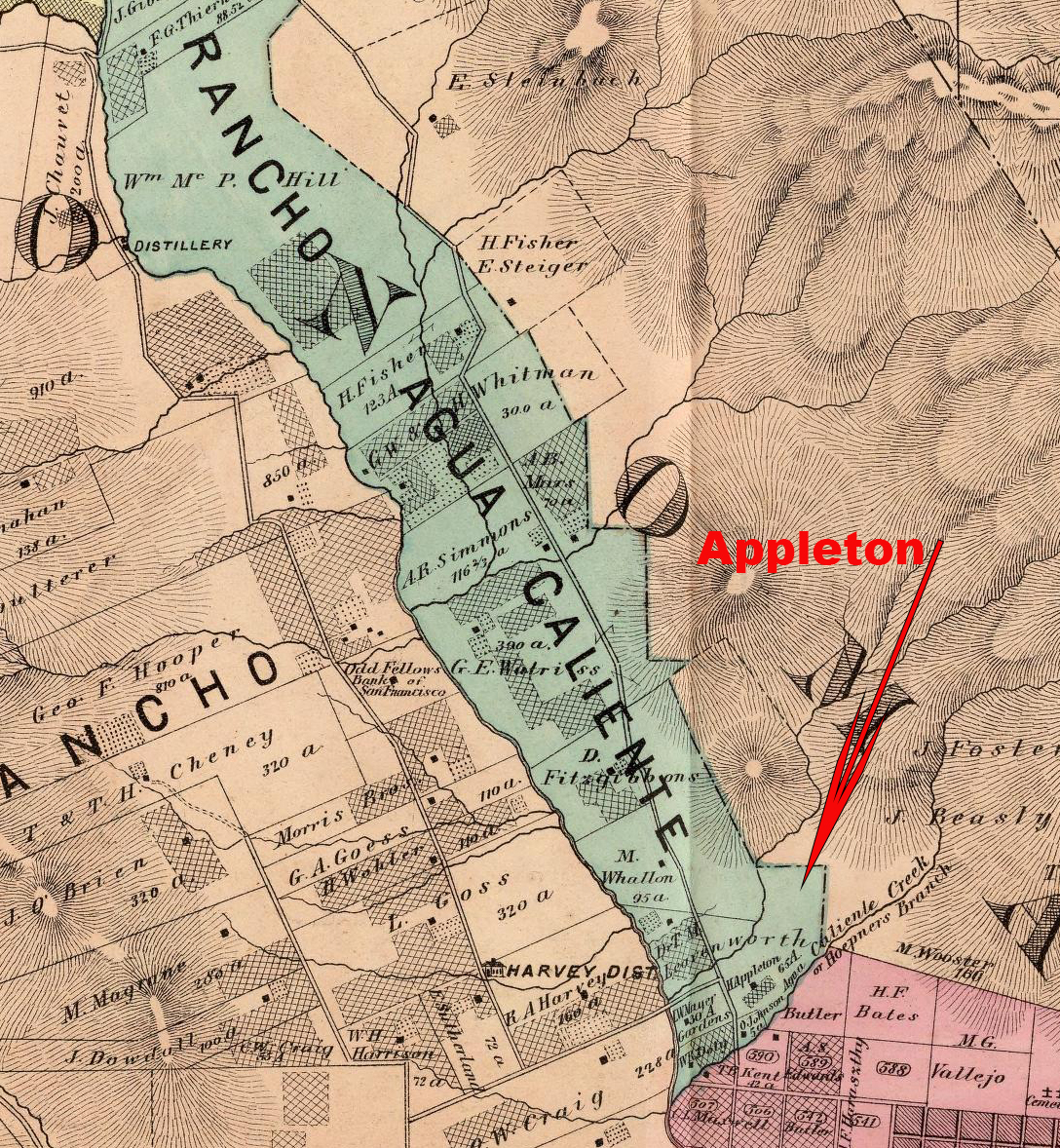
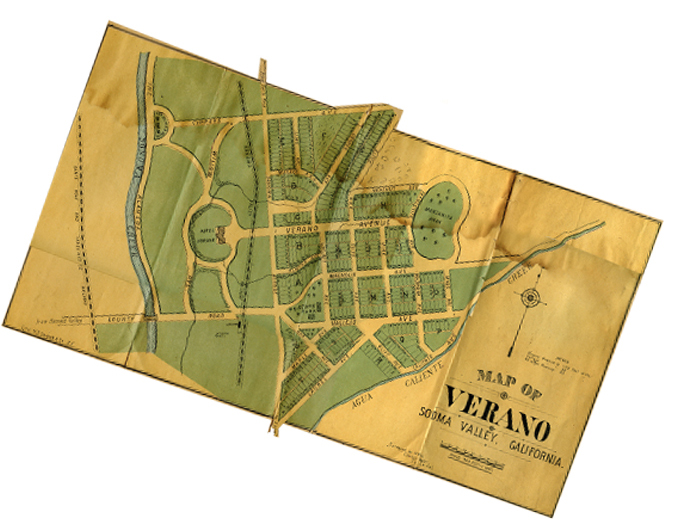
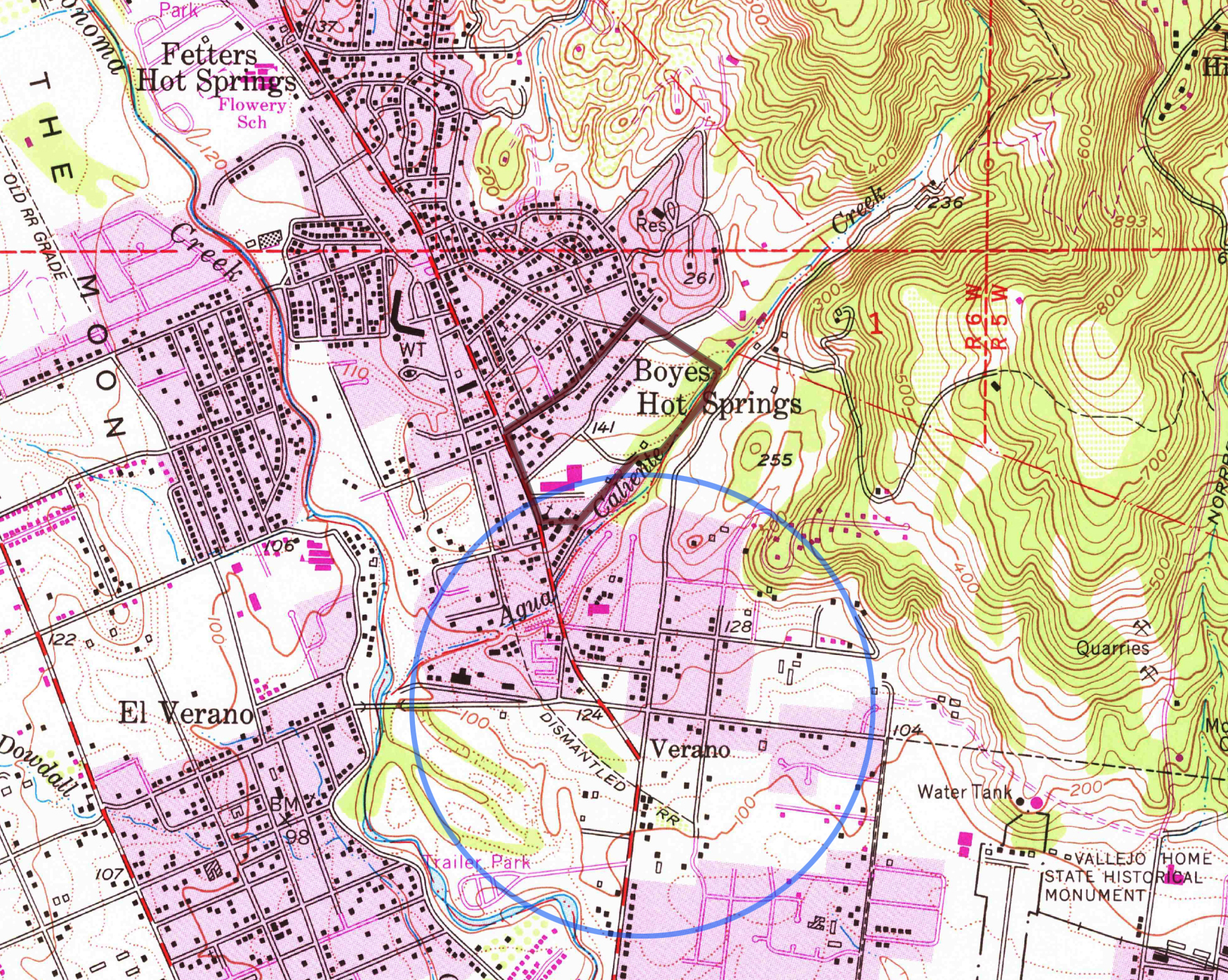
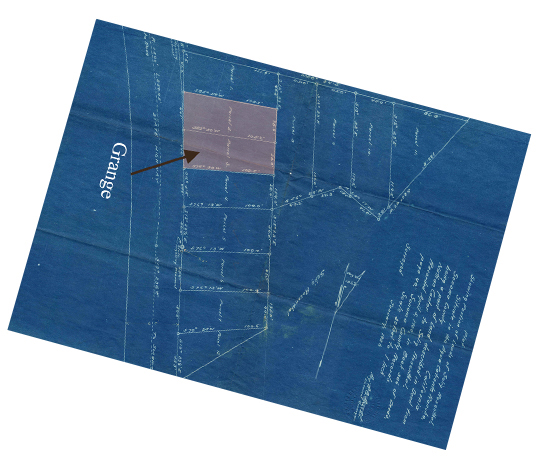
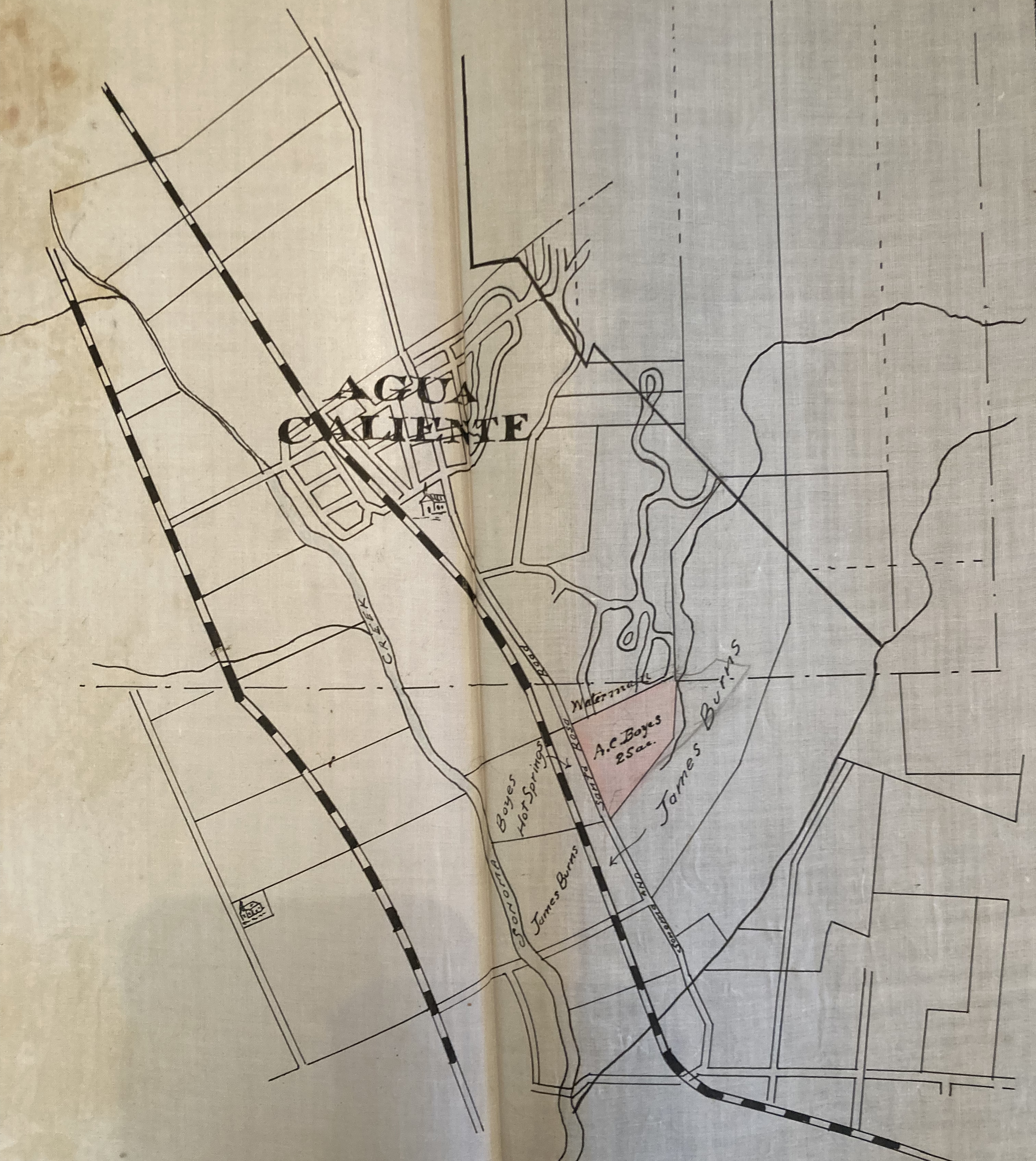
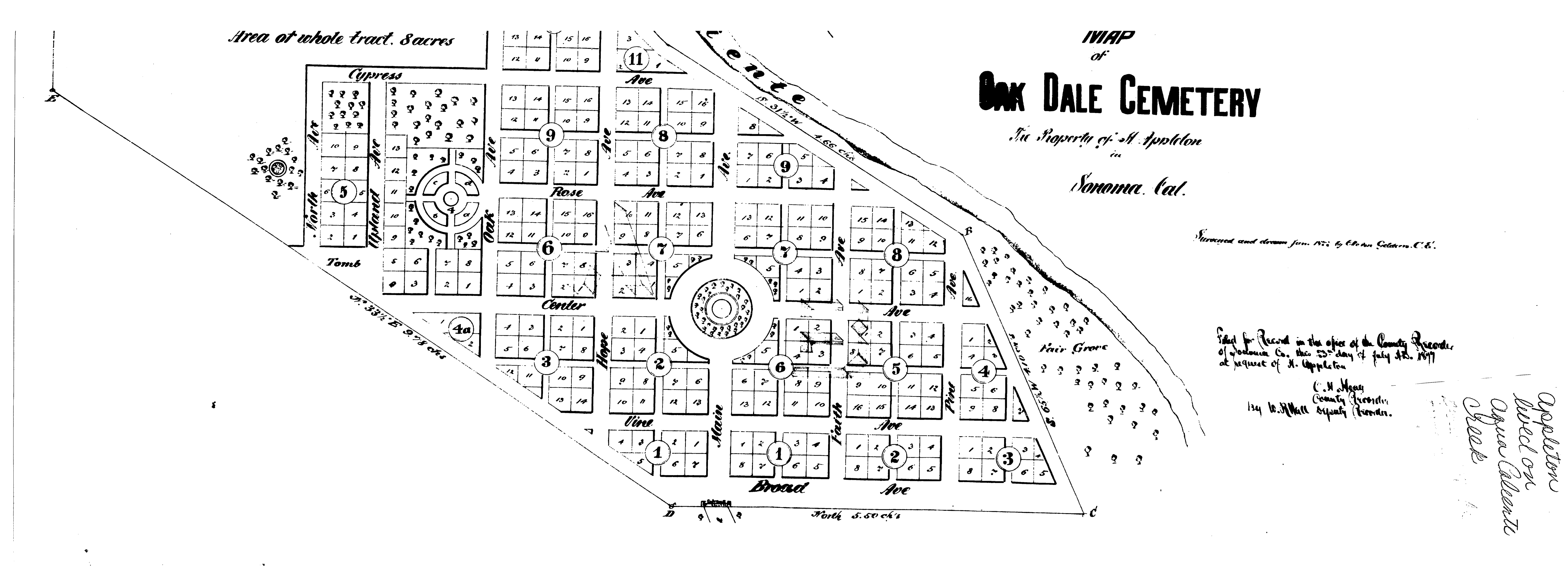
Thanks to the Sonoma Valley Historical Society, for everything, really, and to the Rumsey Map Collection.
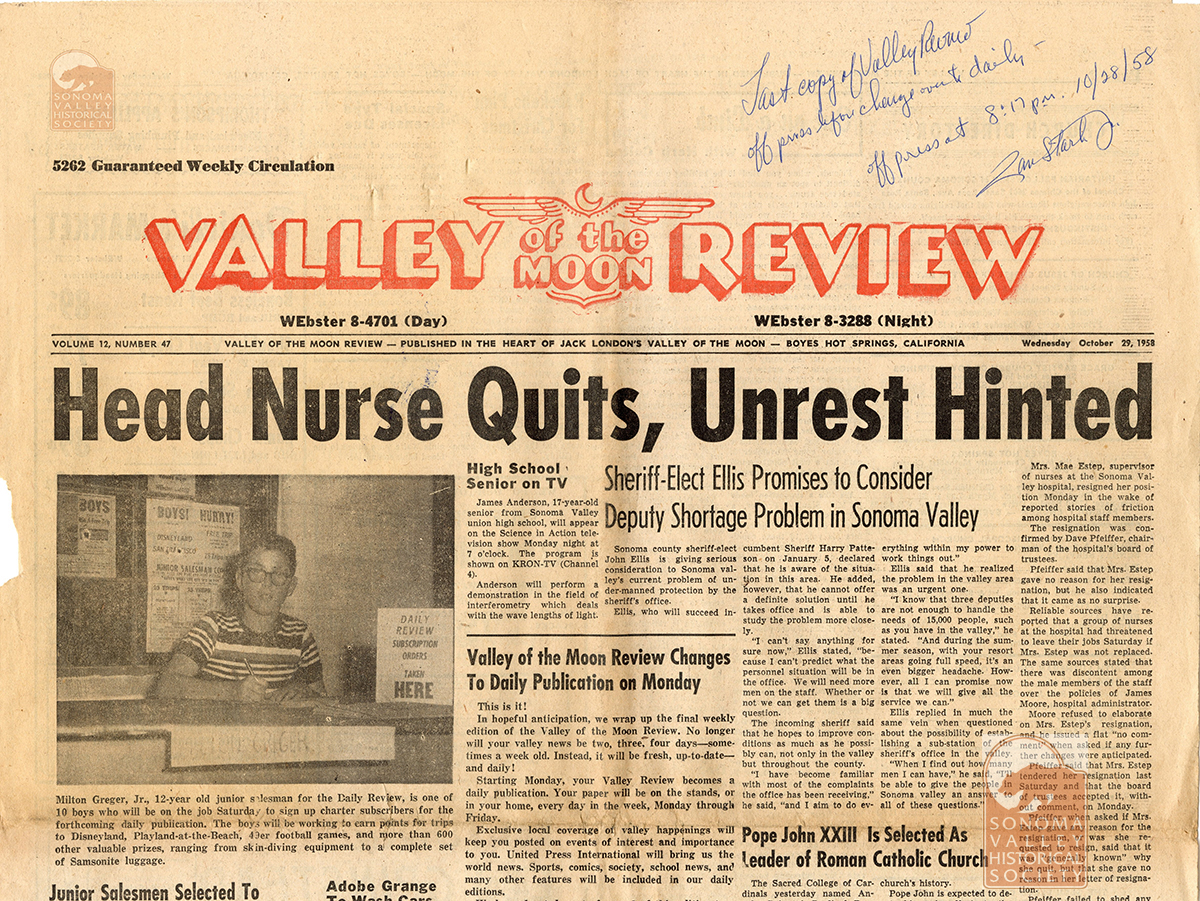
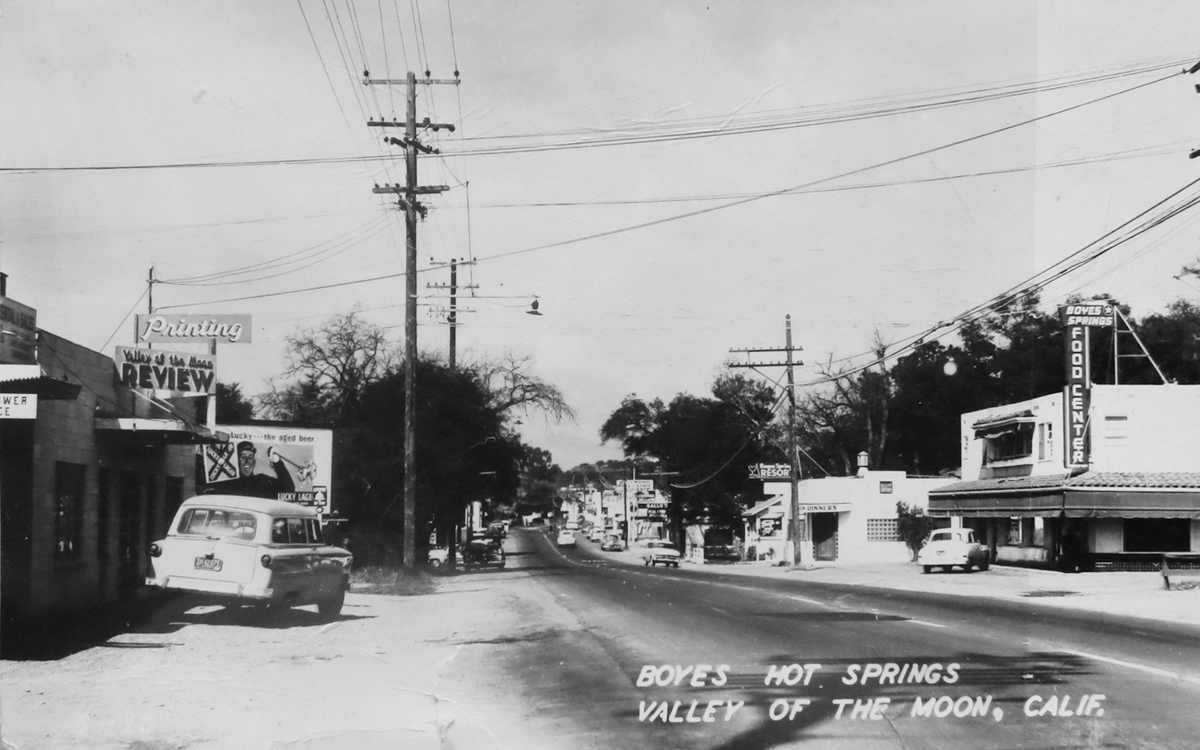
The weekly Valley of the Moon Review was founded in Boyes Hot Springs in 1946 by Colonel E.A. Little. Zan Stark and his son, A.J. Stark Jr., bought the paper in 1953. They turned it into a daily in 1958. The paper ceased publication in 1961. Zan Sr. was a well known publisher of “real picture post cards” of Northern California scenes. He died in Sonoma in 1977. As noted in the article about the history of the paper, their offices and printing plant were on Sonoma Highway, “across from Calle del Monte.”
Copies of the paper are scarce. The Sonoma Historical Society recently came into possession of a few of them. Among them, very fortunately, was the front page of the last edition of the weekly paper before it changed to a daily. It is signed, with an inscription, by Zan Stark Jr. who was publisher and editor.
The daily paper covered national news as well as local. Many stories from United Press International may reflect Zan Jr.’s eventual employment by them. He later became the bureau chief of UPI in Portland, Oregon.
Stay tuned for more from this trove of Boyes Hot Springs history!
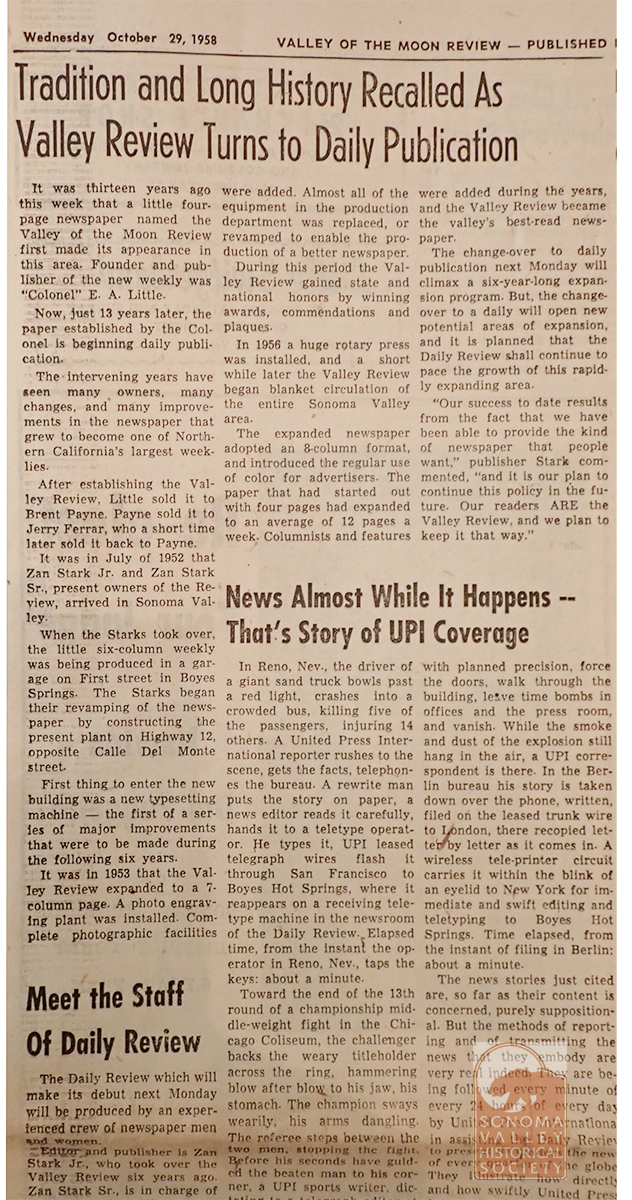
Newspaper images courtesy of the Sonoma Valley Historical Society
Post card image courtesy of Stanford University Library, Special Collections
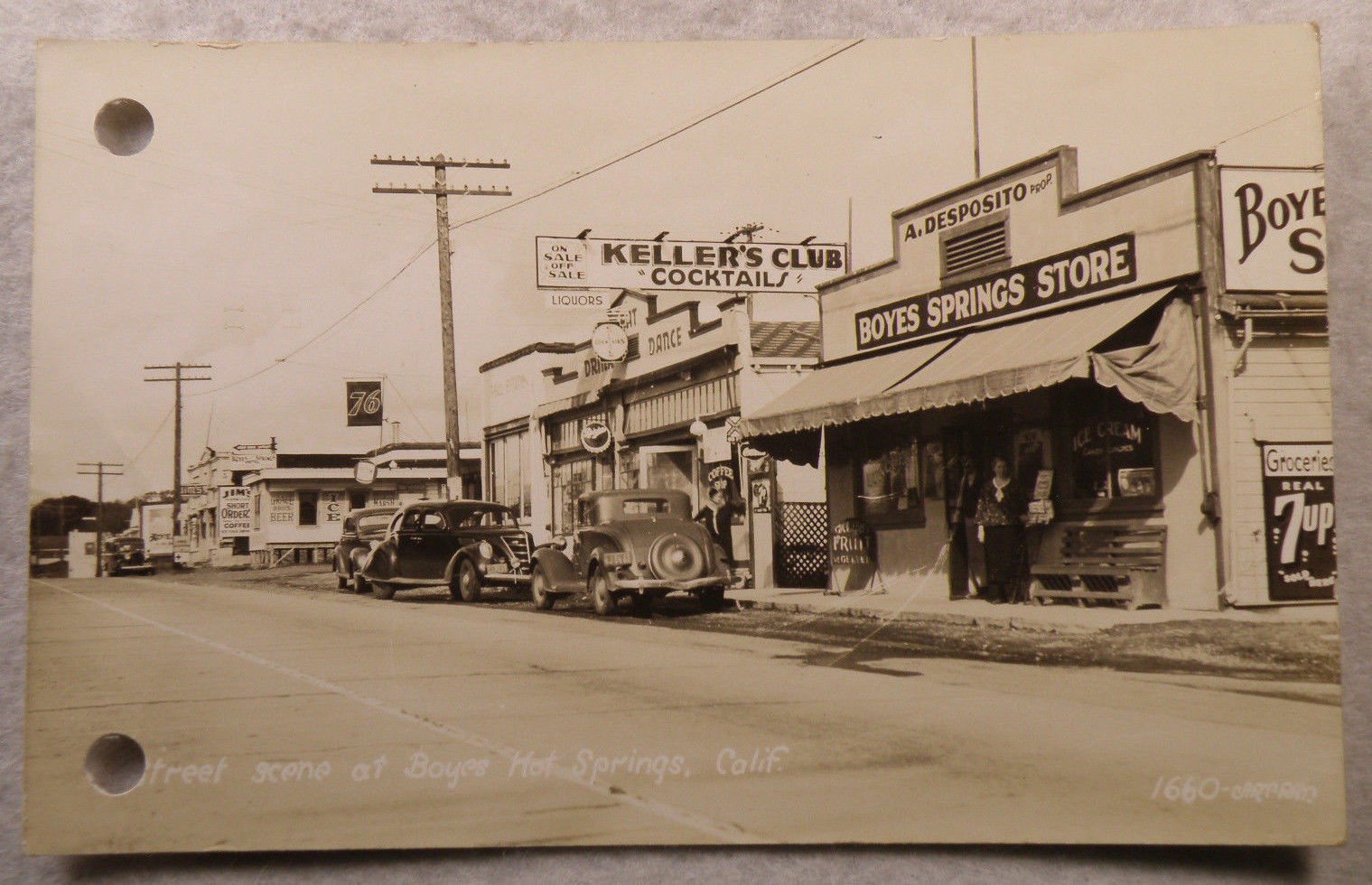
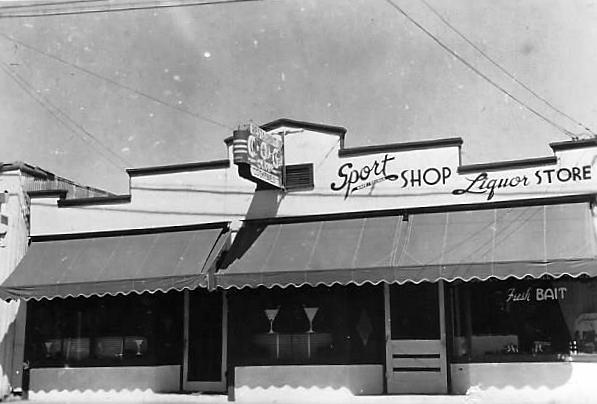
In April of 1939 the Index Tribune reported “The Larson brothers of Hopland have leased “Keller’s” at Boyes Hot Springs.” The Larson family, including Oscar’s wife Ophelia, came to California from Wisconsin around 1939.
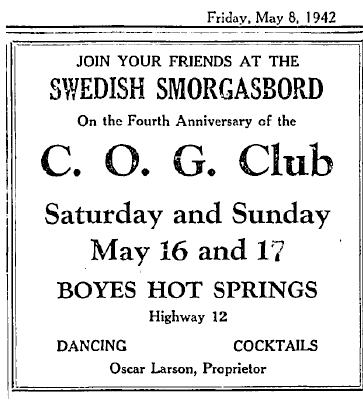
Oscar Larson promptly changed “Keller’s” to the C.O.G. Club, for Cal, Oscar and Gary Larson. The club was located near the corner of Vallejo St. and Sonoma Highway in the current Barking Dog Roaster space.
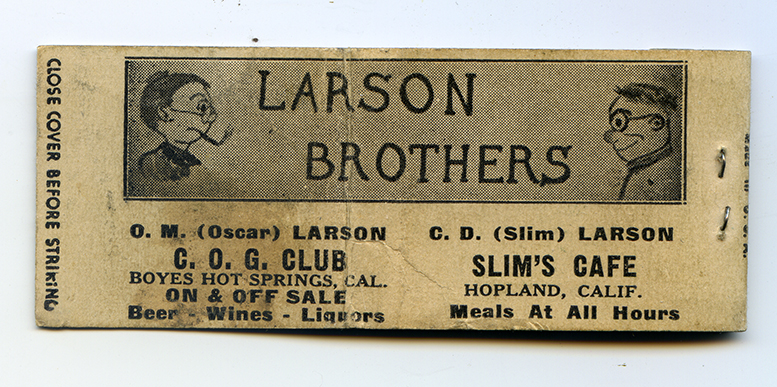
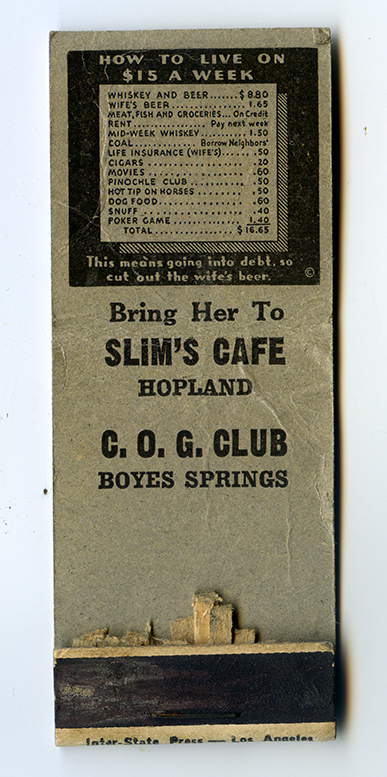
In 1942 they celebrated the fourth anniversary of the club with a Swedish smorgasbord.
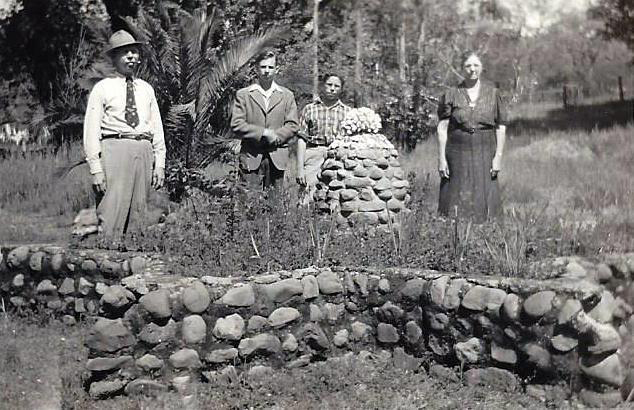
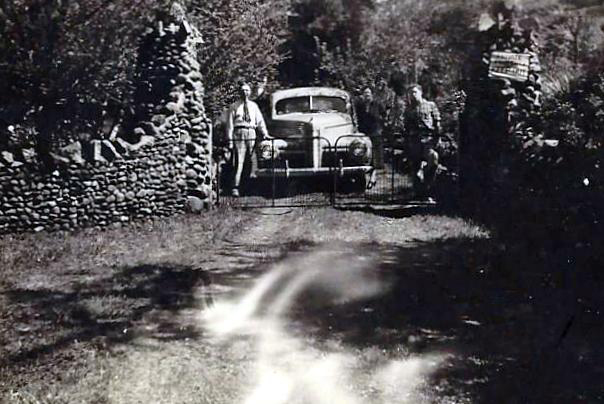
Also in 1939, they bought a stucco house on property near the corner of Verde Vista and Arroyo Rd. in Boyes Hot Springs. The house was known by neighbors as “Larson’s Villa,” and by the Larson family as “Valhalla.” The house still stands in 2021, though the land was sold and subdivided in 1989 and new houses were built. The original stone walls and pillars, some fairly recently restored, still grace the street, and continue to cause curiosity. Other stone work has not survived.
Gary Larson via email, 2018:
I remember the house well. We visited it as late as 1989 and held a small family reunion there right before they sold it. I believe an article was written in the local paper. I will never forget as kids playing in the canals (See Lily Creek!) that ran under the driveway and the beautiful stone star at the bottom of the hill. There was one big tree that was on the edge of the property that they told us was a redwood. Ophelia’s home was warm. She played piano.
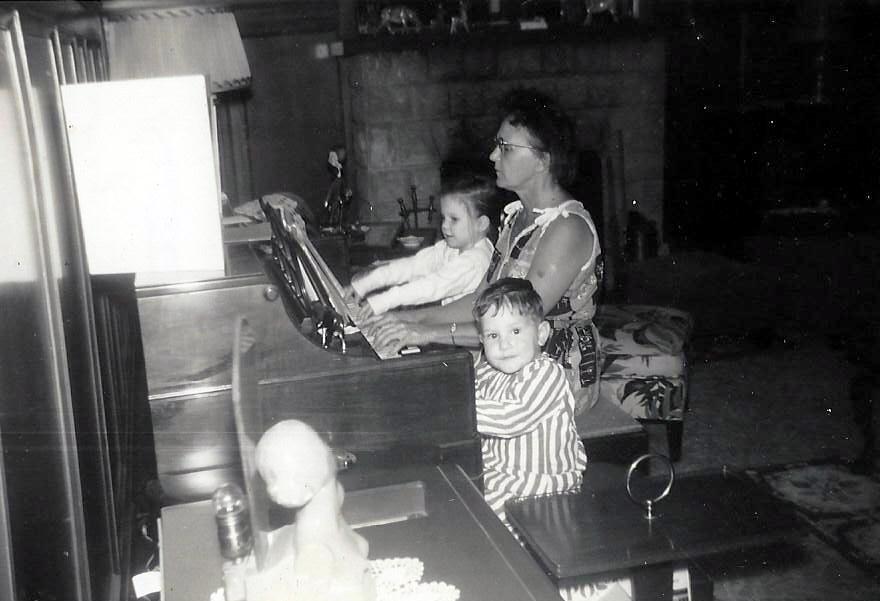
There was a bar in the corner of the living room for entertainment. There was a grill and huge outside patio and an apartment in the back. She always had a closet full of toys for us kids. We has a wonderful Christmas there one year in the 1960s.
Dad would put us to work raking and cleaning the yard when we would come to visit. Oh to be able to go back and visit my grandmother as an adult…I would have so much fun listening to the stories of their lives.
In 1949 Oscar and Ophelia Larson sold the club to Denny Coleman to concentrate on running Larson’s Sporting Goods and Liquor store, which he had opened in 1945, next door to the club.
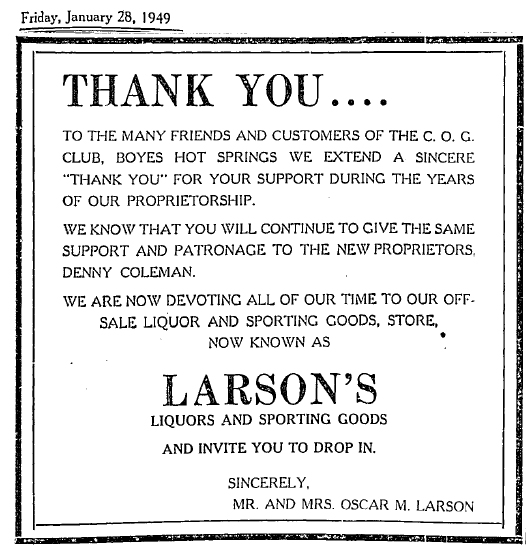
Oscar Larson was very involved in civic groups. In 1943 he was elected president of the Sonoma Valley Chamber of Commerce. Other board members included luminaries whose names are still known in the Valley: Rudy Licthenberg, Dr. Andrews, Vic Leveroni, I.S. Shainsky, and John Dowdall.
In 1945 the Valley of the Moon Recreation District was formed. Oscar Larson was appointed to establish the district. In 1951 the district acquired four acres along Sonoma Creek in Fetters Hot Springs for development as a park. In 1955 the Lion’s Club erected a concrete block building for park use.
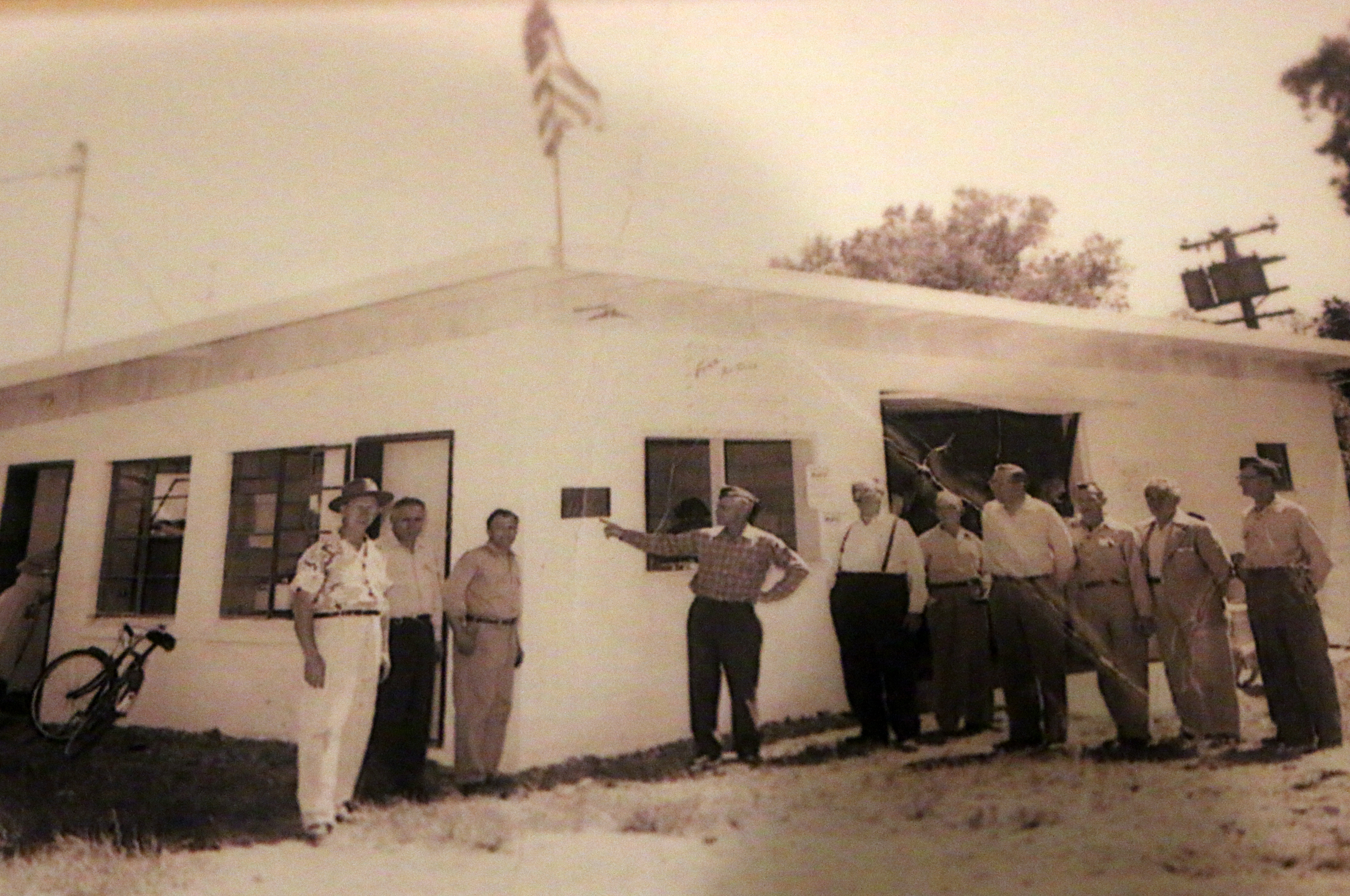
In 1959, what had been known as “Park #1,” was officially named Larson Park to honor Oscar Larson, who died in May of that year.
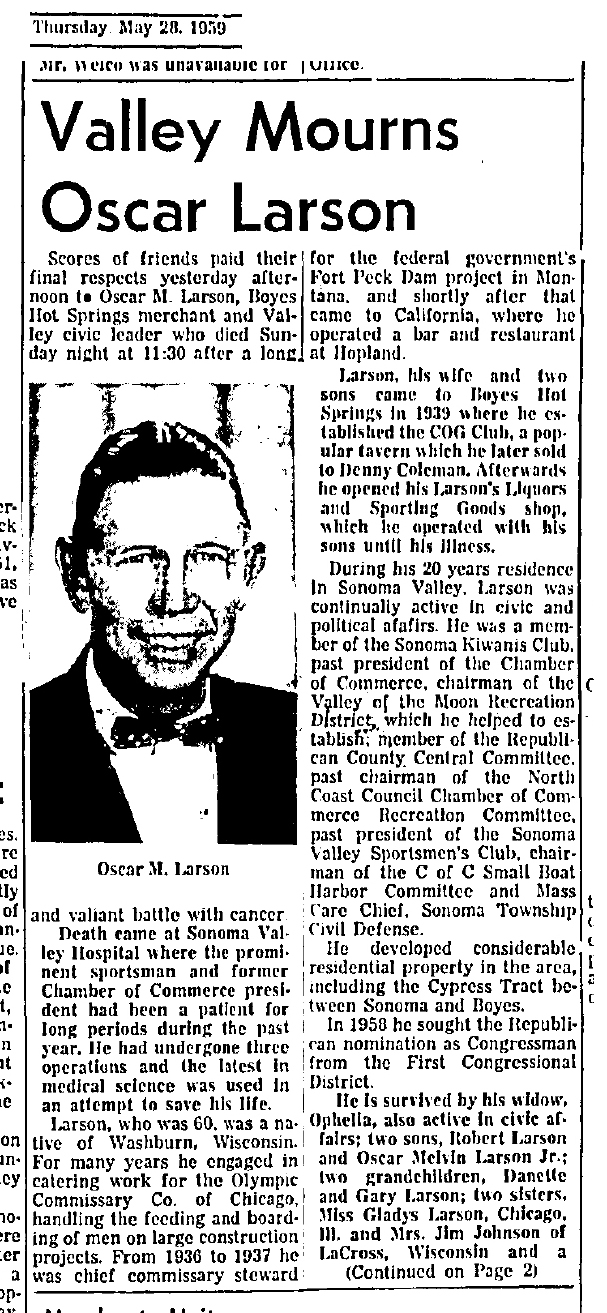
Iris Larson, Gary’s mother, 92 years old in 2019, told me via phone that Oscar bought war surplus houses from Mare Island and brought them to BHS. He installed them on lots he owned on Second Avenue. Some he joined together or stacked.
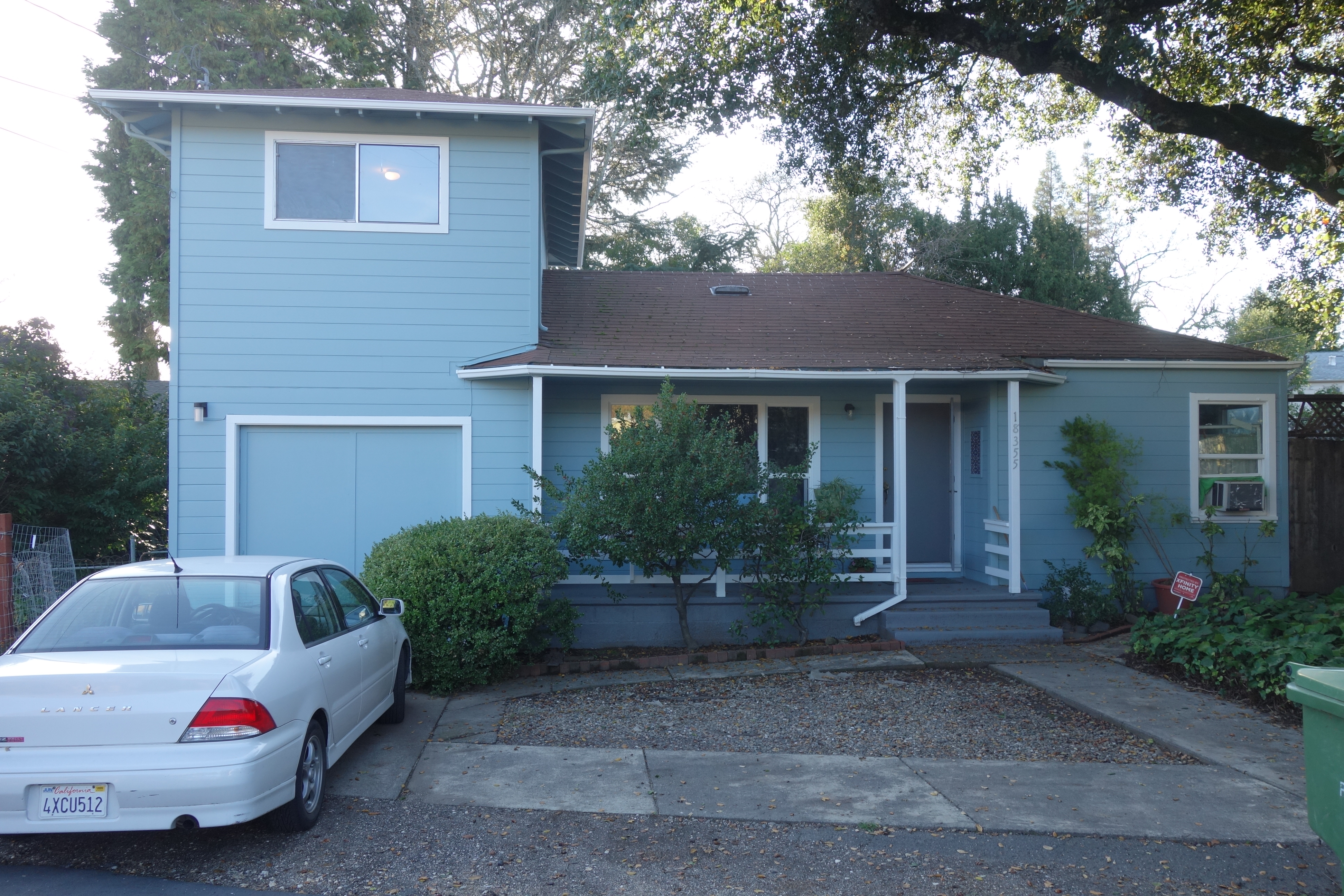
UPDATE: The Larson stonework in 2021.
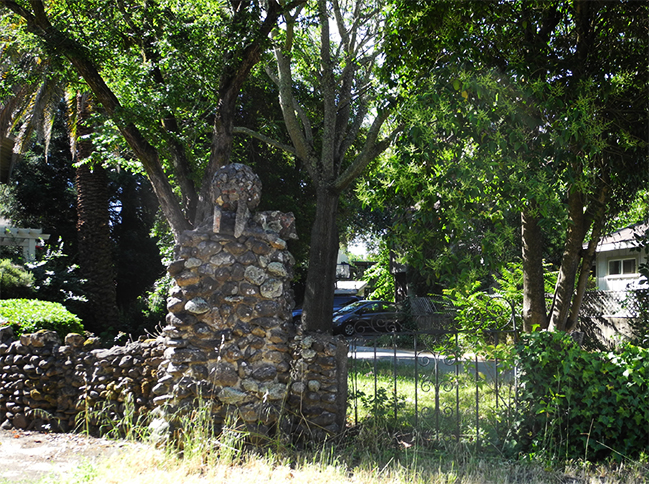
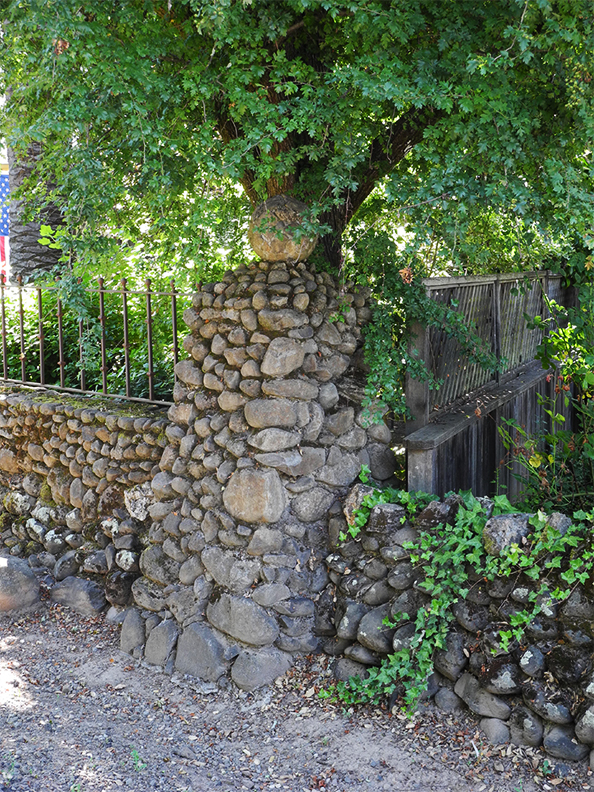
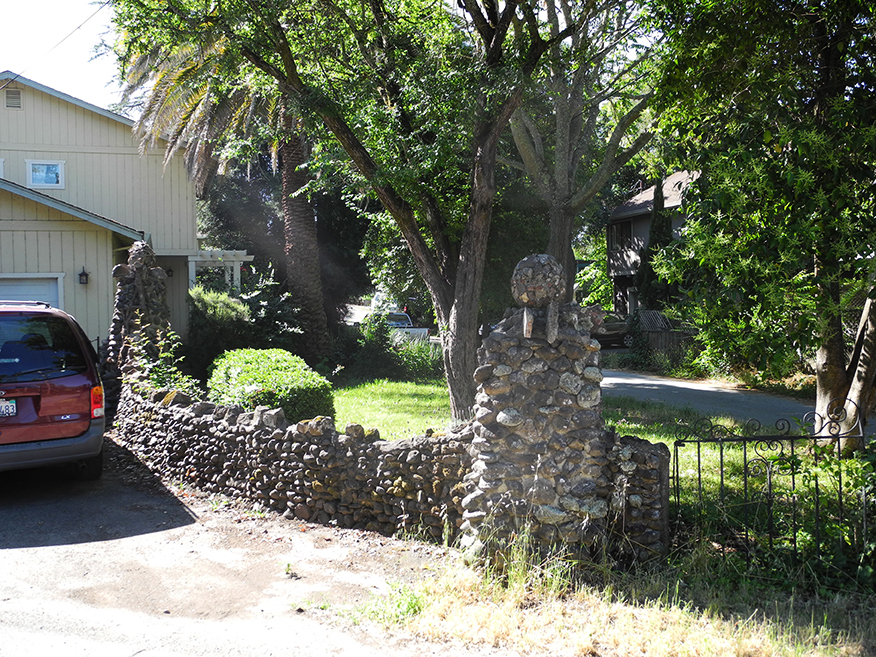
Photographs courtesy of Gary Larson and author’s collection. Index Tribune courtesy of the Sonoma Valley Historical Society.


 springs museum