Boyes Hot Springs, El Verano, Fetters Hot Springs, nature, Photographs, Resorts, Springs Historic Photo Database

Photographers of the Springs

This is not meant to be an exhaustive survey of everybody who ever photographed in Sonoma Valley. (Here I’m focusing on the resort towns of Boyes Hot Springs, Fetters Hot Springs, Agua Caliente, and El Verano.) That will have to come when we mount an exhibition on the topic at the Sonoma Valley History Museum in Depot Park.
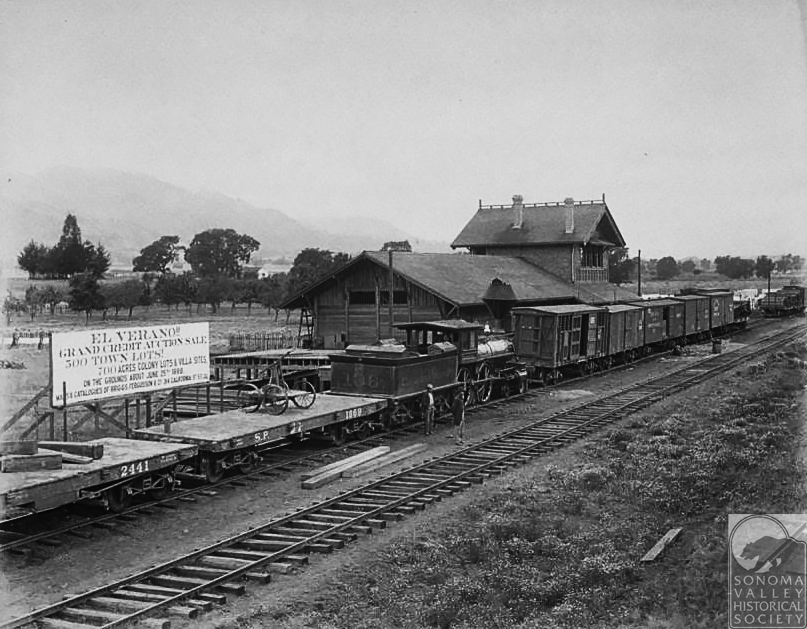
“Grand Credit Auction Sale, 500 Town Lots!, 700 Acres Colony Lots and Villa Sites” says the sign.

Carleton Watkins

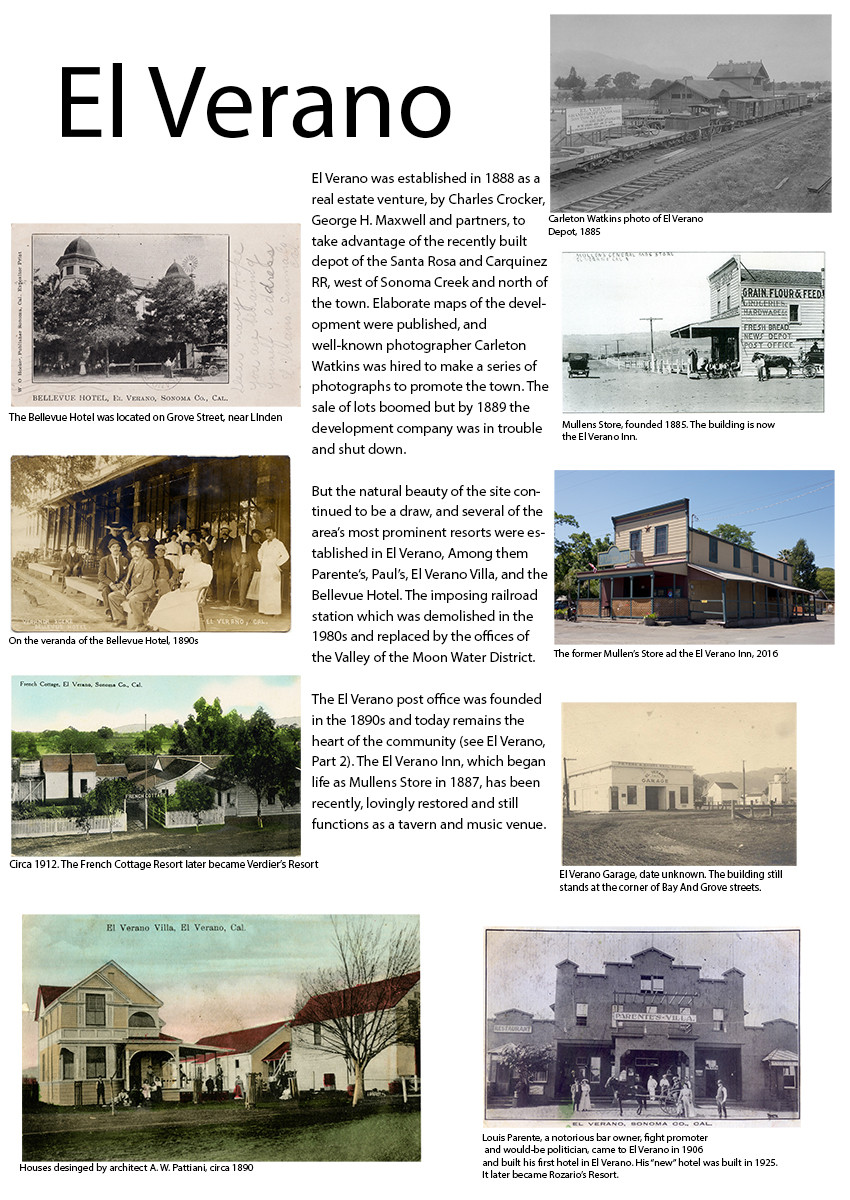
Probably the most noted photographer to document a part of the Valley was Carleton Watkins (1829-1916), who was engaged in 1887 by George Maxwell to make a portfolio of images as a tool to help sell land in El Verano. A great deal of hubbub was created touting this tract. Free trains excursions from San Francisco were offered to potential buyers. Streets were platted and an elaborate map was issued. The land boom collapsed, however; money was lost, and only a few streets remained, until El Verano pulled itself up by its bootstraps again. There was almost nothing there but fields, oak trees and a few farms when Watkins visited El Verano. The railroad was the most important thing happening. See the El Verano Historical Society for more images.

Postcard Photographers

Agua Caliente, Boyes Hot Springs, and El Verano, sometimes known as The Springs, in the unincorporated part of the Valley of the Moon, California ( adjacent to Sonoma), has been a resort destination since the 1880s. People went there (and still do) on vacation, to take the waters and bath in the sun. Tourists like to have photographic memories of their joyous time, so many photographers published postcards of the resorts and people enjoying them.

The names of the photographers are mostly known. The stories behind the names are known for some and some are obscure (as of this writing.)

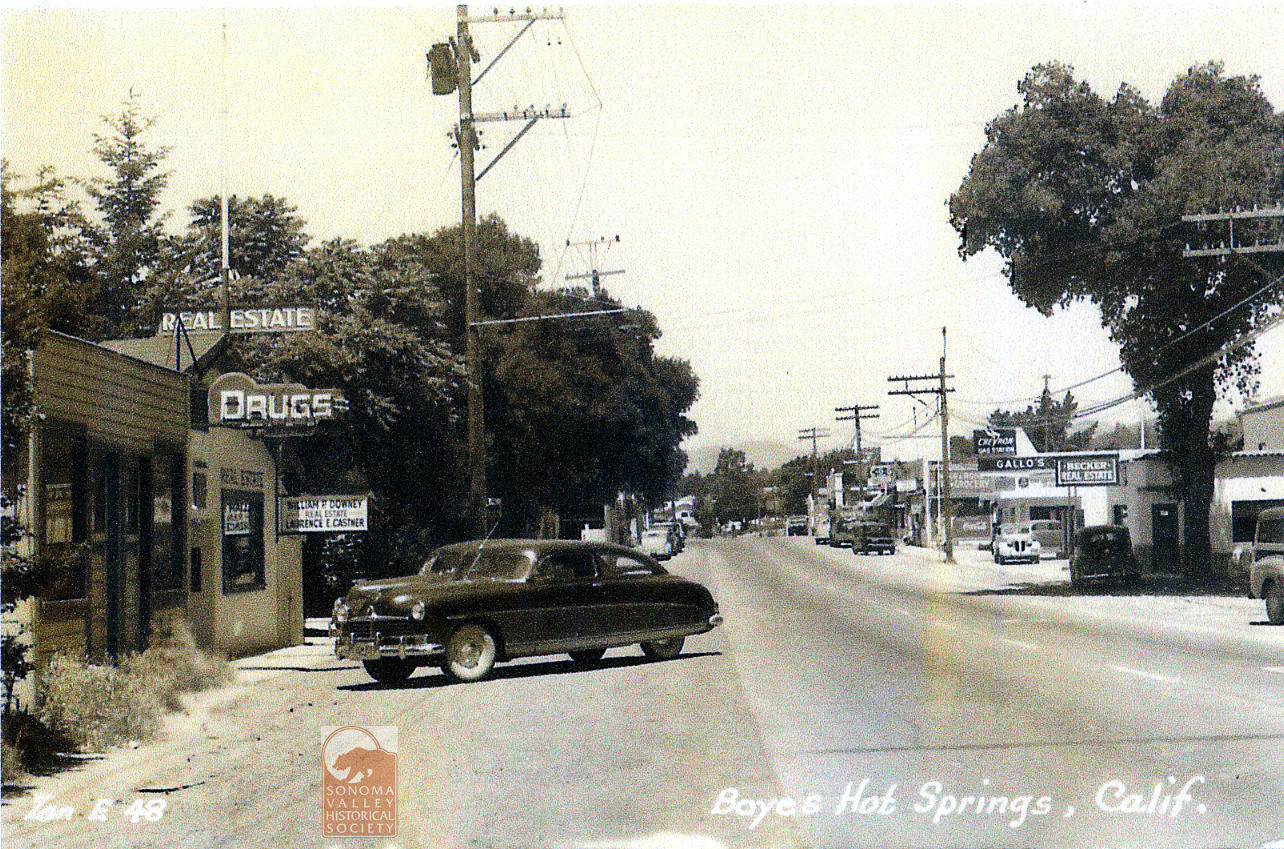
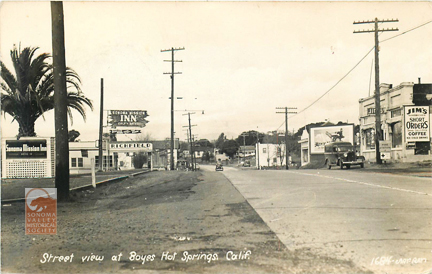
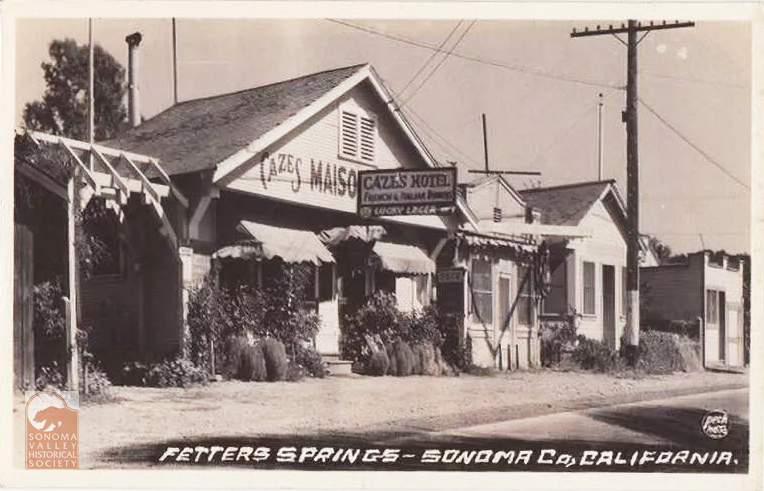
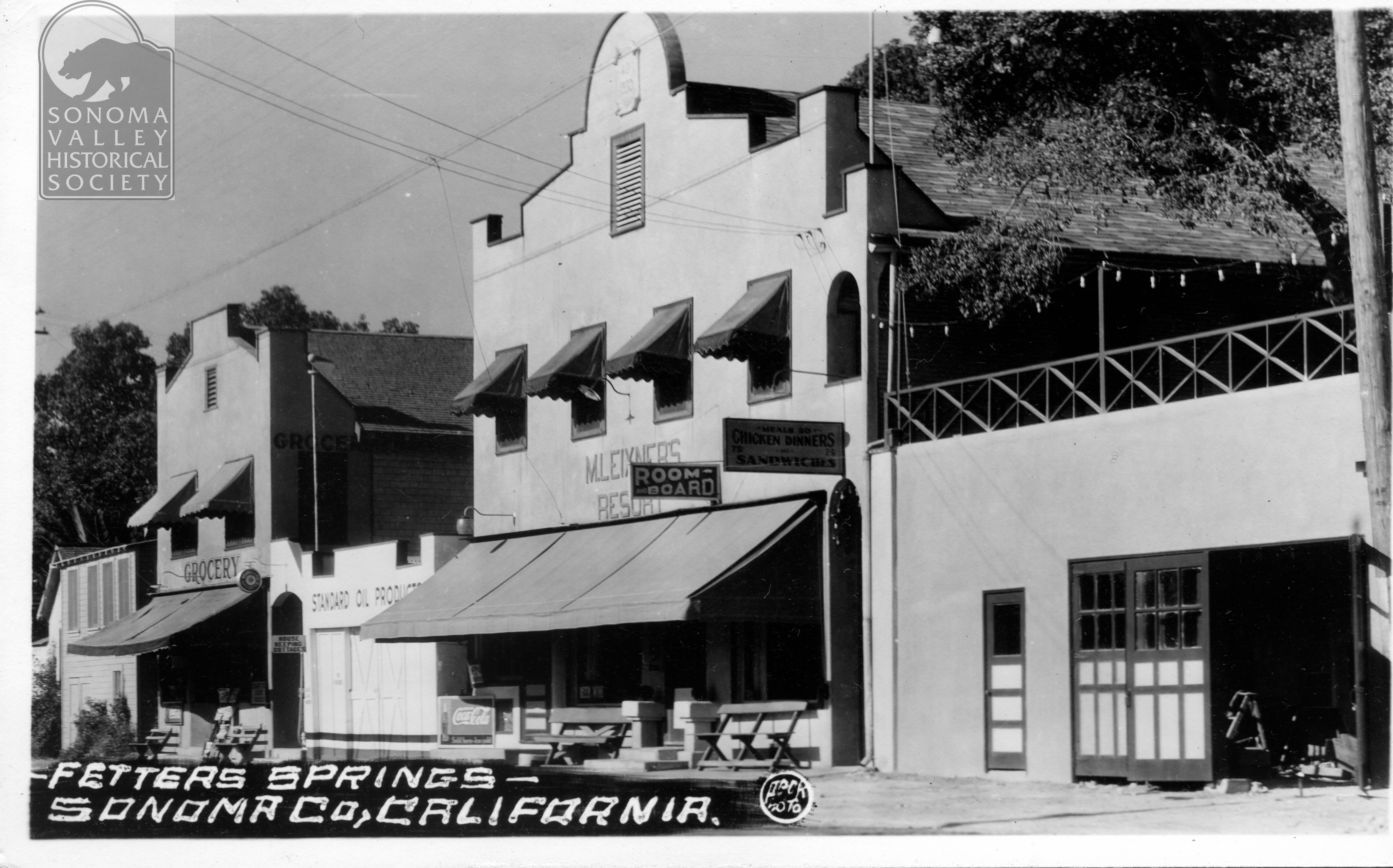
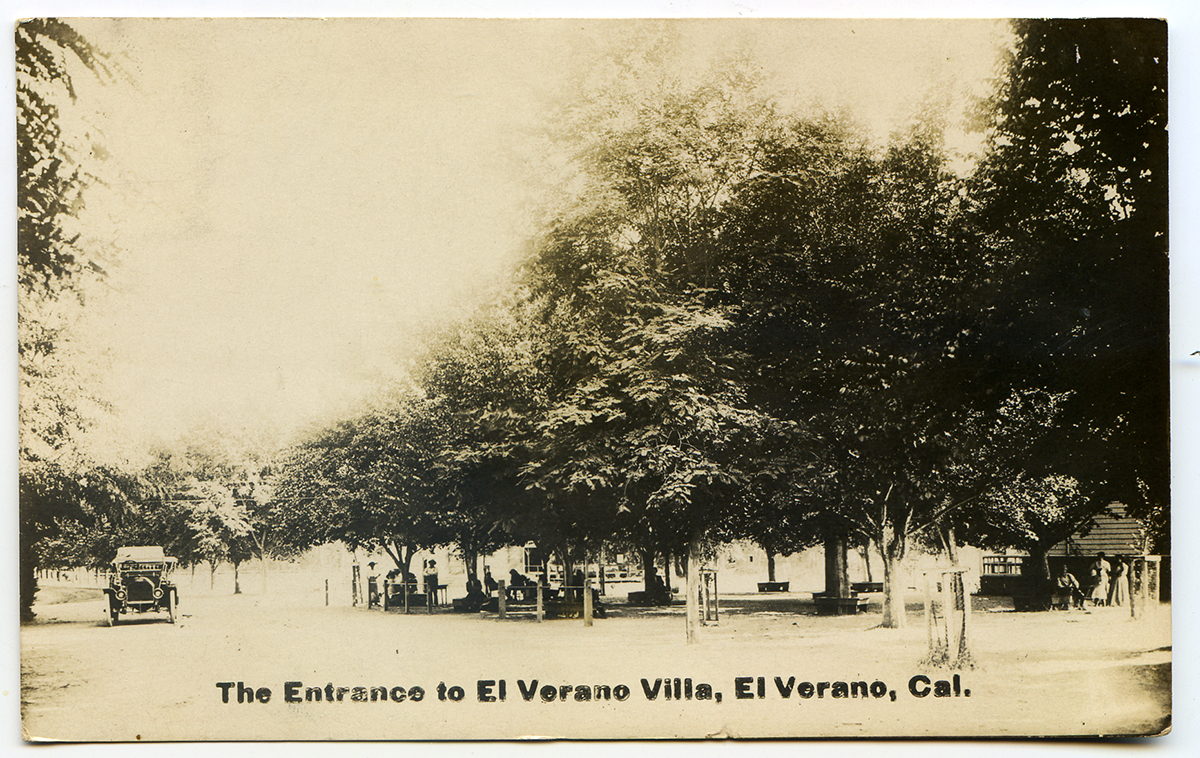
The production of resort postcards got going in earnest in the early 20th century. The prominent photographers were Charles Weidner, C. A. Payne (also publishing as Art-Ray), Peck, Topete, and Alexander (Zan) Stark. We have a lot of biographical information on Weidner and Stark, thanks to Frank Sternad of the San Francisco Bay Area Post Card Club. The others are more mysterious.
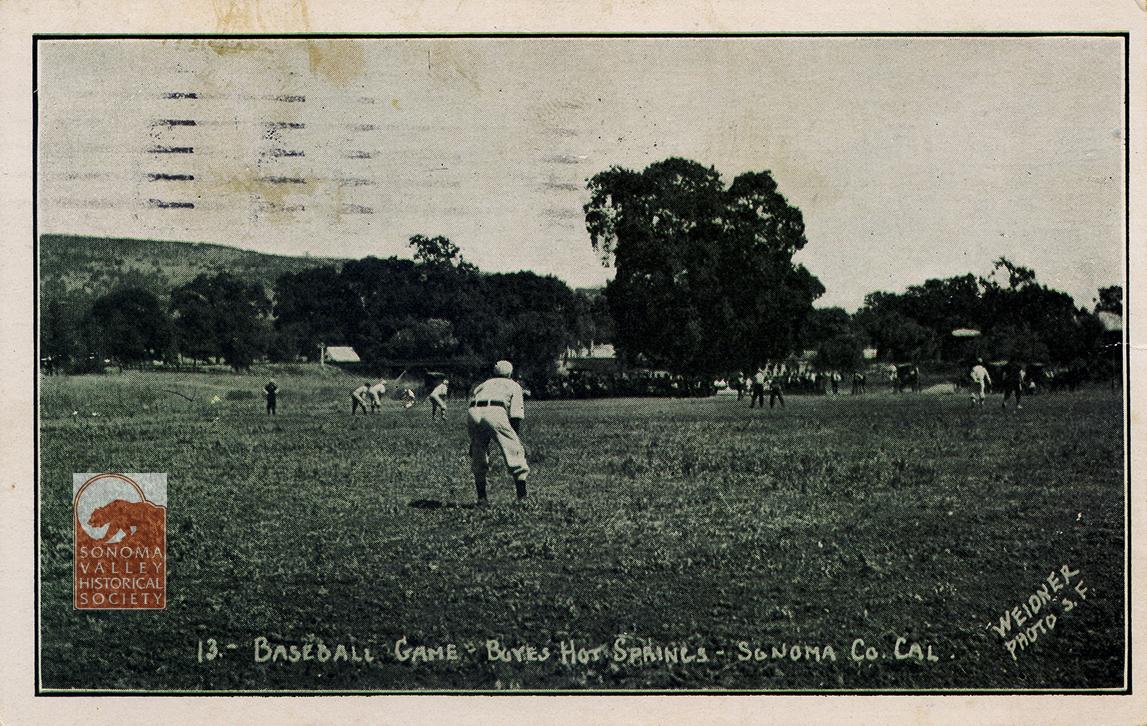
Charles Weidner was born in Germany in 1867, came to the United States in 1888. By 1891 he had made his way to California. Around then he took up photography in earnest,  establishing his postcard company in San Francisco in 1902. He was well known for his photos of San Francisco after the earthquake and fire of 1906, and those of Yosemite Valley. He traveled widely in Northern California, spending time in The Springs in the years before WW1. One of his main subject was the Harmonie Ausflug, a group of Germans in the Bay Area who made tourist excursions together, and had a jolly time from the looks of it!

Weidner retired in the mid 1930s, having produced hundreds of postcards covering many locations and subjects in the Bay Area and beyond.
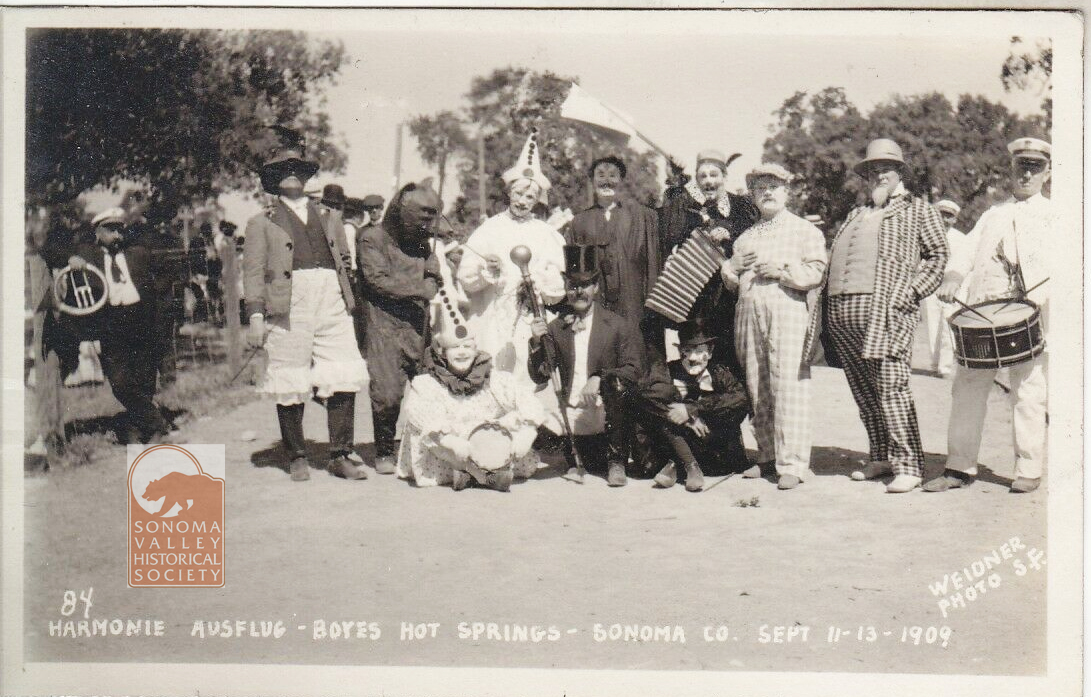
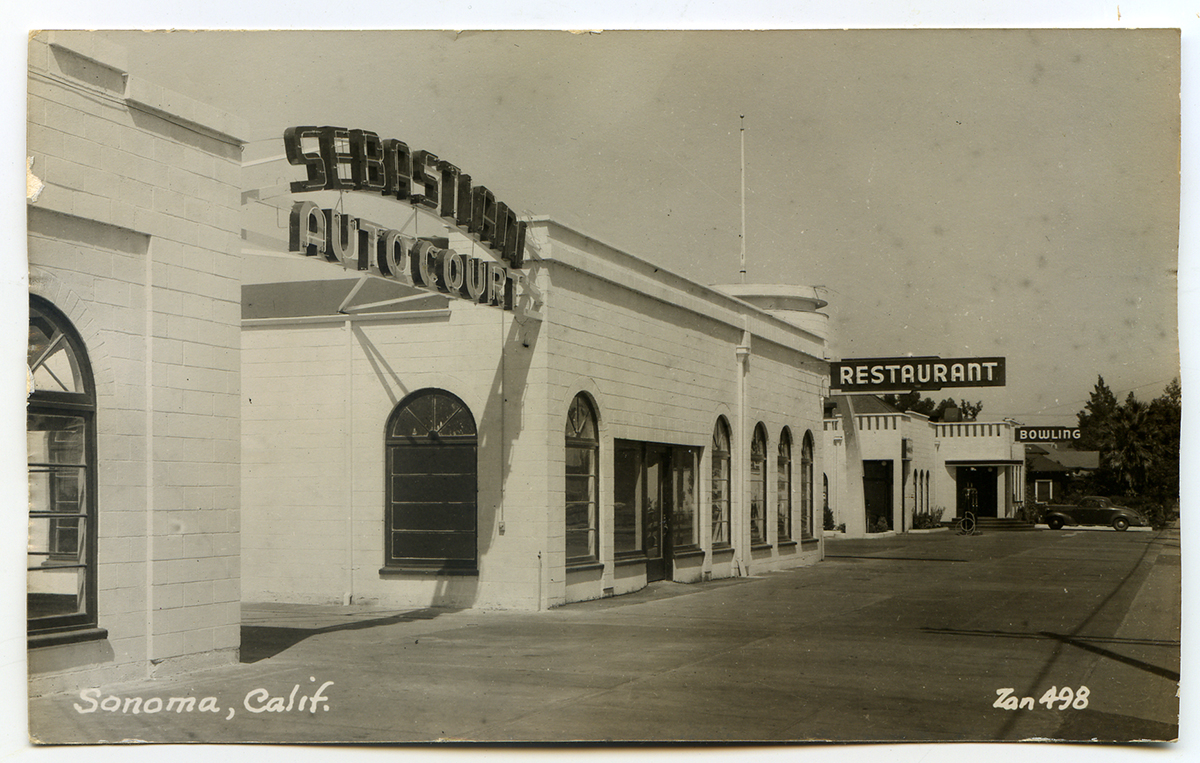
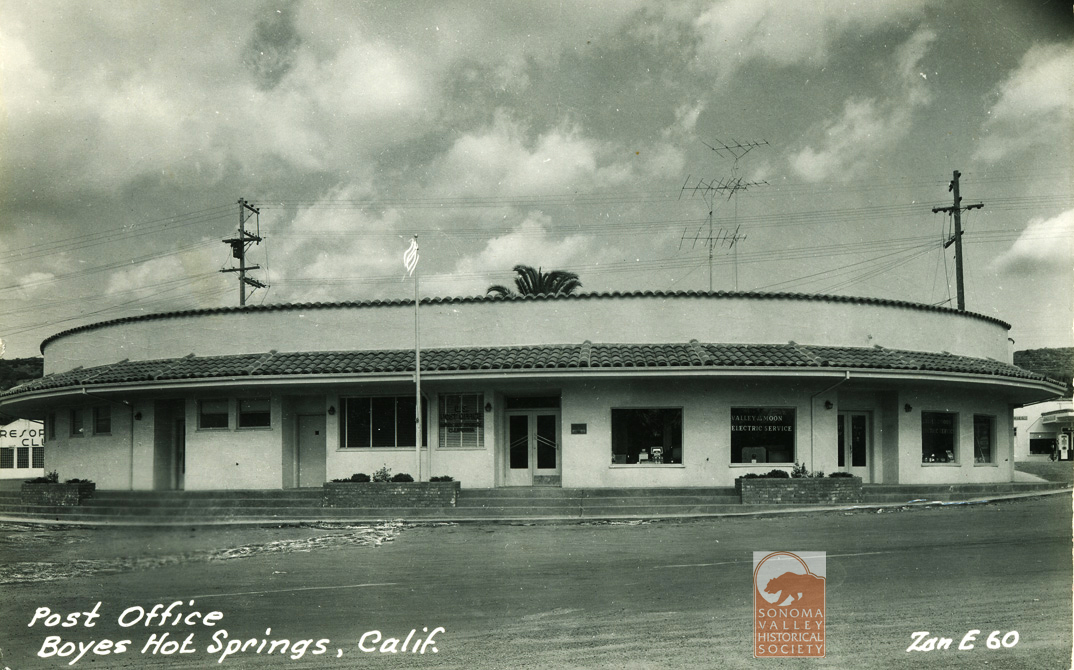
Alexander (Zan) Stark came to San Francisco from Ohio in 1914, investing in a small photo studio on Market Street. After serving in WW1, he came back to the City to resume operation of the Alta Slide and Photo Company. Alta was notable for producing photo booklets of nudes of young women, for “artistic” purposes. Several of his models were well-known silent film stars. Despite the Depression, Stark was doing well enough that in 1929 he could buy a house in Mill Valley. Inspired by his daily ferry commute to SF, he began photographing the wonders of the Bay Area, and being  business man, realized he could print these as post cards and make some money. He soon began traveling farther afield, eventually making cards in most of  Northern California, southern Oregon, and parts of Nevada.

He moved to Boyes Hot Springs in 1952, to which we owe the outstanding documentation of the resorts, businesses, and landscape of The Springs, numbering at least 65 postcards.

Stark’s archive is housed at Stanford University Library Special Collections.
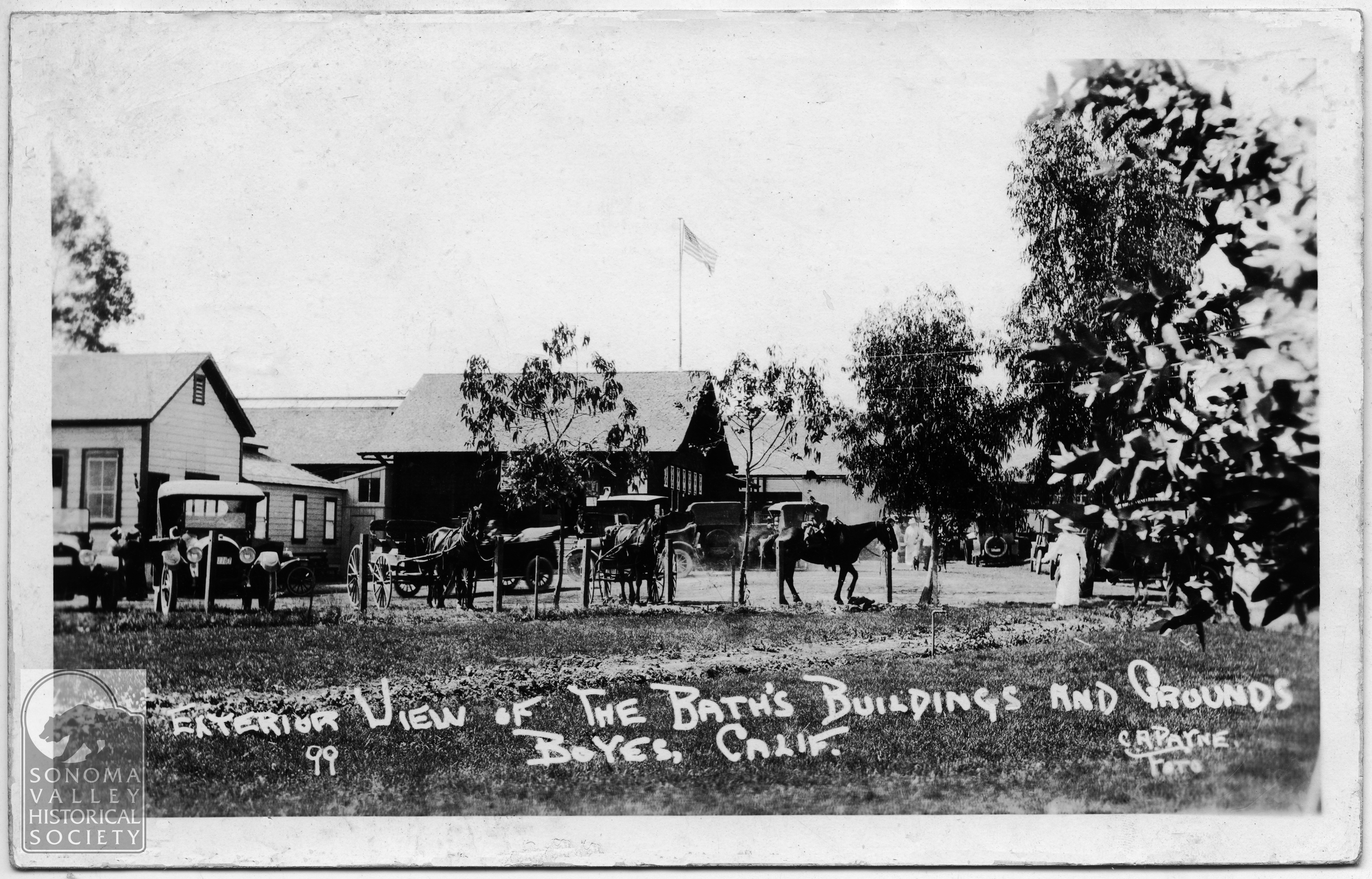
Charles and Frank Payne published under the names Art-Ray and C.A. Payne. Their home base was Crescent City, California  and they covered mainly that part of the state, venturing as far south as Boyes Hot Springs, producing cards from circa 1915 to 1921.
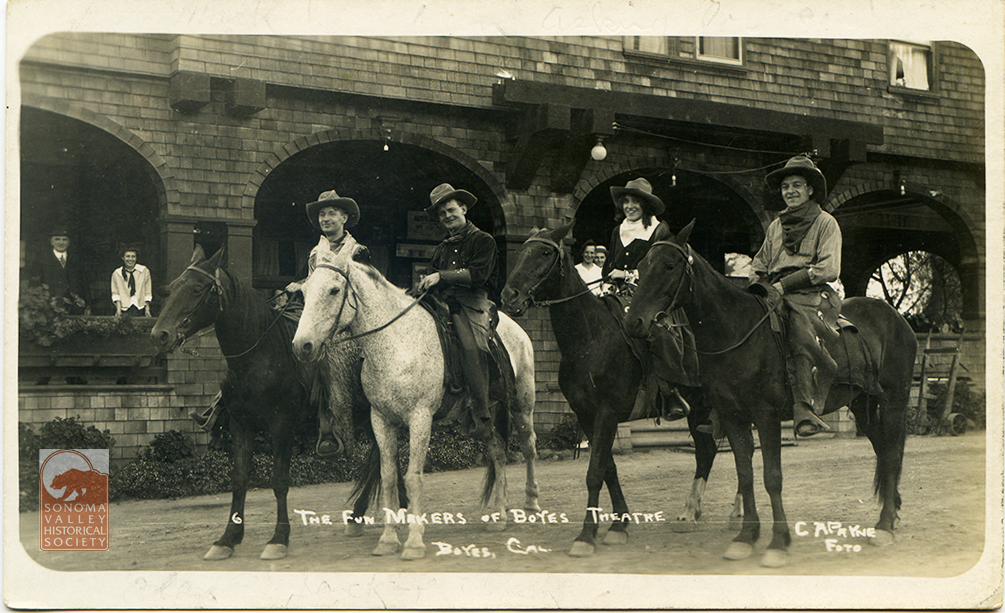
Peck: circa 1940’s-no information
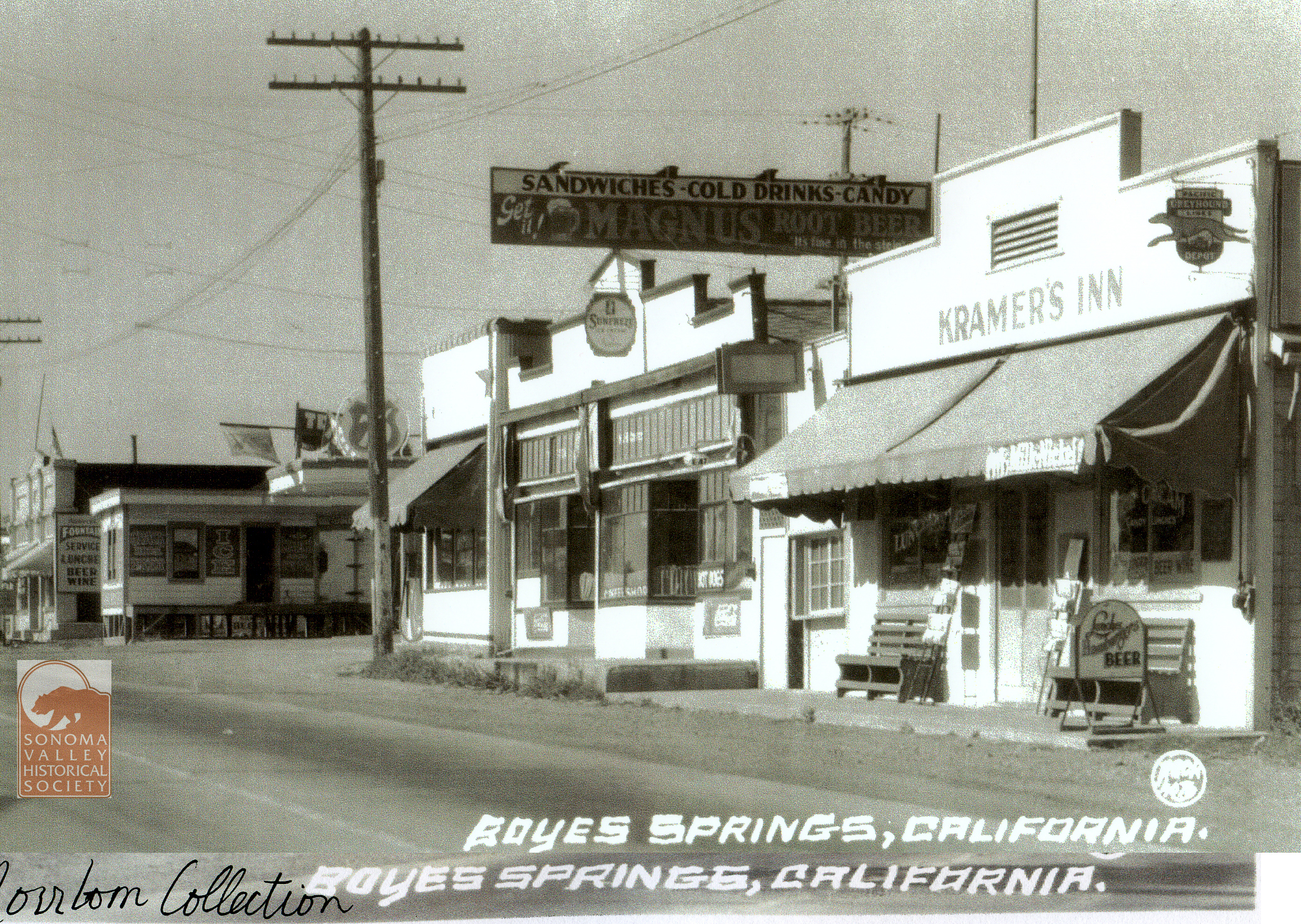
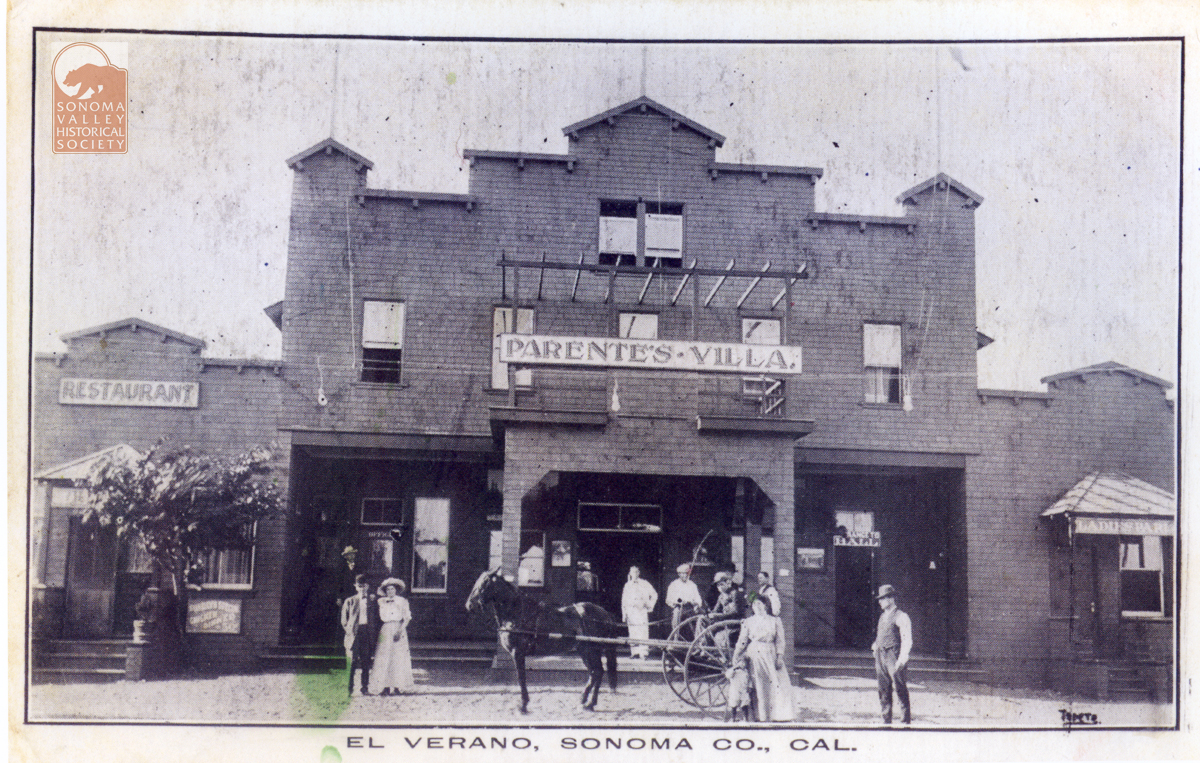
Topete-circa 1906-1912
Anonymous Snapshots

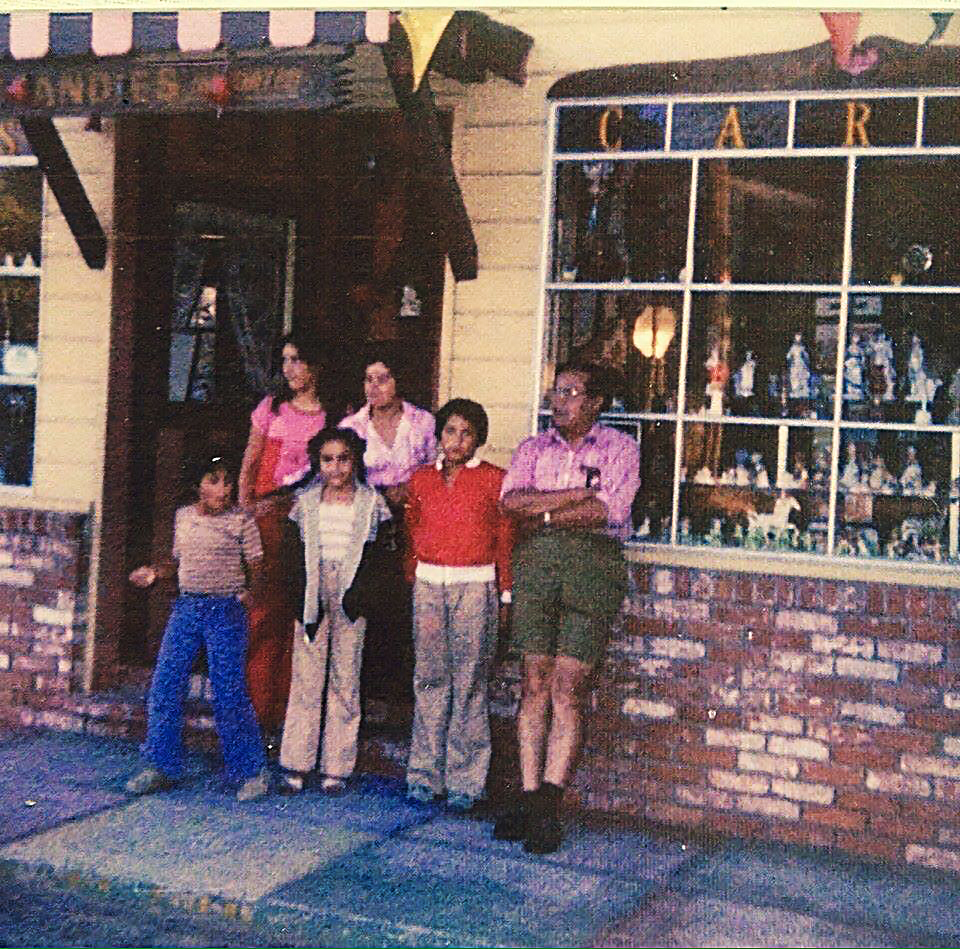
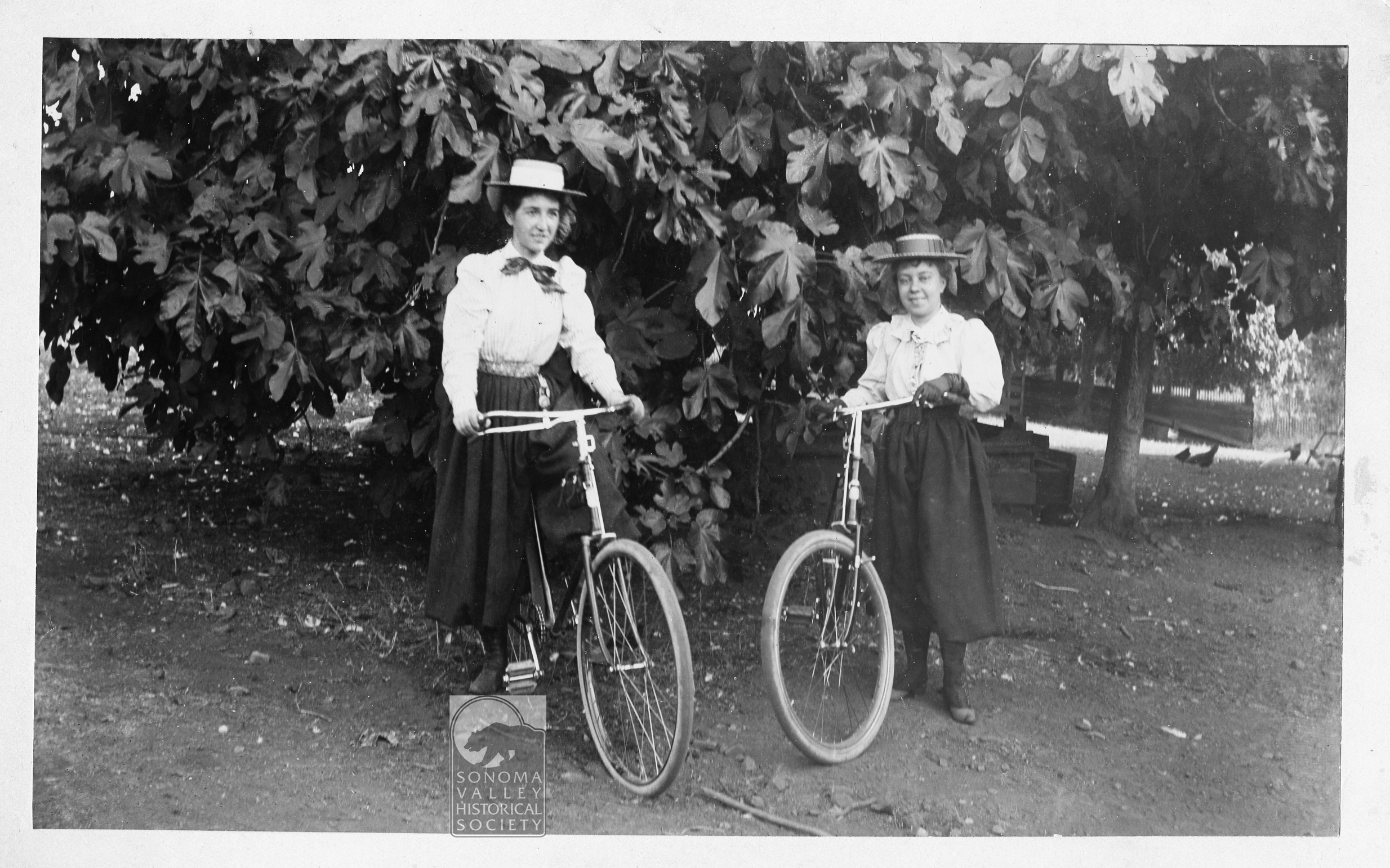
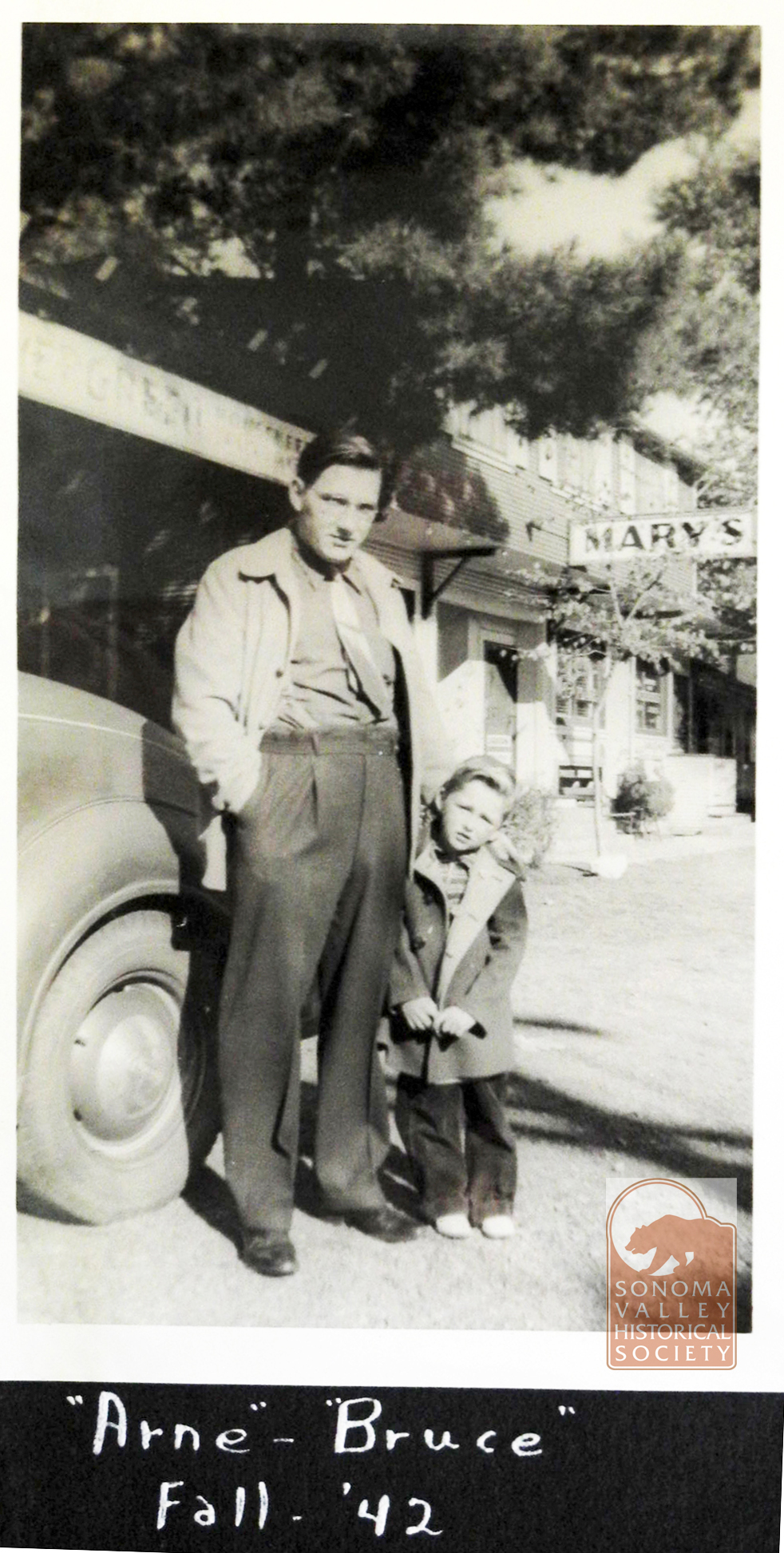
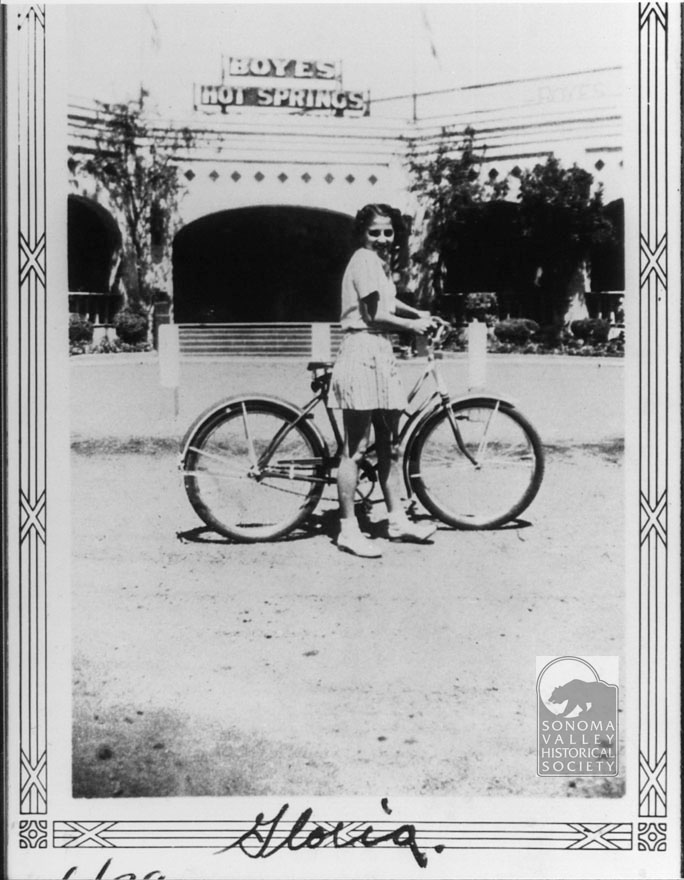
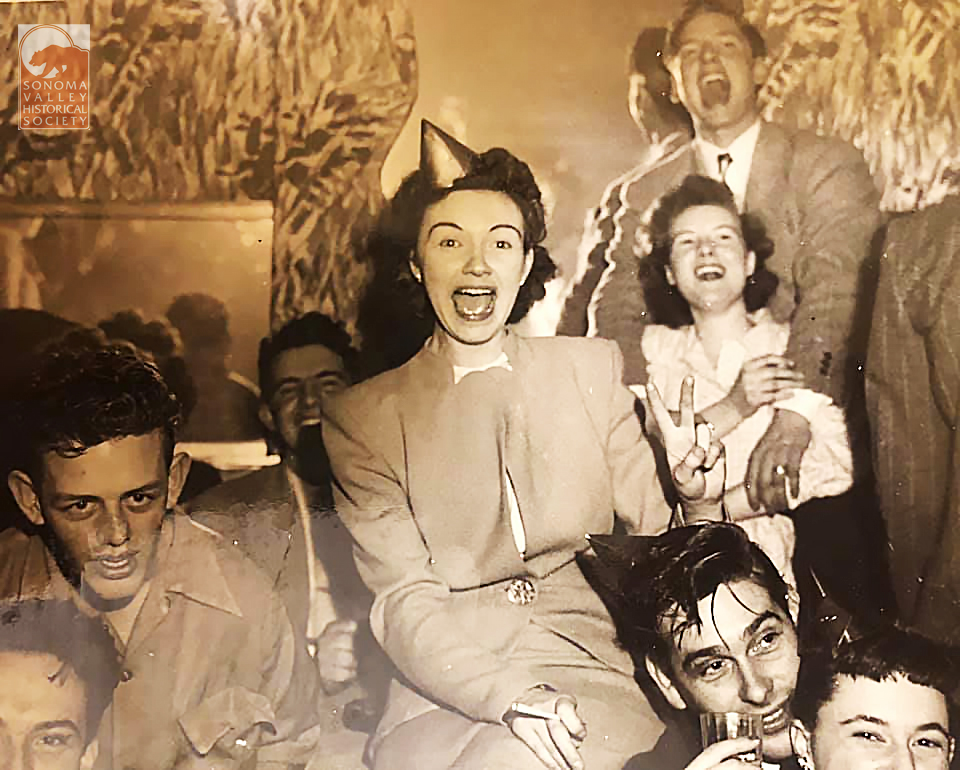
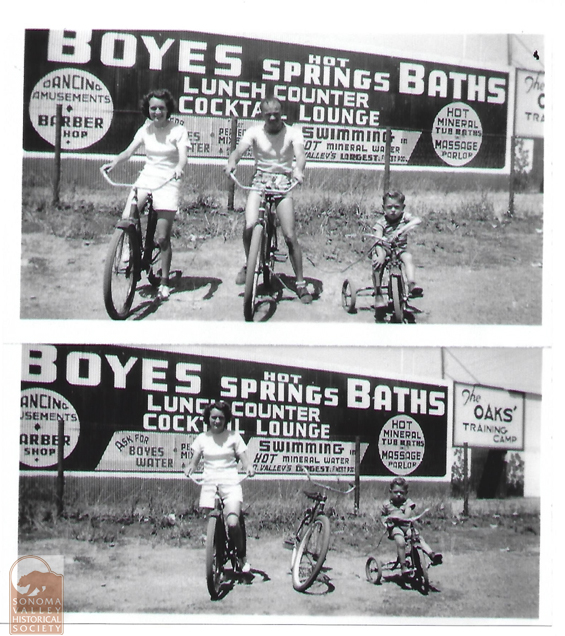
There is something precious about the random snapshots of “just folks”. The professional photographer composes, frames, and considerer the information he wants to convey. Your average person just picks up the camera and shoots, or poses family in front of interesting backgrounds. Even out of focus and out of level, these photographs are charming and are important documents.
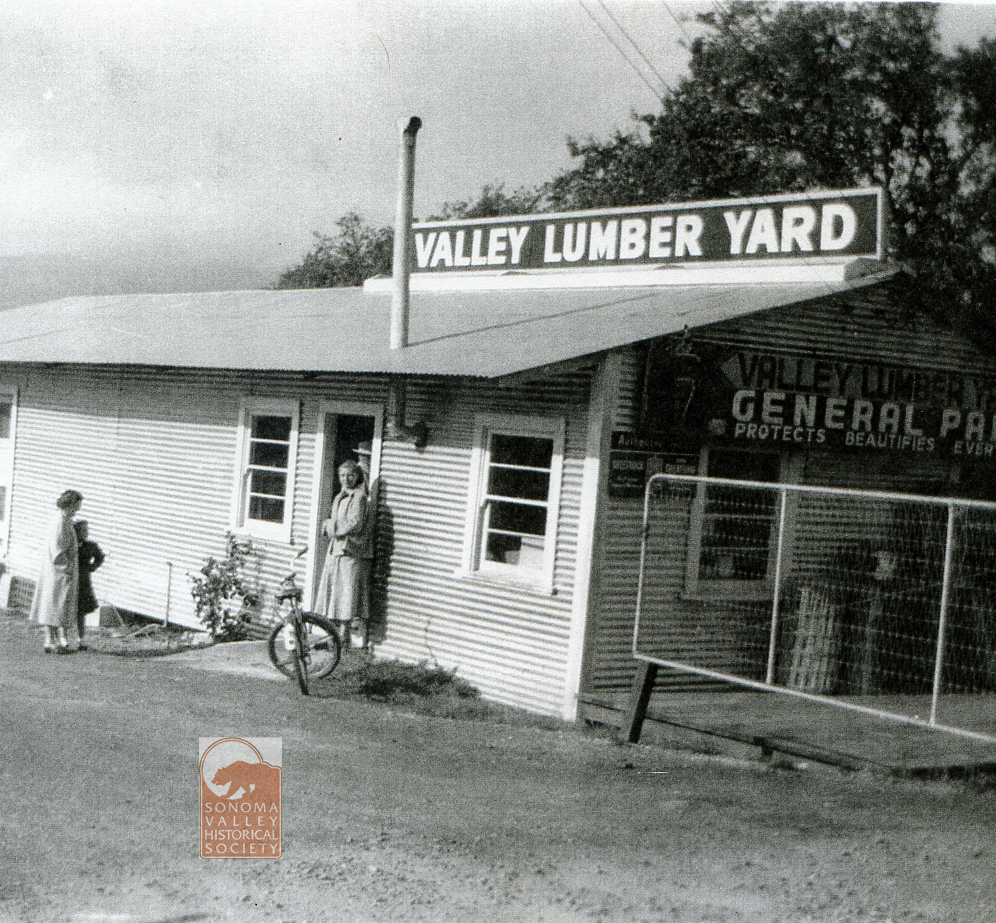
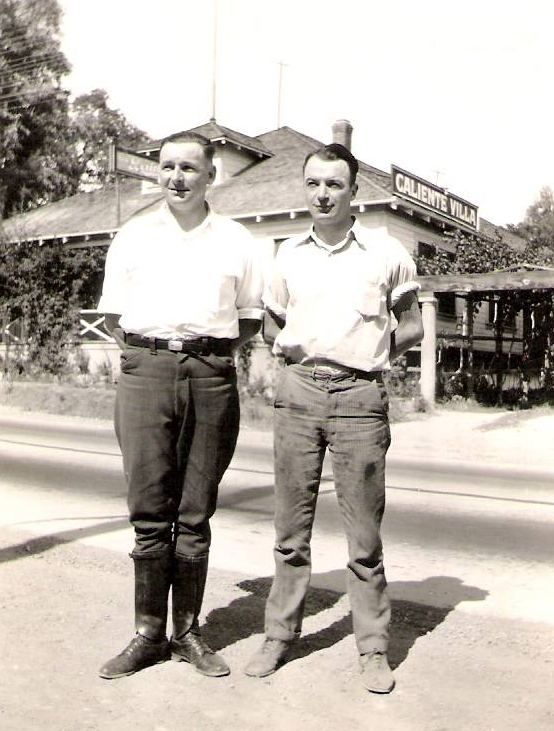
Don Meachum was a commercial photographer in Santa Rosa between 1943 and 1984. His archive is at the Sonoma County Library
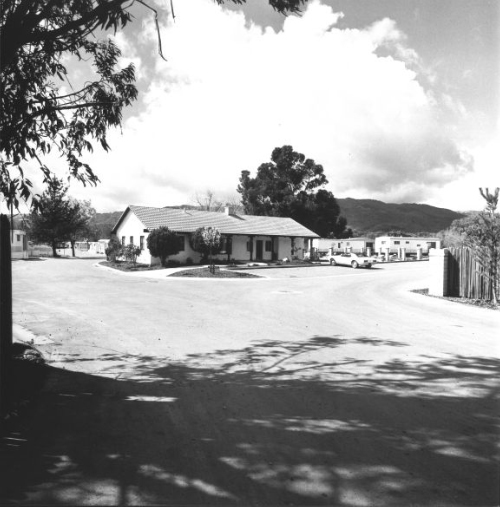
Rancho Vista Mobile Home Park, Fetters Springs, 1971

Newspaper Photographers

The area has, of course, been photographed thousands of times for stories in the Index Tribune.
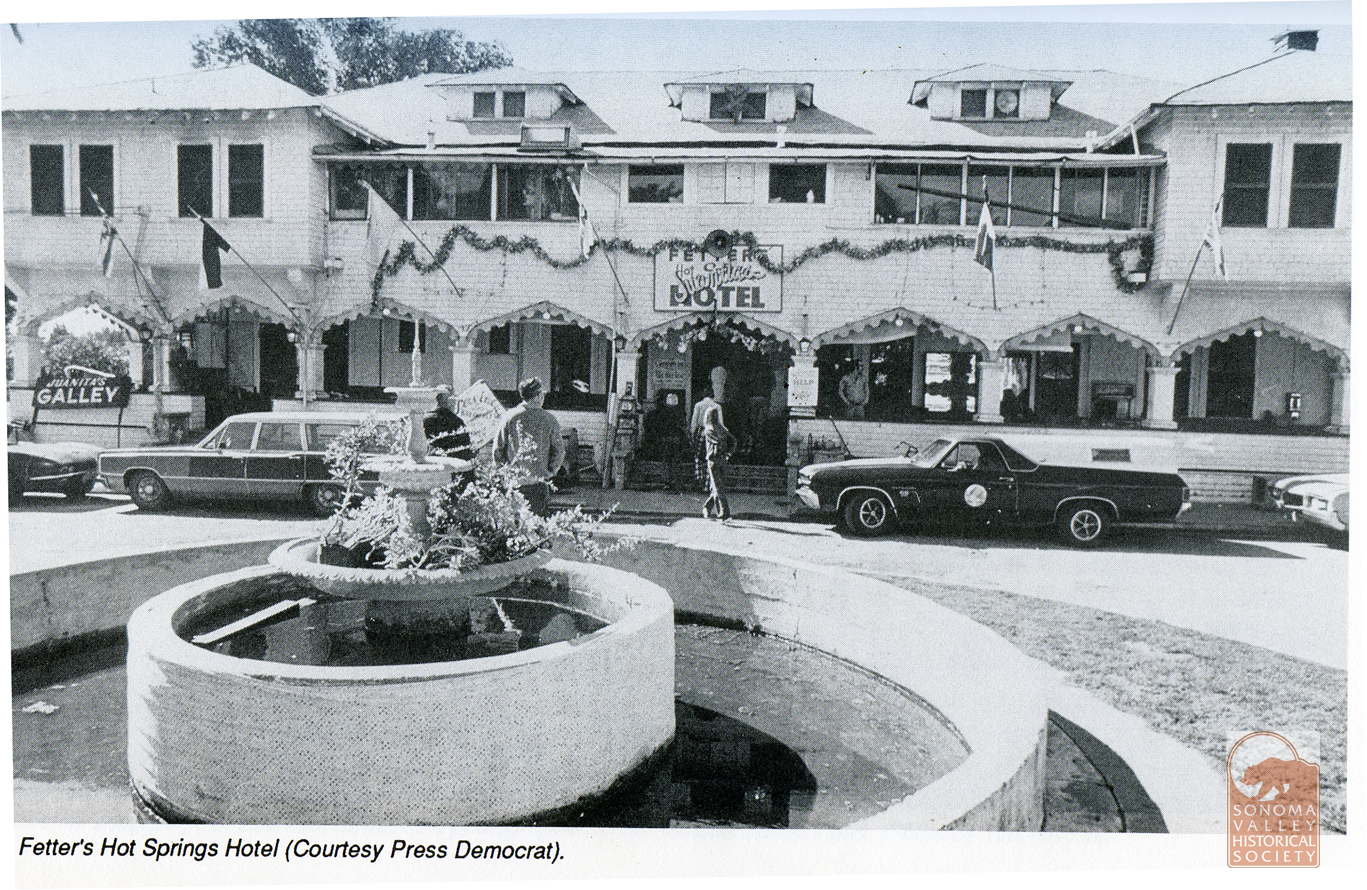
Fetters Hotel during the tenure of Juanita Musson.
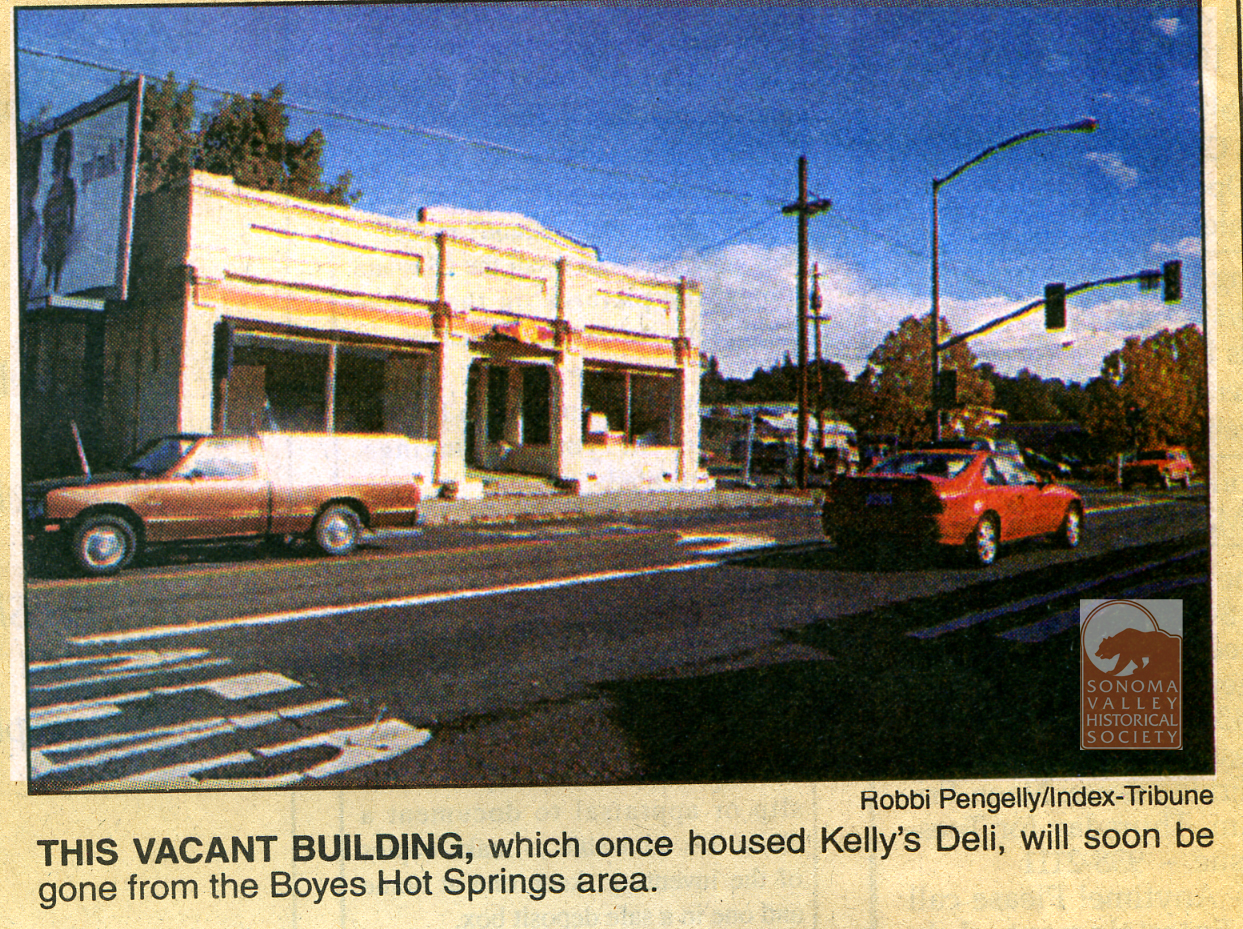
At the corner of Hwy 12 and Vallejo Ave, 1992. The lot became employee parking for the Sonoma Mission Inn. Everybody knows Robbi!
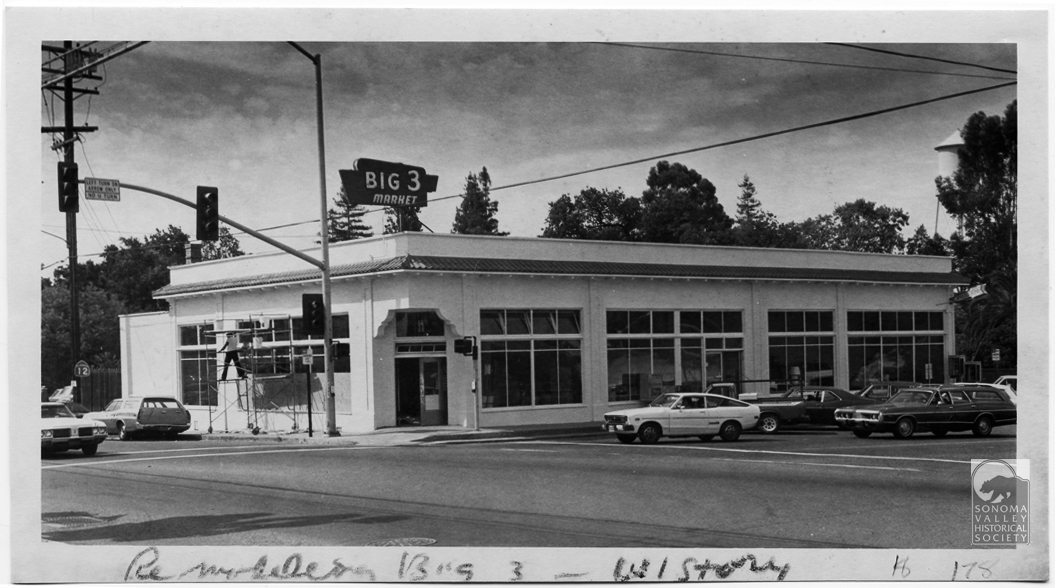
Big Three Market, 1980. Corner of Boyes Blvd. and Hwy 12.

Miscellaneous Sources

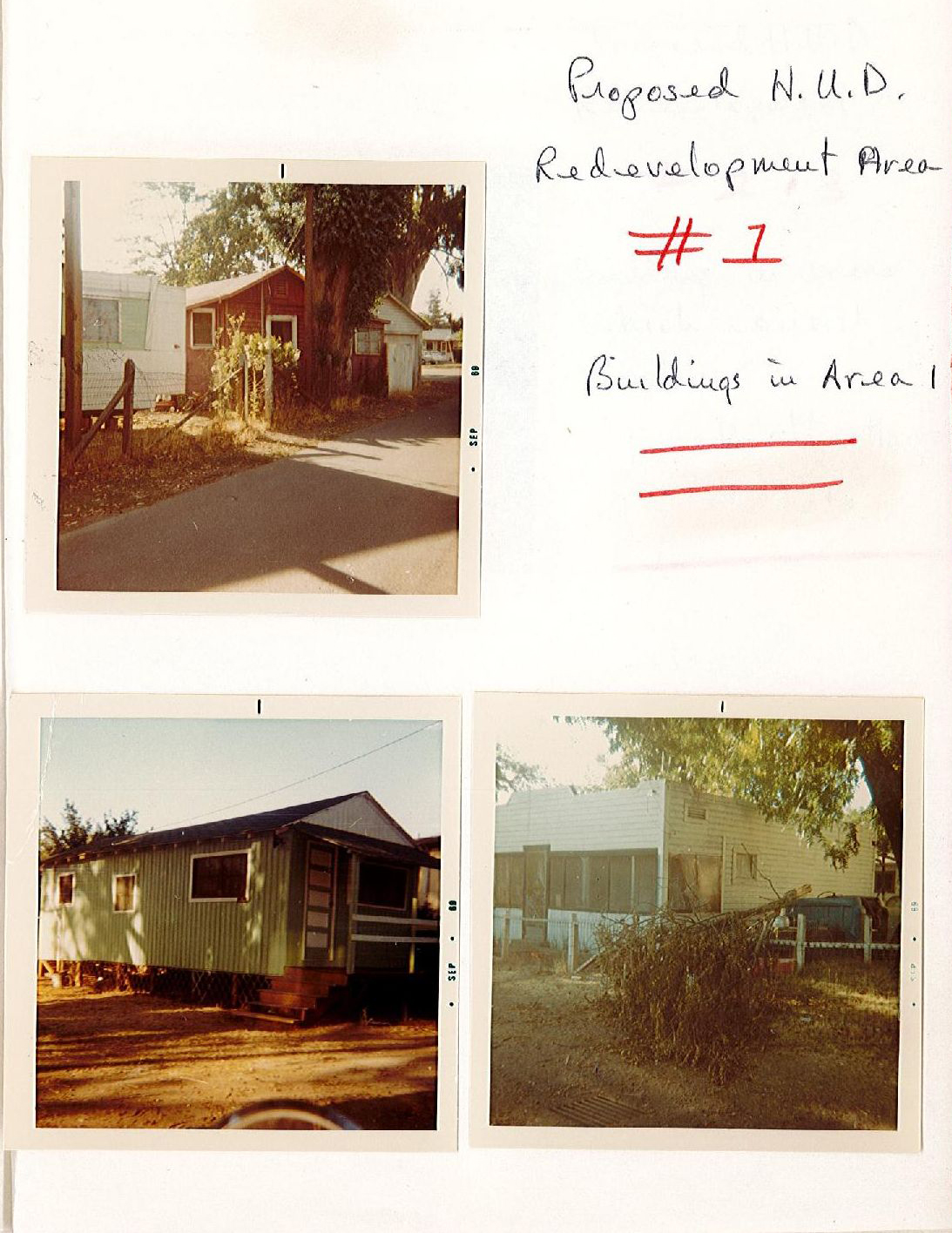
Pine Ave. County Redevelopment, circa 1986.
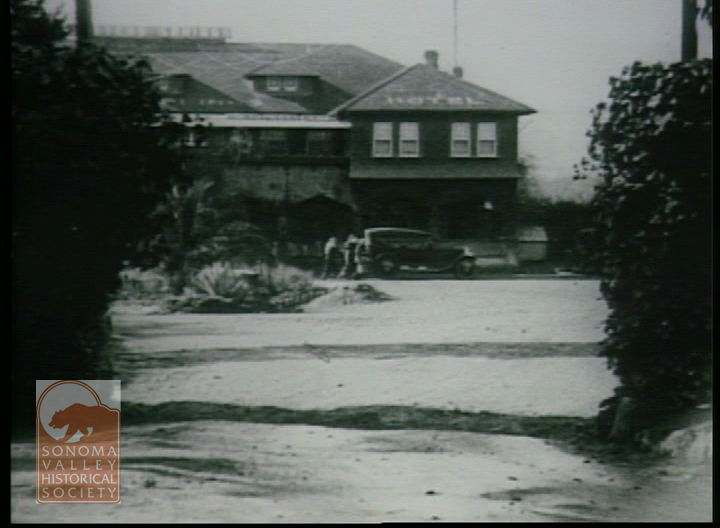
Still from the film “Account of the No Account Count,” directed by Josh Binney, 1923, showing the Fetters Springs Hotel.
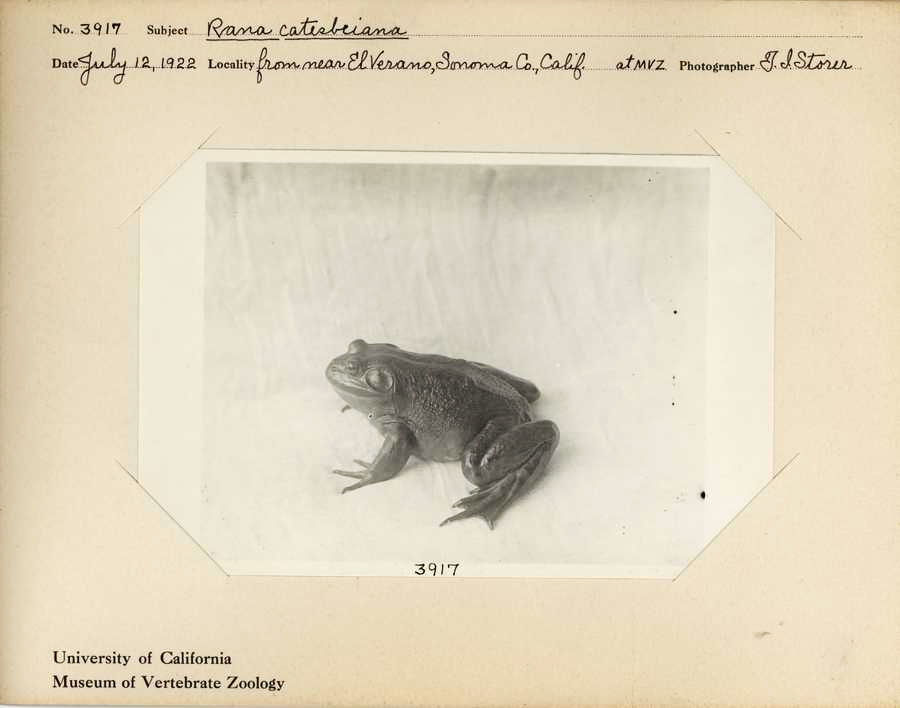
You just have to imagine Storer poking around down by the creek in El Verano. In his notes he tells of coming upon two young boys selling frogs along the roadside. Biologist T. I. Storer, 1922

MIchael Acker

When I started looking for historic photos I also started photographing the same locations. What with the pace of change, it soon became apparent to me that my photos were also historic documents.  And so are yours!

My book of photo history: https://www.arcadiapublishing.com/products/9781467124300
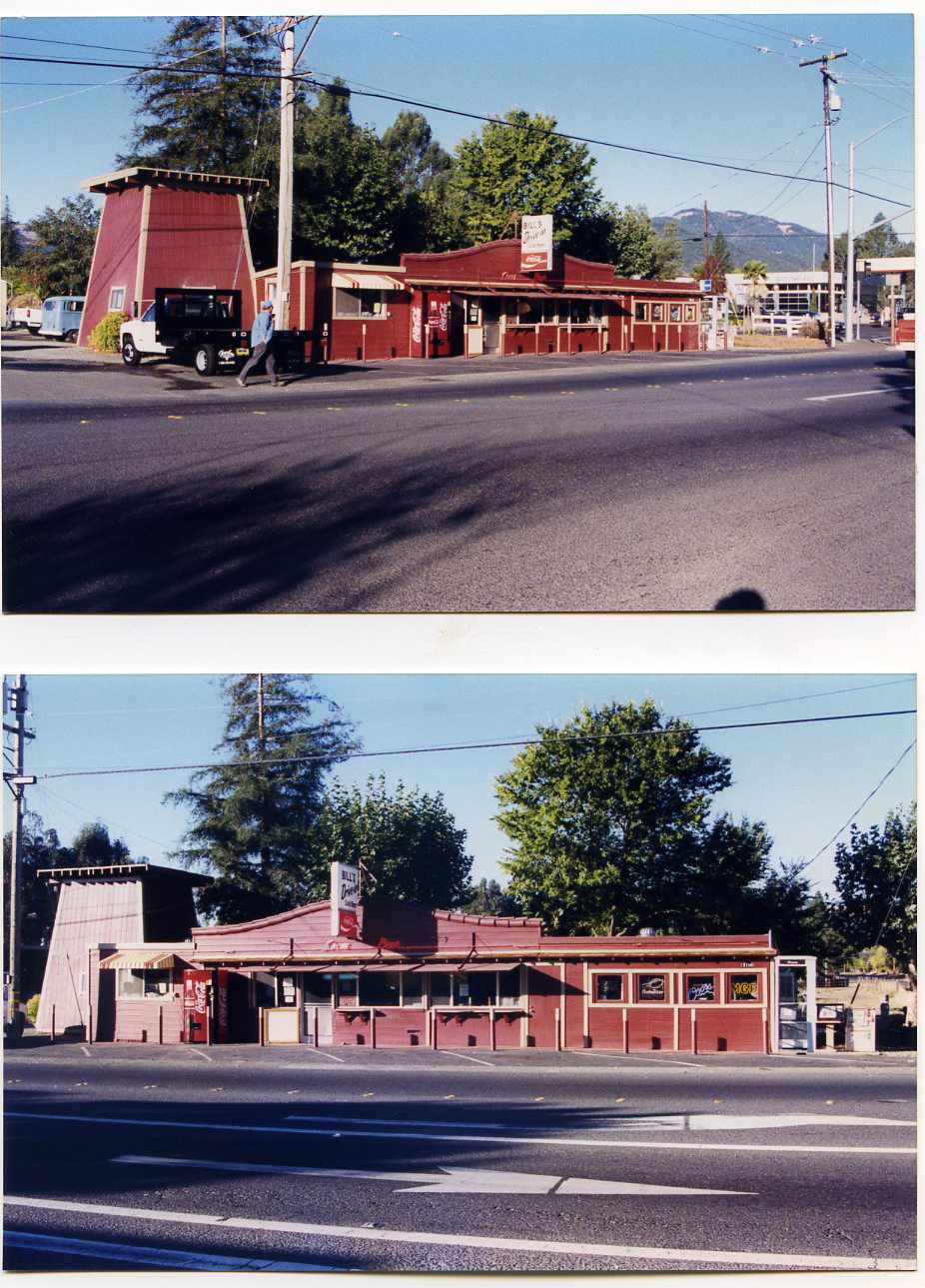
Bill’s Drive In. Arnold Drive near Grove, circa 2000.

Please consider looking at my photo-based art work at @ackermichael6 on Instagram and https://mca-studios.com/

References

Stenard, Frank, Zan of Tamalpais, San Francisco Bay Area Post Card Club, vol. 32, #5, December 2016http://www.postcard.org/sfbapcc2016-12-s.pdf

Stenard, Frank, Charles Weidner, Photographer, and Post Card Publisher, San Francisco Bay Area Post Card Club, January 2020http://www.postcard.org/charles-weidner-postcard-publisher.pdf

Bogdan, Robert and Weseloh, Todd, Real Photo Postcard Guide, Syracuse University Press, 2006

Thanks to Jeff Gilbert, the Sonoma County Library, Don Parsons, Bruce Griewe, Dave Chiotti, Nancy
West, and the Sonoma Valley Historical Society.

copyright 2024 Michael Acker

Standard
Boyes Hot Springs, Entertainment, History, mid-century, Photographs, Resorts

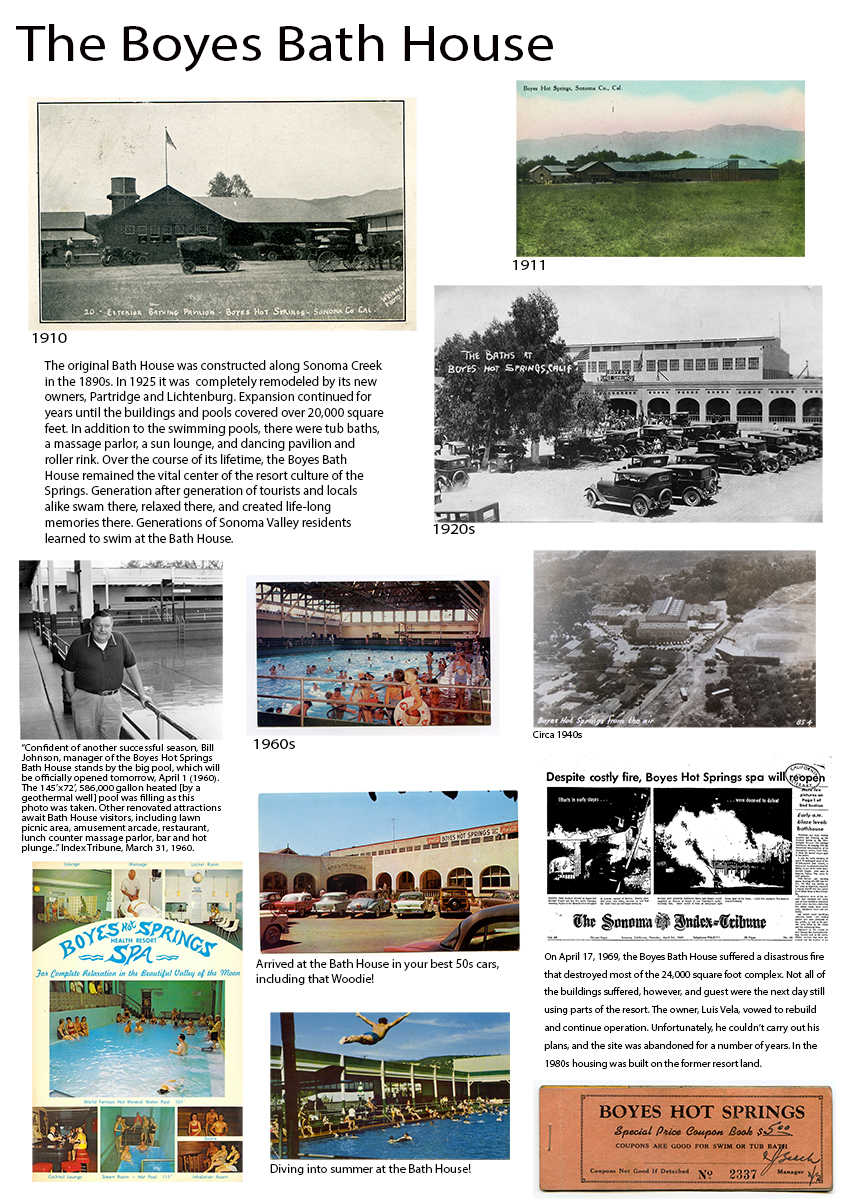
The Boyes Hot Springs Bathhouse, Its History and “Prehistory”(?)

According to the Native California Guide (Dolan H. Eargle, Jr., Trees Company Press, San Francisco, 2000.) the peoples who occupied the land that included what we now know as Boyes Hot Springs could have been of the Coast Miwok, Pomo and Patwin language groups.

Many sources claim that Native peoples used the geothermal water for bathing, ritual, and possibly cooking. It’s logical to assume this, but I know of no archeological evidence, or oral history to support it. (This is an admission of ignorance!) However, the authors of We Are the Land, A History of Native California (Damon B. Akins and William J Bauer Jr., University of California Press, 2021) inform us, “To make acorns palatable, women placed the acorn flour into a shallow pit and poured water over it to leach the bitter tannic acid. The process took less time if the water was hot, making hot springs ideal places to process acorns,” acorns being a staple of the diet for many California Native peoples. (Professor. Bauer is an enrolled member of the Round Valley Indian Tribes.)

The Bath House around 1910

The first European to exploit the hot waters for commercial use was Andreas Hoeppner, the music teacher to General Vallejo’s children. In exchange for his lessons, Vallejo gave Hoeppner some acreage that included the hot springs.  In 1847 Hoeppner advertised his Annenthal “resort” in the San Francisco Call, assuring the public that “this spring has been inspected by medical gentlemen…” Hoeppner’s enterprise was short lived. Real estate transactions were often shady, and records are sparse or confusing. At any rate, Thaddeus Leaventworth was the next owner of the springs land (which he received from Vallejo). He had come to California with Steveson’s Regiment in 1847 to engage in the war with Mexico. He also made an attempt to commercialize the hot water, again short lived. In 1885 Leaventworth sold the part of his land with the springs to Henry Boyes, a world jaunting ex-Indian Navy captain.

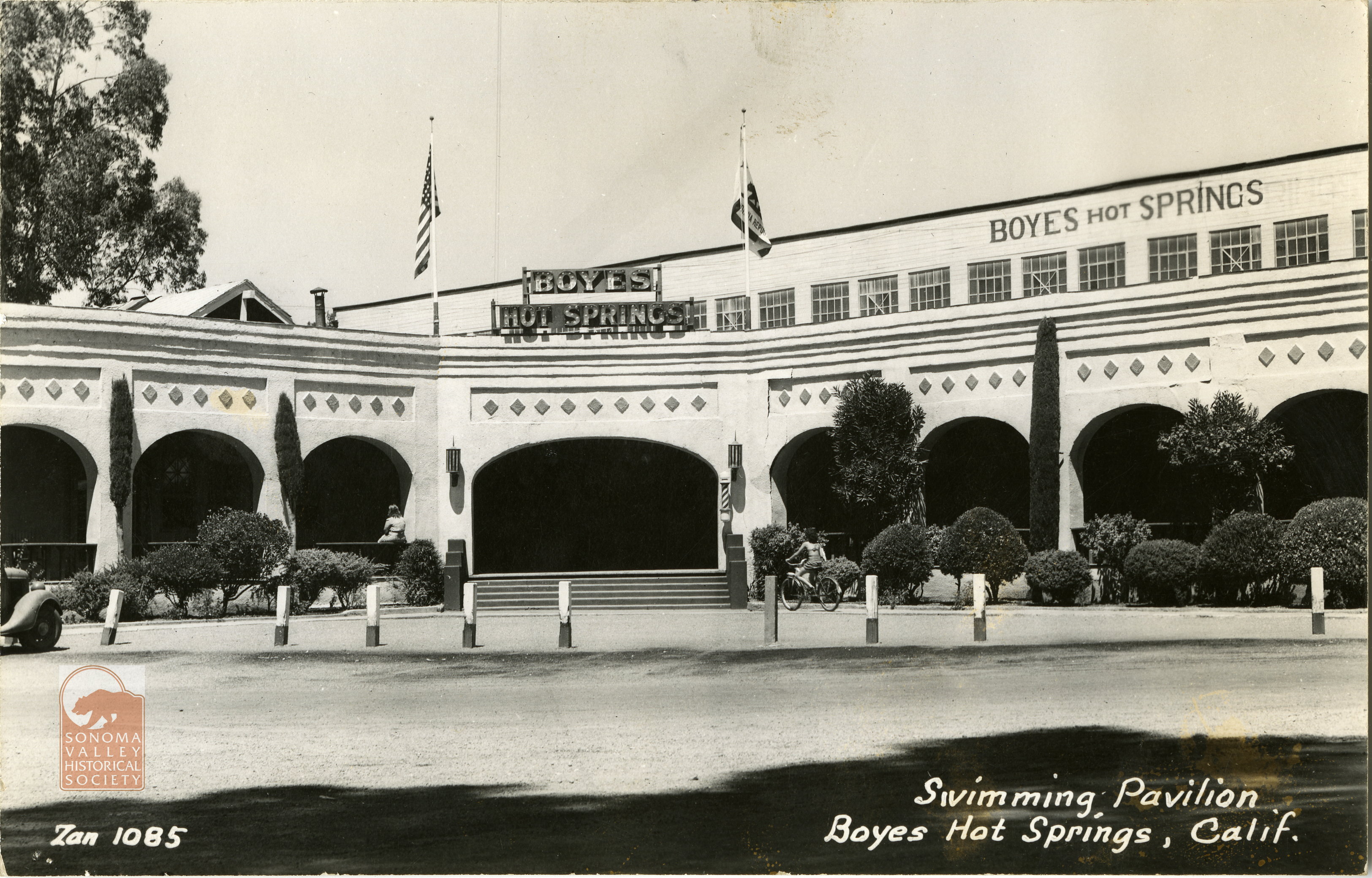
Construction on the Bath House started in the 1890s, under the ownership of Boyes and partners, and continued for decades under subsequent owners. The conglomeration of buildings eventually covered more than twenty thousand square feet, situated along Sonoma Creek at Pine Avenue.

The entrance to the sprawling Bath House complex was very near where Pine Avenue and Locust Avenue meet, a short distance from Boyes Blvd.
Bath House entrance, 1926
The entrance seen at the center of the photograph.

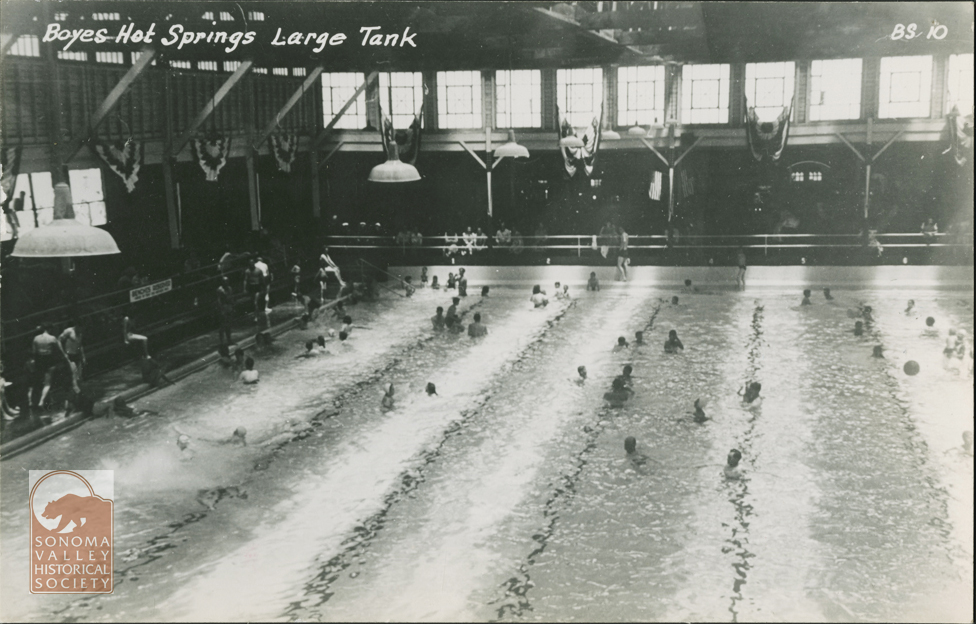
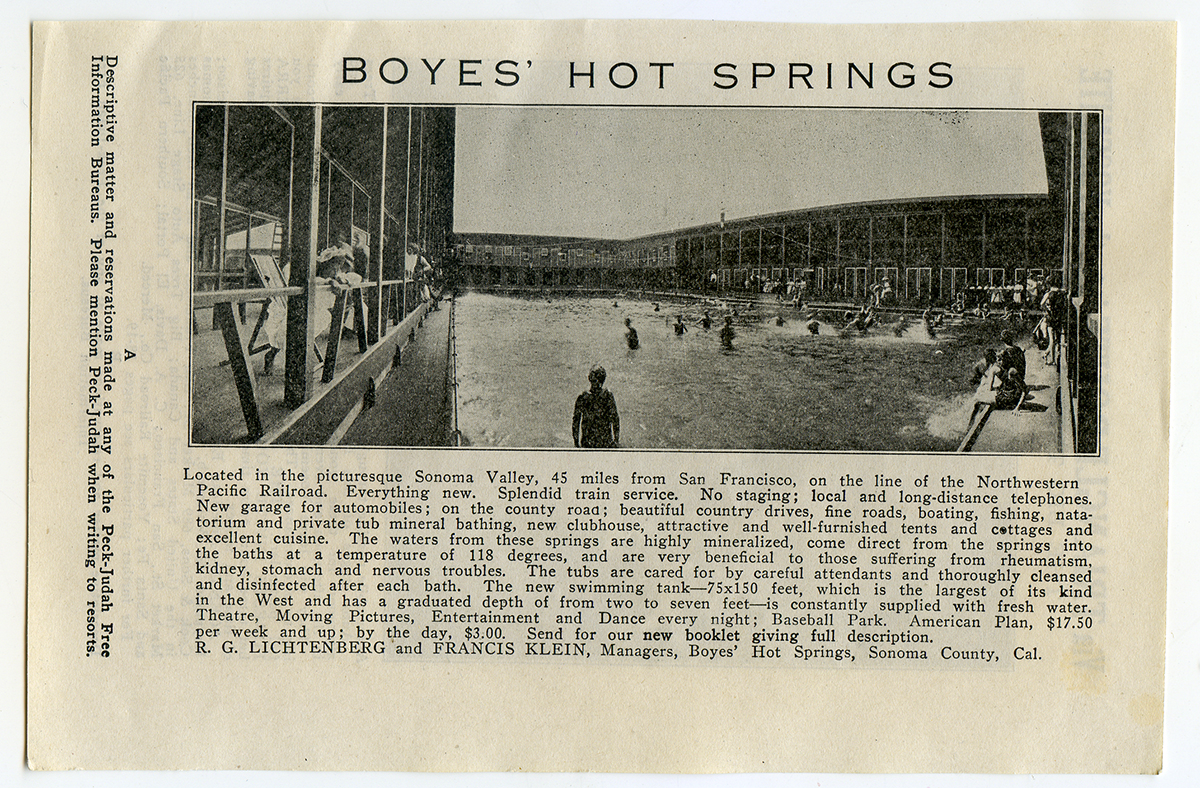
The complex included a garage, livery stables, tents, a movie theater, a dance hall, and a casino. The main pool measured seventy-five by one hundred feet and was fed with geothermal water. At various times athletes from the Oakland Oaks, San Francisco Seals, and Oakland Raiders trained and relaxed at the resort. Generations of Sonoma Valley folks learned to swim there, and people from all over the world enjoyed the waters.

The baseball field is seen at the right.
1950s, obviously!
1960s

The Bath House burned down in 1969, essentially ending the resort era in Sonoma Valley.

The Bath House is gone, but it was well documented. Here is a slideshow sampling.

Index Tribune and many photographs courtesy of the Sonoma Valley Historical Society.

Standard
Boyes Hot Springs, Photographs, Resorts, Springs Historic Photo Database

New To The Springs Historic Photo Database, October 2023

18495 Hwy 12 is located at Thomson. Currently the home of La Michoacana and Plain Jane’s

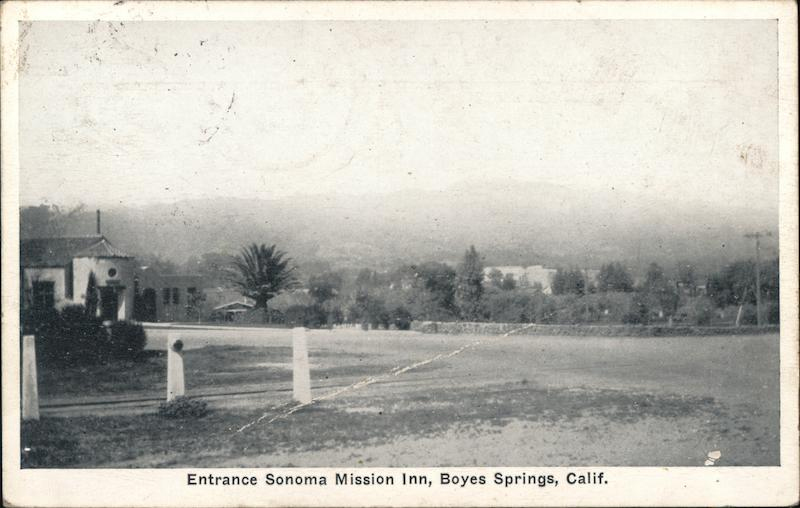
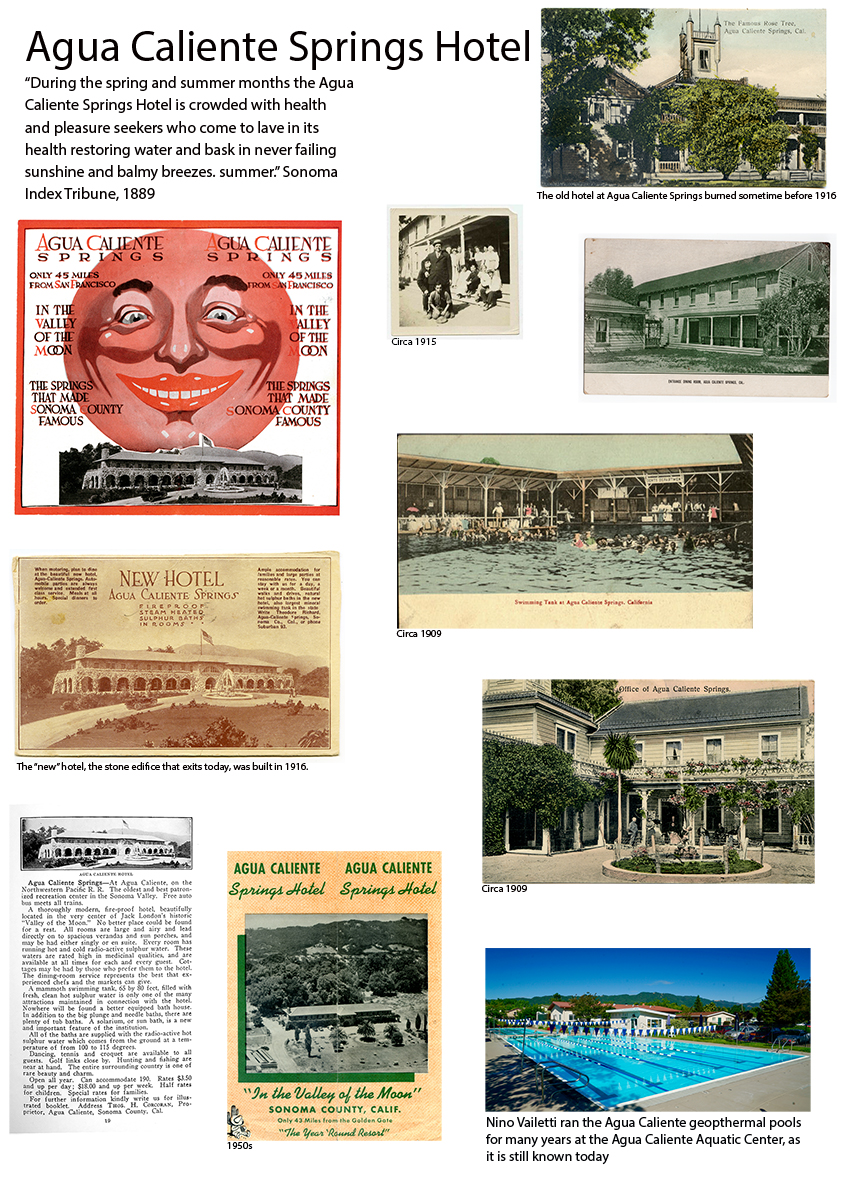
The “Old Hotel” was located on the site of the current Sonoma Mission Inn, which was opened in 1927.

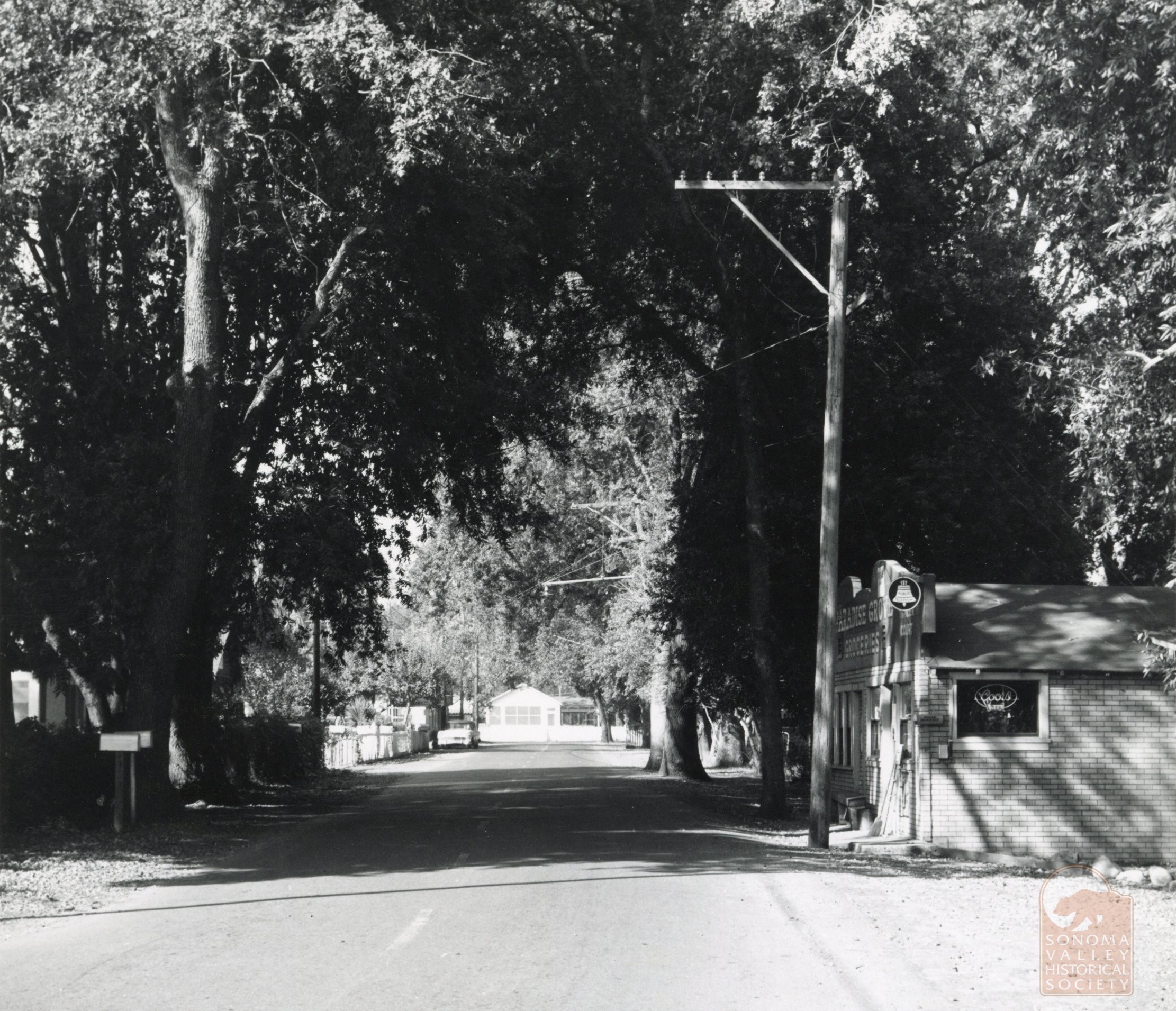
Riverside near Boyes Blvd. 1960s. Paradise Grove.

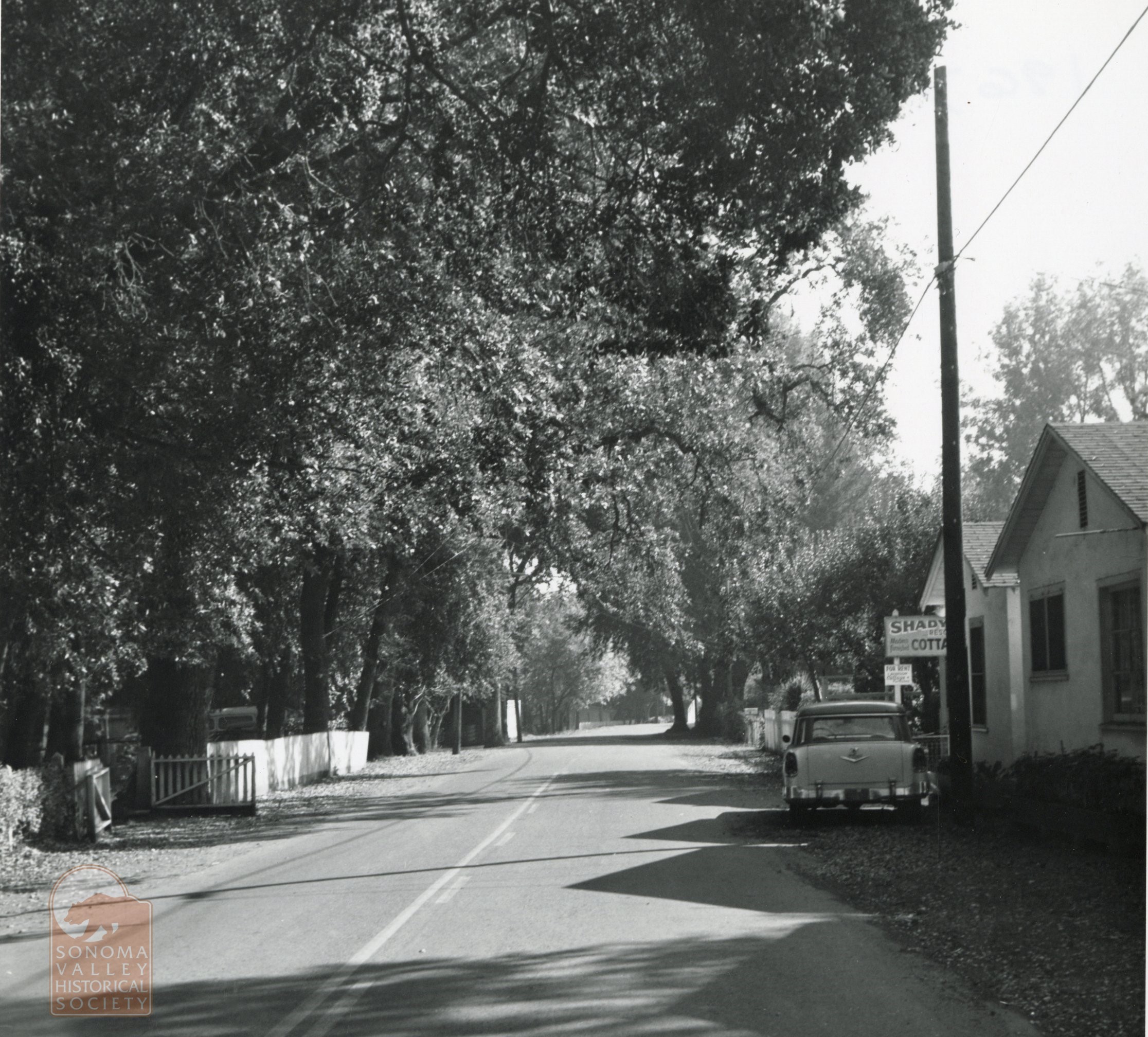
Riverside near Boyes Blvd. 1960s. Shady Grove.

1920s, perhaps.

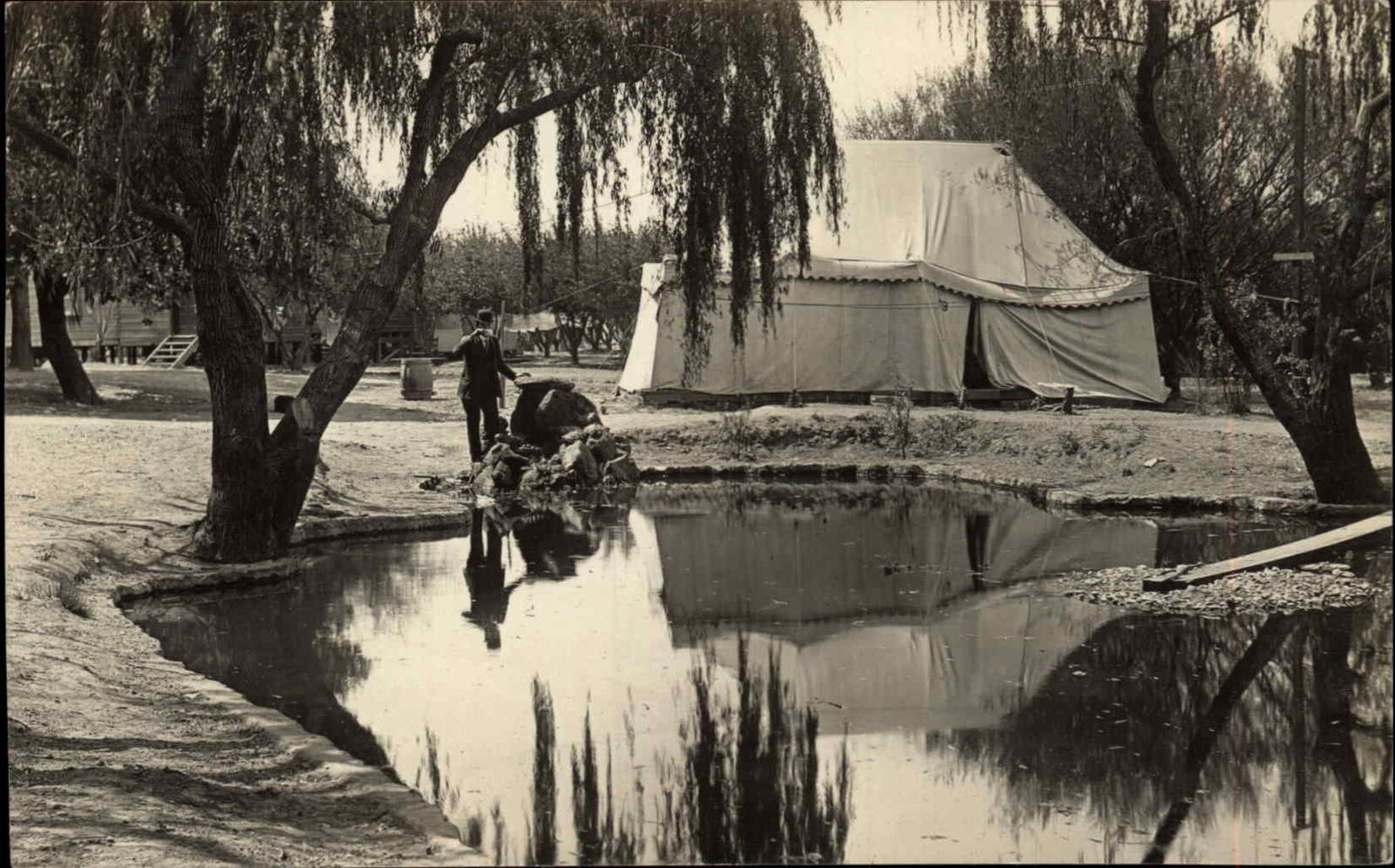
The pond at the Old Hotel.

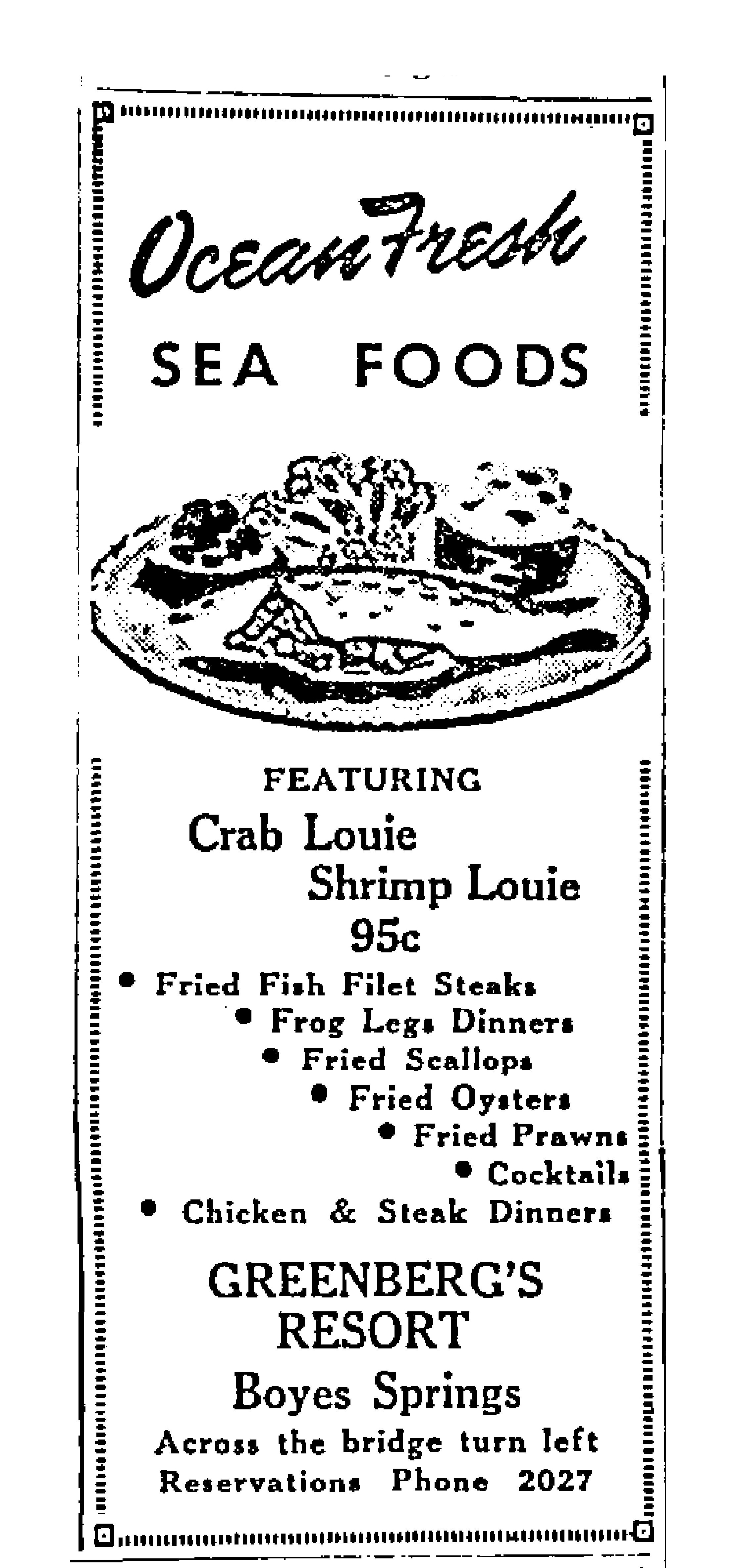
“Across the bridge turn left:” On Riverside? From the Index Tribune, 1949.

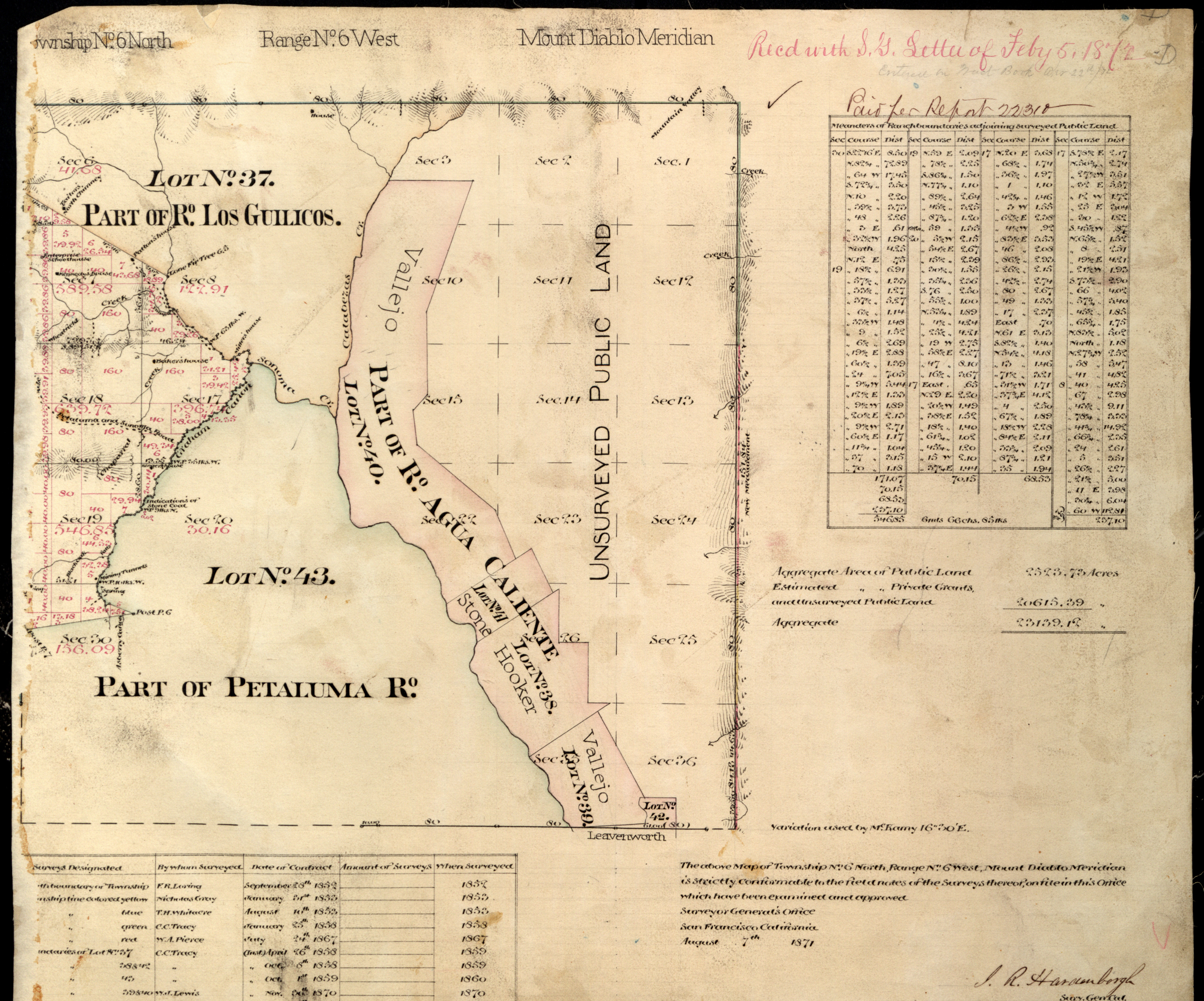
1872 map showing land owners in the Rancho Agua Caliente: Vallejo, Stone, Hooker, and Leavenworth.

Images courtesy of the Sonoma Valley Historical Society, which always appreciates your support and membership!

Standard
Art, Boyes Hot Springs, El Verano, Entertainment, Fetters Hot Springs, History, Jewish History, mid-century, nature, Personal History, Resorts, Valley of the Moon Main Stem Project

An Announcement and Some Summer Reruns

The art of yours truly on display, including a few from the Main Stem Project. Please come to the opening if you can!


Here are some posts from the past that I thought were worth looking at again. New content in September, I promise.

Since starting in July 2014, the Springs Museum has launched 145 posts!

Leavenworth’s House

Rosenthal’s Resort

Our Resort

Fairmount Employee Parking Lot

Music at the Resorts

The Sierra Dr. Oak

Newts

Standard
Agua Caliente, Boyes Hot Springs, El Verano, History, Place Names/Street Names, Resorts, Uncategorized

Traces of the Northwest Pacific Railroad Right-of-Way

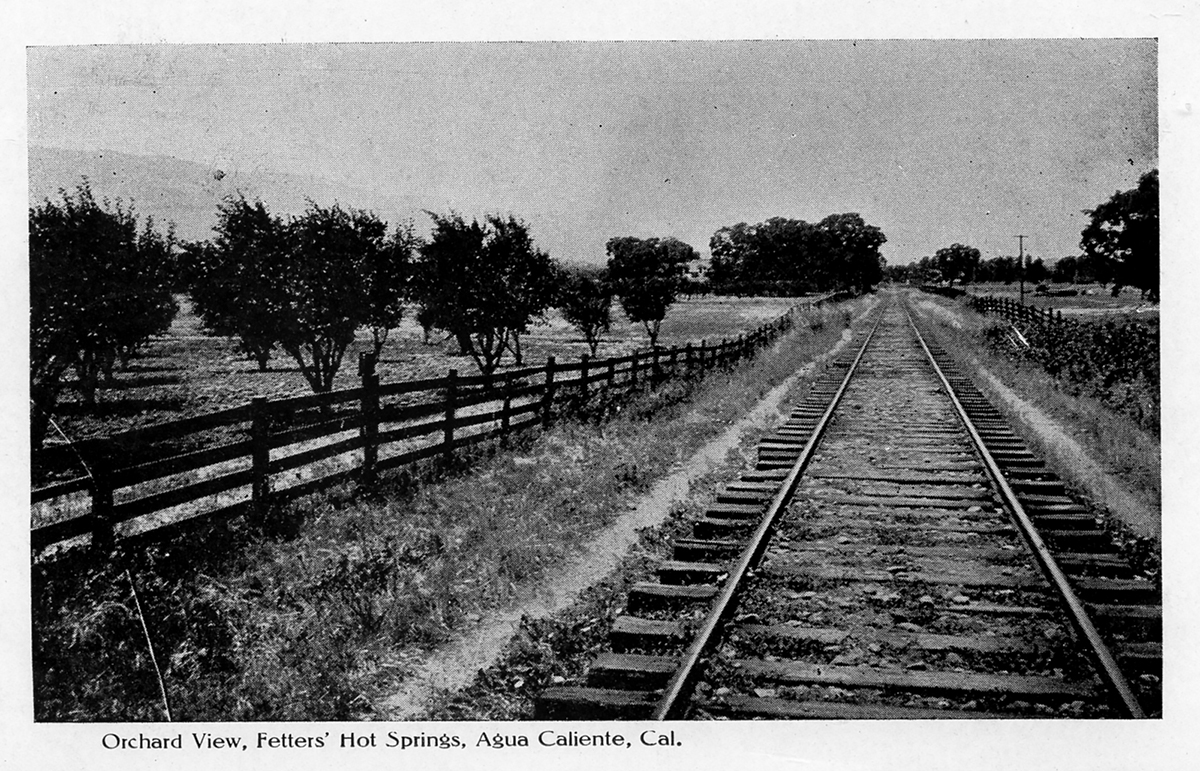
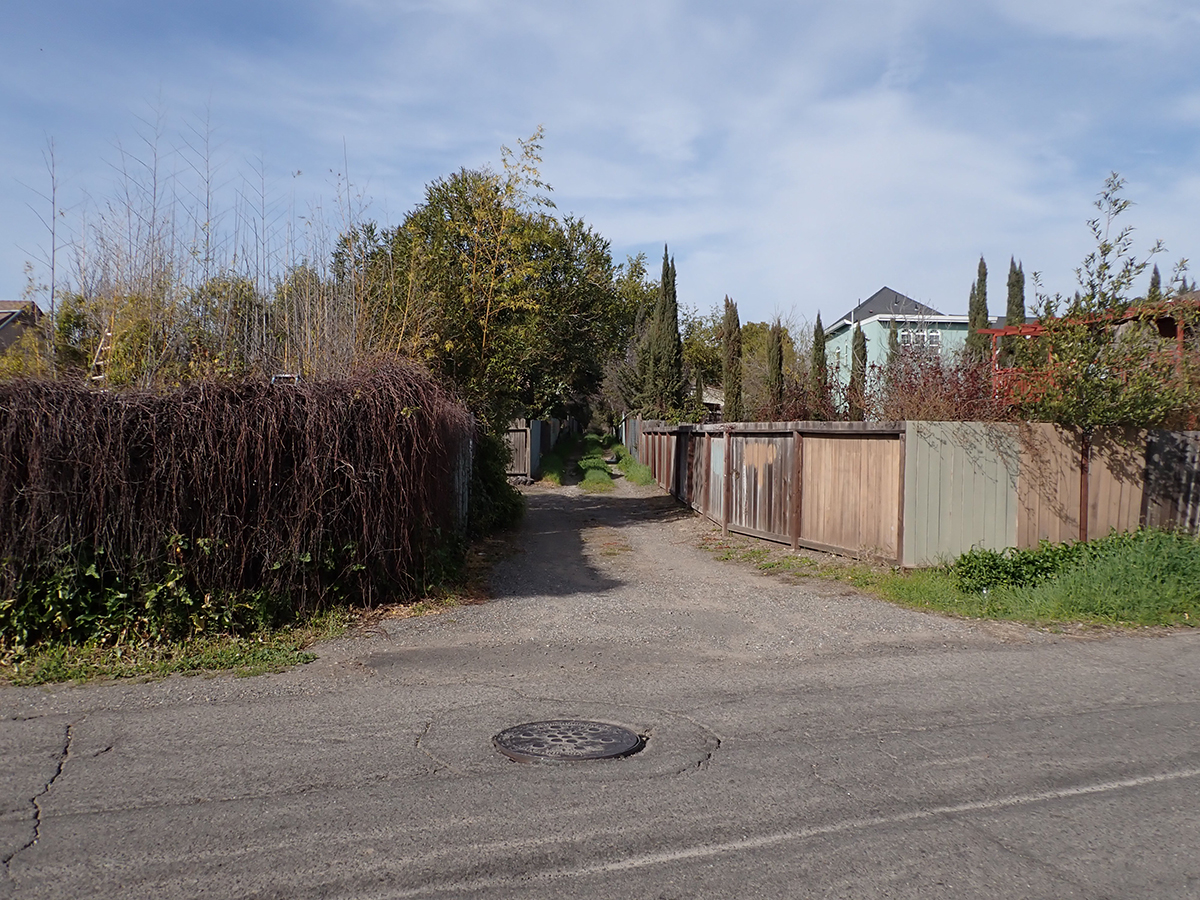
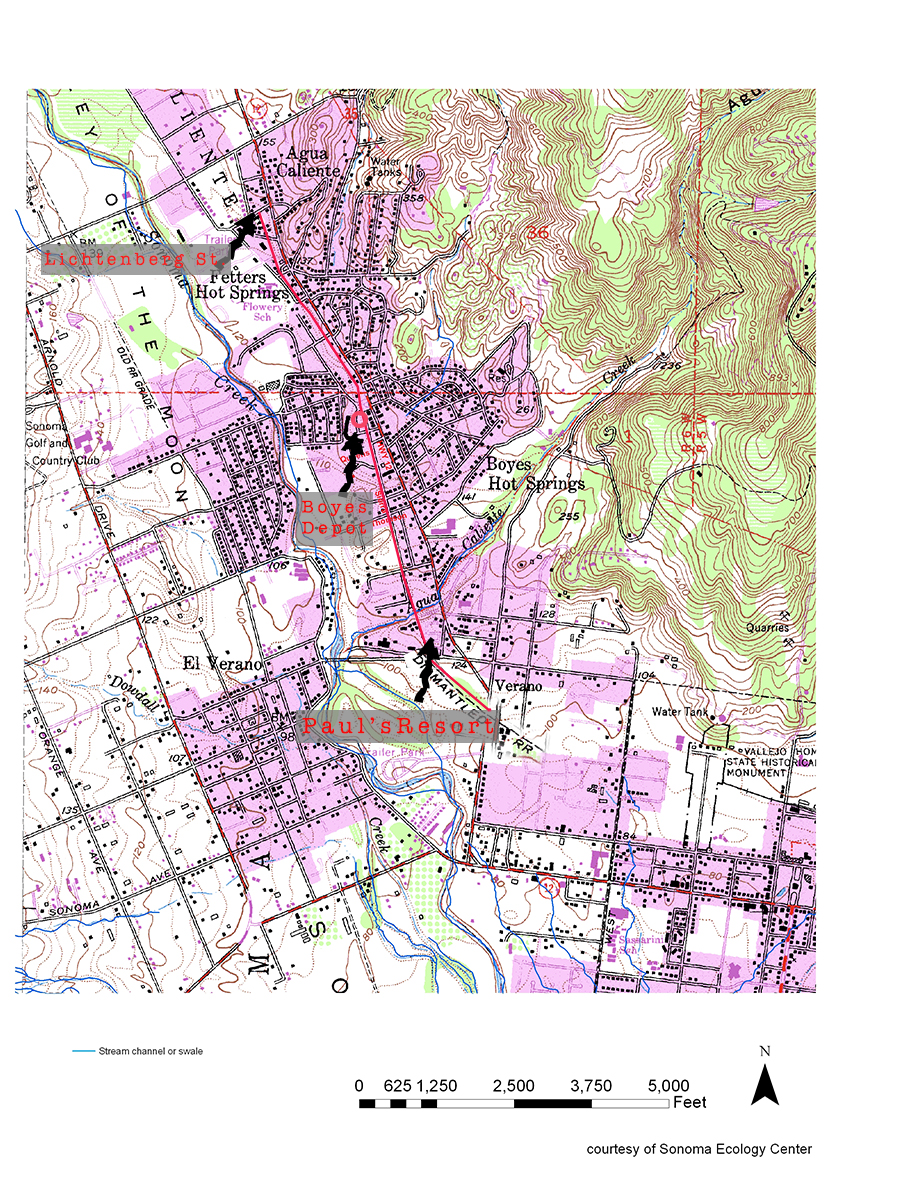
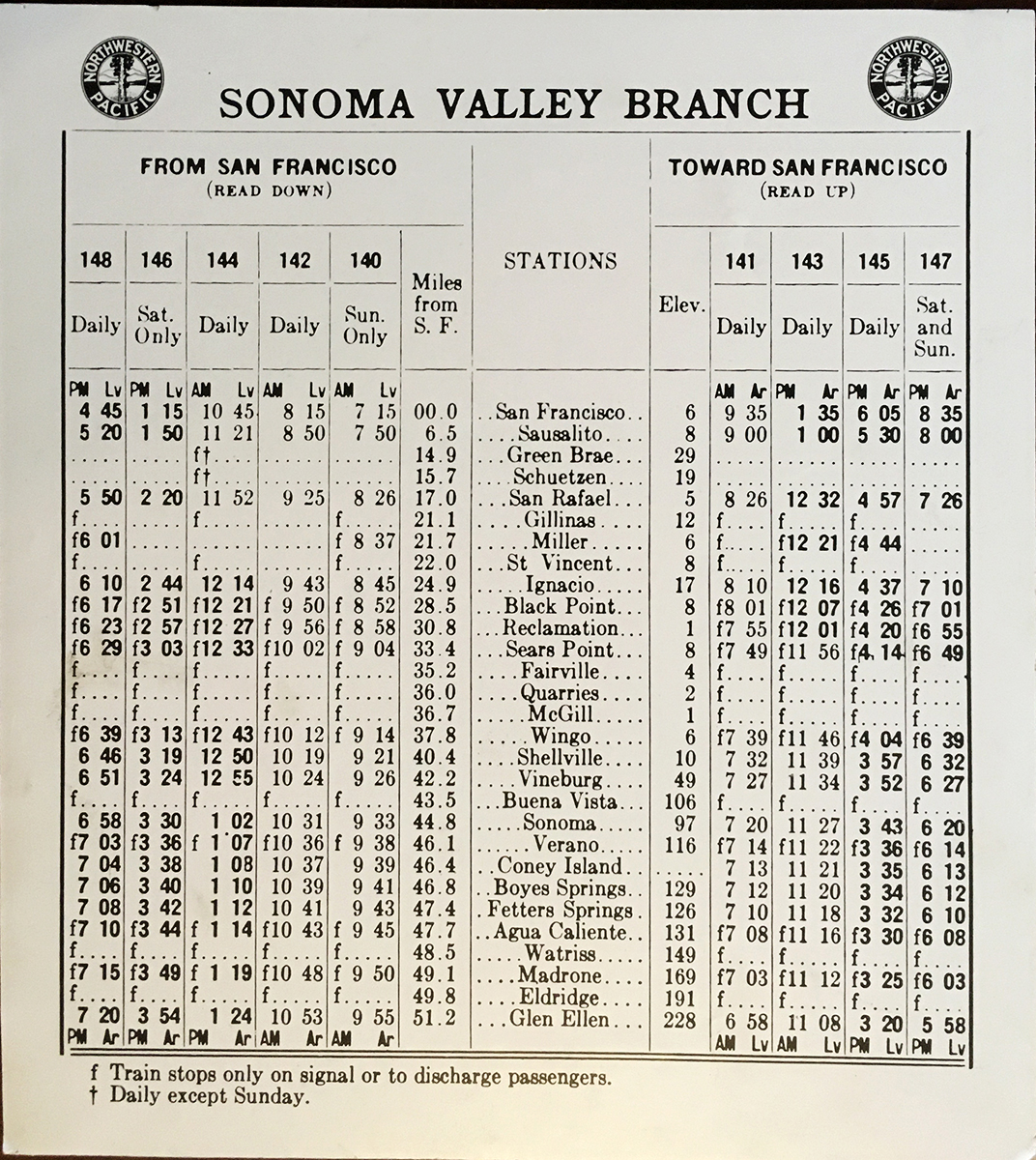
The last year of operation for the Northwest Pacific Railroad in Sonoma Valley, which ran on the east side of Sonoma Creek, was 1942. That year freight service ended, and the tracks were torn up for steel for the war effort. Traces of the right-of-way can be seen in several places in El Verano, Boyes Hot Springs, Fetters Hot Springs, and Agua Caliente.

From El Verano going north:

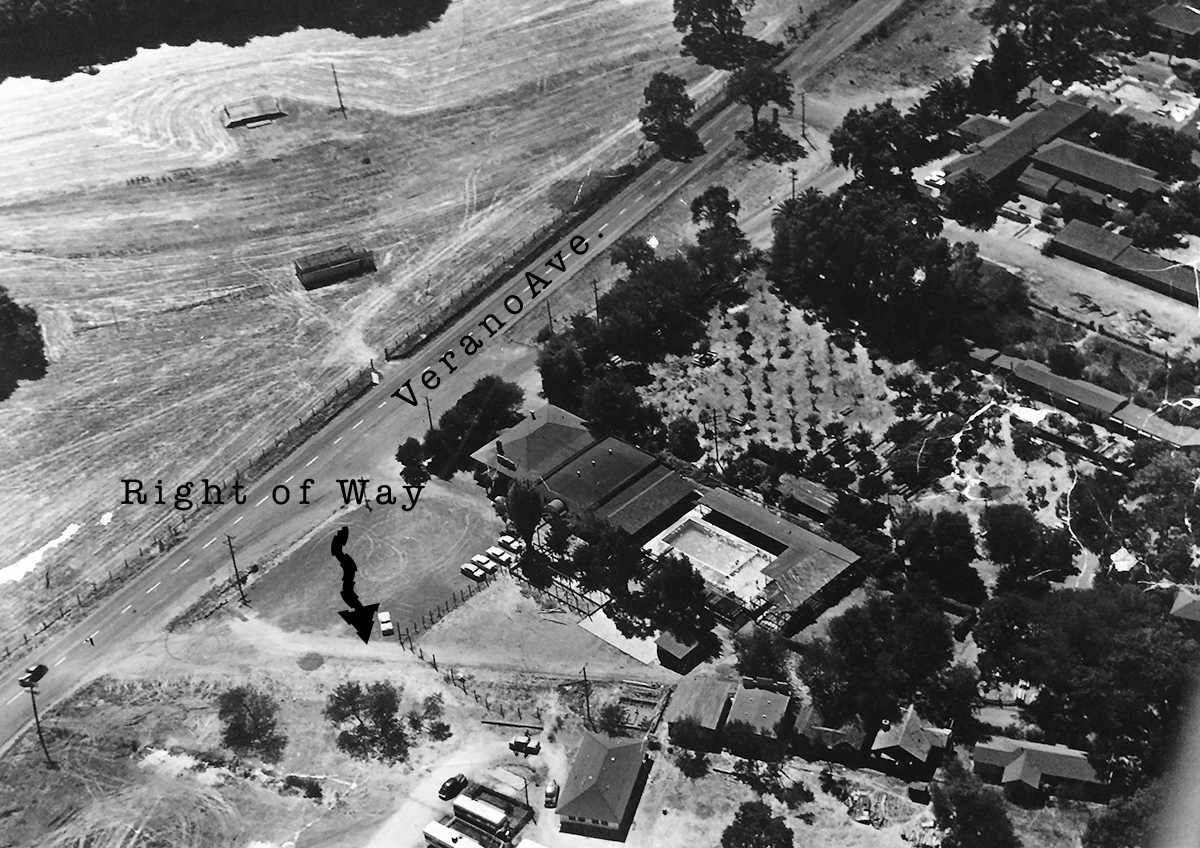
In El Verano the tracks run through the Paul’s Resort property, where the Verano (not El Verano) depot was located.

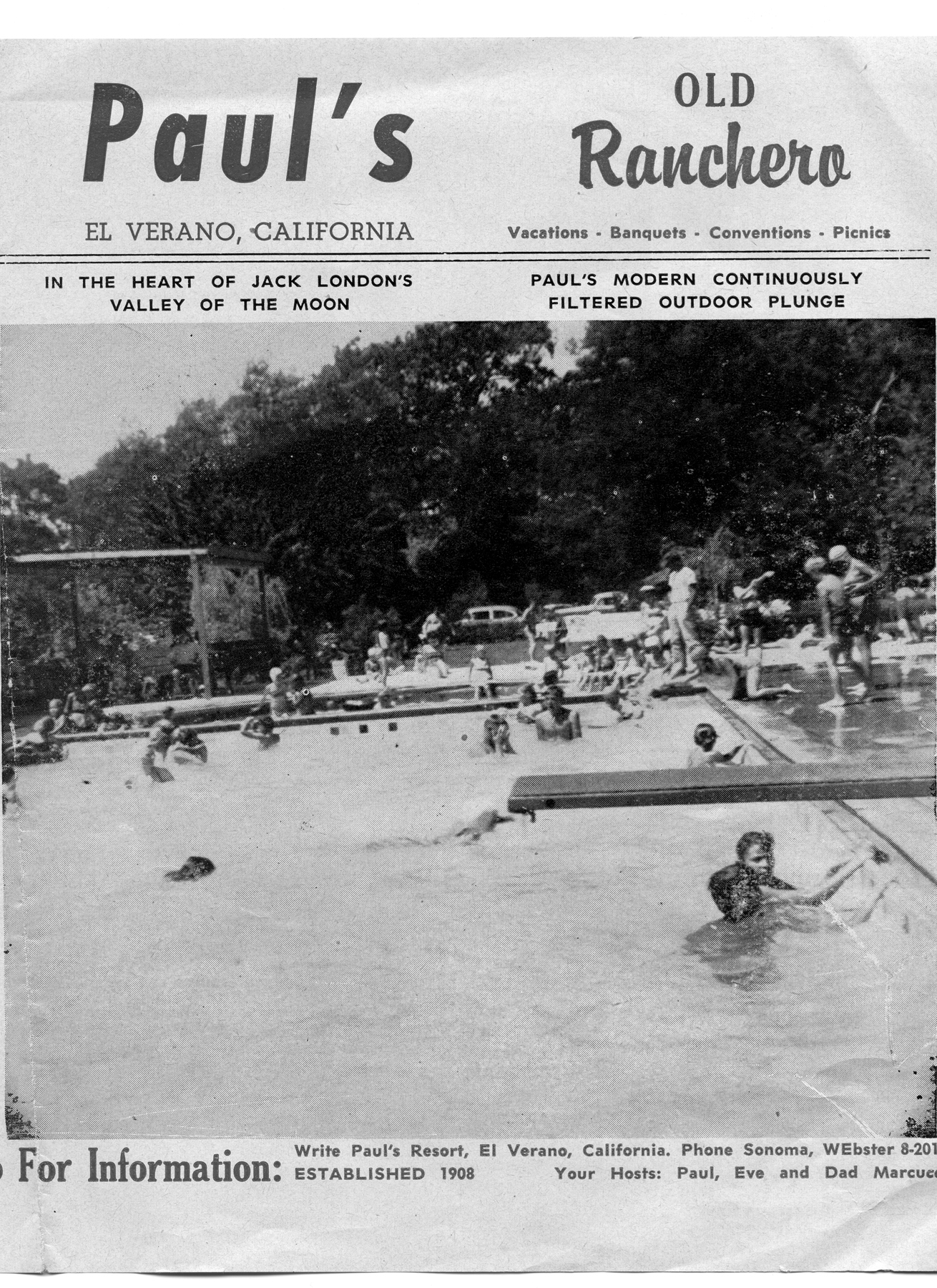
Paul’s Resort, 1960s

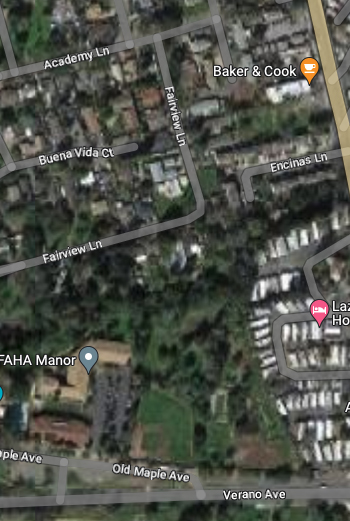
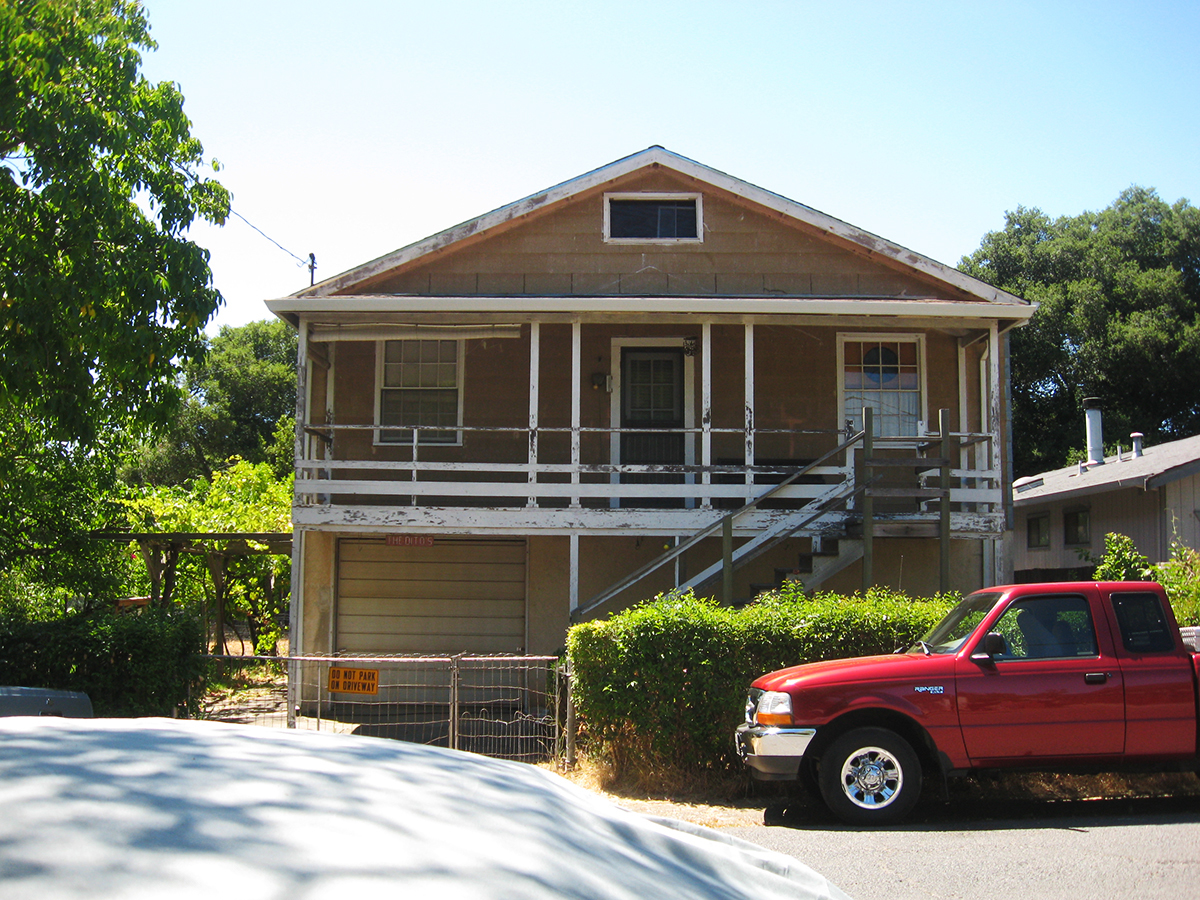
From there it parallels Fairview Ln. (which may have been right-of-way) until it gets to Thompson, where Sierra Dr., formerly Meinke Ave., takes over the roadbed. (More about Sierra and Mienke.) Manzanita St. might have been a spur. It features several buildings that look as if they could have been built by the railroad.

House on Manzanita near Academy Lane

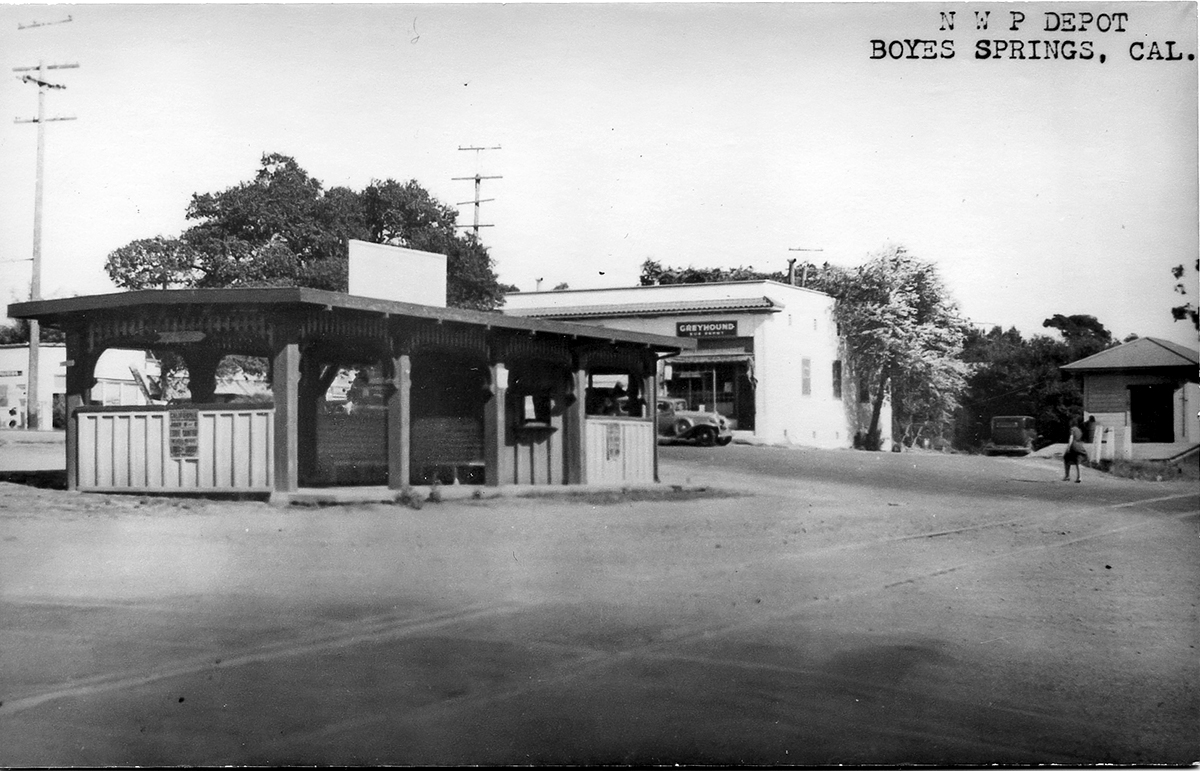
Where Sierra turns east to the Highway the right of way continues north through the Sonoma Mission Inn (originally the Boyes Hot Springs Resort) grounds and past the BHS depot, which land is now the parking lot for the Plaza Center building (More here).

Boyes Depot 1942

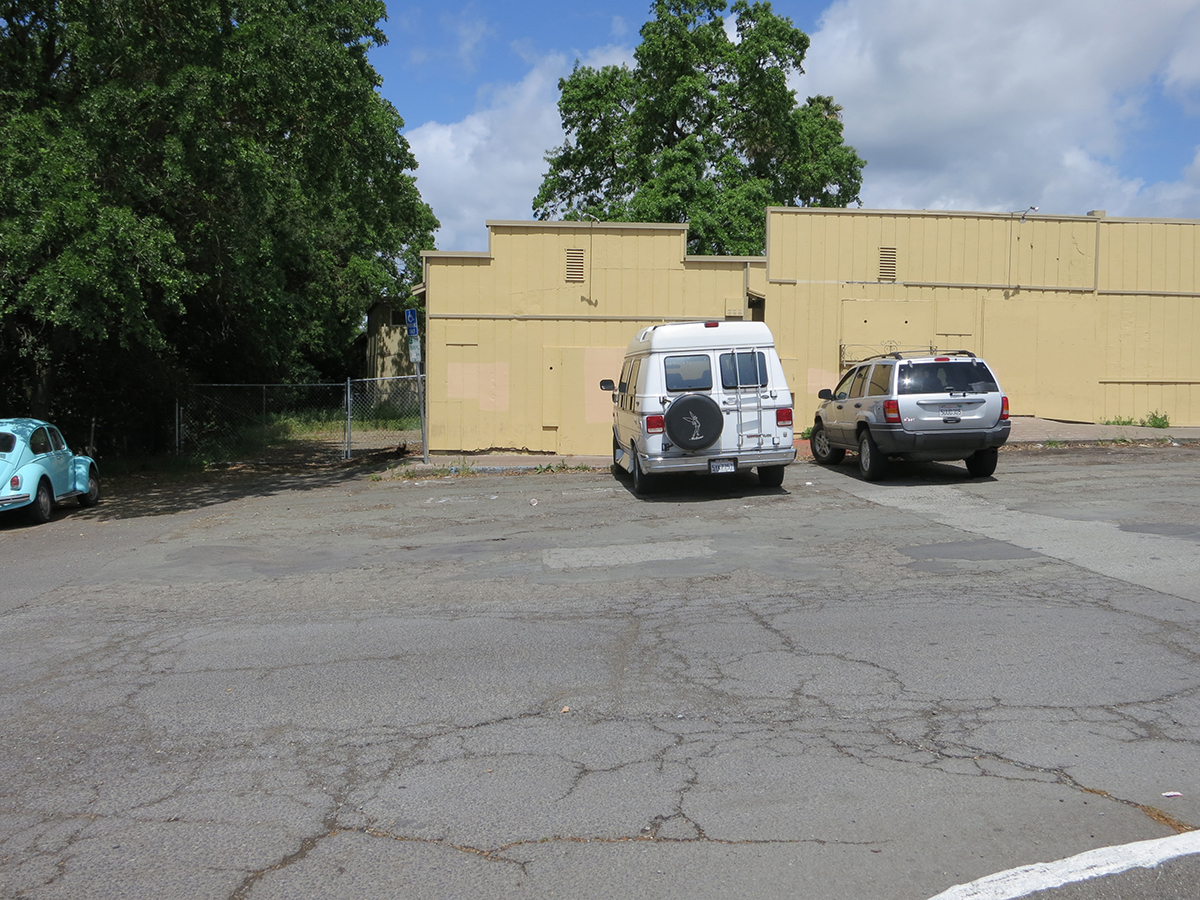
Right-of-way next to old commercial buildings at Boyes Plaza, which were demolished in 2018. Photo taken from the apporxiamte location of the Boyes Depot.

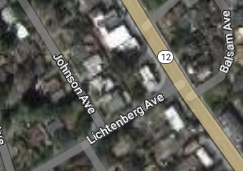
Continuing north it parallels the Highway and can be seen crossing Lichtenberg Ave, parallel to Johnson Ave.

At Lichtenberg.

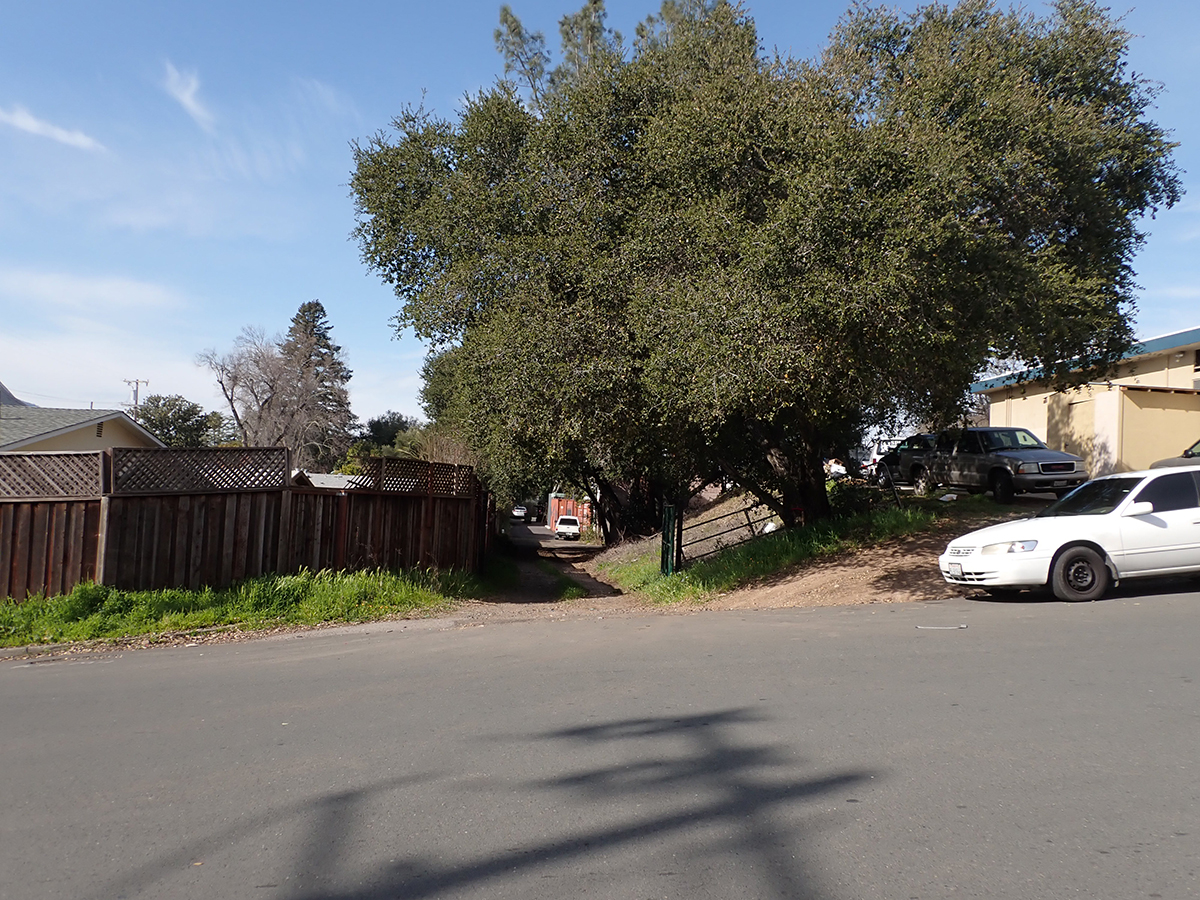
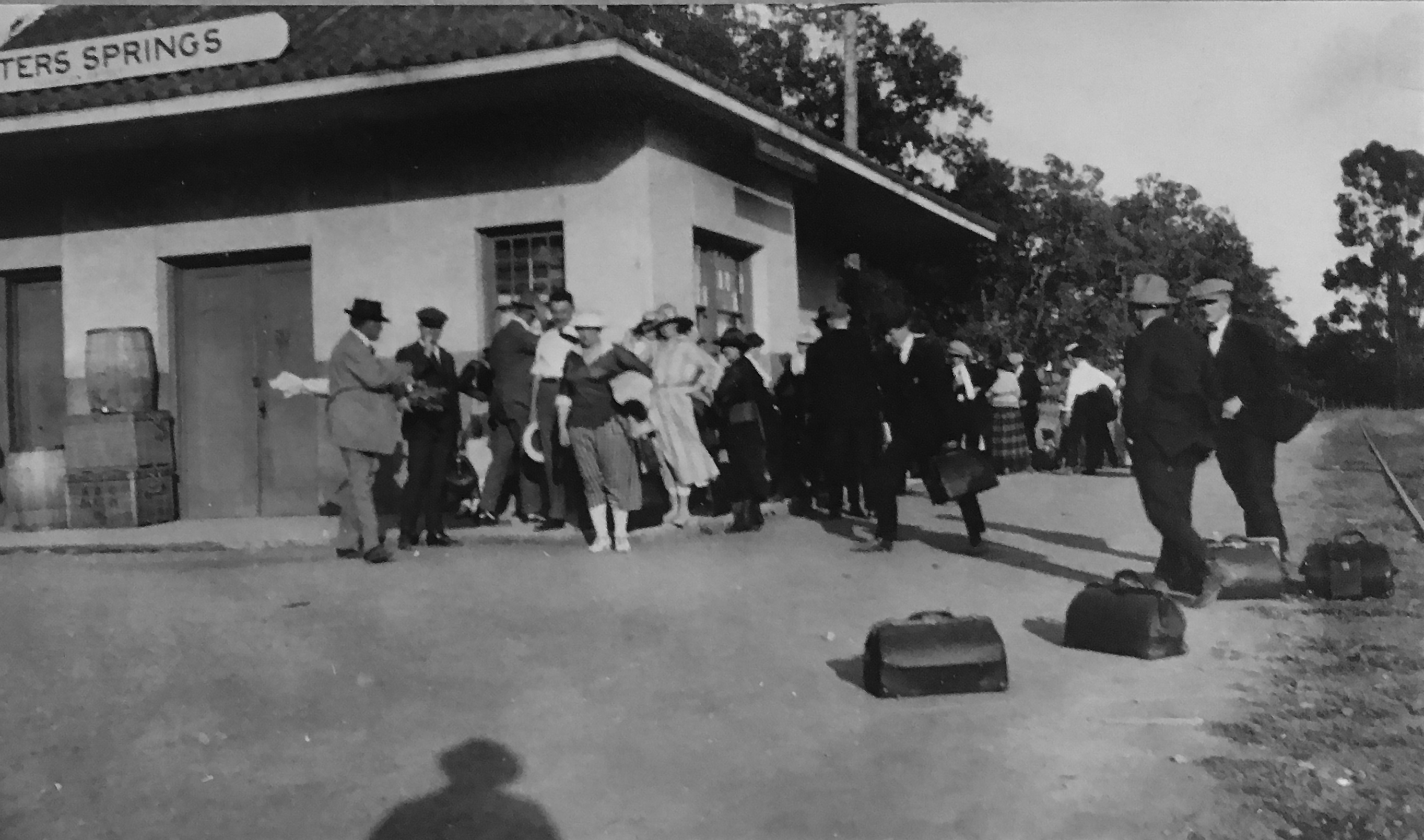
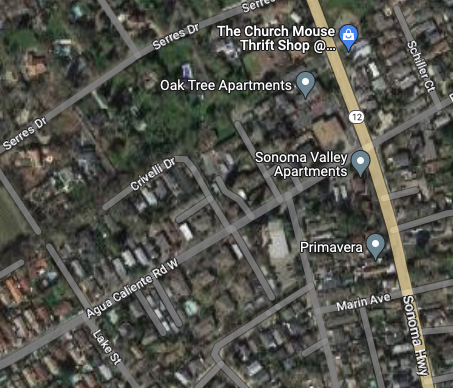
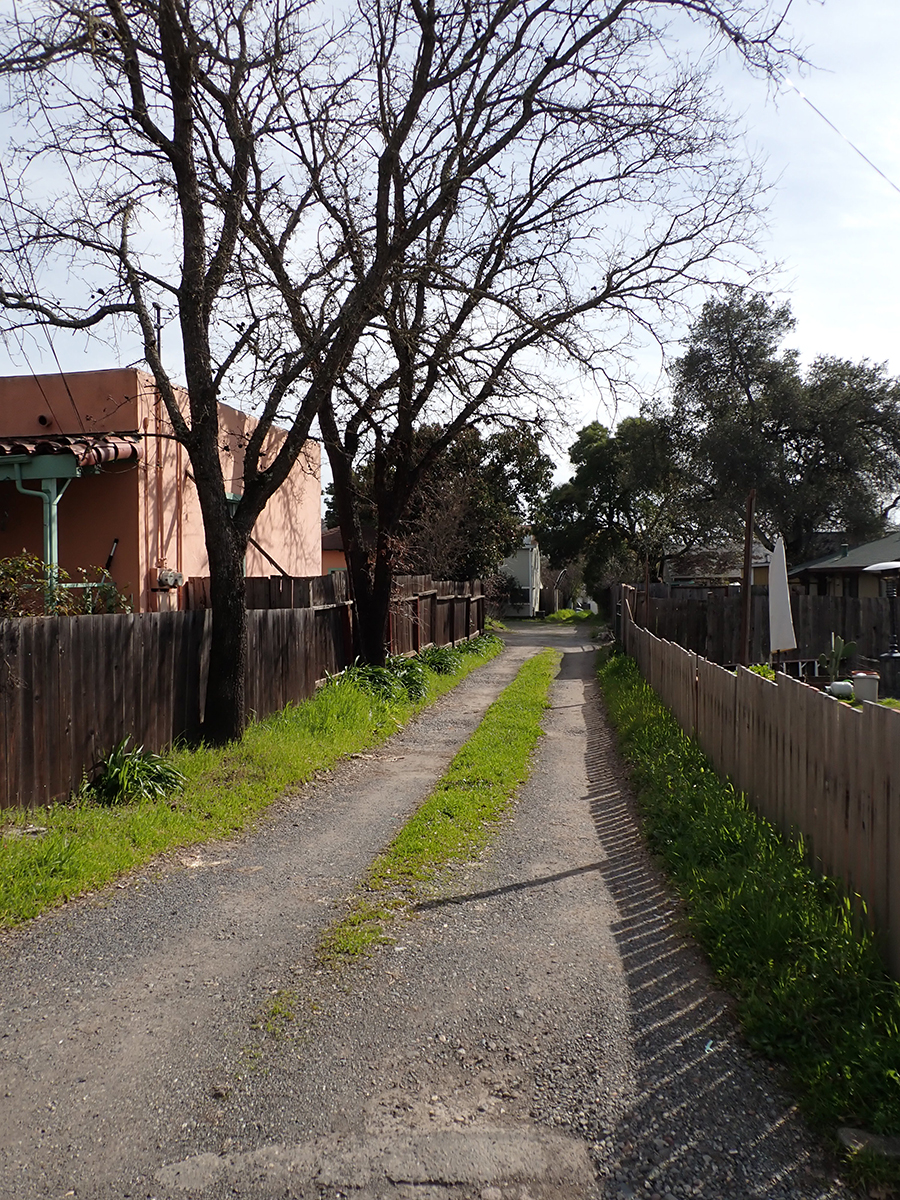
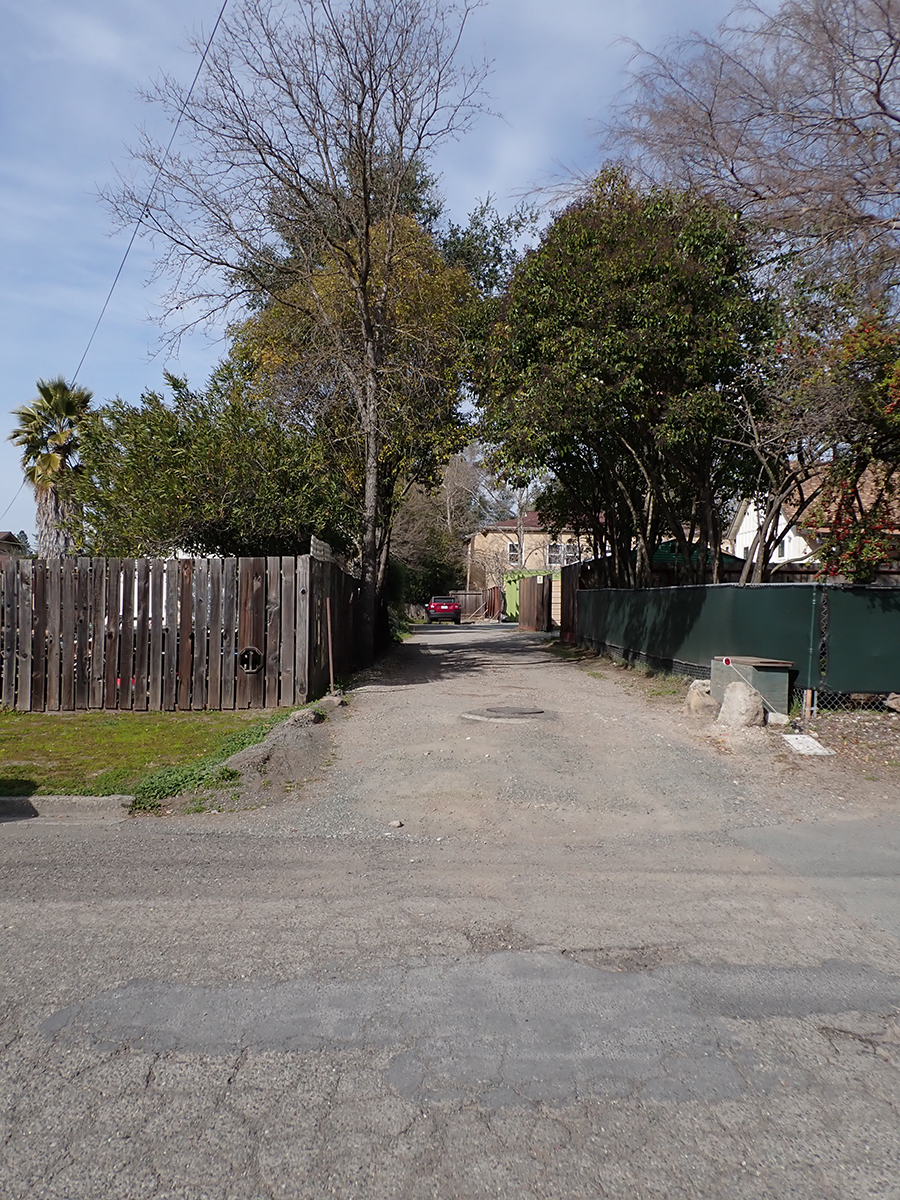
The next trace is the old Fetters Depot building on Depot Rd in front of Flowery School. It crosses the Fetters Apartments and Charter School properties and is seen again at Vialetti Dr. The old roadbed has become the alley the runs from Vailetti to Marin Ave. That is the last appearance of the right-of-way in the area.

Fetters Depot 1910s

1910s

At Marin Ave. looking south.

At Marin Ave. looking north.

At Vailetti Rd. looking north

Maps and photographs courtesy of the sonoma Valley Historical Society unless noted otherwise.

Standard
Agua Caliente, Boyes Hot Springs, El Verano, Fetters Hot Springs, Now and Then, Photographs, Resorts, Wonders and Marvels

“Picturing the Springs”-an exhibit at the Depot Park Museum in Sonoma

Opening September 10, 2022

In a sense, this exhibit is a follow-up to Michael Acker’s book “The Springs, Resort Towns of Sonoma Valley,” (Arcadia Publishing, 2017) with many more photographs and ephemera, and in color. Here is a small preview.


Thanks to the Sonoma Valley Historical Society for assistance, especially Lorrie Baetge Fulton, Patricia Cullinan, Kate Shertz, Peter Meyerhoff, Roy Tennant, and Lynn Downey, and for images, and access to the Index Tribune archive.

Thanks also to the many community members who have shared their memories and photographs with the author.

Standard
Boyes Hot Springs, History, Place Names/Street Names, Resorts

Historic Walking Tour of Central Boyes Hot Springs

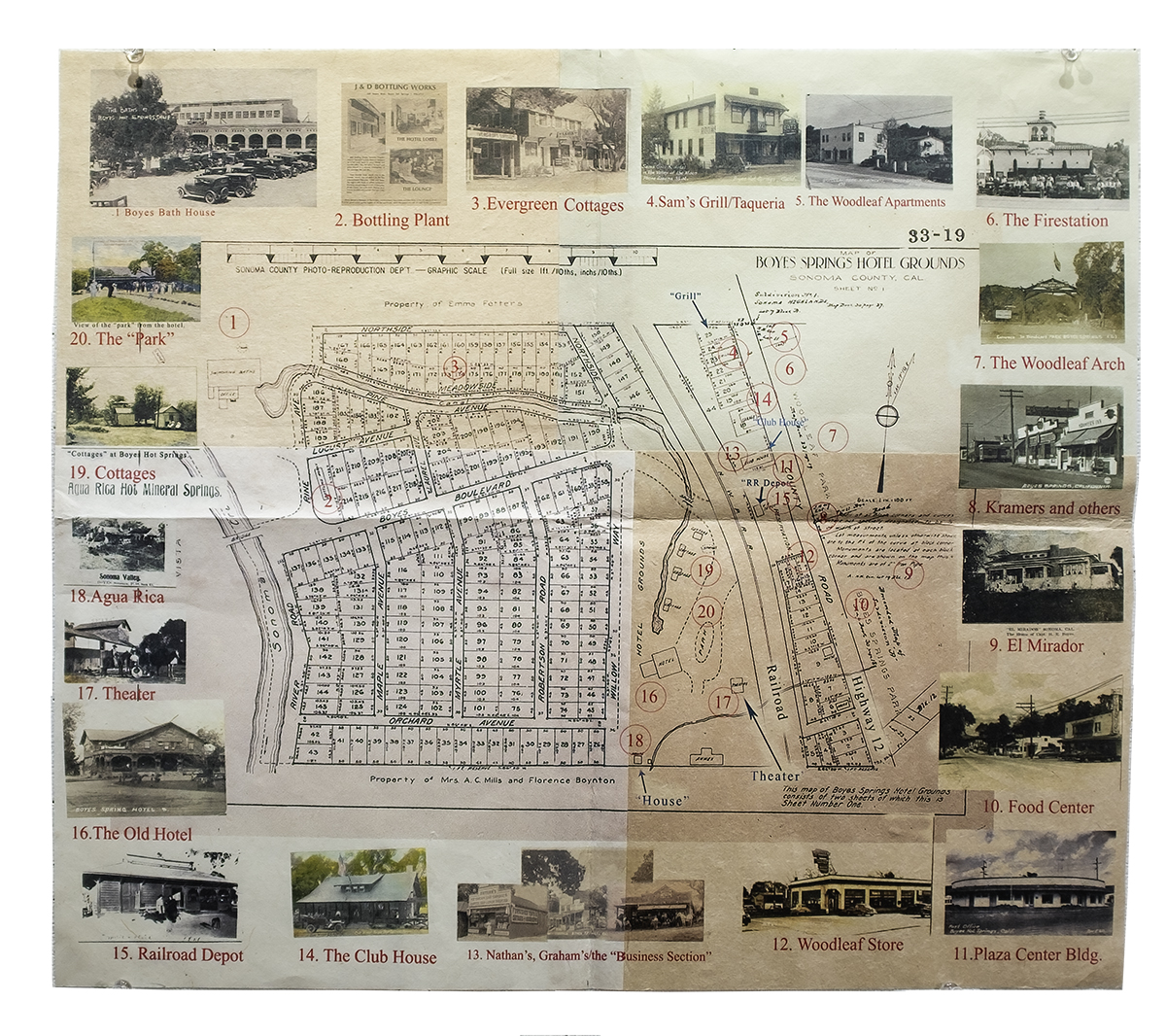
Walking Tour Map. The tour is centered on the “Hotel Grounds” subdivision, which contains the site of the original resort and the present Sonoma Mission Inn.

Some day we will organize actual tour groups to take this walk. In the mean time, there is the map and a book of the tour. Please see https://mca-studios.com/recent-work/ for each page of the book and a short video. (Click on the page images to magnify.)

Standard
Boyes Hot Springs, El Verano, History, Photographs, Resorts, Springs Historic Photo Database

New to the Valley of the Moon Historic Photo Database March 2021

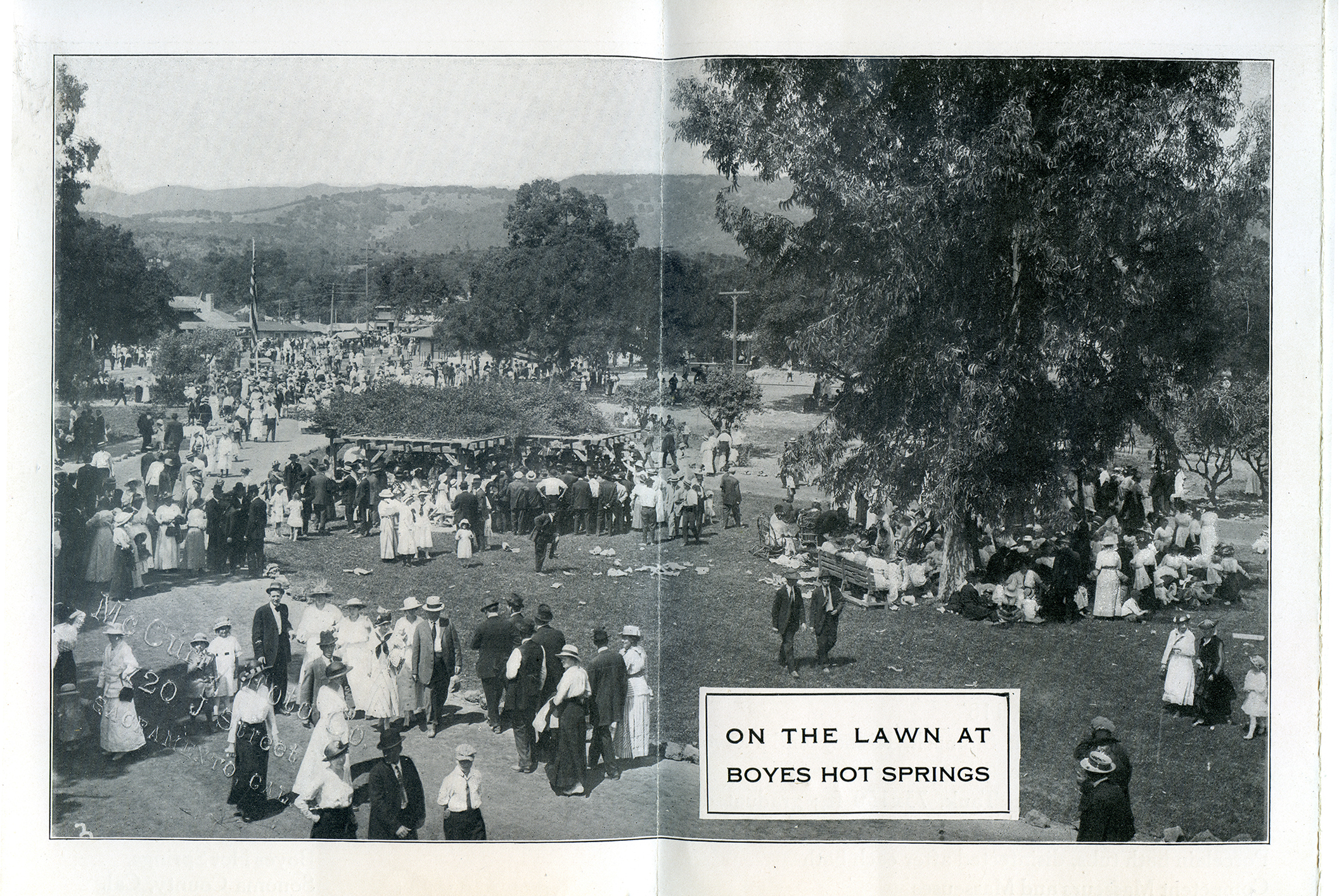
Circa 1910. Looking northeast from the hotel. The depot is about in the center. To the left is the club house. The arbor is at center left. In the foreground you can see some wonderful faces. As you know from newspaper accounts, the crowds were very large in the summer. Courtesy of Ron Price.
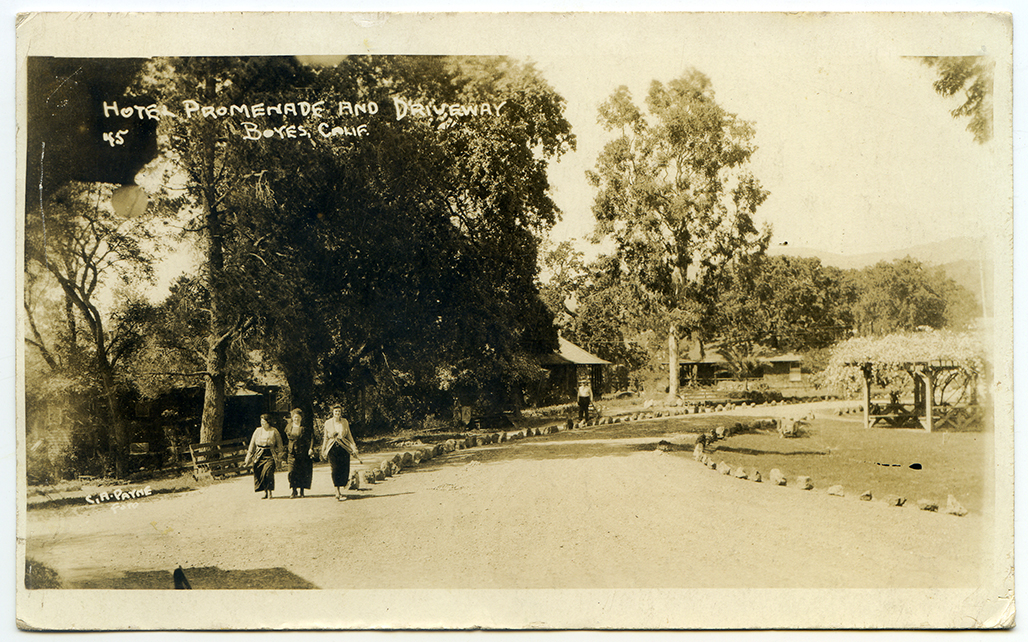
“Hotel Promenade and Driveway, Boyes Calif.” I think the arbor seen in the first photo is at the right side here. No crowd, just three strolling women. The photographer was C. R. Payne. Courtesy of Ron Price.
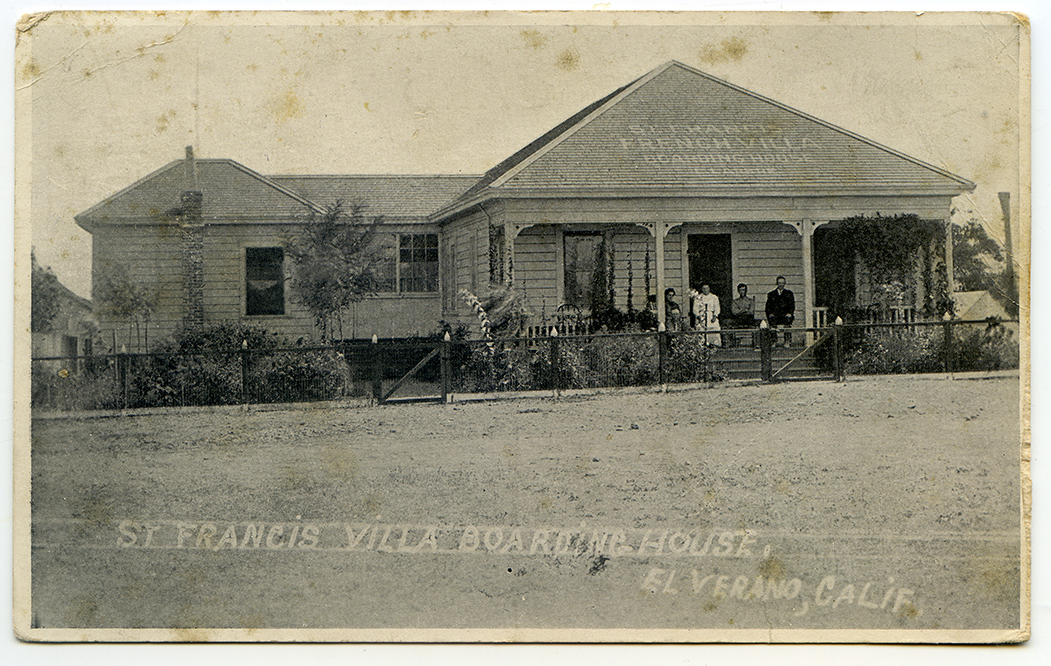
Saint Francis villa was near Verdiers Resort in El Verano. Courtesy Ron Price.
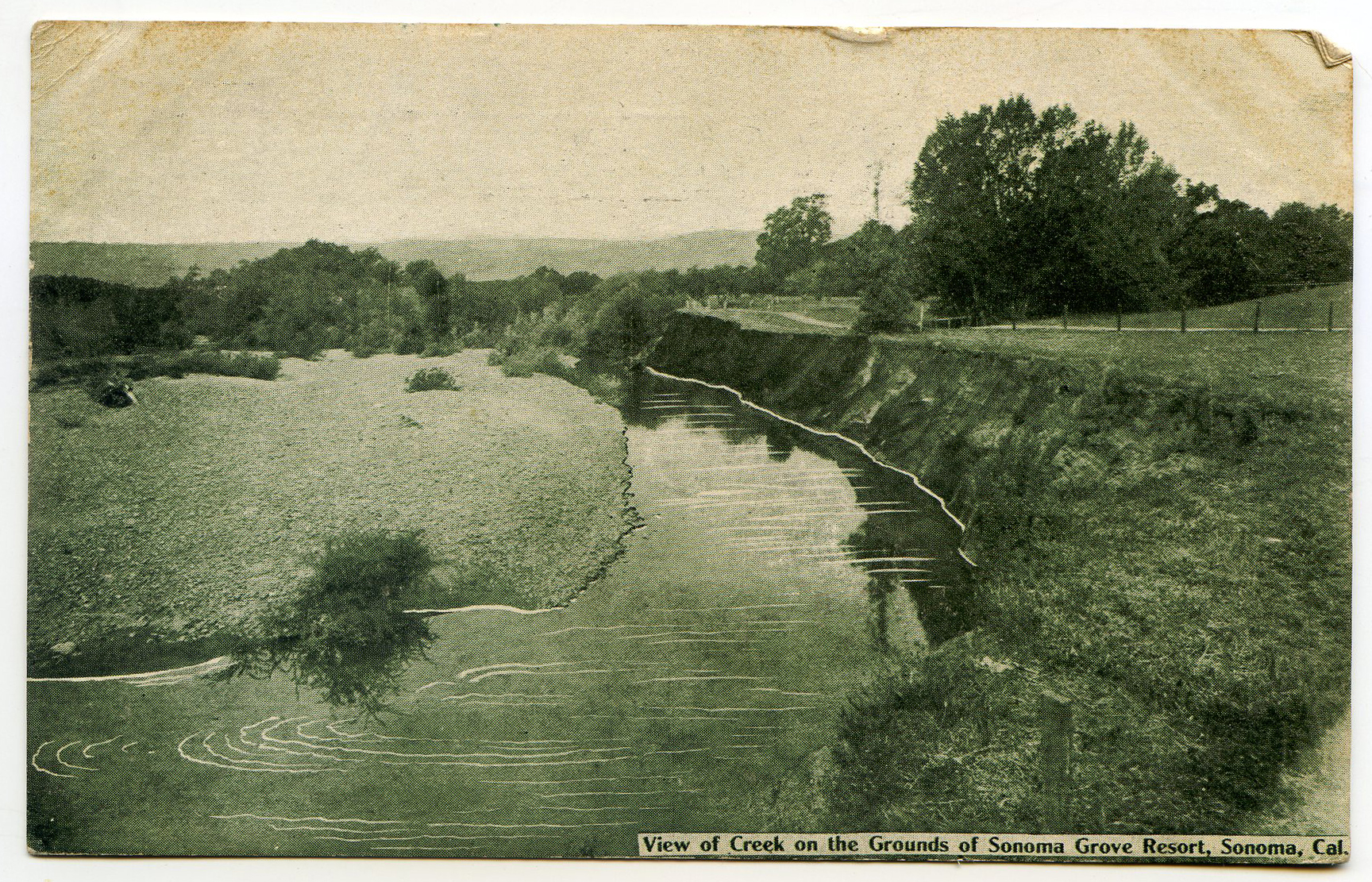
Sonoma Creek at Sonoma Grove Resort, 1911. Acker collection.
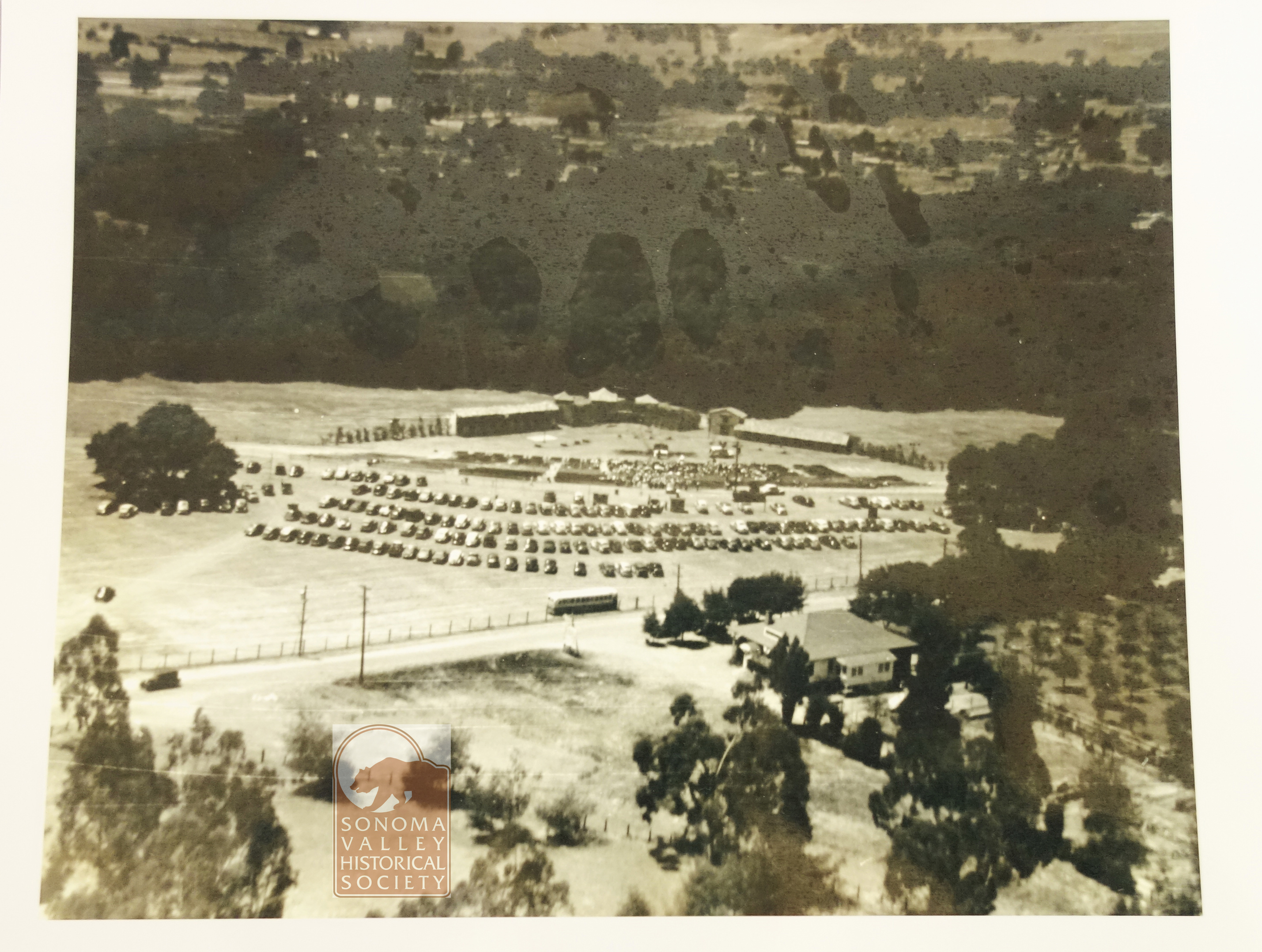
El Verano Amphitheater. 1950s. At the site of Maxwell Farms on Verano Avenue. I have no information on this establishment. Courtesy Sonoma Valley Historical Society.
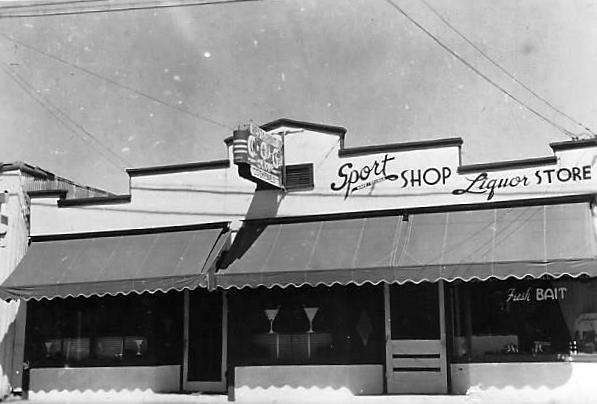
Larson’s Sport Shop and Liquor Store, 1950s. Booze and hunting equipment are no longer sold in the same store! This is the current location of the Barking Dog Roasters in Boyes Hot Springs. Photo courtesy of the Larson family.
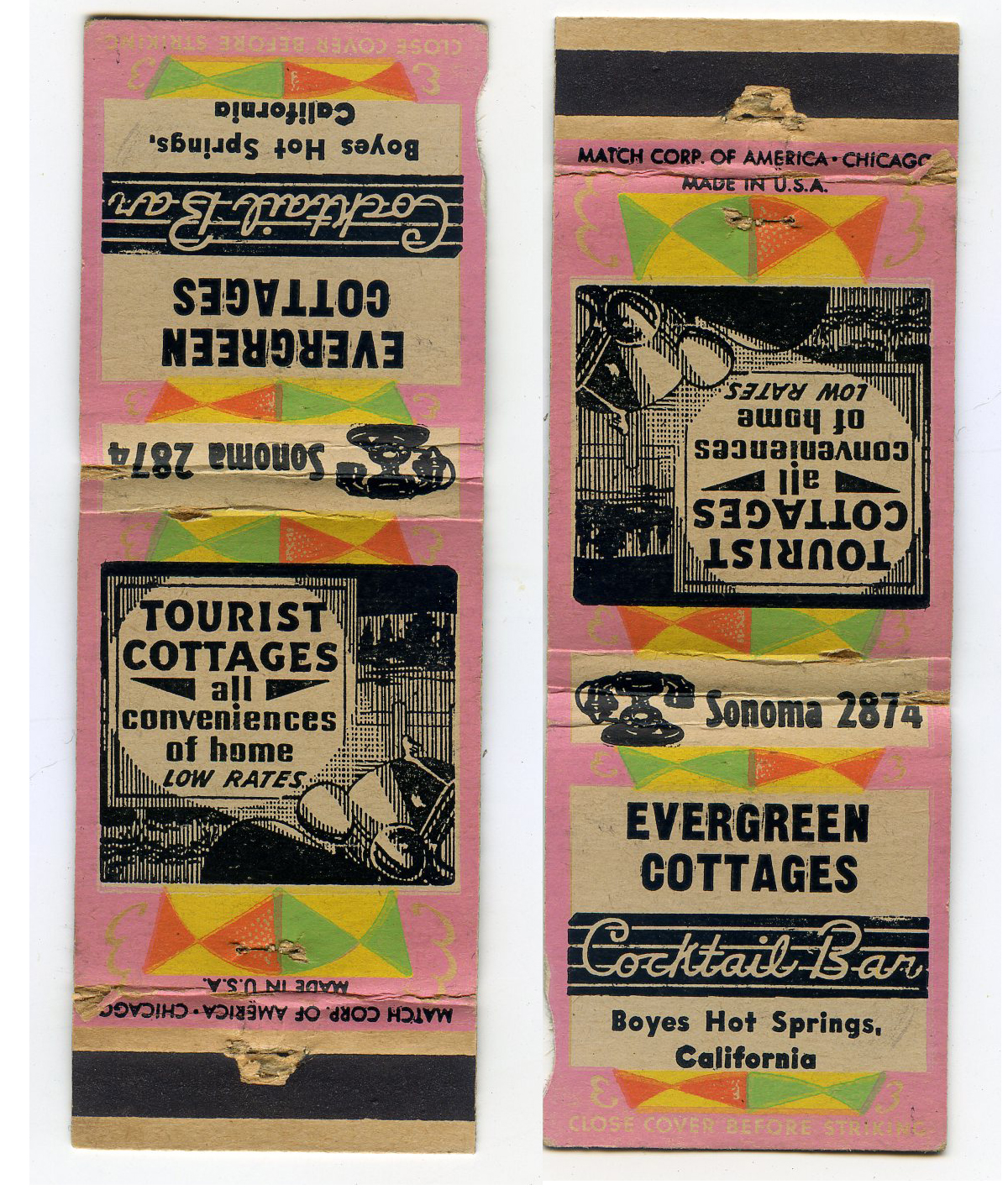
Evergreen Cottages was on Pine Avenue on Boyes. The buildings still stand. This looks to be from the 1940s. Dig the crazy colors. Acker collection
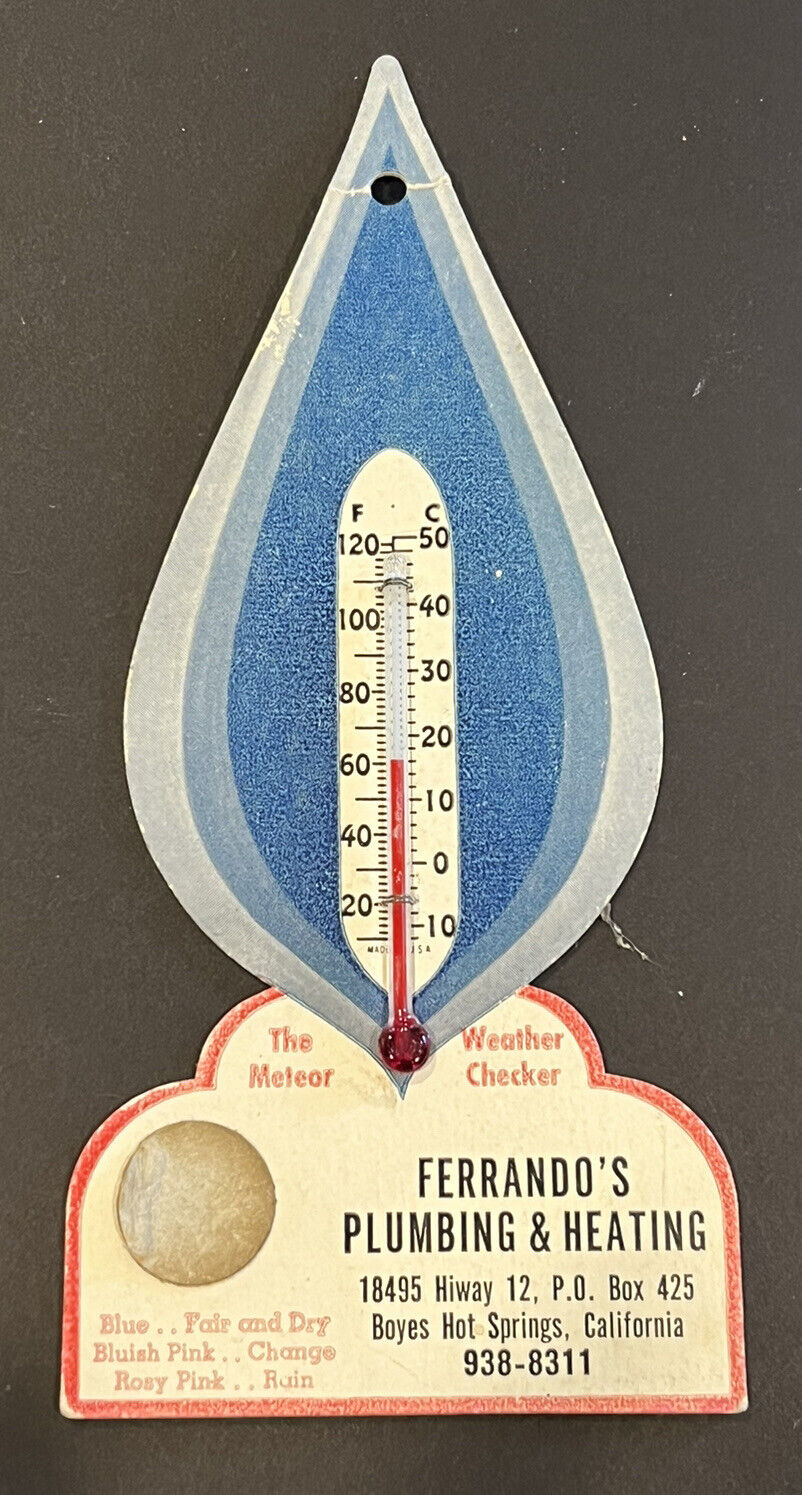
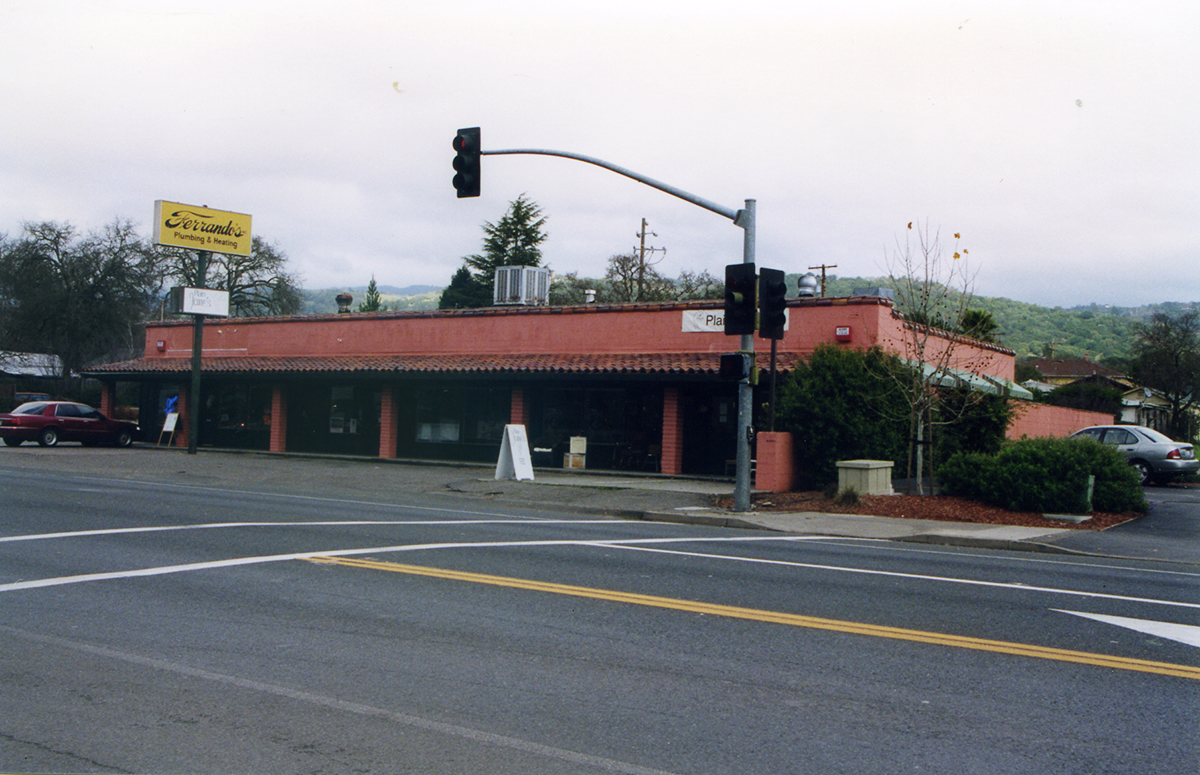
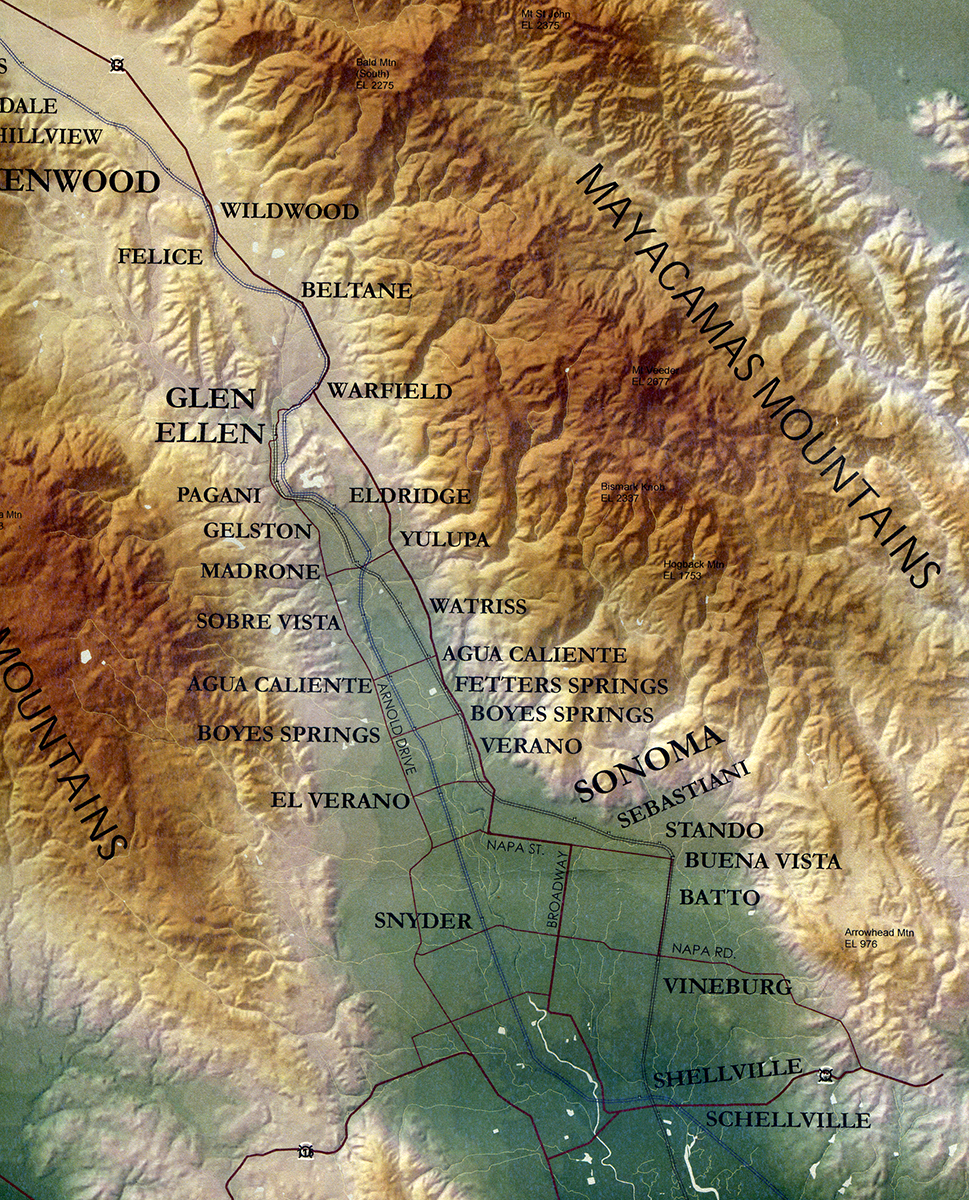
Ferrando’s Plumbing at Highway 12 and Thompson Ave. 2005. So much has changed since 2005! Photo by M. Acker

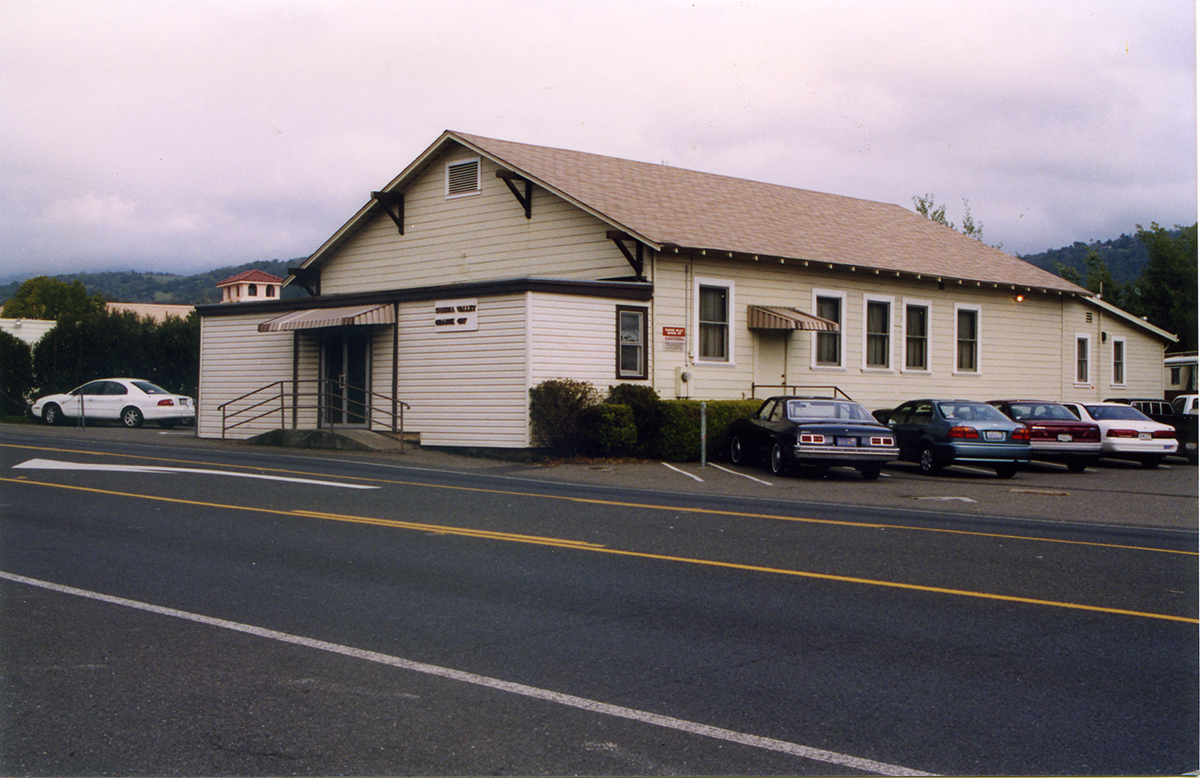
Sonoma Valley Grange #407, 2005. When the sidewalks went in, the front entrance was removed. That wall now sports the famous mural by su servidor. Photo by M. Acker
Standard
Architecture, Fetters Hot Springs, History, Now and Then, Photographs, Resorts

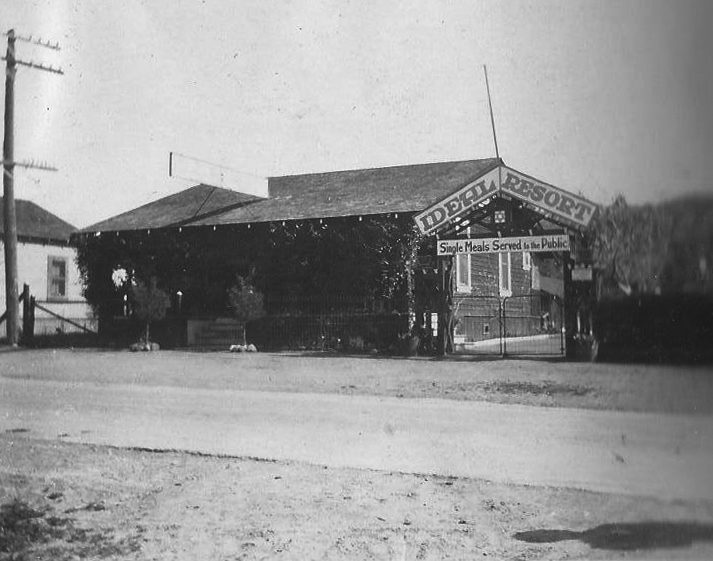
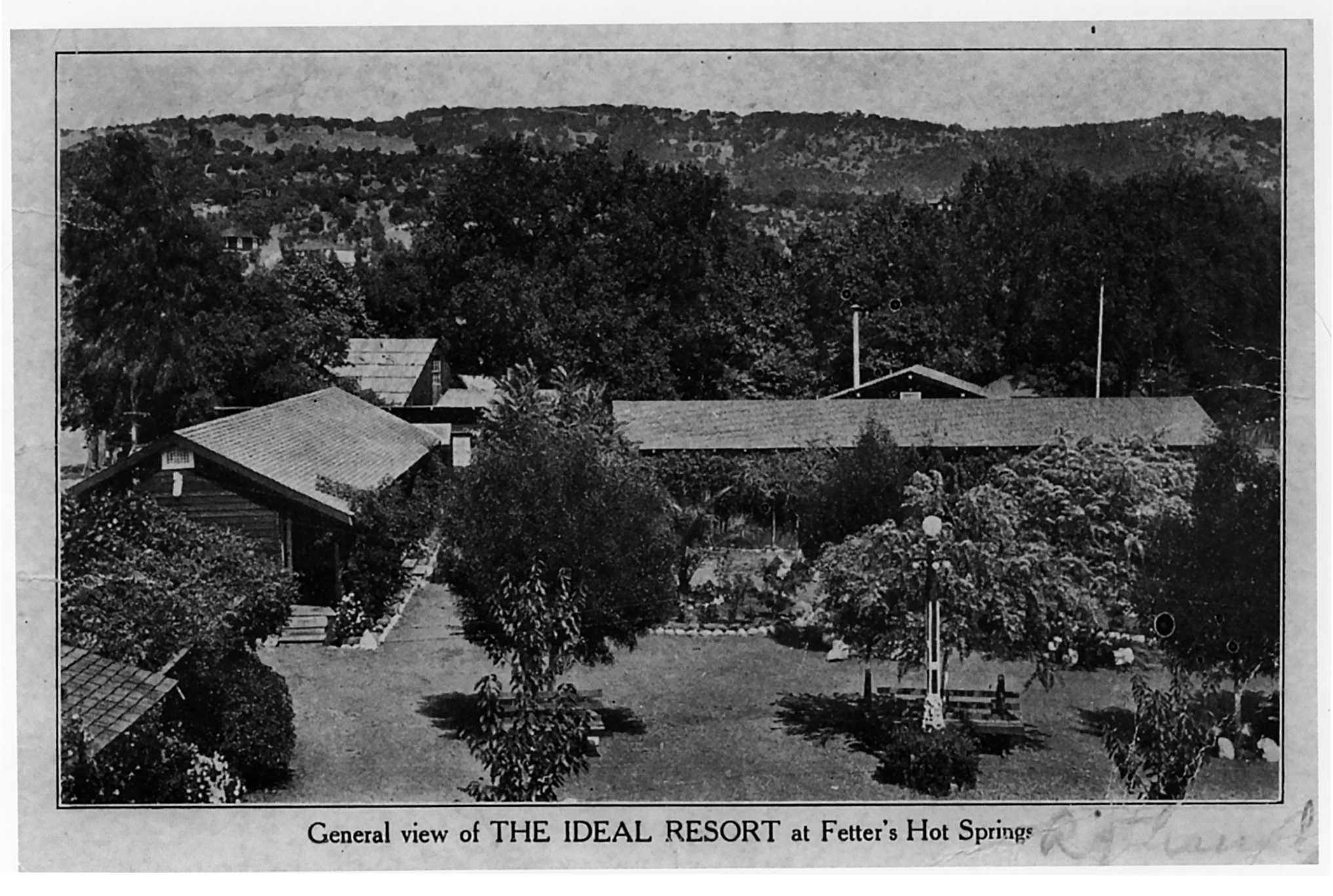
The Ideal Resort

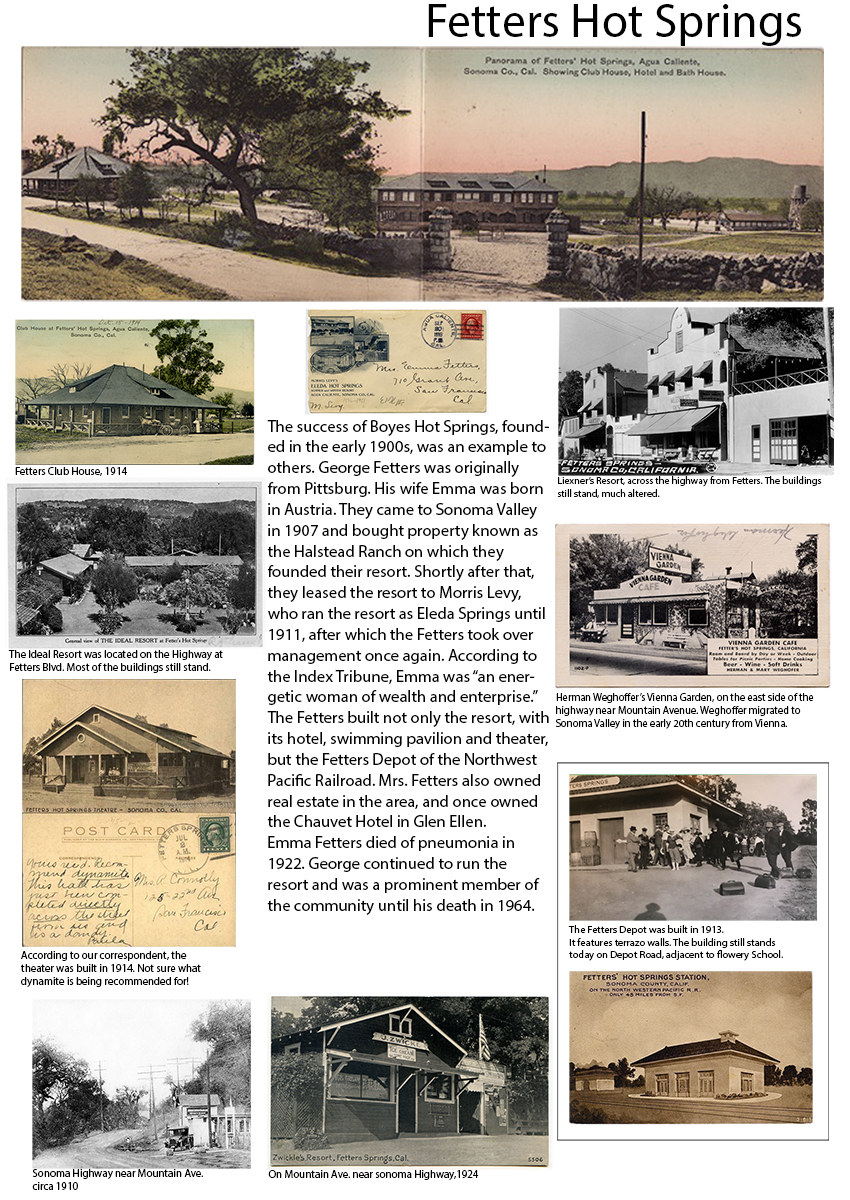
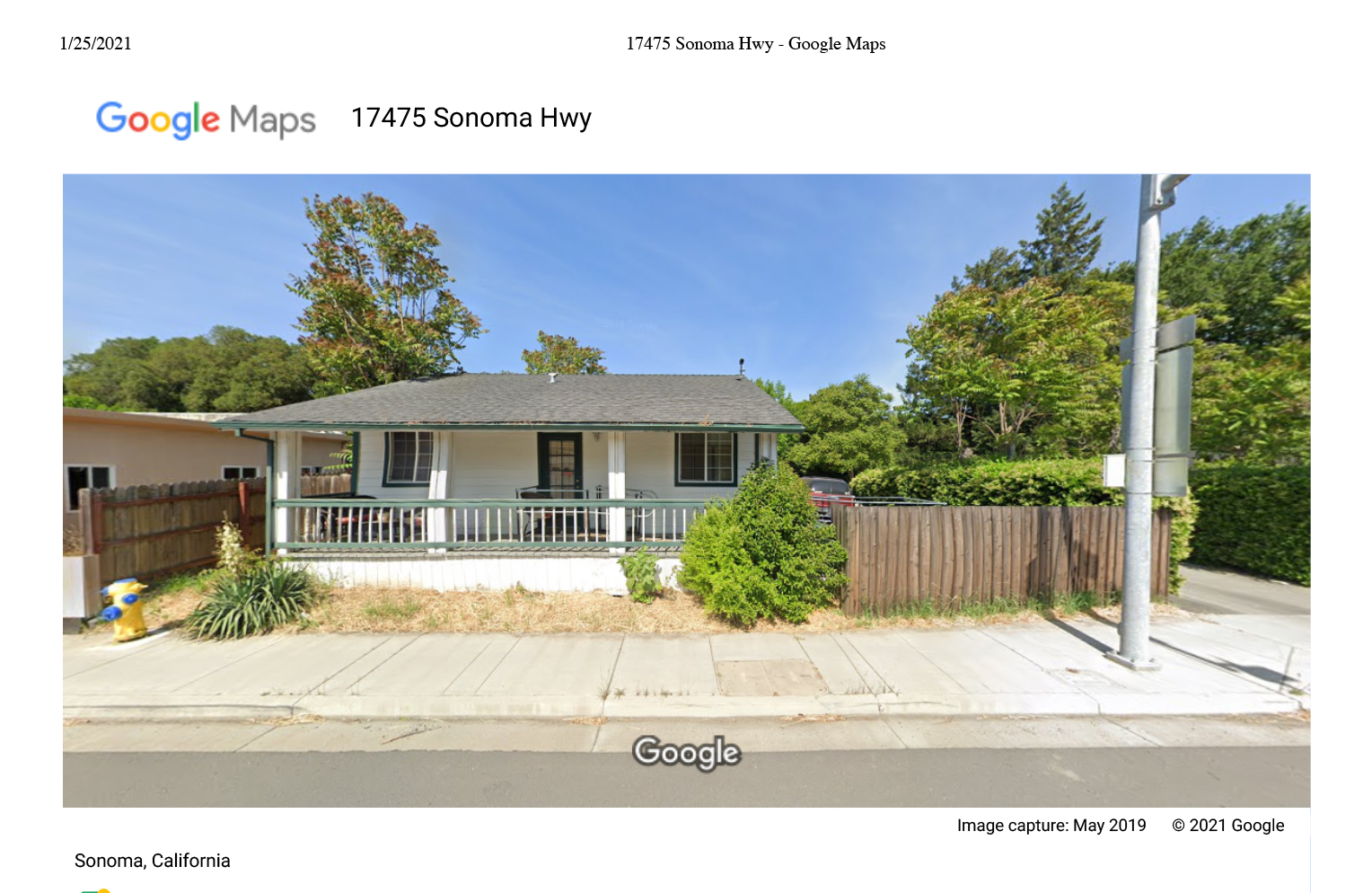
According to the 2005 Historical Resources Compliance Report for the Highway 12 Phase Two Corridor Project of County Redevelopment (whew!) The Ideal Resort was built some time around 1910 by Anton and Helen Schaffer who, in 1919, sold to Joseph and Margaret Weiss.
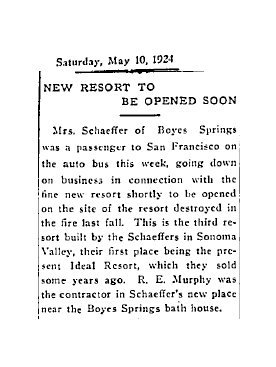
The Schaeffer’s were active resort developers in the early days.

The Schafer’s and the Weiss’ were Austrian immigrants, like the Weghoffer family and Leixner, who also had businesses in Fetters Hot Springs. {See Liexner }.
A Northwest Pacific Railroad brochure from the 1910s described the resort this way: “At Fetter’s Springs, three minutes’ walk from the Northwestern Pacific Depot, and ten minutes walk to Boyes, Fetters, and Caliente Hot Springs, where there are large swimming tanks….No expense has been spared to make this place a pleasure ground. Large, sanitary and well ventilated rooms, sleeping porches or tents,…Mrs. Weiss has established a reputation for her excellent Hungarian cooking.”

From the NWPRR brochure, circa 1917

The Weiss’ ran the resort until 1934. Between 1935 and 1941, the property changed hands several times.  Joseph Weiss died in 1935. The IT gave him a front page obit, calling him  a “pioneer resort man.” The obit noted that he was born in Austria-Hungary in 1868.

In 1946, Ray and Florence Loper took over, renaming the place the Floray Auto Court. The Lopers sold in 1958 but the name persisted in to the 70s.

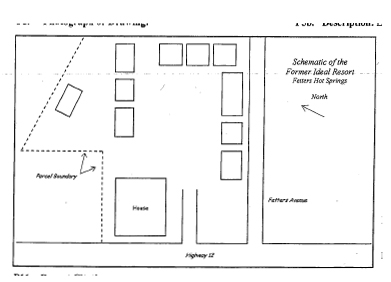
Plan of the resort from the 2005 Report

The 2005 Report noted that the Ideal Resort was “one of many small, family owned resorts in the Springs district. Small resorts such as this allowed families and people of lesser means to participate in the resort life previously enjoyed by the affluent. They plays an integral part in the historical development of this area. This property is a good representative of the Springs resort era. There are few small, road-side resorts from the early part of the century left in the Springs area, and non retain the degrees of integrity that this resort does.  Therefore, National Register Criterion A and California Register Criterion 1 are met.” In 2005. As with so many historic structures in the Springs, alteration or demolition proceeded before consideration of historic value could be contemplated.

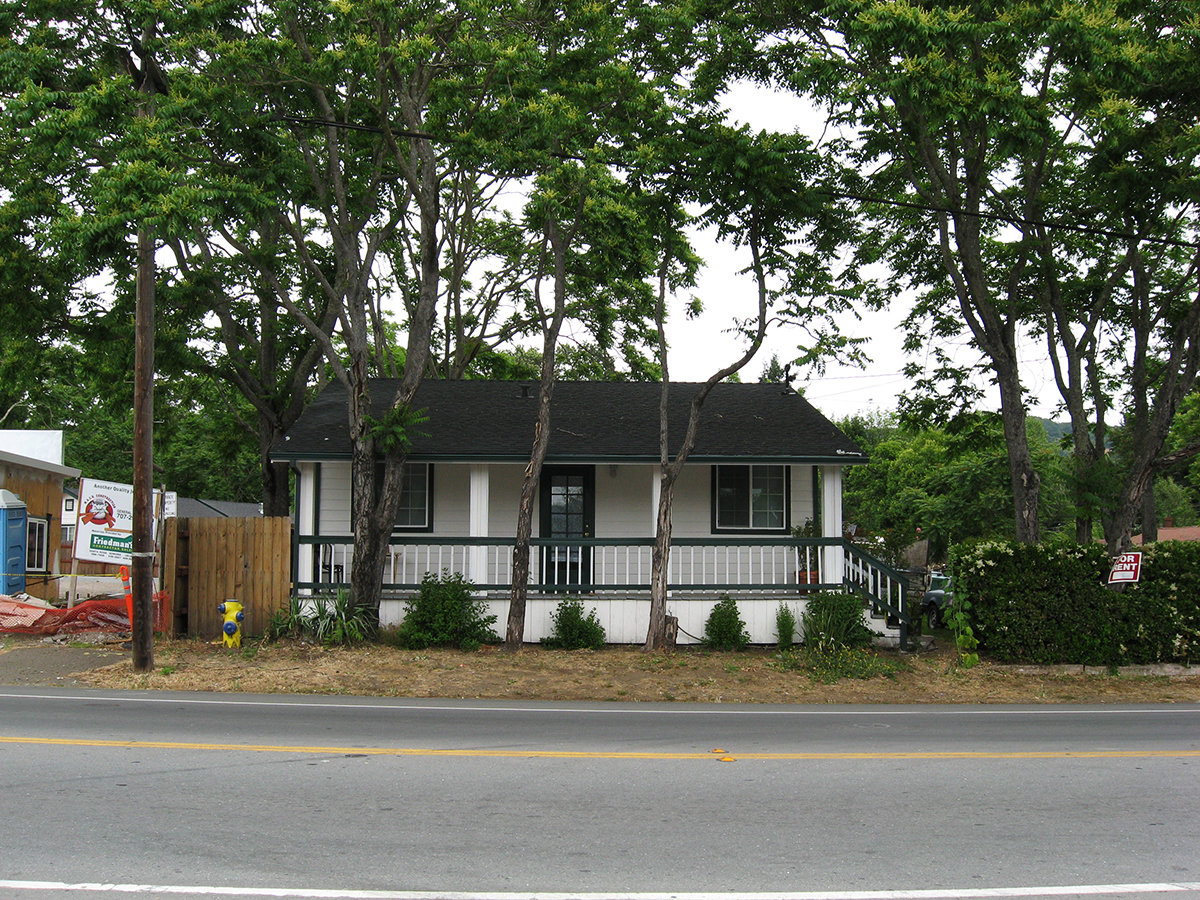
The buildings were rehabbed in the 2010s. They remain, but very highly altered.

Main House, 2008
Main House, 2020

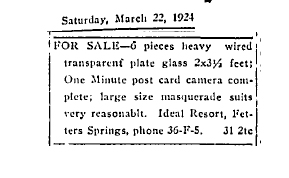
In 1924, this ad appeared in the Index Tribune. The assortment of goods for sale gives pause.

Index Tribune courtesy of the Sonoma Valley Historical Society. Photos by or from the collection of the author.

Standard