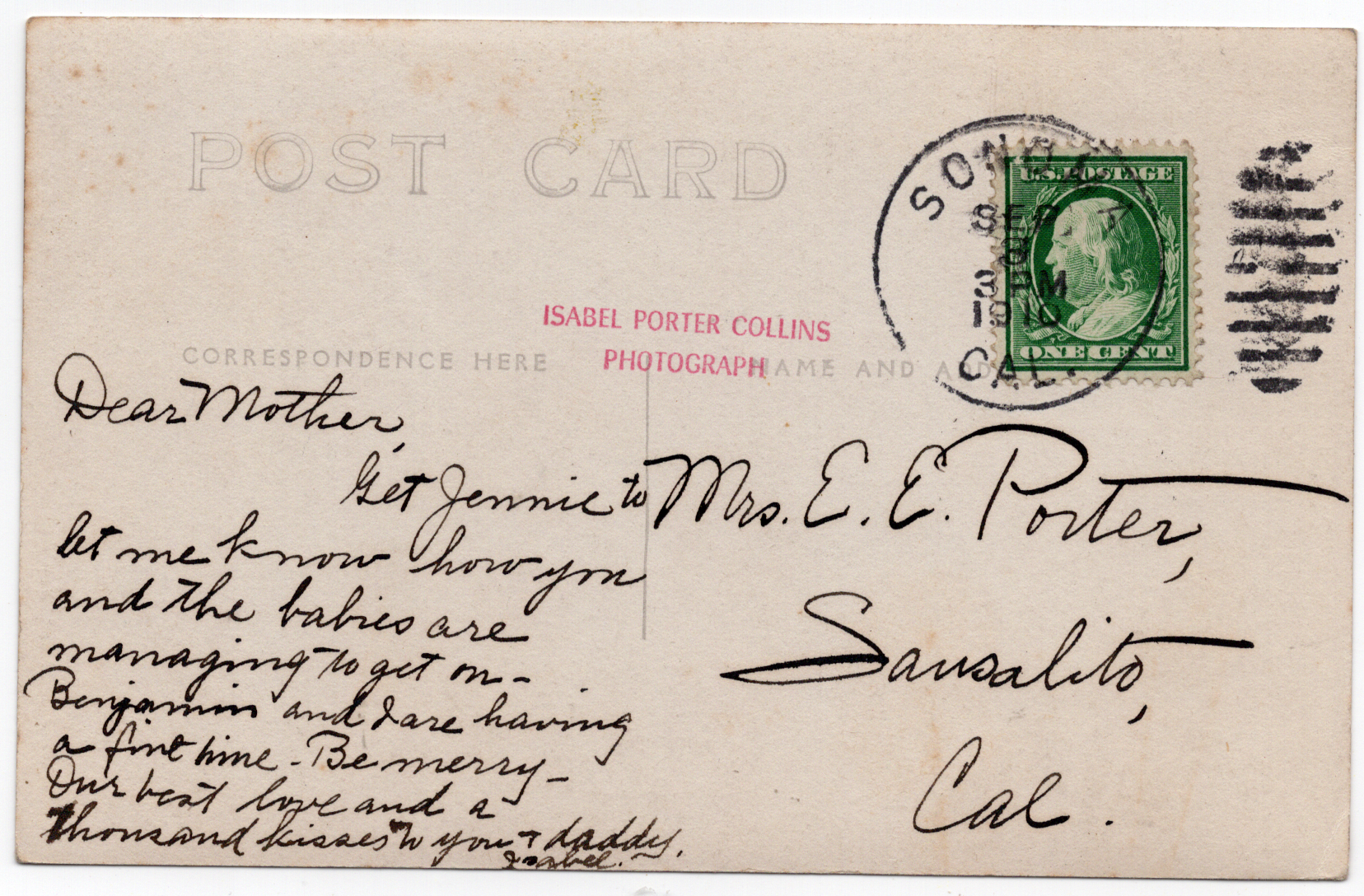
This is not meant to be an exhaustive survey of everybody who ever photographed in Sonoma Valley. (Here I’m focusing on the resort towns of Boyes Hot Springs, Fetters Hot Springs, Agua Caliente, and El Verano.) That will have to come when we mount an exhibition on the topic at the Sonoma Valley History Museum in Depot Park.
Carleton Watkins
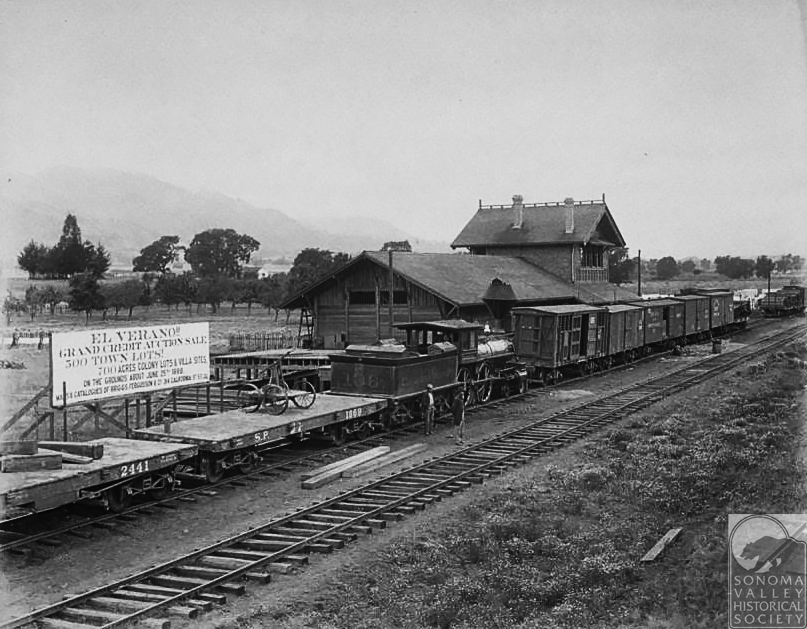
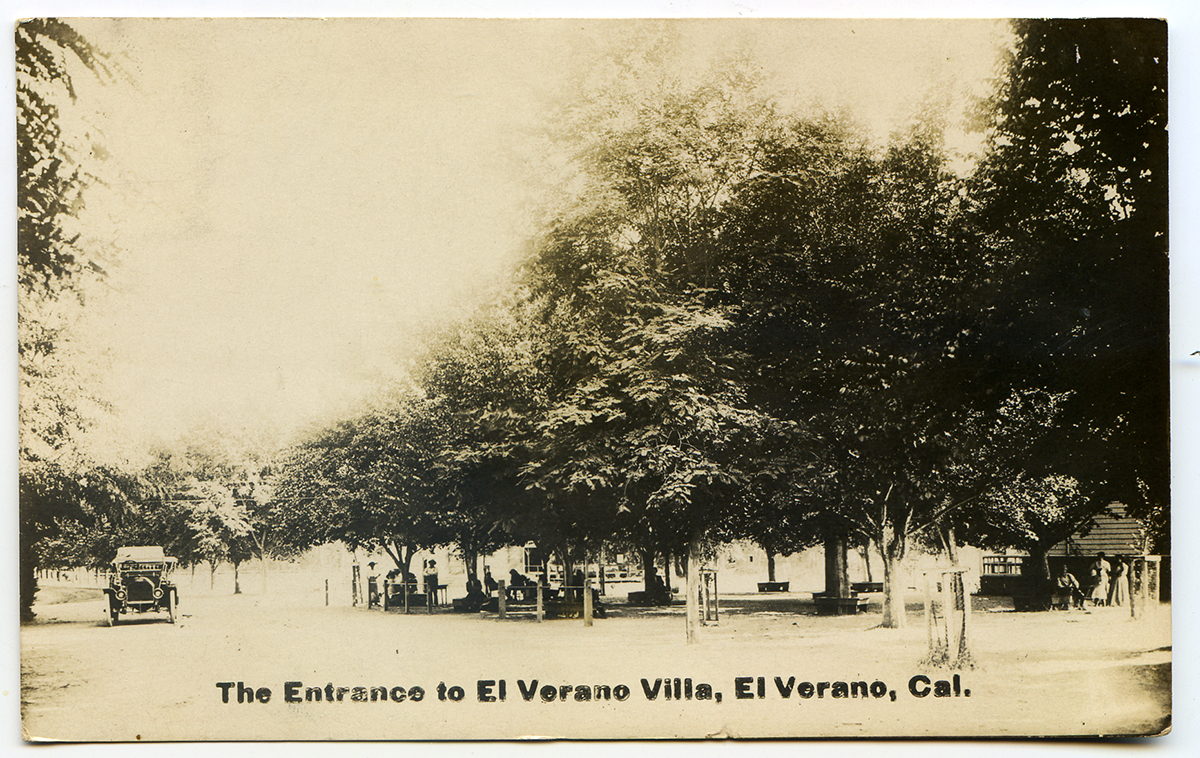
Probably the most noted photographer to document a part of the Valley was Carleton Watkins (1829-1916), who was engaged in 1887 by George Maxwell to make a portfolio of images as a tool to help sell land in El Verano. A great deal of hubbub was created touting this tract. Free trains excursions from San Francisco were offered to potential buyers. Streets were platted and an elaborate map was issued. The land boom collapsed, however; money was lost, and only a few streets remained, until El Verano pulled itself up by its bootstraps again. There was almost nothing there but fields, oak trees and a few farms when Watkins visited El Verano. The railroad was the most important thing happening. See the El Verano Historical Society for more images.
Postcard Photographers
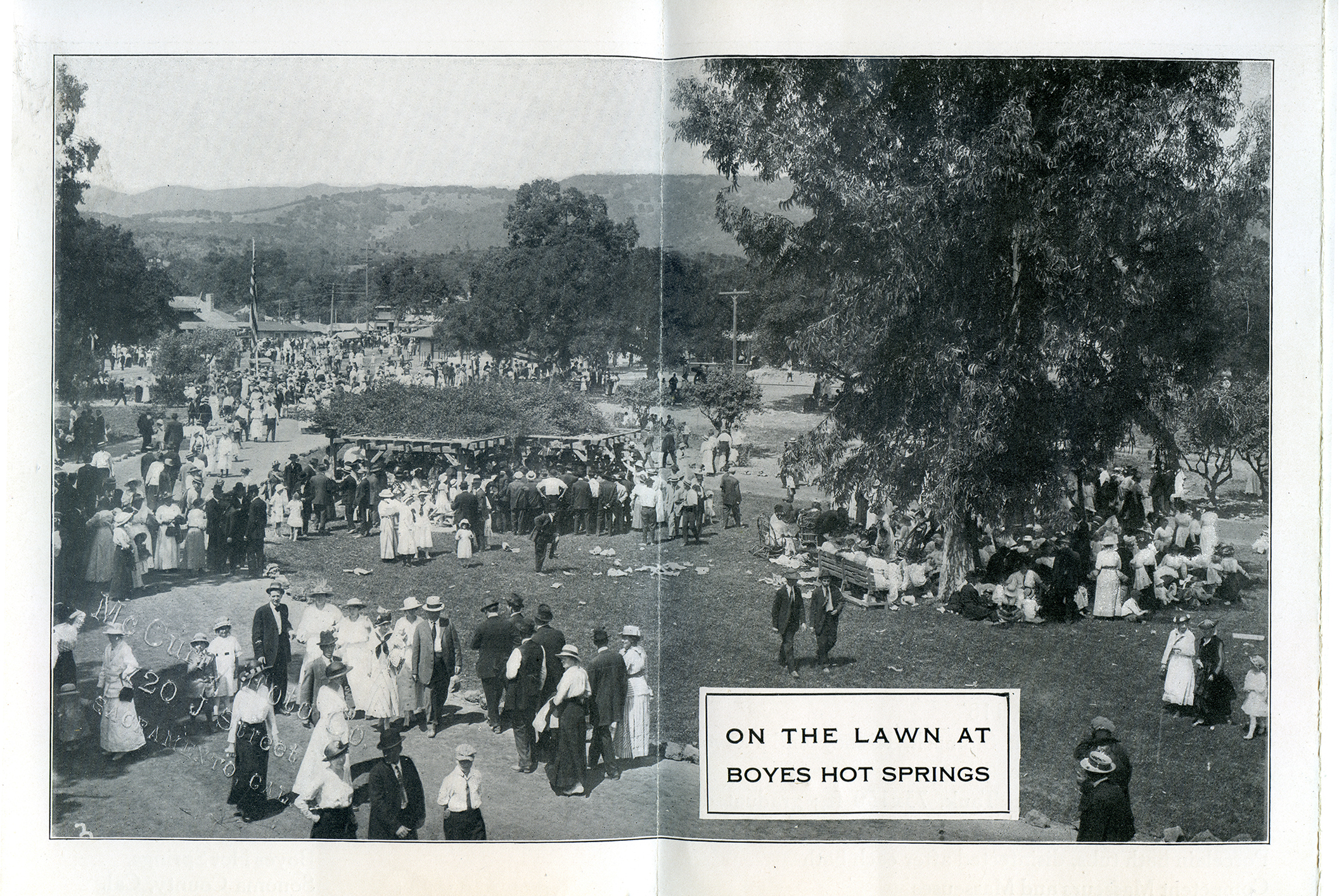
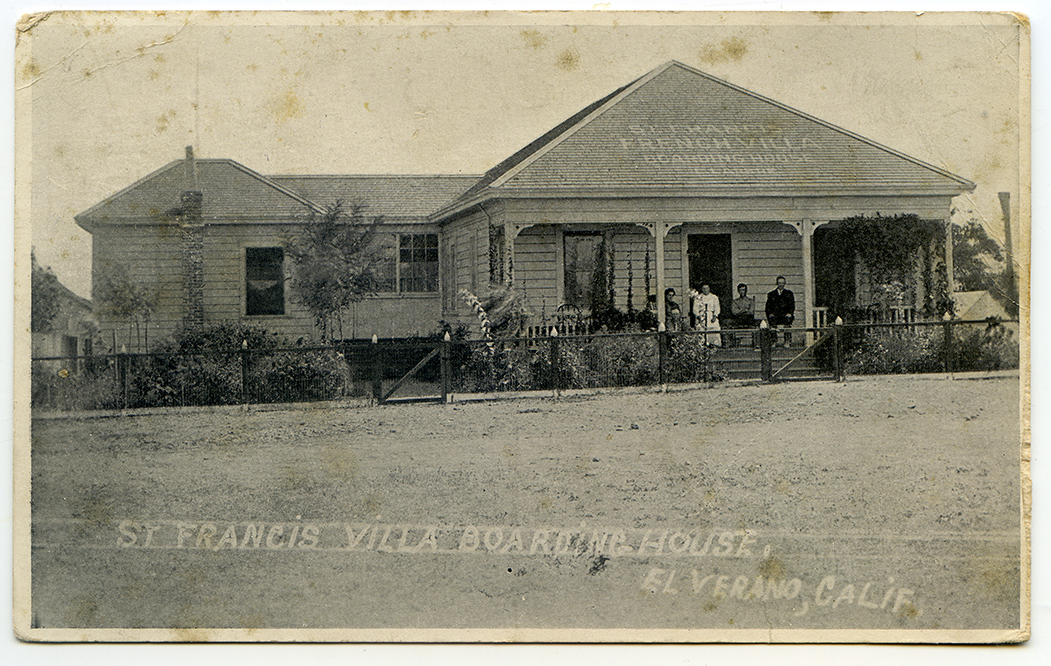
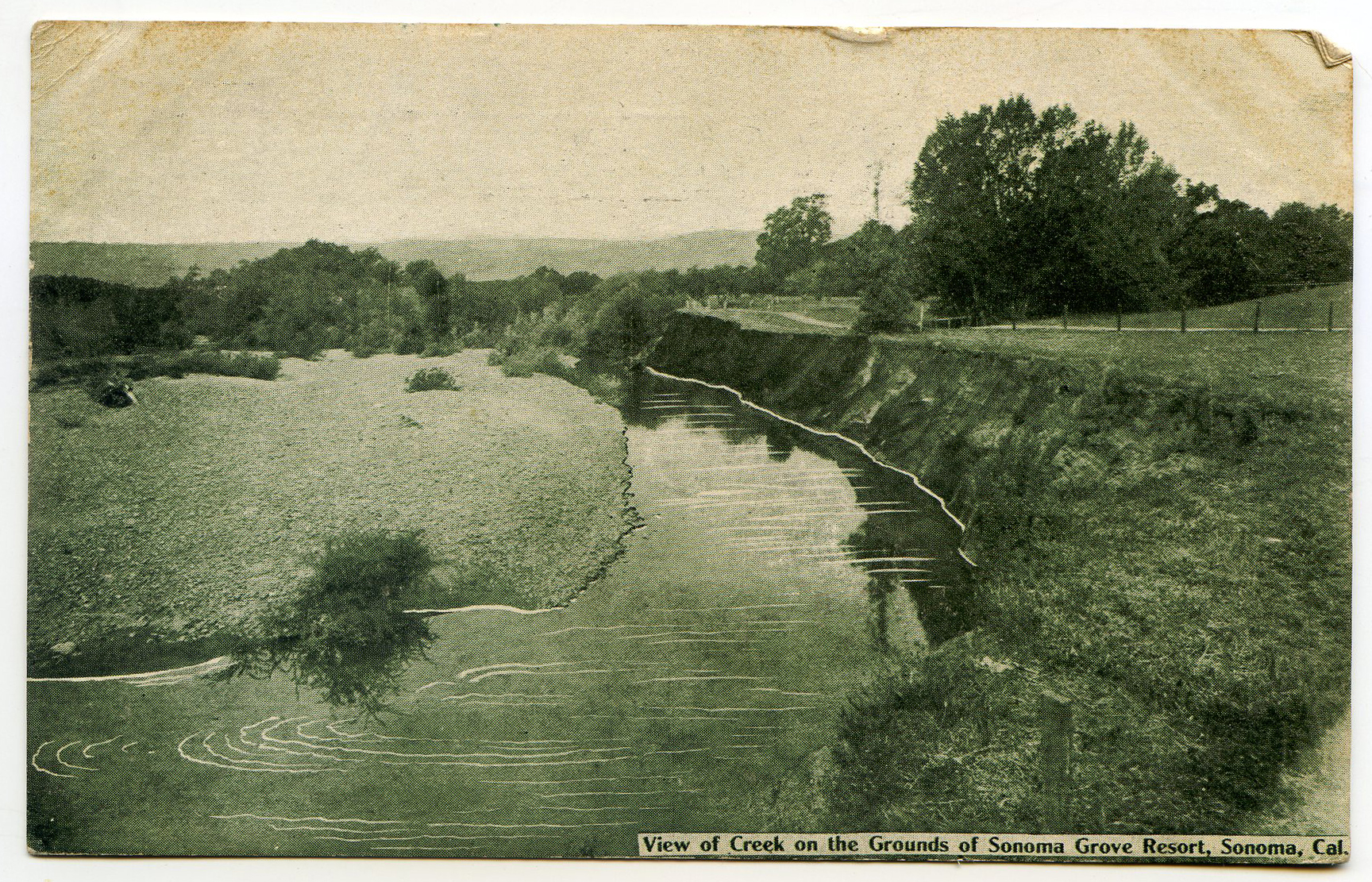
Agua Caliente, Boyes Hot Springs, and El Verano, sometimes known as The Springs, in the unincorporated part of the Valley of the Moon, California ( adjacent to Sonoma), has been a resort destination since the 1880s. People went there (and still do) on vacation, to take the waters and bath in the sun. Tourists like to have photographic memories of their joyous time, so many photographers published postcards of the resorts and people enjoying them.
The names of the photographers are mostly known. The stories behind the names are known for some and some are obscure (as of this writing.)
The production of resort postcards got going in earnest in the early 20th century. The prominent photographers were Charles Weidner, C. A. Payne (also publishing as Art-Ray), Peck, Topete, and Alexander (Zan) Stark. We have a lot of biographical information on Weidner and Stark, thanks to Frank Sternad of the San Francisco Bay Area Post Card Club. The others are more mysterious.
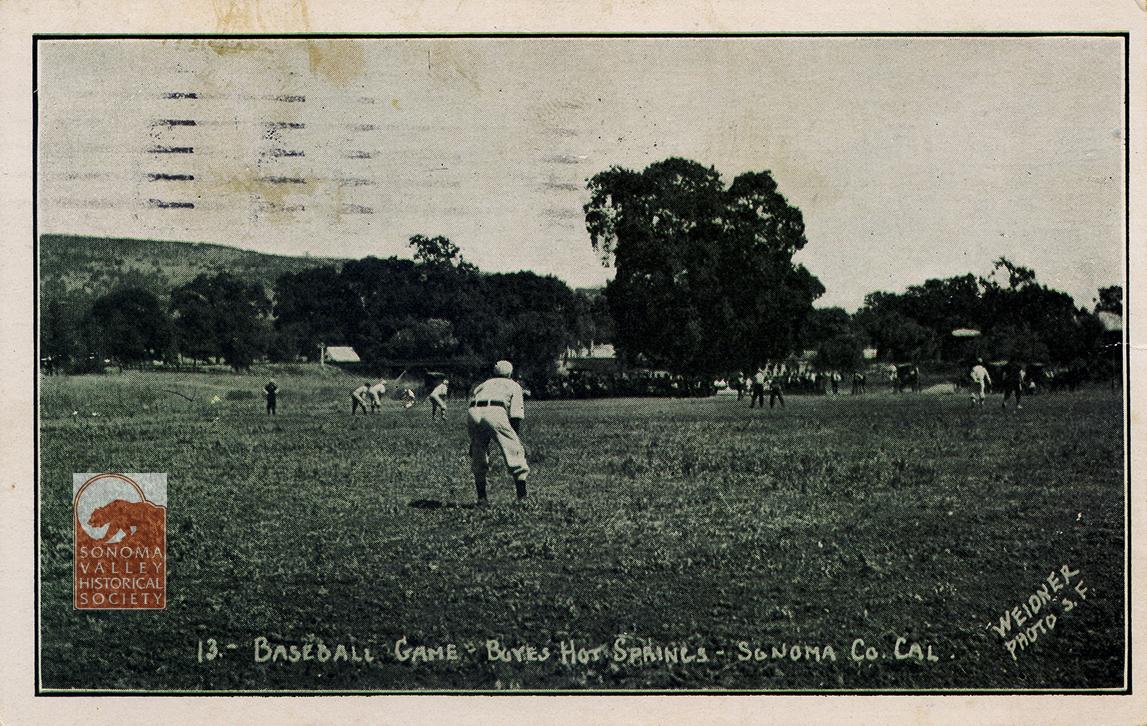
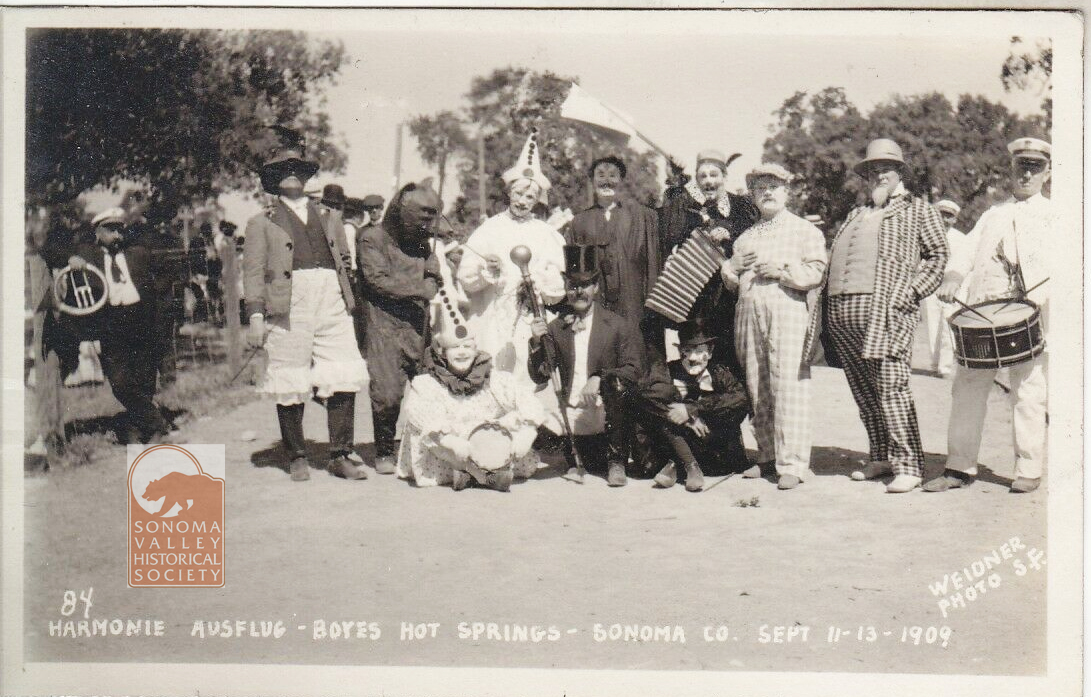
Charles Weidner was born in Germany in 1867, came to the United States in 1888. By 1891 he had made his way to California. Around then he took up photography in earnest, establishing his postcard company in San Francisco in 1902. He was well known for his photos of San Francisco after the earthquake and fire of 1906, and those of Yosemite Valley. He traveled widely in Northern California, spending time in The Springs in the years before WW1. One of his main subject was the Harmonie Ausflug, a group of Germans in the Bay Area who made tourist excursions together, and had a jolly time from the looks of it!
Weidner retired in the mid 1930s, having produced hundreds of postcards covering many locations and subjects in the Bay Area and beyond.
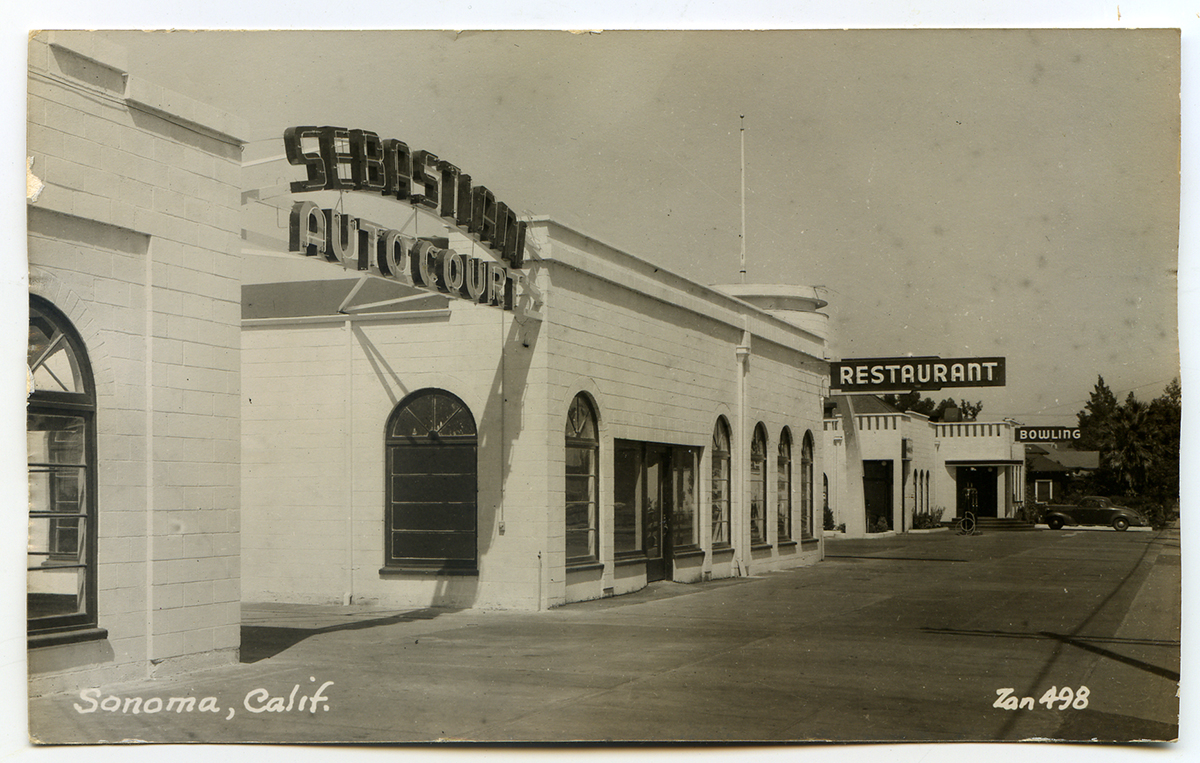
Alexander (Zan) Stark came to San Francisco from Ohio in 1914, investing in a small photo studio on Market Street. After serving in WW1, he came back to the City to resume operation of the Alta Slide and Photo Company. Alta was notable for producing photo booklets of nudes of young women, for “artistic” purposes. Several of his models were well-known silent film stars. Despite the Depression, Stark was doing well enough that in 1929 he could buy a house in Mill Valley. Inspired by his daily ferry commute to SF, he began photographing the wonders of the Bay Area, and being business man, realized he could print these as post cards and make some money. He soon began traveling farther afield, eventually making cards in most of Northern California, southern Oregon, and parts of Nevada.
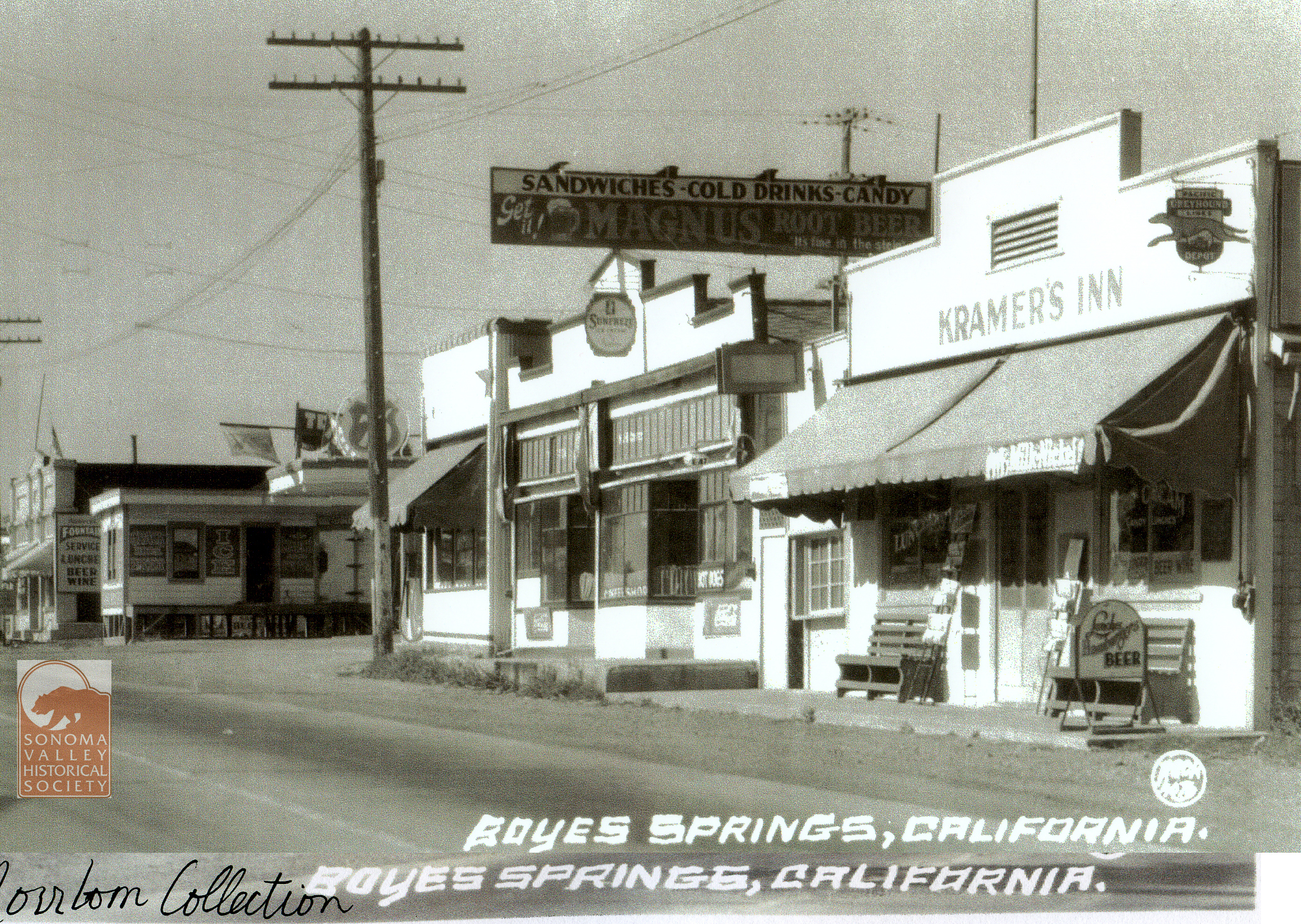
He moved to Boyes Hot Springs in 1952, to which we owe the outstanding documentation of the resorts, businesses, and landscape of The Springs, numbering at least 65 postcards.
Stark’s archive is housed at Stanford University Library Special Collections.
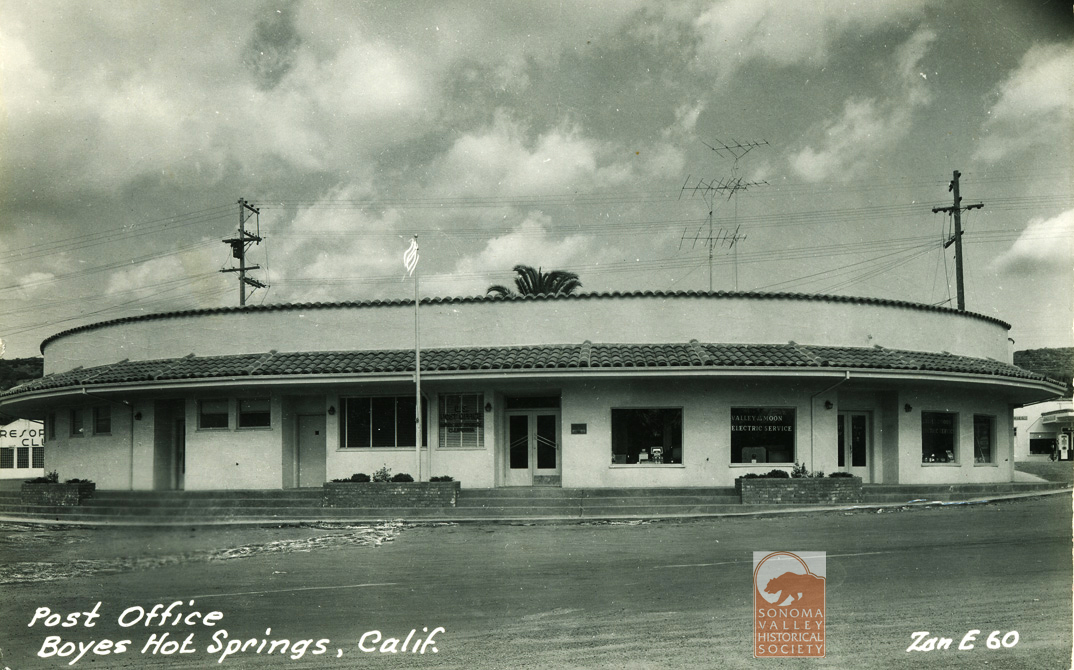
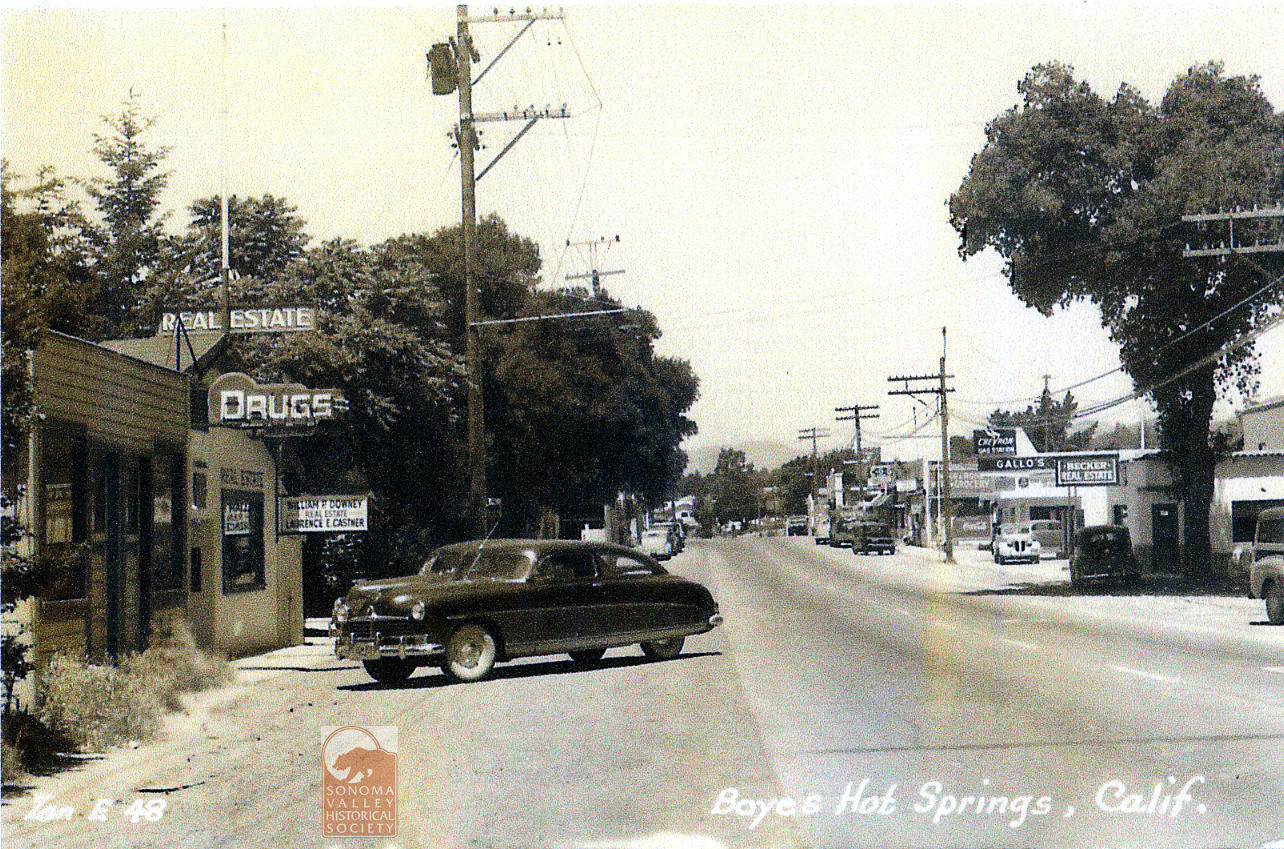
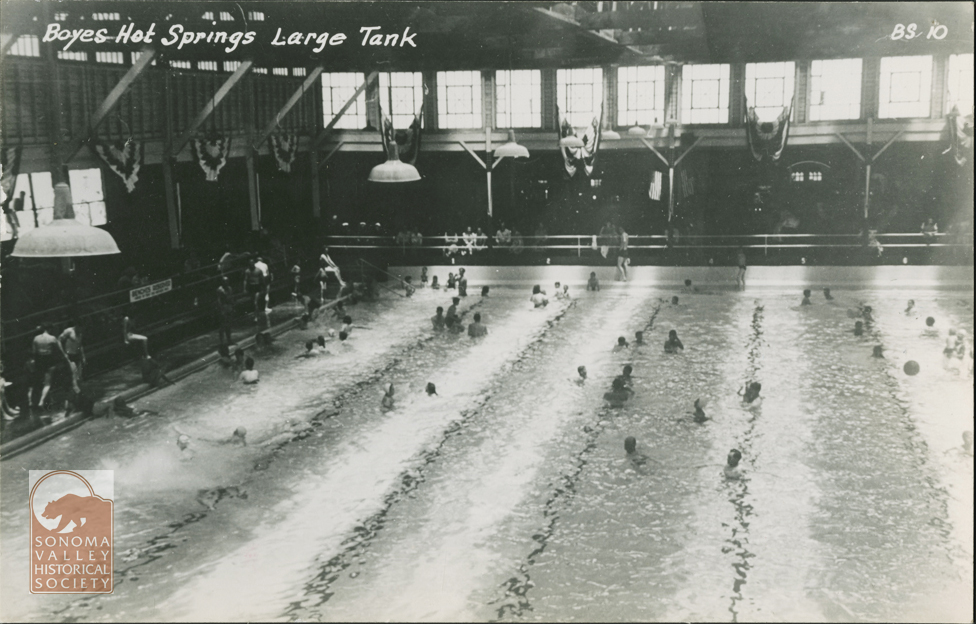
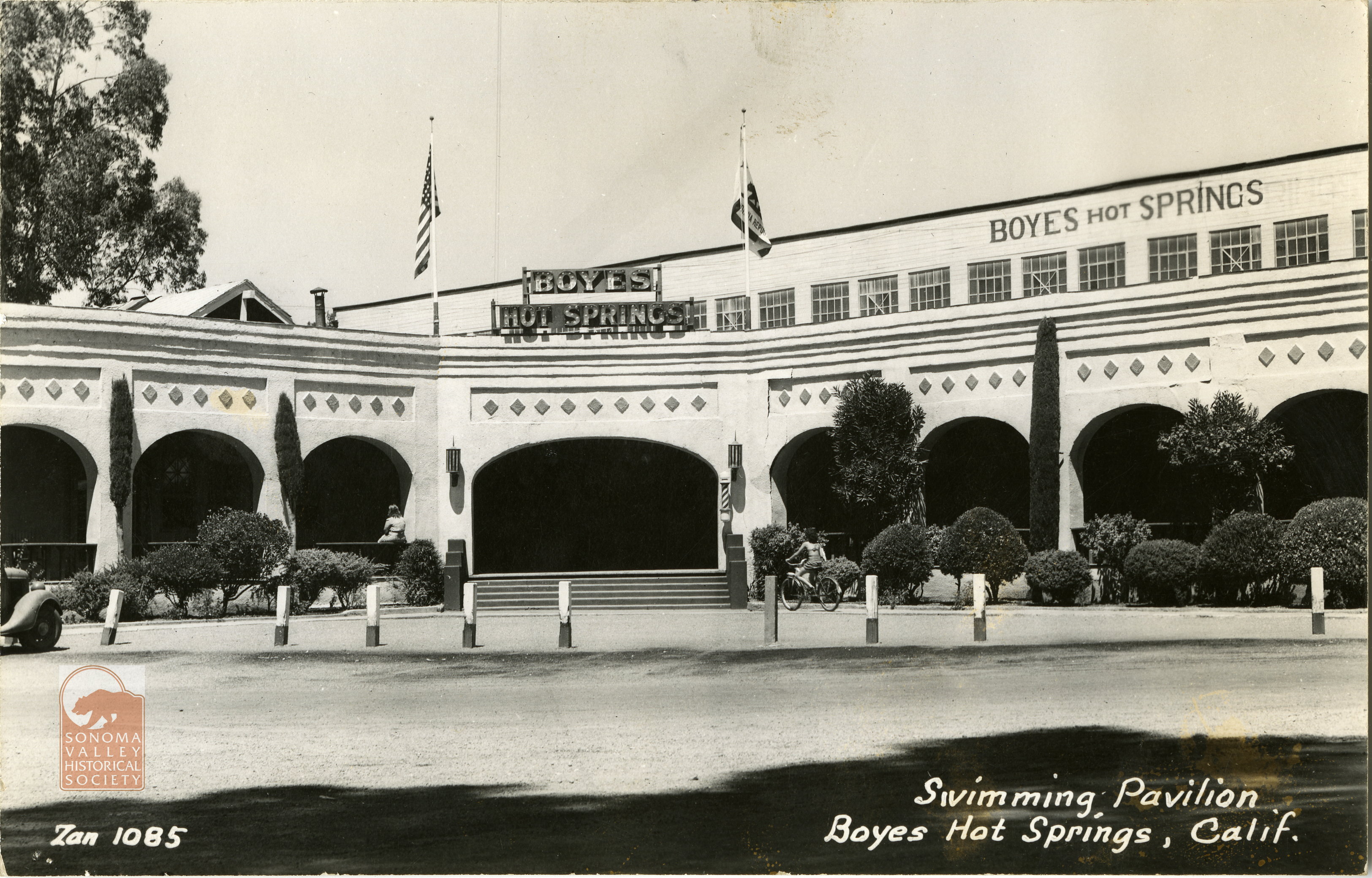
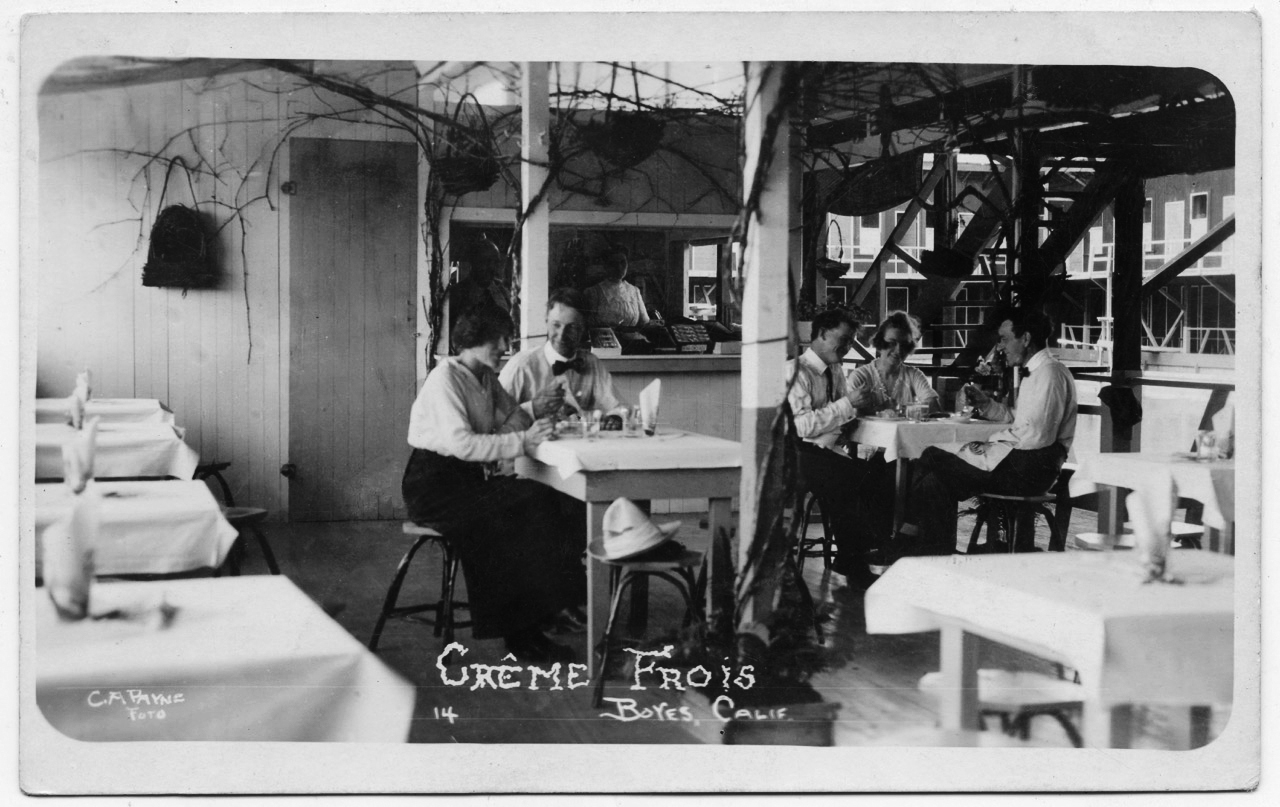
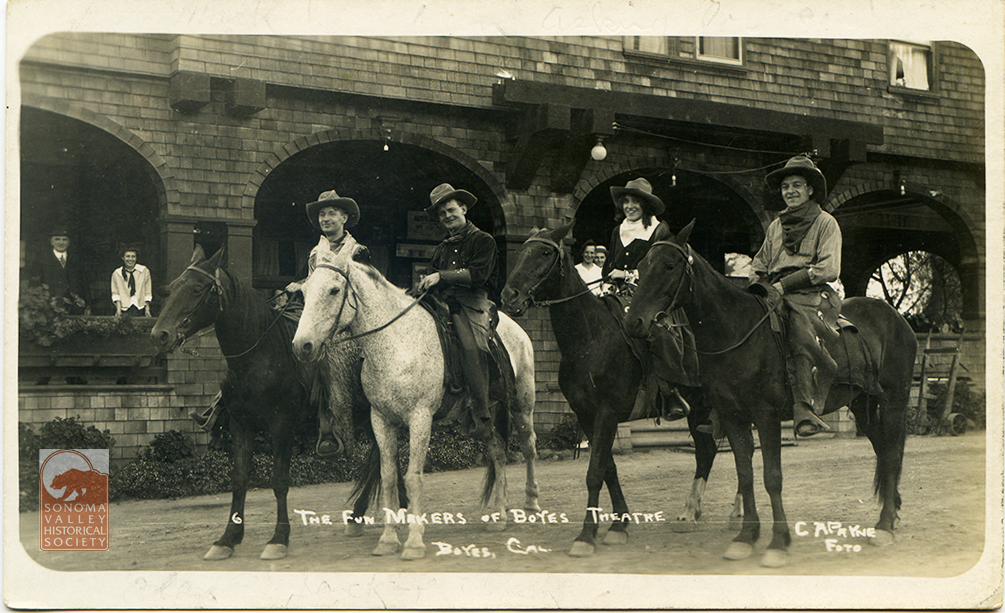
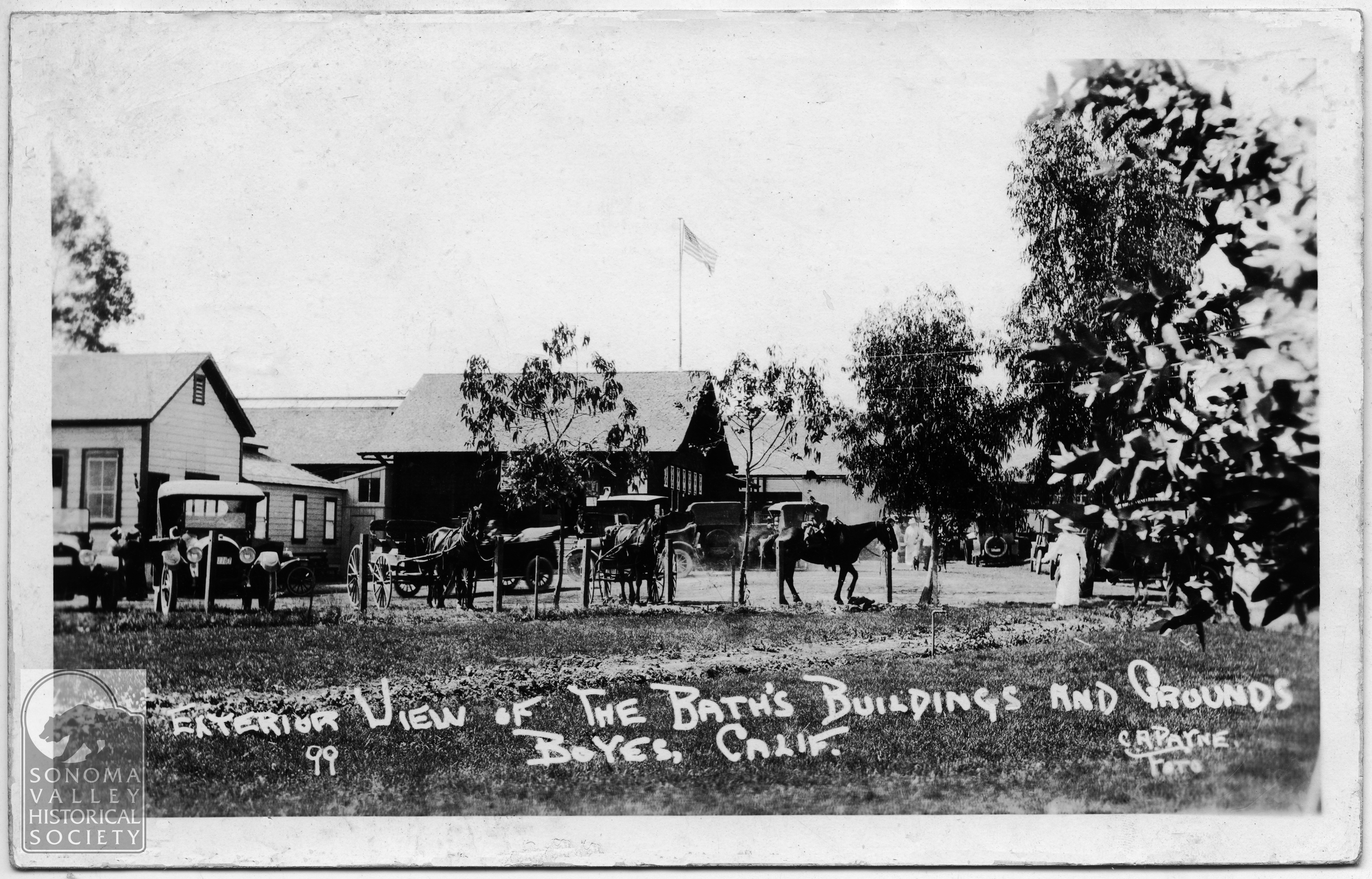
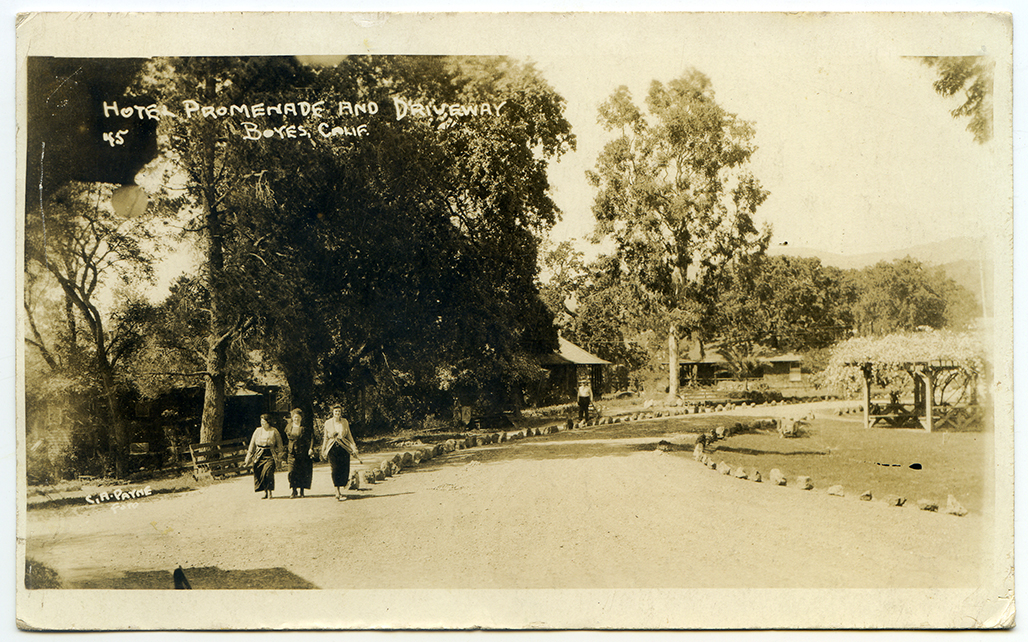
Charles and Frank Payne published under the names Art-Ray and C.A. Payne. Their home base was Crescent City, California and they covered mainly that part of the state, venturing as far south as Boyes Hot Springs, producing cards from circa 1915 to 1921.
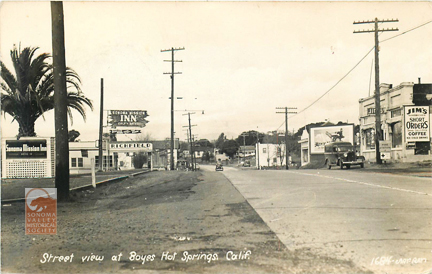
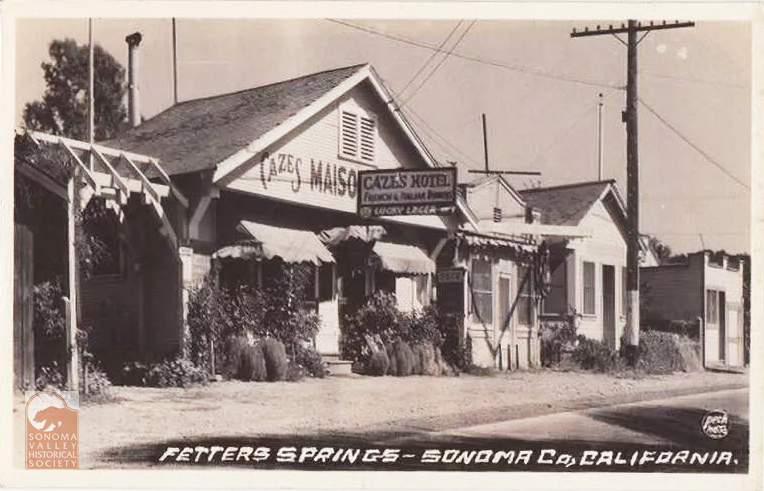
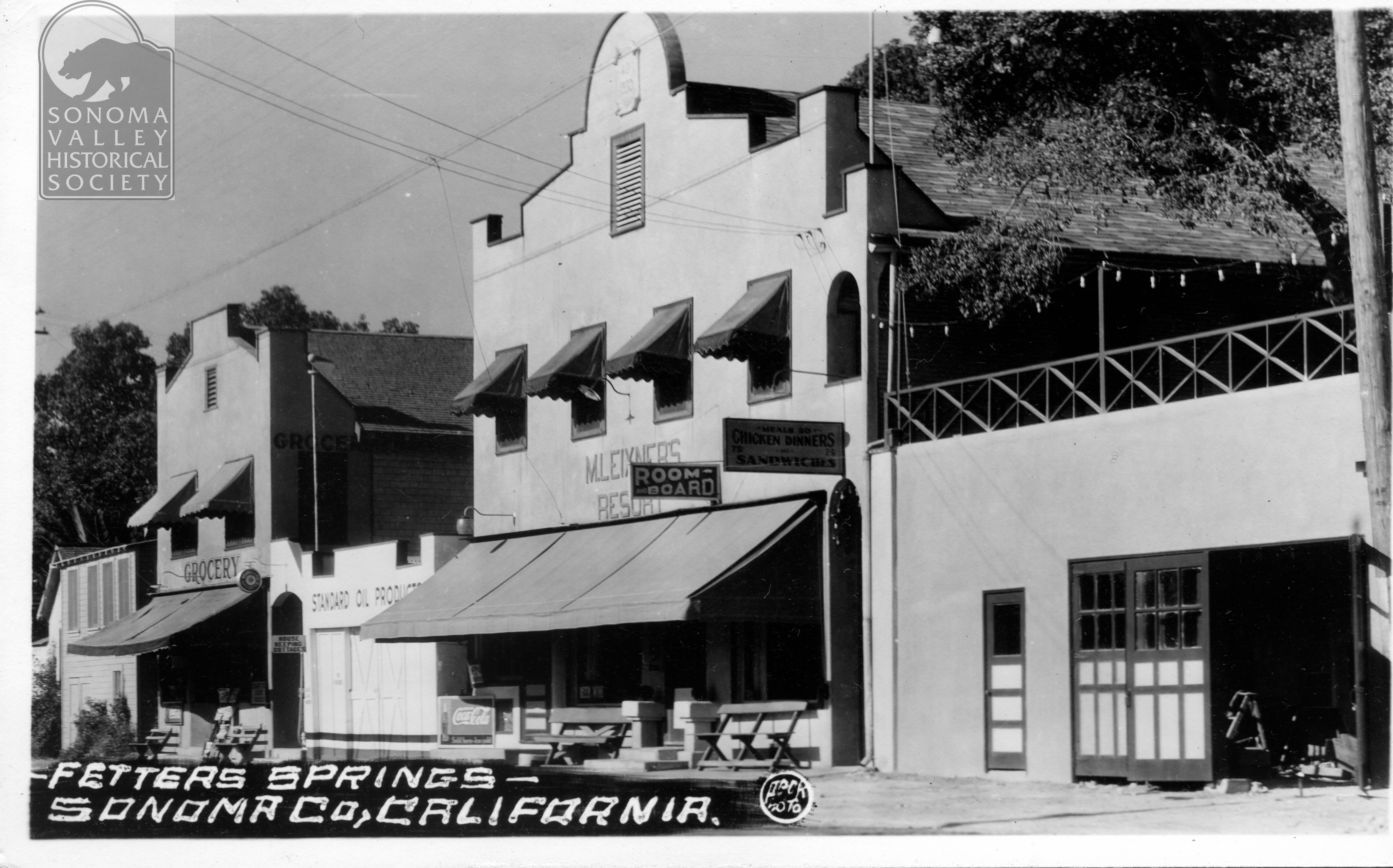
Peck: circa 1940’s-no information
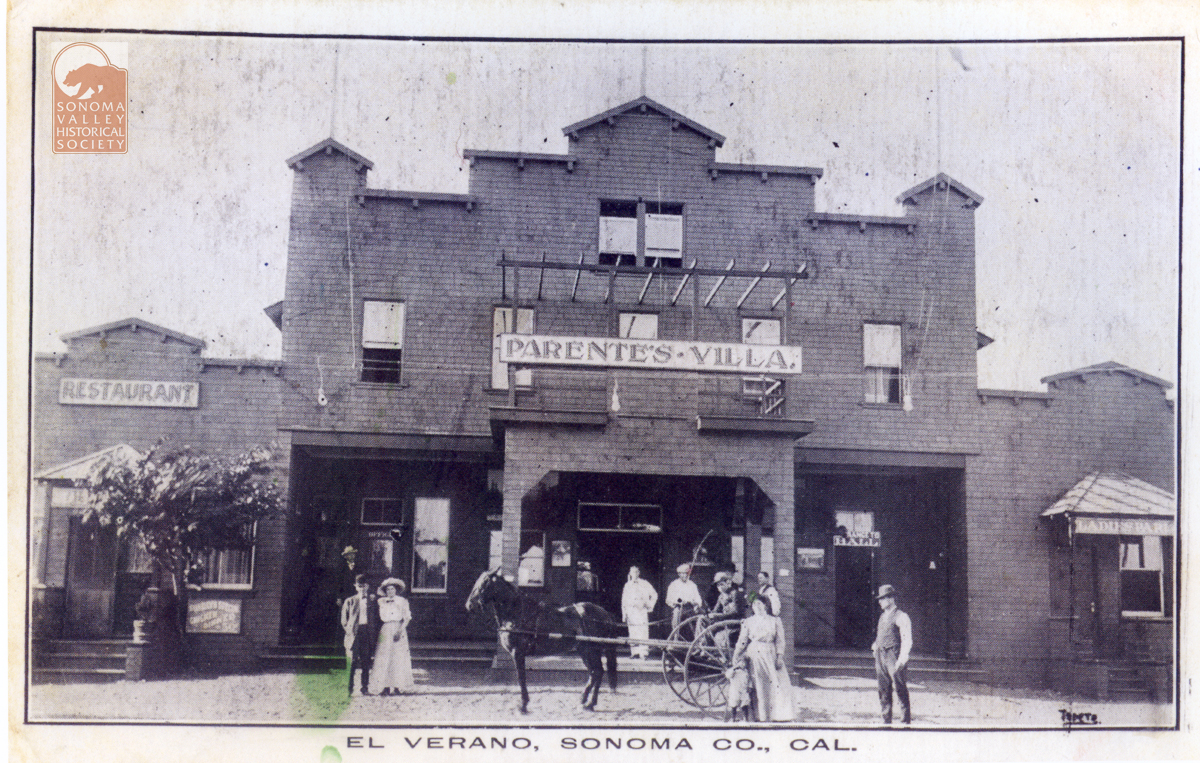
Topete-circa 1906-1912
Anonymous Snapshots
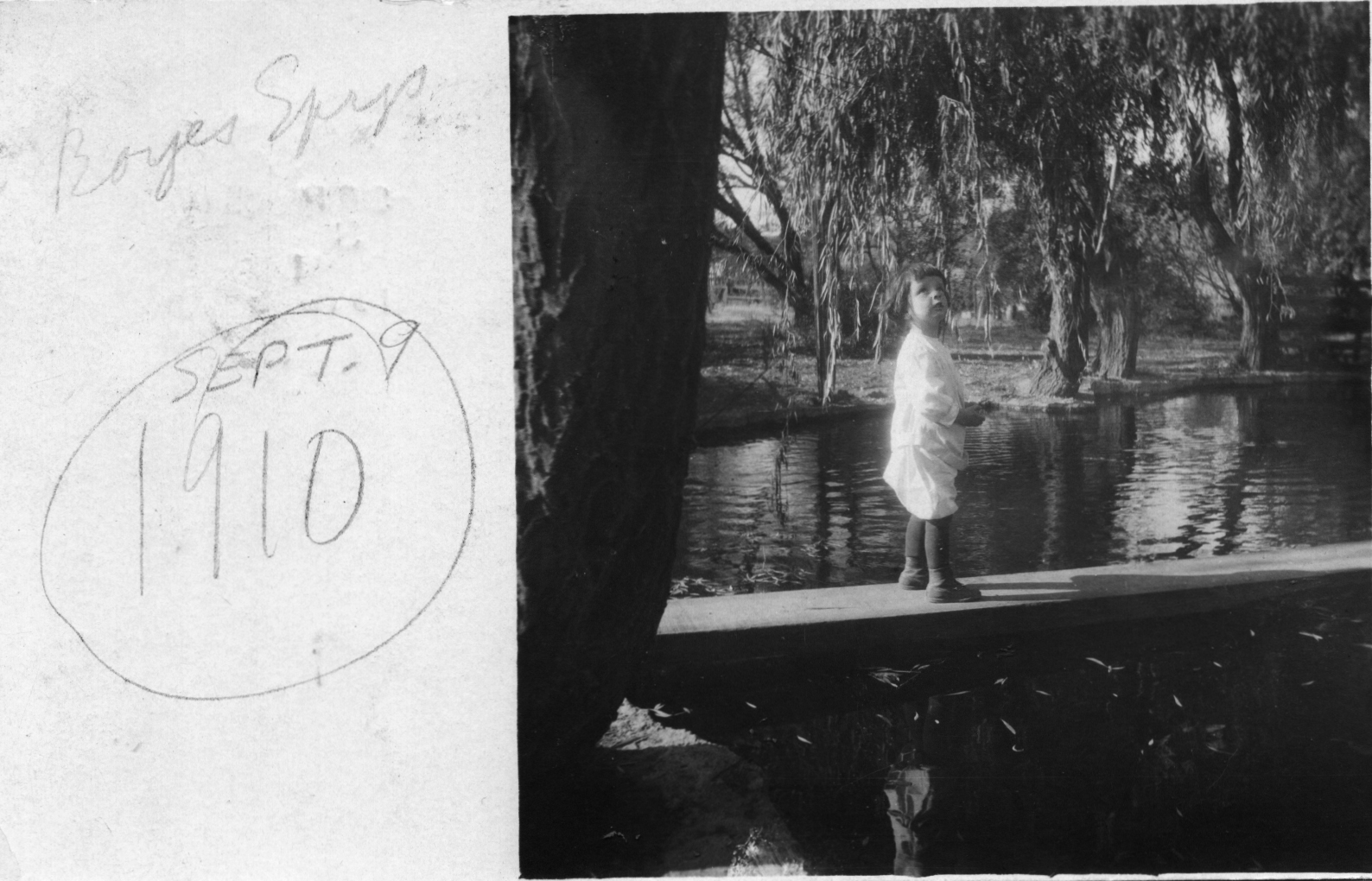
There is something precious about the random snapshots of “just folks”. The professional photographer composes, frames, and considerer the information he wants to convey. Your average person just picks up the camera and shoots, or poses family in front of interesting backgrounds. Even out of focus and out of level, these photographs are charming and are important documents.
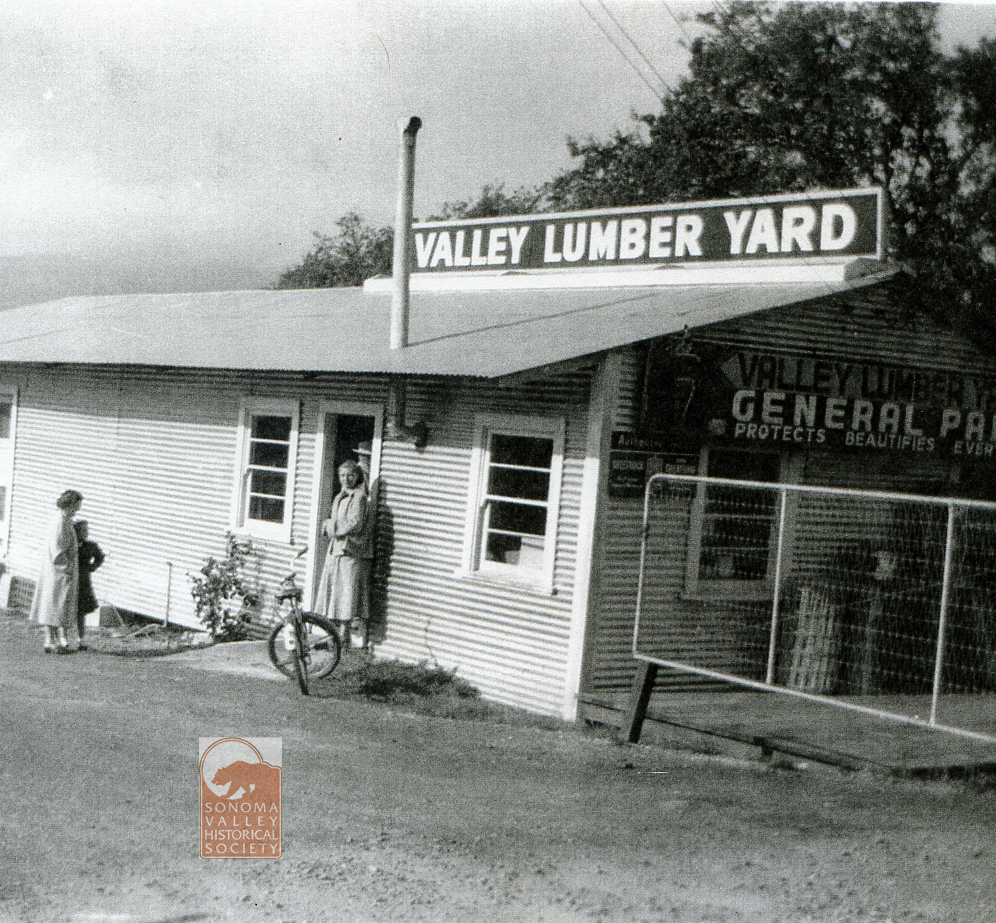
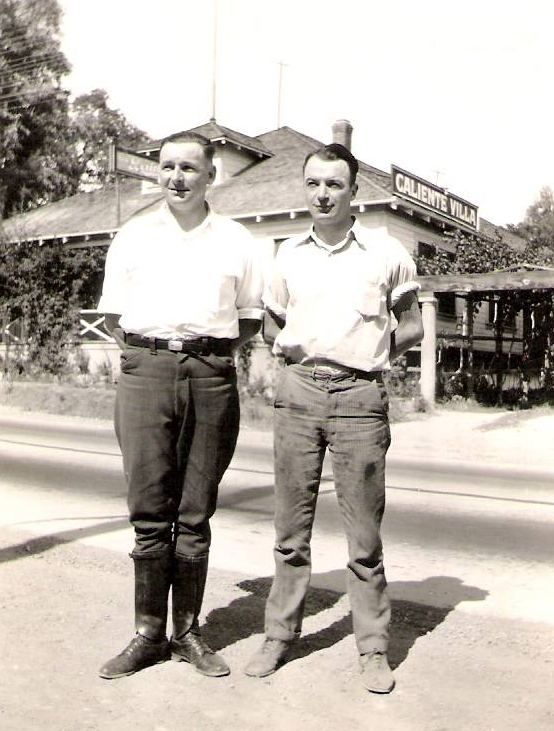
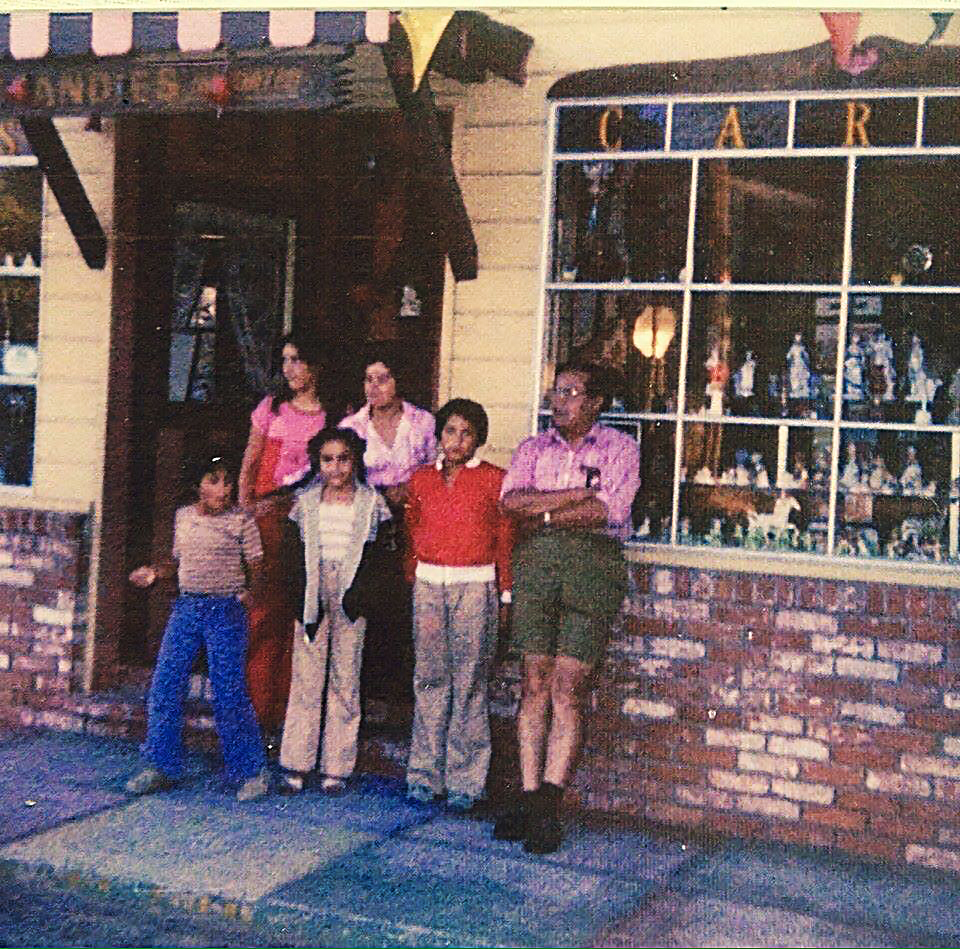
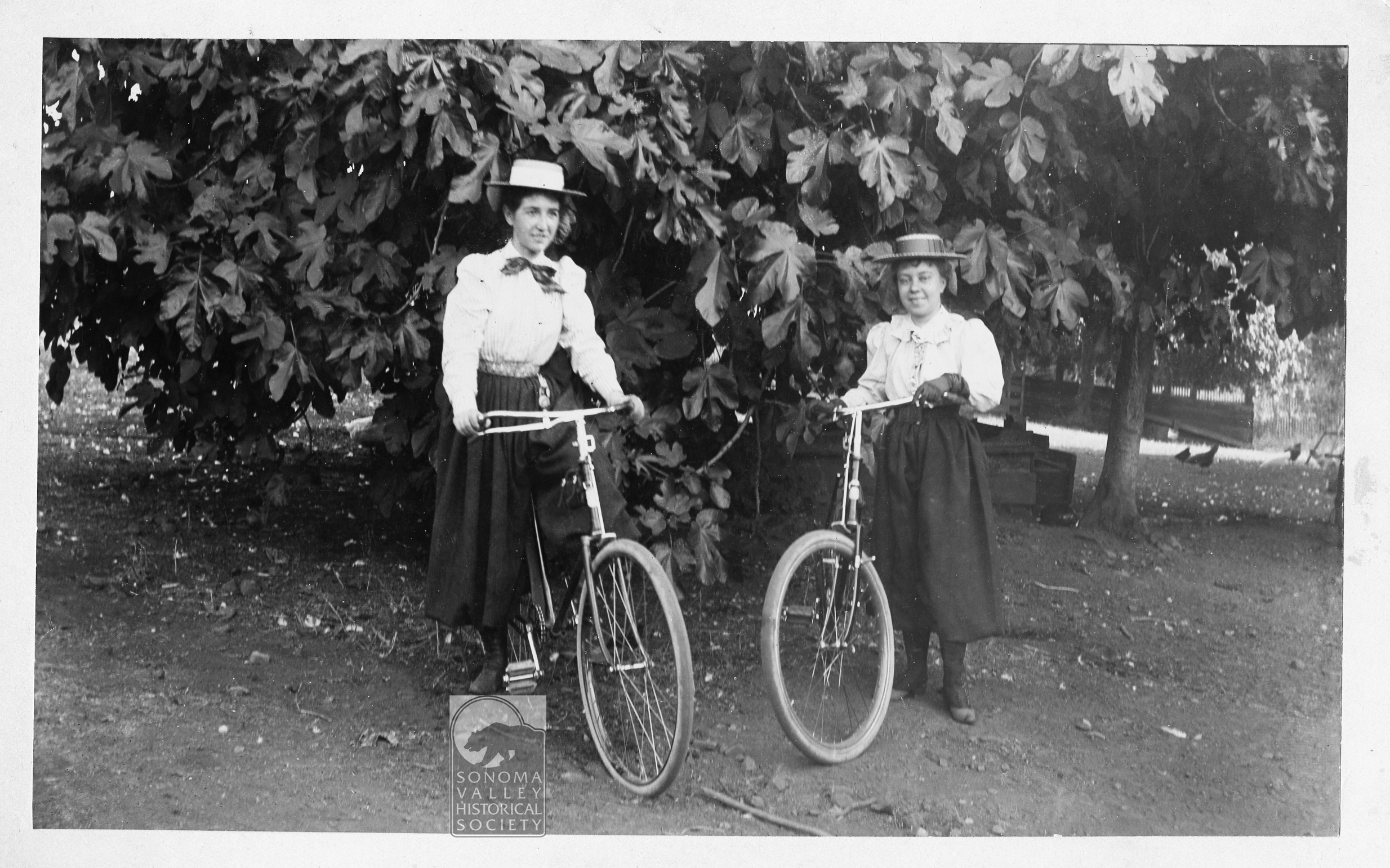
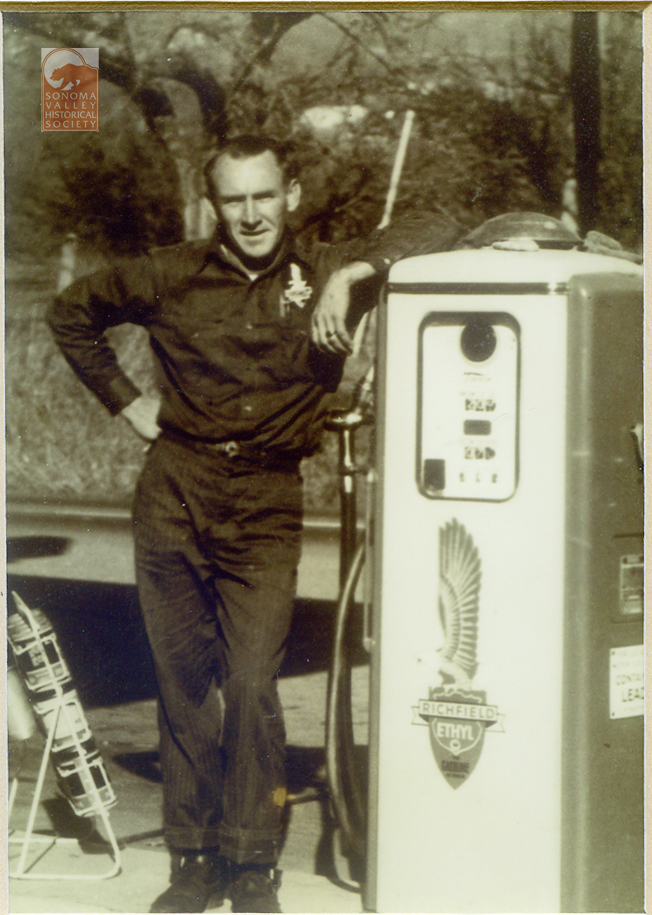
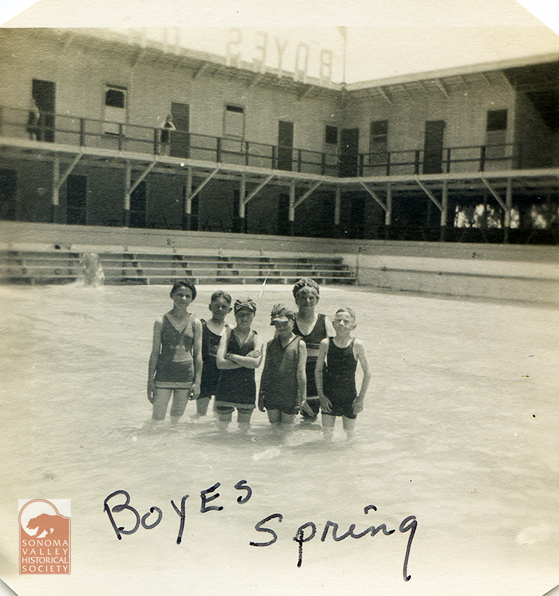
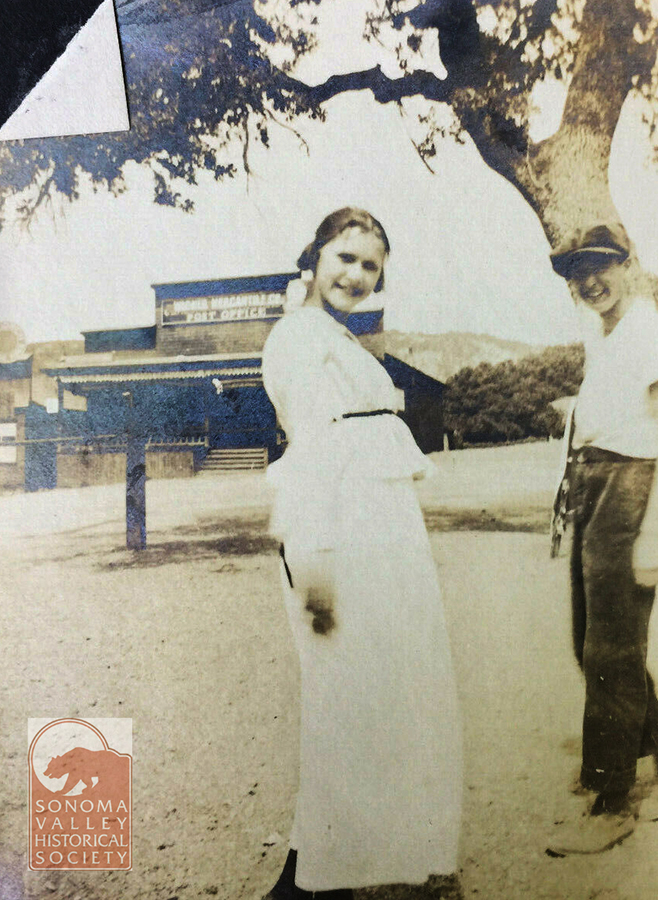
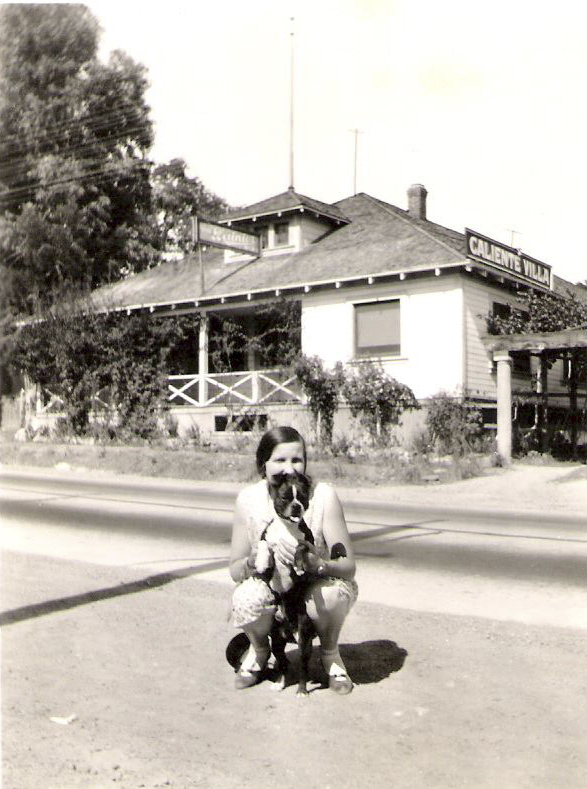
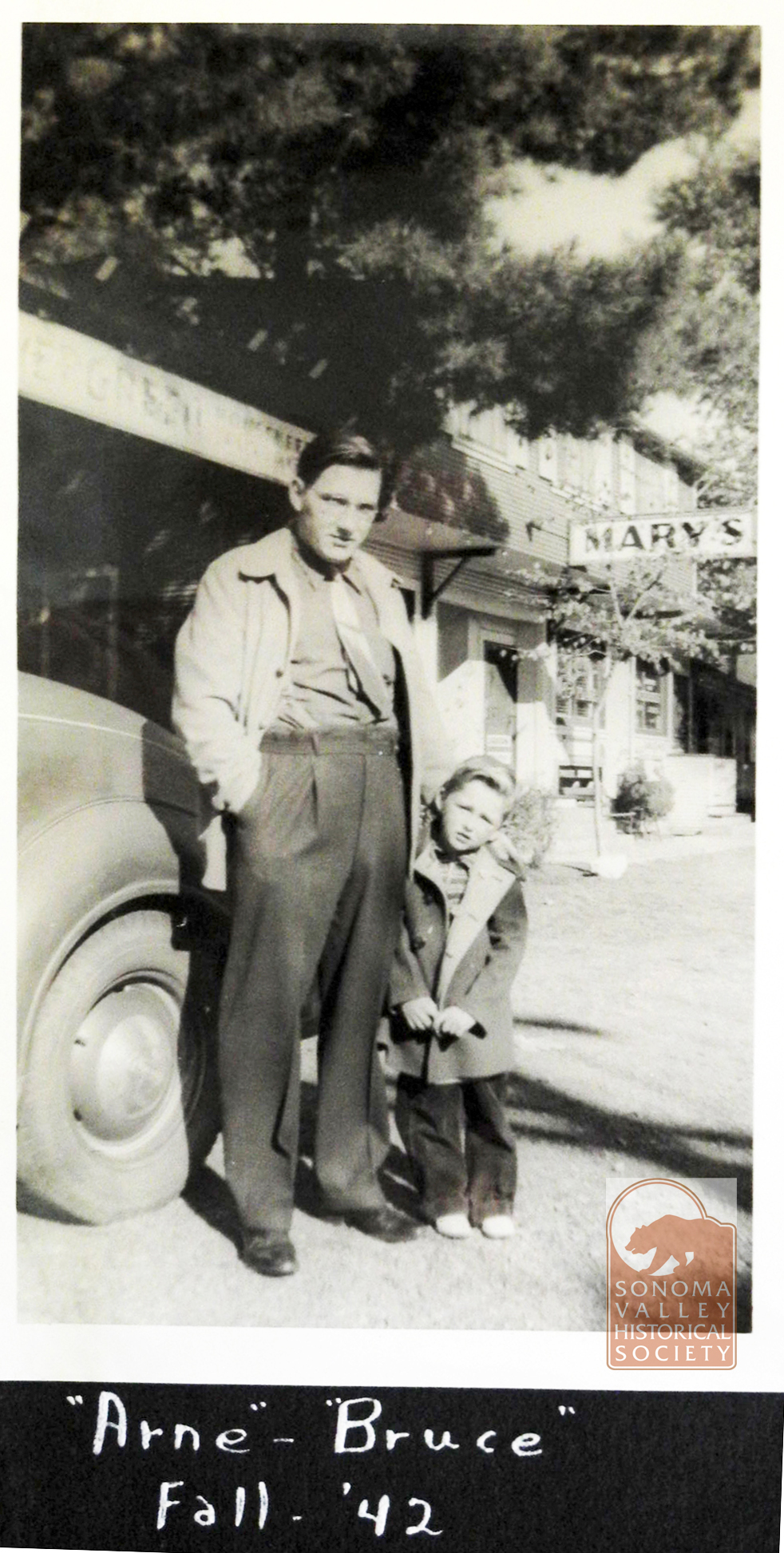
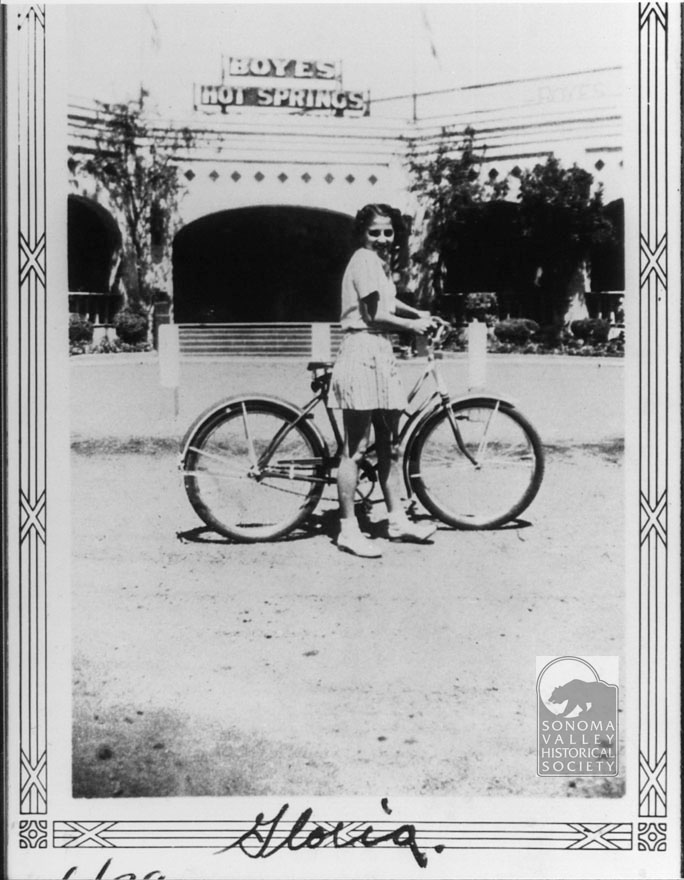
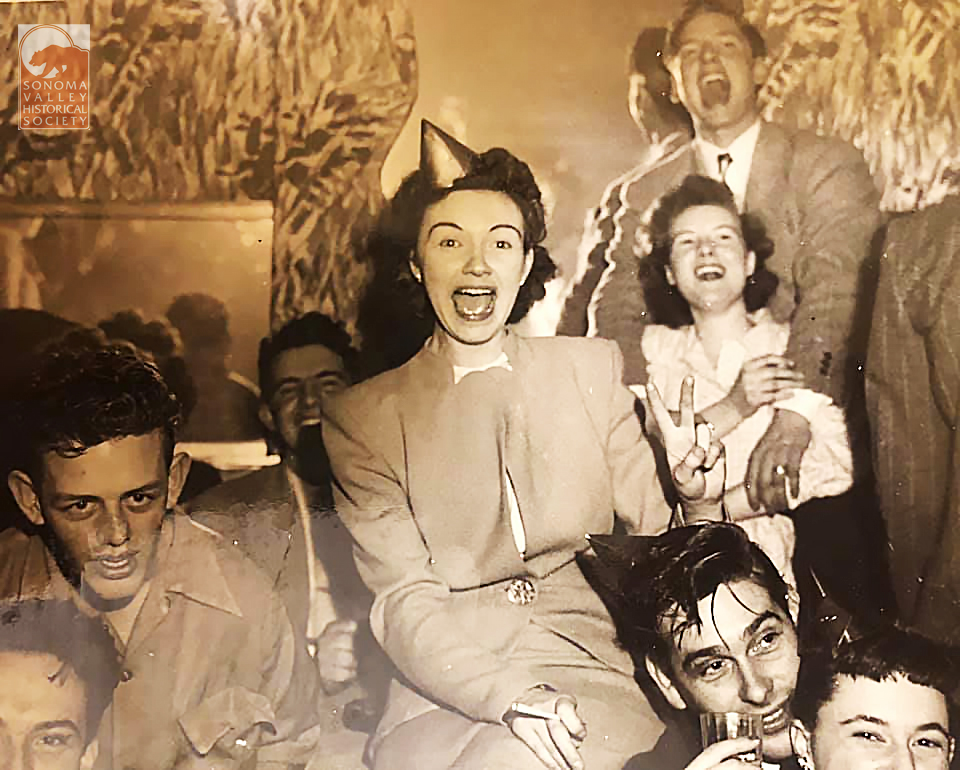
Don Meachum was a commercial photographer in Santa Rosa between 1943 and 1984. His archive is at the Sonoma County Library
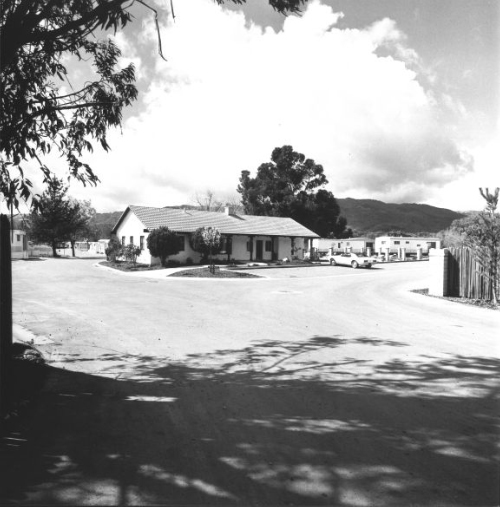
Newspaper Photographers
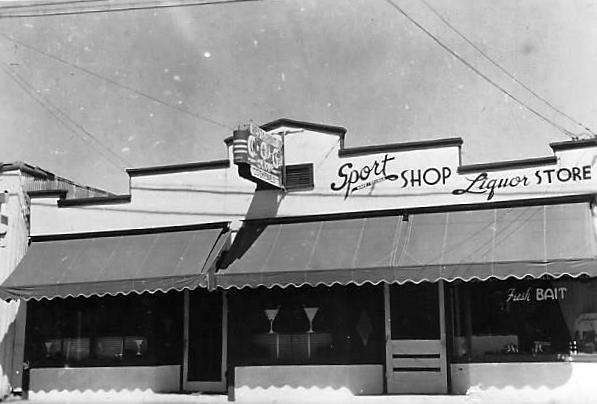
The area has, of course, been photographed thousands of times for stories in the Index Tribune.
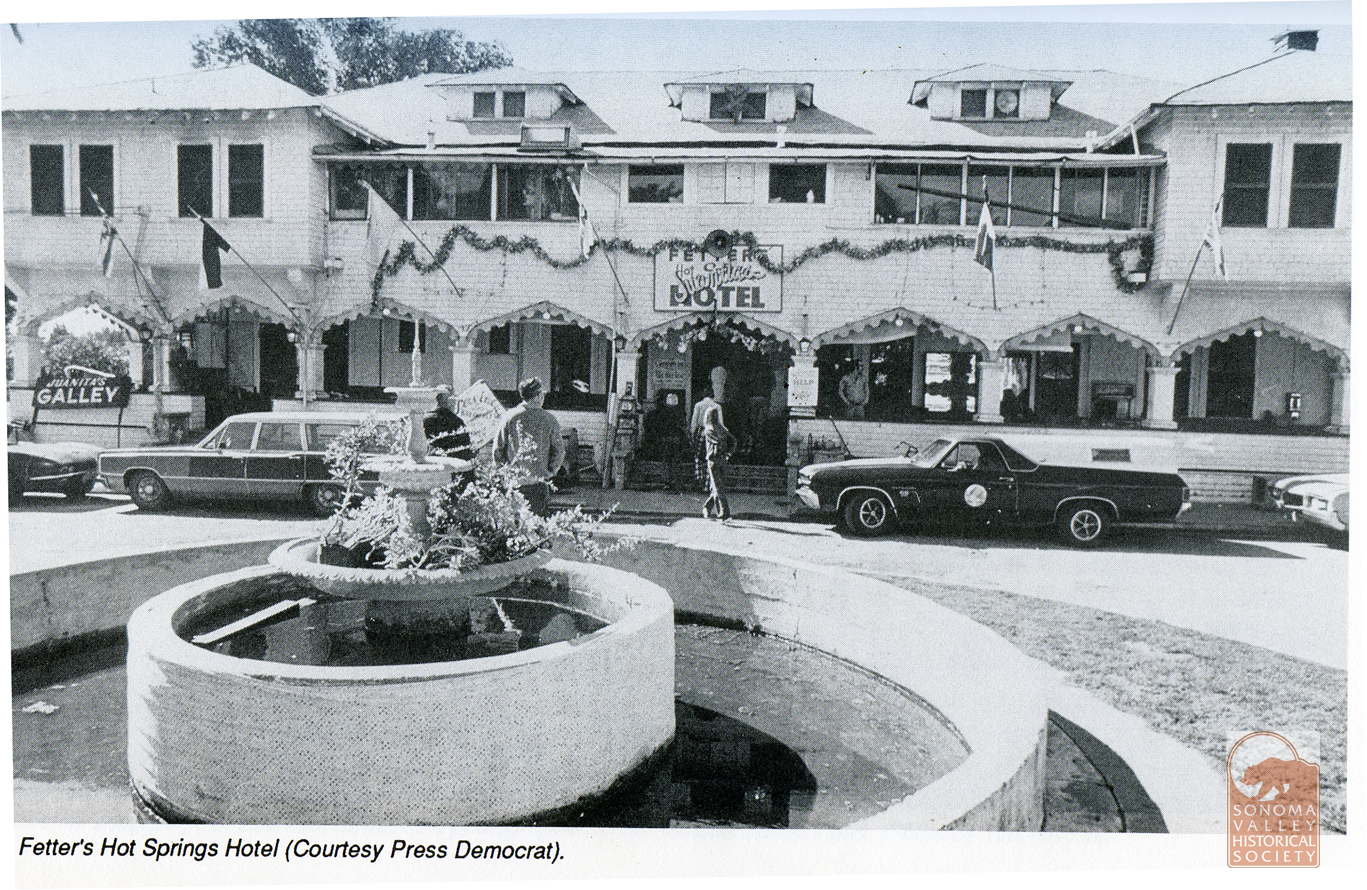
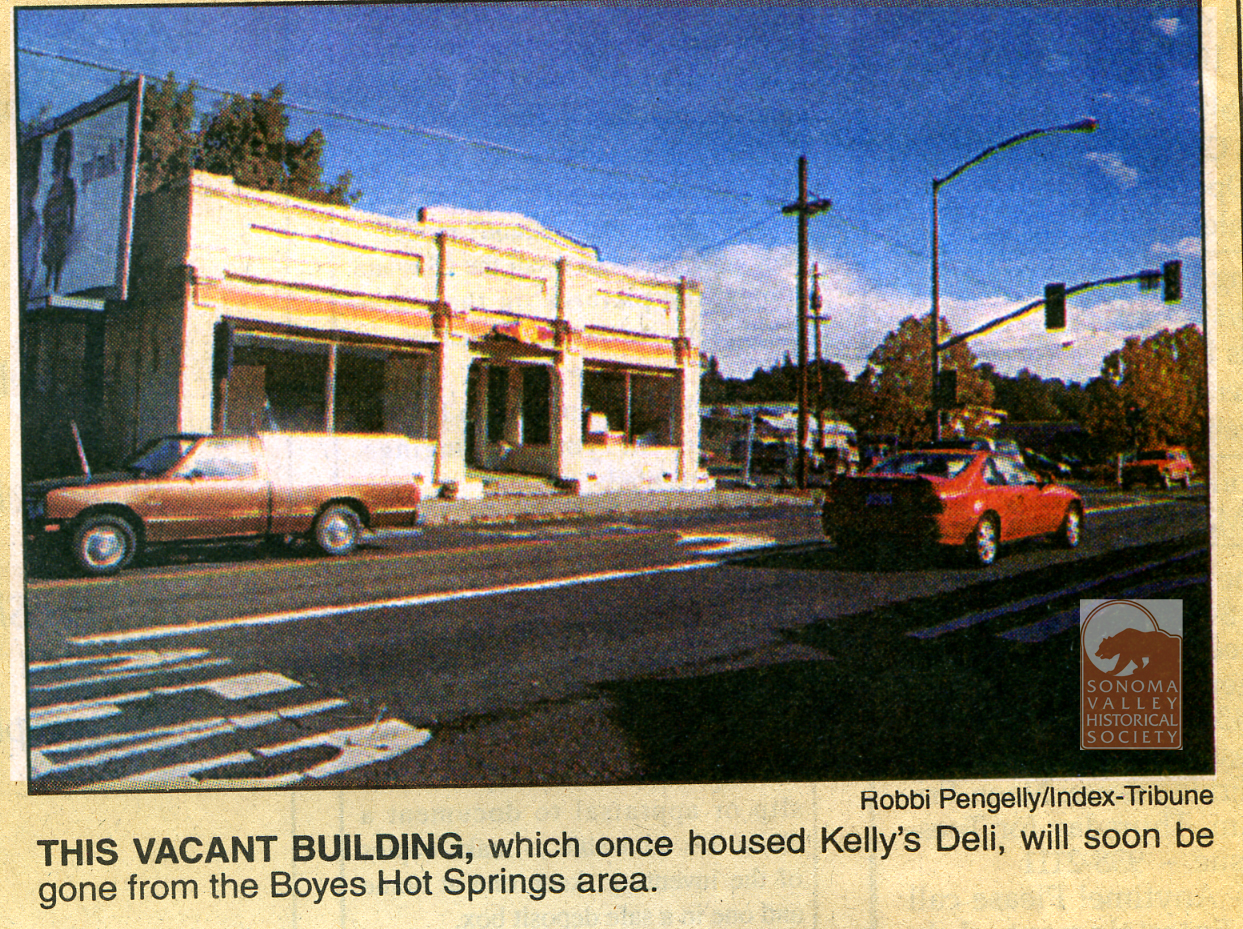
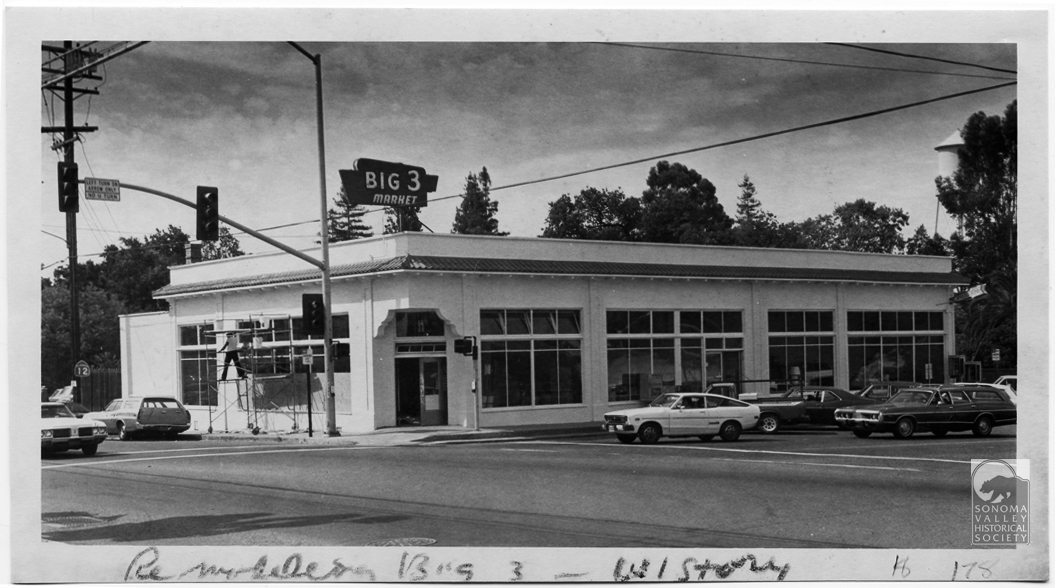
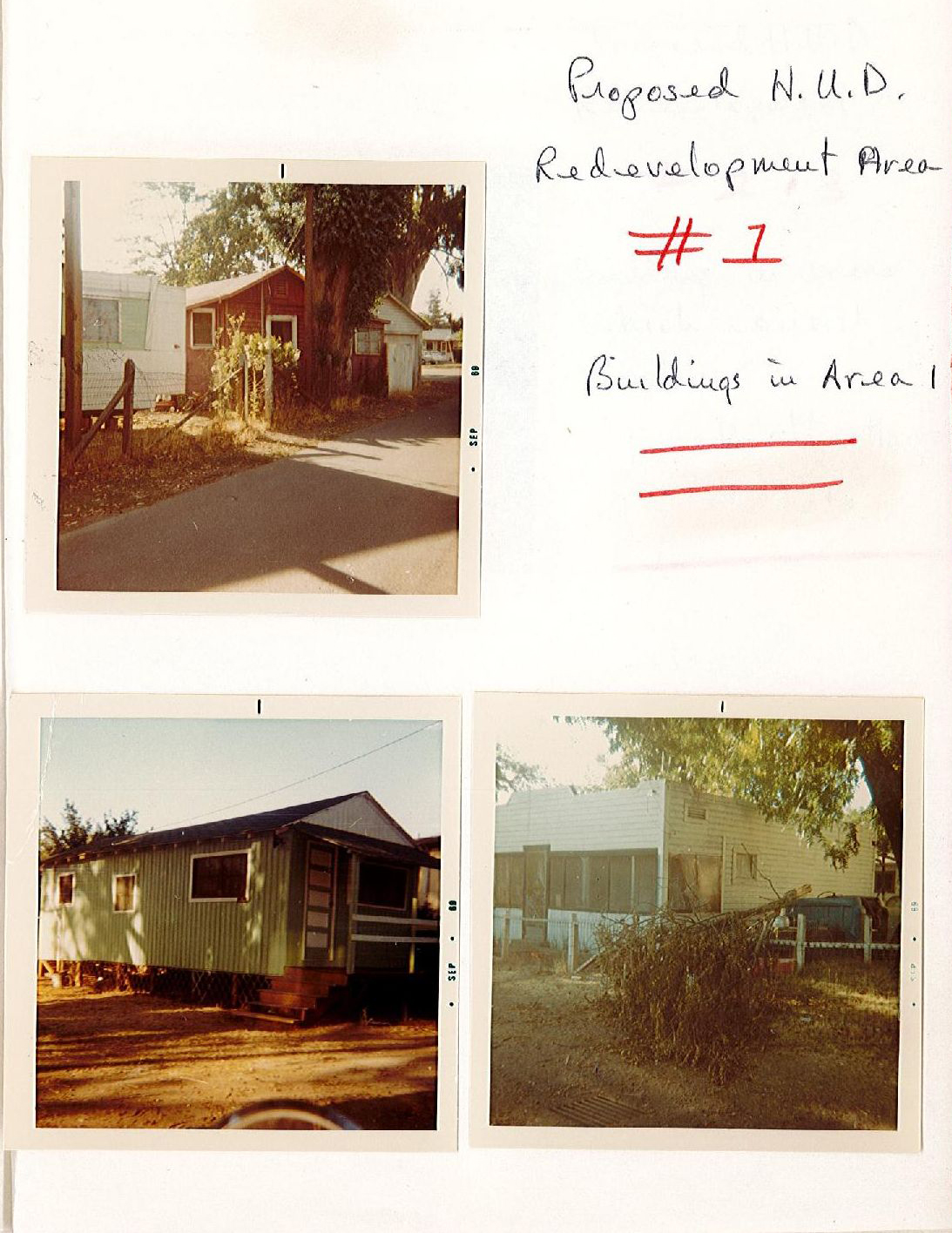
Miscellaneous Sources
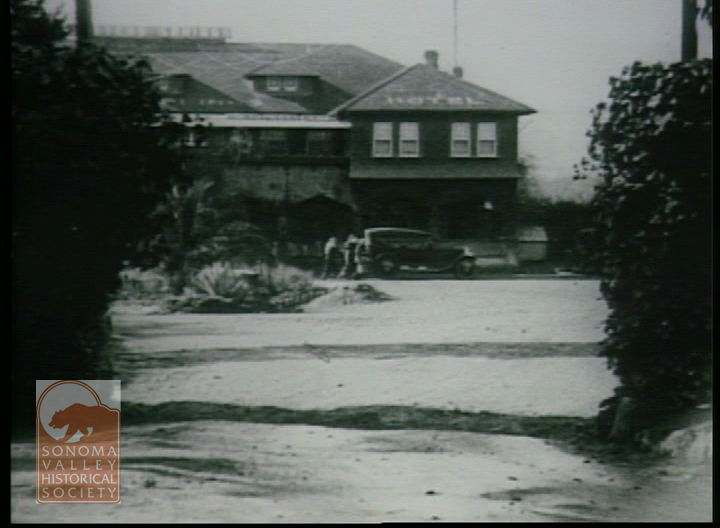
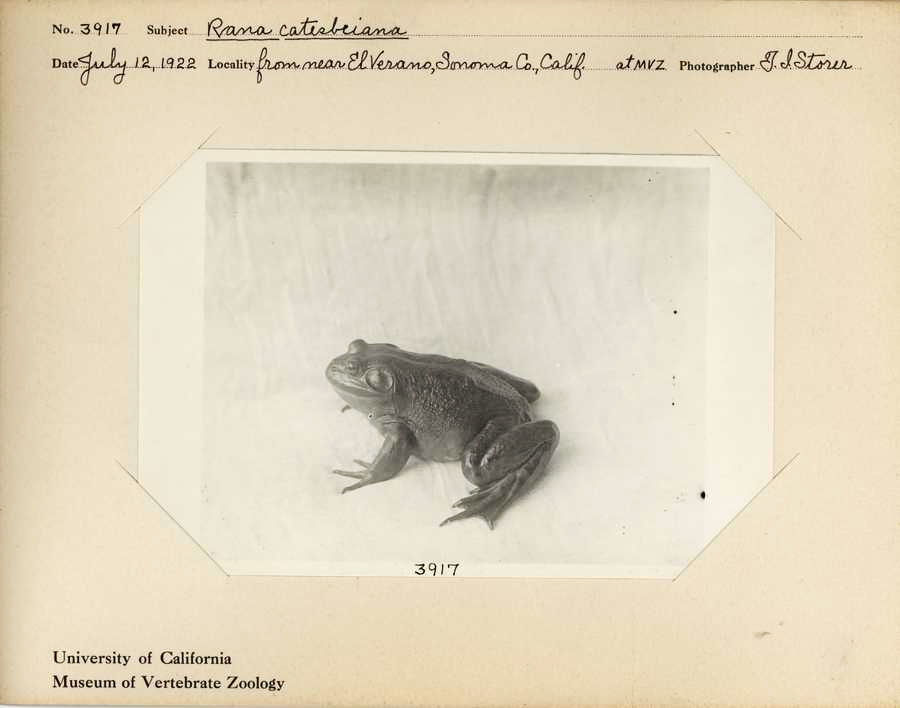
MIchael Acker
When I started looking for historic photos I also started photographing the same locations. What with the pace of change, it soon became apparent to me that my photos were also historic documents. And so are yours!
My book of photo history: https://www.arcadiapublishing.com/products/9781467124300
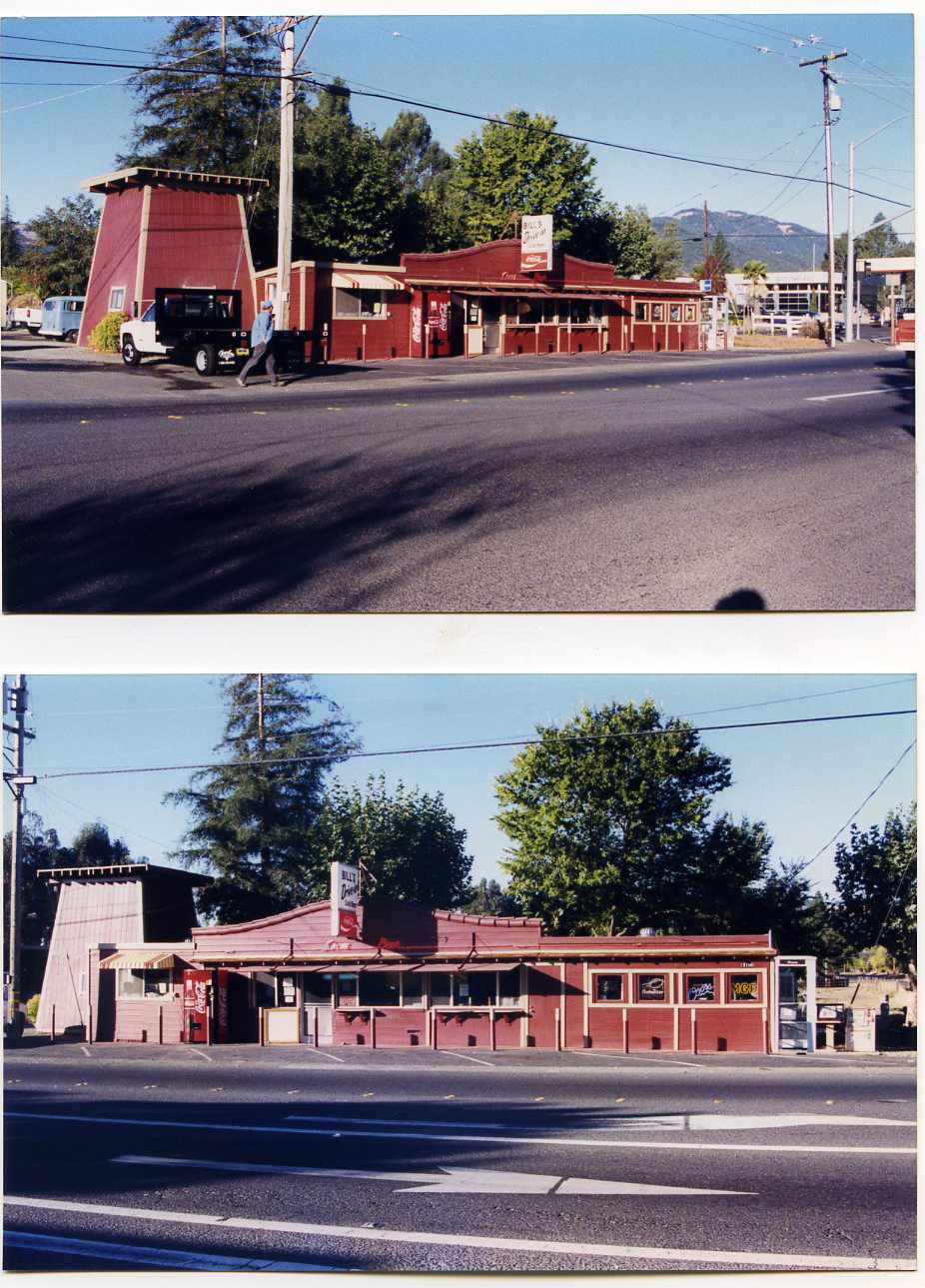
Please consider looking at my photo-based art work at @ackermichael6 on Instagram and https://mca-studios.com/
References
Stenard, Frank, Zan of Tamalpais, San Francisco Bay Area Post Card Club, vol. 32, #5, December 2016http://www.postcard.org/sfbapcc2016-12-s.pdf
Stenard, Frank, Charles Weidner, Photographer, and Post Card Publisher, San Francisco Bay Area Post Card Club, January 2020http://www.postcard.org/charles-weidner-postcard-publisher.pdf
Bogdan, Robert and Weseloh, Todd, Real Photo Postcard Guide, Syracuse University Press, 2006
Thanks to Jeff Gilbert, the Sonoma County Library, Don Parsons, Bruce Griewe, Dave Chiotti, Nancy
West, and the Sonoma Valley Historical Society.
copyright 2024 Michael Acker
Relatively speaking, the photo archive of the Springs is small. My database currently has 957 photographs, brochures, maps, and other ephemeral. I realize that this is not anywhere near all that exists, but I envy historians like Amy O’Hair who produces the wonderful Sunnyside History Project because she has access to the archives of San Francisco, which are profound. (Also see and the Western Neighborhoods Project).
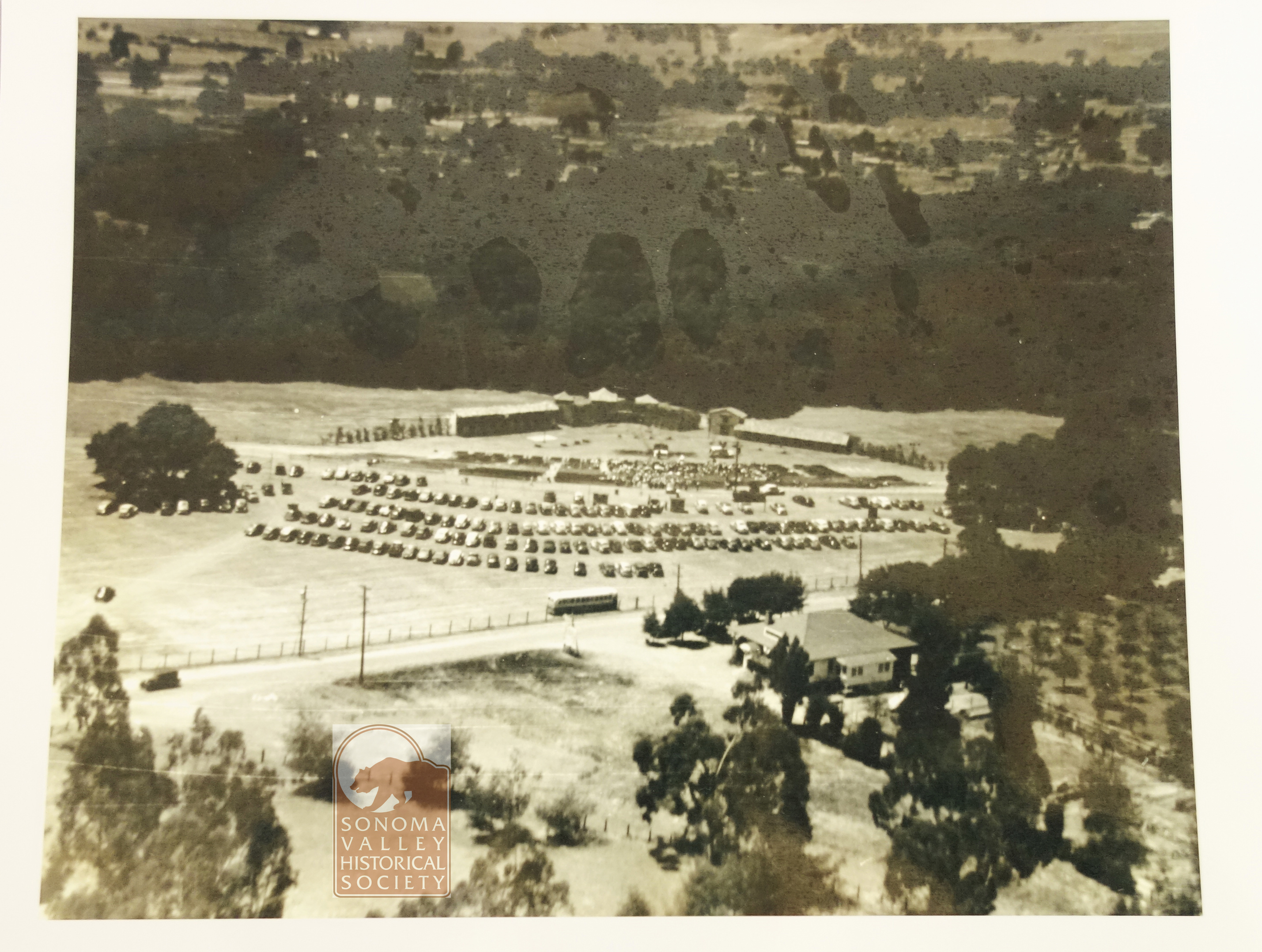
Occasionally someone will contact me with photos such as Mr. Chiotti’s. I’m deeply grateful to him and other donors.
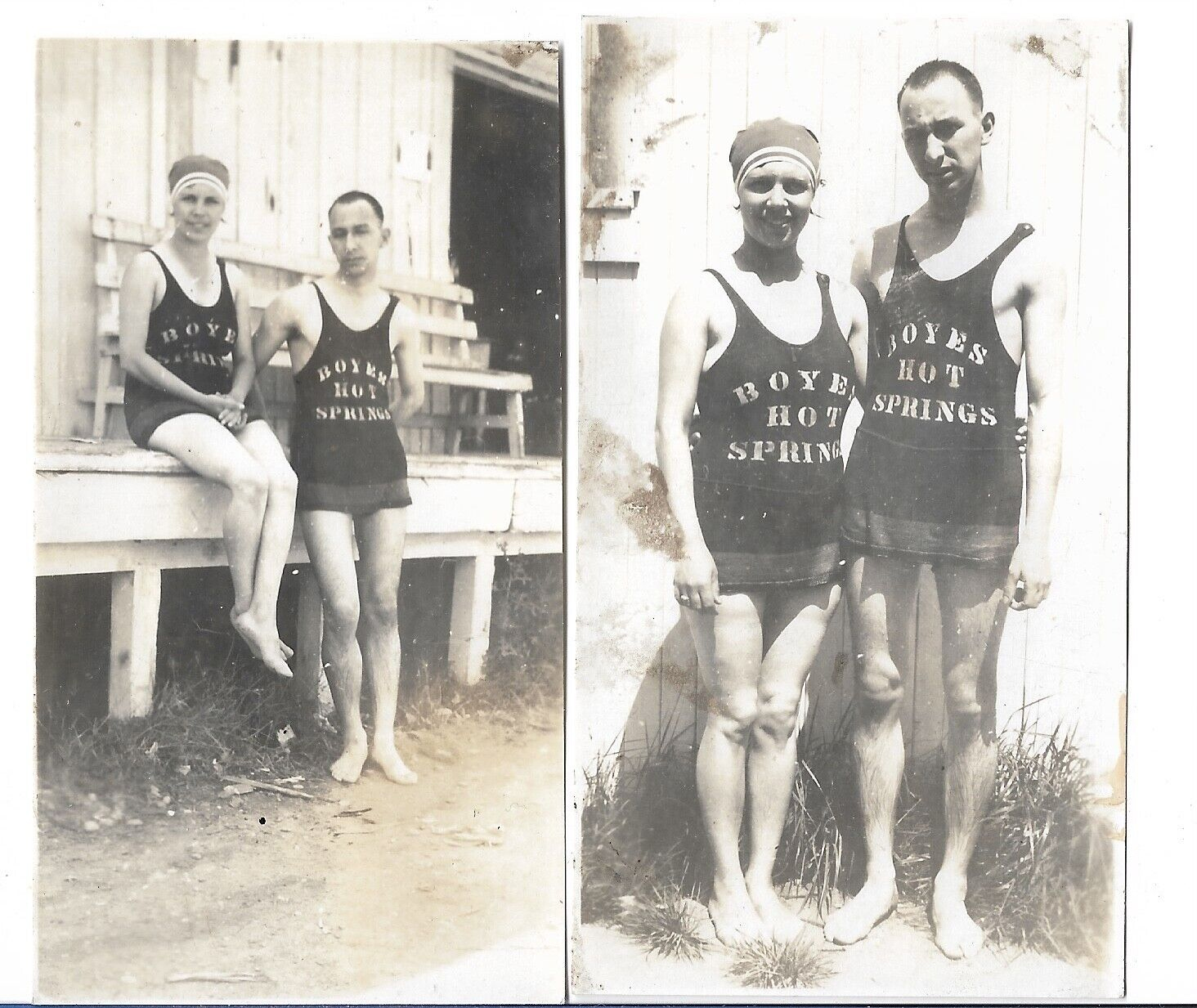
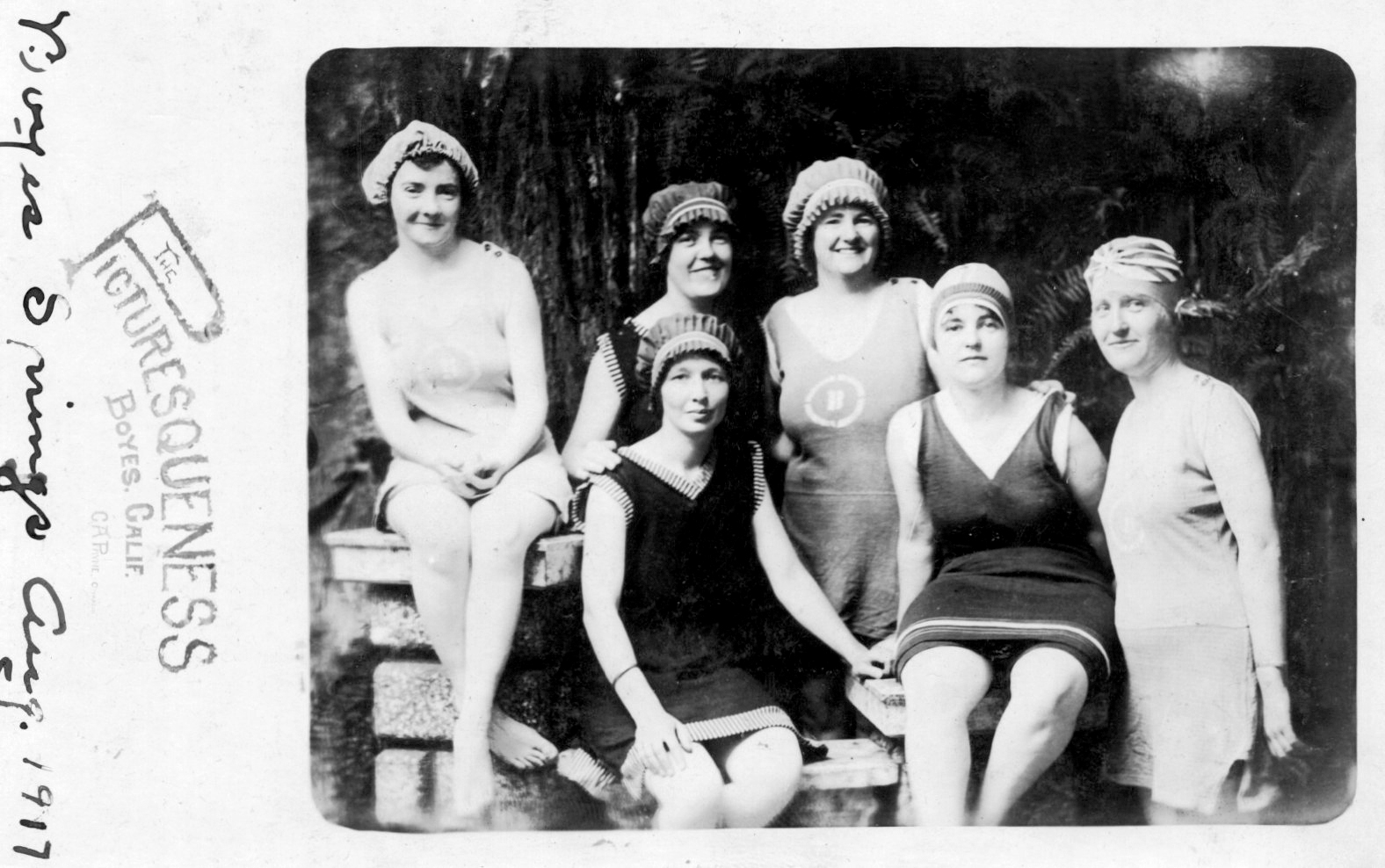
Unidentified swimmers, probably 1920s. source: ebay
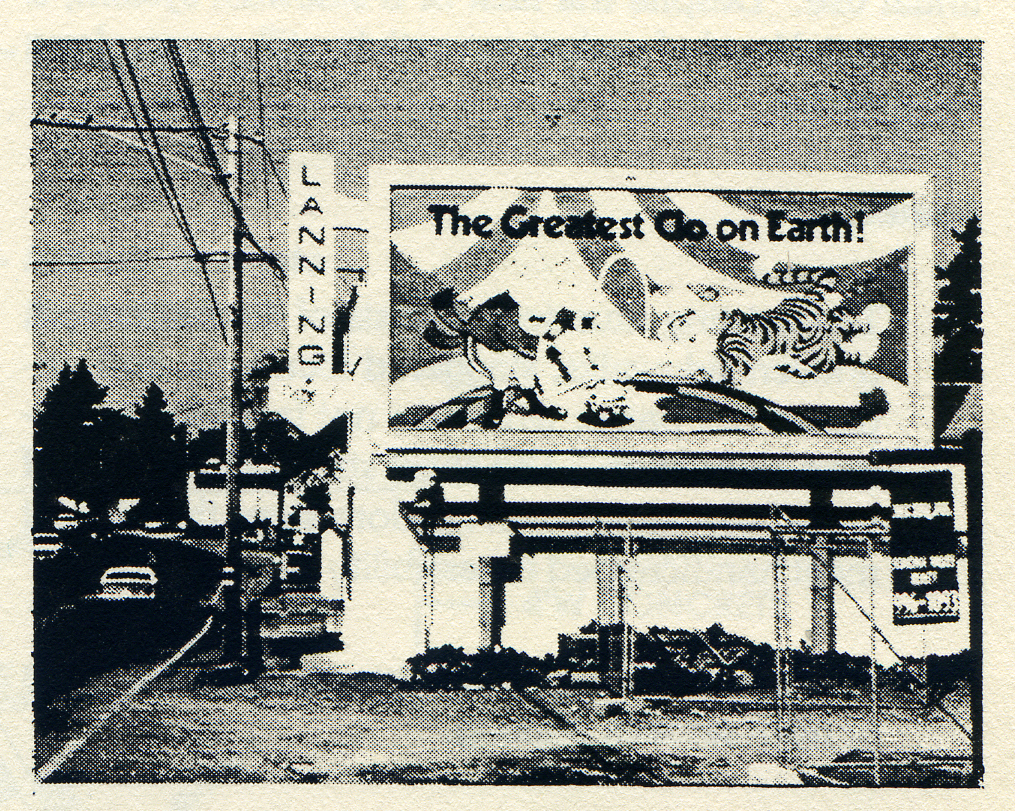
The old Lanning Resort Club/Melody club sign, 1980s. Lanning Structures used the building for offices at that time. It was located on the east side of the Highway, across from the Boyes Springs Plaza, at Boyes Blvd. It’s now a perpetual construction site. The photo is from the Redevelopment Design Guidelines handbook from 1989.
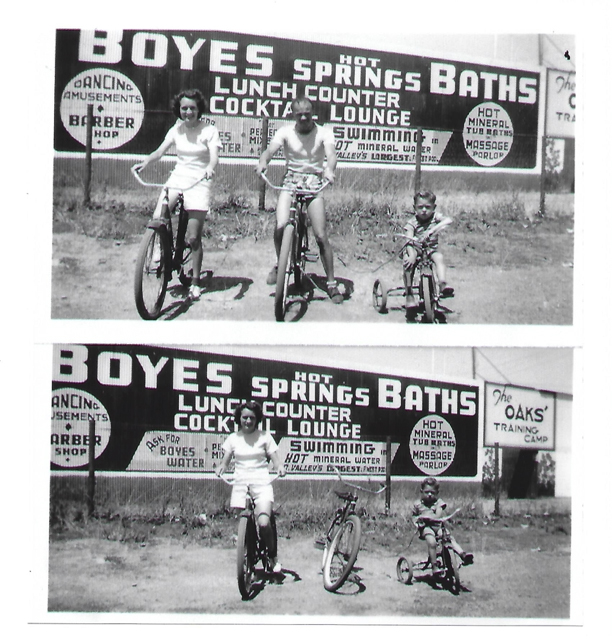
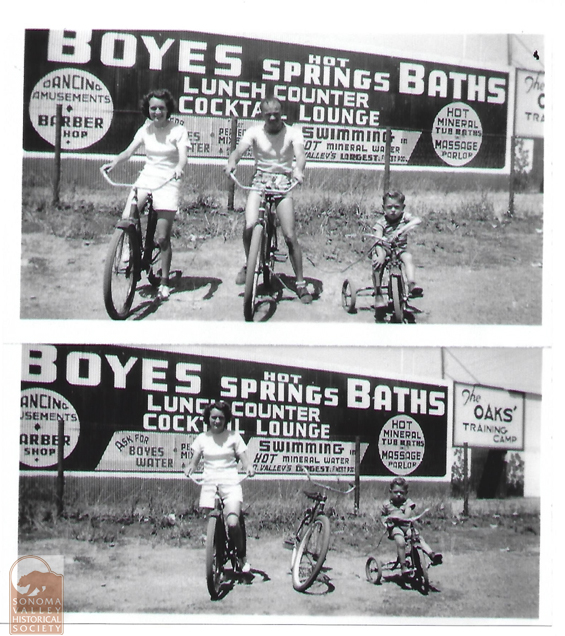
Louise, Ernie, and David Chiotti, 1944. I’m not sure where the sign was, possibly at the Boyes Springs ball field, adjacent to the Bath House. Note the sign indicating the Oakland Oaks Springs training camp.
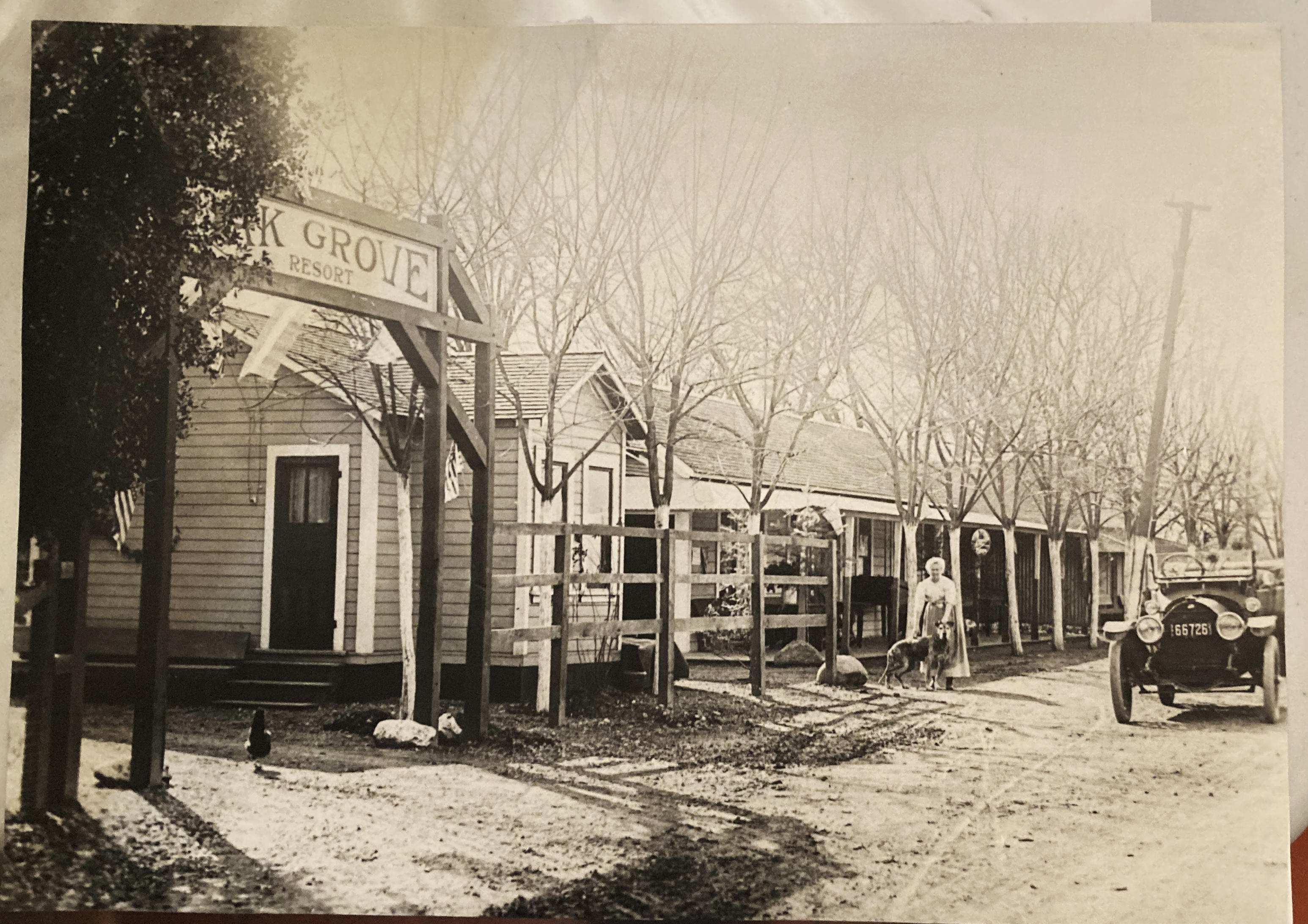
The Oak Grove Resort was “at Verano,” according to the brochure published by the Northwest Pacific Railroad in the 1920s. This could be the site of the later Paul’s Resort near the corner of Verano Blvd. and Highway 12.
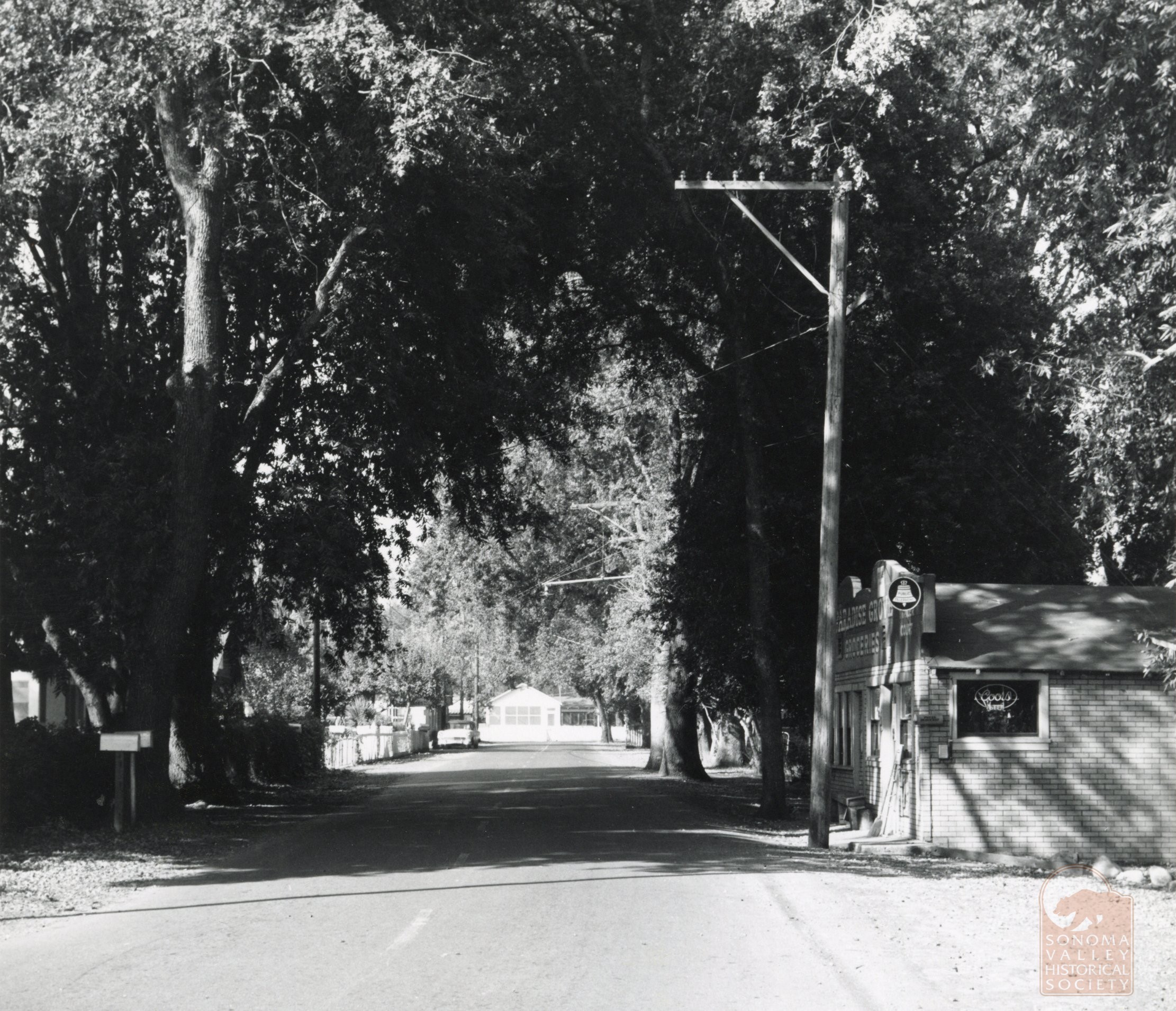
Paradise Grove, near the corner of Riverside and Boyes Blvd, 1950s. Obviously, they sold beer. I know I have readers who have memories of this place, which I would love to hear.
Photos courtesy of the Sonoma Valley Historical Society, Dave Chiotti, and author’s collection
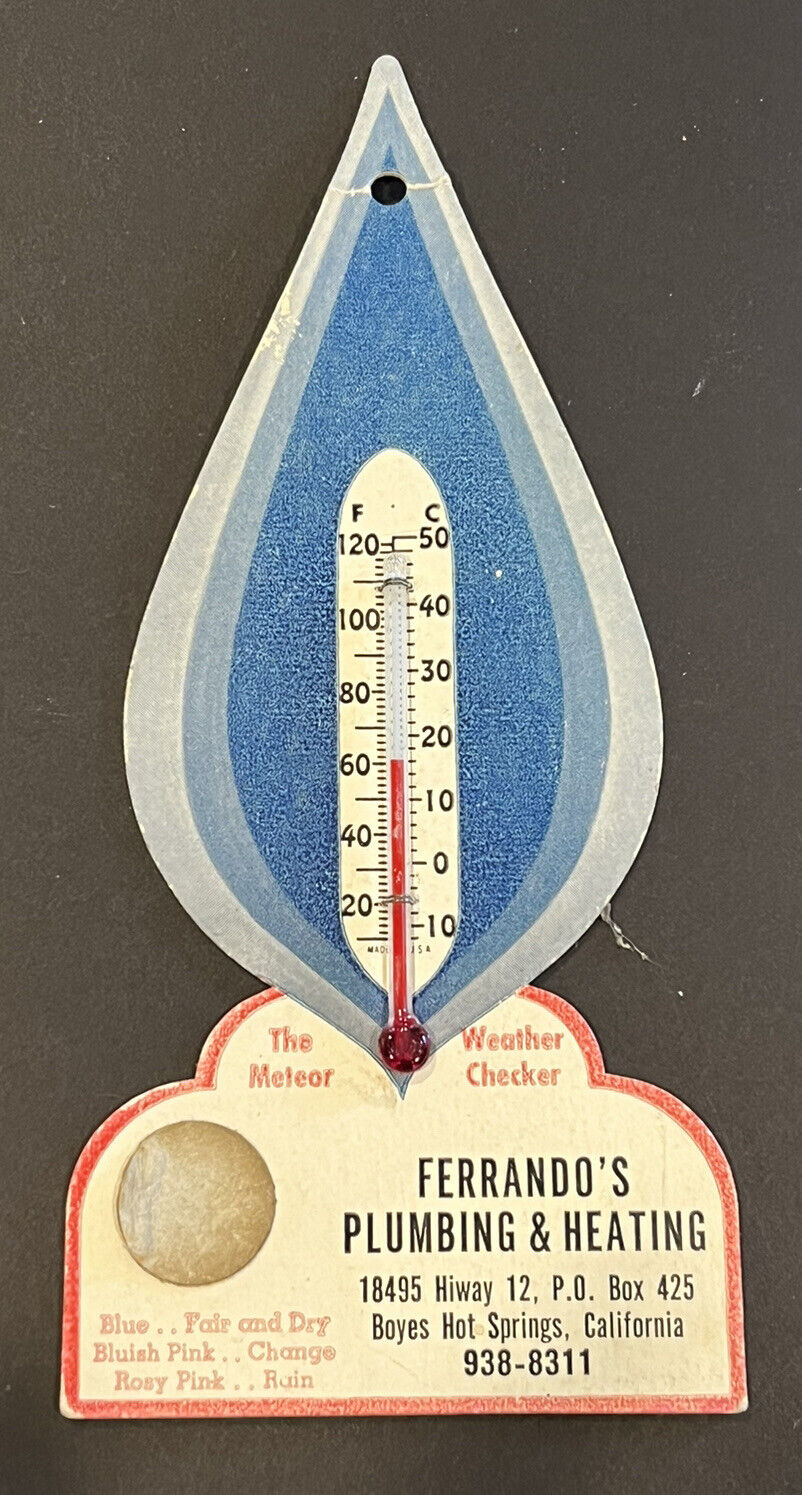
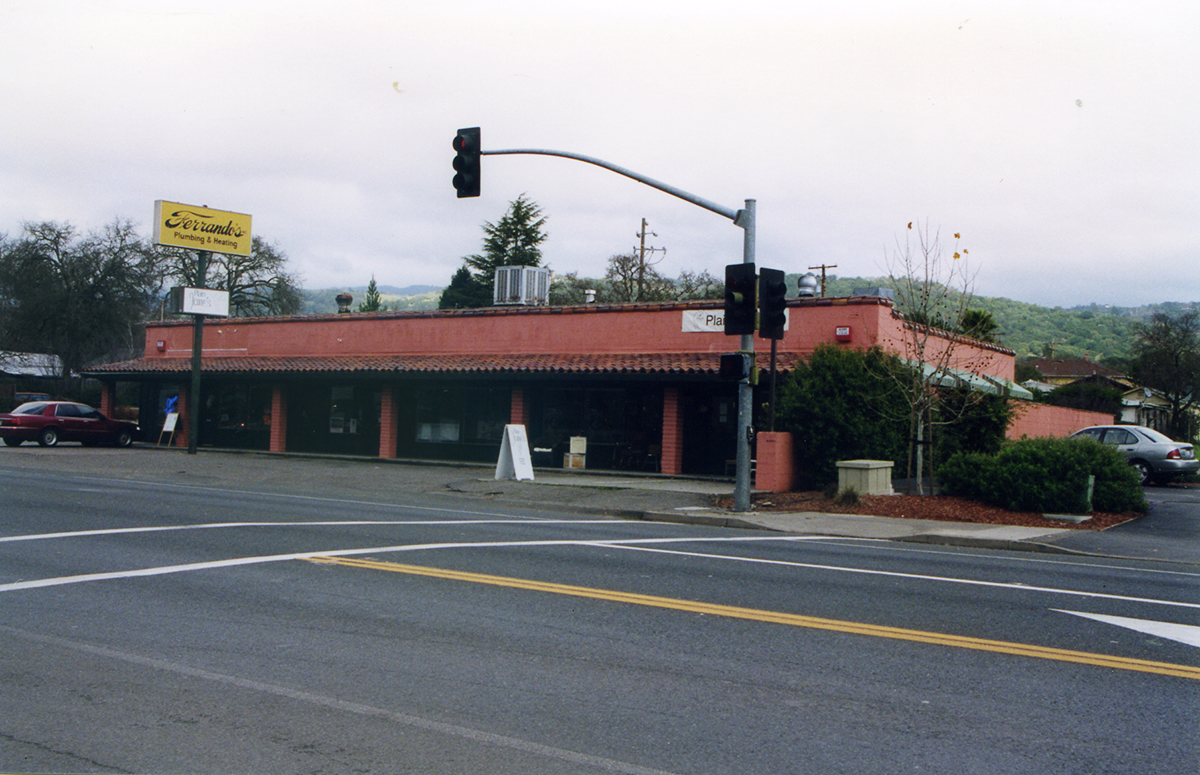
18495 Hwy 12 is located at Thomson. Currently the home of La Michoacana and Plain Jane’s
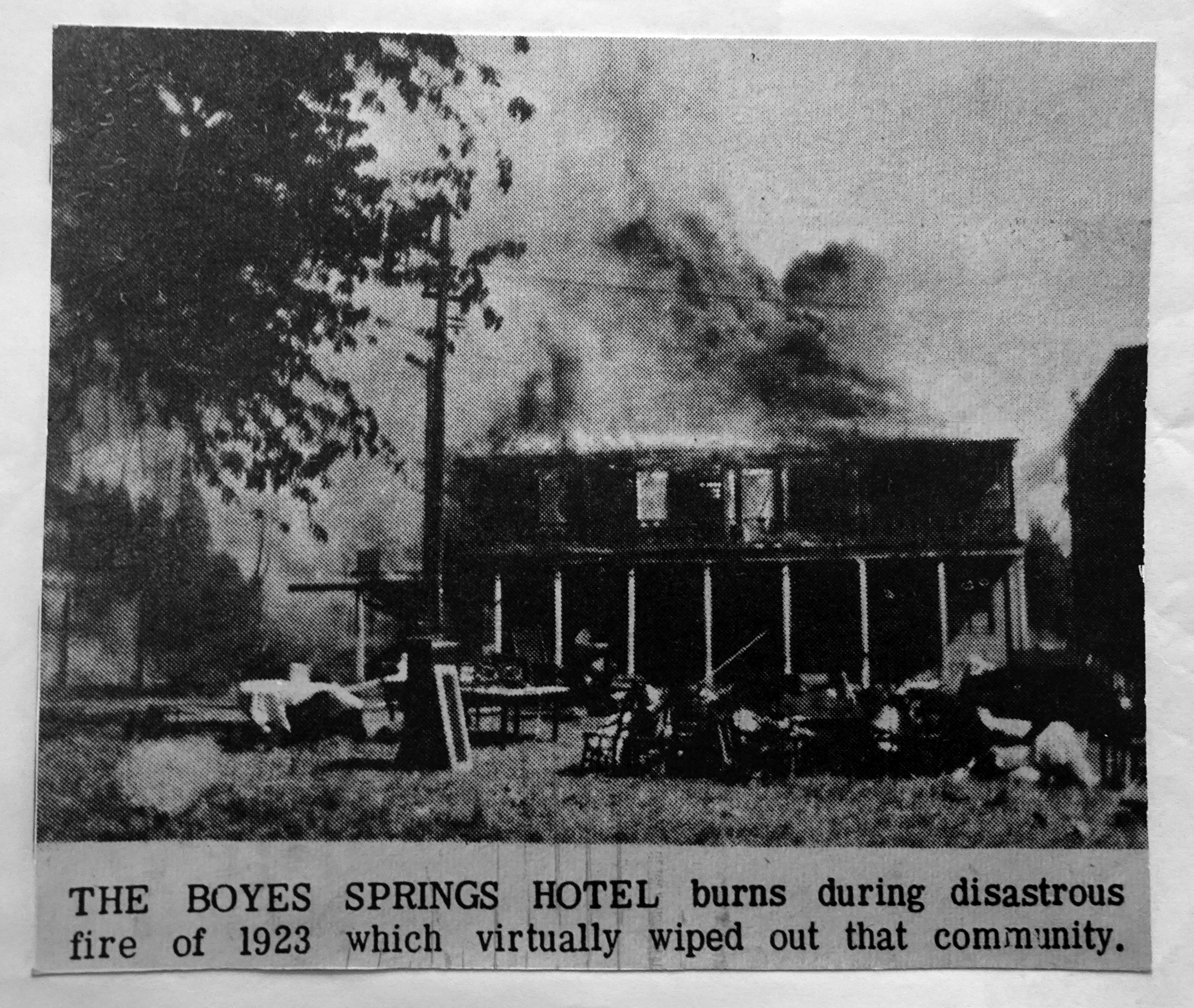
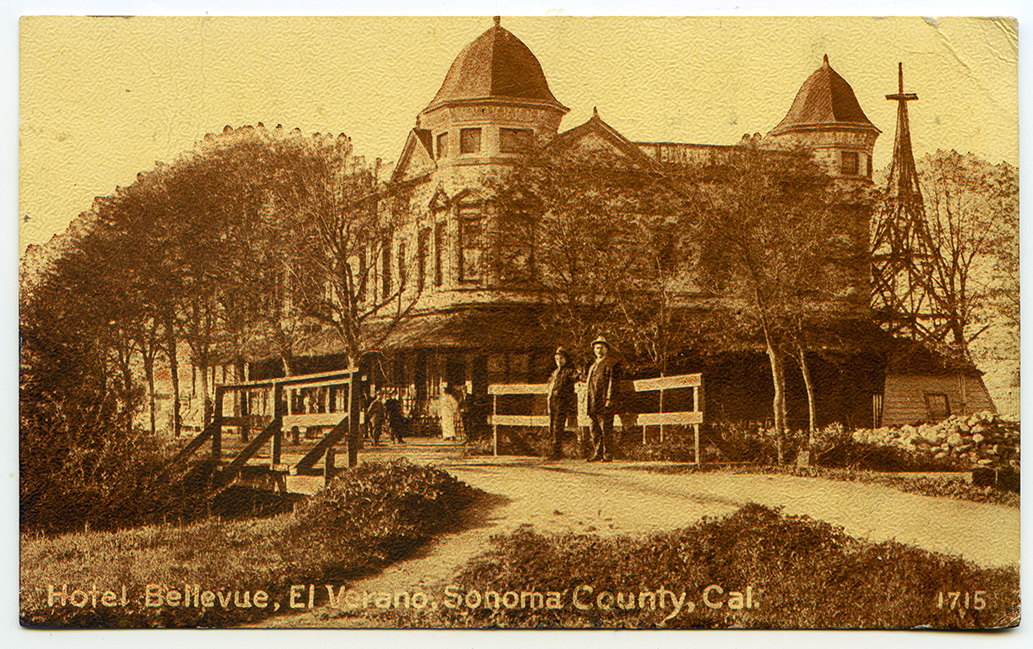
The “Old Hotel” was located on the site of the current Sonoma Mission Inn, which was opened in 1927.
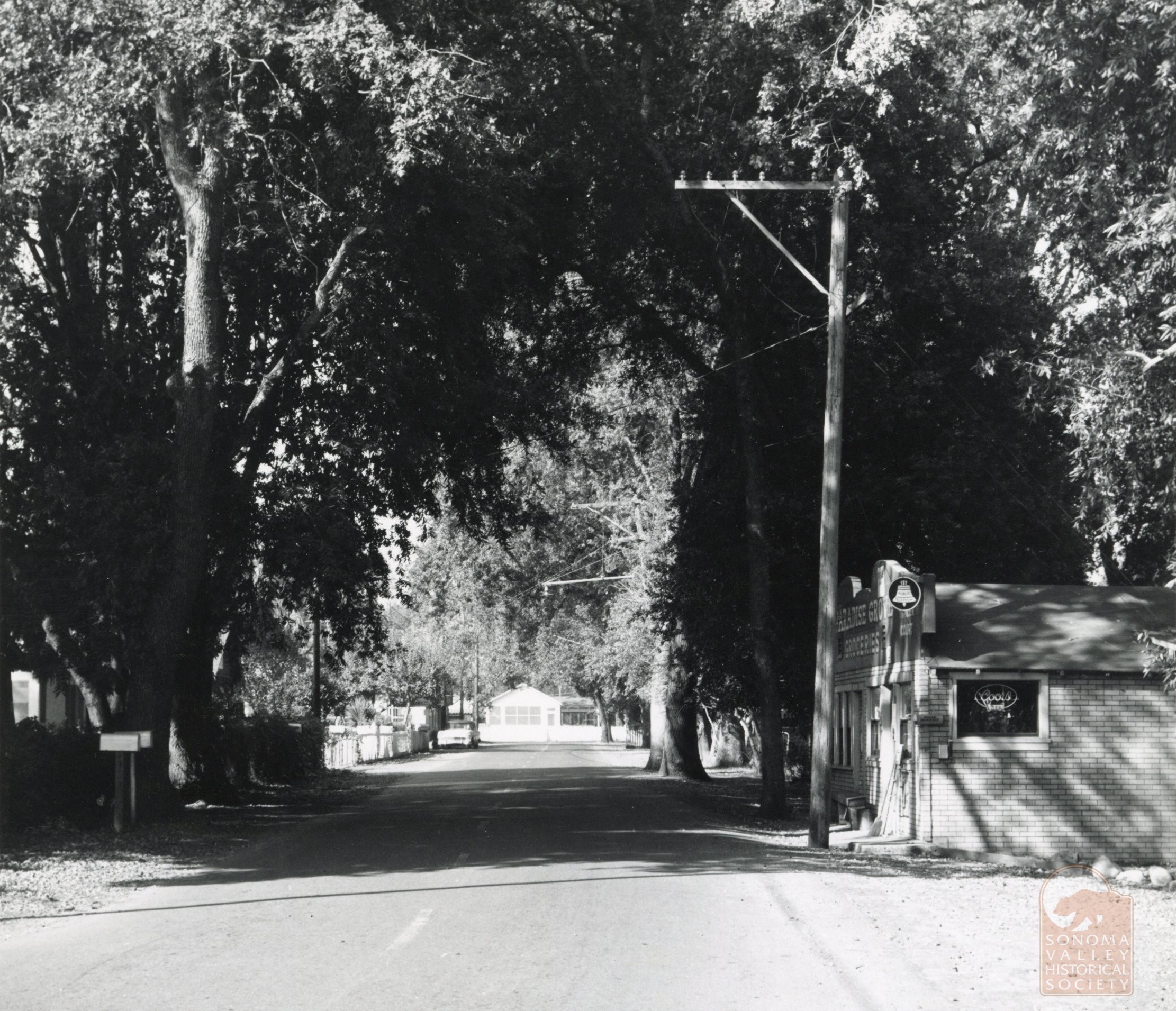
Riverside near Boyes Blvd. 1960s. Paradise Grove.
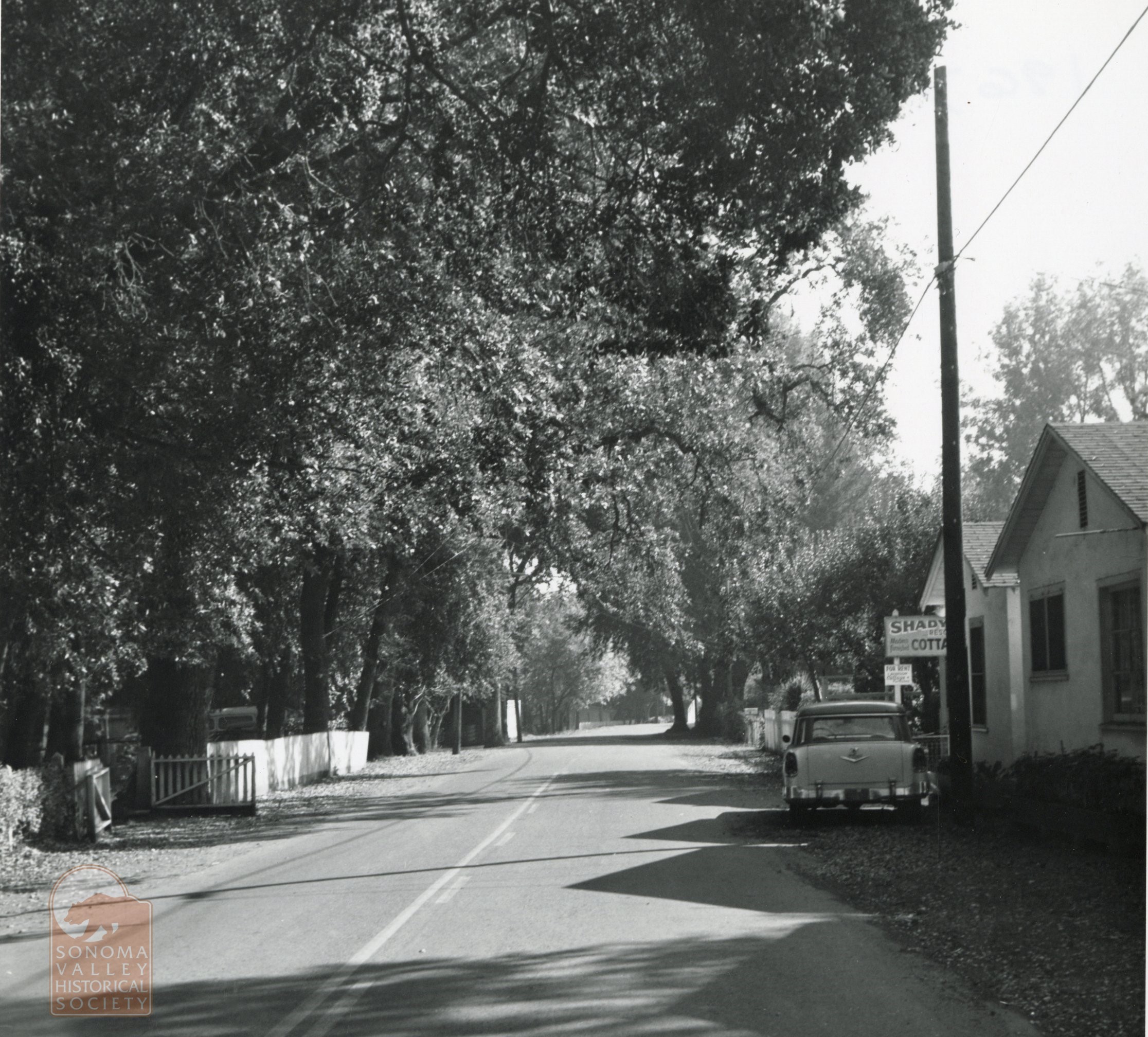
Riverside near Boyes Blvd. 1960s. Shady Grove.
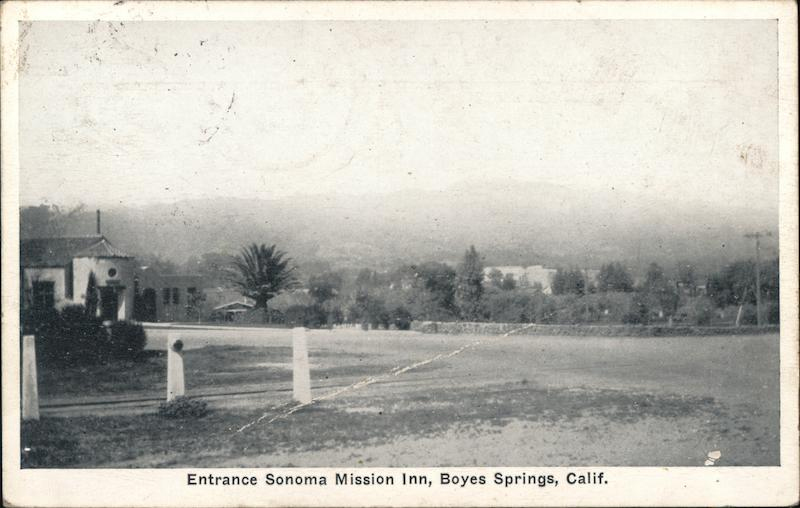
1920s, perhaps.
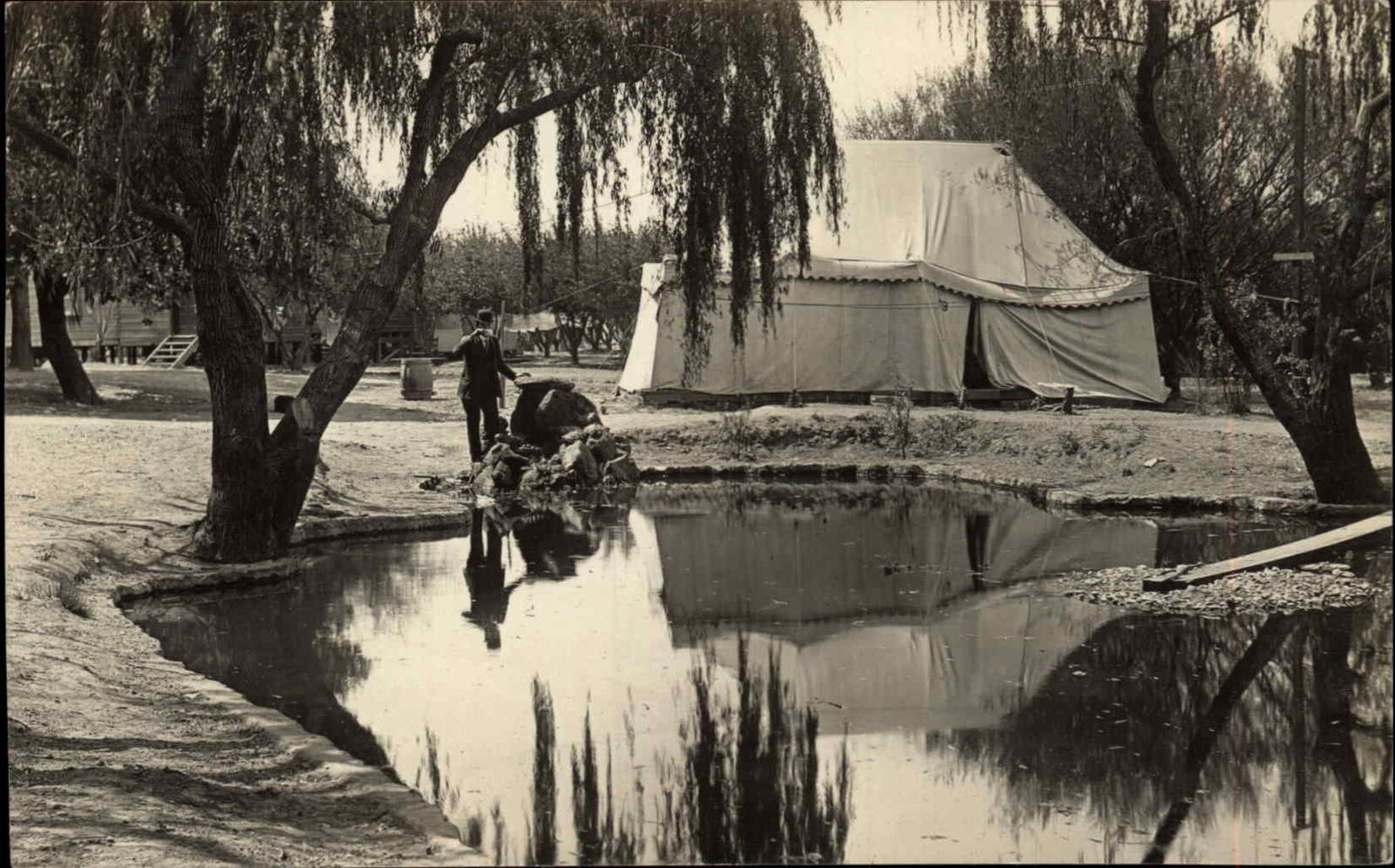
The pond at the Old Hotel.
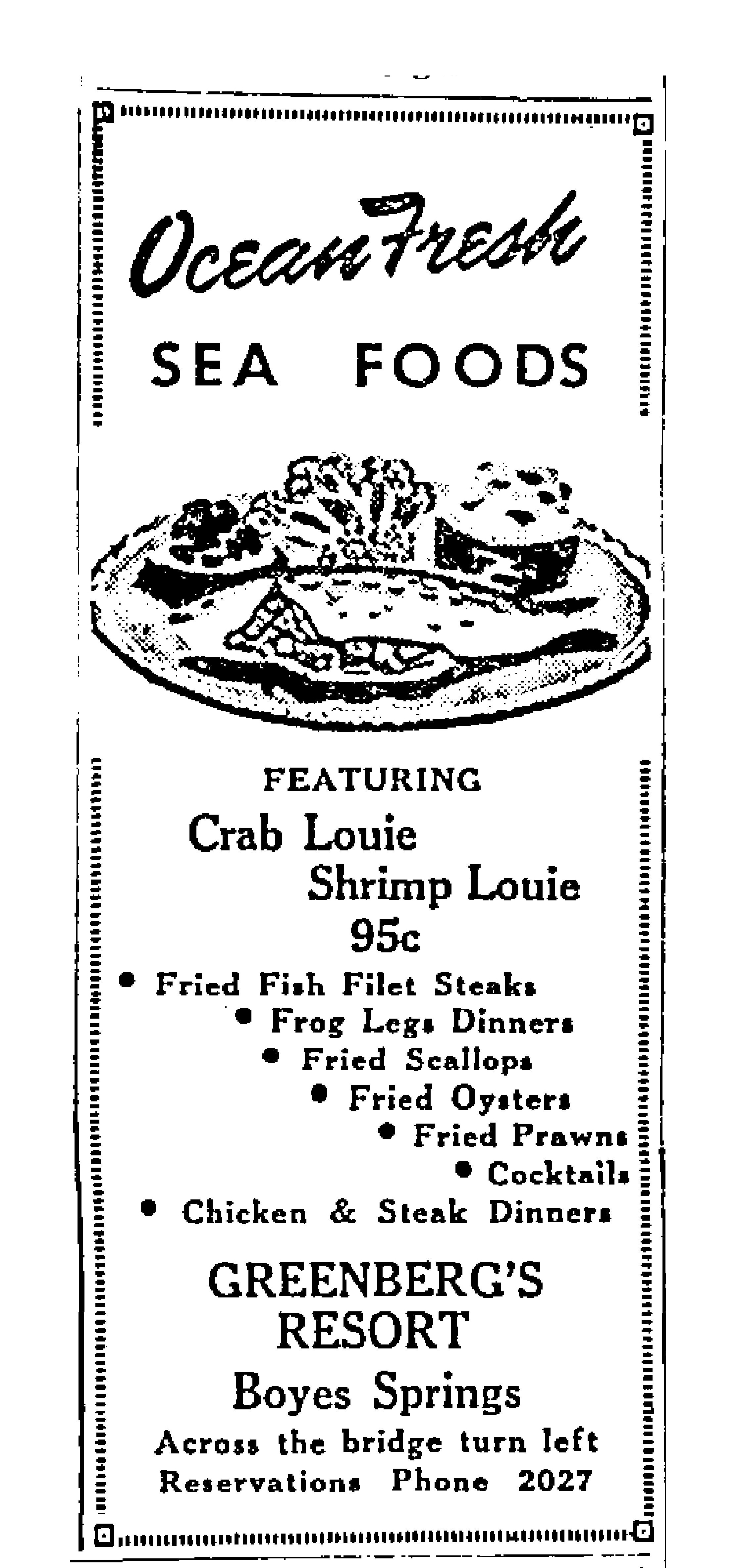
“Across the bridge turn left:” On Riverside? From the Index Tribune, 1949.
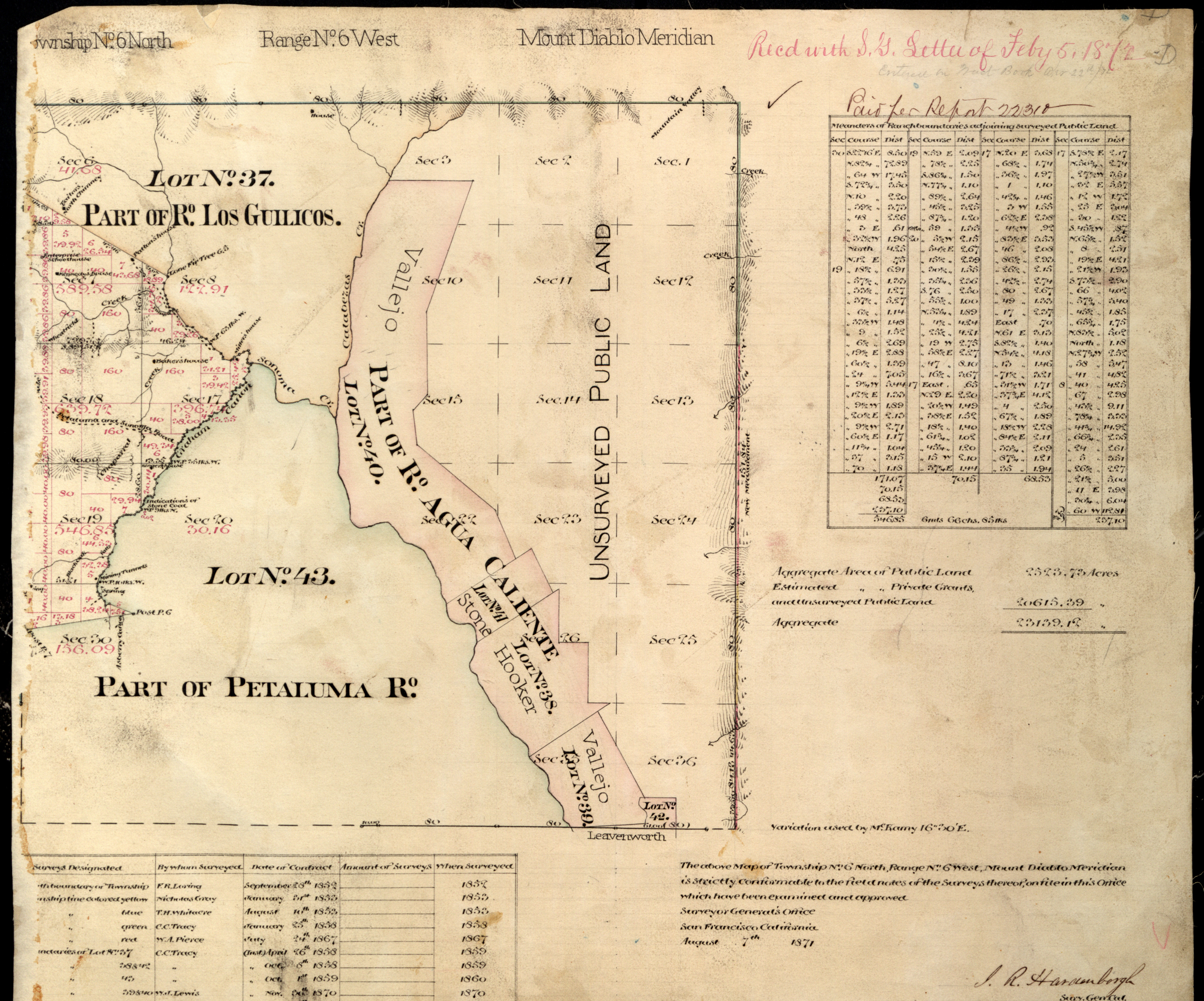
1872 map showing land owners in the Rancho Agua Caliente: Vallejo, Stone, Hooker, and Leavenworth.
Images courtesy of the Sonoma Valley Historical Society, which always appreciates your support and membership!
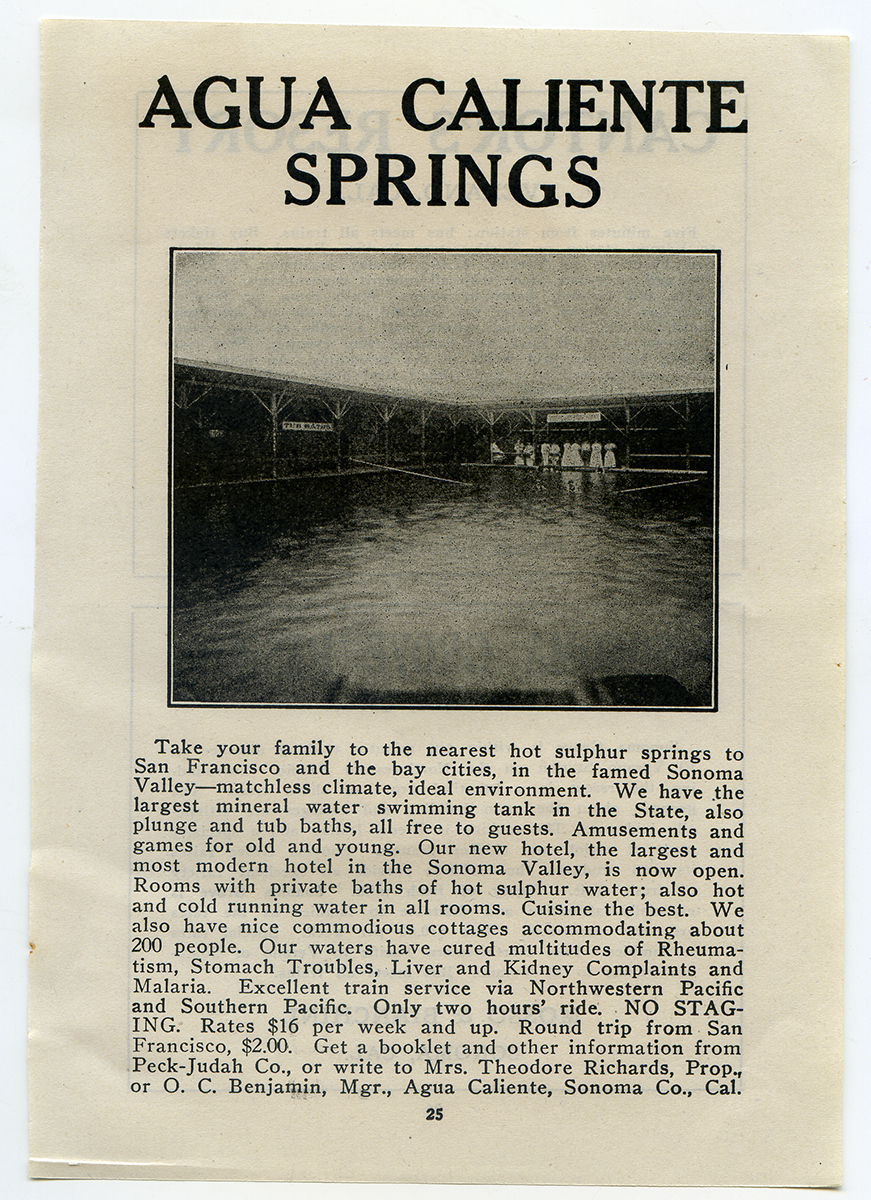
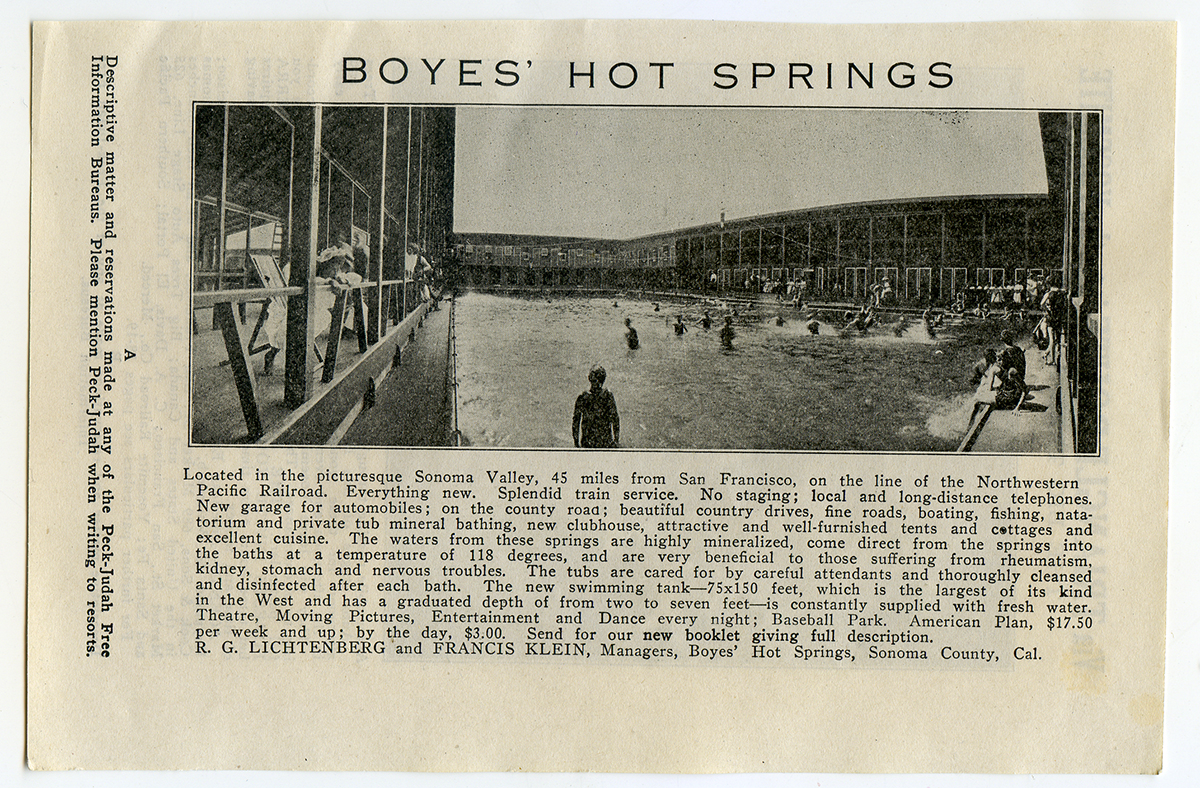
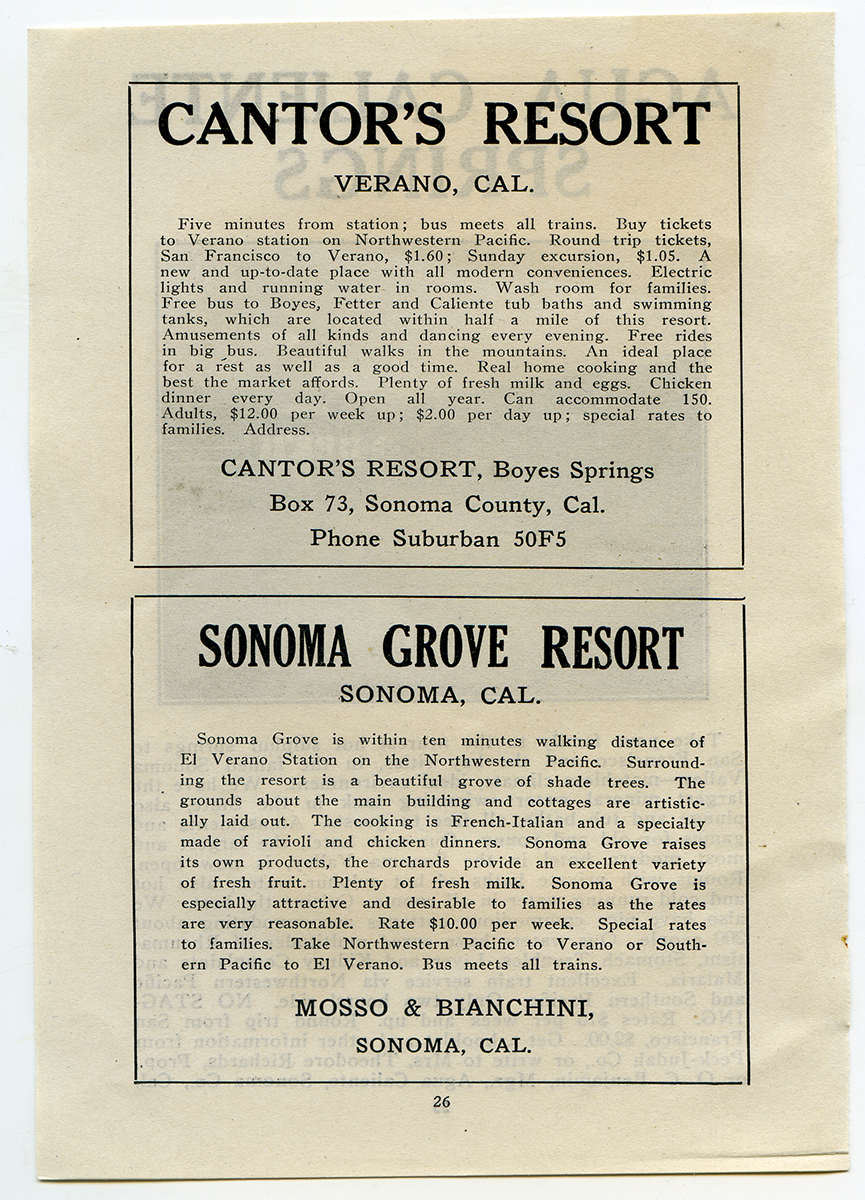
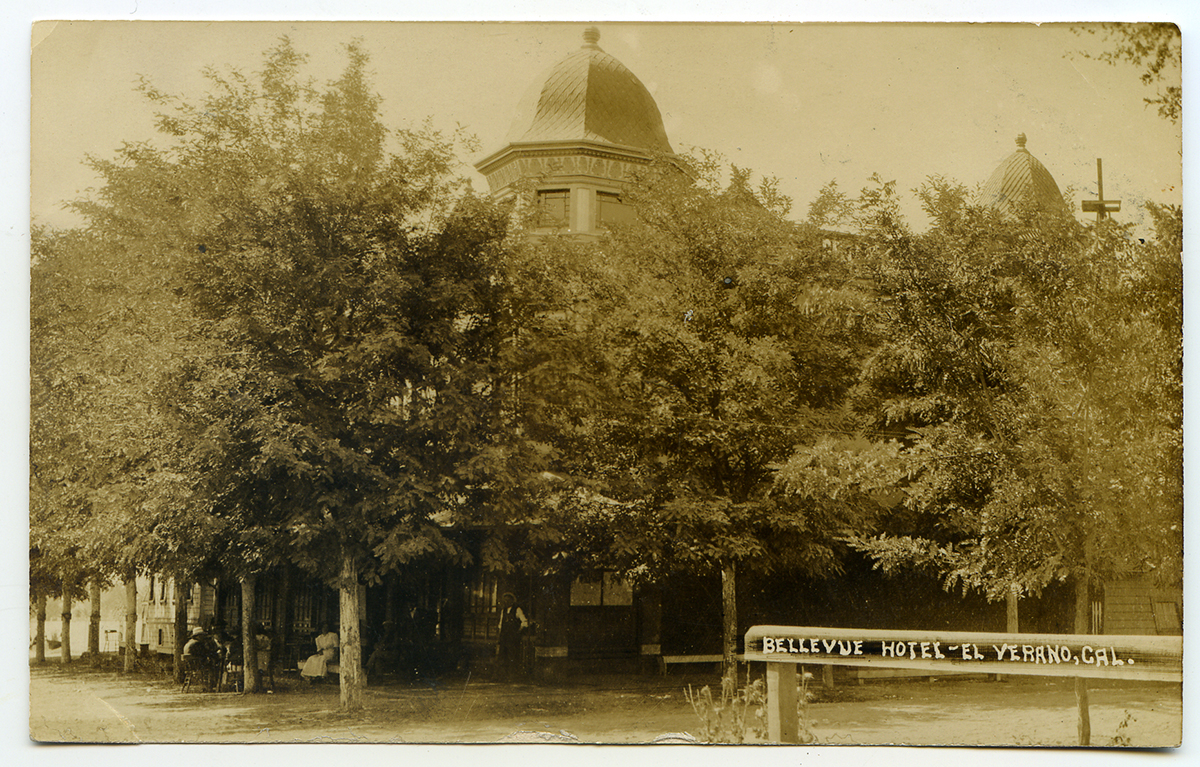
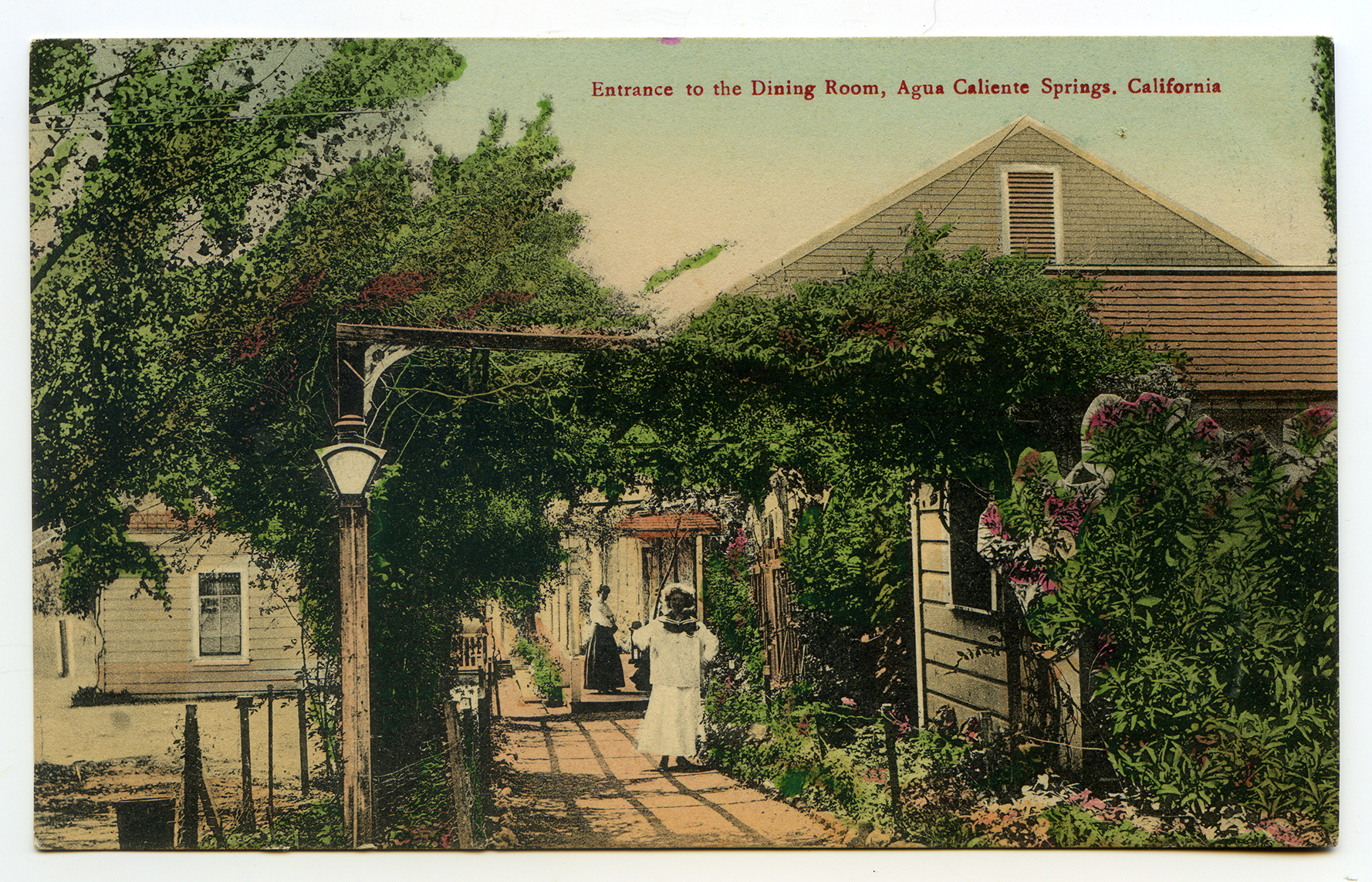
Agua Caliente Springs Resort, 1911
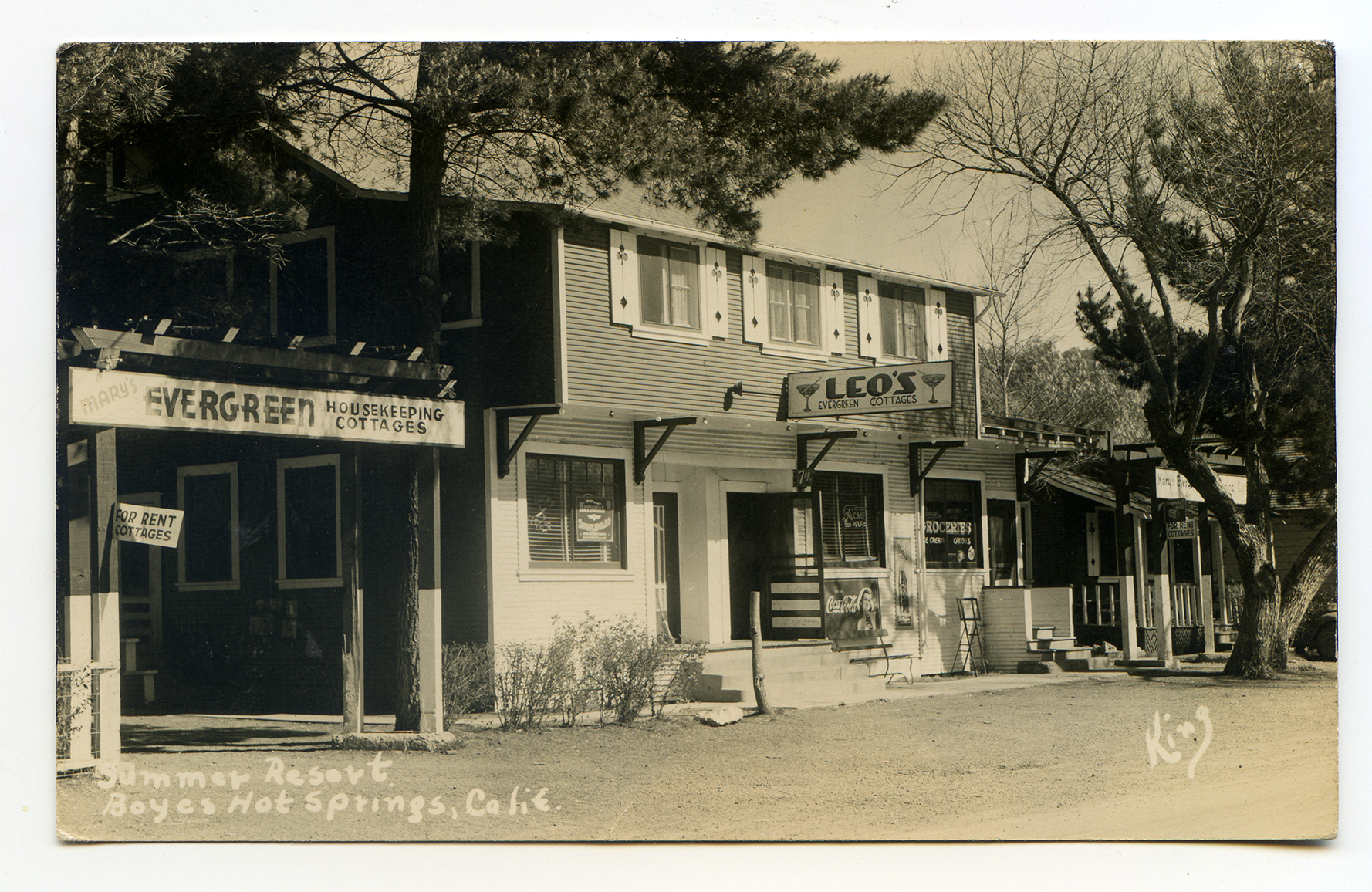
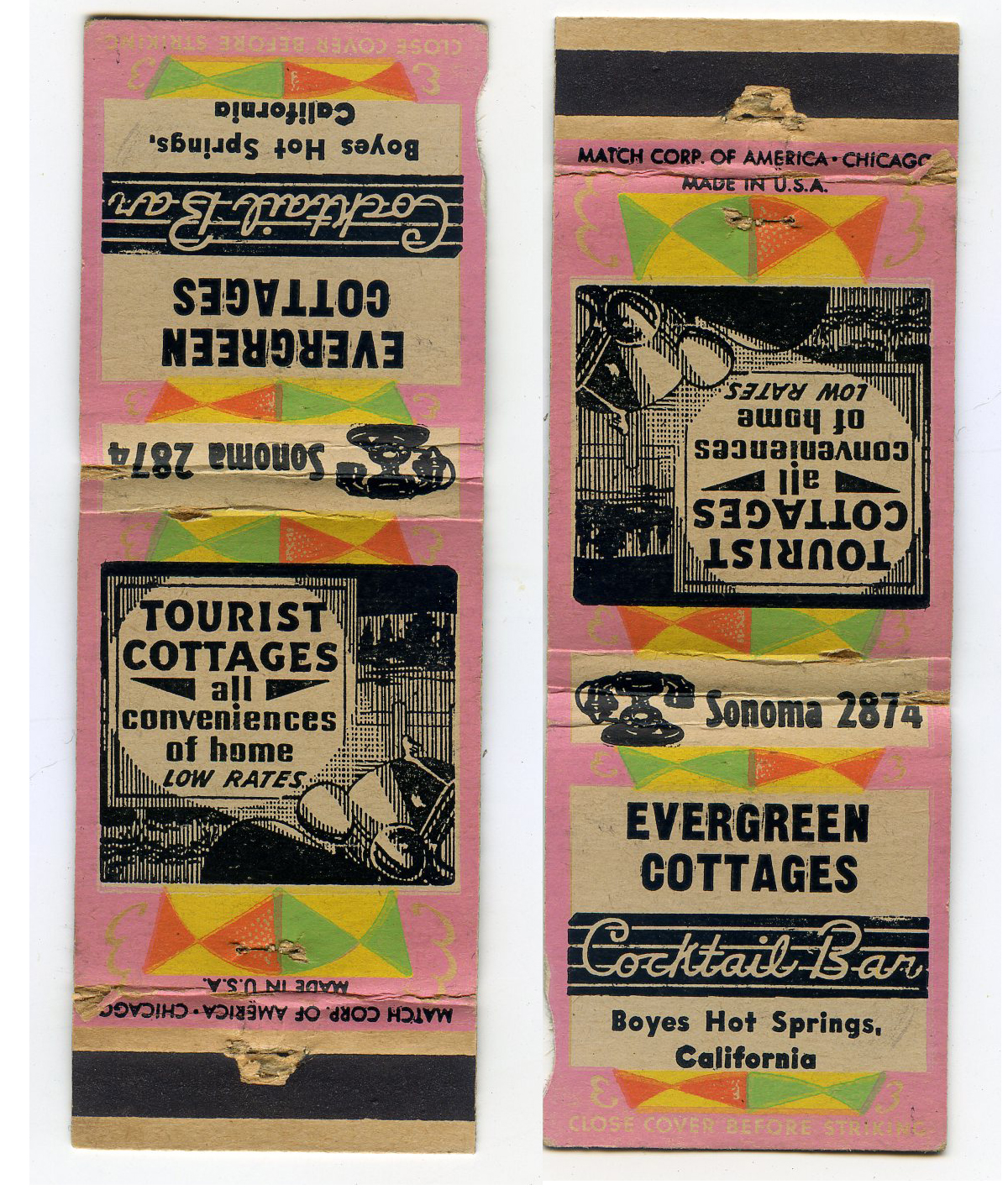
Leo’s Evergreen Cottages, also called Mary’s Evergreen Cottages, Pine Street, Boyes Hot Springs, 1949. The building still stands.
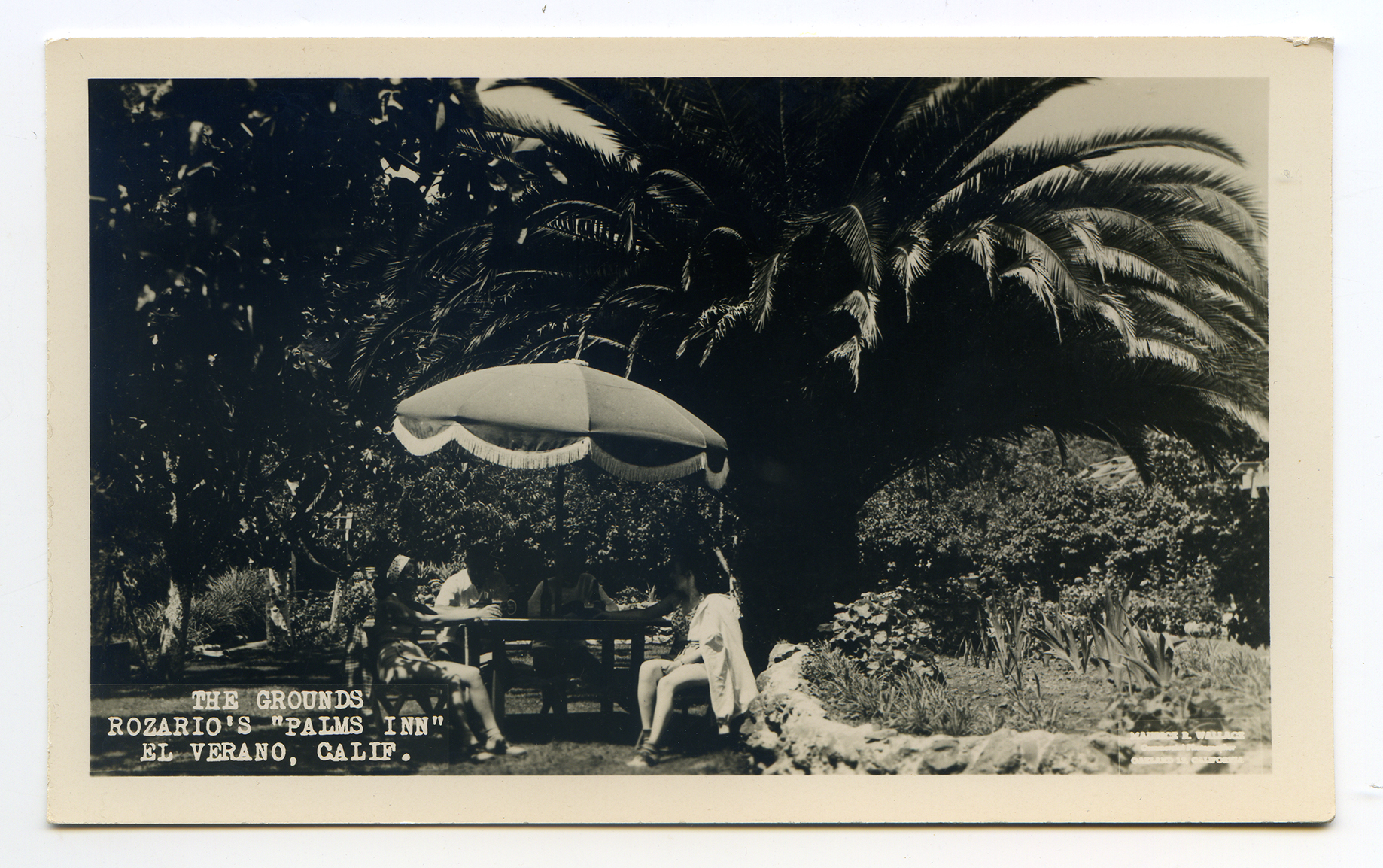
Rozario’s, currently the FAHA site.
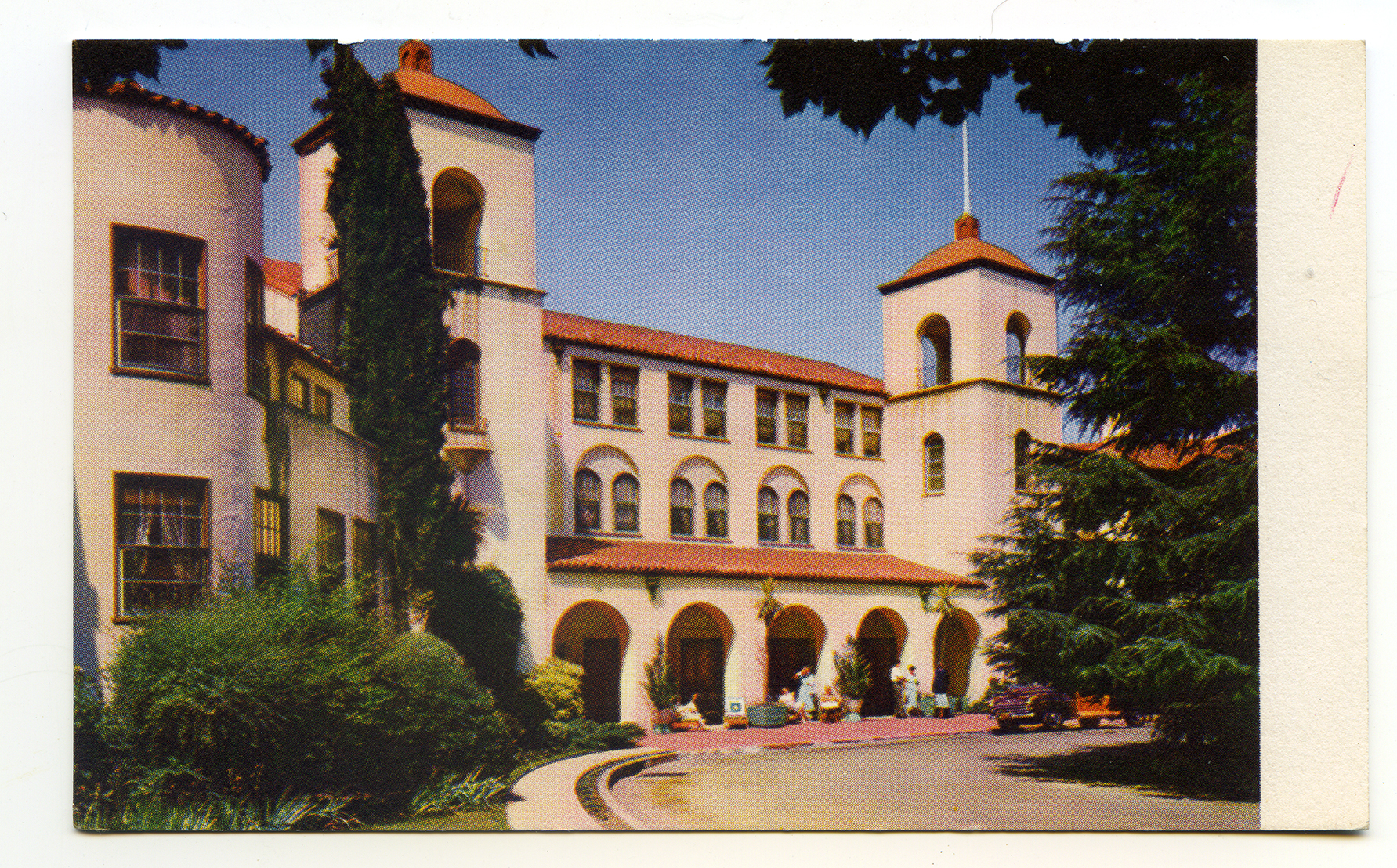
Sonoma Mission Inn, 1950
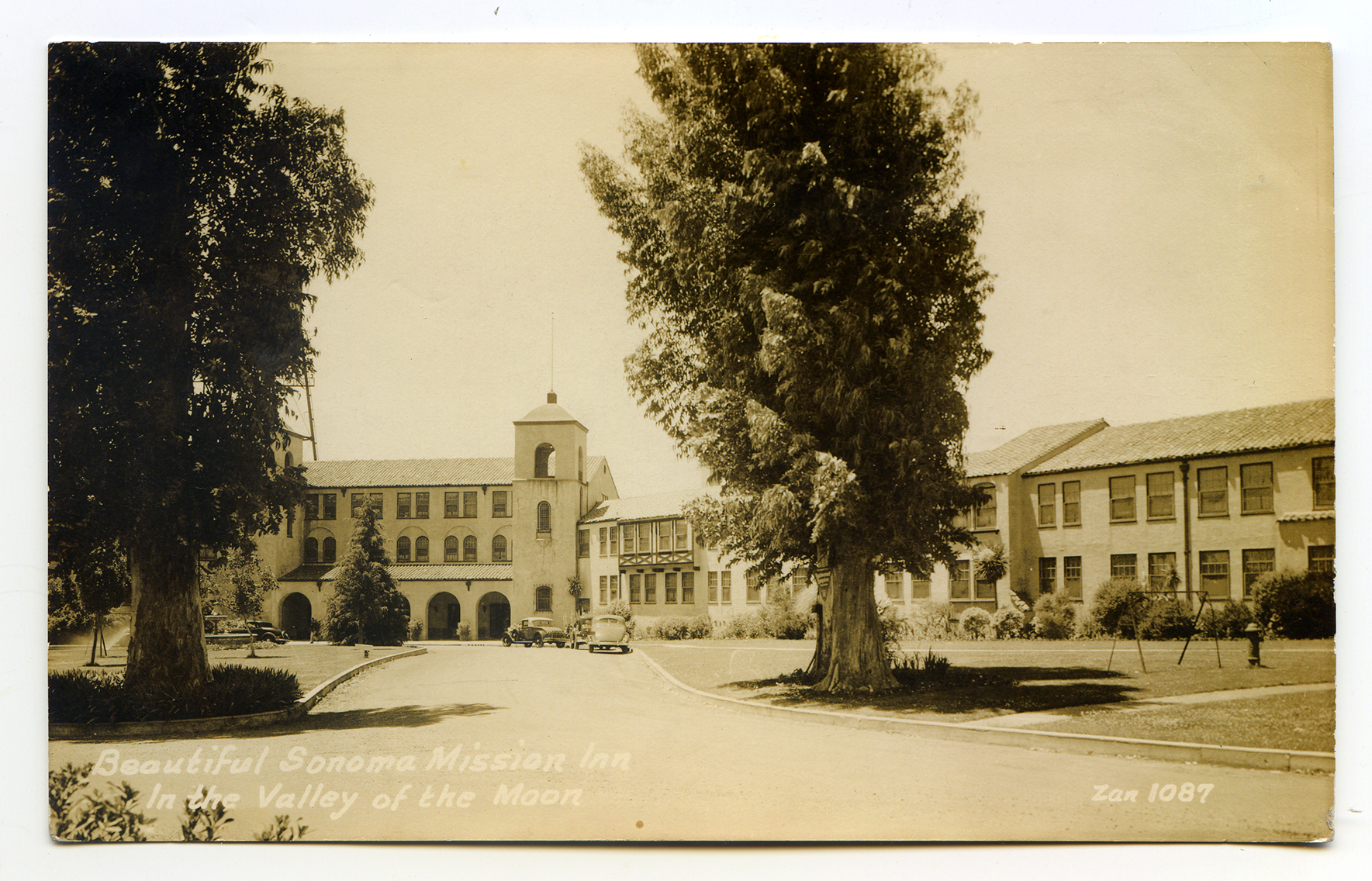
Sonoma Mission Inn, 1940s, photo by Zan Stark
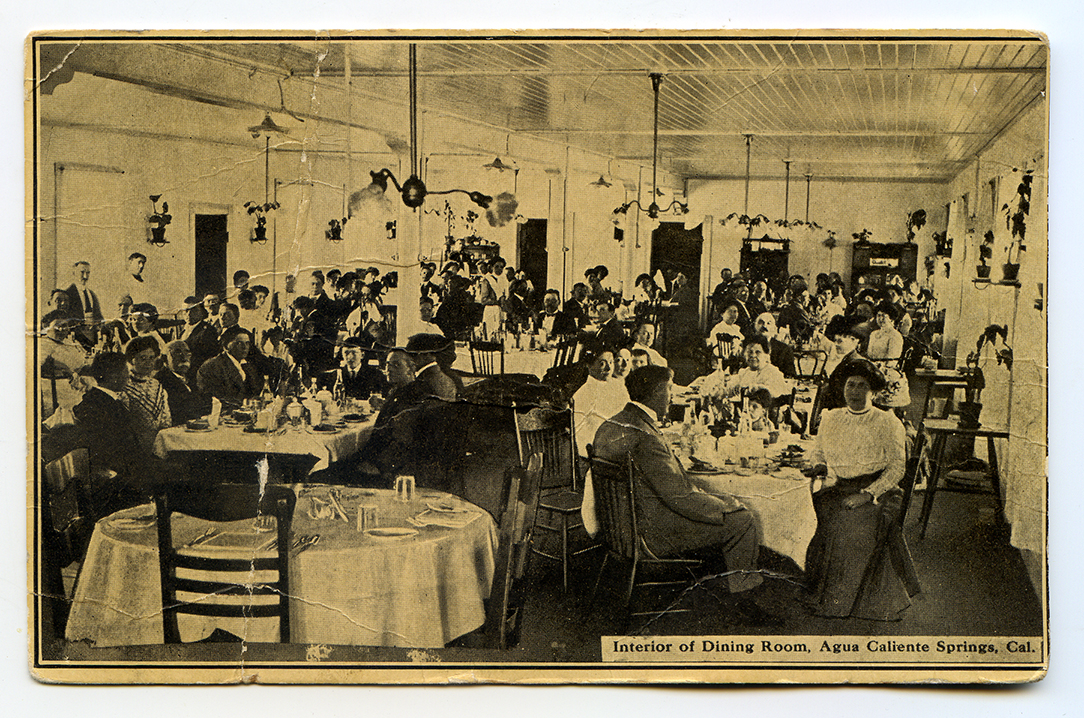
1916. Gaslights possibly converted to electricity, which came in in 1913.
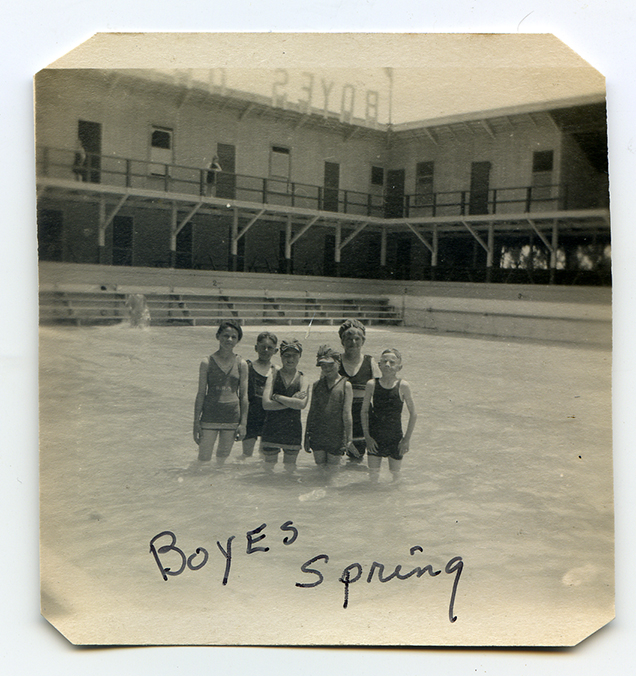
Date unknown. The pool was covered in the 1950s.
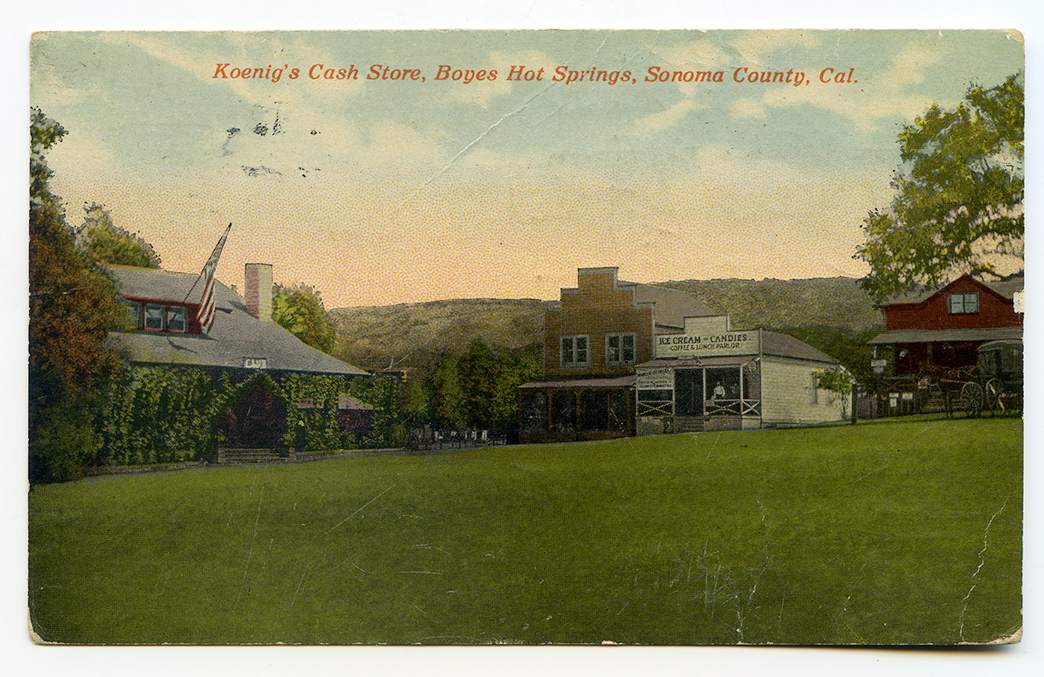
1914. The viewer is standing approximately where the parking lot behind the post office is now. The red building on the right is Graham’s Store, the location of the first post office in Boyes.
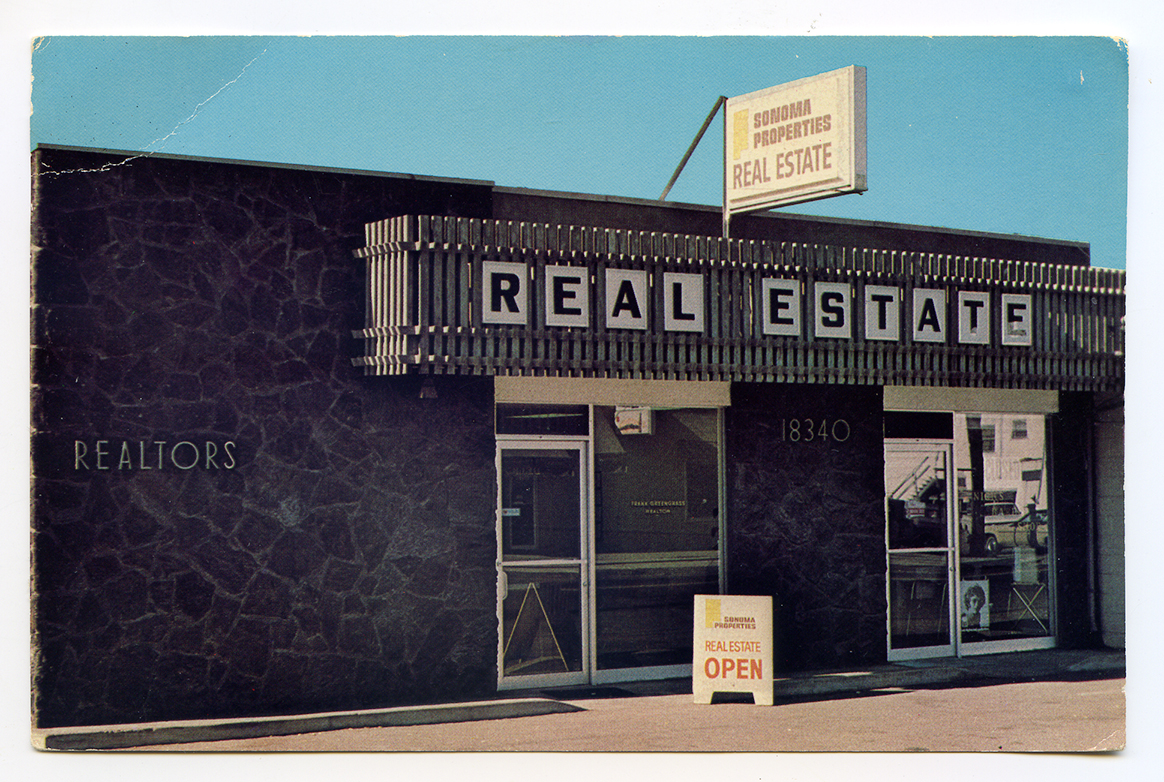
18340 sonoma Highway. burned down in 1979. See the post “The Greengrass Bldg.”
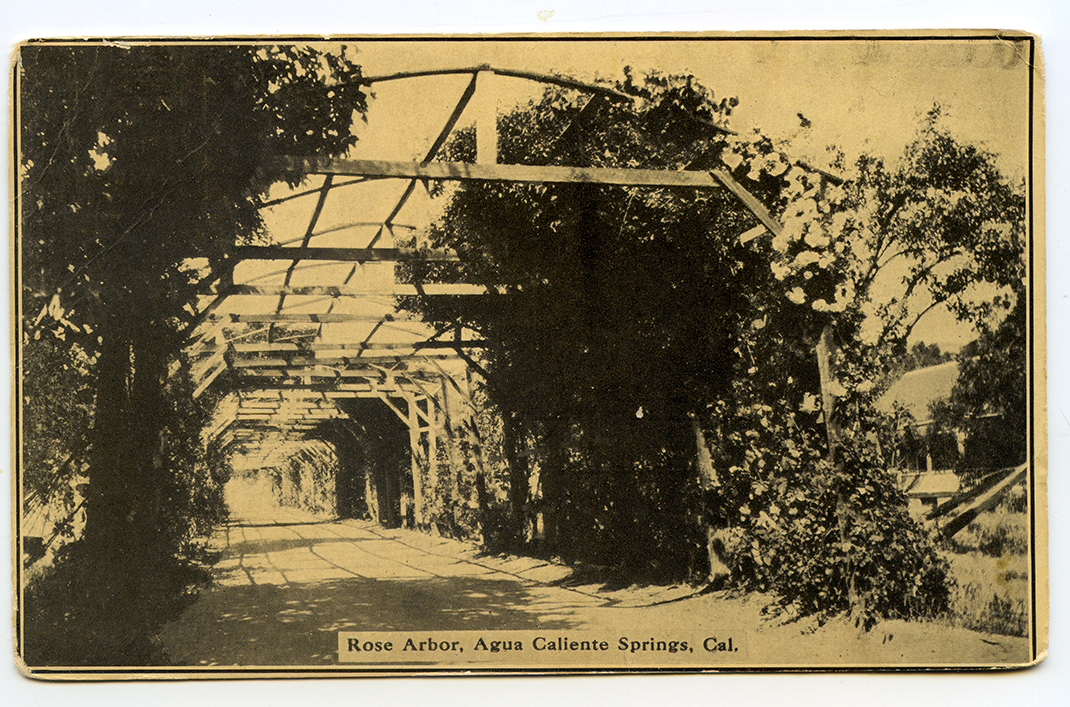
1916
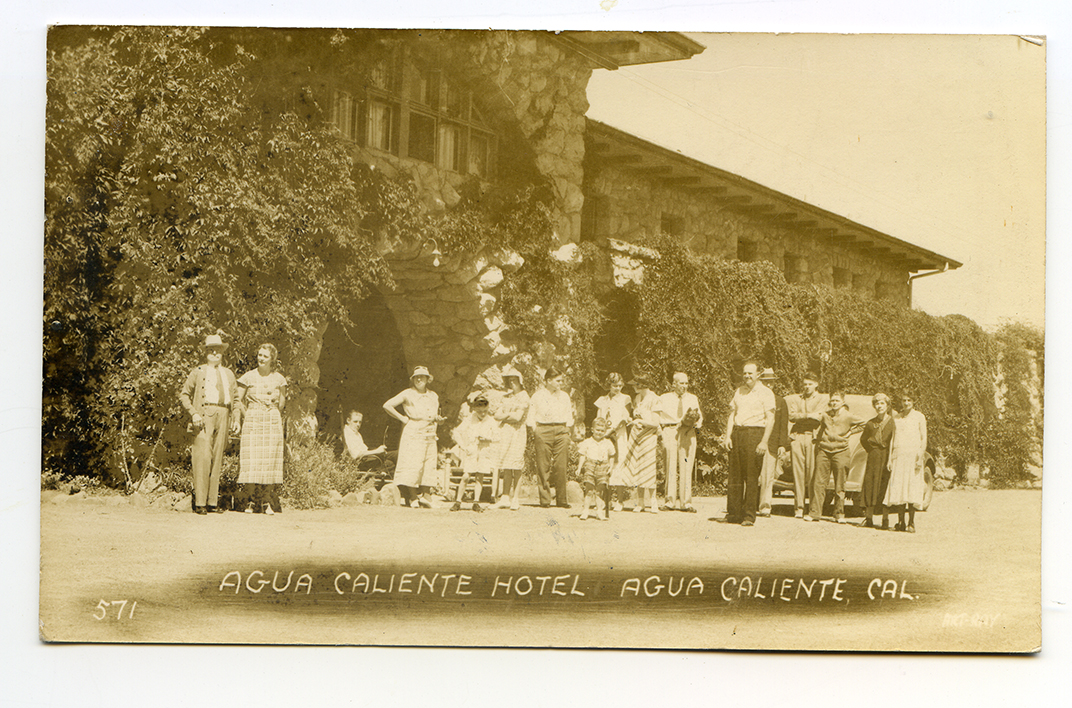
1937
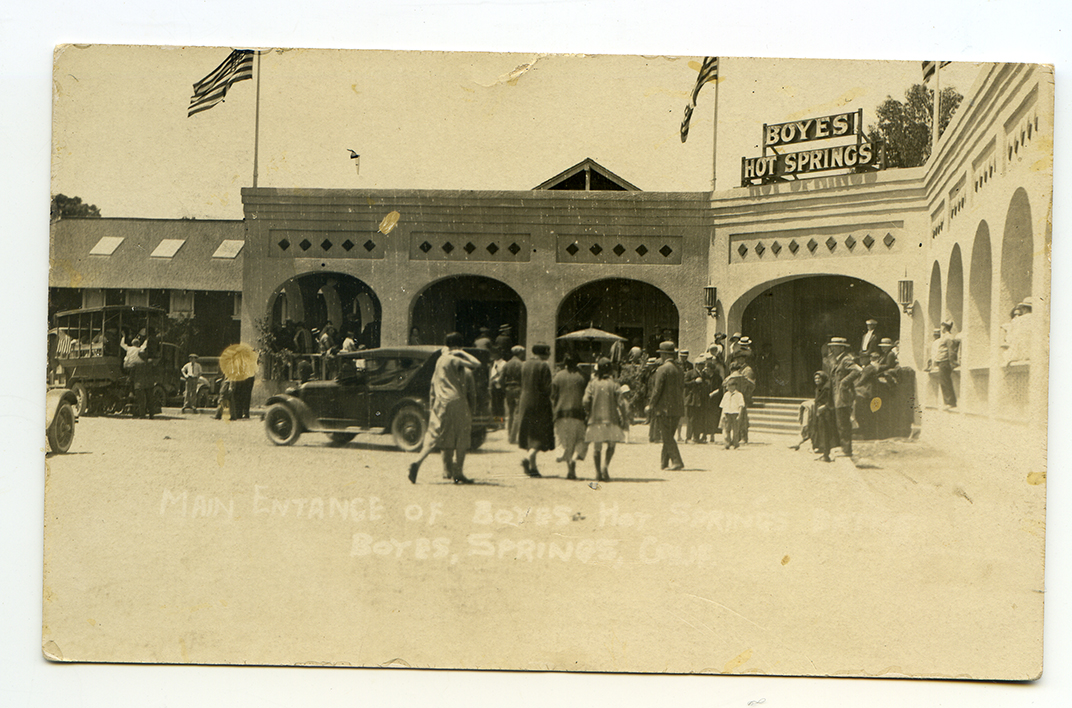
1926
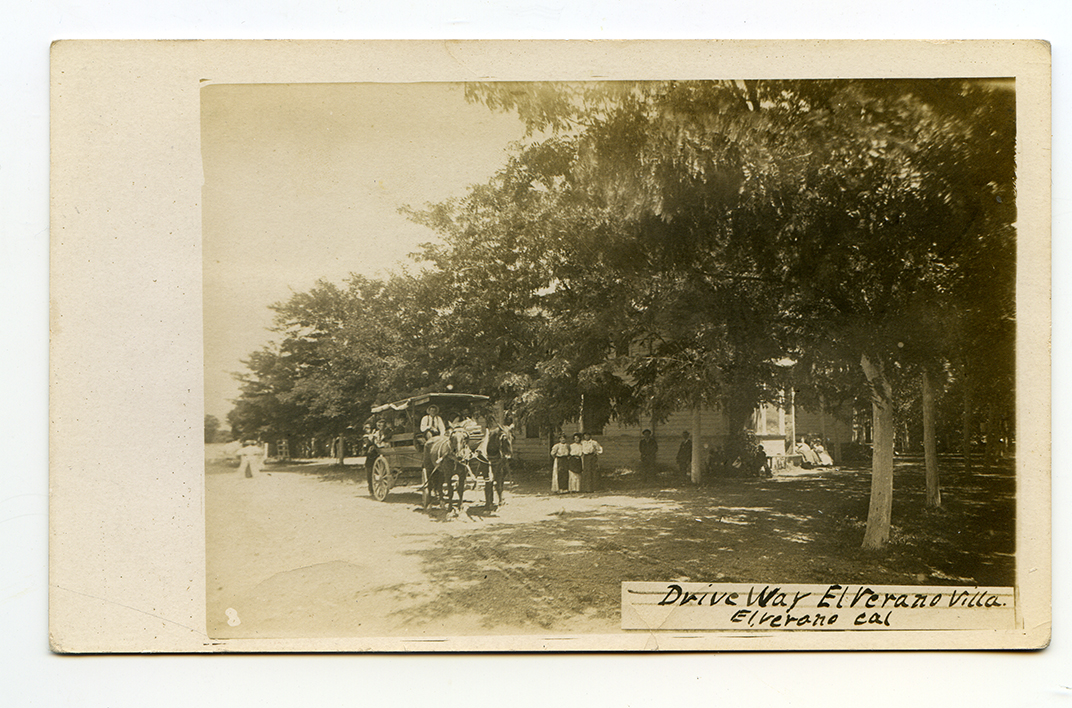
1908
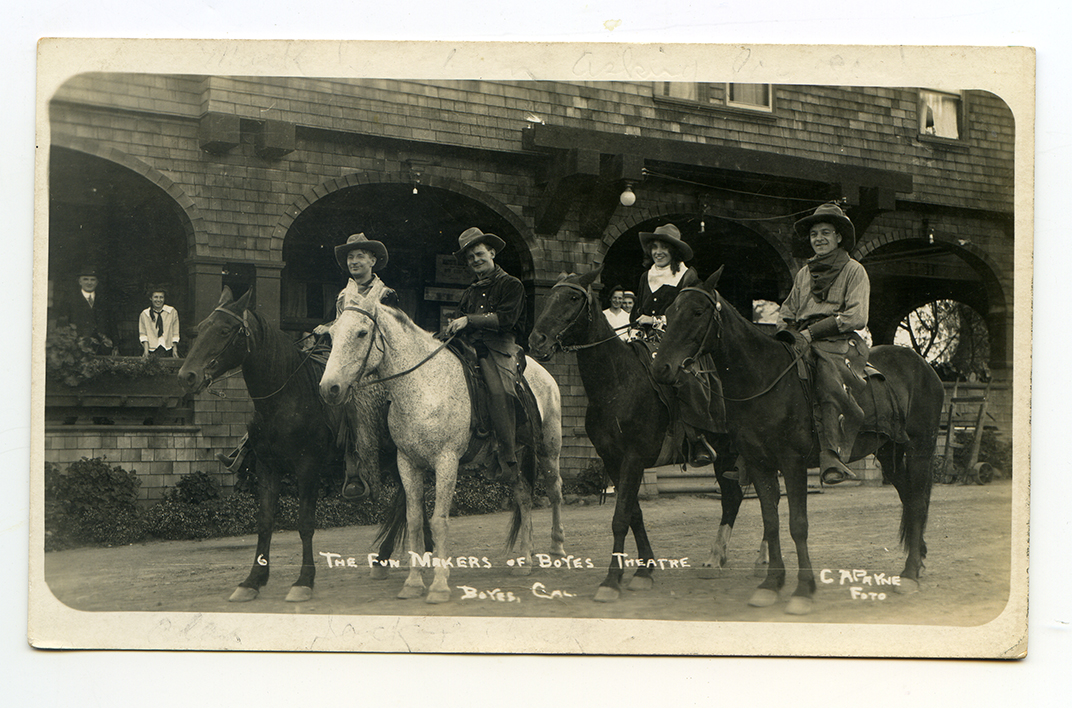
1915
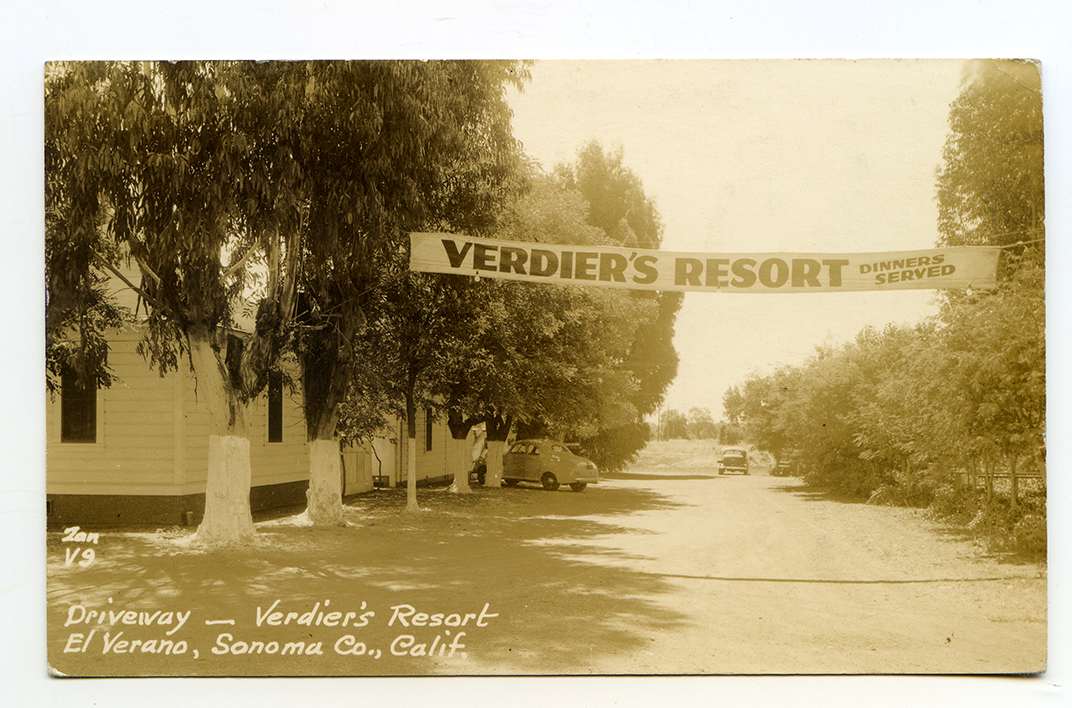
1943
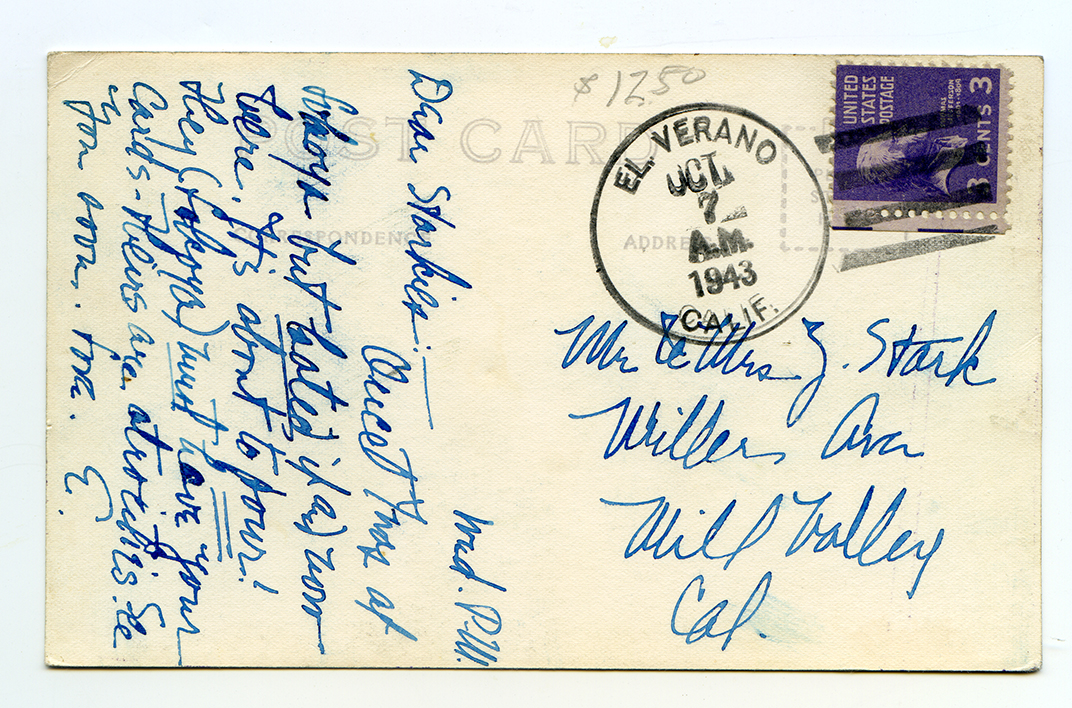
Dear Starkies: ….was at La hoya but hates it and now here.It’s about to pour! They (la hoya) must have your cards-theirs are atrocities. See you soon. Love, E.
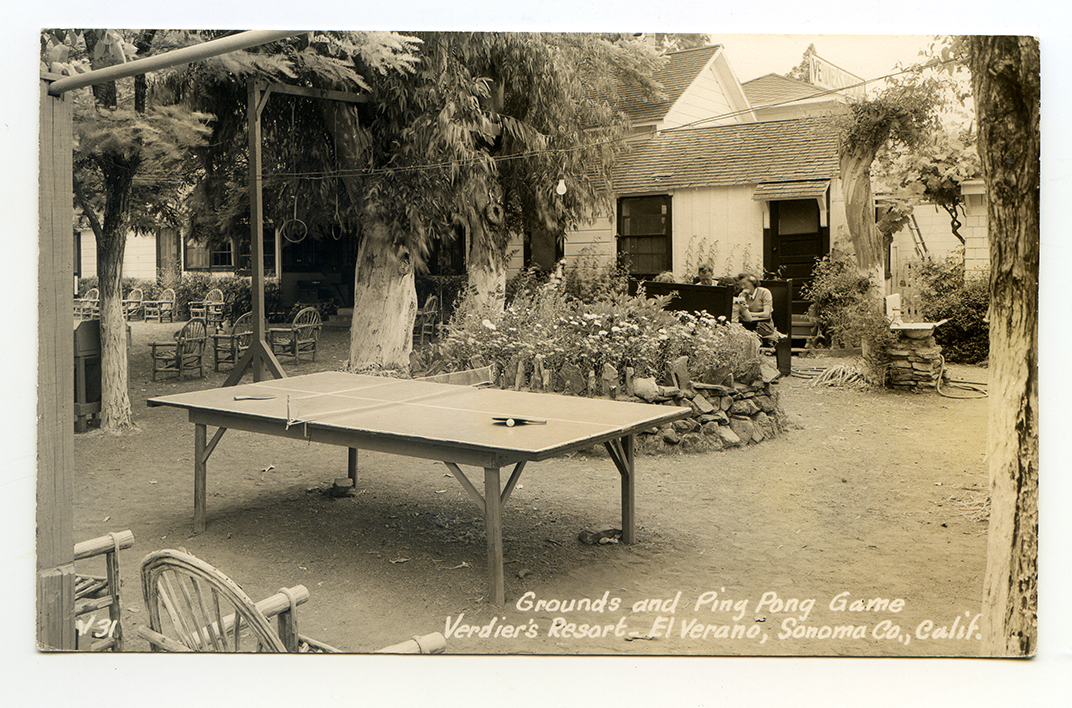
1946
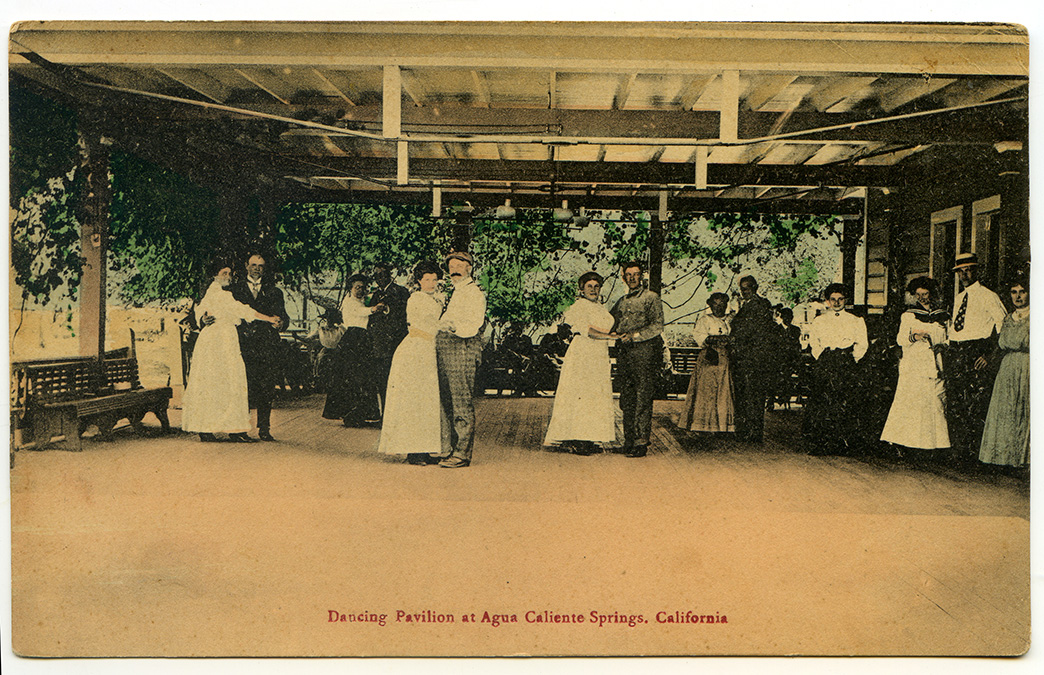
Agua Caliente 1912
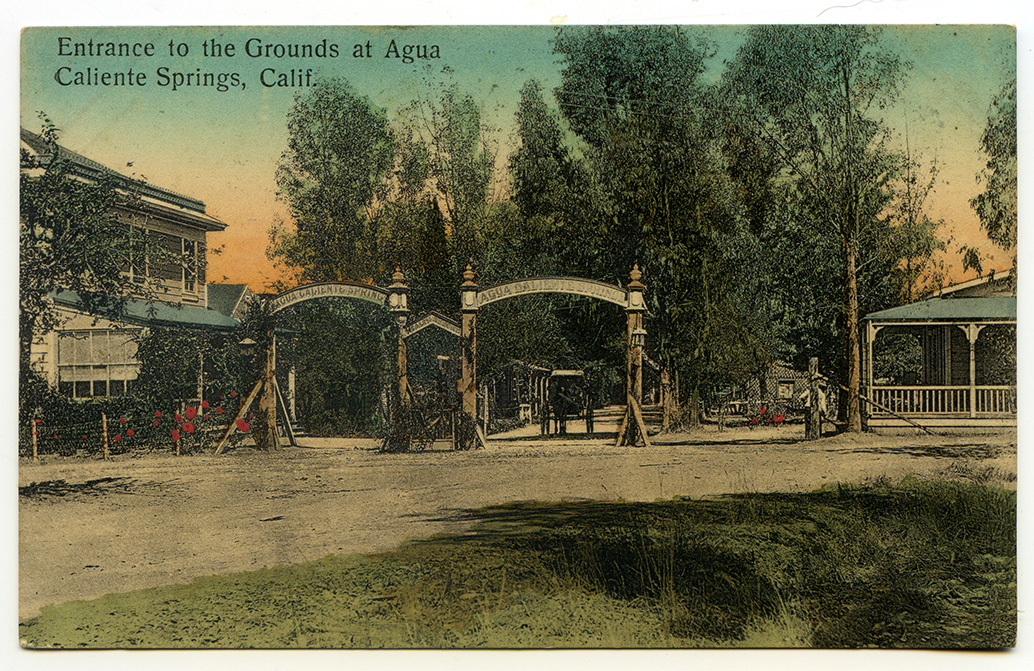
1911
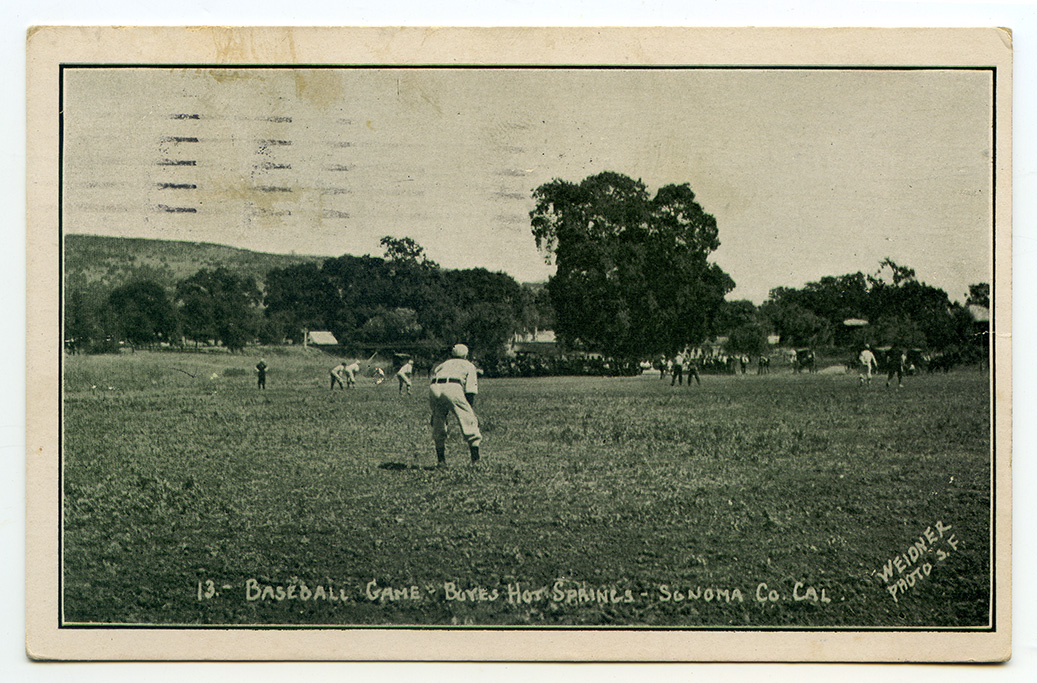
Baseball At Boyes Springs 1911
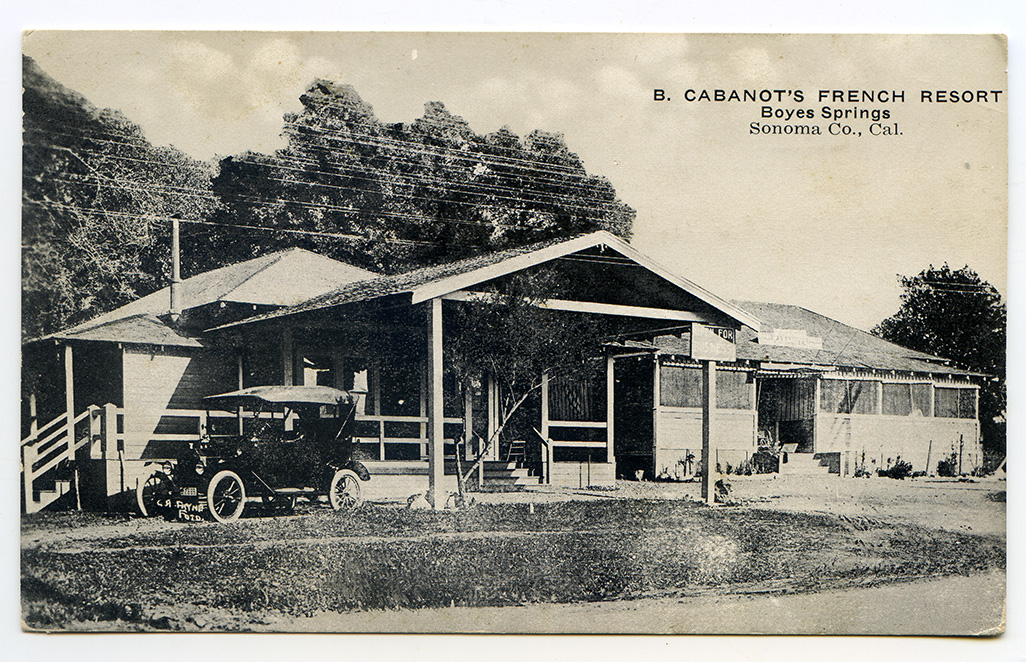
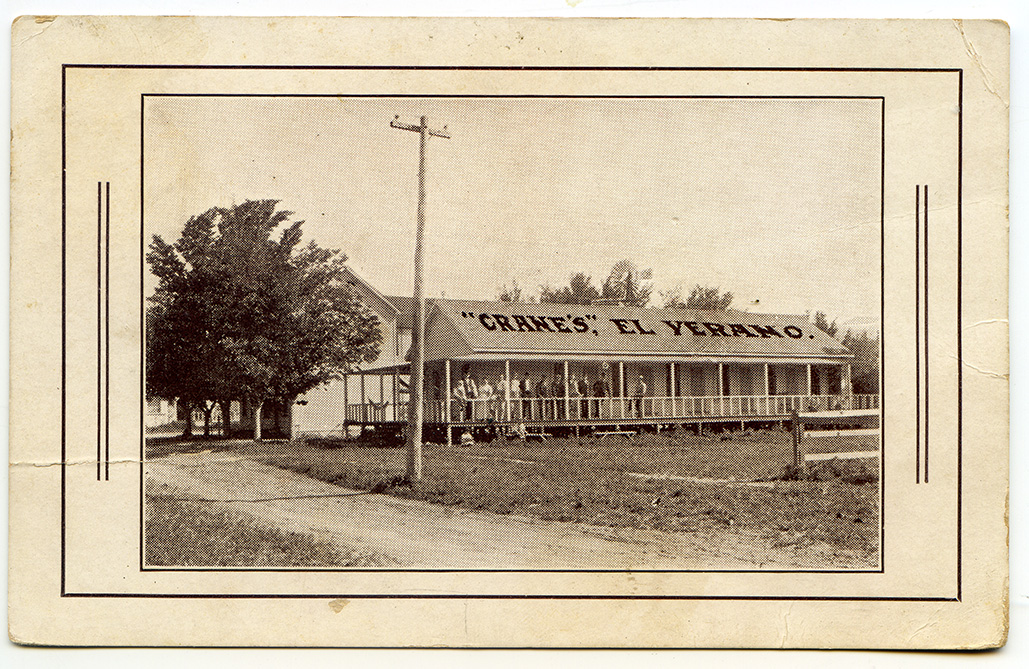
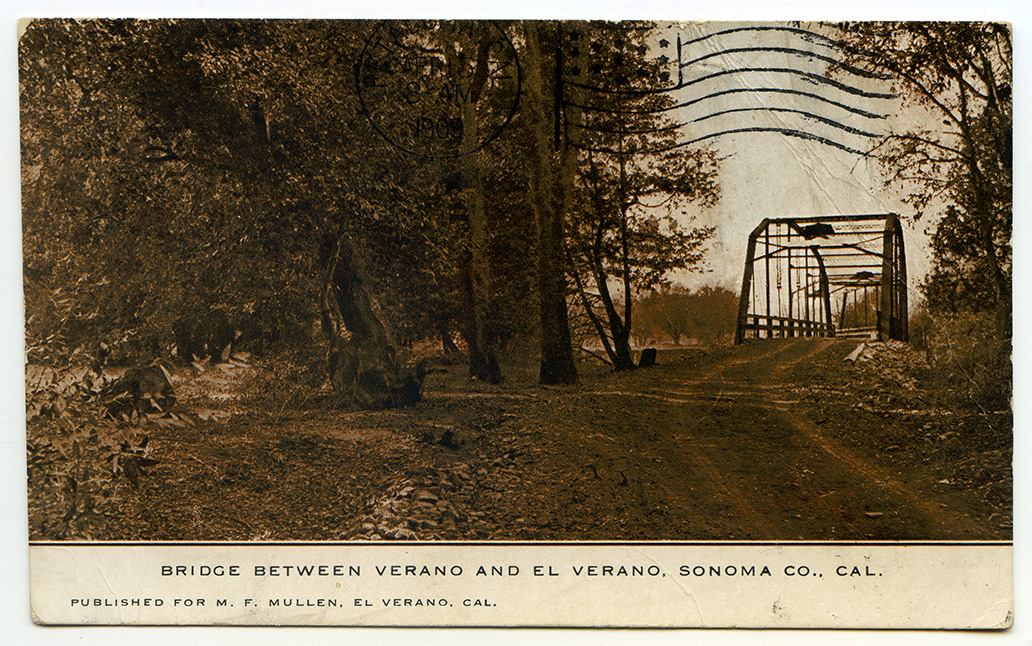
1909
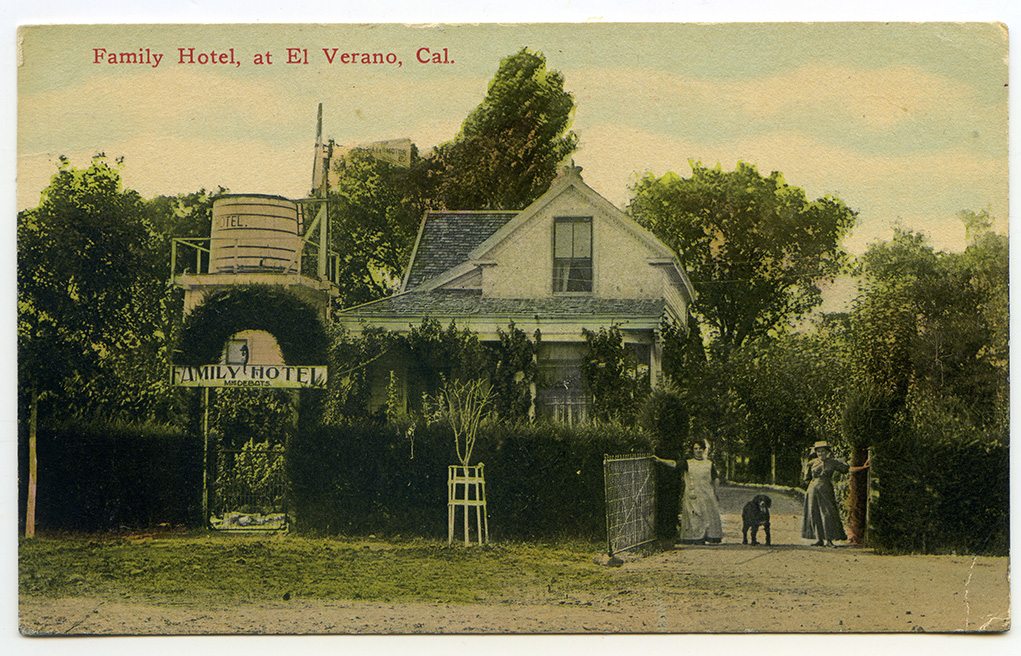
1910
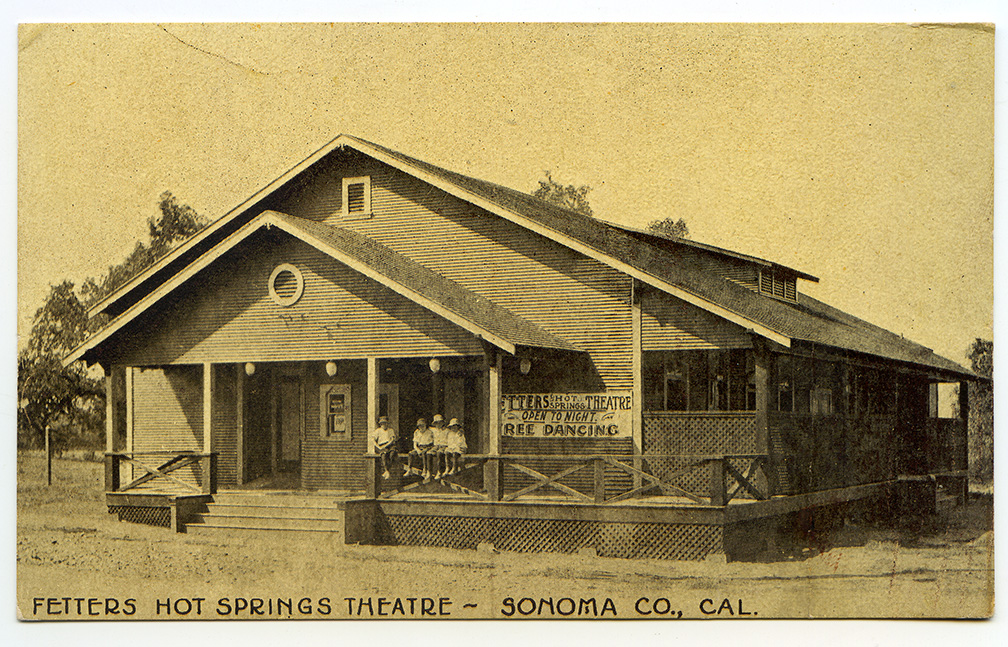
1914
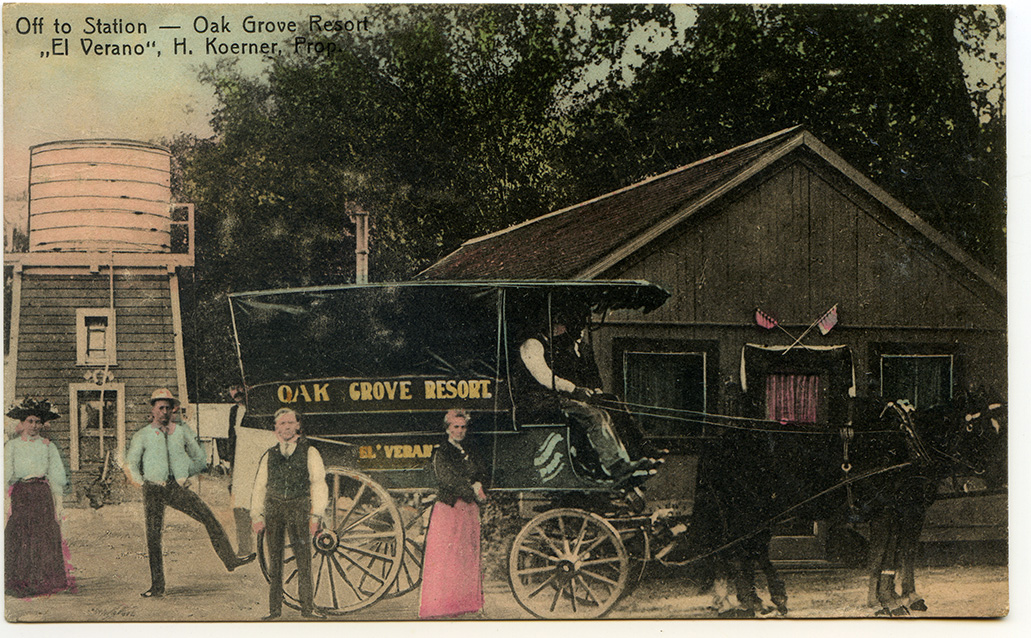
1911
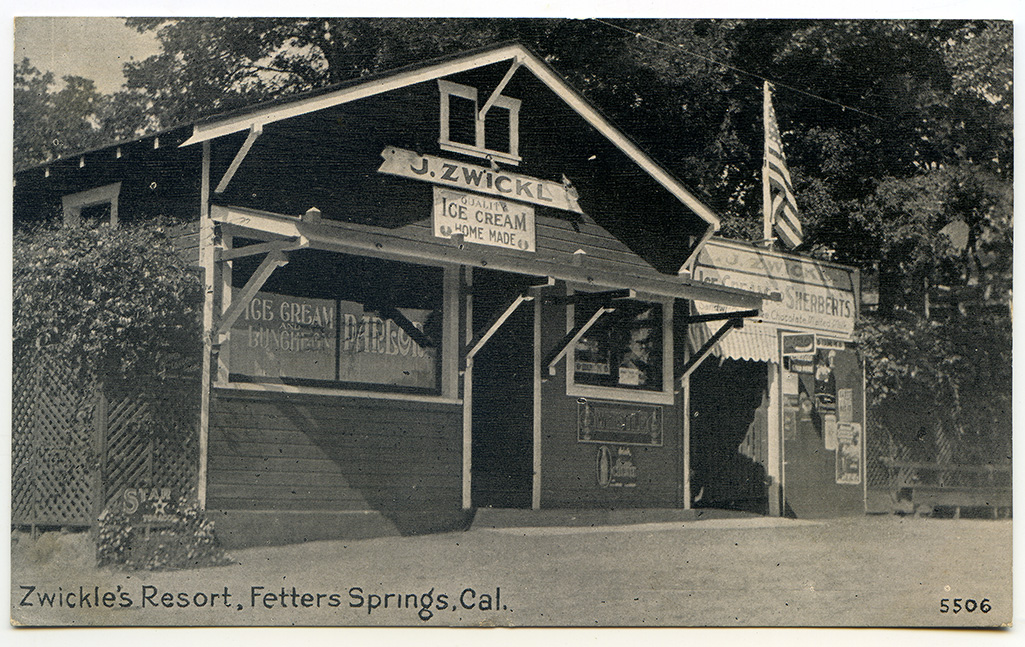
1924, currently the “Aviel” building at Mt. Avenue
 springs museum