Architecture, Boyes Hot Springs, History, People

John W. Minges, the “mayor” of Boyes Springs

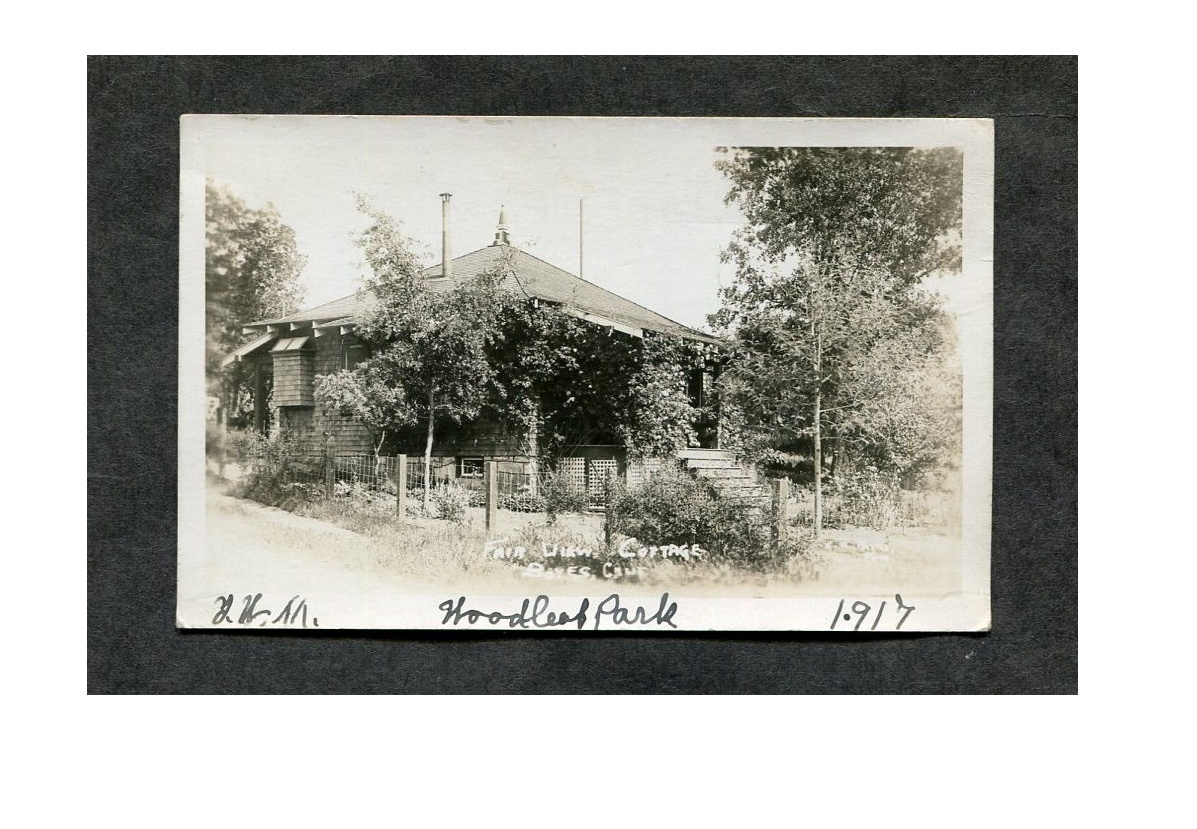
J.W. Minges was a prominent business man and property owner of the Boyes Hot Springs community from 1905 through 1927.

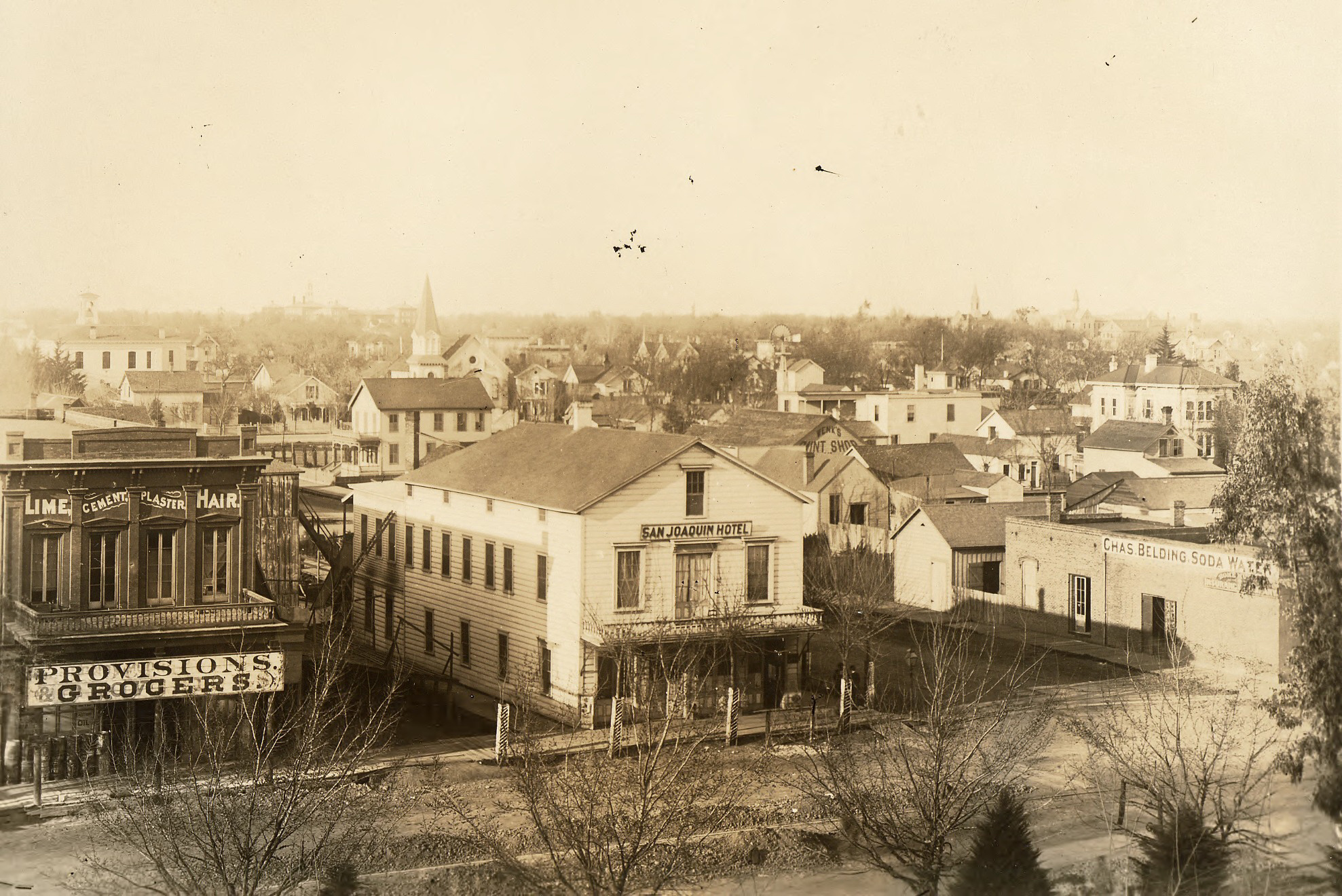
According to the 1920 census, John W. Minges was born in Arkansas in 1845, although his obituary says New Orleans. He came to California with his family by ox team in that year, over the southern route, to Los Angeles. They later moved to Merced,  then Stockton, where he lived for many years and operated the San Joaquin Hotel.

San Joaquin Hotel, Stockton, circa 1875. University of the Pacific Library.

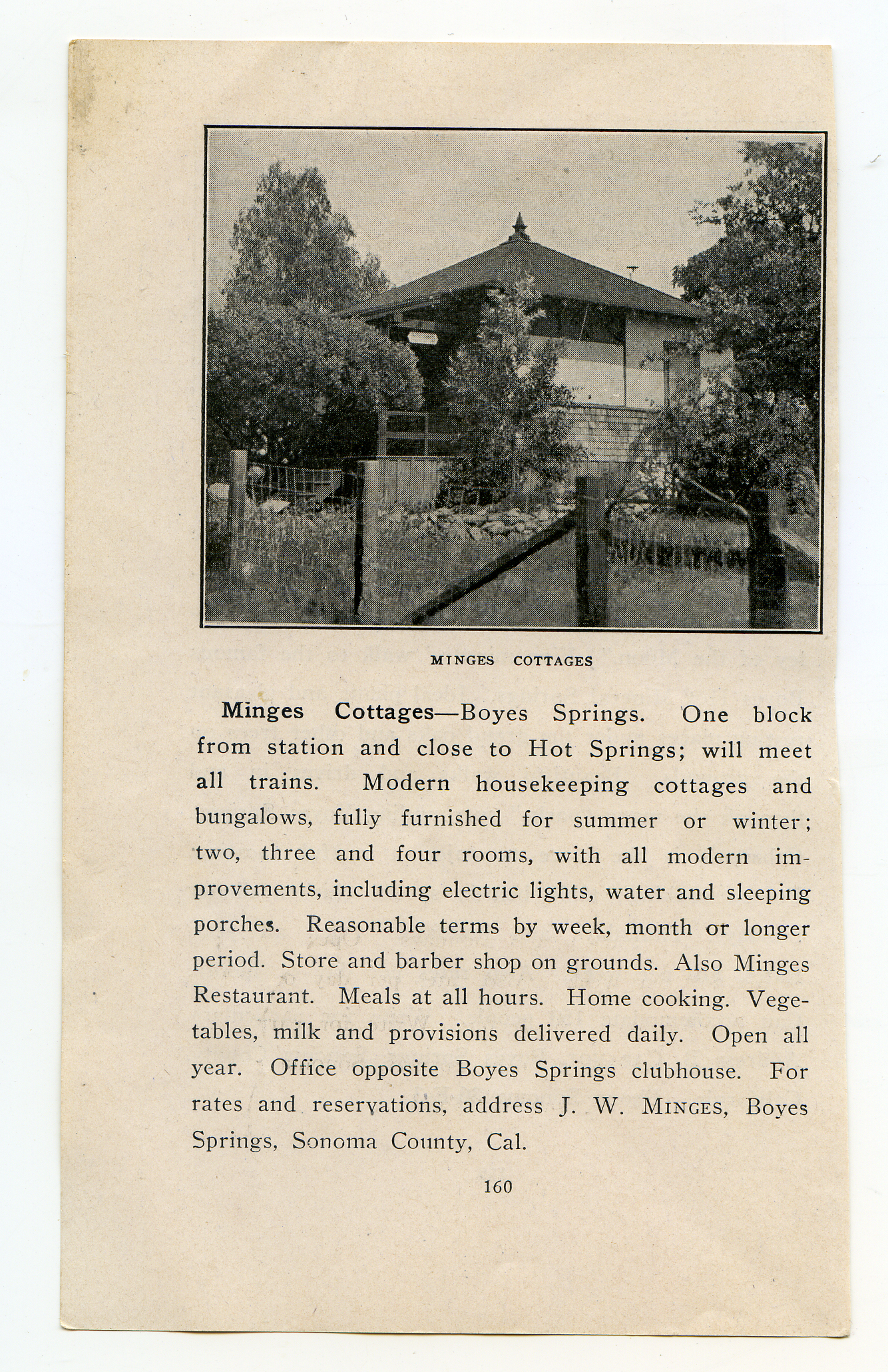
In 1905 he moved to Boyes Hot Springs. There he invested in real estate and built many cottages for the summer trade. His cottages were equipped with “all the modern improvement, including electric lights, water, and sleeping porches,” according to a brochure.

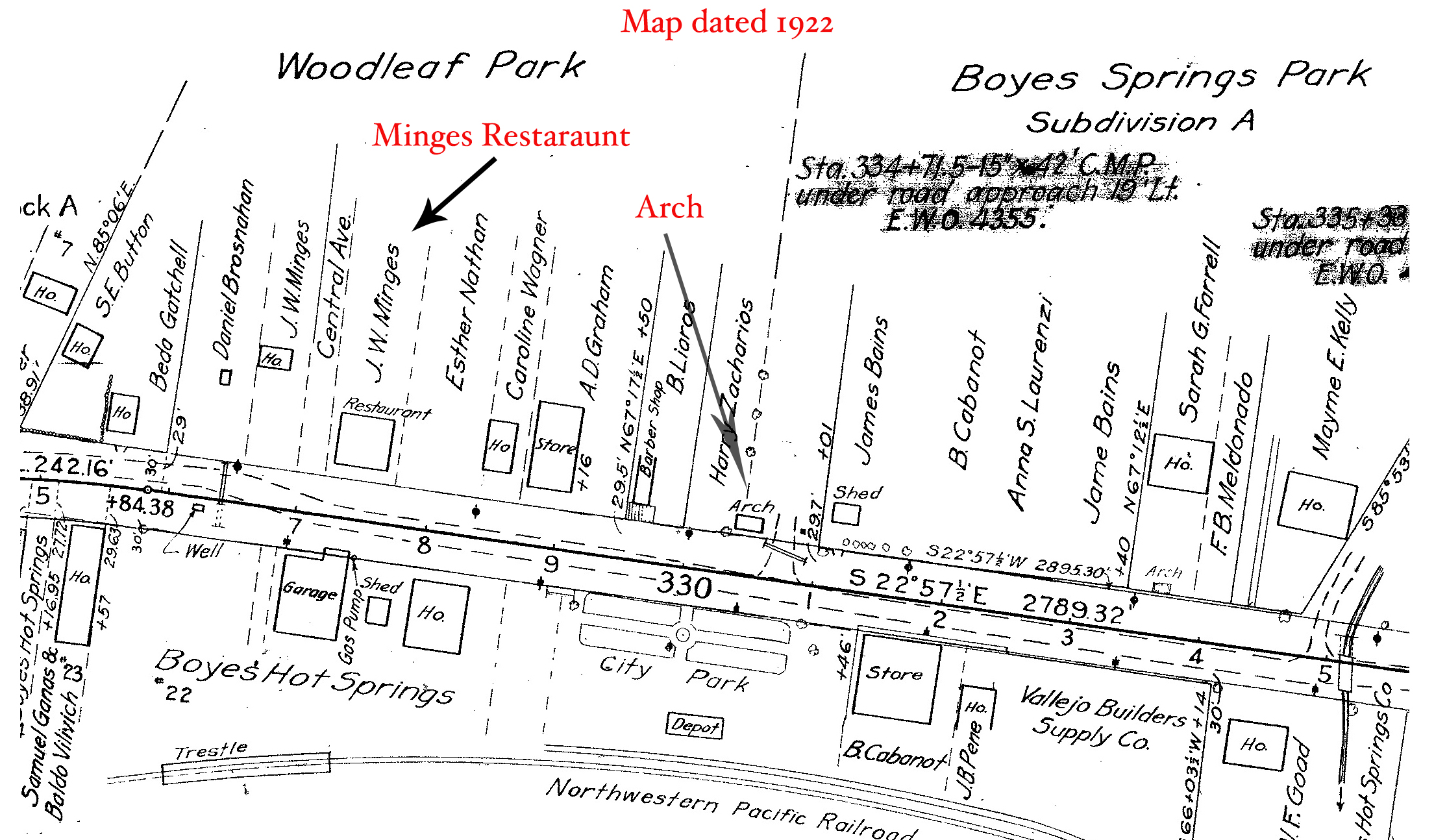
His original restaurant (“meals at all hours”) was located at the corner of Central Avenue and the “Santa Rosa-Sonoma Road,” where the old fire station (Voltaire Electric) now stands.

The sign next to the entry arch for Woodleaf Park advertises Minges “Summer and Winter cottages”. circa 1910. Courtesy of Lloyd Cripps.

In 1922 Minges, as president of the Boyes Springs New Improvement Club, presided over a gala Mayday carnival, which featured a parade, athletics, an airplane exhibition, and a carnival ball.

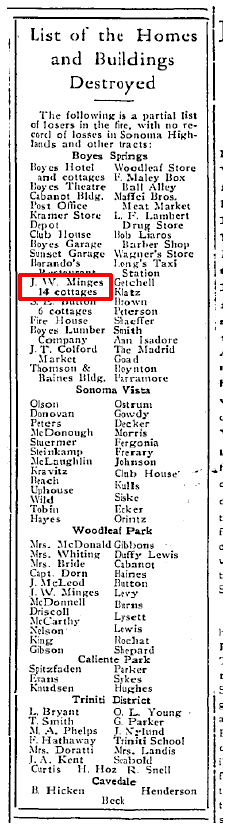
Most of his property burned in the great fire of 1923, but he started to rebuild immediately. “Boyes will rise from the ashes again,” he said in the Index Tribune. “Fire cannot rob us of our mineral springs, our climate and the whole-souled people who abide here. No siree!”

He was such a booster of Boyes Springs that he was often called its “mayor” in the Index Tribune.

 Minges died in 1931 in Oakland.


UPDATE/AFTERTHOUGHT

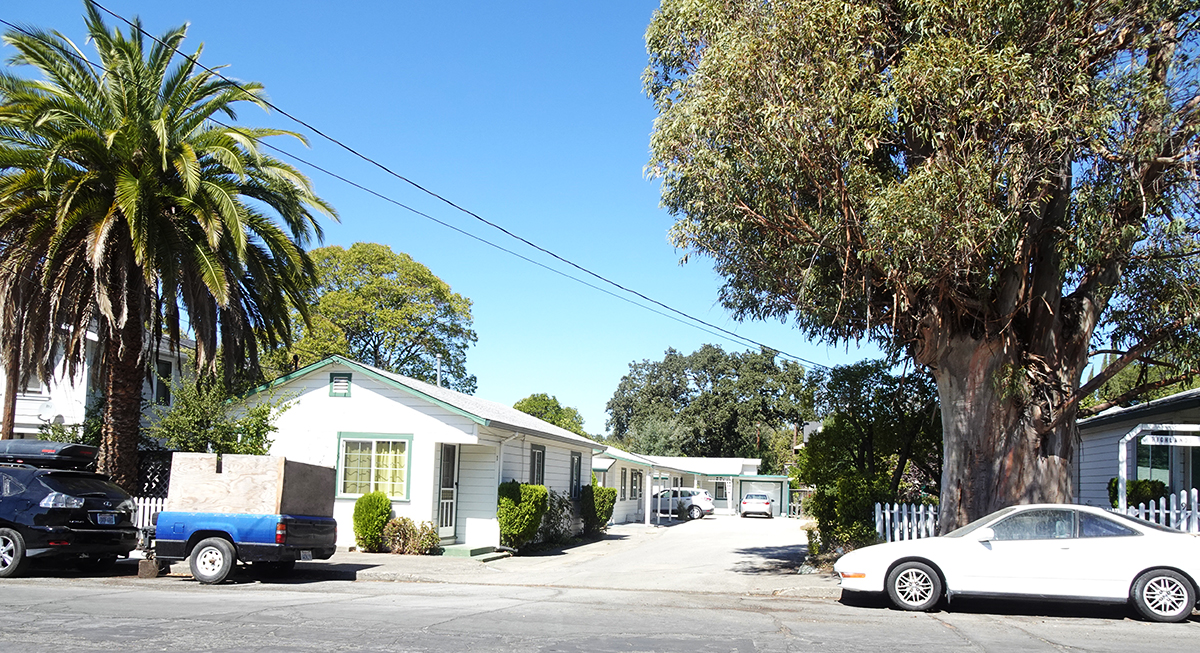
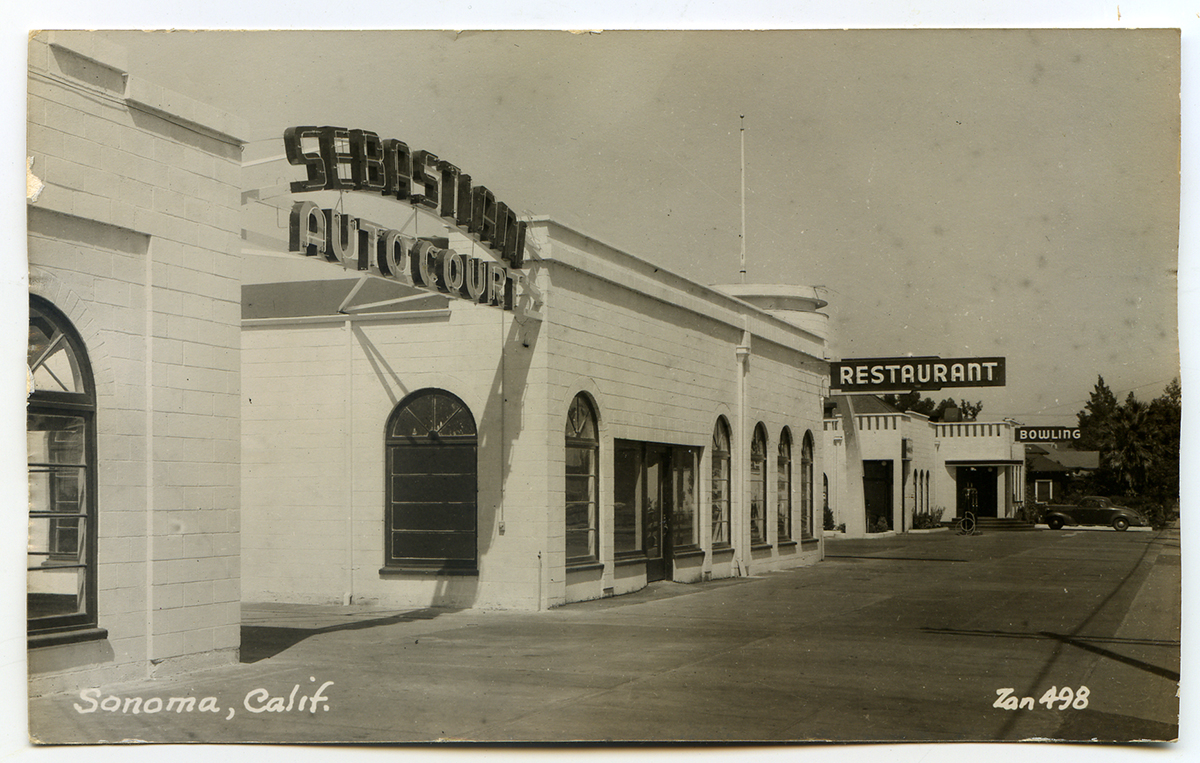
This “auto court” at the corner of Highlands and Vallejo could have been built by Minges after the 1923 fire. Almost certainly it is not a fire survivor. The present-day Vallejo Ave. enters the Highway right at the site of the Arch (see map).


Photos  from author’s collection. Map courtesy Phil Danskin. Index Tribune courtesy Sonoma Valley Historical Society

Standard
Boyes Hot Springs, History, mid-century, People, Place Names/Street Names

The Larsons of Boyes Hot Springs

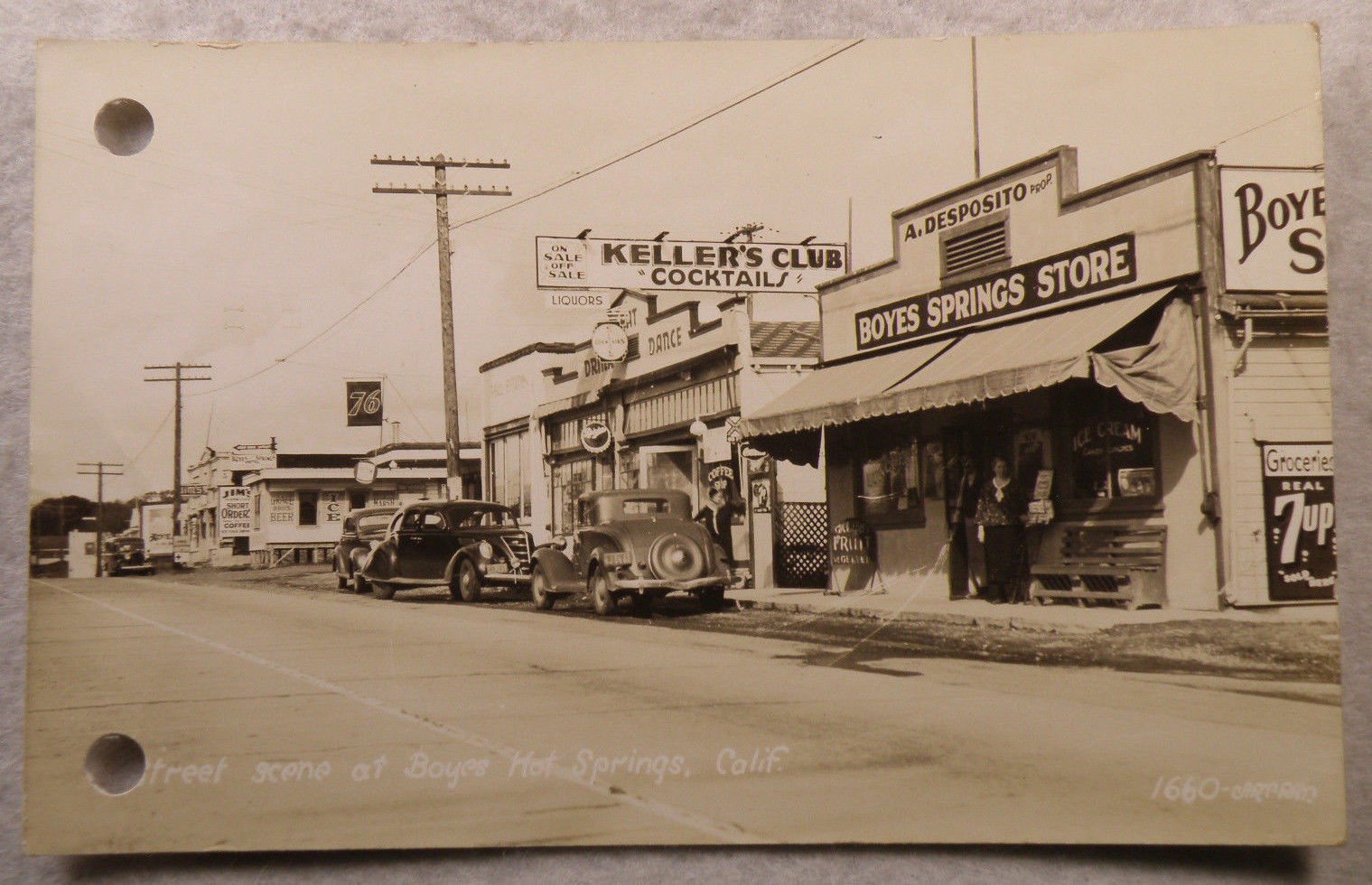
Keller’s opened in 1938. Photo by Art-Ray

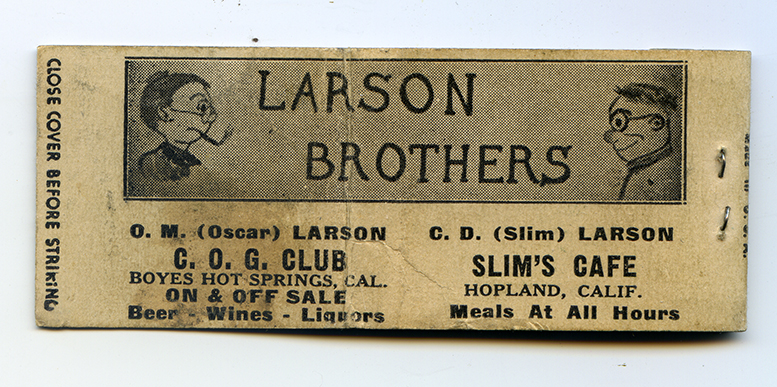
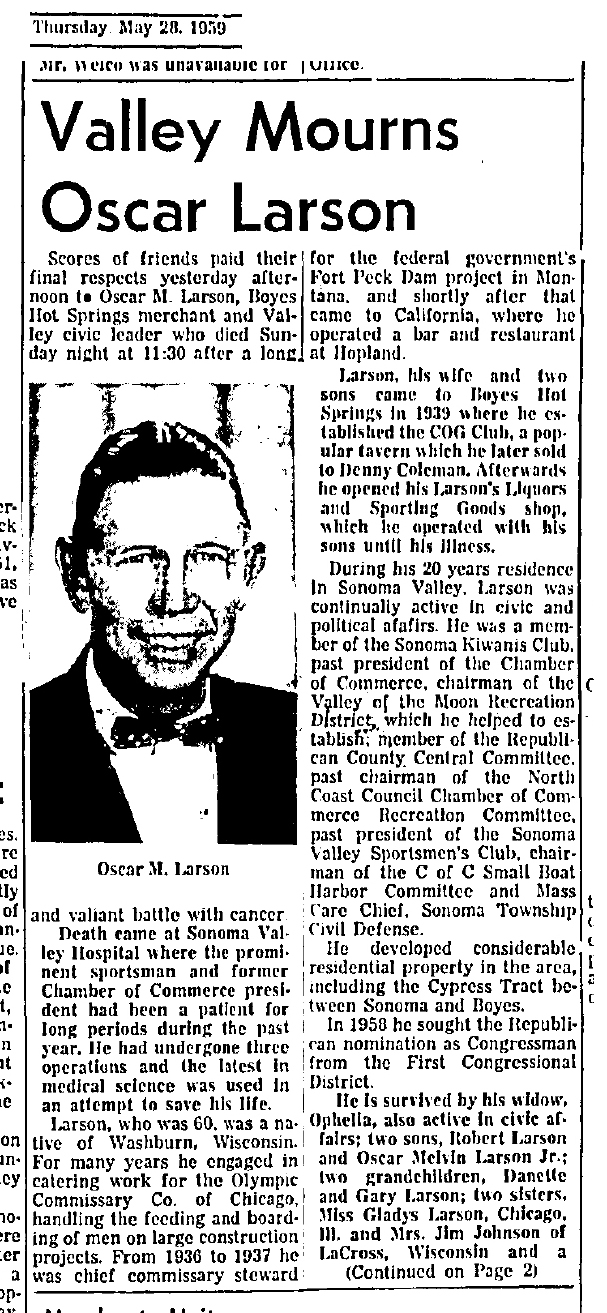
In April of 1939 the Index Tribune reported “The Larson brothers of Hopland have leased “Keller’s” at Boyes Hot Springs.” The Larson family, including Oscar’s wife Ophelia, came to California from Wisconsin around 1939.

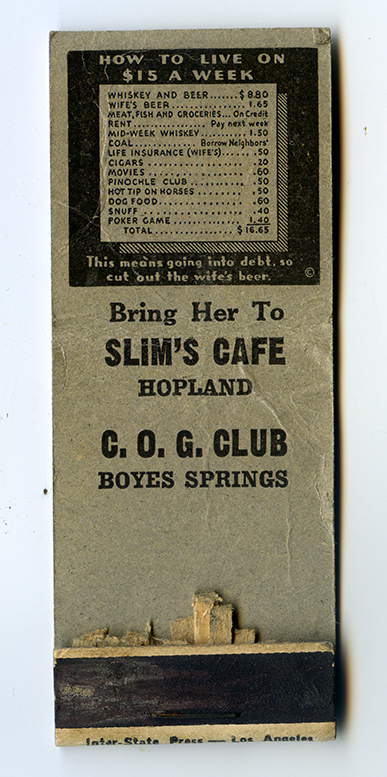
Oscar Larson  promptly changed “Keller’s” to the C.O.G. Club, for Cal, Oscar and Gary Larson. The club was located near the corner of Vallejo St. and Sonoma Highway in the current Barking Dog Roaster space. 

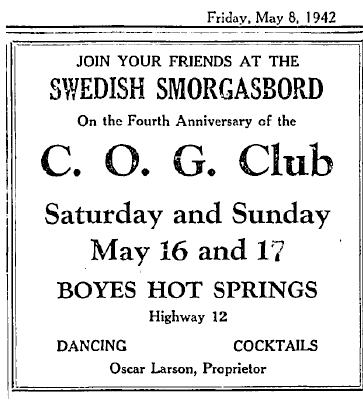
In 1942 they celebrated the fourth anniversary of the club with a Swedish smorgasbord.

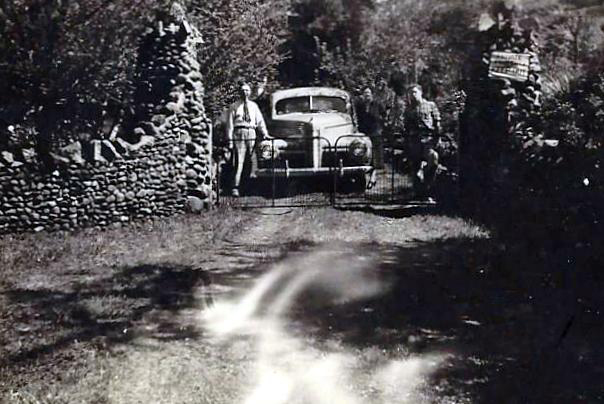
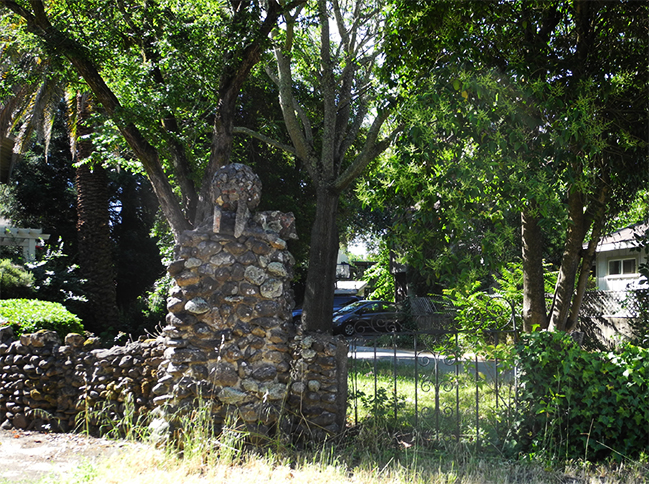
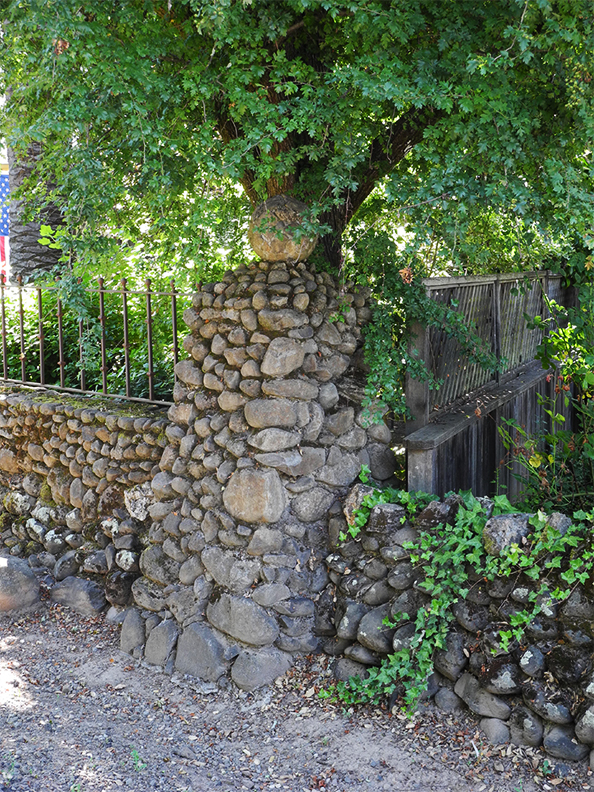
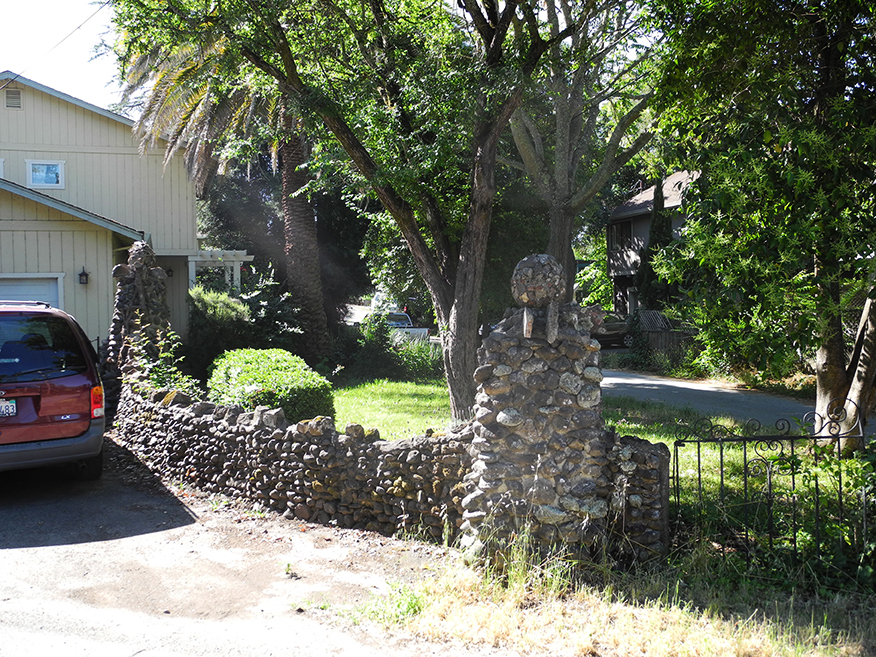
Also in 1939, they bought a stucco house on property near the corner of Verde Vista and Arroyo Rd. in Boyes Hot Springs. The house was known by neighbors as “Larson’s Villa,” and by the Larson family as “Valhalla.” The house still stands in 2021, though the land was sold and subdivided in 1989 and new houses were built. The original stone walls and pillars, some fairly recently restored, still grace the street, and continue to cause curiosity. Other stone work has not survived.

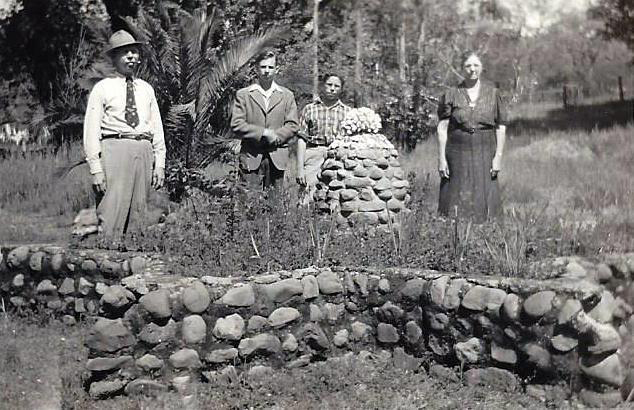
Larson family members called this the “Sonoma Star.”
Entrance to “Larson Villa,” 1942. These gate pillars still stand.

Gary Larson via email, 2018:

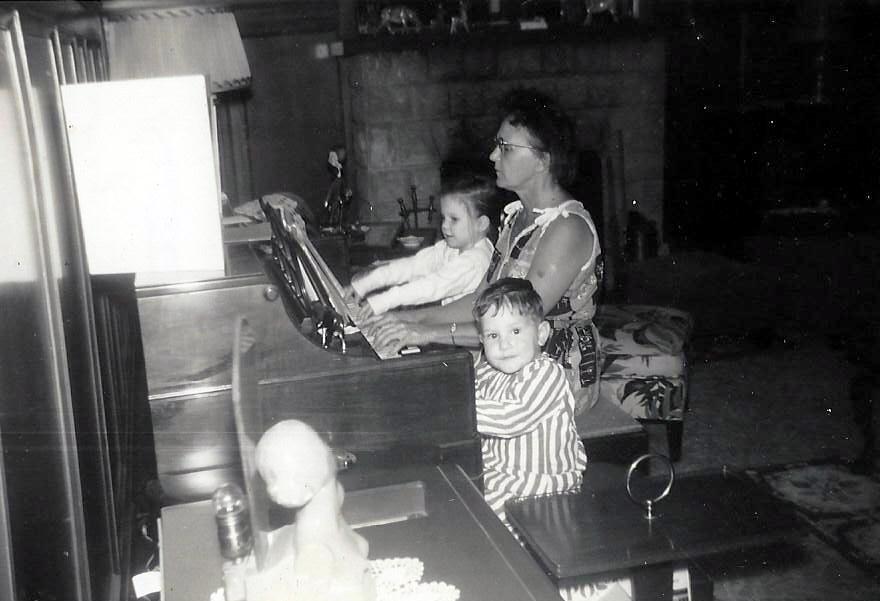
I remember the house well. We visited it as late as 1989 and held a small family reunion there right before they sold it. I believe an article was written in the local paper. I will never forget as kids playing in the canals (See Lily Creek!) that ran under the driveway and the beautiful stone star at the bottom of the hill. There was one big tree that was on the edge of the property that they told us was a redwood. Ophelia’s home was warm. She played piano.

“MoMo” Larson with Gary and Danette Larson.

There was a bar in the corner of the living room for entertainment. There was a grill and huge outside patio and an apartment in the back. She always had a closet full of toys for us kids. We has a wonderful Christmas there one year in the 1960s.

Dad would put us to work raking and cleaning the yard when we would come to visit. Oh to be able to go back and visit my grandmother as an adult…I would have so much fun listening to the stories of their lives.


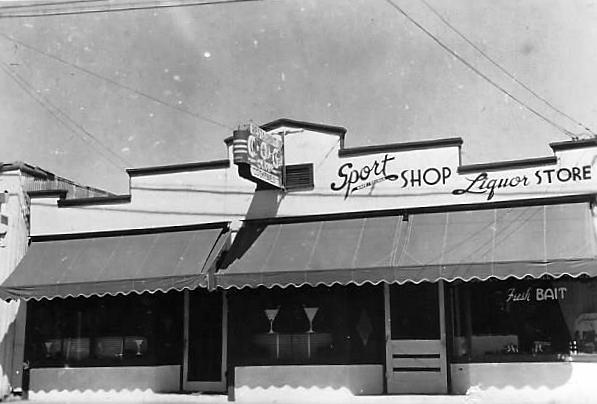
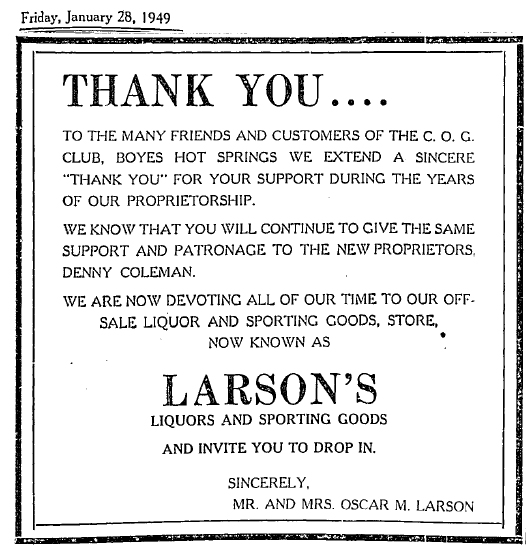
In 1949 Oscar and Ophelia Larson sold the club to Denny Coleman to concentrate on running  Larson’s Sporting Goods and Liquor store, which he had opened in 1945, next door to the club.

Oscar Larson was very involved in civic groups. In 1943 he was elected president of the Sonoma Valley Chamber of Commerce. Other board members included luminaries whose names are still known in the Valley: Rudy Licthenberg, Dr. Andrews, Vic Leveroni, I.S. Shainsky, and John Dowdall.

In 1945 the Valley of the Moon Recreation District was formed. Oscar Larson was appointed to establish the district. In 1951 the district acquired four acres along Sonoma Creek in Fetters Hot Springs for development as a park.  In 1955 the Lion’s Club erected a concrete block building for park use.

Larson Park building at the time of its dedication, 1955.

In 1959, what had been known as “Park #1,” was officially named Larson Park to honor Oscar Larson, who died in May of that year.


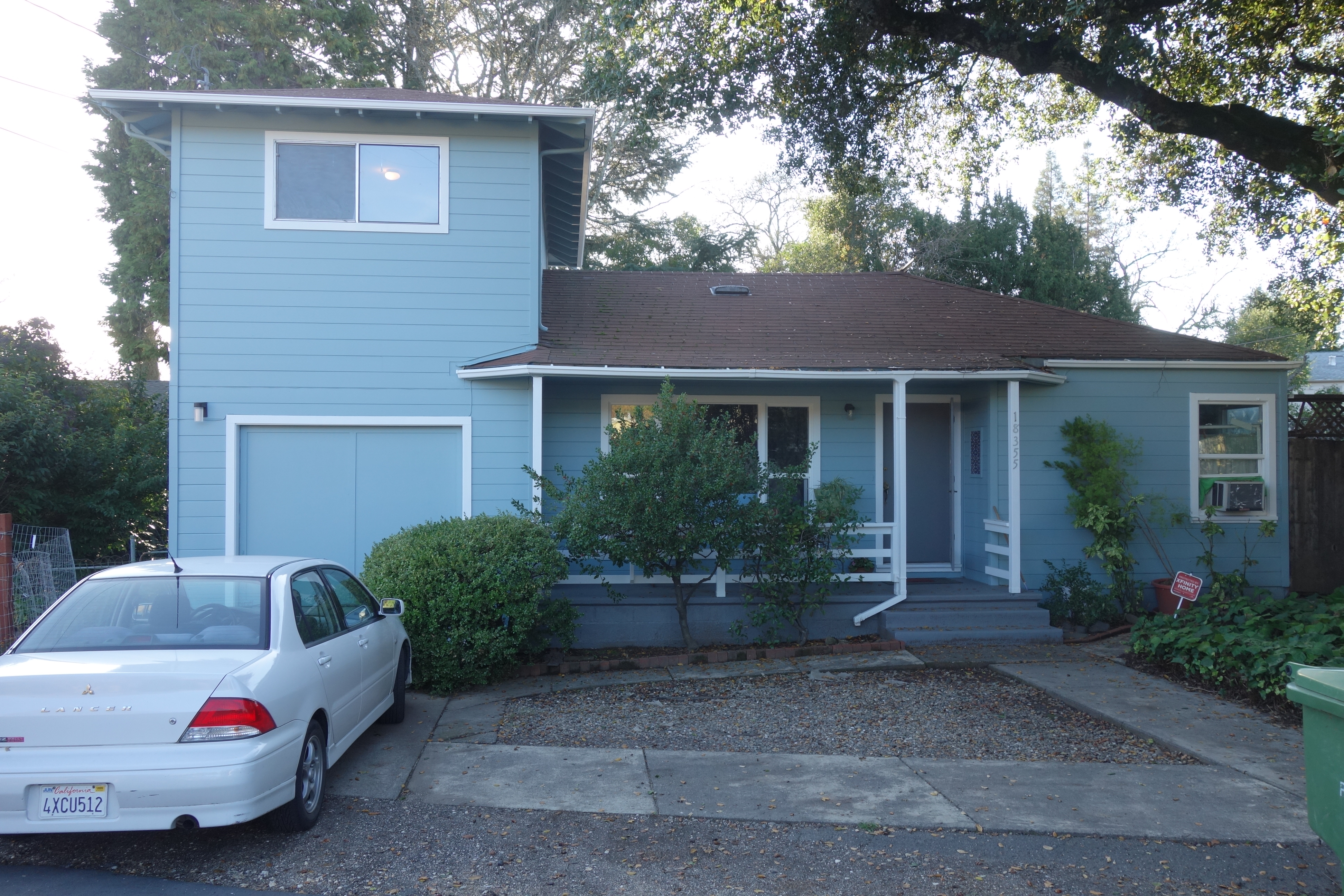
Iris Larson, Gary’s mother, 92 years old in 2019, told me via phone that Oscar bought war surplus houses from Mare Island and brought them to BHS. He installed them on lots he owned on Second Avenue. Some he joined together or stacked.

House on Second Avenue, Boyes Hot Springs, possibly brought from Mare Island by Oscar Larson.

UPDATE: The Larson stonework in 2021.

Photographs courtesy of Gary Larson and author’s collection. Index Tribune courtesy of the Sonoma Valley Historical Society.

Standard
Boyes Hot Springs, History

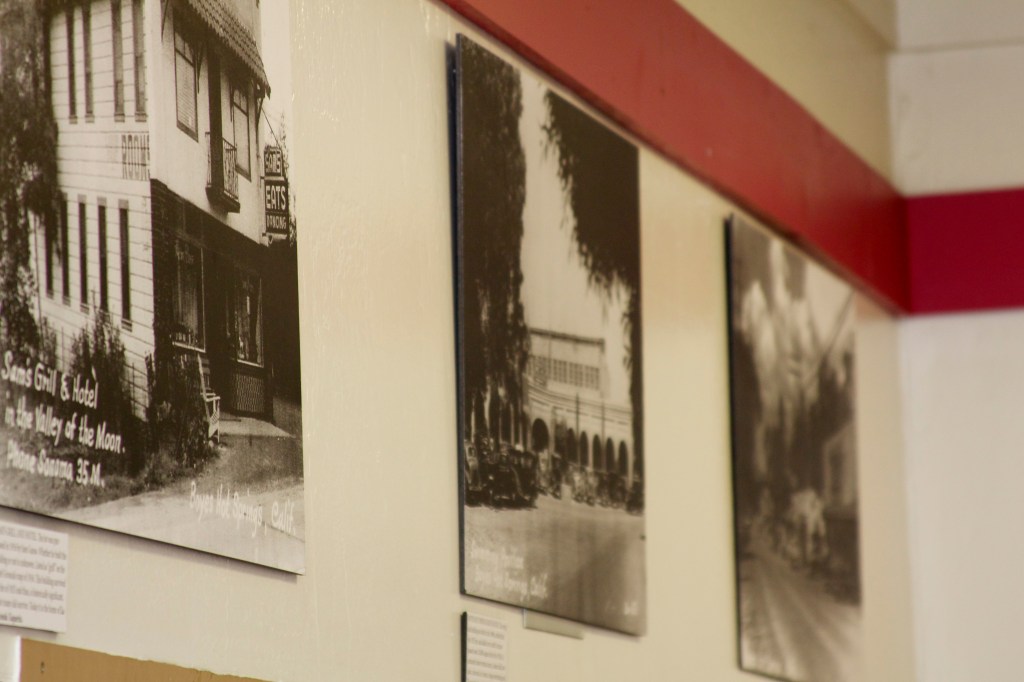
The 114th Anniversary of the Founding of the Boyes Hot Springs Post Office

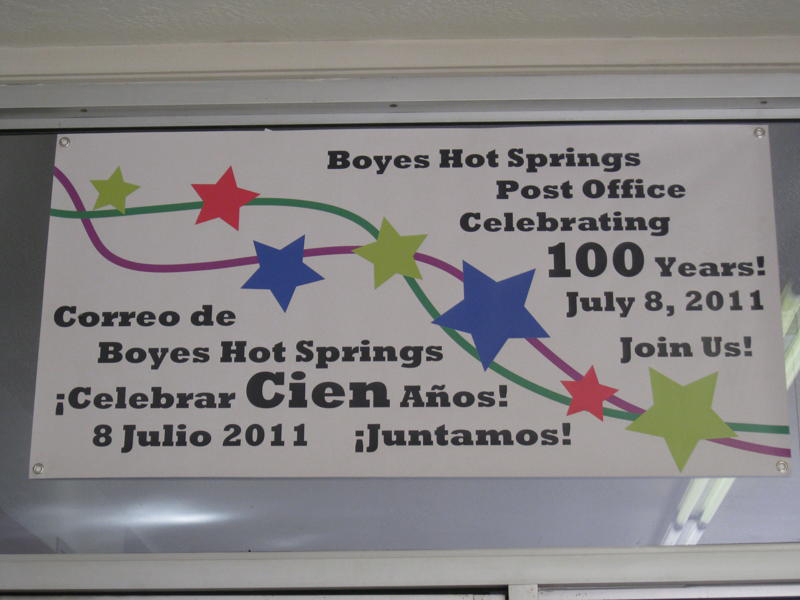
In July of 1911, the Sonoma Index Tribune reported that “A.D. Graham of Graham’s Cash Store received the appointment as post master of Boyes Springs. Located at his store.” The exact date was July 8, 1911. The building was located where the old “Uncle Patty’s” was, near the corner of Boyes Blvd. “spur” and the Highway, adjacent to the railroad depot.

That building was lost, along with most of the town in the fire of 1923. After rapid rebuilding, the post office was located in the Woodleaf Store https://springsmuseum.org/2018/11/07/the-woodleaf-store-big-three/. It stayed there until 1951. The Woodleaf became the Big Three Diner, part of the Sonoma Mission Inn. The post office relocated to the Plaza Center building at Sonoma Hwy. and Boyes Blvd. when it was built in 1951, where it is today. Prior to 1951 this site was known as the Boyes Springs Plaza and was the scene of street parties and fiestas.

GrahamsStore-web
A.D. Graham was the first postmaster. Originally known as Pioneer Grove, the name was changed to Boyes Springs, then Boyes Hot Springs. Courtesy California State Library

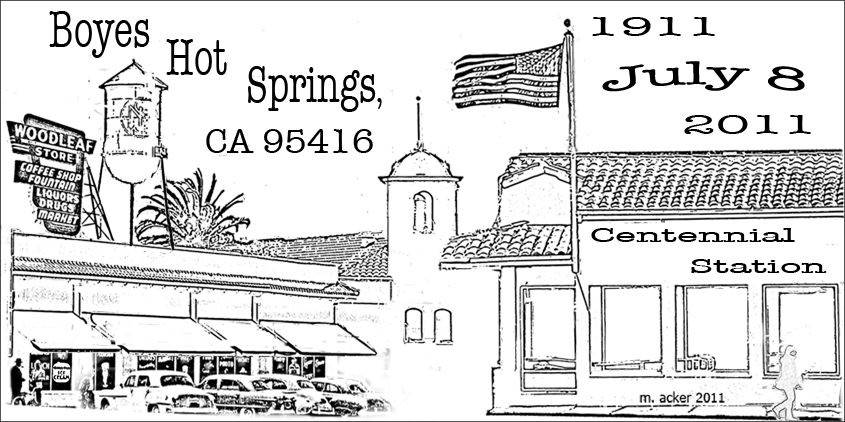
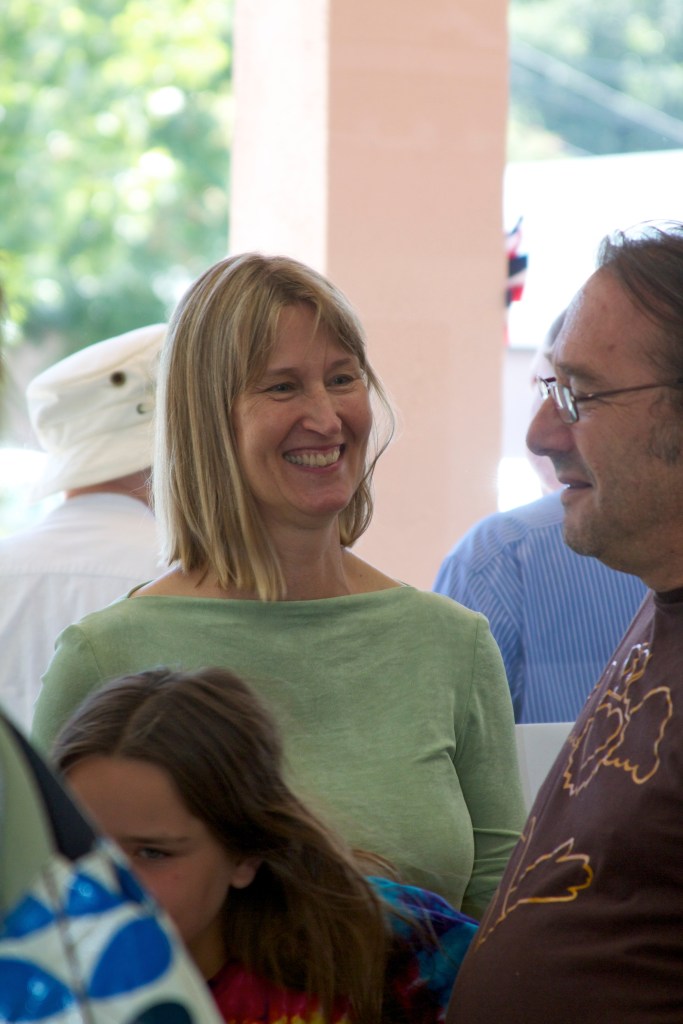
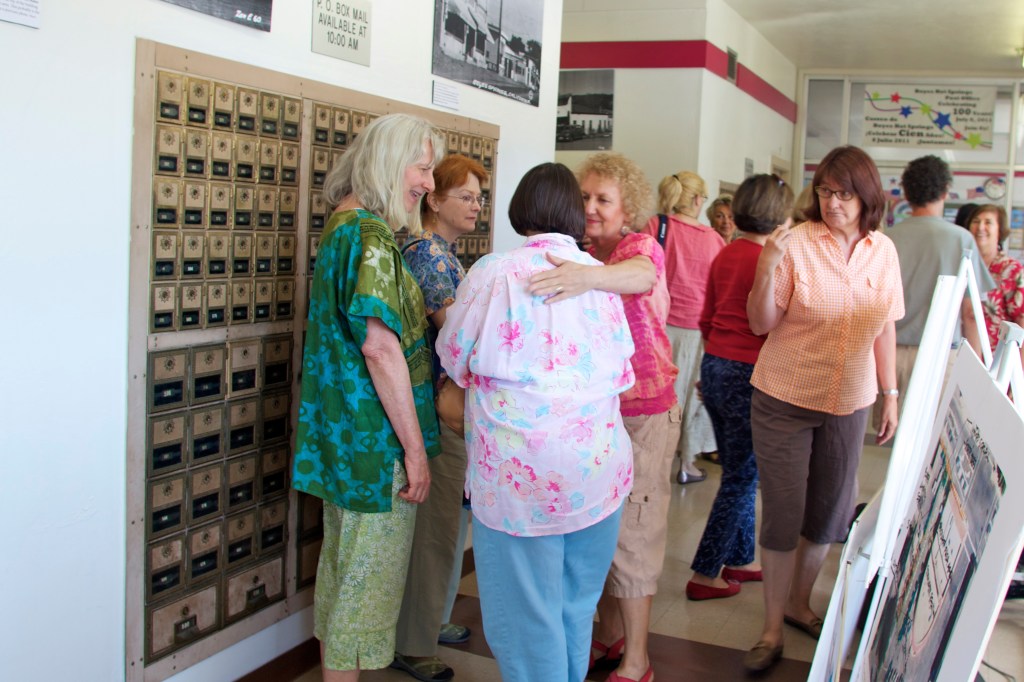
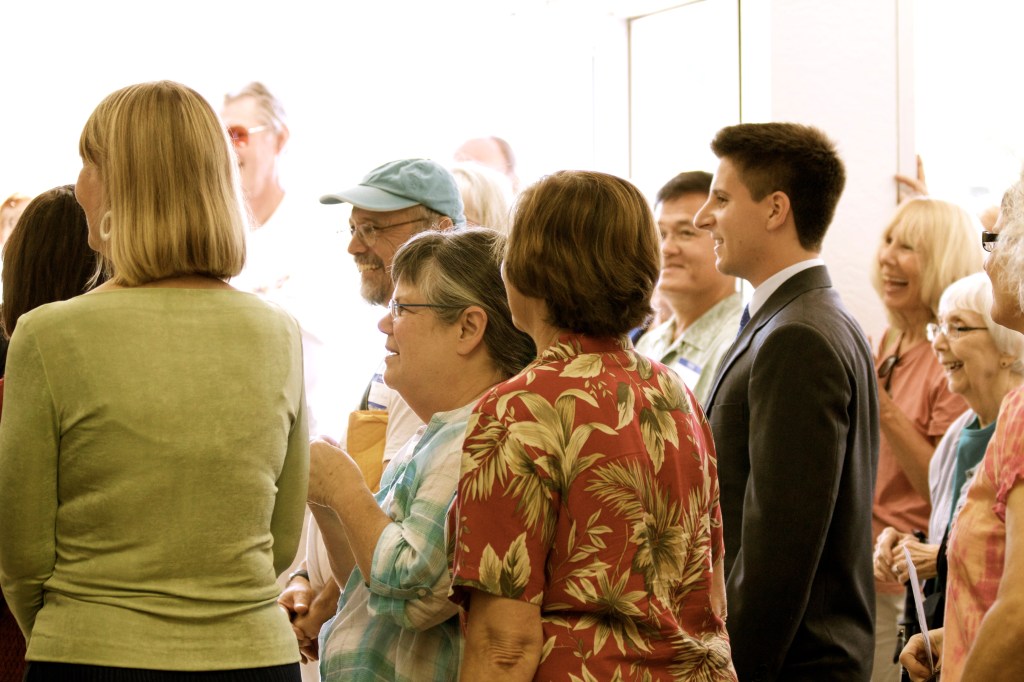
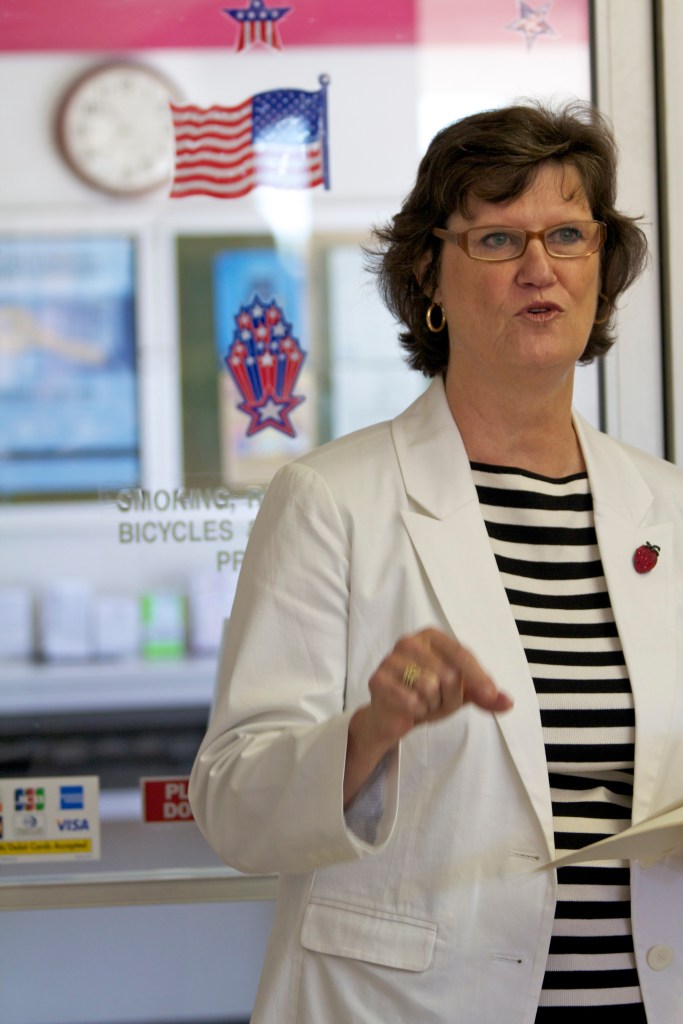
In 2011 we celebrated the centennial. To produce the joyous event, we had the help of the USPS and its employees, Sonoma County, the owner of the Plaza Center building, Kickstarter donors, the Springs Community Alliance, and many volunteers.

Centennialcoverfinal
psotmarkdesign3linesm

Hi Stacie an Zuli!

Standard
Architecture, Boyes Hot Springs, History, mid-century, Now and Then

KRAMER’S INN

Updated Below

2021

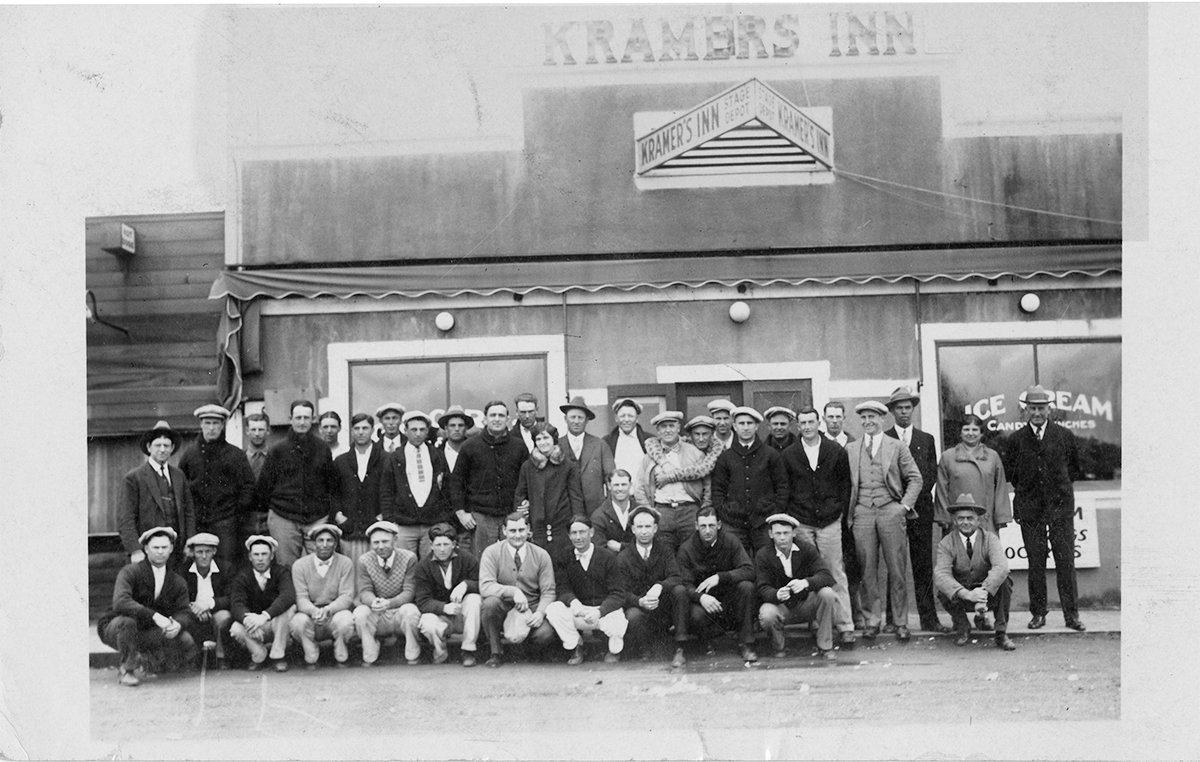
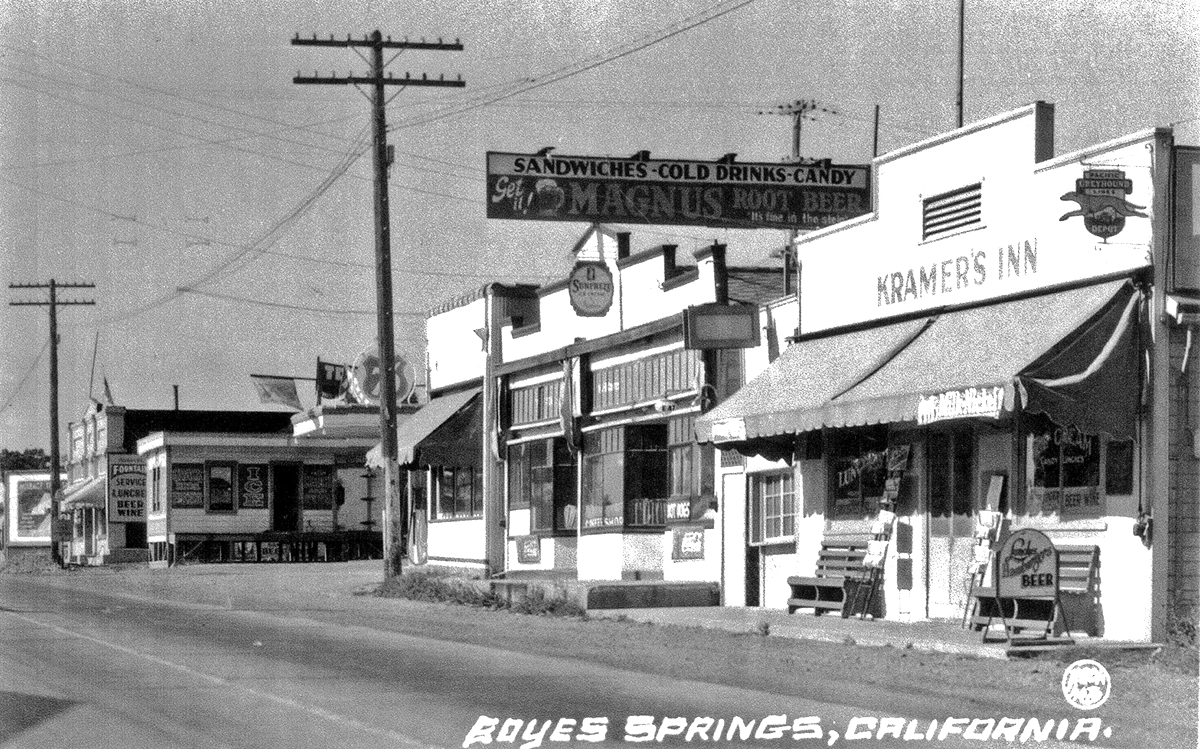
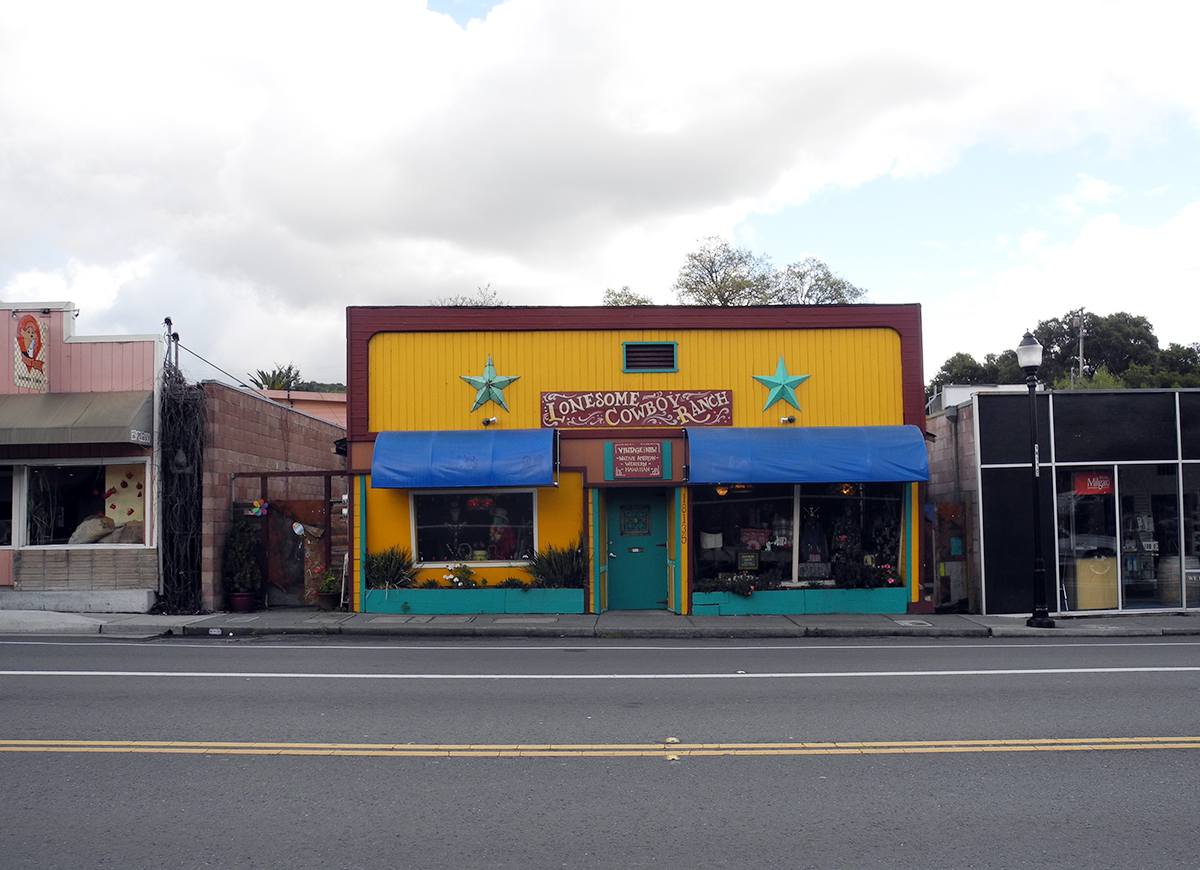
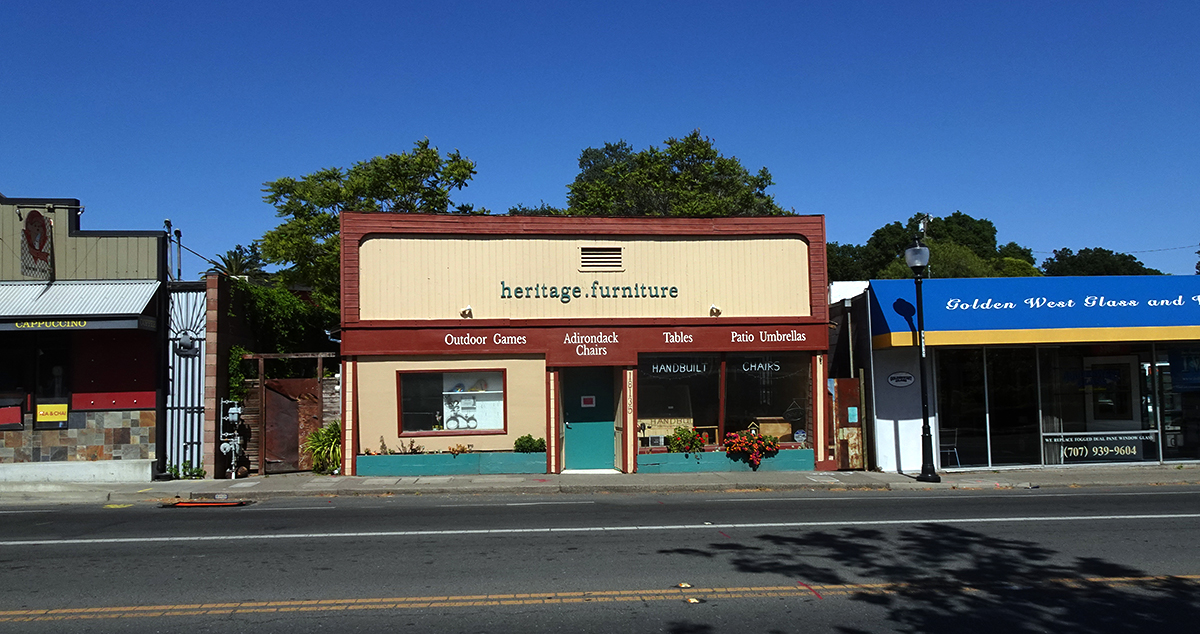
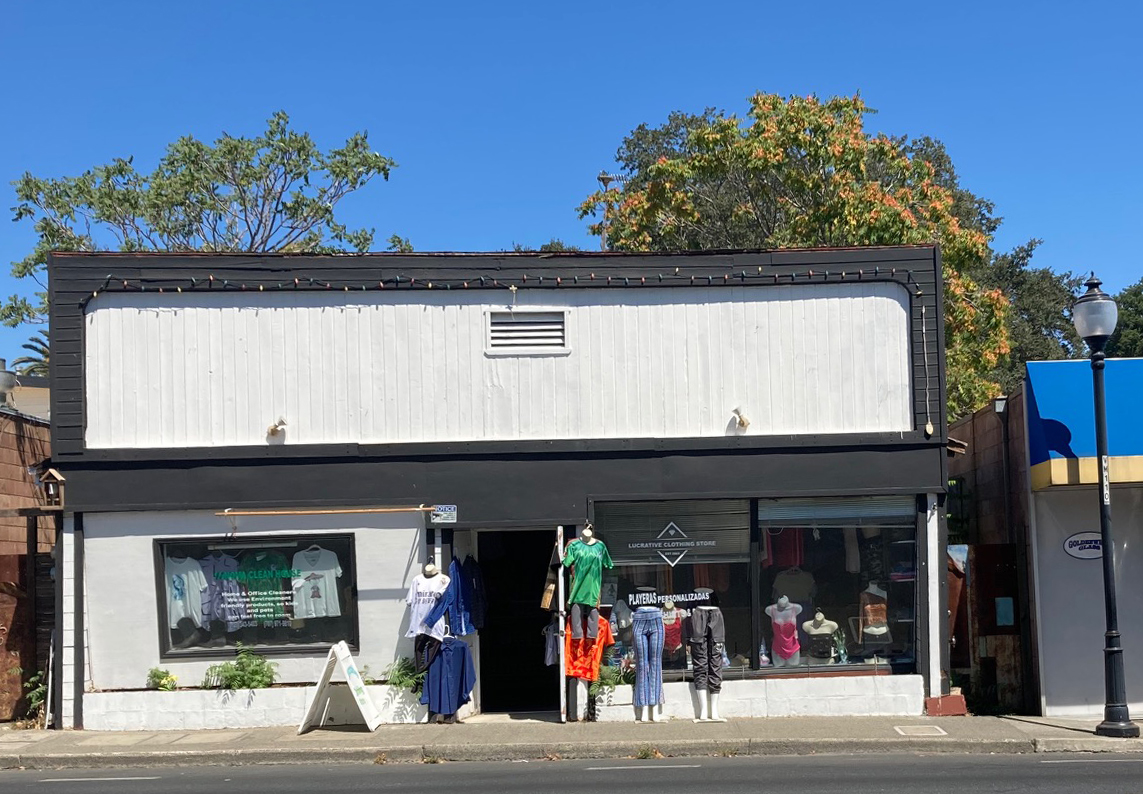
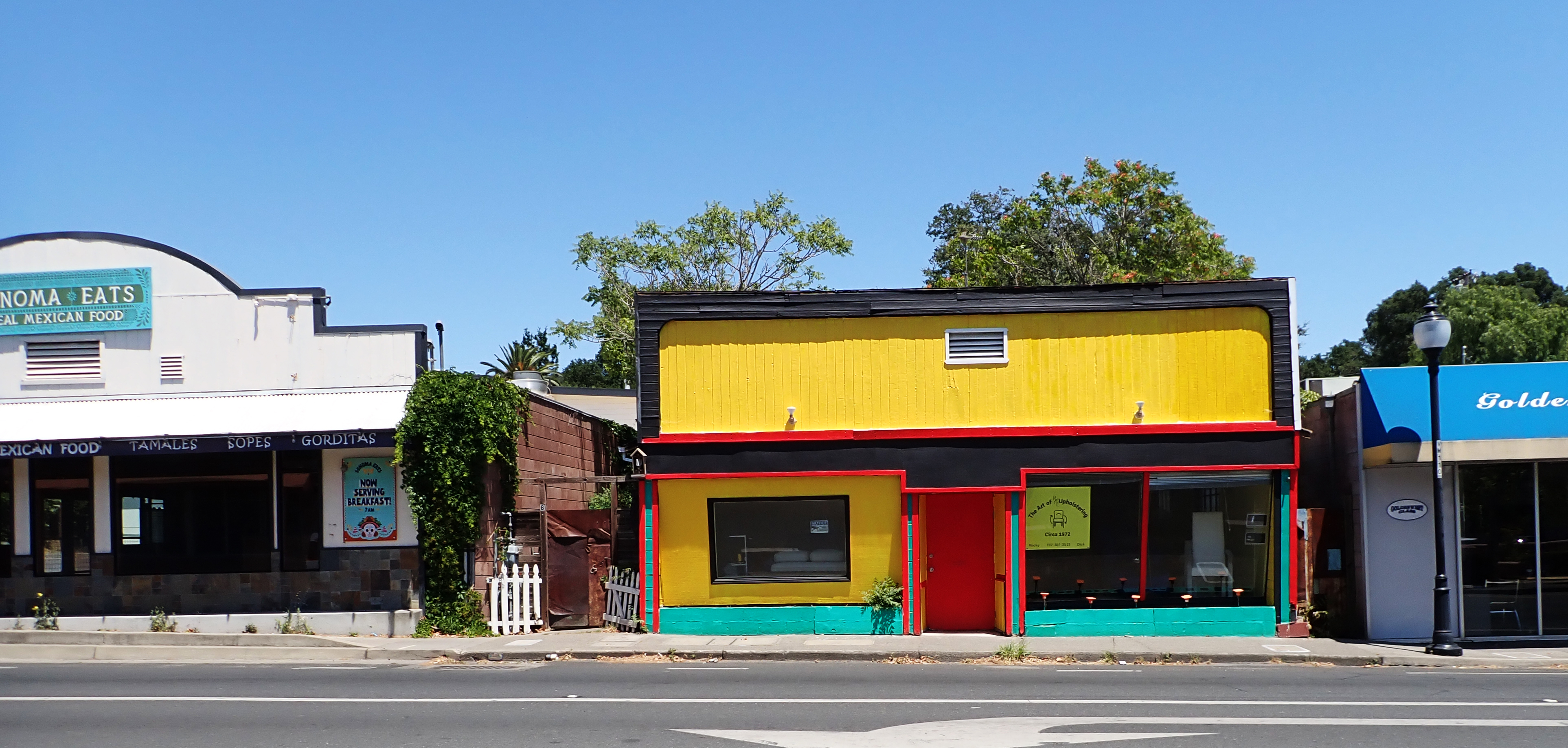
The building now know as 18135 Highway 12, in Boyes Hot Springs, is one of the oldest commercial buildings in the community. The original business, Kramer’s Inn, goes back at least to 1918. That building was destroyed in the great fire of September 1923 and the current one dates from that year.

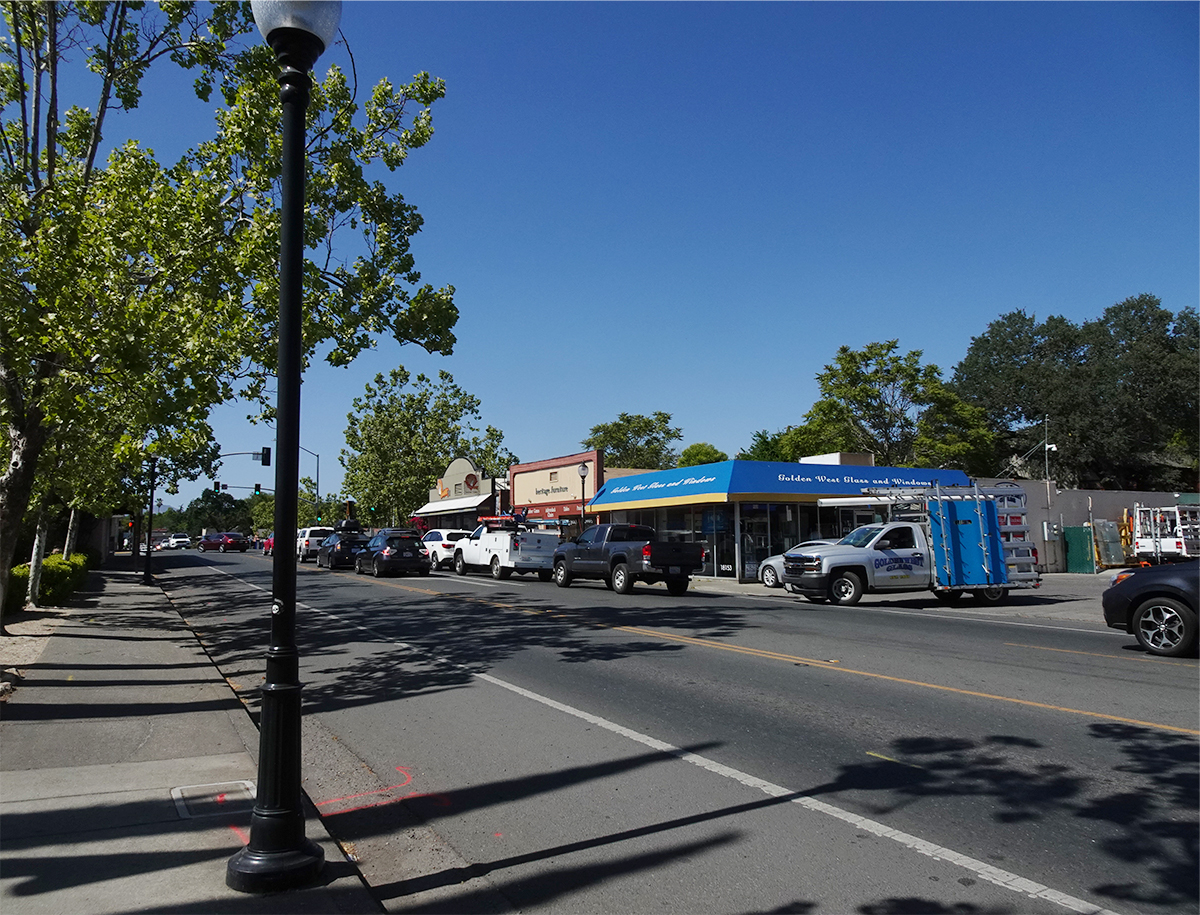
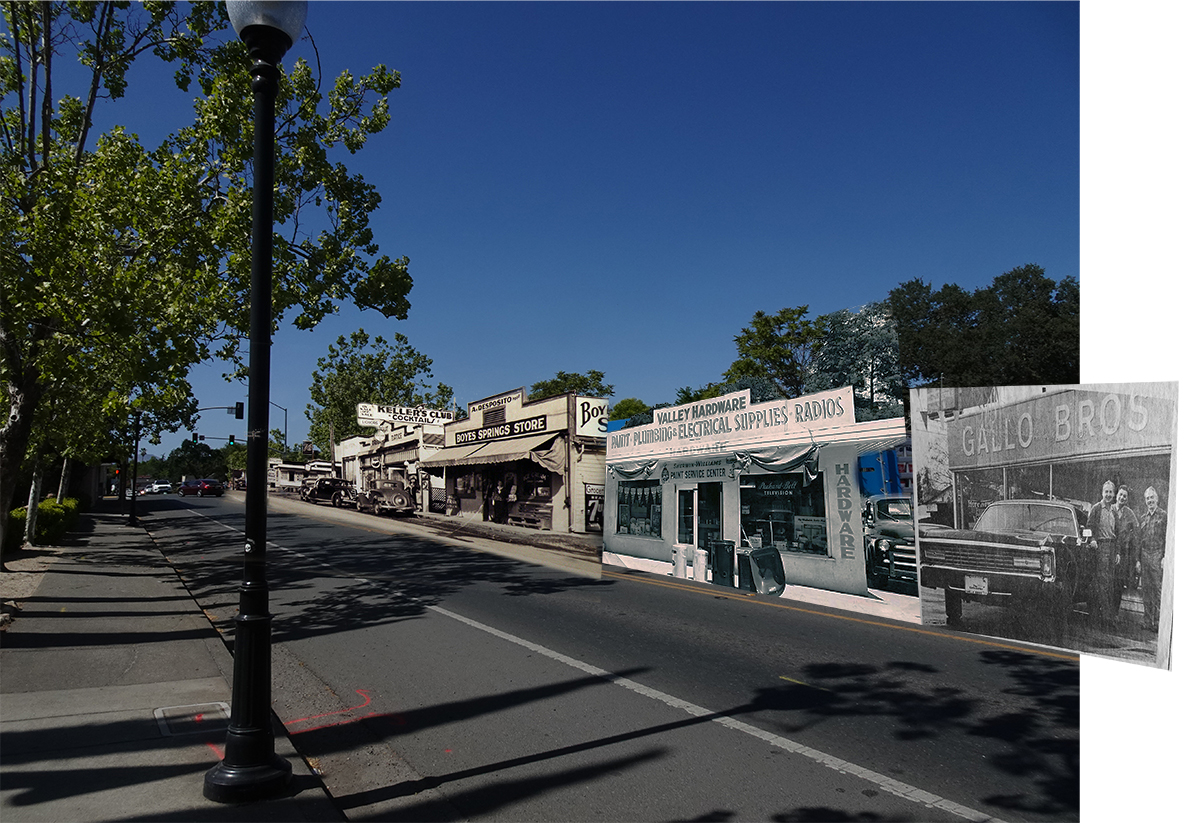
1938, 1950s, 1960s, 2021. Valley Hardware was in a building where the glass company (blue awnings, top photo) is now. It was right next to Gallo Bros. car dealership. This composite shows the building after it was sold to Esposito. Read on.

The sign says “Kramer’s Inn, Stage Depot.” Before or after the fire of 1923? The top of the façade looks like the later building, but we don’t know that he didn’t rebuild to duplicate the one that was destroyed. Anyway, what an interesting bunch of folks. All men but two. I particularly like the two guys in the center, one draping his arms over the other.What occasioned this group photo?

Probably 1920s. Notice the Greyhound sign top right.

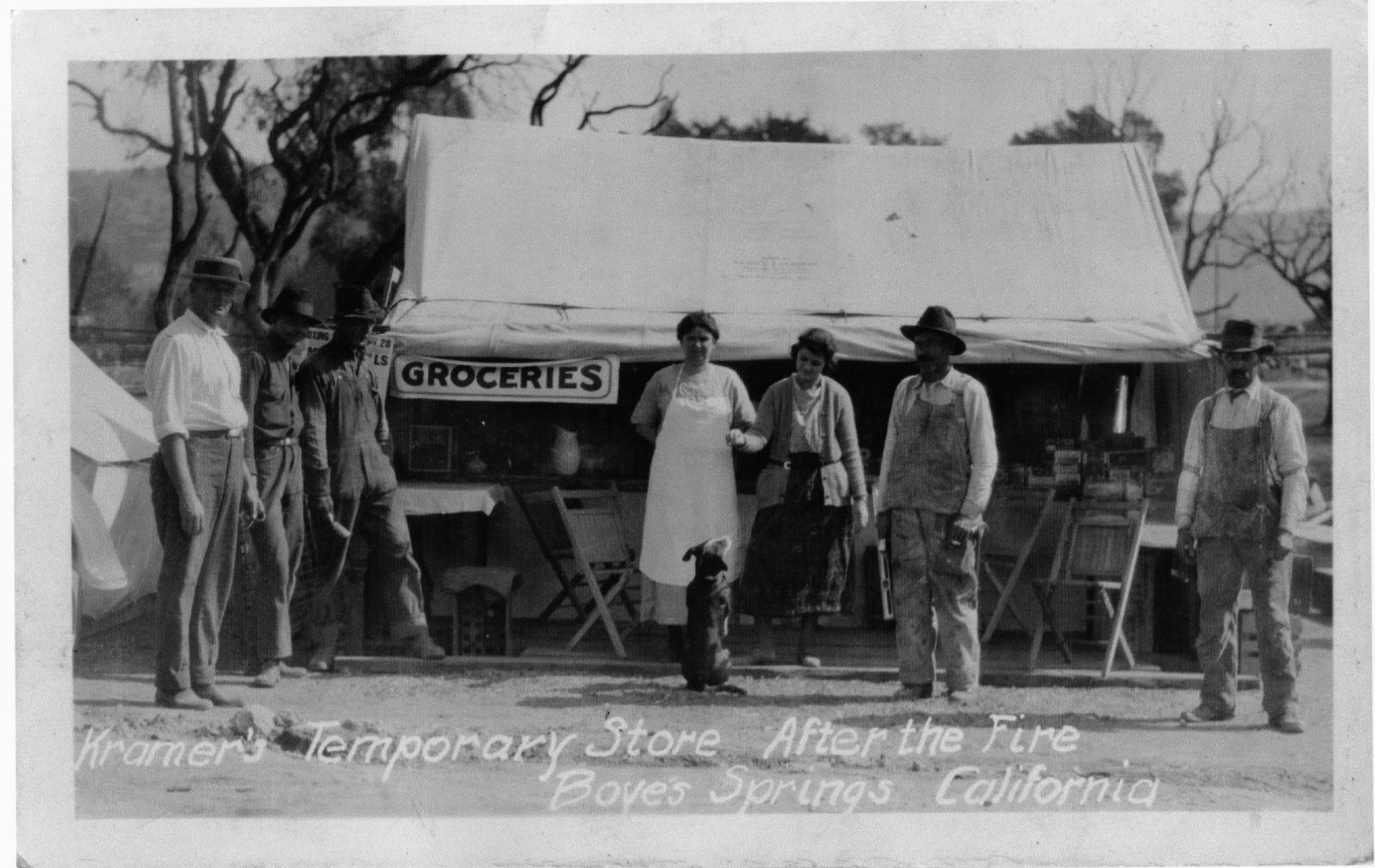
Immediately after the fire there was great determination to rebuild. Kramer set up his temporary store right away.

“The ashes at Boyes Springs were hardly cold before many of the enterprising property owners and business people began to re-establish themselves and put up buildings. Kramer, the grocer is doing business in a tent and will rebuild at once.” Index Tribune September 1923. October 20, 1923: “The Kramer store is nearing completion and many other improvements are contemplated as soon as the new state highway grade is authoritatively established.” Yes, this is incredibly fast construction! Remember, no permits were required.

In 1924, Kramer improved the store with a stucco front. In 1930, he became Greyhound agent for the Springs.

Noble Kramer was born in 1878 in Ohio. He came to California with his wife Luisa and daughter Lucille sometime before 1920. He had some political ambitions. In 1942 he ran for judge but was not elected. He ran for judge and county clerk several times without success, and applied to become the postmaster of Boyes Hot springs in the year the job was awarded to Marion Greene, of the Woodleaf Market.

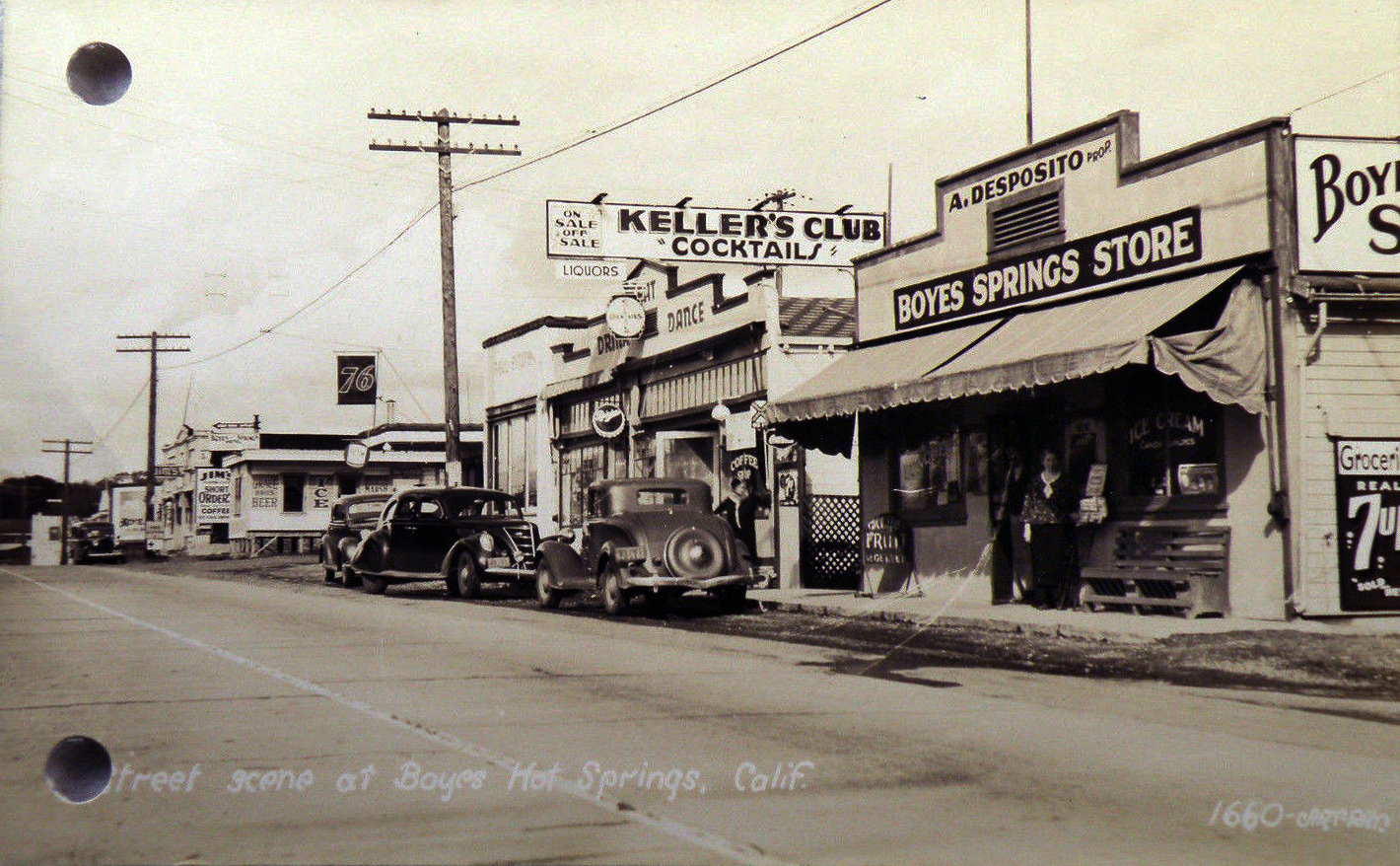
In 1938 Kramer sold to A. Desposito who renamed it the Boyes Springs Store.

Photograph by “Art Ray.”

Noble Kramer Died 1948.

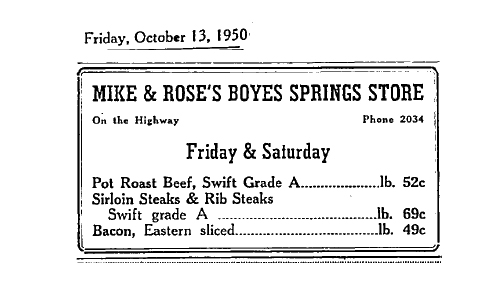
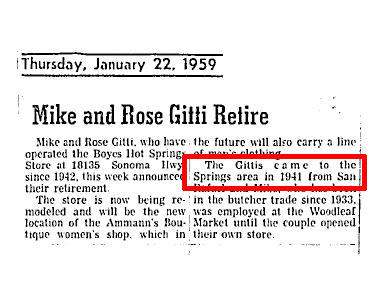
In 1942 Mike and Rose Gitti took over and ran the store as Mike and Rose’s Market. They retired in 1959. At that point (in 1959)the IT says  “The store is now being remodeled and will be the new location of the Ammann’s Boutique women’s shop, which in the future will also carry a line of men’s clothing. The Gittis came to the Springs area in 1941 from San Rafael and Mike, who has been in the butcher trade since 1933, was employed at the Woodleaf Market until the couple opened their own store.” IT Jan 22, 1959

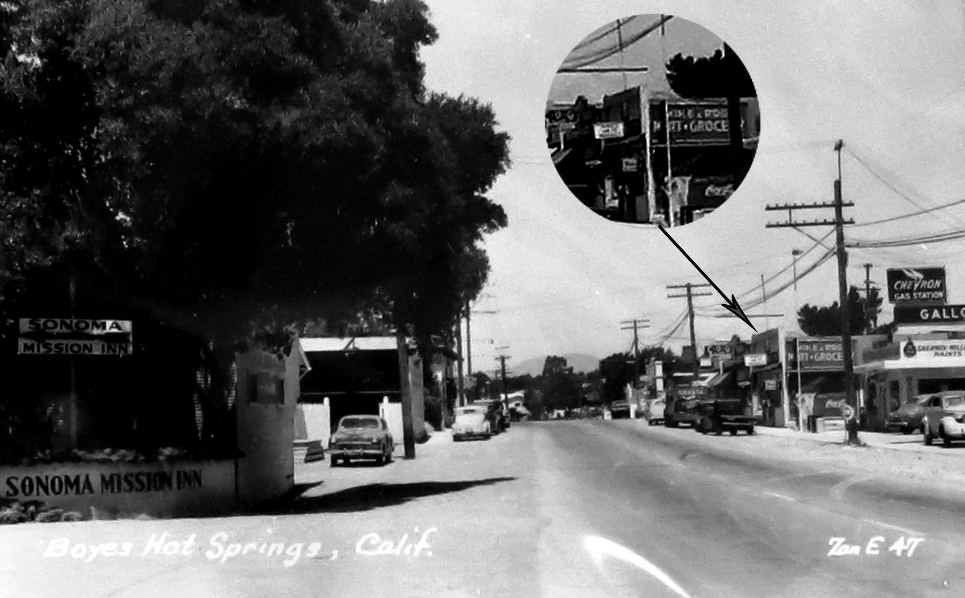
Zan Stark photo showing Mike and Roses’ Market across the street from the Sonoma Mission Inn and next door to Valley Hardware and Gallo’s. It’s difficult to see but the hardware store has a Sherwin Williams “Cover the Earth” sign.

After 1959 there is a blank in the record.

We pick up the trail again in 1973. In June of that year the building housed The Bookworm used bookstore.

In August of 1975 we find Pam’s Professional Grooming in residence.

July 1977 finds Crafty’s, a store selling dolls, dollhouses, and little bitty furniture.

February, 1978 Better Homes Realty takes over the space. They remain until December of 1979, when Bill Coombs, real estate agent, puts his franchise up for sale for $6,000.

Apparently that did’t work out because Coombs transitioned into the used record business using his former realty office. In March of 1981 he transferred that business to Jared Simpson who operated it as “Love Me Two Times” (obviously he was a Doors fan.)

The next mention in the IT is in 1991, when it was listed as a residence in a crime report.

It was again vacant of businesses, as far as we know, during the years-1990-2005.

In the 21st Century

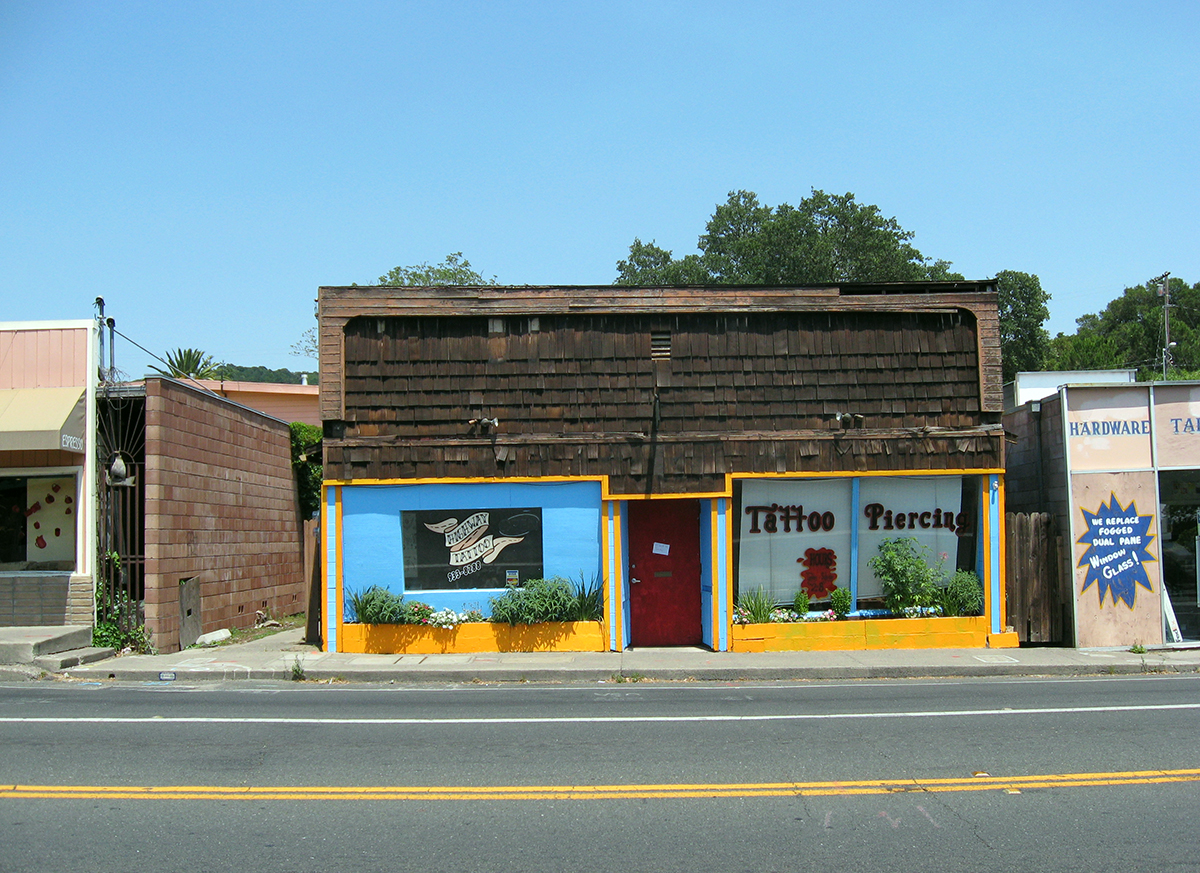
Jim Valavanis opened his Tattoos parlor in July 2005. It closed in 2009.

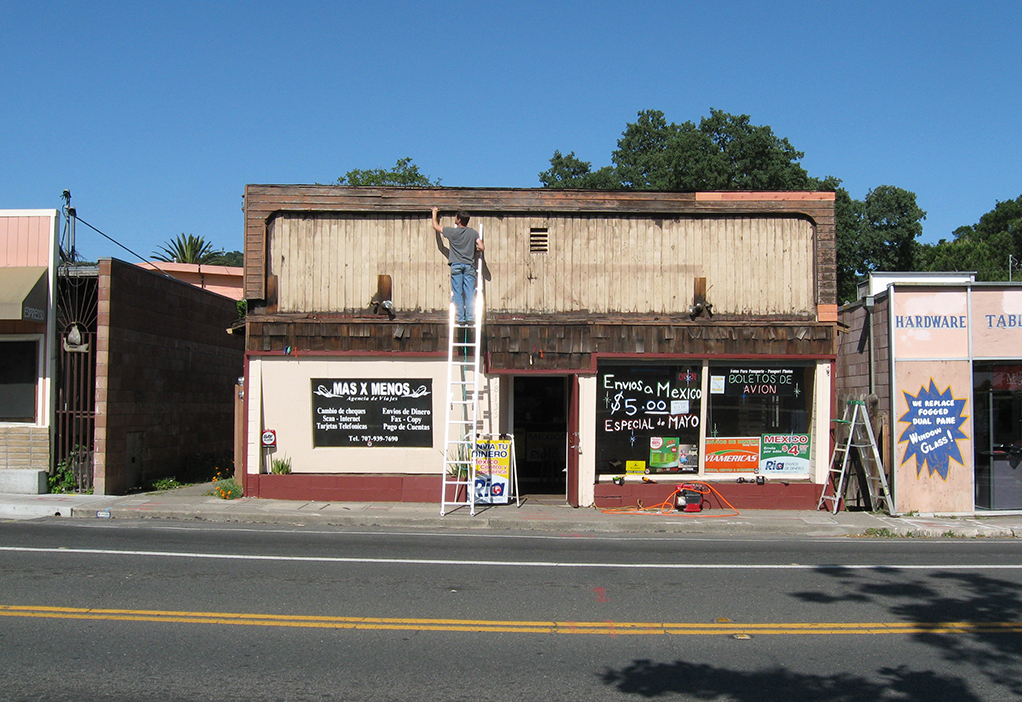
Mas por Menos, an all-purpose business catering to Spanish speaking people took the space in 2009. They cashed checks, provided email, fax and Internet services, sold phone cards, provided “envois de dinero” and even sold airline tickets. Unfortunately they lasted only a year, but they did do some much needed maintenance to the facade.

In 2010 Lonesome Cowboy Ranch, purveyors of vintage Western wear and memorabilia set up shop and did well until 2020, when they closed.

Today we are lucky to have Heritage Furniture. They make the classic Adirondack chair using high-tech laser cutting and CAD design. We wish them success and a long tenure at 18135 Sonoma Highway.

Update 2024: Unfortunately Heritage Furniture did not survive. In its place we now have Lucrative Clothing.

Kramers bulding, August, 2026. Now an upholstery shop. Sonoma Eats has moved to 5th Street West.

Photographs and Index Tribune courtesy of the Sonoma Valley Historical Society and author’s collection.

Standard
Architecture, Boyes Hot Springs, History, mid-century, Now and Then, Place Names/Street Names

The Once and Future Boyes Boulevard Bridge

It was a different experience in 1955

On February 17, 1955, the Index Tribune reported

“A $12,987 contract for rebuilding the Boyes boulevard bridge across Sonoma Creek, near the Bath House in Boyes Hot Springs, was awarded by the county supervisors last week…The contractor will use existing abutments and piers for the bridge and will use but relocate existing steel stringer and add a reinforced concrete deck and sidewalks.”

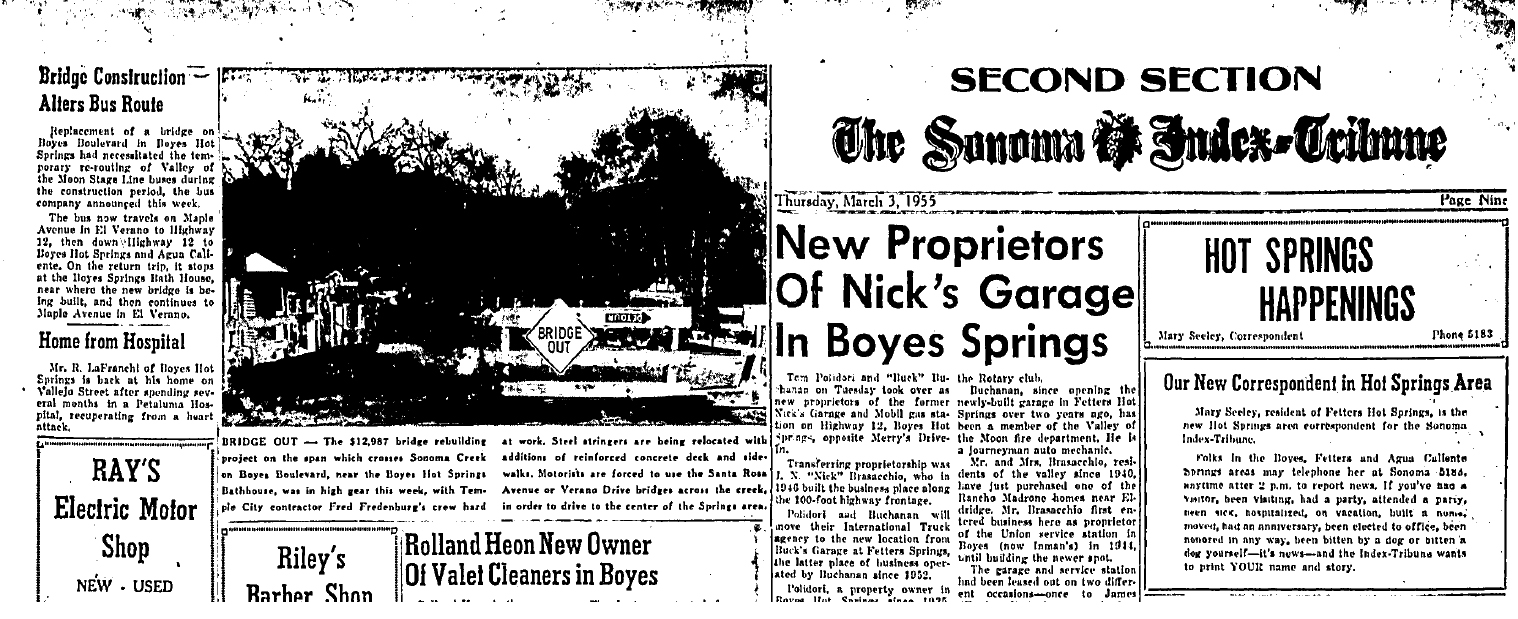
Thursday, March 3, 1955. Work was “in high gear” on the new Boyes Blvd. bridge.The caption notes that motorist will be forced to use “Verano Drive or Santa Rosa Avenue” to cross the creek. Verano Drive is now Verano Blvd. and Santa Rosa Avenue is West Agua Caliente Road.

Work went fast: On April 17th we learn,

“New Boyes Bridge May Open to Traffic This Weekend.”

“Possibility that the brand new bridge across Sonoma Creek at Boyes Boulevard, near the Bath House, will be open to traffic on Saturday was seen this week.

Painting of the new steel barriers and upper portion was completed on Tuesday with only the sand blasting and painting of the steel sections beneath the bridge remaining.

Normally, twenty-one days is allowed for the concrete to set after the deck has been poured. If this procedure were followed, the bridge would not open until next Monday. However, due to the excellent weather and the fact that the Boyes Hot Springs Bath House and facilities will be open for the season on Saturday, this weekend may possibly see the new bridge in use.

The Fred Fedenburg firm of Temple City has been the contractor for the $12,987 project, which was stared the last week of February.”

The work was fast because they did not replace the abutments, unlike the current project for which massive new concrete supports were poured. Still, the end of February to the end of April is rapid!

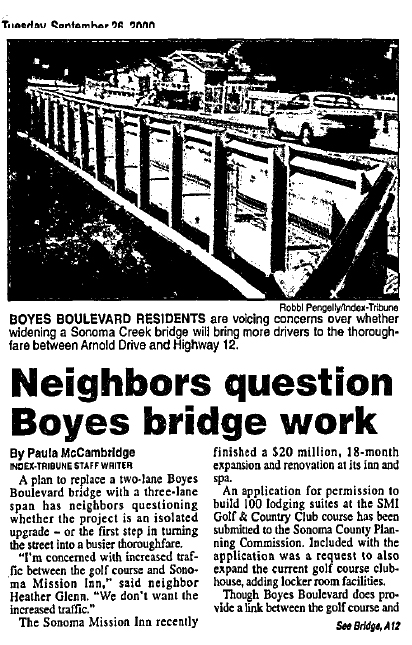
Fast forward to the year 2000. It was proposed to widen the bridge to three lanes, but neighbors worried about increased traffic.

That project never came to pass.

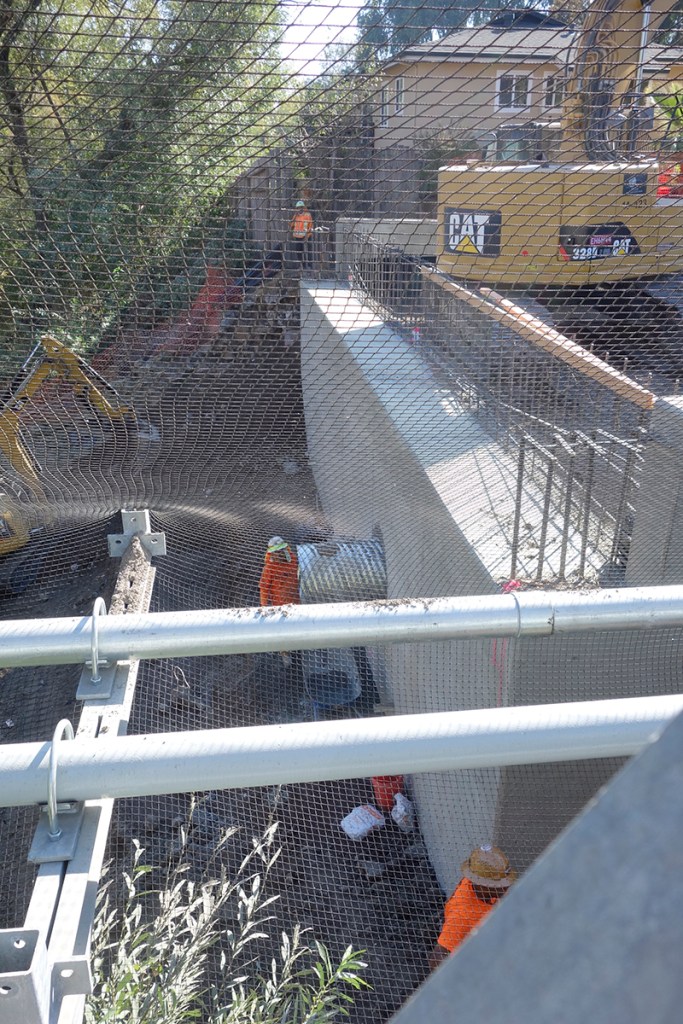
In December 2020 the County sent this notice informing us of a big step in the construction of the NEW new bridge.

We first learned of the current bridge project in July of 2019, when the Sonoma County Department of Transportation told the Index Tribune that the Boyes Blvd. bridge was “functionally obsolete.”

“The new replacement bridge will comply with current roadway, drainage and bridge standards…; it will not increase vehicular capacity but will provide shoulders for bicycles and a five-foot wide sidewalk for pedestrians” the IT reported.

Engineering work started in 2013. The funds were allocated in July of 2019.

“The entire project is expected to cost $5.13 million, almost 13 percent higher than originally estimated. Additional costs are said to stem from the temporary pedestrian bridge which will also provide a structure for water, gas and electric relocations, and the water systems improvements by the Valley of the Moon Water District (VOMWD).”

“Commencement of construction of the project has been delayed due to, among other things, a lengthy negotiation with a neighboring homeowners’ association in 2018,” said the summary report.

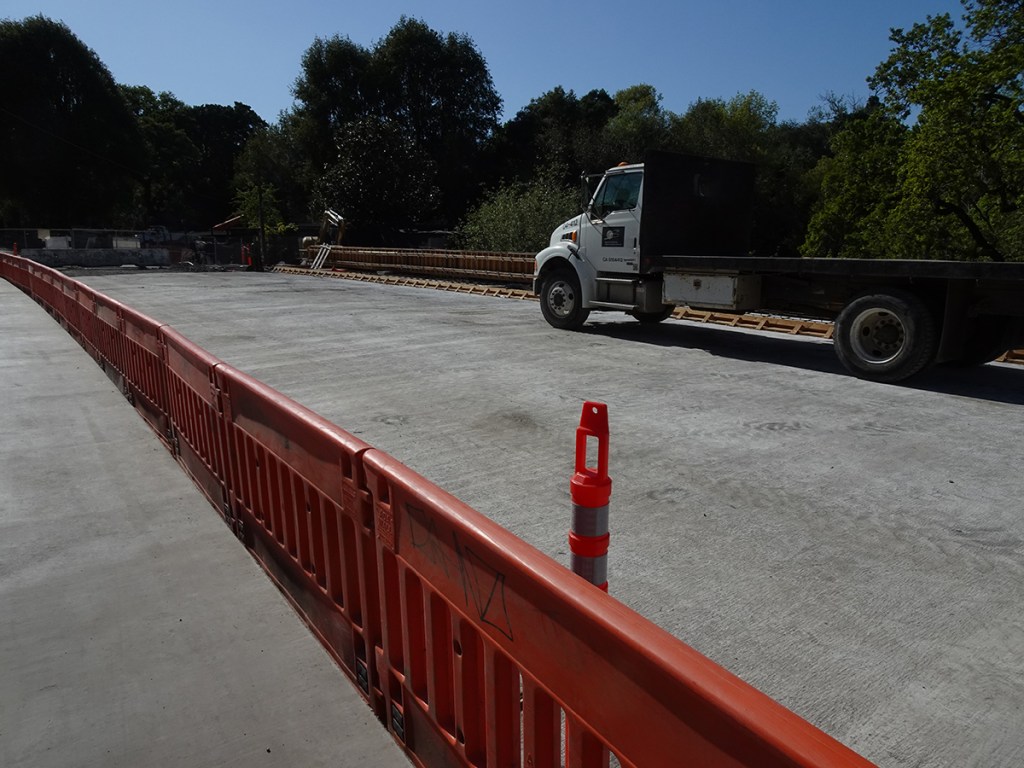
The “other things” causing delay now include a world-wide pandemic and a bad fire season in 2020. Currently the bridge is scheduled to open in July of this year (2021).

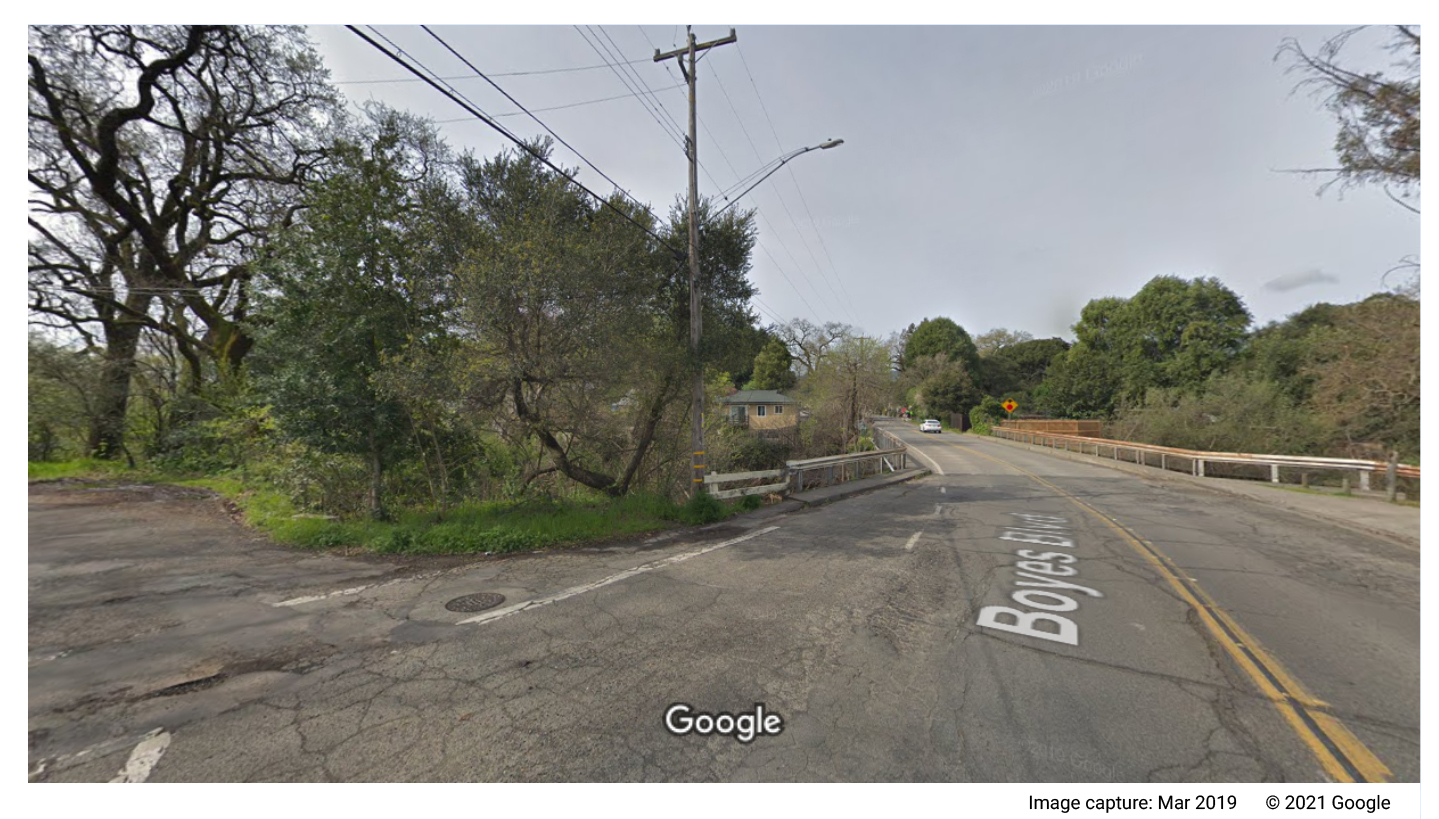
The Bridge, looking west, March of 2019
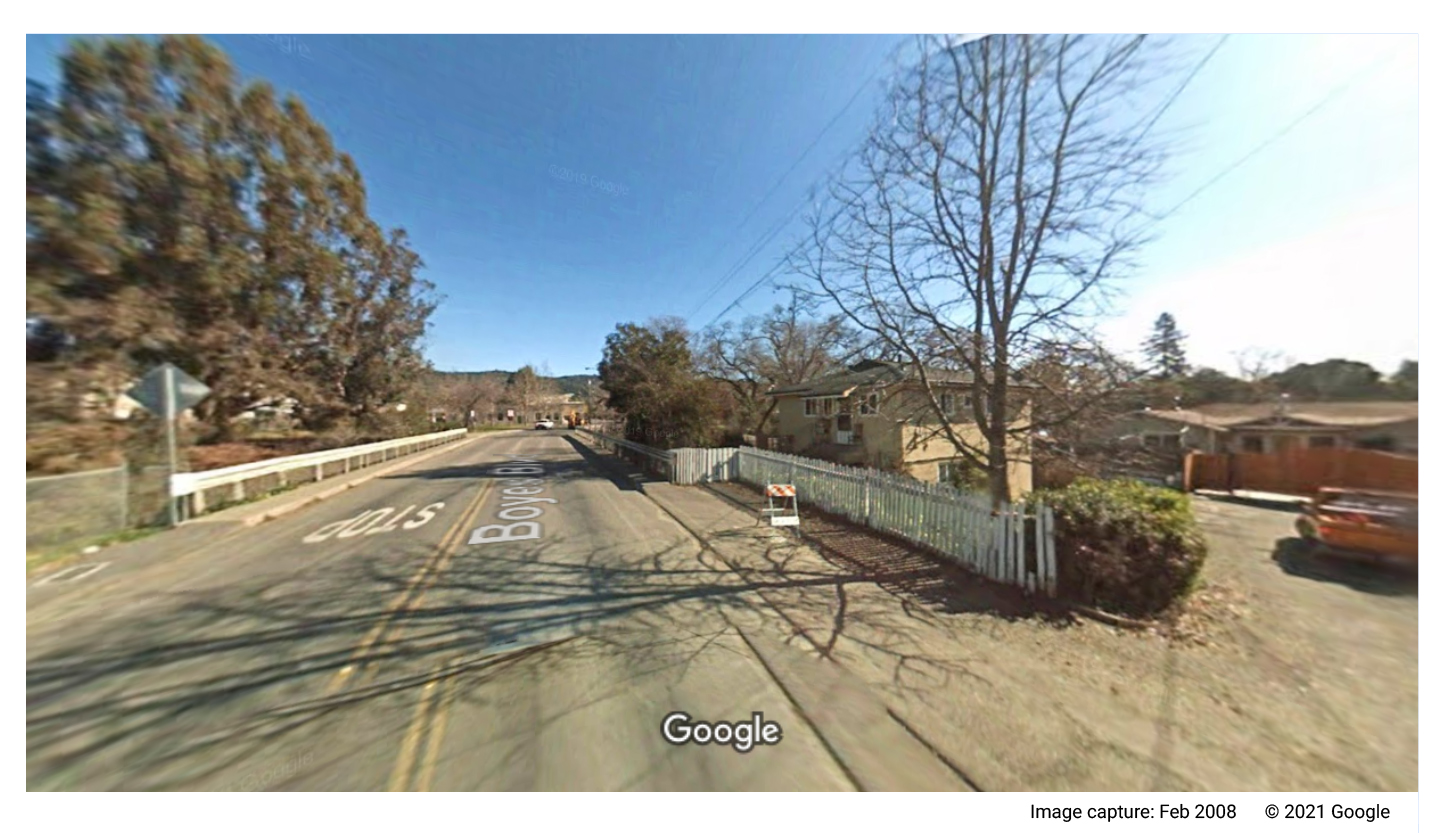
Looking east, 2008

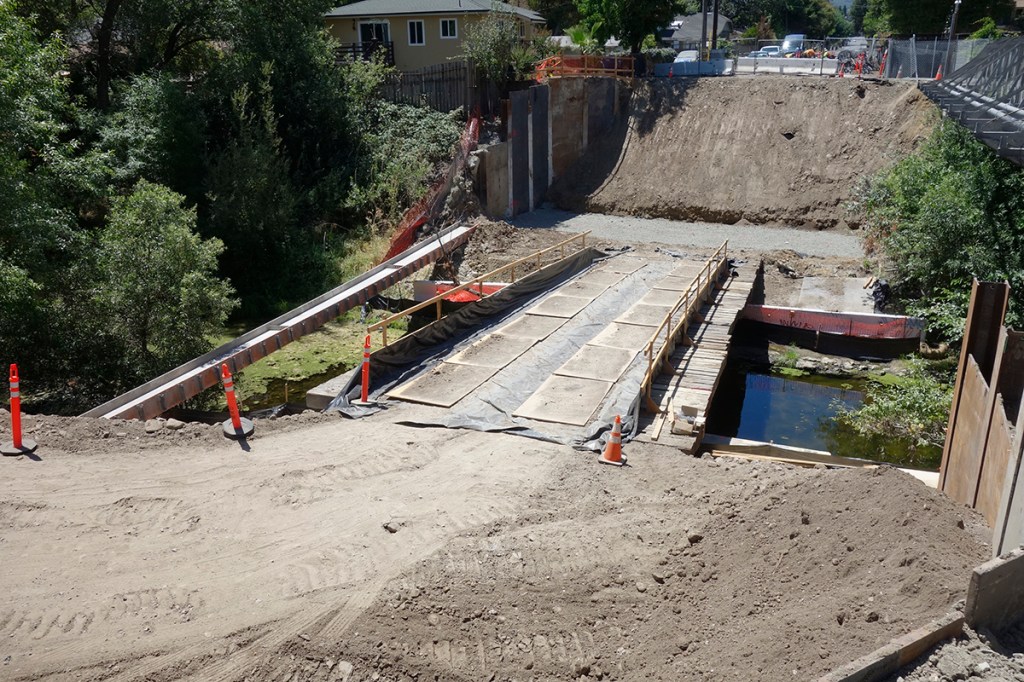
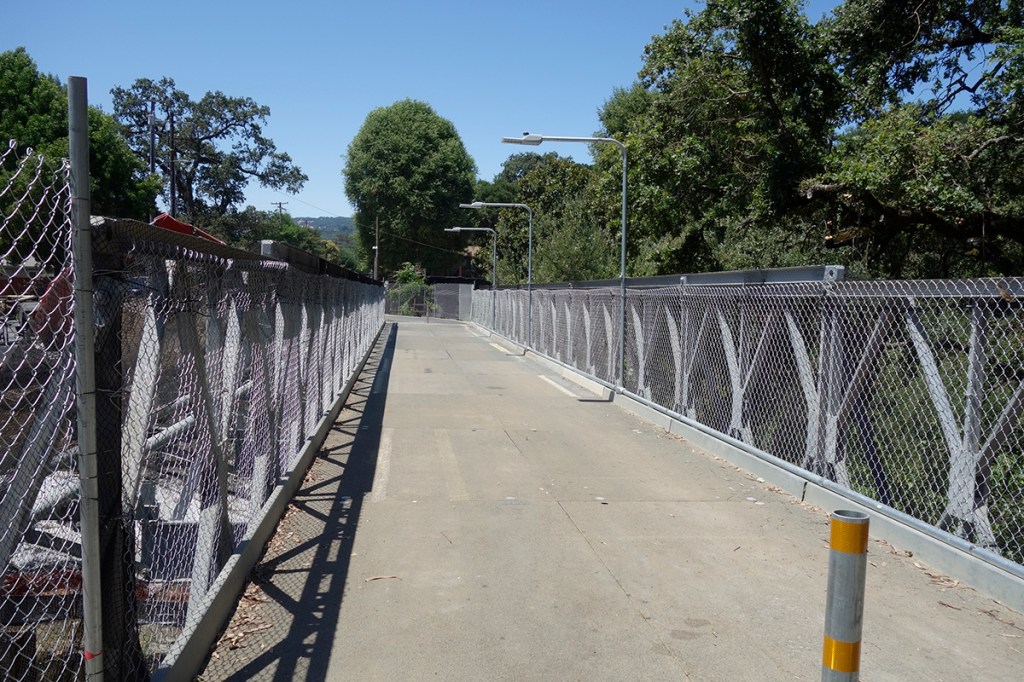
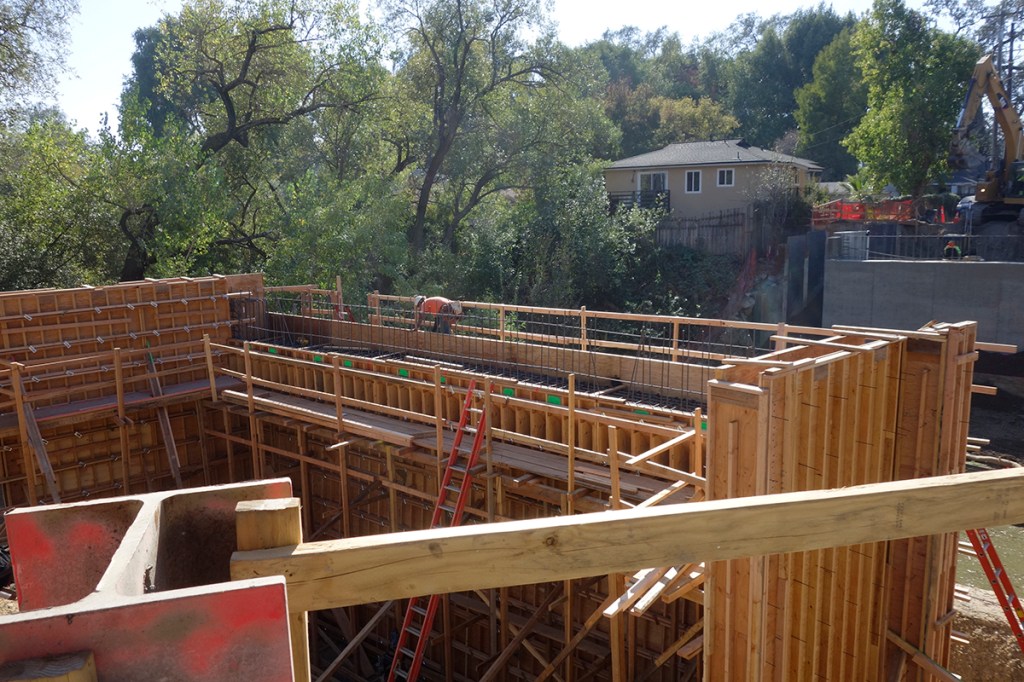
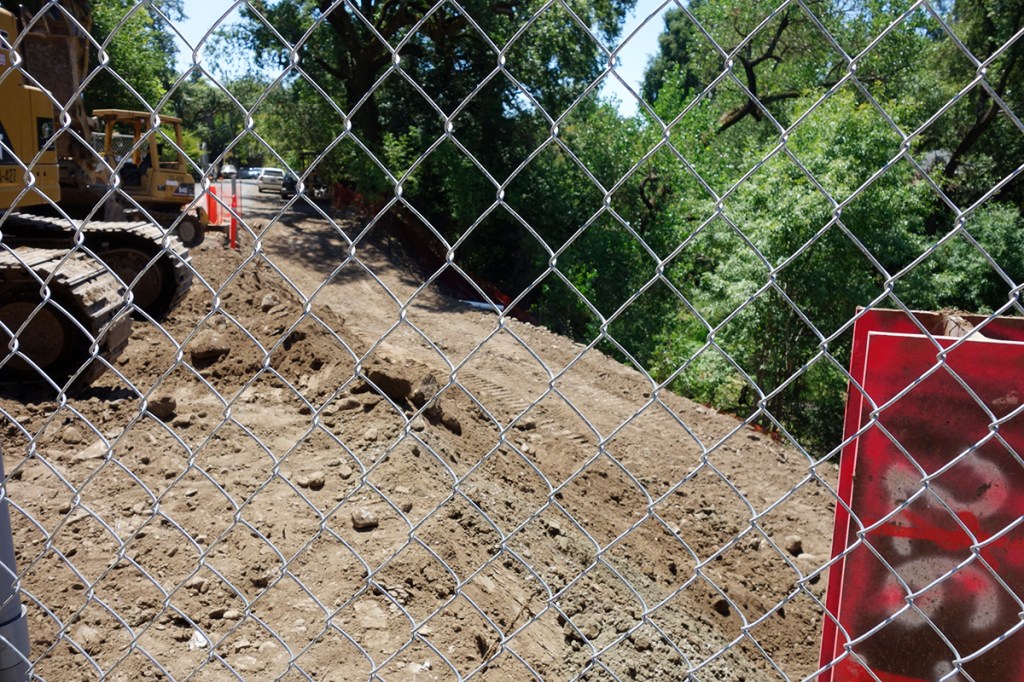
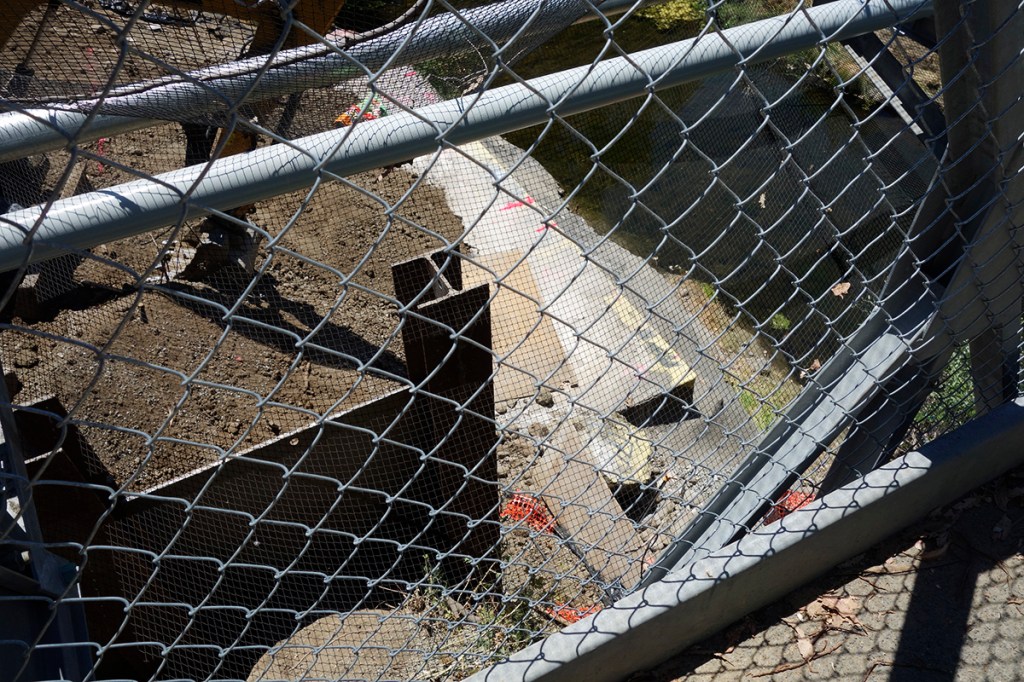
The photos below span November 2019 through April, 2021.

Bonus slideshow of arty construction images! You’re welcome.

Standard
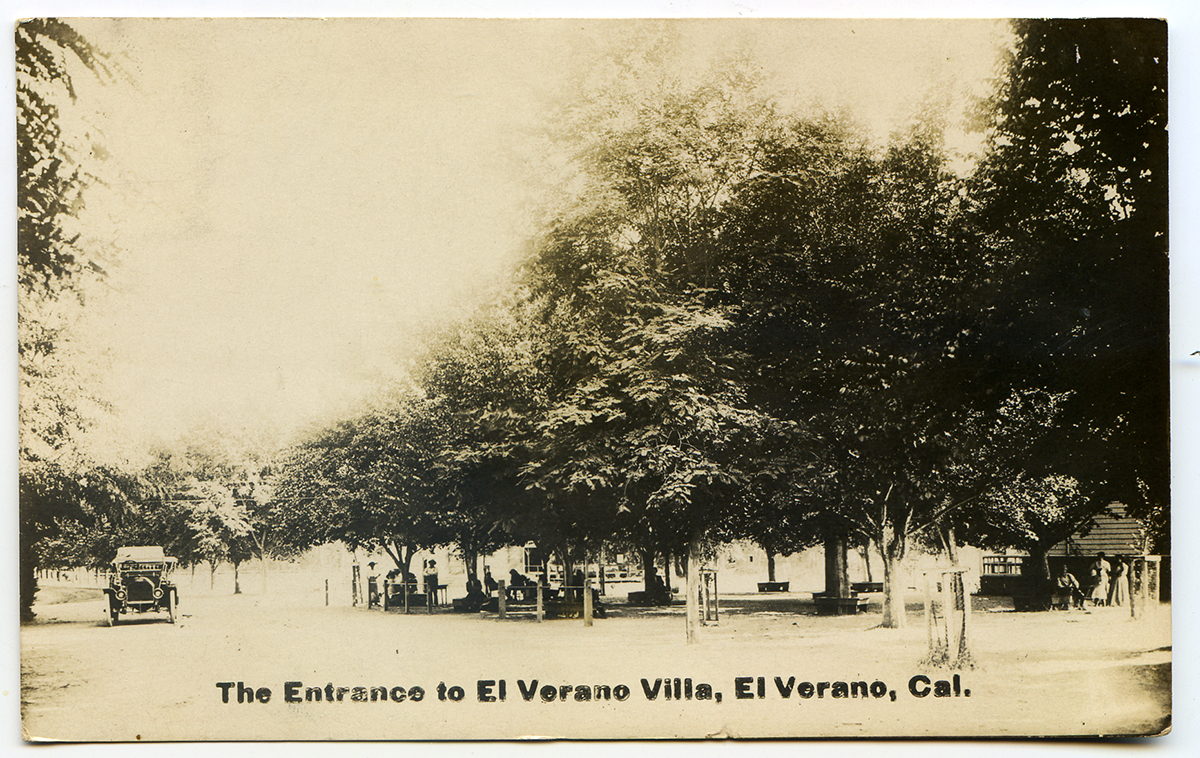
Boyes Hot Springs, El Verano, History, Photographs, Resorts, Springs Historic Photo Database

New to the Valley of the Moon Historic Photo Database March 2021

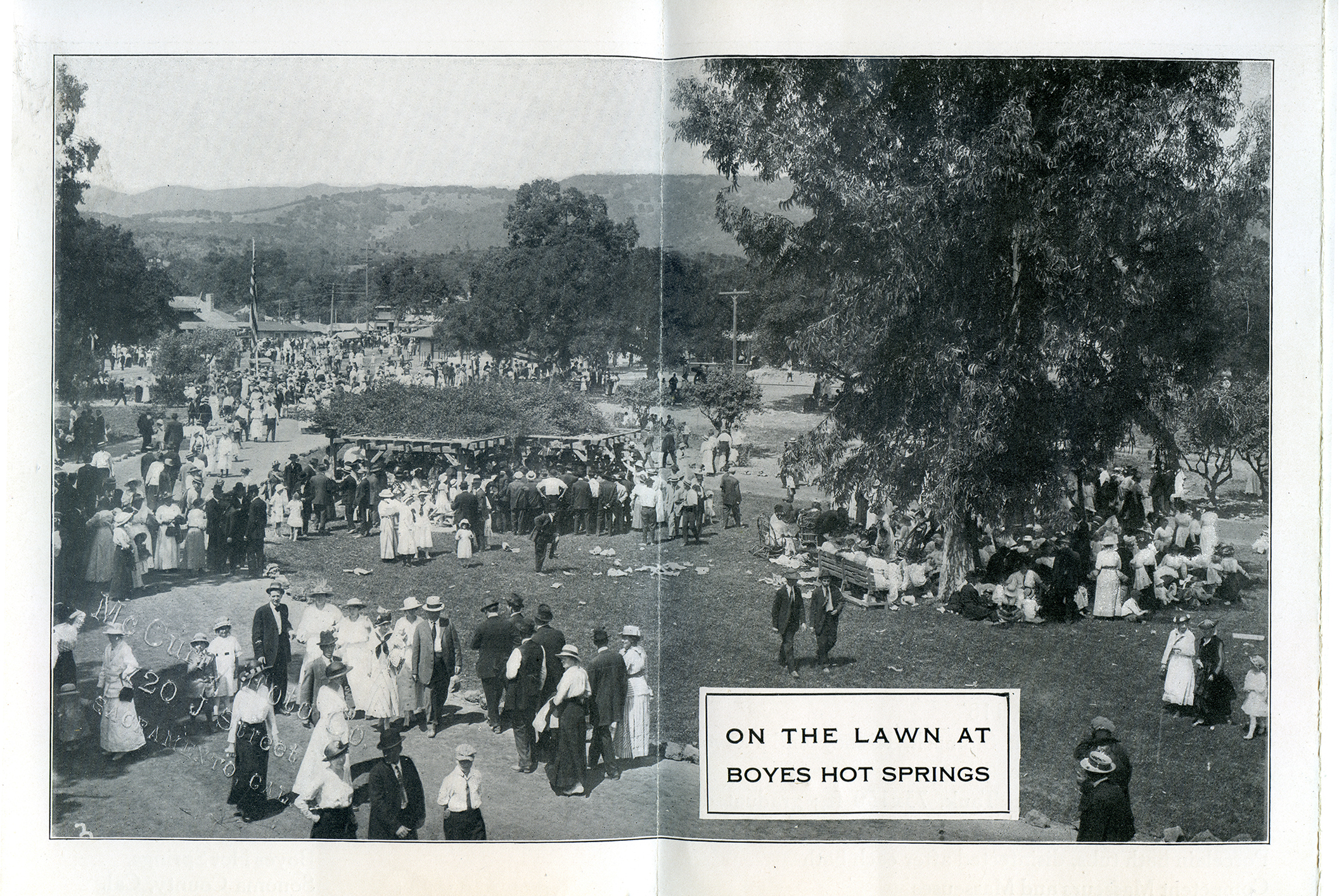
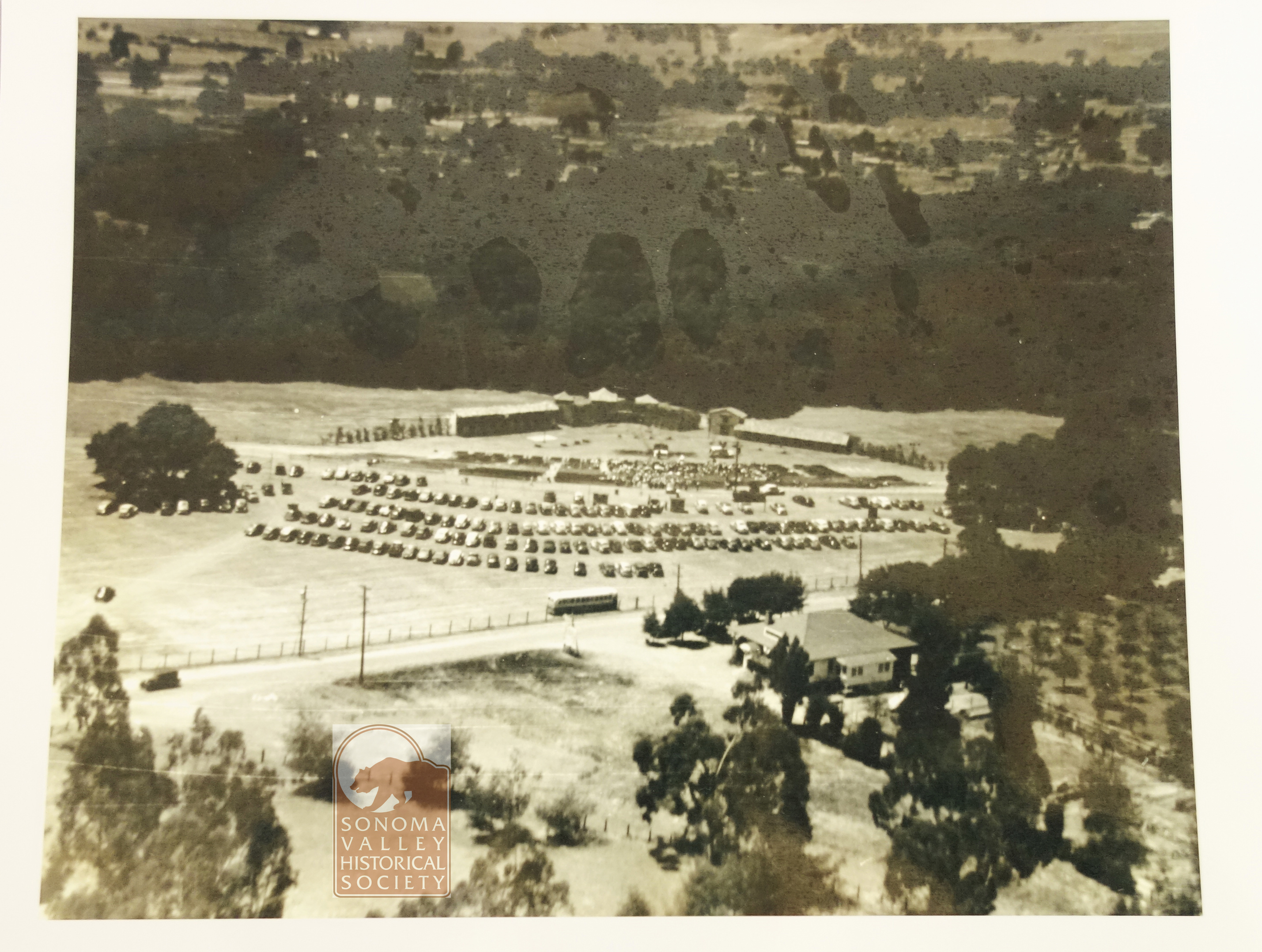
Circa 1910. Looking northeast from the hotel. The depot is about in the center. To the left is the club house. The arbor is at center left. In the foreground you can see some wonderful faces. As you know from newspaper accounts, the crowds were very large in the summer. Courtesy of Ron Price.
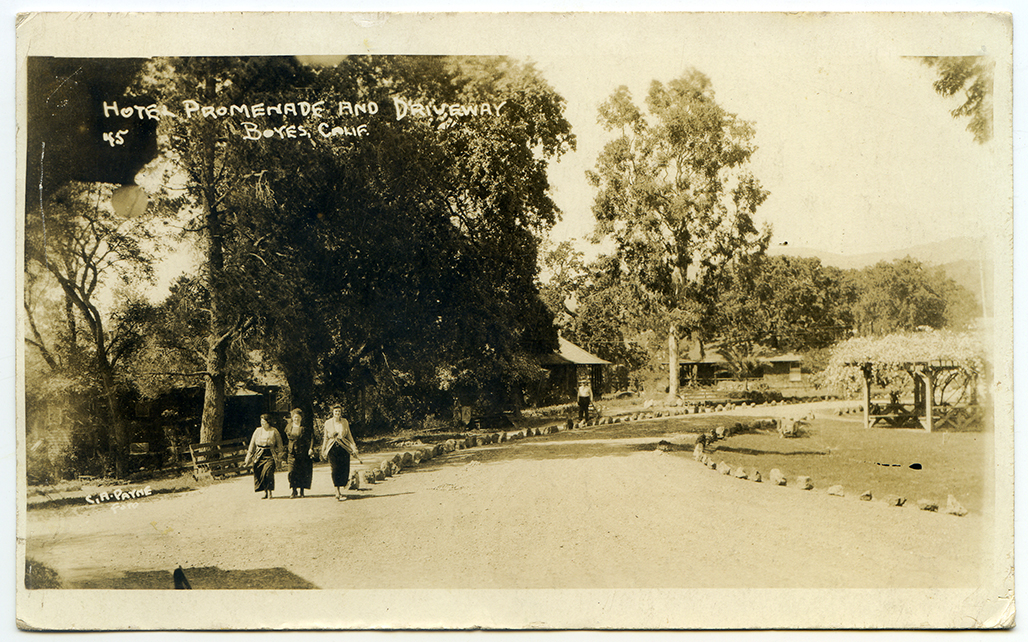
“Hotel Promenade and Driveway, Boyes Calif.” I think the arbor seen in the first photo is at the right side here. No crowd, just three strolling women. The photographer was C. R. Payne. Courtesy of Ron Price.
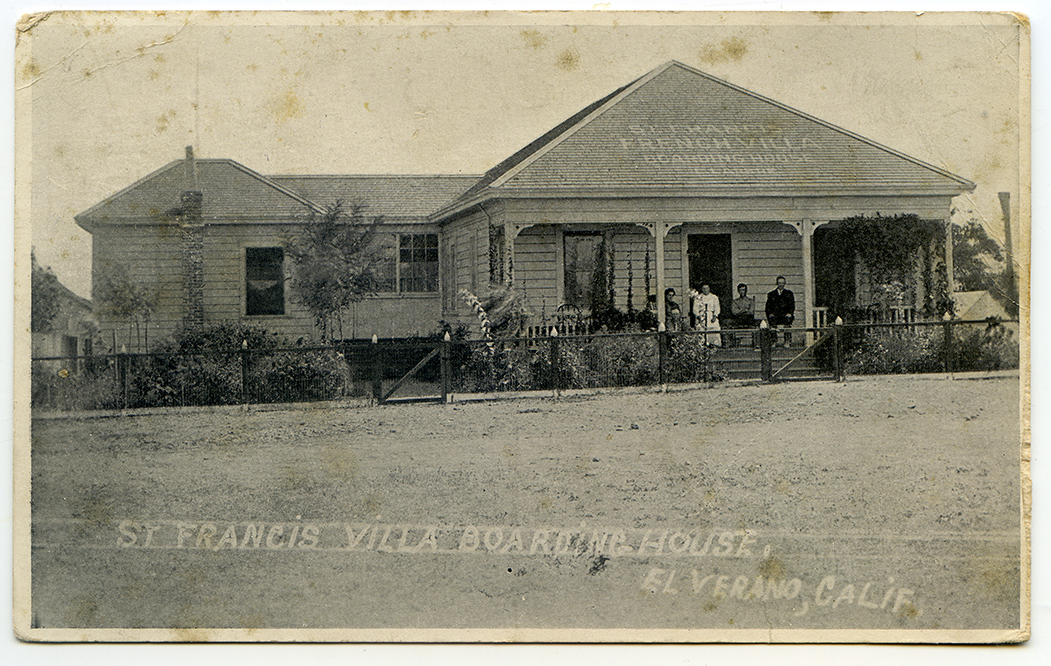
Saint Francis villa was near Verdiers Resort in El Verano. Courtesy Ron Price.
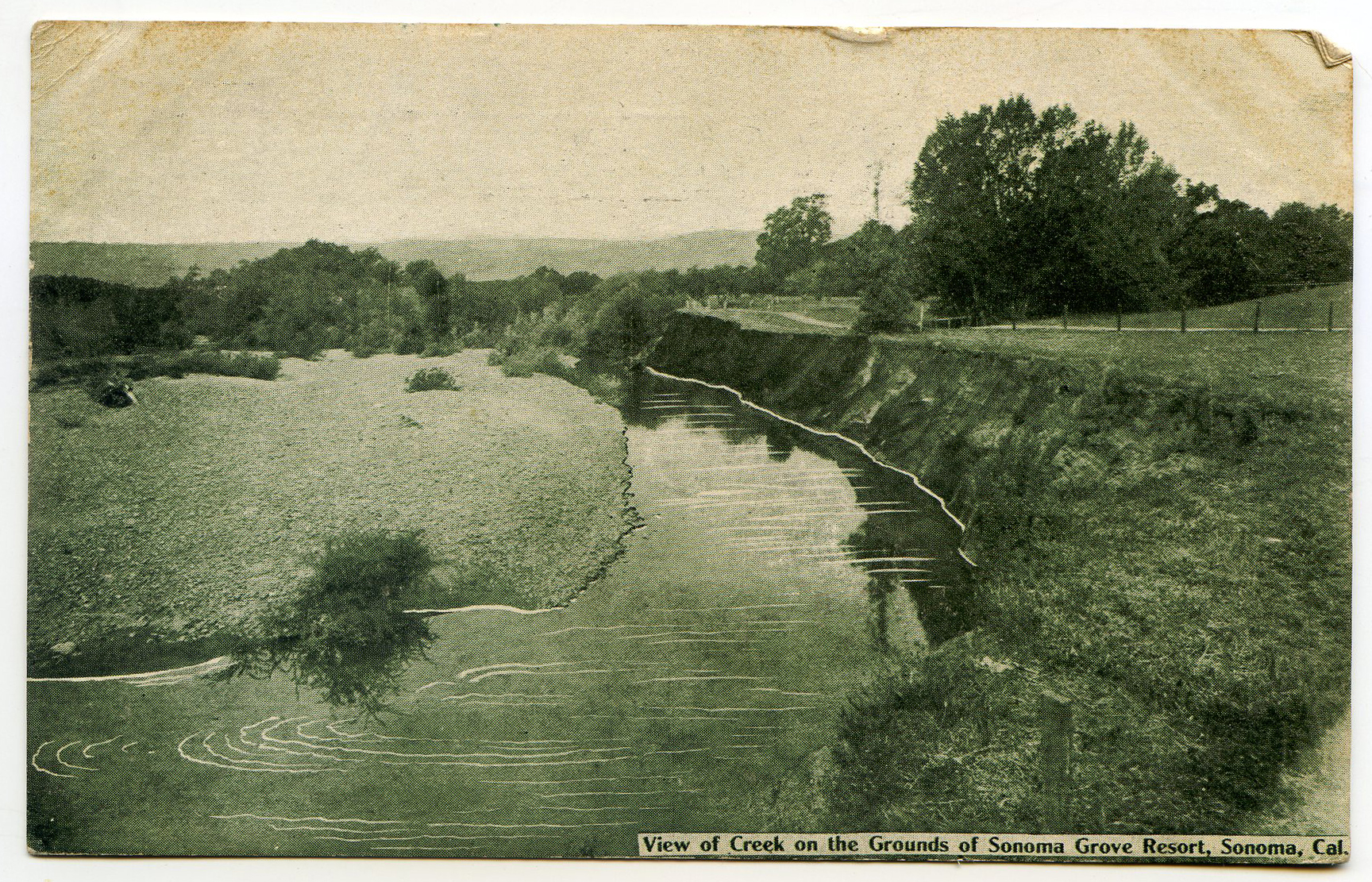
Sonoma Creek at Sonoma Grove Resort, 1911. Acker collection.
El Verano Amphitheater. 1950s. At the site of Maxwell Farms on Verano Avenue. I have no information on this establishment. Courtesy Sonoma Valley Historical Society.
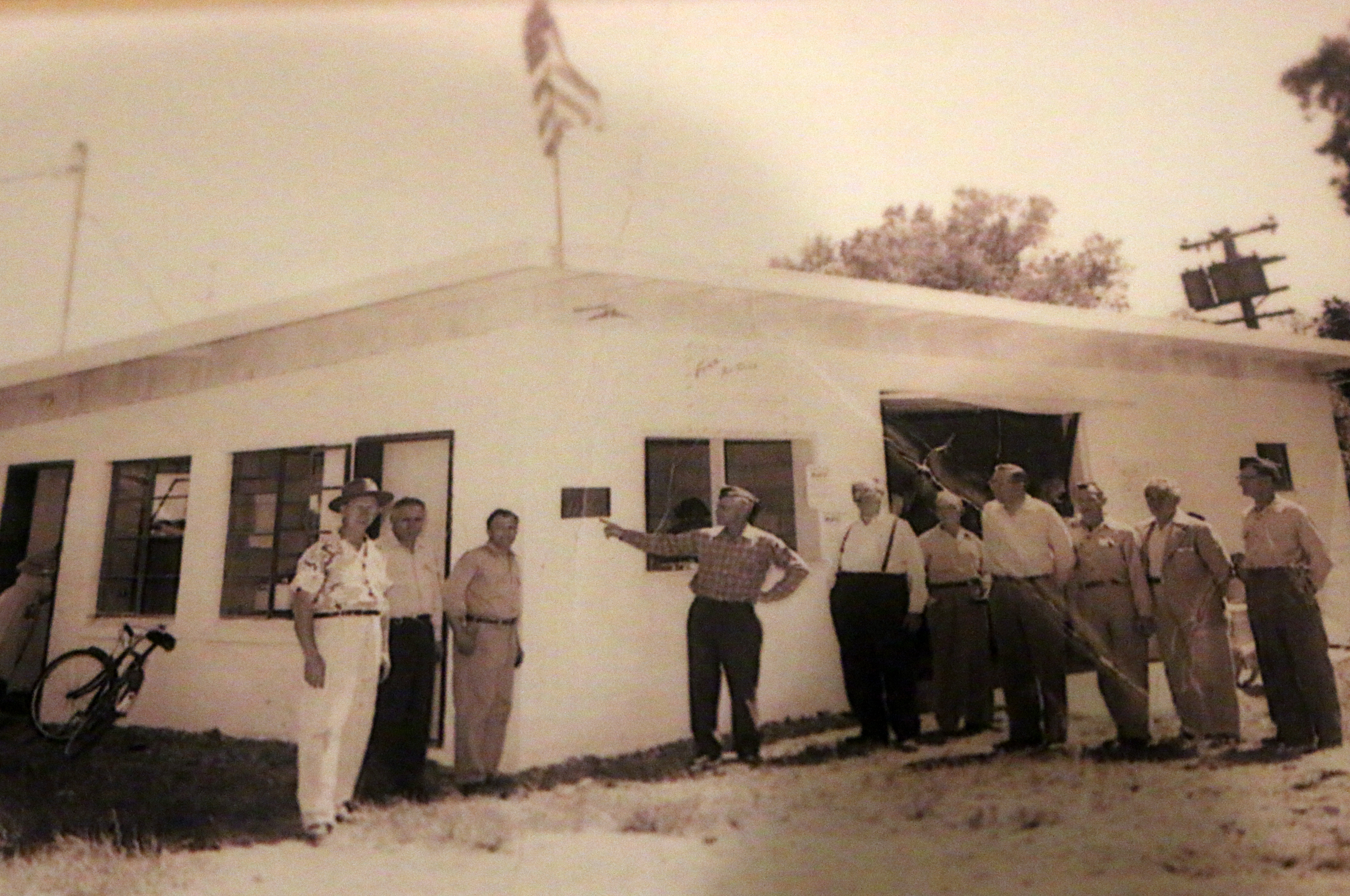
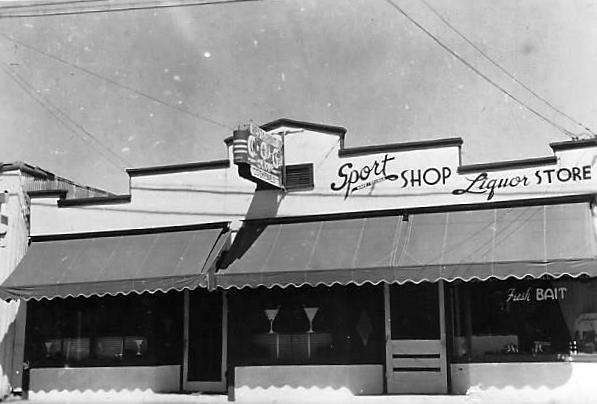
Larson’s Sport Shop and Liquor Store, 1950s. Booze and hunting equipment are no longer sold in the same store! This is the current location of the Barking Dog Roasters in Boyes Hot Springs. Photo courtesy of the Larson family.
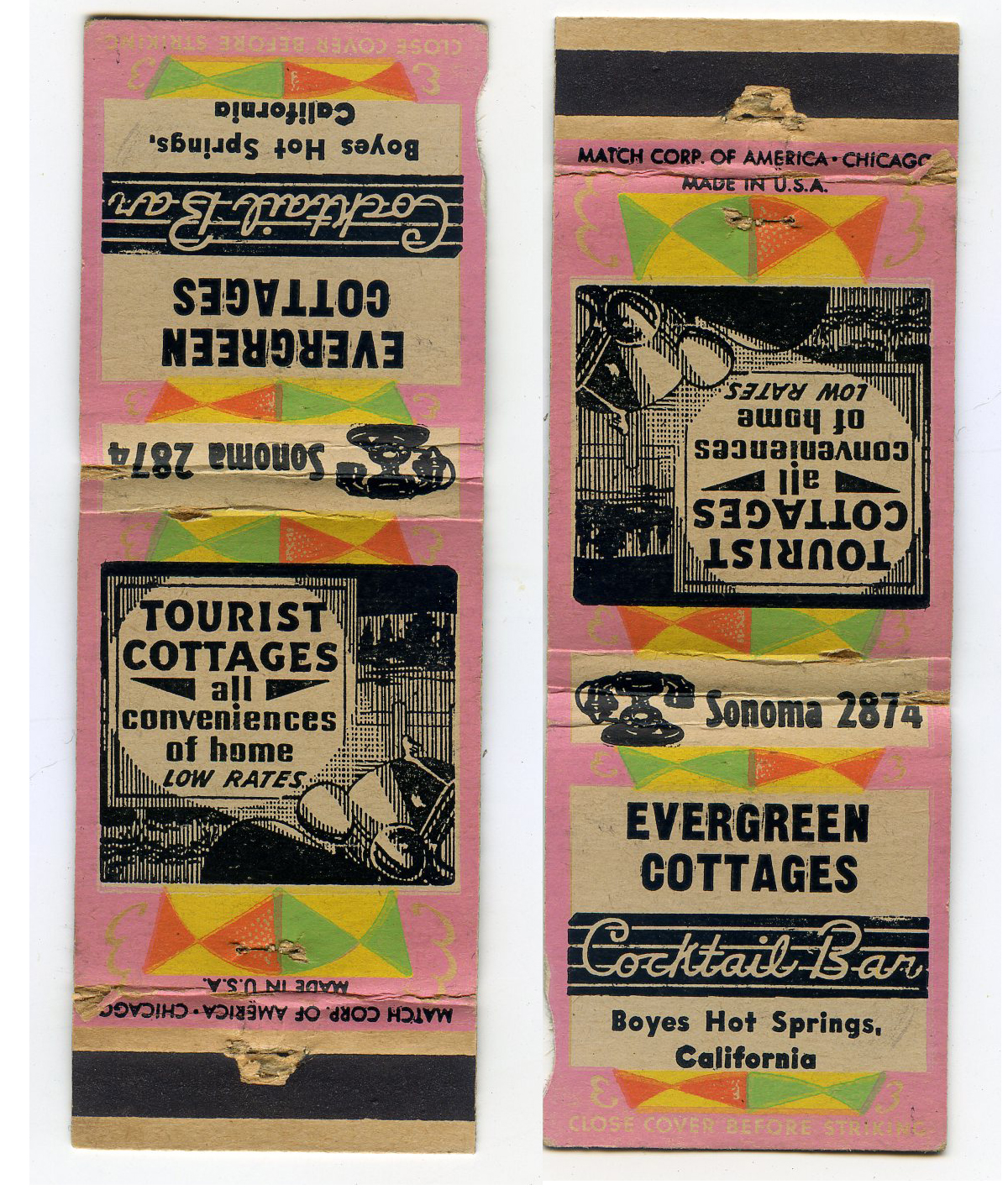
Evergreen Cottages was on Pine Avenue on Boyes. The buildings still stand. This looks to be from the 1940s. Dig the crazy colors. Acker collection
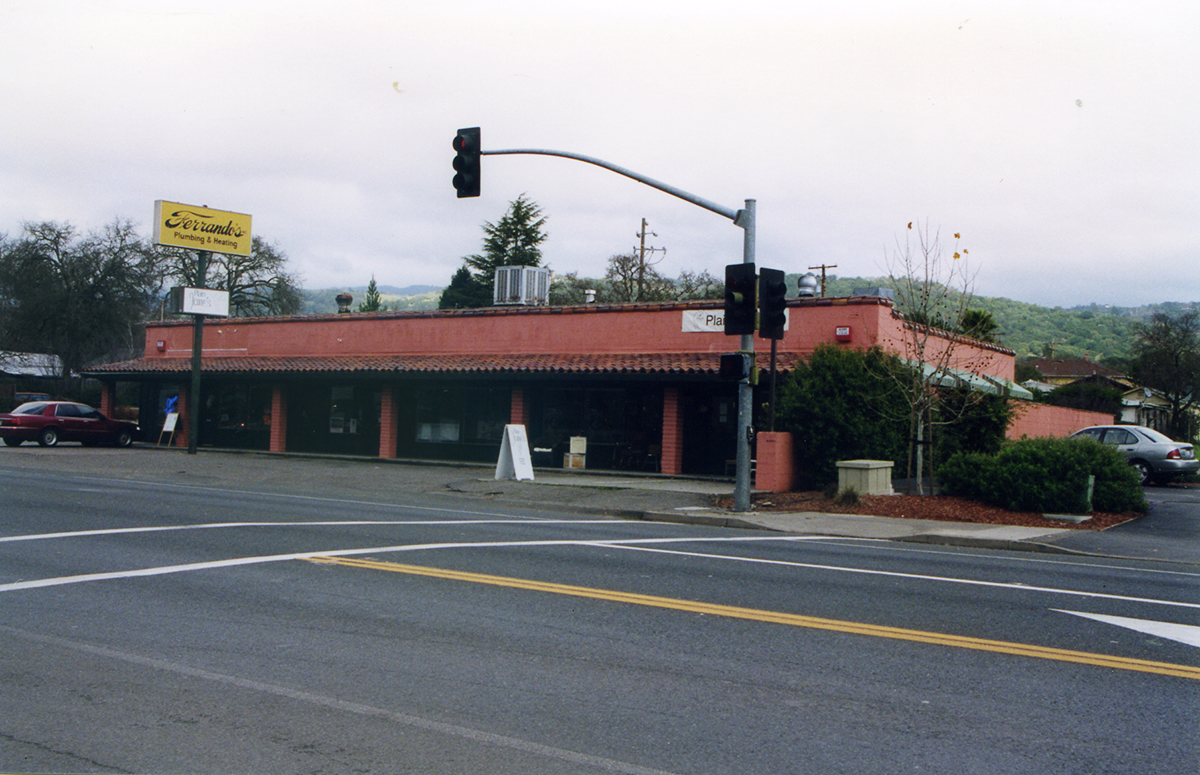
Ferrando’s Plumbing at Highway 12 and Thompson Ave. 2005. So much has changed since 2005! Photo by M. Acker
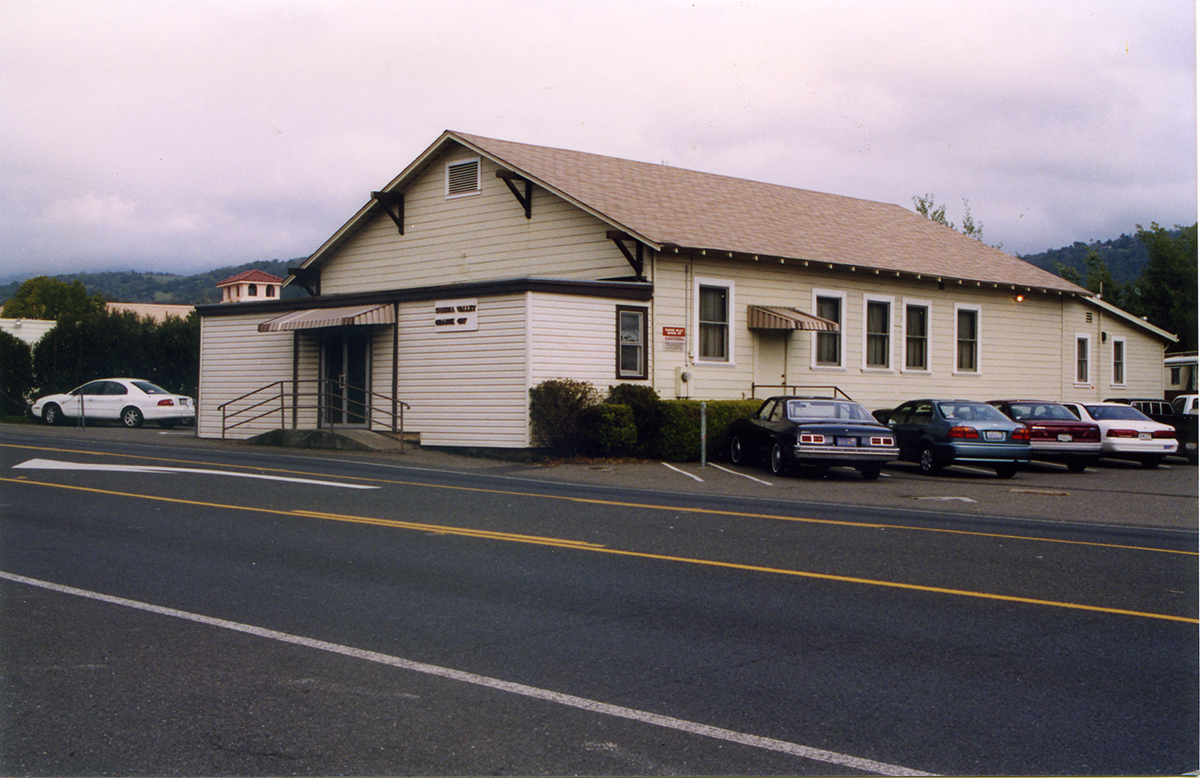
Sonoma Valley Grange #407, 2005. When the sidewalks went in, the front entrance was removed. That wall now sports the famous mural by su servidor. Photo by M. Acker

Standard
Architecture, Boyes Hot Springs, History, mid-century, People

Marion Greene

Update: please also see https://springsmuseum.org/2018/11/07/the-woodleaf-store-big-three/ for the post about the Woodleaf Store.

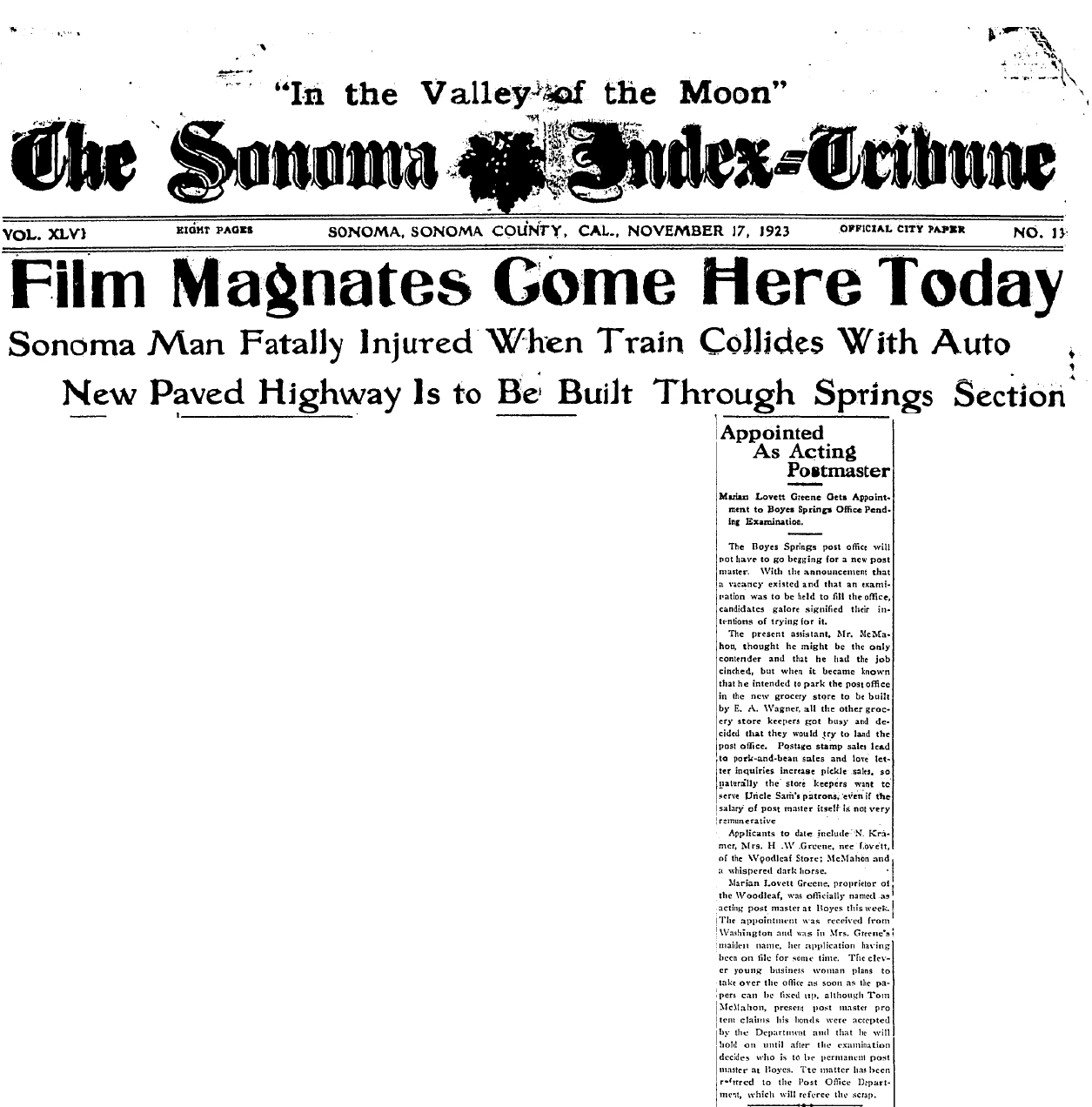
Film magnates, fatal accidents and paved (!) highways share space with the beginning of Marion Greene’s career as postmaster.  (Stay tuned for the story about the film magnates.) And, yes, they called it the “Springs” in 1923.

Marion Greene was a businesswomen of Boyes Hot Springs in the mid-twentieth century.  Many women were prominent in business around this time. Mary  Fazio of Mary’s Pizza Shack, Pine Wagner, the pharmacist,  and Jerry Casson were her contemporaries. Emma Fetters was a few years earlier, Juanita Musson a bit later. In 1947 she became a founding member of the Sonoma Valley business and Professional Women’s club. 75 women attend the first meeting.

In November of 1923, Marion Lovett Greene, proprietor of the Woodleaf Store, was appointed acting post master of the Boyes Hot Springs post office and was waiting to take the exam to qualify as the permanent post master.  There as quite a bit of competition for the job among local grocers, the Index Tribune noted. ”Postage stamp sales lead to pork-and-bean sales and love letter inquiries increase pickles sales, so naturally the store keepers want to serve Uncle Sam’s patrons, even if the salary of post master itself is not very remunerative.”  She did become the regular post master and stayed in the job until at least 1939.

Marion Greene in 1925, in her original Woodleaf Market.

Her Woodleaf store was in the Kellar building in 1932, we are told. The same year she move “across the street” to the Putnam building, which presumably was the building at the corner of Boyes Blvd and Sonoma highway,  where the Woodleaf Store stayed as it later became the Big Three. In 1938 Ms. Greene was appointed the Greyhound Bus agent for the Springs as well.

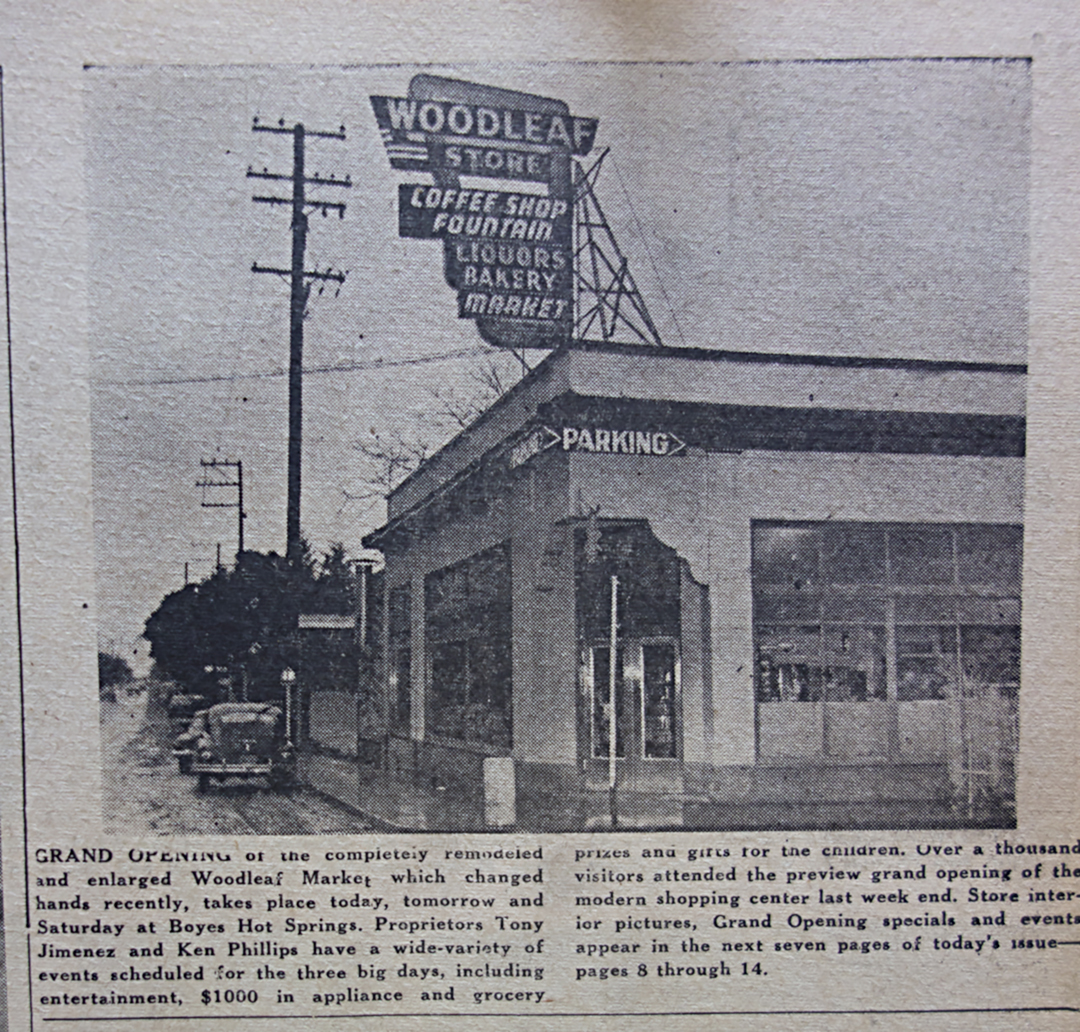
Woodleaf Store, 1930s.
The Woodleaf in 1956, after Ms. Green’s tenure.

The interior of the Woodleaf Store in 1956. This would be in the Big Three building on the corner of Hwy 12 and Boyes Blvd. Mrs. Greene was no longer owner, but she would have approved of the modern appointments.

Mrs. Greene served as president of the Sonoma County Grocers Association and the state association, and was active in the California Post Masters Association.

She was named Outstanding citizen of the year 1948  by the Sonoma Valley Chamber of Commerce. In 1949, as chair of the Travel and Recreation Committee, she spearheaded the effort to establish the Valley of the Moon Scenic Route along Highway 12. As part of her duties with the Chamber of Commerce, Ms. Greene appeared on Paul Marcucci’s radio show, broadcast from his resort.

Marion Greene, left, with Paul Marcucci, at Paul’s Resort, 1950s. Courtesy of Eve Marcucci. See https://springsmuseum.org/2018/12/28/pauls-resort/

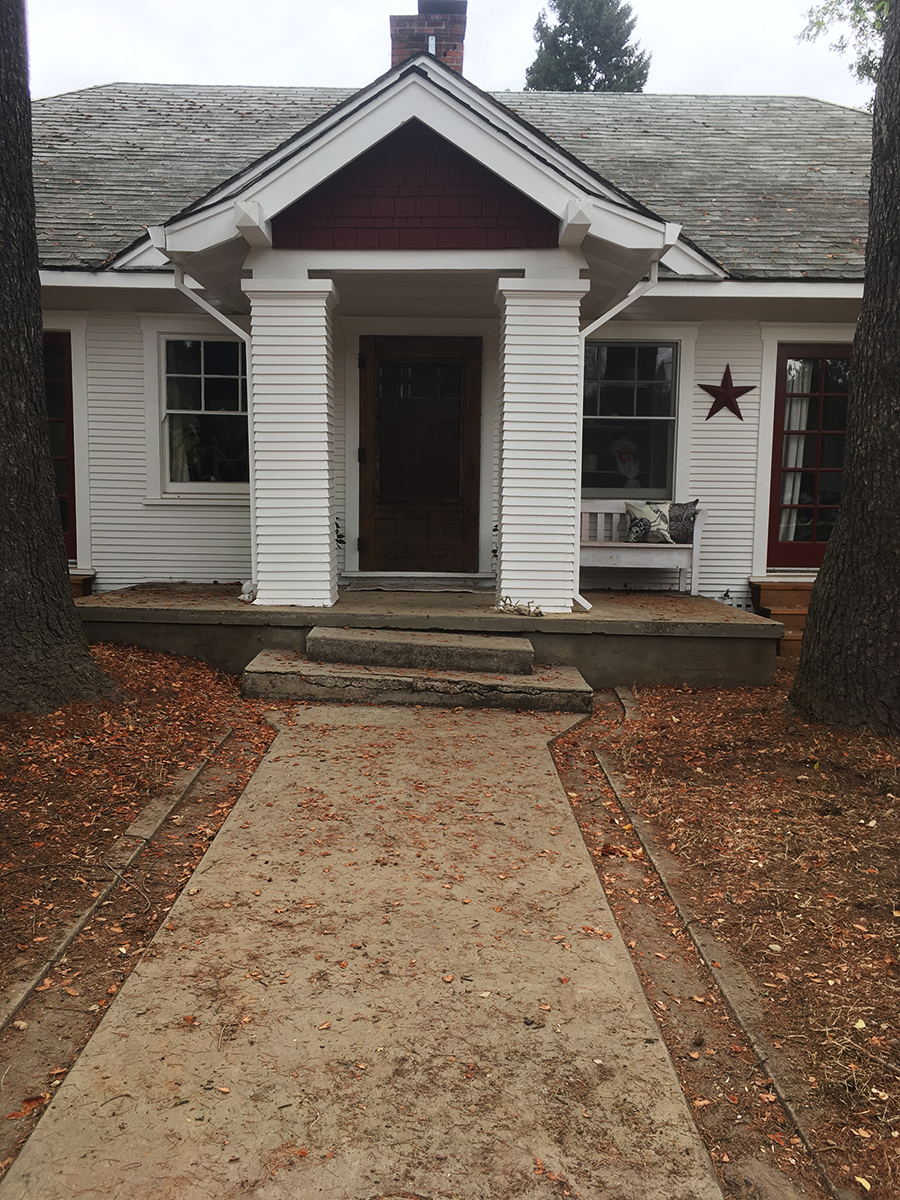
Marion Greene built two houses in Boyes Hot Springs in  the 1940s. In 2019 Marion’s grand- daughter came to Boyes Hot Springs to sell the houses that her grandmother built and gave us a tour. The interiors were all Ms. Greene’s design, and quite charming, featuring custom cabinets and many built-ins.

One of the houses was cited in the 1994 Design Guidelines for the Redevelopment Project for showing “eclectic charm” .

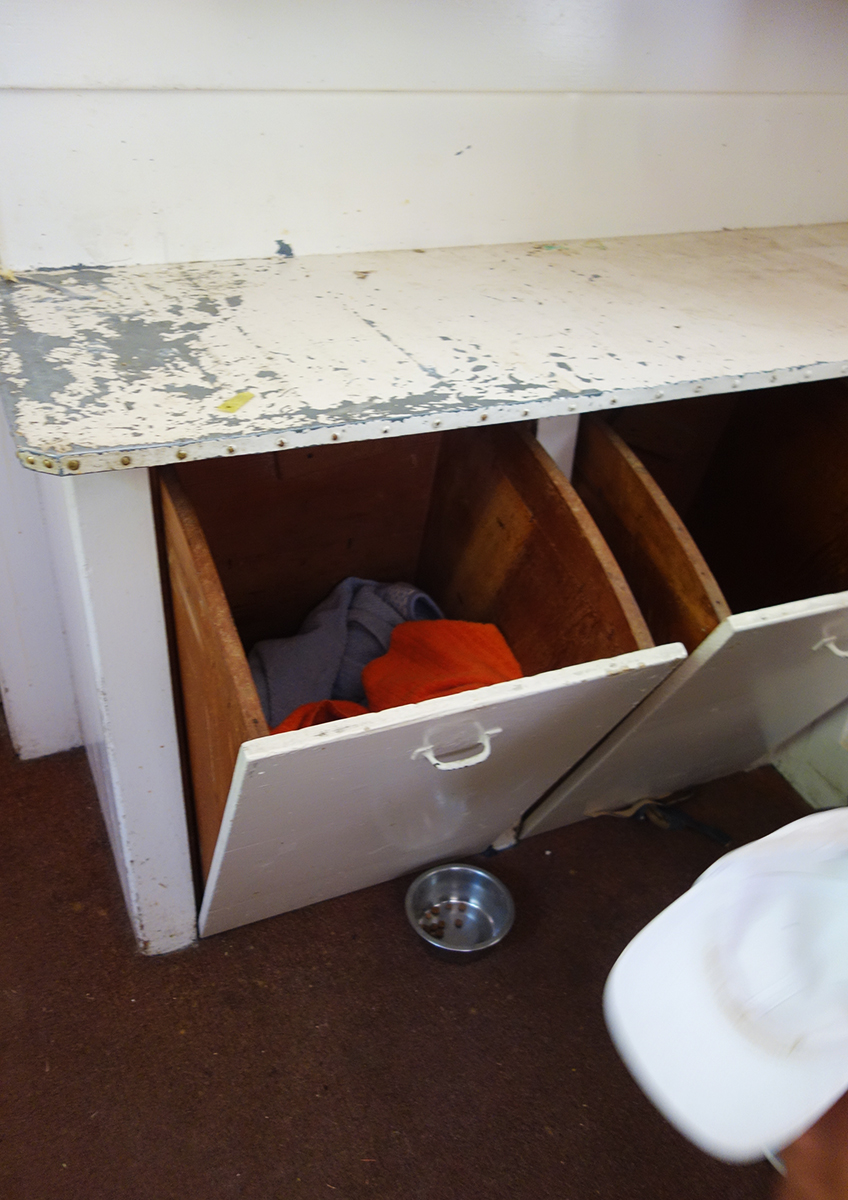
An artifact found in the out-buildings attested to Ms. Greene’s involvement with local development and business.

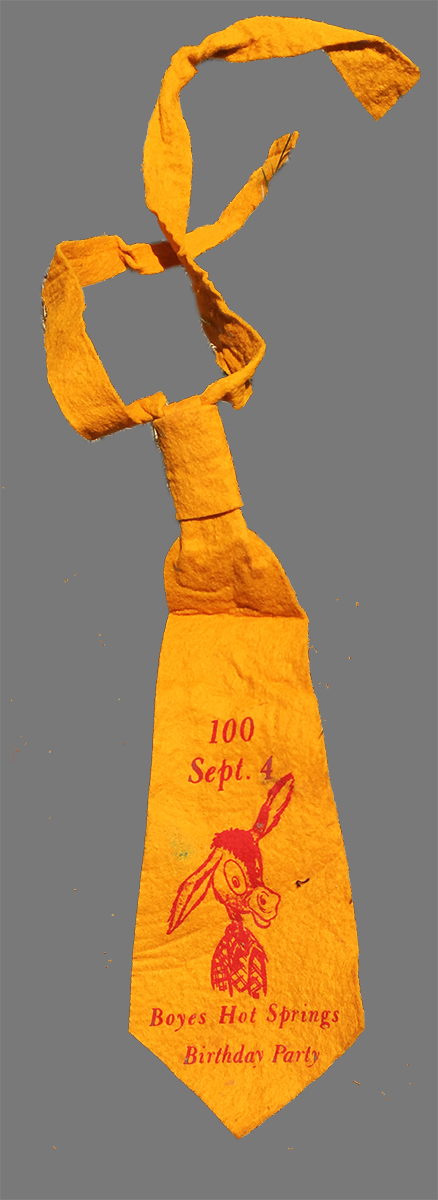
In 1949 local boosters celebrated the “centennial” of Boyes Hot Springs. This is puzzling since Captain Boyes did not arrive until 1885, however, they were dating from the arrival of T.M. Leavenworth, who bought hundreds of acres in the Rancho Agua Caliente from Vallejo in 1849. See Leavenworth’s House.

The commemorative tie features the image of a mule because that was the mascot of Boyes Springs at the time. Mules live long lives, but it’s doubtful Peskie was still there in 1949.

Index Tribune courtesy of the Sonoma Valley Historical Society. Photographs by author and from author’s collection.

Standard
Boyes Hot Springs, History, Place Names/Street Names

Pine Avenue

PineLocust copy.jpg

Pine Avenue is shown on a County recorder’s map “Hotel Grounds Subdivision” which dates to before 1923. On that map there is a canal, starting near the hotel, crossing Boyes Blvd., and running down Pine Avenue. It ends in a large pond adjacent to the entrance of the Bath House. The canal did not exist long, if at all. Photos of the Bath House entrance from the 1920s show no pond.

HotelGrounds1labeled

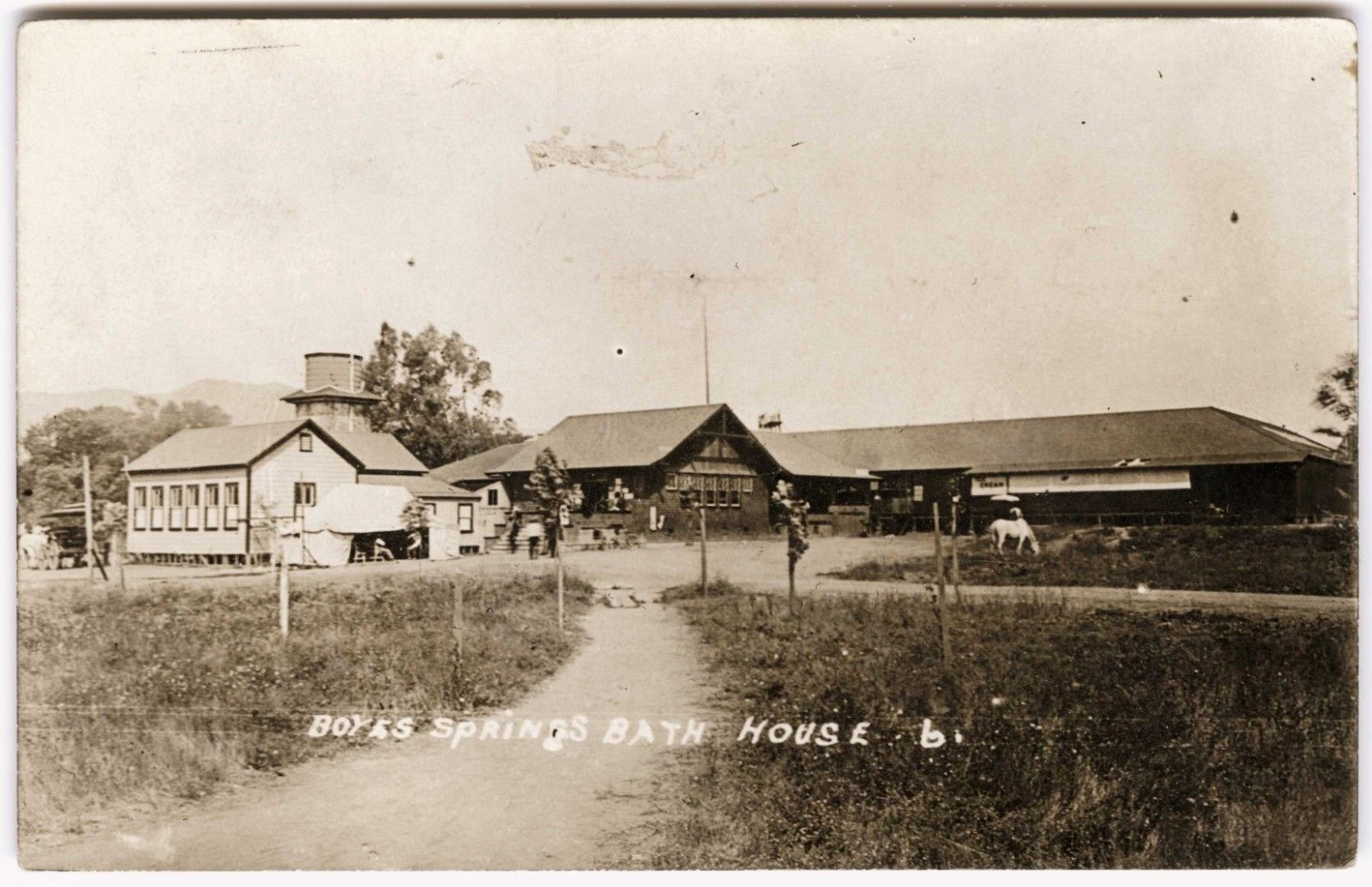
Bath House1910horse

The Boyes Bath House in 1910. The end of the canal would have been somehwere at the right. The entrance to the Bath House was on Pine Avenue.
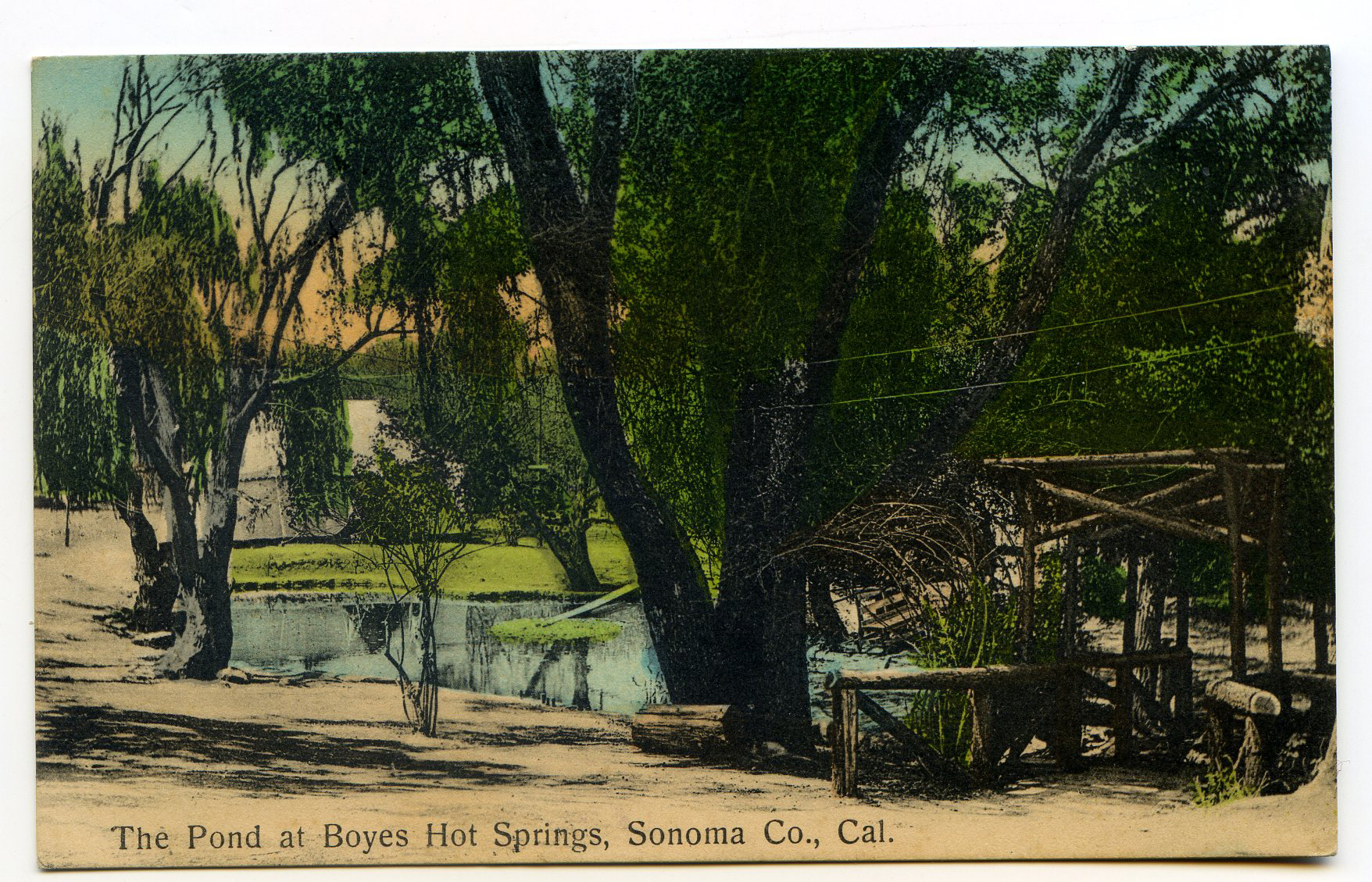
PondatBoyesSprings

This pond was in front of the “Old Hotel,” which was located where the Sonoma Mission Inn is today. Possibly the origin of the Pine Avenue canal.

On the fourth of August, 1916, the Boyes Hot Springs corporation, which owned all the land around the hotel which is now the Sonoma Mission Inn, sold lot numbers 155 and 156 (actually on Northside St., parallet to Pine) of the Hotel Grounds subdivision to Mary O. Cookson. She was enjoined by the boiler plate language of the “indenture” (deed) not to drill for water and, in the overt racism typical of the day, not to allow the occupation of the property by “Asiatics or negroes.”
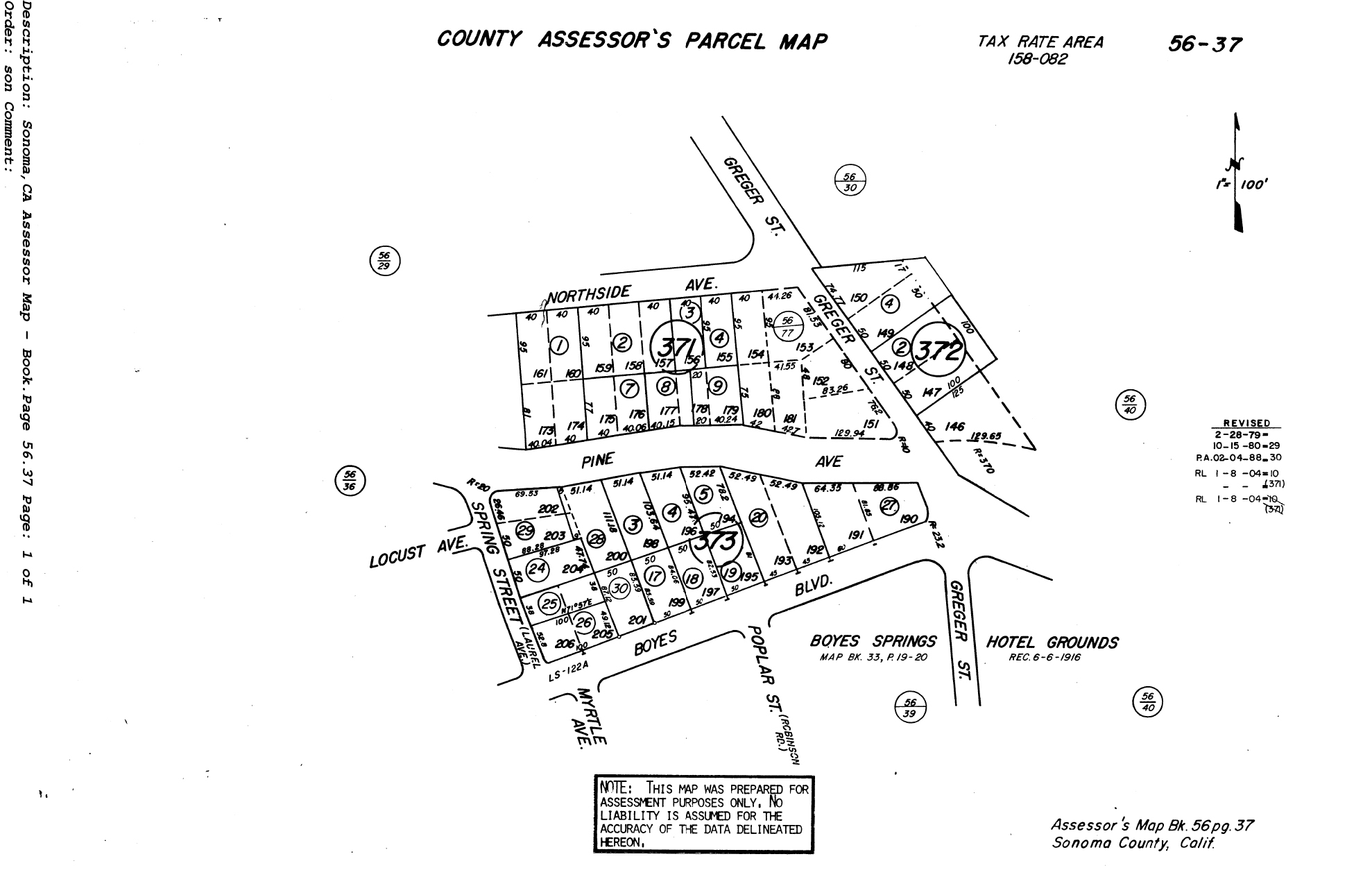
DataTree Order son For User stanley

The signers of the deed for the Corporation were Henry Trevor and R. G. Lichtenberg. Lichtenberg became a proprietor of the Boyes Bath House, and a street is named for him in that vicinity.
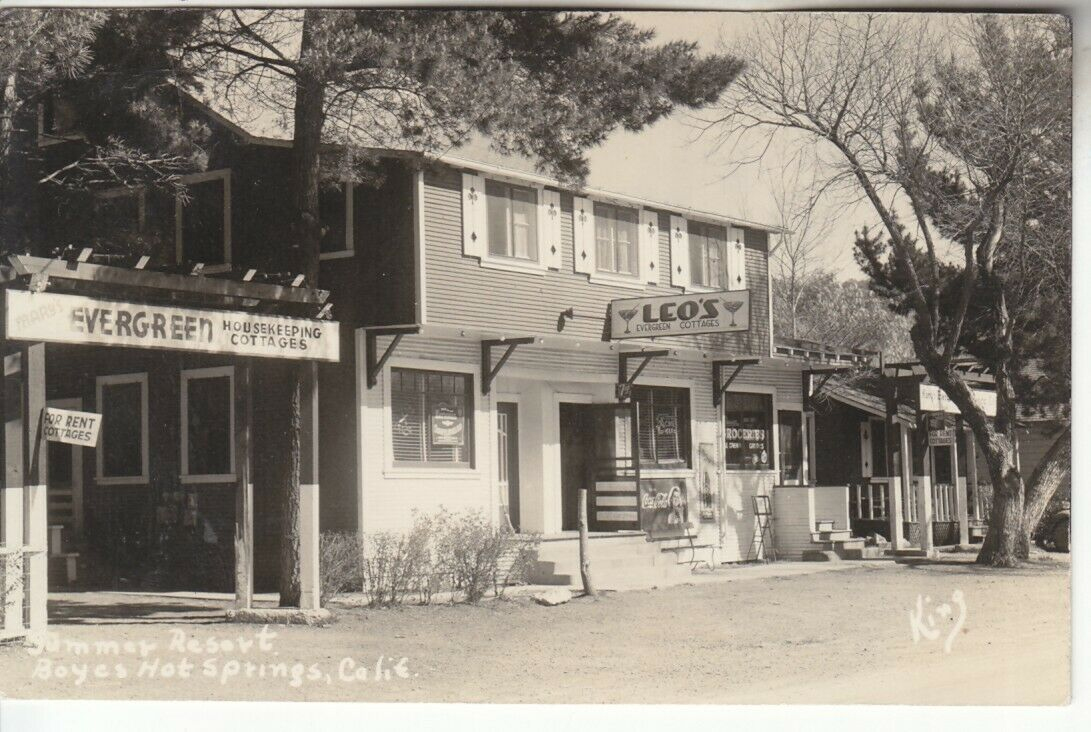
EvergreenCotageLeos

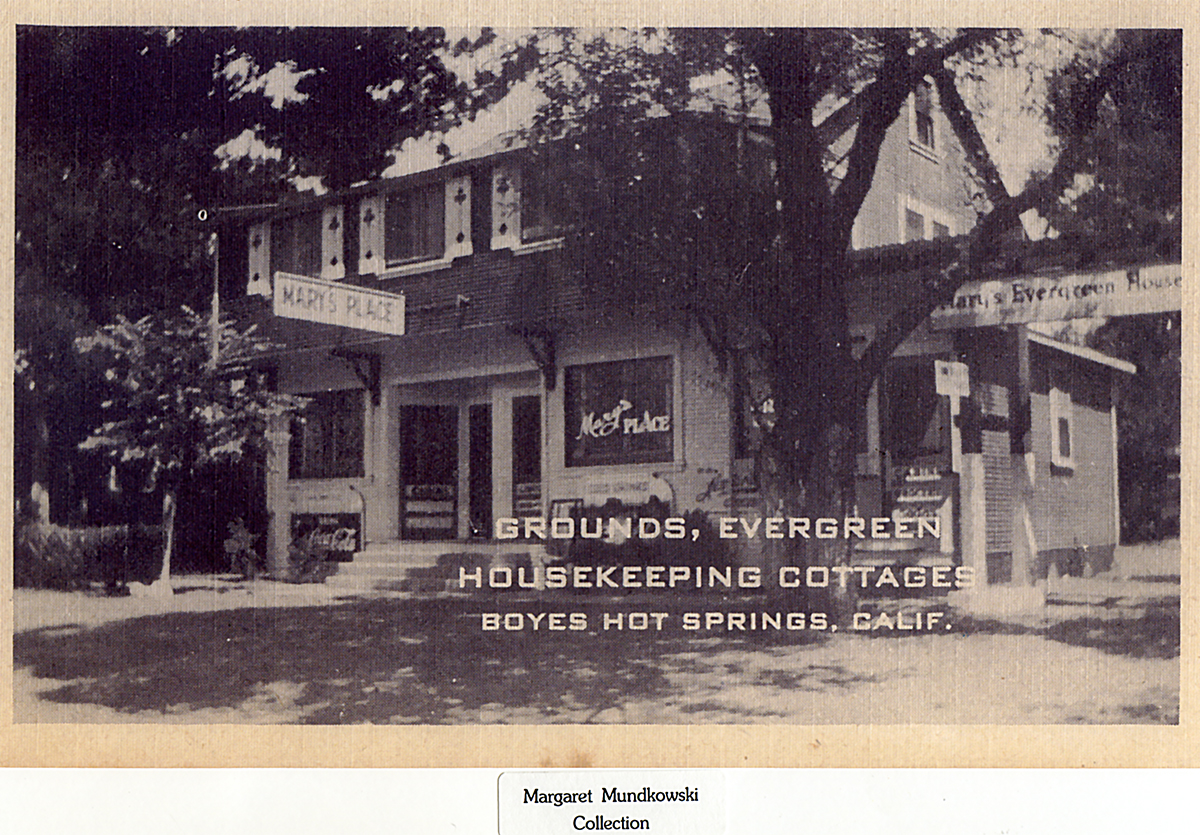
Evergreencottges

The principle resort on Pine Avenue was the Evergreen Cottages, which dates from the early 1920s. The main building, housing a bar know variously as Mary’s or Leo’s was on Pine, but the resort extended to Northside St. In the center of the cottages was an open area said to have been a boxing ring. This is plausible as the training of fighters was common in the Springs in the era before WWII. Louis Parente was well known for hosting workouts at his place in El Verano.
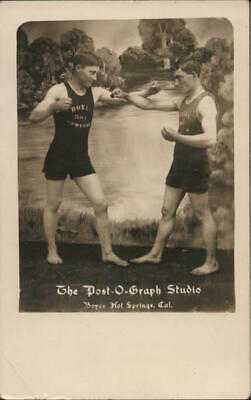
BHSBoxers

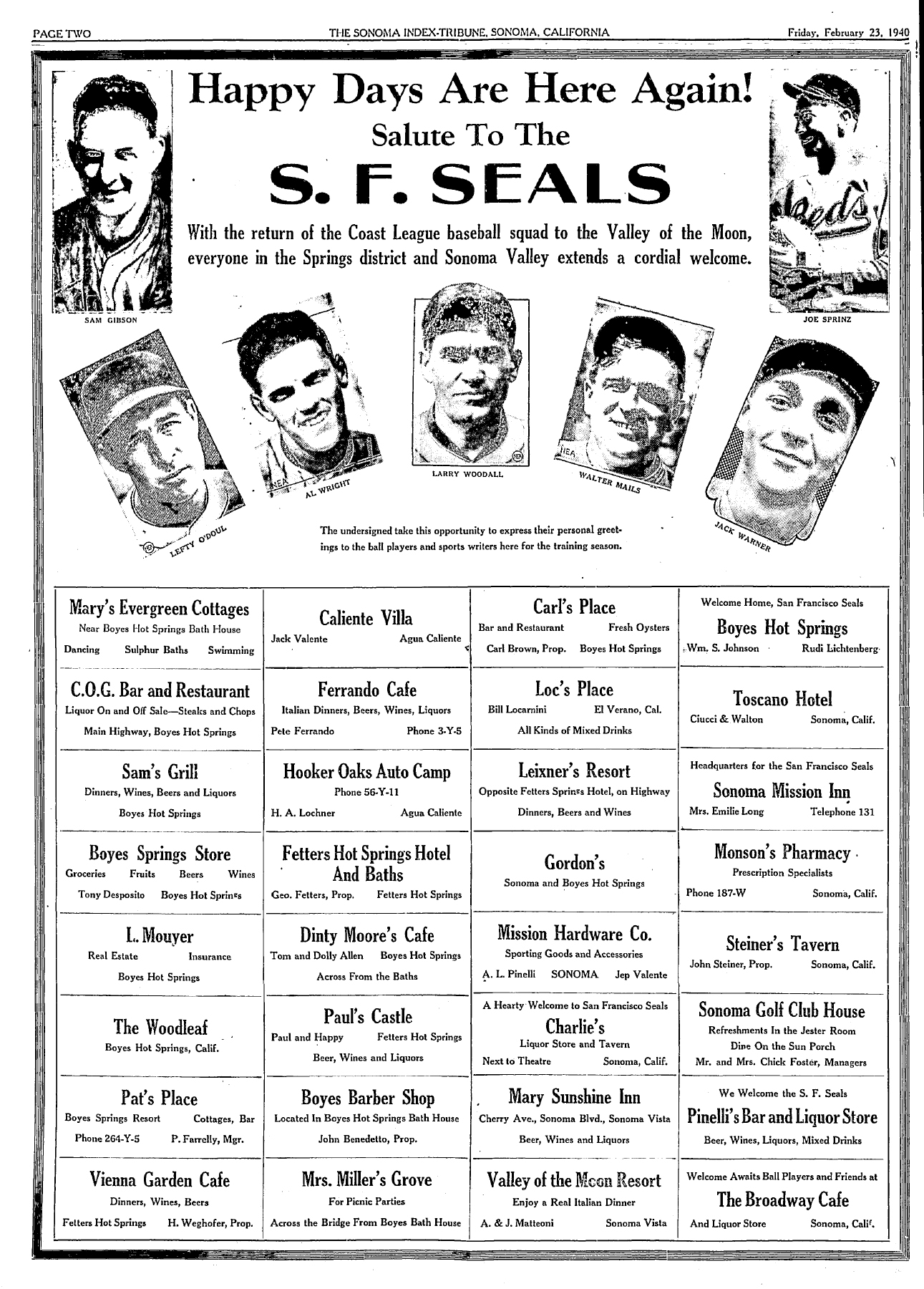
In February of 1940 the Index Tribune and dozens of local businesses welcome the San Francisco Seals to the baseball grounds at Boyes Hot Springs for spring training. Among them was Mary’s Evergreen Cottages. Their boxed ad boasted “dancing, sulphur baths swimming.” The baths and swimming were courtesy of the Boyes Bath House at the end of Pine Avenue, and dancing might have been in the large square area in the center of the cottage cluster.
IT1940businessList

On September 16, 1949, William Johnson and Milton Gregor, proprietors of the Boyes Bath House, leased Leo’s Evergreen to Thomas Mayhew and Celanire Mayhew. The Mayhews gave notice, the same day, that they would engage in the sale of alcoholic beverages at the Evergreen.

In April of 1951, Ruby Coronas bought the Evergreen Resort from Johnson and Greger.In 1955 she celebrated the fourth anniversary with an ad in the IT.

. EvergreenAd1955
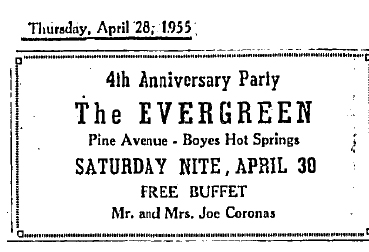
Joe, a native of Spain, died in Sonoma in 1971. Ruby died the same year, in Colusa.

In May of 1954, the Jack London Lodge of the American Legion hosted a candidates night at the Evergreen Resort. “Post commander Ed Reedy said that all candidates for federal, state, and county offices had been invited to be present, and that “most of them” had signified they will attend…” According to a June 3rd article in the IT, some of the candidates were Charles E. Greenfield, for state senator, 12th district, Oscar Larson for a Republican central committee post, and James J. Manning, of Boyes Hot Springs, unopposed for constable in the Sonoma judicial district. (Do we still have a constable?) Interestingly, among the polling places was Perkin’s Memorial Hall on Agua Caliente Rd., location unknown today. The Verano East polling place is listed as the Grange Hall on Highway 12, showing how notions of the boundaries between communities shifted over time as the (former) Grange Hall is now considered to be in Boyes Hot Springs. Archaic places names that had polling places included Cooper, Eaton, and San Luis.

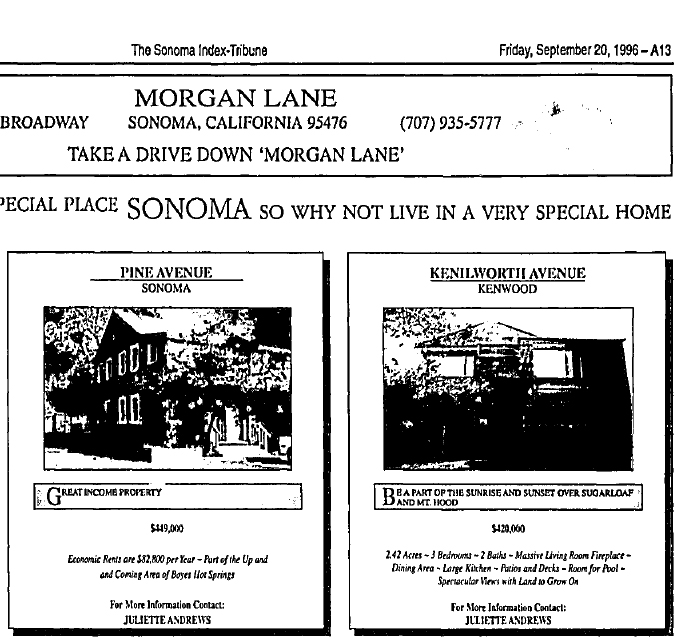
The resort was for sale in 1996 for $449,000. It was said to be in “part of the up and coming area of Boyes Hot Springs.”EvergreeRealtyAd1996
Another resort on Pine was the Golden Oaks, which was on the corner of Pine and Northside, or Pine and Gregor, depending on which source you chose. In a 1968 article the Index Tribune gave the address as 130 Pine, which would put it at the Gregor end.

The first mention of the resort in the IT is in 1932. From 1938 to 1950 a Mr. and Mrs. Zinkulsen owned and operated it. In 1950 they sold to Bertha I. Donnelson. In the notice of the transaction the Golden Oaks was said to consist of eleven cottages and an owner’s residence.

Crime on Pine

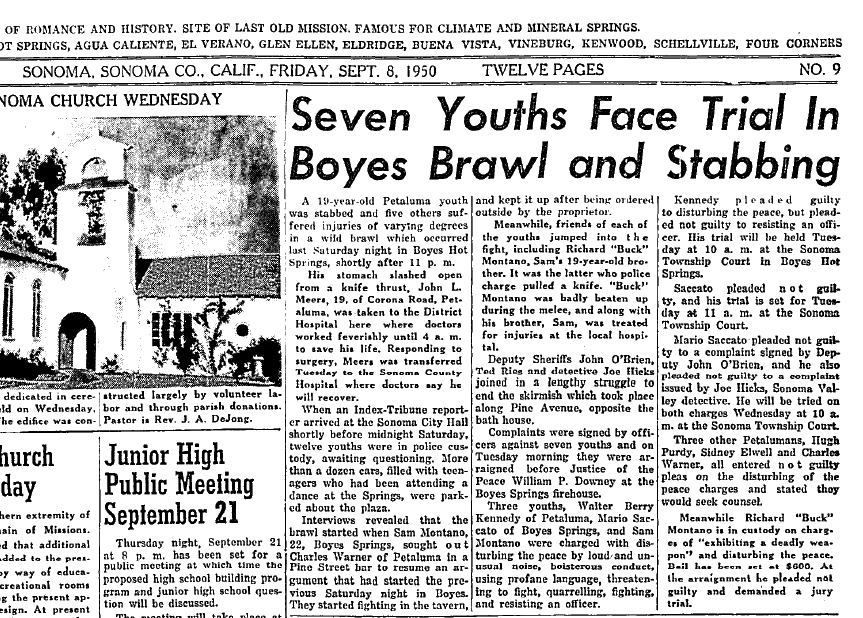
Apparently Pine Avenue was a rough place in 1950. Around 11PM on September 8 of that year a street brawl broke out between seven young men, according to the IT headline. However, in the story it turned out that twelve youths were arrested and three were in the hospital, one with his “belly cut open.” He survived.PineAveBrawl1950.2
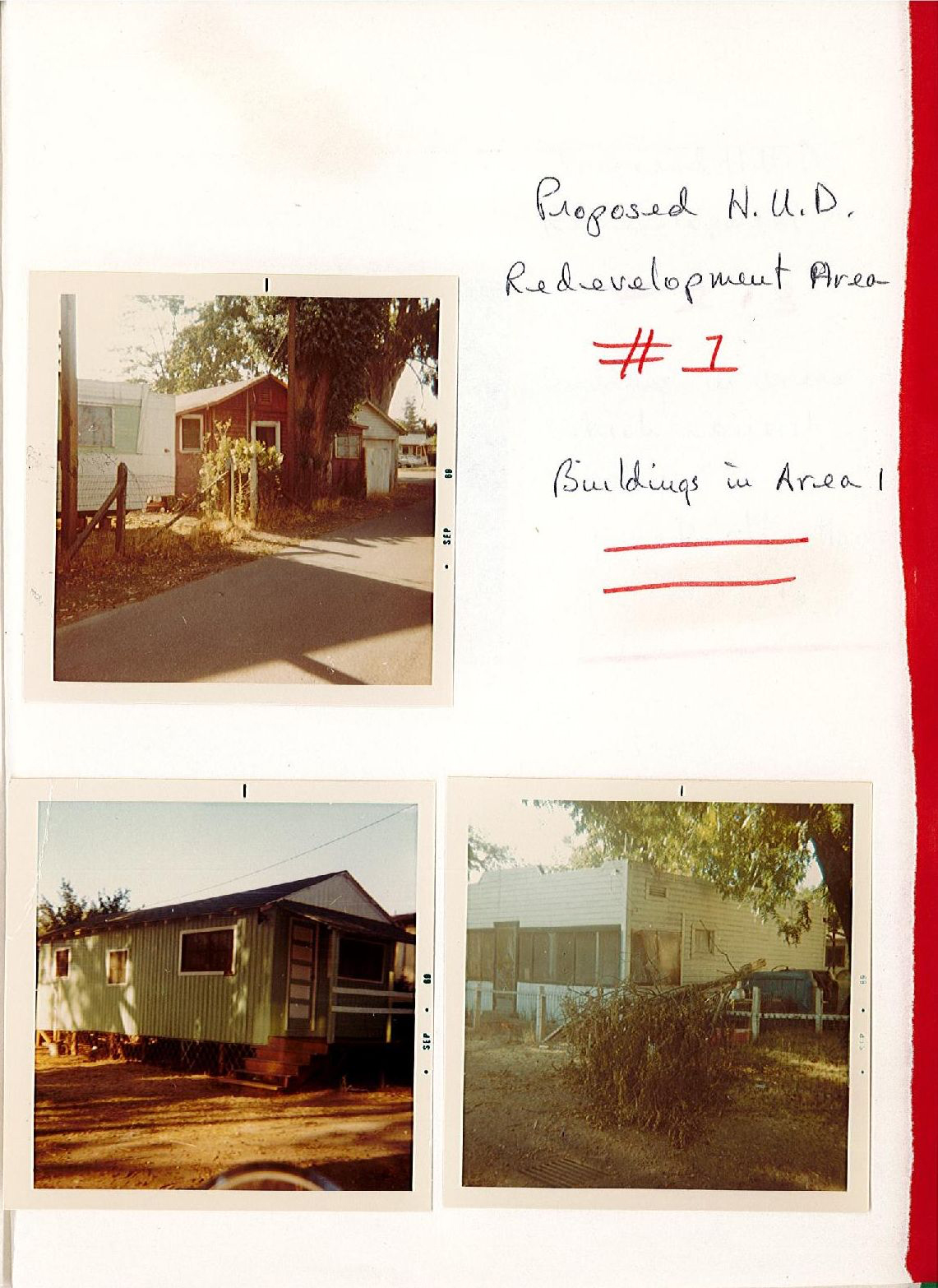
16 Pine Avenue was an interesting looking building. Apparently a store, it was in use as a residence up to 2009. It was boarded up in 2010 and demolished in 2019. In 1969, the federal Office of Housing and Urban Development was contacted by Boyes Springs Resort owner Luis Vela about a redevelopment program for the Springs. According to the IT, “Vela said he had conferred with HUD officials and others from San Francisco on the Boyes redevelopment plan. Preliminary proposals set this up on a three-stage basis. The first area to be upgraded under such a pilot project, said Vela, might be the section between the creek and Highway 12…”
16PineAve1969Photos

These photos, courtesy of Sonoma County Library, show an area, Pine Avenue, that could be included in the project. 16 Pine Avenue is shown. Redevelopment did no start in earnest until the late 1990s. We got sidewalks and street lights and some improvements to commercial buildings before Jerry Brown abolished redevelopment statewide in 2011. The sidewalk project was completed with county funds in 2016.

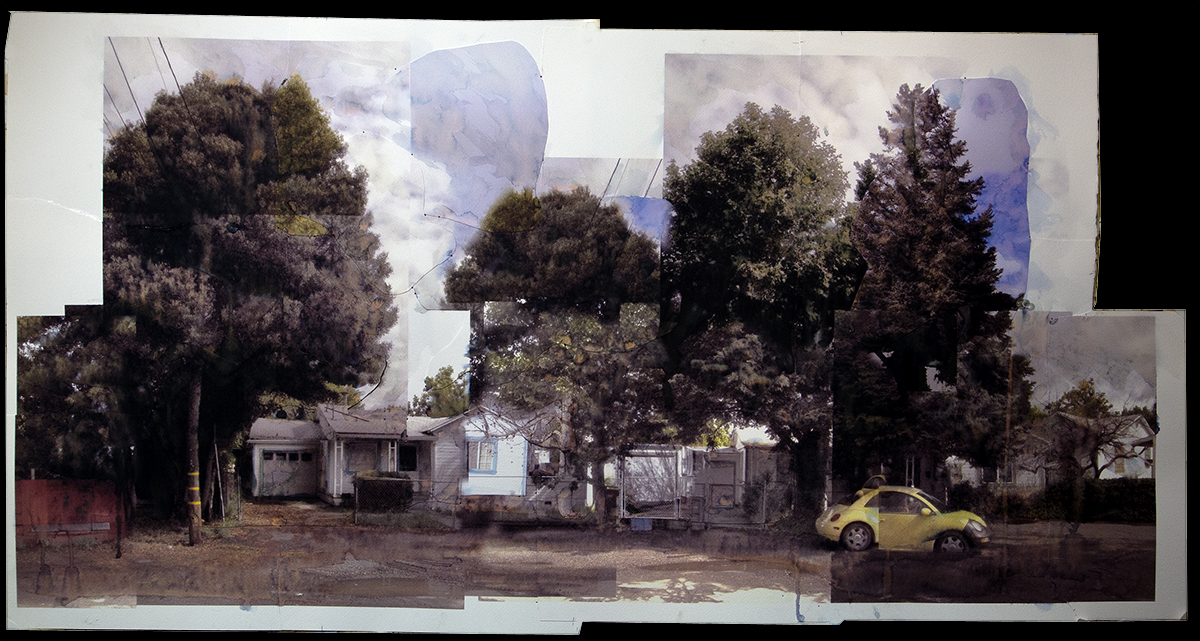
In 2004 a new development was built at Pine and Gregor. It consists of nine, small, two story homes plus an older home that was remodeled. Four of the units were meant to be “affordable.” John Bonfini was the developer. I believe the Bonfini development was built on the Golden Oaks site. Photo of the “older home,” possibly the Golden Oaks owner’s residence.
PineST#4.2.jpg

Photo collage watercolor by Michael Acker of a section of Pine Ave.

Index Tribune courtesy of the Sonma Valley Historical Society. Photographs and maps from the author’s collection.


Standard