Boyes Hot Springs, El Verano, History, Photographs, Resorts, Springs Historic Photo Database

New to the Springs Historic Photo Database

bhsbathhousehorseandtank

Probably around 1910

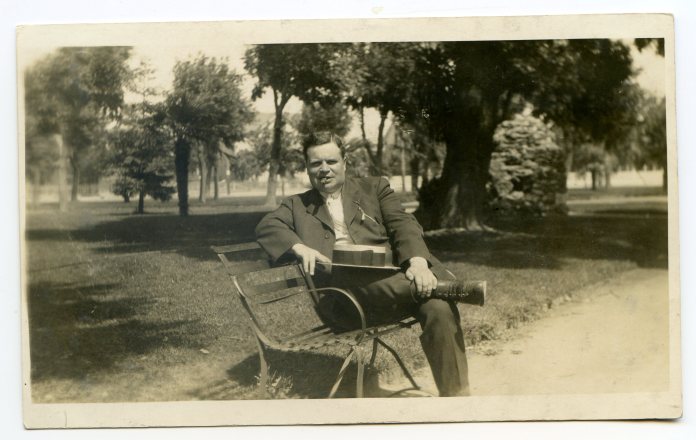
bhsmancigar1912

His name is Gus. Post marked Boyes Hot Springs, but is this the Plaza? 1912

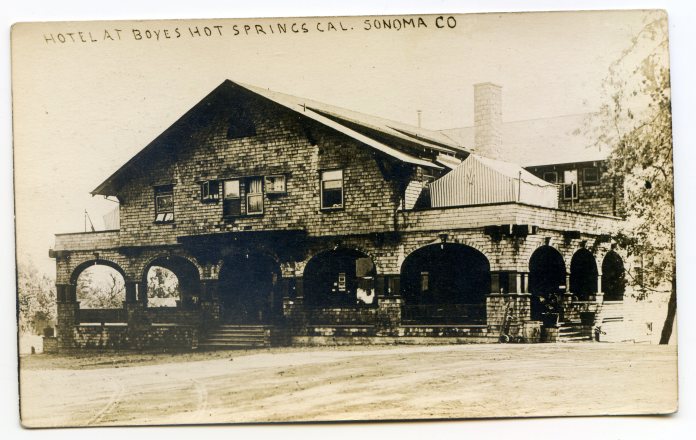
boyeshoteltent

The “Old Hotel.” Before 1923

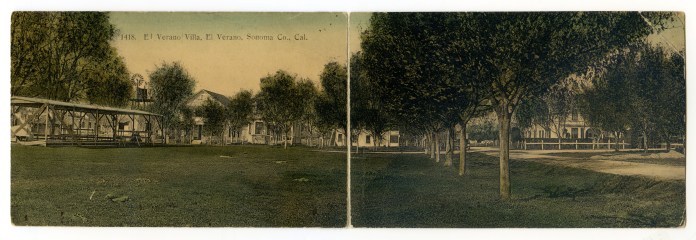
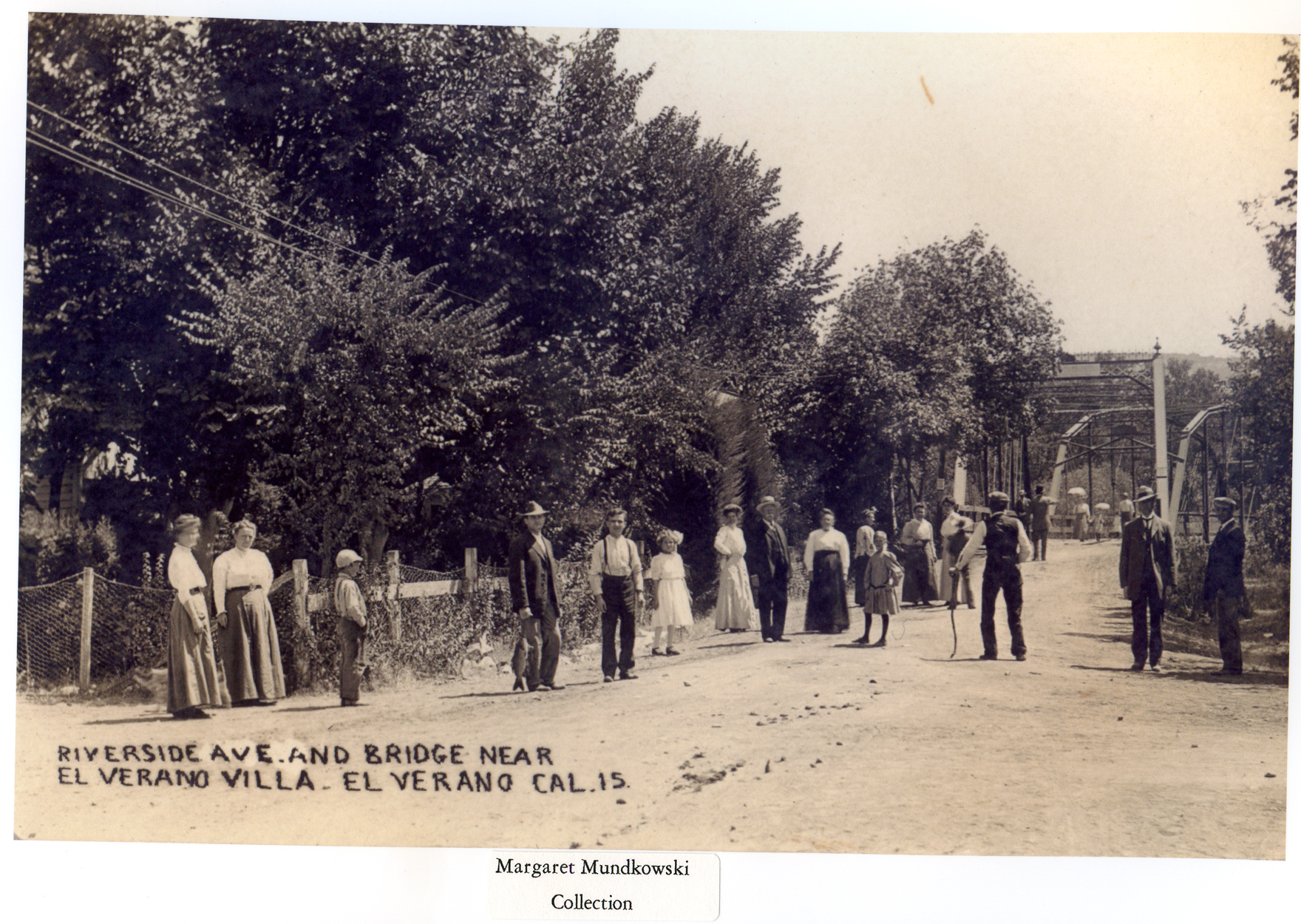
evvillapano

El Verano Villa. Near Verano Ave. and the creek.

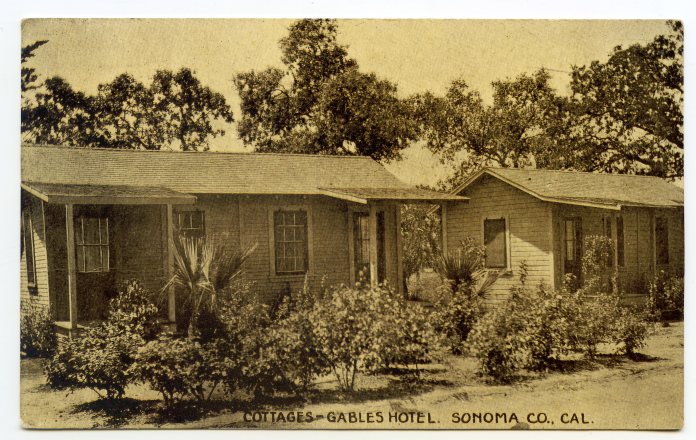
gableshotelcottages

Gables Hotel. Exact location unknown.

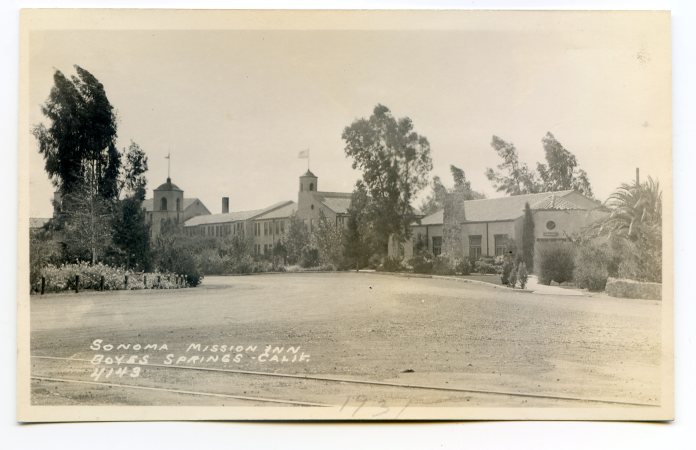
smi1937

Sonoma Mission Inn, 1937, ten years after it was completed.

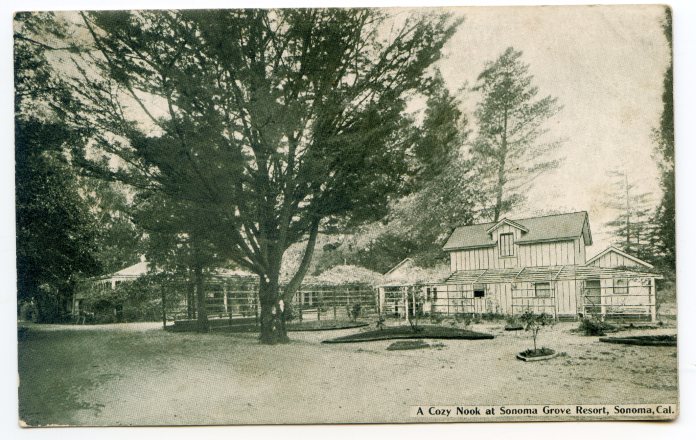
sonomagrovenook1912

Sonoma Grove, on the Highway between Sonoma and Boyes.

Standard
El Verano, Entertainment, mid-century, People, Resorts

Paul’s Resort

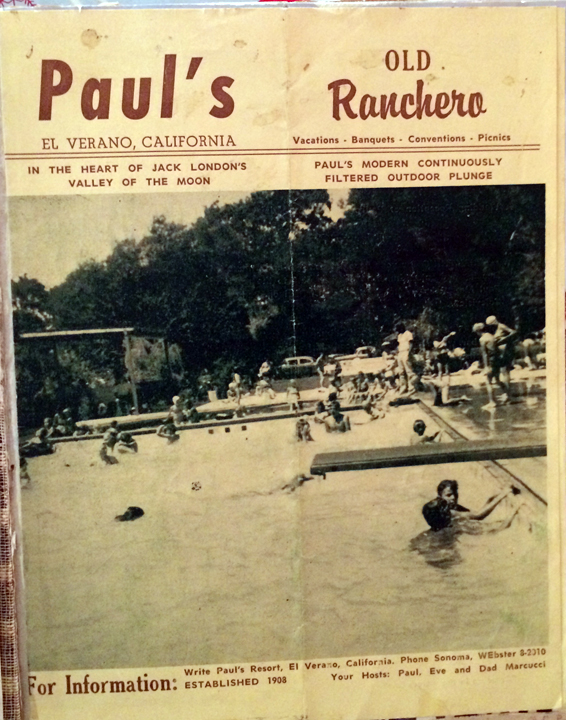
Paul'sBrochurecover

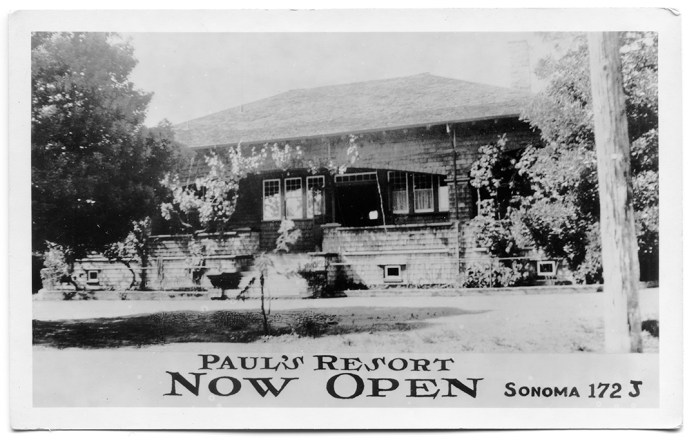
PaulsPostcard

After the main building burned in 2013, the Press Democrat reported, “The resort was built in 1908 at the El Verano rail station 20 years after the Santa Rosa-Carquinez Railroad opened the way for visitors from San Francisco and elsewhere,”. Actually, the location was the Verano rail station. The El Verano depot was across Sonoma Creek. Two competing railroads served the valley at that time. (See map), the Northwest Pacific and the Southern Pacific.
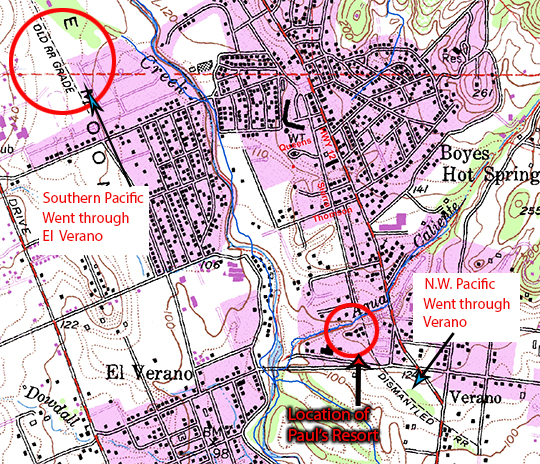
PaulsLocationQuadMap

As there were two depots with the word Verano in their names, so there were two Pauls.; Paul Vannuchi founded the resort in 1908. Paul Marcuchi bought it in 1944.

As was common, Paul Vannuchi ran afoul of Prohibition laws. In 1920 he was accussed of conspiracy. At the time, he was also the propietor, with one J. Foppiano, of a roadhouse near San Bruno.
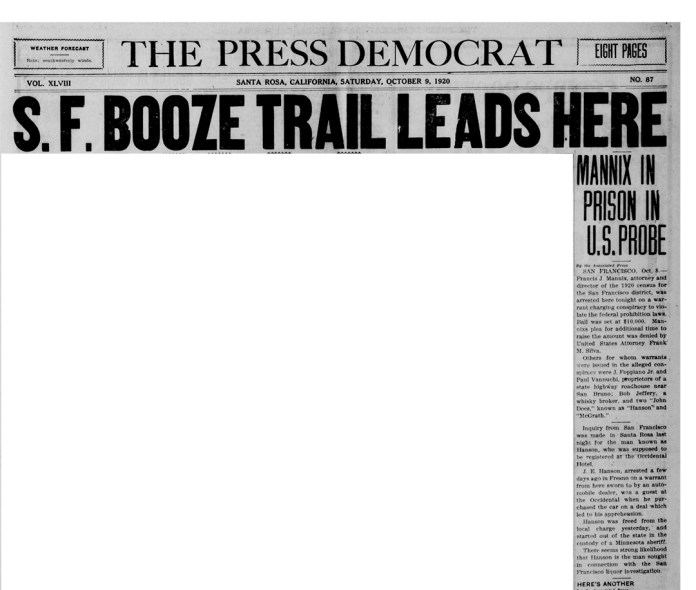
PDVannuchiaArrest1920

You have to love the headline.

In 2016 we sat down with Eve Marcucci and her daughter Yvonne Marcucci Thibault to record some of their memories. As we talked, we paged through one of the many scrapbooks Eve kept of the resort and Paul’s career.
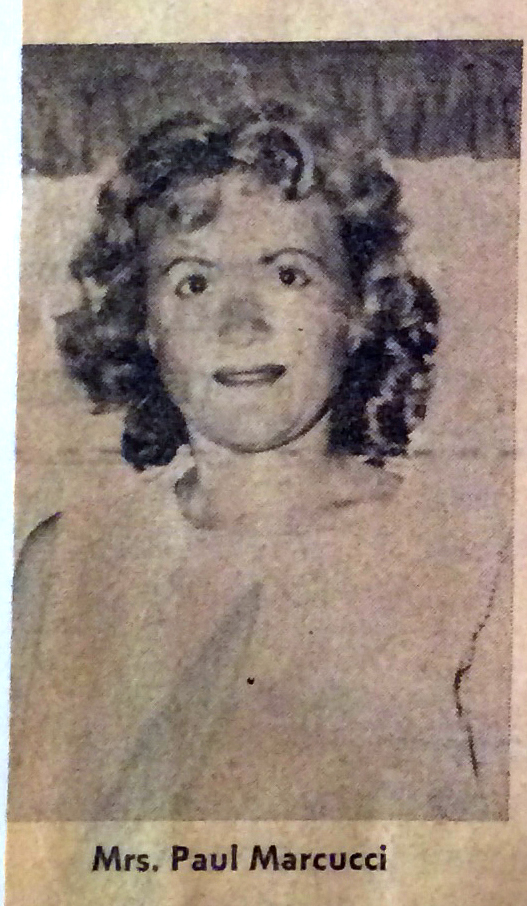
EveMarcucci1962

Eve Marccuci in 1962

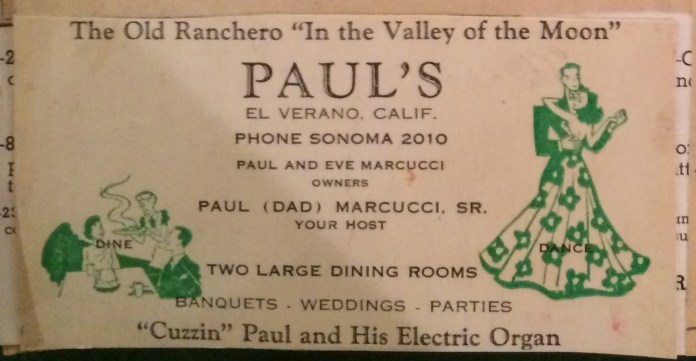
Paul'sAdCuzzin

Your host, “Dad” Marcucci.

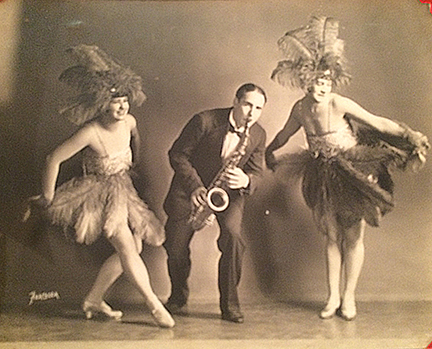
Paul’s father, Paul Sr. (“your host” according to the flyer) was also a musician; he played the mandolin. The Marcuccis emigrated from Lucca, Italy around 1900. One branch of the family went to Argentina. We see some photos of them in the scrap book. Paul left home in Ohio at the age of sixteen with a band he formed. They toured the country backing a female impersonator who was popular at the time. Drag shows were a staple of the vaudeville circuit in the 1920s and 1930s.

PaulMarcucci.jpg

Paul in his vaudeville days.

PaulandDancers

Paul and female impersonators, 1920s

According to Eve and Yvonne, Paul’s Resort was place of laughter and good times, and the leader and instigator of the fun was Paul.

Paul and his pals, including Pete Mancuso, sang, played and performed skits in the dining room of the resort, where there was a stage.

PaulsSignMerger

Paul and Pete Mancuso, center, merged their businesses some time in the 1950s. The photo shows their “shotgun wedding.”
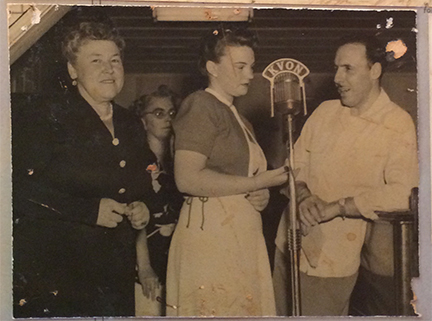
PaulKVONradio.jpg

Paul played electric organ and the trumpet at the same time. Some times the revelries were broadcast on radio from that stage on station KVON. Yvonne recalls that, as a child, her parents would put her on a bar stool, so they always knew where she was.

Paul'sCartoon1.jpg

Paul certainly was a man of many talents. According to Eve, “Dad built the pool. He became a licensed contractor to get work done on the resort faster.” He was also a well known music teacher who worked for the public schools and taught privately. During WW2 he served in the Navy as a musician, and wrote the patriotic songs “Remember Pearl Harbor” and “Win the War in 44.” His coauthor on the former was Aub Brandon of Santa Rosa. According to the Healdsburg Tribune, the song was written in one hour. It was released on December 18, 1941, just twelve days after the cataclysmic Japanese bombing raid.

On top of all that, he became the manager of a young singer from Marin County by the name of Clairette Clemintino. Paul’s daughter Yvonne remembers trips to Los Angeles with her dad and Clairette, for recording sessions and publicity events. The scrap books contain photos of Yvonne with the likes of Danny Thomas, Chubby Checker and Shelly Fabre. Clairette’s career is documented at the website www.girlgroups.com.
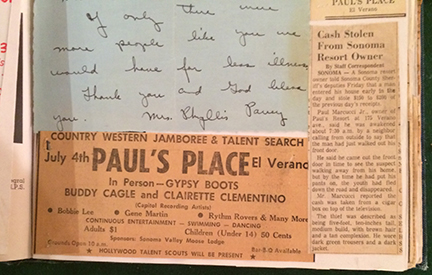
ClairetteAd.jpg

Clairette Clementino appearing with Gypsy Boots! “Hollywood talent scouts will be present.”

Paul died in 1981

PaulJr.Obit1981

In the 1980s the main building of the resort became a Moose Lodge.

In the 1984 Historic Property Survey Report, prepared by architect Dan Peterson for the Redevelopment Agency, the resort is listed as eligible for listing on the National Register of Historic Places.
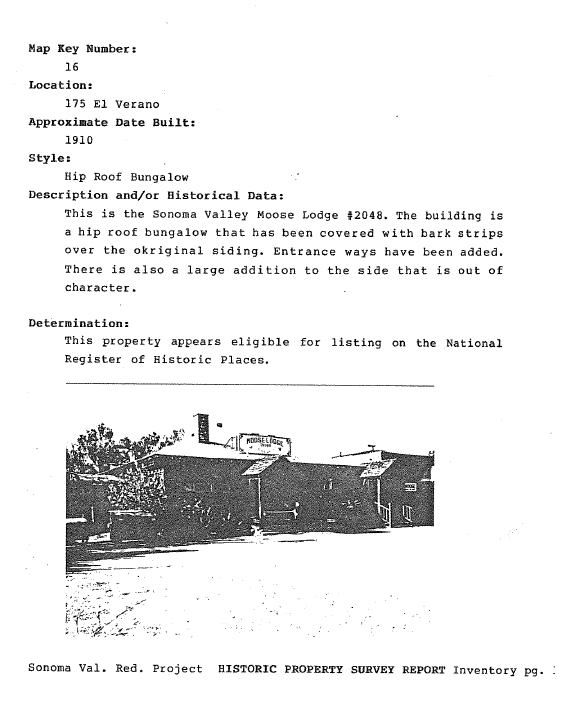
HistoricSurveyPauls

As mentioned above, the main building burned in 2013, much to the dismay of the Marcucci family and a community that continues to have warm memories of the resort.

More images from Paul’s Resort:
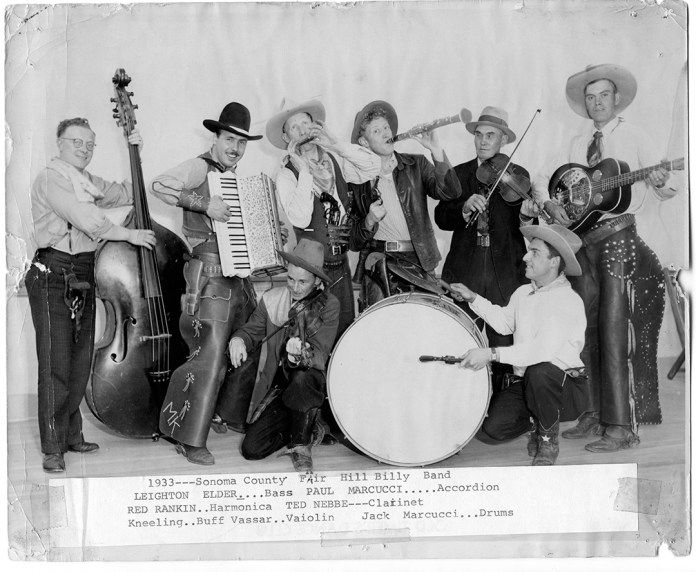
HilbillyBandMarcucci

Sonoma County Fair “Hillbilly Band” 1933
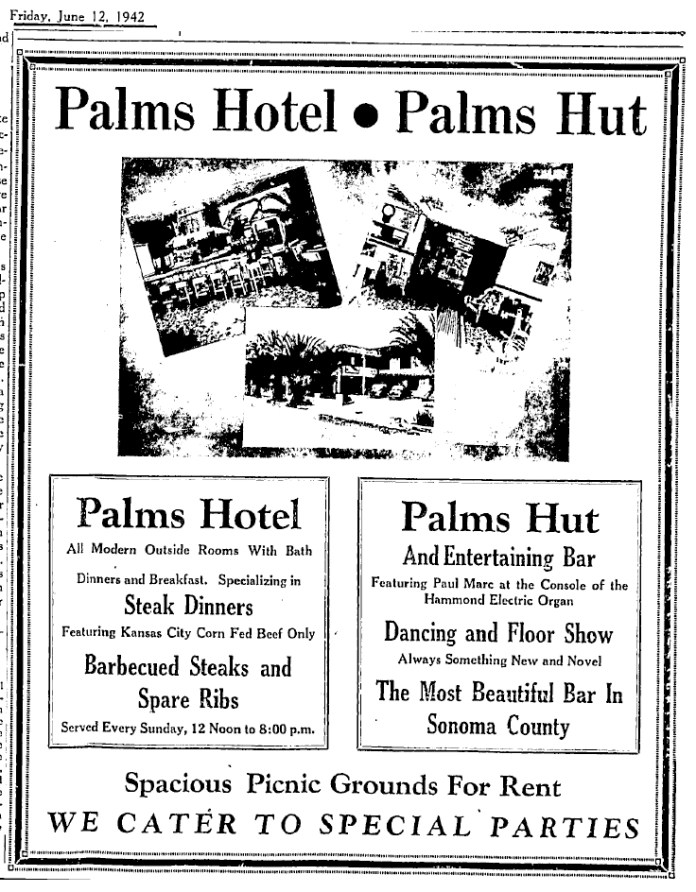
PalmsHotelAdPaulM1942

Paul used the stage name Paul Marc

IMG_0409.JPG

Paul Marc and his Jail Birds. City unknown.

Paul'sCartoon2.jpg

All photos courtesy of the Marcucci family.

Sonoma Index Tribune courtesy of the Sonoma Valley Historical Society.


Standard
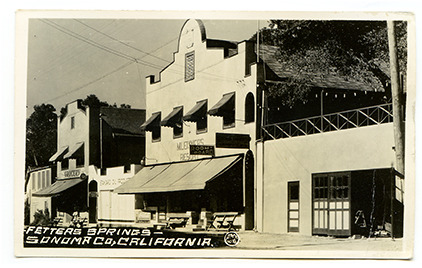
Architecture, Fetters Hot Springs, History, Now and Then, Photographs, Resorts

Reclamation?

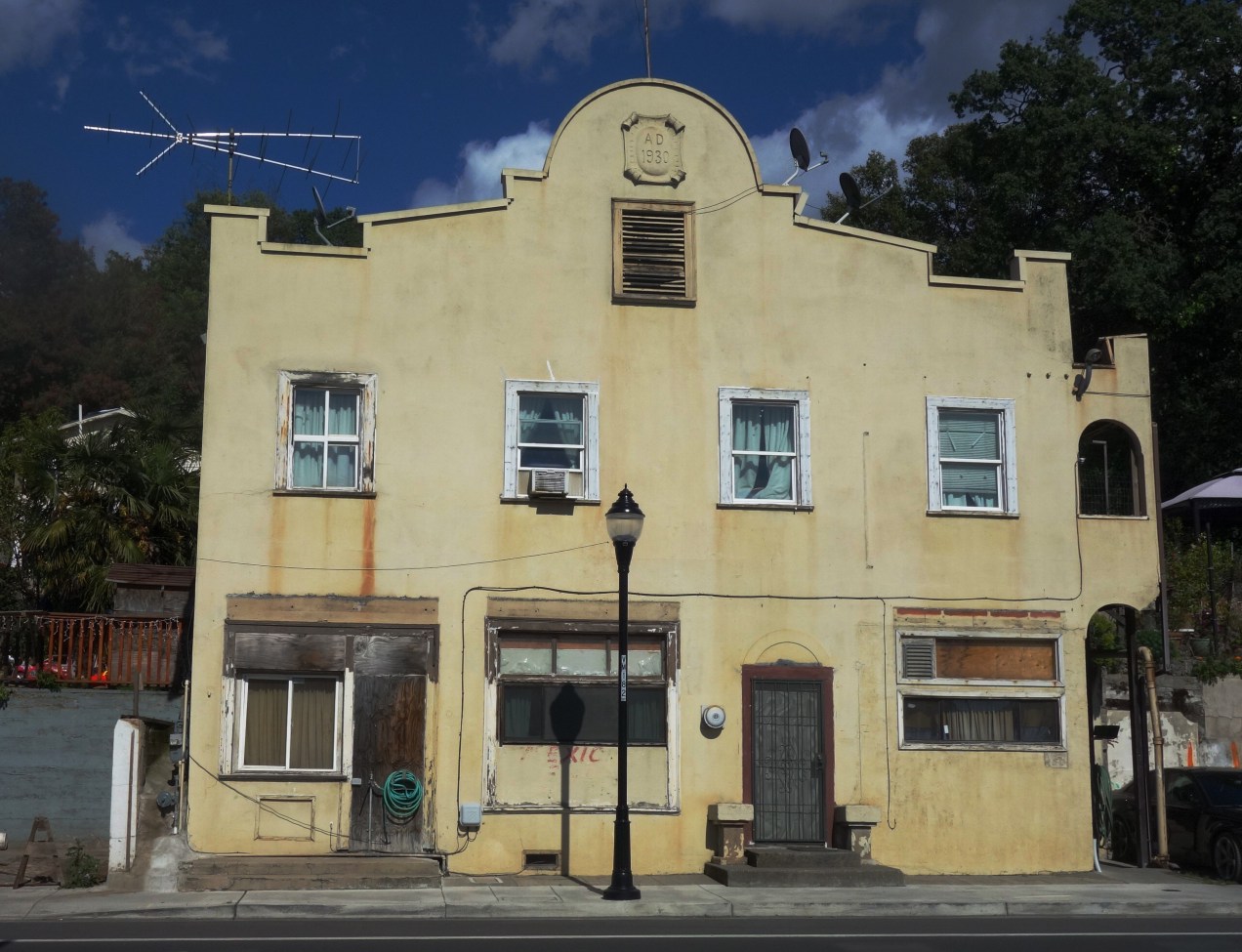
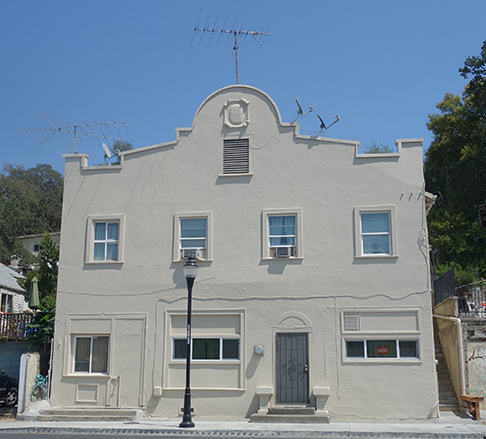
This is the key historic building still standing in Agua Caliente. Apparently undergoing demolition-by-neglect, it has, in August 2018, gotten a set of new windows and a paint job. We can only hope that the structure behind the stucco still has integrity.

AC1933crop

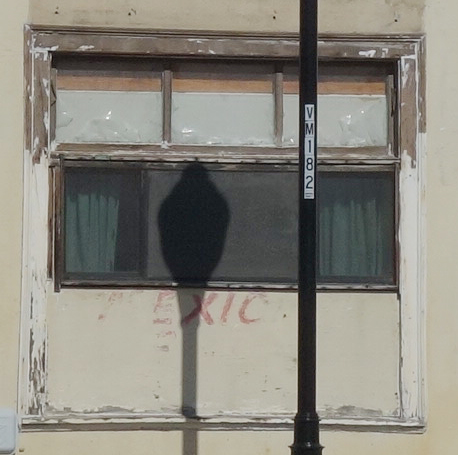
FadedMexicansign

Before the new paint, the ghost of the word “Mexcian” could be seen near the sidewalk. Various restarants and markets have been housed in the building.

AC1933August2018

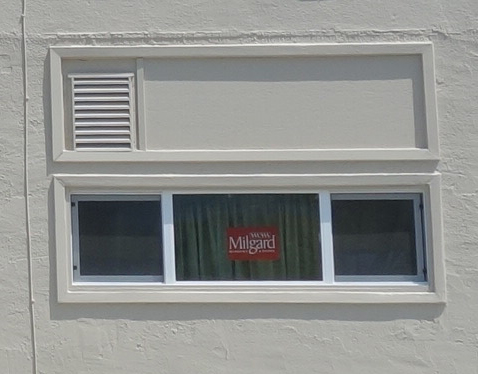
AC1933Detail

After paint. The windows still have the factory sticker.

Leixnershires2

In the days of Liexner’s Resort.

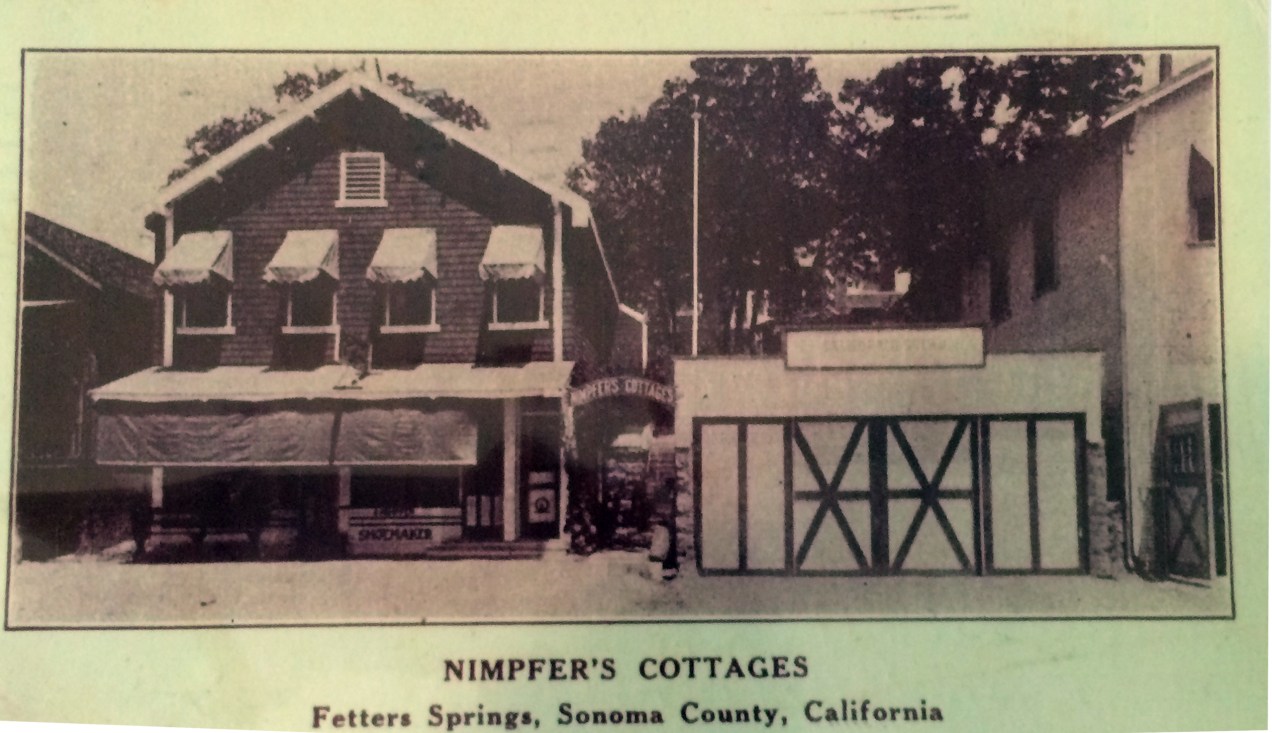
Nimpfer's

And Nimpfer’s.

Standard
History, Photographs, Resorts

Caliente Villa

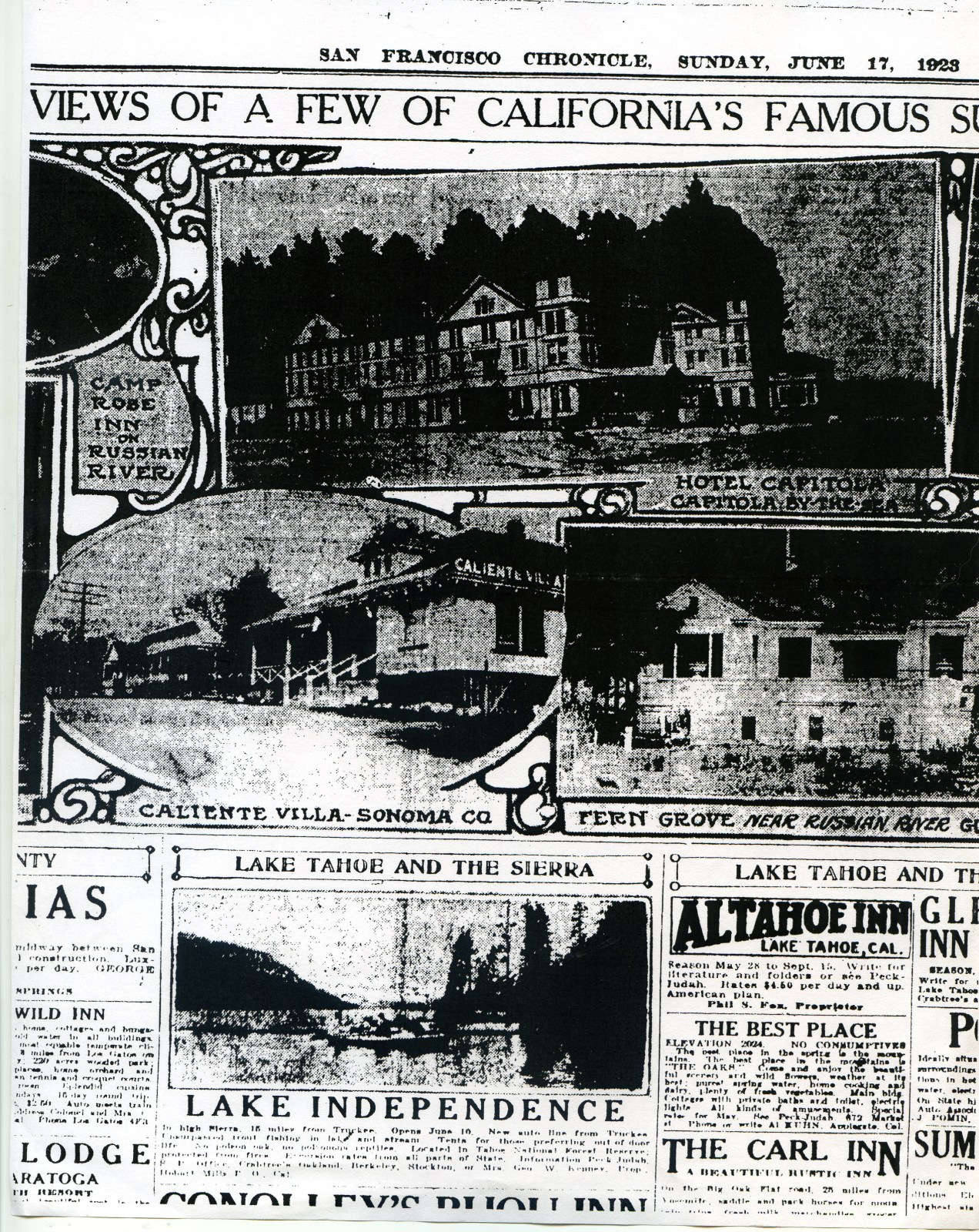
chroniclepageresorts

Courtesy Robert Palmelee

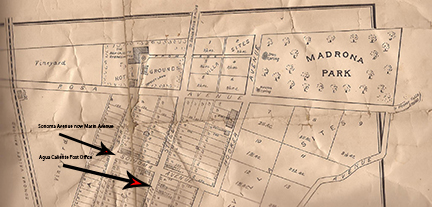
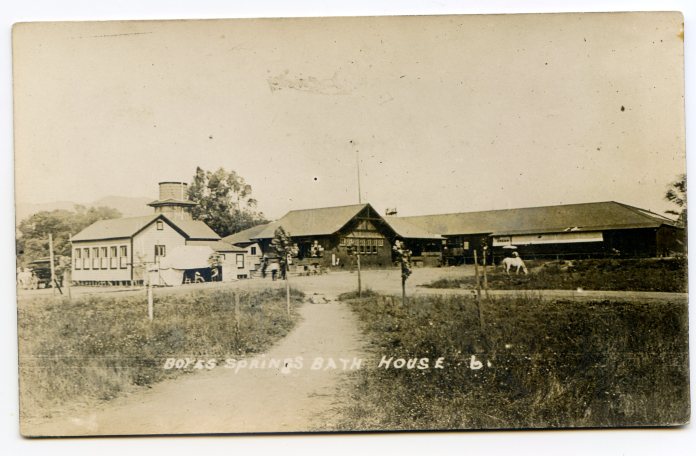
The resort was located on the east side of Sonoma Highway, near the corner of what was then known as Sonoma Avenue, now Marin Avenue. The Agua Caliente post office was reportedly located in one of the resort buildings.

ACMap

Map courtesy of Jeff Gilbert

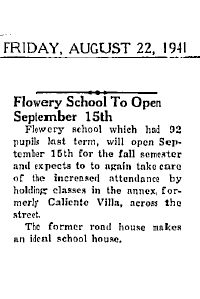
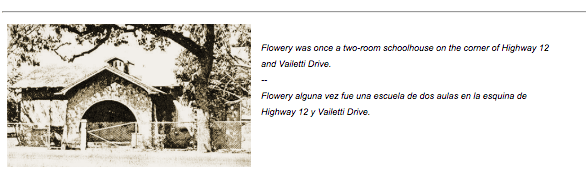
In a 1941 article, the Index Tribune located the resort across the road from (the old) Flowery School, which was at the corner of Vailetti Drive.

CalVillaFlowerySchoolScreen Shot 2018-05-18 at 5.38.41 PM

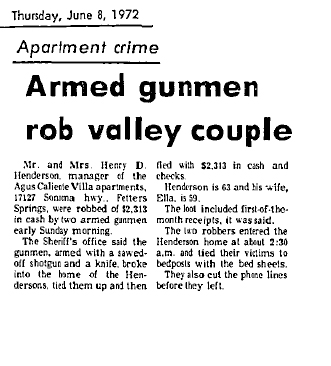
CalVillaApartmentsAddress

In this alarming article from 1972, the address is listed as 17127 Sonoma Highway.

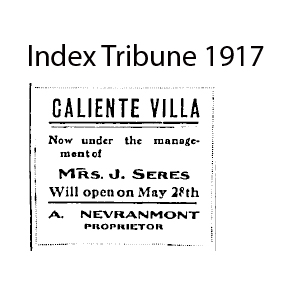
The founders of Caliente Villa in Agua Caliente are not known, but we do know the resort was owned by A. Nevraumont by 1917. Nevraumont was an early resort owner in El Verano, having established El Verano Villa before the turn of the 20th century.

CalVillaAd1917


CalienteVillGilbertUncles

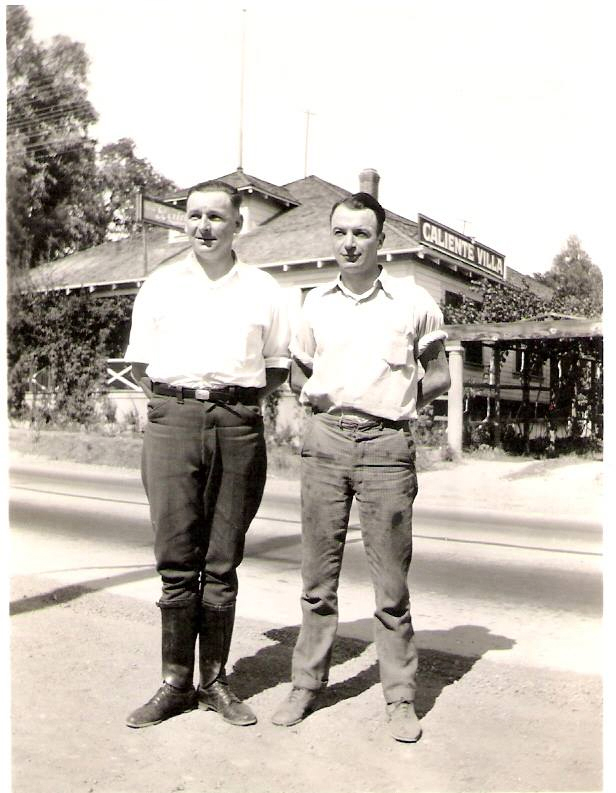
”My Great Uncle Joe Costa and My Great Uncle SFPD Officer Joe O’Rourke – Early 1930’s…Great Shot of Caliente Villa – Behind Them.” Jeff Gilbert via Facebook.

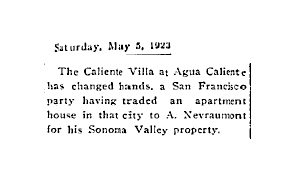
In 1923 the buildings changed hands.CalVilla1923Changeshands

CalienteVillaAdCourtesy Lynn Downey
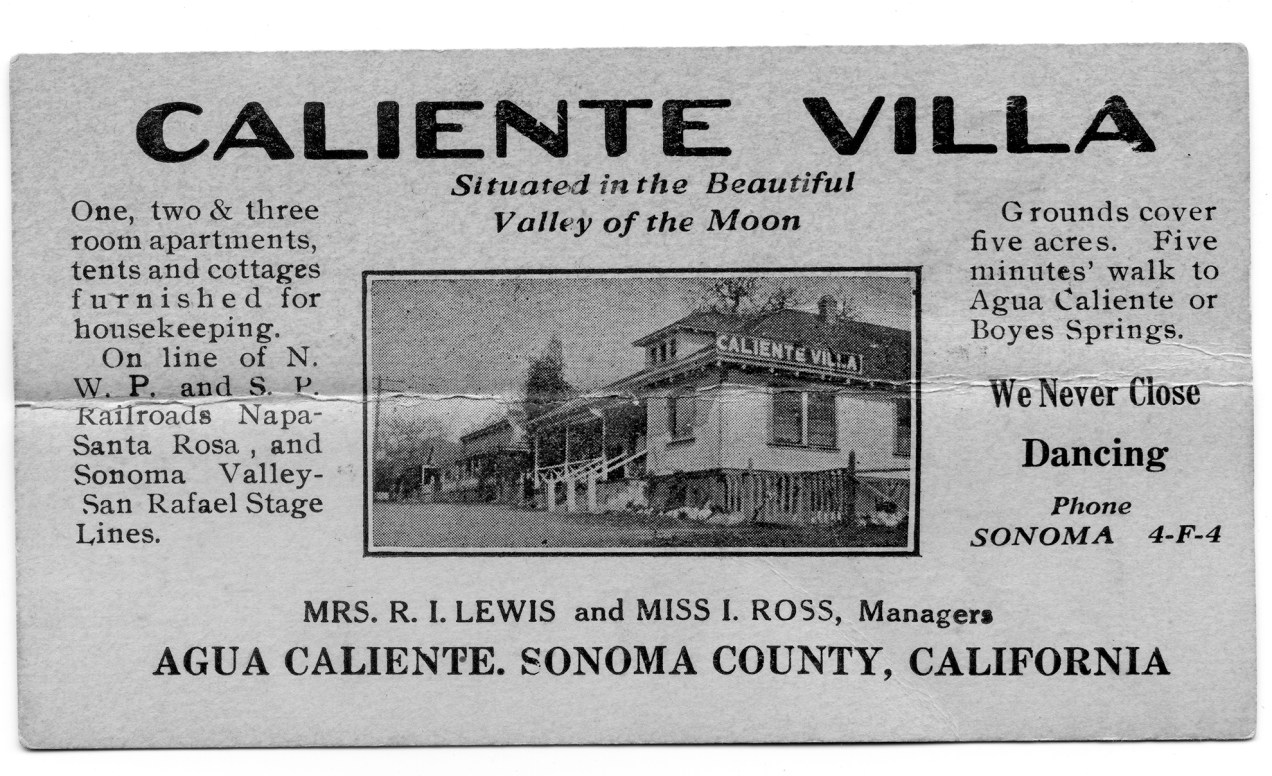
In fact, the Villa went through many owners and managers. In 1920 Mrs. Lewis and Miss Ross were in charge. They…”have leased the (resort) and will conduct the popular springs resort on the apartment plan…” Along with “modern conveniences and comforts,” the new proprietors would provide “a long distance phone” and a “classy jazz orchestra!”

That same year, Lewis and Ross entertained “twenty four members of the Salt Lake City baseball team…Mrs. Lewis and Miss Ross were assisted by a number of young ladies…There was dancing, music and card playing…” and “everything was complimentary, including the smokes, and the boys report a swell time.”

AutoCampStateLibrary

Courtesy California State Library

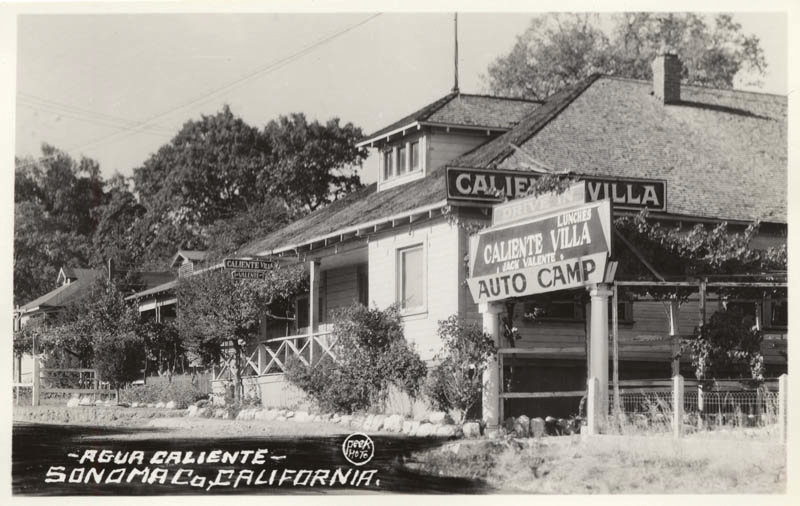
Jack Valente (his name is seen under Caliente Villa in the sign) ran the resort as of 1940. The term “auto camp,” however, was in use at least from the early 1920s. Automobile tourism in Sonoma Valley started before the opening of the Golden Gate Bridge.

Note the dormers on the three buildings shown in the photo.

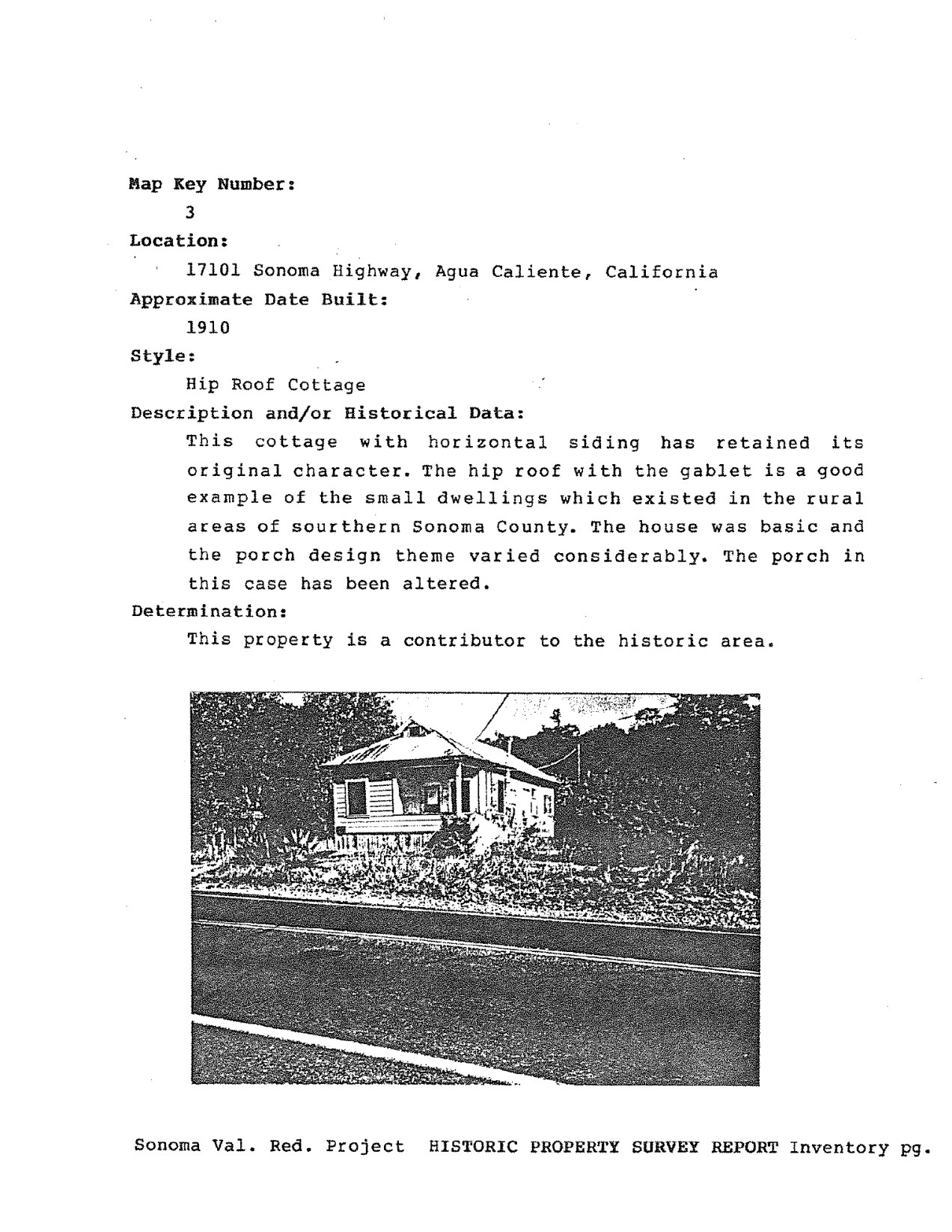
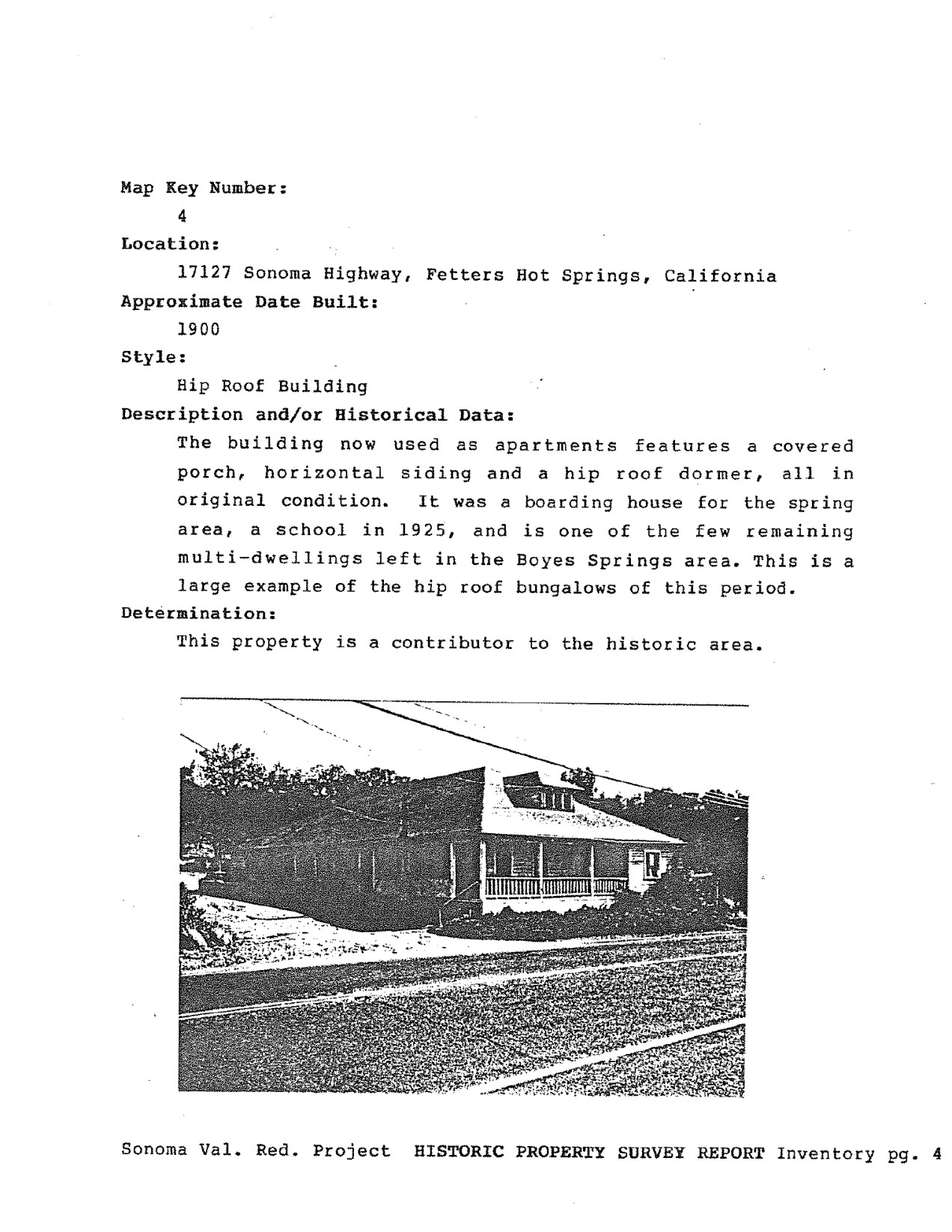
Several of the buildings were in existence in 1984 when Dan Peterson made his Historic Resource report for Redevelopment.

Peterson1

Peterson2

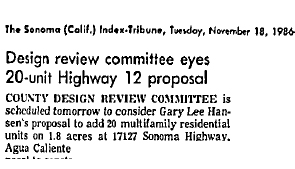
CalienteVillaDevelopment1986

The development proposal in 1986 probably resulted in the demolition of 17127, and it looks like the 20 multifamily units were indeed built.

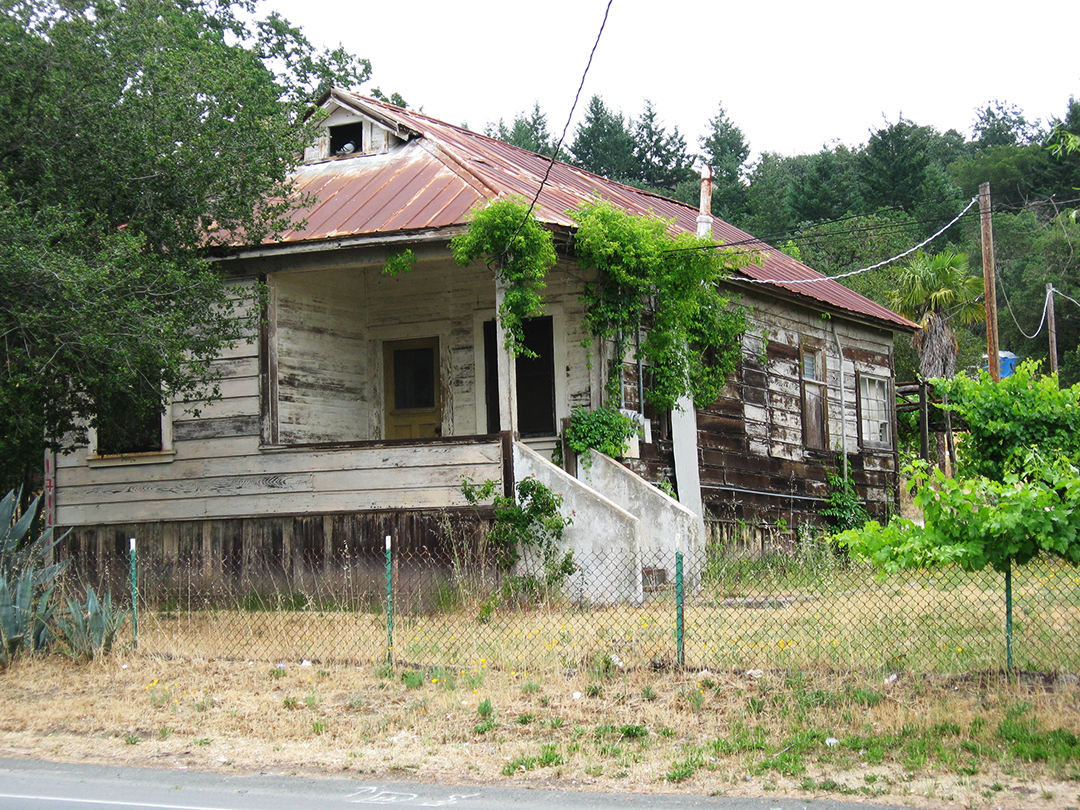
17101 was still there in 2008.

CalienteVilla2008


In 2018 only one survives (17123).

17111 Sonoma Hwy - Google Maps

CalienteVilla2018.1


Standard
Architecture, El Verano, History, mid-century, Resorts, Uncategorized

Rozario’s

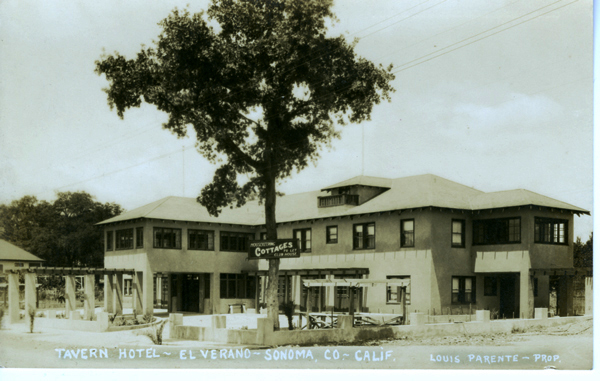
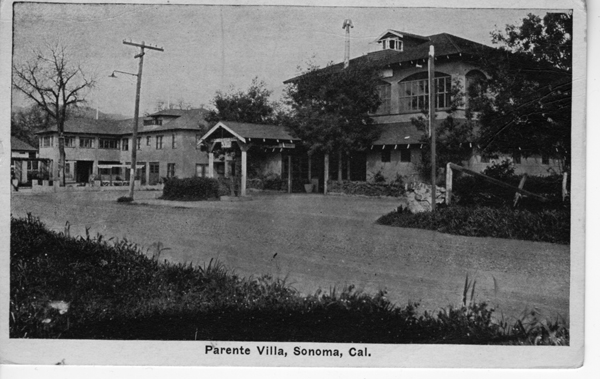
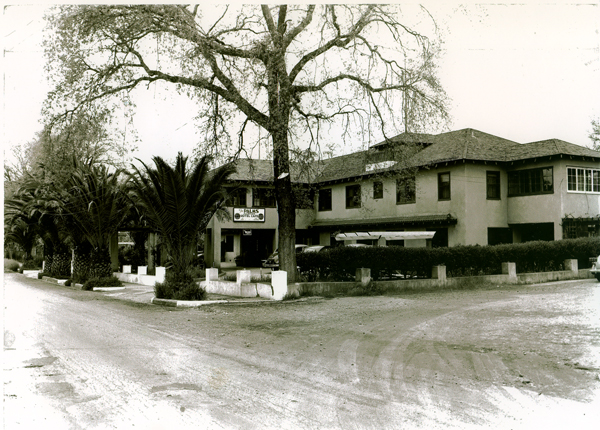
Rozarios’ resort, the successor to Parente’s Villa, was located on Verano Avenue between the Highway and the bridge.

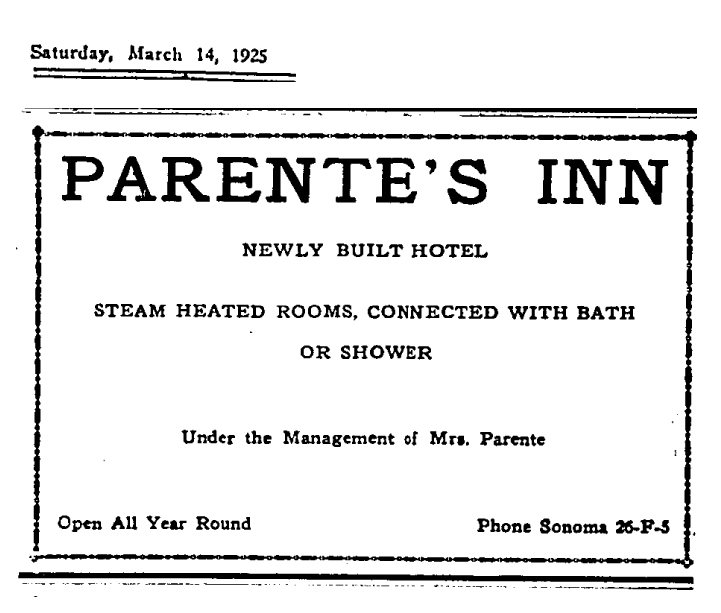
Louis Parente, a notorious bar owner, fight promoter and would-be politician, came to El Verano in 1906 from San Francisco. (Please see Jeff Elliot’s great santarosahistory.com for much more on Parente: http://santarosahistory.com/wordpress/2016/07/the-village-of-vice-in-the-valley-of-the-moon/

By 1925 he had built a “new” hotel.

ParenteNewHotelAdclip

ParenteAlternateweb copyParente3

According to the Index Tribune, “The 43 room hotel, hut, cottages and grounds were purchased by the Rozarios in 1943, and it was on January 1, 1944 that they opened it for business. The former San Francisco and Marin county residents had purchased the property from Joe Parente [actually Louis Parente], colorful Bay Area sports figure who brought many prize fighters here to train.”

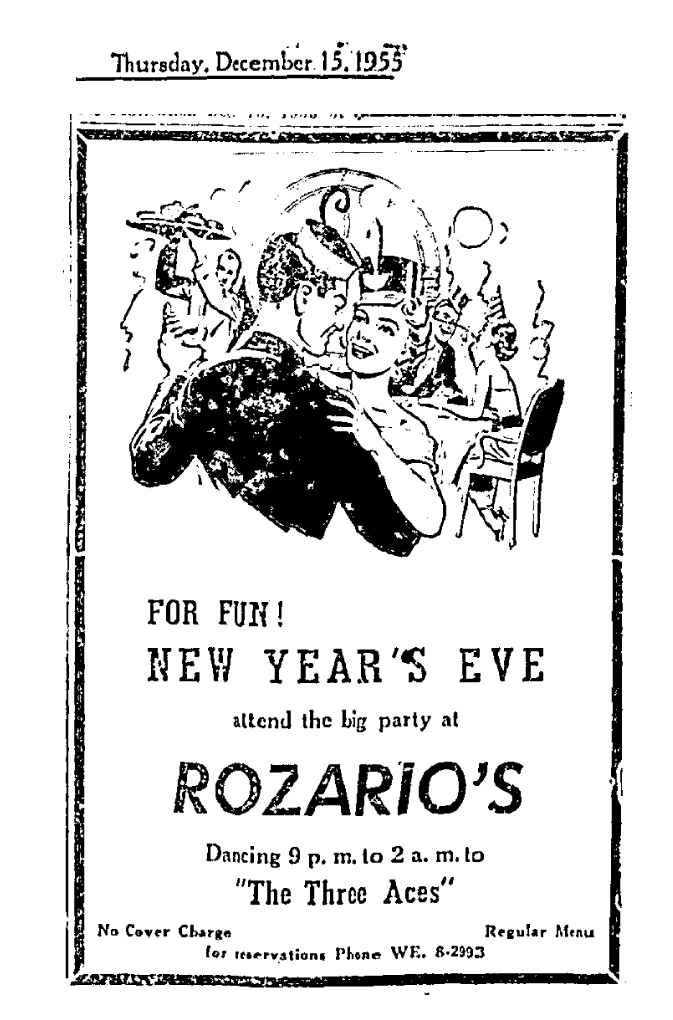
Rozario’s was popular through the 1950s for wedding receptions, fashion shows, and formal dinners.

RozariosAd1955Rozario'scardwebThePalmsweb

This slideshow requires JavaScript.

The Rozarios sold the resort to Carl Innskeep and Joe La Rango in 1955.

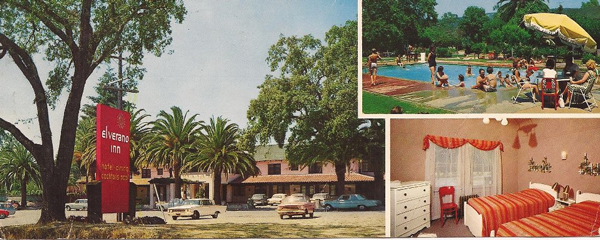
It later became known as the El Verano Inn.ElVeranoInnweb

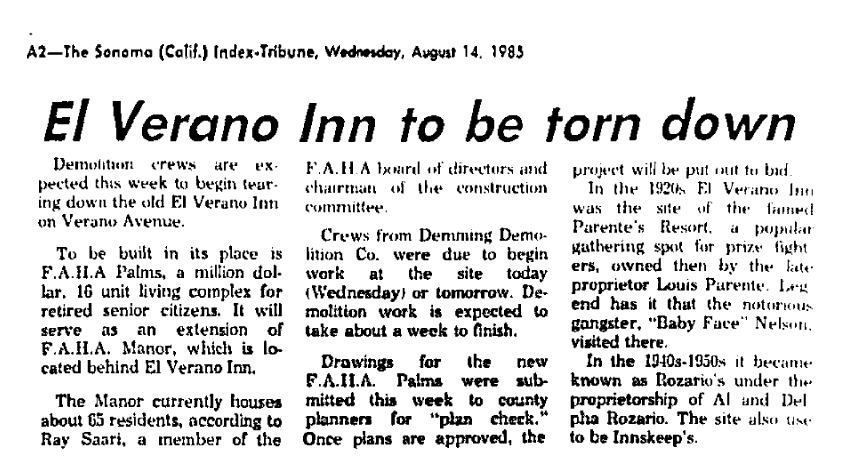
The buildings were torn down in 1985 to make way for an extension of the Finnish American Home Association’s housing complex for retired people, which was located behind the old resort building. In that year, the editor of the FAHA Manor News explained in a letter to the editor of the Index Tribune that FAHA wanted to preserve the building, but “could not afford the very expensive improvements necessary…” Thus we lost another piece of our history.RozariosTornDown1985clip


Standard
Bibliography, Collection/Obsession, History, Photographs, Resorts

Images of America, The Springs:Resort Towns of Sonoma Valley

coverfinal

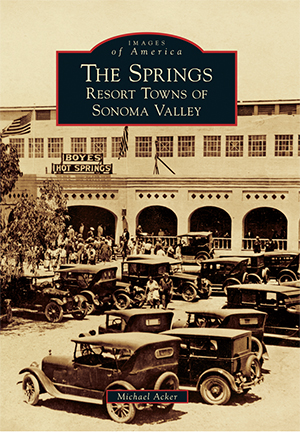
Michael Acker’s book will be out on March 27. There will be a book signing at Reader’s Books in Sonoma on March 30, 7PM. Other events to follow including one at the Depot Park Museum, date TBD.

The book features 210 photographs of the Springs from 1885 to 2016. Part history, part nostalgia, part pride of place in the here and now, it is sure to interest and delight residents, visitors, and the curious alike.

Buy it here: https://www.arcadiapublishing.com/Products/9781467124300


Standard
El Verano, History, Resorts

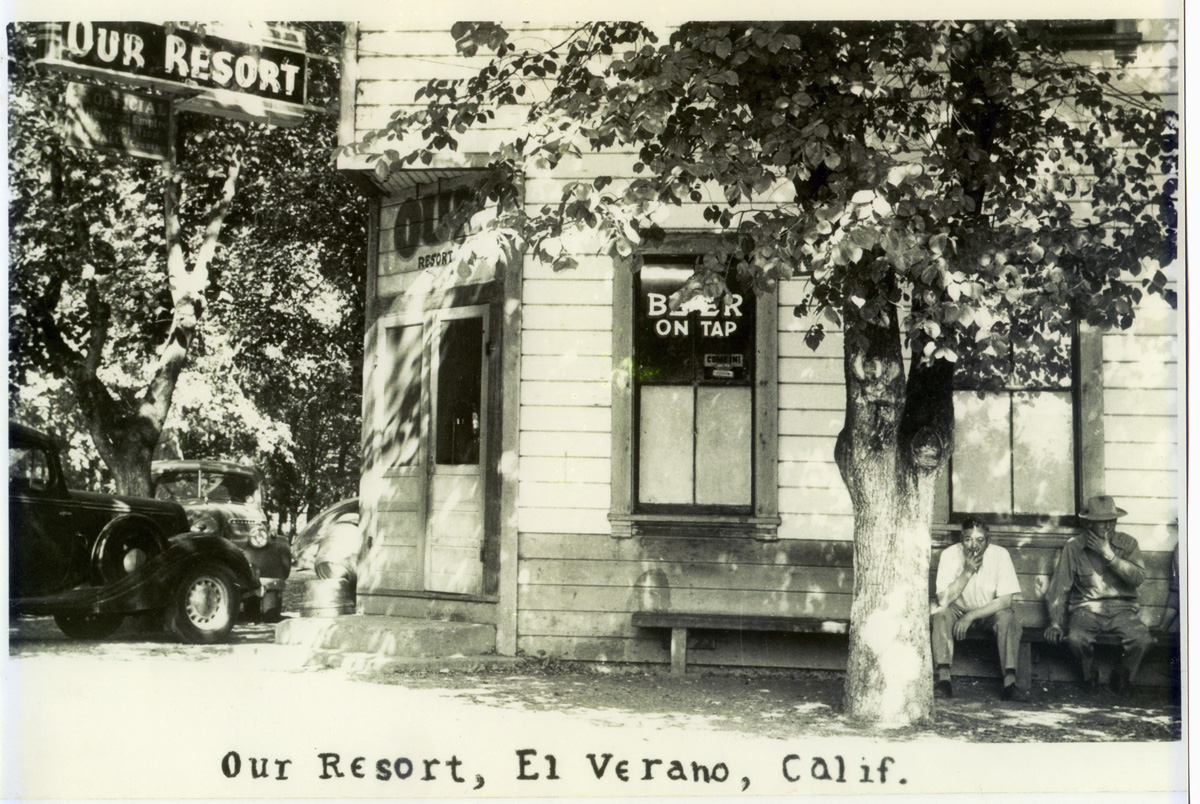
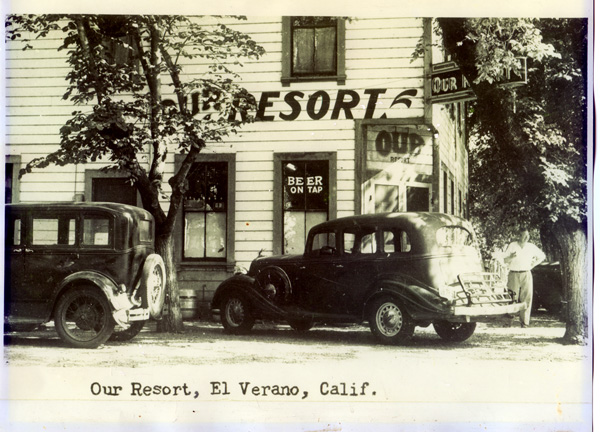
Crane’s Hotel/Our Resort/McNeilly’s

OurResortwCarandHorseHiRes

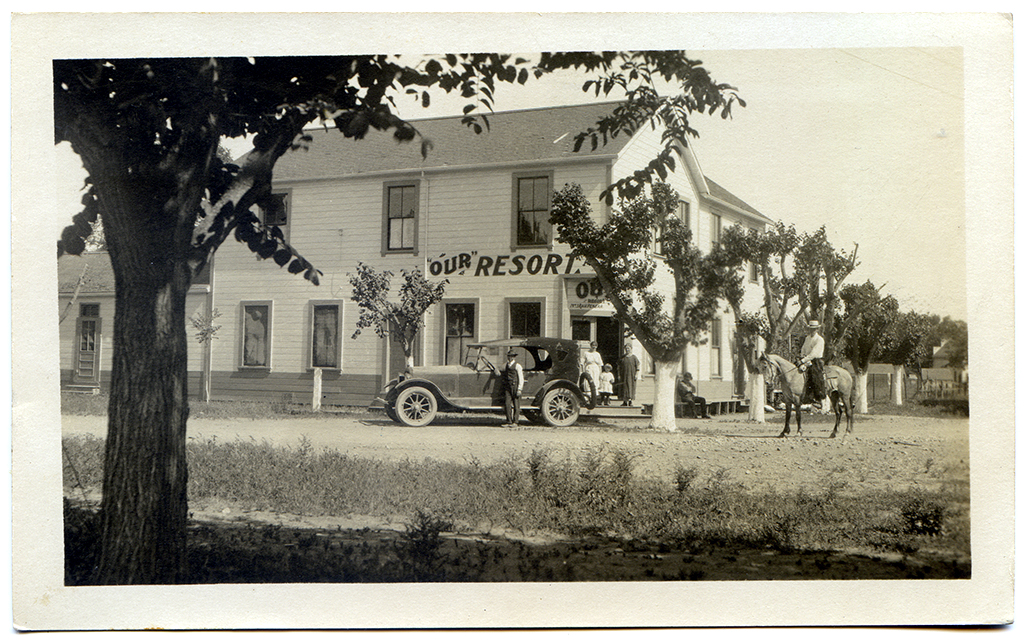
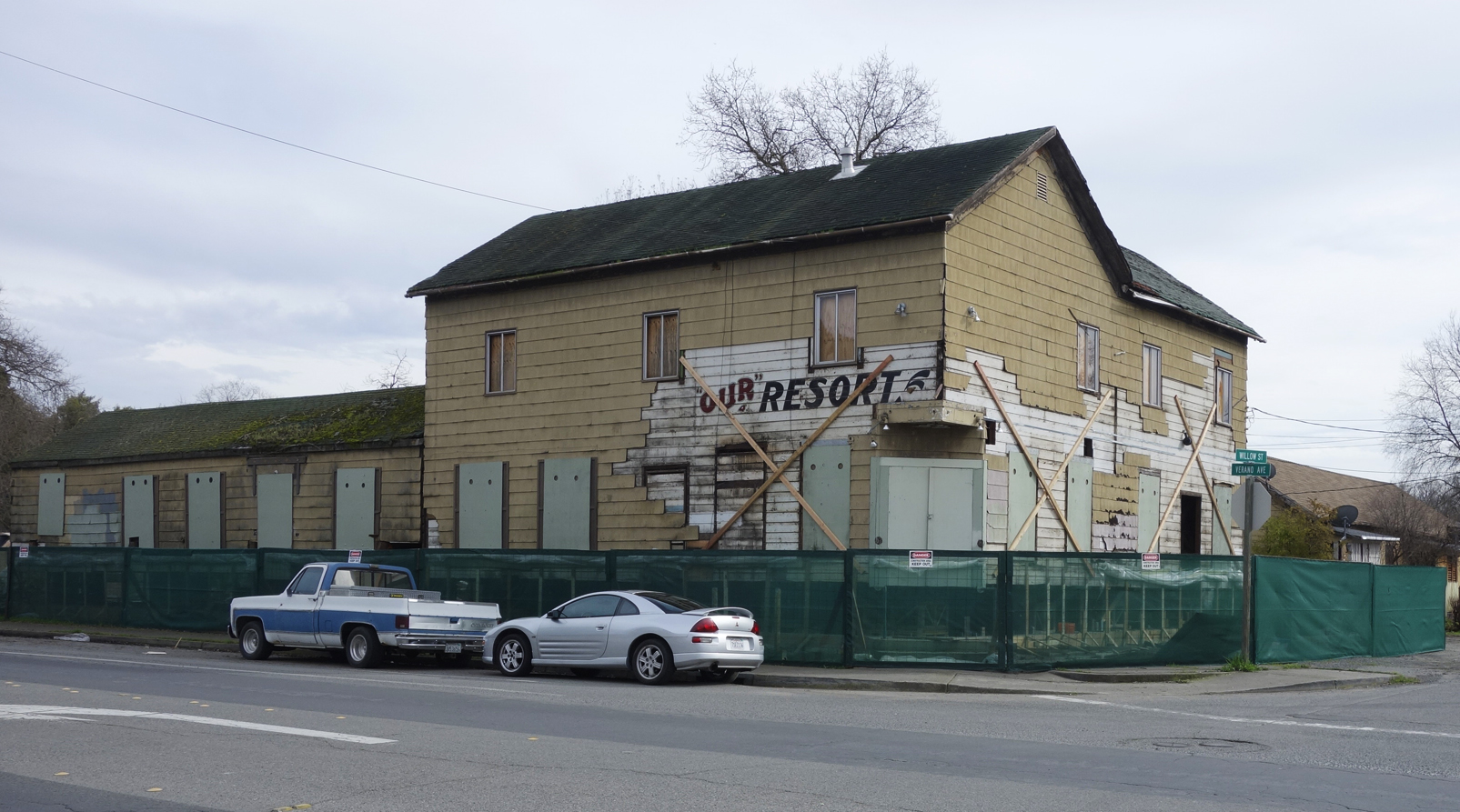
UPDATE! New to our Historic Photo Database, this image of Our Resort during the early years of Rose Pensar’s ownership. The horse and rider are on the present Willow Street, Second Avenue then (circa 1924). The auto and driver, Verano Avenue, which was called Arbor Avenue at the time. (Author’s collection)

First, the confusion.

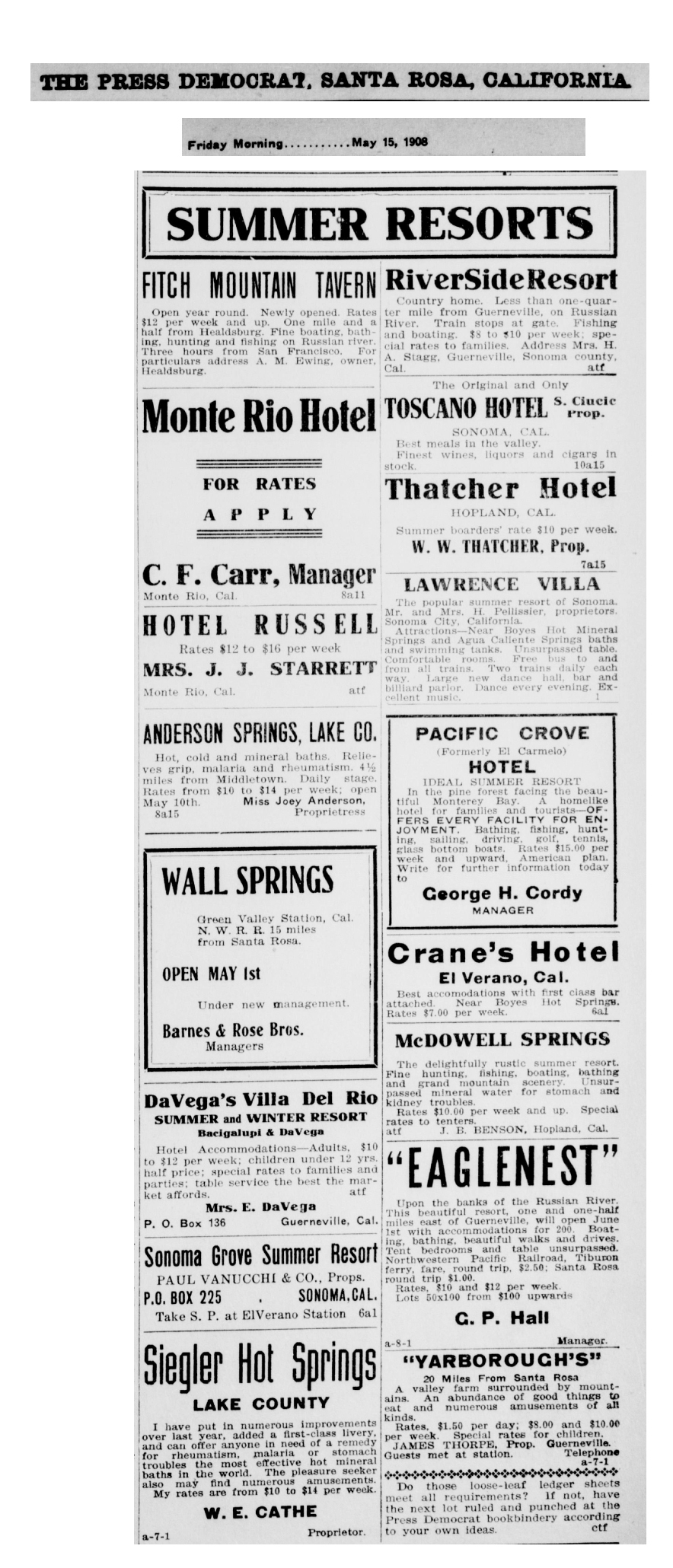
There was a Crane’s Hotel, and a Crane’s Sanitarium. Cranes Hotel was at the corner of Willow and Verano Avenue, and existed as early as 1908, according to an advertisement in the Press Democrat. Crane’s Sanitarium was “between Boyes Hot Springs and El Verano,” according to an ad they placed in the Index Tribune in 1921, and “Near Verano Station, between Boyes Hot Springs and Sonoma City. Just off the highway,” according to a tourist guidebook from around 1920.

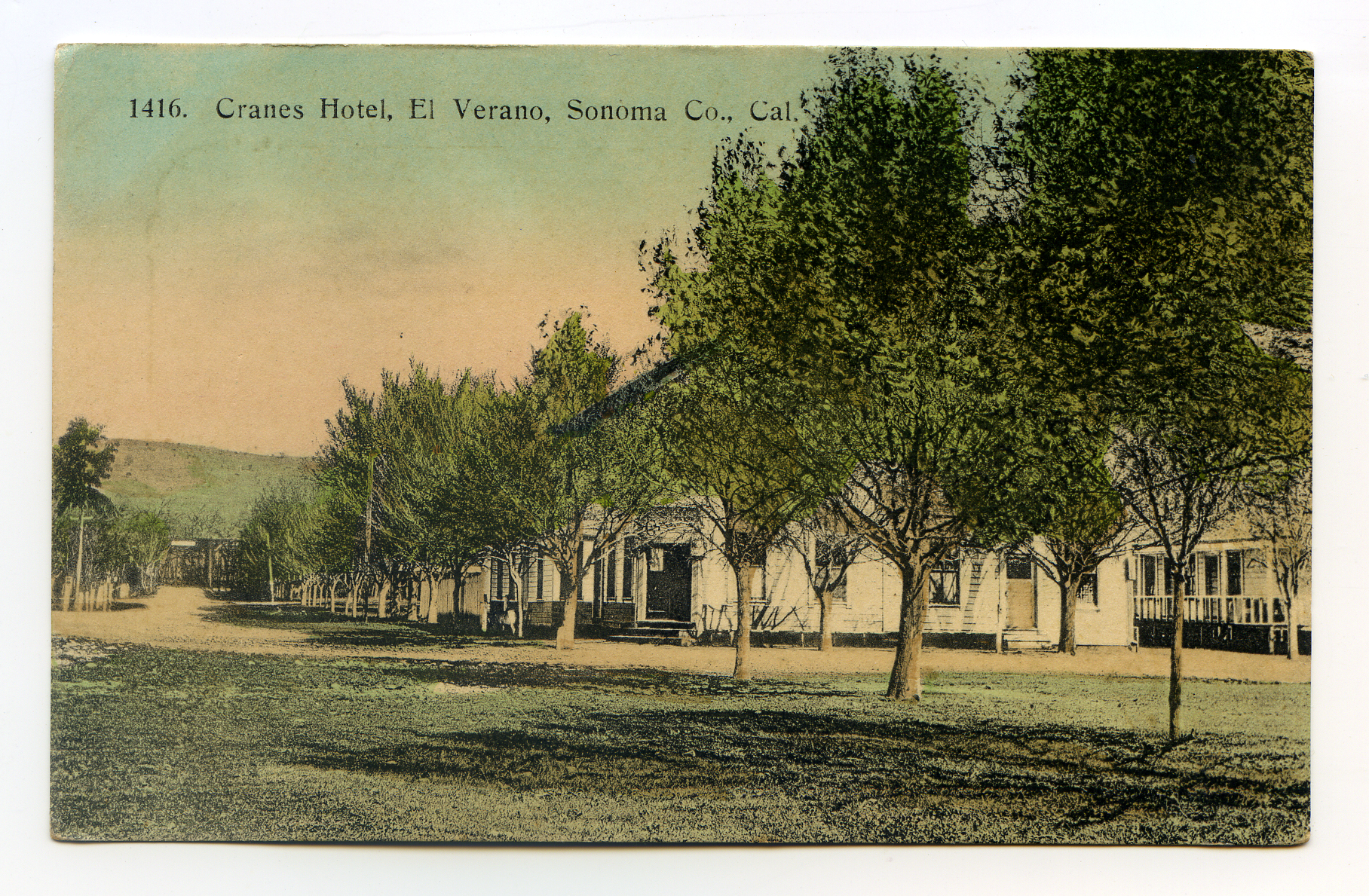
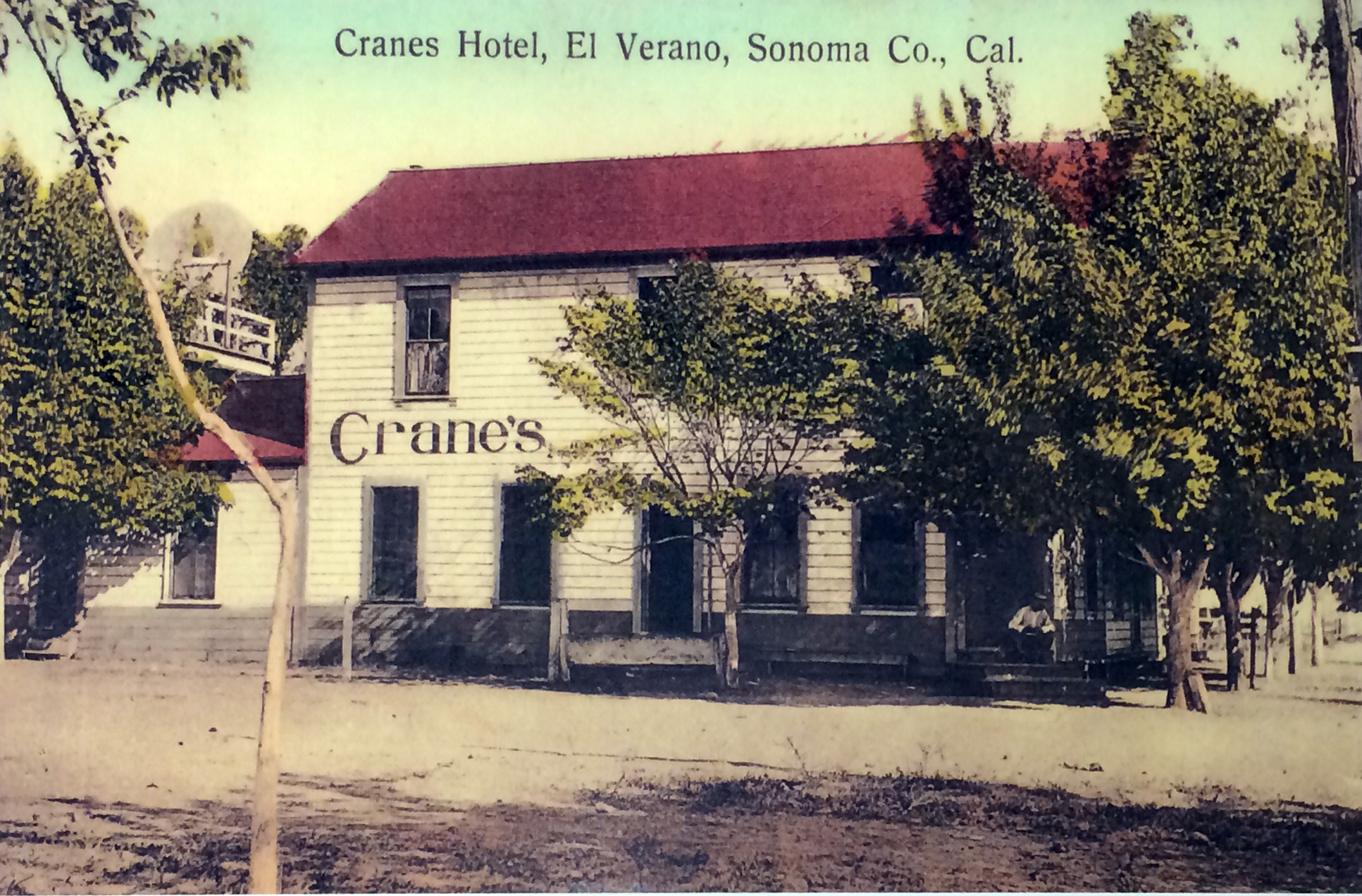
Crane’s Sanitarium was the precursor to Sonoma Valley Hospital (Please see http://www.svh.com/the-evolution-of-sonoma-valley-hospital/.) Crane’s Hotel became Our Resort, then McNeilly’s Tavern. The two establishments, the sanitarium and the resort, were not one and the same.cranesshotelcraneshoteltrees1912Post marked 1912.

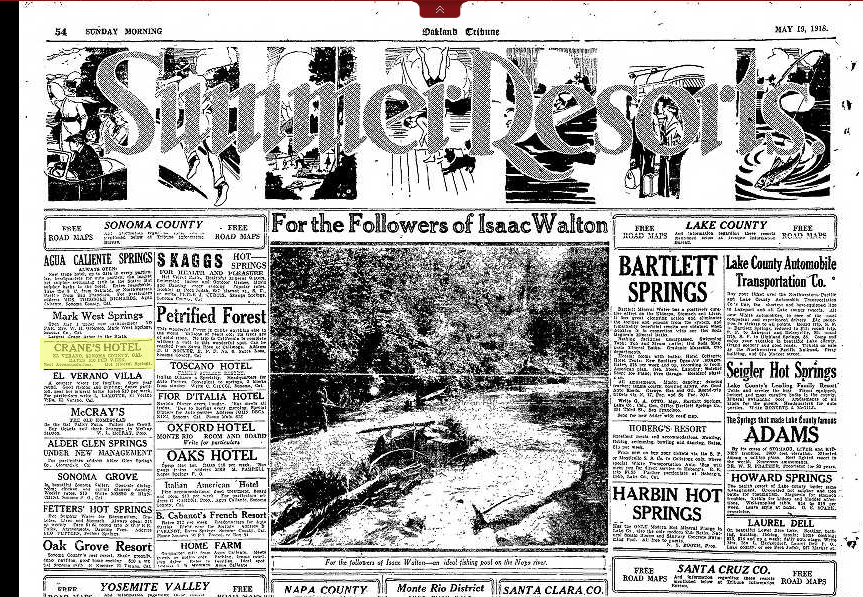
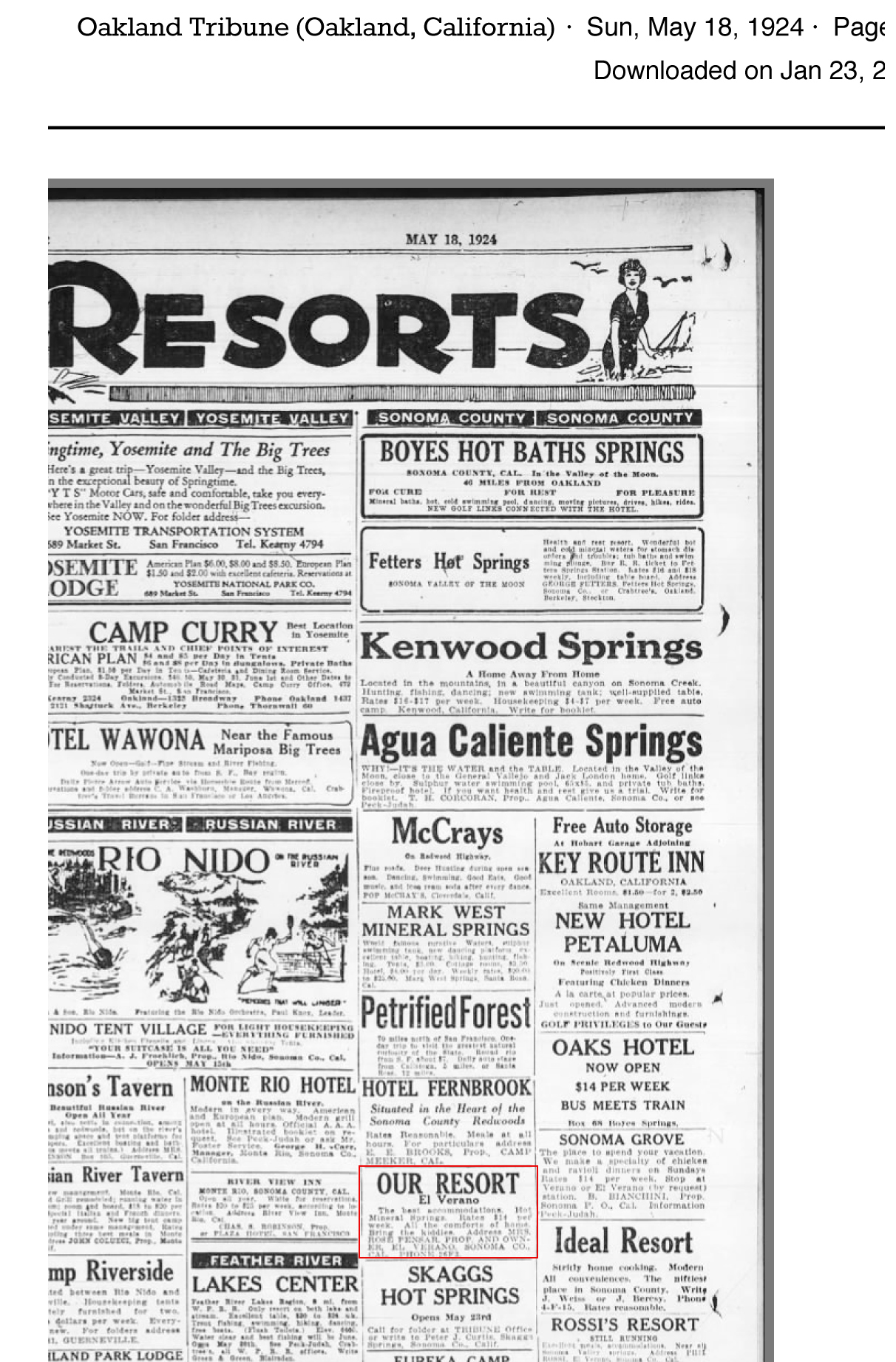
An Index Tribune archive search does not turn up much for Crane’s Hotel. The span of years between the first and last mention of Crane’s Hotel is 1908-1916. It became Our Resort sometime after 1916. Rose Pensar is listed as owner in 1924 and mentioned in 1938 as being “of Our Resort.” There is a 1924 Oakland Tribune ad for Our Resort.pressdemo1908craneshotel oaklandtrib1916craneshotelourresortoaklandtrib1924ourresort2webourresort1web

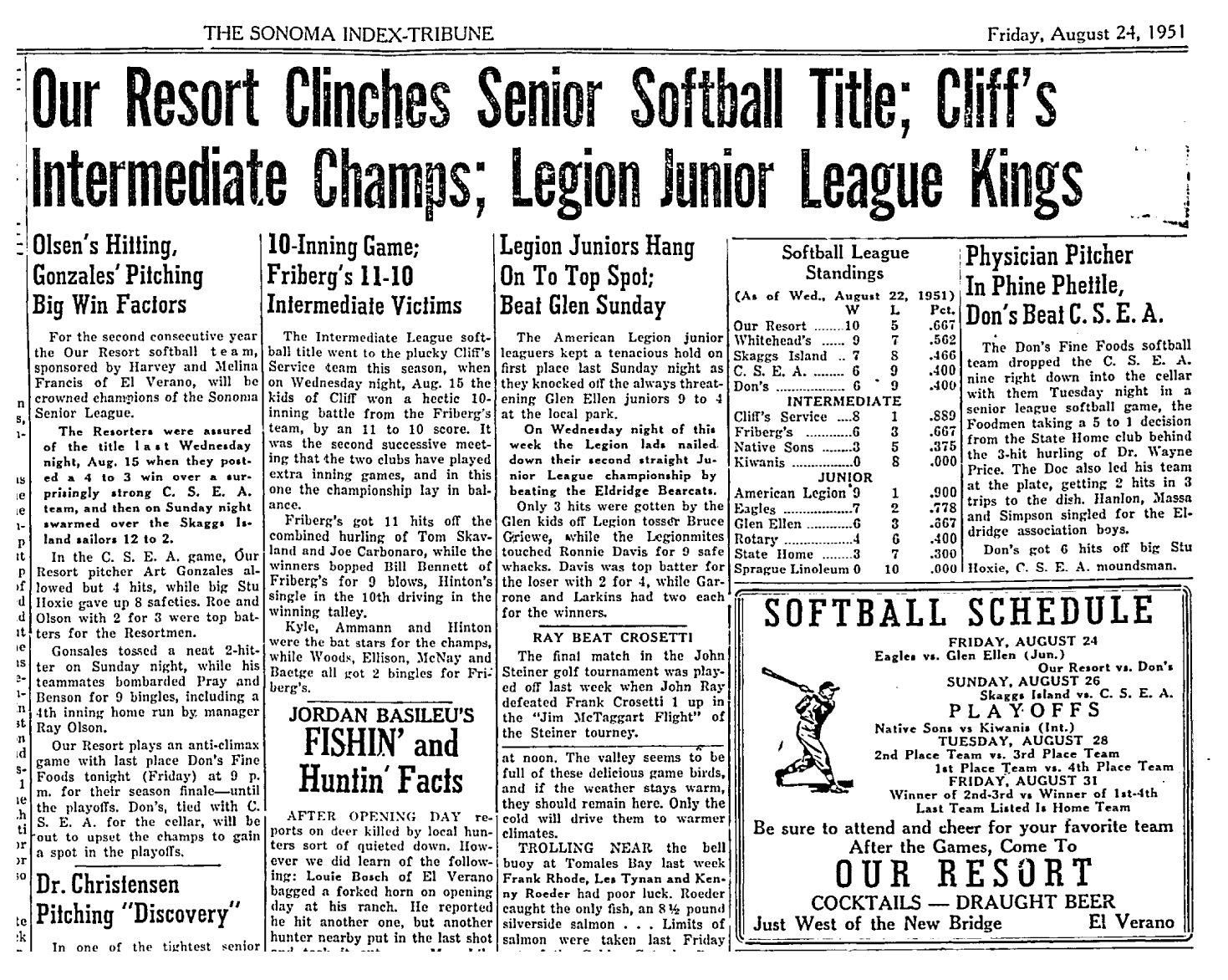
Baseball was very important in Sonoma Valley for many years. In May of 1935, Our Resort hosted The Greyhounds team from San Francisco. In later years, the resort sponsored a softball team that won many local championships.ourresortchampions

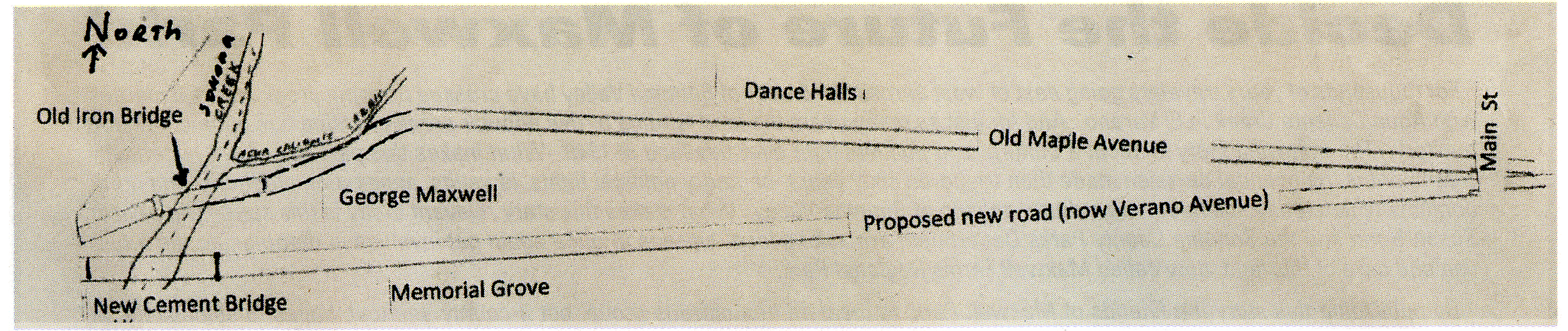
Notice that the ad says “Just West of the New Bridge.” The new bridge on Verano Avenue opened on September 17, 1950. The map shows the location of the old bridge and, at the time, proposed new one. After the new bridge was completed, the county tried to sell the old steel trusses, but there were no takers.oldevbridgemapelveranobridge

McNeilly’s opened in February, 1981, with a “new 25 inch color TV,” according to the Index Tribune. The pool table was replaced by a Space Invaders game. The Tavern was still in business, and still sponsoring sports teams, into the 2000s.After it closed, the building was vacant and derelict, and seemed headed for demolition. But, early in 2017, new owners had a new foundation installed, and it appears the structure will be saved, if not “restored.” Tearing off the siding revealed the old “Our Resort” sign. Perhaps that can be preserved as a memorial to the history of the building and the days of the resorts.ourresort2017February 2017


2026: the Our Resort sign was not preserved.

Standard
Architecture, History, Jewish History, Now and Then, Resorts

Rosenthal’s Resort, Part Two

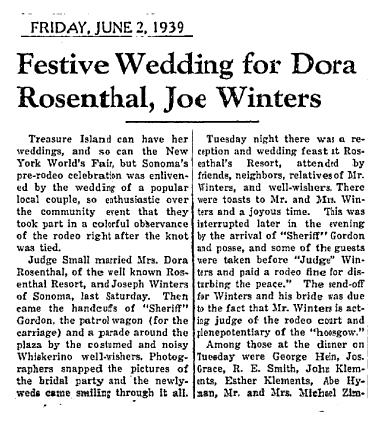
We left off with Selig Rosenthal’s death in 1938. But the story of Rosenthal’s Resort did not end there.doraswedding1939In June of 1939, Dora Rosenthal married Joe Winters, a well-known local tailor.
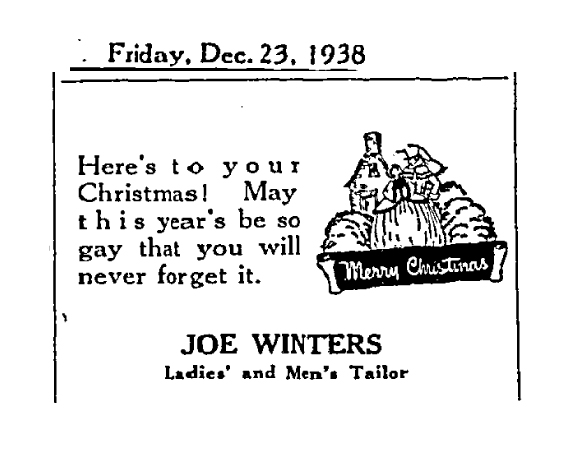
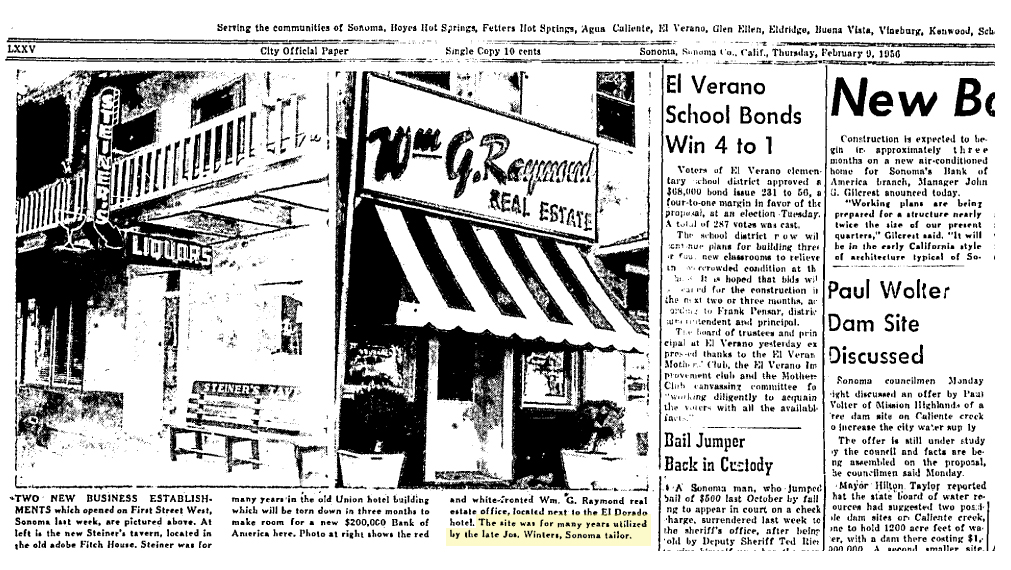
it1938wintersfirstmentionadwintersoldshop1956Joe Winters’ shop was for many years located next to the El Dorado Hotel. The red and white awning of the Raymond Real Estate office would not get past the Sonoma Design Review Commission now!
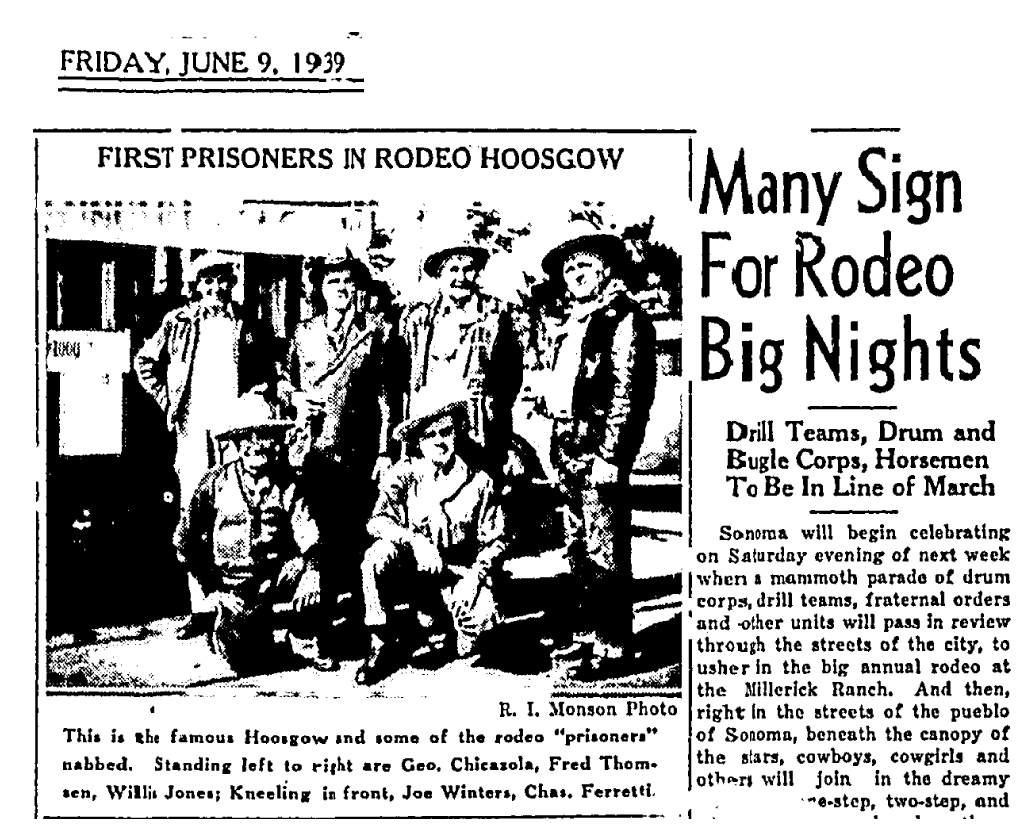
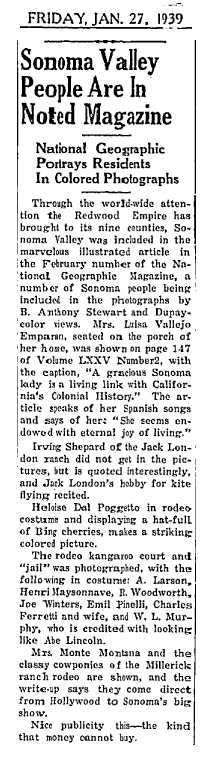
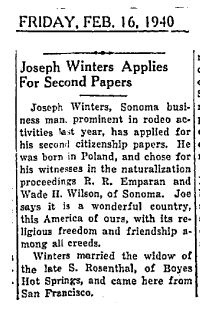
Winters was very involved with the rodeo in 1939. The rodeo was started in 1929 and ran through the 1950s, on the Millerick Ranch near Schellville. it1939wintersrodeophoto

winternationalgeo1939

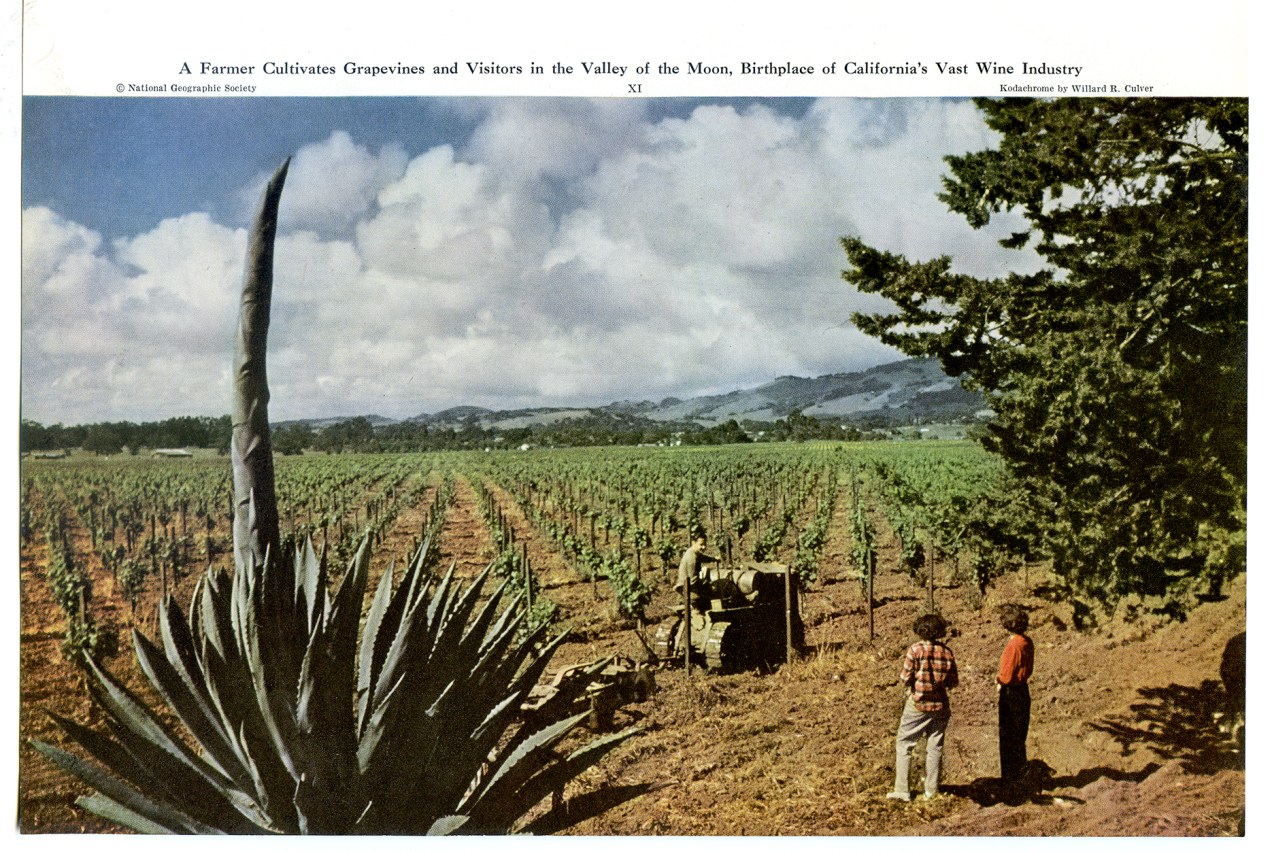
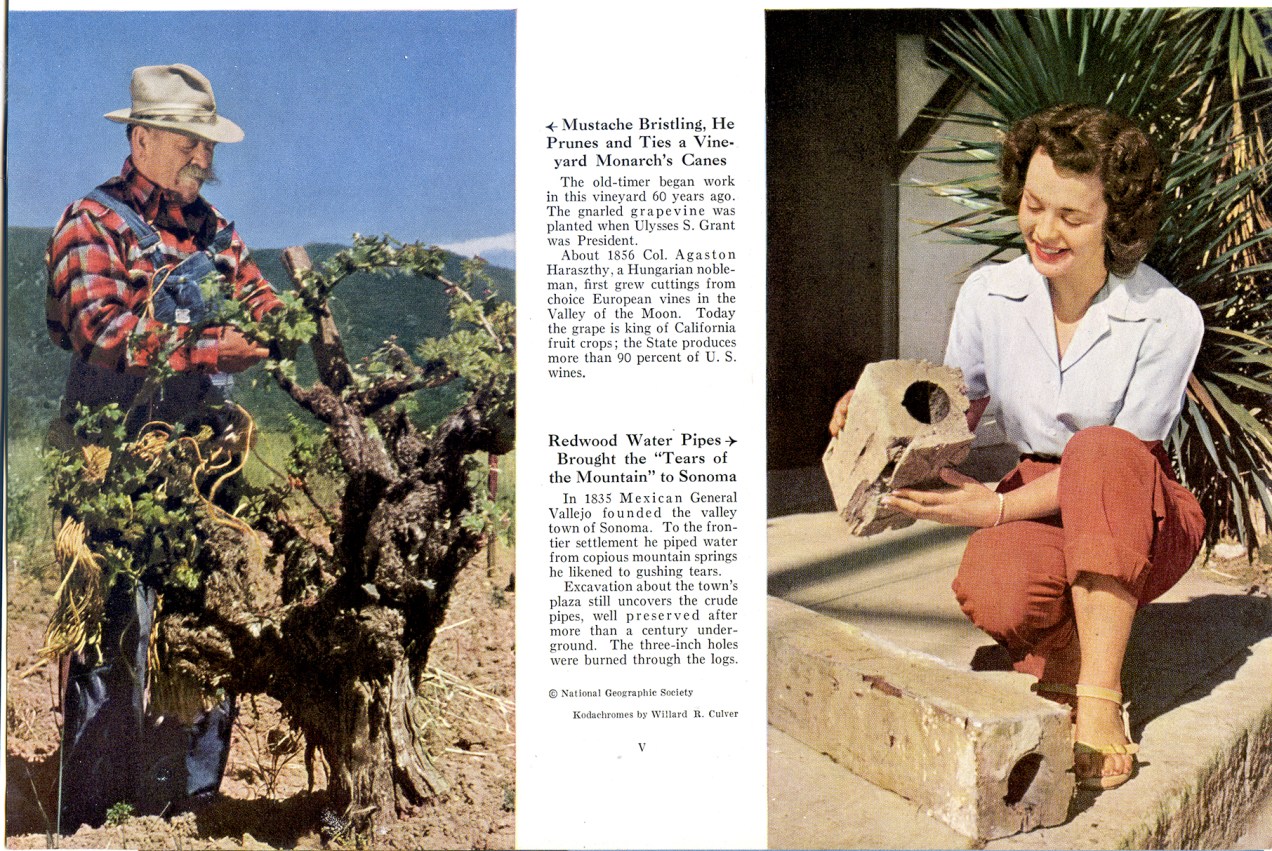
In 1939, National Geographic amgazine came to Sonoma and photographed the Rodeo “Kangaroo Court,” which included Joe Winters.

Winters was a Polish citizen. He applied for dual citizenship in 1940. R.R. Emapran was one of his witnesses. Emparan was the grandson of General Mariano G. Vallejo.winterspolish

In that year Harry Lyons was again partnering to run the resort.

In 1941, “the main building of the Winters resort near Boyes Springs, formerly Rosenthal’s hotel, is being remodeled by Mr. and Mrs. Joseph Winters into seven apartments.”

Rental accommodations were in high demand for defense workers at Mare Island. In 1942, the IT reported that many other resorts were being converted for war housing: “Farrell’s, Parente’s, Rosenthal’s, and Maurel Villa used to be popular in the good old summer time, but are now rented to all year round tenants, cottages being especially in demand. Fetters Hot Springs has its share too.”

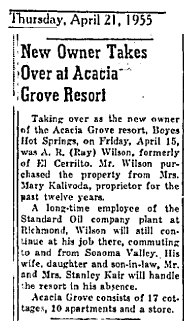
In 1945 the IT said the Winters had sold their resort and retired to San Francisco. They had actually sold the resort in 1943 to Mrs. Mary Kalivoda, who ran it as Acacia Grove Resort until 1955, when it was sold to A. R. Wilson of El Cerrito.

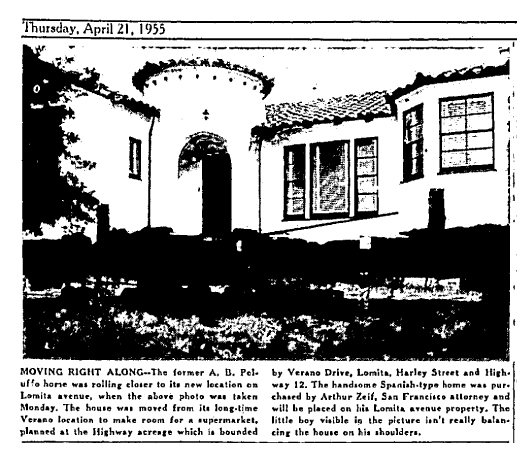
acaciagrovenewownerpeluffoshouse

Here is another example of the serendipity that happens when you search newspaper archives. On the same page as the item about the new Acacia Grove owners is this photo of Charlie Peluffo’s house being moved. Peluffo was the developer of the Plaza Center Building at the old Boyes plaza site. The house stood where shopping center at Verano Avenue is, and was move to a lot on Lomita Avenue. Is it still there?

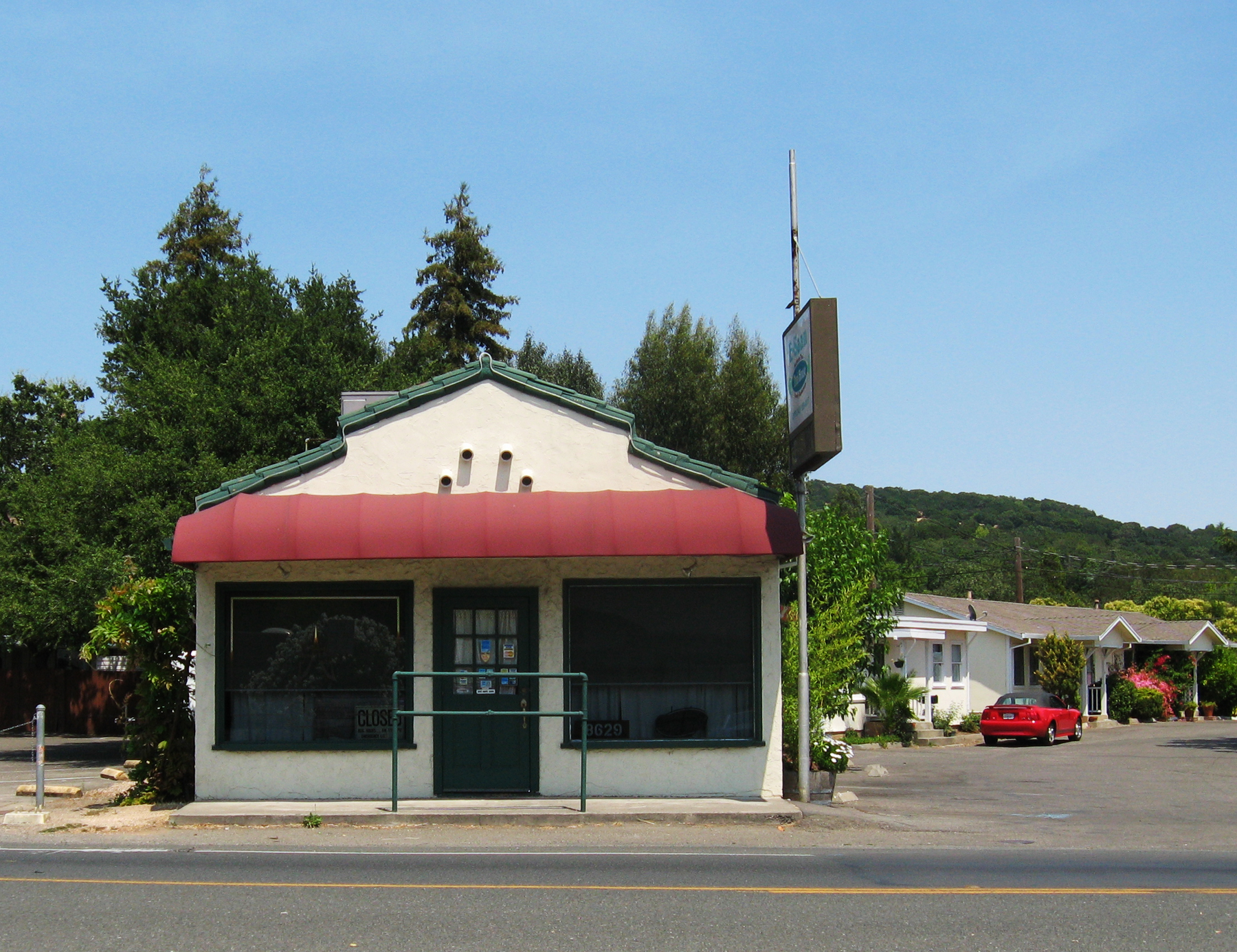
The building that houses the Thai restaurant now (2016) was originally a store.

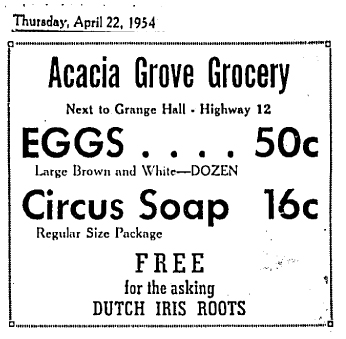
acaciagrovegroceryad

rosenthalstore-thaiPhoto from 2008 of the Rosenthal Store building, housing E Sann Thai restaurant.
The building was the home of Lee and Lia Chinese restaurant from 1976 to 1987.

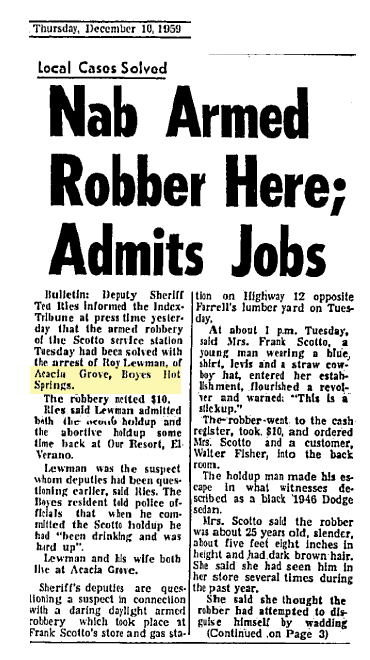
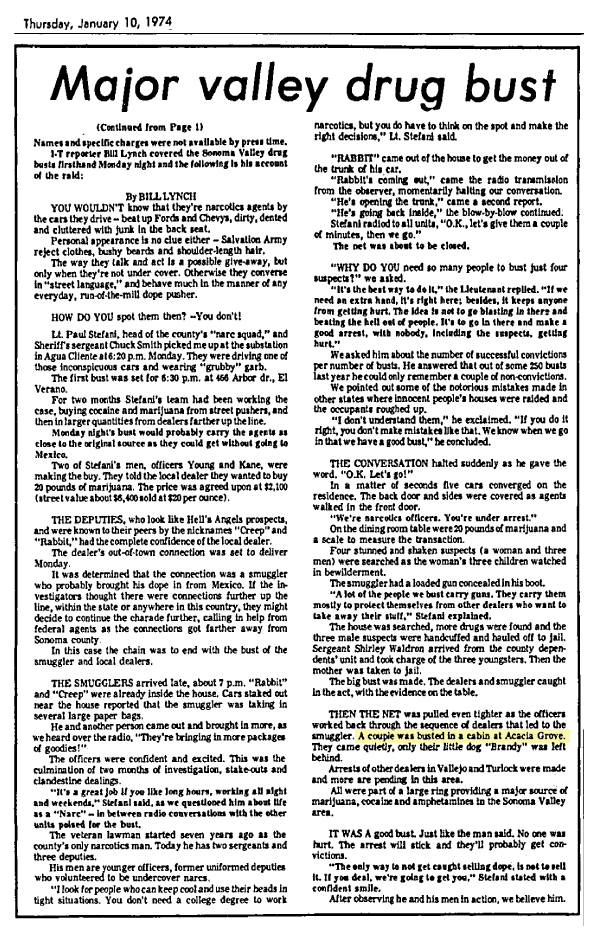
As with the Springs in general, the economic downturn that came with the end of the resort era, brought a certain amount of crime associated with Acacia Grove.

acaciaarmedrobber-copyacaciagrovedrugbust-copy

However, positive things were happening also. In 1966 contractro R.A. Lof added a new laundry room and showers.

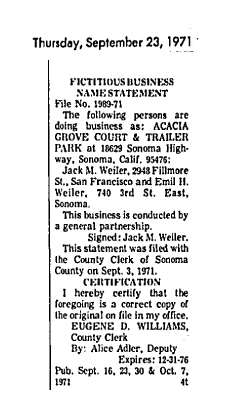
Jack Weiler bought Acacia Grove in 1971 and his family still owns it in 2017.

weilerbusinessname1971

Interesting buildings from the Rosenthal days:rosenthalchickencoopThe chicken coop. Poultry husbandry was common and popular in the Springs in the early 20th Century.rosenthaltankhouse
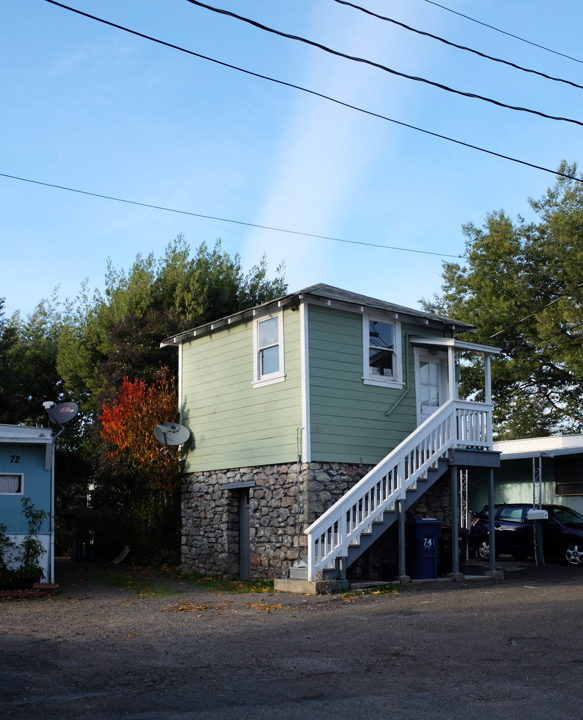
The resort was served by a well. The water was stored in the tank house, which is a residence today.rosenthallasalletteThis building was La Salette Restaurant for a few years, but has been vacant a long time. What function did it serve in the heyday of the resort? grangehall1930swebgrange2008mural2012web
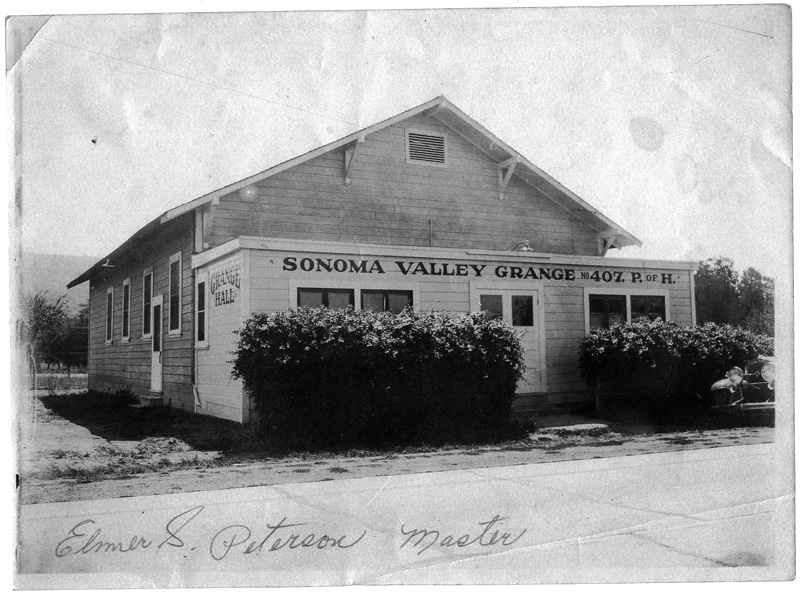
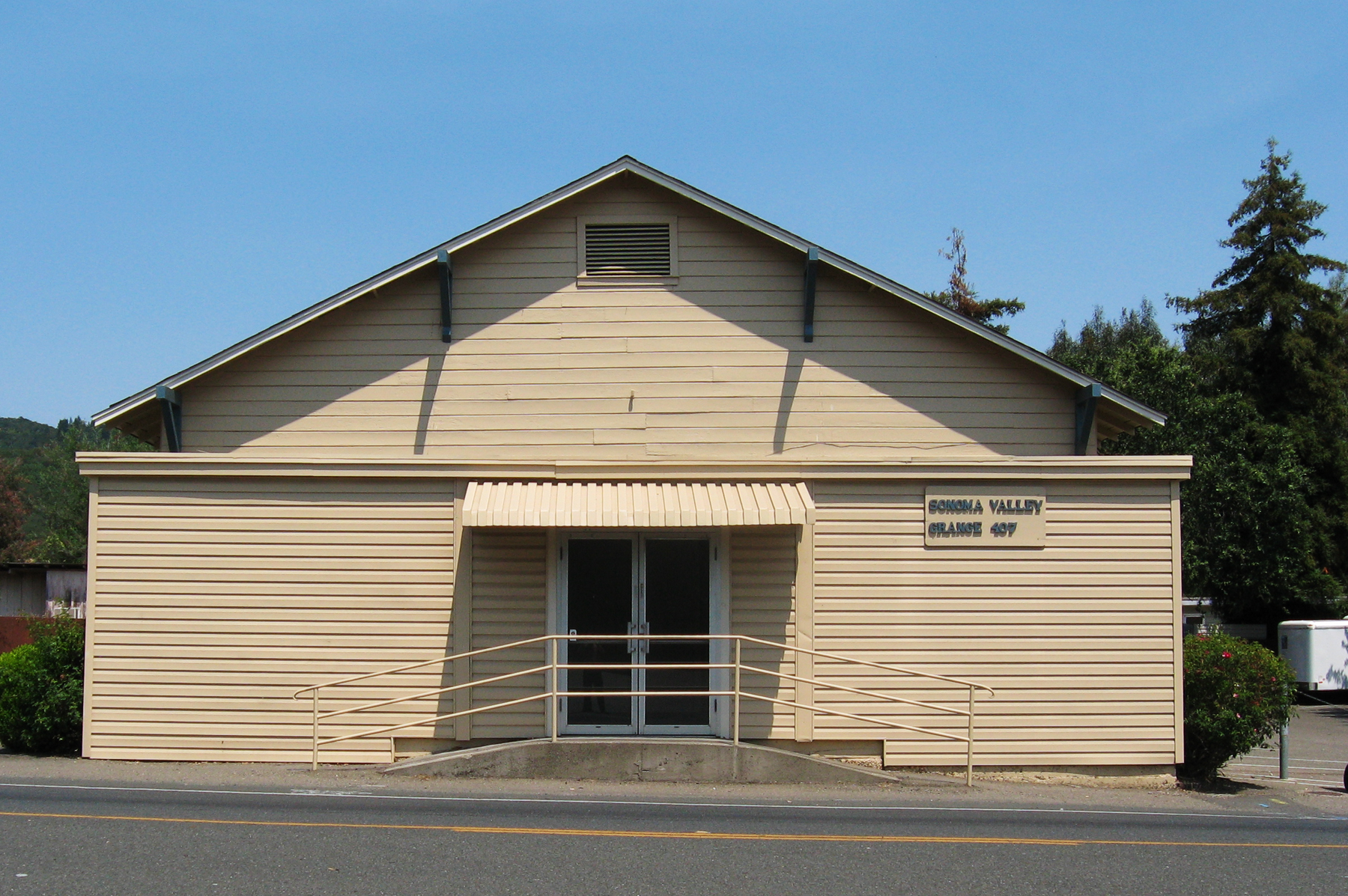
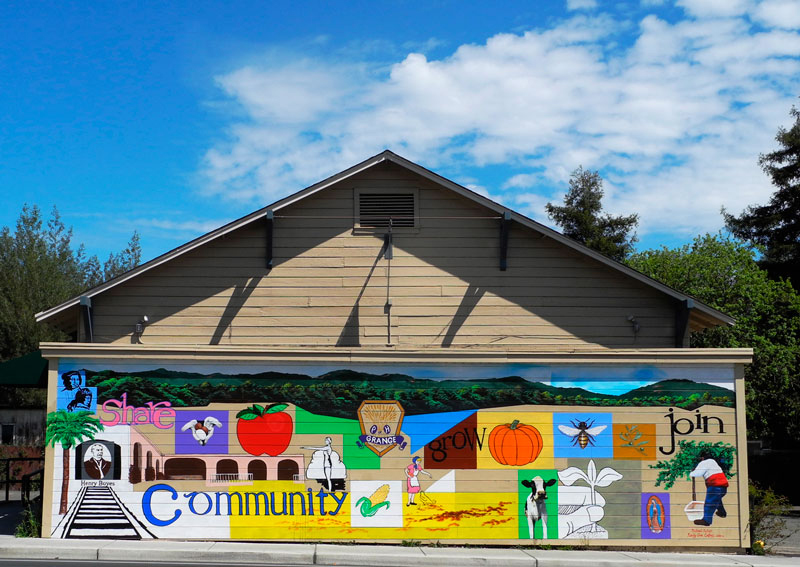
The Grange Hall in the 1930s, 2008, and 2012.

Standard