Boyes Hot Springs

Signs We Have Known: Boyes Hot Springs, Part 2

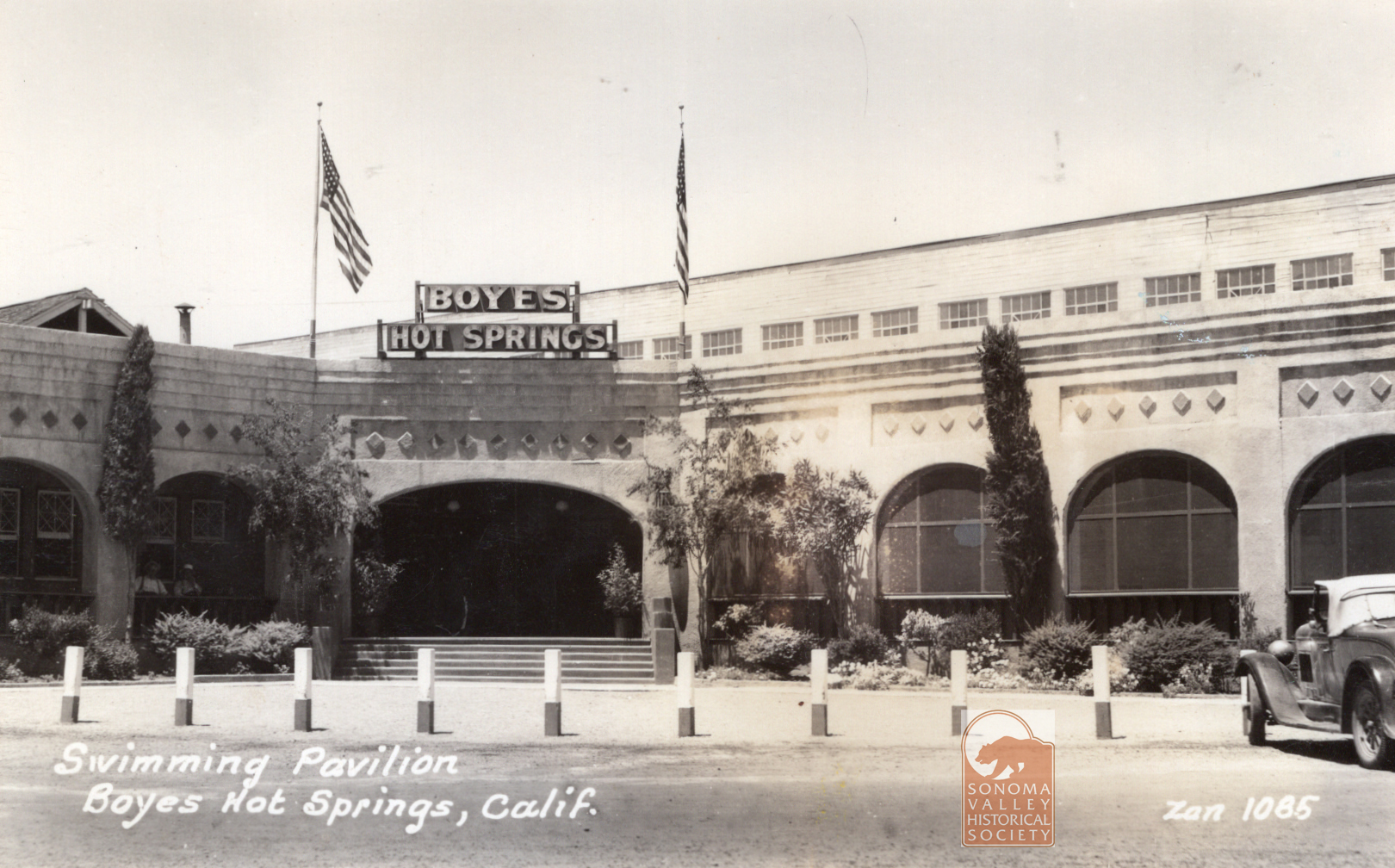
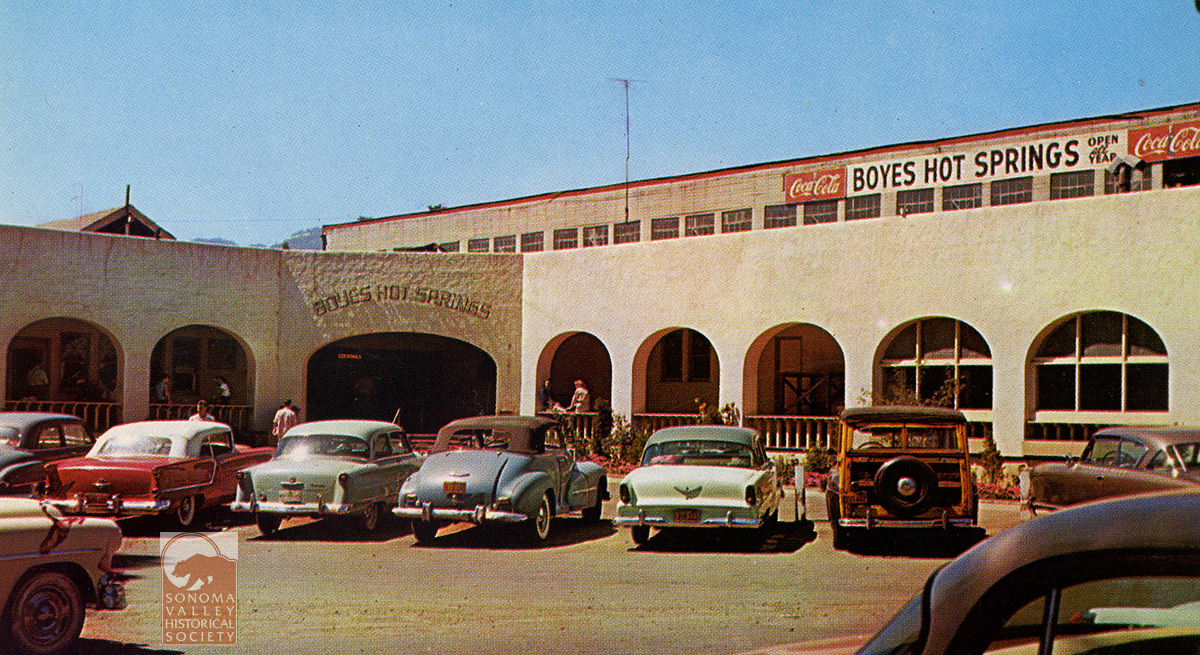
The Boyes Bath House entertained thousands of happy customers from the 1890s through April 17, 1969, when it burned to the ground. Many locals have fond memories of summers spent swimming in its gigantic pool. The entrance in the 1930s, above, and the 1950s, below.
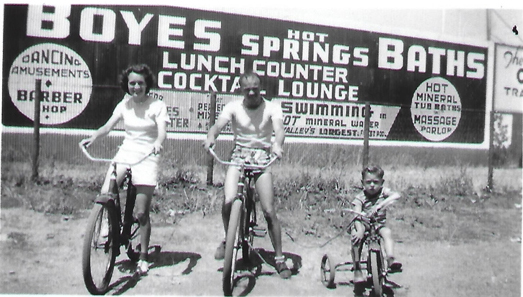
This large billboard style sign pretty much lays out all the amenities offered at the Bath House in 1944. Photo courtesy of Dave Chioti.

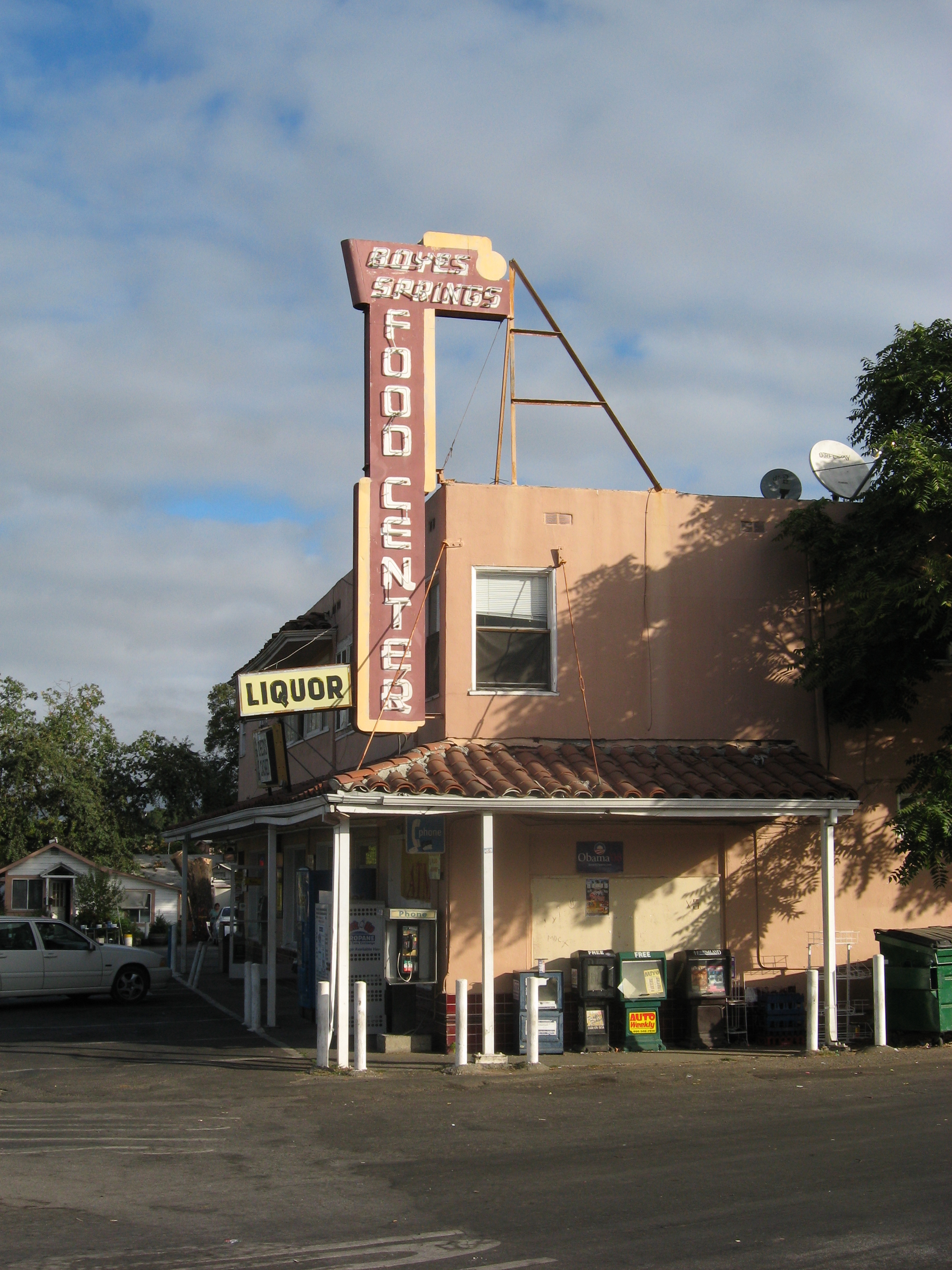
Boyes Food Center in 2009. It was constructed in 1949. The tiled awning was torn off sometime in the 2000s.
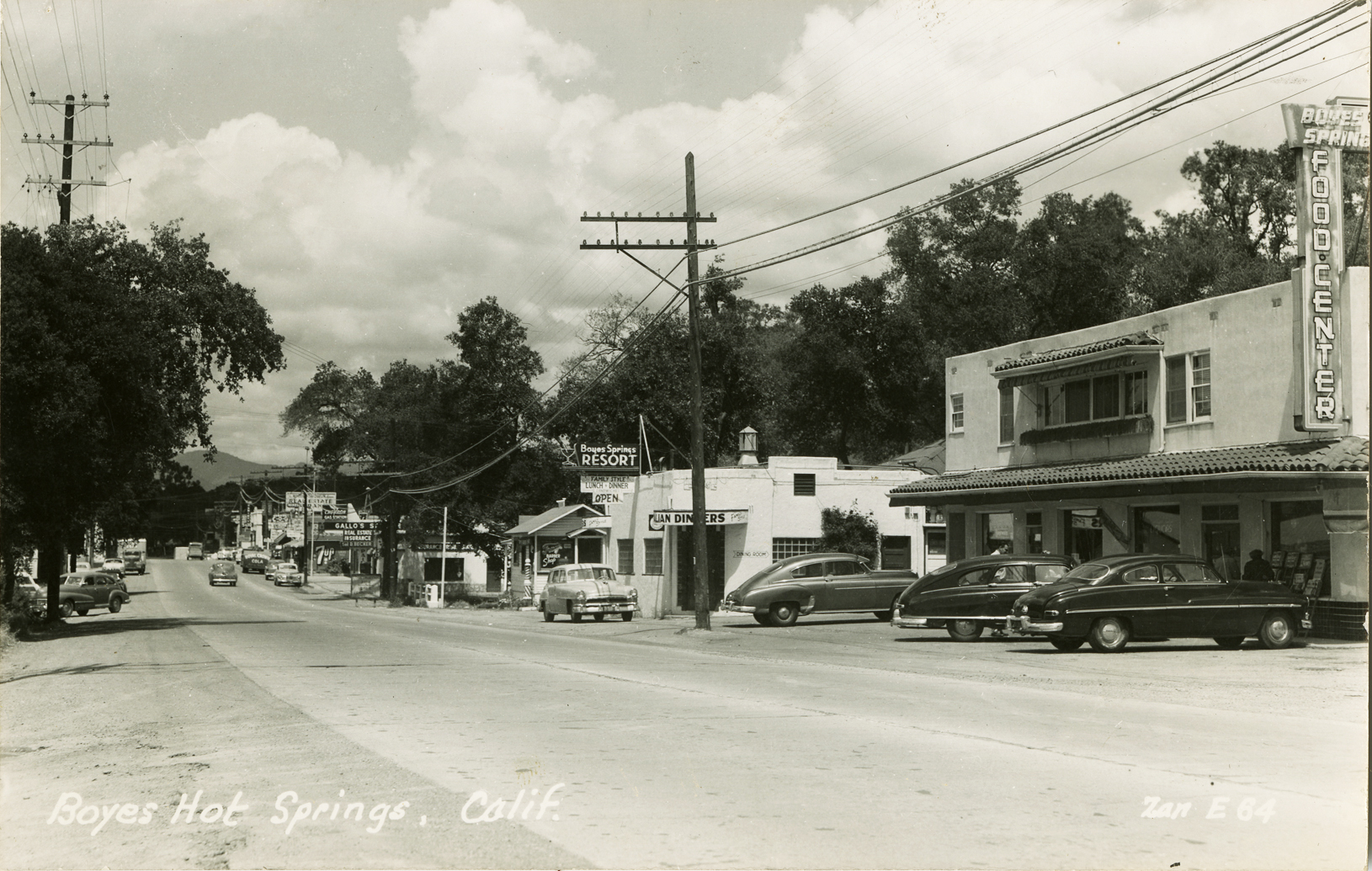
1949, looking north on the highway. Beyond the Food Center is the Boyes Springs Resort, now a parking lot. Beyond that, the original Mary’s Pizza.
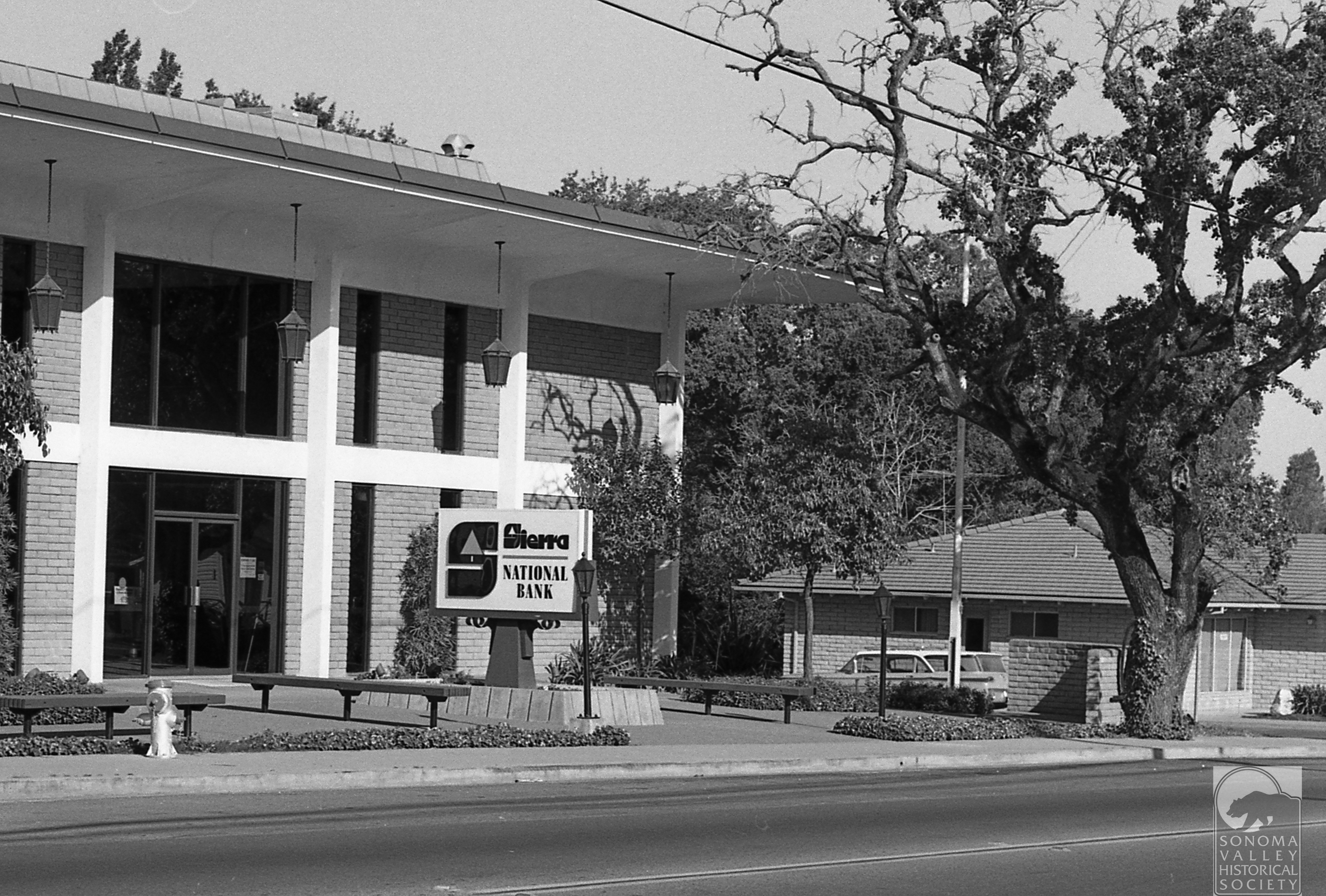
Across the highway from the Food Center, the Sierra Bank building was constructed in 1966. It now houses the offices onf Ross, Drulis, Cusenberry architects. The cross street at the corner was once called Meinke Road, but was renamed Sierra when the building was built.
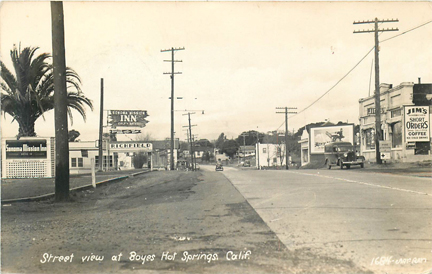
The corner of Boyes Blvd. and Highway 12, known then as the Santa Rosa road, 1930s. Sonoma Mission Inn sign at left mounted on a lattice-work in the Boyes Plaza. the palm tree was in the center of the plaza. Richfield gas station sign beyond that. On the right, Jim’s Cafe “Short Orders!” The building was built after the 1923 fire of ceramic brick, by Bob Liaros, a local barber. It stood until the early 1990s.
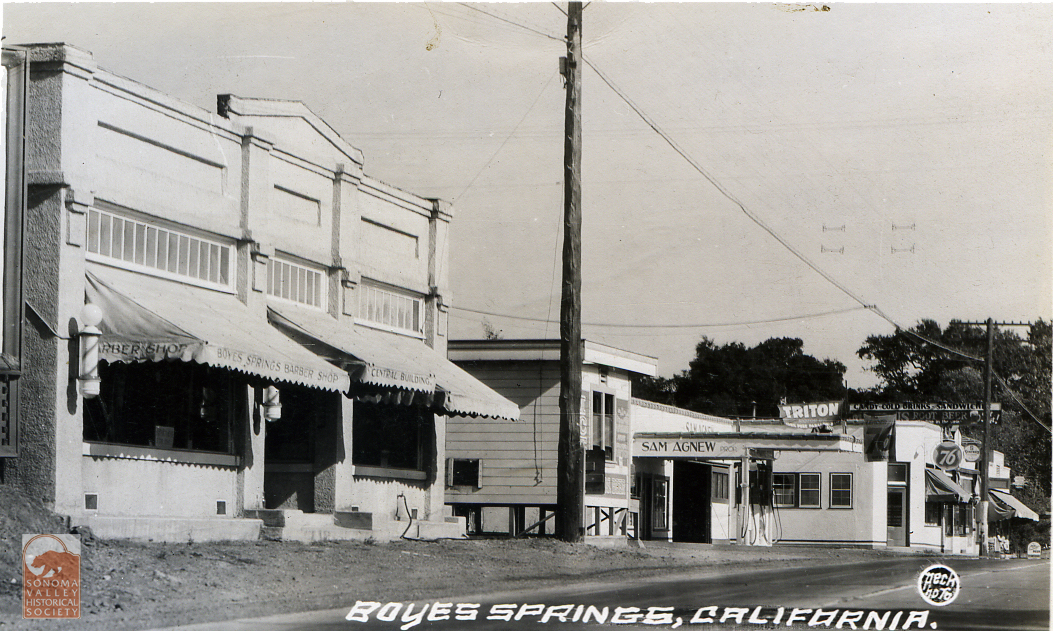
The Liaros building, looking the opposite direction on the highway. Past the Ice House on the corner of Vallejo Ave., is Sam Agnew’s service station, now the Sonoma Eats parking lot. Agnew was a famous major league baseball player who retired to Boyes Hot Springs in the 1940s.
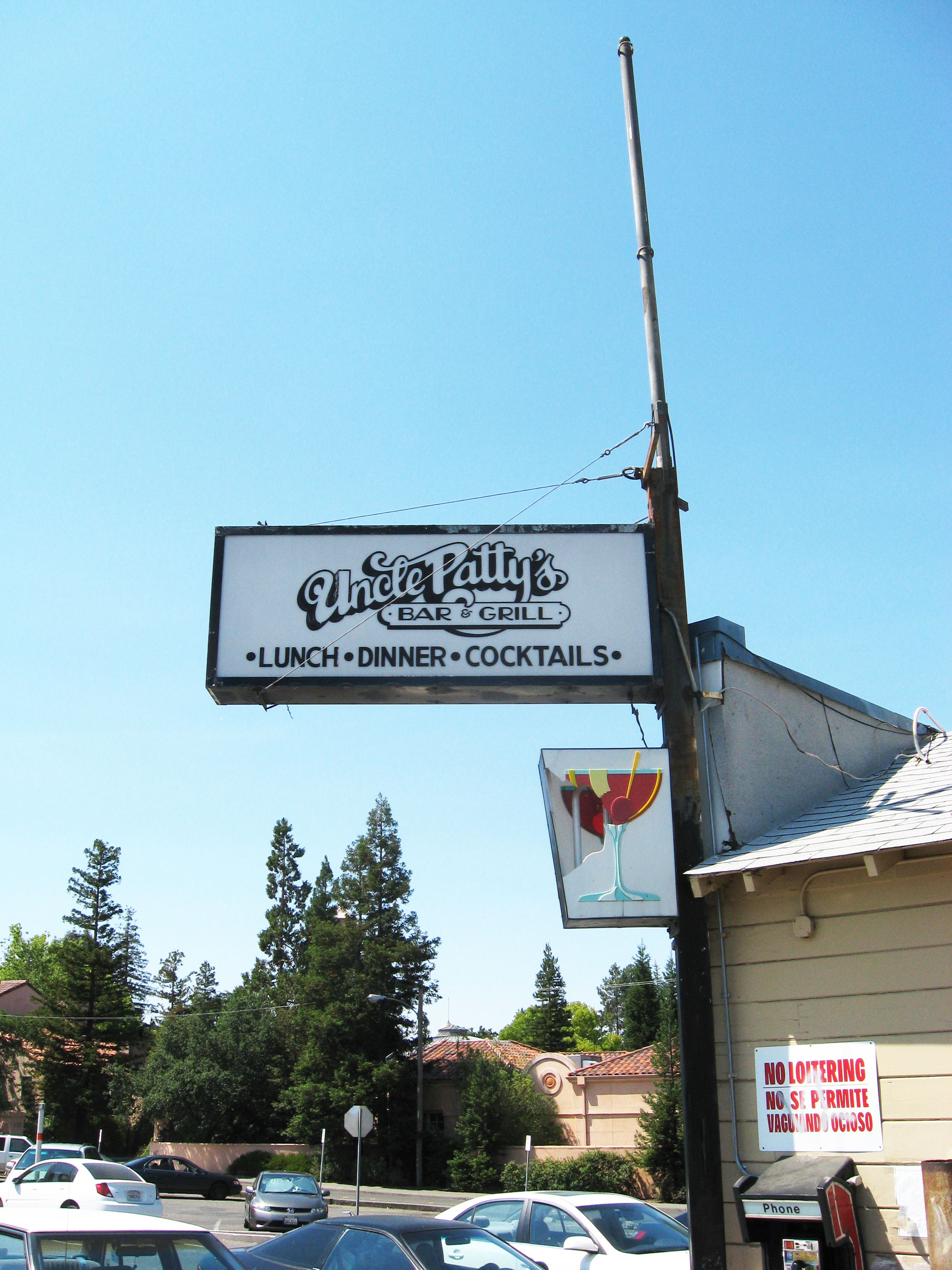
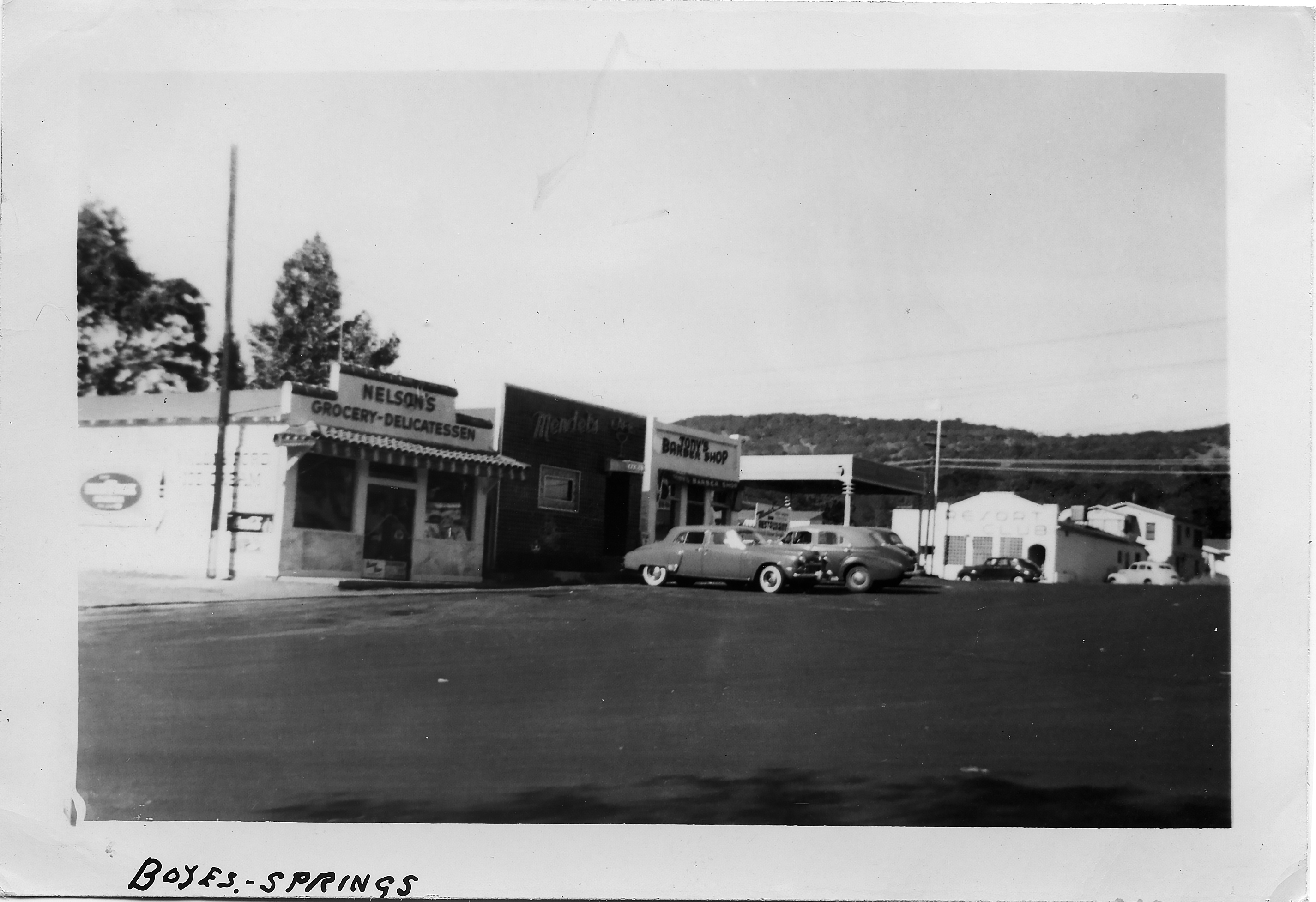
Along side what was once a spur street between Boyes Blvd. and the highway, stood a row of buildings dating from the 1910s or before. Uncle Patty’s was the last resident business before they were torn down in the 2000s. Below are those buildings, or some of them, in the 1950s, featuring Mendel’s Cafe and Nelson’s Deli, and a barber shop. Nathan’s Ice Cream was one of the original businesses on that row, which was called “the business section,” in the very early days.
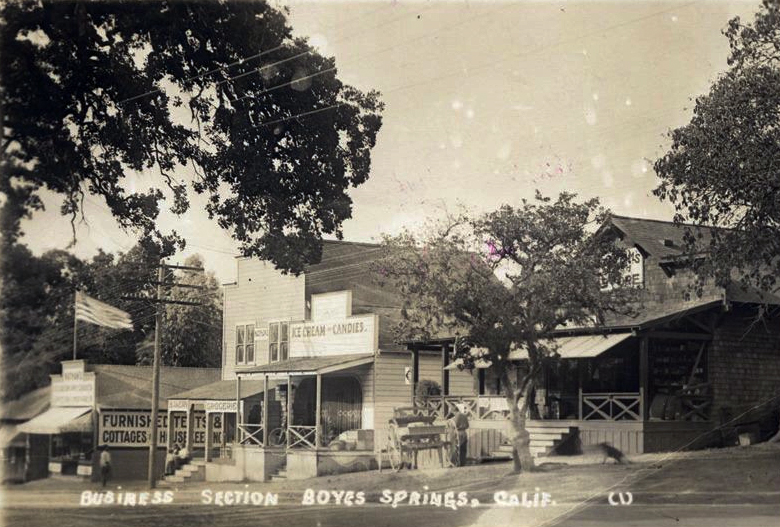
Circa 1912. At right, behind the oak, is Graham’s Store, the original site of the Boyes Hot Springs post office.
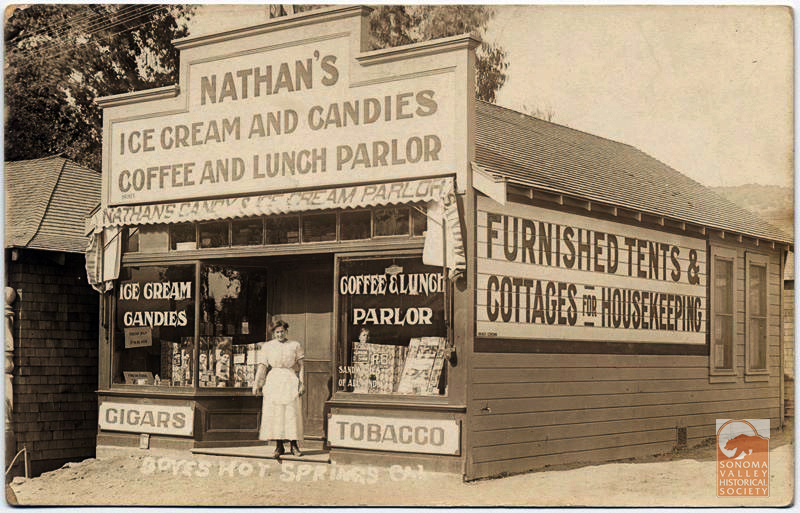
Nathan’s is the building at far left in the photo above.
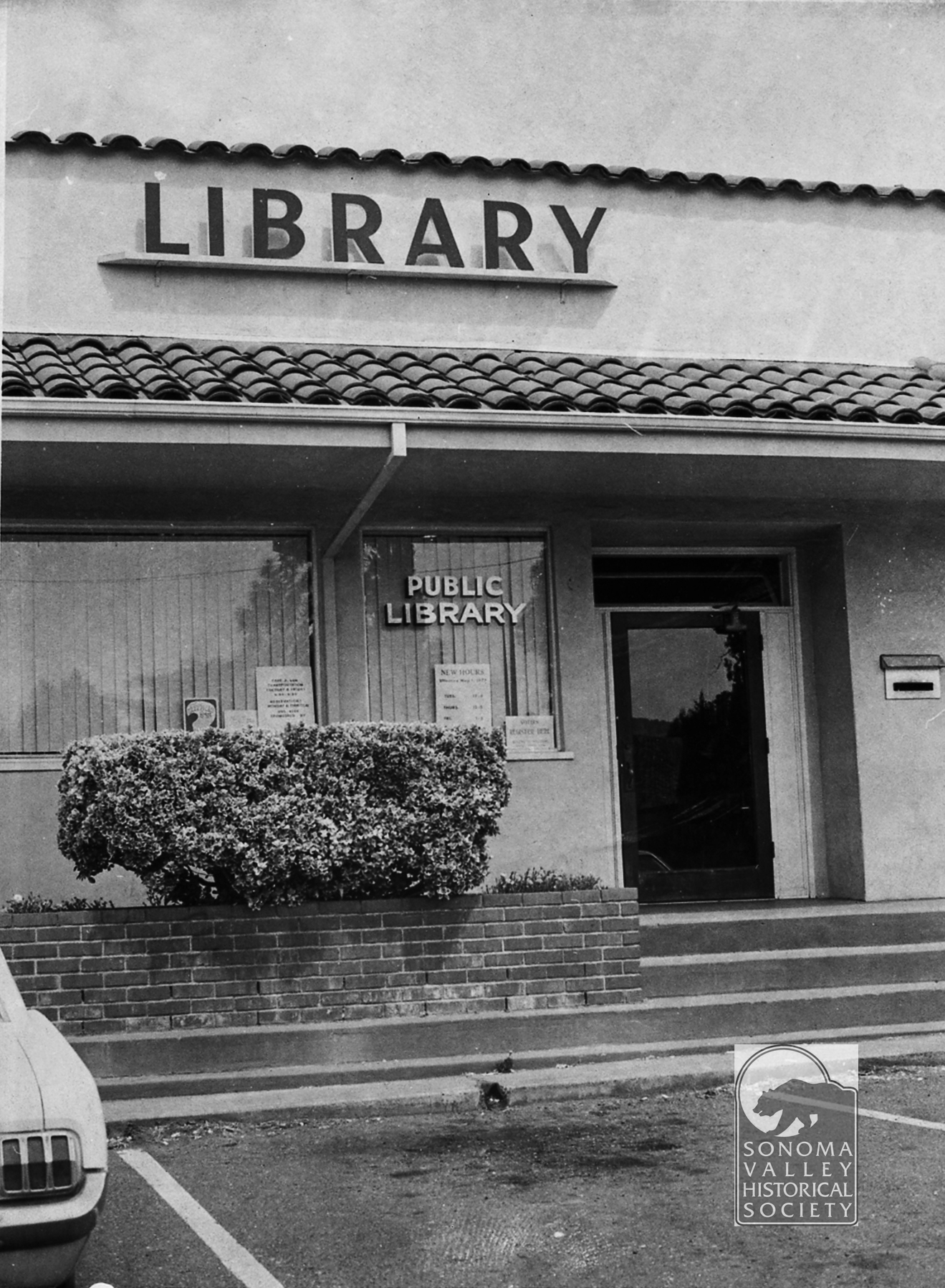
Yes, there was a branch library in the Plaza Center building in the 1970s.
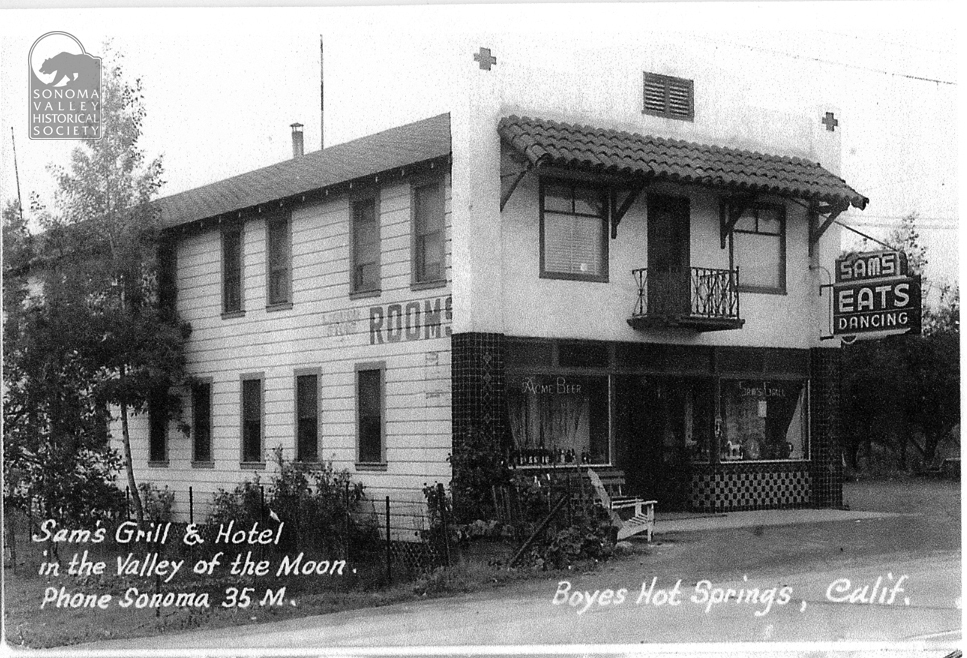
Sam Ganos was prominent business man in the 1940s and 50s. The building, much modified, now hosues La Hacienda Mexican Restaurant.
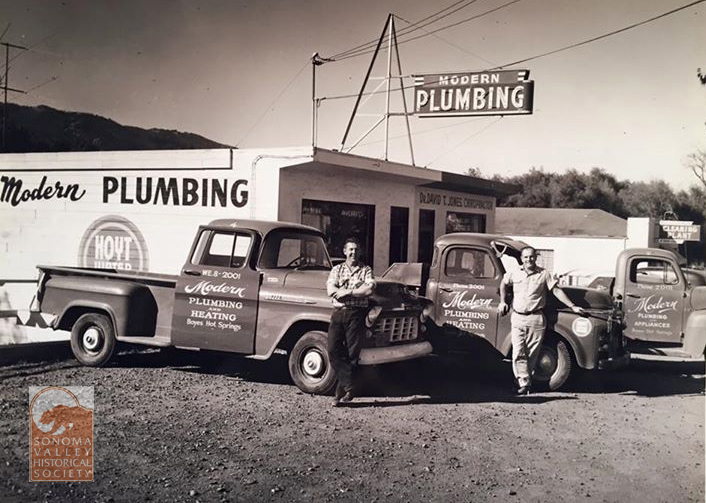
Modern Plumbing was founded in Boyes Hot Springs by Ted Riboni and Ed Feranndo in the 1950s. The building still stands, on the west side of the highway, opposite Bernhard Ave.
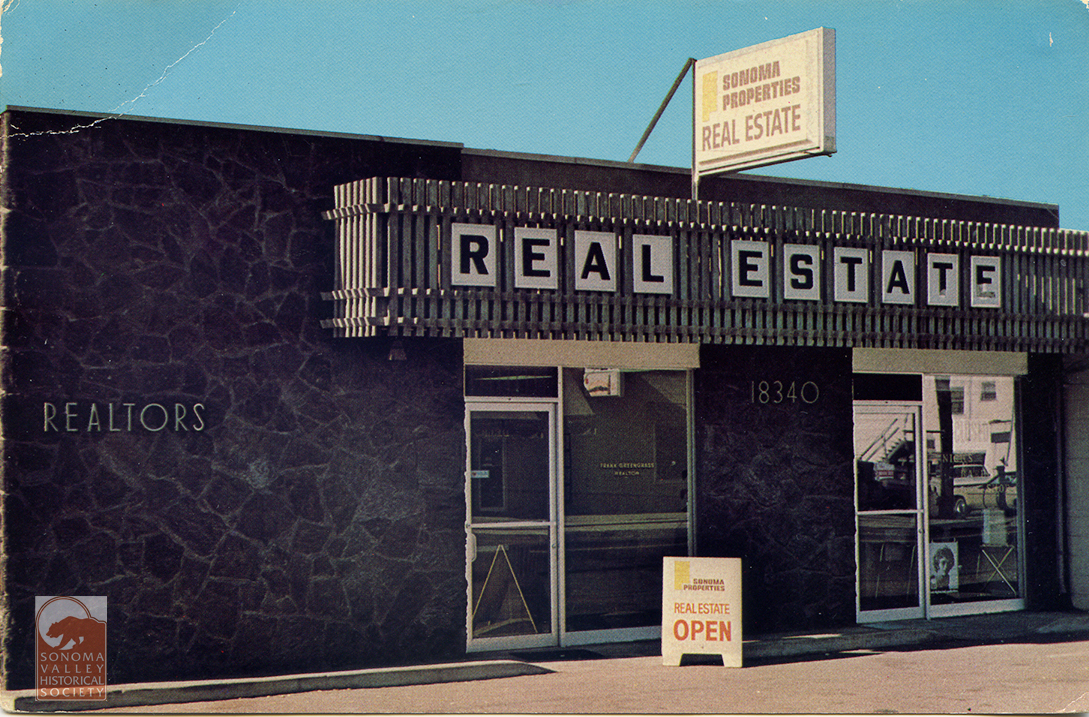
The Greengrass Building. A pretty ordinary building with an interesting history. Clidk the link to find out!
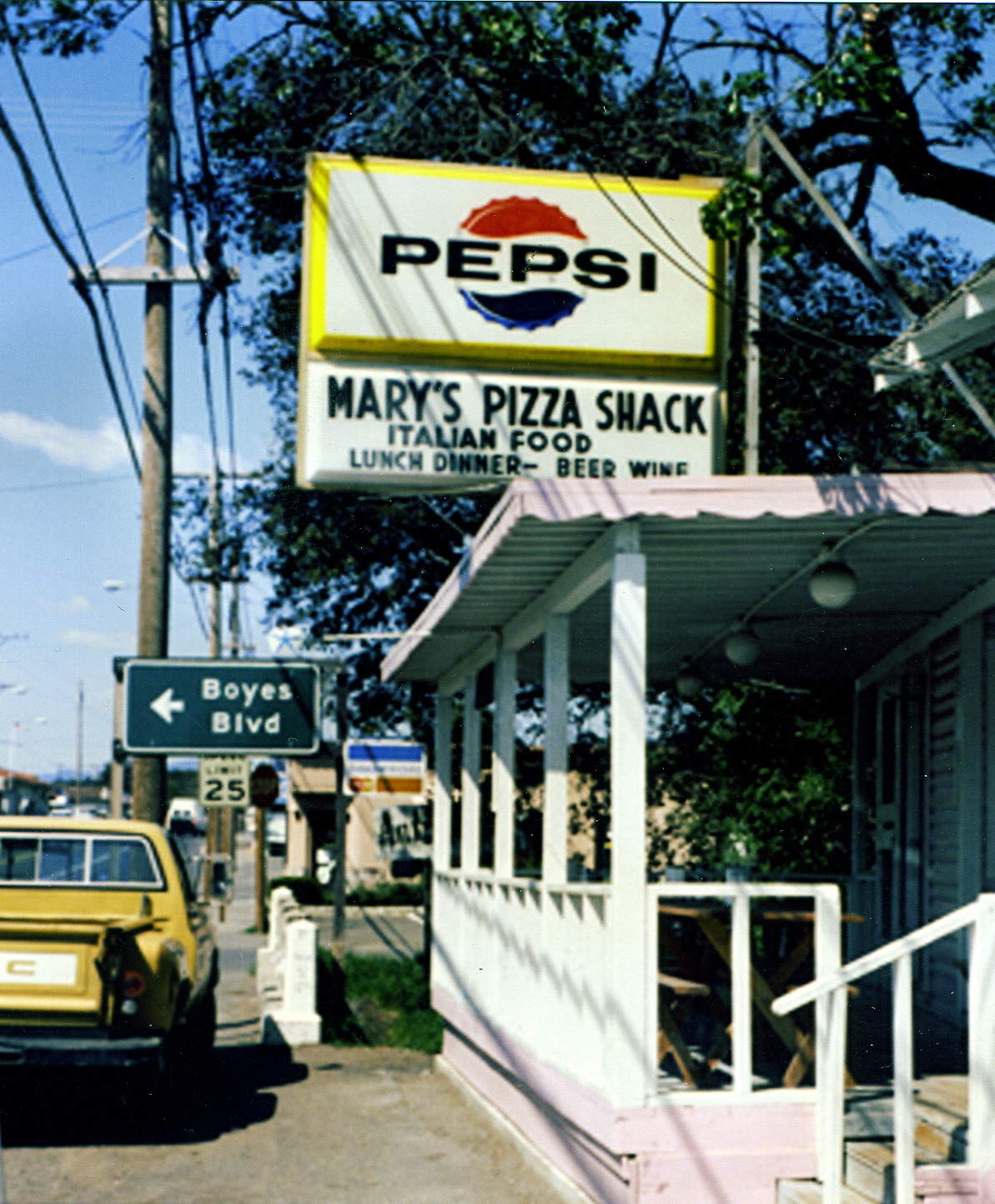
The original location of Mary’s Pizza Shack, now a large local chain, was in this small building at the end of Arroyo Road, at the highway. Mary Fazio opened her restaurant in 1959. The rest is history, as they say. Thanks to the Albano family for the photos.
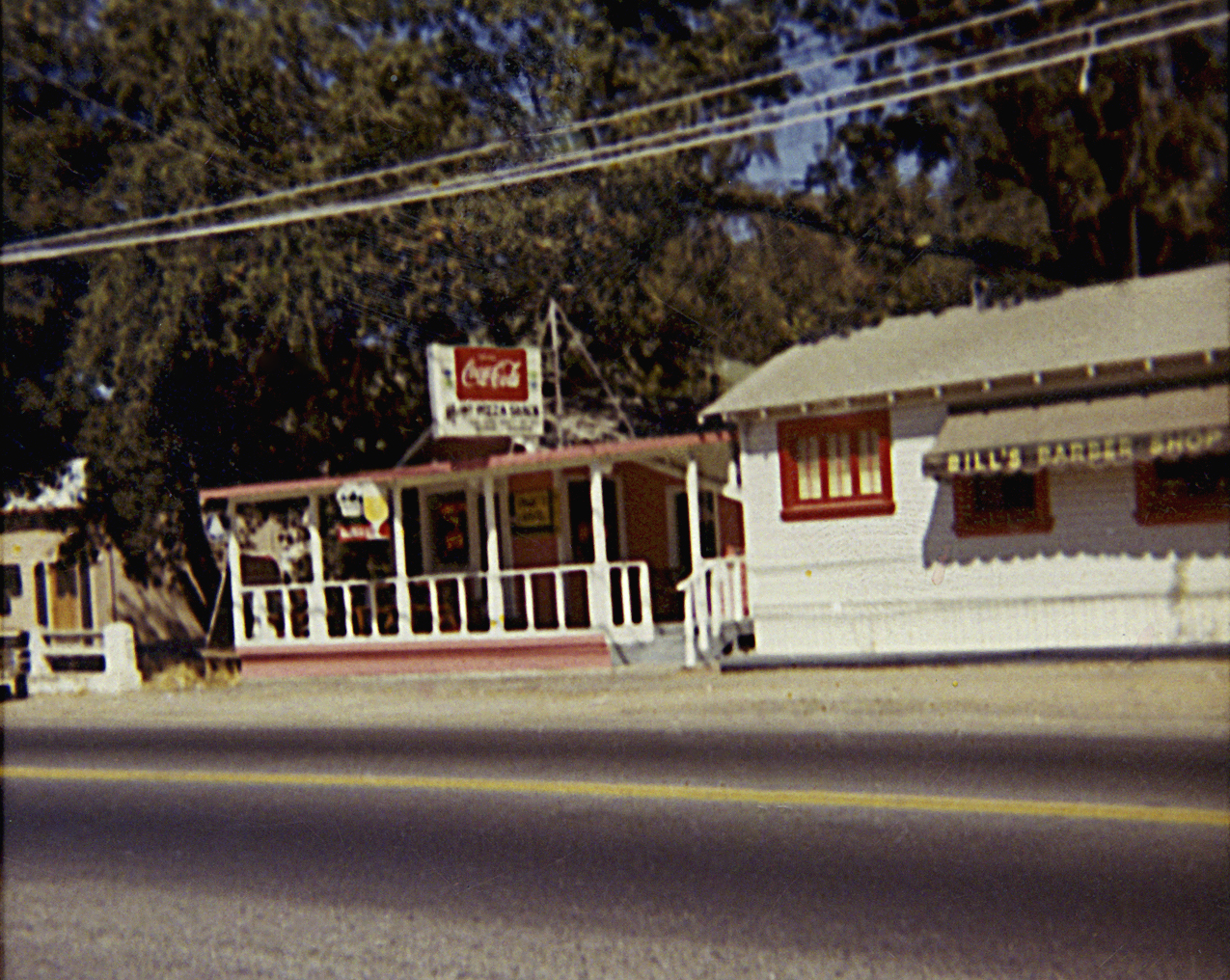
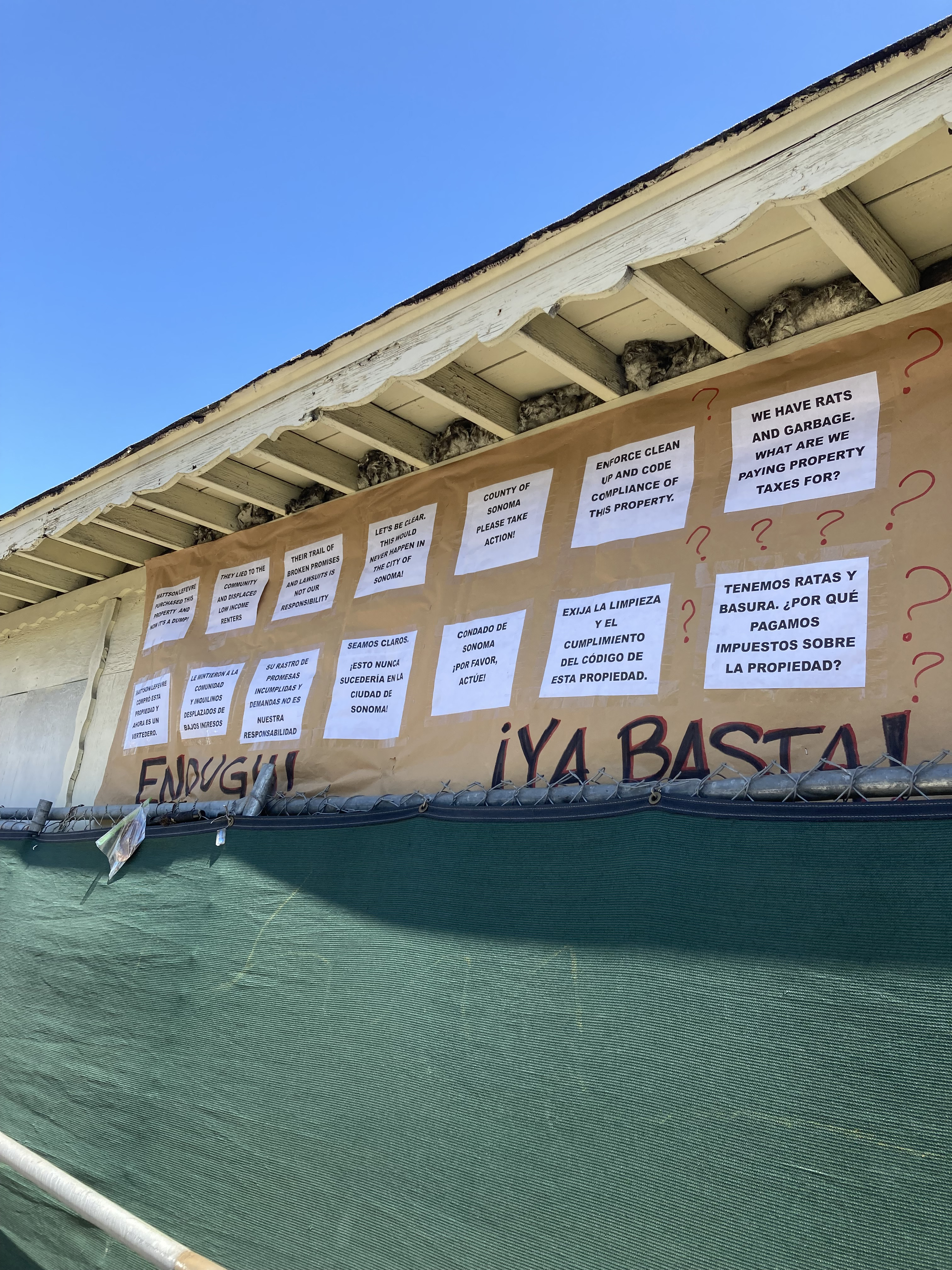
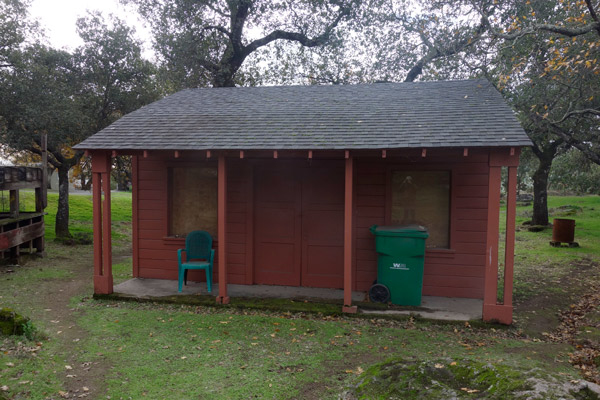
Flash forward to 2025. The unfortunate deterioration of the property continues. Neighbors are concerned enough to put up this sign on the front of the original shack. The current owner is under suspicion of fraud. We await remediation, but the wheels of County agencies turn slowly.
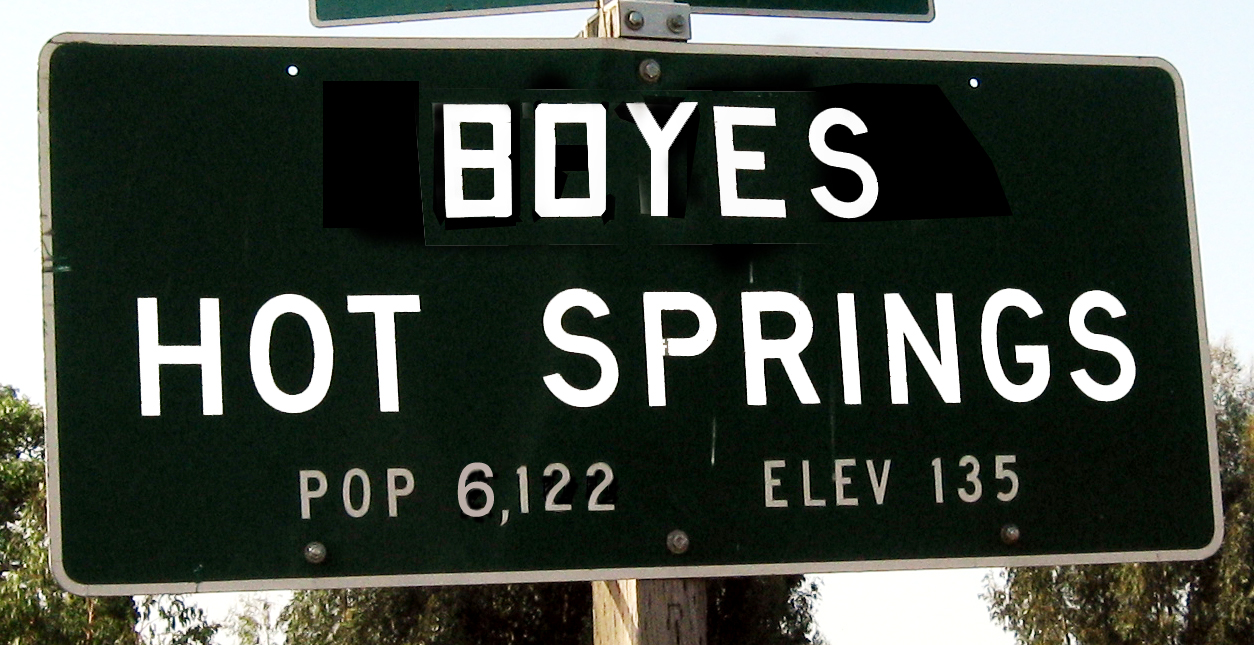
Both Agua Caliente and Fetters Hot Springs, just up the road, have official Caltrans place-name signs, but Boyes Hot Springs does not. Why? Who knows. The one above is my creation.

Photos by the author. Index Tribune and other photos courtesy of the Sonoma Valley Historical Society
Standard
Agua Caliente, Fetters Hot Springs, Resorts

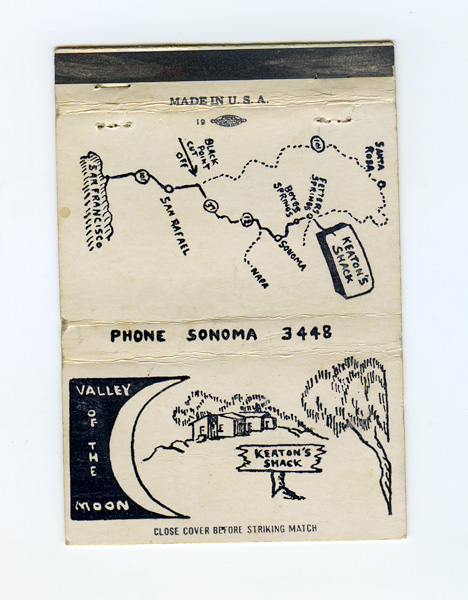
Keaton’s Shack

Edited and updated April 2021

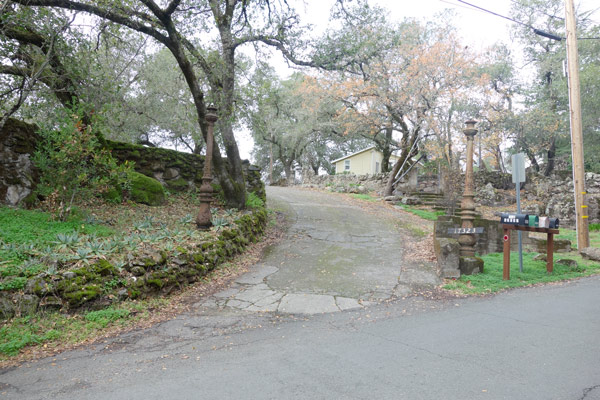
The earliest mention of Keaton’s Shack in the Index Tribune is in 1949, which was a busy year for the Springs. The Boyes Bath House recorded it’s largest ever Sunday crowd, so said an article on June 10, 1949. An adjacent article told of the Boyes Hot Springs Booster Club’s folk dance class being held at Keaton’s shack (Monday night, 7:30). In 1951 the North Bay Portuguese Holy Ghost Society Barbecue, with 1500 guests, was held at Keaton’s, which featured Carmen Miranda headlining the entertainment! On June 3, 1952, the IT announced a “three day confab” of the California Embalmers Association, which finished up with a “gala barbecue” at the Shack. In September of 1955 the valley Chamber of Commerce held its barbecue at Keaton’s. In that year the IT published a tribute to Keaton’s on the editorial page. They mention that the concrete driveway was built by the Sonoma Carpenter’s Union, and that the street lights came from Oakland. They also say, “There are no restrictions at all for any group. Last year several hundred members of a Negro Masonic organization from the east bay held a picnic at the park.”


KeatonsPostcardweb

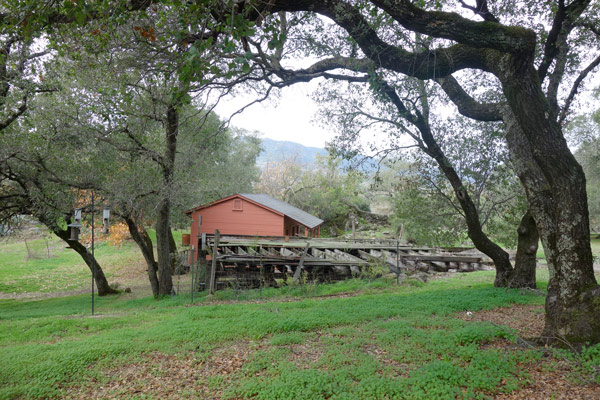
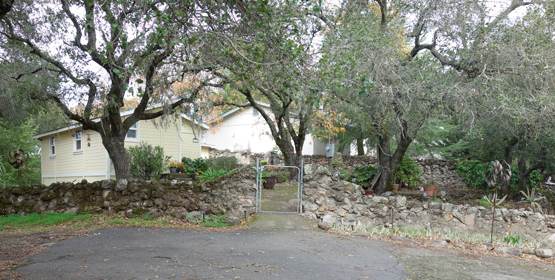
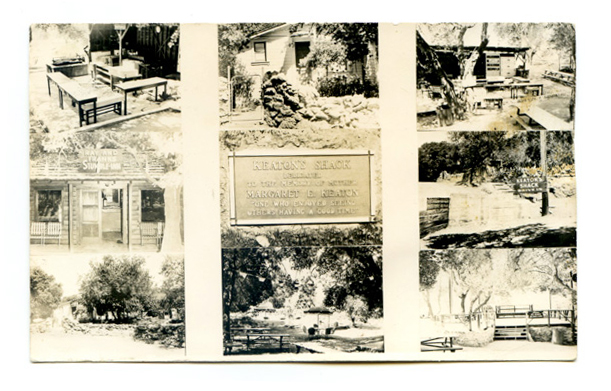
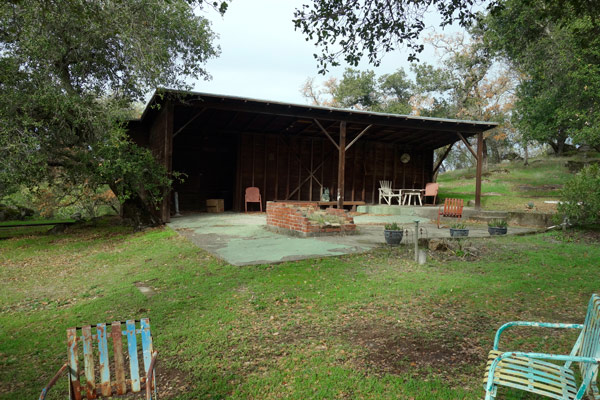
The post card with nine images is unusual. Real Picture Post Cards, as they are known, usually have only one. At right center we can see “Ray and Frank’s Stumble Inn,” the red building that still stands (see below), and the barbecue shed at top right, which also is still there. The crumbling structure in front of the Stumble Inn (below) is the dance floor. The old gate and house seen in the top center photo are still standing (2015). (Thanks To Bernice Thorstenson for the post card.)

KeatnoBBQ1

KeatonInnweb1

KeatonDanceFloor1

KeatonOldGateweb

KeatonsEntrance1web

Entrance to Keaton’s Shack. Driveway by the Carpenter’s Union, street lights from the streets of Oakland.

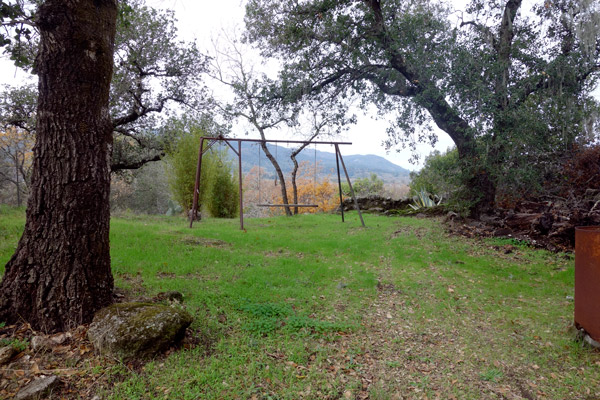
KeatonSwing1web

I couldn’t resist adding the old swing set with Sonoma Mountain in the background. It bespeaks the ephemeral and the eternal.

Keaton's-Shack1web

UPDATE

April 2021:

Exciting news from archeologist Breck Parkman. He writes,

“My son and I live on Keaton Avenue in Fetters. We live next door to what was once Keatons Shack and part of our yard was part of the old resort. Since moving here four years ago, we’ve run across all kinds of archaeological evidence of the old resort. In fact, we’ve been working on a research project during the pandemic, something my son has been able to help me with while we’ve sheltered here in place. One of the main dumps associated with Keaton’s Shack is behind our house and over the past year we’ve been studying it.”

“I know (Ray and Frank) purchased it c. 1945 but I’m assuming the dance floor and Stumble In were already here as I don’t believe the Keatons built either. I could be wrong, though. But in the dump we see artifacts that seem to suggest extensive use of the site as a possible resort beginning in the 1920s. I’m wondering if the Stumble In and dance floor were associated with one of the resorts or hotels just down the hill (Fetters Hotel or perhaps the Clementi Inn). Jon and I will write up a report when we are done and probably present a paper about it at an archaeological conference, too. It’s been a great pandemic project for us.”

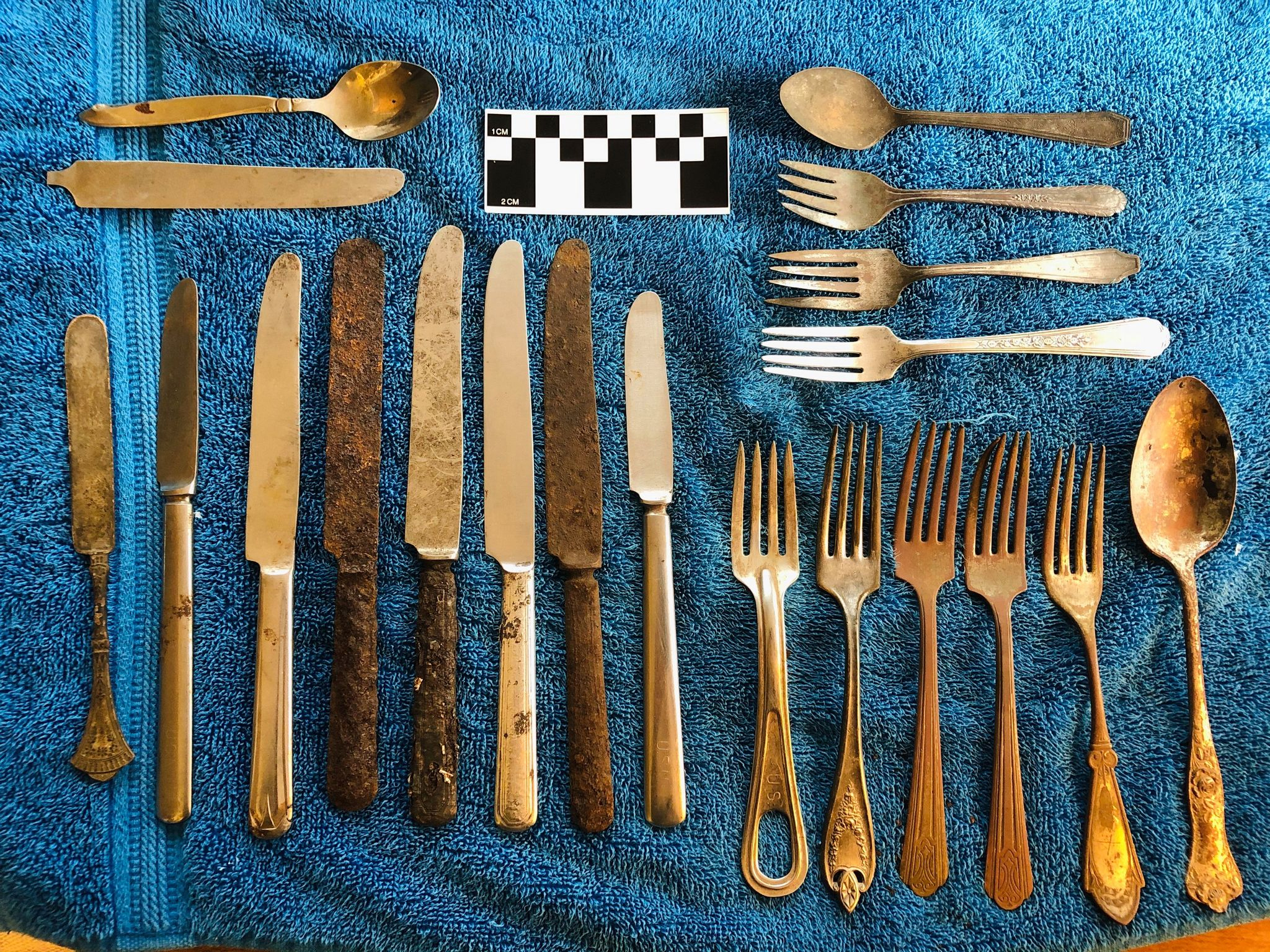
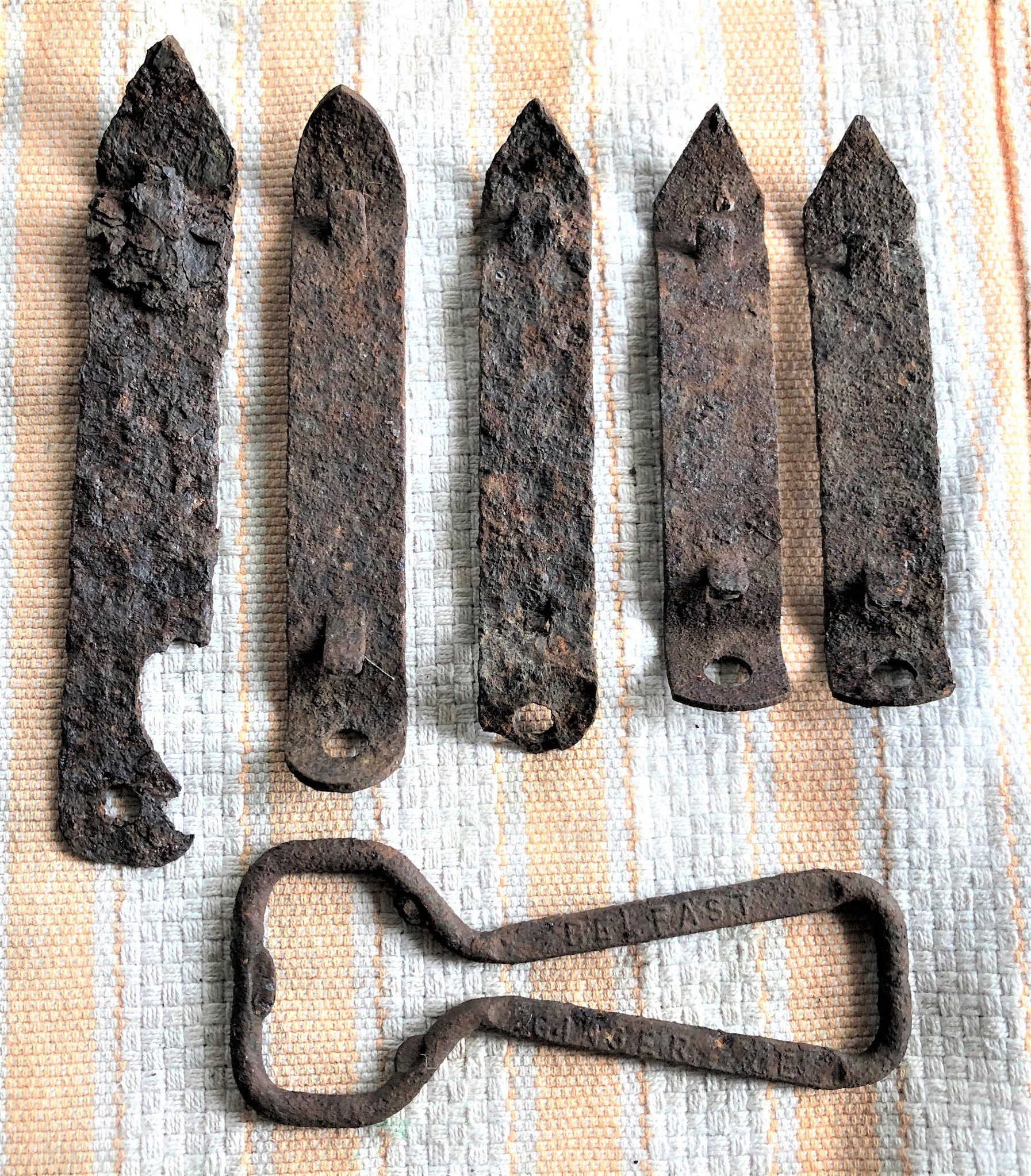
Needless to say, we will look forward the their paper with great anticipation. Some of their finds are interesting but ordinary (cutlery, for instance).

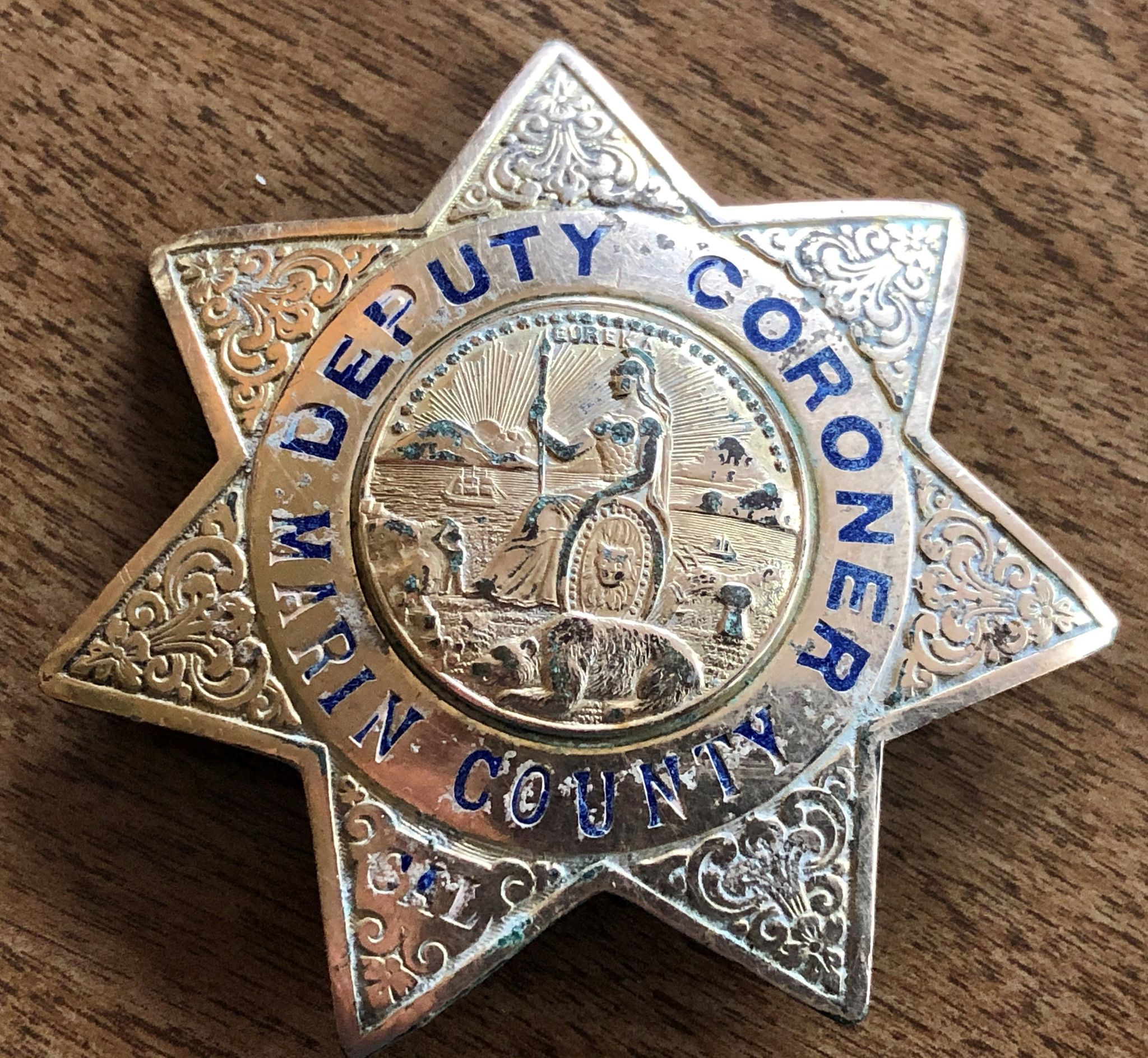
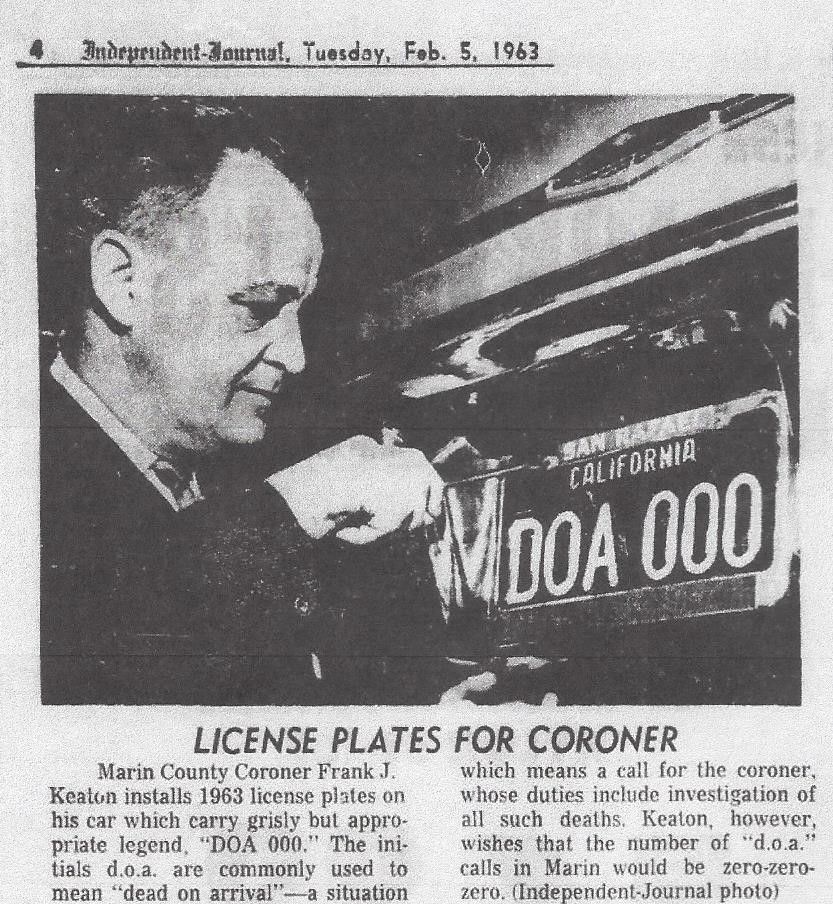
One of them is kind of astounding.  It is, as Breck writes, “ …a Marin County Deputy Coroner badge. When Frank Keaton returned home from the war, he became Deputy Coroner for Marin Co. His dad, Ray, was Coroner. In 1950, Ray retired and Frank ran and was elected Coroner. All I can figure is that he threw his old assistant badge away, although I suppose it could have become lost instead. But it was found in a dump, so I do wonder.”

There is still a Keaton’s mortuary in Novato.

We can now call this the Ongoing History of Keaton’s Shack. Stay tuned.

Archeological finds and clipping courtesy of Breck Parkman.

Standard