Boyes Hot Springs, El Verano, Fetters Hot Springs, History, Photographs, Resorts

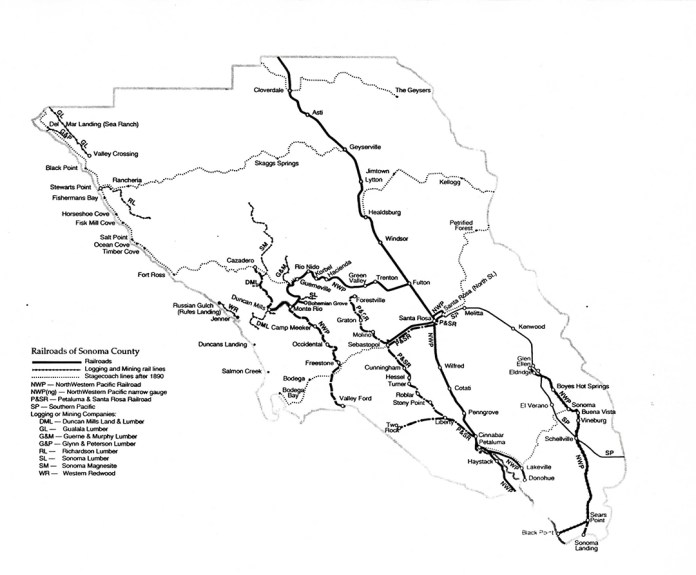
Railroads in Sonoma Valley

rrmap

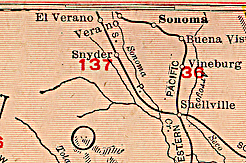
The history of railroads in Sonoma Valley is complicated and confusing. It started in the 1860s and included at least 15 different companies, but by 1889 there we just two: the Santa Rosa and North Pacific, and the Northern Railway. The SR and NP became the Northwestern Pacific in 1907, and Southern Pacific subsumed the Northern in 1898. The NWP tracks were on the east side of Sonoma Creek, with a depot in Boyes Hot Springs, and SP on the west, stopping at El Verano. The old rights-of-way can be glimpsed in some places. Sierra Drive in Boyes is one location. See https://springsmuseum.org/2018/03/29/sierra-drive-meincke-road/

A precursor to the NWP, the Sonoma Valley Railroad, existed until 1889. In this schedule we see that it visited a stop called Pioneer Grove. This was the name used before Boyes Springs was used.
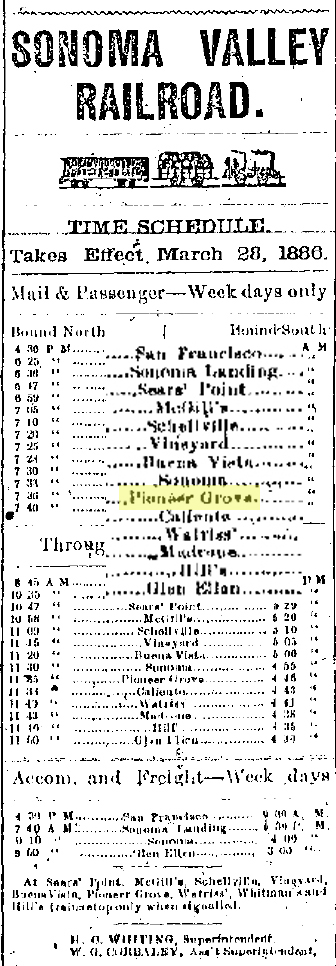
svrailroadschedule1886 copy

The railroads served the populace of San Francisco, primarily, who wished to spend warm summer days at the resorts. They came in their thousands by rail. But as early as 1920, the railroads were challenged by bus lines and automobiles. (The “auto-camp,” precursor to the motel, originated in the 1920s.) The Index Tribune reported in 1921 that executives of the NWP were considering new, modern electric cars on the Santa Rosa-San Rafael line to counter the competition from buses. To no avail. In 1930, the Glen Ellen depot was eliminated.
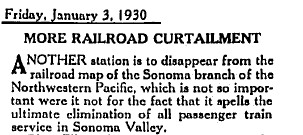
glenellendeleted1930

The editorial comment in the IT was prophetic. Rail service was gone by 1942.

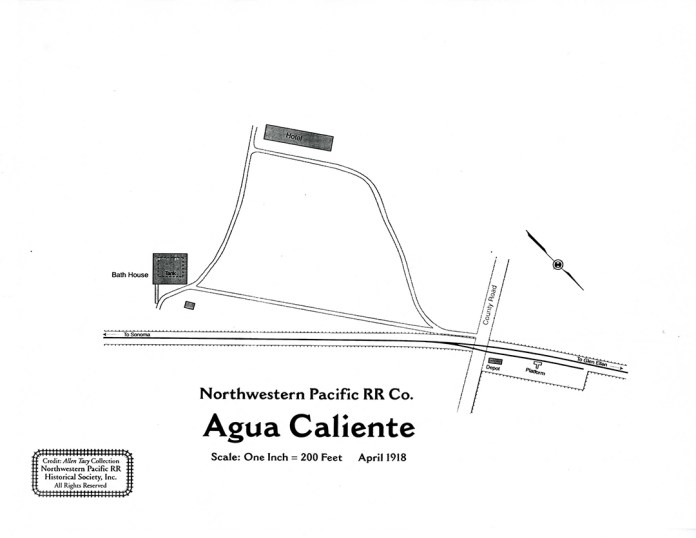
Following is a collection of images of depots in Sonoma Valley, with some maps, which are courtesy of the Northwestern Pacific Railroad Historical Society.


NWP depots:
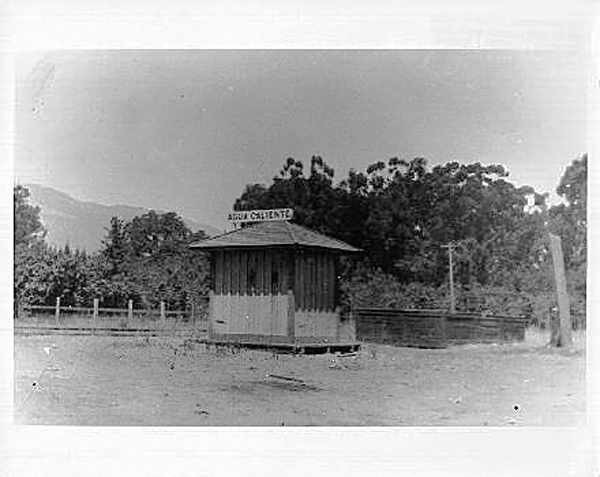
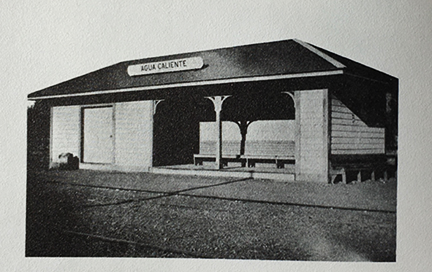
acdepotweb

Agua Caliente, year unknown

AguaCalienteDepotold

A later Agua Caliente depot? Similar to Boyes Depot of 1923
img091.jpg

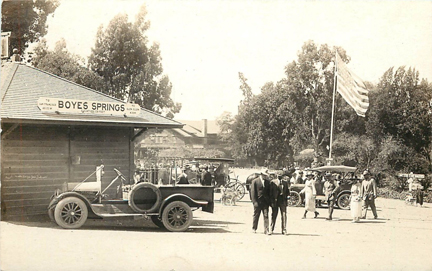
bhsdepotwithtruck

The name was changed to Boyes Hot Spring at least by 1908, but Model T production started in 1909, so perhaps all of the signs were not changed at one time.
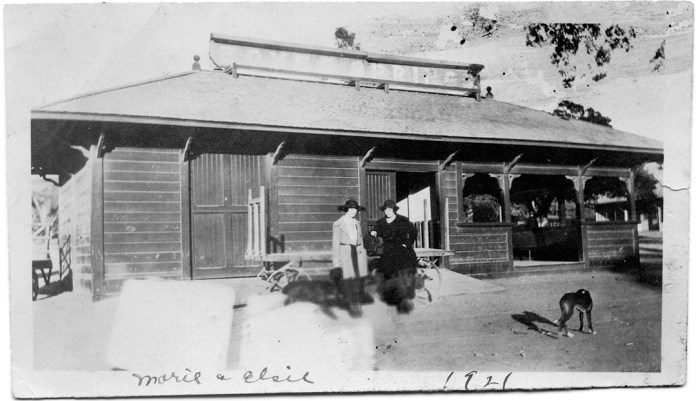
boyesdepotmarieelsie

Marie and Elsie stand in front of a depot called “Boyes Springs,” in 1921. apparently the word “Hot” in the name came and went. This station was destroyed in the fire of 1923.
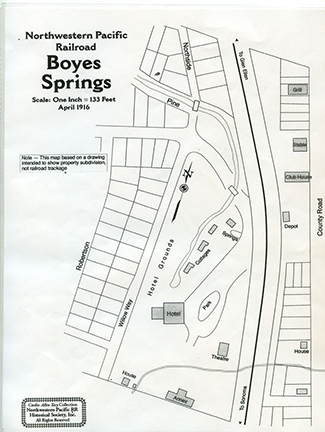
railroadmap.jpg

1916 map showing the old hotel and the canal that ran down Pine Street.
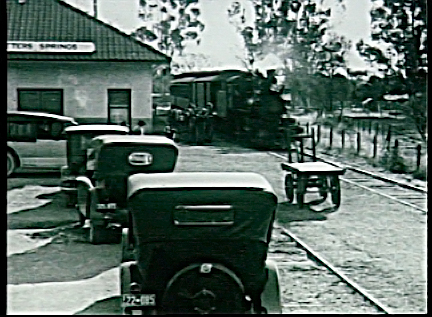
fettersdepotmovieweb

Still from the 1923 Harold Binney movie “Account of the no-account Count.” The film shows the train arriving at Fetters Springs.
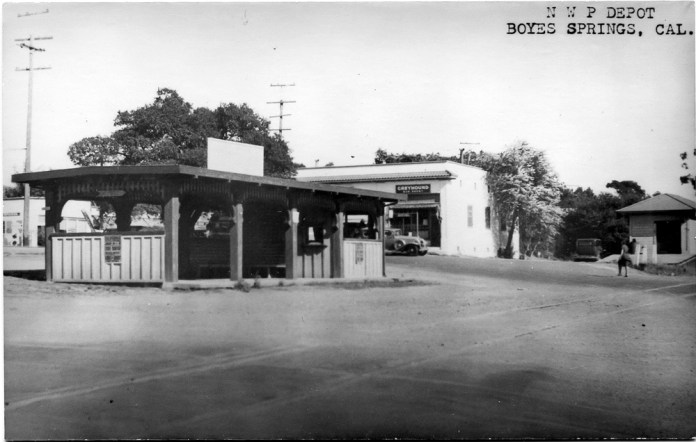
boyesdepotangle-web

Boyes Hot Springs depot in 1942, the year service ended. The Woodleaf Store can be seen behind the depot.
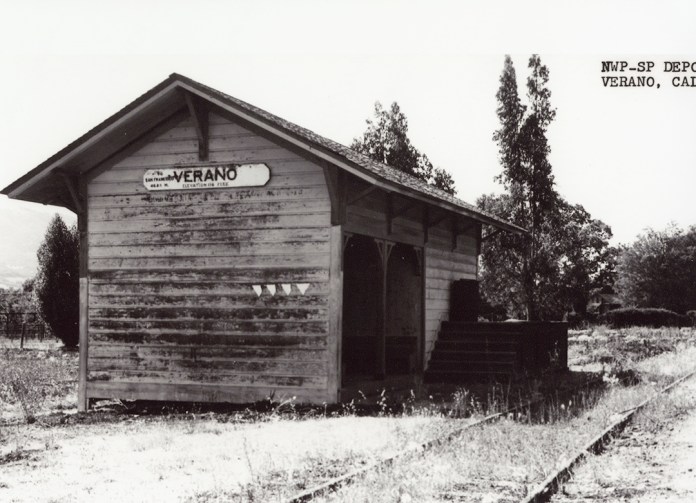
 

veranoDepotKern Letter027.jpg

The Verano depot, across the creek from El Verano.
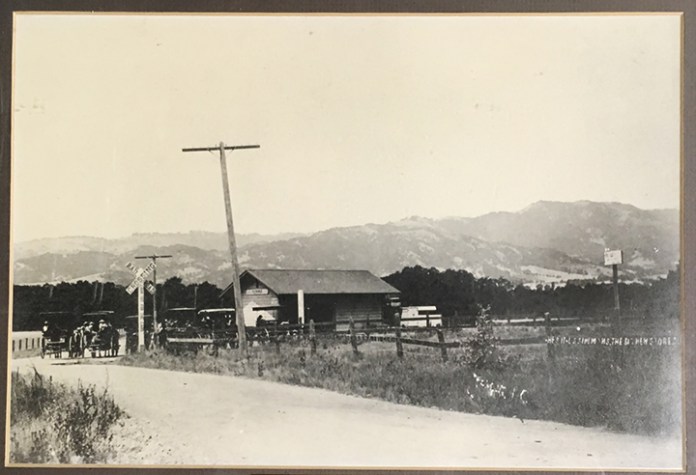
VeranoDepot2.1

Verano depot circa 1905

VeranoRRMapcrop.jpg

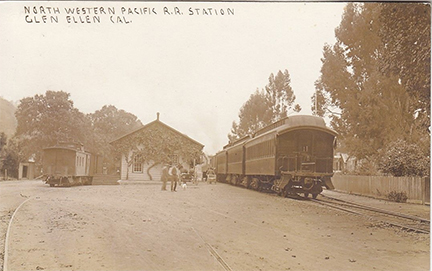
trainatglemellen

Glen Ellen, year unknown.

Southern Pacific depots:
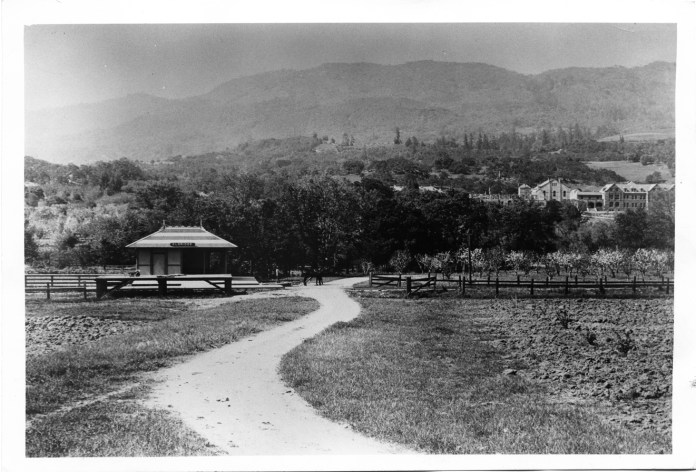
eldrigestation1898

Eldridge depot 1898

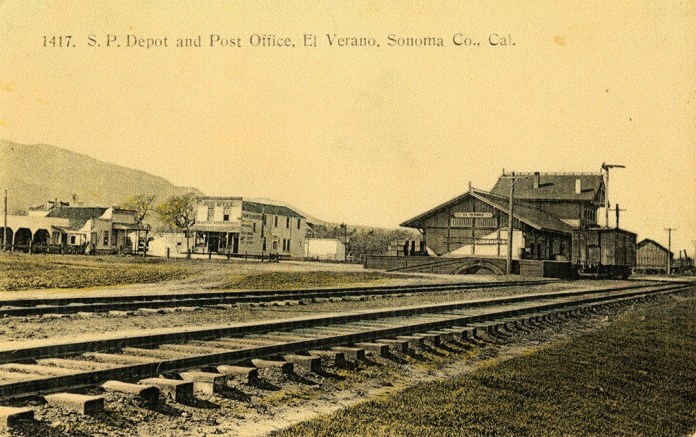
EVDepotandPO.jpg

El Verano, circa 1890s

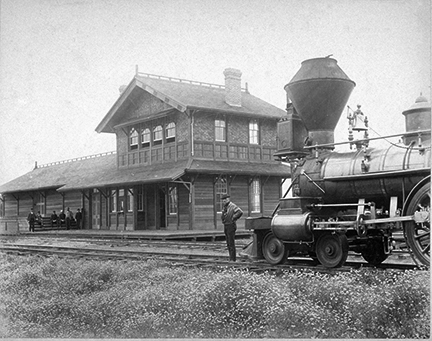
i0024492a

El Verano depot shortly after construction, 1880s

Images courtesy of the Sonoma Valley Historical Society and the Northwestern Pacific Railroad Historical Society.
 

Standard
Boyes Hot Springs, El Verano, Fetters Hot Springs, Photographs, Springs Historic Photo Database

New to the Springs Historic Photo Database: From the Ron Price Collection

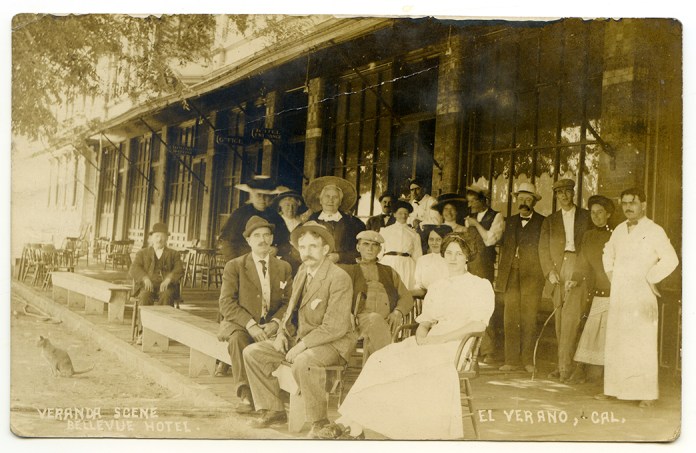
BellvueHotelPorch

The porch at the Bellvue Hotel, El Verano, before 1911.

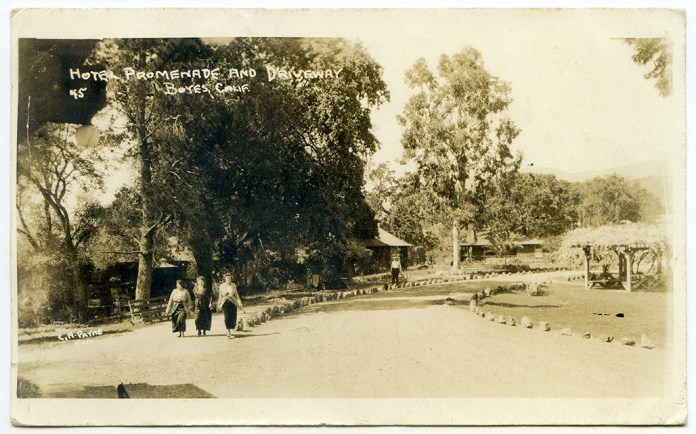
BoyesHotelPromenade

Promenade at the Boyes springs Hotel, 1920.

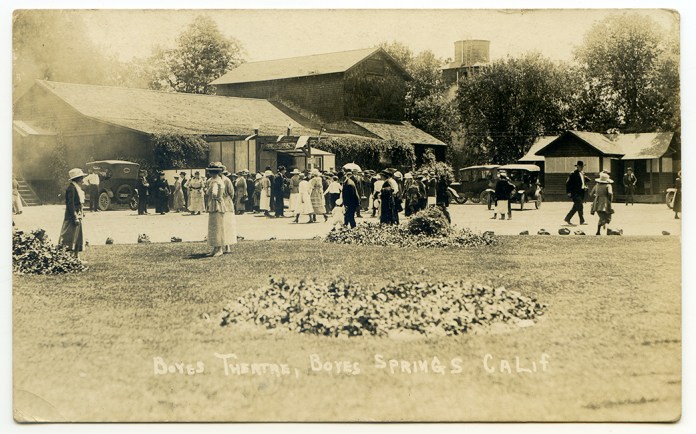
BoyestheaterRonPrice

Boyes Resort Theater, 1921.

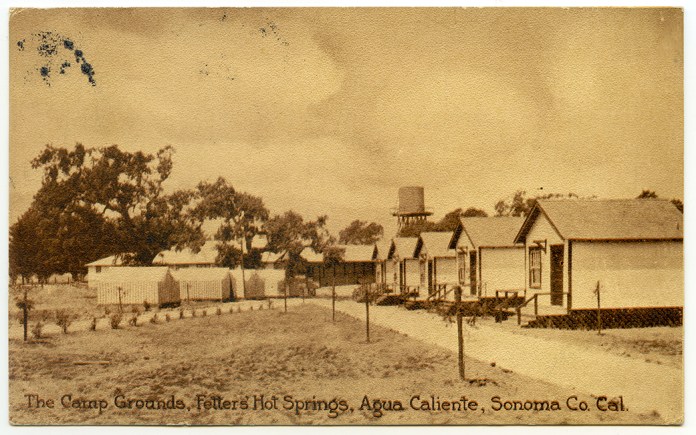
FettersCampGrounds

Camp Grounds at Fetters Resort

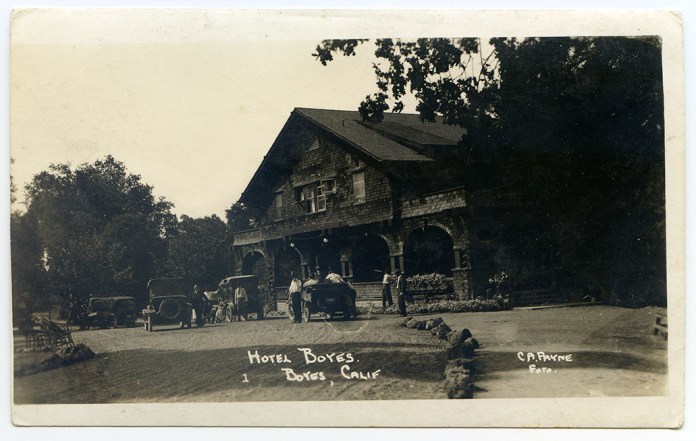
HotelBHSRonPrice

Hotel at Boyes Springs, 1920s

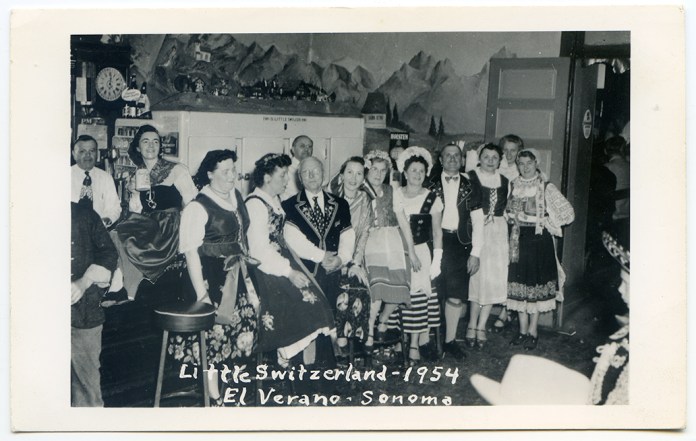
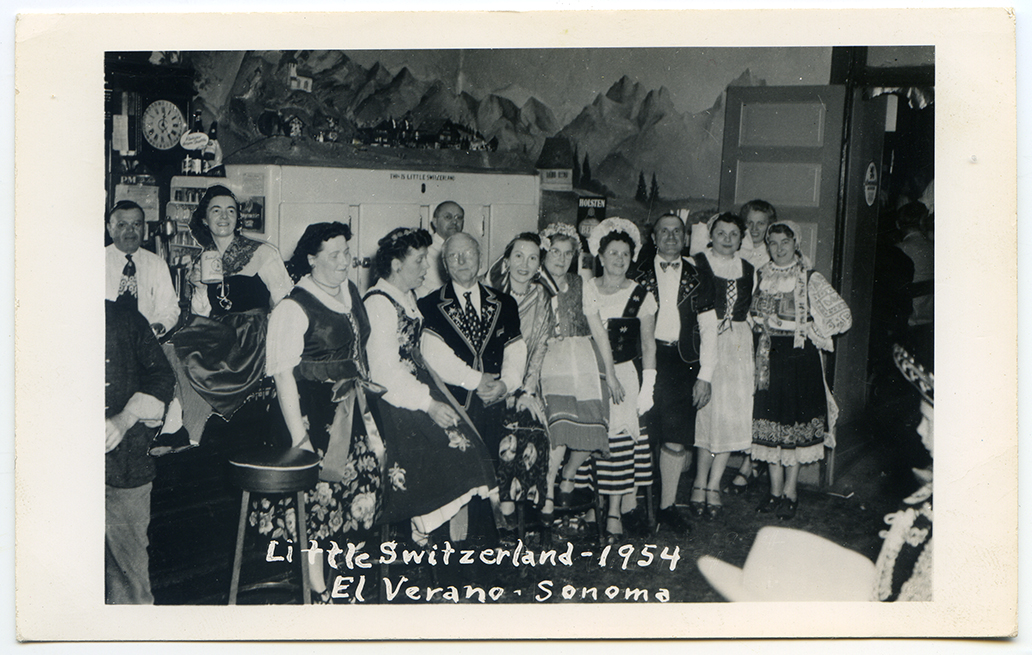
LittleSwissGroup

Little Switzerland, El Verano, 1954

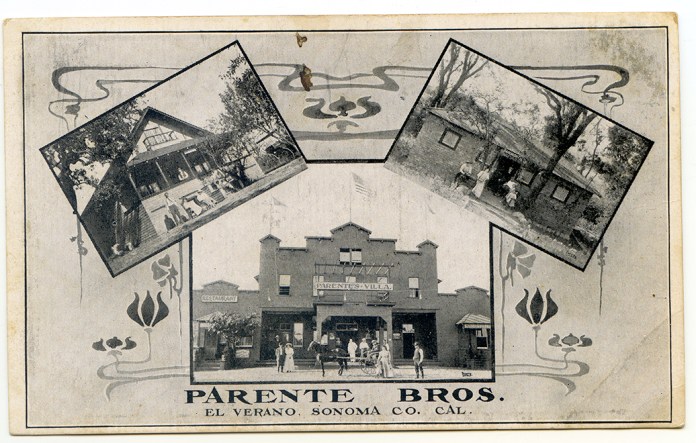
ParenteBros.threeimages

Parente Resort, El Verano, before 1920

SMIwithMountains

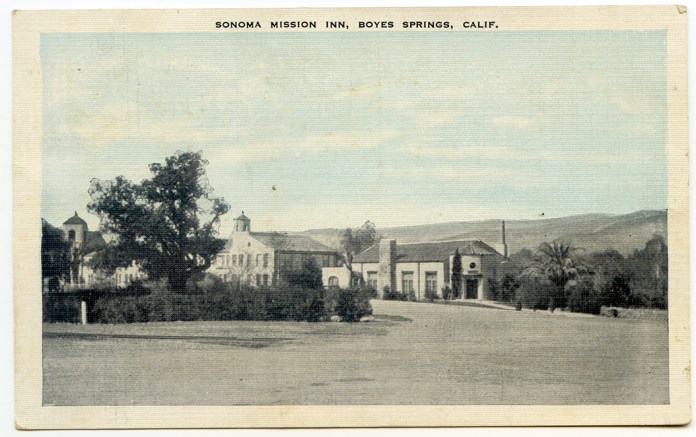
Sonoma Mission Inn, Boyes Hot Springs, 1938

St.FrancisVillaEV

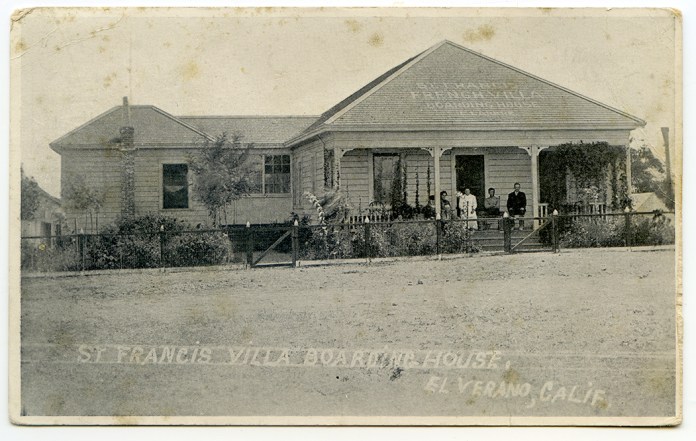
St. Francis Villa boarding House, El Verano, 1915

Standard
Architecture, Fetters Hot Springs, History, Now and Then, Photographs, Resorts

Reclamation?

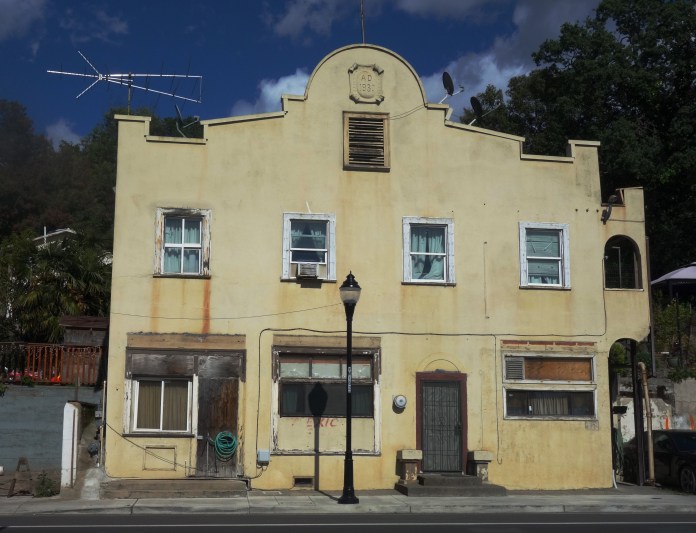
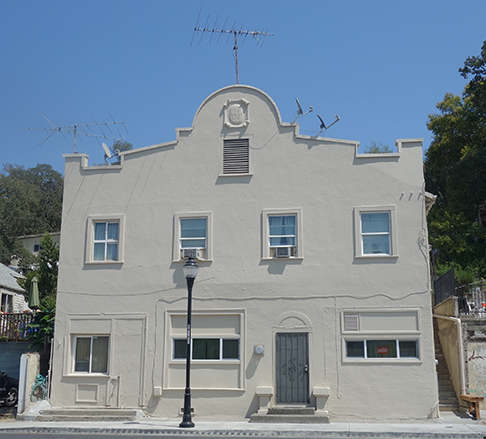
This is the key historic building still standing in Agua Caliente. Apparently undergoing demolition-by-neglect, it has, in August 2018, gotten a set of new windows and a paint job. We can only hope that the structure behind the stucco still has integrity.

AC1933crop

FadedMexicansign

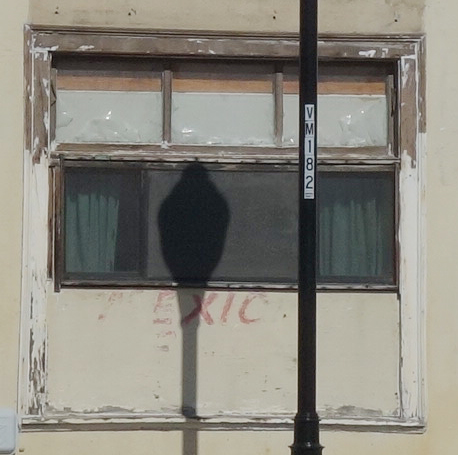
Before the new paint, the ghost of the word “Mexcian” could be seen near the sidewalk. Various restarants and markets have been housed in the building.

AC1933August2018

AC1933Detail

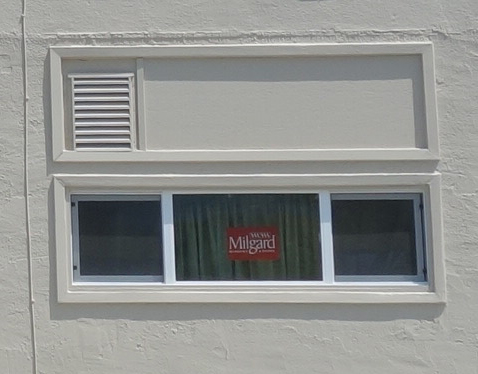
After paint. The windows still have the factory sticker.

Leixnershires2

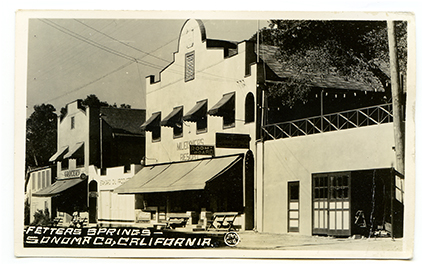
In the days of Liexner’s Resort.

Nimpfer's

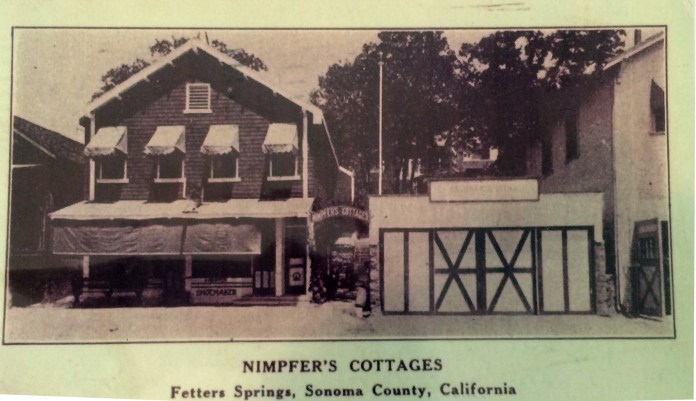
And Nimpfer’s.

Standard
Agua Caliente, Fetters Hot Springs, Resorts

Keaton’s Shack

Edited and updated April 2021

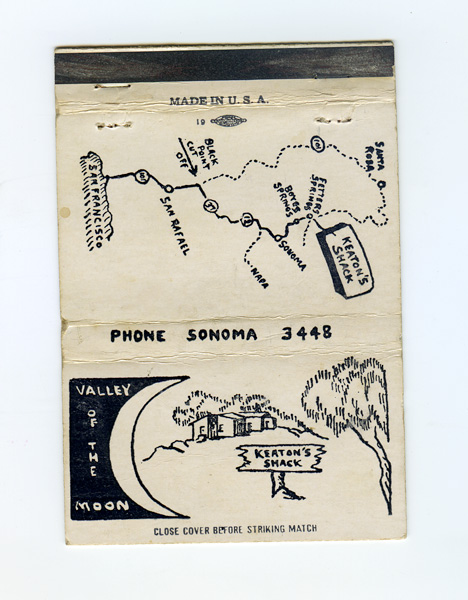
The earliest mention of Keaton’s Shack in the Index Tribune is in 1949, which was a busy year for the Springs. The Boyes Bath House recorded it’s largest ever Sunday crowd, so said an article on June 10, 1949. An adjacent article told of the Boyes Hot Springs Booster Club’s folk dance class being held at Keaton’s shack (Monday night, 7:30). In 1951 the North Bay Portuguese Holy Ghost Society Barbecue, with 1500 guests, was held at Keaton’s, which featured Carmen Miranda headlining the entertainment! On June 3, 1952, the IT announced a “three day confab” of the California Embalmers Association, which finished up with a “gala barbecue” at the Shack. In September of 1955 the valley Chamber of Commerce held its barbecue at Keaton’s. In that year the IT published a tribute to Keaton’s on the editorial page. They mention that the concrete driveway was built by the Sonoma Carpenter’s Union, and that the street lights came from Oakland. They also say, “There are no restrictions at all for any group. Last year several hundred members of a Negro Masonic organization from the east bay held a picnic at the park.”


KeatonsPostcardweb

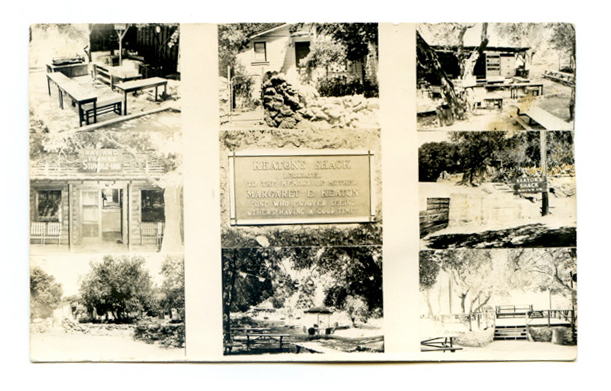
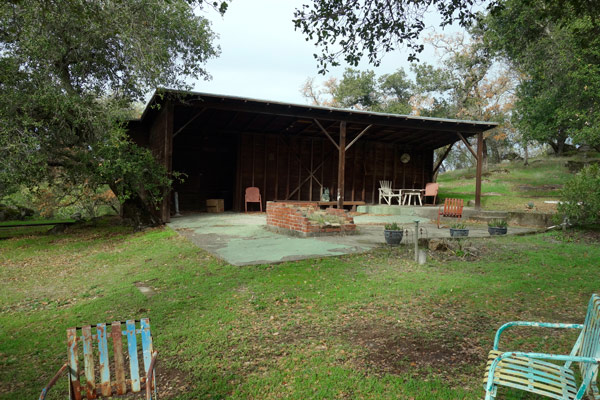
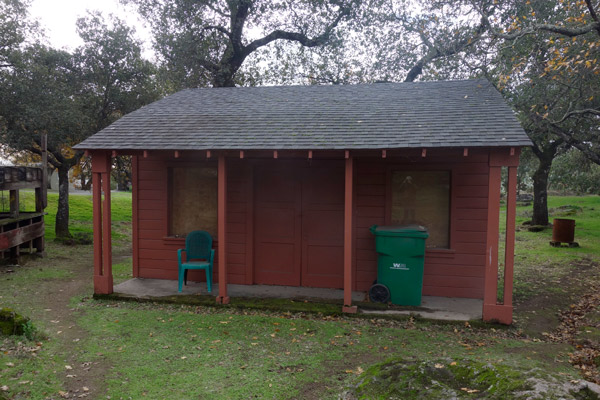
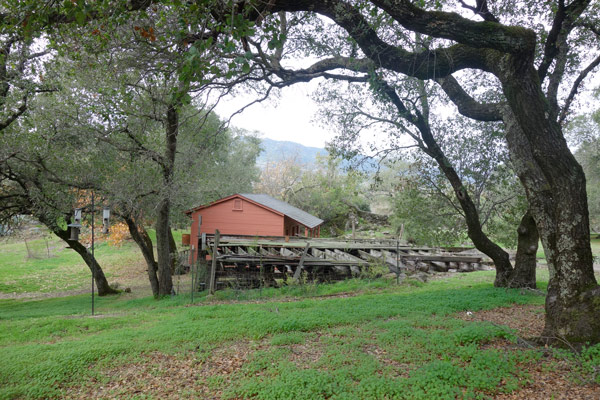
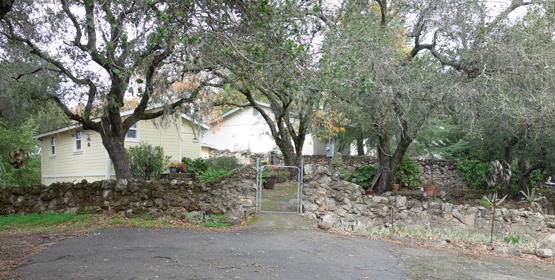
The post card with nine images is unusual. Real Picture Post Cards, as they are known, usually have only one. At right center we can see “Ray and Frank’s Stumble Inn,” the red building that still stands (see below), and the barbecue shed at top right, which also is still there. The crumbling structure in front of the Stumble Inn (below) is the dance floor. The old gate and house seen in the top center photo are still standing (2015). (Thanks To Bernice Thorstenson for the post card.)

KeatnoBBQ1

KeatonInnweb1

KeatonDanceFloor1

KeatonOldGateweb

KeatonsEntrance1web

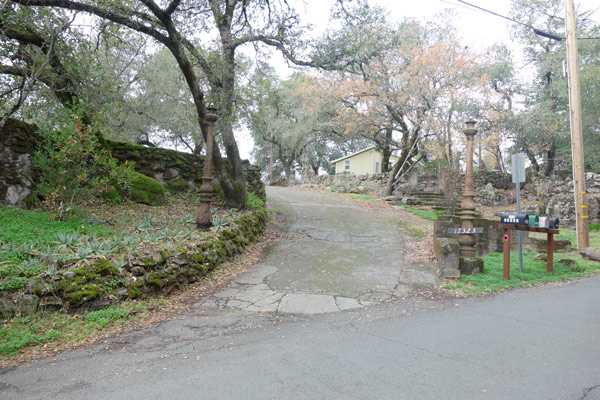
Entrance to Keaton’s Shack. Driveway by the Carpenter’s Union, street lights from the streets of Oakland.

KeatonSwing1web

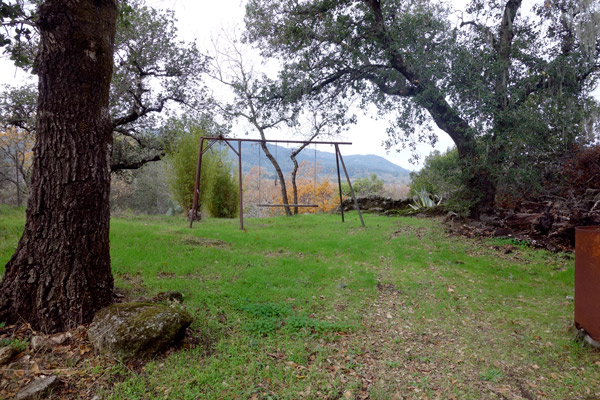
I couldn’t resist adding the old swing set with Sonoma Mountain in the background. It bespeaks the ephemeral and the eternal.

Keaton's-Shack1web

UPDATE

April 2021:

Exciting news from archeologist Breck Parkman. He writes,

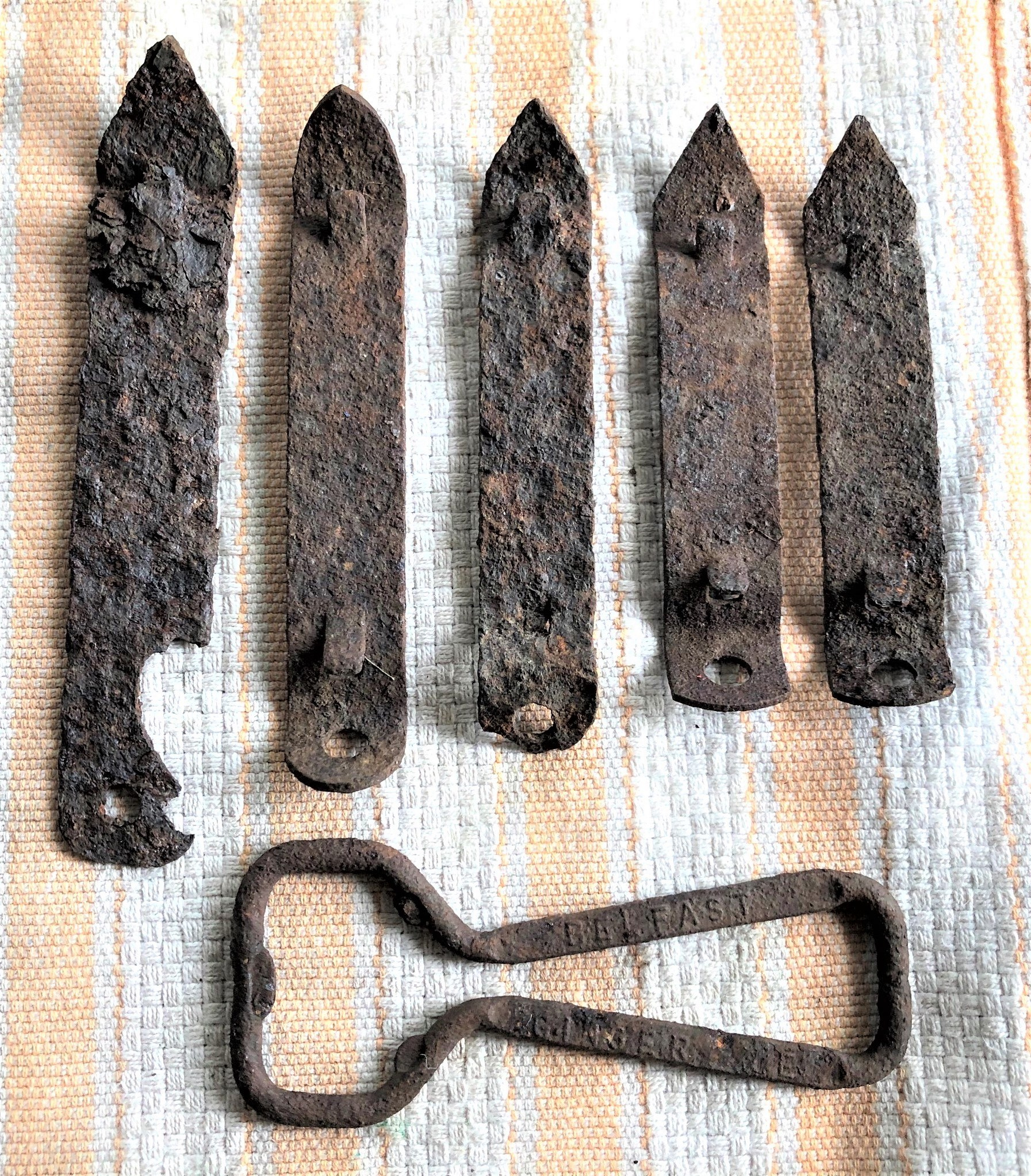
“My son and I live on Keaton Avenue in Fetters. We live next door to what was once Keatons Shack and part of our yard was part of the old resort. Since moving here four years ago, we’ve run across all kinds of archaeological evidence of the old resort. In fact, we’ve been working on a research project during the pandemic, something my son has been able to help me with while we’ve sheltered here in place. One of the main dumps associated with Keaton’s Shack is behind our house and over the past year we’ve been studying it.”

“I know (Ray and Frank) purchased it c. 1945 but I’m assuming the dance floor and Stumble In were already here as I don’t believe the Keatons built either. I could be wrong, though. But in the dump we see artifacts that seem to suggest extensive use of the site as a possible resort beginning in the 1920s. I’m wondering if the Stumble In and dance floor were associated with one of the resorts or hotels just down the hill (Fetters Hotel or perhaps the Clementi Inn). Jon and I will write up a report when we are done and probably present a paper about it at an archaeological conference, too. It’s been a great pandemic project for us.”

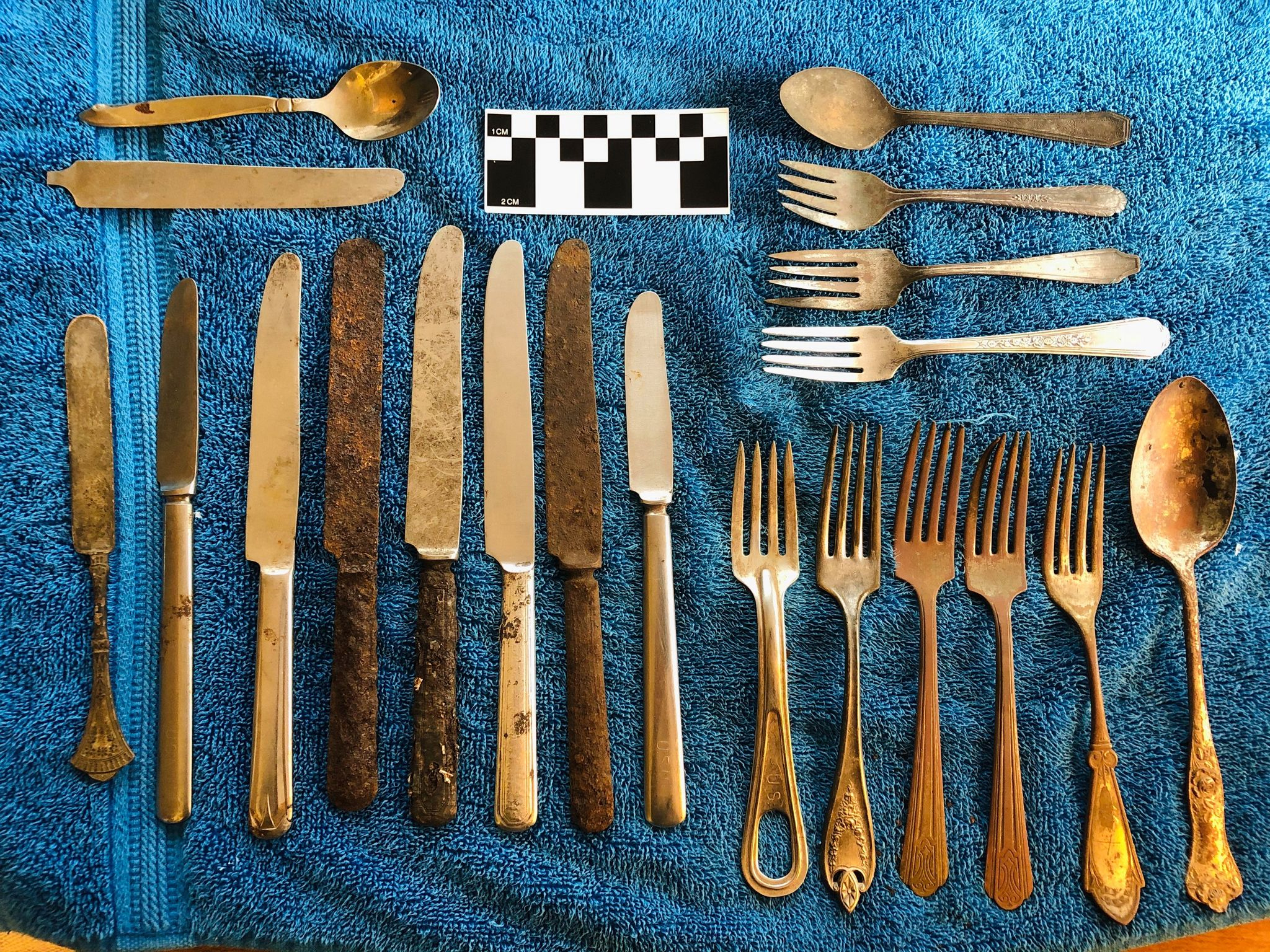
Needless to say, we will look forward the their paper with great anticipation. Some of their finds are interesting but ordinary (cutlery, for instance).

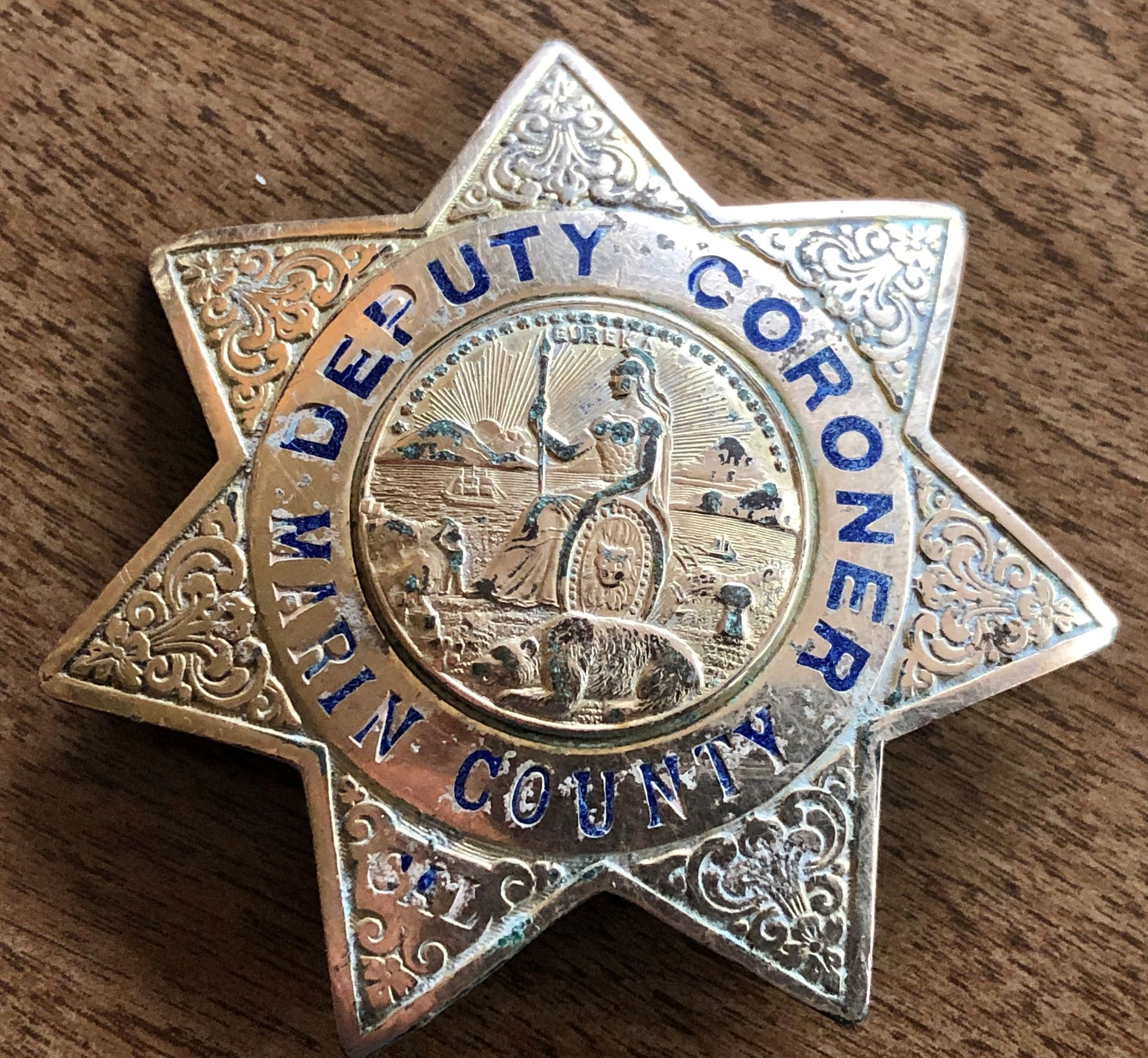
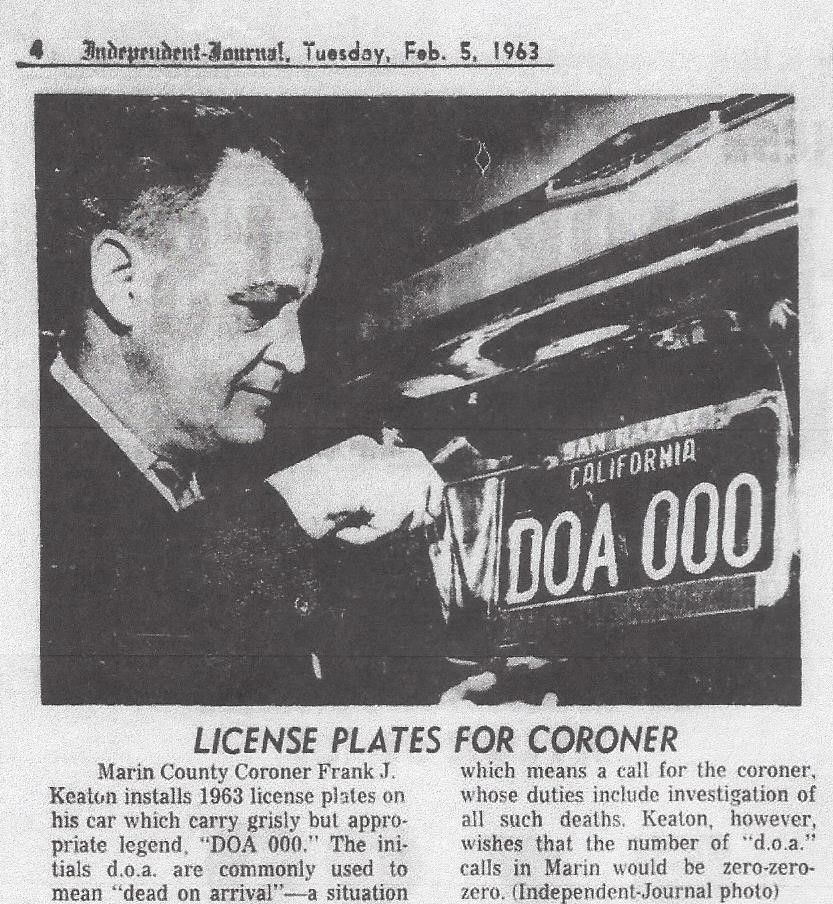
One of them is kind of astounding.  It is, as Breck writes, “ …a Marin County Deputy Coroner badge. When Frank Keaton returned home from the war, he became Deputy Coroner for Marin Co. His dad, Ray, was Coroner. In 1950, Ray retired and Frank ran and was elected Coroner. All I can figure is that he threw his old assistant badge away, although I suppose it could have become lost instead. But it was found in a dump, so I do wonder.”

There is still a Keaton’s mortuary in Novato.

We can now call this the Ongoing History of Keaton’s Shack. Stay tuned.

Archeological finds and clipping courtesy of Breck Parkman.

Standard