Modern Plumbing, 1973, Shaker Furniture 2008, Republic of Thrift, 2016


Thailand Thai, 2008, Hot Box Grill, 2014, “Flying Pig” BBQ, 2016


Tripp’s, Mike’s, El Brinquito, 1960s through 2016
Modern Plumbing, 1973, Shaker Furniture 2008, Republic of Thrift, 2016
Thailand Thai, 2008, Hot Box Grill, 2014, “Flying Pig” BBQ, 2016
Tripp’s, Mike’s, El Brinquito, 1960s through 2016
Visit The Living New Deal site to experience a mind-blowing history project and to understand the greatness this country achieved, once upon a time, not long ago, collectively.
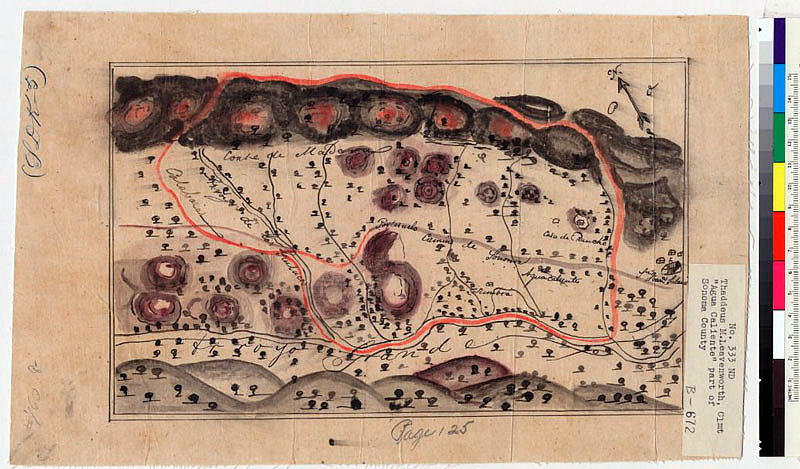
A History of Boyes Hot Springs should begin in April, 1847, with the arrival at San Francisco of Thaddeus M. Leavenworth, a native of Connecticut, purporting to be an Episcopal chaplain. He had enlisted in Stevenson’s Regiment of New York Mexican War Volunteers. After serving as a controversial alcalde in San Francisco from October 1847 to June 5, 1849, where he also took part in school and church affairs, he became interested in farming, or, more specifically, farm land, and speculation in farmlands. The fertile fields available north of San Francisco brought him to Sonoma Valley, where he acquired a 320.23 acre piece of land which would figure prominently in history as the site of Boyes Hot Springs.
Actually, these 320.33 acres covered all the land now known as Agua Caliente, Fetters Hot Springs, and some of Maxwell Farm
In 1853, both Thaddeus Leavenworth and State Senator M.G. Vallejo made application to the Land Claims Commission for title to the 320.33 acres, both referring to the land as a portion of the Agua Caliente Rancho, and both contending before the commission that they were the successors in interest to Lazaro Piña, who purportedly had received title to the property on July 13, 1840, by grant from the Mexican Territorial Governor Juan B. Alvarado. Eventually, in1855, Leavenworth’s claim was approved, Vallejo’s claim having been rejected by the Commission. Apparently Leavenworth had better appearing forged documents than his adversary. From A History of Boyes Hot Springs by Robert Parmalee, 1992, used by permission of the author.
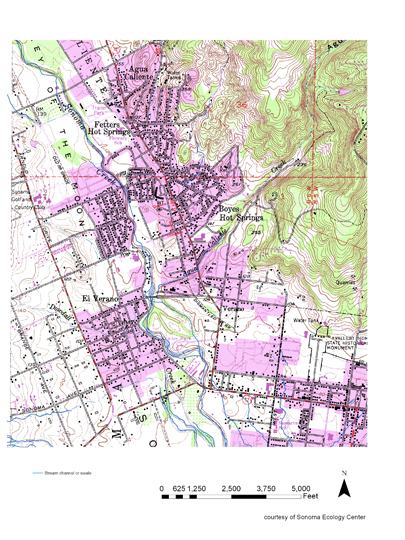
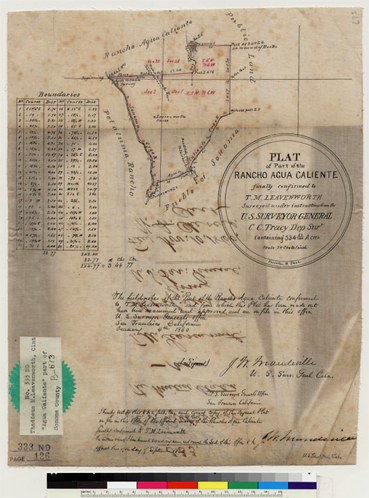
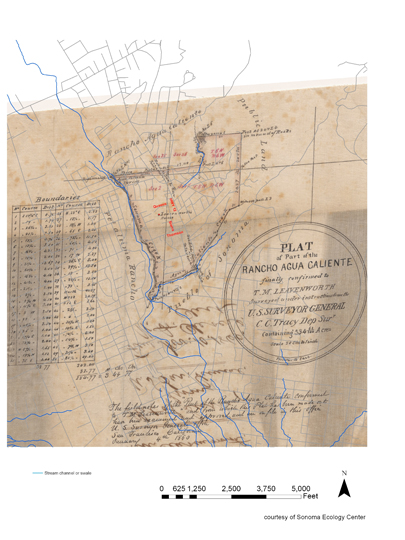
The plat of Leavenworth’s claim was drawn in 1860 by the US Surveyor General in SF. Near the center is a small square with the inscription “Leavenworth’s house.” Also on the plat are the township and range lines of the Public Land Survey System, with their alpha-numeric designations(“T5N R6W”). This system is still in use, allowing the US Geological Survey quadrangle map to be superimposed on Leavenworth’s plat. Ecological historian Arthur Dawson has done just that, writing in the names of the streets as we know them today(Queens, or Queeno street is the un-signed alley that runs along the south side of the Sonoma Mission Inn property.)
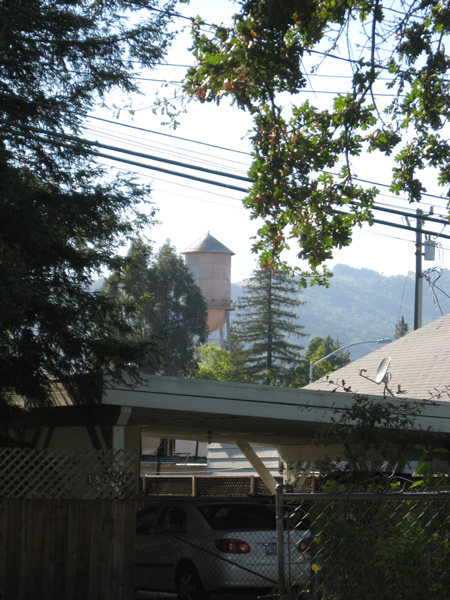
Thus we have a pretty good idea of where Leavenworth’s house was: within about 200′ of a point very near the base of the Sonoma Mission Inn water tower.
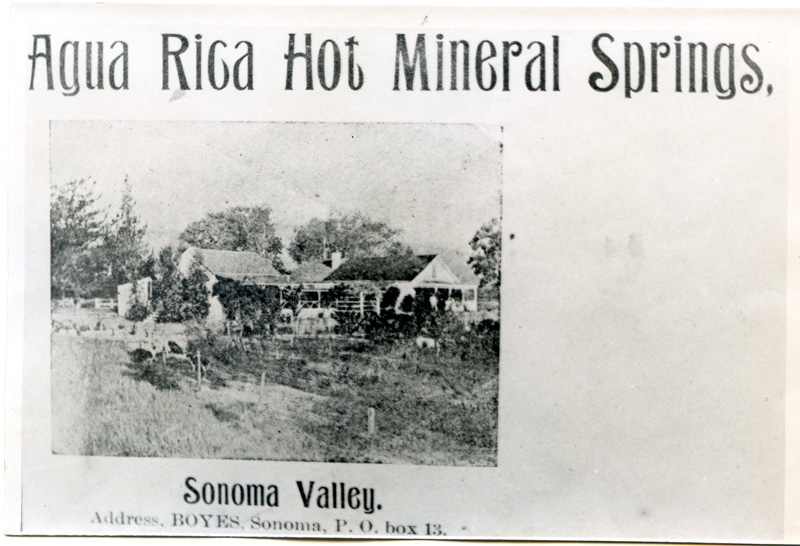
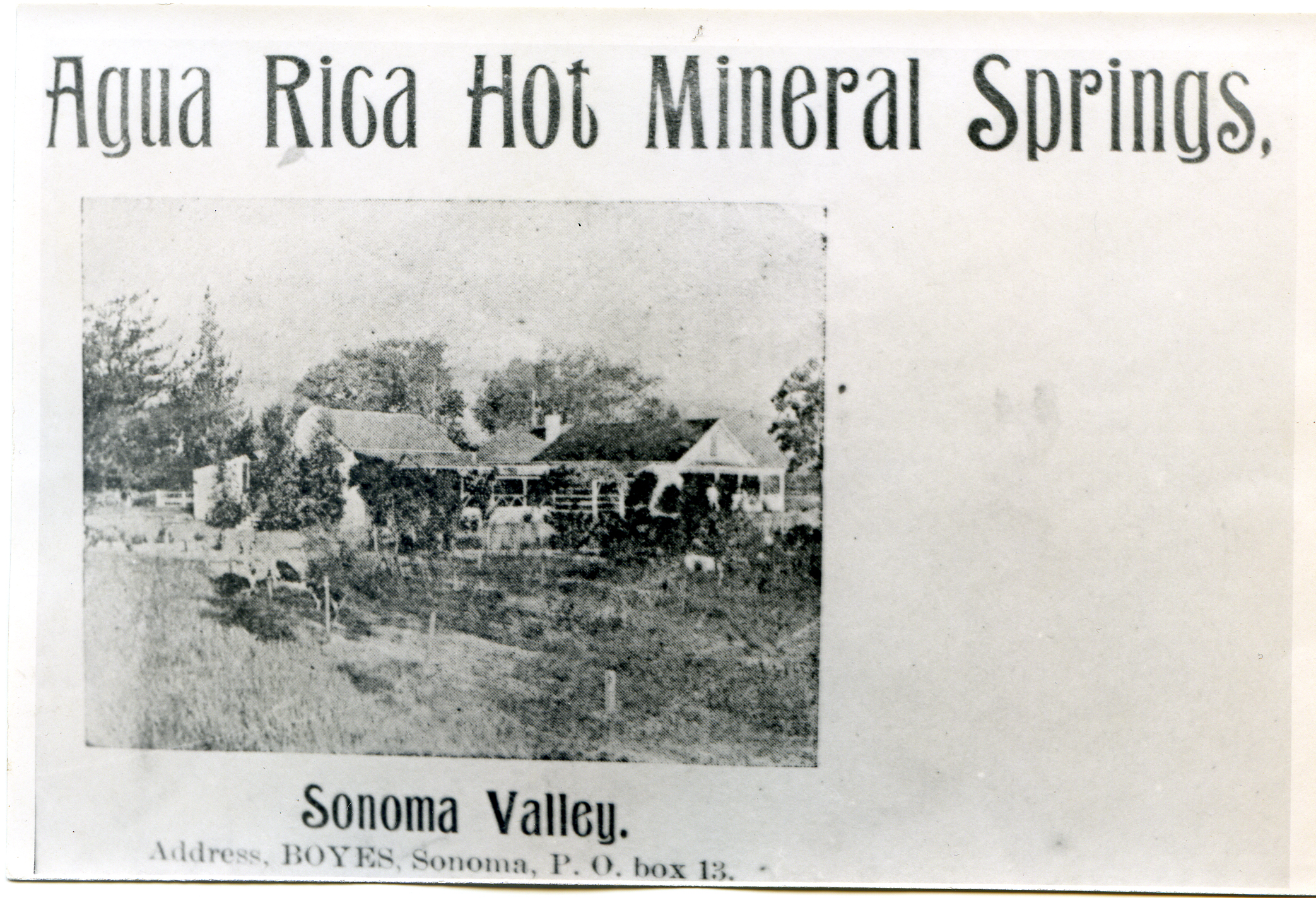
What did Leavenworth’s house look like? In 1884 TLM sold some of his land to Henry Boyes (and that is another long, interesting story) who incorporated Agua Rica Mineral Springs. They issued a post card showing a house. It might reasonably be assumed that the house, along with the land, was bought by Boyes from TLM, so the post card could be showing us Leavenworth’s house.
Thanks to Arthur Dawson and Robert Parmelee for permission to use their work.
“A starting point, for artists or for anyone else, might be simply learning to look around where you live now… “
Lucy R. Lippard, The Lure of the Local
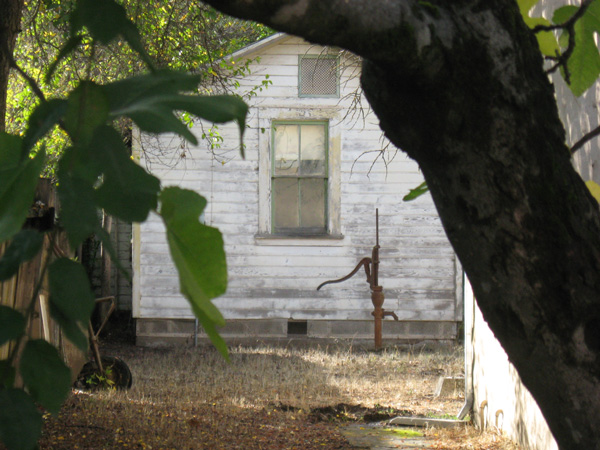
The history of Sonoma is well known, well studied, written about, and considered to be central to that of California. The history of the Springs, if it is every thought about at all, is not regarded as significant. It was not always so. Although the two areas were contained in two separate Mexican land grants (the Pueblo de Sonoma and Agua Caliente Rancho), Europeans of the early and mid 19th century moved freely between them. General Vallejo himself had interests in the Agua Caliente Rancho. Thaddeus Leavenworth, a prominent member of Stevenson’s Regiment of the Mexican War, was a very early land owner and developer. (Leavenworth sold land to Henry Boyes, on which was established Agua Rica Springs, the precursor to Boyes Hot Springs.)
In the decades after the Bear Flag Revolt, the history of Sonoma became a little romanticized*, and then enshrined in the study of every Californian 4th grader*. The Springs became the pleasure grounds, still more prosperous than the Town, but “outside.” The decline of the resorts after WWII finished off any notions of historical interest.
The Springs Museum hopes to aid in the revival of historical interest in the area. We also aim to suggest that history is all around us and happening all the time. We encourage people to see themselves as part of it, and collectors of it. To that end, the Art and Community of our title are important.
*As an antidote to the romantic, see The Bear Flag Museum: http://www.bearflagmuseum.org/Elizabeth%20Martinez%20Article%20RAZA%20Protest%20A%20Day%20of%20Lies%20and%20Hate.html