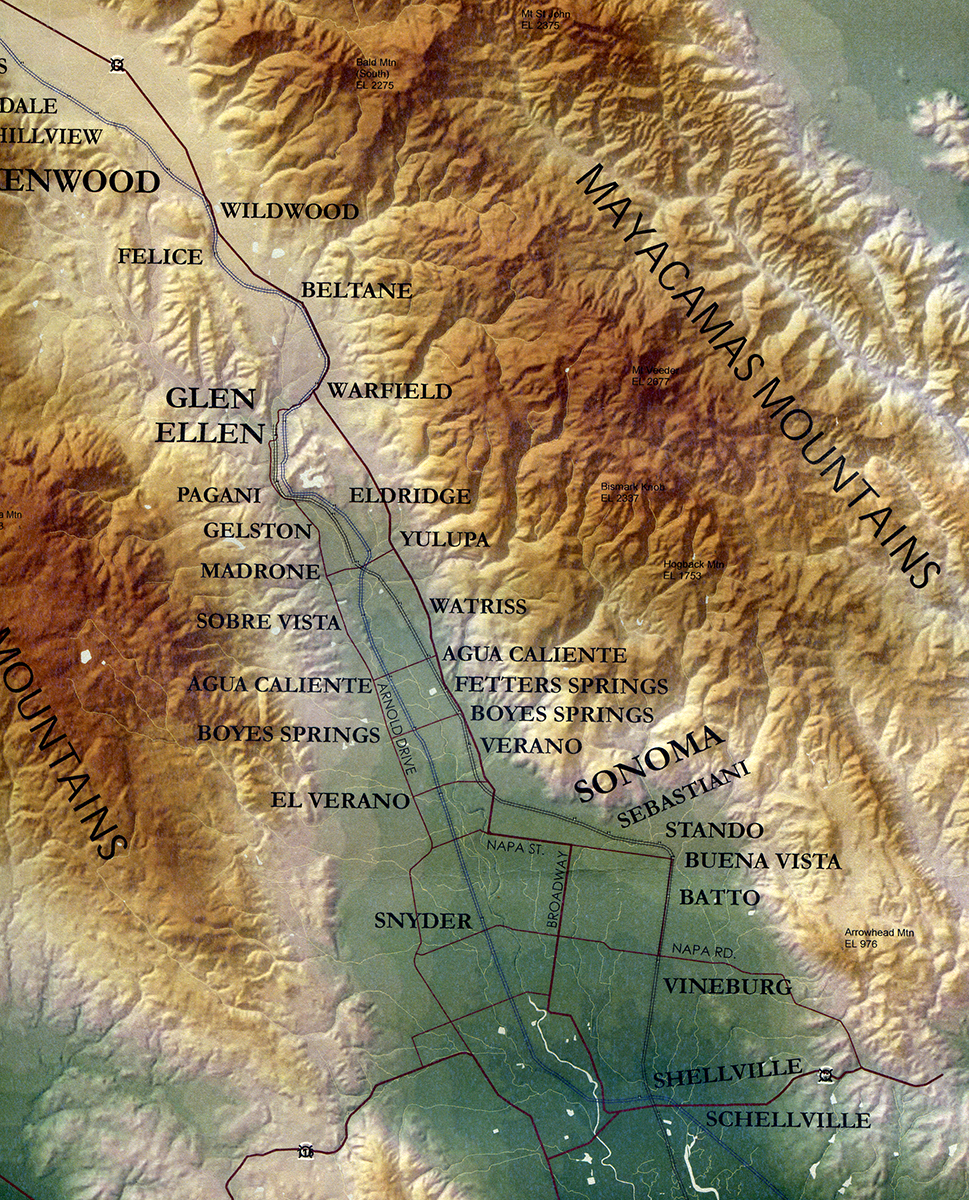
Agua Caliente, Boyes Hot Springs, Fetters Hot Springs, Neighborhood Phenomena, Wonders and Marvels

Street Markings

Temporary, informal, unsanctioned, cryptic. Personal expression, job related.  Faded, half-obscured.

Ephemeral and permanent.

Highway 12 through Boyes Hot Springs, Fetters Hot Springs, and Agua Caliente, California, though a heavily used commercial and residential street, had almost no sidewalks until 2009/2010. Dirt shoulders for walking was not a problem when traffic was light. Even at the height of the resort era (1950s), people would ride horses down the middle of the highway. That’s how quiet it could be.

Starting in the 1980s, locals started to agitate for a safer road. They wanted sidewalks and streetlights. Along came Redevelopment to provide the funds. Part of the project was completed by 2010 (a good twenty five years after agitation began). Redevelopment was abolished by dear old Jerry Brown. Thanks Jerry! The project languished. Finally, the Sonoma County Board of Supervisors came through with the money to finish. Thanks Susan Gorin!

The following is a collection of street markings from before during and after sidewalks were installed. Some are the ephemeral spray paint graphics of the contractors, which can be interesting. The more enduring marks are by the people who happened to walk by when the concrete was wet. These are also interesting, even poetic at times. One example is pure nature.

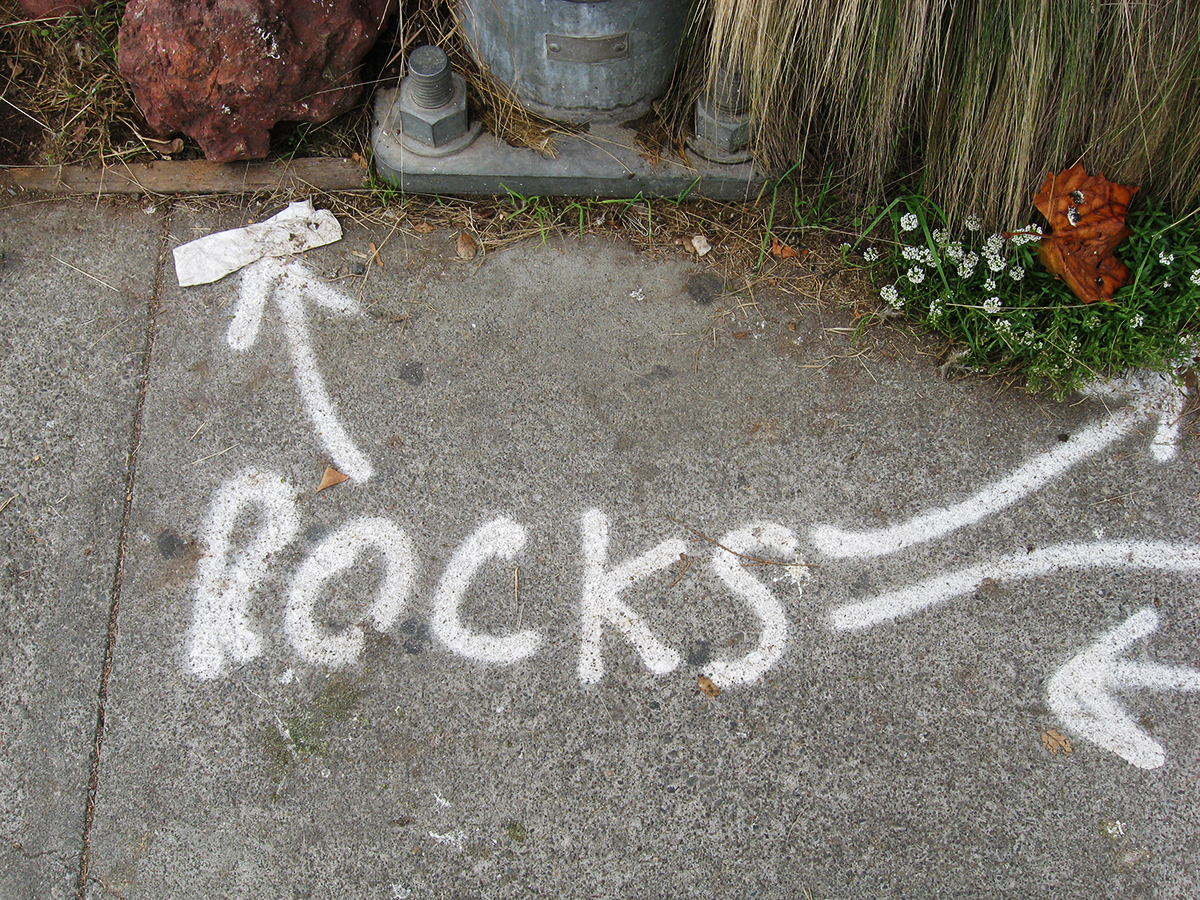
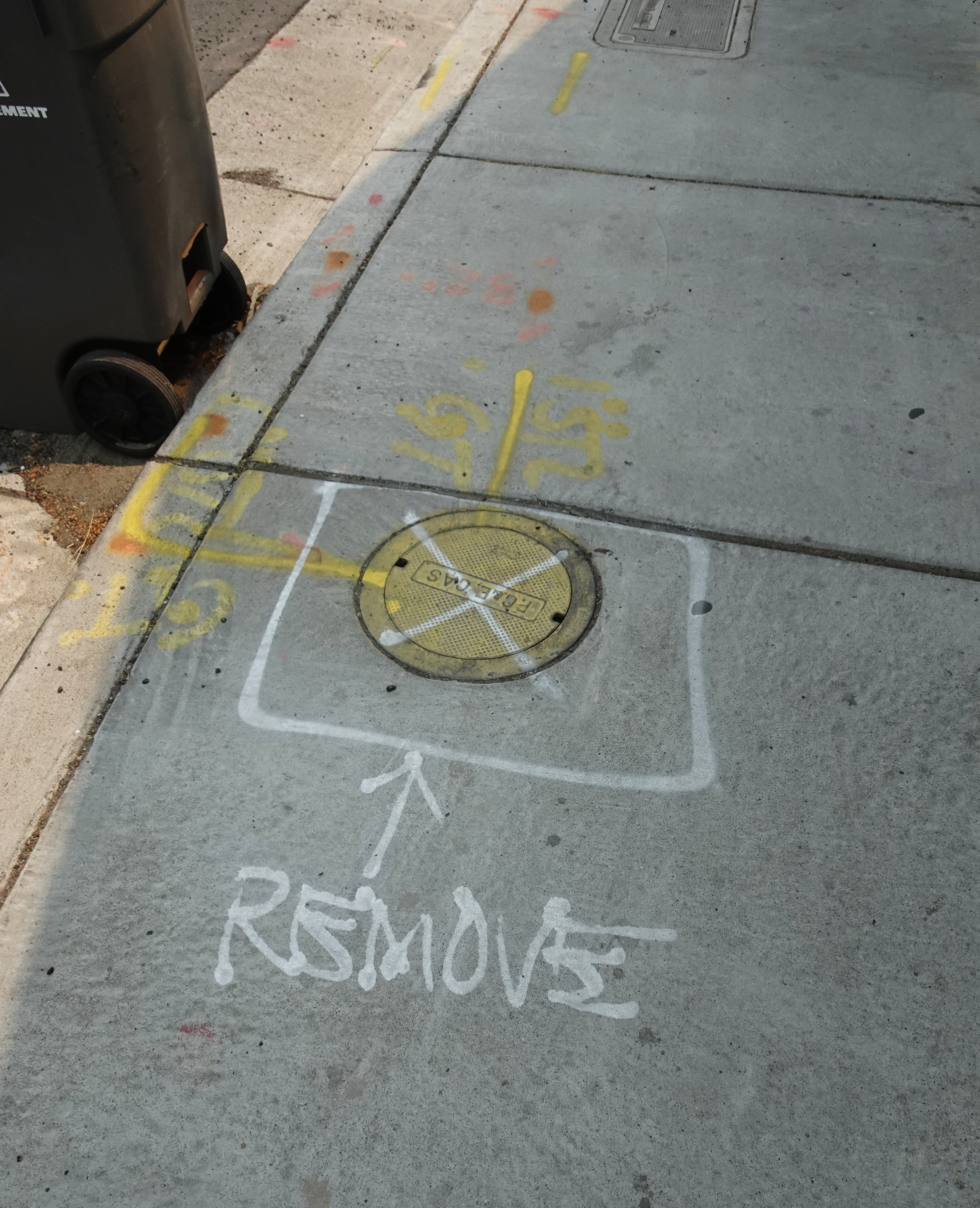
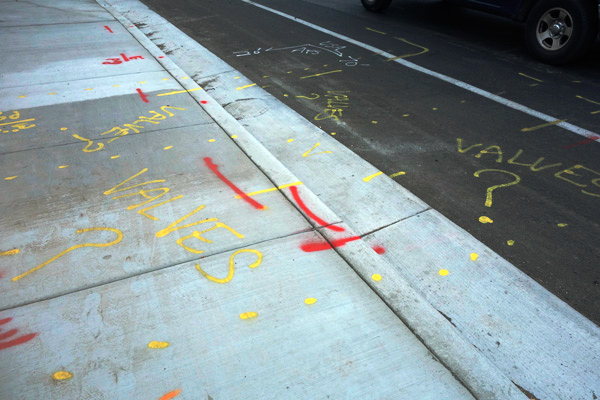
2008-Before demolition started a lot of marks went down. Why was it necessary to point out the rocks?

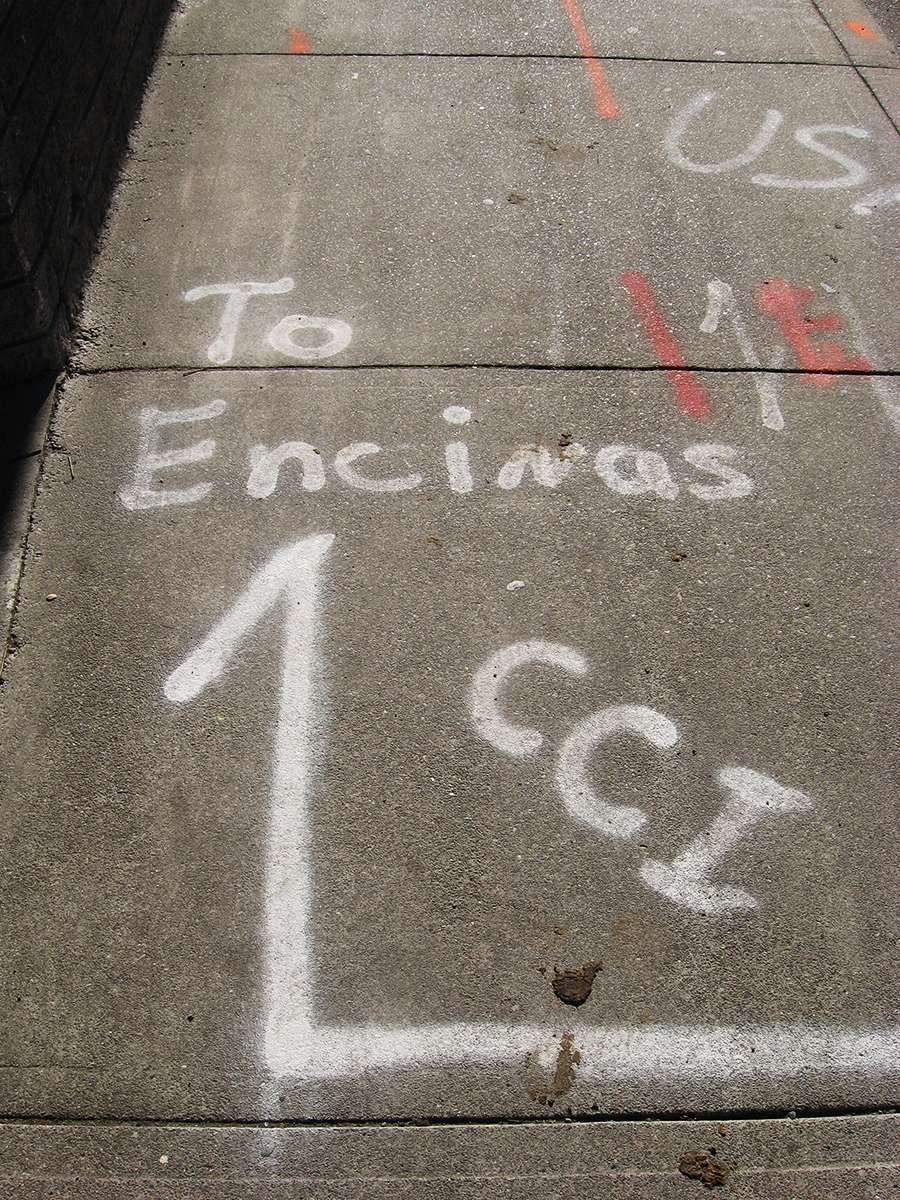
2009. Underground Service Alert (USA) finds all the pipes and wires and marks the surface. Not sure what “CCI” stands for.

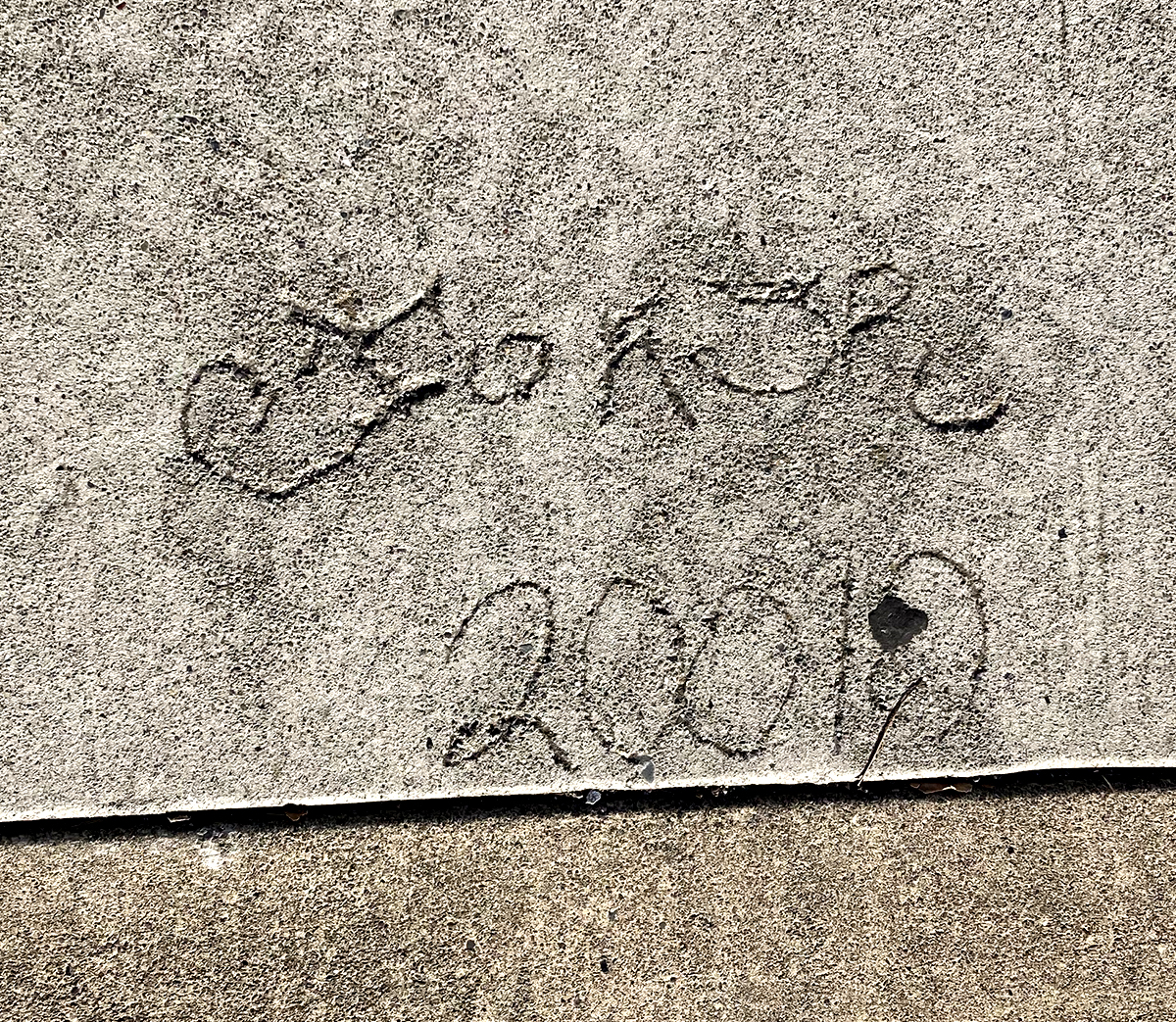
2010 or “20010”. Our first folk marks! It’s an ornate tag that is hard to read.

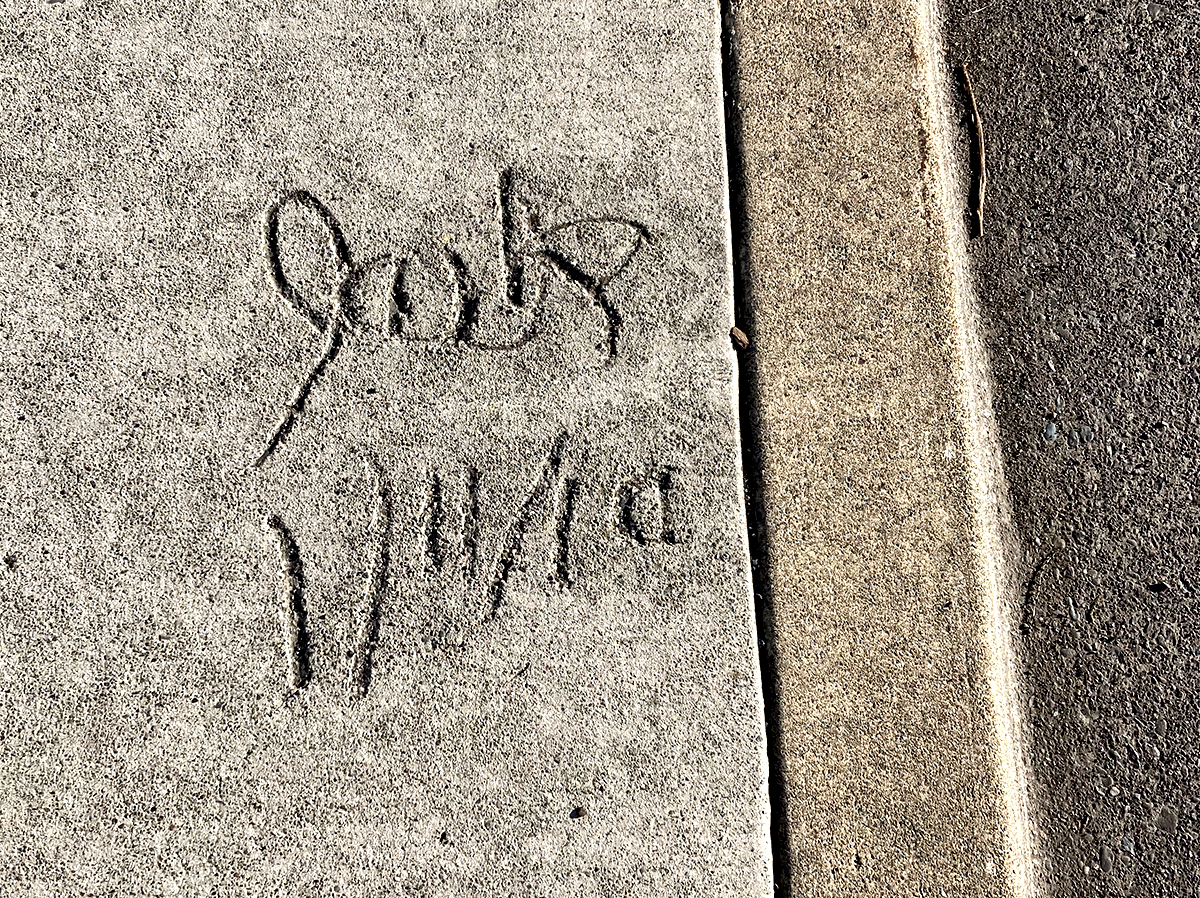
Jack has helpfully given us the day, month and year. I hope he went on to a career as an archivist.

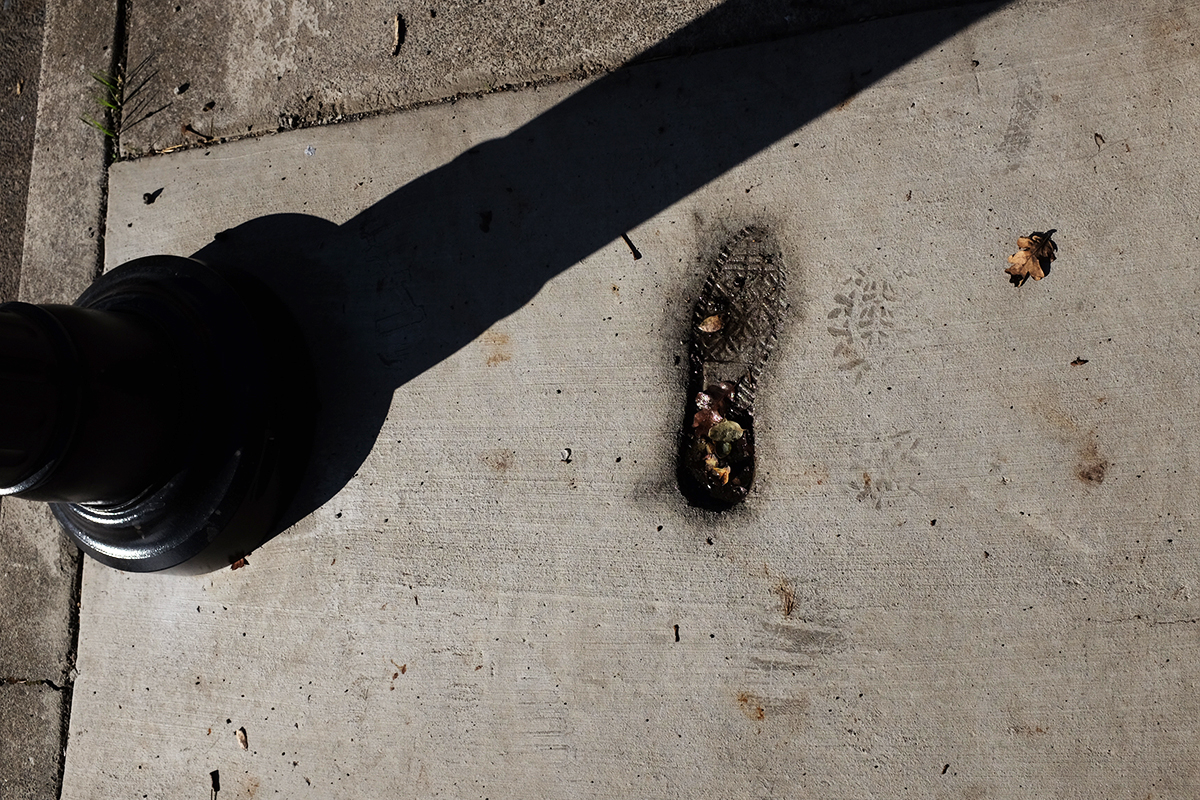
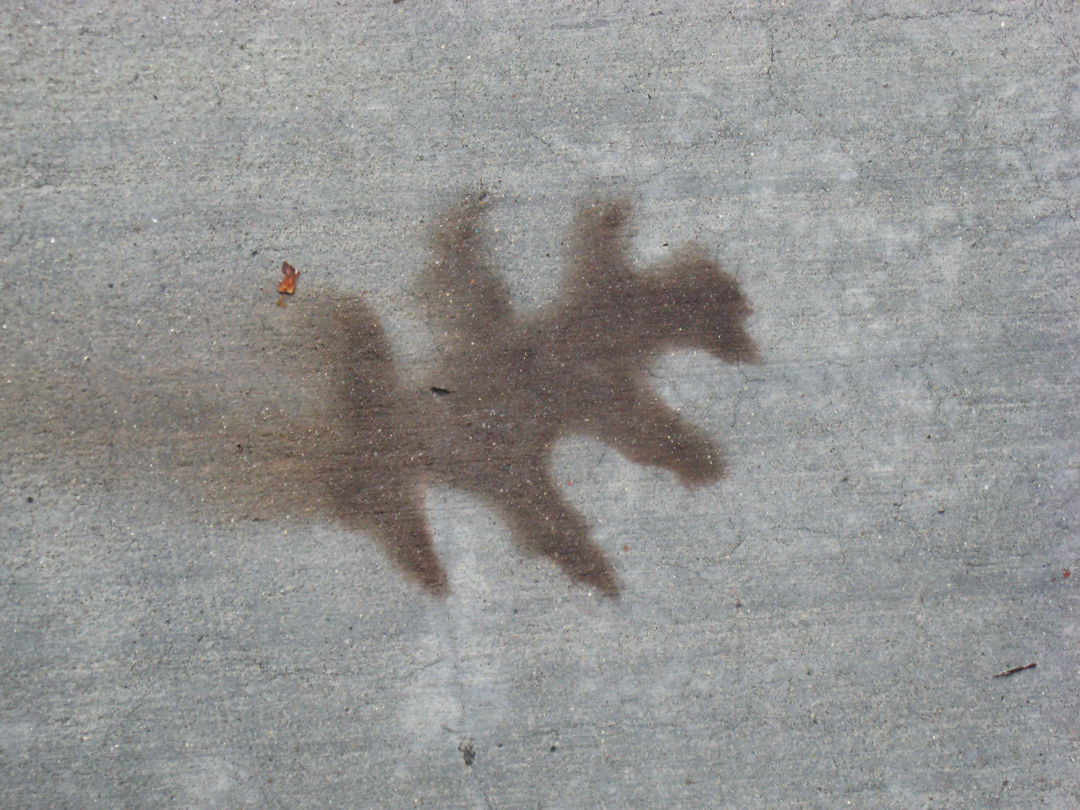
2016. Phase Two. The only actual footprint, gracefully holding leaves and water.

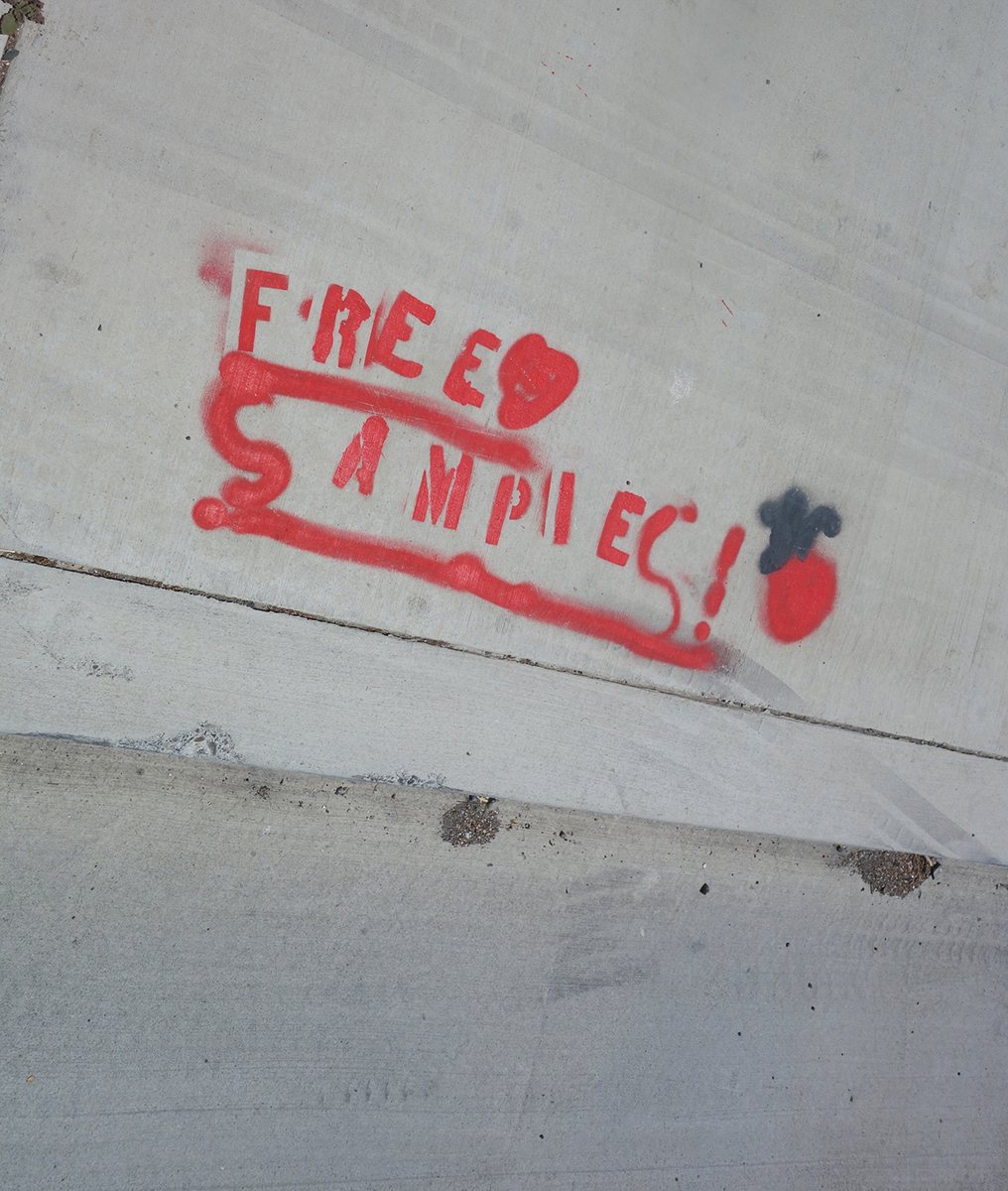
Year of mark unknown, but Phase Two. Someone is trying very hard with the use of a stencil. Is he offering free samples of tagging? Do people pay for tagging?

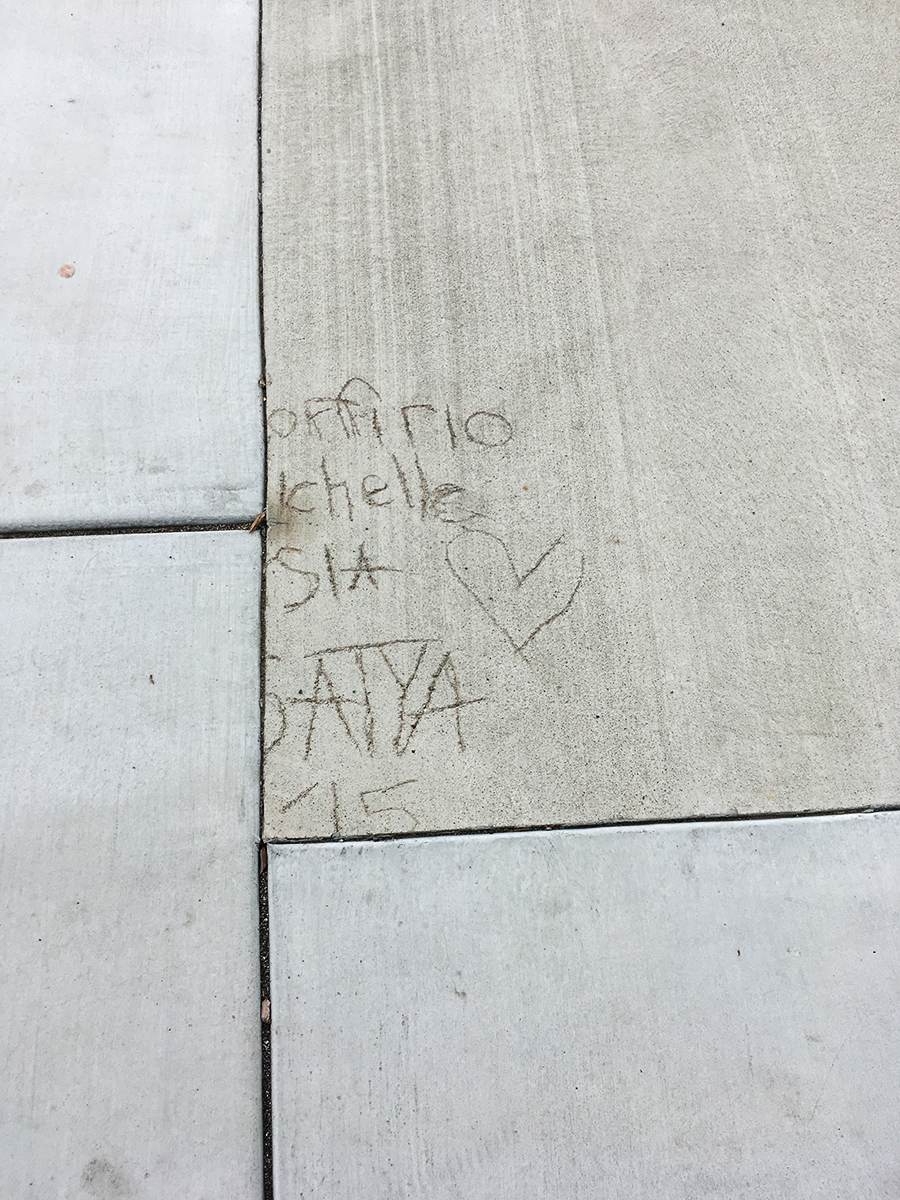
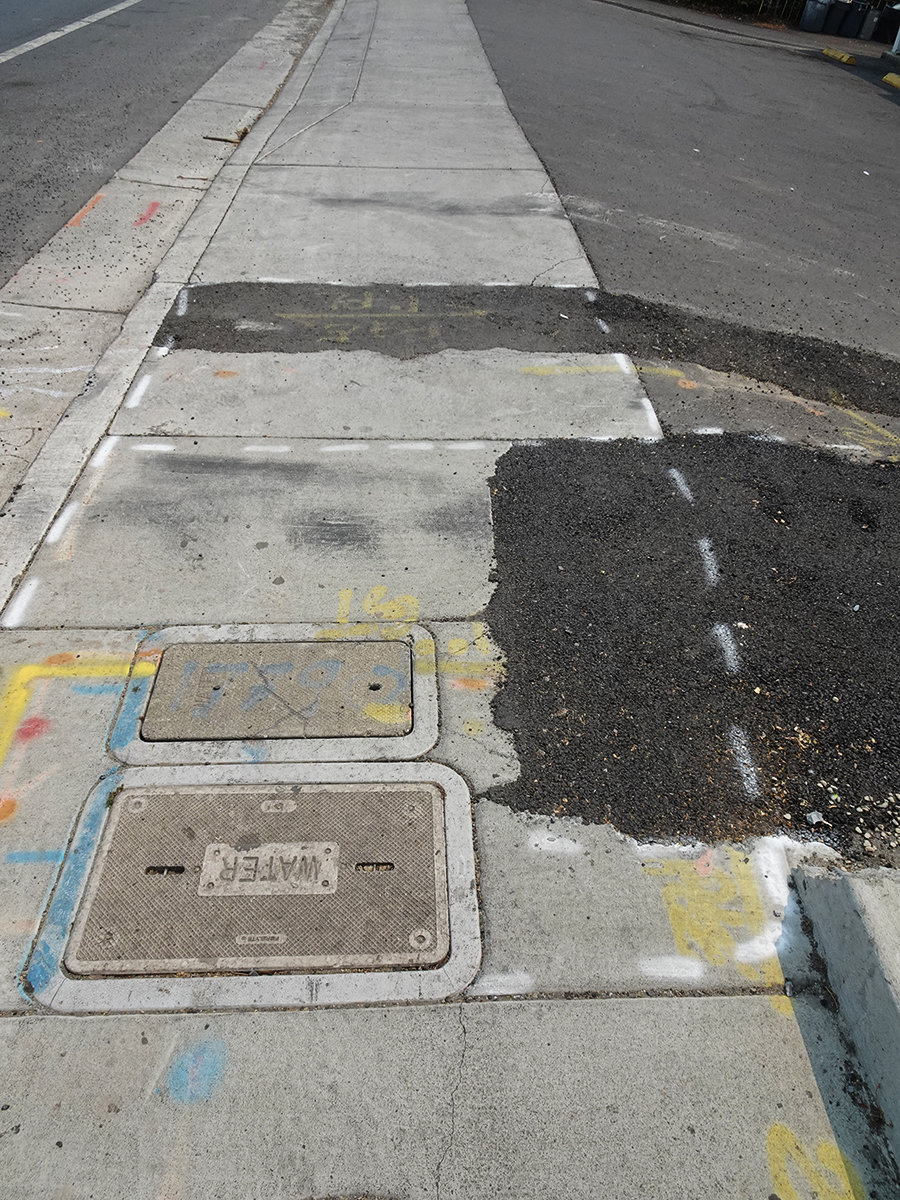
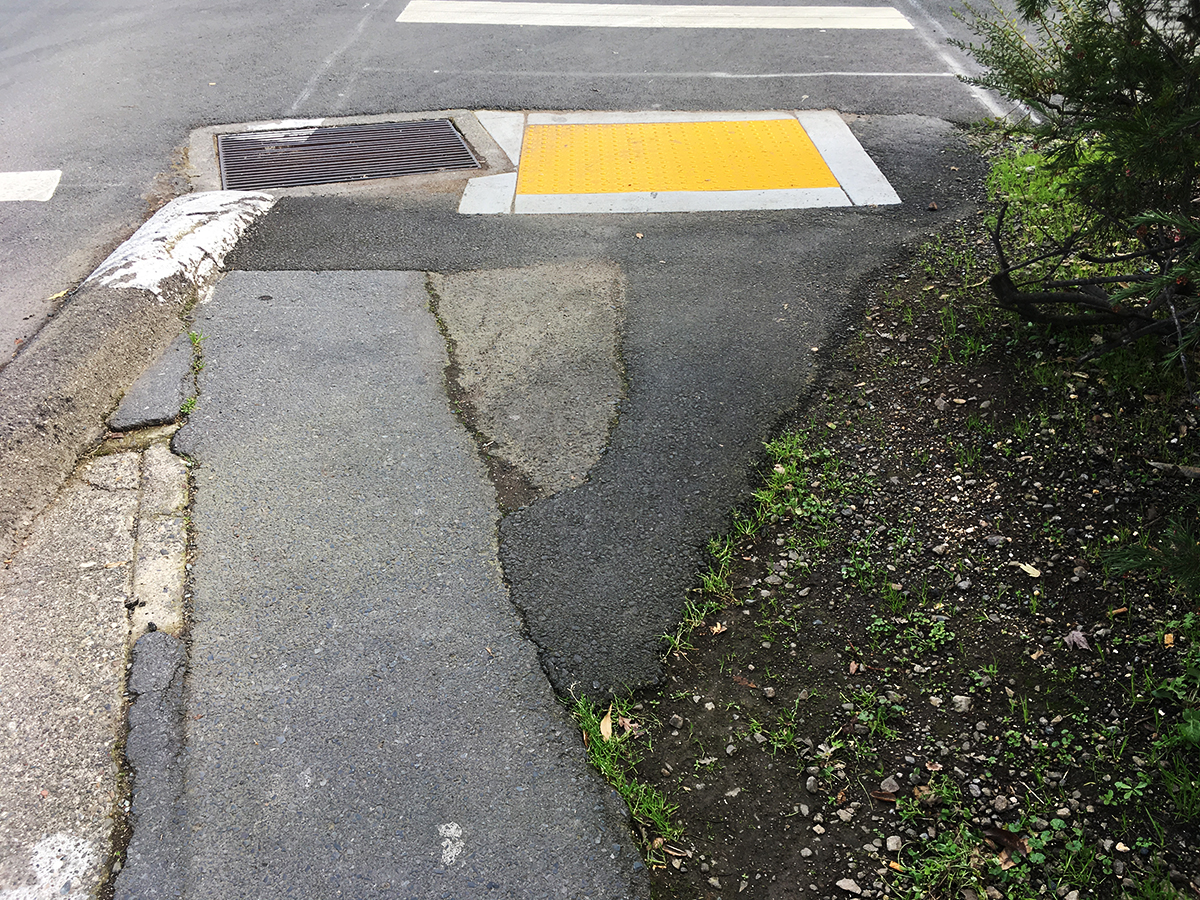
2019. Right after Phase Two was completed, some corrections that necessitated new concrete were needed. It looks like the left portion of this group of signifying friends was cut off.

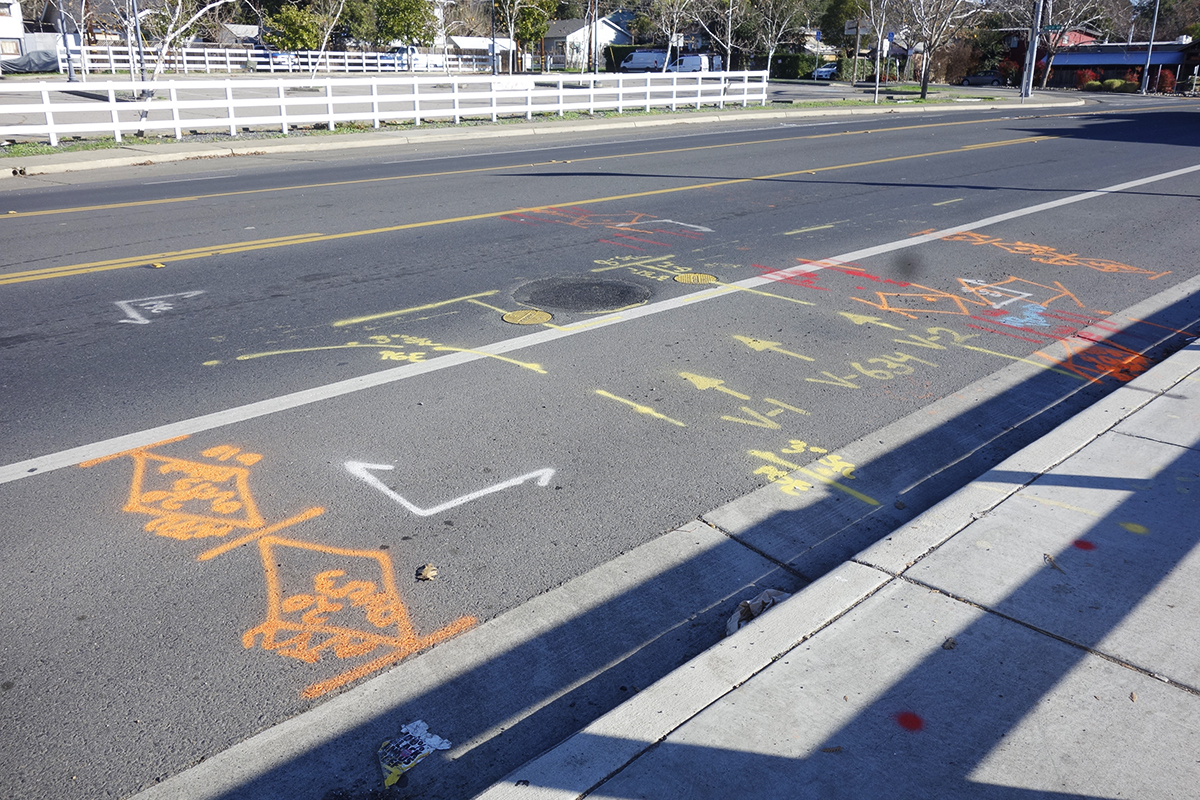
In 2021 PGE had some business under the pavement. This tells you all about it, if you could only read it.

2021/ Nobody’s perfect!

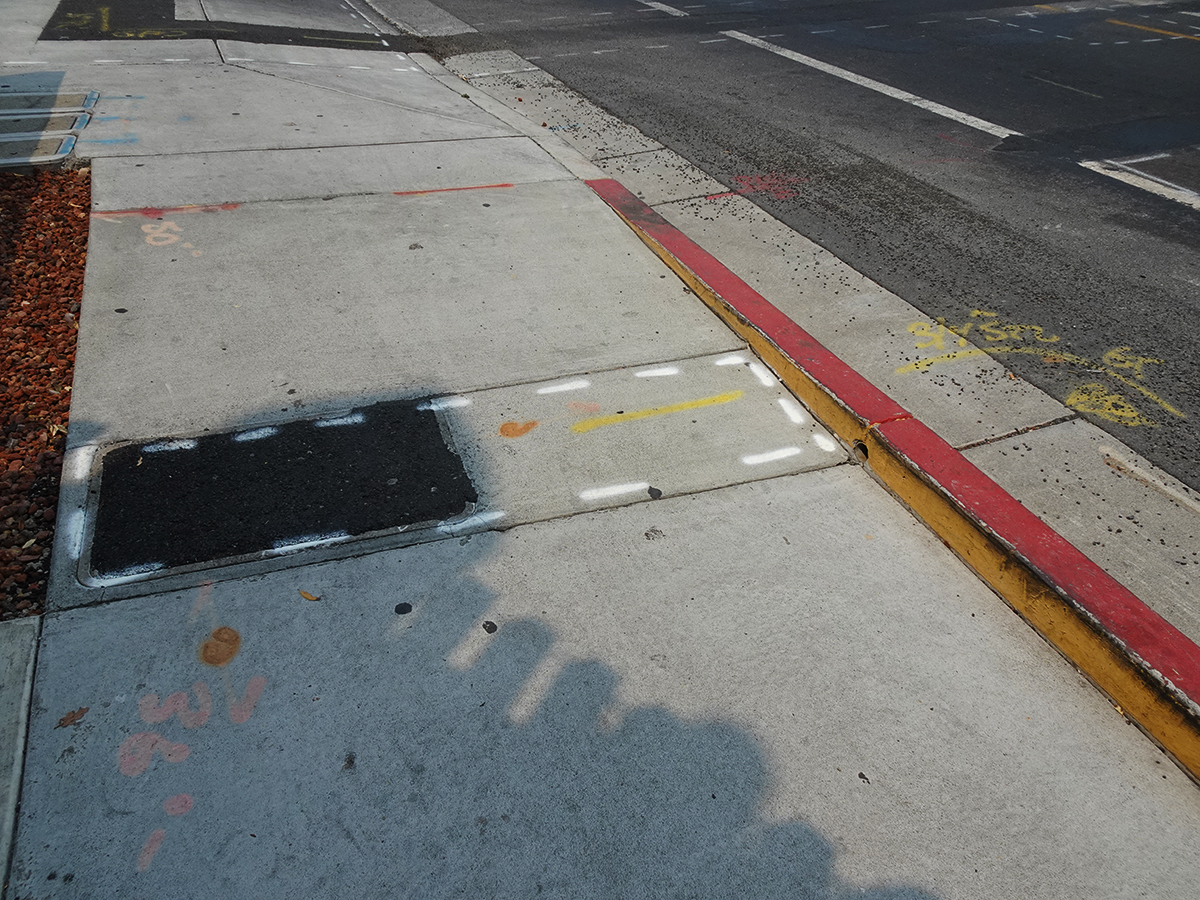
2021. This one and the next two offer lush compositions of black and gray featuring inscribed and spray-painted lines and hard and soft textures.

2021. The lines, the colors, the textures, and, the shadows!

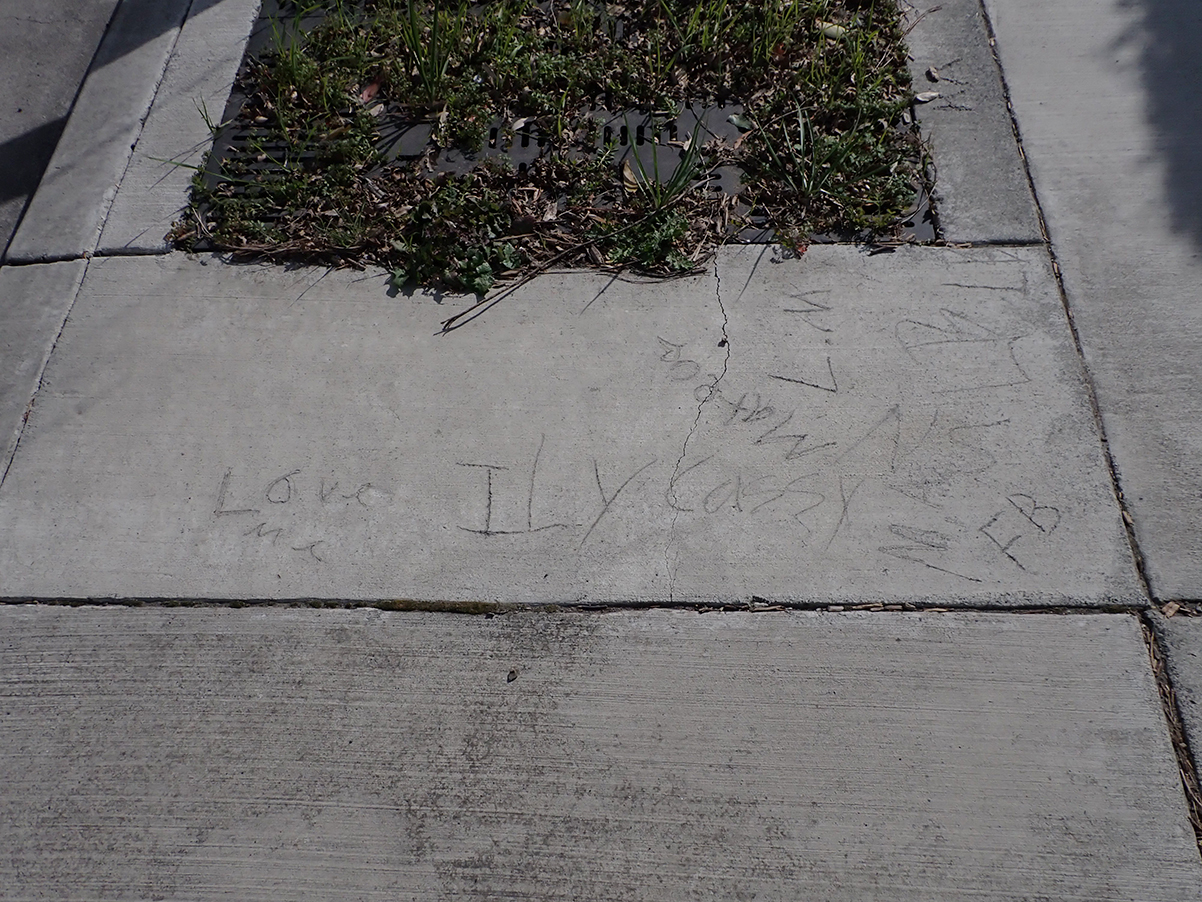
Photographed in 2023, actual date unknown, but Phase Two. “Love me.” “ILY Cazzy.” “Mateo.” “FB, LM”

2021. Dude! Where’s my valves!

A bit off the highway, but such a lovely composition!

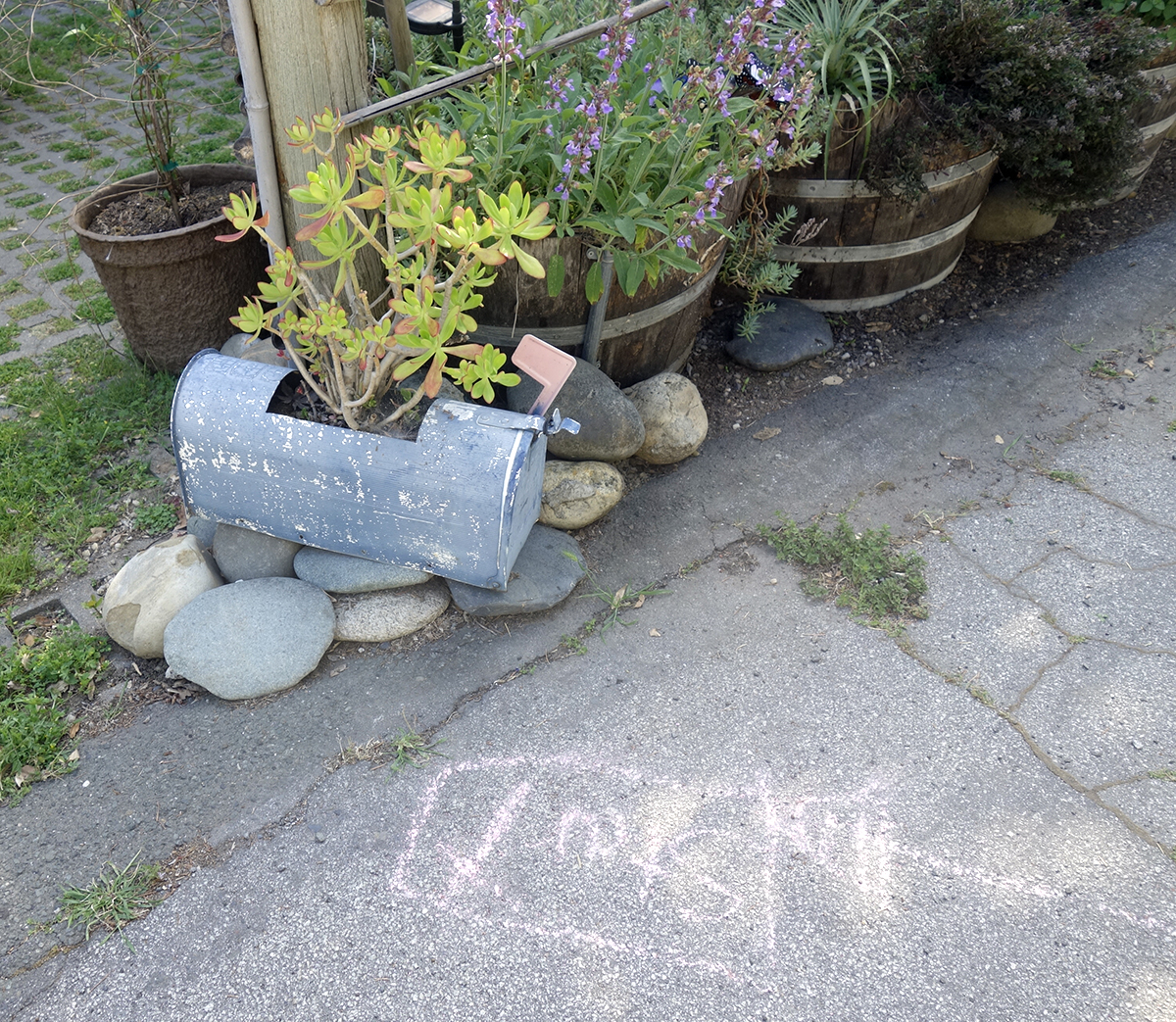
Nature bats last.

Standard
Uncategorized

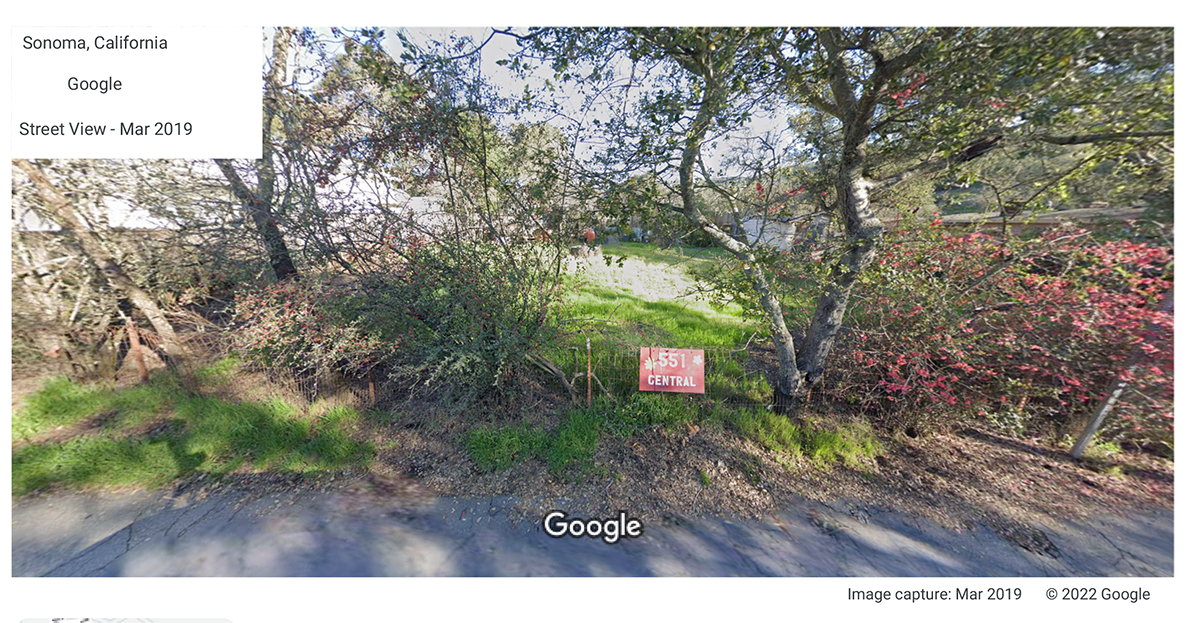
551 Central Avenue

In 1964 a disastrous fire swept through Boyes Hot Springs, destroying many homes.

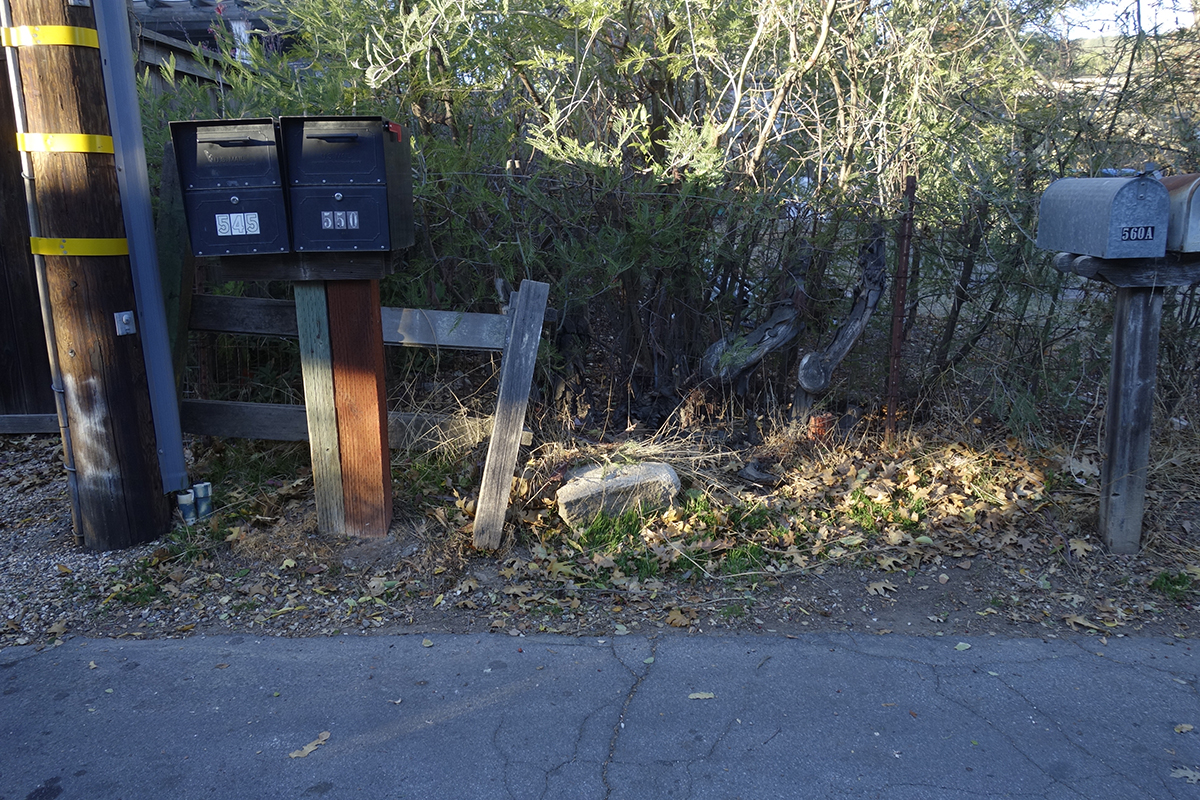
 “ A cluster of five residences at the intersection of Central Ave and Las Lomas was leveled. The Larson home…was one of them.

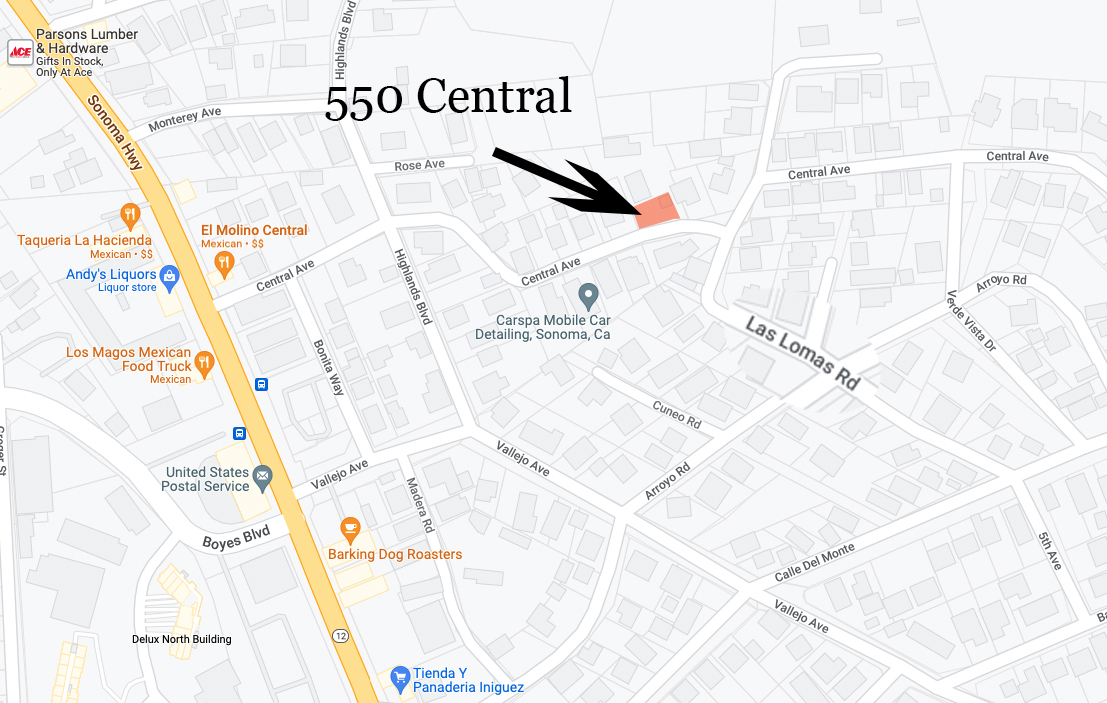
While the Cohn home was leveled, the Tom Codellos house right next to it was untouched. Oddly enough, the home of Mr. Cordellos’ grandmother, several blocks away at 550 Central Avenue in Boyes Springs, was also saved, while the ones next to it were destroyed.”Sept. 24, 1964 Index Tribune.

This was across the street from our lot, apparently, although the normal logic of addresses, odd one side, even the other, often does not apply in Boyes.

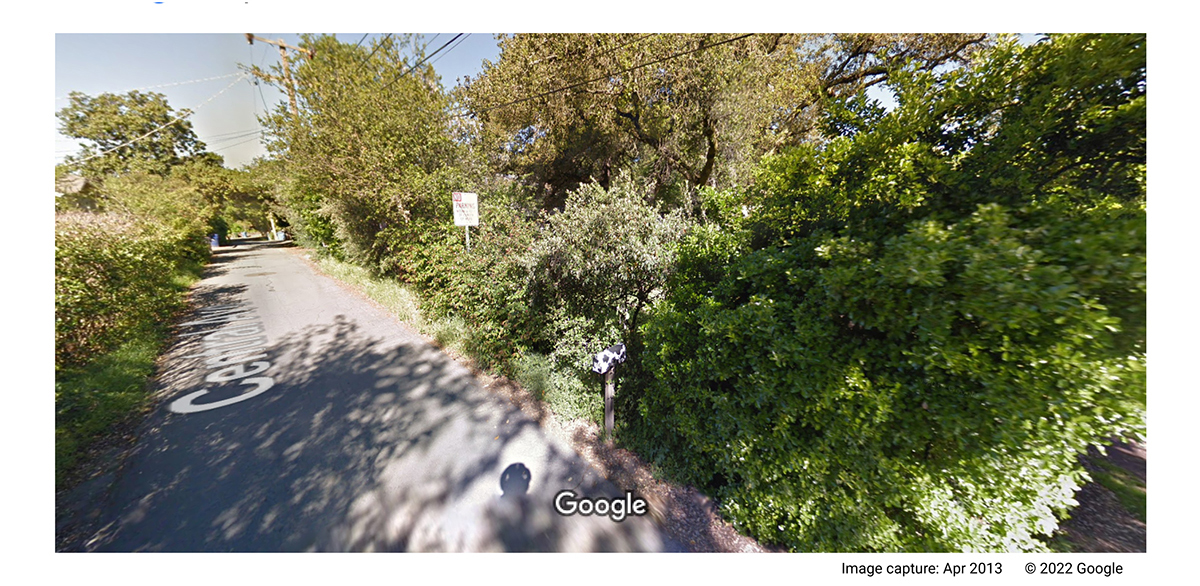
2013

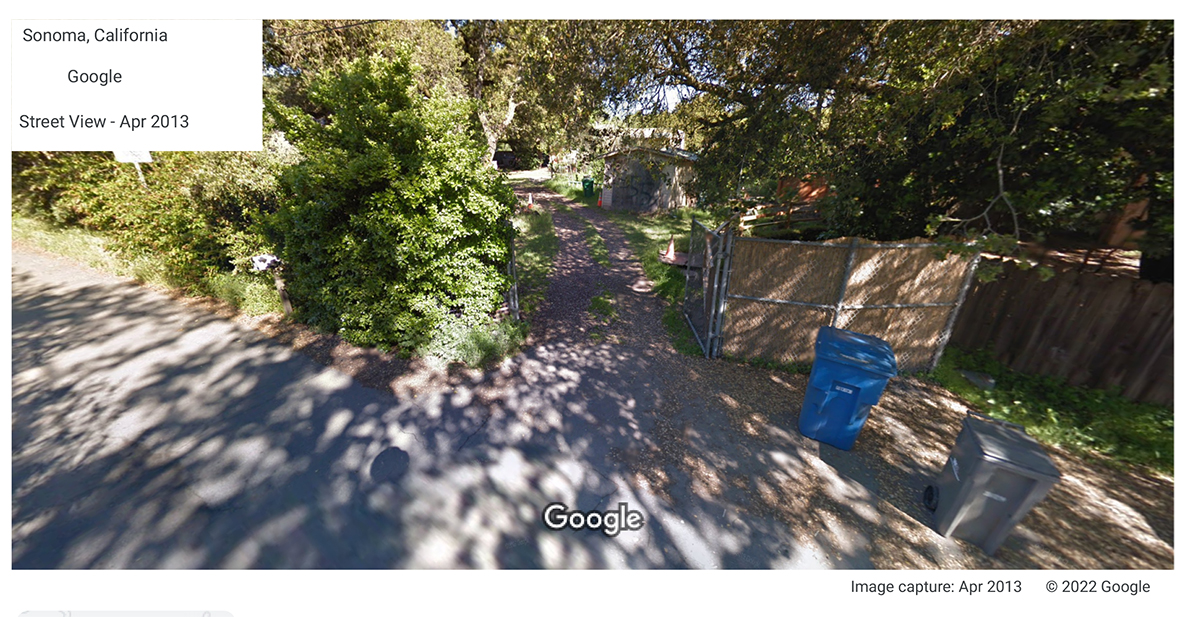
2013

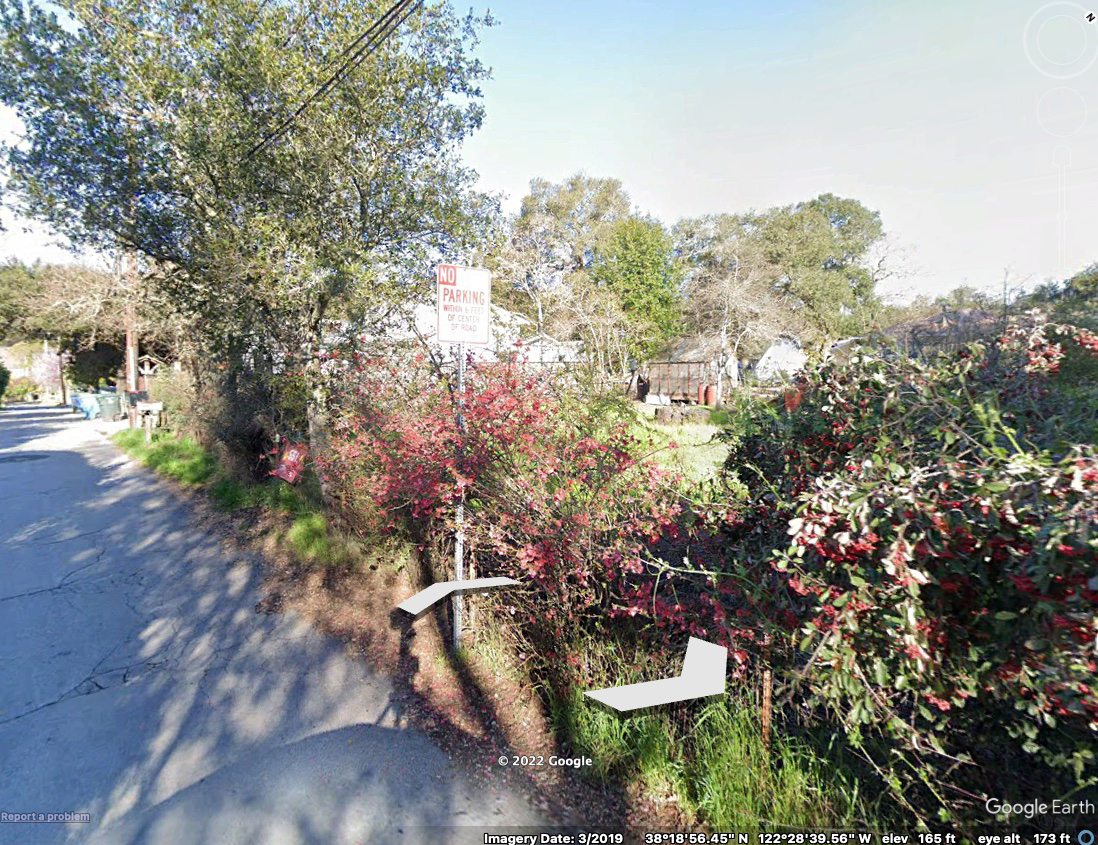
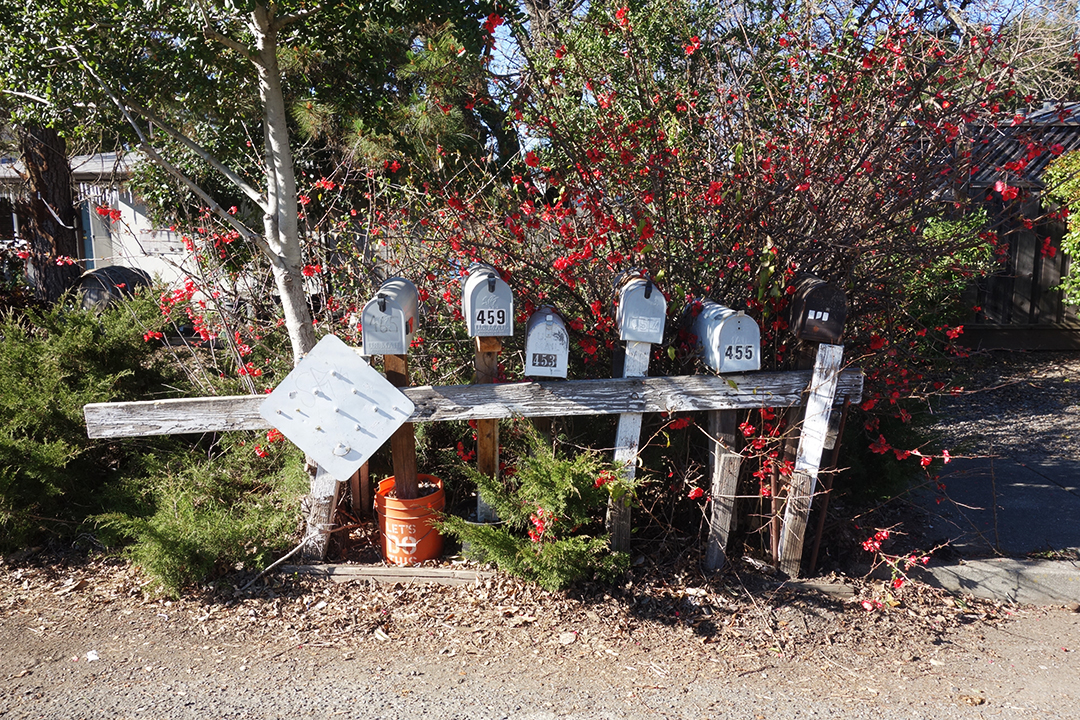
March 2019 showing a nice growth of quince, which always blooms at Lunar New Year.

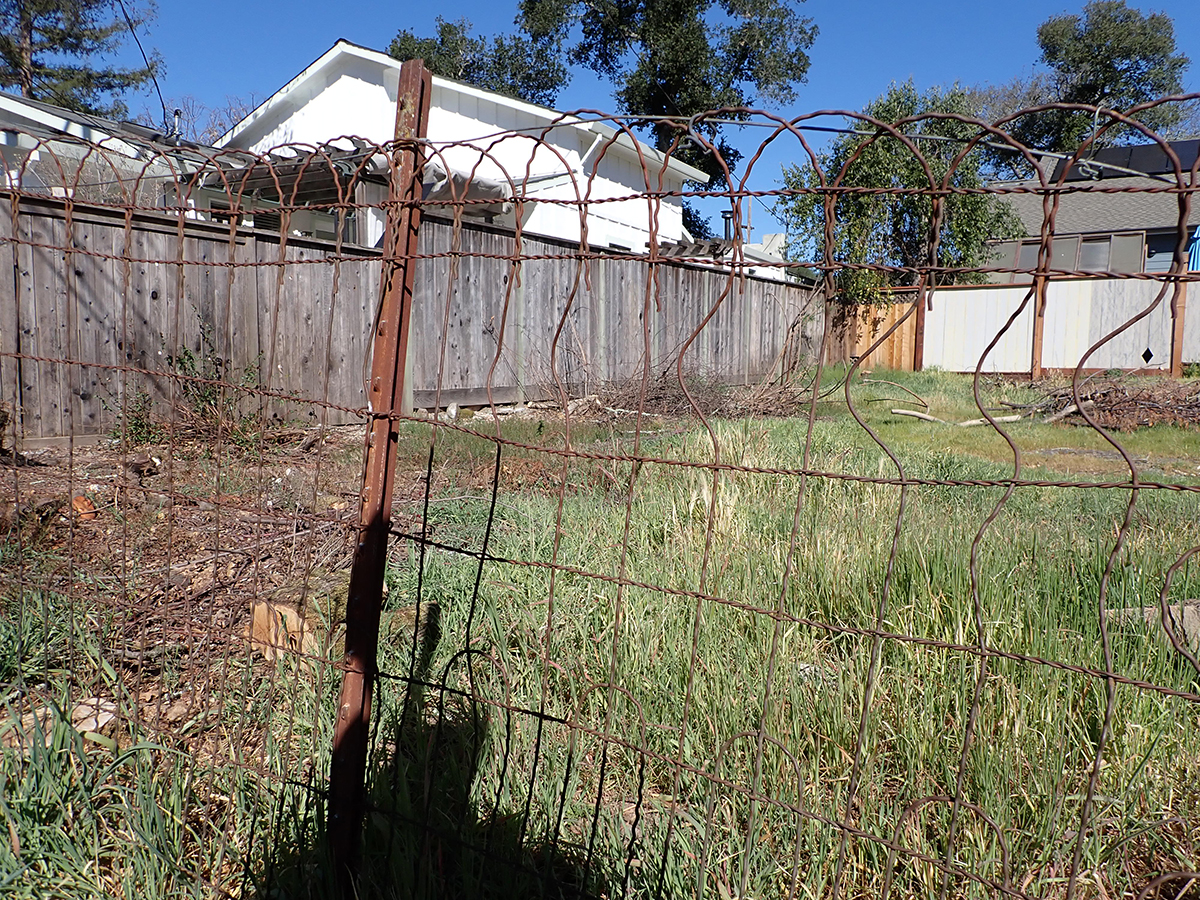
2019=Lily Creek at right beyond fence. Please see https://springsmuseum.org/2019/11/13/the-arroyo-of-arroyo-road/

2019

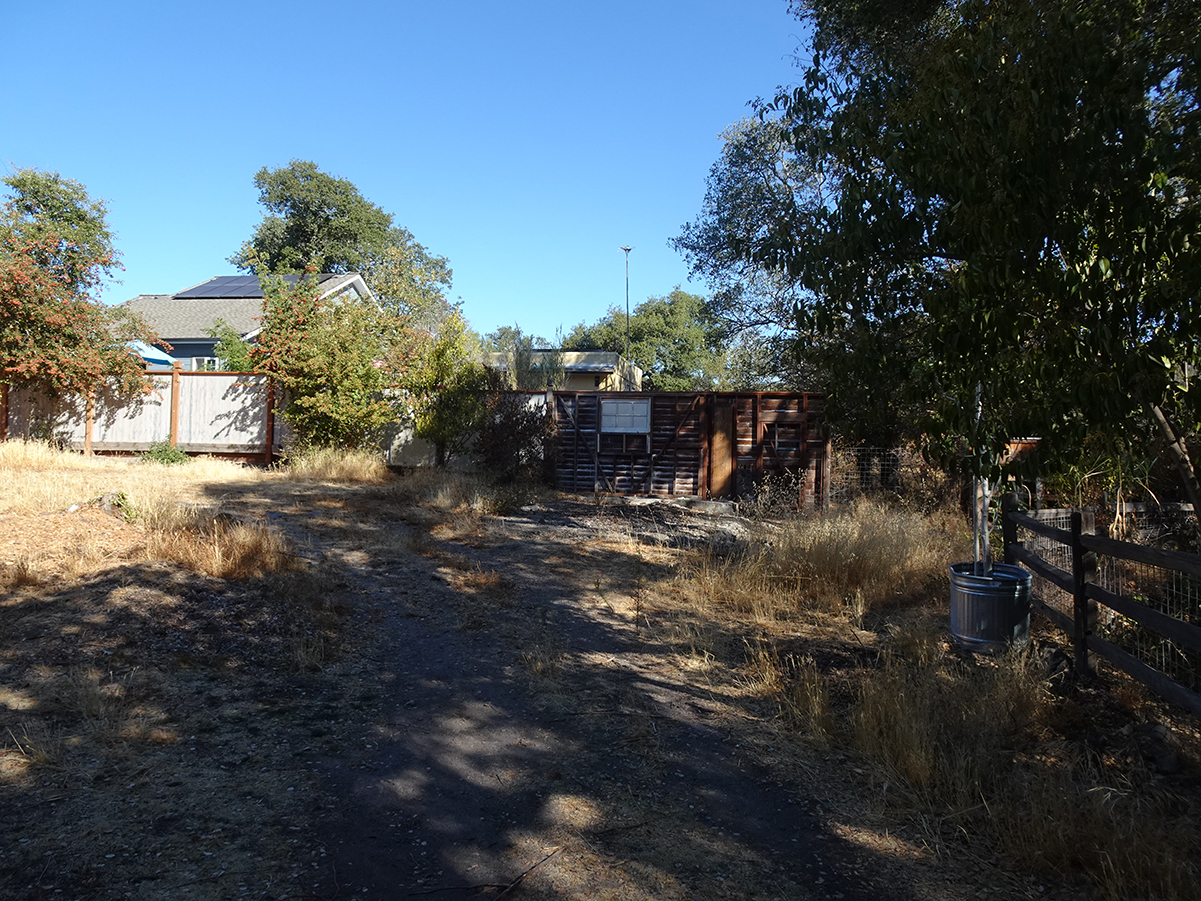
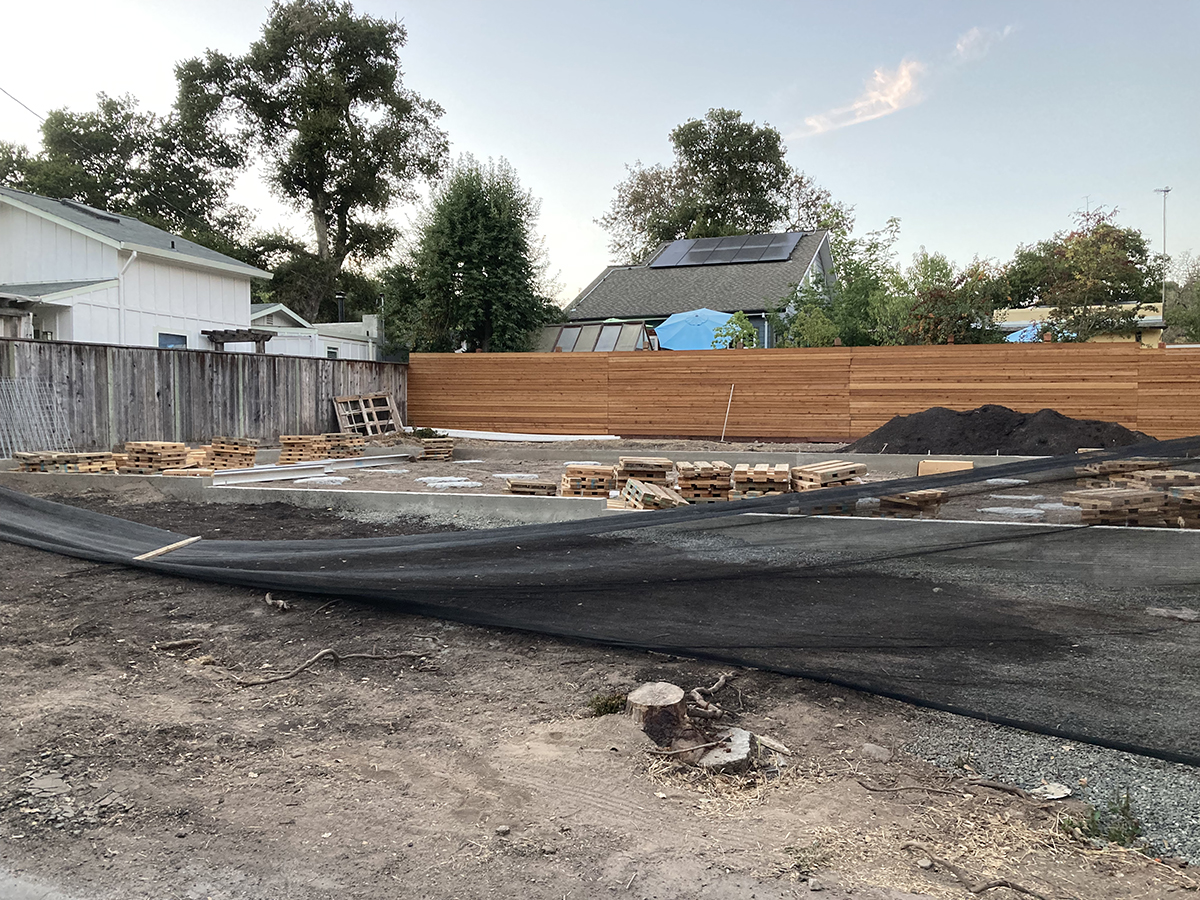
The lot remained without a house (I don’t like to say “vacant” because it was home to plants and animals and the occasional human) until mid 2022, when clearing started and a foundation was built.

2022

The fence at back was built before the foundation. The setbacks for this house are the minimum.

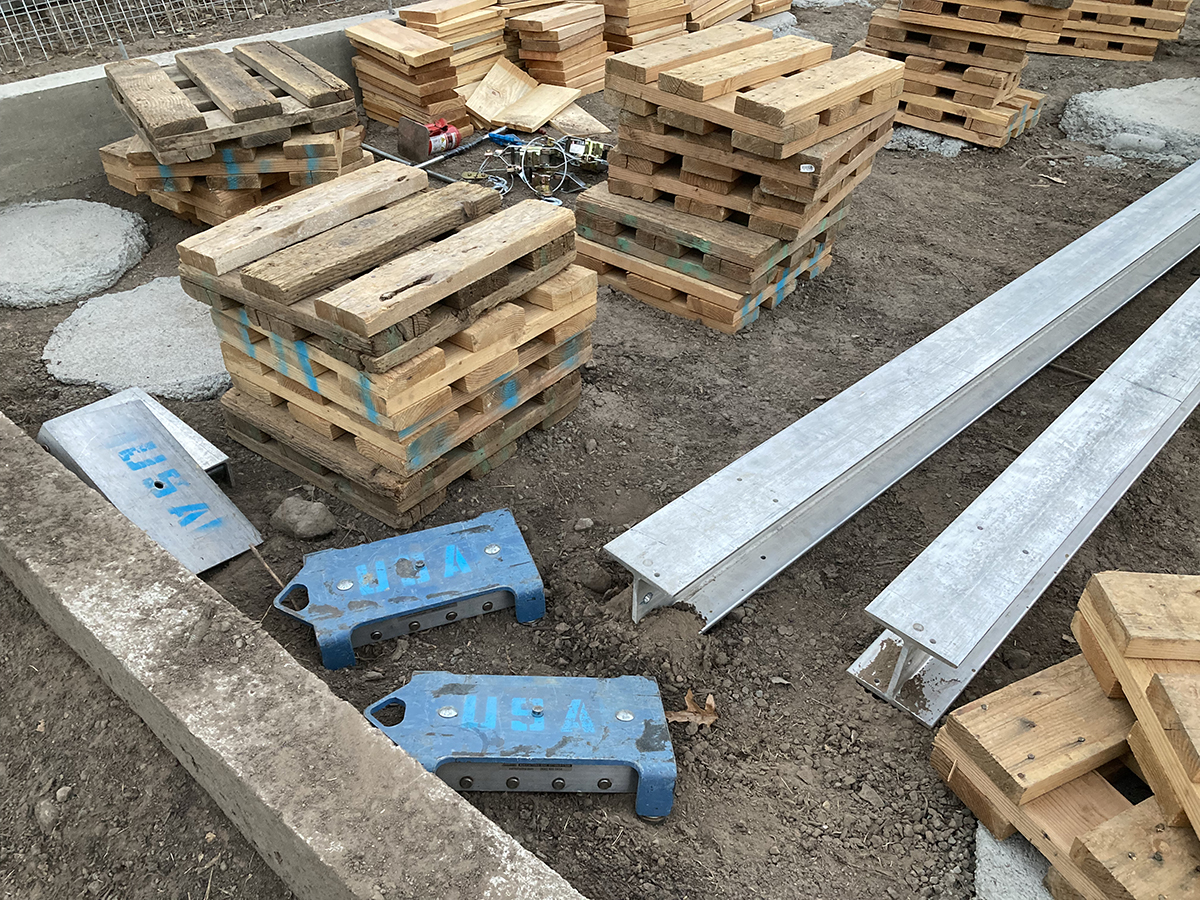
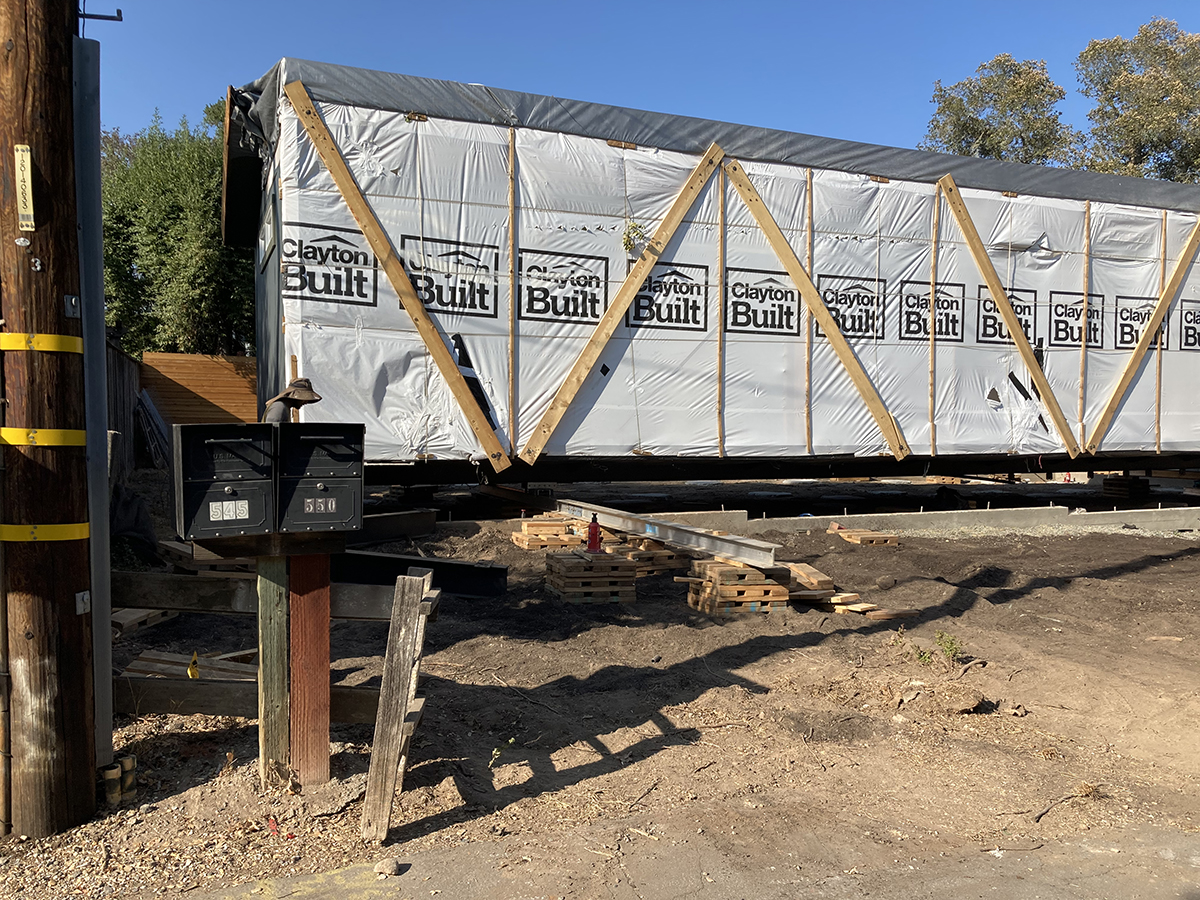
2022-The house mover’s implements.

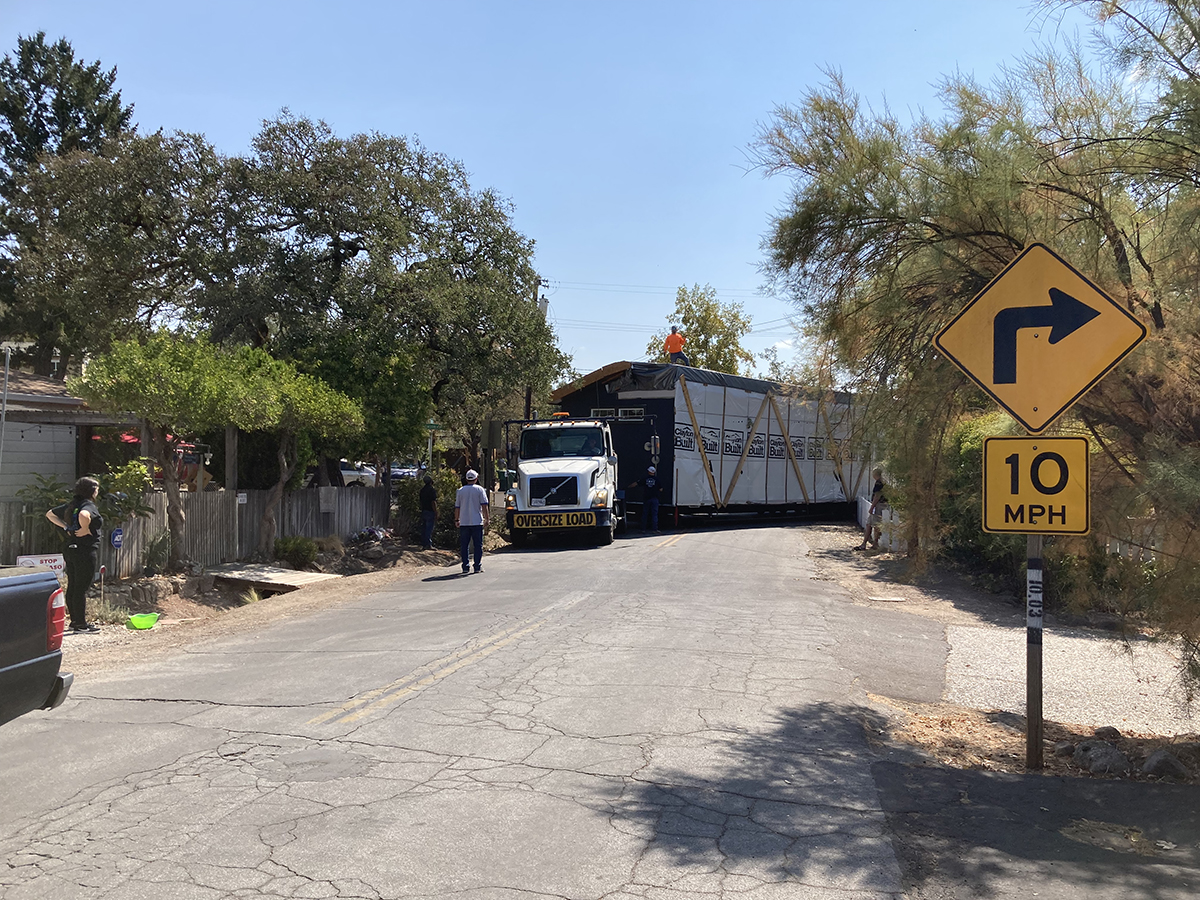
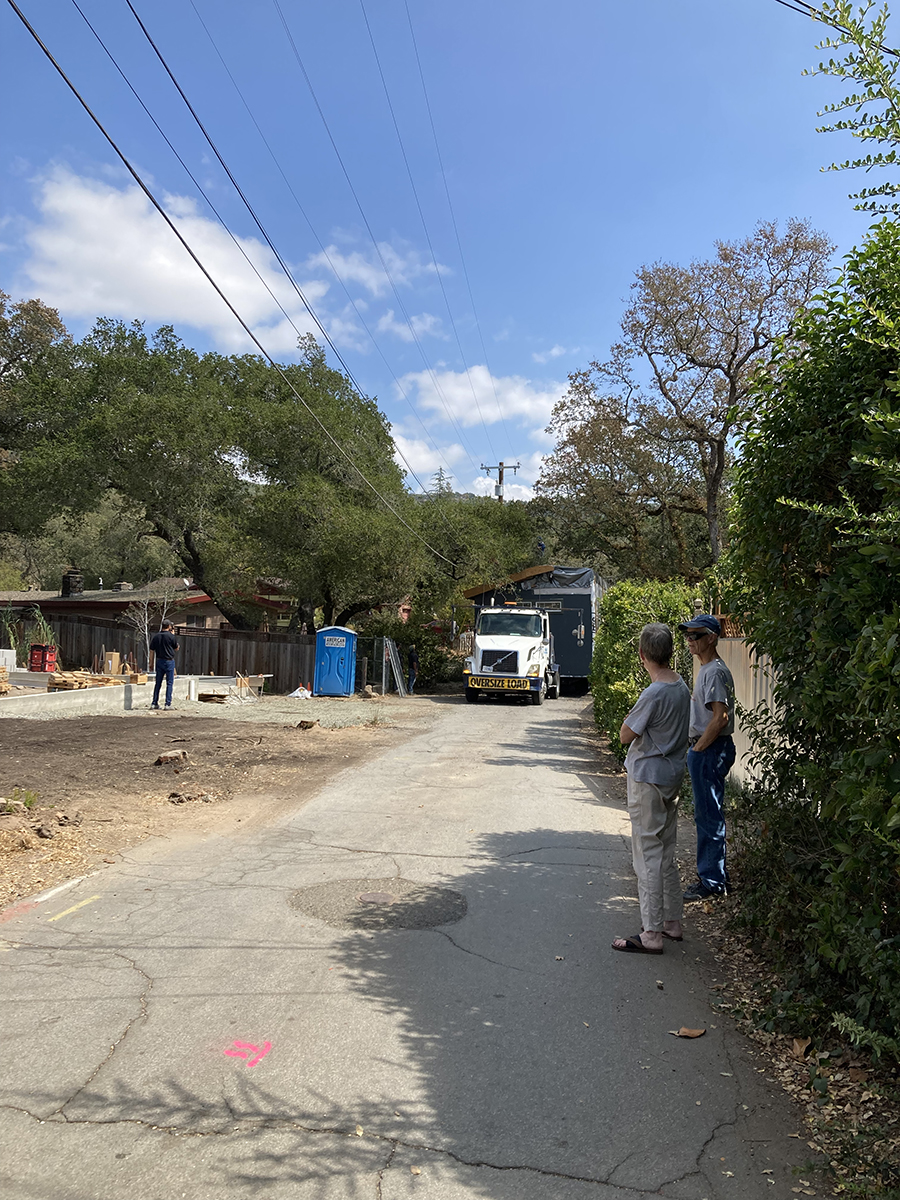
One day in September 2022, we heard the cry, “There’s a house a-comin.” And indeed there was. (Apparently manufactured houses are cheaper than ground-up construction, though not actually cheap; and the time required to get permissions from the County is still onerous.) Many were skeptical the huge, wheeled vehicle could make it down the narrow streets and around the tight corners of the area the fire department calls “the Maze.” Progress was very slow and the crew had to prune trees as they went along.

Of course, this is only one half of the building. They delivered and got the sections in position in one day.

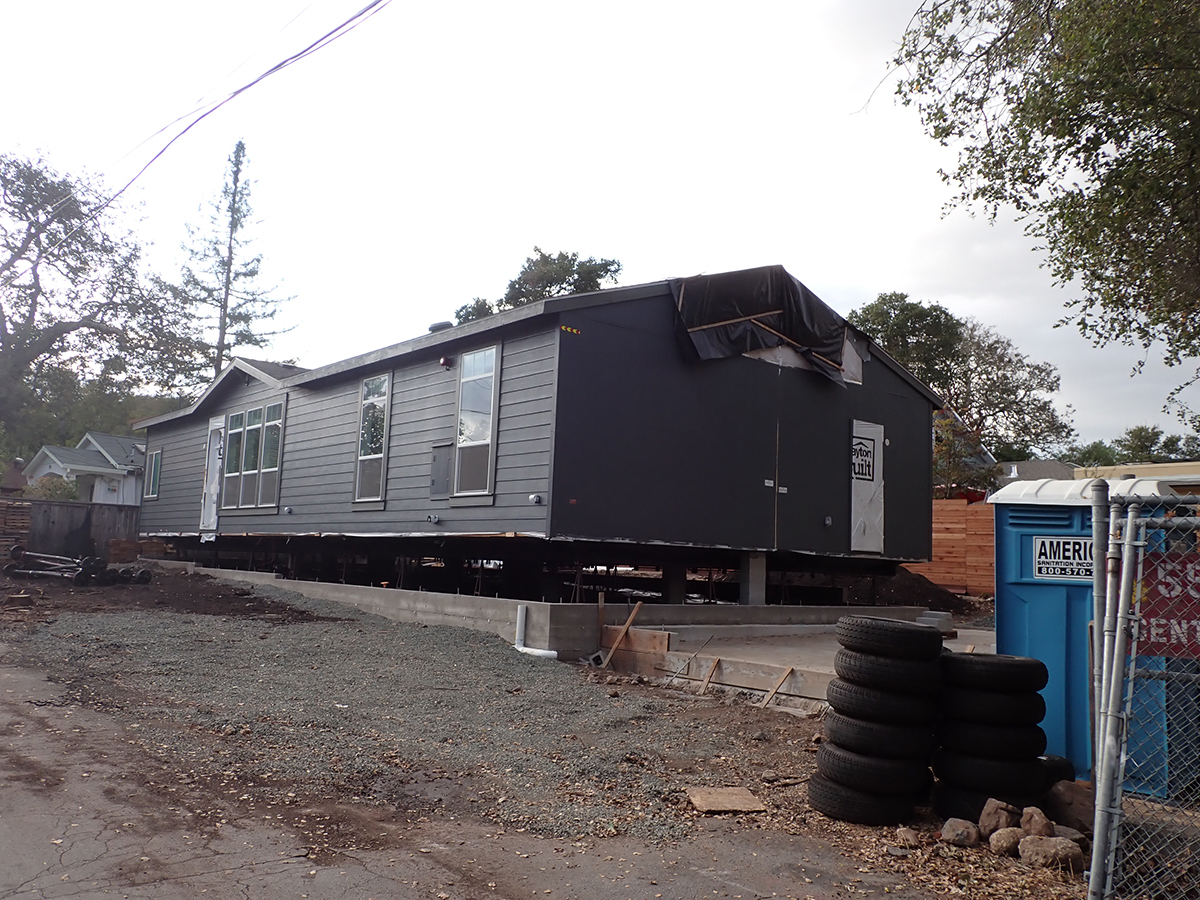
Almost there.

The old (2019)…

and the new.

House is home at last. Now for the foundation framing, front porch, and everything else.
copyright 2022 Michael Acker

Standard
Architecture, Boyes Hot Springs, History, Jewish History, Now and Then

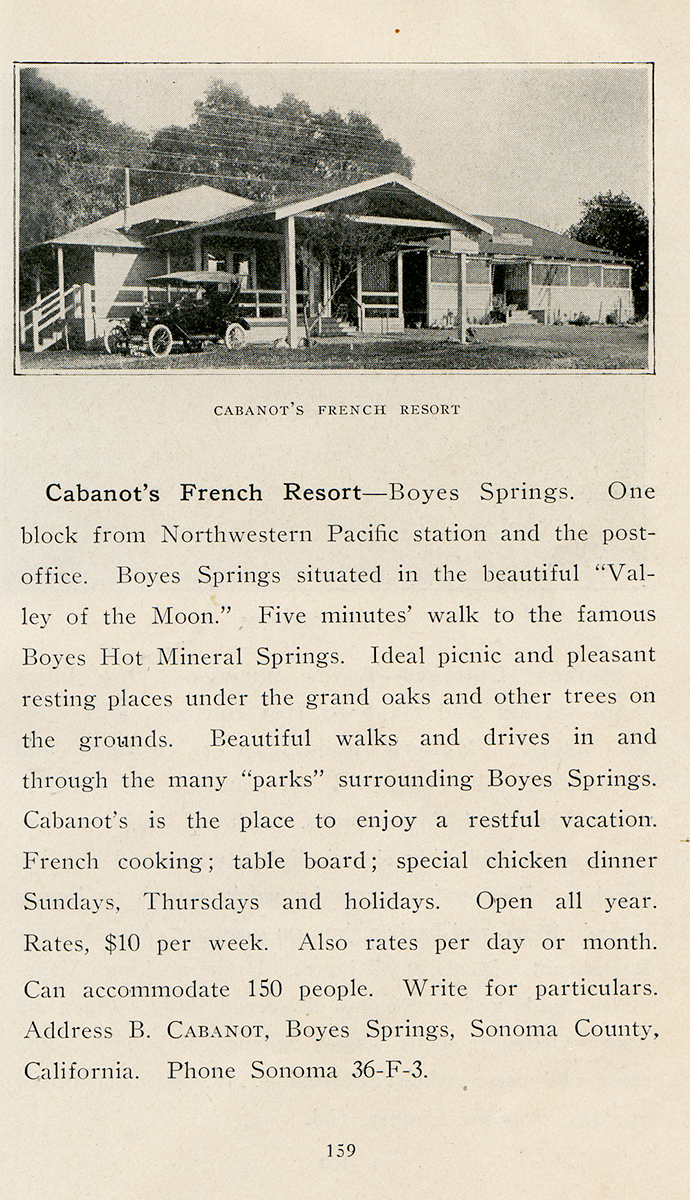
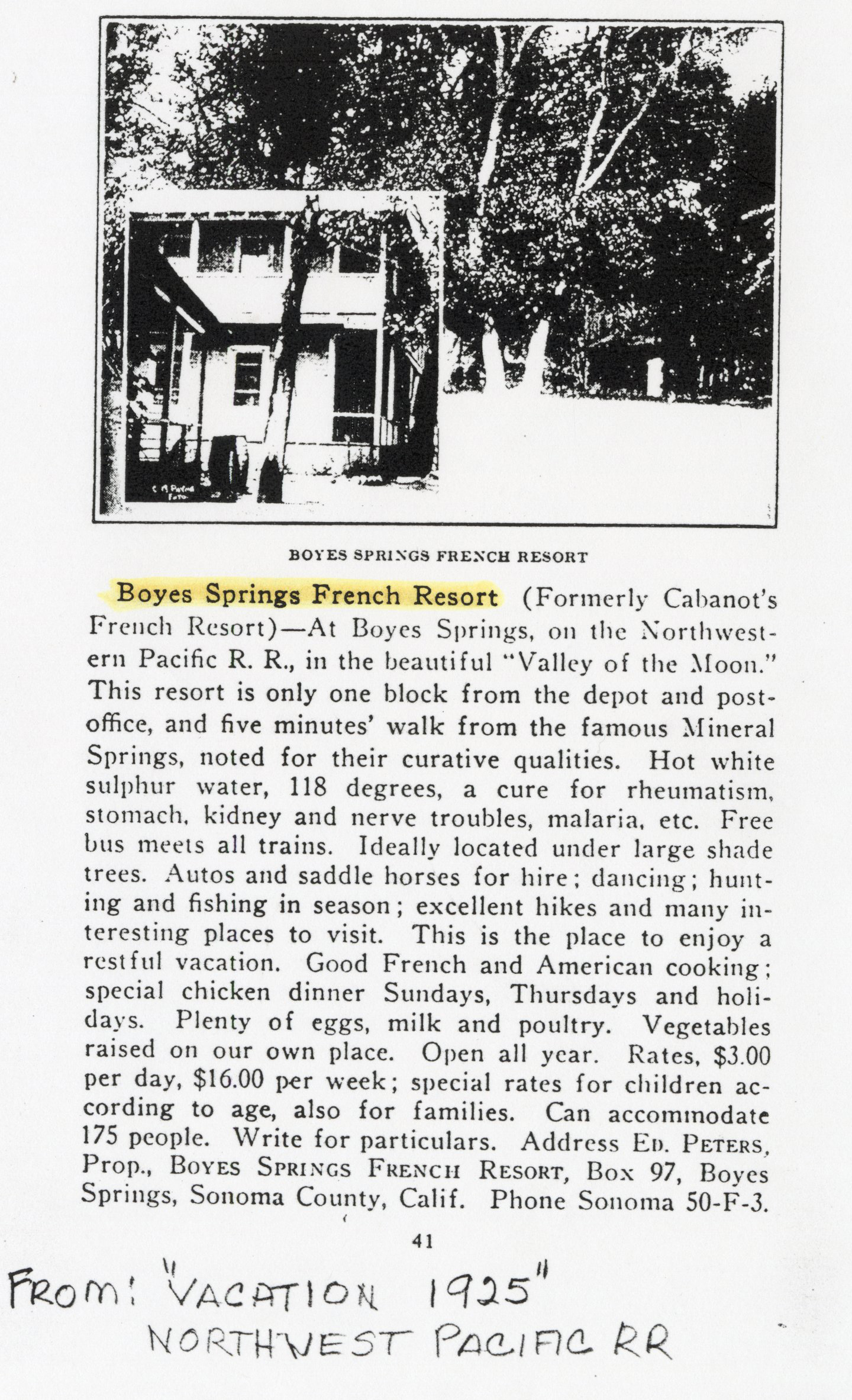
Cabanot’s French Resort/the Casa Blanca Apartments

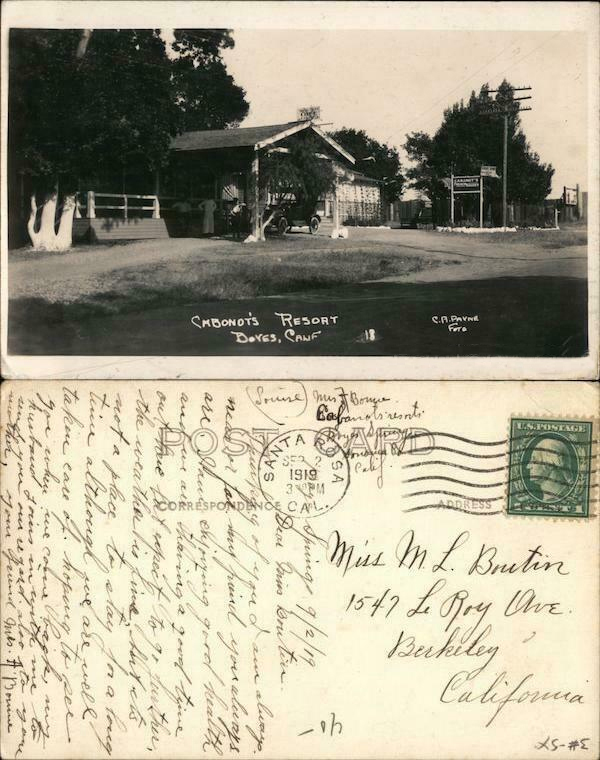
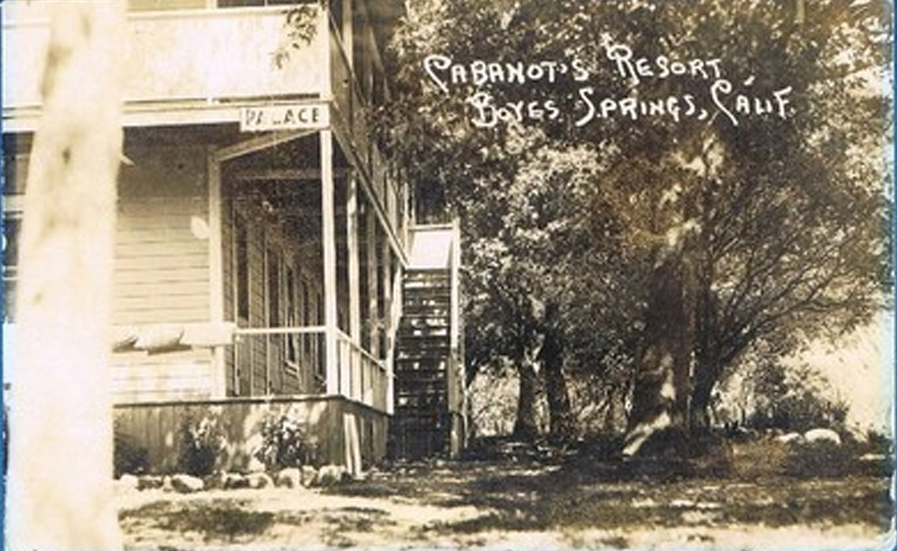
Bernard Cabanot was born in France in 1861 and came to the US in 1876. He lived and worked in San Francisco and Redwood City until 1914, when he came to Boyes Hot Springs and opened his French Resort. (There was another French Resort operated by the Dutil , Lounibos and Verdier families in El Verano. Please see: https://springsmuseum.org/2020/12/13/dutil-french-cottages-verdiers/)

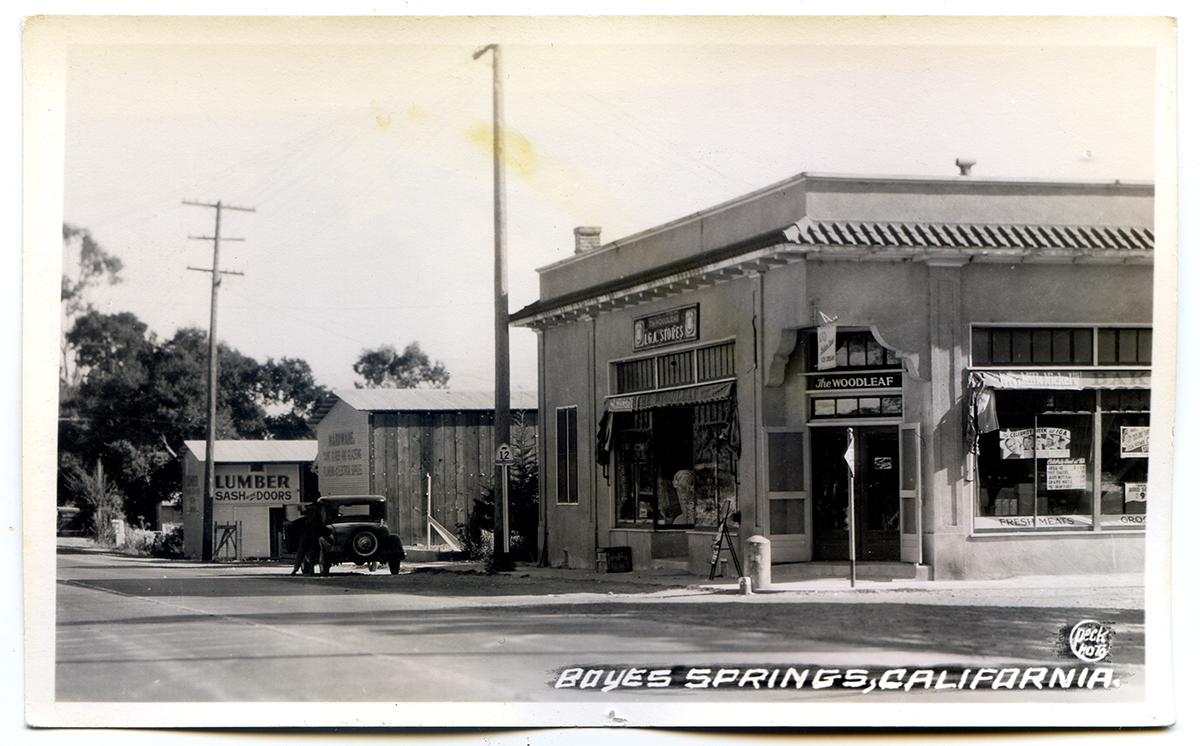
“One block from the Northwestern Pacific station and the post office,” refers to the P.O. located at the Woodleaf Store.
He built several buildings in Boyes, including the Woodleaf Store, which was constructed in 1921 and rebuilt after the 1923 fire.
Woodleaf Store, Boyes Blvd. and Sonoma Highway, 1930s. This building still stands, part of the Sonoma Mission Inn.

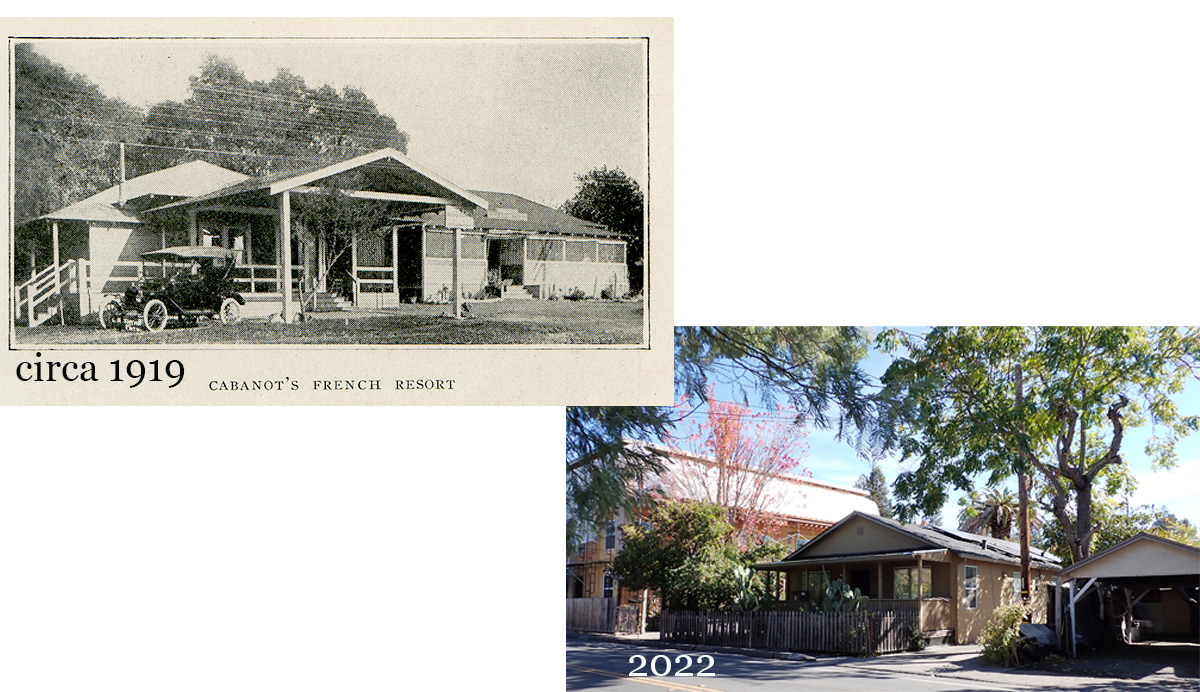
We have images of two different buildings for the resort. The oldest ones are of pleasant one-story bungalows, dated 1919 (first two images). The second building is two stories and dates from 1925 (above).

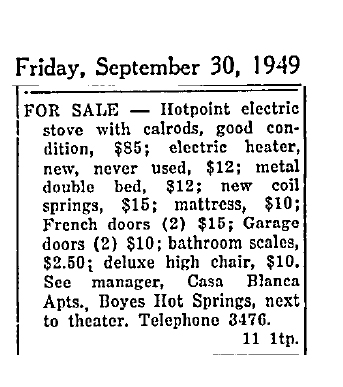
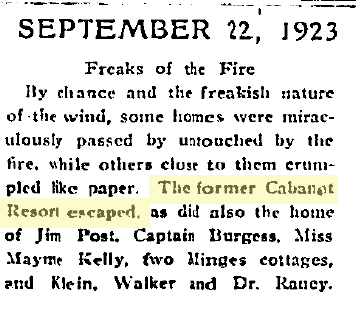
According to the Index Tribune, Cabanot’s Resort was not destroyed by the great fire of 1923 so it’s possible the larger building was built along side of the smaller ones. Both places are described in ads as being “next to the theater,” which was at the corner of Boyes Blvd. and Gregor Street, where the apartment building is today.

The original Cabanot’s?
Index Tribune

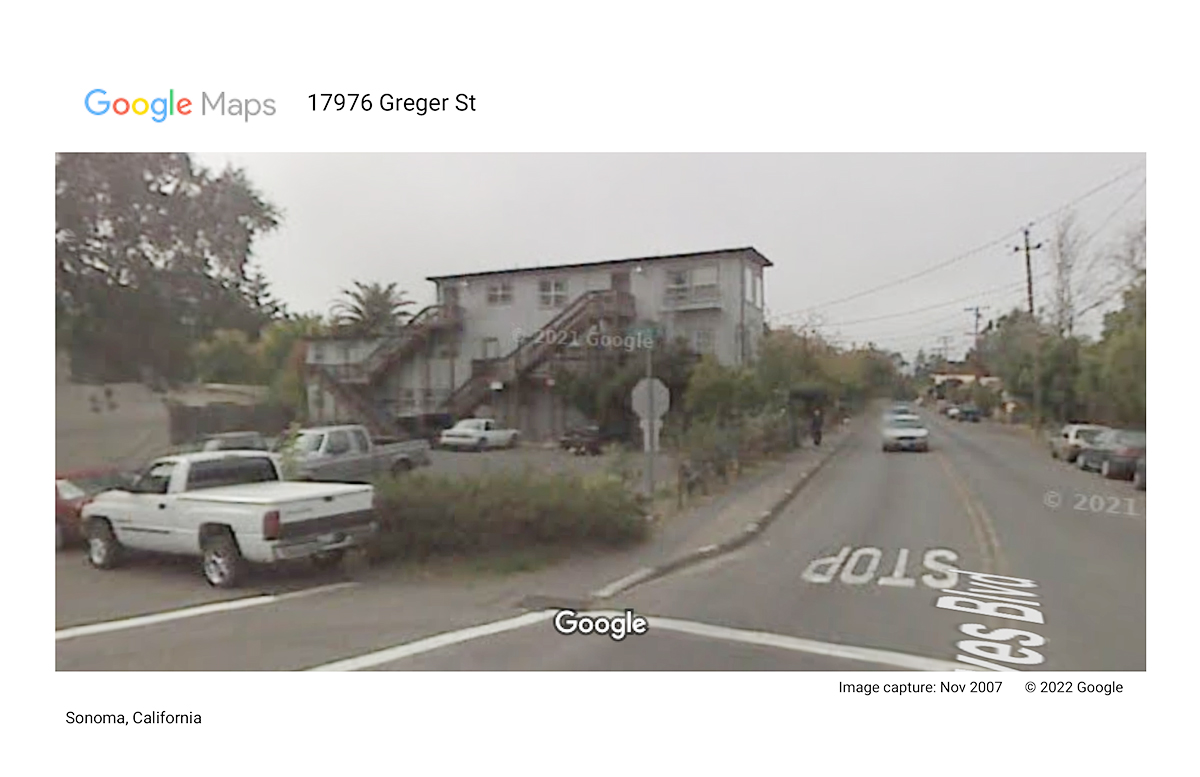
The two story became the Casa Blanca Apartments, by which name it is still known today (2022).

Circa 1950

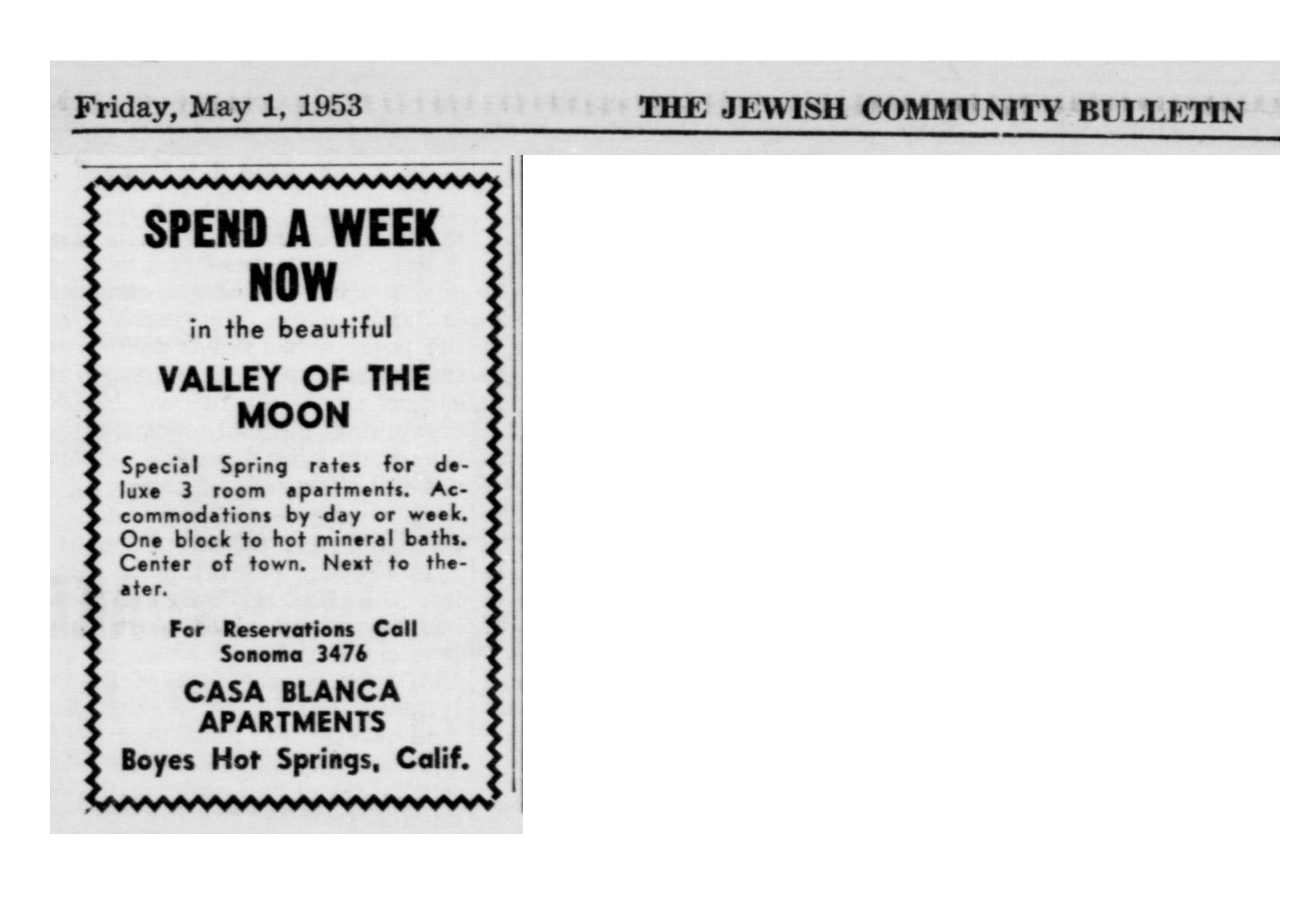
San Francisco Jewish Community Bulletin-https://chroniclingamerica.loc.gov/lccn/sn92060578/
Index Tribune
2007

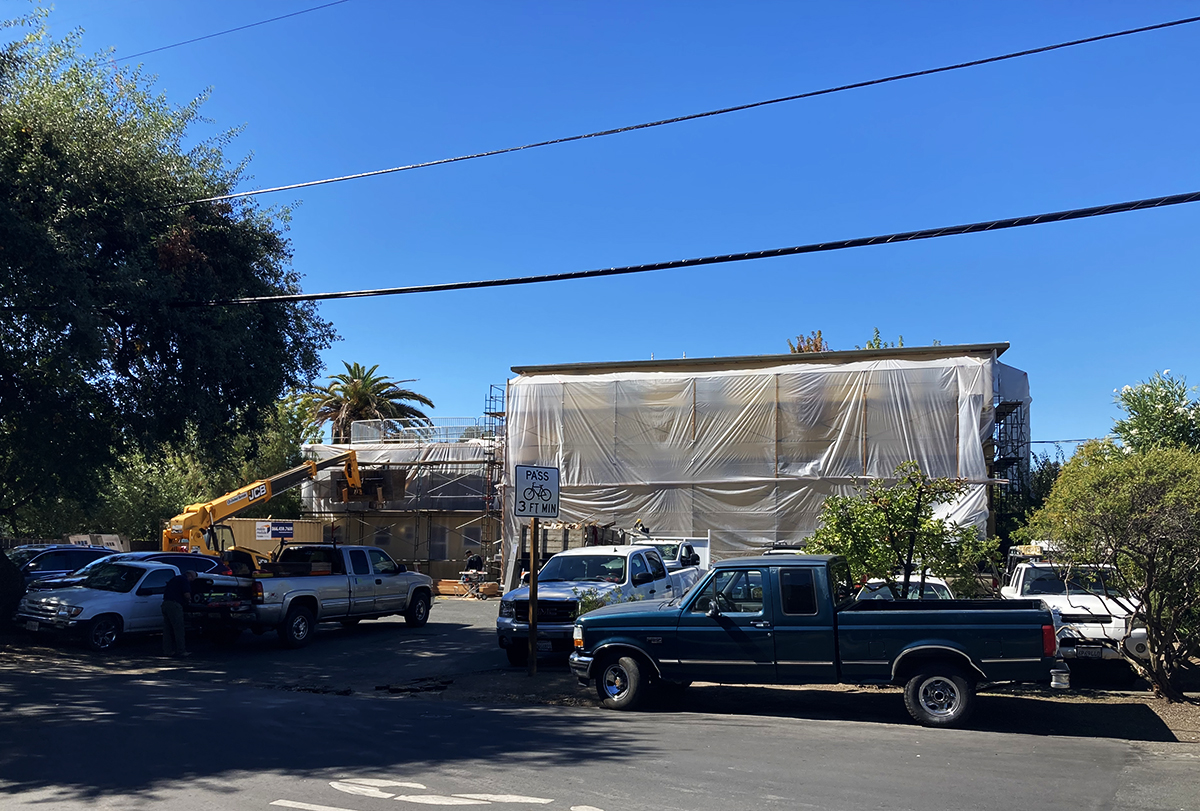
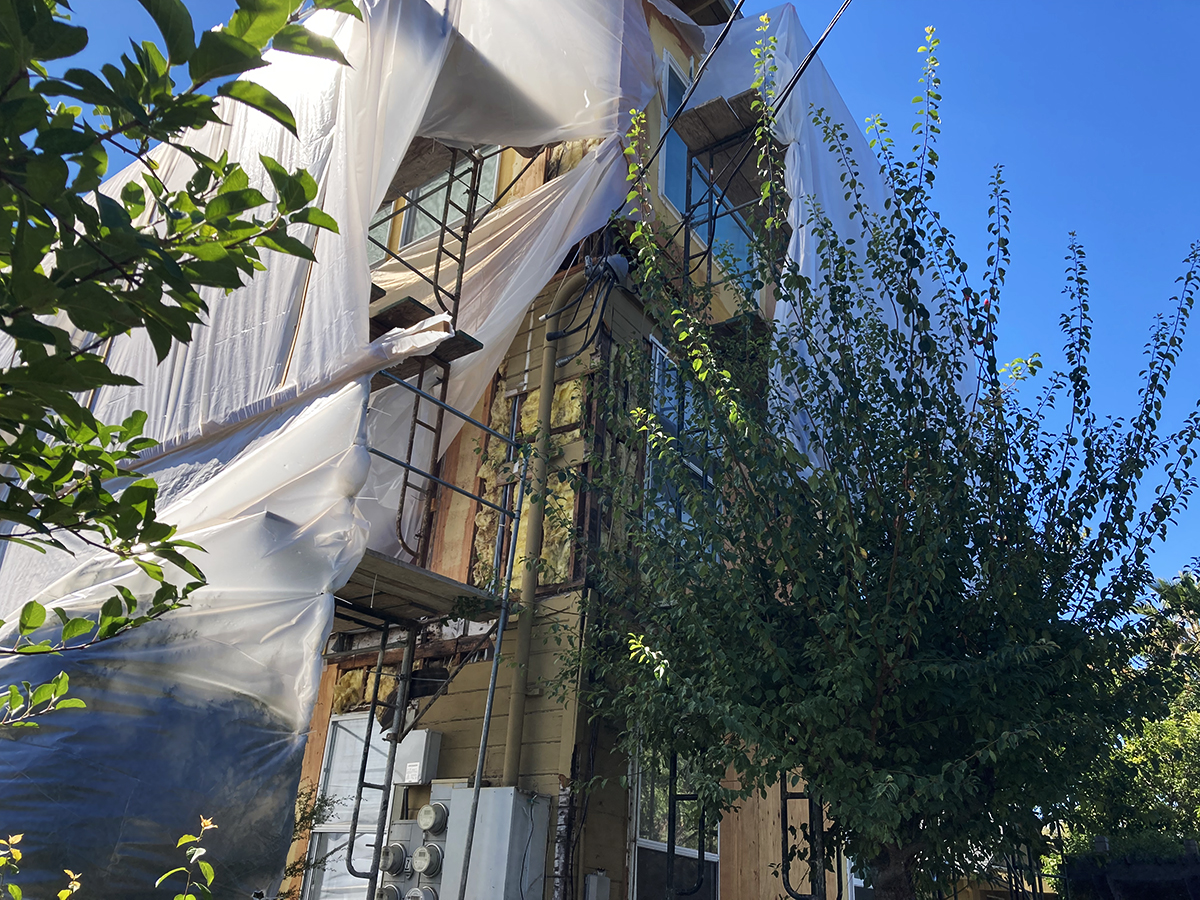
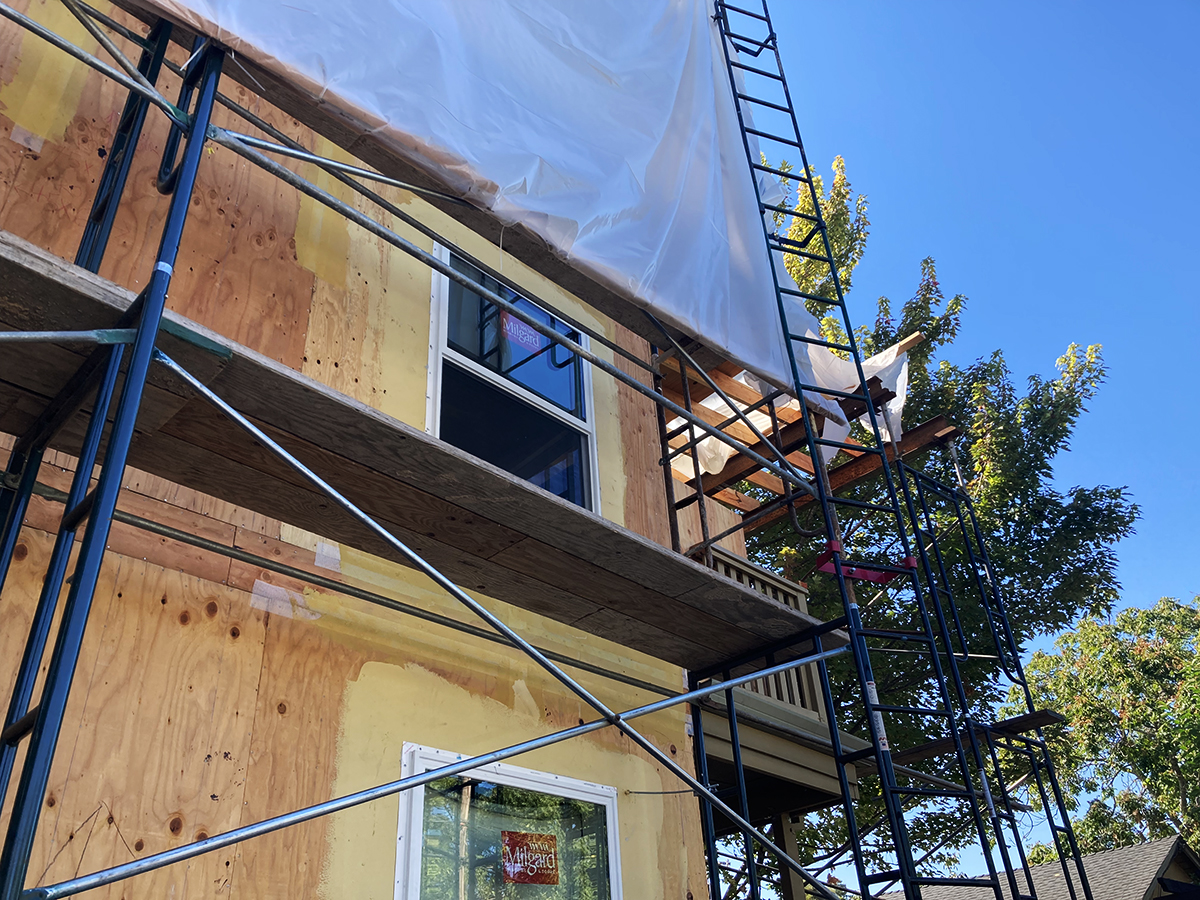
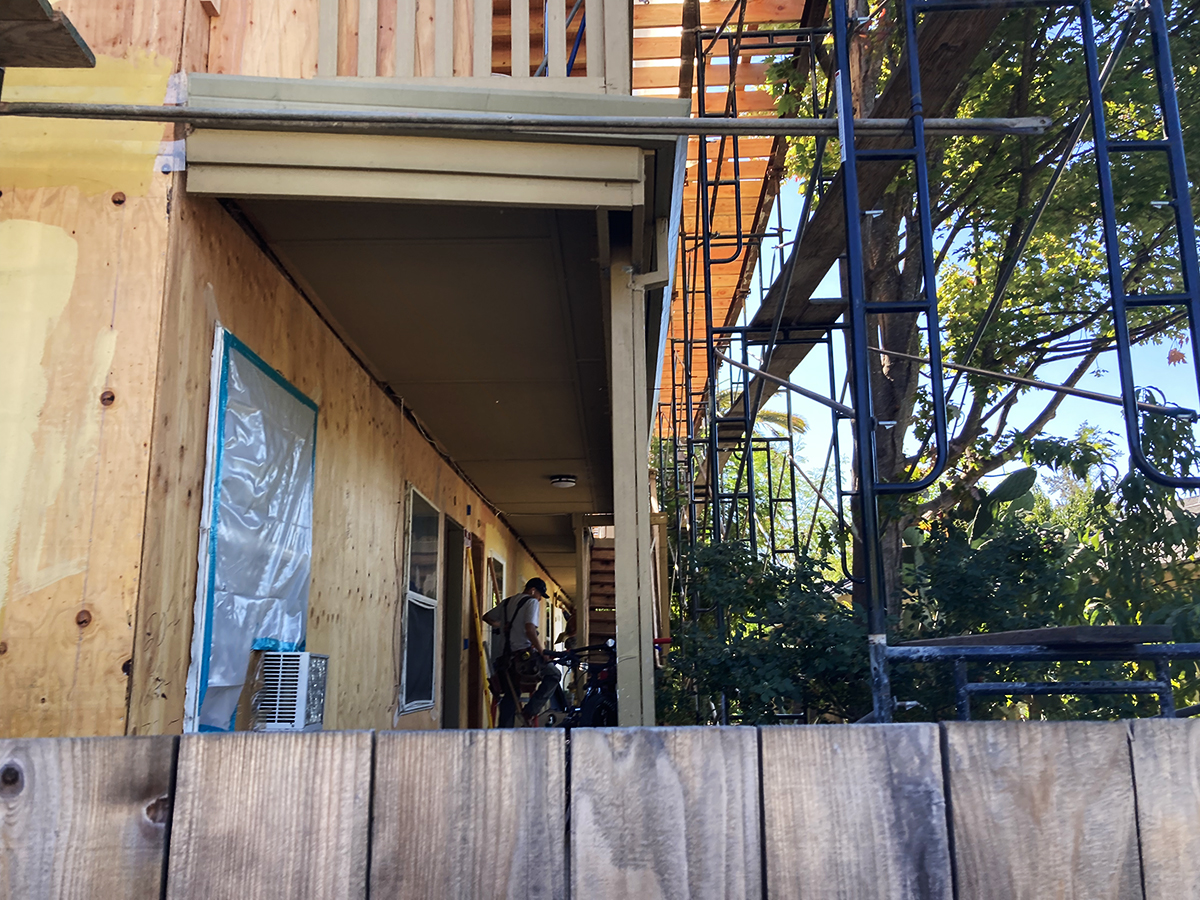
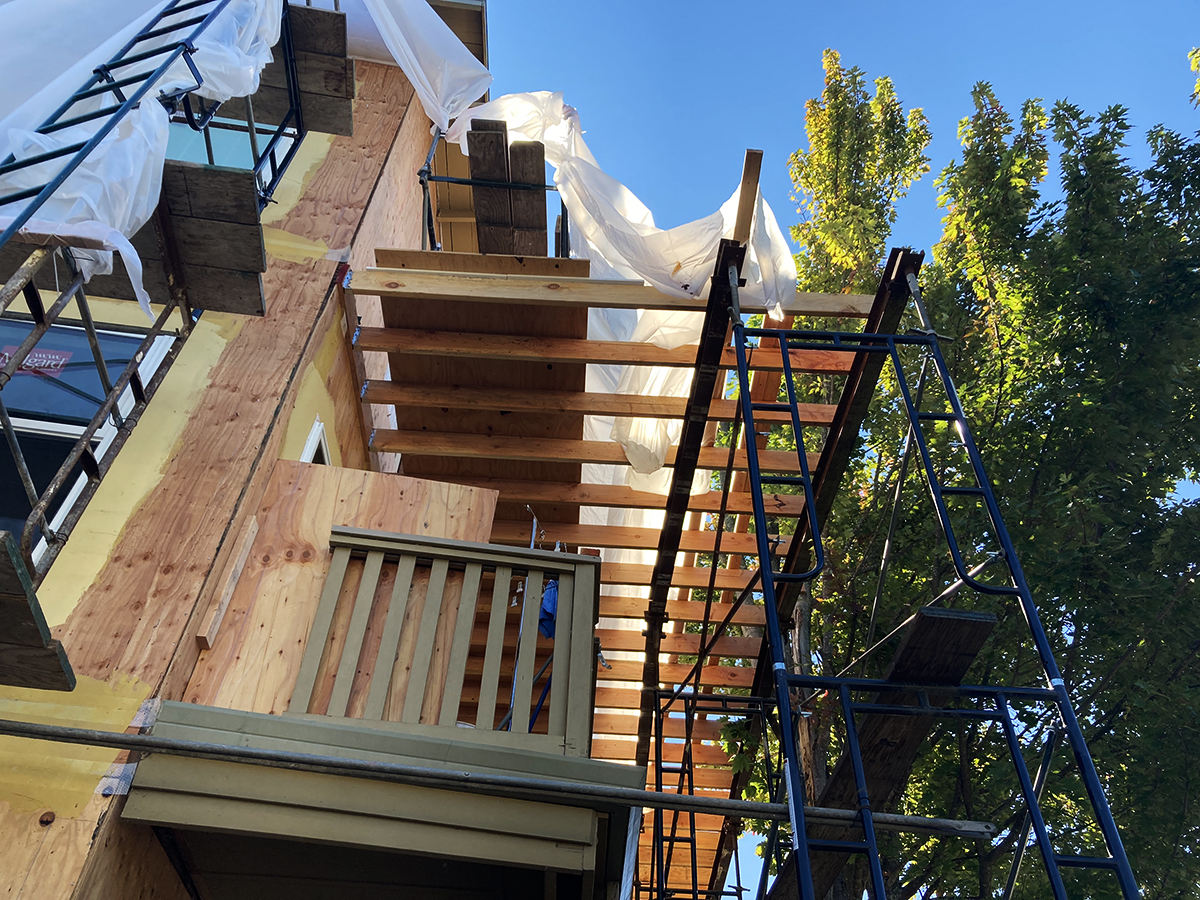
As of September 2022, major repairs were taking place. All the exterior siding was removed, plywood was applied as earthquake bracing, and new doors and window were being fitted. Not historic preservation but perseverance. With several nearby historic buildings being bulldozed recently, we will take what we can get.

Thanks to Lorrie Baetge Fulton of the Sonoma Valley Historical Society for research help, and to the Gordon Lindberg Collection of the Sonoma Valley Historical Society, who also provided the Index Tribune material.

Standard
Agua Caliente, Boyes Hot Springs, El Verano, Fetters Hot Springs, Now and Then, Photographs, Resorts, Wonders and Marvels

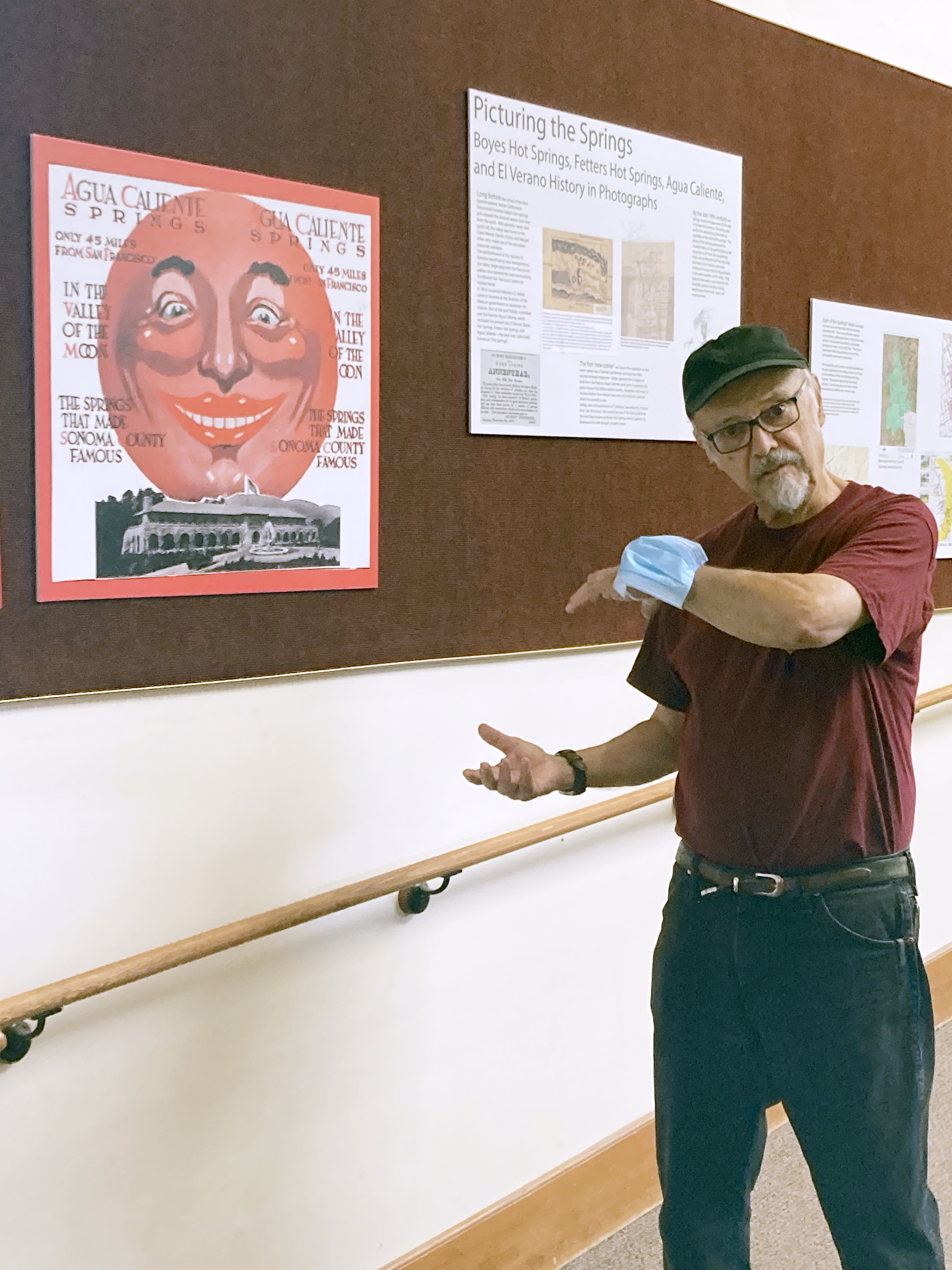
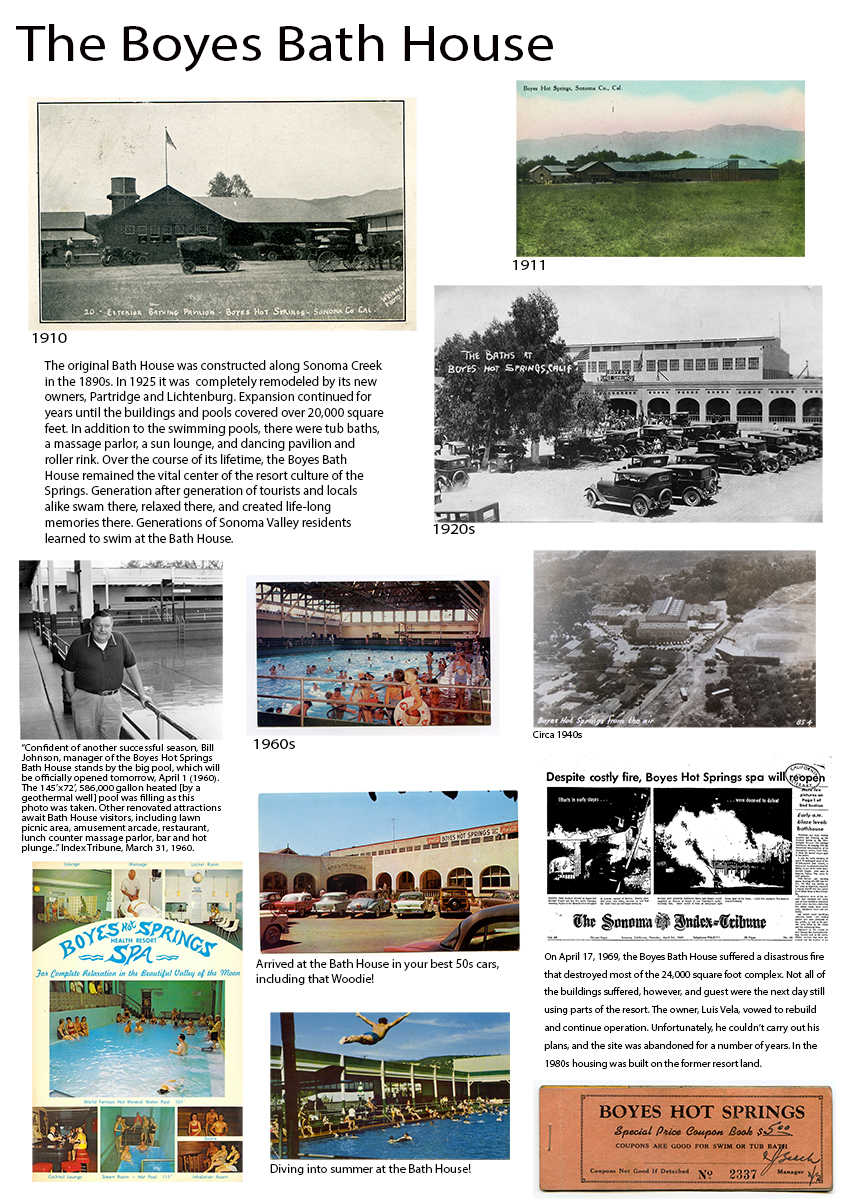
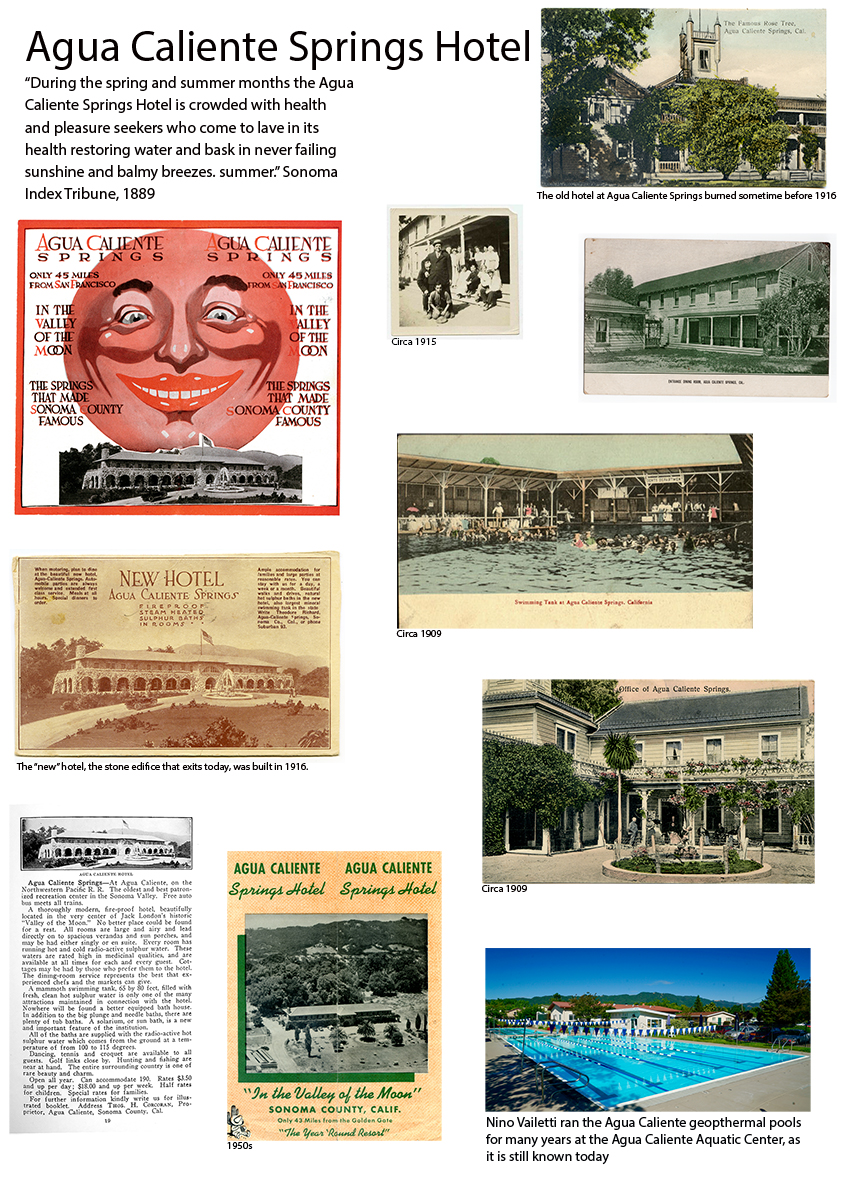
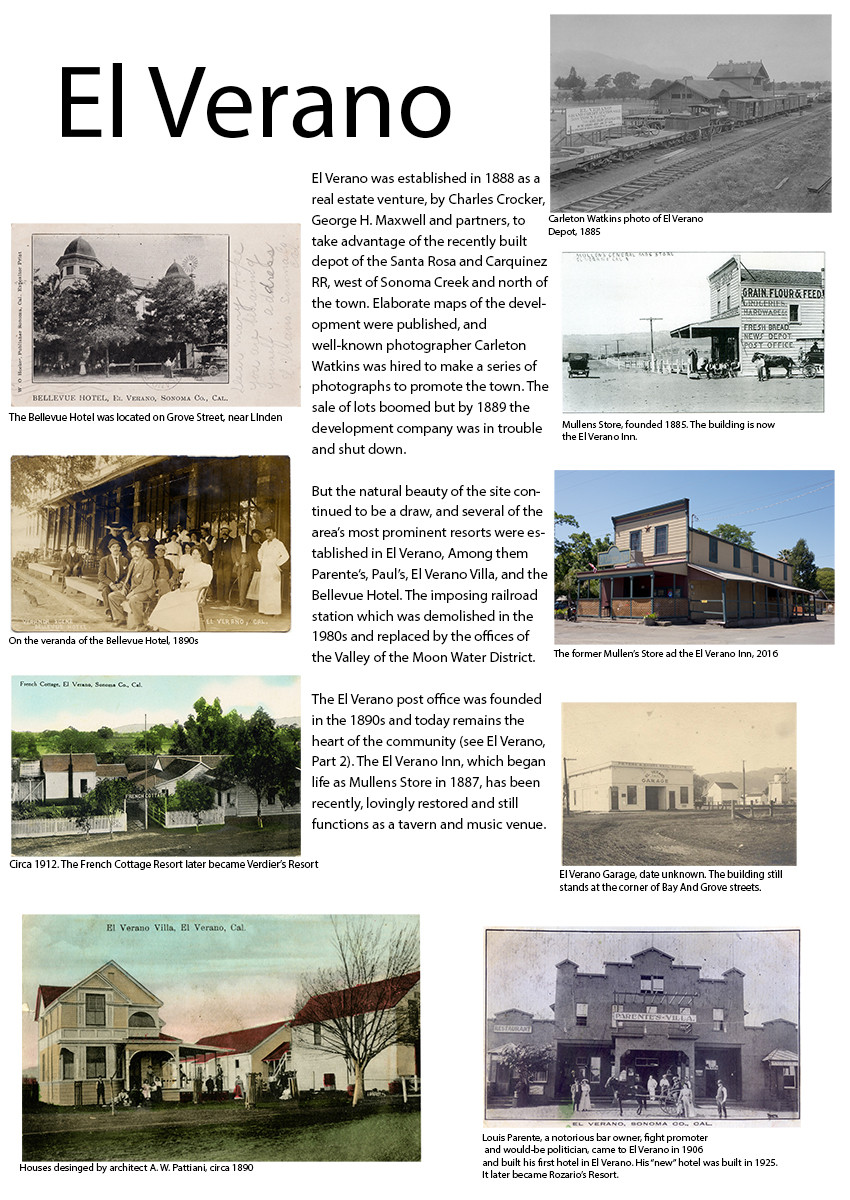
“Picturing the Springs”-an exhibit at the Depot Park Museum in Sonoma

Opening September 10, 2022

In a sense, this exhibit is a follow-up to Michael Acker’s book “The Springs, Resort Towns of Sonoma Valley,” (Arcadia Publishing, 2017) with many more photographs and ephemera, and in color. Here is a small preview.


Thanks to the Sonoma Valley Historical Society for assistance, especially Lorrie Baetge Fulton, Patricia Cullinan, Kate Shertz, Peter Meyerhoff, Roy Tennant, and Lynn Downey, and for images, and access to the Index Tribune archive.

Thanks also to the many community members who have shared their memories and photographs with the author.

Standard
Boyes Hot Springs, mid-century, People

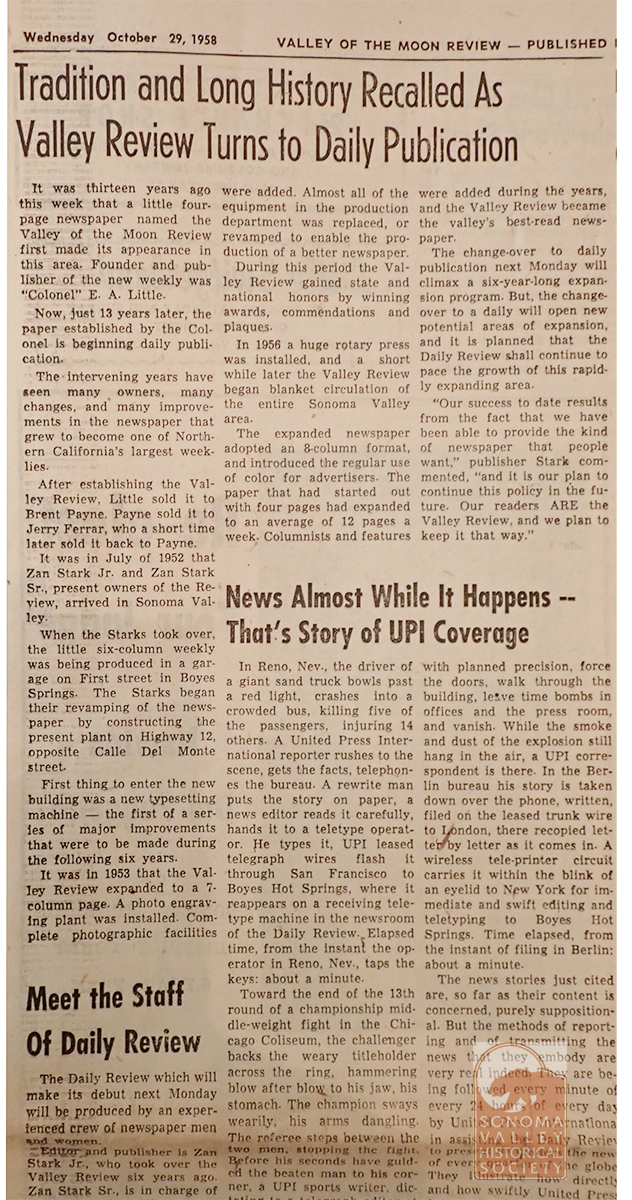
The Valley of the Moon Review

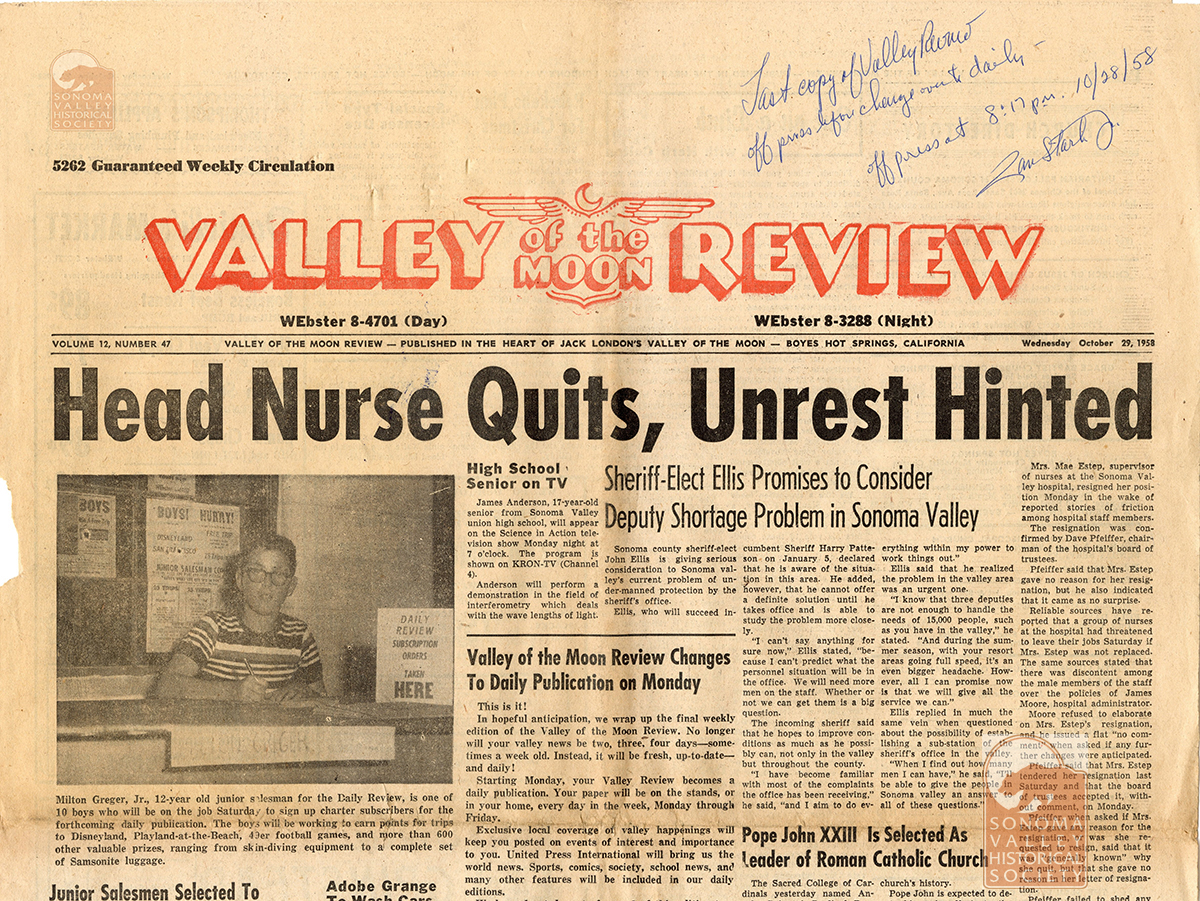
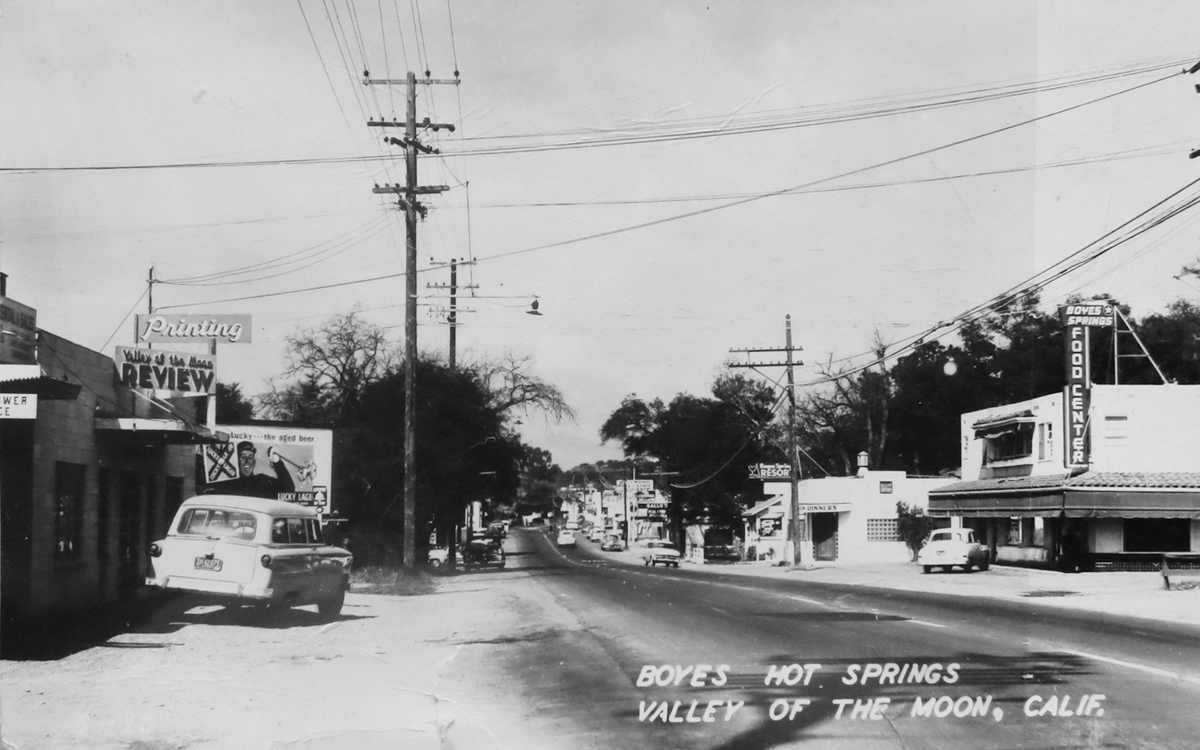
The weekly Valley of the Moon Review was founded in Boyes Hot Springs in 1946 by Colonel E.A. Little. Zan Stark and his son, A.J. Stark Jr., bought the paper in 1953. They turned it into a daily in 1958. The paper ceased publication in 1961. Zan Sr. was a well known publisher of “real picture post cards” of Northern California scenes. He died in Sonoma in 1977. As noted in the article about the history of the paper, their offices and printing plant were on Sonoma Highway, “across from Calle del Monte.”

The office of the Valley of the Moon Review is at left. This photo was taken by Zan’s partner Ed Wood.

Copies of the paper are scarce. The Sonoma Historical Society recently came into possession of a few of them. Among them, very fortunately, was the front page of the last edition of the weekly paper before it changed to a daily. It is signed, with an inscription, by Zan Stark Jr. who was publisher and editor.

The daily paper covered national news as well as local. Many stories from United Press International may reflect Zan Jr.’s eventual employment by them. He later became the bureau chief of UPI in Portland, Oregon.

Stay tuned for more from this trove of Boyes Hot Springs history!

Newspaper images courtesy of the Sonoma Valley Historical Society

Post card image courtesy of Stanford University Library, Special Collections

Standard
Agua Caliente, nature, Neighborhood Phenomena, Wonders and Marvels

Neighborhood Phenomena: Plants

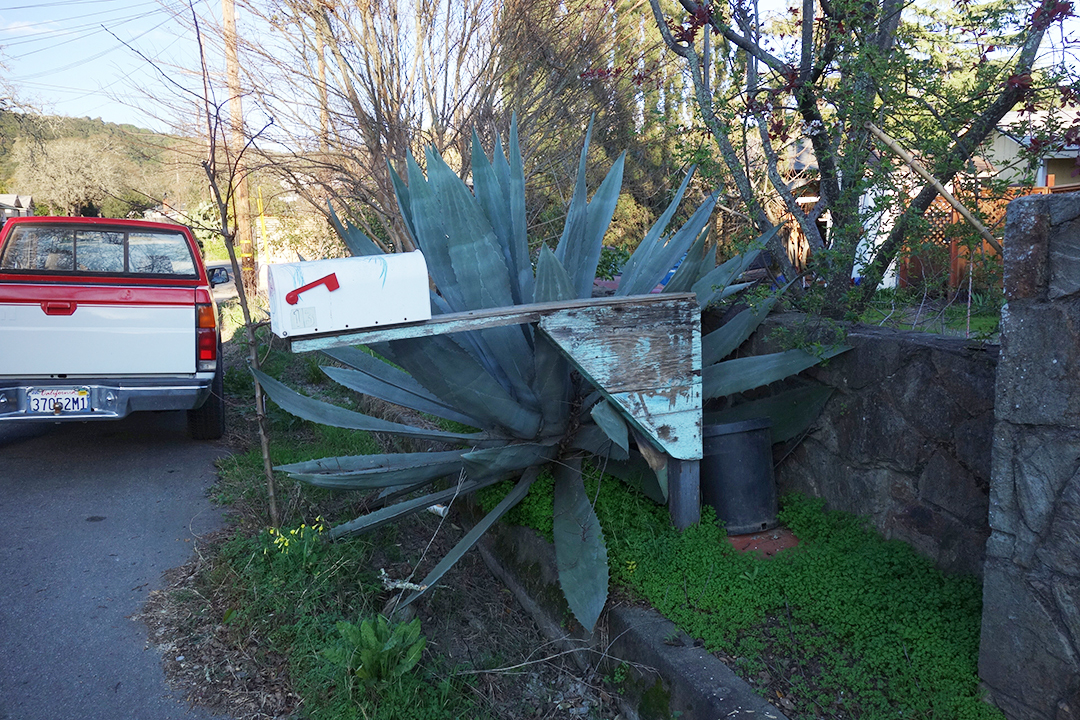
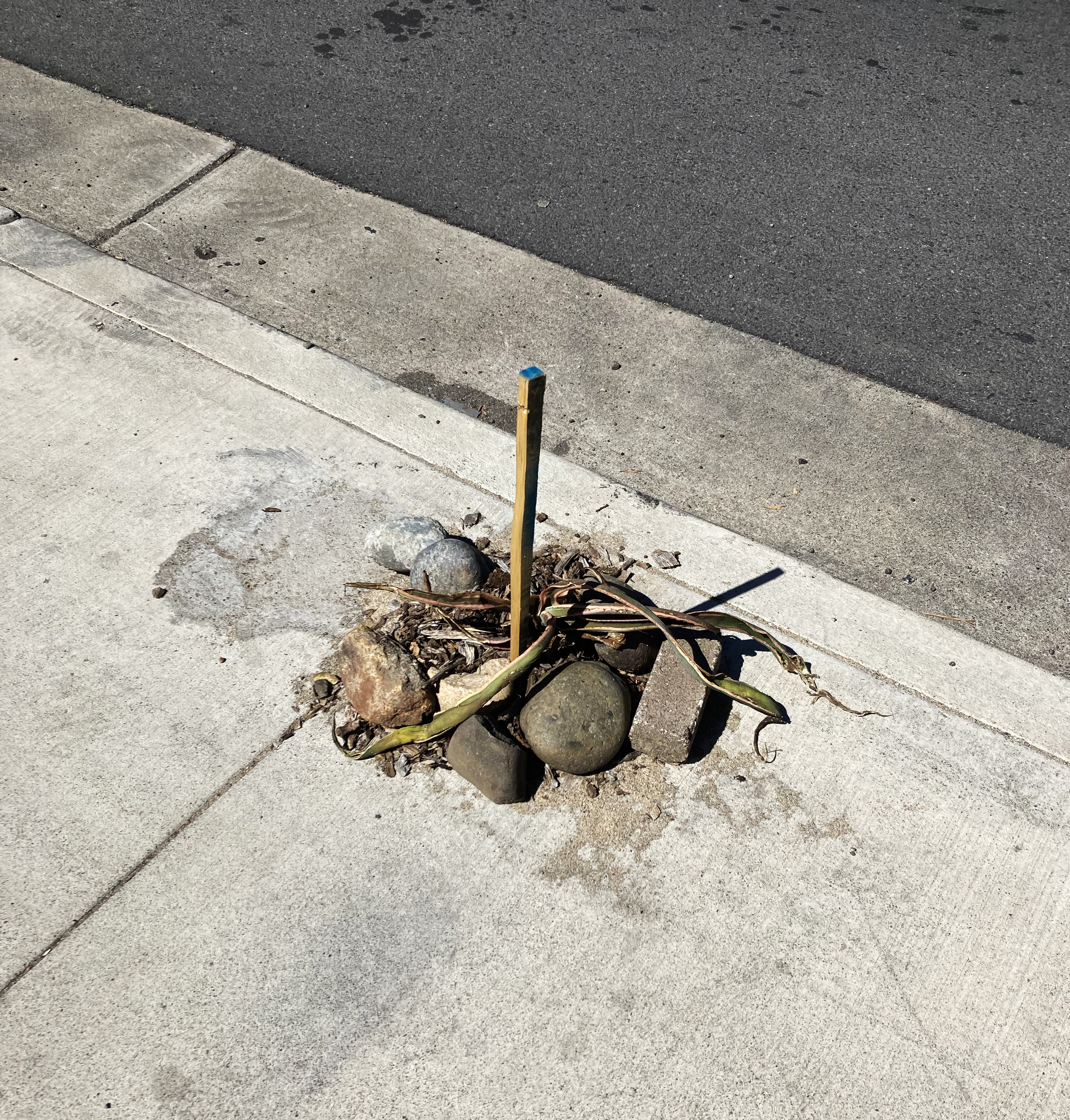
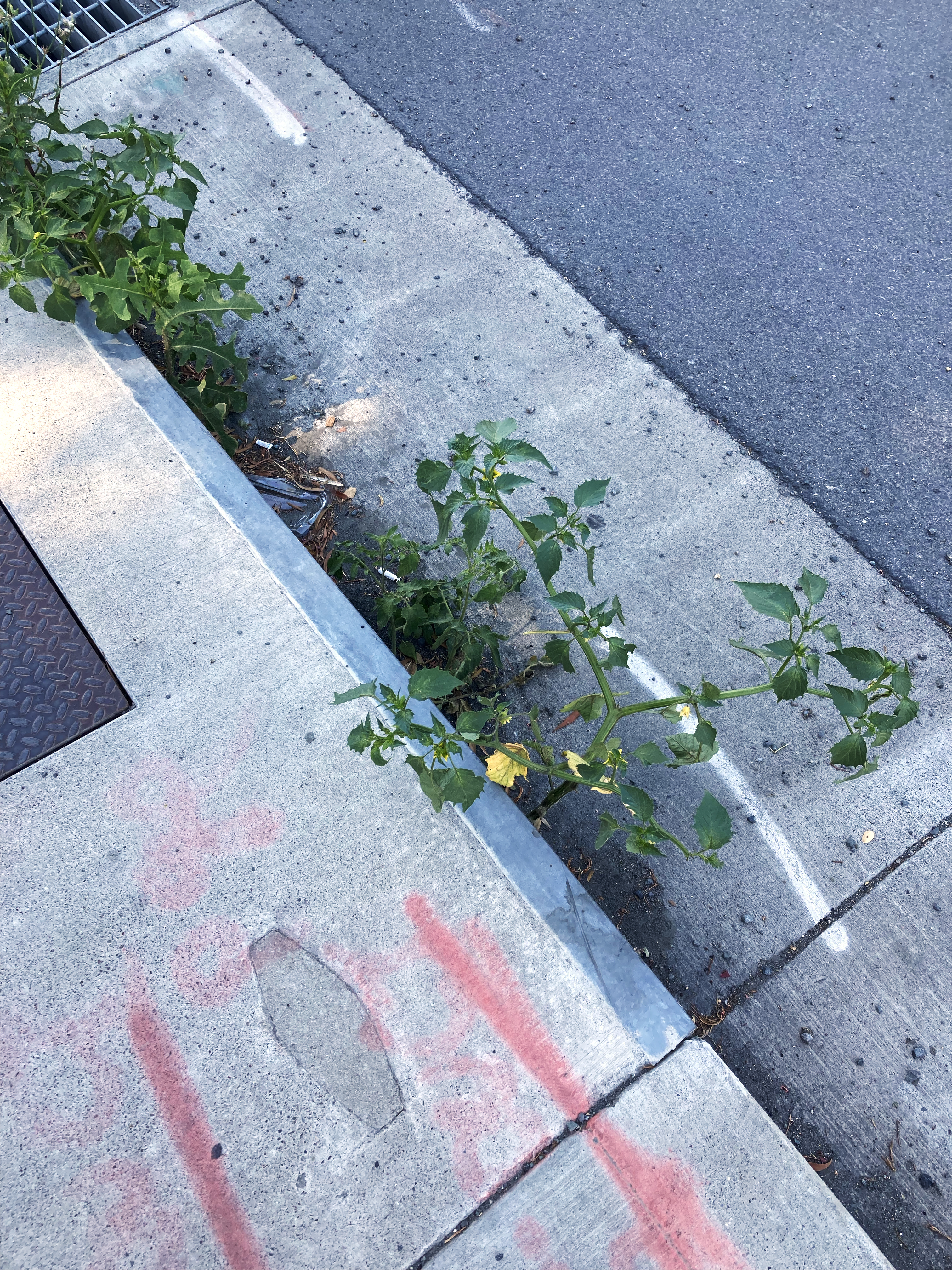
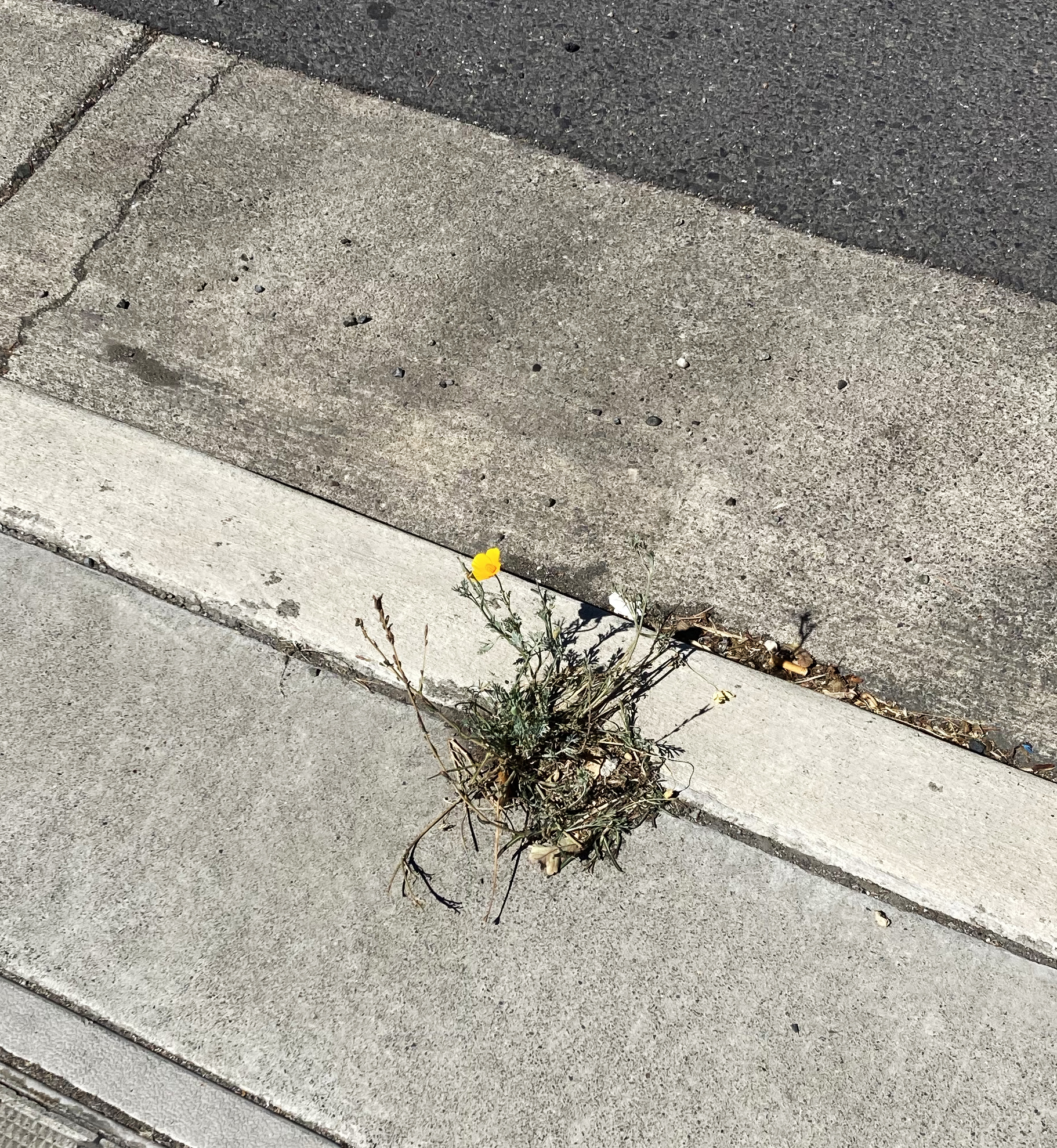
Observed within a few blocks of each other, two volunteers and a planting. The first one is a small agave planted in a hole in the sidewalk. A valiant effort indeed. Given Caltrans and/or Sonoma County’s neglect of these areas, it may survive a while. The second one looks like volunteer tomatoes springing up at a storm drain. I hope that’s what they are! Third is a humble little California poppy growing in a crack between the curb and sidewalk. Symbolic of California today?

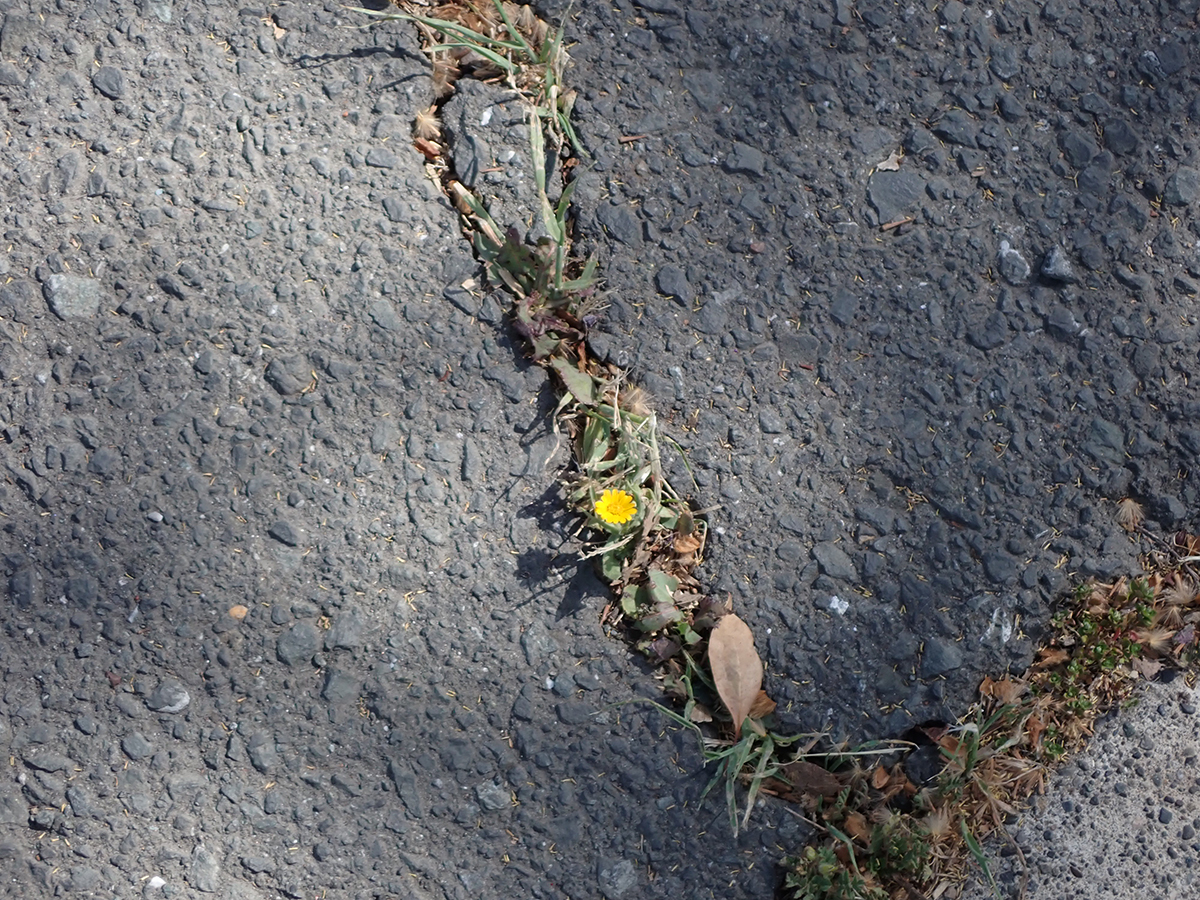
Bonus photo: Tiny calendula in the asphalt, Arroyo Rd., BHS
Standard
Boyes Hot Springs, History, Jewish History, Photographs

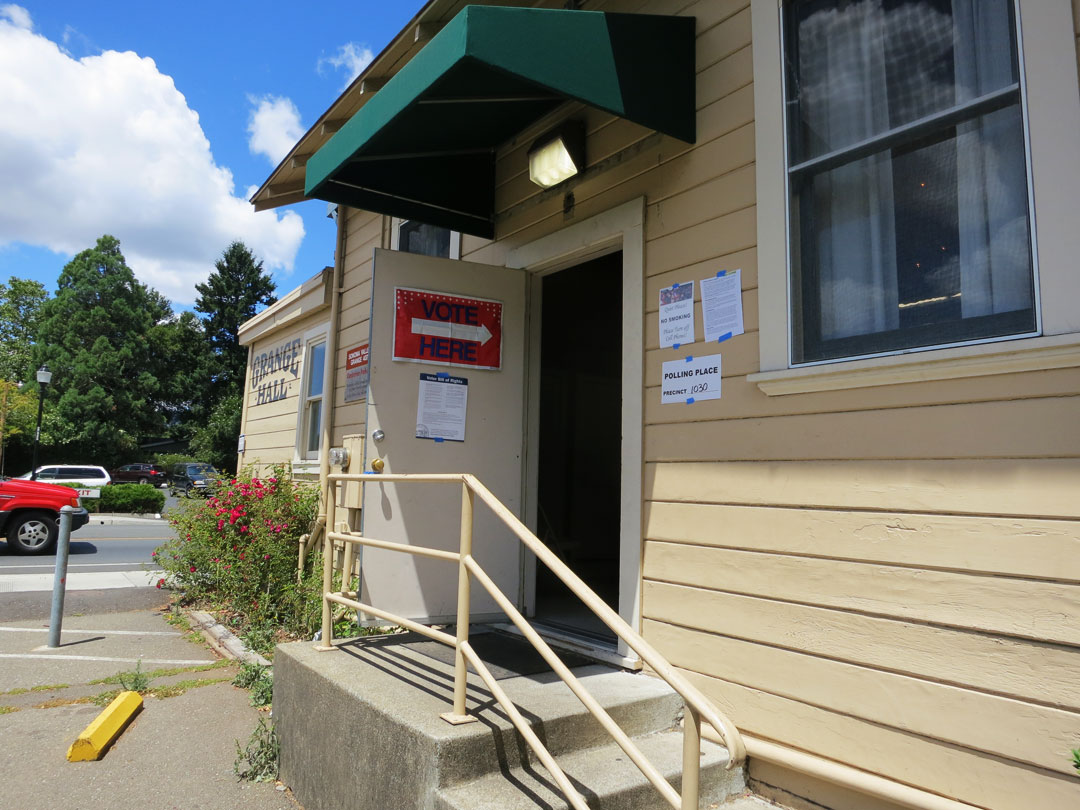
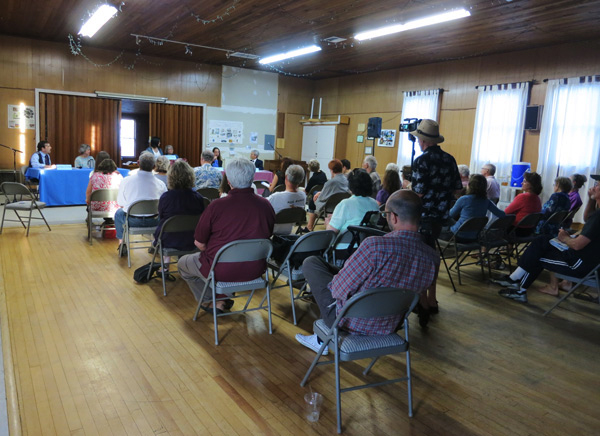
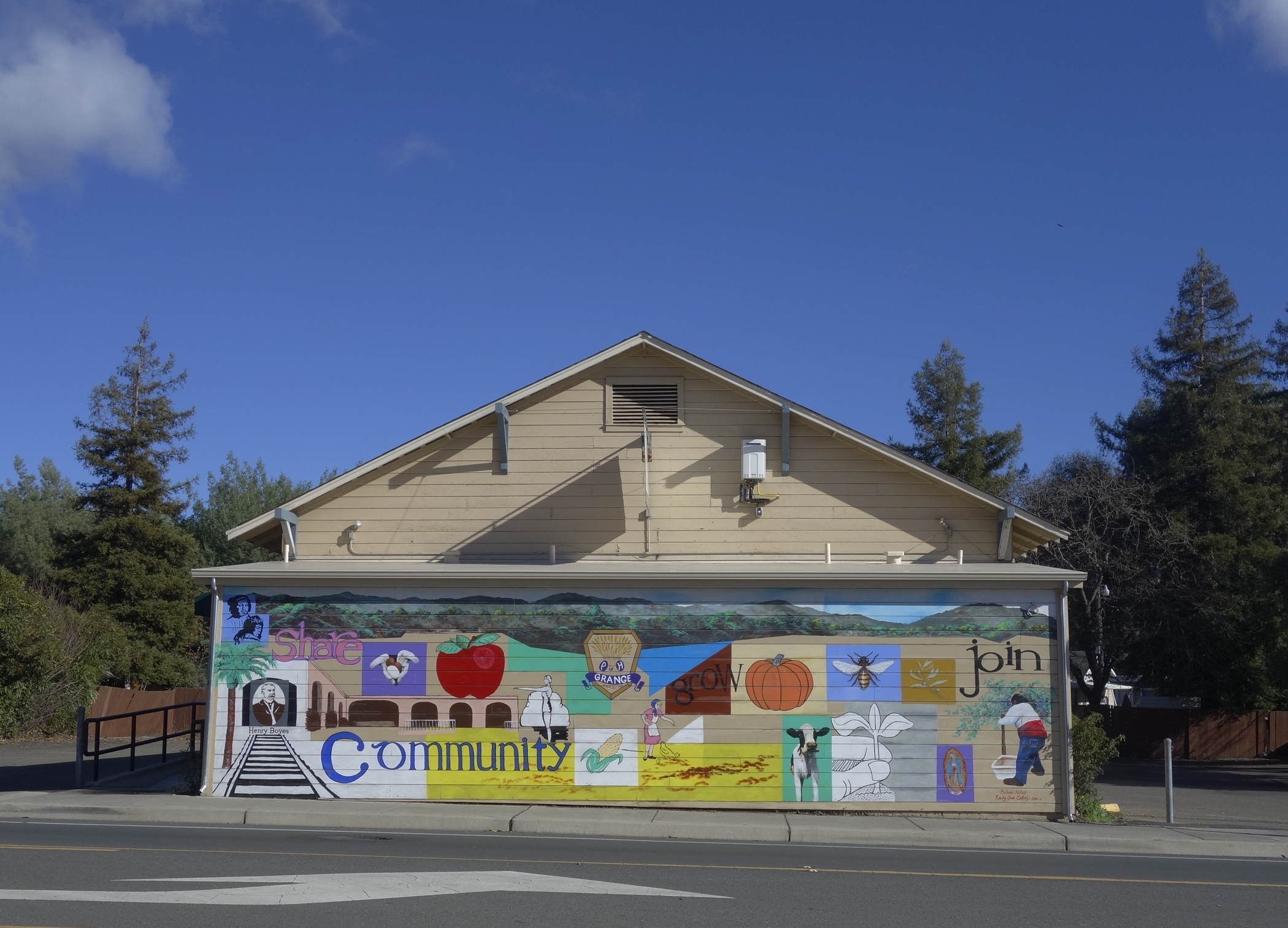
The Sonoma Valley Grange, Tradition,Change and Renewal

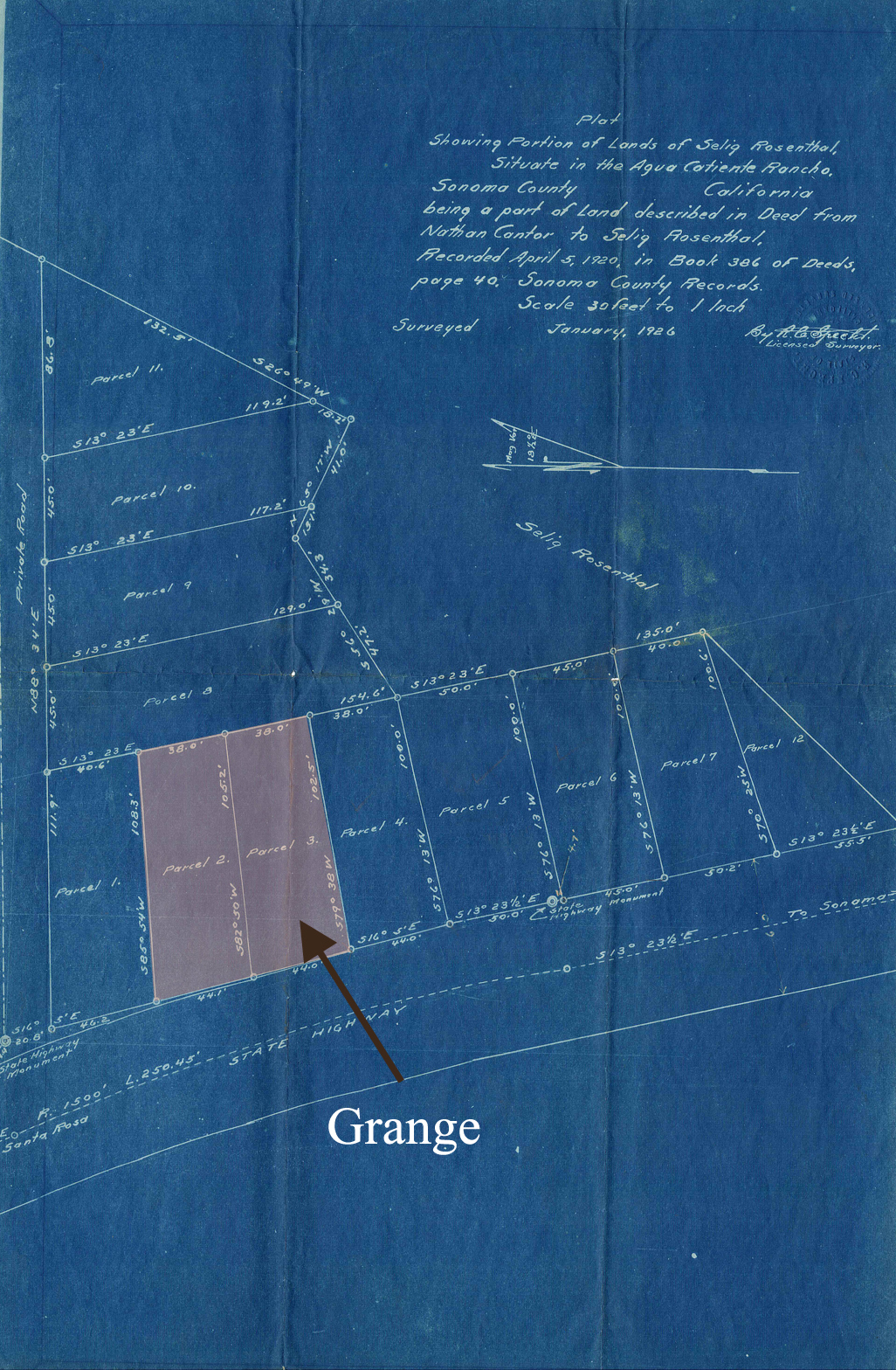
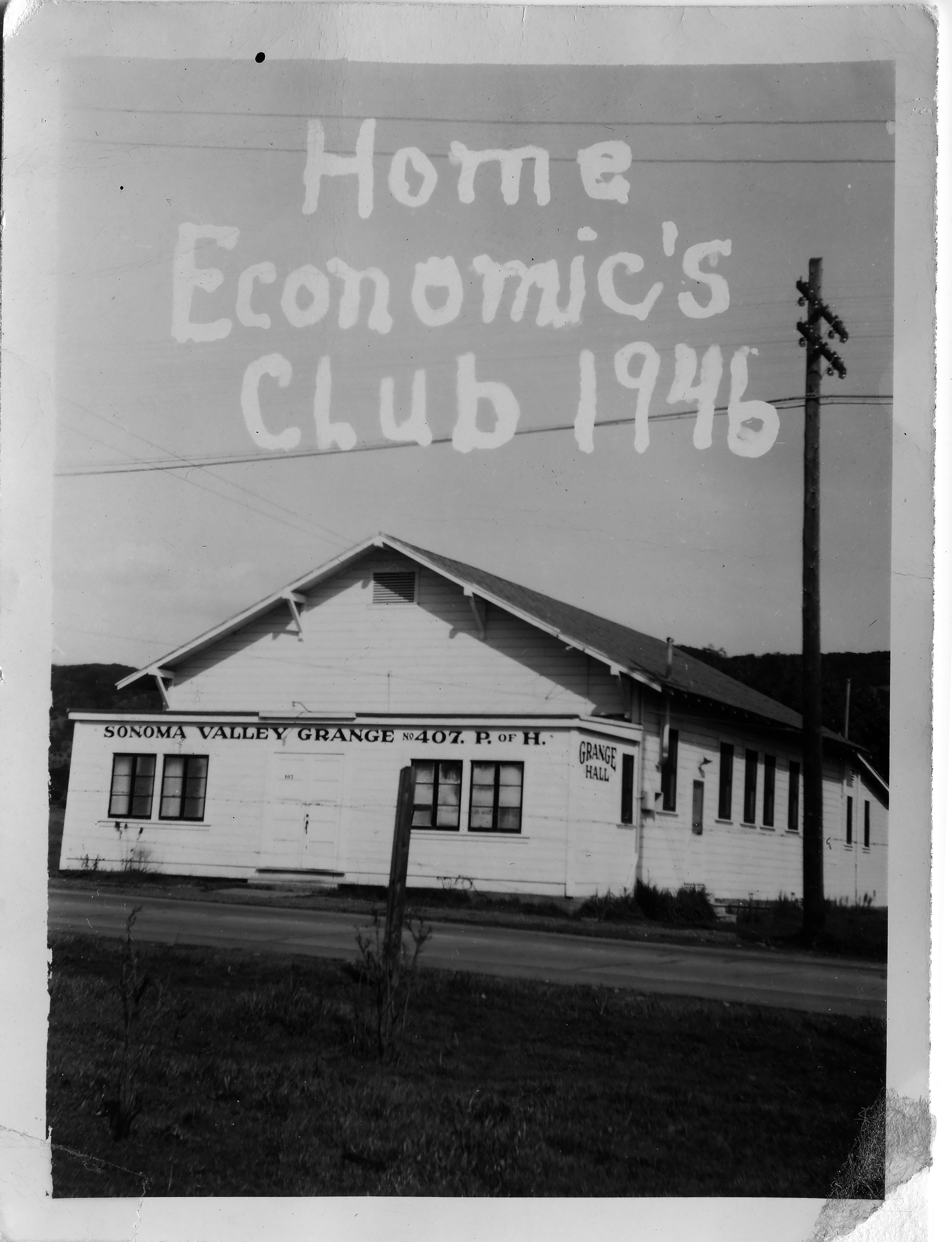
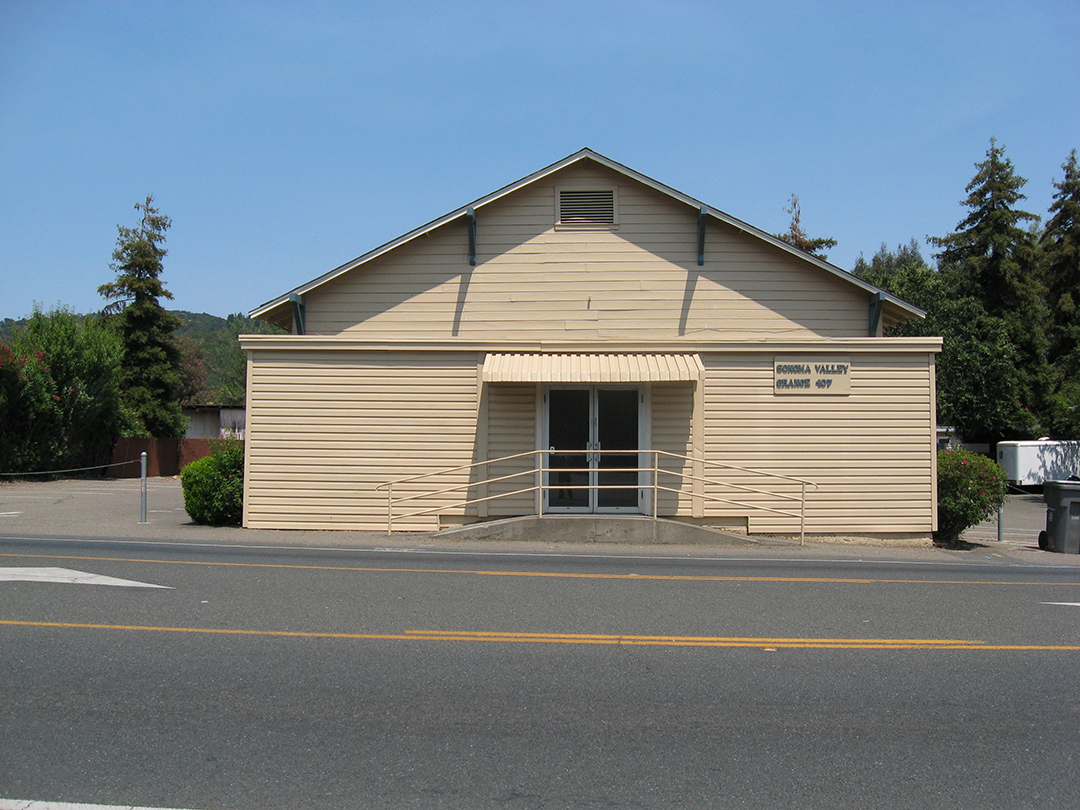
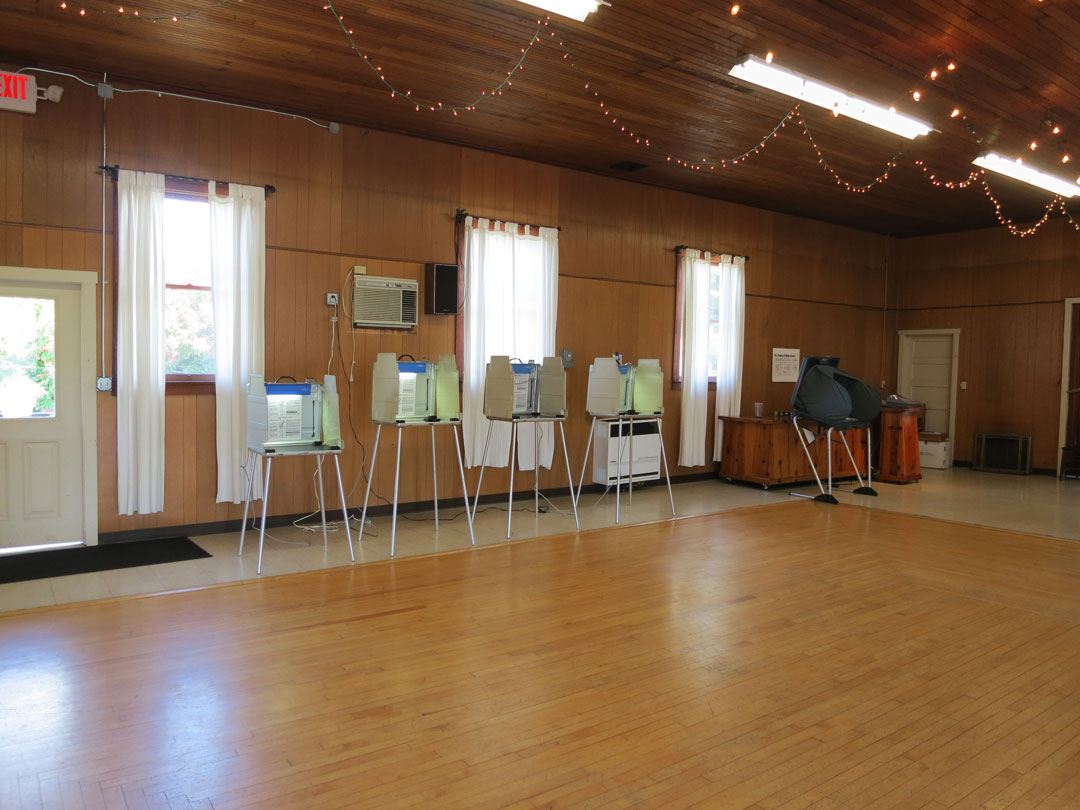
The Sonoma Valley Grange was chartered in 1924. Grange members were able to buy buy their own hall, from Selig Rosenthal of Rosenthal’s Resort, in 1934. Speculation has it the building, located on Hwy 12 adjacent to the Acacia Grove mobile home park, had been a dance hall, possibly a speak-easy during Prohibition. (Please click the link to read more about Rosenthal.)

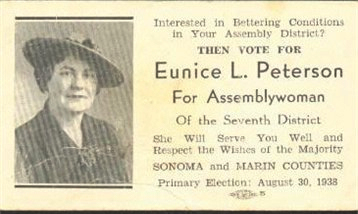
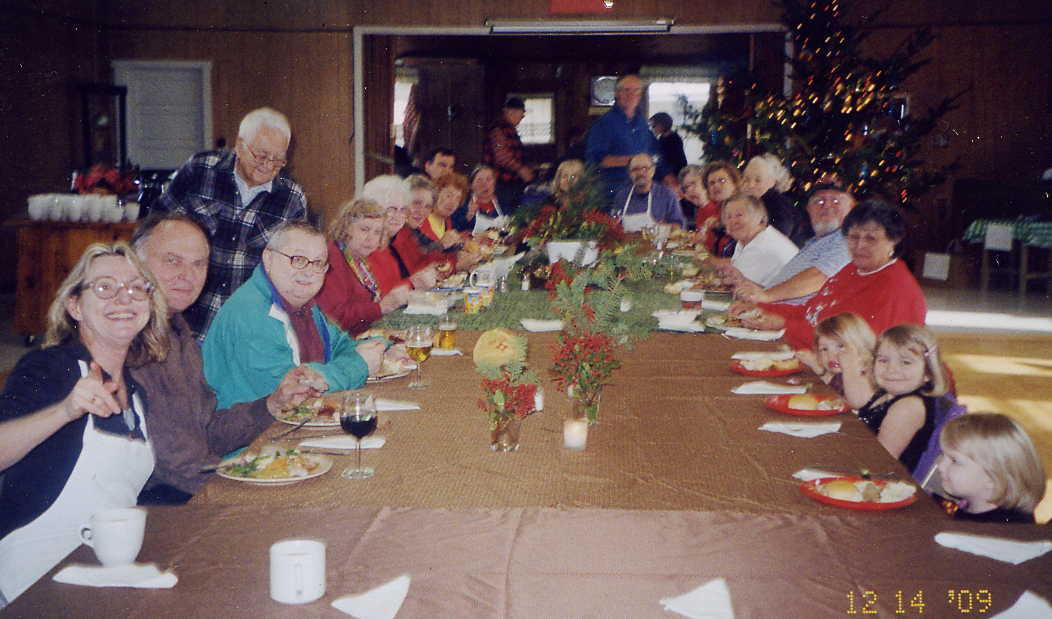
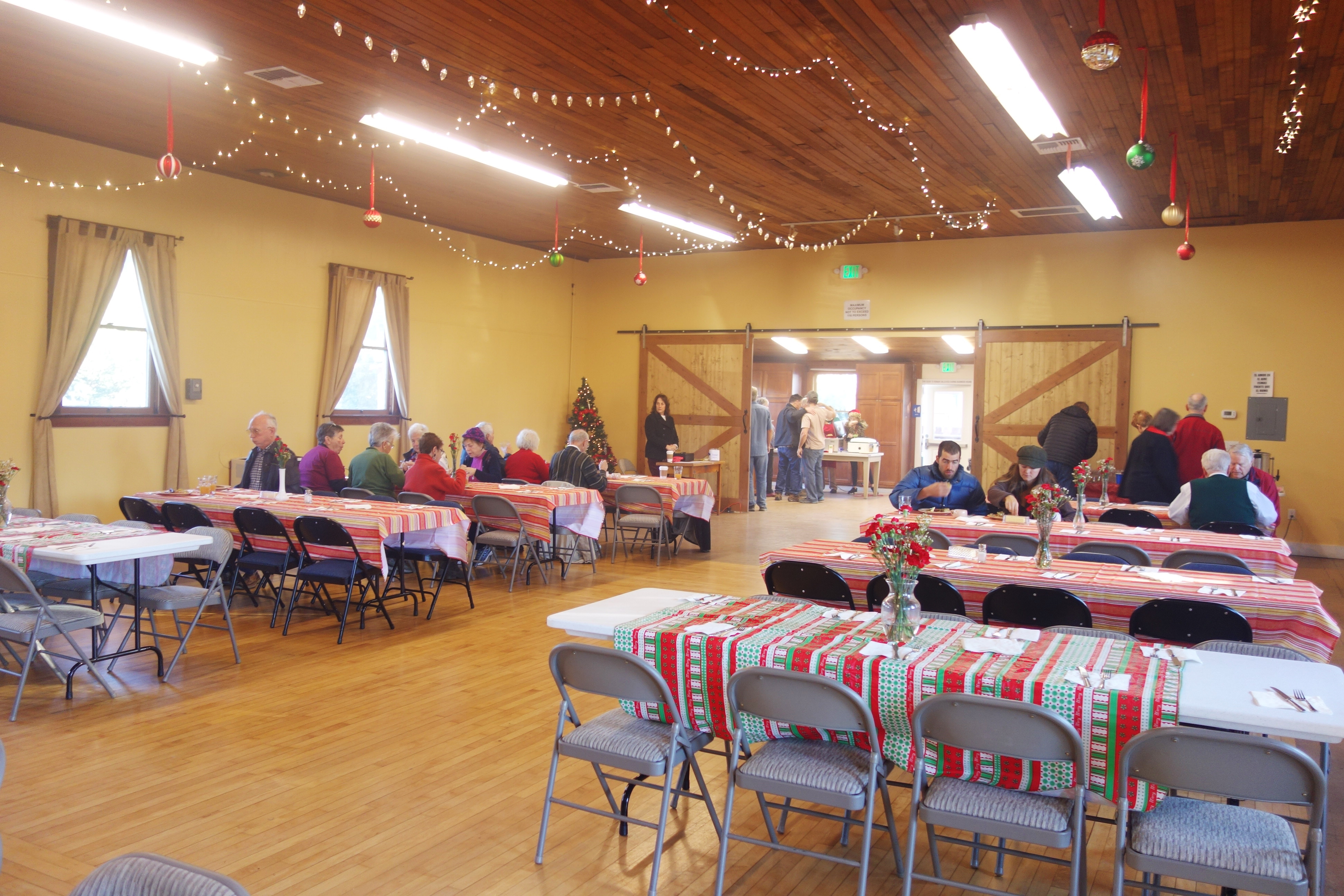
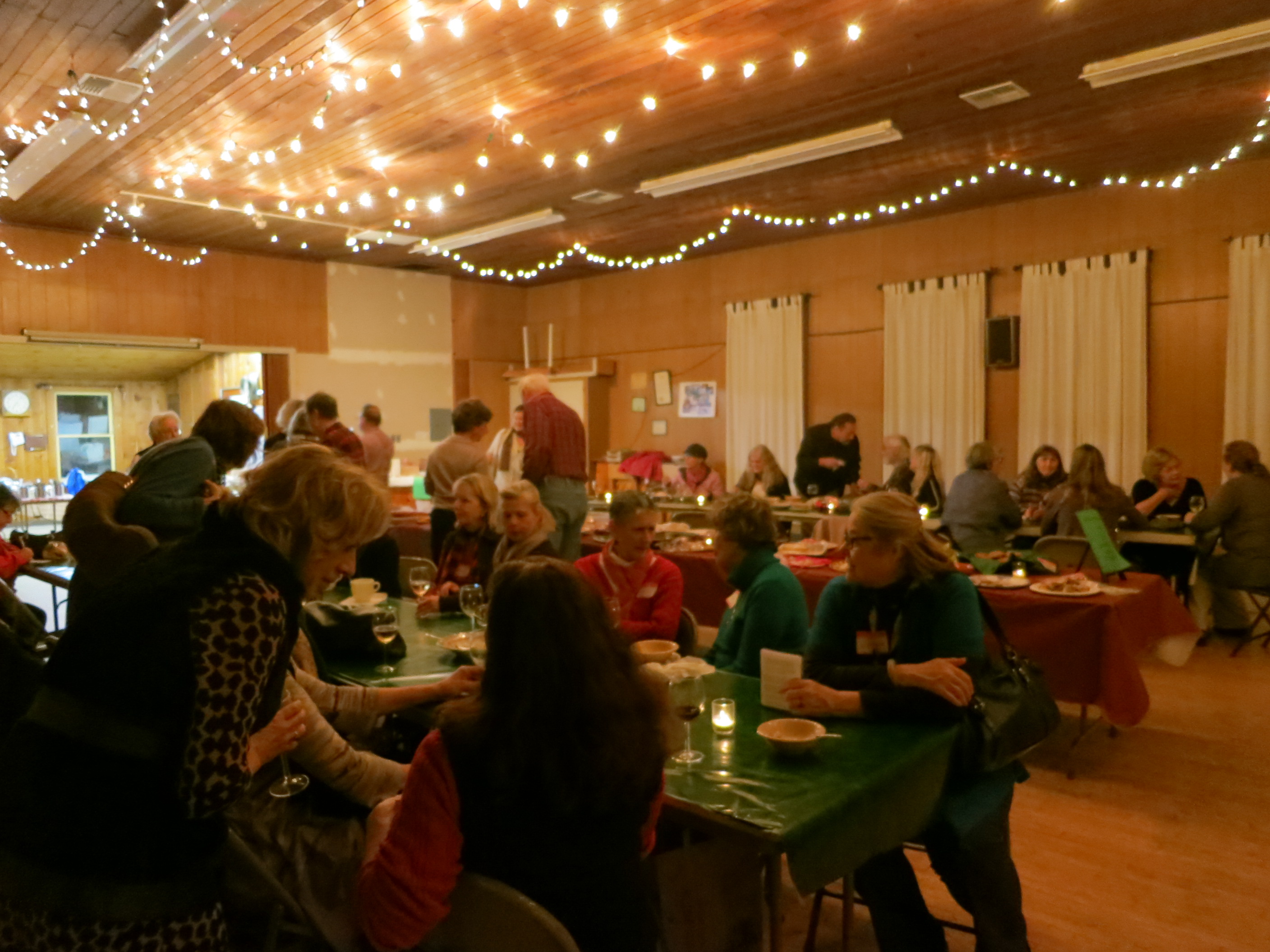
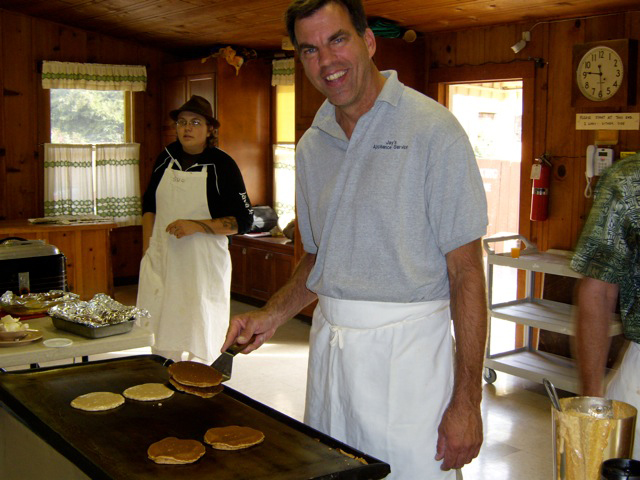
The Grange prospered and the building was added on to. Events such as a semiannual flea market, pancake breakfast, and Christmas parties were popular. The Grange participated in the institution’s traditional lobbying of elected officials in favor of farmers and community wellbeing in general. Women were prominent in the leadership, serving as presidents, secretaries, and treasurers. Eunice Peterson, a charter member and past master (president) of the Sonoma Valley Grange, was  the first woman to serve on the Sonoma-Marin Fair board in 1940 and 1941 and ran for state assembly in 1938.

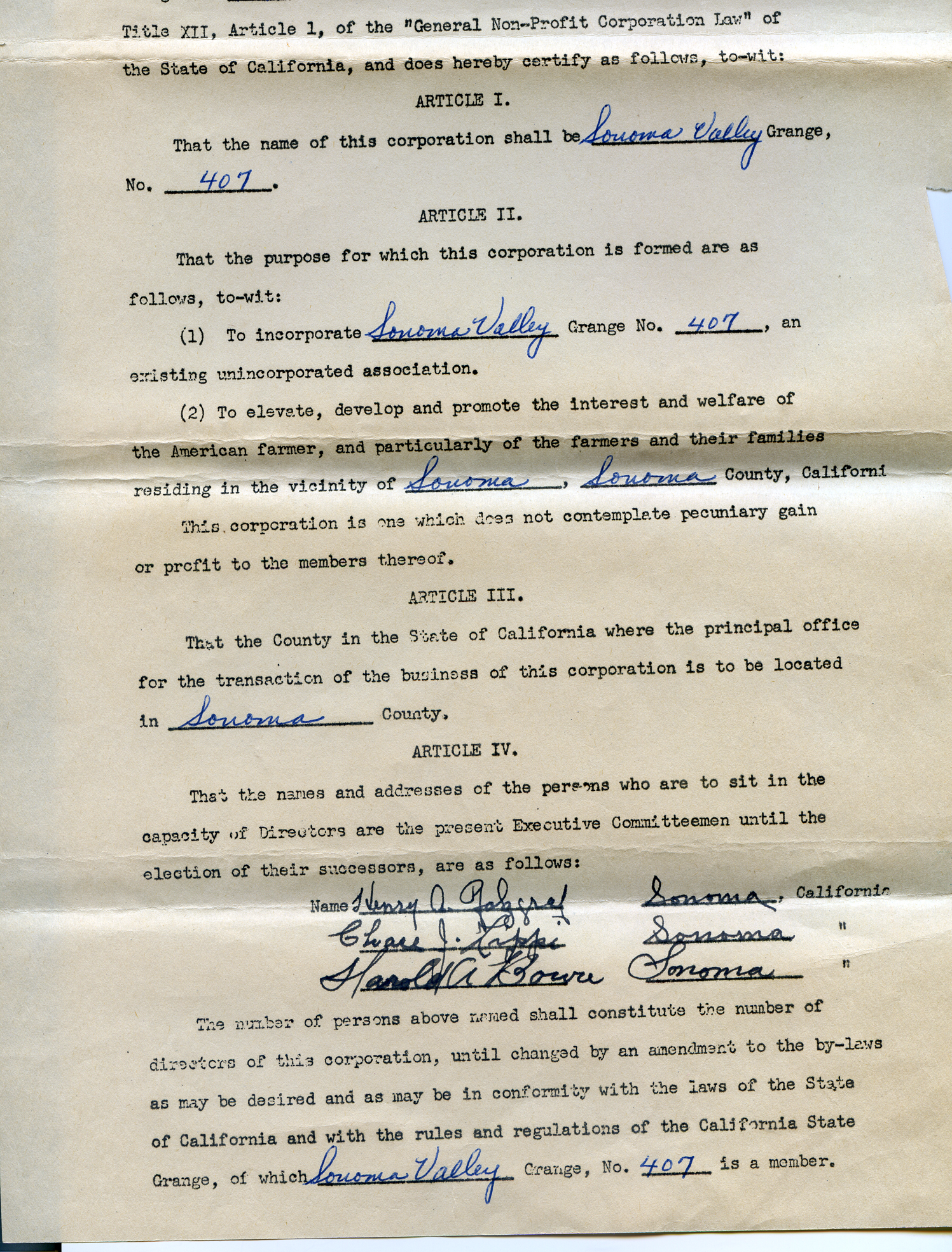
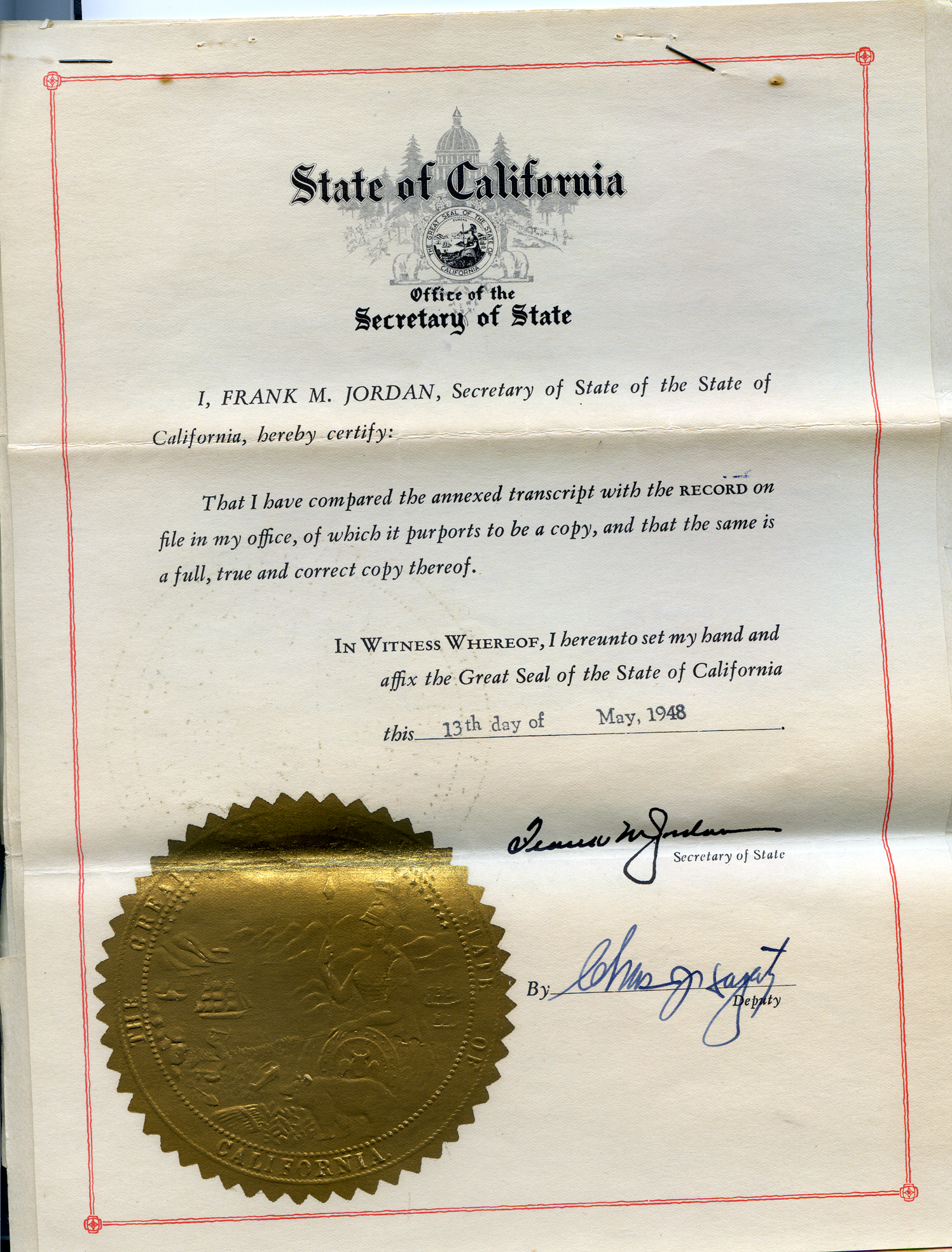
The Grange was incorporated in 1948.

2008
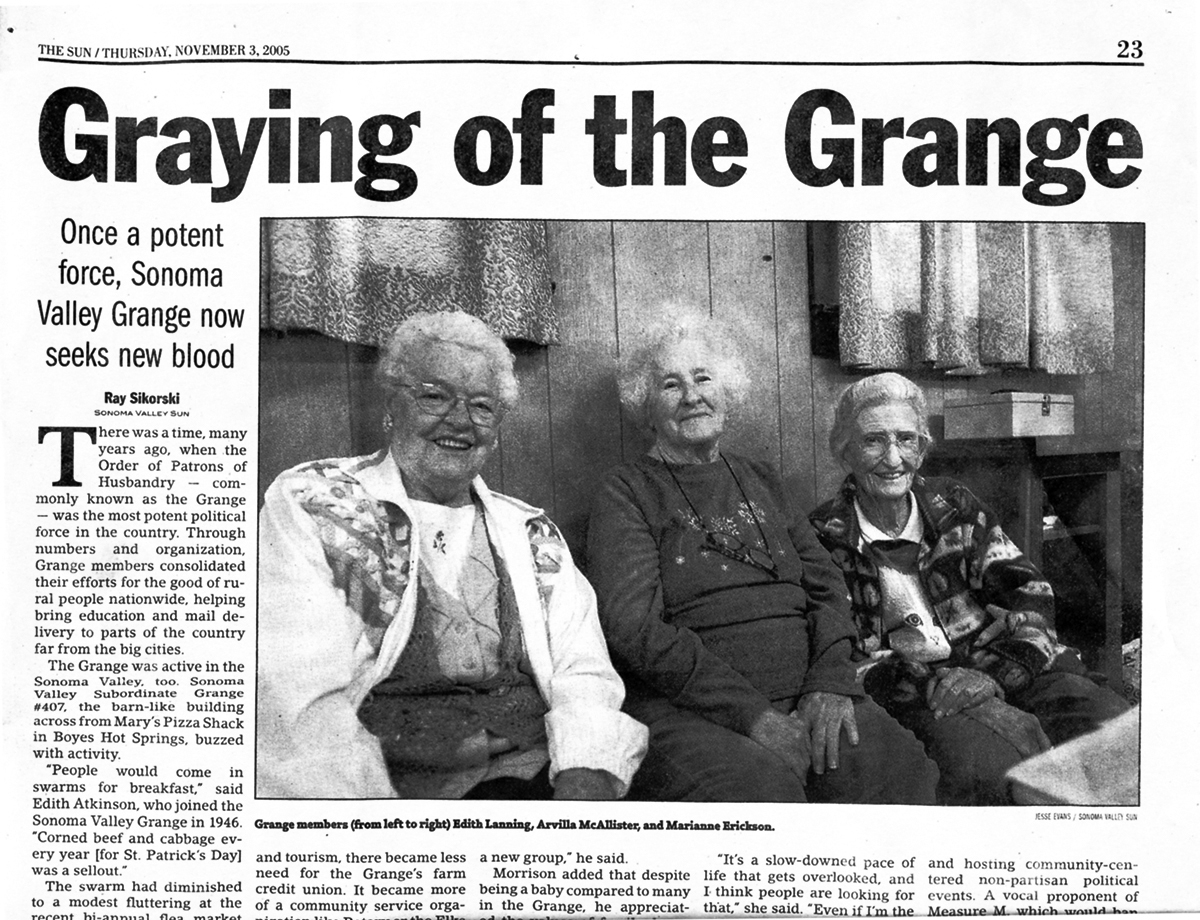
Grange old timers Edith Lanning, Arvilla McAllister, and Marianne Erickson, 2005

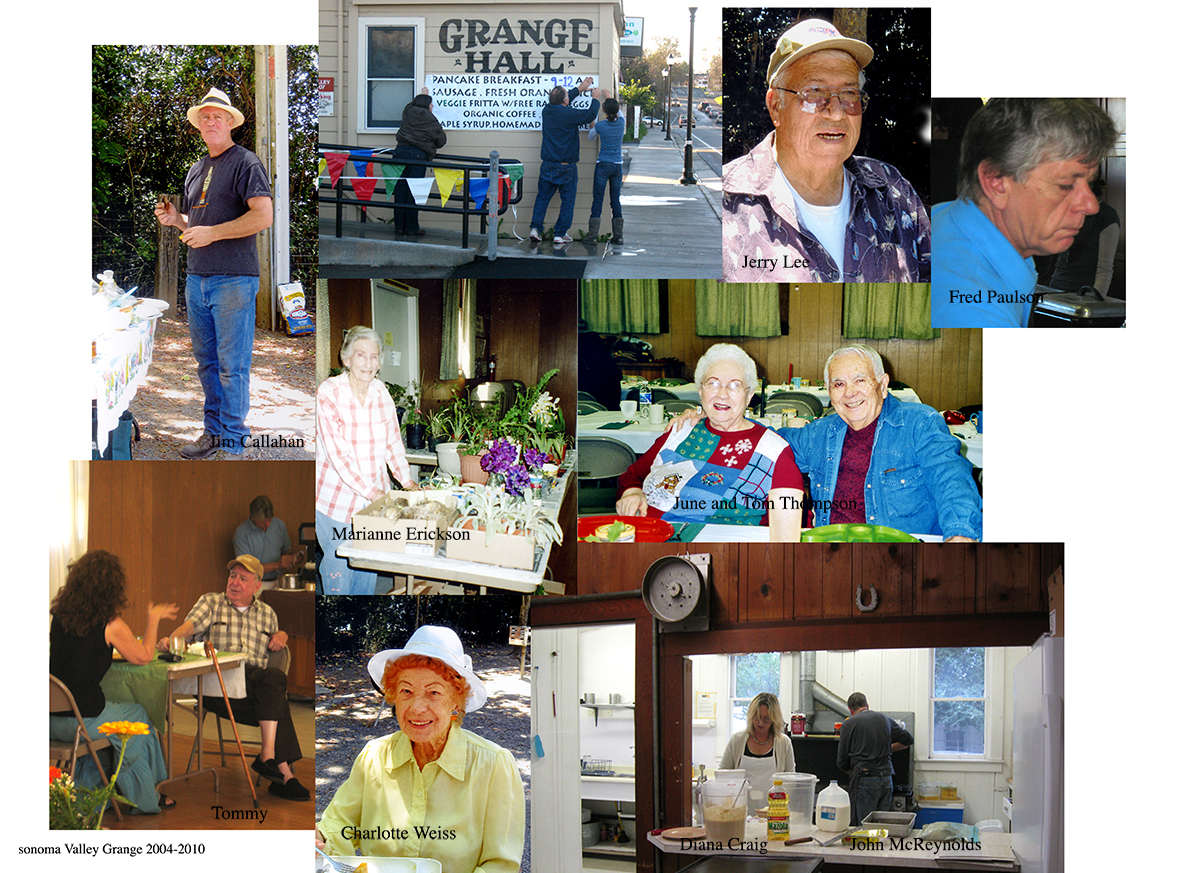
Younger folks did join in the early 2000s, starting a strong period of growth for the Grange.

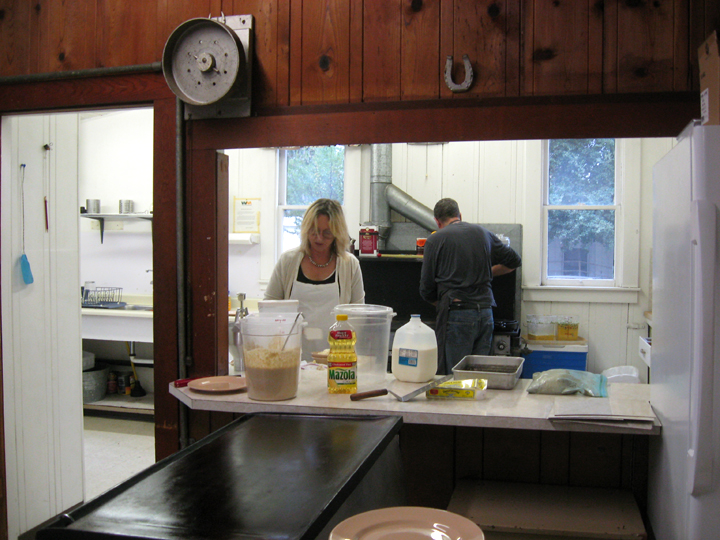
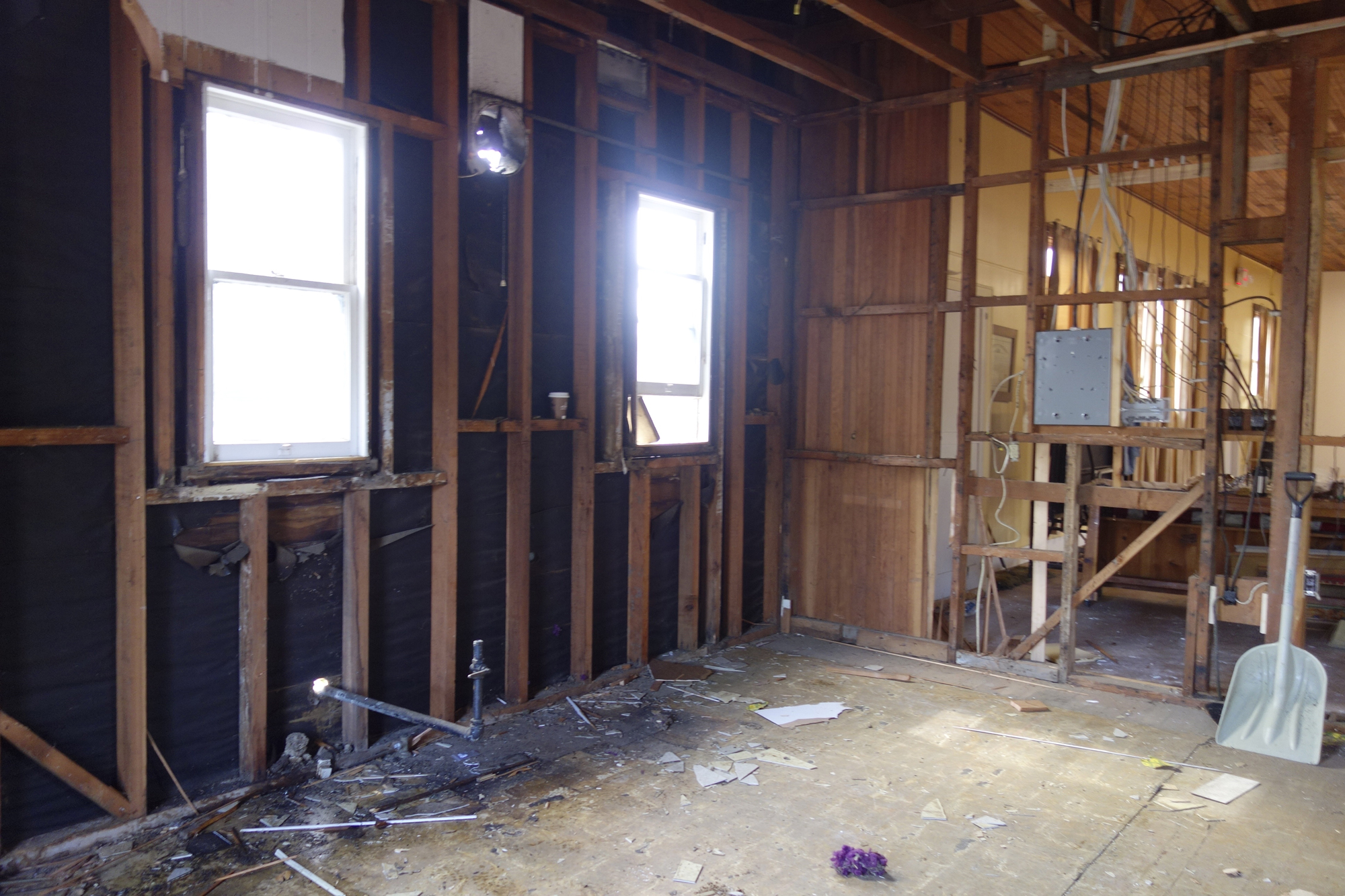
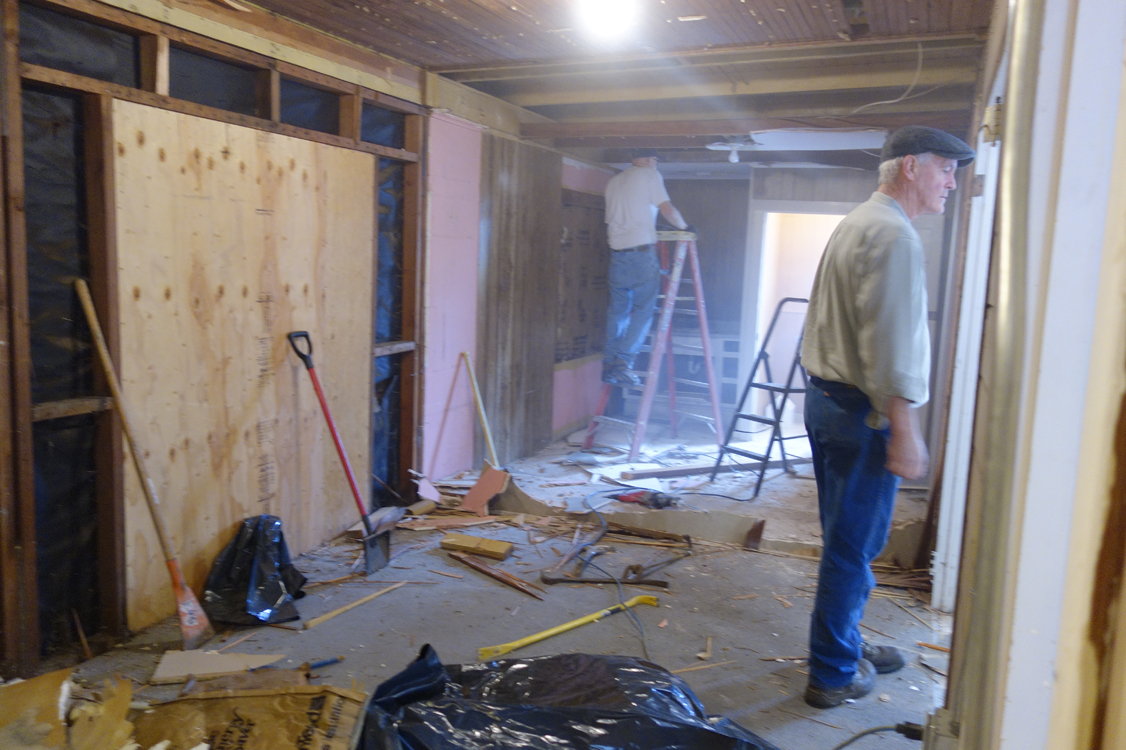
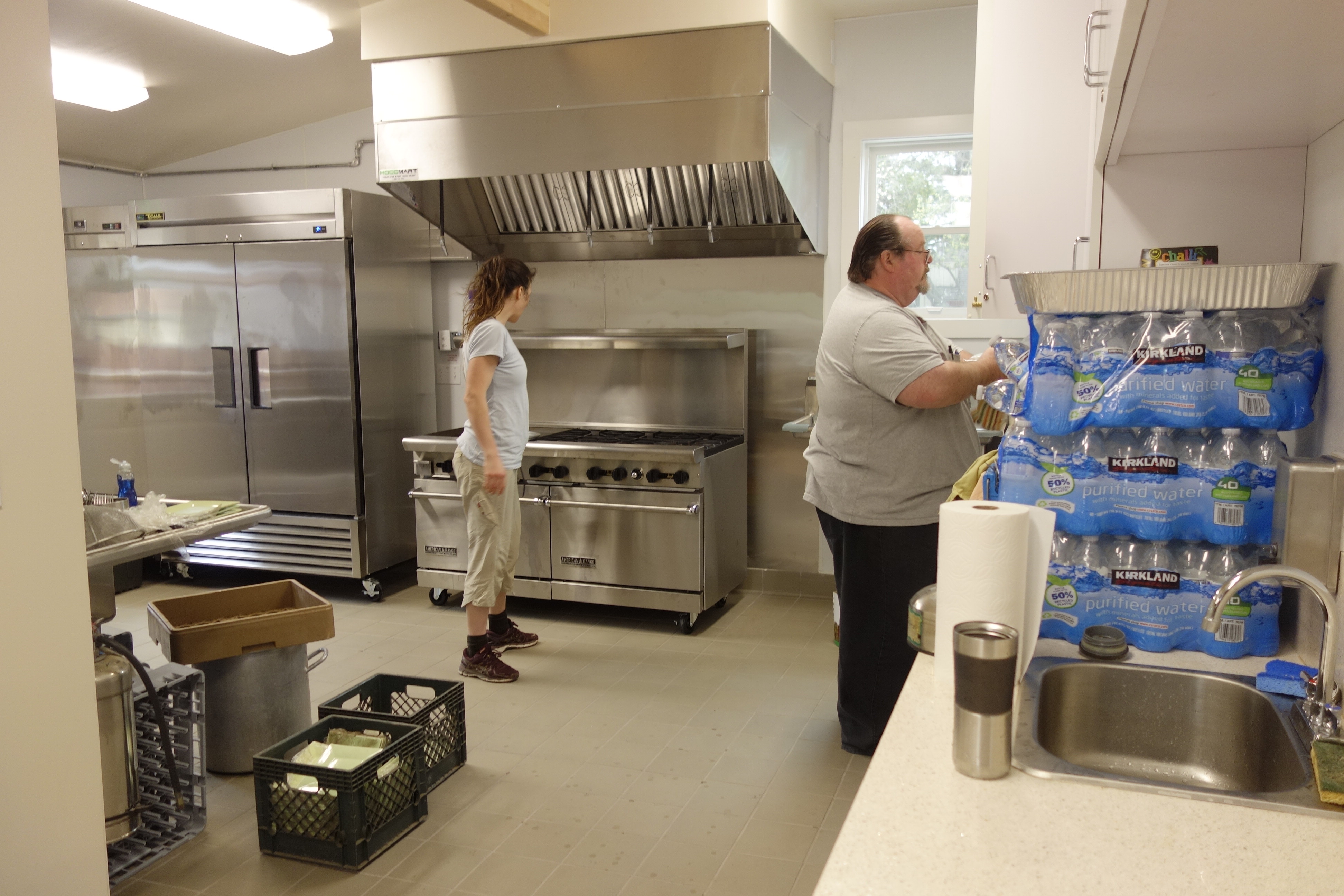
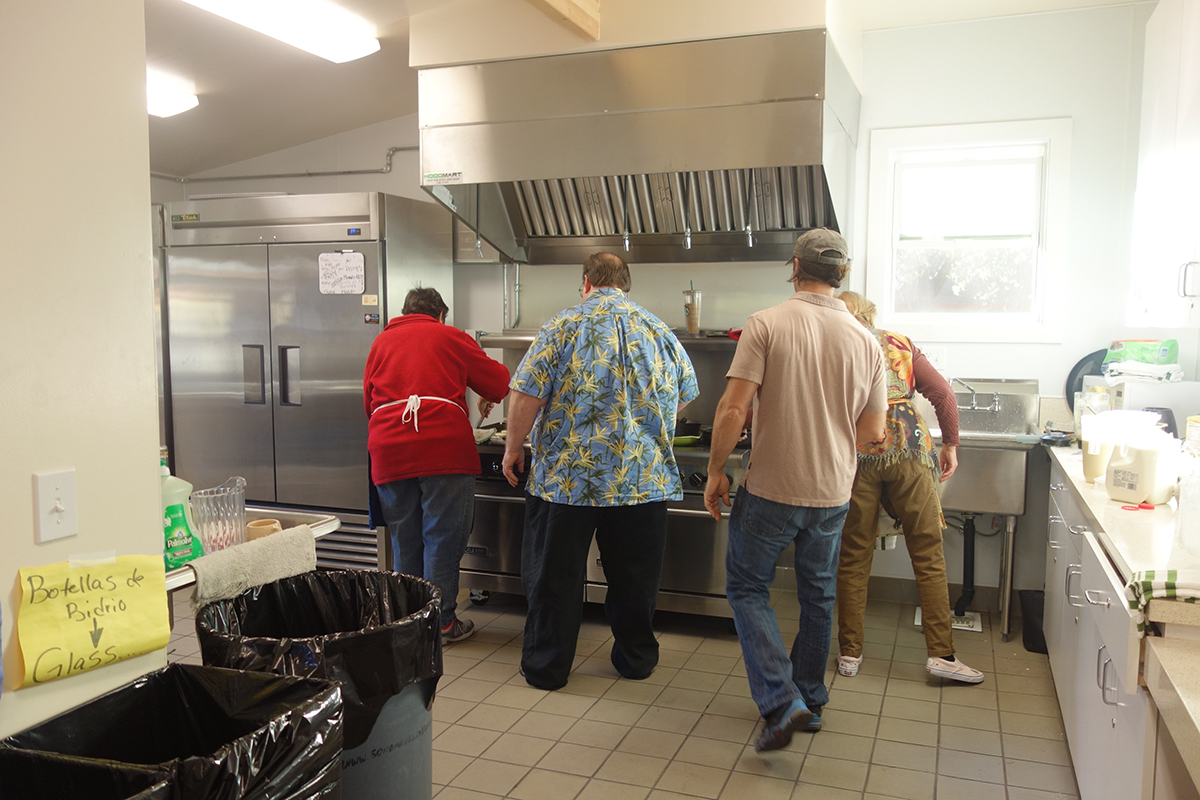
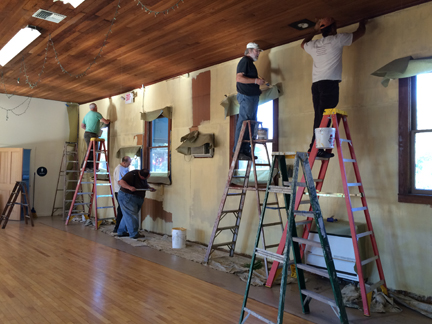
The old Hall needed a lot of work. In 2016 donations were in hand to start building new restrooms and a new, commercial kitchen.

The old kitchen, 2010. The dinner bell was made from a brake drum.

Political and legal turmoil starting in 2012 forced some major changes and challenges, leading to the formation of a new entity, The Springs Community Hall.

After more years of legal wrangling between the State Grange and the National Grange, then the State Grange and the local, former Granges, it’s been decided that the hall will again be an official Grange. Not much has really changed. Whatever its name the hall and the volunteers who run it are committed to serving their community, as always.

The old and young, 2004-2010
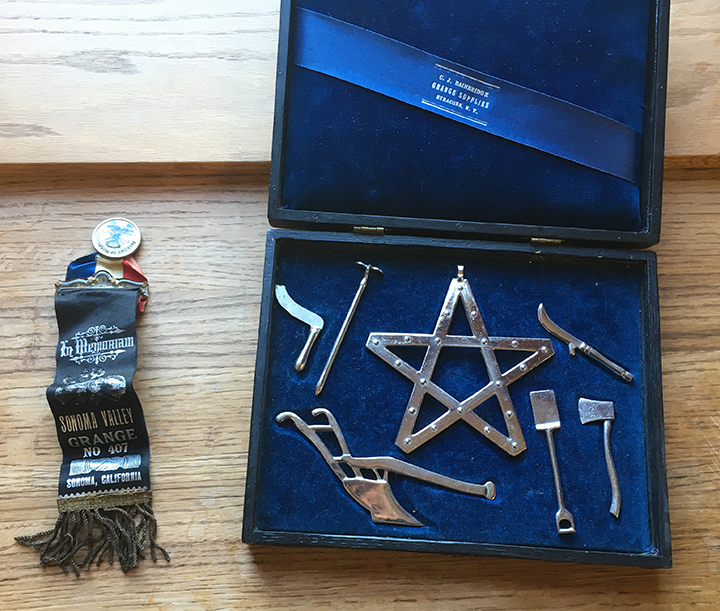
Implements of old-time Grange ritual, now of historic interest.
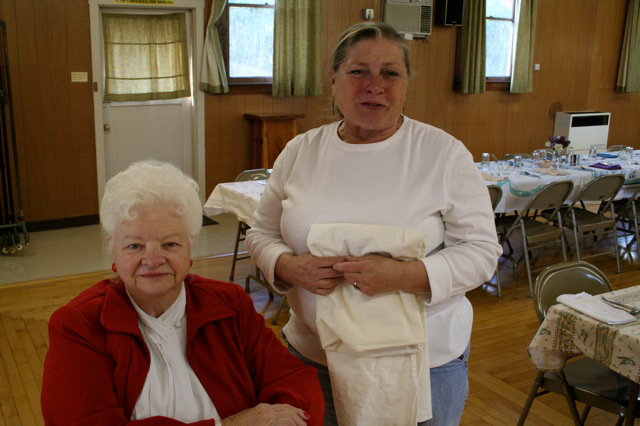
The late Edith King, our long-time pancake breakfast cashier, and Wendy Loots, a top volunteer for many years, 2012

The newest Sonoma Valley Grange will be inviting the community to become members, volunteers, and officers, very soon. Stay tuned!

As it looks in 2022
The “Patrons of Husbandry”
Standard
Architecture, Art, Boyes Hot Springs, People, Wonders and Marvels

El Molino Central (updates below)

The fortunes of Boyes Hot Springs have waxed and waned. In the heyday of the resorts, it was a prosperous summer retreat. As the resorts declined, property values fell, and Boyes became “the other side of the tracks,” for a time gaining a reputation for being dangerous. The story goes that the State of California released parolees there because rents were so low, but in 1988 Sheriff Dick Michaelson told the Index Tribune “the practice ceased a couple of years ago.” When yours truly move there in 1997, the rumor was alive and well.

2007, Google Street View
2009, Street View. The Barking Dog moved in 2004. here it sits empty.

In that year (1988) things were looking up for Boyes. Young people form San Francisco were discovering that they could afford to buy houses there. New businesses were opening, such as the Central Laundromat at the corner of Highway 12 and Central Avenue. But wane followed wax once again and the laundromat went out of business and the building stayed empty until the Barking Dog Roasters opened there in 1995. According to the Index Tribune, “ A building once held up as a bad example has received new life-and a major renovation…Barking Dog Roasters at 17999 Sonoma Highway was formerly the Central Laundromat-once pictured in this newspaper as an example of the problems along Highway 12 through Boyes Hot Springs. The new restaurant opened in mid-June, after a six-month renovation that involved new wiring, plumbing, flooring, interior plaster, and outside stucco….’It has been a real labor of love,’ Peter Hodgson (one of the owners) said.”

2008

“The Dog,” as we know it, moved to its present location on the corner of Vallejo in 2004. The original building then went into another decline, sitting empty until Karen Waikiki commenced her grand transformation of the structure into El Molino Central, which opened in 2010.

Kathleen Hill wrote in that year, “When asked how she chose the name, Waikiki told us that every town in Mexico used to have a “Molino” where people took their dried corn to have it ground into masa, a very important and essential function.”

Update: El Molino under construction 2010
2010

El Molino has been a huge success, even being declared the best Mexican restaurant in the Bay Area at one point. It continues to be packed with hungry people from all over the Bay Area and probably the world, given the restaurant’s proximity to the Sonoma Mission Inn.

Karen not only transformed the building brilliantly, but continues to embellish it seasonally with the work of artist Mark Marthaler (https://www.facebook.com/mark.marthaler.3/about)

2021
2016
2021
2022
2022
UPDATE: More recent photos of the flowers, courtesy of Mark, showing the leaves.
Art by Michael Acker

As of 2024, The Barking Dog moved to Broadway in Sonoma and became Samstad Coffee Roasters.

Sonoma Index Tribune courtesy of the Sonoma Valley Historical Society

Photographs by the author and Mark Marthaler

copyright 2022

Standard